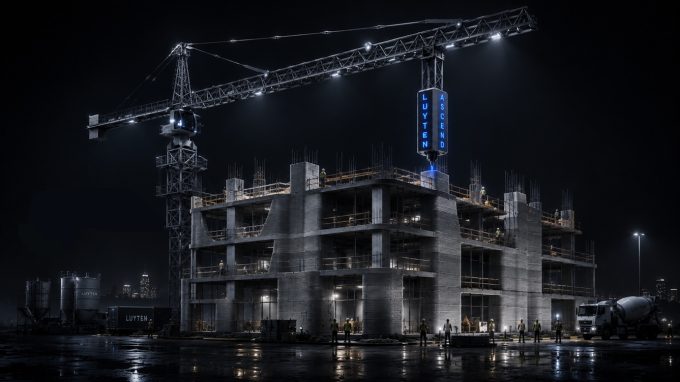





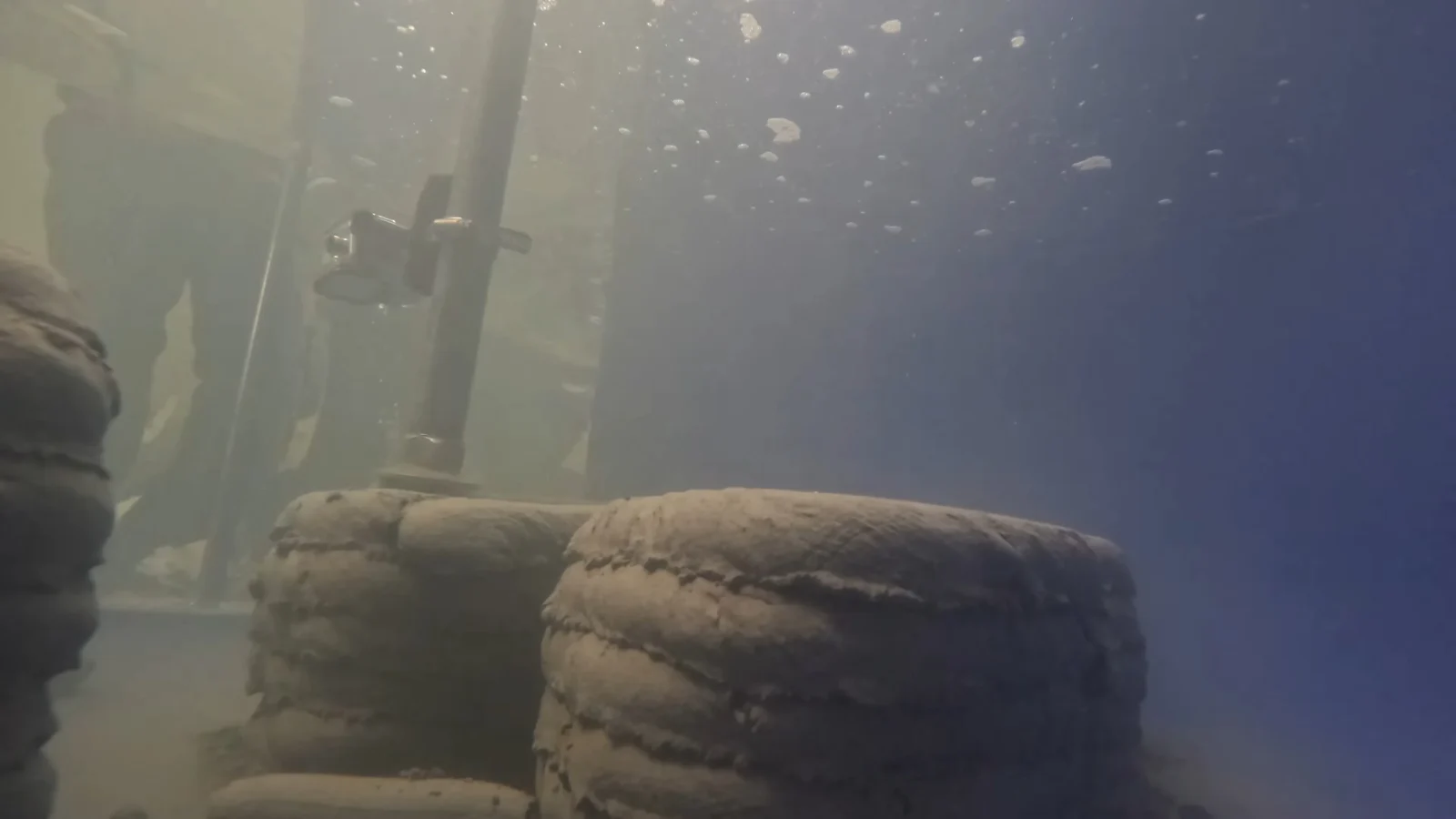
Underwater 3D concrete printing has moved from theory to real-world success, with a team from the University of Wollongong (UOW) working alongside industry partner Luyten 3D. The project was led by Dr. Aziz Ahmed from UOW’s School of Engineering, and the team successfully demonstrated robotic concrete printing directly underwater without the need for traditional formwork or dewatering. This milestone shows that concrete structures can be built or repaired in place beneath the waves using a single-mix concrete formulation that sets reliably without chemical accelerators, opening the door to new approaches in marine construction.
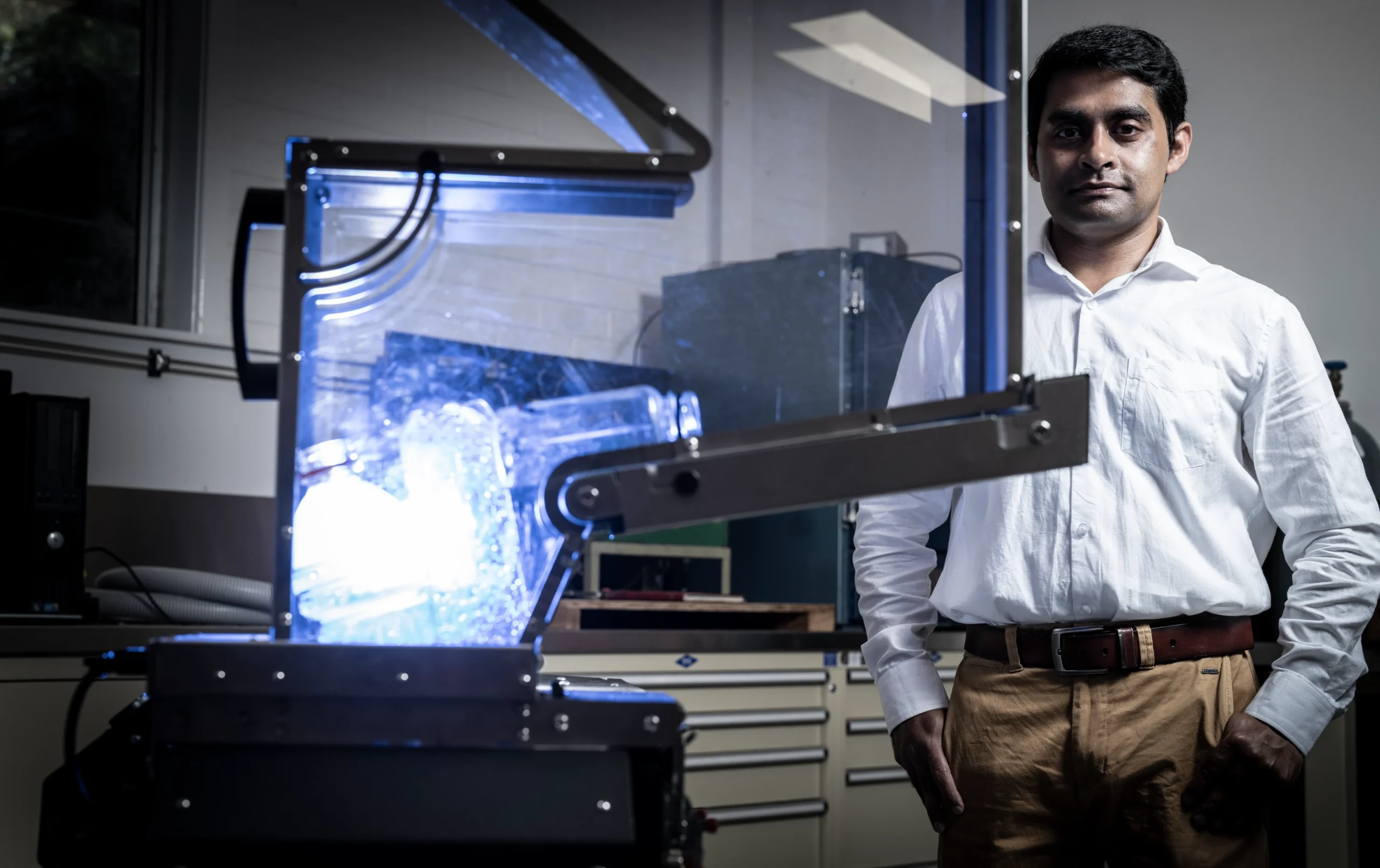
This development positions Australia at the center of a major shift in marine construction. Instead of relying on costly cofferdams, heavy prefabricated blocks, or diver-led manual placement, structures can now be printed layer by layer on the seabed.
The breakthrough addresses one of the long-standing engineering problems in marine infrastructure: how to control concrete flow and structural stability in a submerged environment.
Why Underwater Concrete Printing Has Been So Difficult
Concrete behaves very differently underwater. Fresh concrete can wash out, weaken, or fail to bond properly between layers. Traditional underwater building typically requires specialized anti-washout mixes, tremie pipes, or large precast elements lowered into position.
The Australian team developed a tailored concrete mix designed to maintain shape and strength even when extruded directly into water. At the same time, a robotic arm precisely controls placement, ensuring each layer bonds securely to the last.
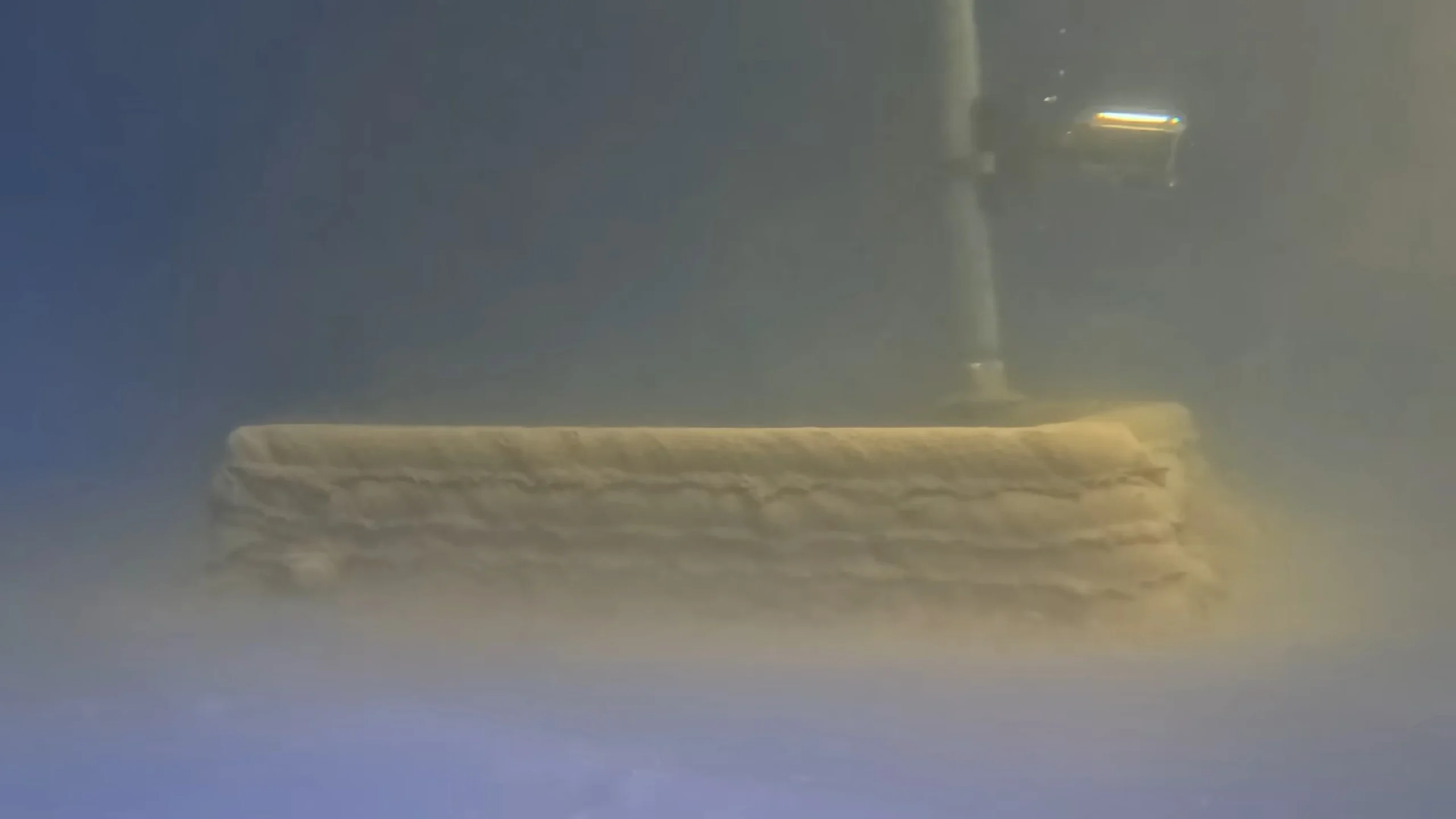
Developed a single-mix concrete formulation that can be extruded and hardened underwater without needing rapid-set chemical accelerators or formwork. This material resists washout in moving water and builds stable, continuous layers in real time, a breakthrough that removes one of the biggest obstacles in underwater construction.
The result is stable, free-form concrete structures printed underwater without molds.
This changes the equation for:
- Coastal protection structures
- Bridge piers and pylons
- Offshore wind farm foundations
- Reef restoration projects
- Port and harbour infrastructure
Real-World Impact for Marine Infrastructure
Australia’s coastline stretches more than 34,000 kilometers, and maintaining marine infrastructure is both expensive and logistically complex. Storm damage, corrosion, and aging assets necessitate ongoing maintenance and repair.
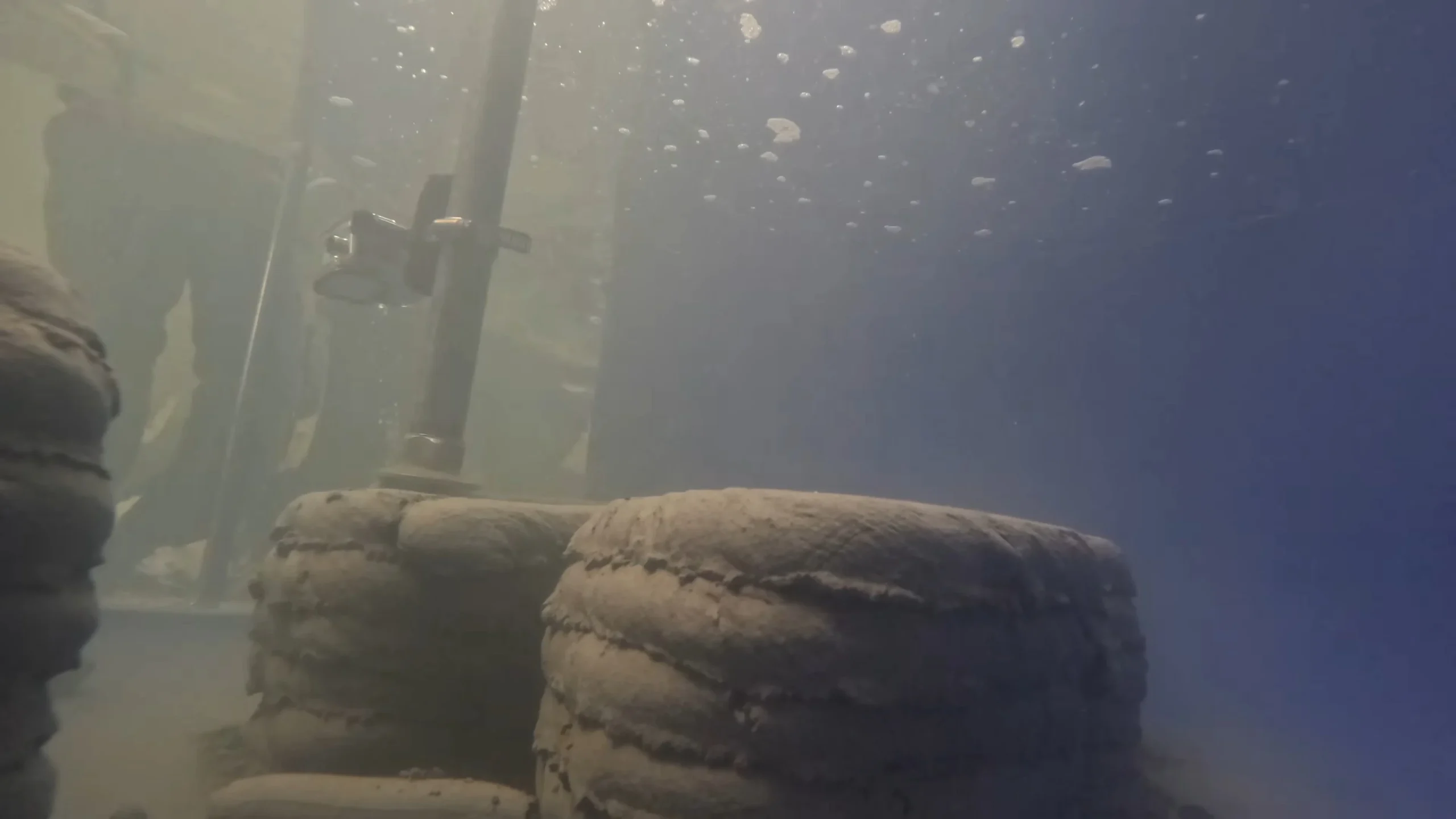
Underwater 3D-printed concrete reduces several of the biggest cost pressures in marine construction. Projects typically rely on heavy lifting equipment, large barges, and teams of divers to position precast elements, all of which add time and expense. By printing structures directly on-site, much of that complexity can be removed. There is less dependence on heavy cranes, reduced need for prolonged diver intervention, and far less material waste because the concrete is placed only where it is structurally required. It also allows faster deployment in remote coastal locations, where transporting massive precast units is often one of the most expensive parts of the job. Printing directly at the installation site makes logistics simpler and more practical.
The technology may also improve sustainability outcomes. Concrete can be printed in optimized geometries using only the material required for structural strength. This avoids overbuilding and excess cement use, which is significant given that cement production accounts for around 8 percent of global CO₂ emissions.
Engineering Precision Beneath the Surface
A key aspect of the Australian research is robotic precision. The system operates with programs that account for water resistance and flow behavior. Maintaining the layer underwater depends on tight control of several variables. The extrusion rate must be steady enough to prevent washout, yet controlled to avoid overbuild. Nozzle speed has to match the material flow so each layer is placed cleanly without distortion. Mix viscosity must be carefully balanced to hold shape in water while still bonding properly. Interlayer timing is critical, as each new layer needs to adhere before the previous one loses its structural readiness.
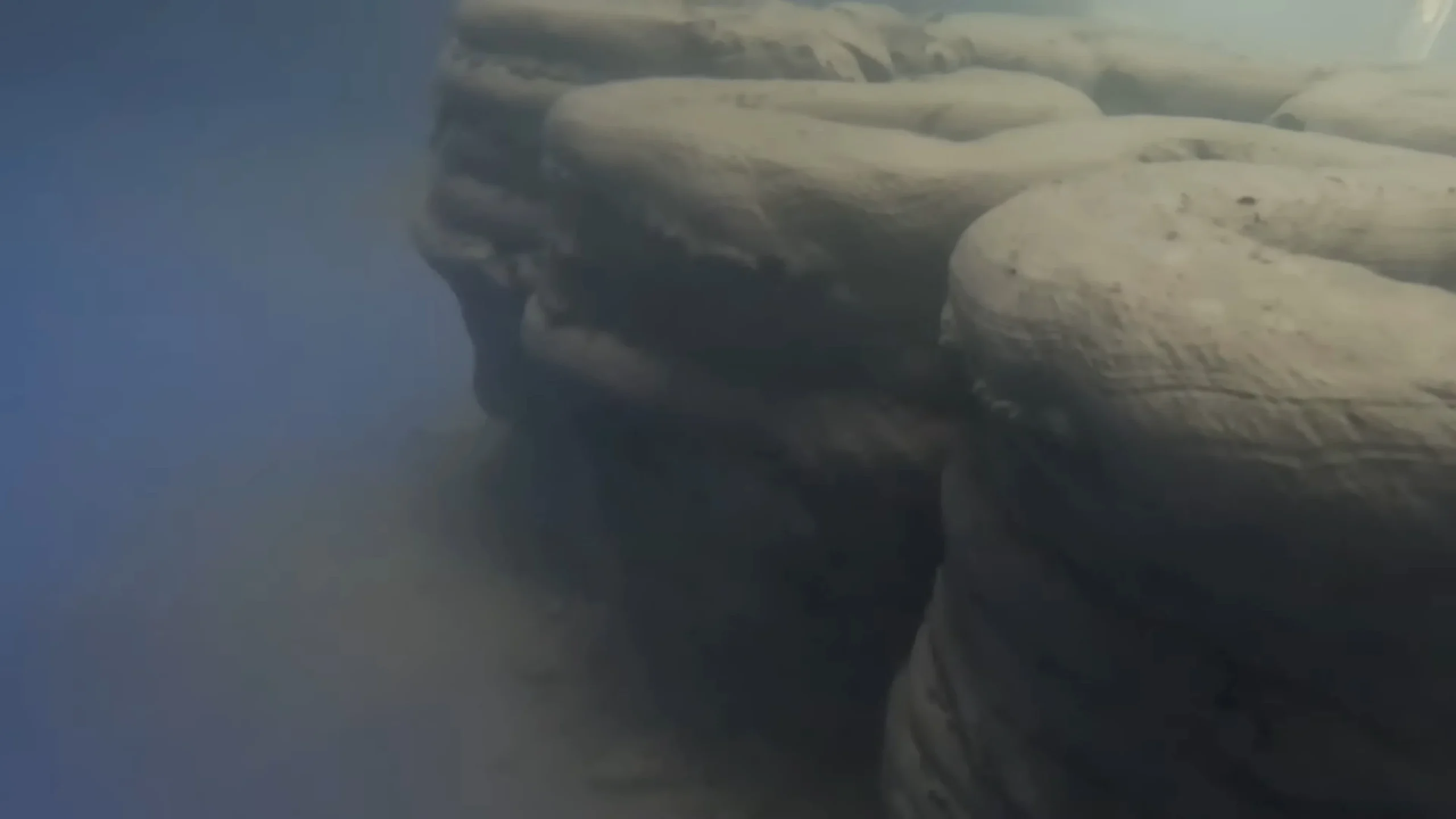
Early testing demonstrated that printed elements retained structural shape without collapse or excessive washout. Strength performance met engineering benchmarks suitable for marine applications. The research has been positioned for scalable deployment, particularly for government-backed marine infrastructure upgrades.
What This Means for Australia’s Construction Sector
Australia has already been active in large-scale additive construction on land. Extending this capability underwater could give local firms a competitive advantage in the Asia-Pacific maritime sector.
The Indo-Pacific region is seeing rising demand for coastal resilience projects as communities prepare for stronger storms and erosion. There is also growing investment in climate adaptation infrastructure to protect ports, transport links, and low-lying urban areas.
At the same time, offshore renewable energy installations, including wind and tidal projects, are expanding across the region’s waters.
If underwater 3D concrete printing proves commercially viable, it could reduce project timelines and make complex marine builds more financially feasible. It also aligns with broader defense and strategic interests, where rapid repair of maritime assets can be critical.
Advancing Underwater 3D Concrete Technology
The next stage will involve scaling the technology for larger structural elements and long-term durability testing in real ocean conditions. Questions remain around corrosion resistance, lifecycle performance, and regulatory approval.
However, the Australian breakthrough has already demonstrated that controlled, underwater concrete 3D printing is possible. That alone reshapes expectations for marine construction.
Underwater 3D concrete printing may soon move from research headlines to active construction sites along Australia’s coastline, setting a new standard for how infrastructure is built below the surface.
Credit: University of Wollongong
Explore Courses
.jpg%202.jpg "Building Performance with Forma & Opossum")

.jpg "Ondrej Chybik - Rethinking Architecture")