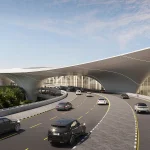

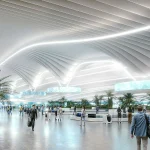
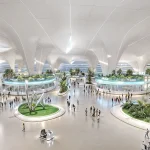
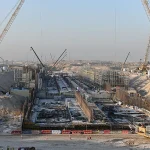
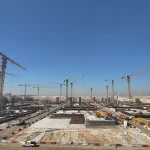
Dubai’s aviation transformation has entered a new phase as the expansion of Al Maktoum International Airport (DWC) continues to progress toward its planned 2032 launch. Positioned in Dubai South, the mega-project is set to become the centerpiece of the emirate’s future aviation network and one of the largest airport developments ever undertaken.
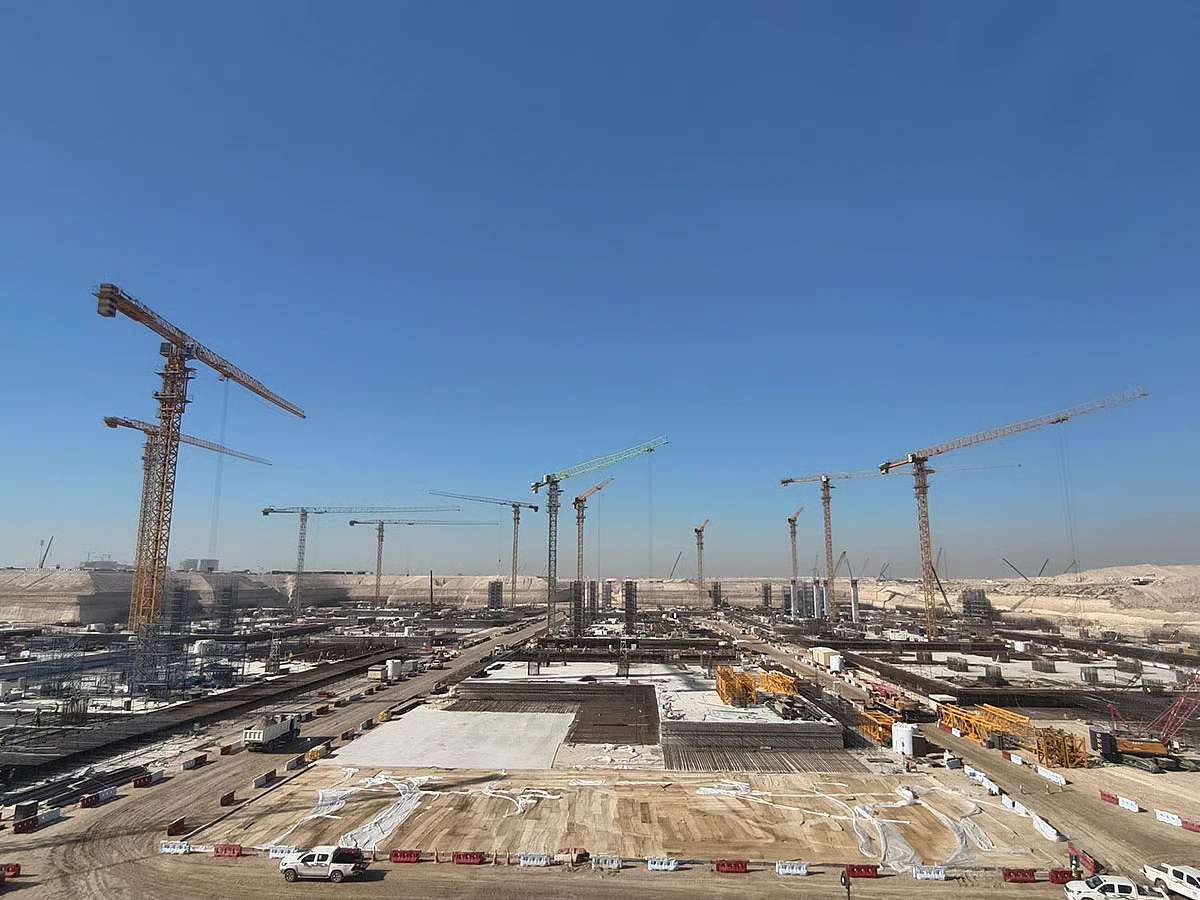
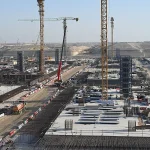
Recent project updates indicate that major construction works are advancing across critical infrastructure packages, including enabling works, runway development, and the first structural foundations for future passenger terminals and gates. Authorities have confirmed that contracts worth billions of dirhams are already under execution, while additional construction packages are scheduled for award as the project moves deeper into its delivery phase.
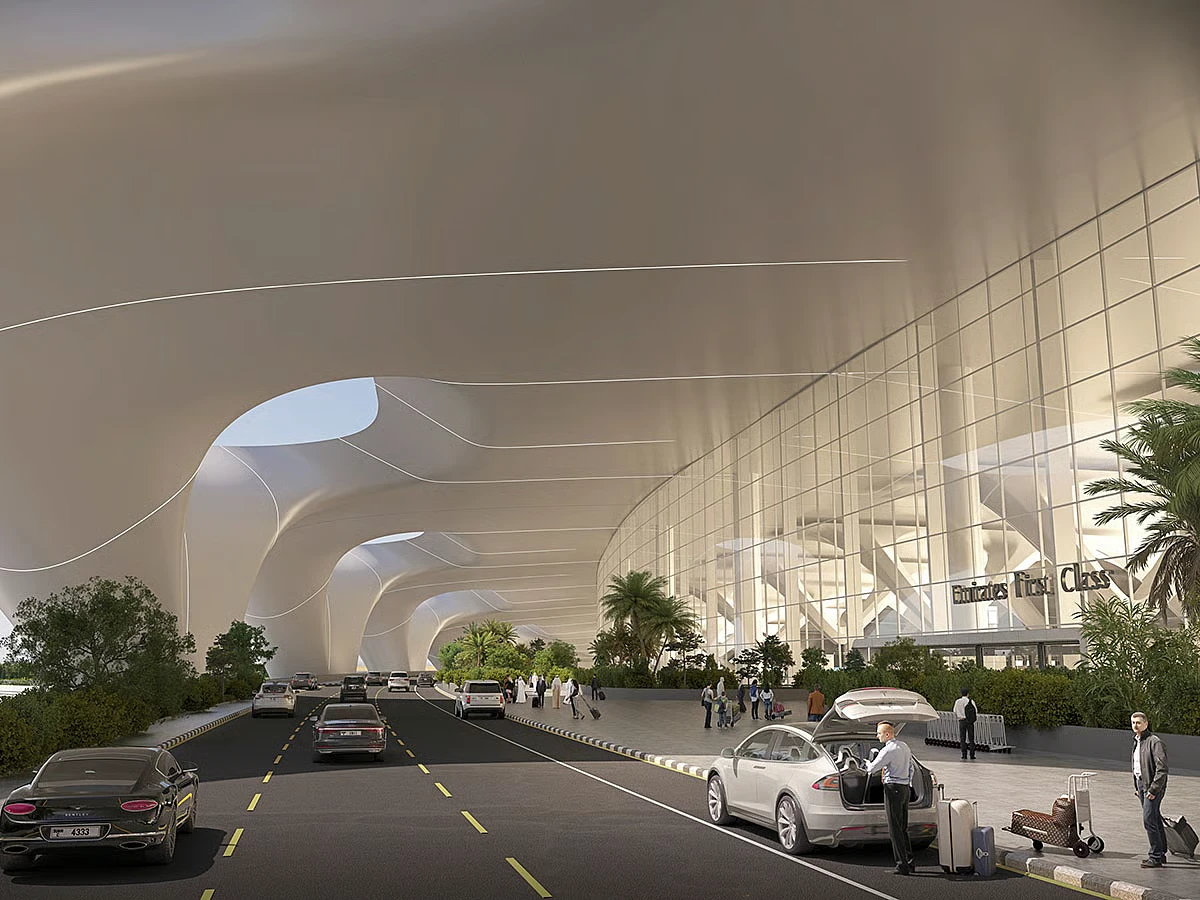
The airport expansion forms part of Dubai’s long-term strategy to accommodate growing passenger demand, strengthen its position as a global transport hub, and support the continued growth of the tourism, trade, and logistics sectors. Once operational, the first phase is expected to handle approximately 150 million passengers annually, significantly exceeding the capacity of many of today’s leading international airports.
Al Maktoum International Airport: Designing Dubai’s Future Aviation Gateway
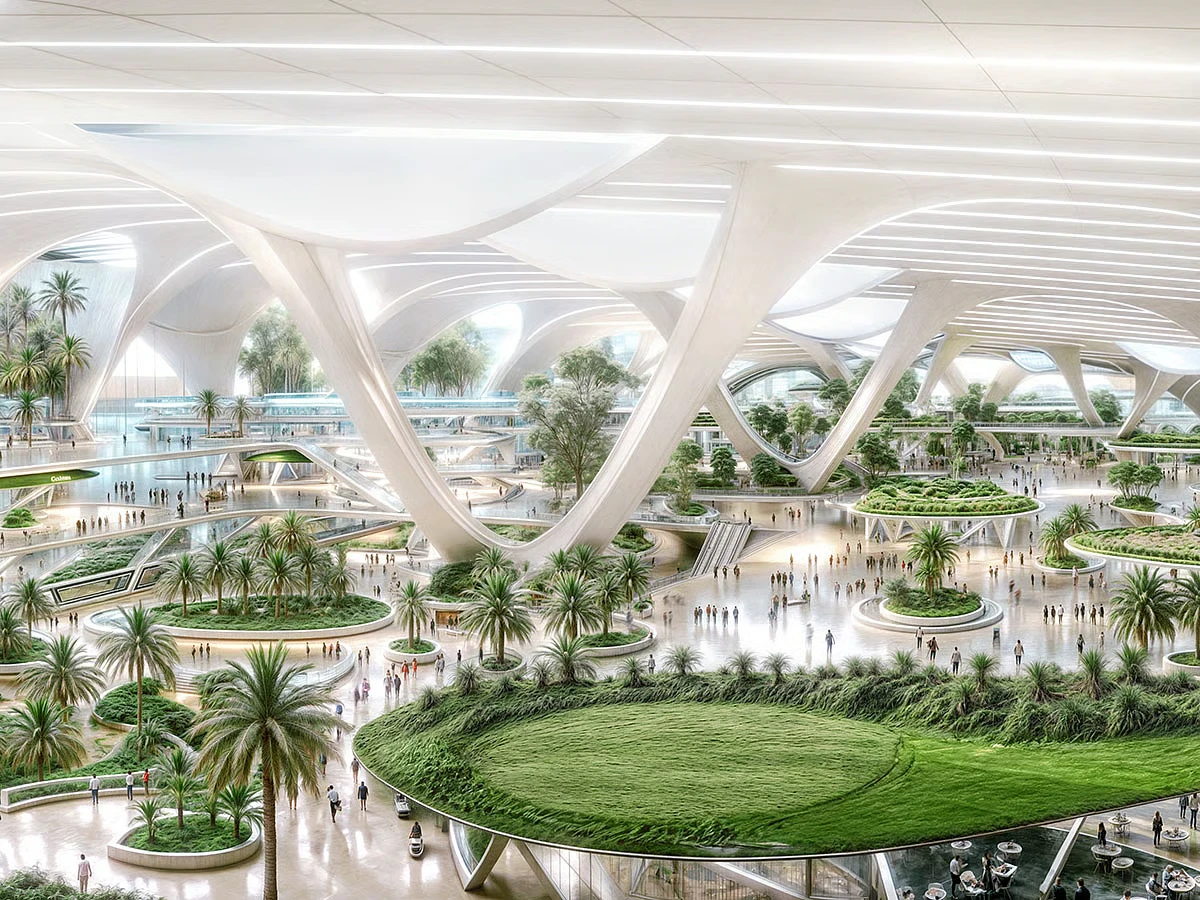
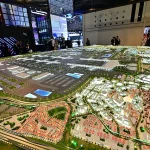
The Al Maktoum International Airport project has been conceived as an entirely new aviation city. The masterplan envisions a highly integrated transport ecosystem combining air travel, logistics, commercial districts, and residential communities within the broader Dubai South development.
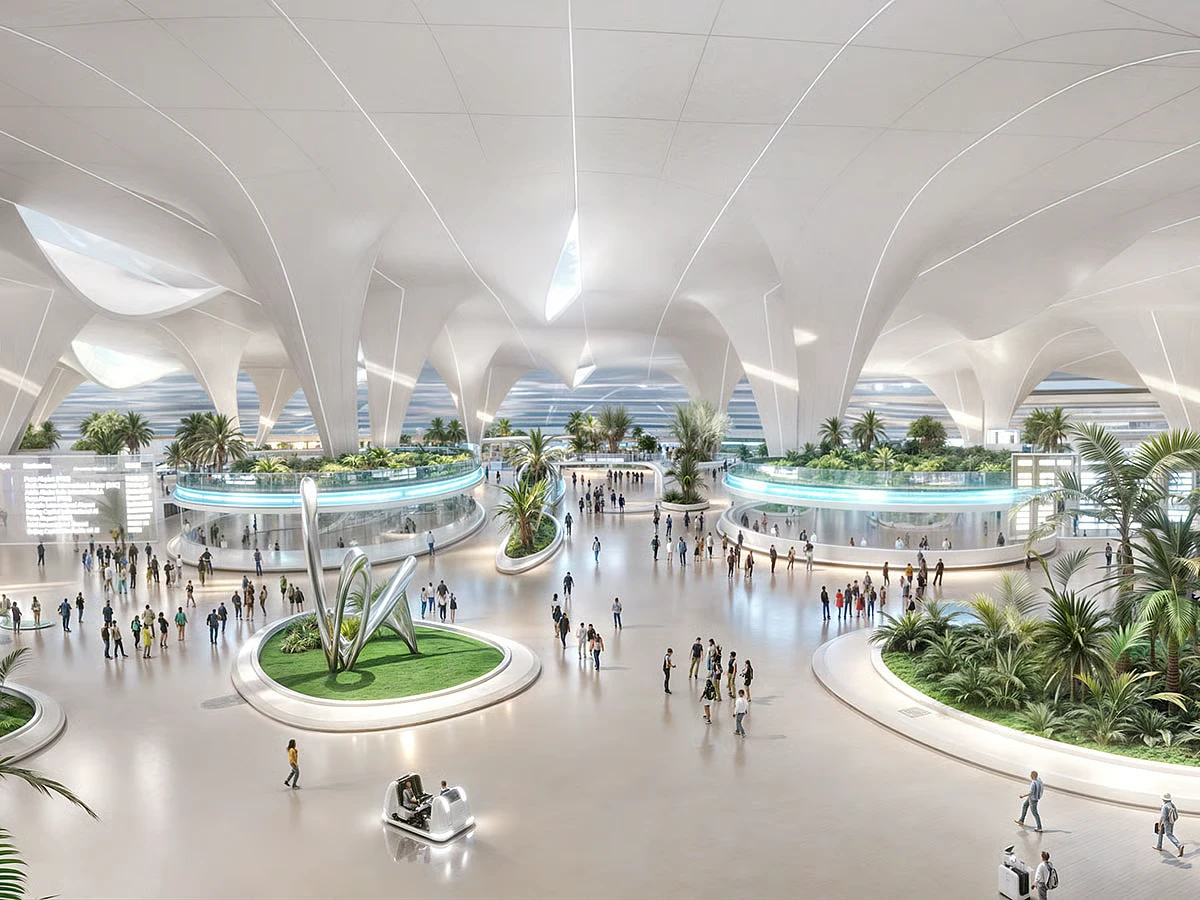
The airport is planned to feature five parallel runways and approximately 400 aircraft gates, creating a capacity framework that could eventually accommodate up to 260 million passengers annually in future phases. The design prioritizes operational efficiency, reduced transfer times, and the flexibility required to accommodate next-generation aviation technologies.
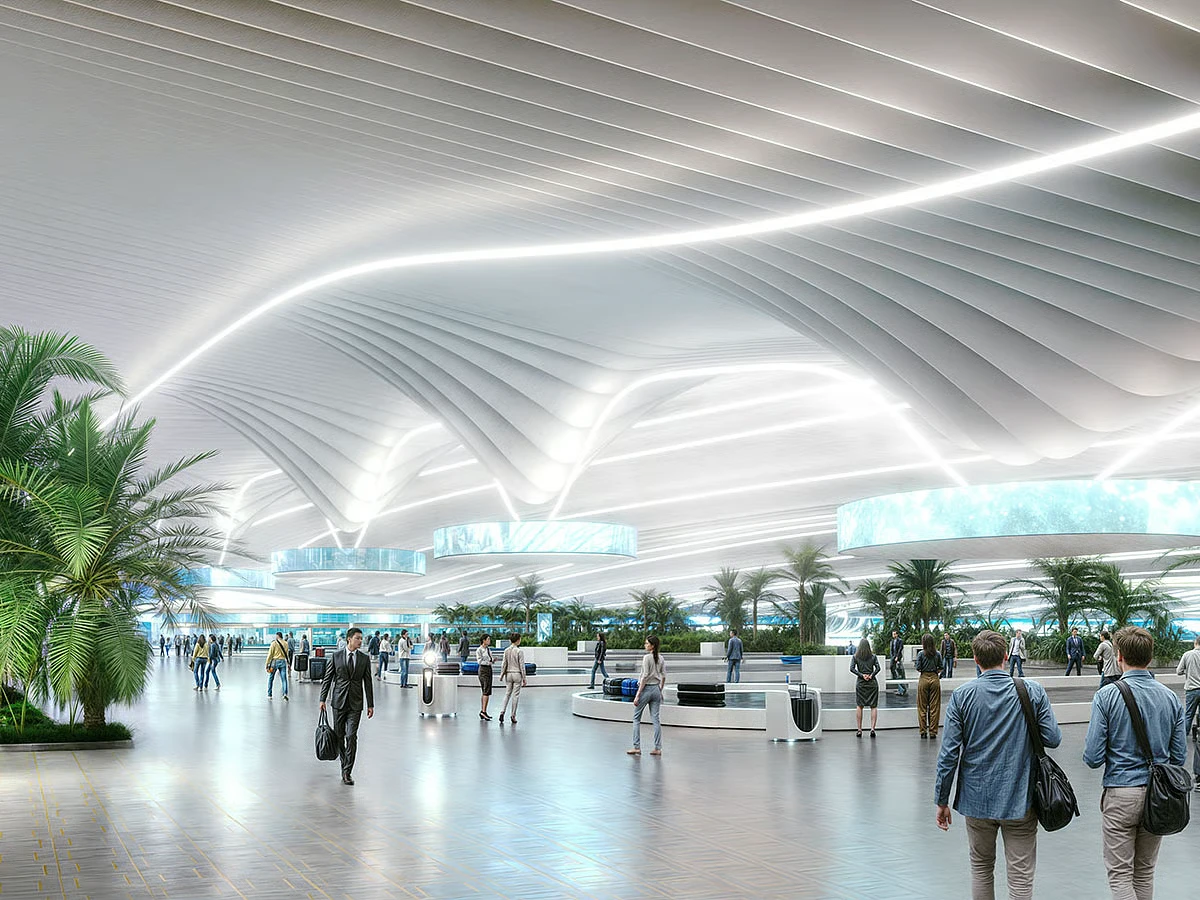
The initial development phase includes extensive runway infrastructure, terminal facilities, aircraft stands, and supporting transport systems. Official project plans also envision future connections with regional rail and metro networks, transforming the airport into a multimodal transportation hub.
What the 2032 Launch Means for Dubai
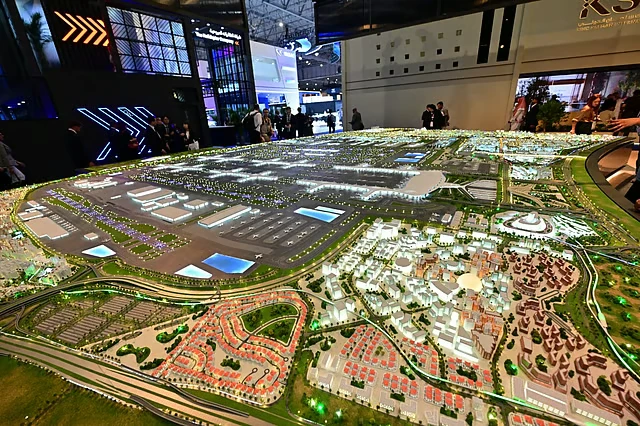
The 2032 milestone marks the beginning of Dubai’s gradual transition from its current primary gateway, Dubai International Airport (DXB), to a larger aviation platform capable of supporting the emirate’s long-term economic ambitions. As passenger numbers continue to rise, existing airport infrastructure faces increasing pressure, making additional capacity essential for future growth.
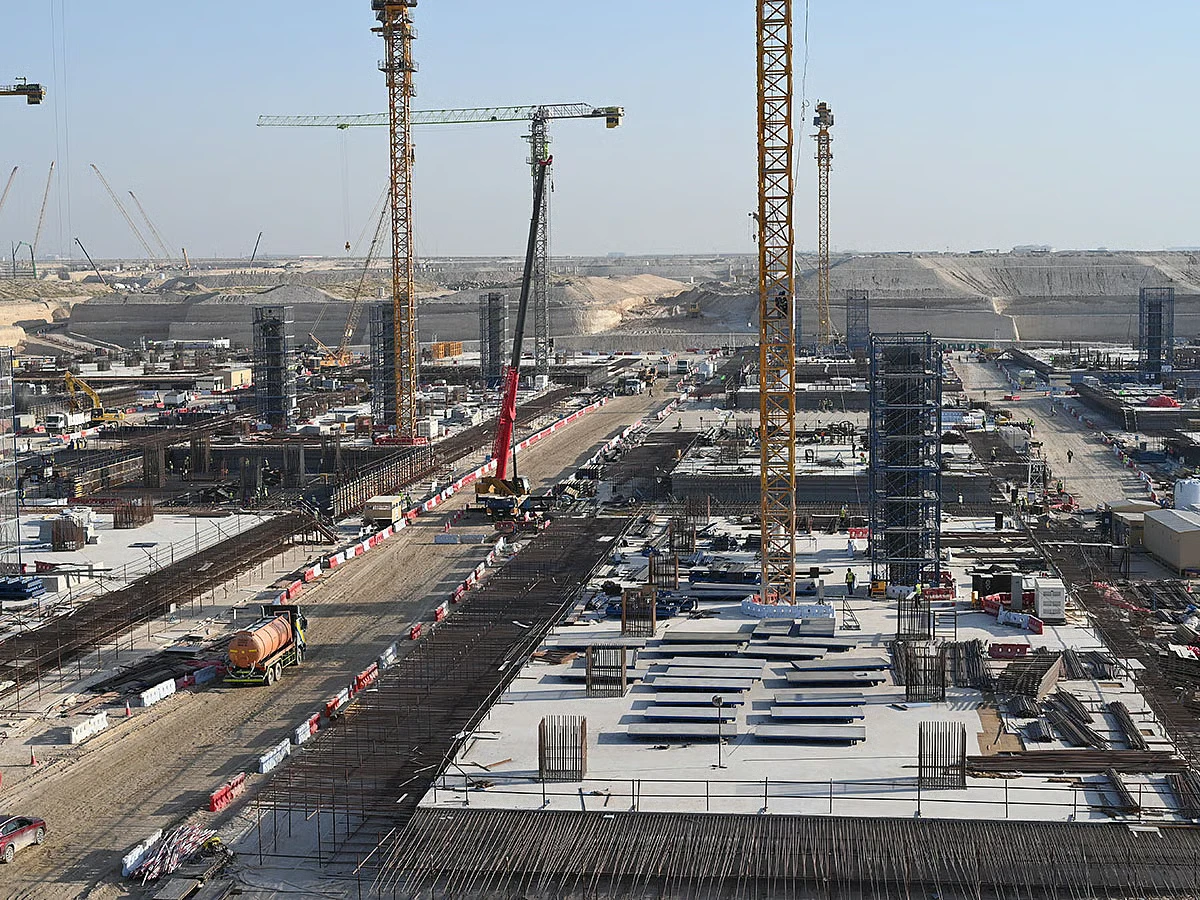
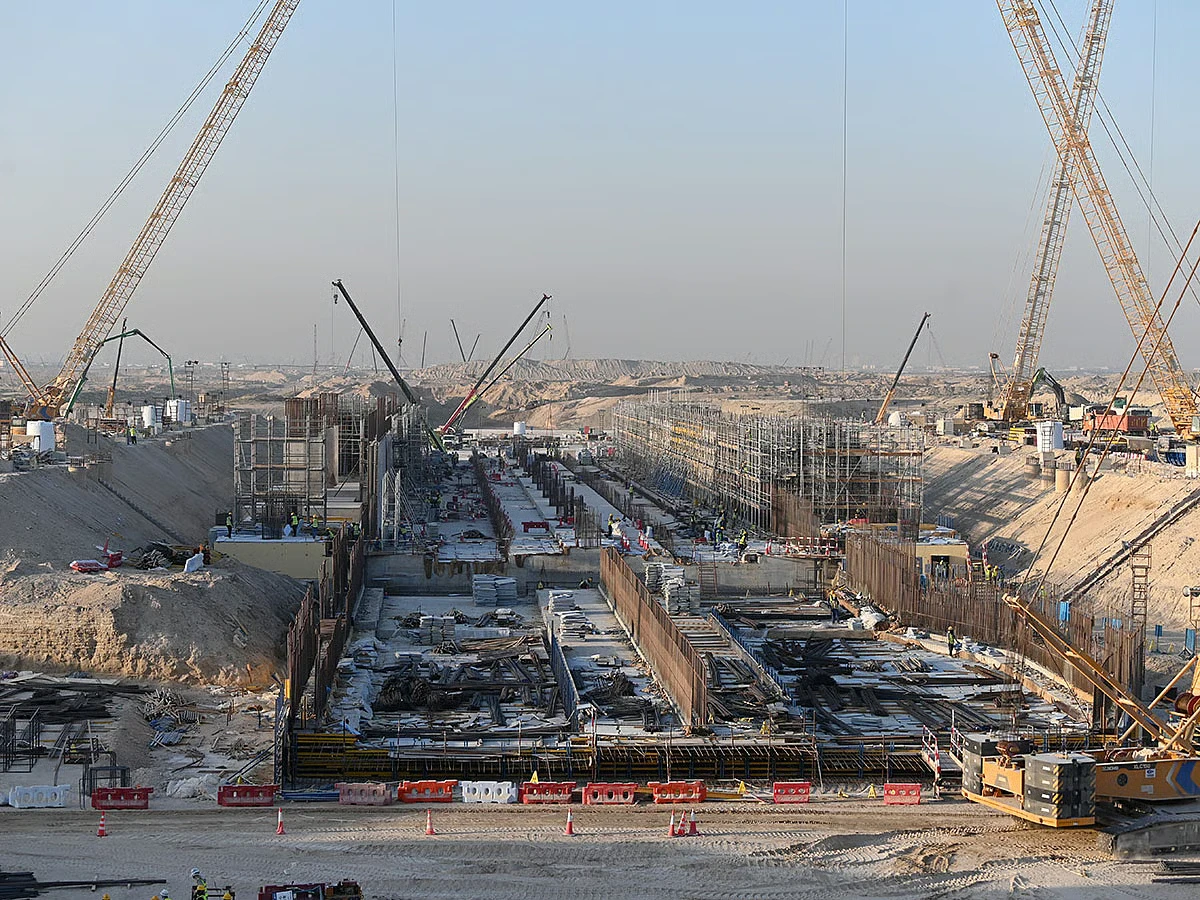
Government projections suggest that the expanded Al Maktoum International Airport will act as a catalyst for economic development across Dubai South, supporting new business districts, logistics operations, and employment opportunities. The wider development is expected to accommodate hundreds of thousands of residents and workers while reinforcing Dubai’s role as a major international gateway linking Europe, Asia, and Africa.
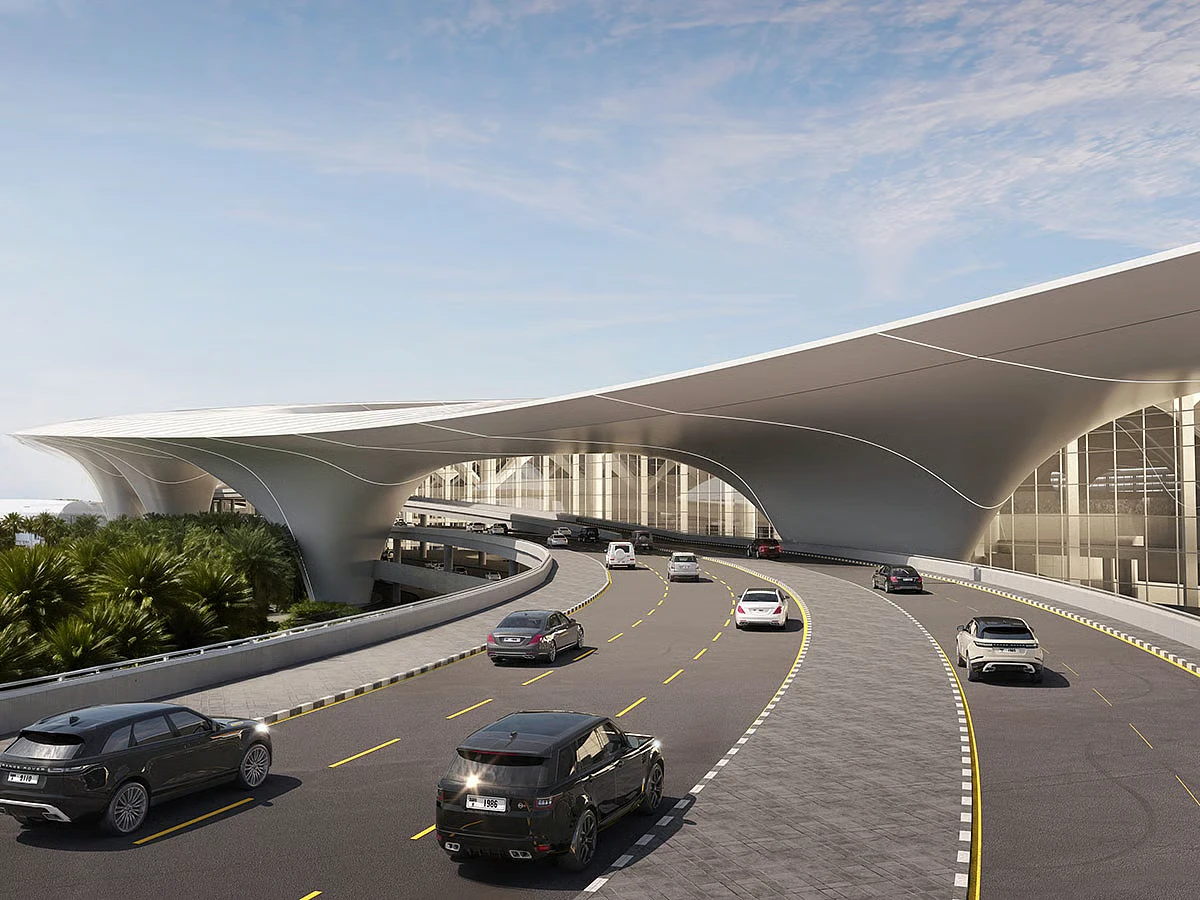
With construction progressing across multiple workstreams and major contracts continuing to move forward, the project remains on course for its planned 2032 operational debut. Once completed, Al Maktoum International Airport will redefine the scale of airport architecture in the Middle East and reshape the future of global aviation infrastructure.
Image credit: AFP / Gulf News