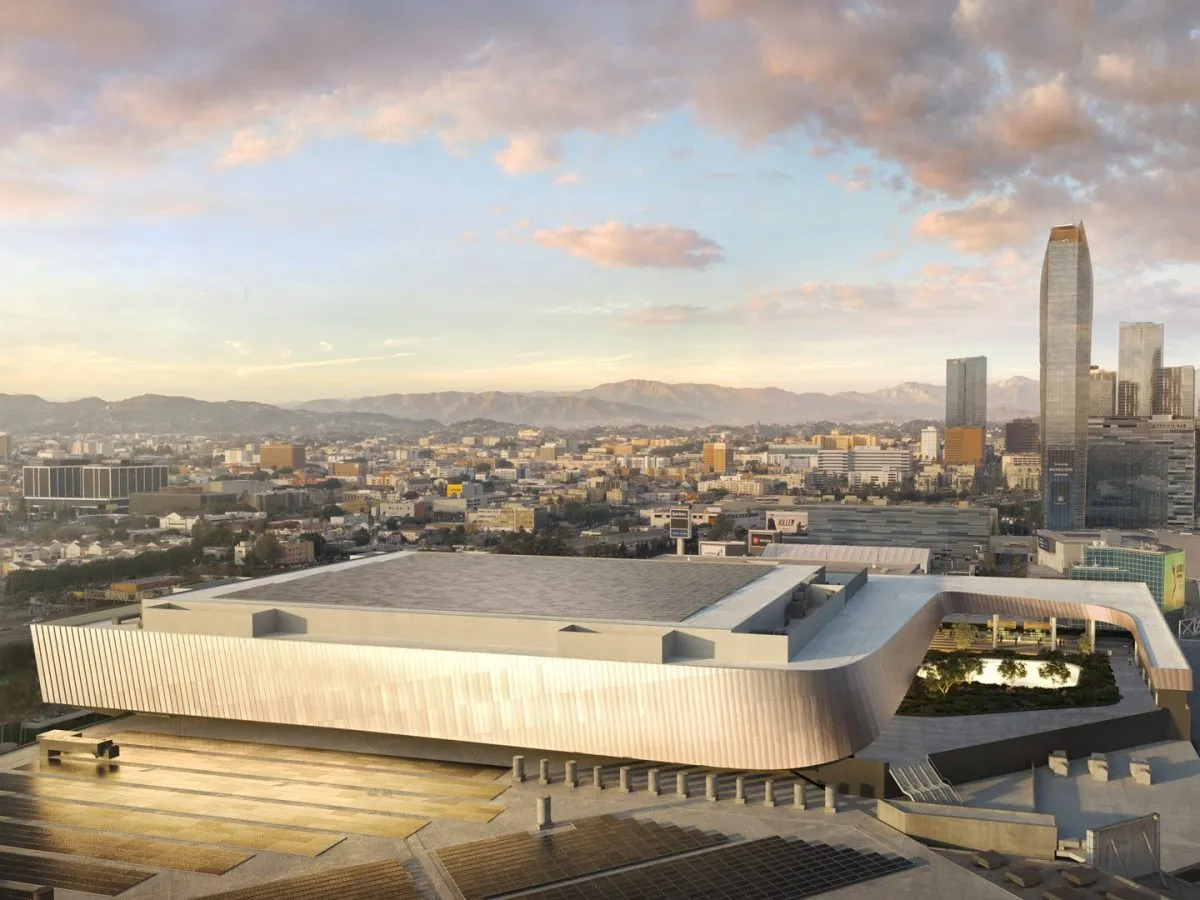



Taipei’s Nangang district has undergone one of the city’s most significant urban transformations over the past two decades. Once known for its industrial character, the area has steadily evolved into a centre for technology, finance, and transportation. Now, Dutch architecture firm MVRDV has introduced a project that aims to mark this transition in physical form: Nangang Pair, a pair of office towers designed as a new gateway to the eastern side of the Taiwanese capital.
Developed for JUT Group, the project occupies a prominent site directly in front of Kunyang Station, one of the key transportation nodes within Nangang. MVRDV approached the site as an opportunity to improve pedestrian movement while establishing a recognisable landmark within a district increasingly defined by large-scale redevelopment.
Creating a Gateway Through Separation
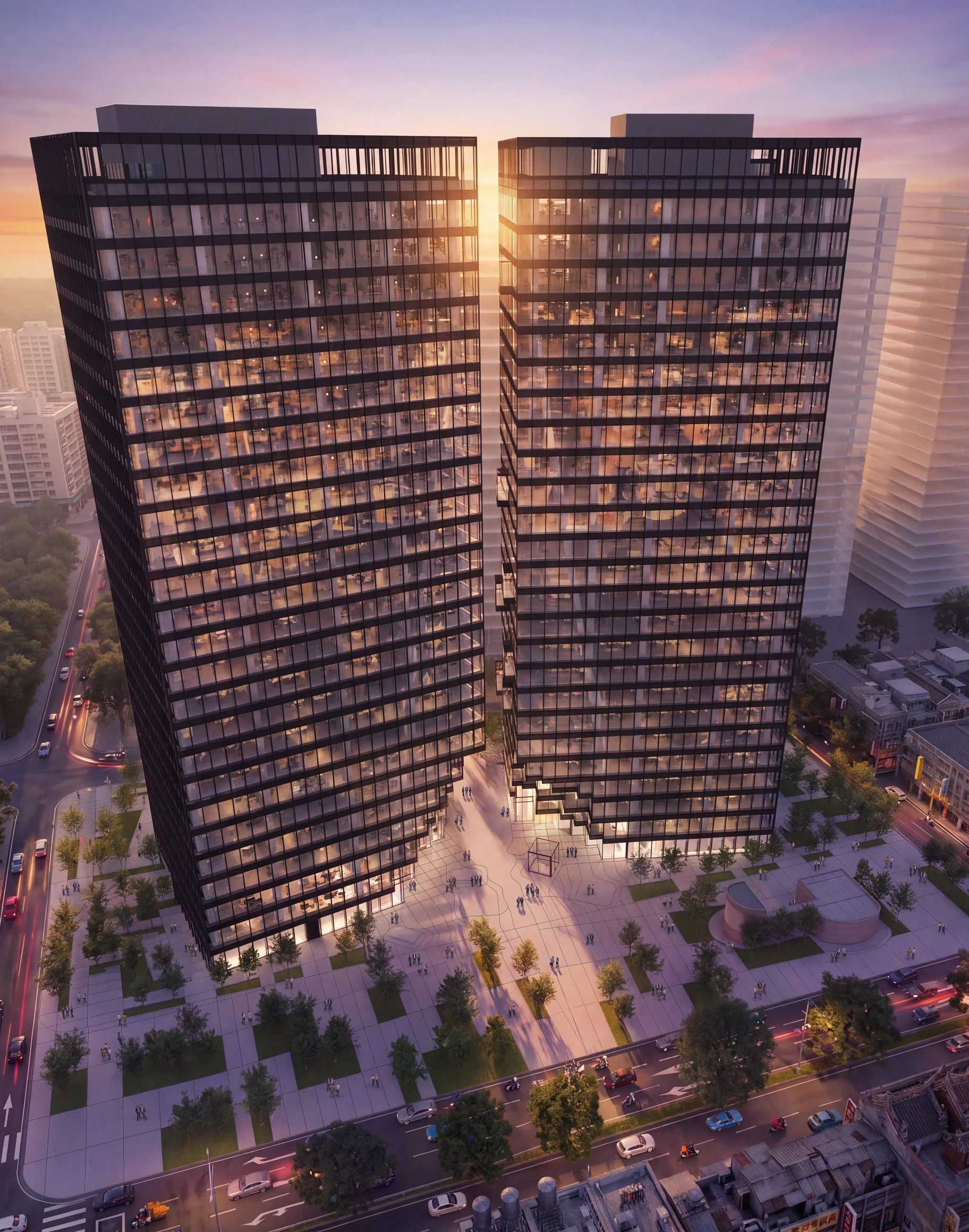
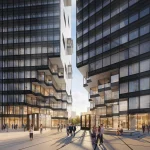
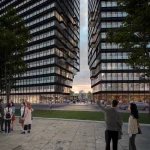
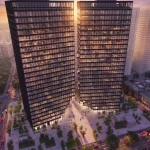
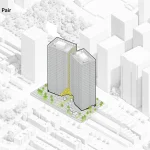
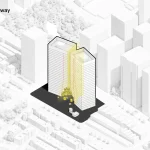
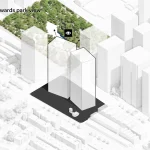
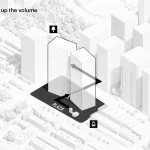
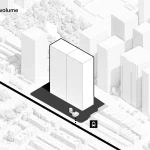
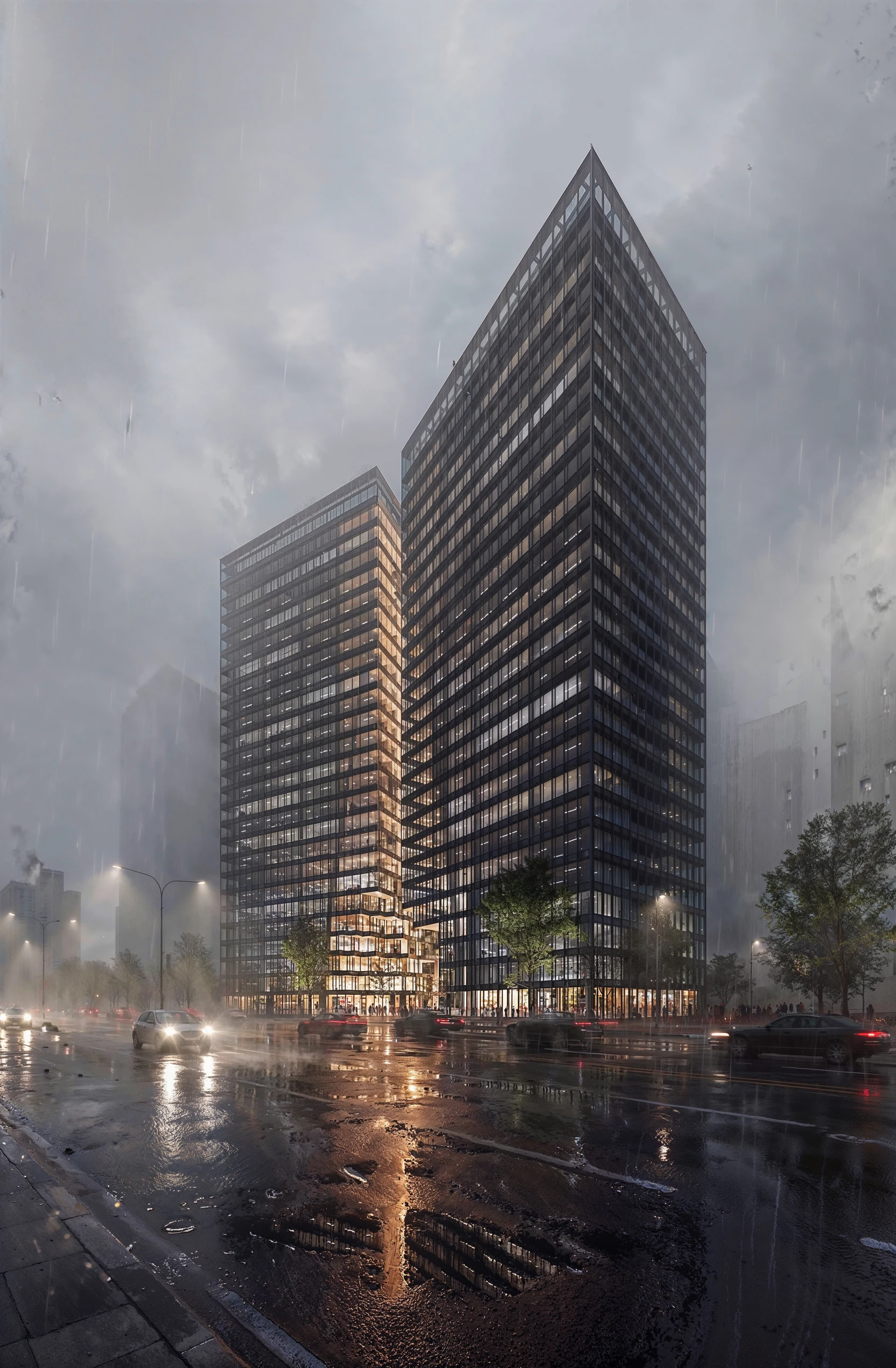
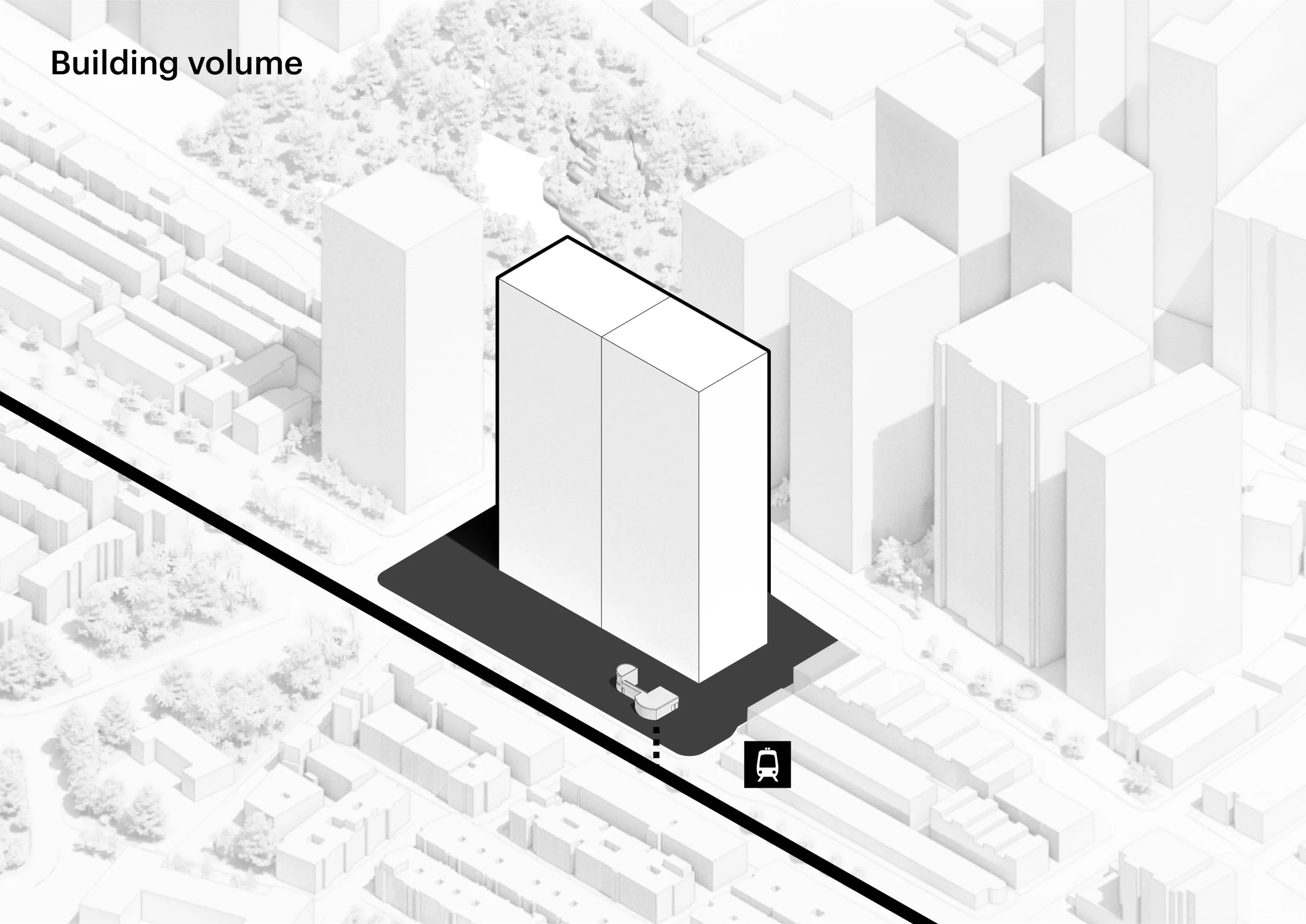
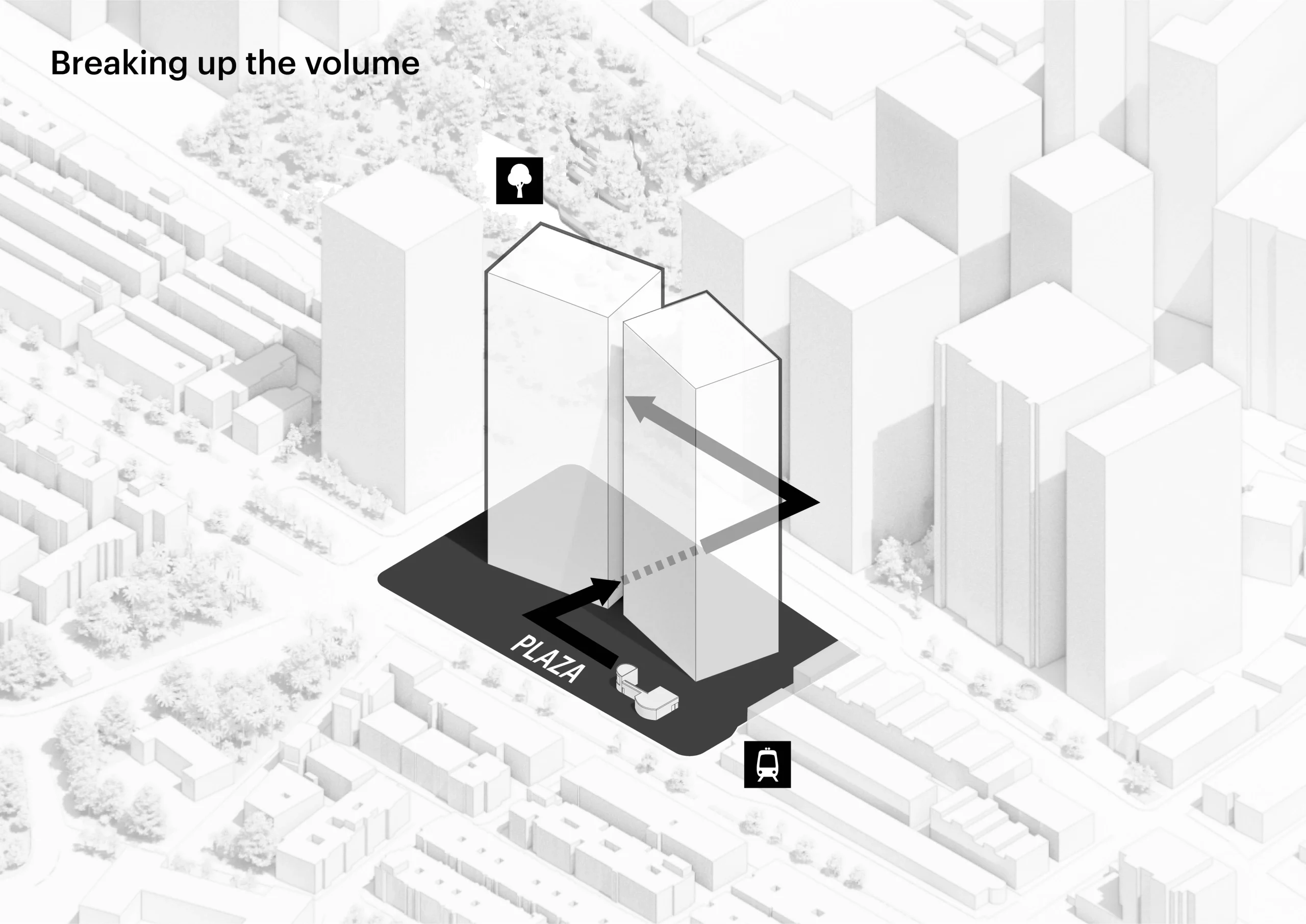
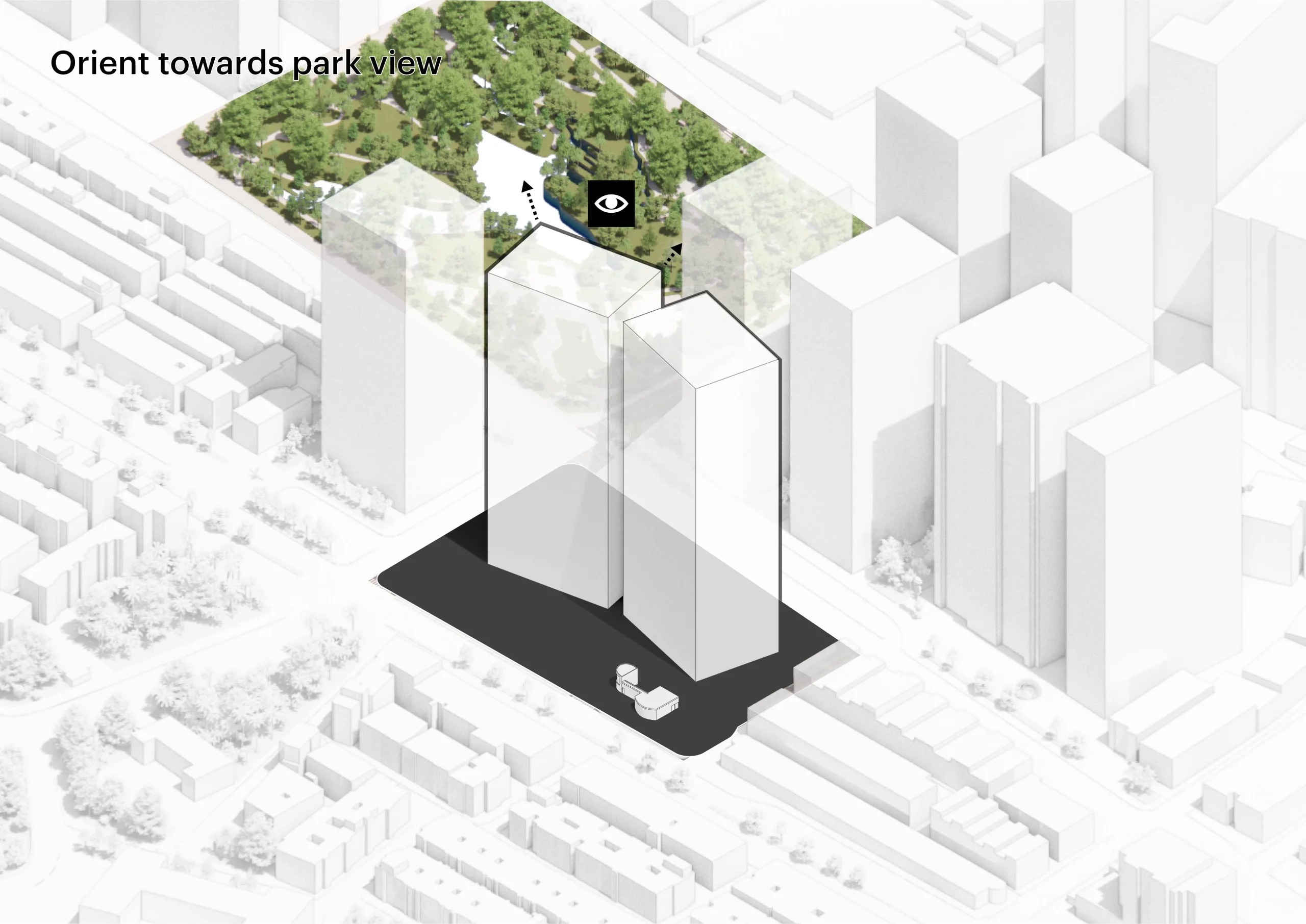
The defining feature of Nangang Pair is a simple yet striking architectural move. What initially appears to be a single office slab is divided into two distinct towers that pull apart from one another. This separation creates a gateway-like opening that faces Kunyang Station and frames views toward Hsin Hsin Park beyond.
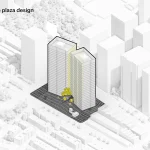
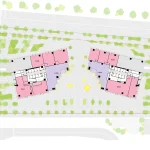
The design responds directly to the heavy pedestrian flows generated by the surrounding transport infrastructure. Instead of placing a continuous building mass across the site, the architects split the programme into two volumes, creating a public plaza between them. The resulting open space acts as a transition point between the station and the wider neighbourhood while maintaining clear circulation routes for commuters and visitors.
According to MVRDV, it is intended to transform the building from a barrier into an urban connector. “By splitting the demanded building volume, we create a gateway that directly responds to the urban flows around the station. It is a literal gesture of opening; the towers pull apart to frame the neighbourhood and invite the flow of the city through the building rather than blocking it,” said Winy Maas, founding partner of MVRDV.
A Facade That Expresses the Break
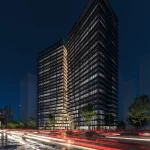
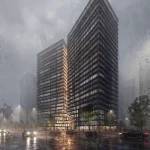
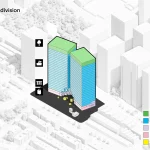
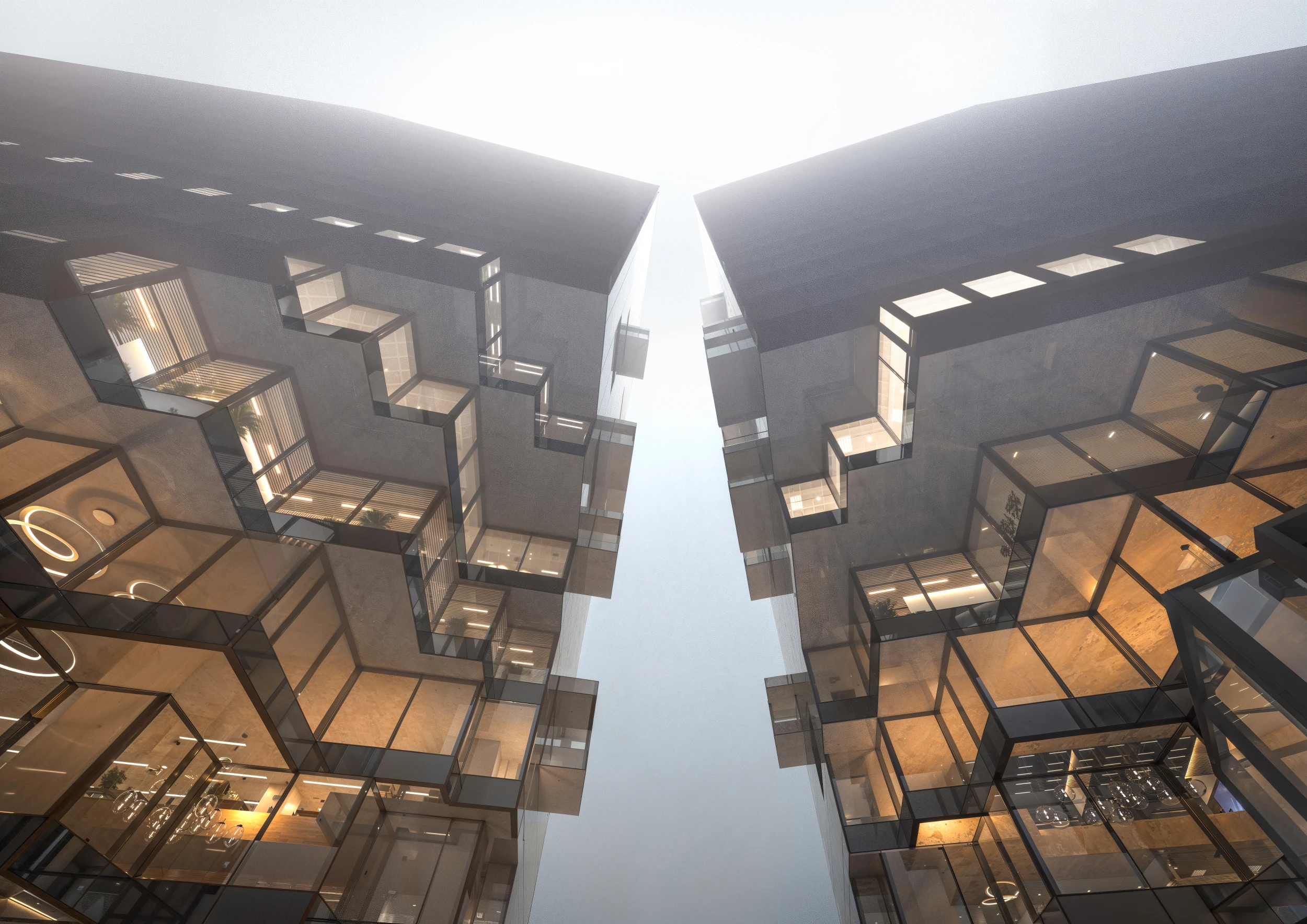
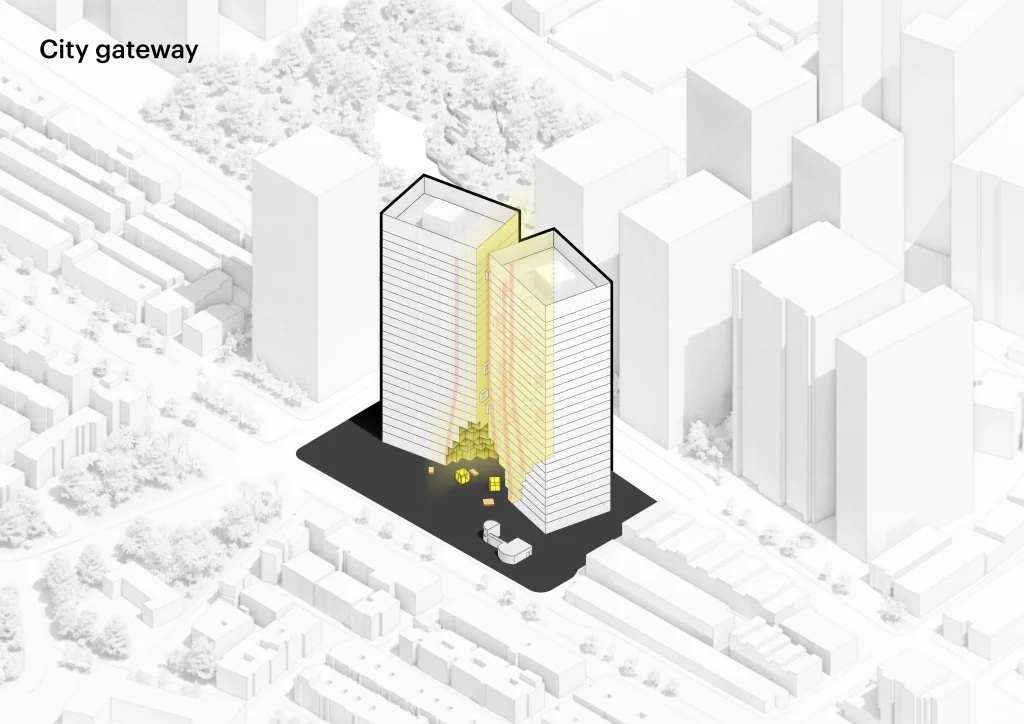
The concept of division extends beyond the building’s massing and into its architectural expression. The outer faces of the towers feature a glass curtain wall articulated with projecting mullions, creating a strong and unified presence along the city skyline.
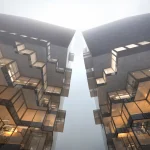
In contrast, the inward-facing surfaces surrounding the opening are treated with a finer and flatter facade system. This visual distinction emphasises the point where the original volume appears to have fractured. Along these inner edges, balconies emerge as fragments pulled from the opposing tower, leaving corresponding voids that reinforce the narrative of separation.
The architectural language continues at ground level, where the facade grid extends into the landscape design. The paving pattern appears to stretch and distort across the plaza, visually echoing the movement of the towers as they pull apart.
Opening the Ground Plane
The project places significant emphasis on the pedestrian experience. The corners of both towers are carved away to create dramatic overhangs above the main entrances, producing sheltered, grotto-like public spaces that mark the building’s arrival points.
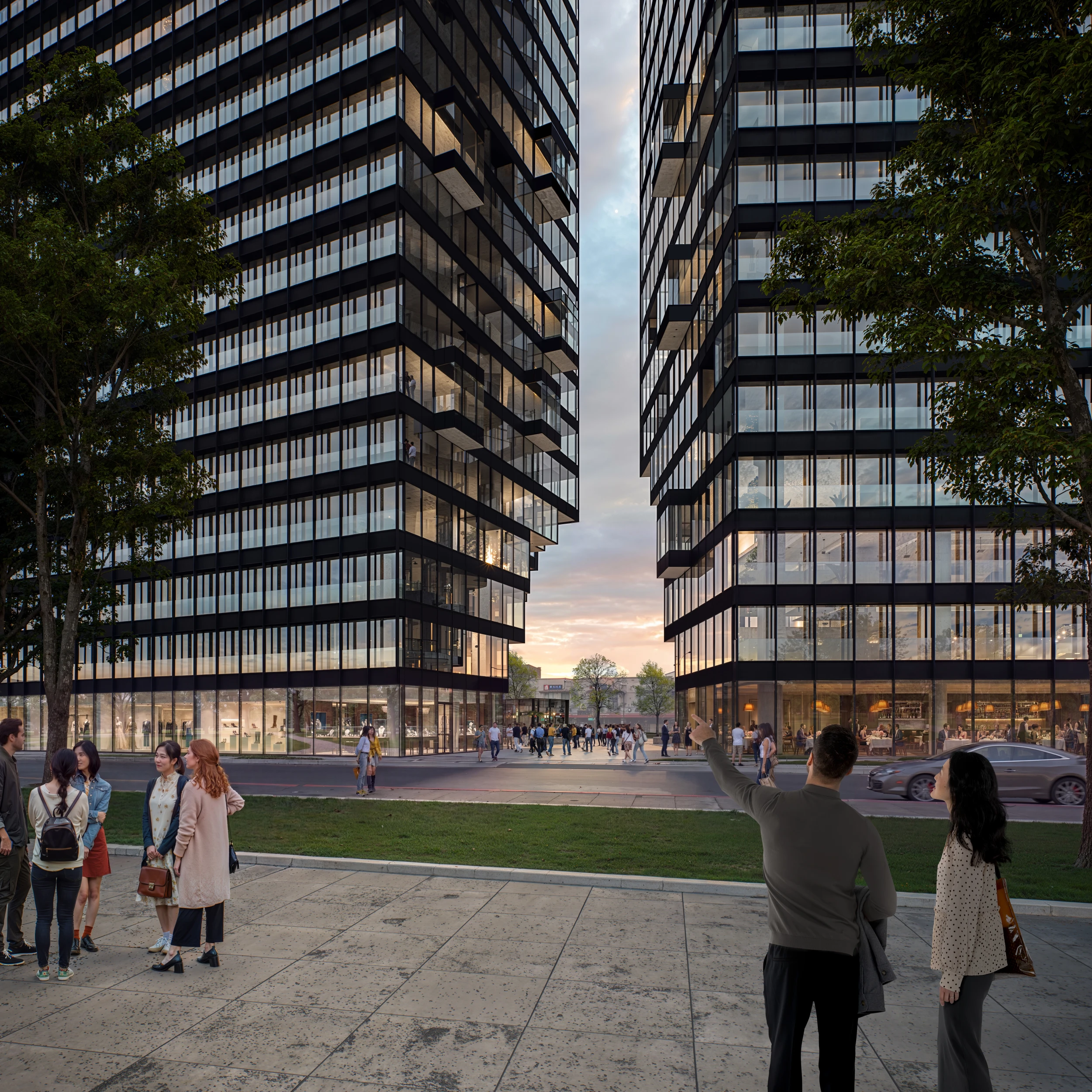
Tilted structural columns support these openings while addressing Taiwan’s demanding seismic requirements. This engineering approach allows the ground floor to remain largely open and column-free, creating spacious entrance lobbies and improving accessibility.
Retail spaces, cafés, and restaurants are integrated at street level, helping activate the public realm throughout the day. Additional shared amenities, including lounges and video conferencing facilities, are located on the third floor and serve office tenants across the development.
Scattered throughout the plaza are a series of small pavilion-like elements designed as kiosks, seating areas, and informal gathering points. These structures appear as fragments that have broken away from the main towers, extending the project’s architectural narrative into the landscape.
Sustainability and Urban Resilience
Alongside its formal purposes, Nangang Pair incorporates several environmental strategies aimed at improving climate resilience.
Rainwater harvesting systems are integrated into the development to support irrigation for rooftop and landscape planting. Ground-level detention tanks and additional storage within the building’s raft foundation help manage stormwater and contribute to urban flood mitigation efforts.
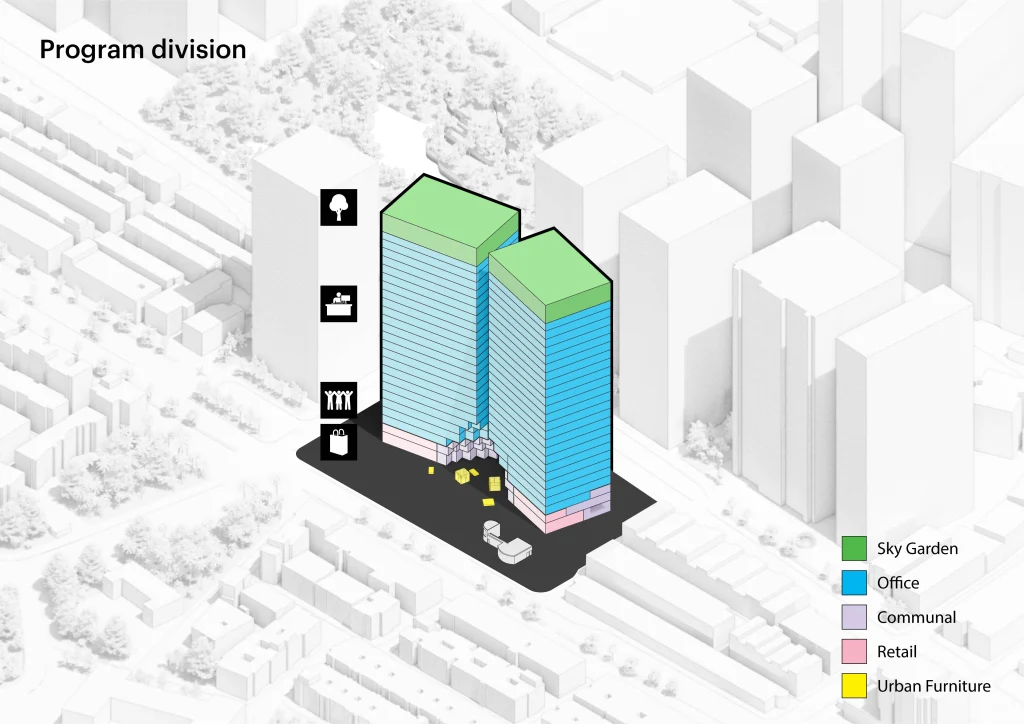
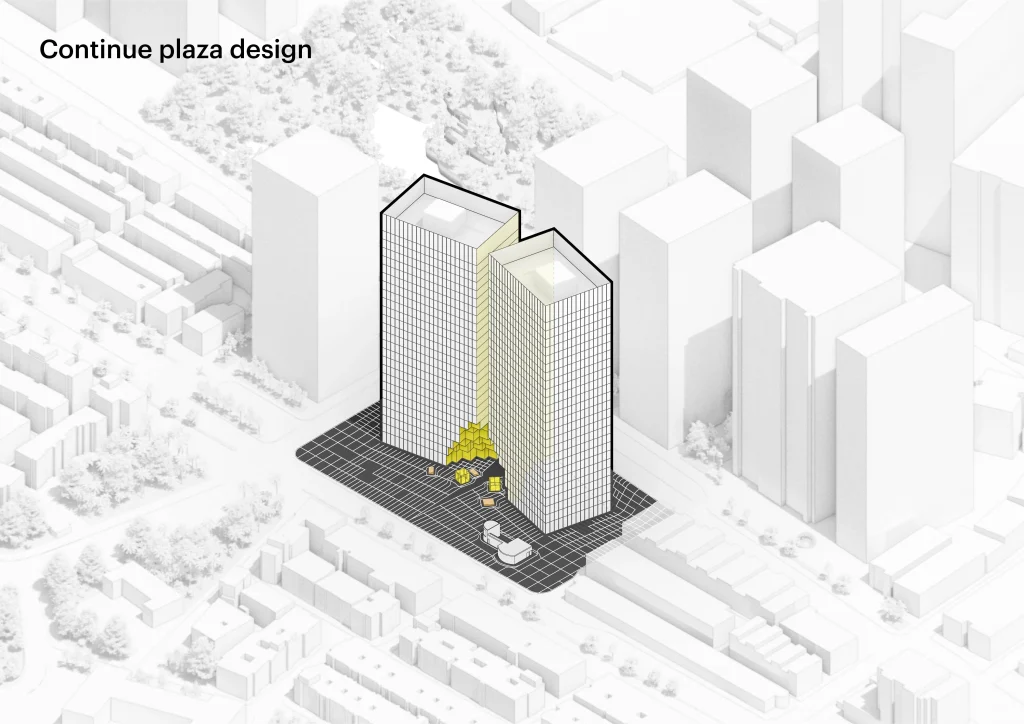
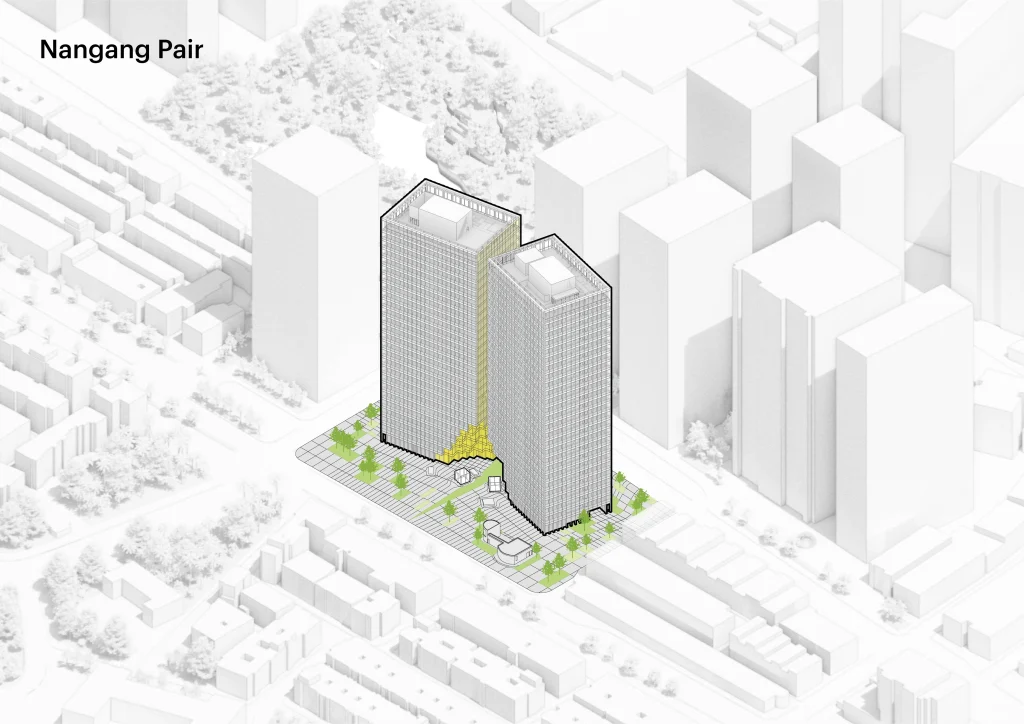
Photovoltaic panels positioned atop the roof bulkhead generate renewable energy for the building’s shared public spaces, while a rooftop garden provides outdoor amenity space for office users.
Architecture as Urban Identity
Nangang’s rapid redevelopment has introduced numerous commercial and mixed-use projects, resulting in a relatively consistent architectural landscape. Within this context, MVRDV sought to create a development capable of standing out while responding to the practical realities of the site.
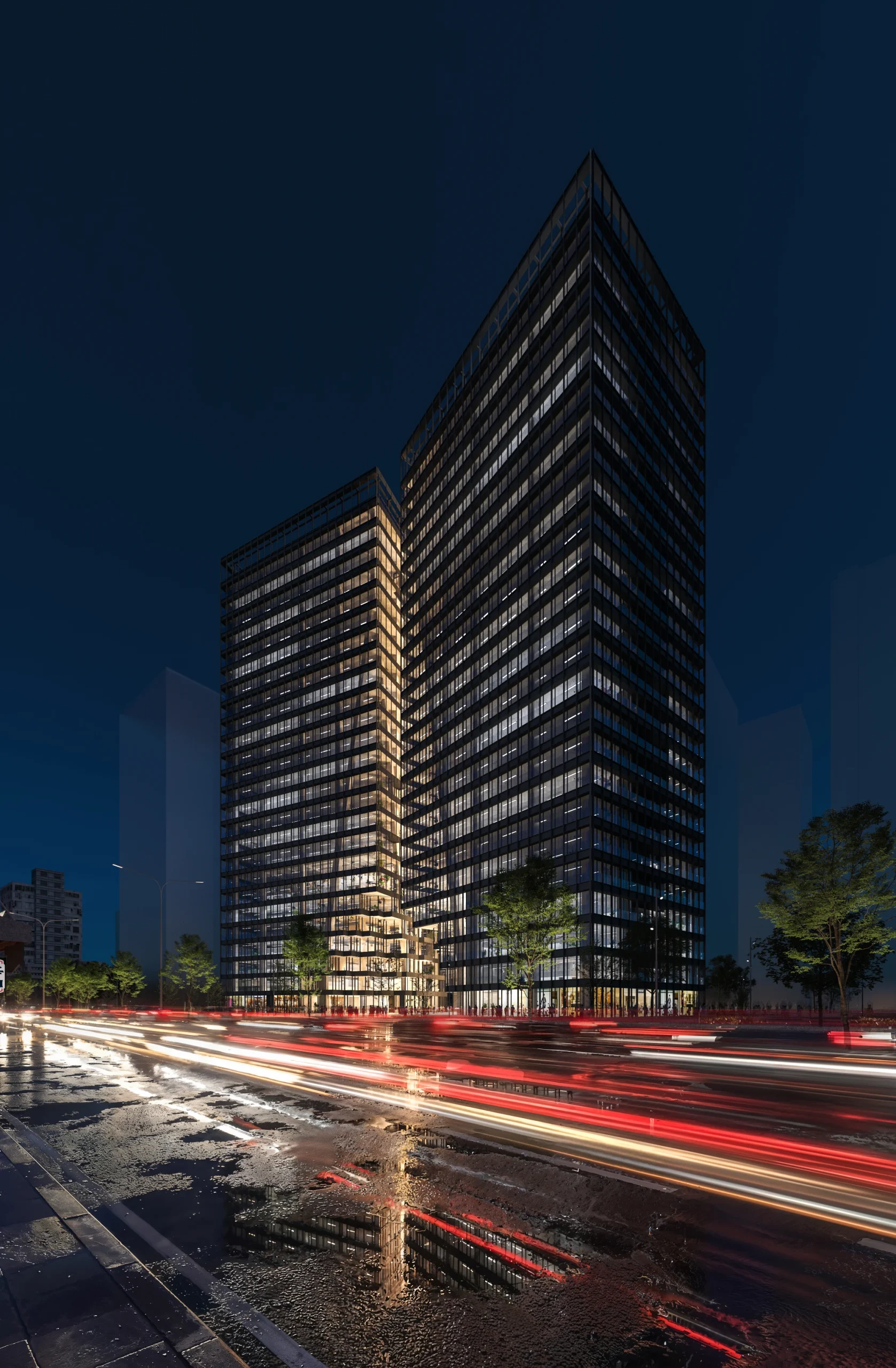
Nangang Pair establishes its identity through a clear urban design. The separation of the towers creates both a visual landmark and a functional public space, transforming a dense transportation node into an architectural gateway that signals arrival into one of Taipei’s fastest-changing districts.
Nangang Pair Project Details
Project: JUT Nangang Office Towers (Nangang Pair)
Location: Nangang District, Taipei City, Taiwan
Client: JUT Land Development Co. Ltd.
Programme: Office Development
Area: 62,000 sq m
Year: 2021
Architect: MVRDV
Founding Partner in Charge: Winy Maas
Head of Taiwan: Hui Hsin Liao
Collaborators
Co-Architect: EnHance architects & associates + Shiuan Hong Architects
Structural Engineer: Evergreen Consulting Engineering, Inc.
MEP Consultant: Heng Kai Engineering Consultants, Inc.
Environmental Advisor: ARUP
Design Team: Daniel Diez, Chi Yi Liao, Lucien Glass, Guido Boeters, Piotr Janus, Rico van de Gevel, Daniele Dalbosco, Yayun Liu, Mirco Facchinelli, Xiaohu Yan, Ignacio Barco Blanca, Dimitrios Ziogkas, Carolina Martin Penuela, Gaetona Drago, Albert Parfonov, Tseng-Hsuan Wei.
Copyright: MVRDV / Winy Maas / Jacob van Rijs / Nathalie de Vries