

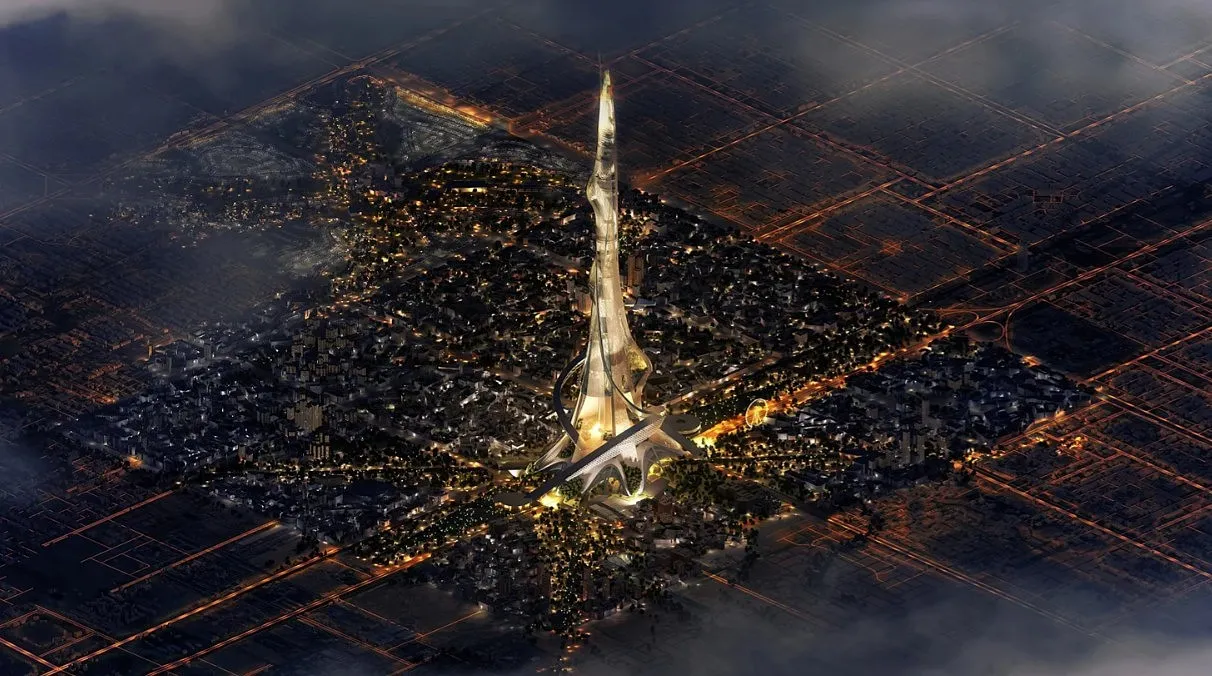

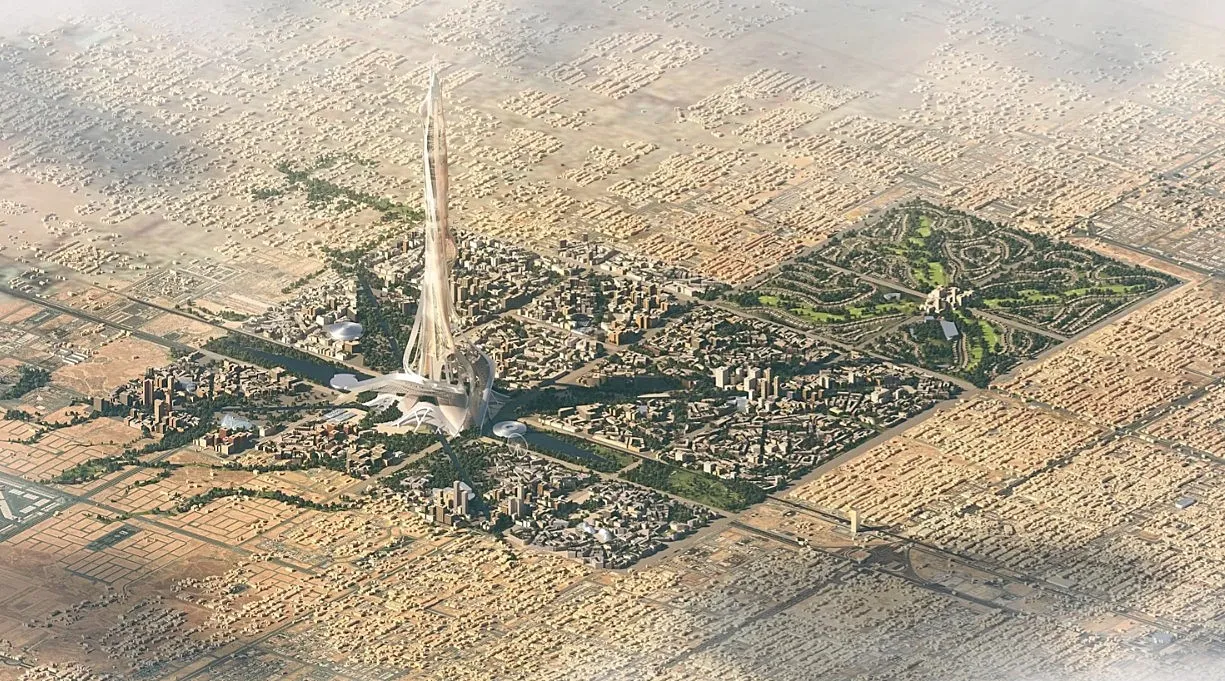
Rise Tower, a proposed two-kilometer-tall skyscraper in Riyadh, could soon become the tallest building in the world. But why is Saudi Arabia pursuing such an ambitious project? The answer lies in Vision 2030, the kingdom’s national strategy to diversify its economy, reduce dependence on oil, and transform itself into a global hub for business and tourism.
What is Project Rise – Lumenis?
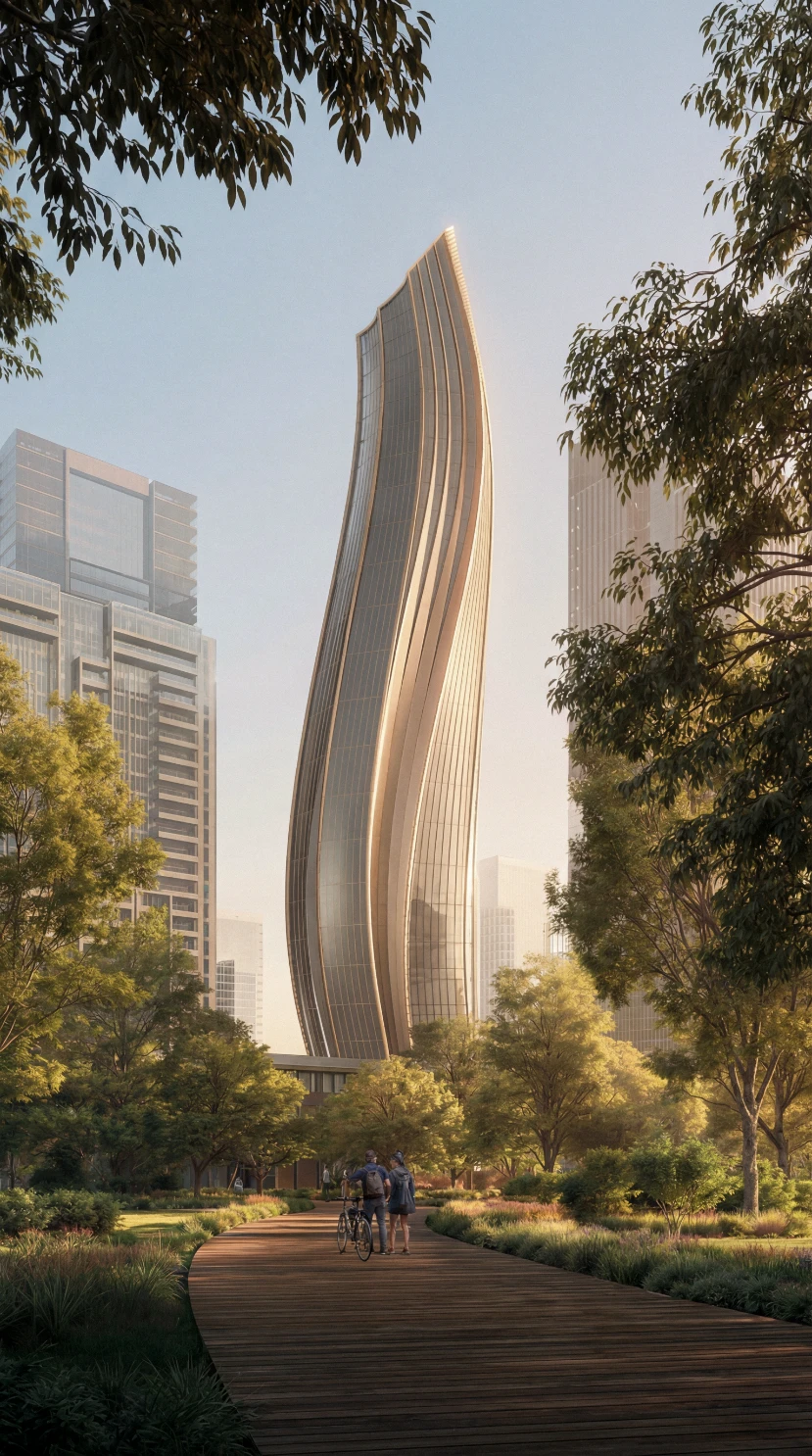
Project Rise, Lumenis is a plan to build the tallest tower in the world. Designed by HKS Architects, the tower is expected to rise more than twice the height of the Burj Khalifa in Dubai. The word Lumenis comes from “light” and symbolizes transformation, values that connect directly to Saudi Arabia’s Vision 2030.
The Rise Tower is already recognized with the 2025 WAFX Prize for Climate and Energy Innovation. Project Rise – Lumenis is known for its approach to sustainability.
Saudi Arabia has long been a contender in the global race to build taller and bolder structures. The Jeddah Tower, designed to reach one kilometer, was meant to set a record but has faced years of construction delays. The Rise Tower represents the kingdom’s renewed commitment to surpassing expectations. Saudi Arabia is set to prove resilience and determination to create new global icons.
The North Pole Project: A City of the Future
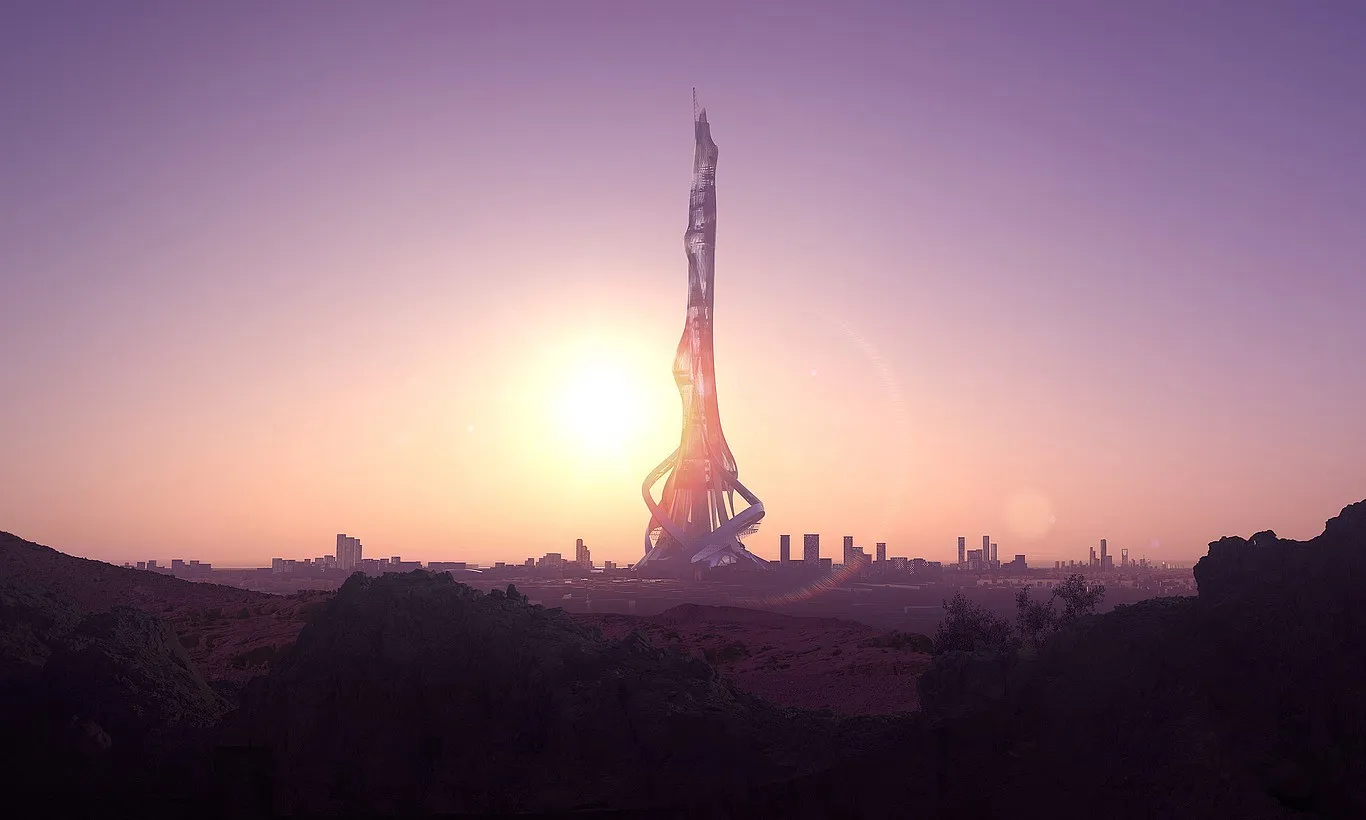
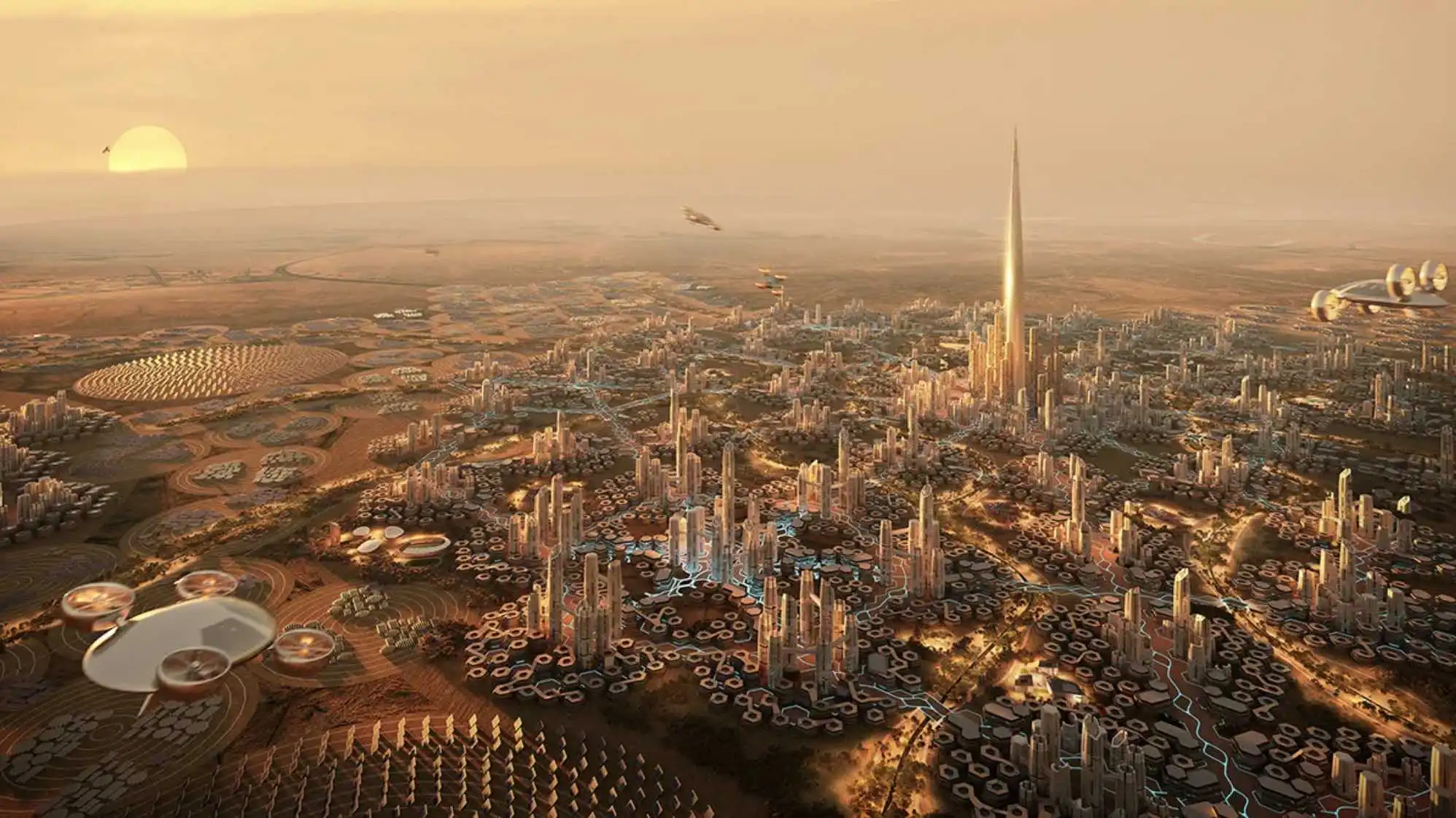
The Rise Tower will stand as the centerpiece of the North Pole Project, an ambitious 306-square-kilometer development north of Riyadh. Far from being a conventional real estate project, the North Pole is envisioned as a city of the future, designed with sustainability, smart technology, and renewable energy at its core. Residential neighborhoods, commercial hubs, cultural landmarks, and educational facilities will all be woven together into a single connected ecosystem. The Rise Tower will act as a vertical city, attracting global attention while anchoring Riyadh’s urban transformation.
Backed by the Public Investment Fund
Behind the Rise Tower stands Saudi Arabia’s Public Investment Fund, the same driving force responsible for many of the kingdom’s most ambitious ventures, including NEOM and the Red Sea Project. With an estimated cost of five billion dollars, the tower is one of the most fascinating additions to the fund’s growing portfolio.
Engineering the Impossible
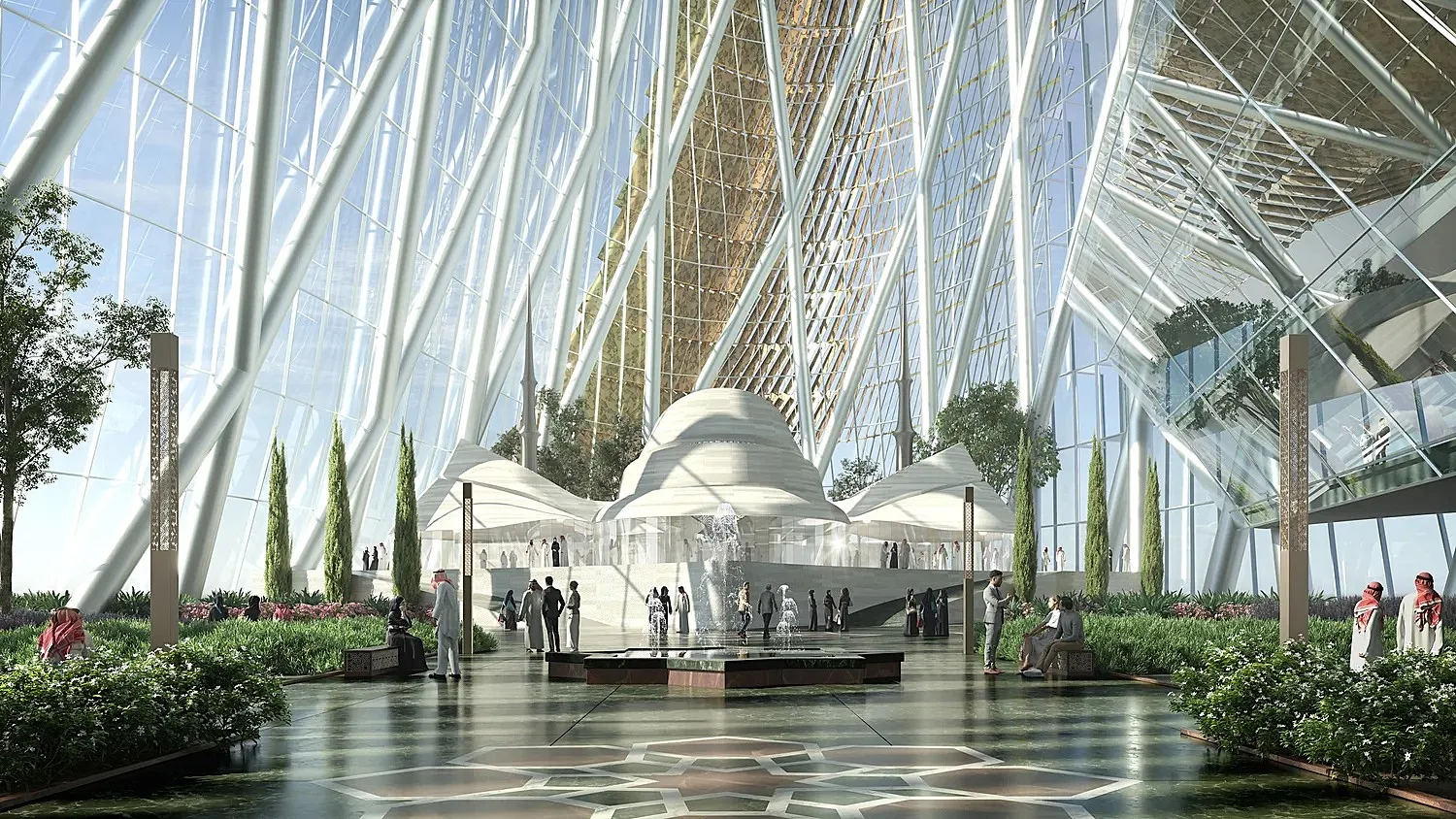
The ambition to construct a tower rising two kilometers above the ground would set a precedent in architectural history. Realizing such a structure, however, entails confronting some of the most complex challenges in contemporary engineering and design.
At this scale, the building must withstand extreme wind loads, rely on unprecedented foundation systems to bear its weight, integrate materials capable of resisting high desert temperatures, and introduce vertical circulation strategies that can transport thousands of occupants efficiently across hundreds of floors. The project is less a matter of simply building higher than ever before, and more a test of architecture’s ability to redefine the limits of technology, inhabitation, and urban life.
Wind Loads and Vibration
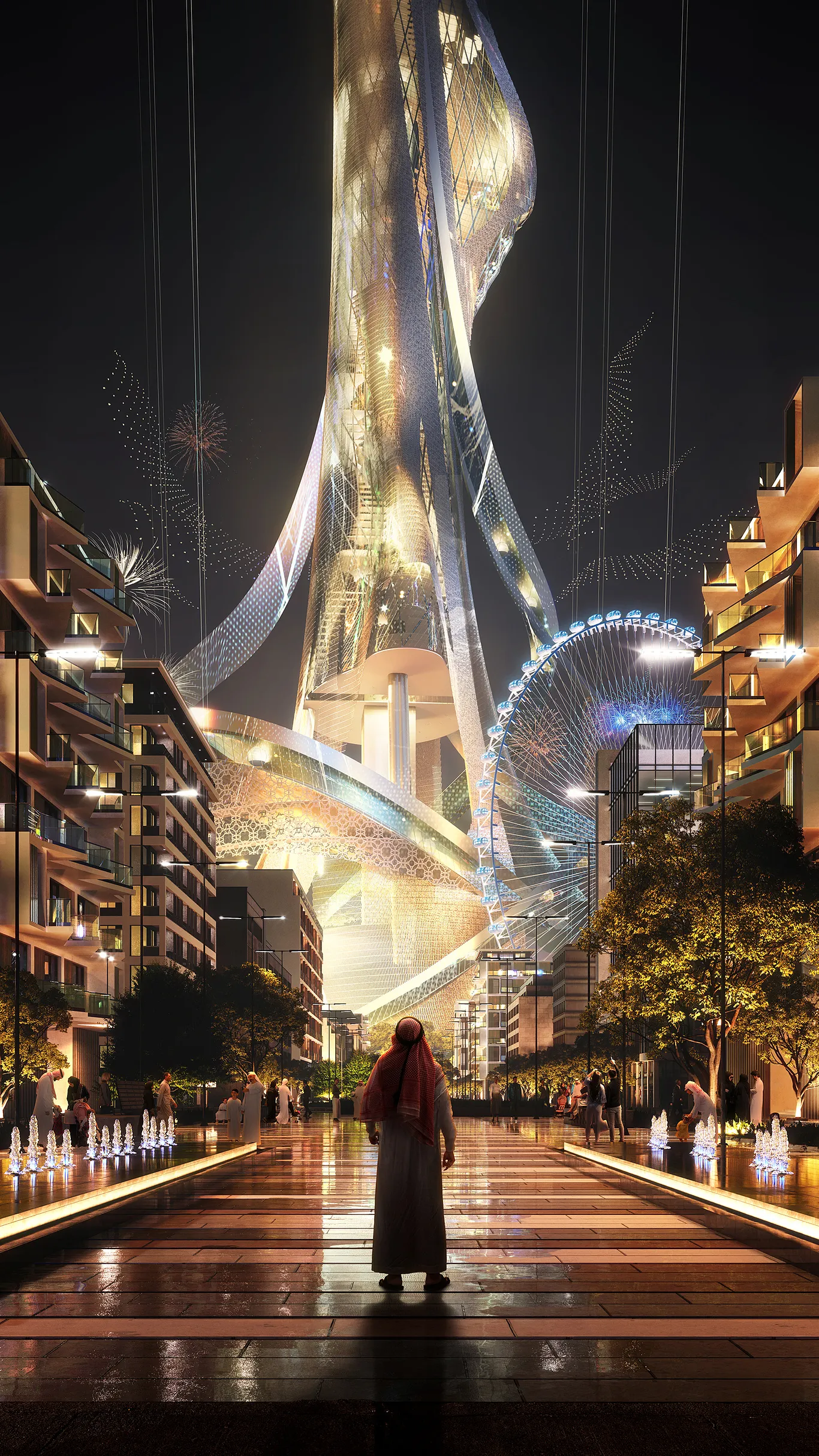
The higher a building rises, the more it must contend with wind. At extreme heights, wind forces can cause vibrations strong enough to affect the stability of the structure and the comfort of those inside. For the Rise Tower, engineers are exploring aerodynamic shapes that can redirect wind currents rather than resist them head-on.
They are also considering the use of tuned mass dampers and vibration-reduction systems to counter swaying at the top levels. Ideas such as integrating wind turbines into the design could turn these natural forces into sources of energy, making the tower more stable and more sustainable.
Foundations to Support the Weight
At two kilometers tall, the Rise Tower will weigh more than any structure ever built. Its foundation must therefore support unprecedented vertical and lateral loads. Traditional deep foundations will not be enough; instead, engineers are likely to design a base that spreads loads over a massive area while anchoring deep into the ground.
Advanced geotechnical studies of Riyadh’s desert soil will play a crucial role in determining how the foundation is constructed. A foundation designed to bear the building’s enormous weight while also withstanding wind and seismic forces will make the project possible and safe for generations to come.
Adapting to the Desert Climate
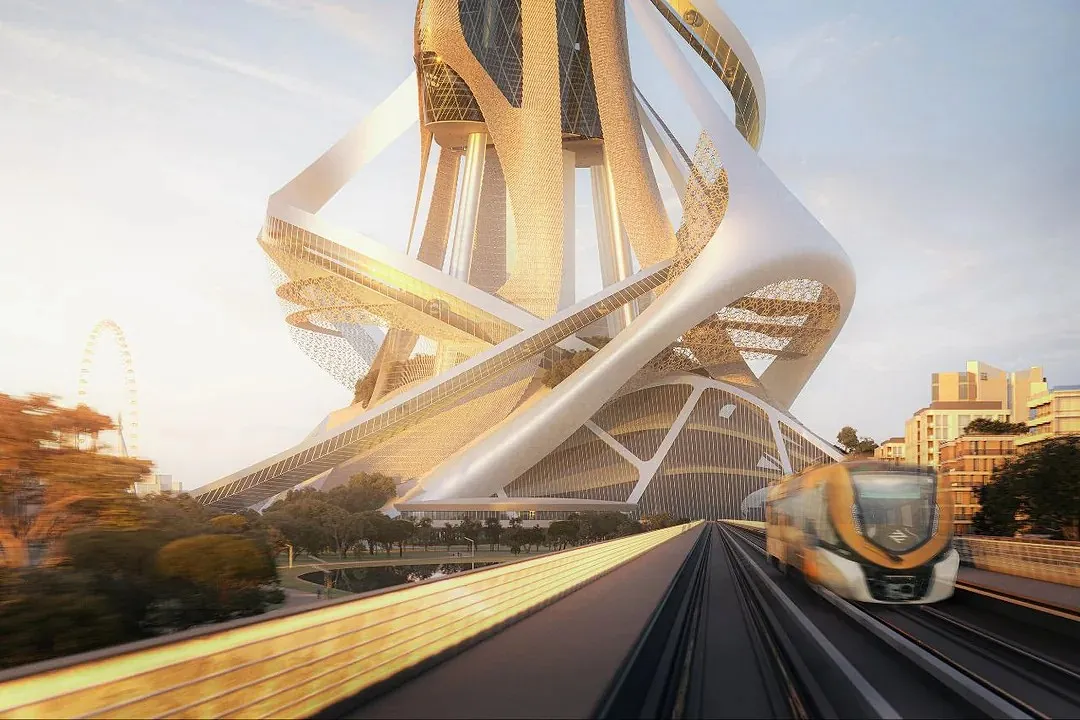
The environment in which the Rise Tower will be built presents its own unique set of challenges. Riyadh’s desert climate is characterized by extreme heat during the day, cooler temperatures at night, and occasional sandstorms.
Materials used in the construction must be capable of withstanding this constant cycle of expansion and contraction without weakening over time. Glass, steel, and concrete will need to be engineered to resist thermal stress, while the building’s skin must provide insulation and protection. Sustainability also comes into play here, as shading devices and reflective surfaces can reduce energy use while keeping the interior comfortable.
Transportation Inside the Tower
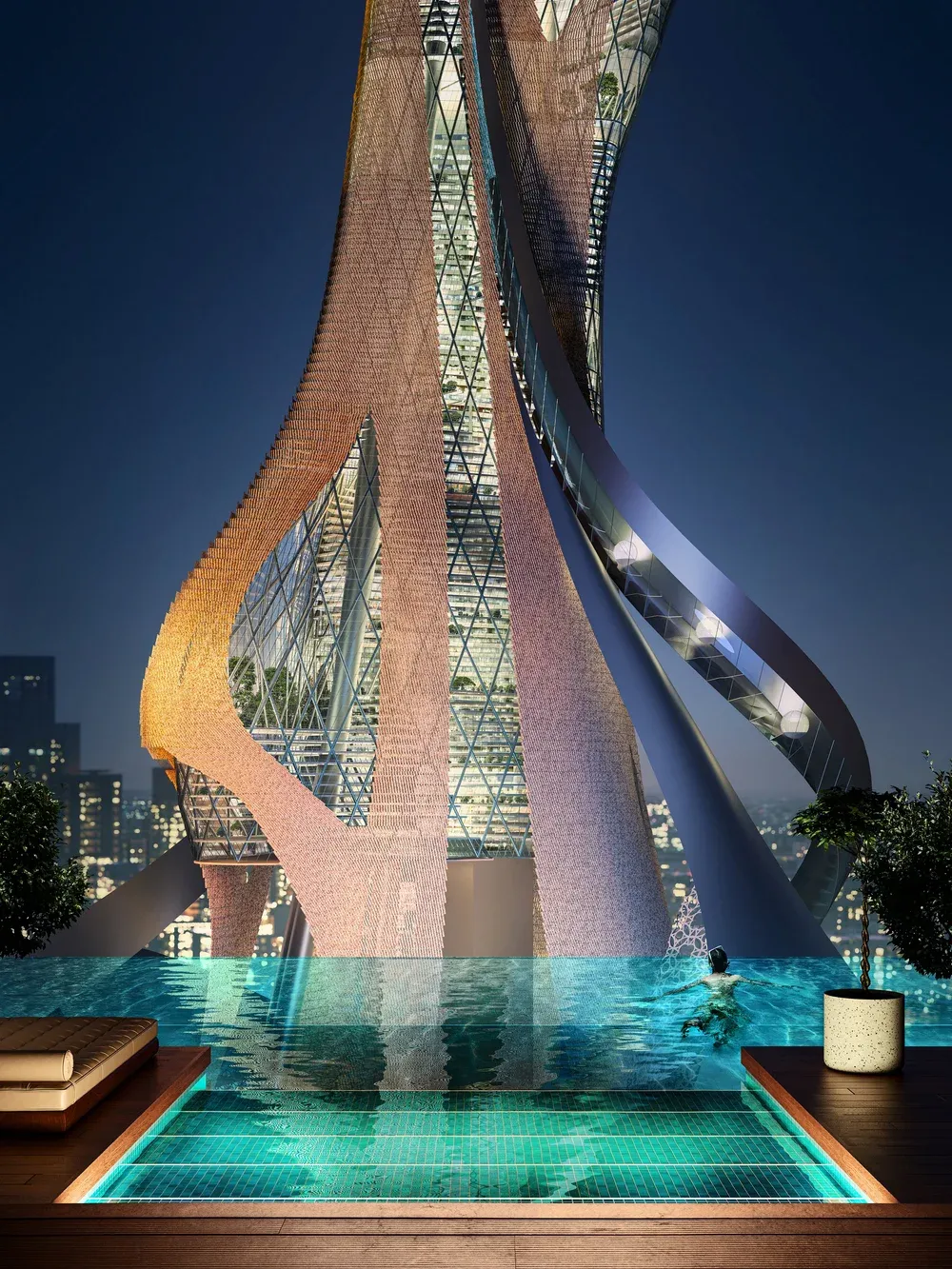
Moving people efficiently inside a building that rises two kilometers into the sky is perhaps the most complex logistical challenge of all. Traditional elevator systems are not designed for such distances; beyond a certain height, cables become too heavy and inefficient. For this reason, engineers are exploring technologies such as magnetic levitation elevators, which can move people vertically and horizontally. Multi-deck cabins are also being explored that allow more people to be transported at once.
Riyadh’s Next Landmark
Riyadh is already undergoing rapid change, with new industries, cultural projects, and infrastructure. The addition of the Rise Tower will accelerate this transformation, positioning the capital as a leading global city. Just as the Burj Khalifa became synonymous with Dubai, the Rise Tower is poised to define Riyadh and Saudi Arabia. Rise Tower will house residences, offices, hotels, entertainment centers, and even aerial parks.
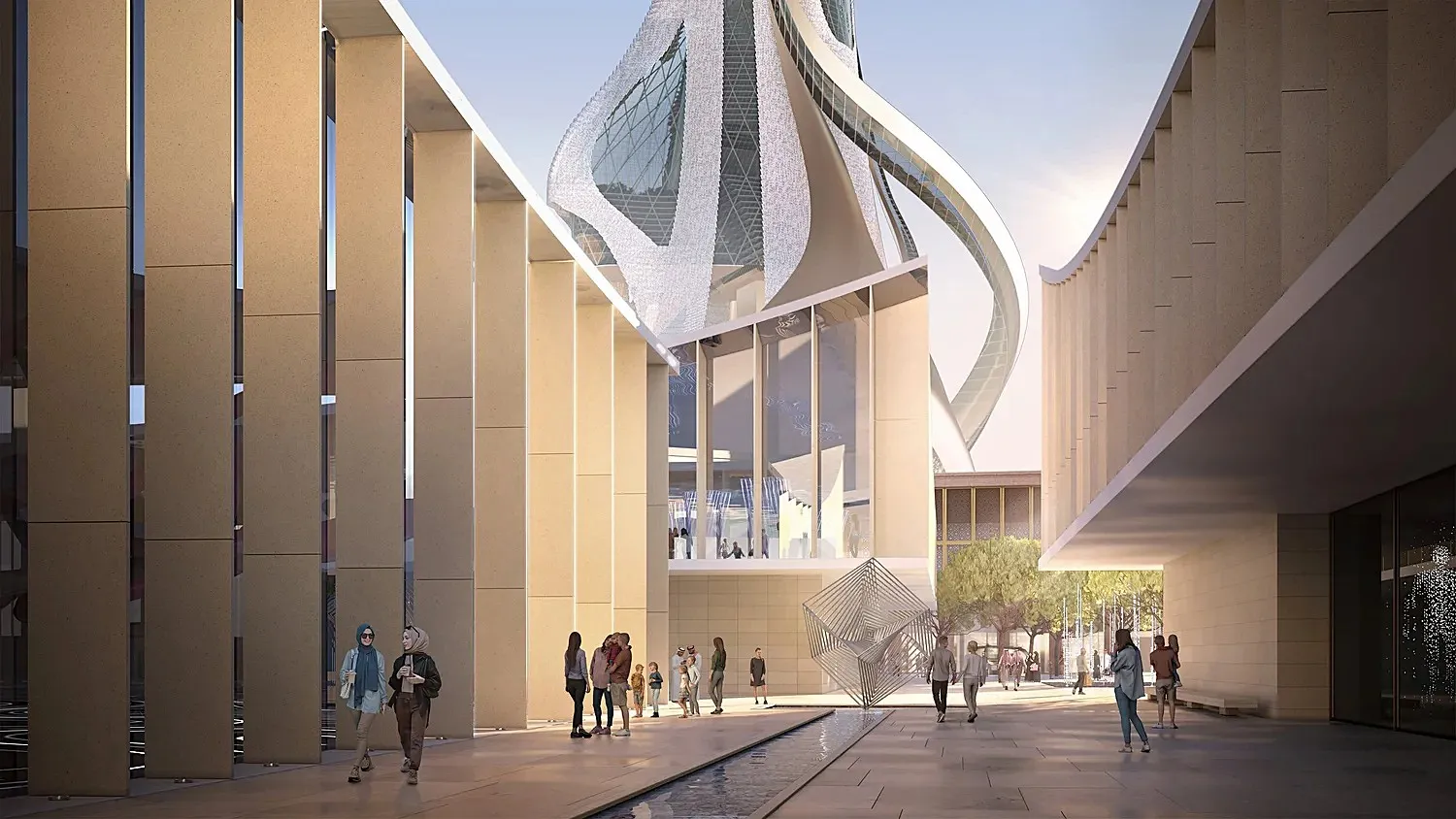
As the Rise Tower climbs above the desert horizon, it asks us to imagine new ways of living, working, and connecting in vertical cities of tomorrow. Will it become a cultural icon like Paris’s Eiffel Tower or a symbol of reinvention like Dubai’s Burj Khalifa? Only time will tell. But one thing is certain: the Rise Tower invites us to go beyond the limits of architecture.
All renders courtesy of minmud.
Explore Courses
.jpg "Ondrej Chybik - Rethinking Architecture")