

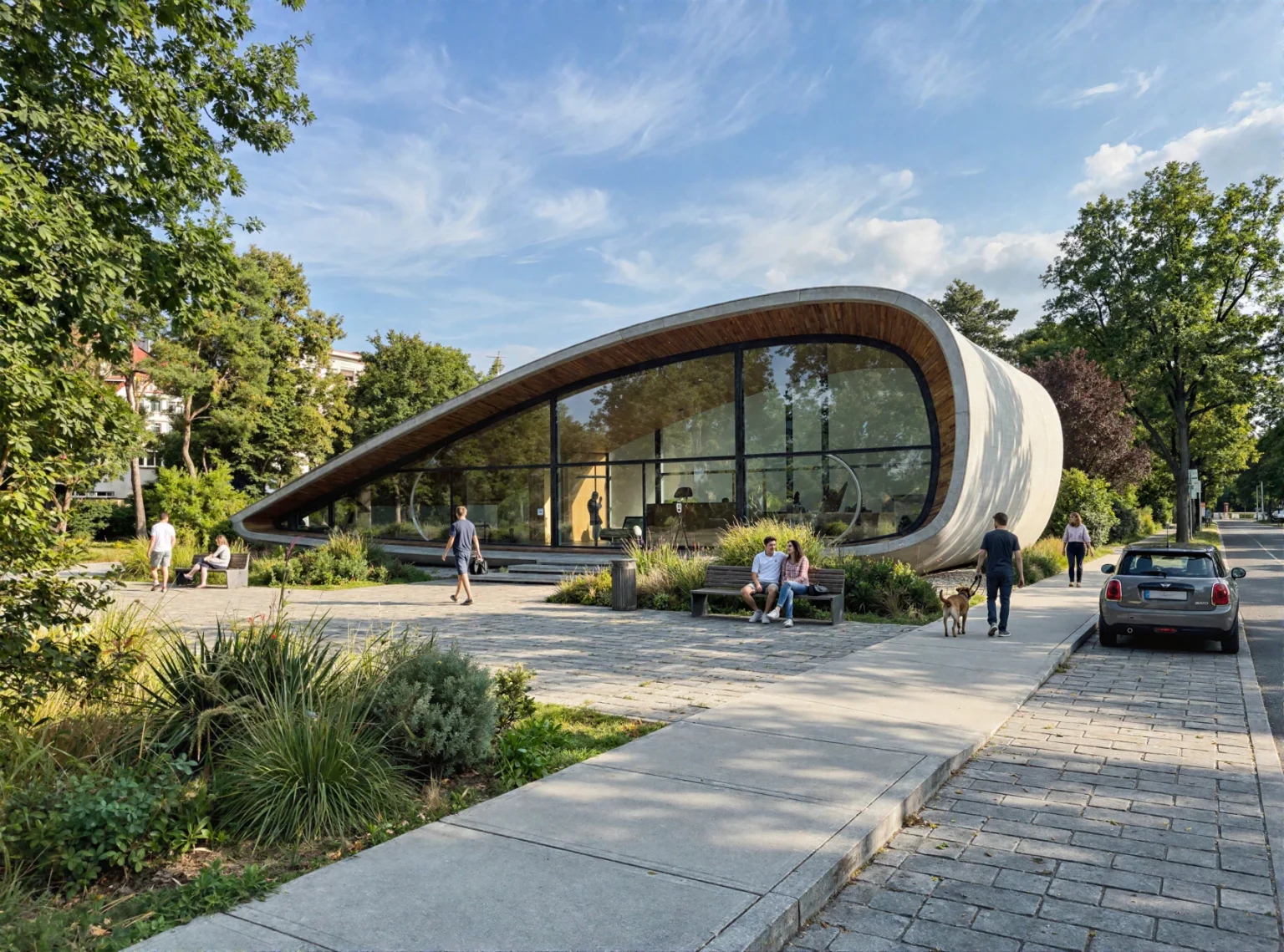


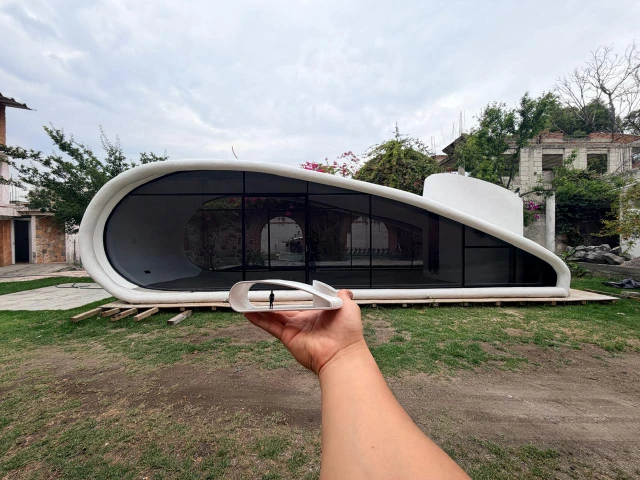







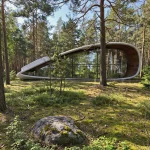
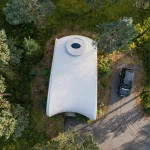
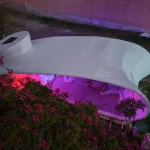
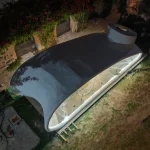
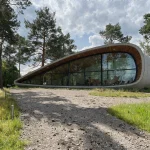
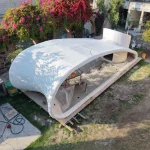
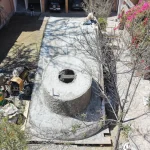
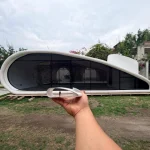
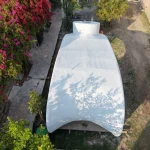
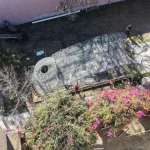
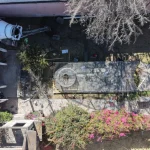
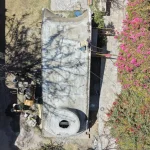
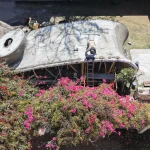
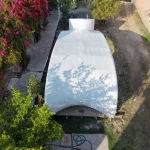
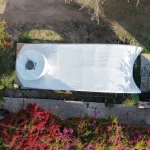
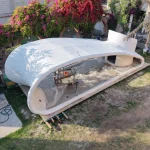
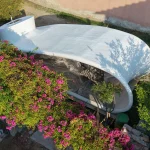
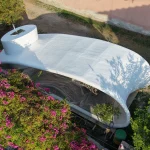
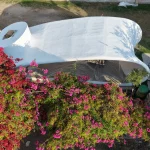
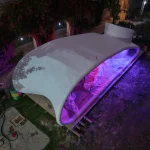
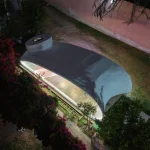
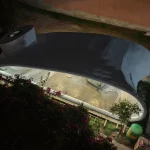
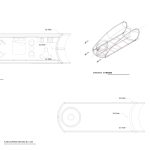
Located in Puebla, Mexico, the Prefab Accessory Dwelling Unit was designed by M.Arch. Alfonso Alvarez Sandoval of A + A Arquitectos explores an alternative model of sustainable and transportable housing. Conceived in response to the spatial challenges highlighted by the Covid-19 crisis, the project proposes a prefabricated ecological dwelling that can be assembled quickly, transported with ease, and adapted to different contexts. The completed prototype demonstrates how architecture can address emergency housing needs while maintaining environmental responsibility and construction efficiency.
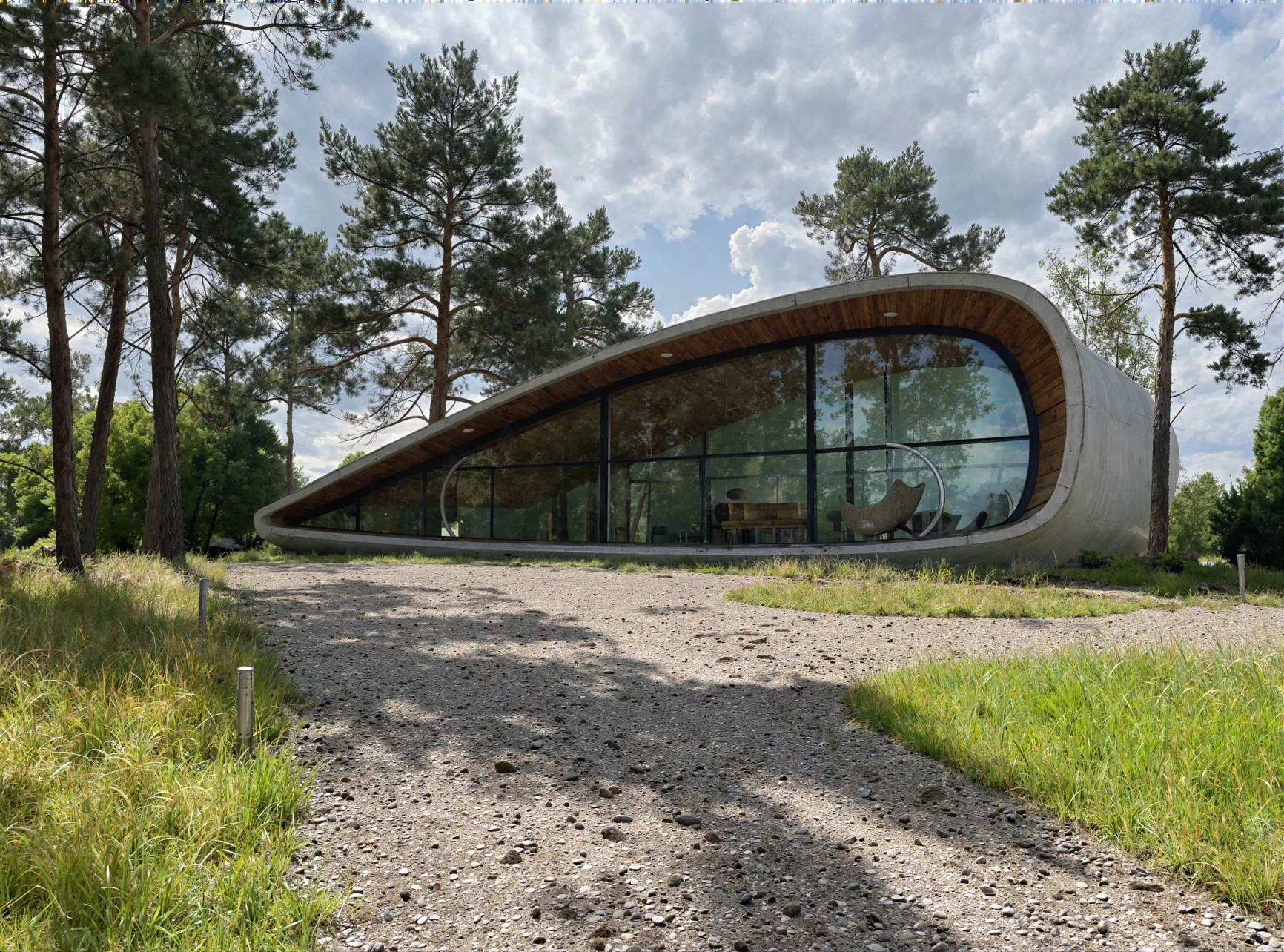
The design is based on a modular prefabricated system developed for rapid deployment. Its compact form accommodates essential living functions while remaining adaptable to changing requirements. The project prioritizes healthy and eco-conscious construction methods, incorporating a ferrocement structural system alongside renewable technologies such as solar water heaters, photovoltaic cells, and an ecological septic system intended for drainage management and energy generation. These strategies contribute to the dwelling’s low environmental impact while supporting self-sufficiency.
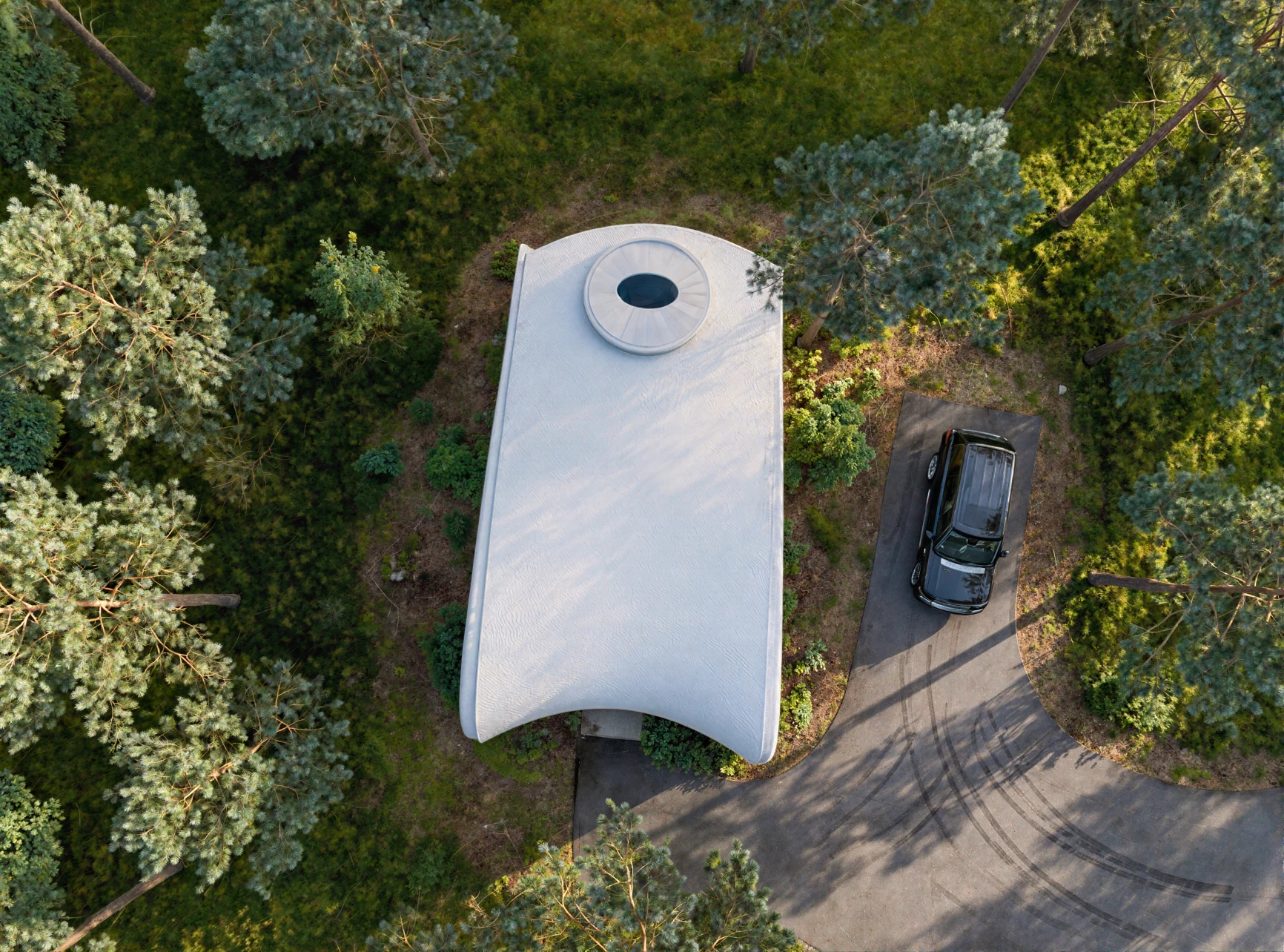
A defining aspect of the project is its reliance on digital fabrication and parametric design. The design process integrated both creative and technical considerations, allowing the architects to develop a modular platform that can be easily assembled and configured. The structure was designed using lightweight concrete supplied by Cemex, enabling a balance between durability, transportability, and construction efficiency. According to the project documentation, the modular system facilitates serial production through digital manufacturing methods, supporting the possibility of large-scale deployment when required.
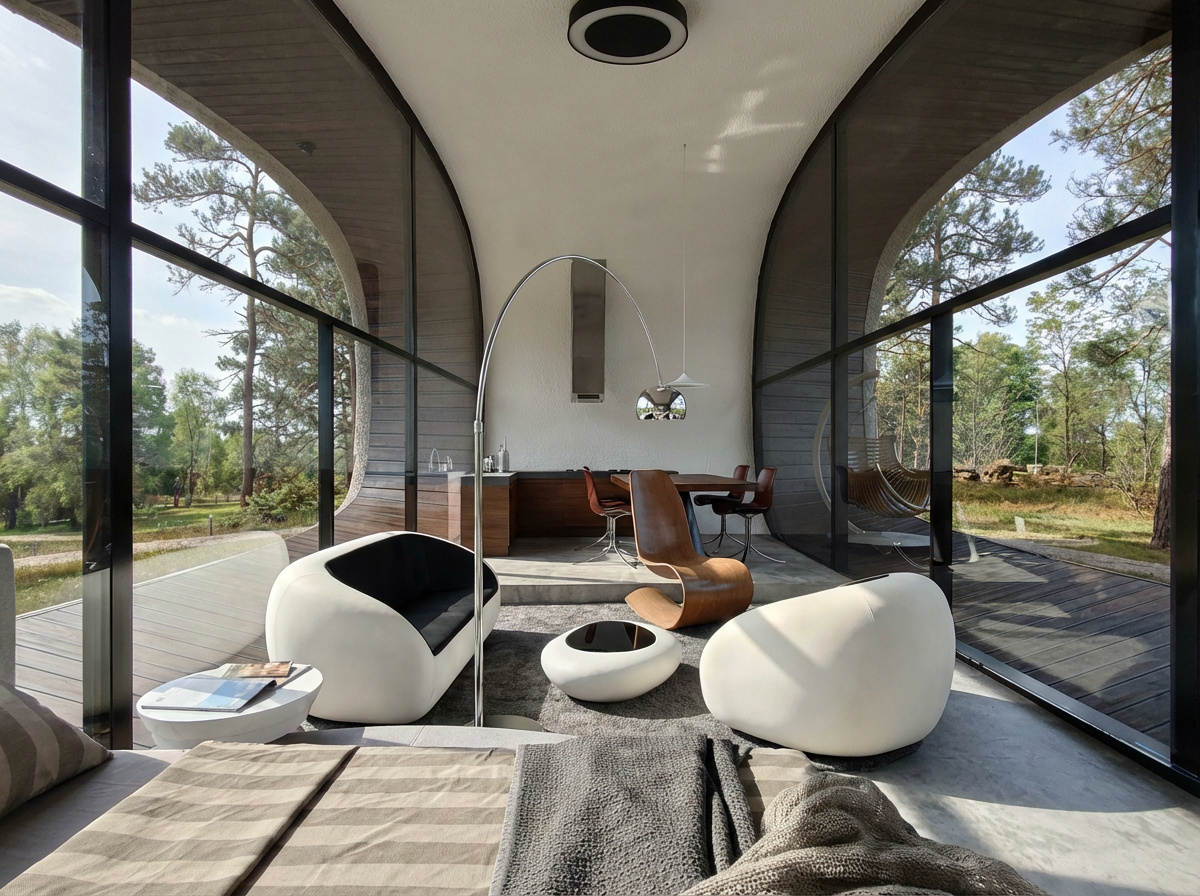
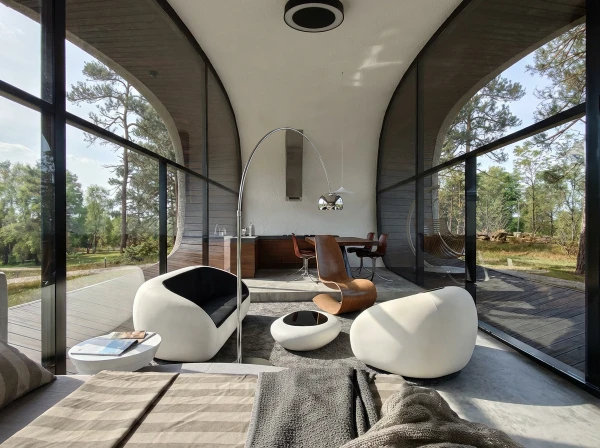
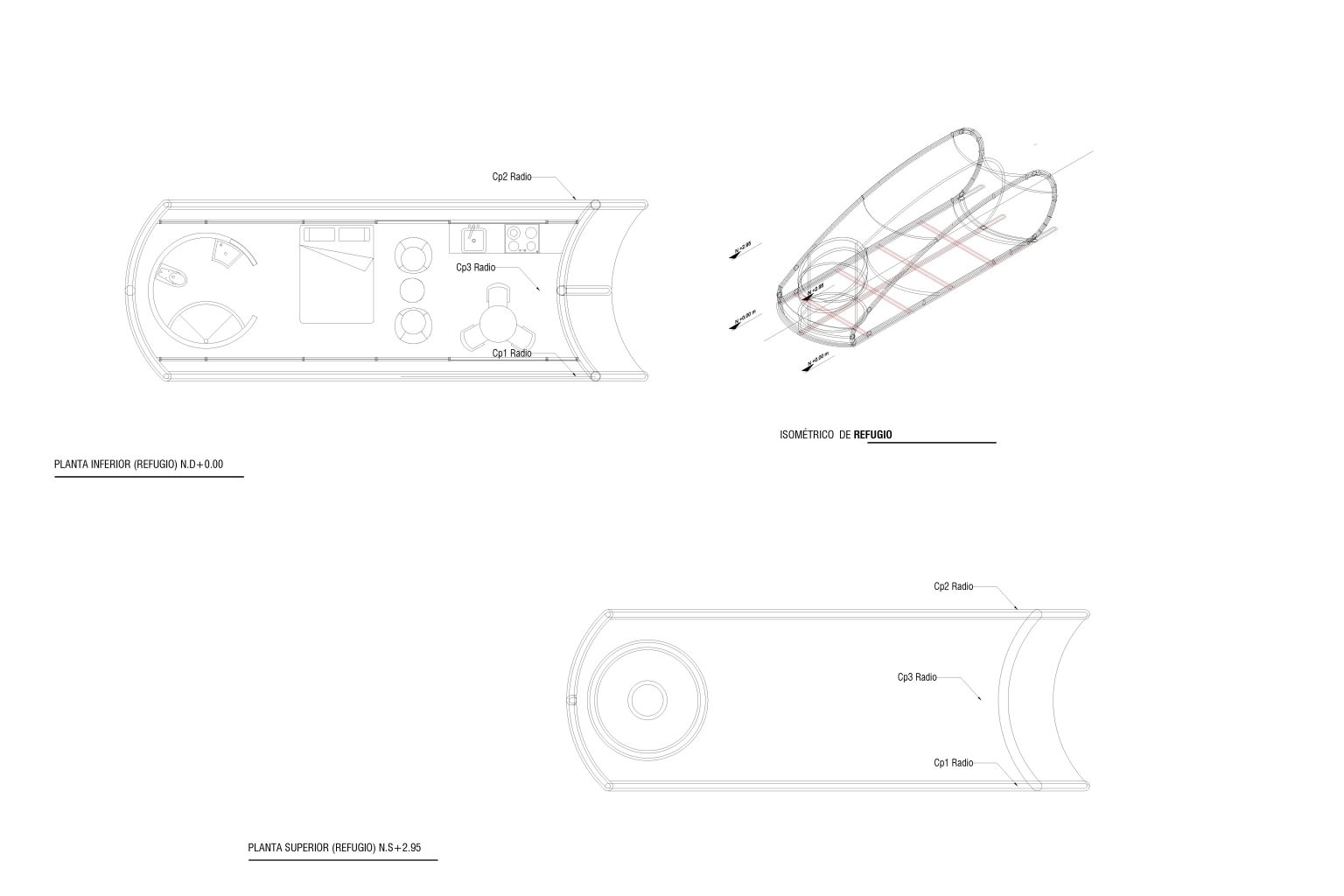
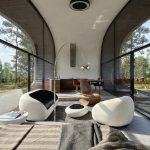
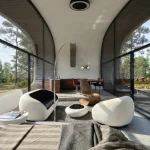
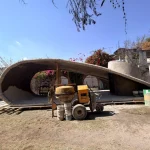
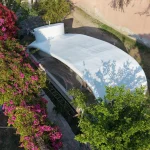
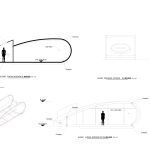
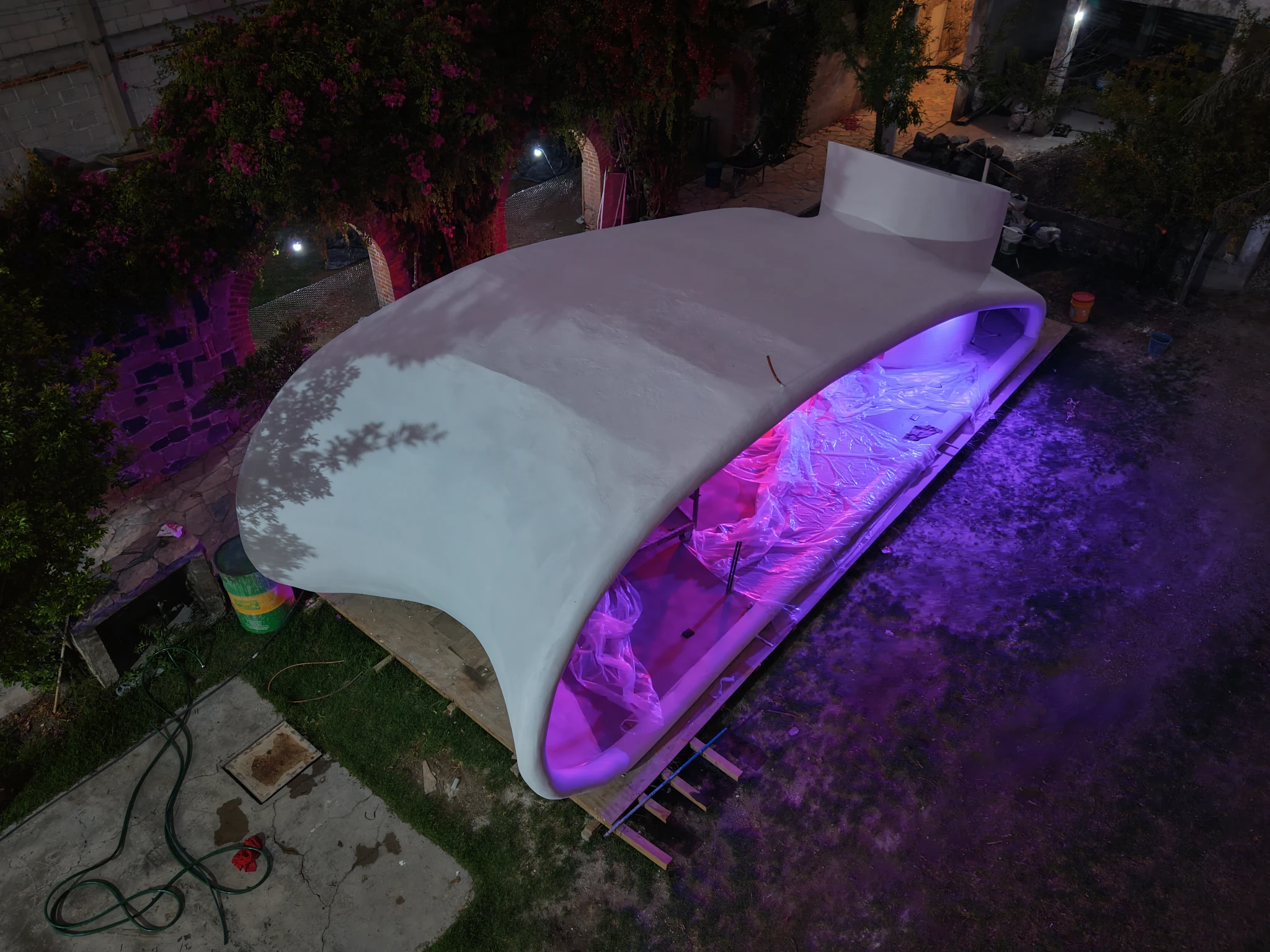
Internally, the dwelling provides approximately 90 square metres of living space, organized as a compact environment containing the necessities for habitation. Large glazed openings strengthen the connection between the interior and the surrounding landscape, while the curved shell form creates a continuous spatial experience. The layout is conceived as an example of ephemeral architecture that can respond to temporary housing demands without sacrificing comfort or environmental awareness.
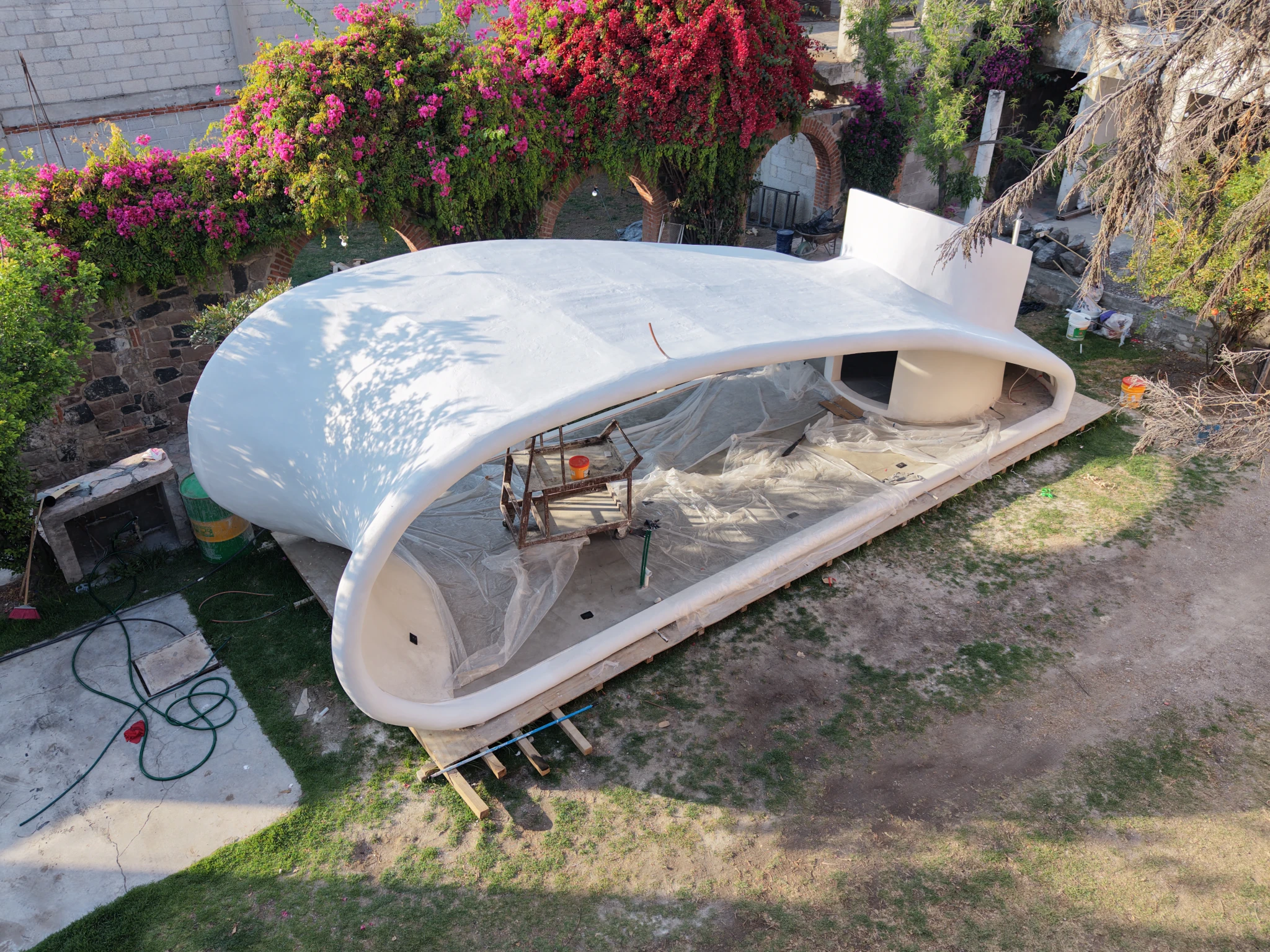
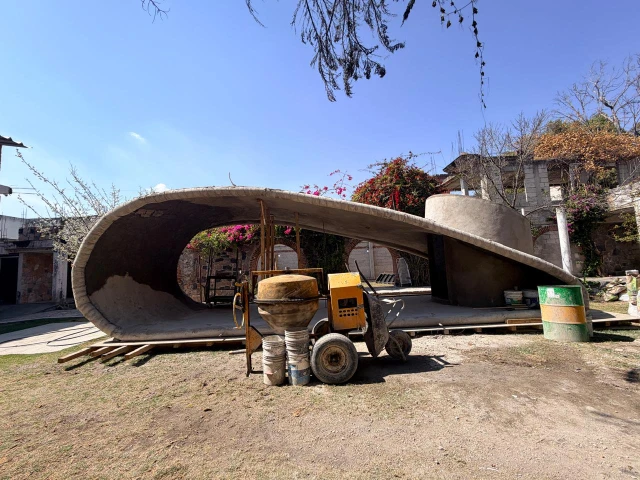
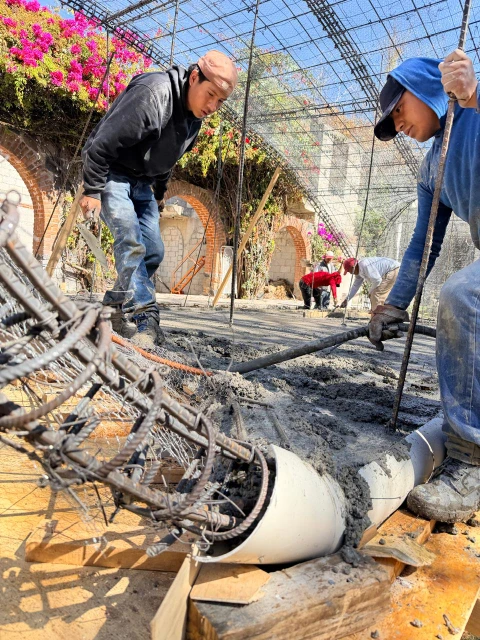
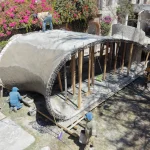
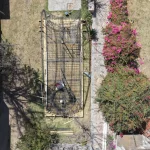
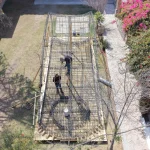
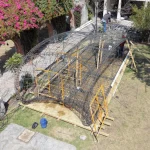
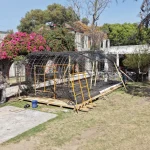
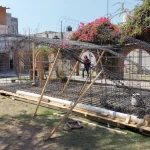
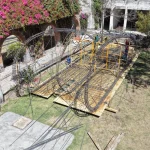
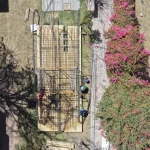
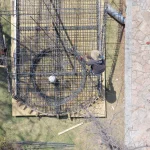
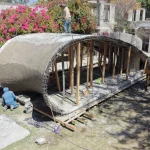
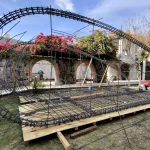
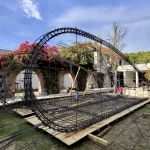
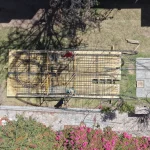
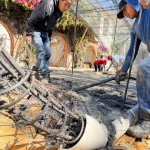
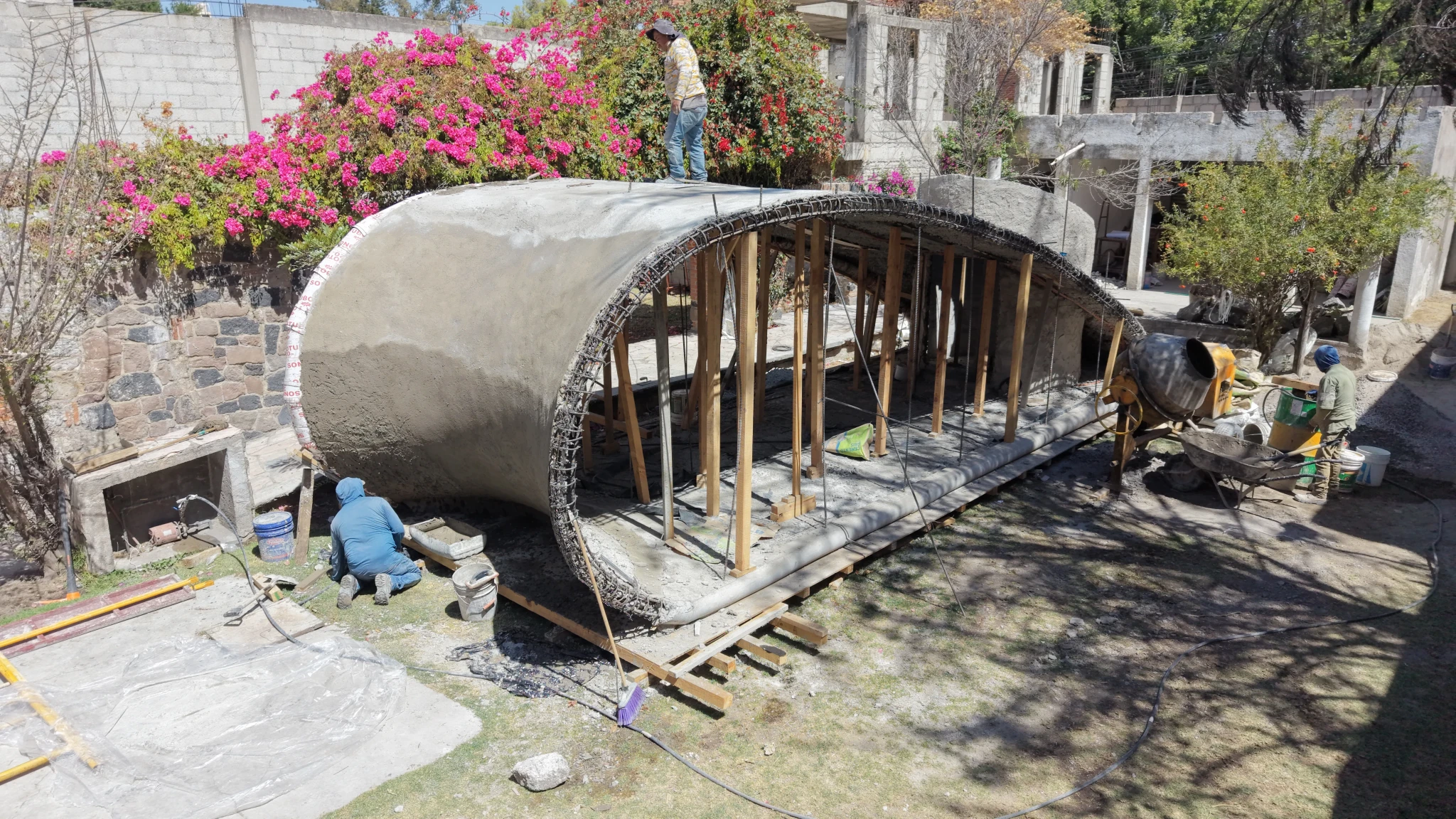
The construction process reflects the experimental nature of the project. The shell structure was developed through parametric modelling and built using a framework of #3, #4, and #5 reinforcing bars. Ferrocement construction techniques were employed without traditional formwork; instead, temporary shoring was used to create the required geometry. Hexagonal mesh and ceiling mesh were combined with lightweight cement, mortar, and plastic cement to form the enclosure. The project team also fabricated custom moulds for structural components, metalwork, and glazing elements. Future iterations are expected to explore inflatable membrane systems paired with lightweight reinforced concrete shells to further streamline construction.
Envisioned as a prototype for broader implementation, the project’s development strategy involves constructing a demonstration unit before moving toward serial production for emergency and temporary housing applications. By combining prefabrication, renewable energy systems, digital fabrication, and lightweight construction methods, the Prefab Accessory Dwelling Unit presents a practical model for flexible, sustainable living in rapidly changing circumstances.
Prefab Accessory Dwelling Unit Project Details
Project: Prefab Accessory Dwelling Unit (ADU)
Location: Puebla, Mexico
Year: 2026
Status: Completed
Built Area: 190 sqm
Architecture Firm: A + A Arquitectos
Lead Architect: M.Arch. Alfonso Alvarez Sandoval
Project Type: Prefabricated Ecological Housing / Accessory Dwelling Unit
Design Approach: Parametric Design and Digital Fabrication
Structural System: Ferrocement Shell Structure