

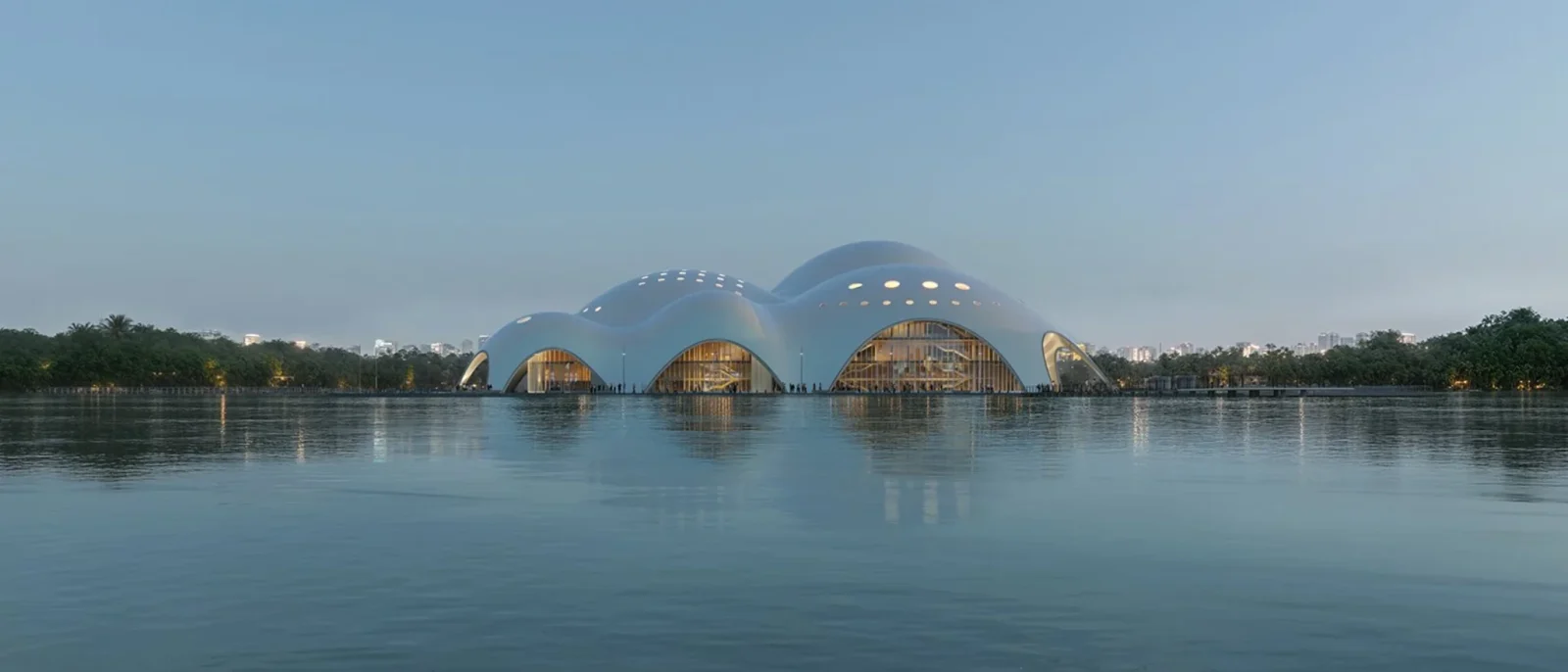
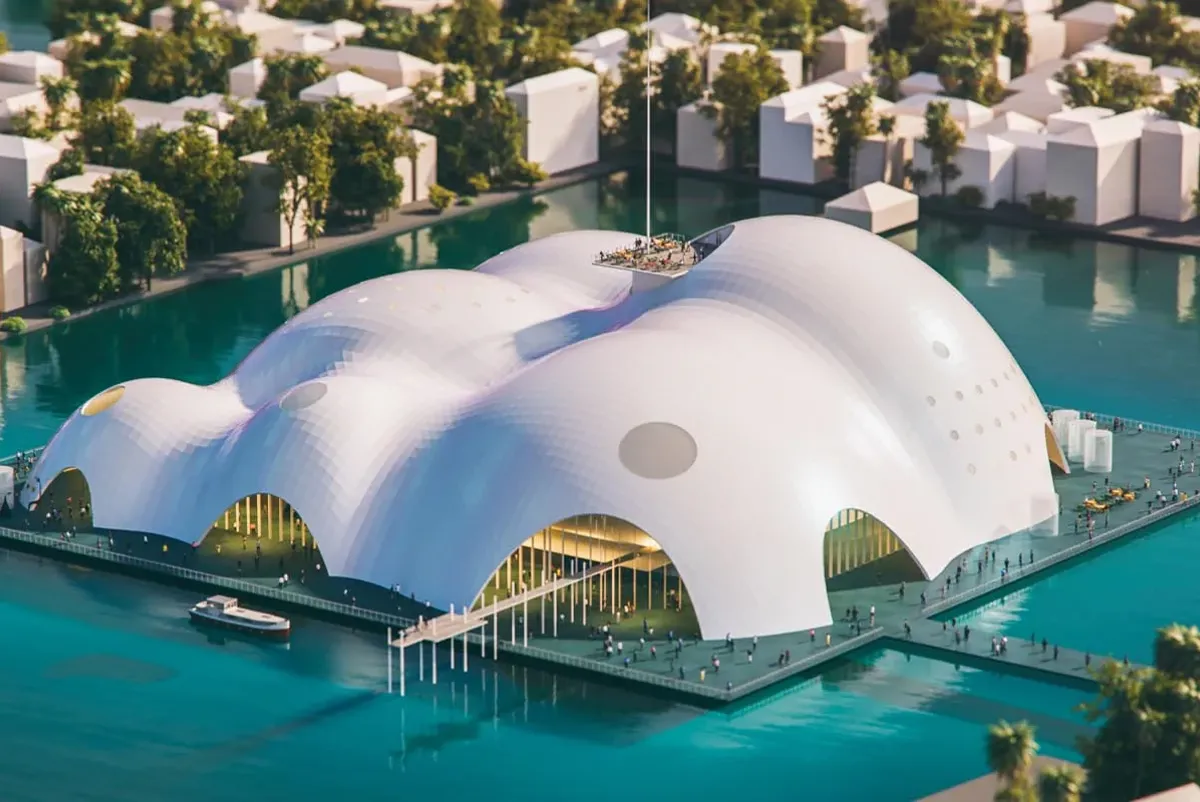
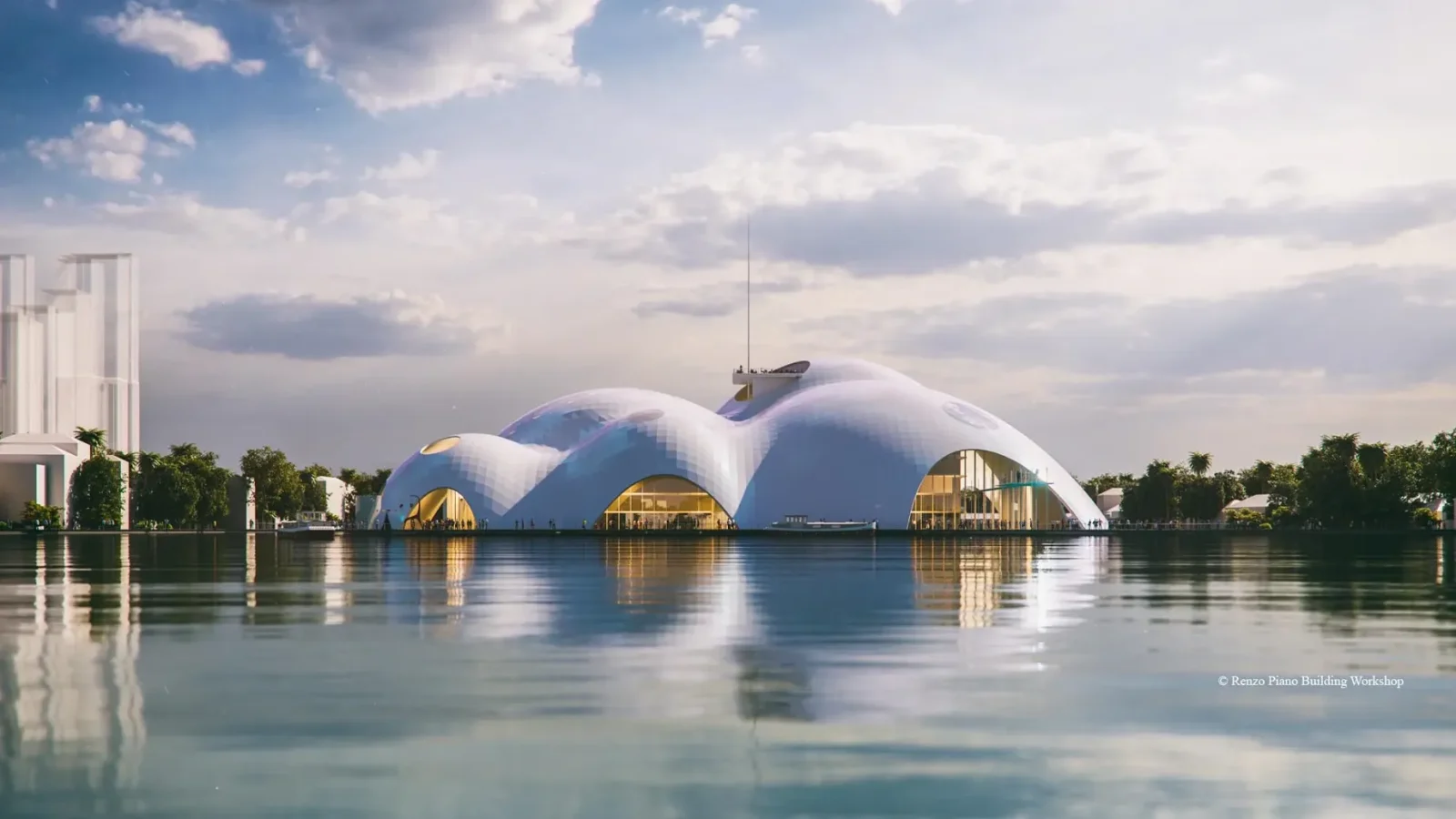
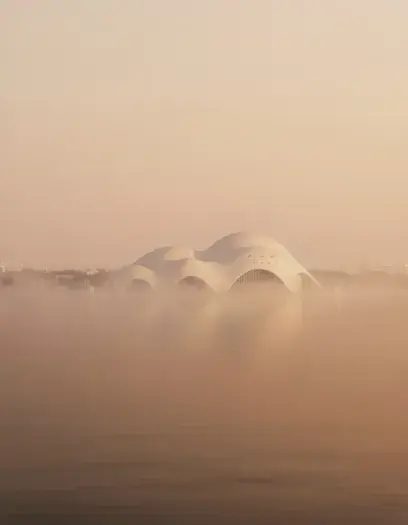
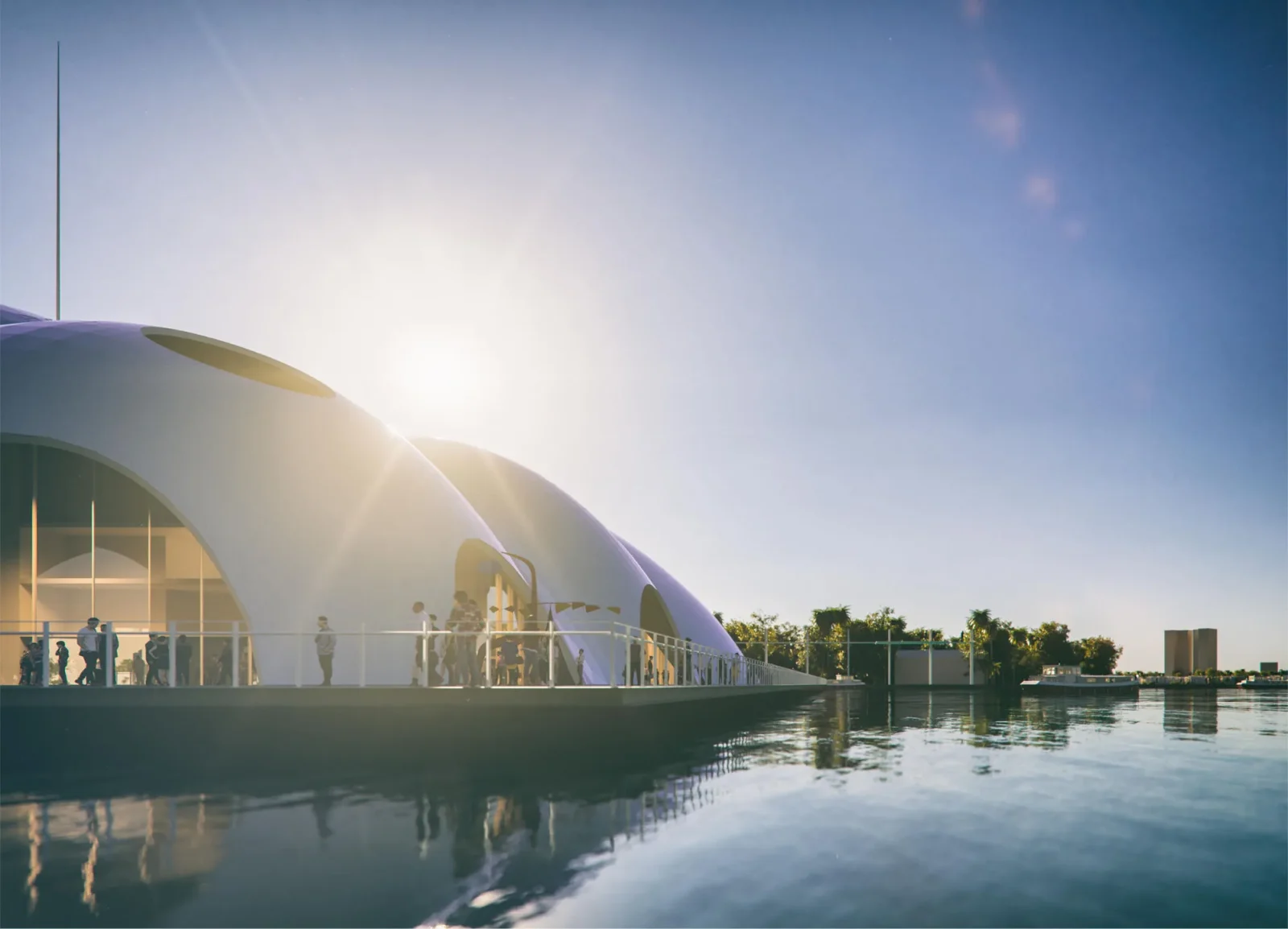
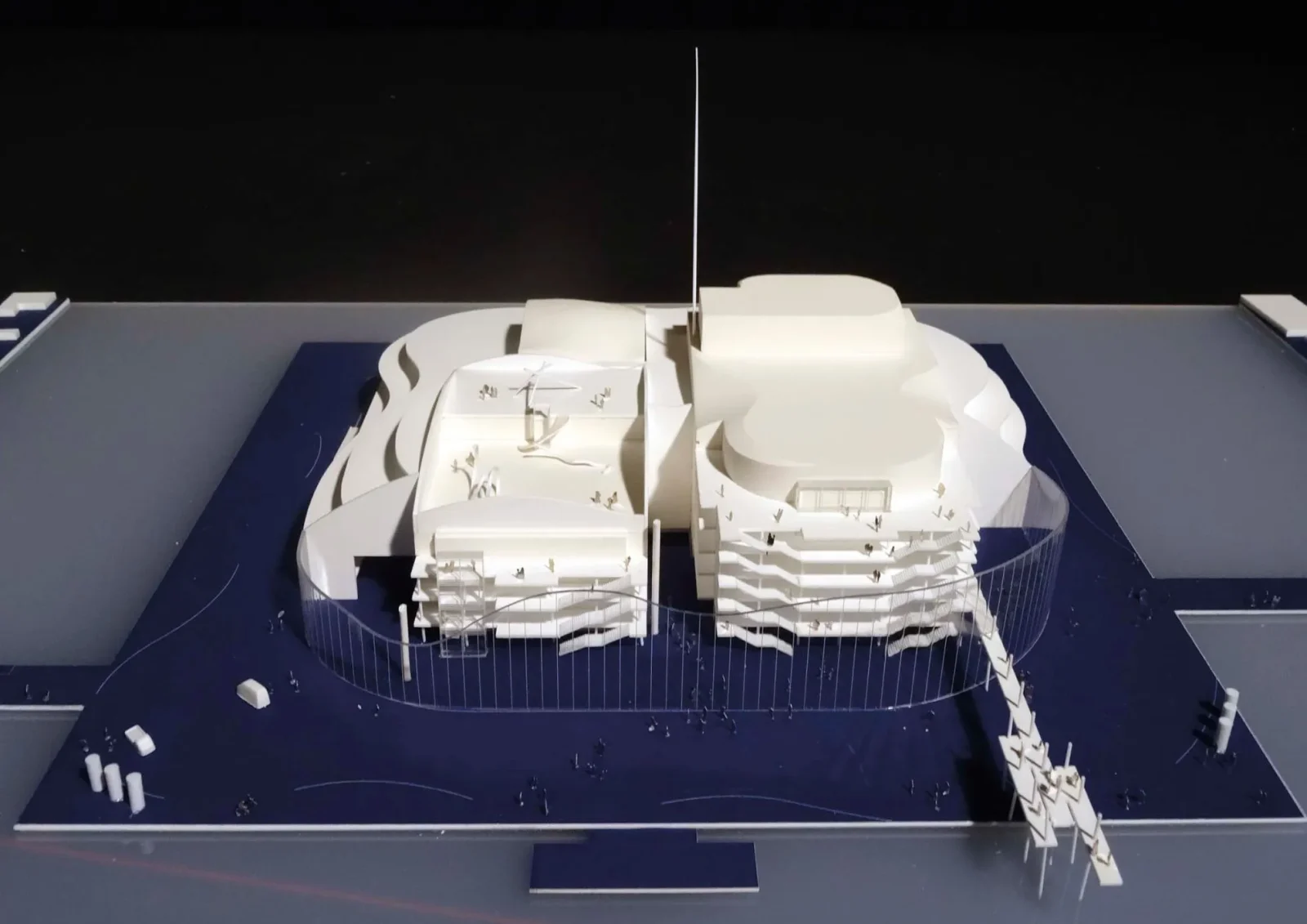
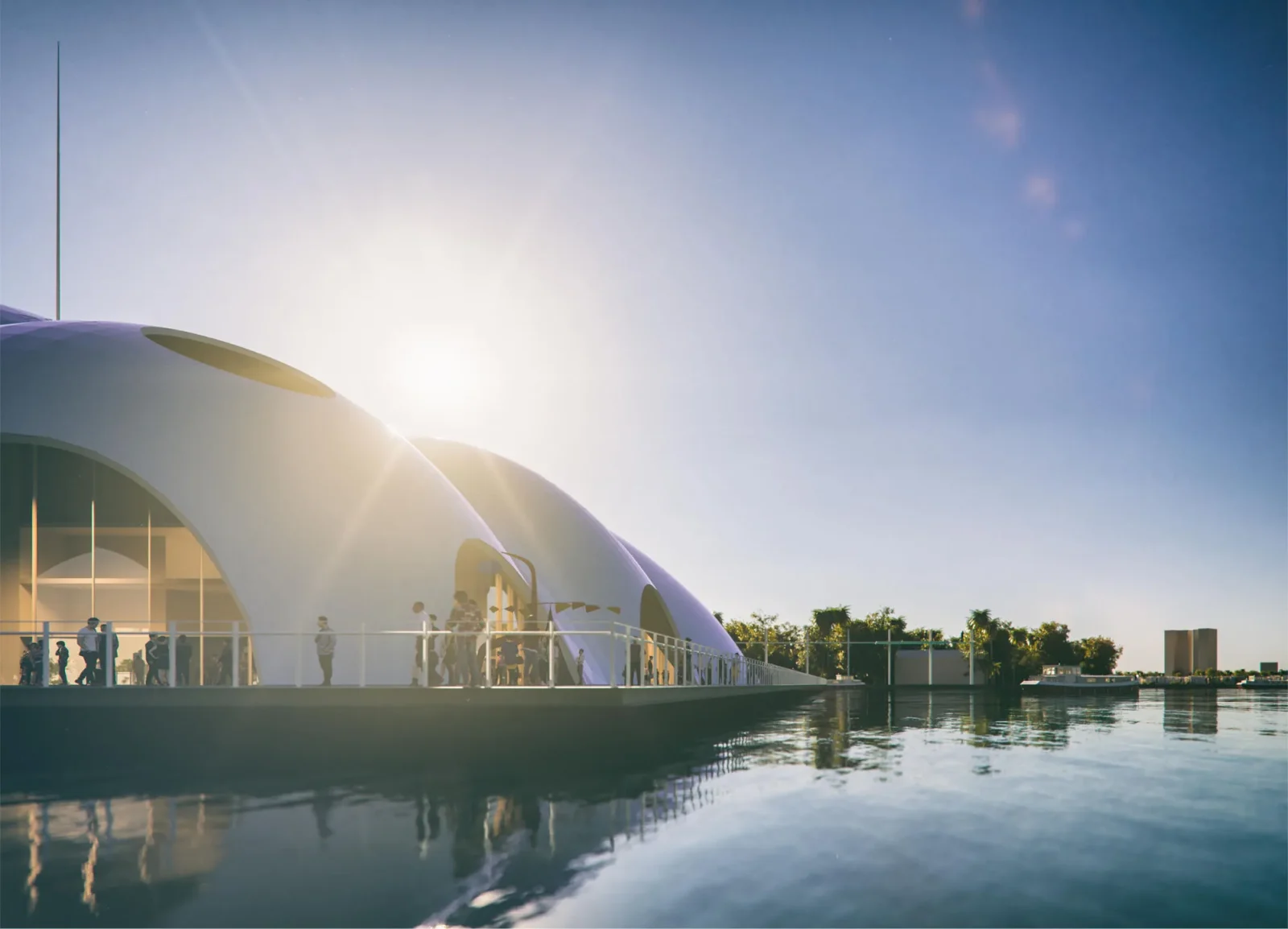
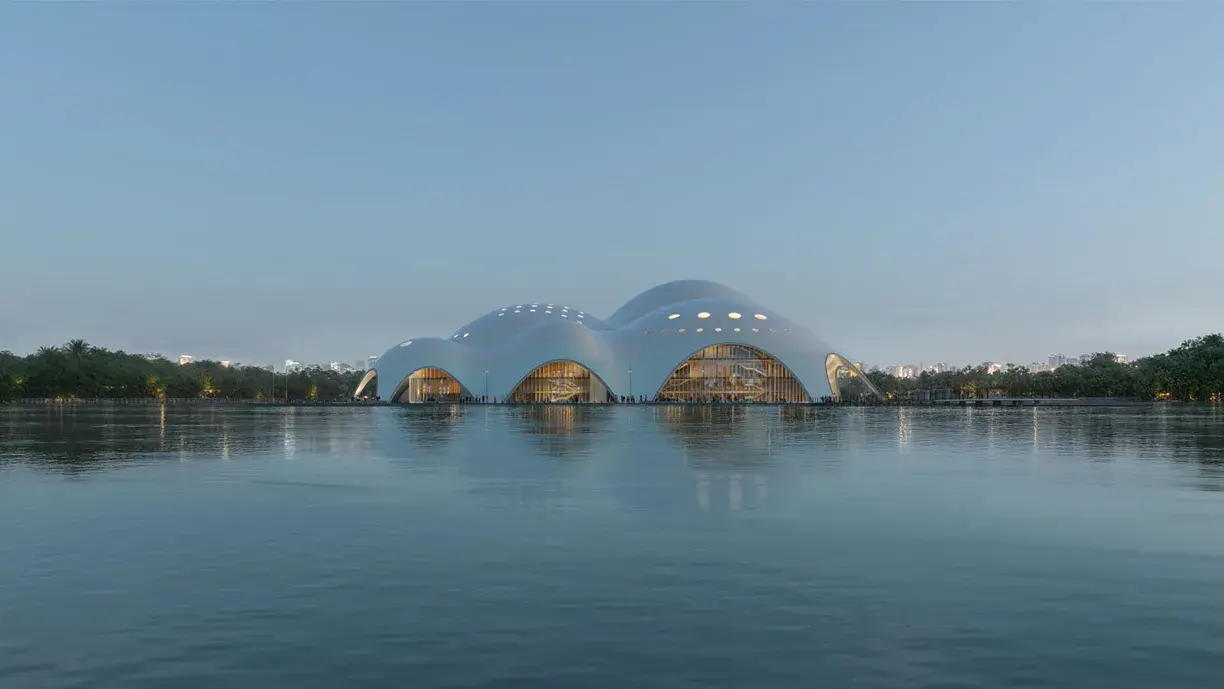
Renzo Piano, a leading figure in contemporary architecture and founder of the Renzo Piano Building Workshop (RPBW), unveils the new Hanoi Opera House, exemplifying his humanistic approach to design and mastery of light, materials, and technology. The new floating Hanoi Opera House is often referred to as Isola della Musica / Island of Music, is expected to become a cultural landmark, combining performance, rehearsal, and creative spaces to reflect Hanoi’s sophistication and artistic spirit.
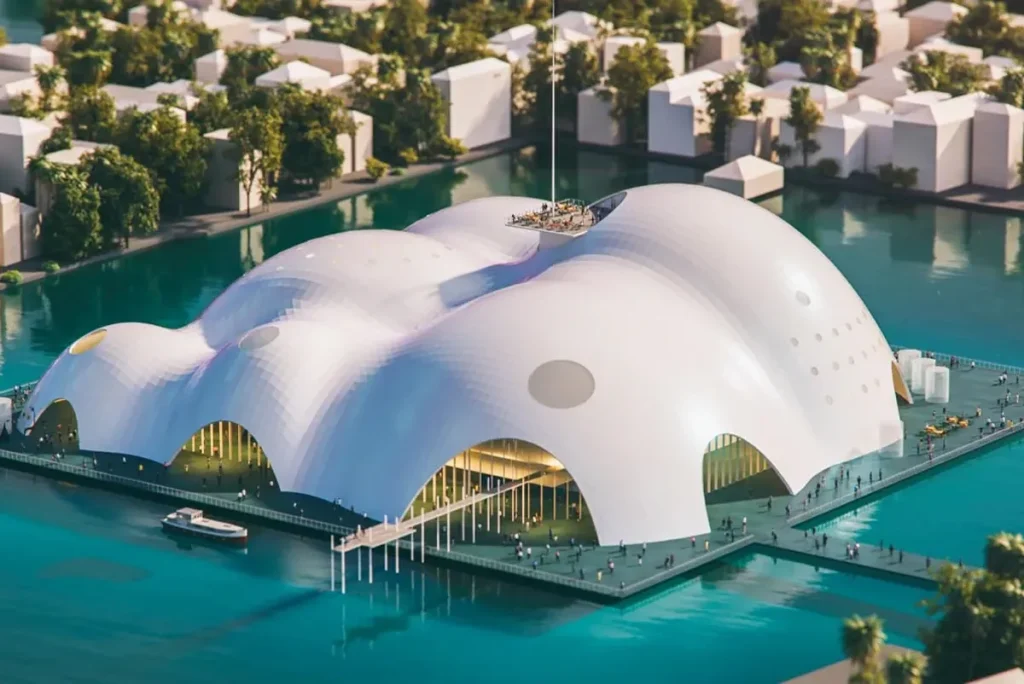
Floating Form of New Hanoi Opera House
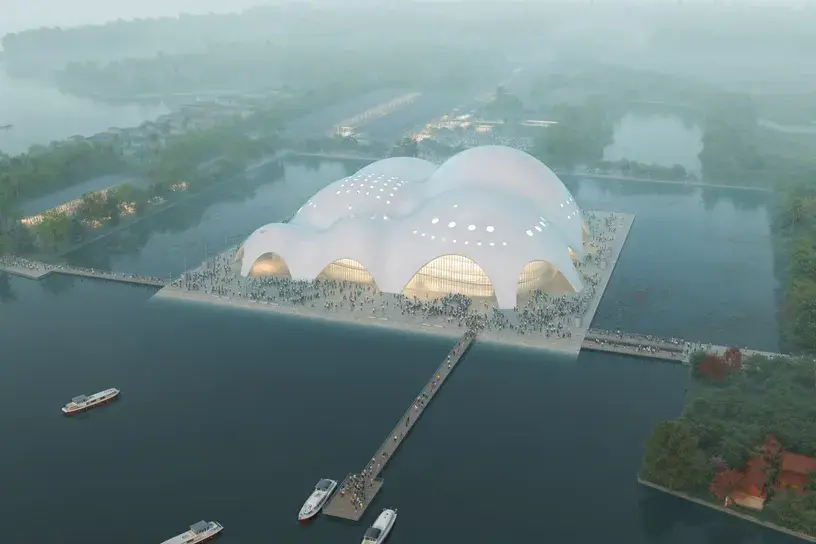
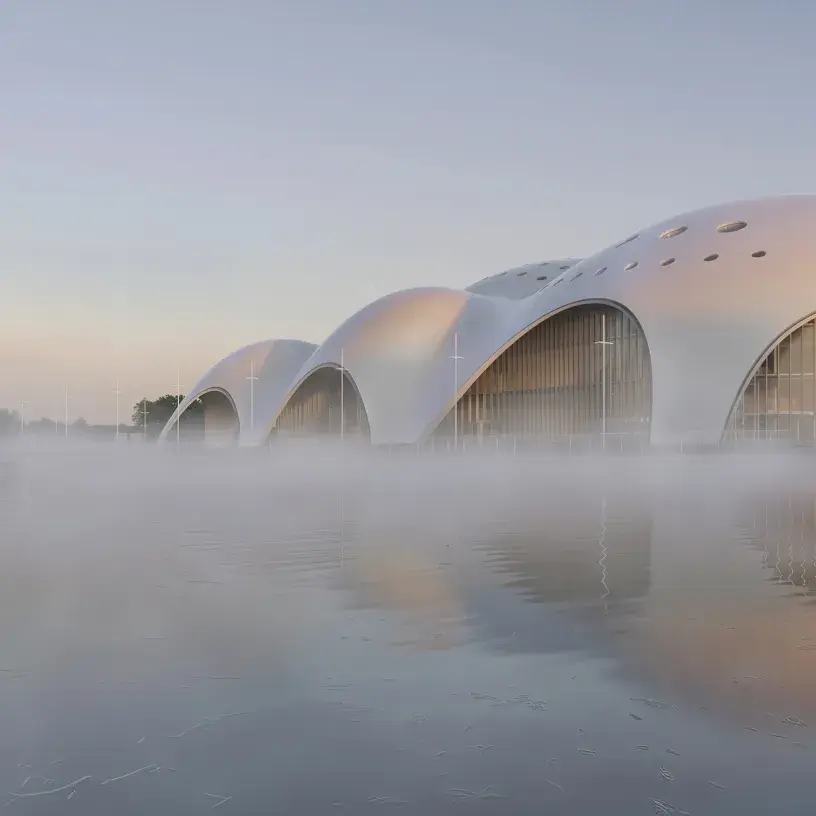
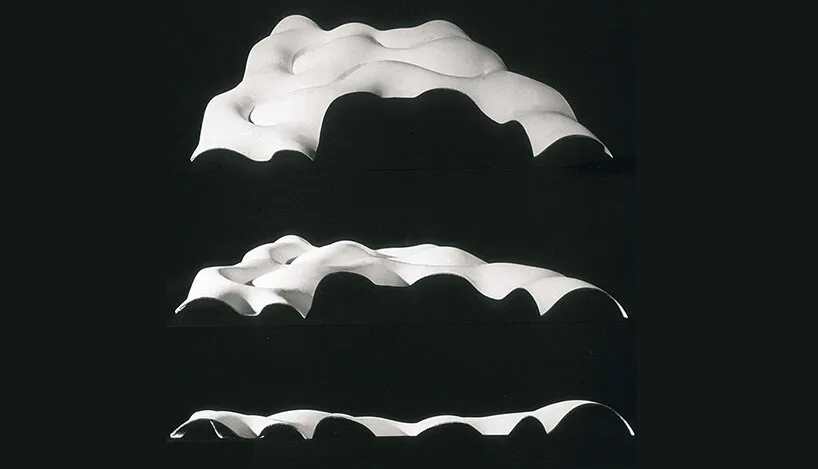
Located on the Quang An Peninsula near West Lake, Vietnam, the project is a part of a wider master plan project that includes a 40-hectare thematic cultural and artistic park, set to become a distinct cultural landmark. Construction of the new Hanoi Opera House began in October 2025, with an anticipated completion in 2027, distinguished by its structural innovation and strategic urban importance. It is defined by a massive, thin-ribbed concrete shell based on a precise three-dimensional catenary surface. Renzo Piano’s four decades of research into thin-shell technology culminate in this project, featuring one of the world’s largest concrete shell roofs.
Renzo Piano’s Architectural Vision
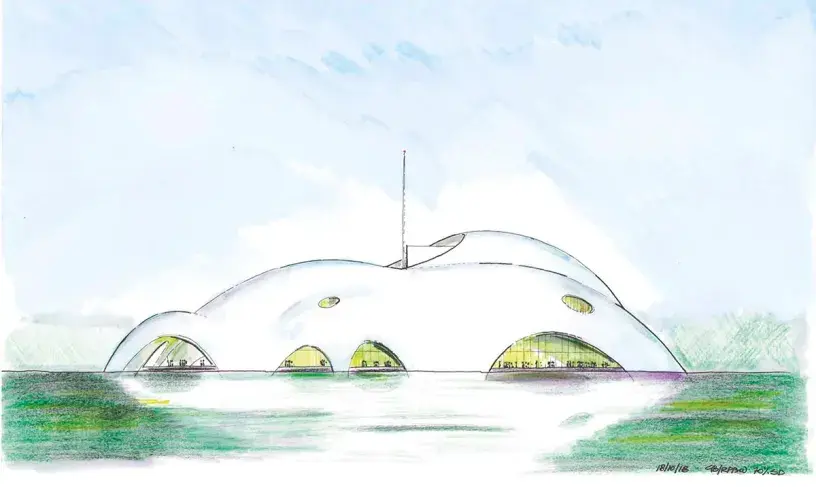
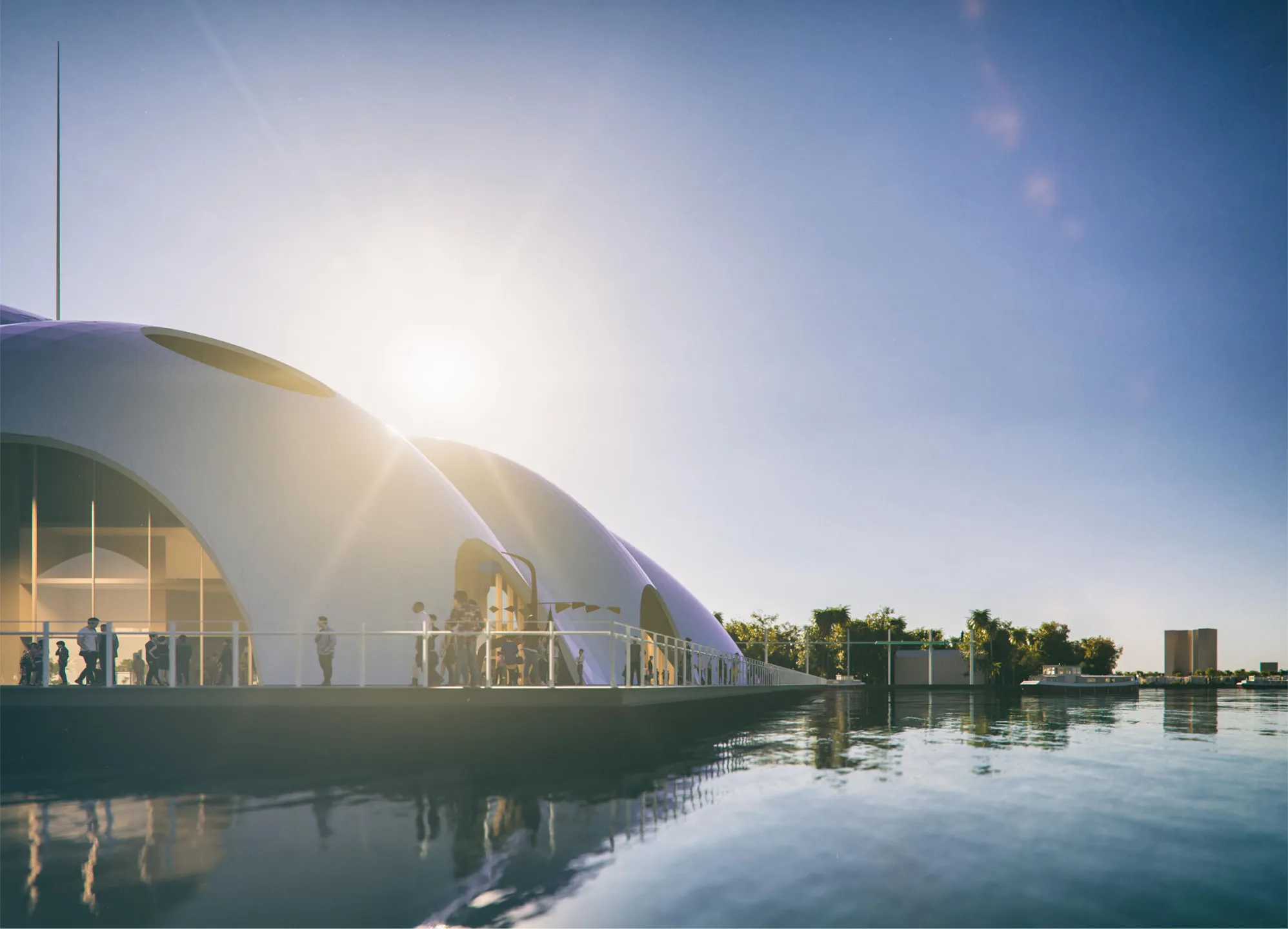
A laureate of the Pritzker Architecture Prize, Renzo Piano‘s human-centered designs demonstrate the principles of contextual sensitivity, materiality, and innovation. Drawing inspiration from local natural forms, the rippling surface of West Lake, and the oyster shell, the building’s aesthetic takes shape as a cultural landmark of international stature and a symbol of Vietnam’s sustainable development. The striking floating structure, rising from the surface of West Lake, reinforces its contextual link to the natural and historical features of the West Lake environment.
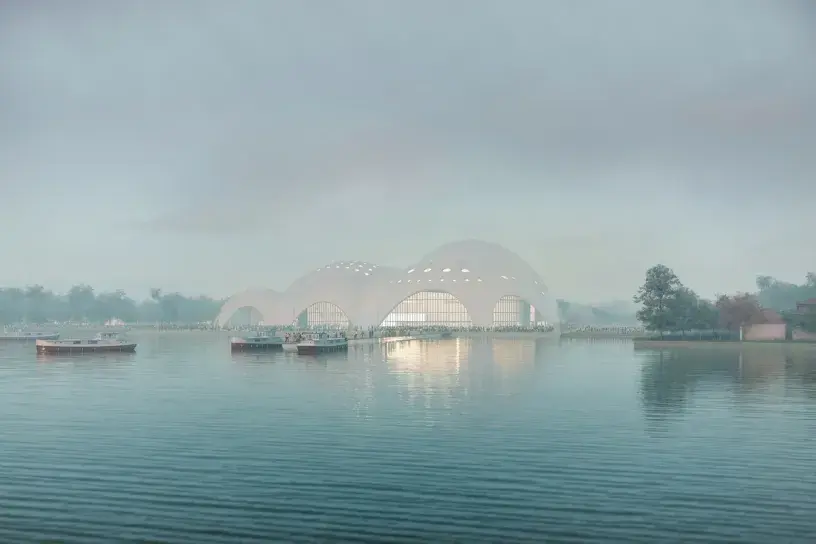
The architectural identity of the new Hanoi Opera House lies in its dome structure, rooted in Piano’s exploration of lightness relative to scale. The design team believed that, hypothetically, if the entire building were scaled down to the size of an egg, its dome shell would be thinner than the eggshell itself.
Design and Programmatic Functionality
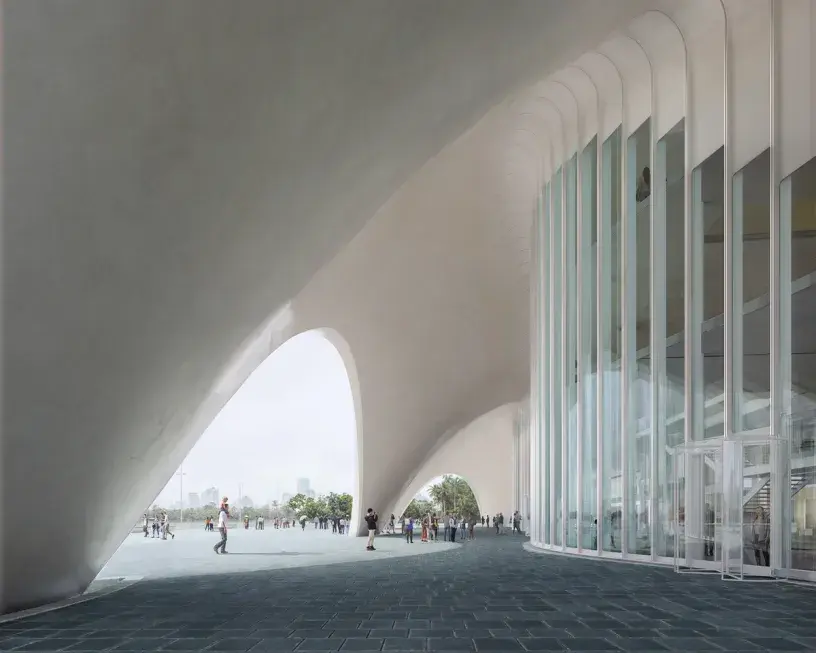
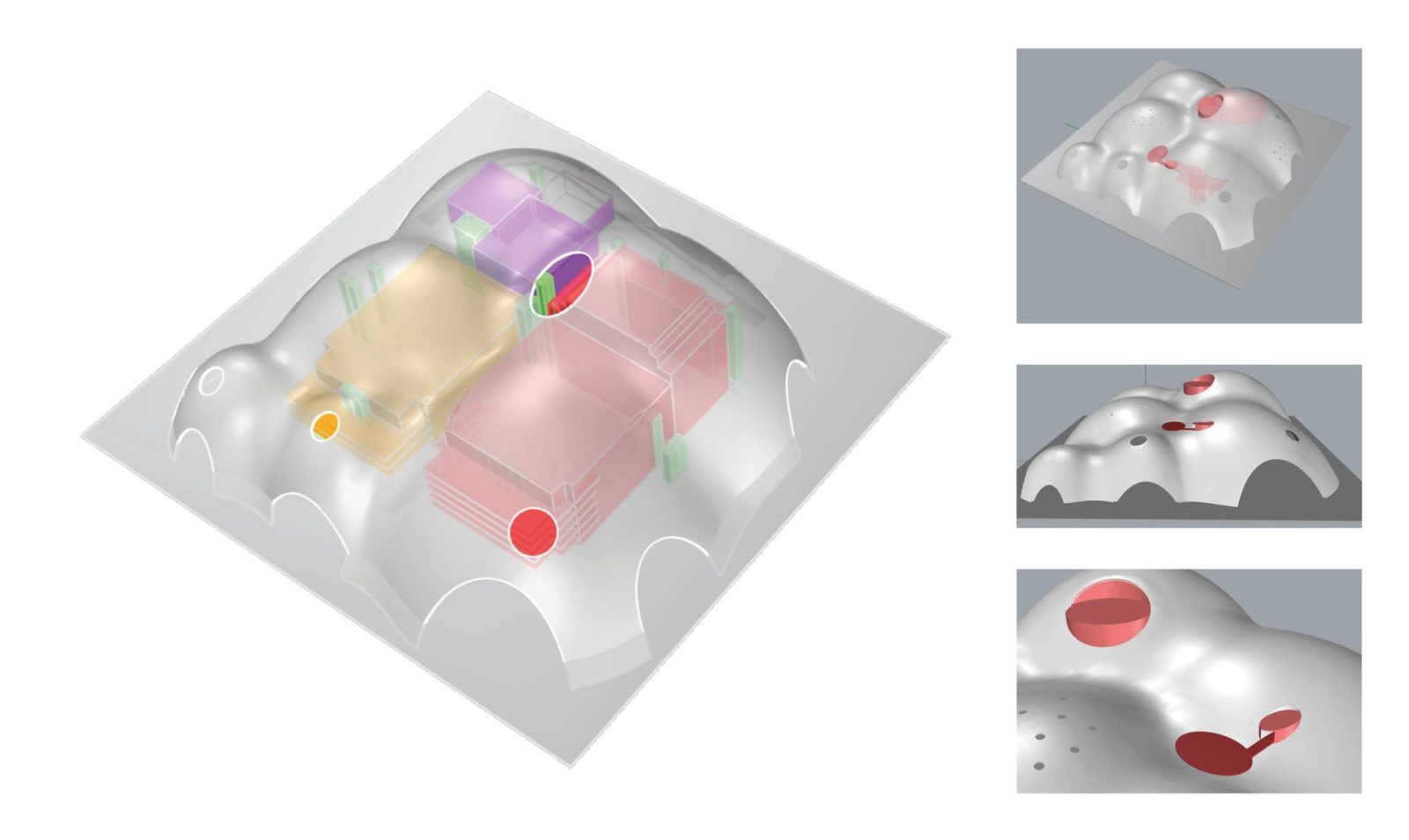
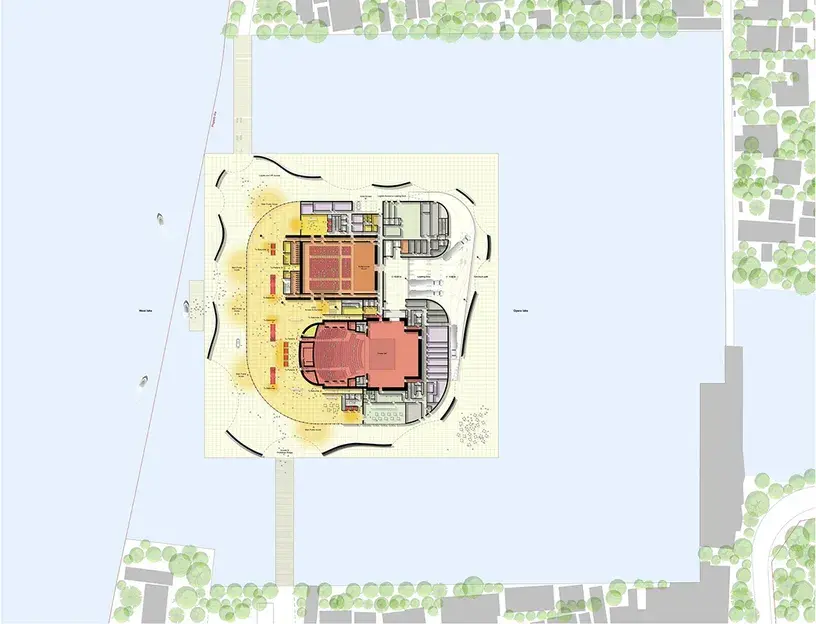
Spanning 45,000 square meters, it includes the main opera hall, which will seat 1,800 guests, while the multipurpose hall offers flexible seating for 500 and can host large events with up to 1,430 standing places and 216 balcony seats and will host concerts, live shows, and major political and cultural events. Additional spaces include flexible rehearsal and creative areas, a museum, expansive main foyers, and viewing terraces.
The main auditorium incorporates a highly advanced technical feature designed to optimize sound quality for a variety of artistic programs: a system of movable panels. This system allows technicians to precisely modify sound reflection and adjust the reverberation time, which is necessary to accommodate different performances.
Digital Algorithms, BIM, and Materials
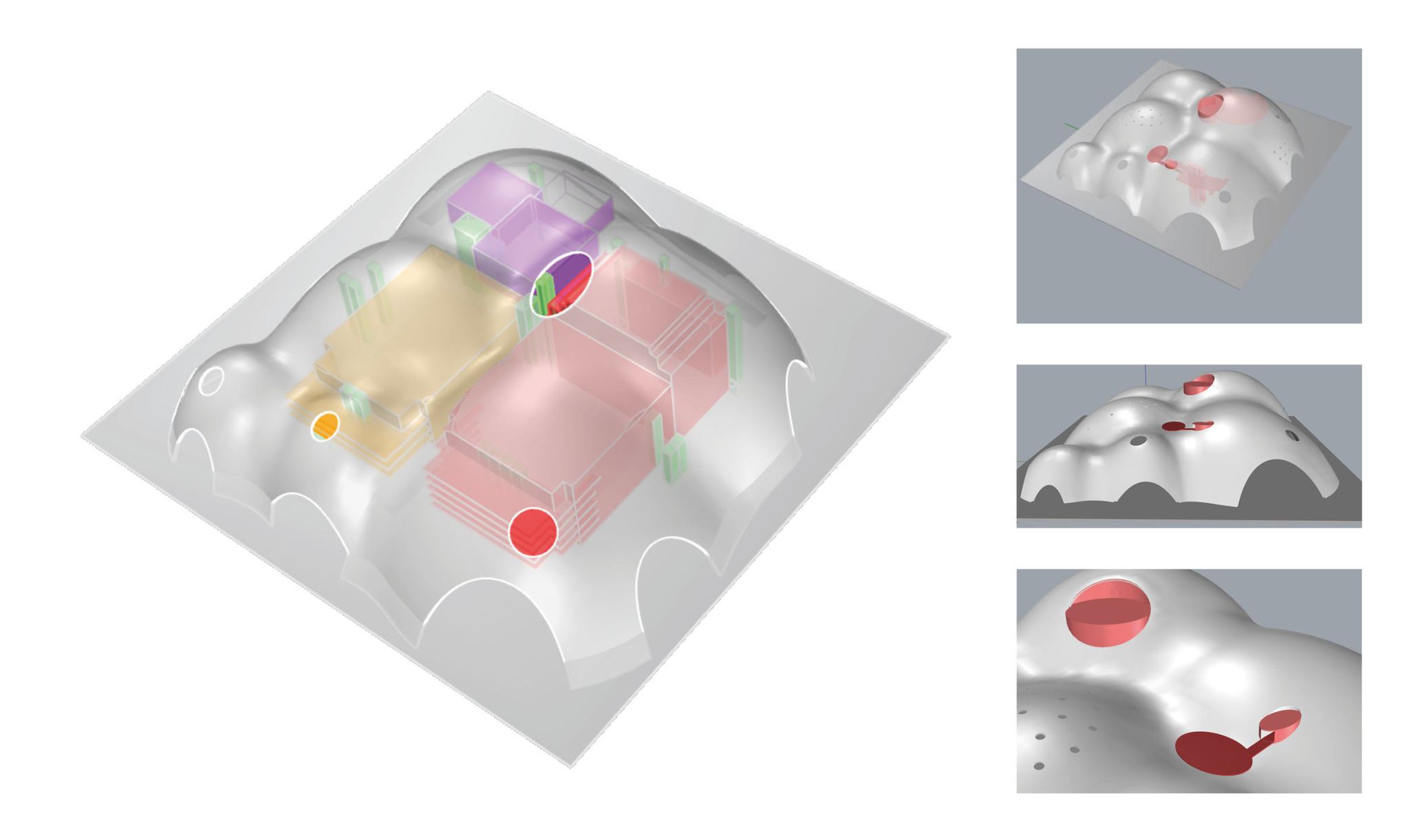
Collaborating with PTW Architects, Theatre Projects, and Arup, RPBW ensured integration of architectural, theatrical, and engineering expertise. Arup contributed to structural and building services engineering, advanced acoustic design, and pioneering digital modeling techniques, which were required for realizing the structural complexity of the design.

After exploring with soap bubble shells and two-dimensional catenary envelopes, the design team finalized a three-dimensional catenary surface as the project’s defining geometry. Using computational tools, Arup, in partnership with RPBW, developed an advanced algorithm using Building Information Modeling (BIM) techniques. The optimization process reduced material usage, directly lowering both construction costs and the project’s embodied carbon footprint, thereby reflecting Piano’s commitment to environmental responsibility.
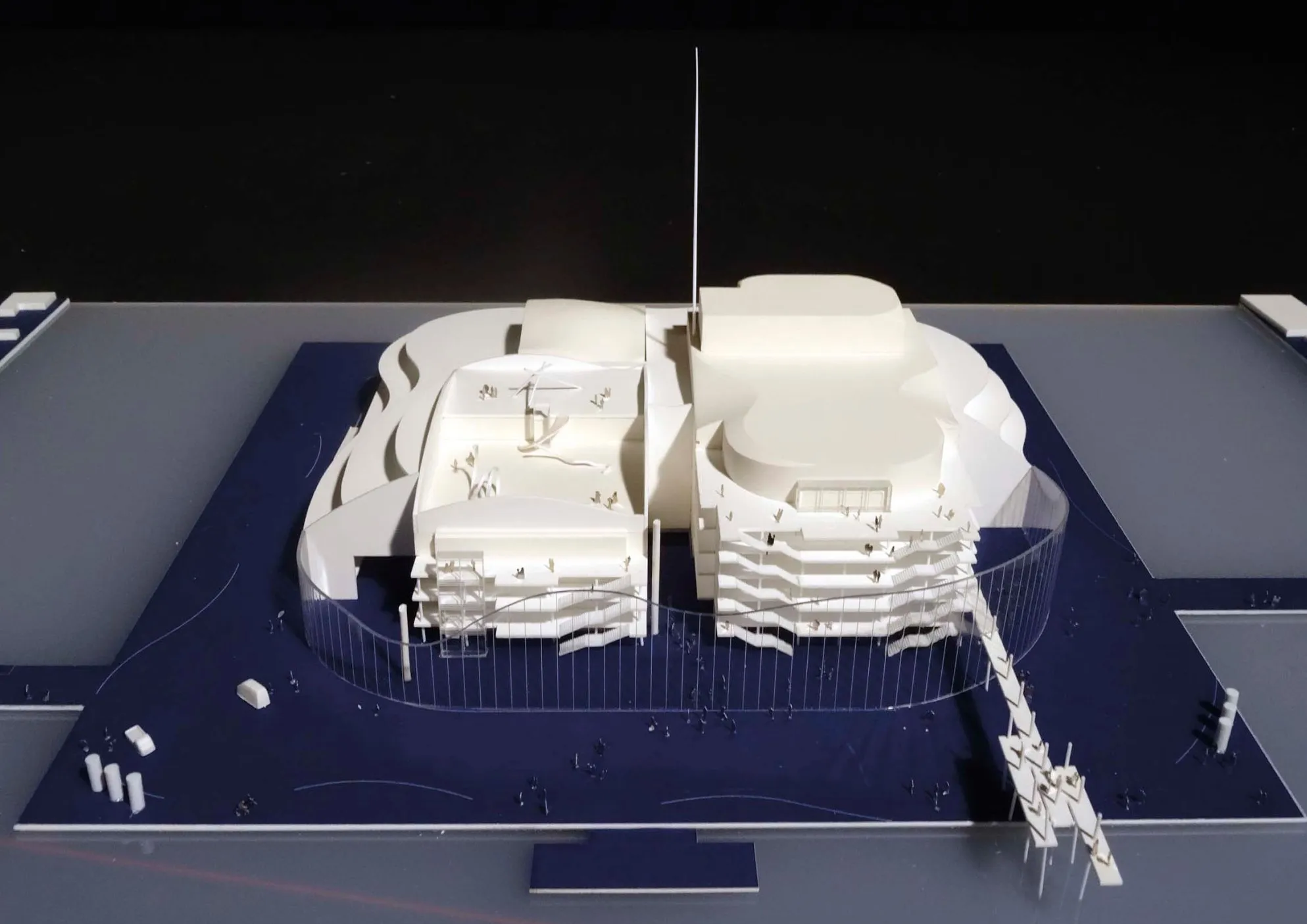
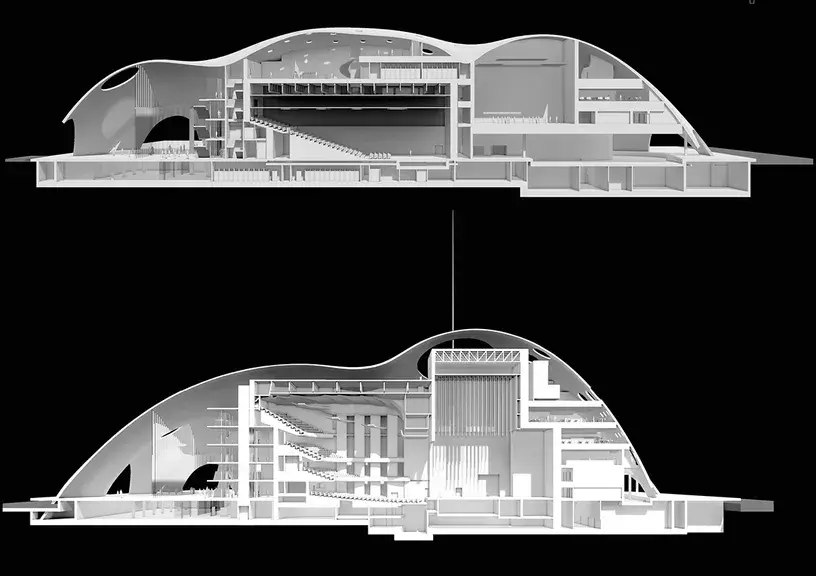
The visual aesthetics of the exterior catenary shell are defined by an external skin that precisely follows the dome’s complex curvature. Intentionally clad in ceramic tiles of varied sizes, the surface creates a pixelated texture designed to shimmer and change color with shifting natural light. The new Hanoi opera house’s design represents a deliberate architectural and cultural landmark, grounded in its Vietnamese context and illustrated by structural and technological innovation.
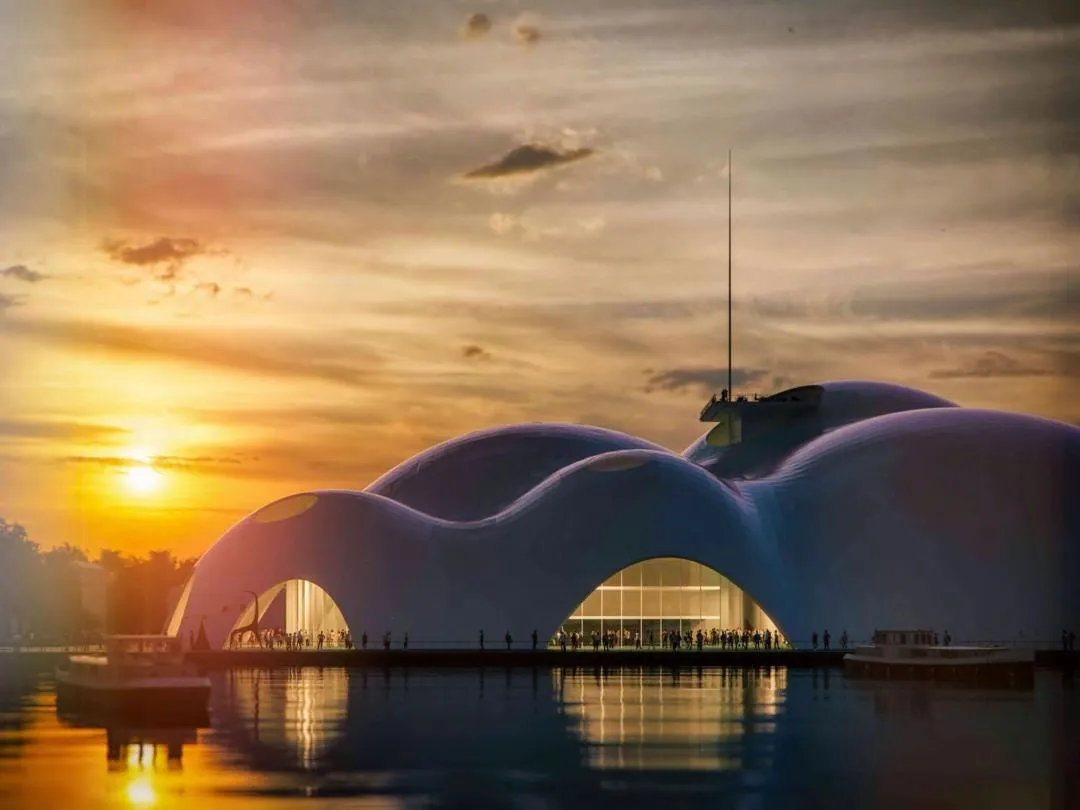
Hanoi Westlake Opera House Project details
Architect: Renzo Piano Building Workshop
Location: Quang An Peninsula, Tây Hồ District, Hanoi, Vietnam
Photo Credits: © Renzo Piano Building Workshop (RPBW)
Developer: Sun Group
Completion: expected 2027
Explore Courses
.jpg%202.jpg "Building Performance with Forma & Opossum")
.jpg "Ondrej Chybik - Rethinking Architecture")