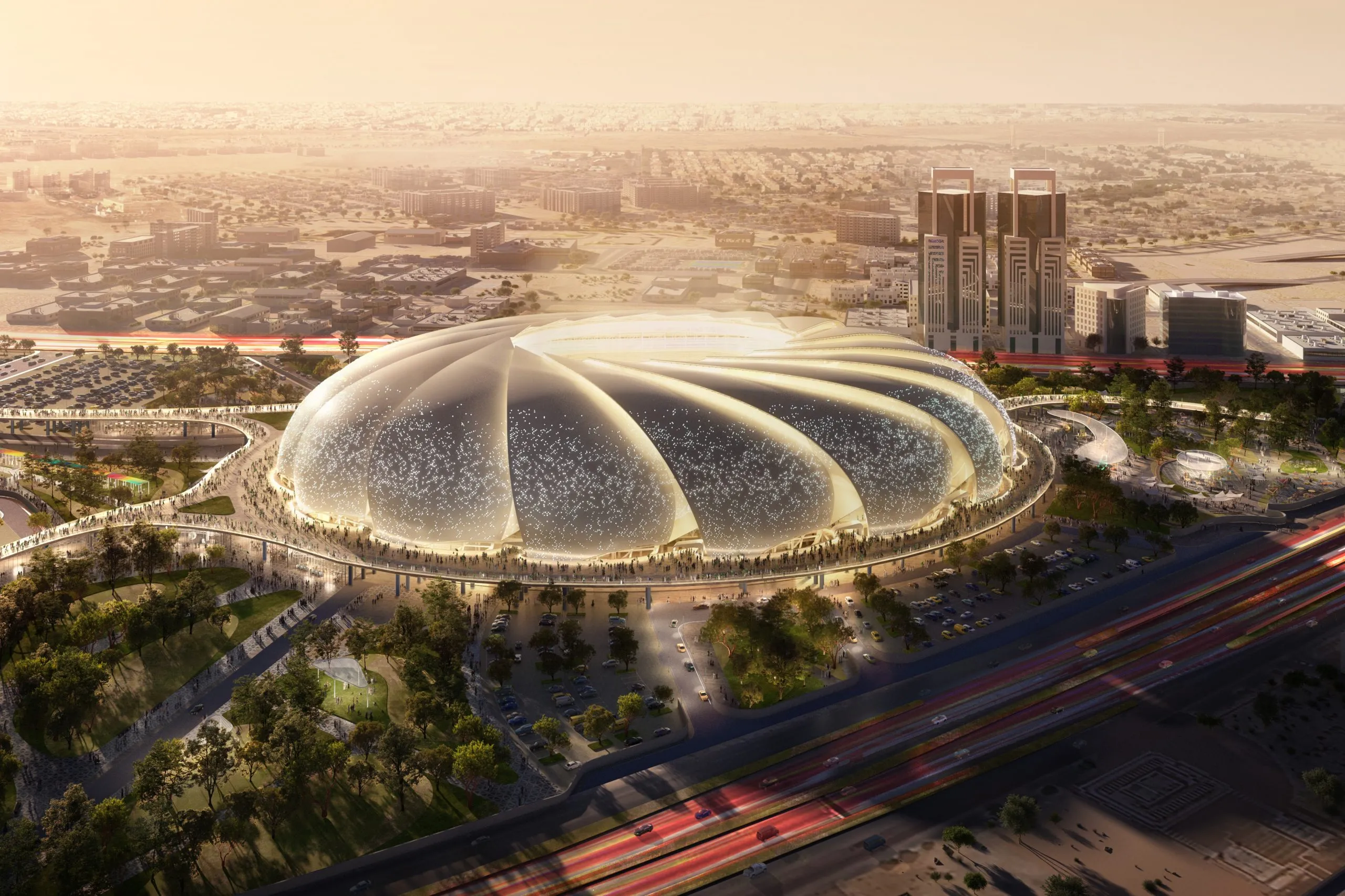


Desert landscapes are evolving constantly with thoughtful architecture that uses innovative concepts addressing unique issues that arid places provide. From the rocky deserts of the Southwest to the scorching dry deserts of the Middle East, buildings are designed not only to be durable and practical but also to seamlessly blend into the surrounding environment. Guided by the principles of desert architecture, these developments are shaped to withstand harsh environmental conditions while integrating naturally with the desert terrain. The result is a rich history of innovative solutions that balance functionality, sustainability, and aesthetic beauty.
What is Desert Architecture?
Desert architecture is far more than designing in the sand; it is a thoughtful response to the most demanding environments. Shaped by intense heat, scarce water, and vast open landscapes, the architecture should embrace the climate rather than resisting. Thoughtful architecture uses smart design strategies to create spaces that are comfortable, resilient, and sustainable. Rooted in vernacular wisdom and enriched by modern luxury and innovation, desert architecture continues to evolve through climate-responsive solutions, natural materials, and a deep respect for place. Rising temperatures and environmental challenges, these desert-born design principles are becoming increasingly relevant.
Redefining Luxury through Desert Architecture
In the harshest landscapes, luxury is being redefined in unexpected ways at present. Desert architecture is evolving beyond the traditional idea by replacing excess with architectural experiences rooted in comfort, sustainability, and connection to nature. Architects are responding to extreme heat, limited water resources, and rugged terrain with innovative solutions that embrace the climate rather than resist it. Through the use of local materials, passive cooling strategies, and designs that blend seamlessly into the landscape, the architecture demonstrates that true luxury lies in living in seamless harmony with the environment.
Design Principles
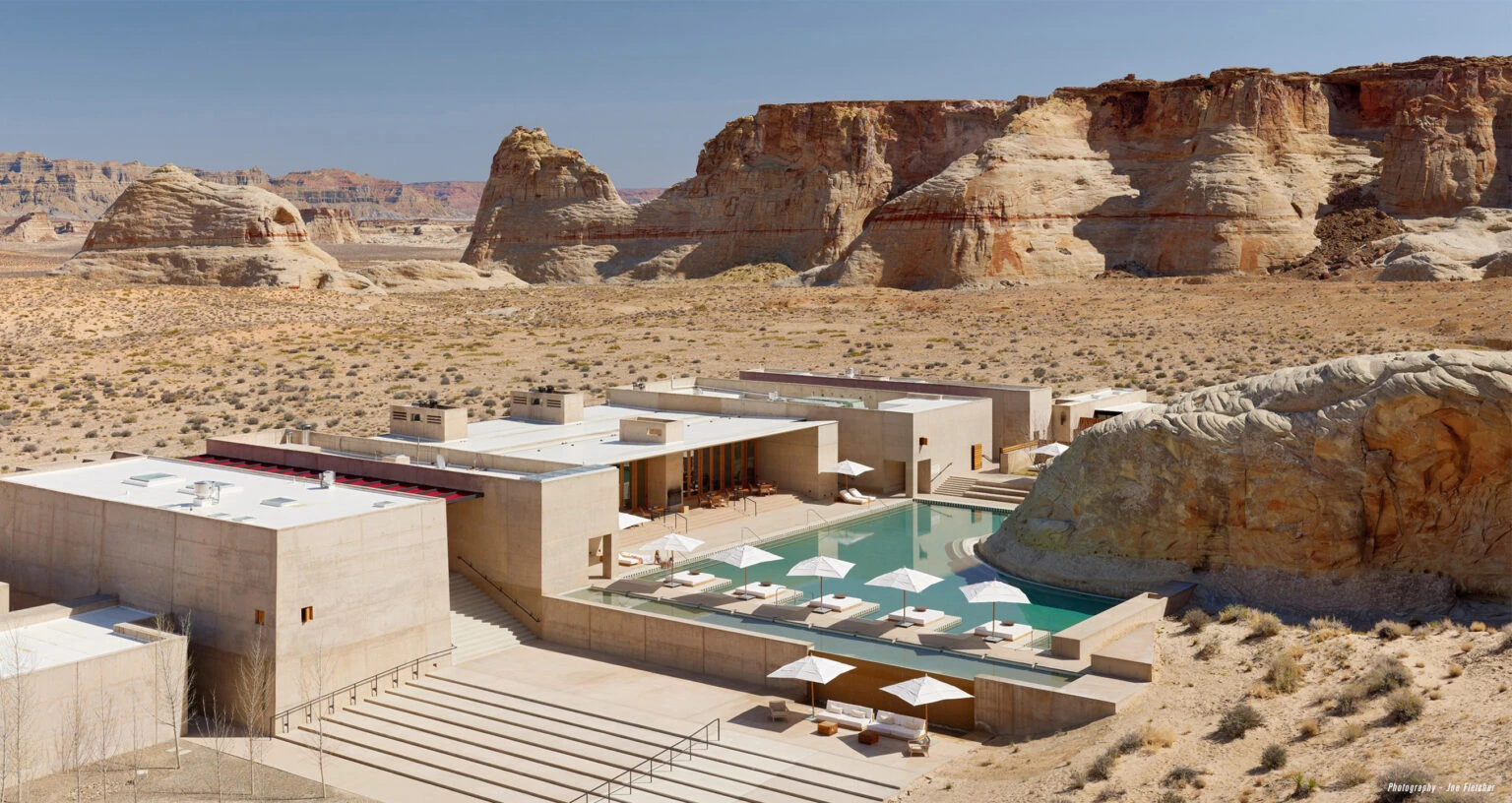
Architects and designers at present are designing desert architecture that focuses on working with the harsh desert climate rather than resisting it. Some of the key design principles include
- Architecture, Orientation, and Shading: Buildings are oriented to minimize exposure to sunlight on east and west facades through climate-responsive design. Shading devices and courtyards protect interiors from direct sun yet allow natural light.
- Passive Cooling Strategies: Passive cooling strategies are integrated to minimize the harsh climatic effects on the architecture. Natural ventilation strategies like Windcatchers, controlled openings, and inner courtyards promote cool interiors passively and reduce heat buildup.
- Material Palette: Materials integrated must withstand high temperatures, strong winds, and sand abrasion through extended durability. The application of clay, adobe, stone, or rammed earth through the entire structure helps absorb heat during the day and release it at night, moderating indoor temperatures.
- Water Management: Limited rainfall creates a serious challenge, necessitating strategies for water collection, storage, and efficient use that must be integrated.
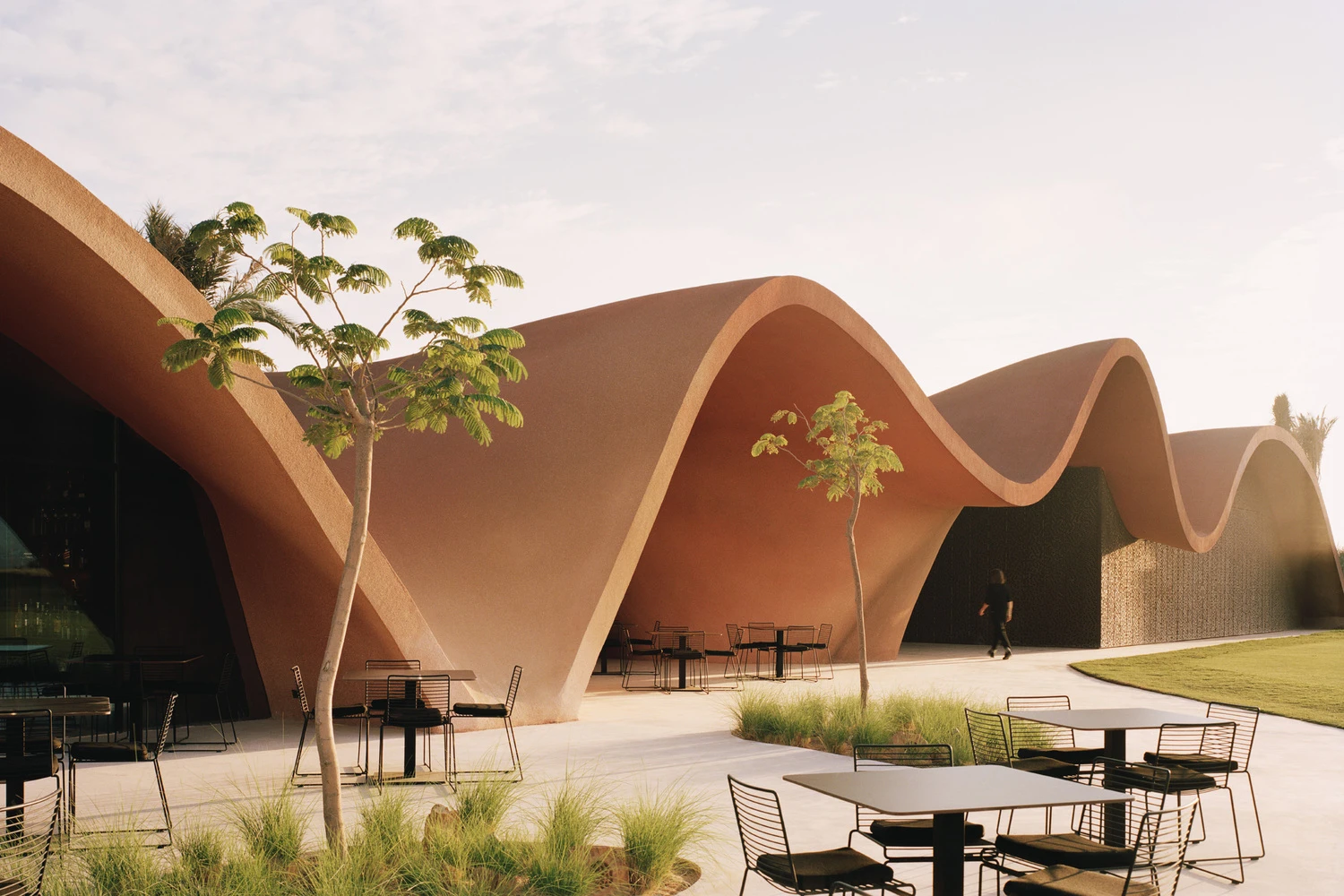
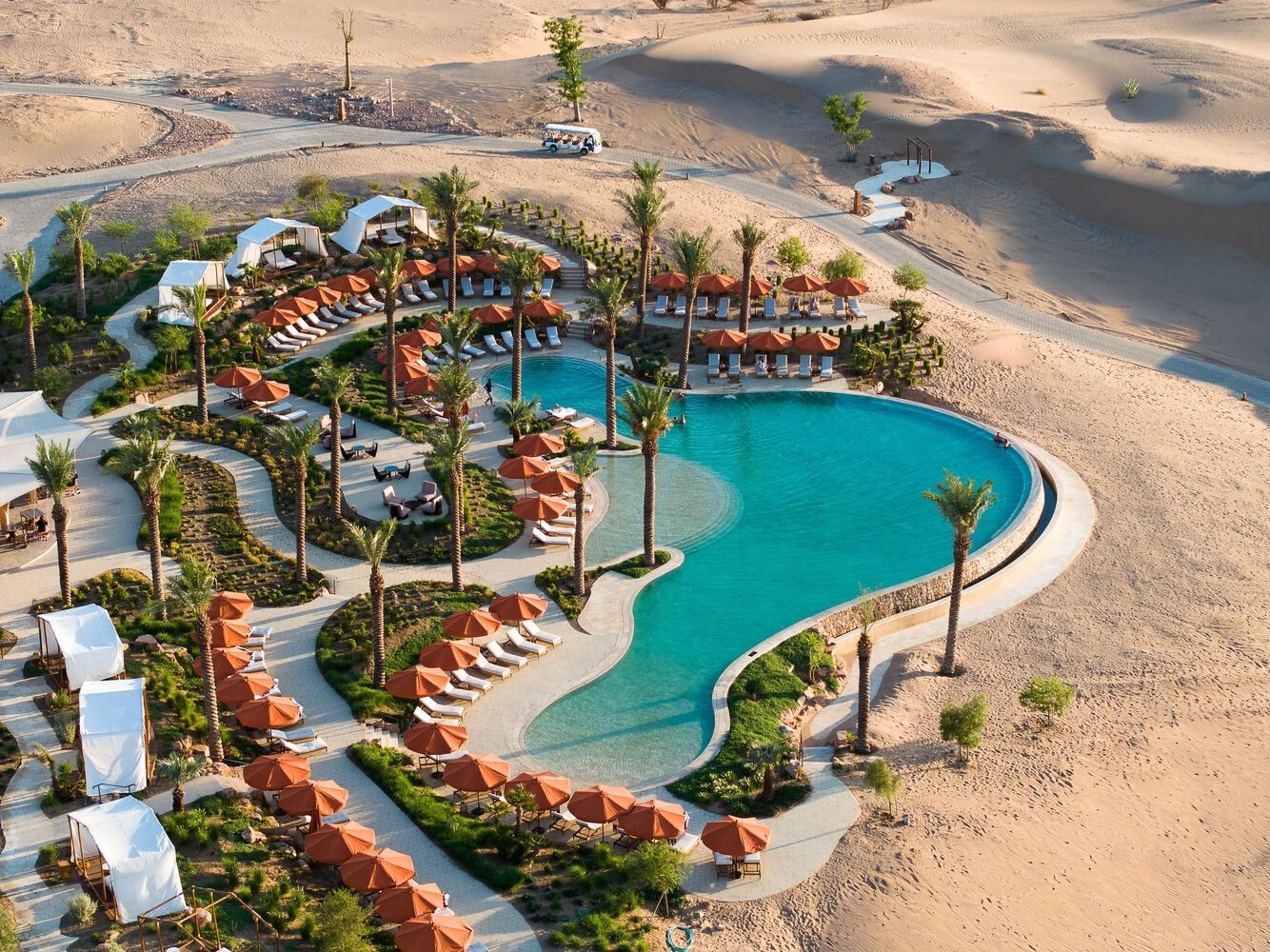
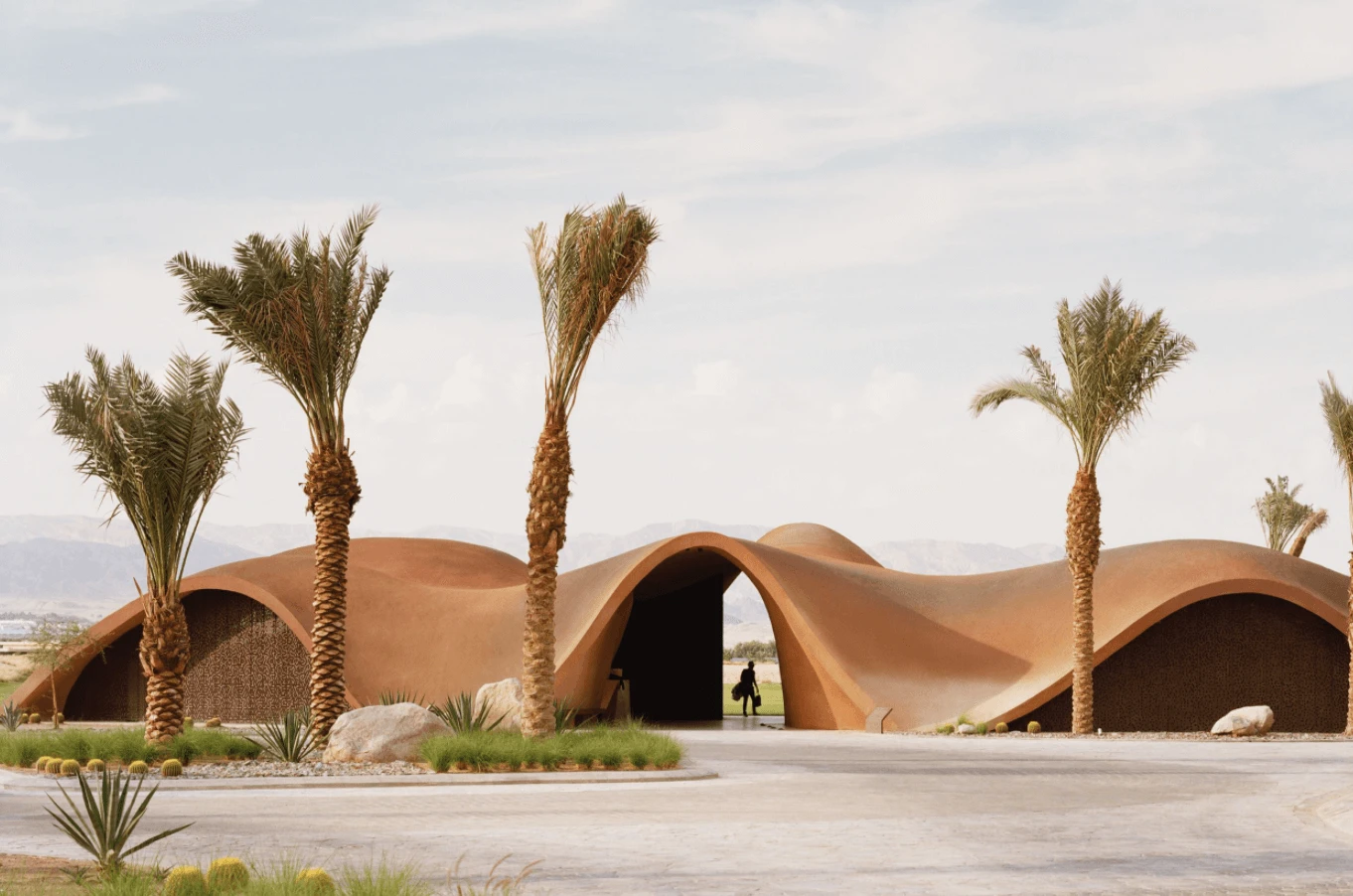
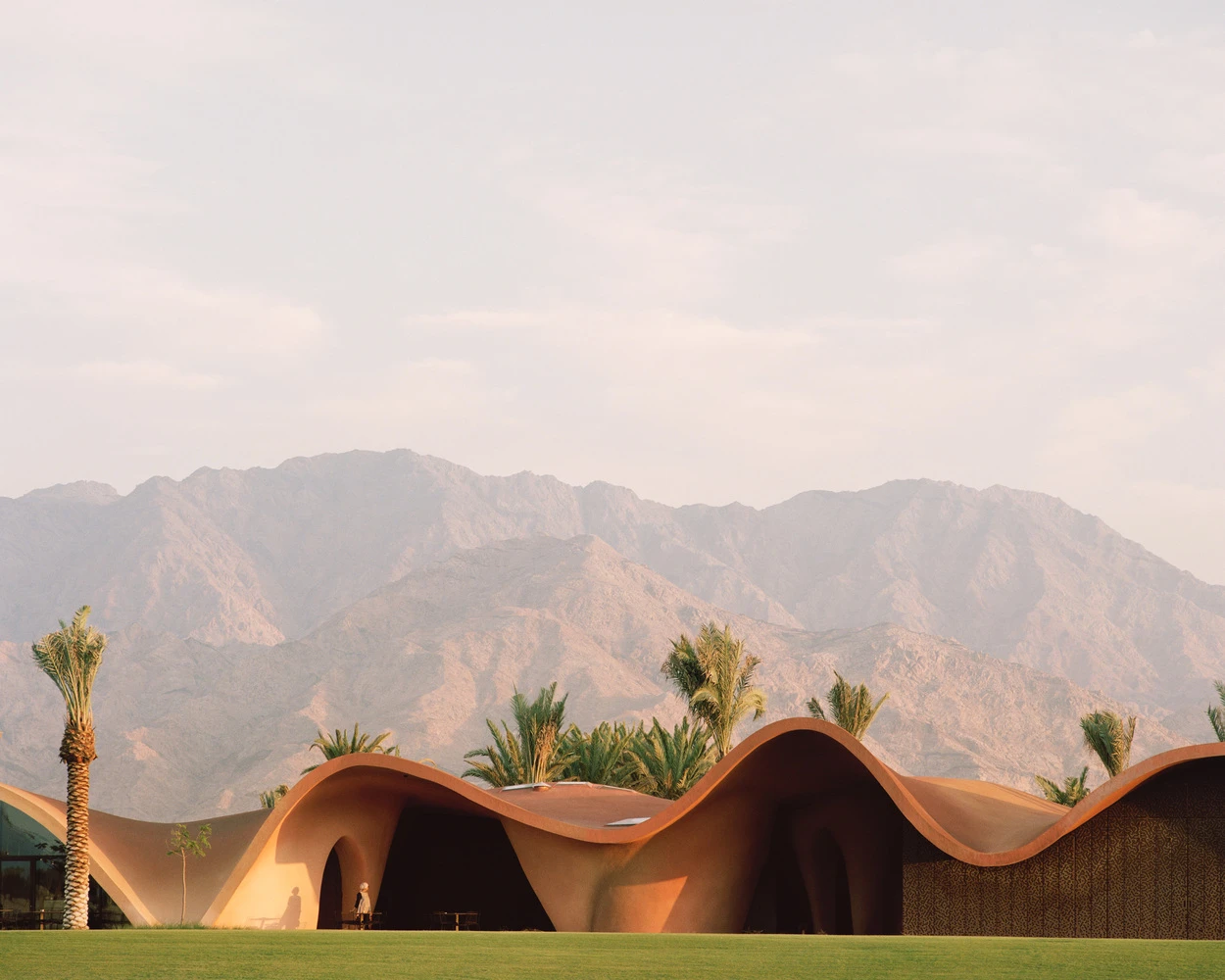
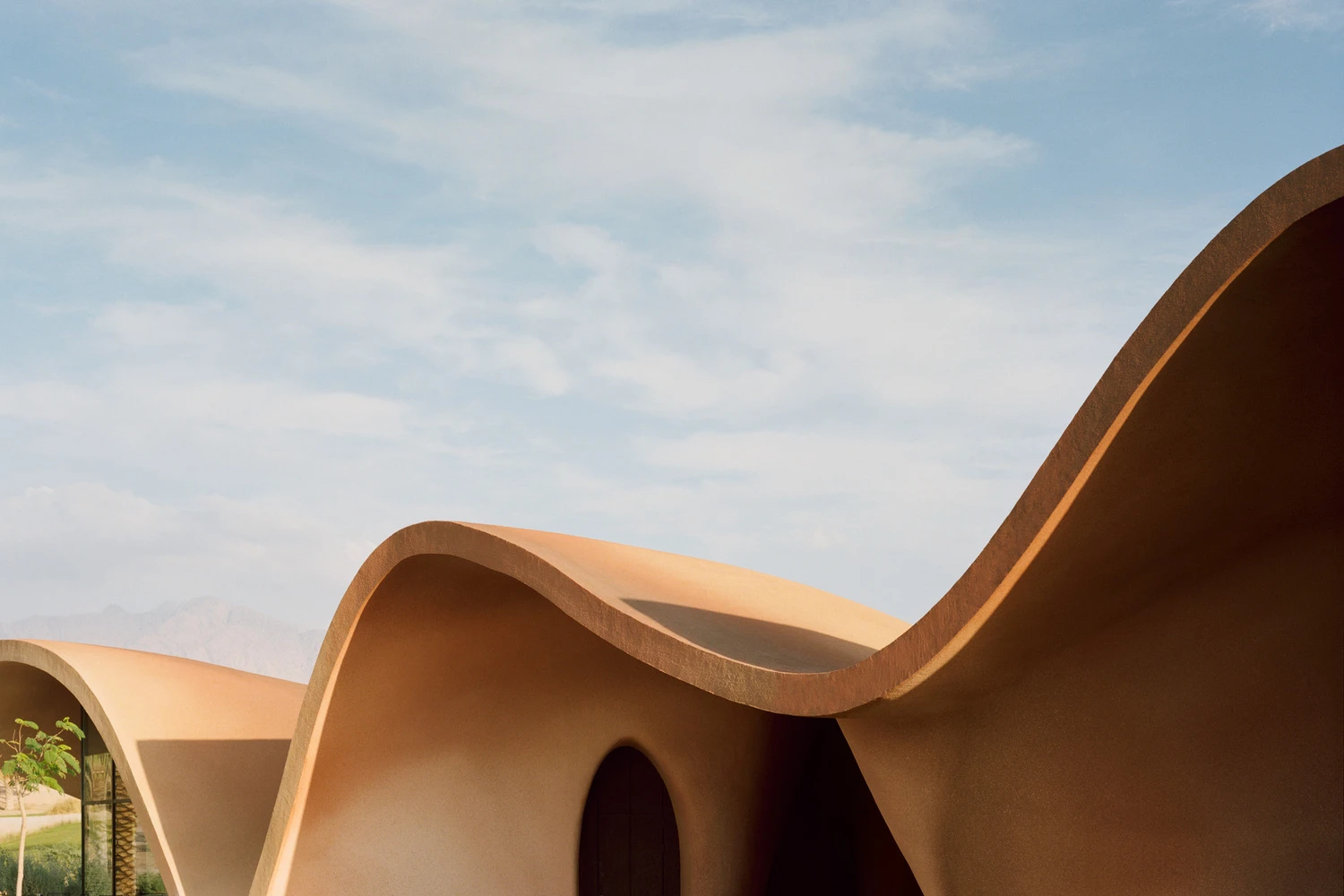
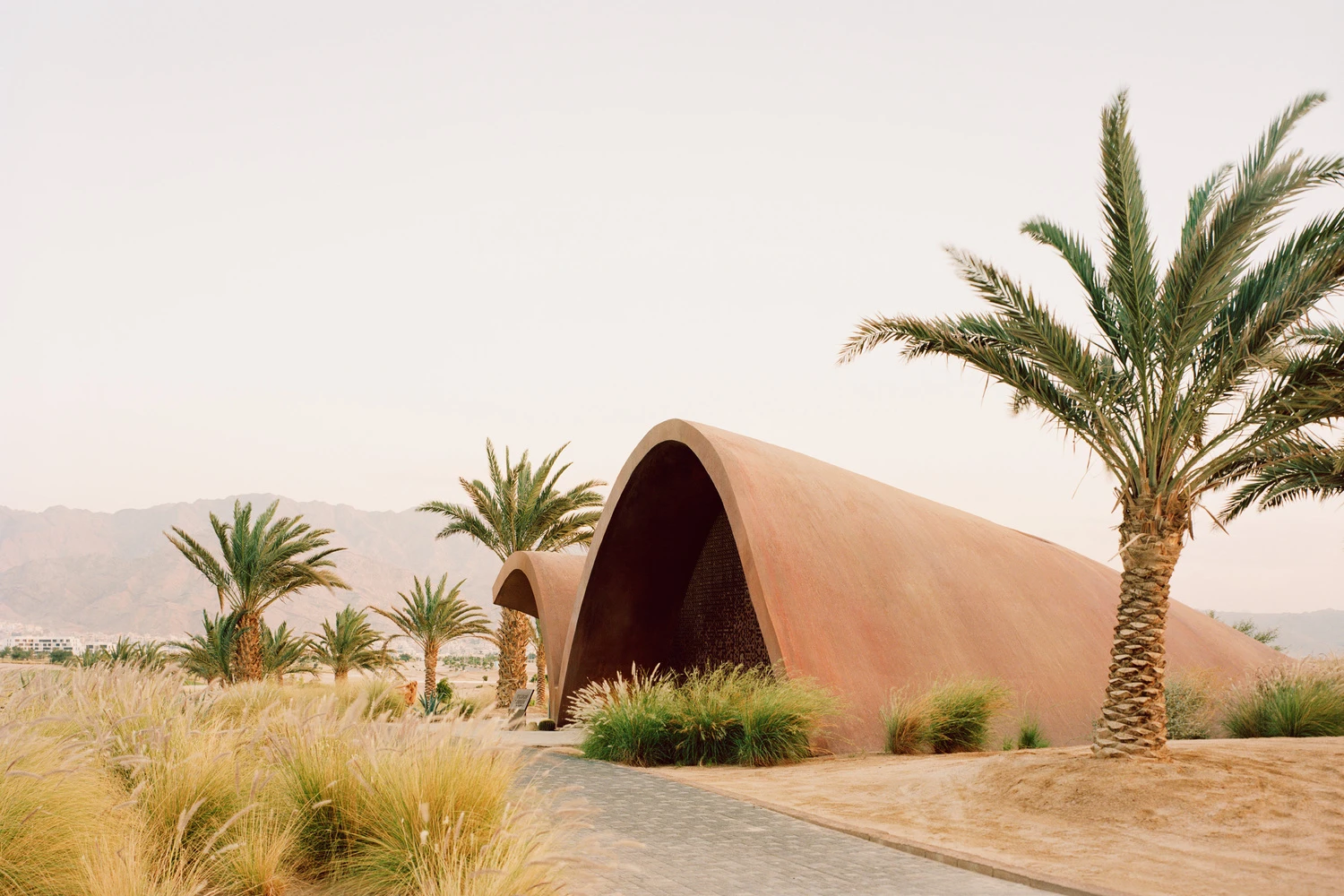
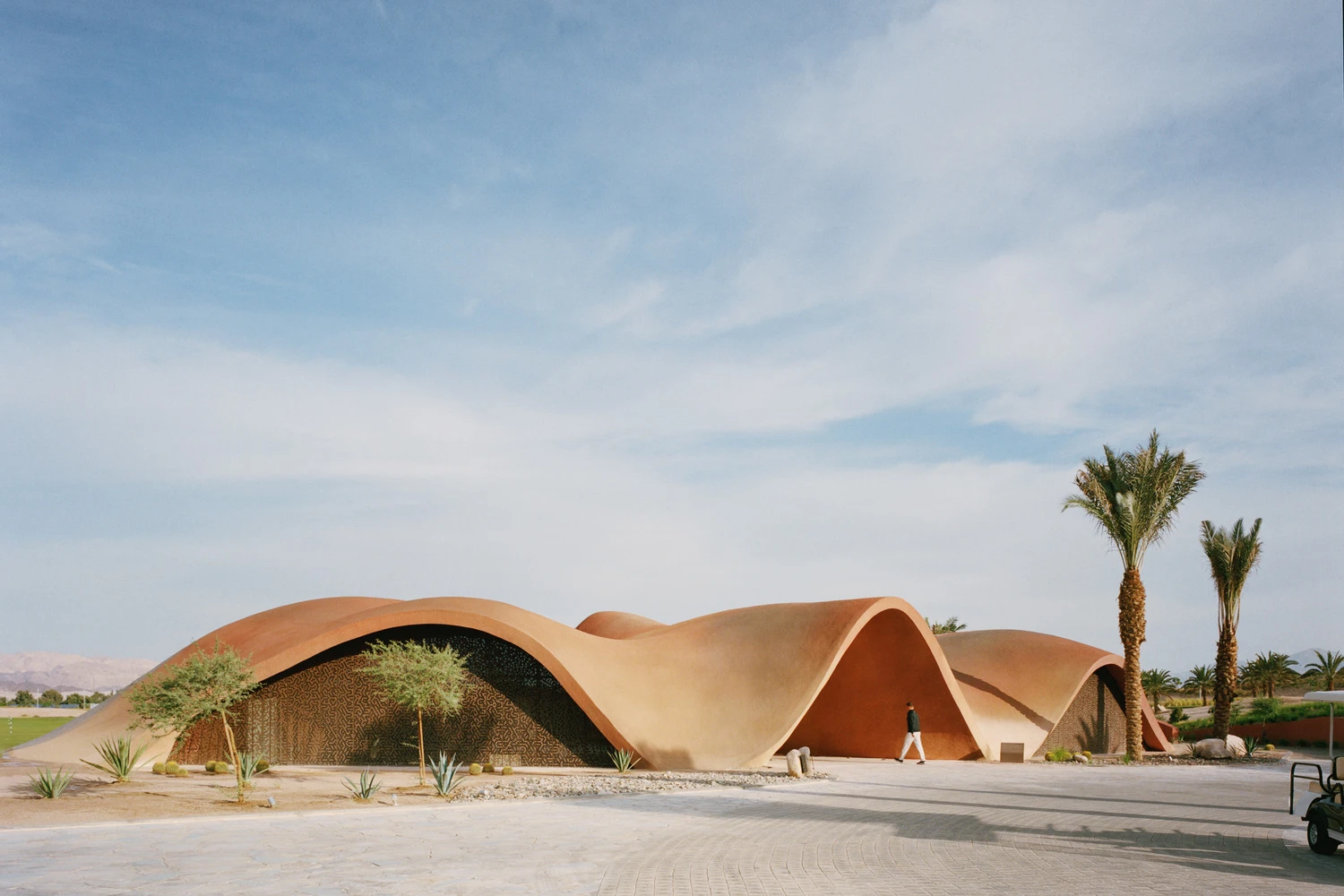
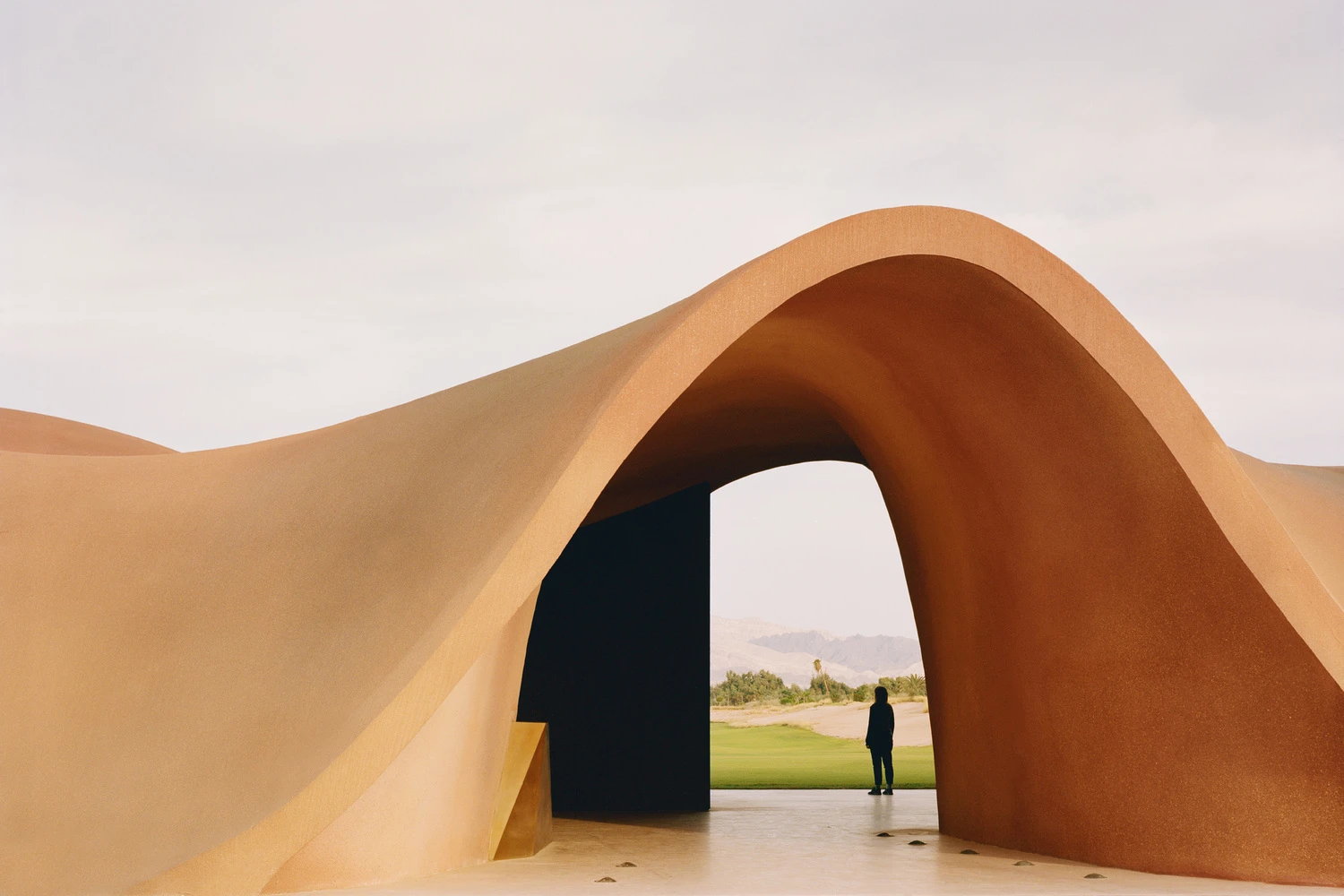
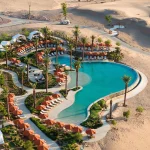
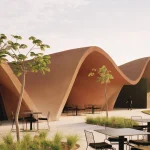
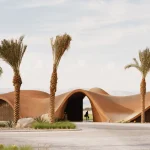
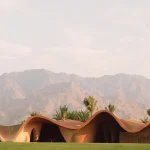
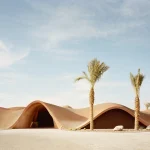
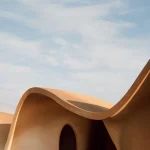
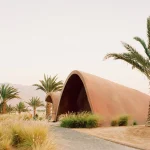
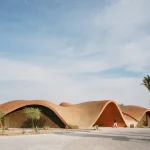
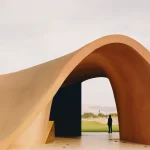
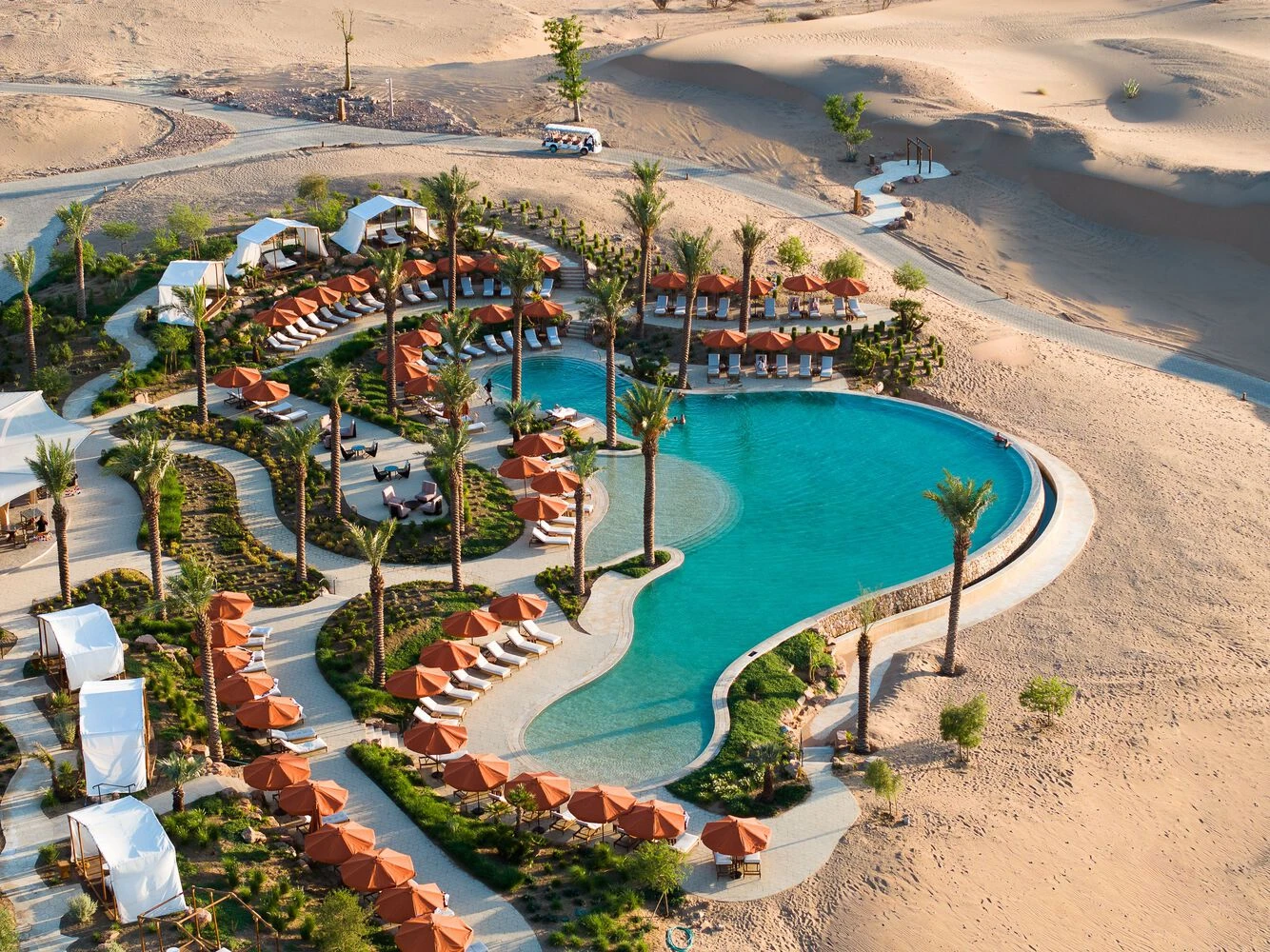
Designed by Oppenheim Architecture, the Ayla Golf Club offers a refreshing vision of modern luxury. Set within the dramatic landscape of Aqaba, its sculptural form is inspired by the region’s dunes and sandy mountains. The golf club showcases architecture that relies rather on avoiding excess elements; the luxury was redefined through design embracing climate-responsive principles and a deep connection to its surroundings, creating an experience that feels refined and rooted in the landscape.
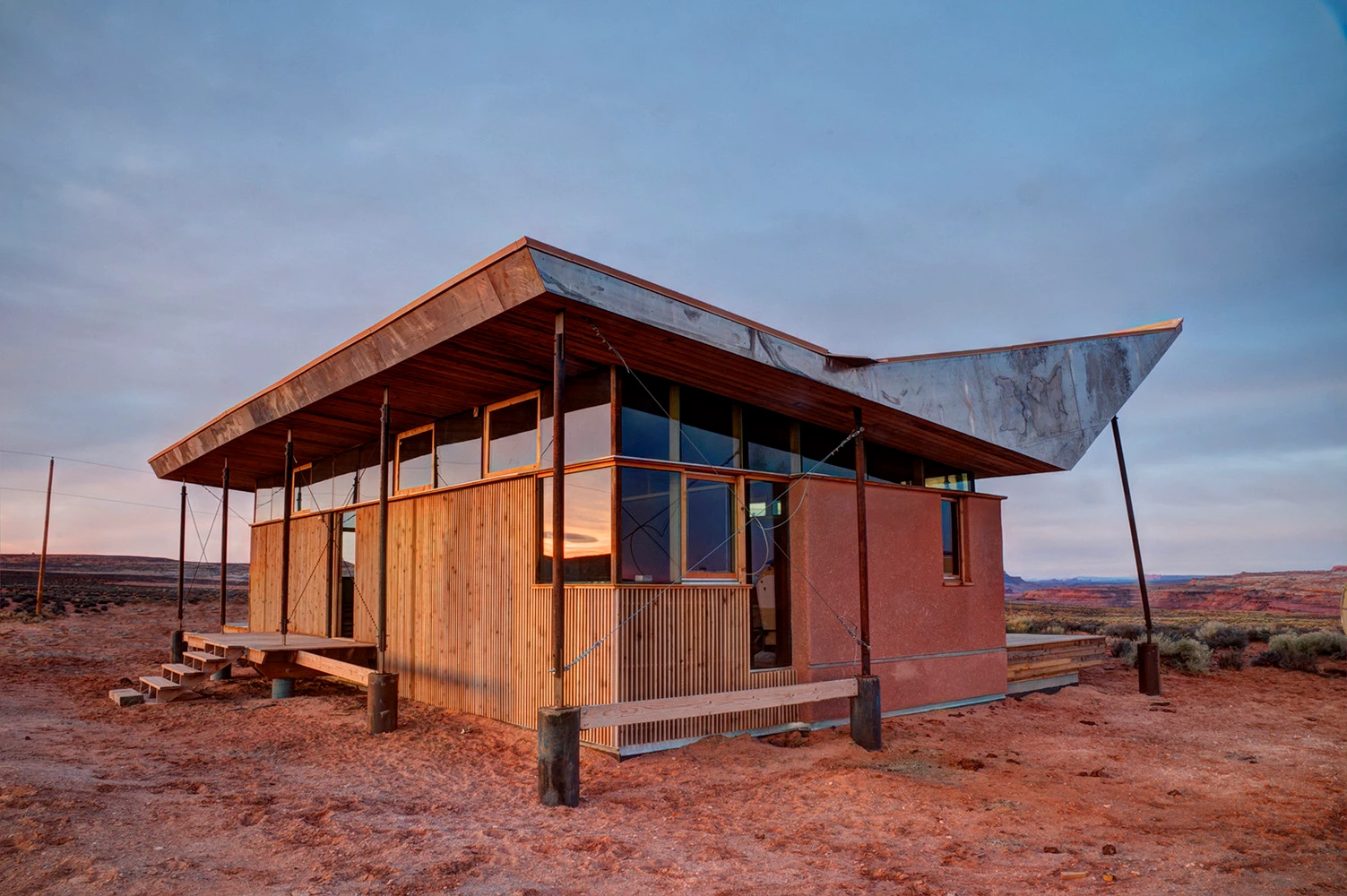
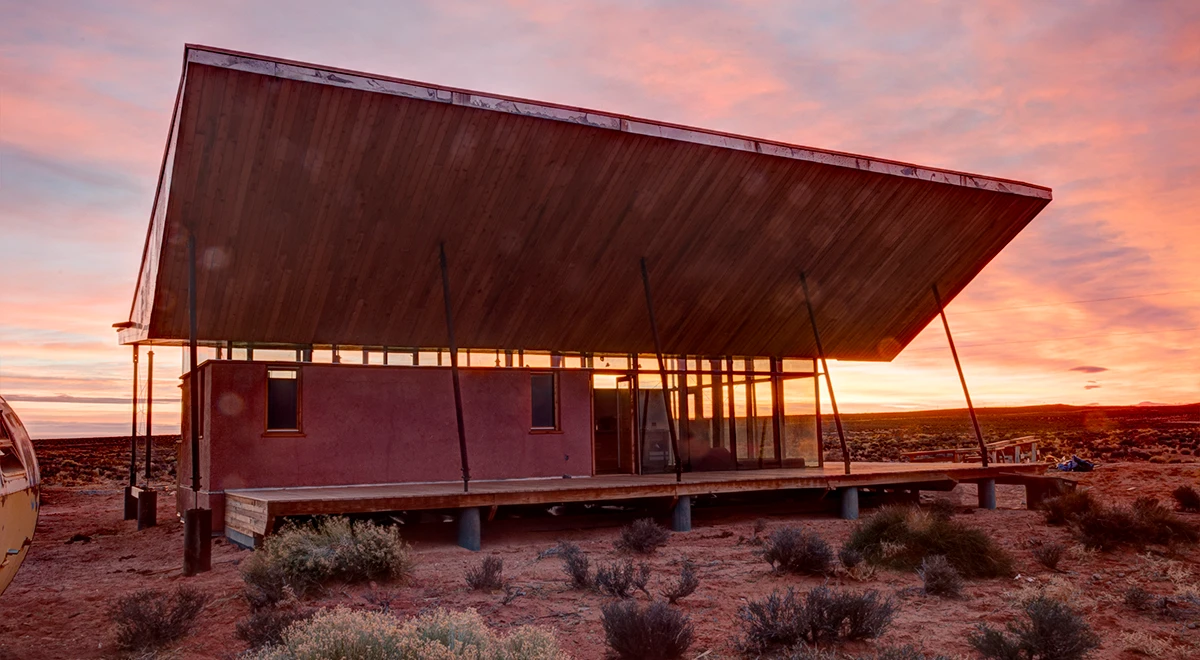
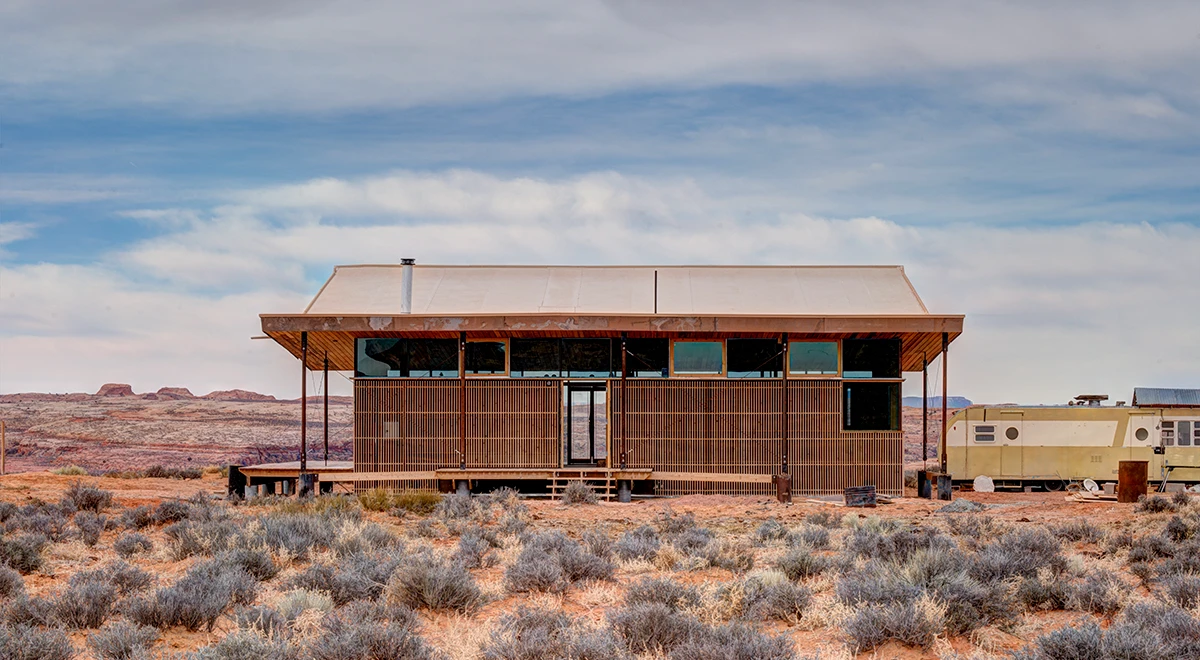
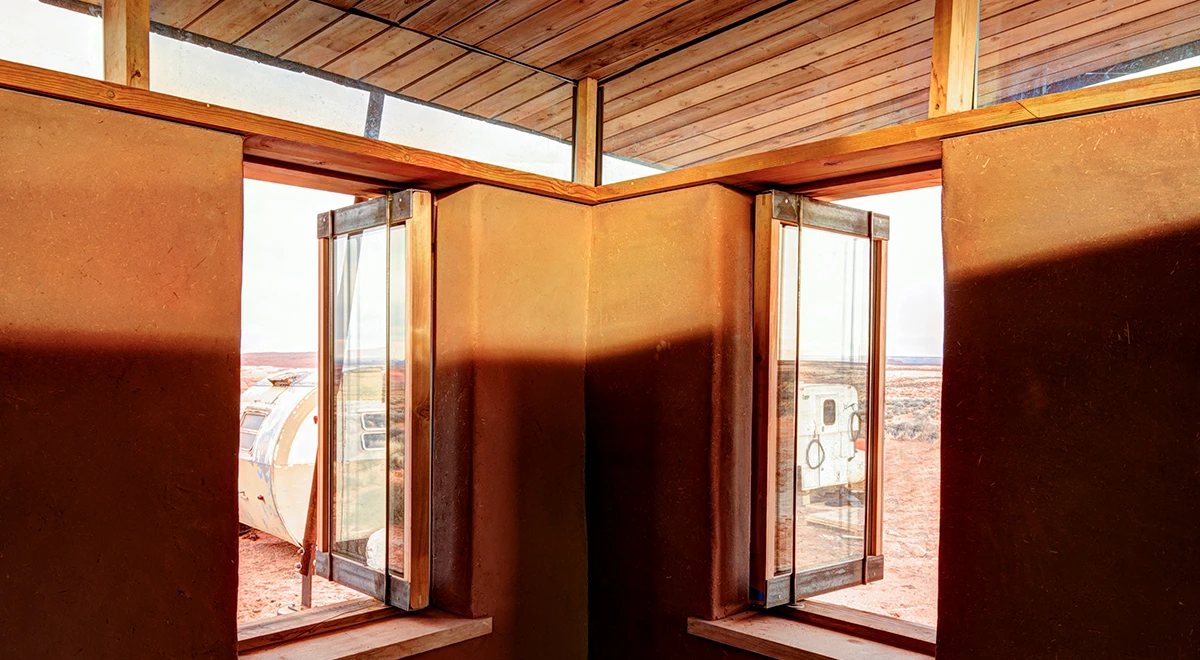
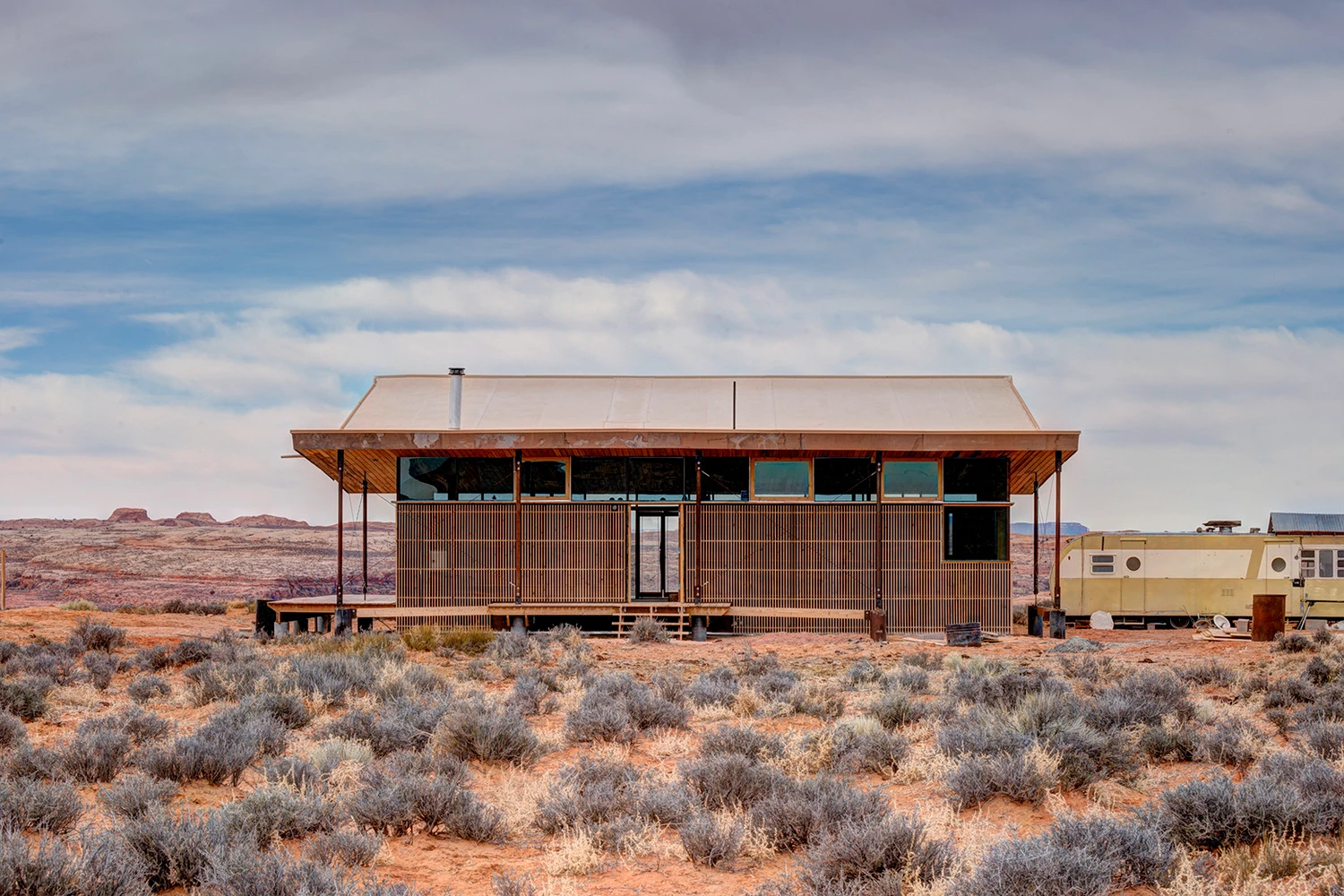
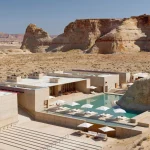
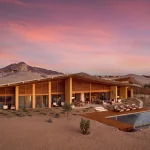
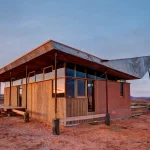
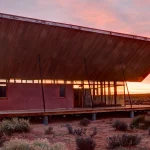
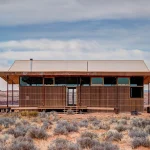
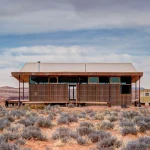
The Skow Residence by DesignBuildBLUFF challenges conventional ideas of luxury by proving that thoughtful design can be a more powerful architectural expression. Created by students working alongside local Navajo communities, the home responds sensitively to the demanding conditions of the high desert yet celebrates the beauty of the landscapes. Its modest form blends effortlessly into the landscape, allowing the desert itself to become the defining feature of the experience.
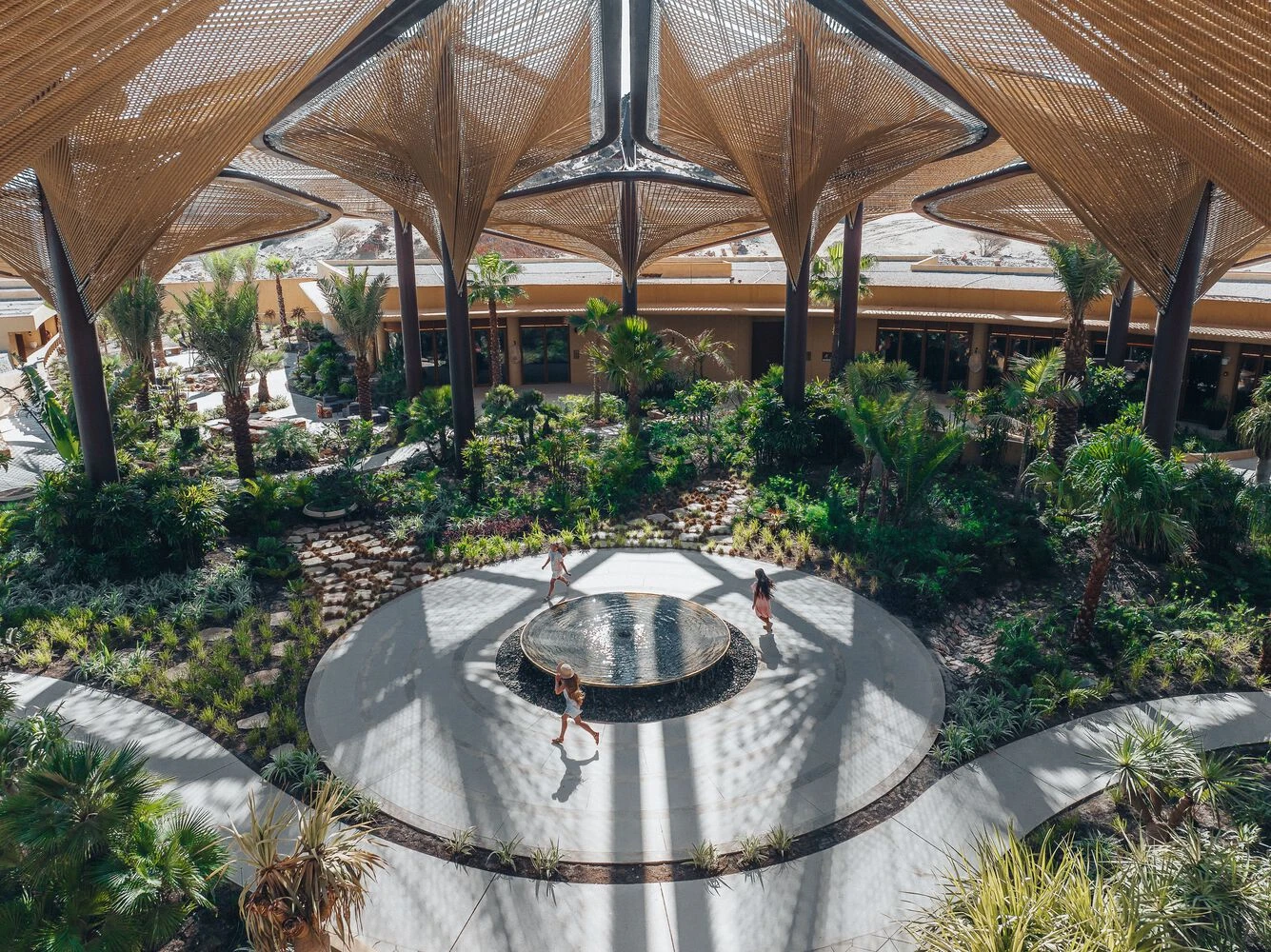
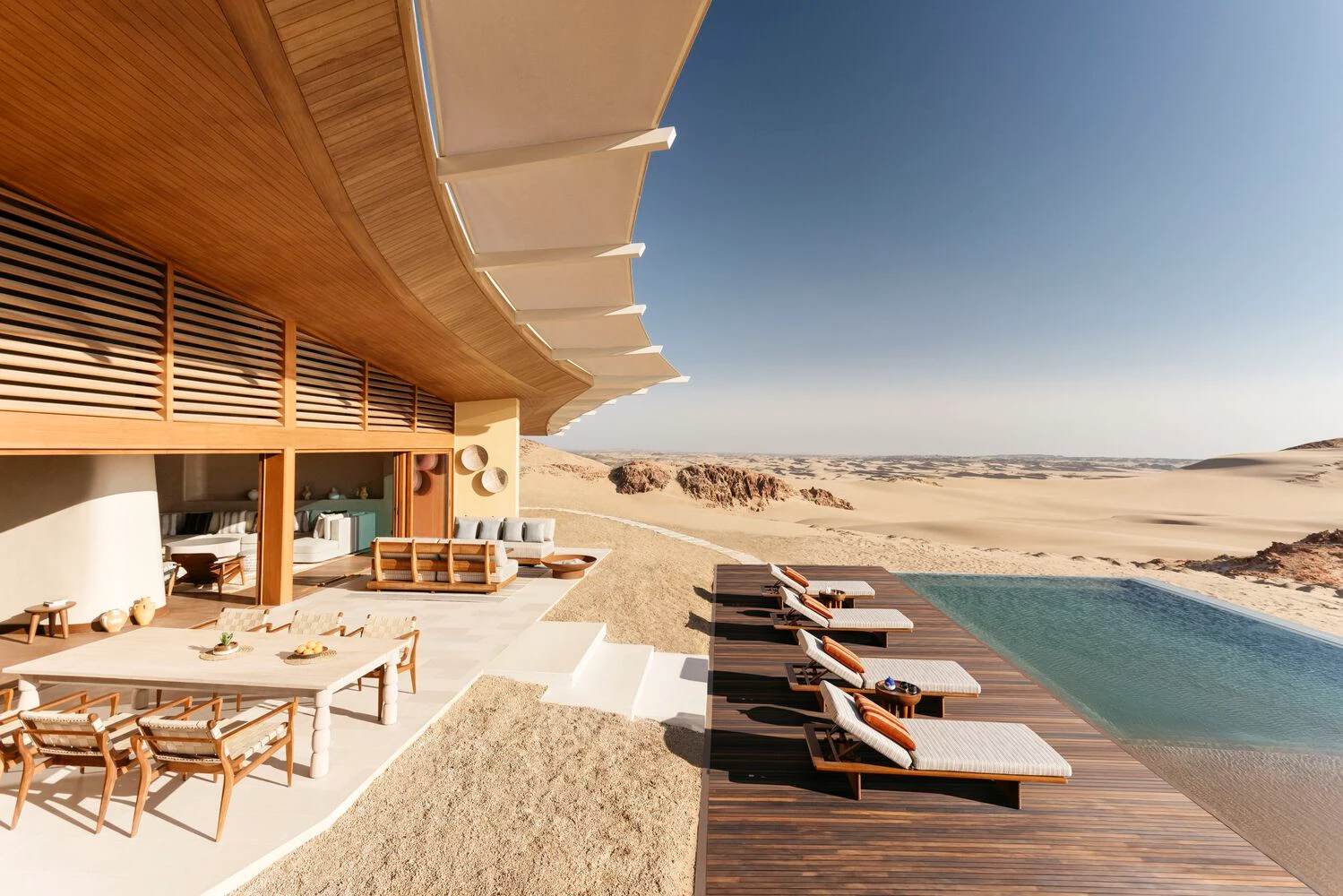
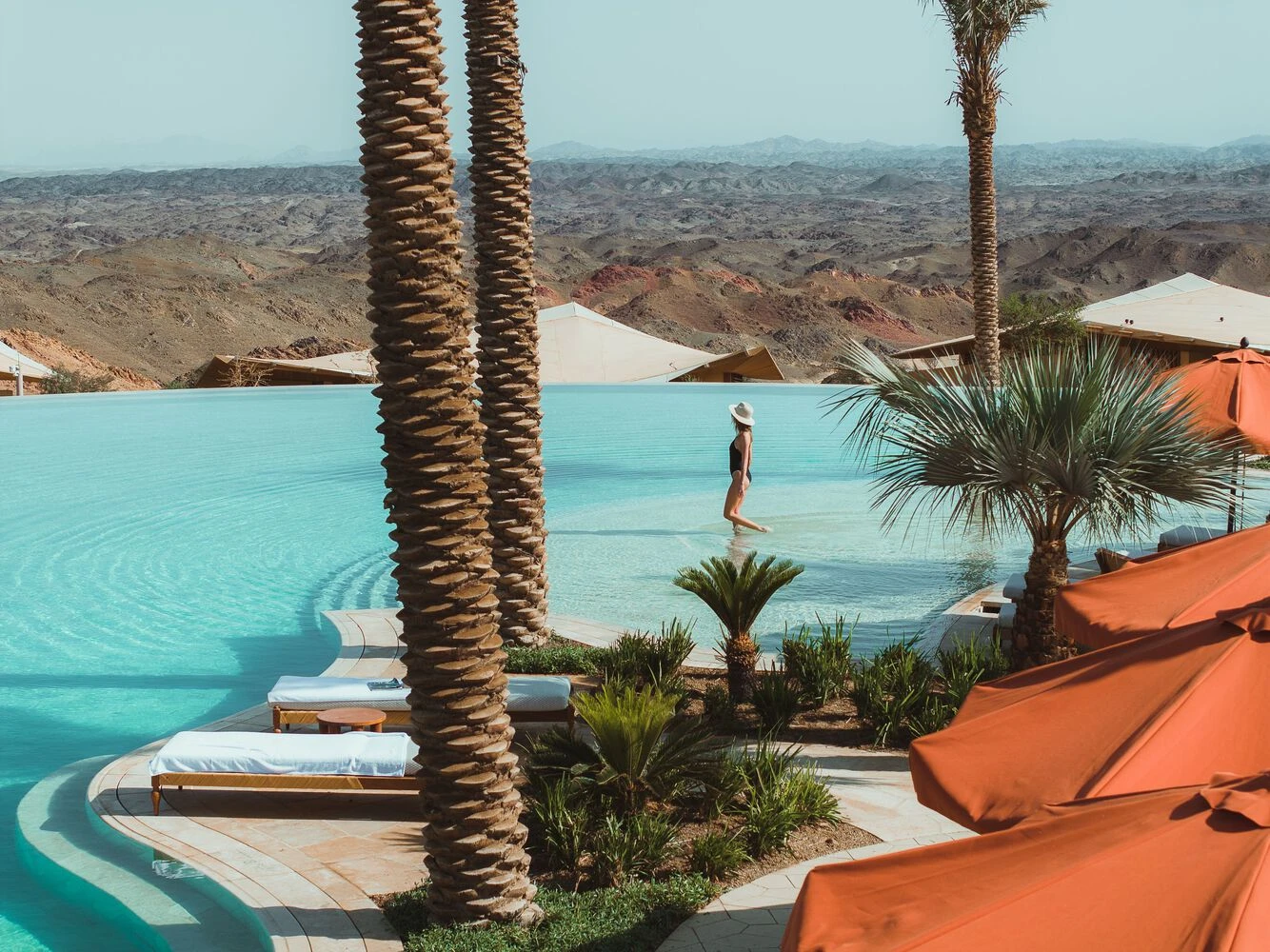
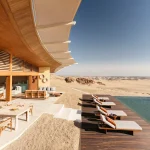
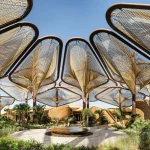
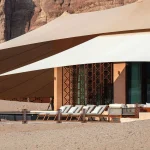
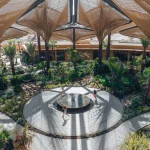
Six Senses Southern Dunes Resort, designed by the well-renowned Foster and Partners, is situated a short distance inland from the Red Sea coast. Southern Dunes offers a new vision for a luxury resort that is set to become a new destination for global tourists. The resort is designed to immerse visitors in the landscape rather than separate them from it. Sustainability lies at the heart of the project, with a strong commitment to preserving the area’s delicate ecosystem and natural biodiversity. Rather than defining luxury through extravagance, the resort celebrates comfort, environmental responsibility, and a profound connection to place.
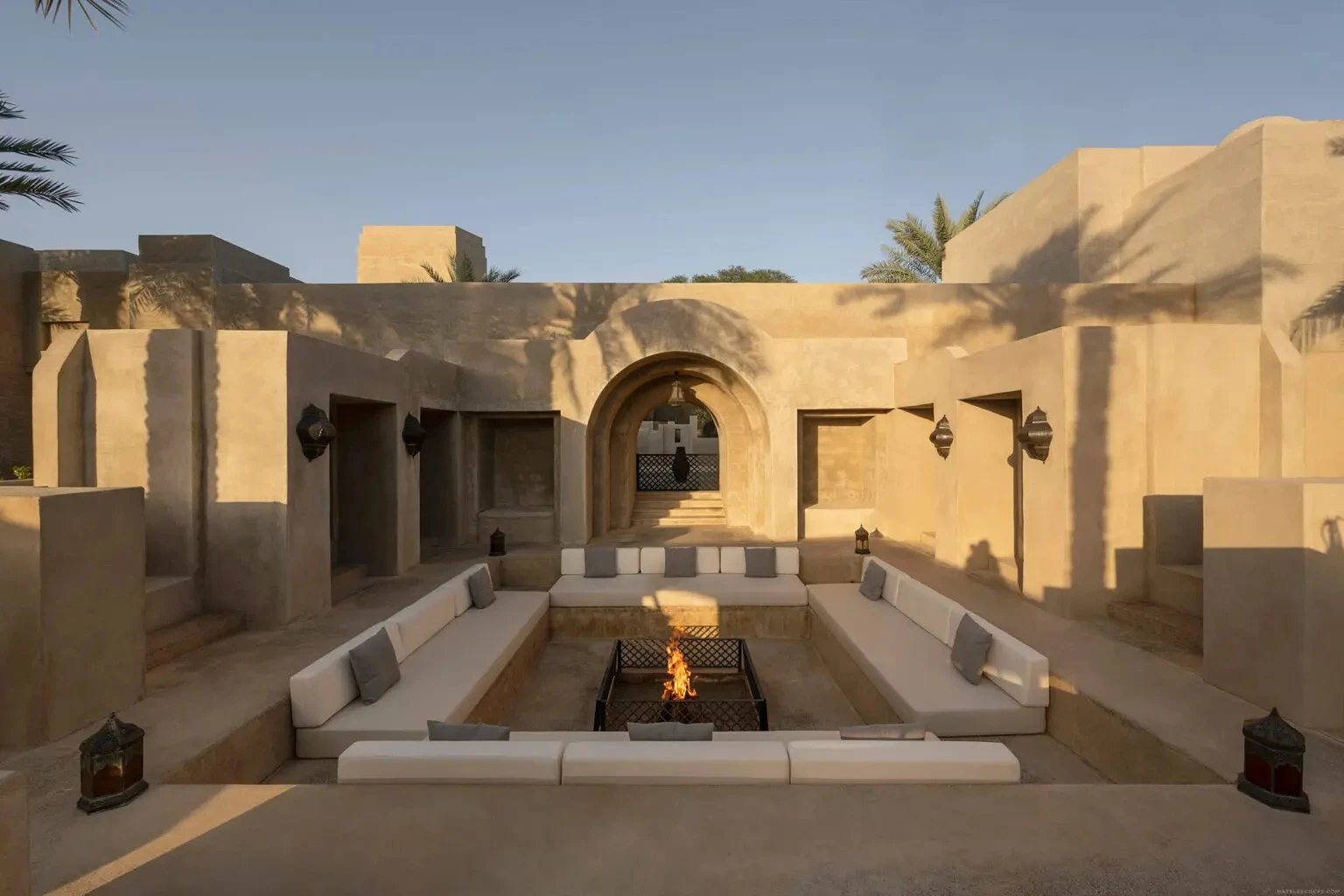
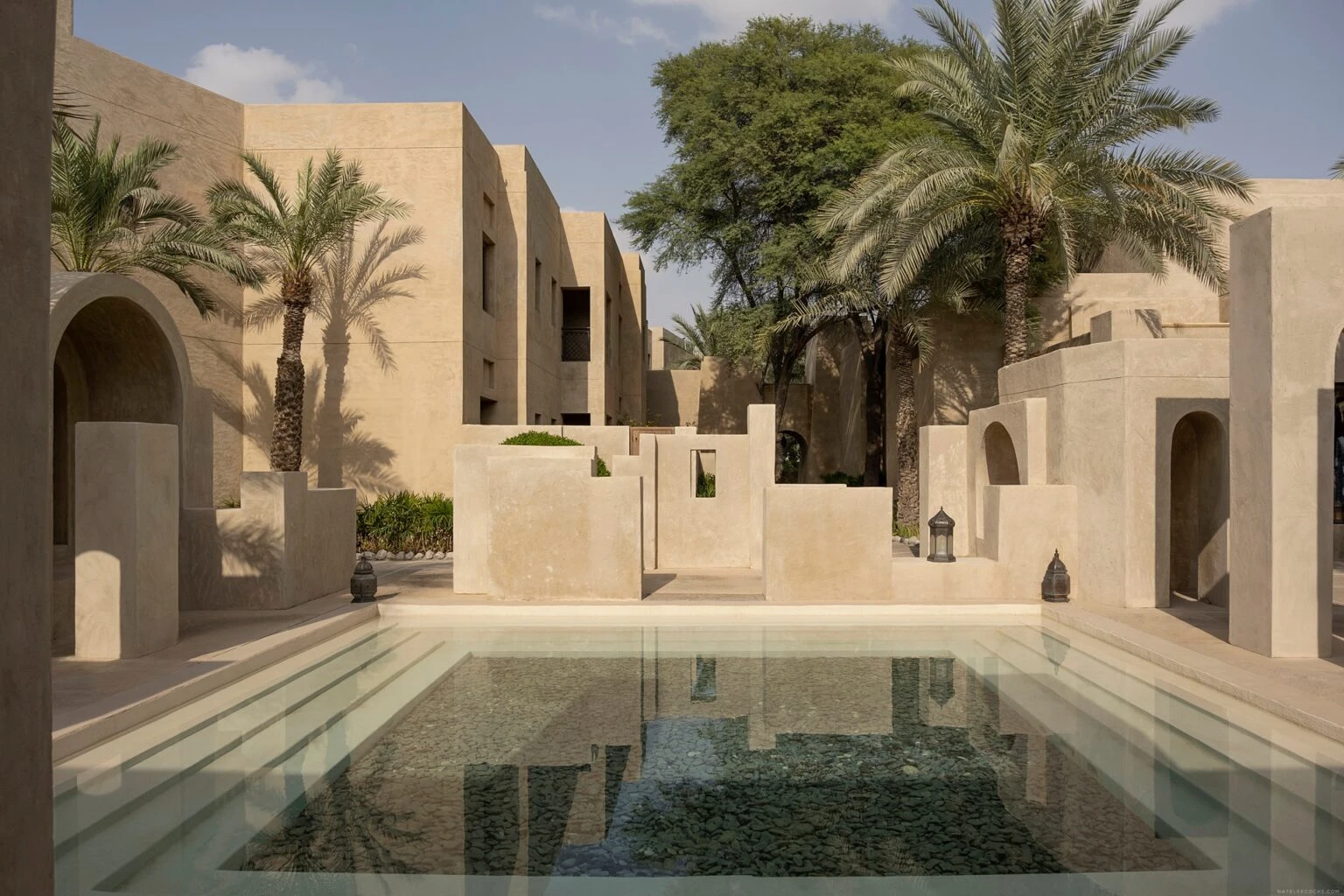
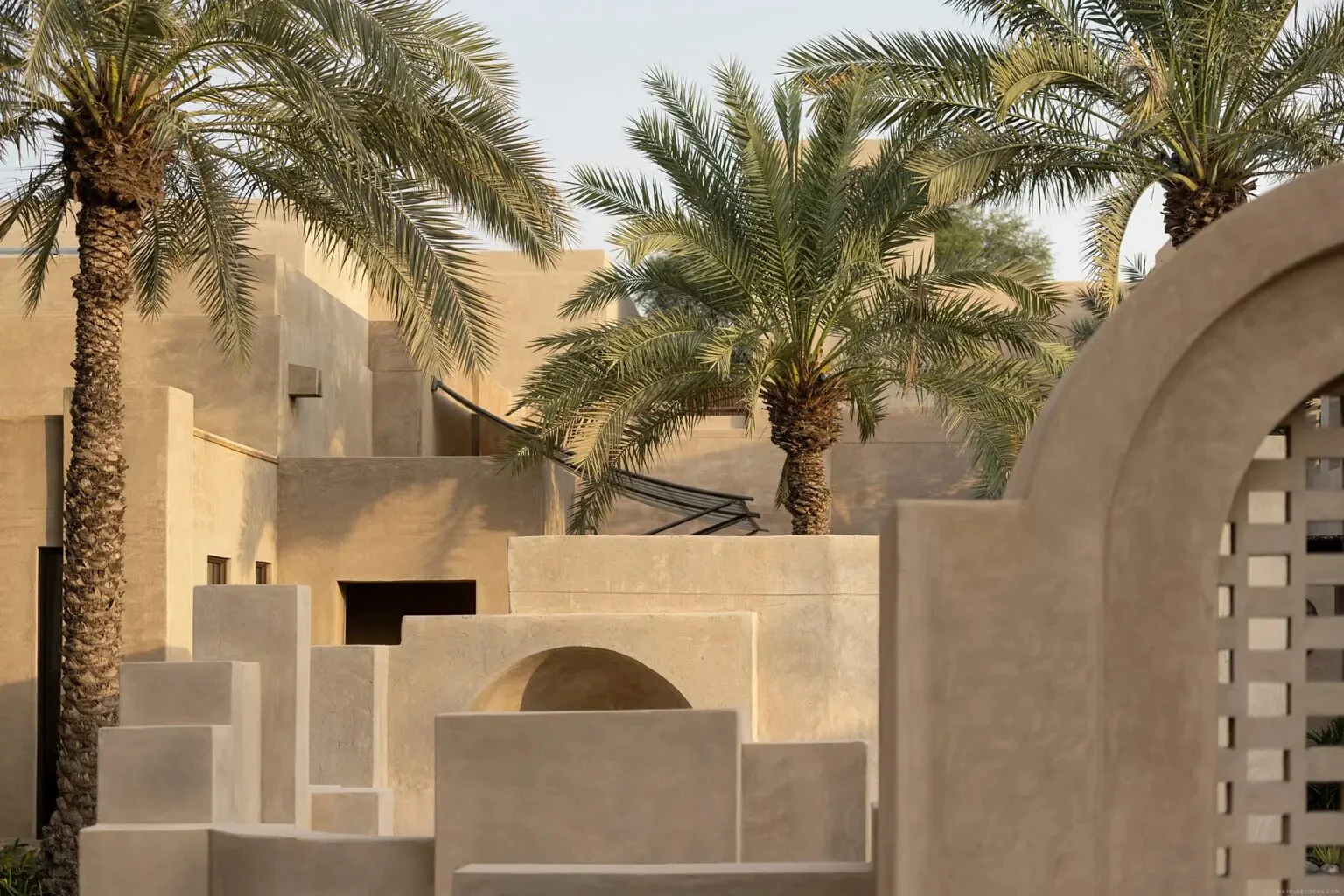
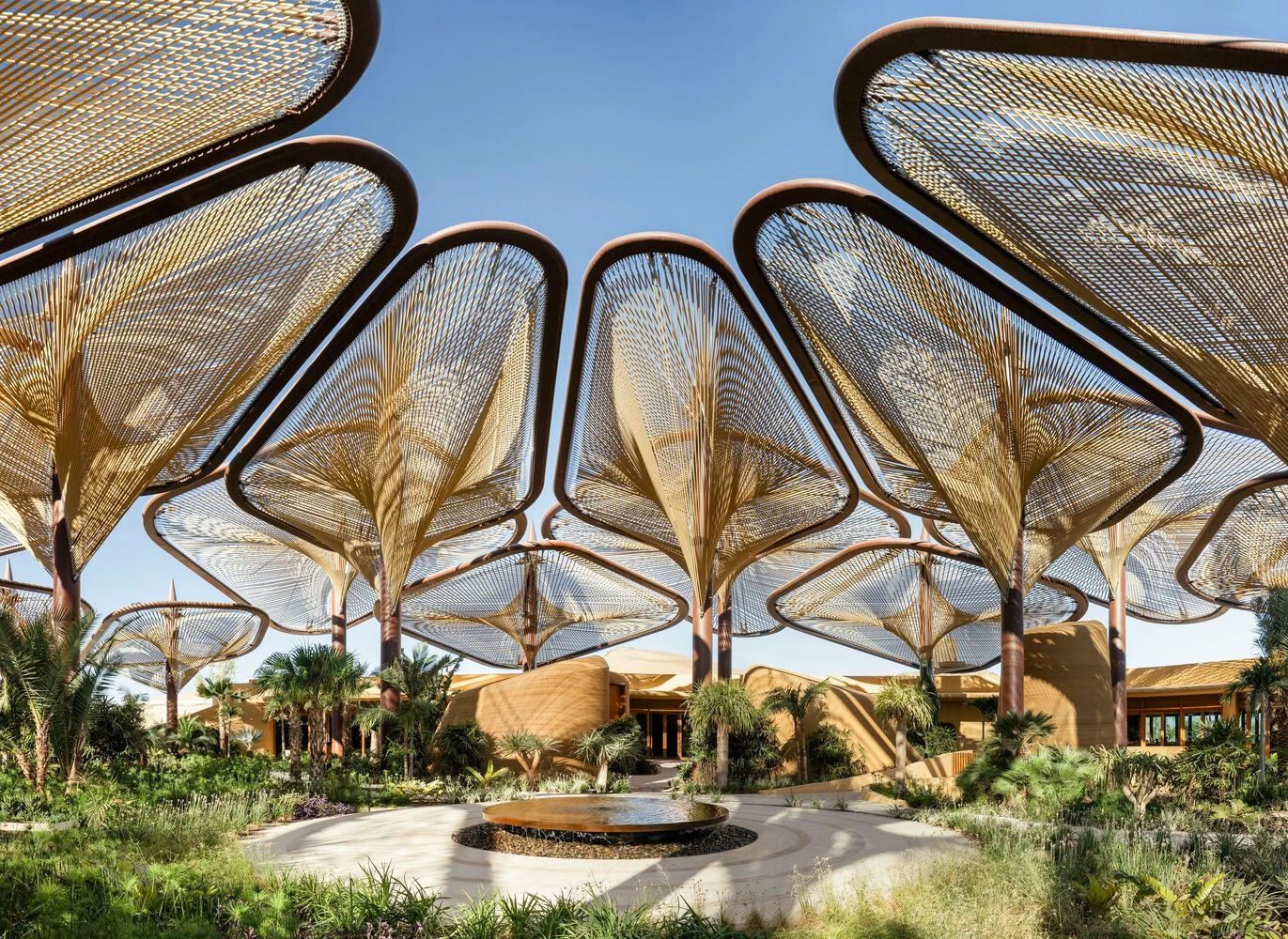
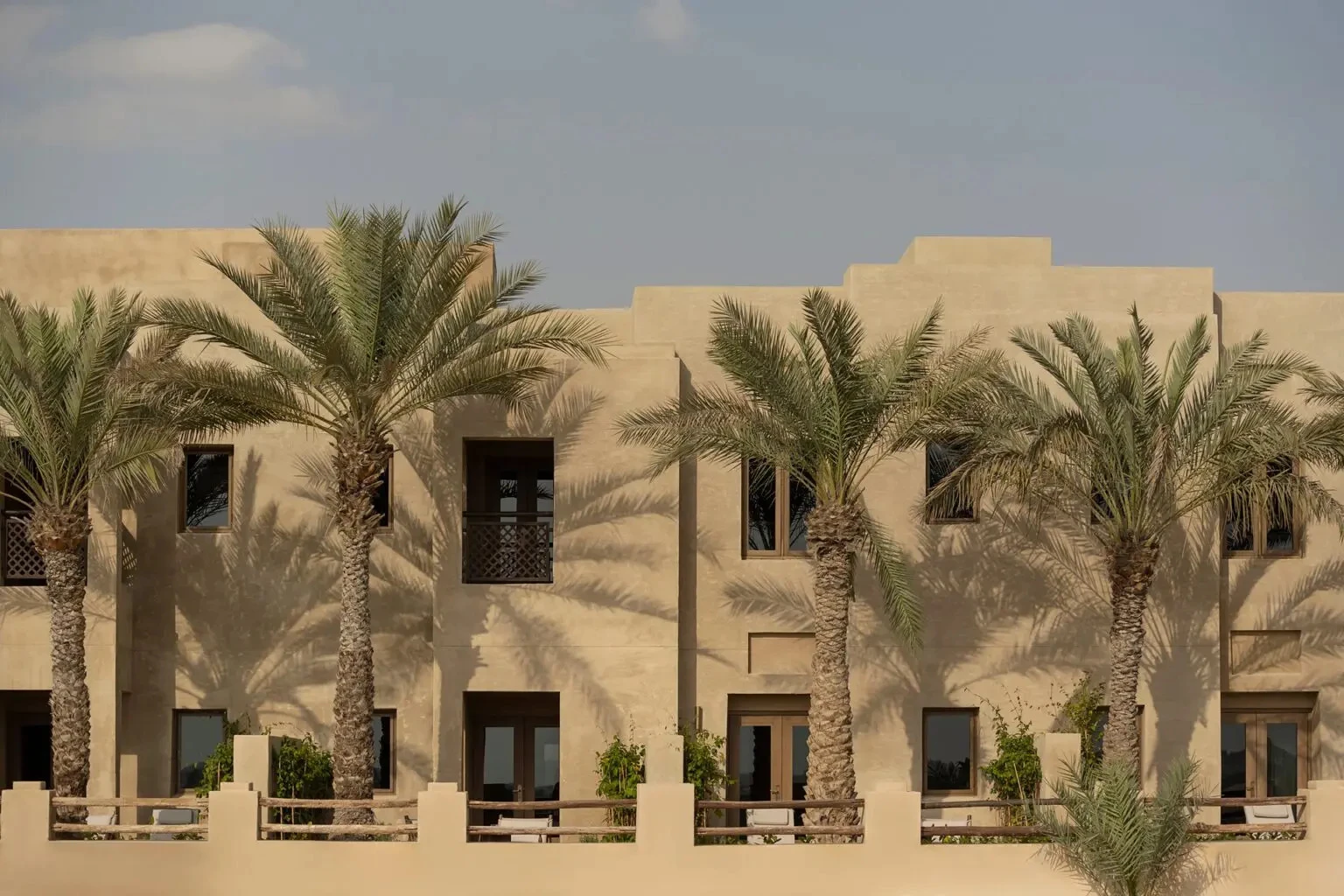
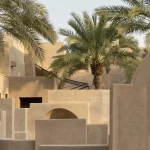
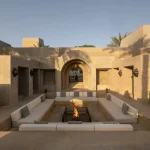
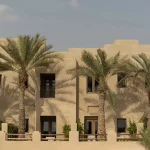
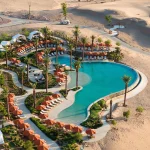
The Bab Al Shams resort, inspired by traditional Emirati architecture and set amidst Dubai’s rolling dunes, offers a redefinition of desert luxury. The resort blends shaded courtyards, earthy materials, and timeless architectural forms with the beauty of the surroundings, creating a deep sense of place. The luxury of the design celebrates tranquillity, cultural heritage, and a meaningful connection to the desert. The immersive architecture and experiences demonstrate how luxury can be shaped by atmosphere, landscape, and unforgettable architecture.
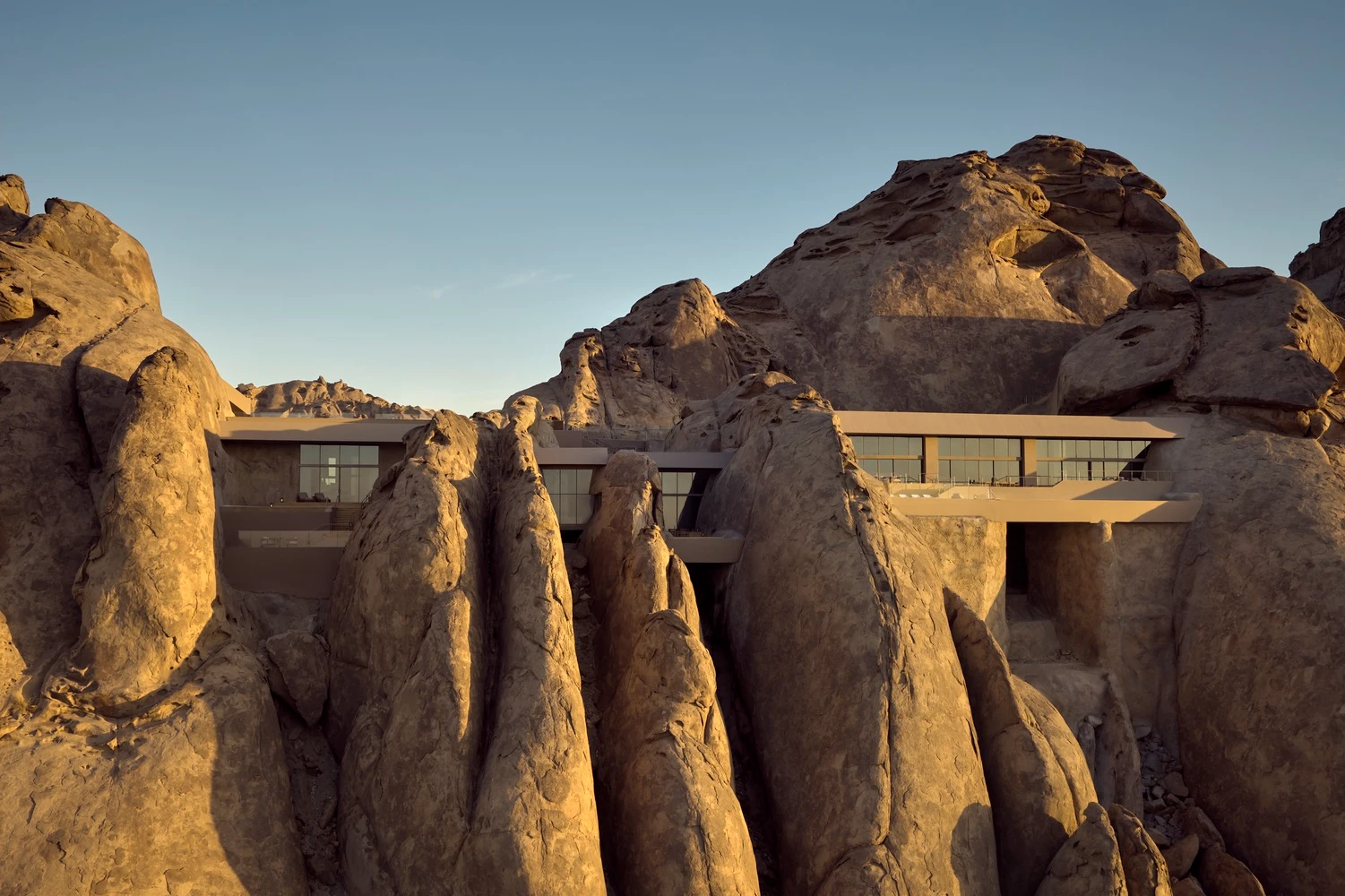
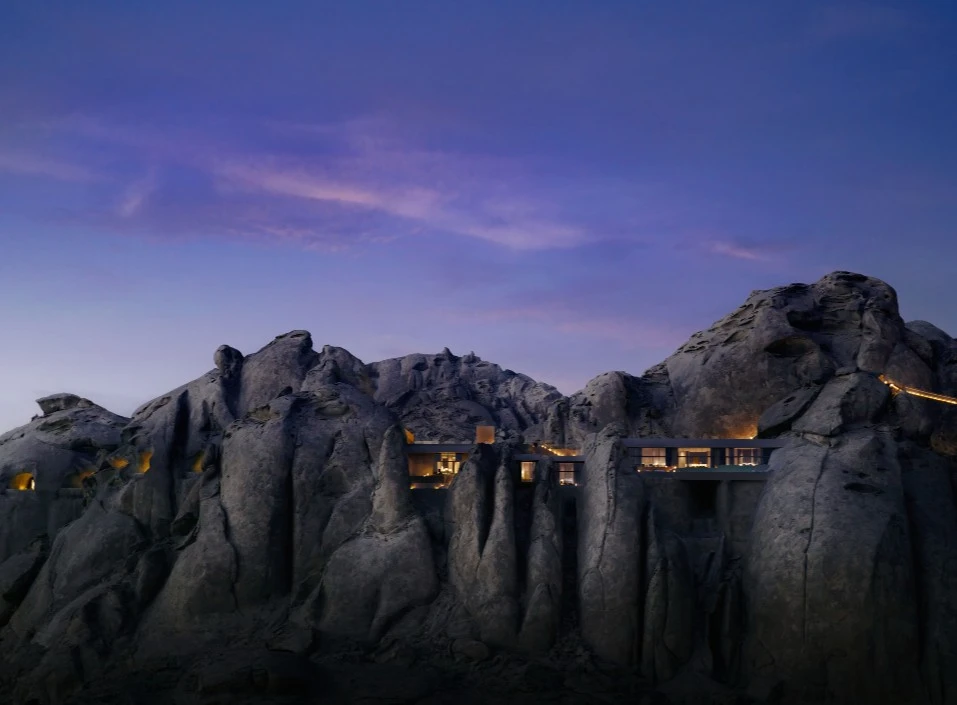
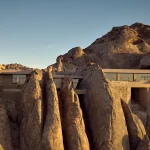
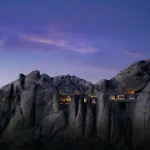
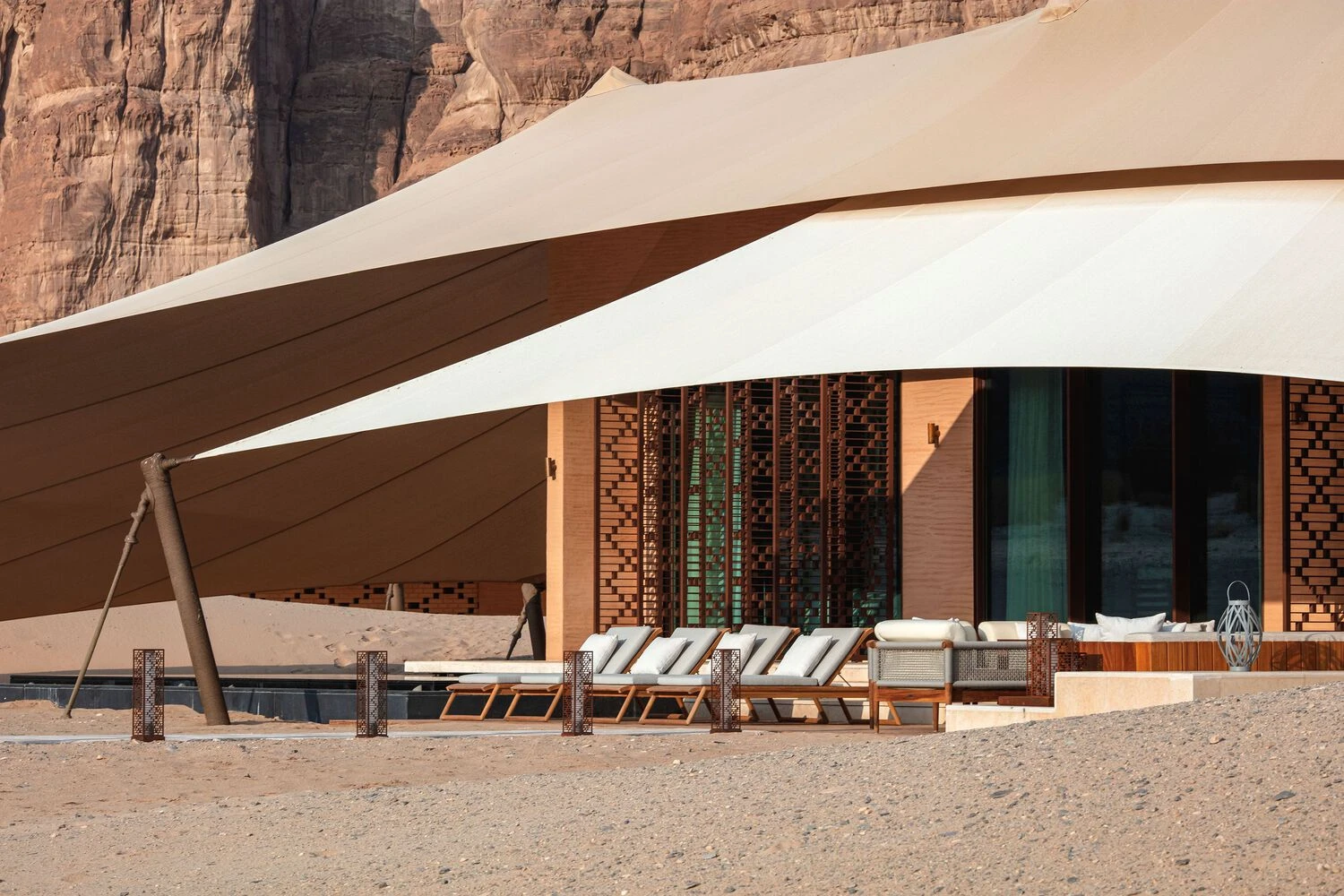
Carved directly into the Hejaz Mountains, Desert Rock by Oppenheim Architecture is redefining what luxury can look like in the desert. Rather than sitting on the sandy landscape, the resort is designed to become part of it, seamlessly blending architecture with the beauty of its surroundings. As one of the most anticipated luxury destinations in the world, Desert Rock sets a powerful new benchmark for architecture that celebrates place, sustainability, and extraordinary design.
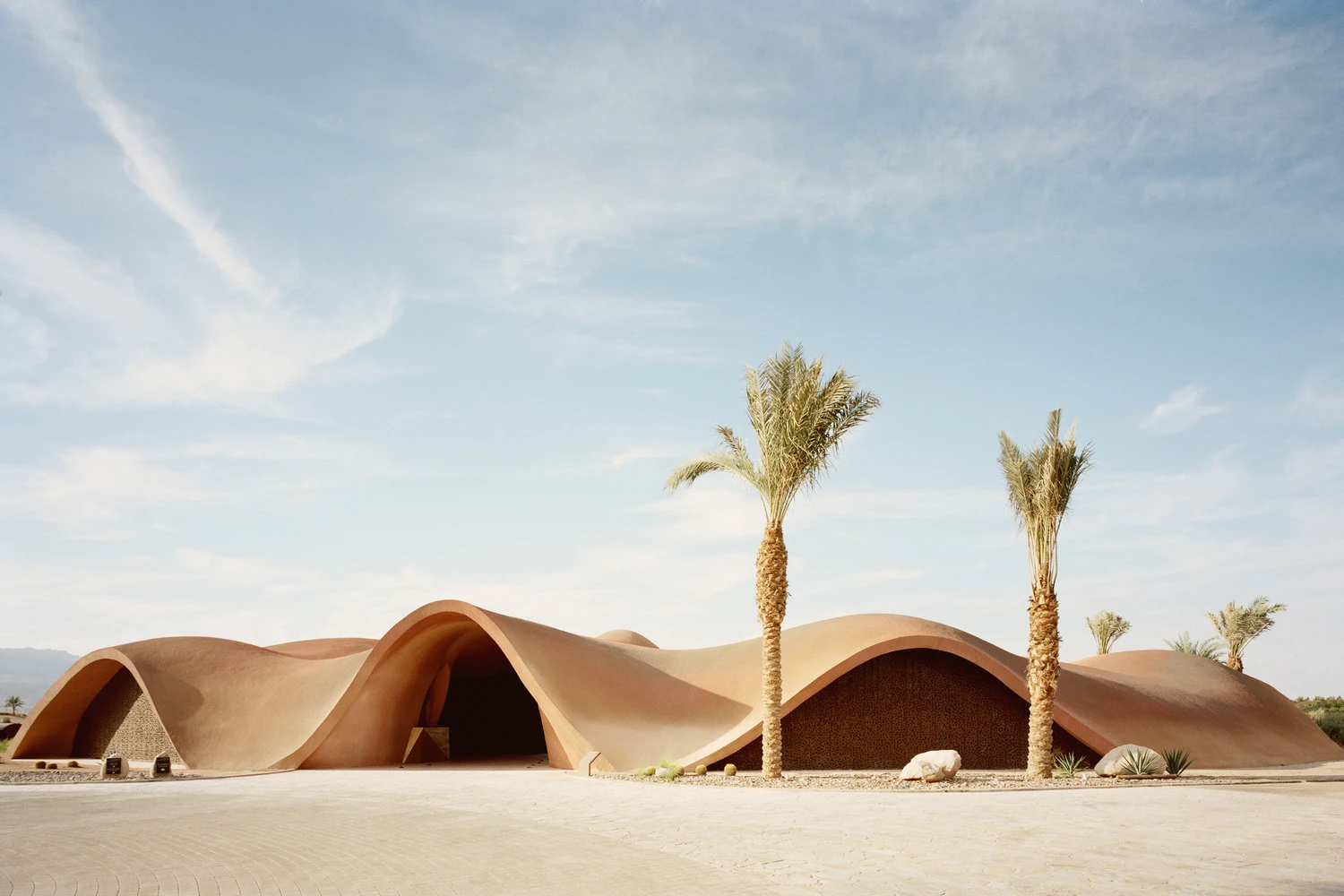
As climate challenges reshape the way we build, desert architecture is redefining luxury in remarkable ways by architects and designers. Rather than relying on excess design and extravagance, it embraces sustainability, climate-responsive design, and connection to the landscape. Architects are transforming harsh desert conditions into opportunities for innovation, creating spaces that are both beautiful and resilient. The result is a redefined vision of luxury, where comfort, environmental responsibility, and a strong sense of place become the ultimate expressions of sophistication.