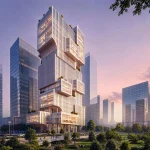
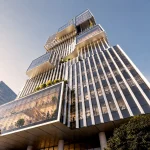
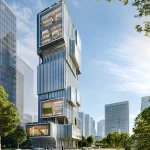
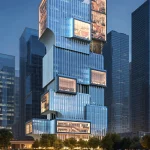

As industries worldwide transition toward advanced manufacturing, innovation, and clean energy technologies, corporate headquarters are increasingly becoming physical expressions of these purposes. In Shenzhen, one of China’s most dynamic innovation centers, architect Ole Scheeren has designed KDL Portal, a new headquarters for KeDaLi Industries (KDL), a global leader in battery component manufacturing. Currently under construction, the project is designed as a vertical ecosystem that brings research, collaboration, production intelligence, and daily life together within a single architectural framework.
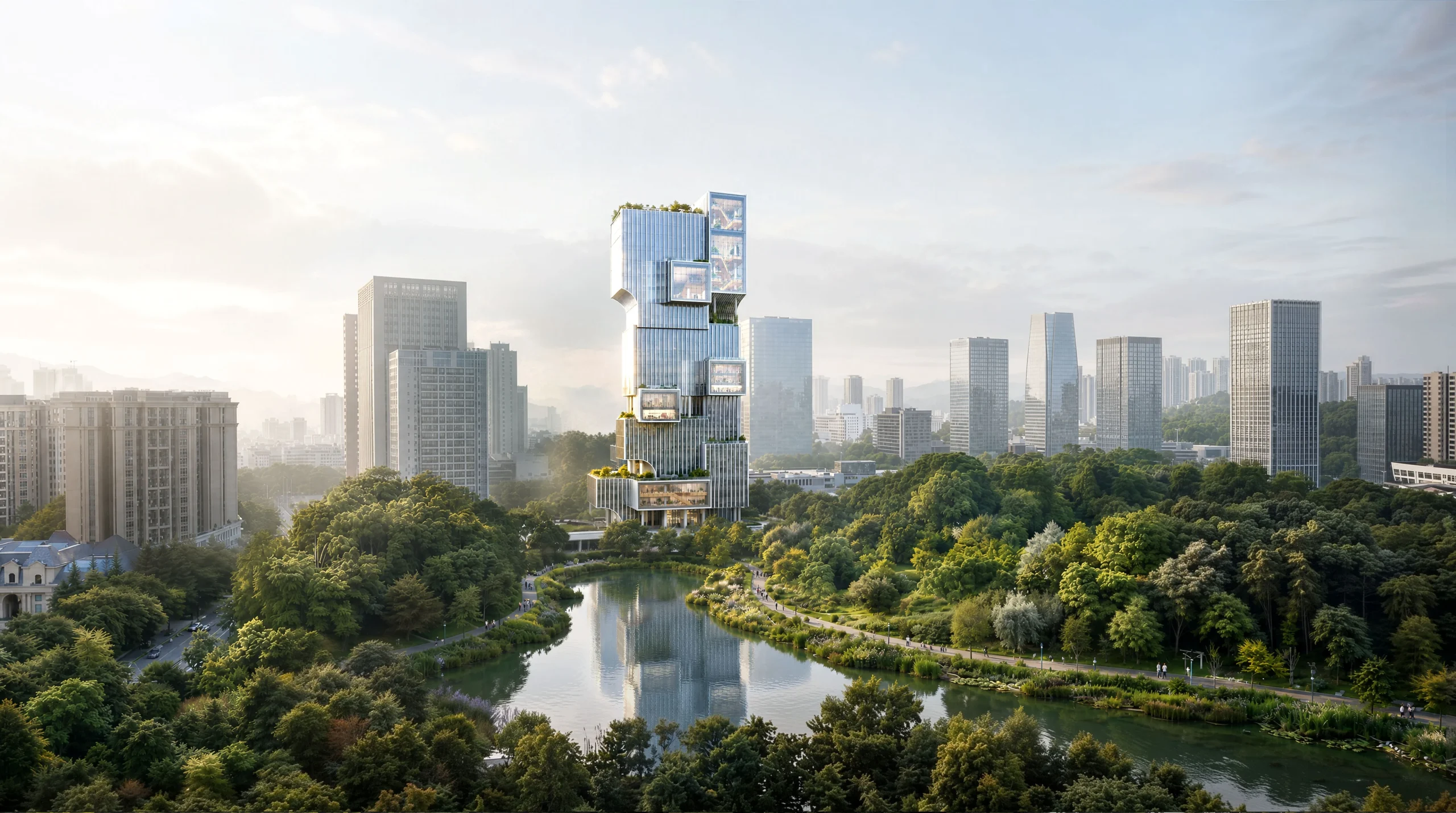
Ole Scheeren’s Vision for Longhua’s New Landmark
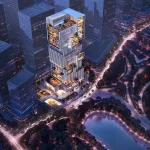
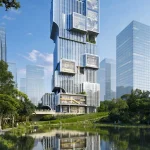
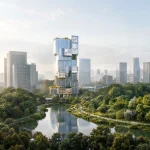
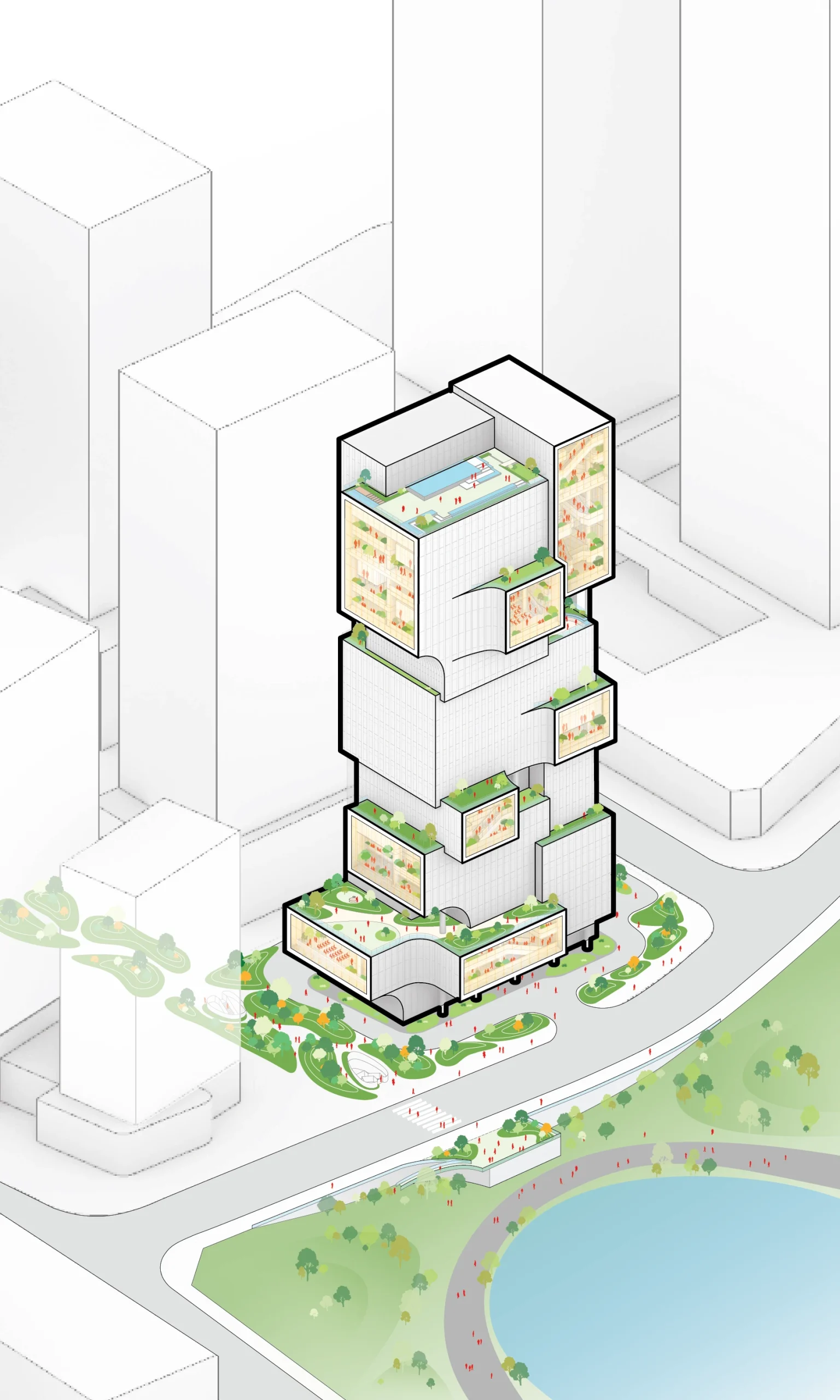
Located beside a reservoir park within Shenzhen’s Longhua District, KDL Portal occupies a strategic position in one of the city’s emerging business clusters. As one of the first major headquarters developments in the district, the project contributes to Longhua’s ongoing transformation from an industrial zone into a destination for innovative manufacturing and technology companies.
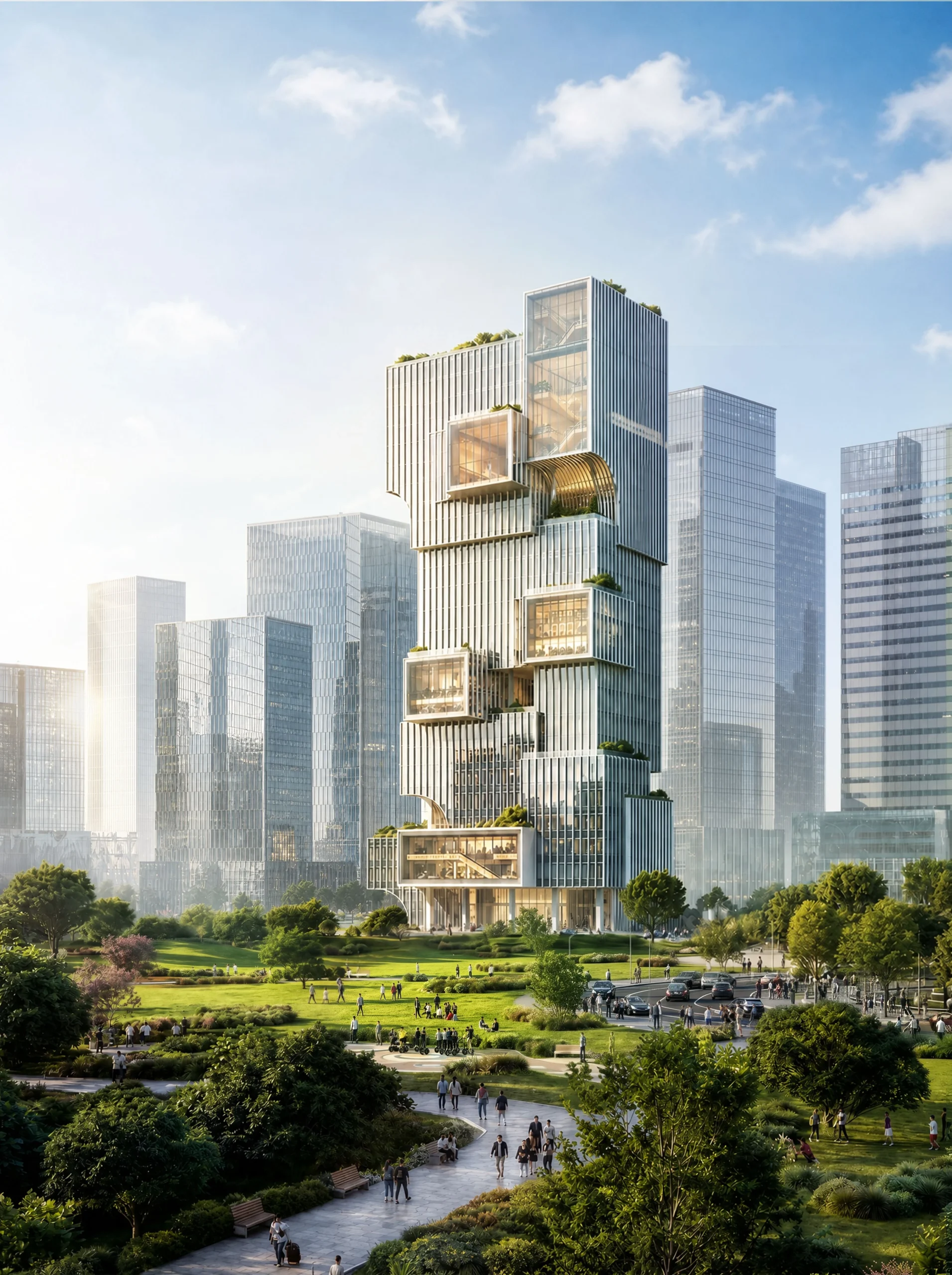
For KDL, the building arrives at a significant moment. Established in 1996, the company has played a crucial role in the global battery supply chain, producing structural components for high-performance batteries while expanding its manufacturing footprint across Europe and North America. As the company approaches three decades of growth, its new headquarters seeks to make visible a business that has long operated behind the scenes of global electrification.
Beyond the Conventional Office Tower
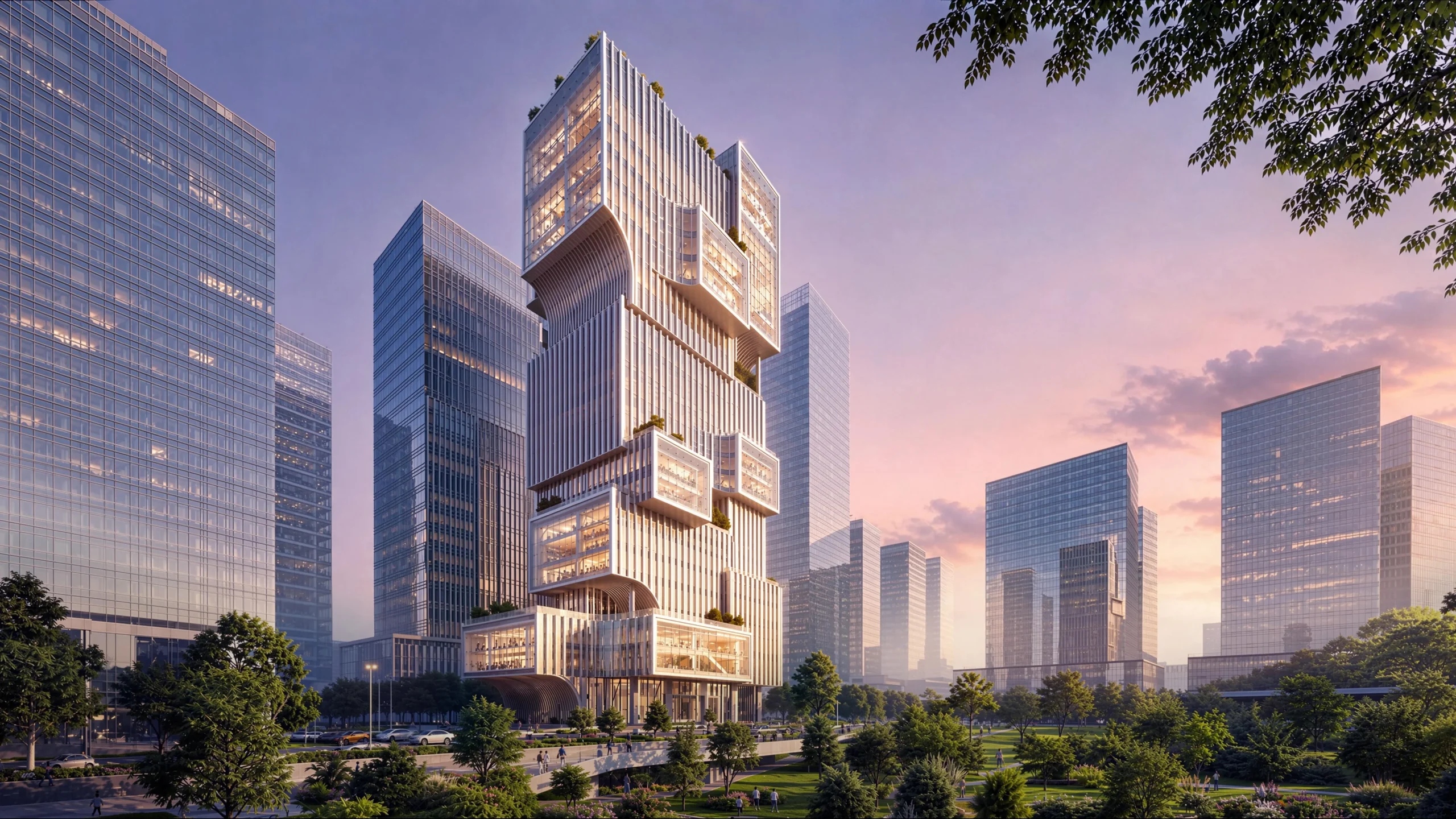
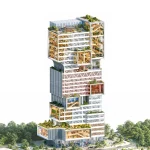
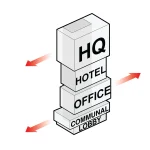
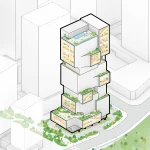
KDL Portal has been envisioned as a compact vertical campus. The 120-meter-tall tower combines offices, research and development facilities, exhibition spaces, short-stay apartments, hospitality functions, and communal amenities within a single structure.
This mixed-use approach reflects the increasingly interconnected nature of contemporary industries, where innovation depends on the close interaction between research, management, production strategy, and international collaboration. By consolidating these functions into one environment, the project creates opportunities for exchange that extend beyond the traditional workplace.
The headquarters functions as a space for experimentation, knowledge-sharing, and engagement with visitors, partners, and researchers from around the world.
The Architecture of the Portal
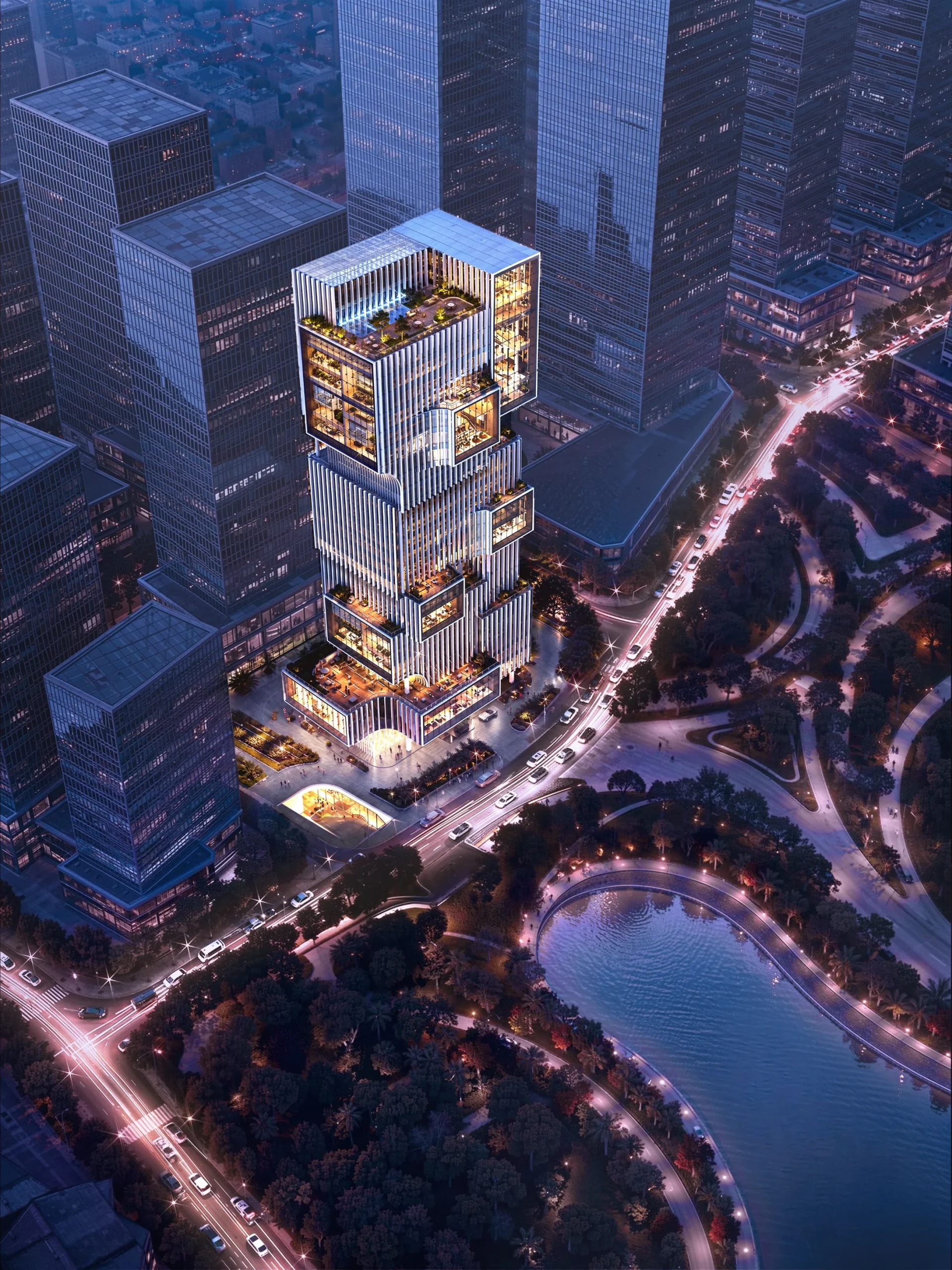
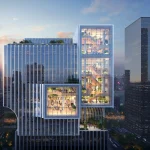
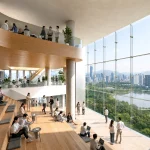
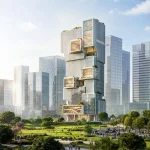
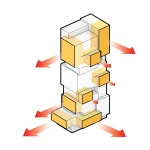
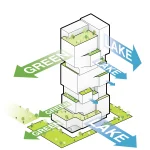
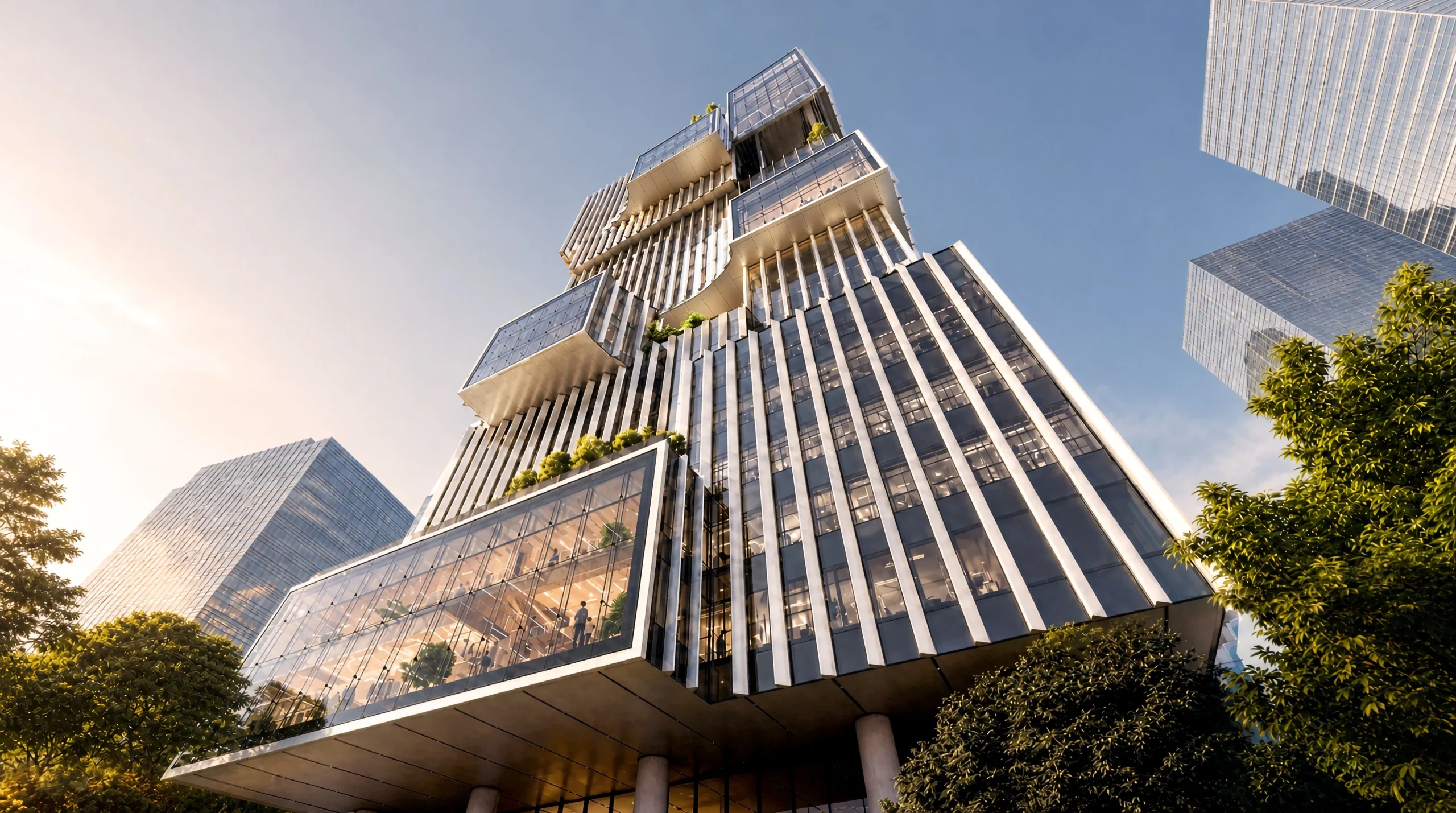
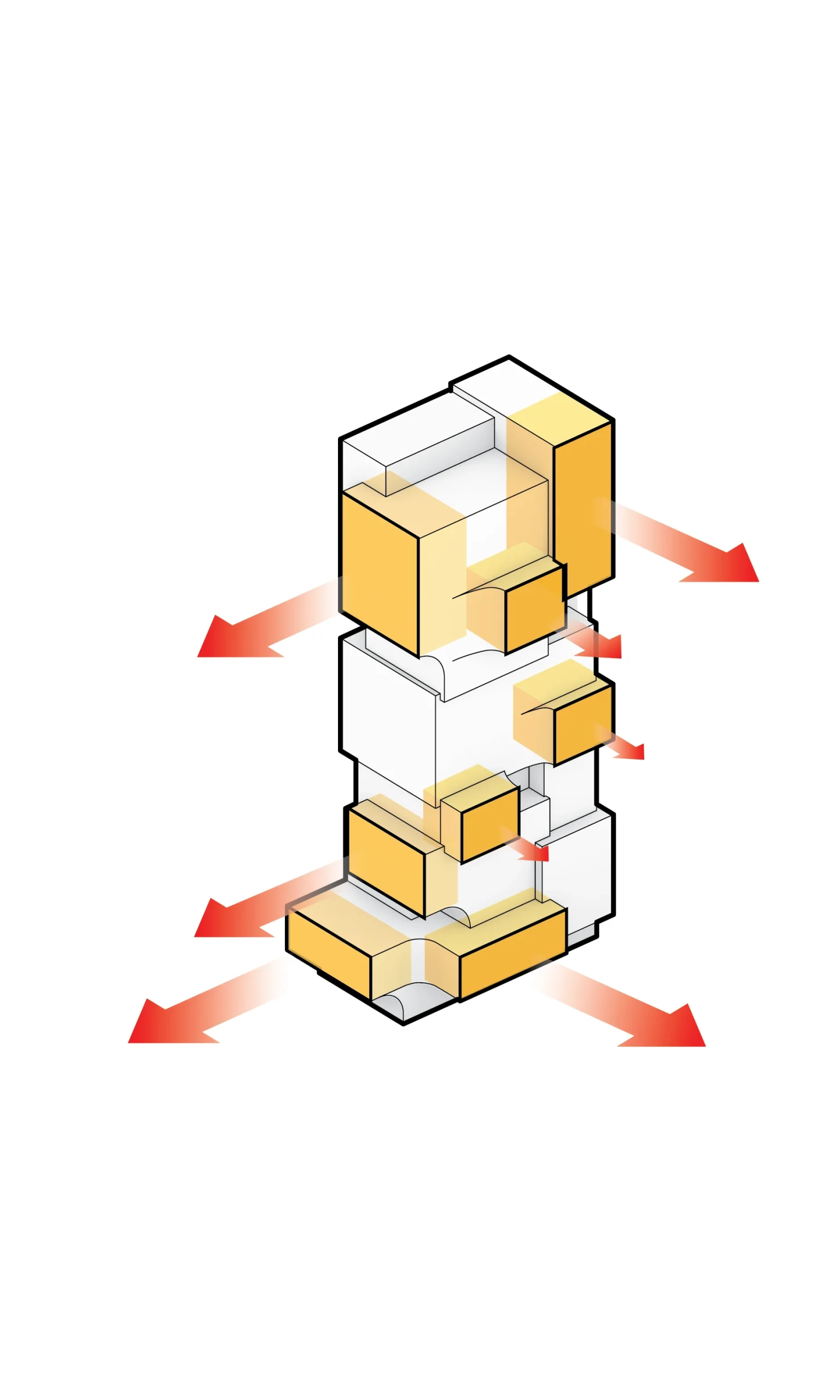
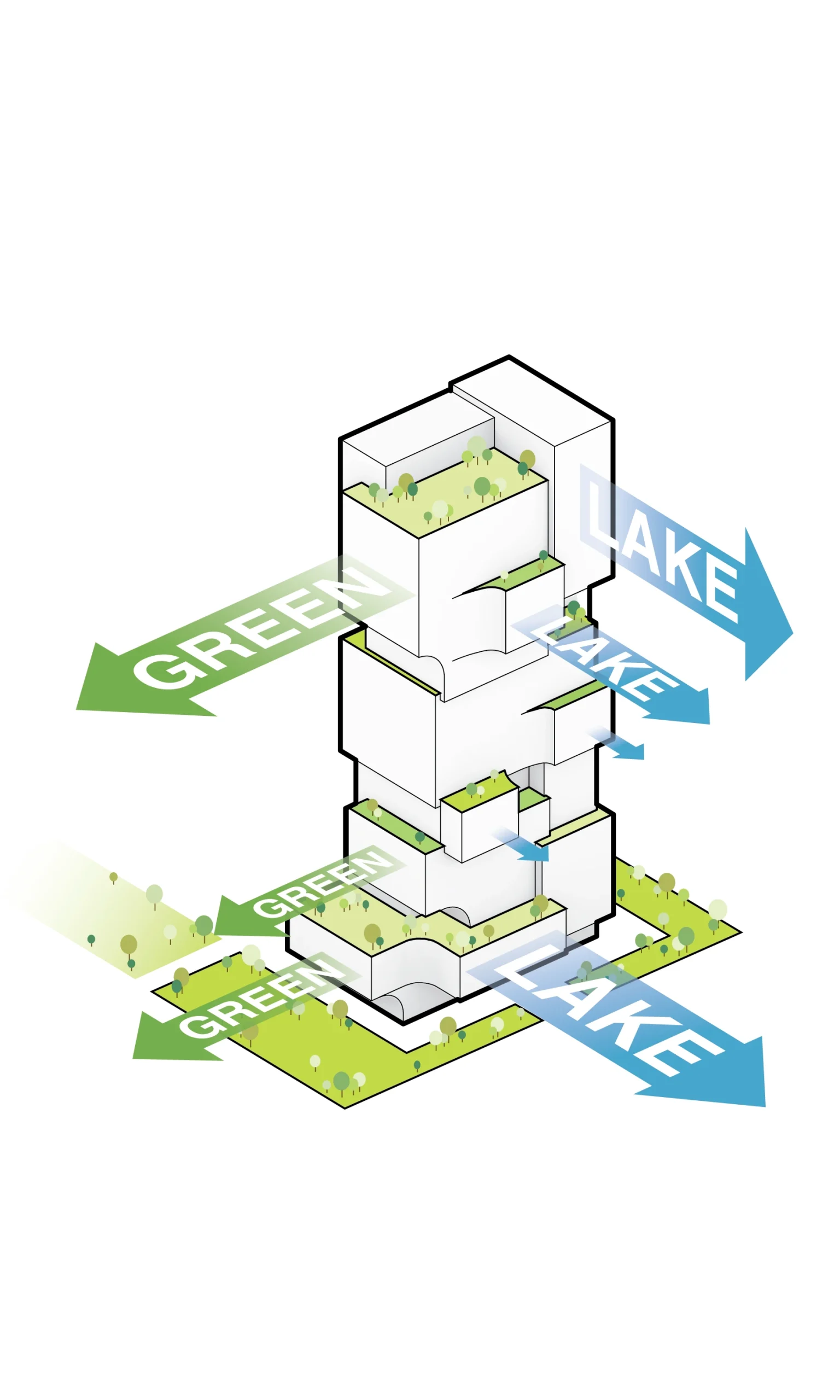
The defining feature of the project is a series of large curvilinear “Portal Spaces” that punctuate the tower’s form. Projecting outward from the façade, these sculptural elements create visual and spatial connections between the building, the city, and the surrounding landscape.
Facing the reservoir, the portals frame expansive views while introducing terraces and gathering spaces into the tower. Toward the urban plaza, they become collaborative environments designed for workshops, informal meetings, and creative exchanges.
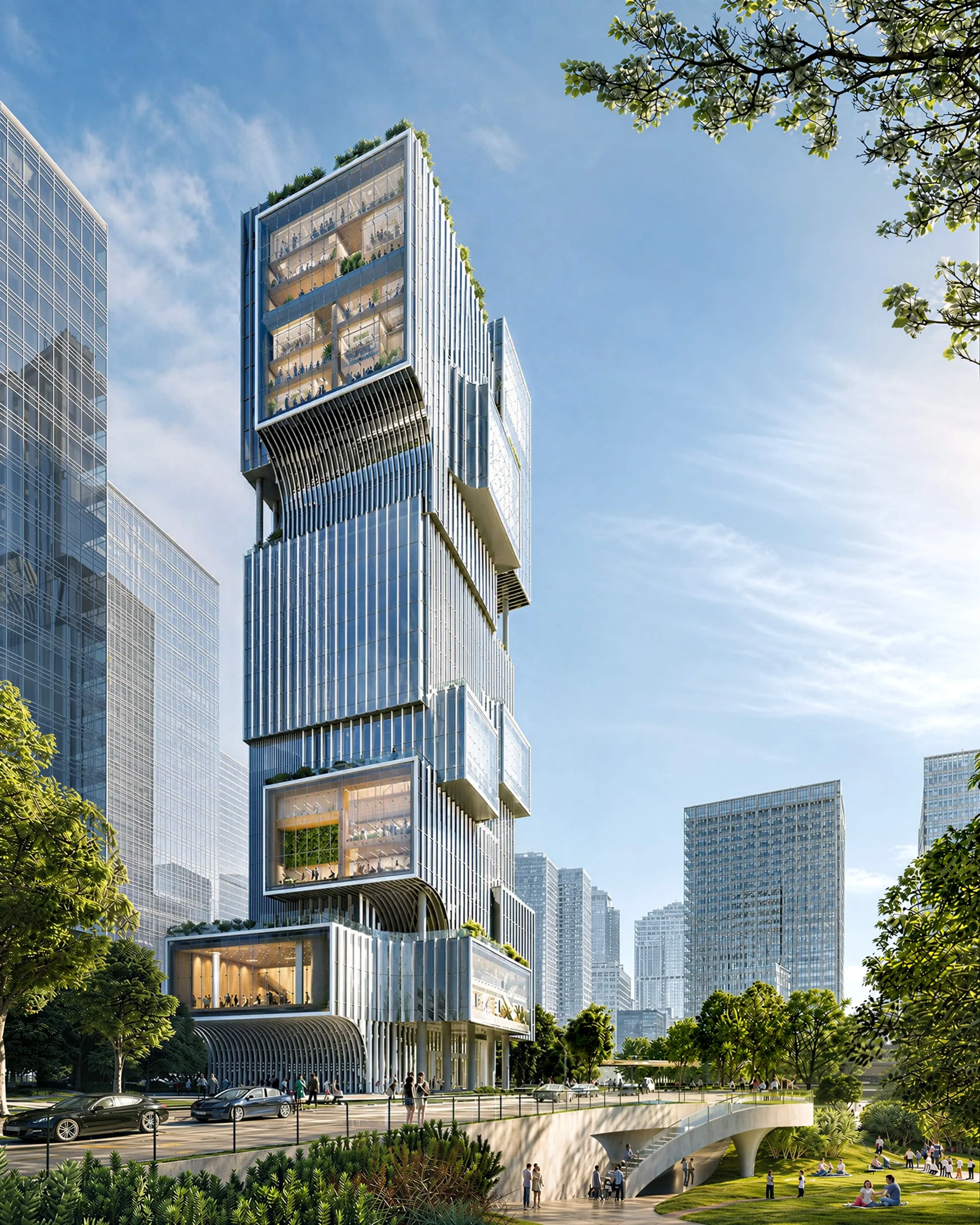
Portals function as inhabitable spaces that extend the workplace beyond conventional floor plates. Their presence transforms the building façade into what the design team describes as an “inhabited interface,” blurring the boundaries between interior and exterior environments.
Designing for Interaction and Collaboration
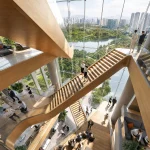
The portal spaces create alternative work environments that encourage movement, interaction, and spontaneous encounters among employees.
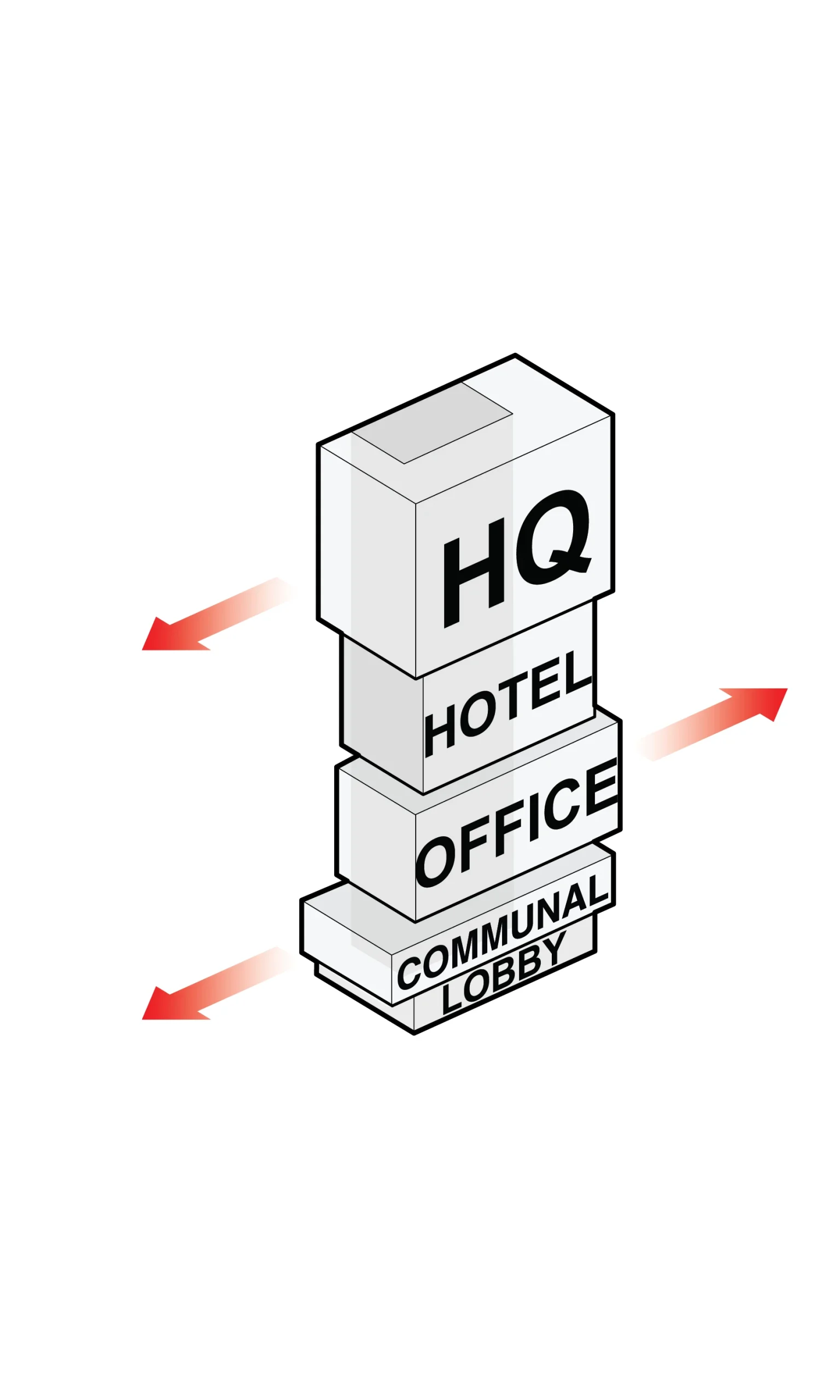
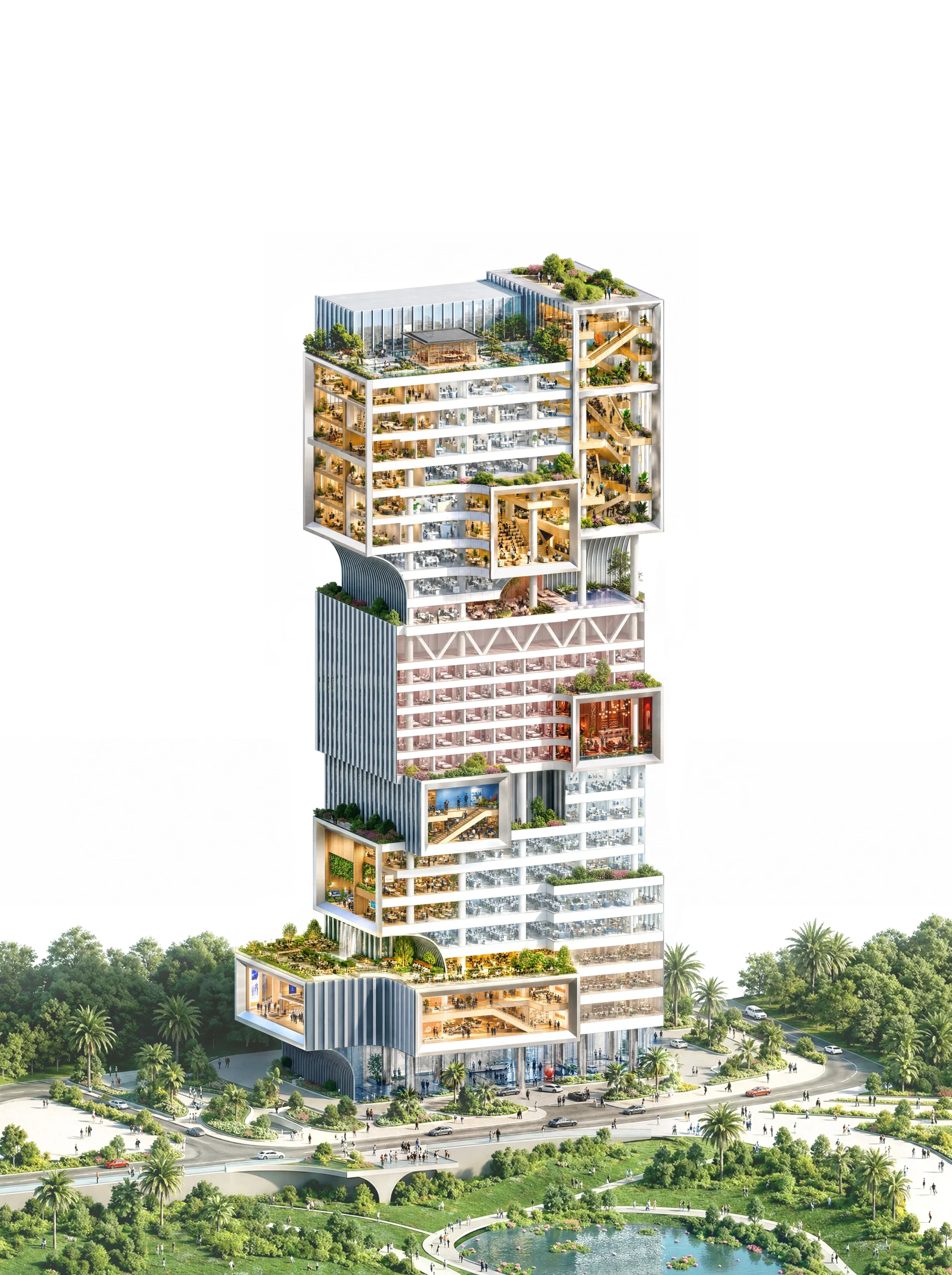
Several of these spaces are linked through staggered staircases, forming multi-level social zones where presentations, discussions, and informal gatherings can take place. By bringing circulation routes to the building’s perimeter, the design makes activity visible, encouraging greater visual connectivity between departments and teams.
This approach reflects broader shifts in workplace design, where collaboration and flexibility increasingly shape the architecture of corporate environments.
A Flexible Floorplate for Future Growth
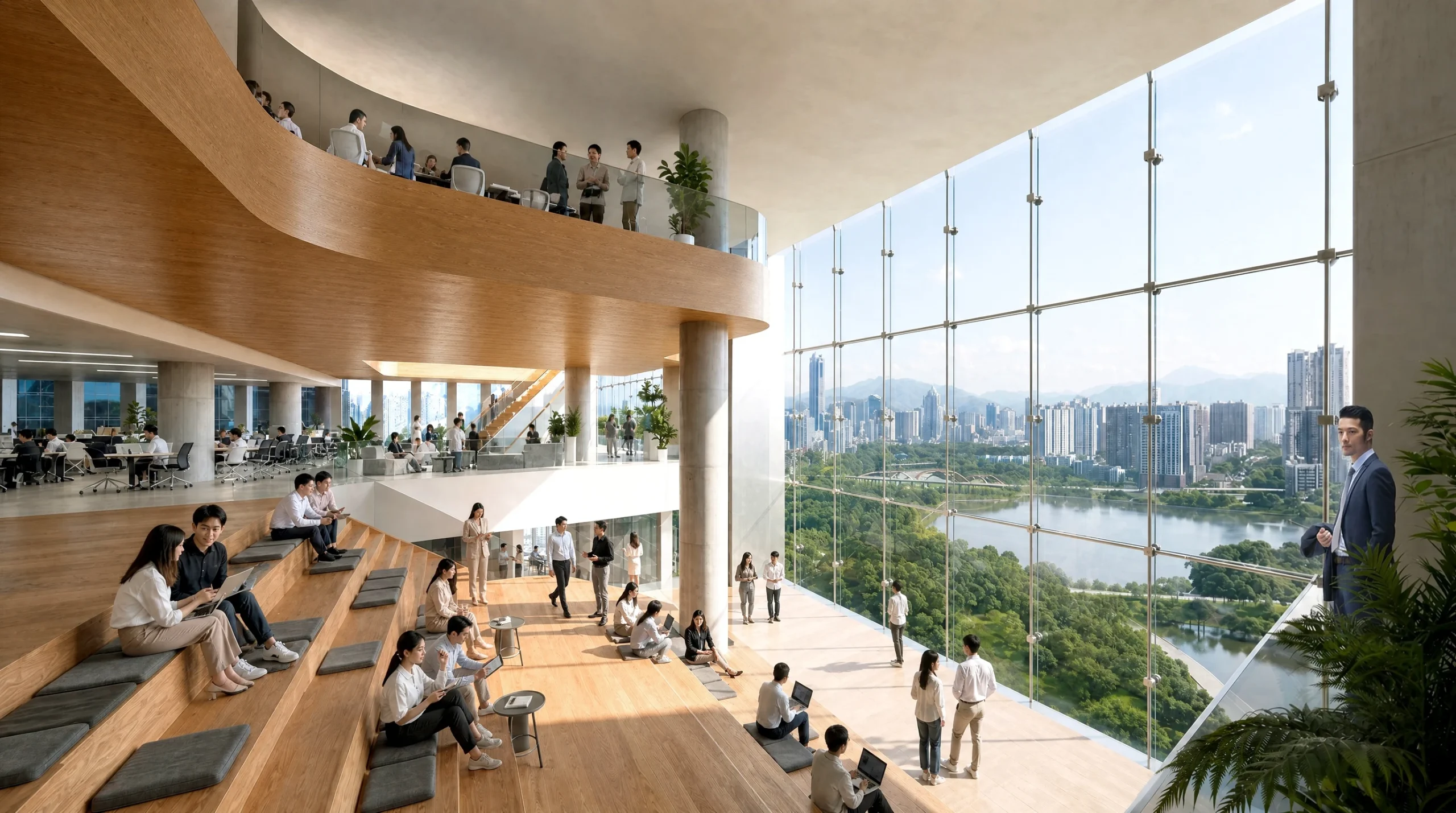
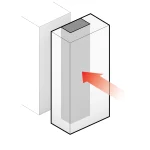
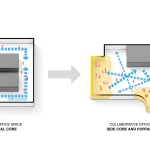
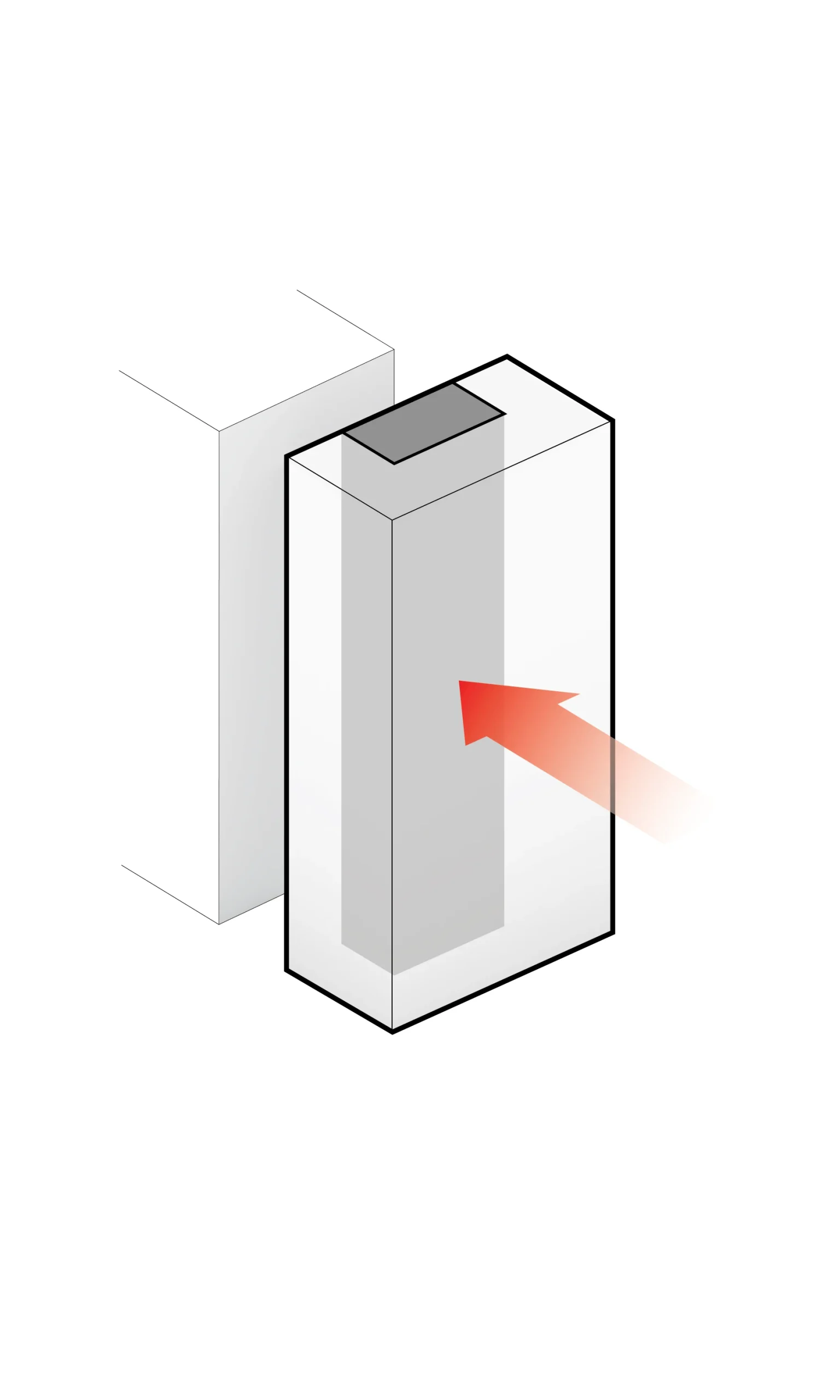
KDL Portal departs from the standard central-core tower model by relocating services and vertical circulation to one side of the building. This strategy frees up large, adaptable floor plates with uninterrupted access to daylight, views, and communal spaces.
The resulting workplace environment offers greater flexibility for future organizational changes, allowing departments and functions to evolve without major structural modifications. Extensive glazing, landscaped terraces, and integrated greenery further enhance the experience of working within the tower.
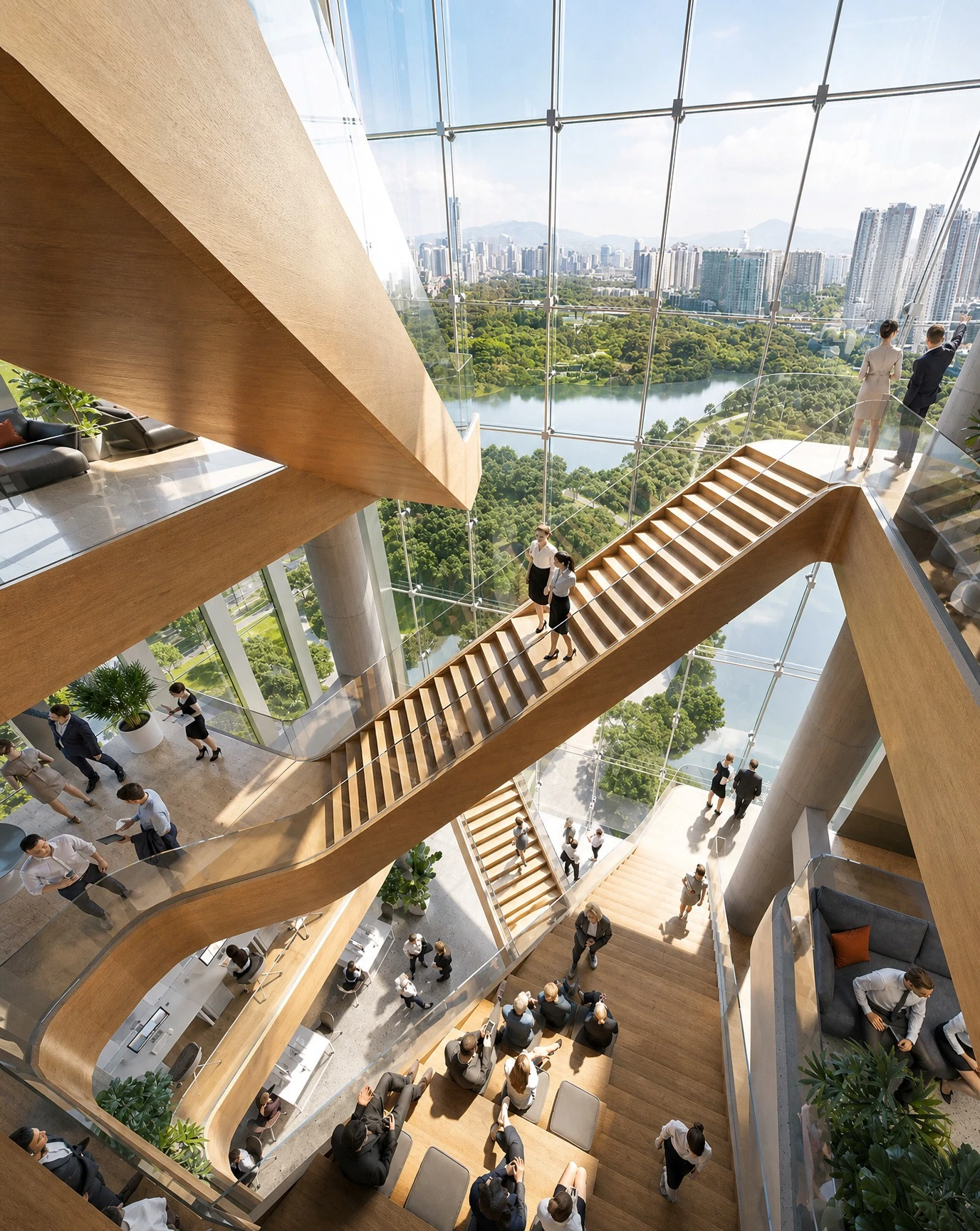
By prioritizing openness and adaptability, the design acknowledges that innovation is often driven by environments capable of supporting change.
Architecture as a Reflection of Industrial Transformation
KDL Portal arrives at a time when China’s manufacturing sector is increasingly defined by research, automation, advanced engineering, and clean technologies. The project reflects this transition through an architectural language that combines technical precision with human-centered design.
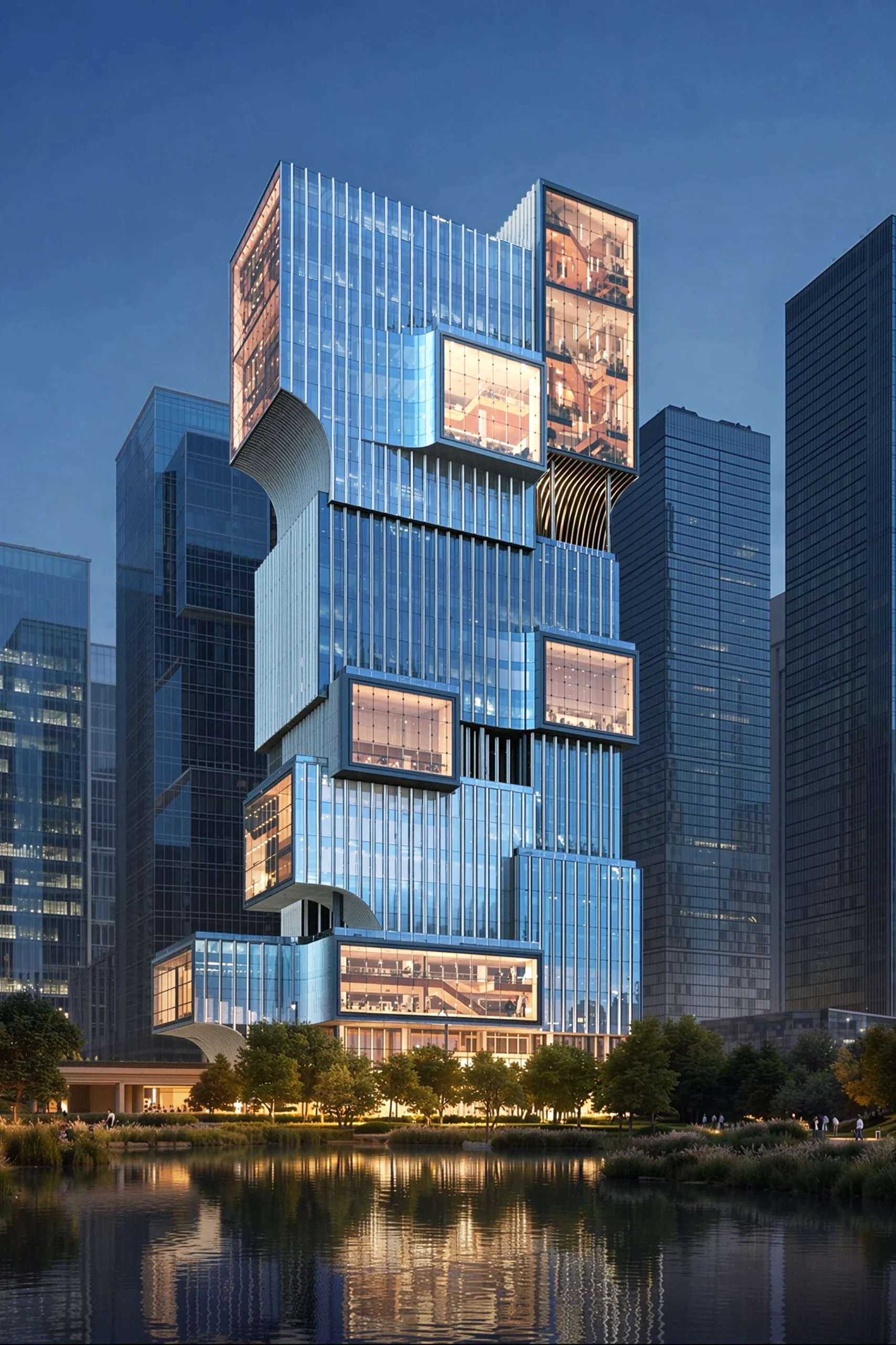
The headquarters operates as a connected system of workplaces, public spaces, research facilities, and communal environments. The building’s identity emerges through its sculptural form and the interactions it enables among the people who occupy it.
Scheduled for completion in 2026, KDL Portal is balanced to become a significant addition to Shenzhen’s skyline while symbolizing the evolving role of architecture in supporting innovation-led industries.
KDL Portal Project Details
Project: KDL Portal
Location: Luhu Lake Industry Campus, Longhua District, Shenzhen, China
Architecture: BÜRO OLE SCHEEREN
Founder and Principal: Ole Scheeren
Client: KeDaLi Industries
Type: Headquarters
Site Area: 6,063 sqm
Gross Floor Area: 36,380 sqm
Height: 120 m
Office Area: 26,280 sqm
Short-Stay Apartments: 7,400 sqm
Exhibition Space: 1,500 sqm
Canteen: 1,200 sqm
Commission: 2021
Construction Started: 2023
Expected Completion: 2026
Image credit: BÜRO OLE SCHEEREN