

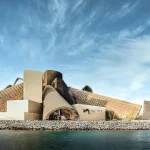
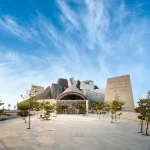
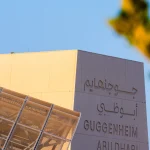
After nearly two decades of anticipation, changing timelines, and one of the most closely watched cultural developments in the Middle East, Guggenheim Abu Dhabi has finally received its official opening date. The long-awaited museum, designed by Frank Gehry, will welcome visitors on 11 December 2026, marking a major milestone for Abu Dhabi’s cultural ambitions and also for the global architecture and art world. The announcement transforms one of the world’s longest-awaited museum projects from a vision into an imminent reality, bringing Gehry’s largest museum ever designed to the heart of Saadiyat Island’s rapidly expanding cultural district.
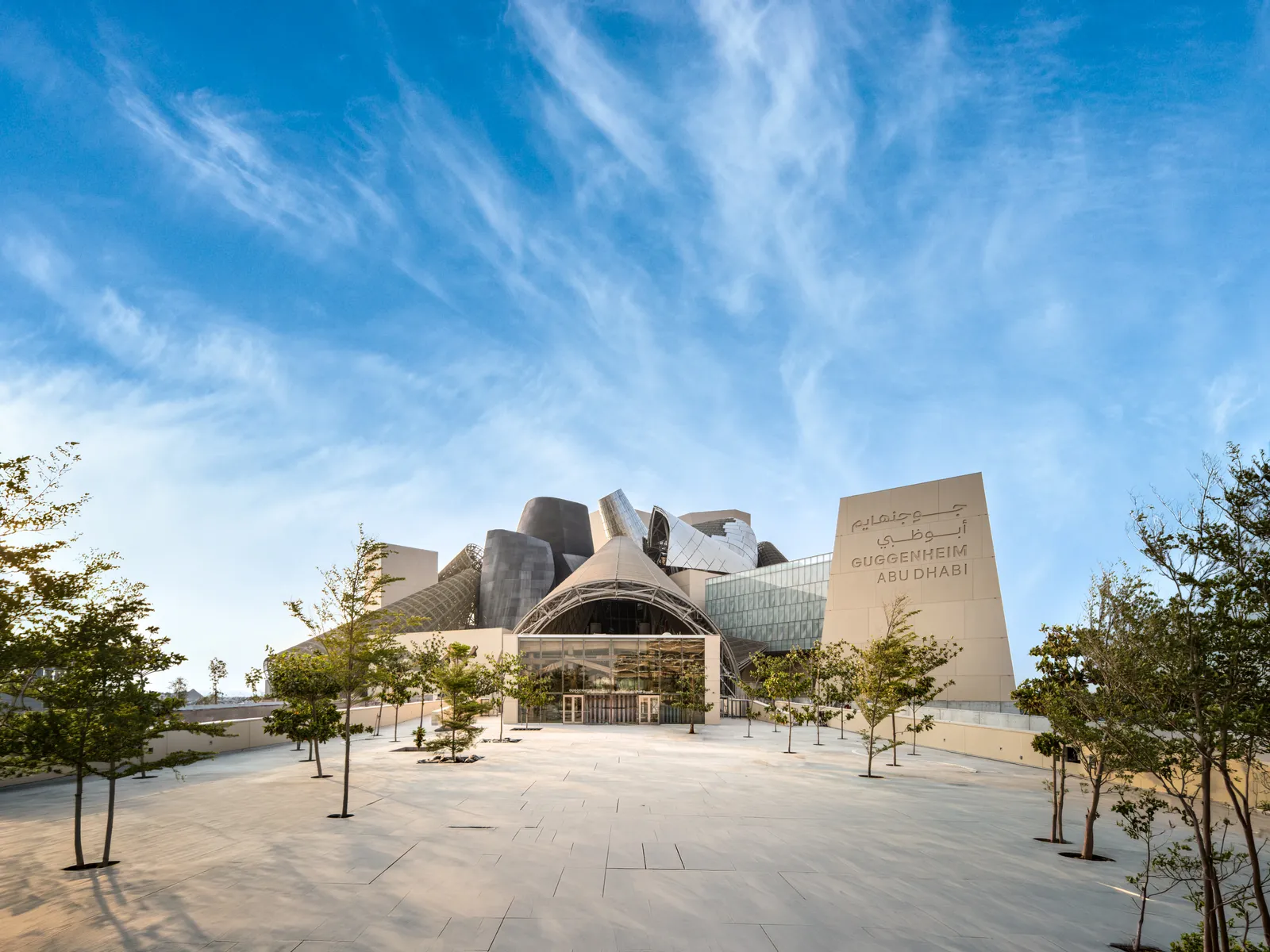
The museum represents the culmination of a vision first unveiled in 2006, when Abu Dhabi partnered with the Solomon R. Guggenheim Foundation to establish a new institution dedicated to modern and contemporary art from a broader global perspective. Since then, the project has experienced construction pauses, design refinements, global economic challenges, and pandemic-related delays. Now, twenty years later, the museum is poised to become one of the defining cultural landmarks of the UAE and one of the most significant museum openings of the decade.
Frank Gehry’s Largest Museum in Abu Dhabi
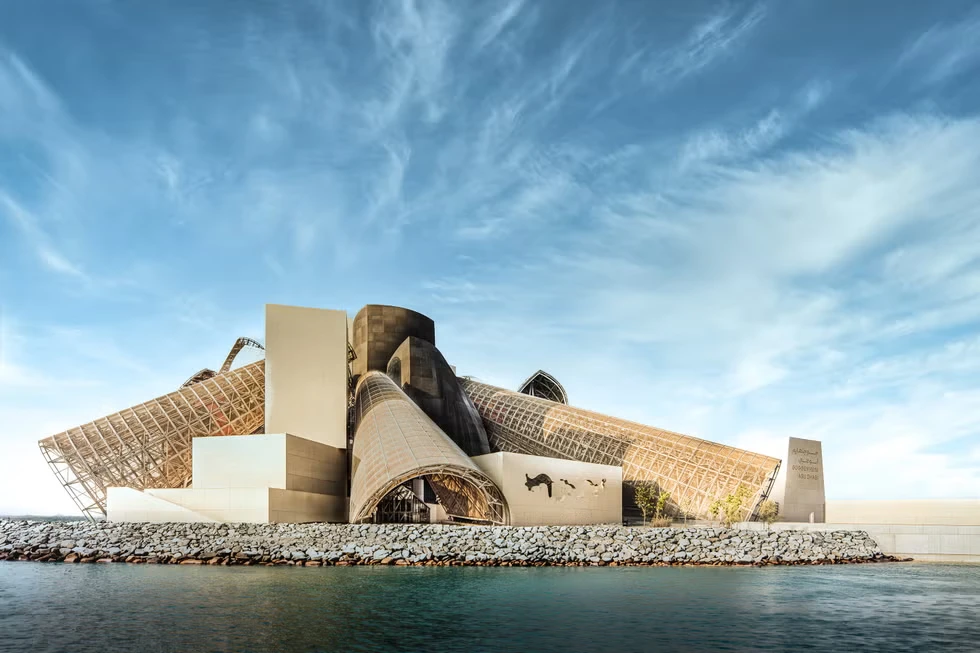
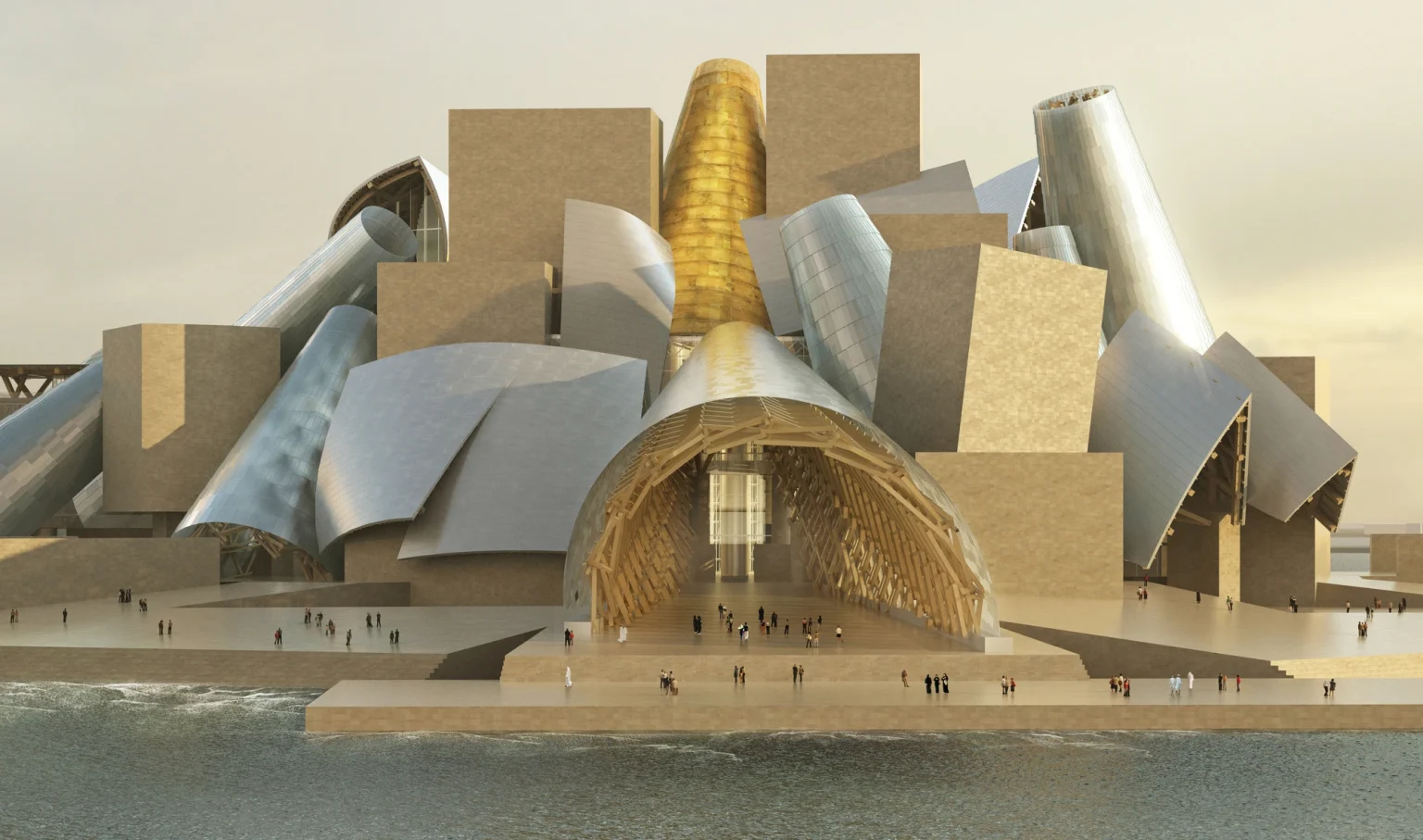
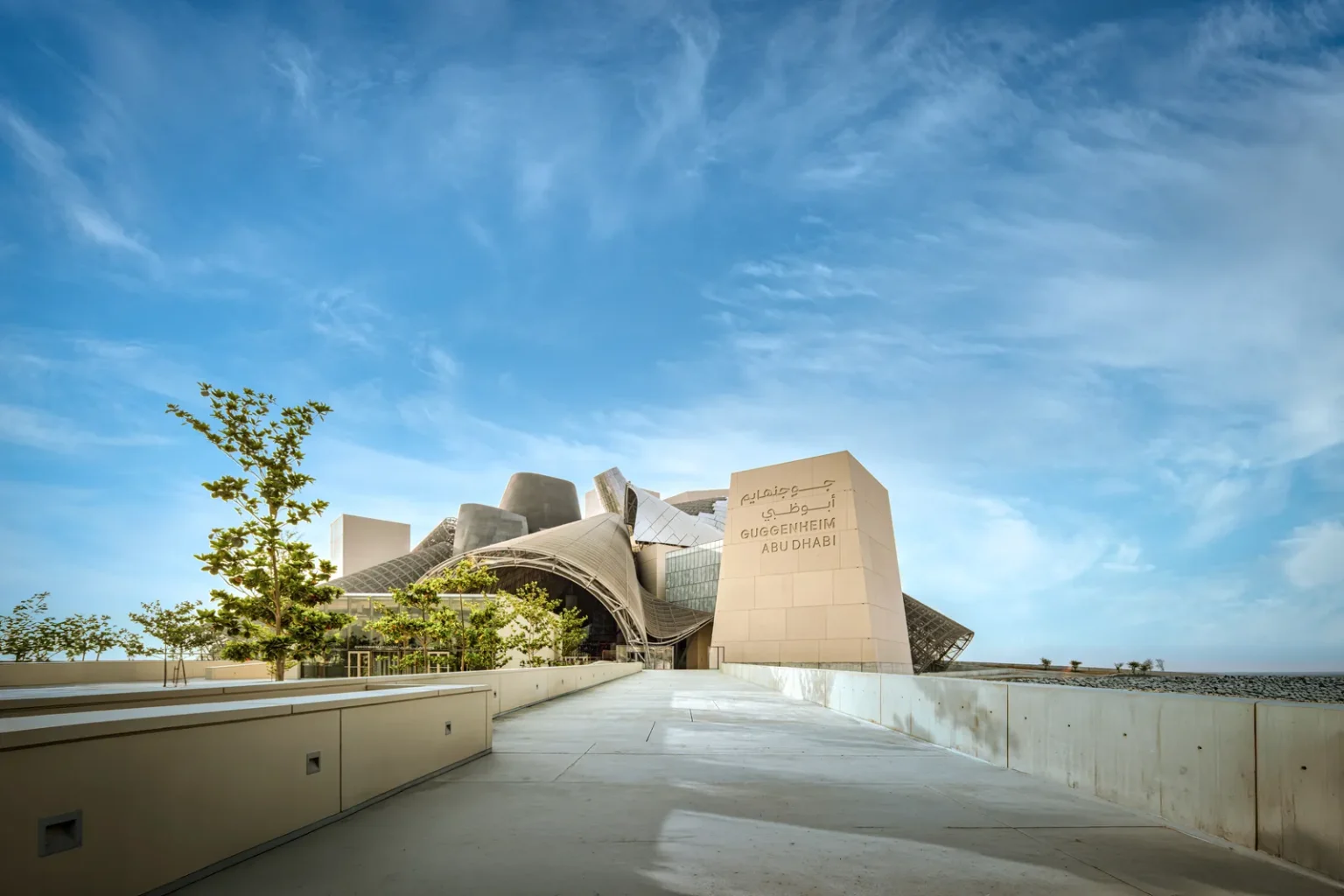
Occupying approximately 80,000 square meters, Guggenheim Abu Dhabi will become the largest museum in the Guggenheim network, surpassing its counterparts worldwide. It contains around 11,600 square meters of indoor gallery space, alongside expansive outdoor exhibition areas designed to accommodate monumental artworks and site-specific installations that cannot be displayed in conventional museums.
For Frank Gehry, the project represents one of the most ambitious works of his celebrated career. Instead of replicating the sculptural titanium forms that made the Guggenheim Museum Bilbao an international icon, Gehry developed a design deeply rooted in the environmental and cultural context of the Arabian Gulf.
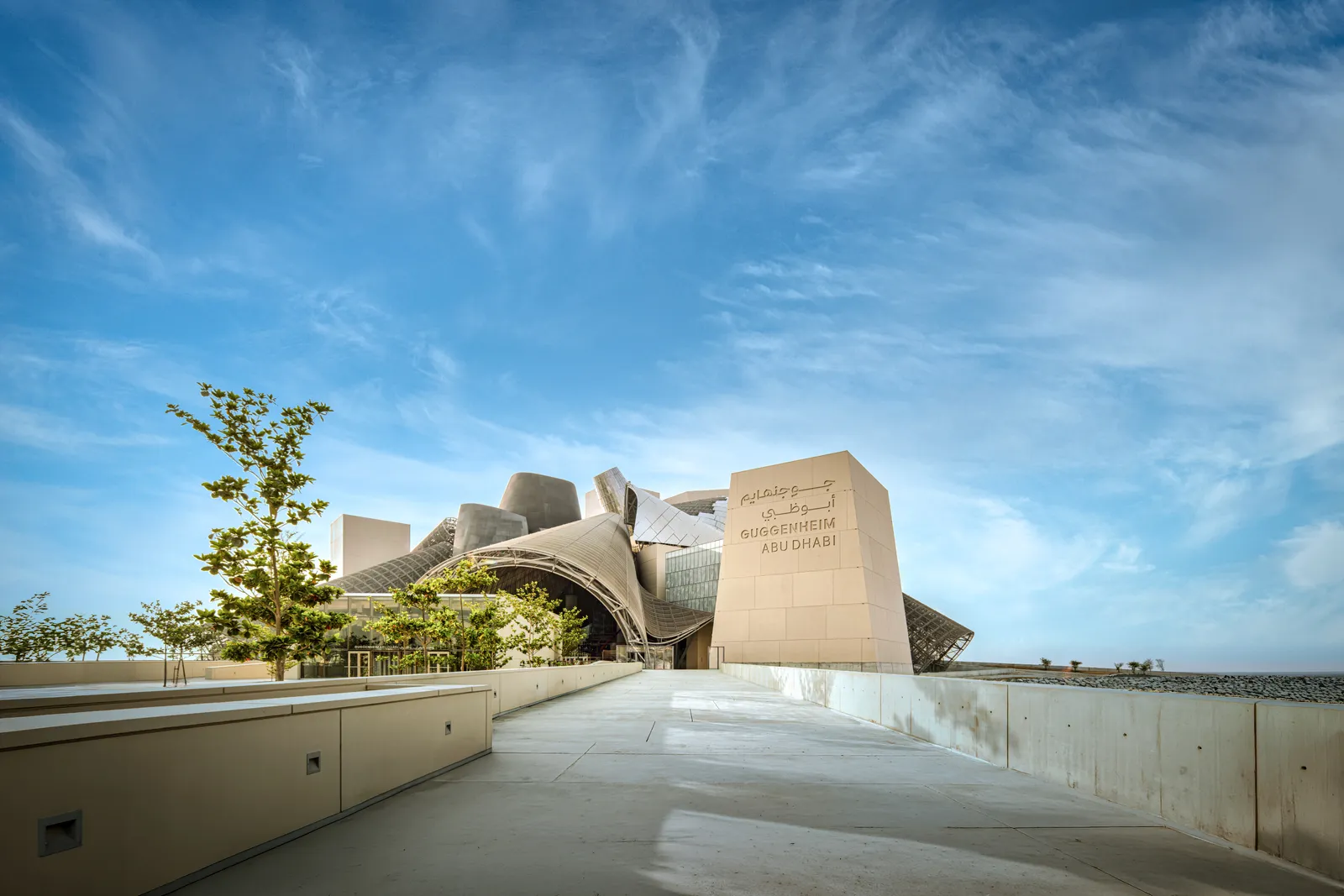
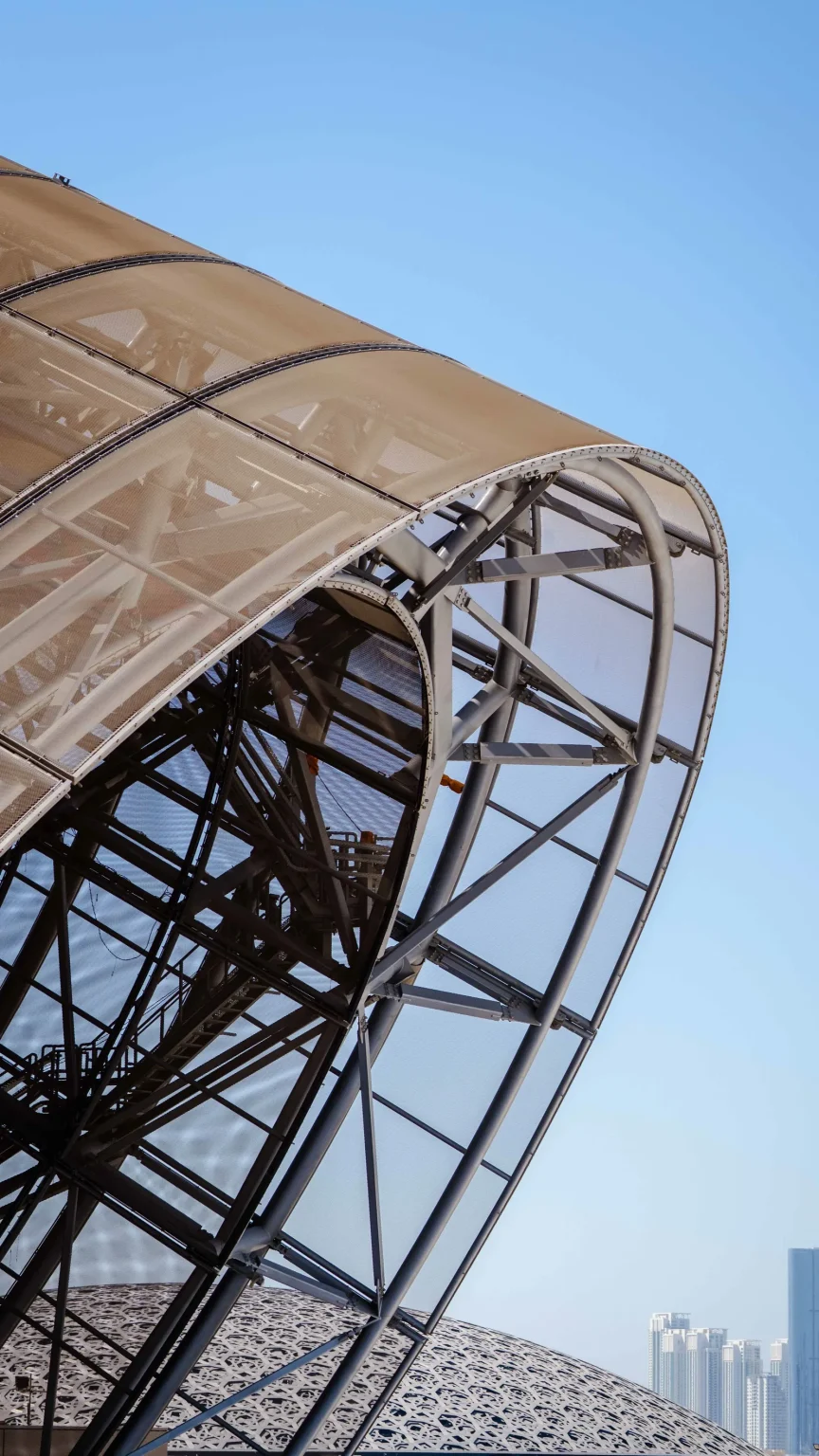
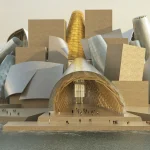
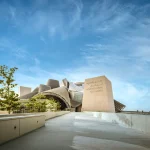
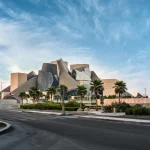
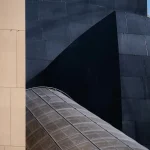
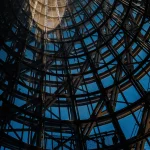
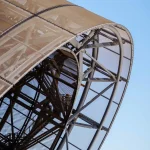
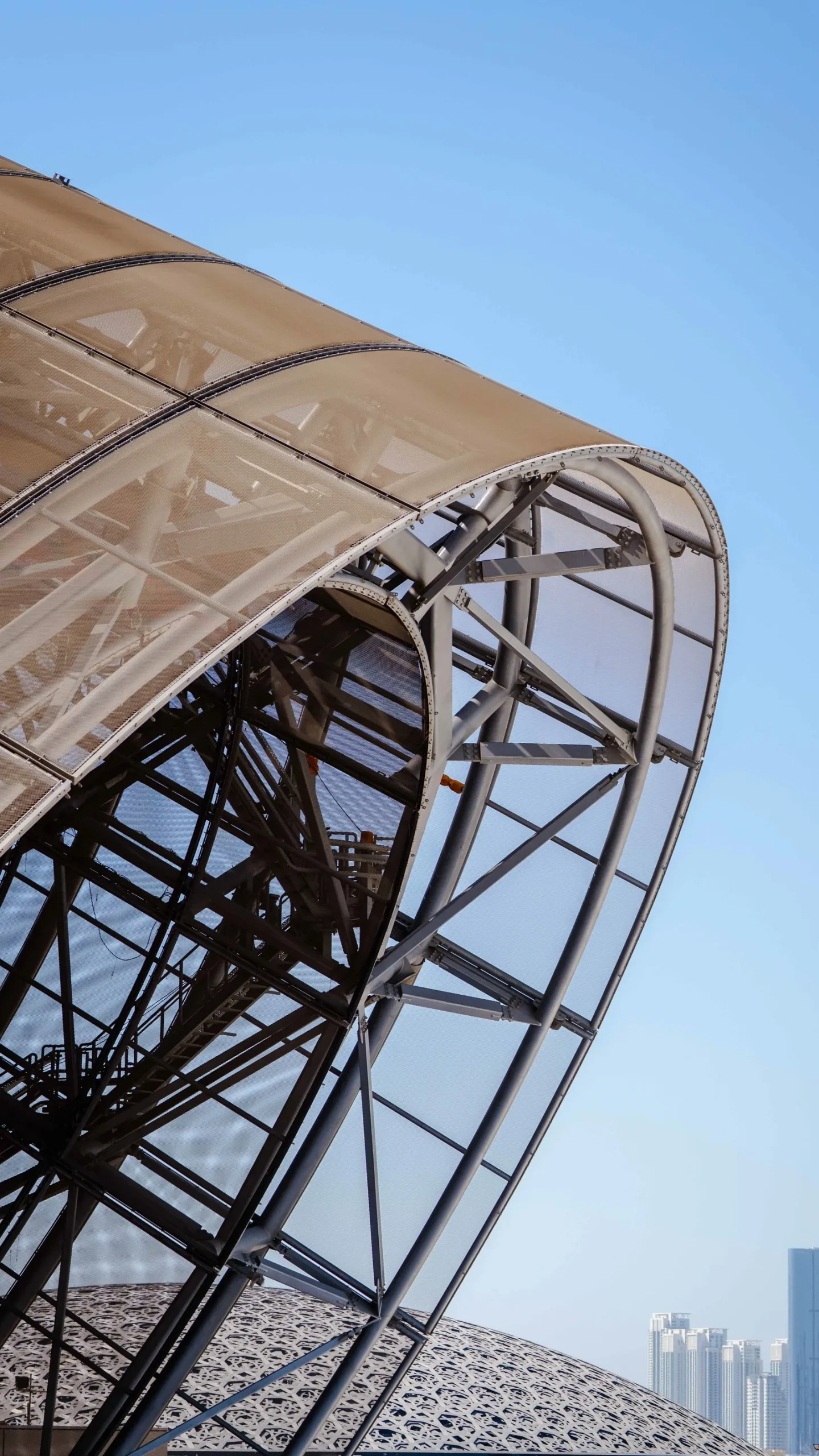
The building is organized as a composition of interconnected galleries, bridges, open courtyards, and dramatic circulation spaces surrounding a central courtyard. Rising above the museum are ten monumental sculptural cones, nine clad in stainless steel mesh and one finished with onyx and glass, which reinterpret traditional Middle Eastern wind towers. Beyond their striking appearance, these structures provide natural ventilation, shade, and passive cooling, responding to Abu Dhabi’s desert climate while reducing energy demands.
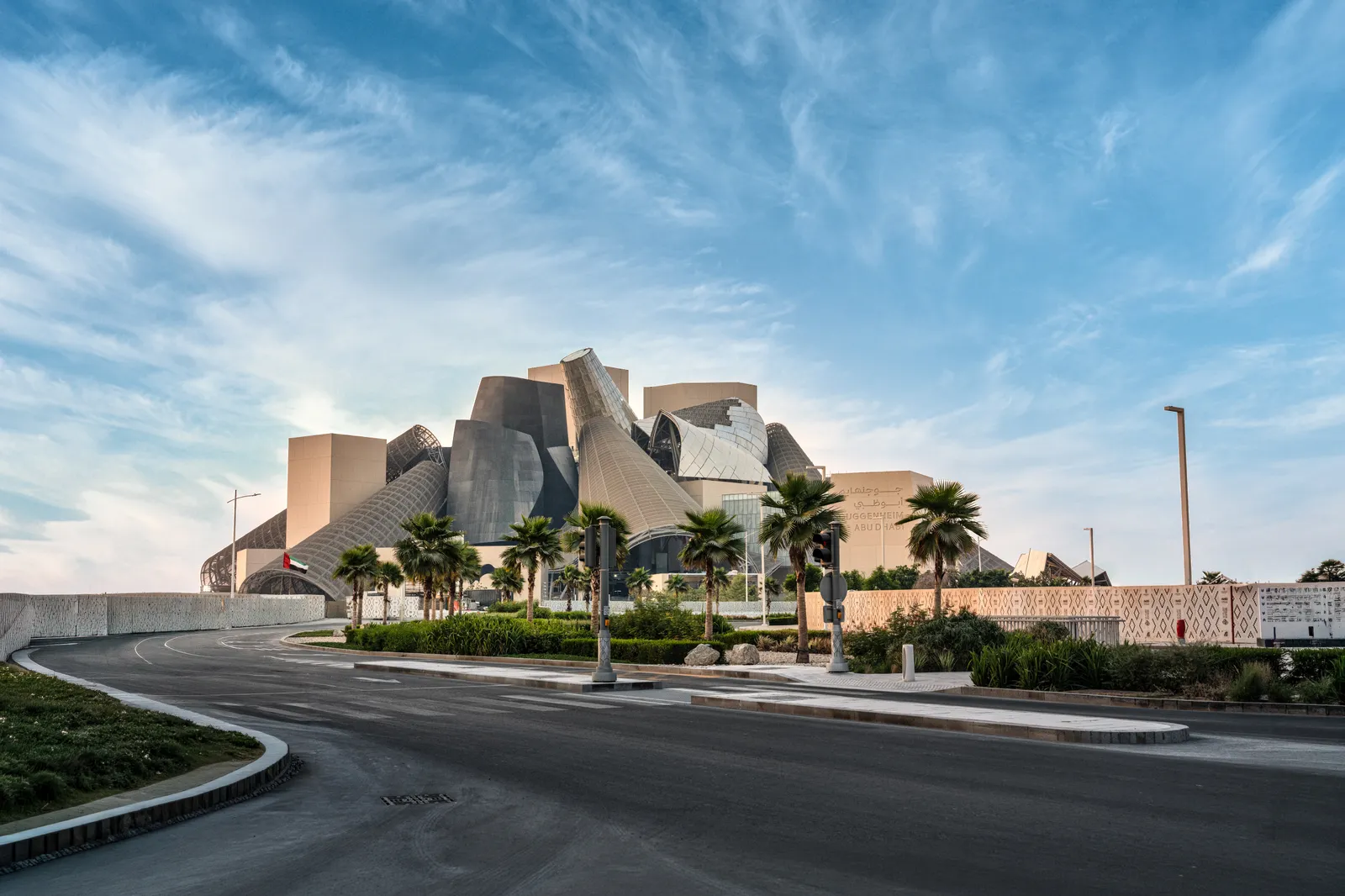
Gehry has previously described the surrounding landscape, the sea, the desert light, and the waterfront setting as major influences on the project’s form. The museum itself is conceived as part of the visitor experience, where movement through architecture becomes part of the exhibition journey. Visitors will encounter galleries connected through elevated walkways, landscaped courtyards, and outdoor installations that blur the boundary between architecture and contemporary art.
Guggenheim Abu Dhabi Expands Saadiyat Island’s Global Cultural Vision
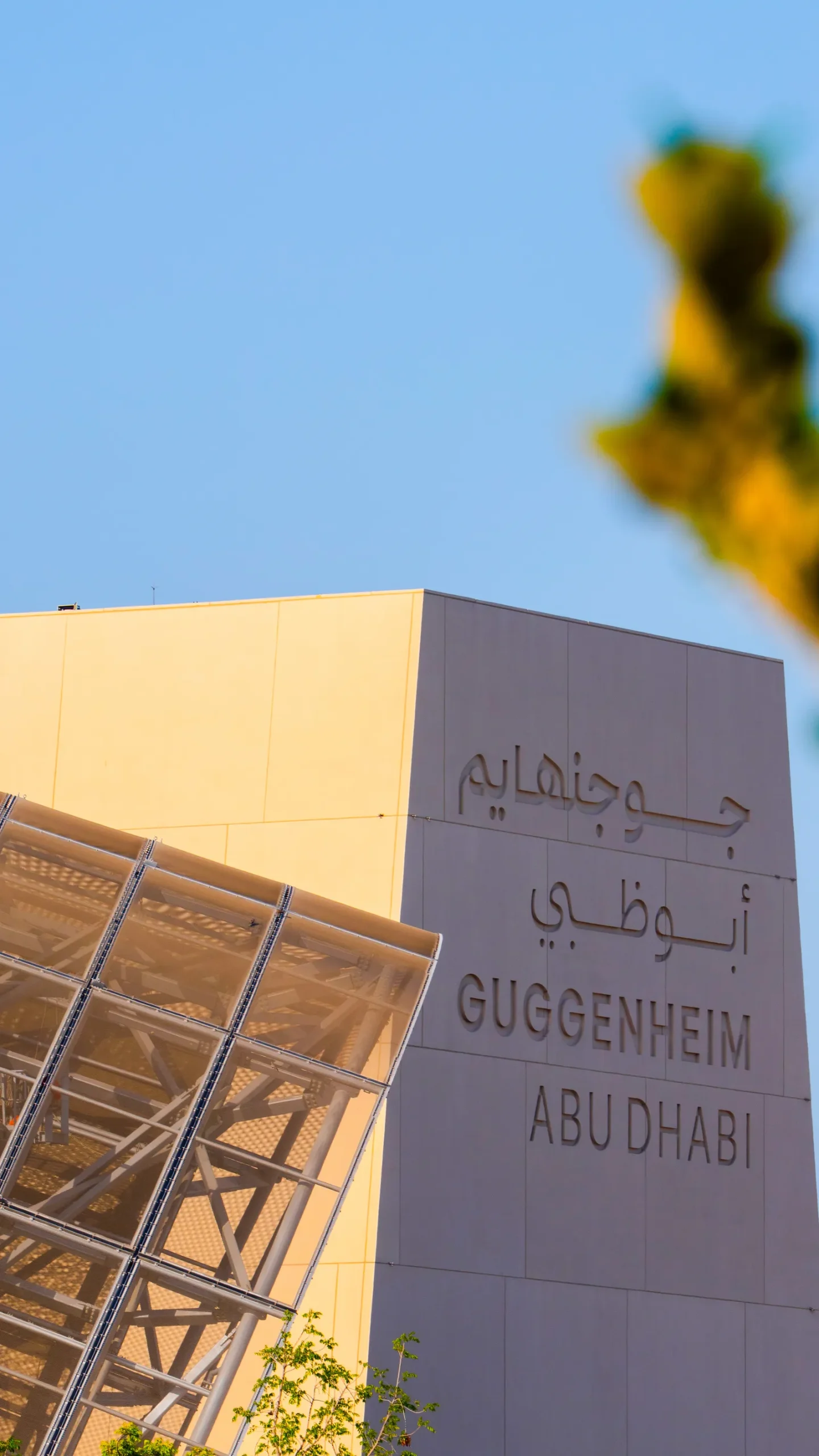
The opening of Guggenheim Abu Dhabi significantly strengthens Abu Dhabi’s purpose to establish Saadiyat Cultural District as one of the world’s leading destinations for arts and culture. The museum joins an extraordinary collection of internationally renowned institutions already operating or nearing completion, including the Louvre Abu Dhabi, Zayed National Museum, Natural History Museum Abu Dhabi, and teamLab Phenomena Abu Dhabi. Together, these institutions position the island as one of the highest concentrations of major cultural landmarks anywhere in the world.
Unlike earlier Guggenheim museums that primarily focused on Western art history, the Abu Dhabi institution has developed its collection around a broader global narrative. Since 2009, curators have assembled artworks spanning the 1960s to the present, encompassing painting, sculpture, photography, installation art, film, digital media, and emerging artistic practices. Particular emphasis has been placed on artists from West Asia, North Africa, and South Asia, while also presenting works by internationally recognized figures to encourage cross-cultural dialogue.
The museum will include conservation laboratories, research facilities, educational programs, and dedicated spaces for scholarship and public engagement. The institution aims to function not only as a museum but also as a centre for artistic research, cultural exchange, and contemporary creative practice.
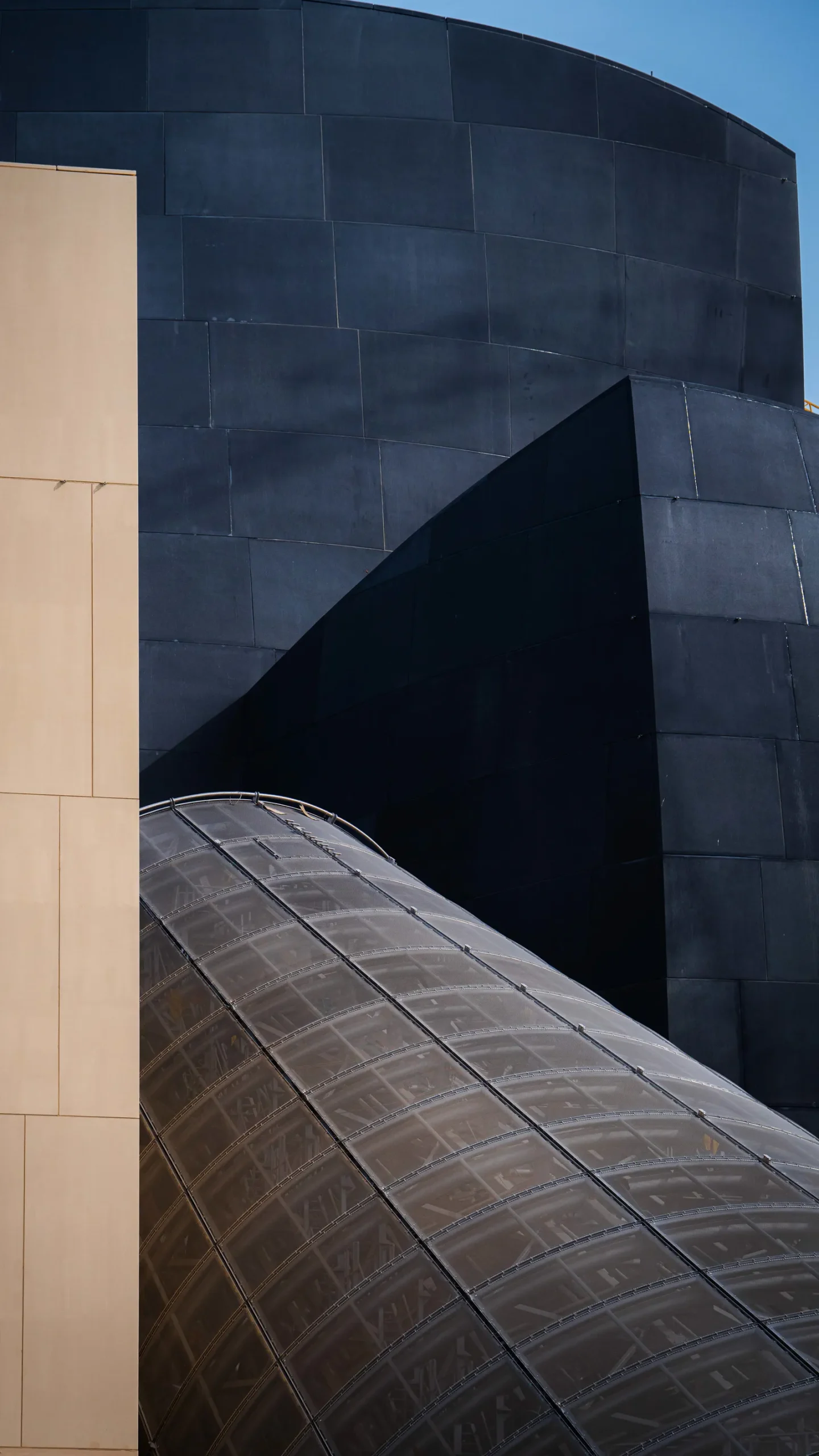
The official opening on 11 December 2026 concludes one of architecture’s longest-running museum stories. Originally expected to open more than a decade ago, the project became synonymous with prolonged delays while remaining one of the world’s most anticipated cultural developments. Its completion now represents both the fulfillment of Abu Dhabi’s long-term cultural strategy and one of the final realized museum projects by Frank Gehry, whose influence has reshaped museum architecture over the past half-century.
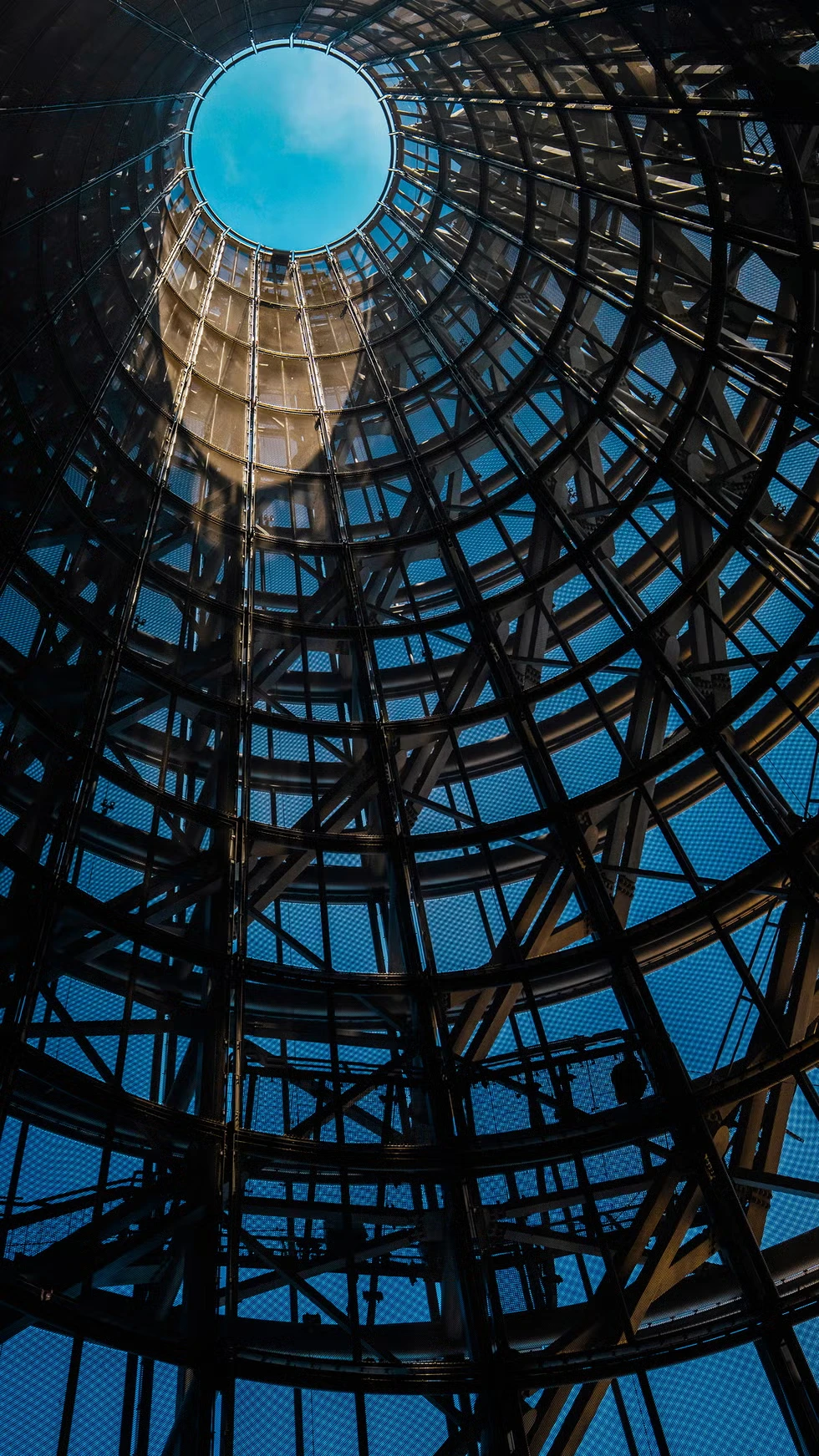
As the countdown begins, Guggenheim Abu Dhabi is expected to attract global attention from architects, artists, curators, and travelers alike. More than simply adding another museum to the Guggenheim family, it introduces a new model for presenting global contemporary art through architecture that responds directly to its climate, geography, and cultural setting. When its doors open this December, the museum will mark the beginning of a new chapter for Abu Dhabi’s cultural landscape and one of the most significant architectural openings of 2026.
Image credit: Guggenheim Abu Dhabi