






Every generation leaves its mark on architecture. The industrial generation produced factories and workers’ housing. The Baby Boomers shaped suburban neighborhoods. Millennials accelerated mixed-use developments, co-working environments, and compact urban living. Generation Z, born roughly between 1997 and 2012, is beginning to influence architecture in ways that are both subtle and profound. Although many members of Gen Z are only now entering the workforce or establishing independent households, their values, habits, and expectations are already transforming the built environment.
Unlike previous generations, Gen Z has never experienced a world without smartphones, social media, high-speed internet, or global connectivity. Their lives are simultaneously physical and digital, local and global, and individual and highly networked. They prioritize flexibility over permanence, experiences over possessions, authenticity over luxury, and sustainability over excessive consumption. These characteristics challenge architects to reconsider conventional assumptions about housing, workplaces, educational buildings, commercial environments, and even public spaces.
Architecture has always reflected society’s evolving priorities. Today, the rise of Gen Z signals not simply a change in aesthetic preferences but a broader transformation in how buildings are designed, occupied, and experienced. The profession is gradually moving away from creating static monuments toward designing adaptive ecosystems that support diverse lifestyles, changing work patterns, environmental responsibility, and digital integration.
The Digital Native Generation and the Hybrid Reality of Space
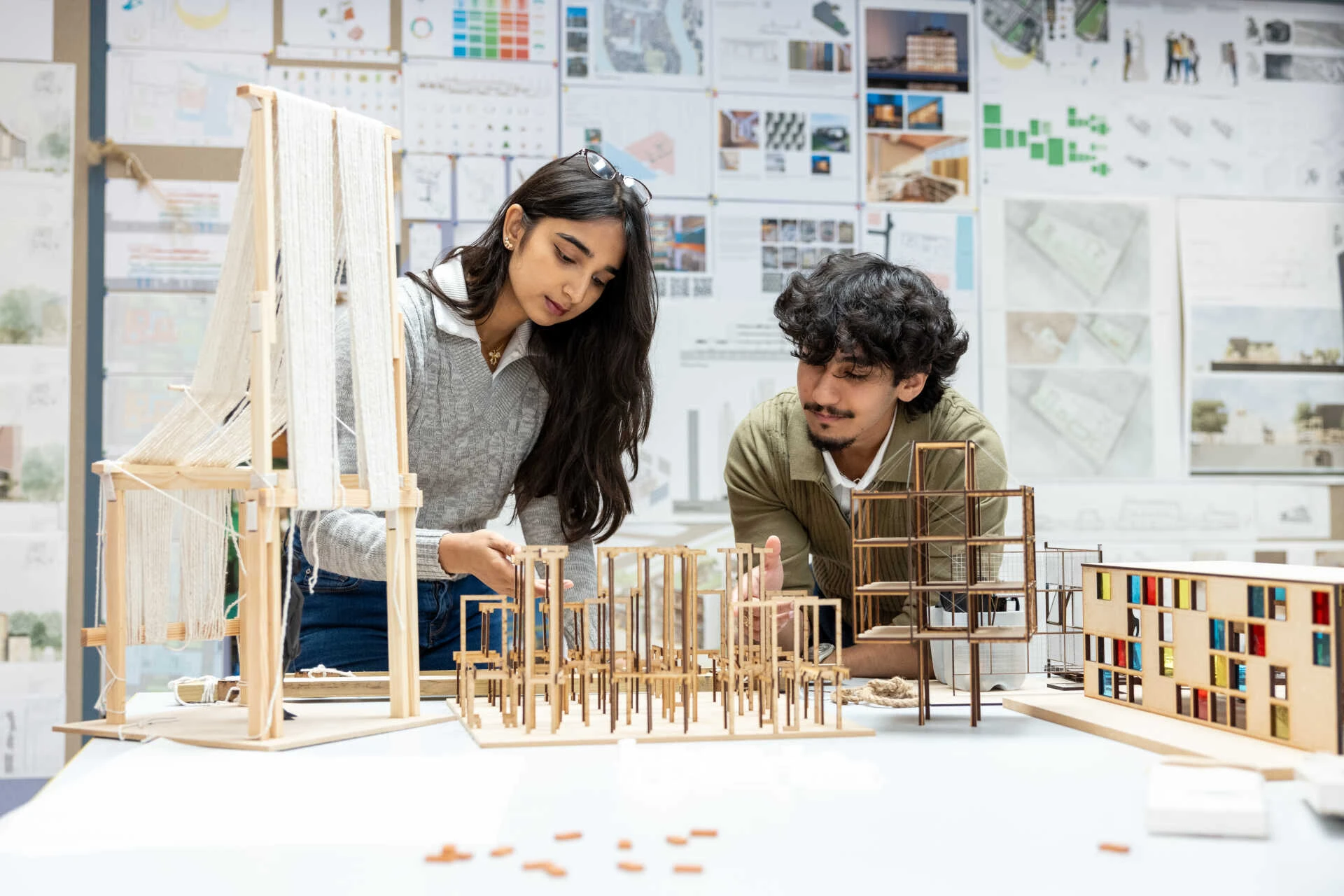
Perhaps the defining characteristic of Gen Z is that they are true digital natives. Previous generations learned to integrate technology into their lives; Gen Z grew up with it. Consequently, digital interaction is no longer separate from physical experience but deeply embedded within it.
This shift has significant architectural implications. Buildings are increasingly expected to support seamless transitions between physical and virtual activities. Homes must function as offices, classrooms, content creation studios, and entertainment spaces. Universities require classrooms that facilitate both face-to-face learning and remote participation. Libraries have become collaborative hubs equipped with digital production facilities rather than quiet repositories of books.
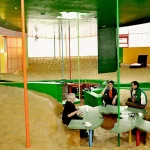
Consequently, flexibility has become a primary design principle. Instead of assigning one fixed function to each room, architects increasingly design adaptable spaces that can accommodate multiple activities throughout the day. Movable partitions, modular furniture, retractable walls, and integrated digital infrastructure enable users to redefine their environments as their needs evolve.
The pandemic accelerated this transformation, but Gen Z’s lifestyle ensures it will remain permanent. Architecture is no longer expected merely to provide shelter; it must provide connectivity. Reliable digital infrastructure is becoming as essential as electricity, plumbing, and structural stability. Buildings that fail to support hybrid lifestyles risk becoming obsolete long before their physical lifespan ends.
Moreover, the widespread use of augmented reality, virtual collaboration, and digital media production suggests that future architectural design will increasingly consider invisible digital layers alongside physical construction.
Housing Beyond Ownership: Flexibility, Community, and Well-being
Traditional housing models assumed stable careers, long-term home ownership, and predictable family structures. Gen Z challenges nearly all of these assumptions.
Economic uncertainty, rising housing prices, student debt, and changing employment patterns have made permanent ownership less attainable for many young adults. Rather than viewing housing solely as an investment, Gen Z often values affordability, mobility, and flexibility.
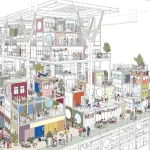
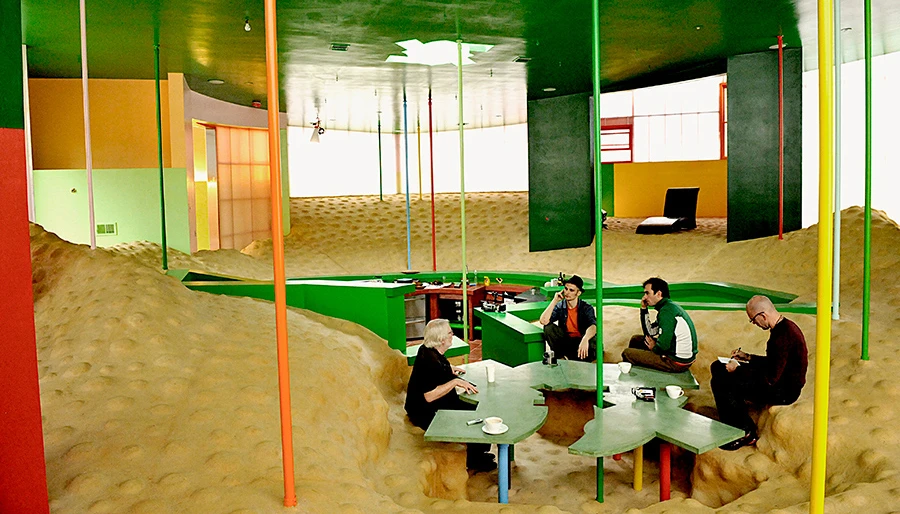
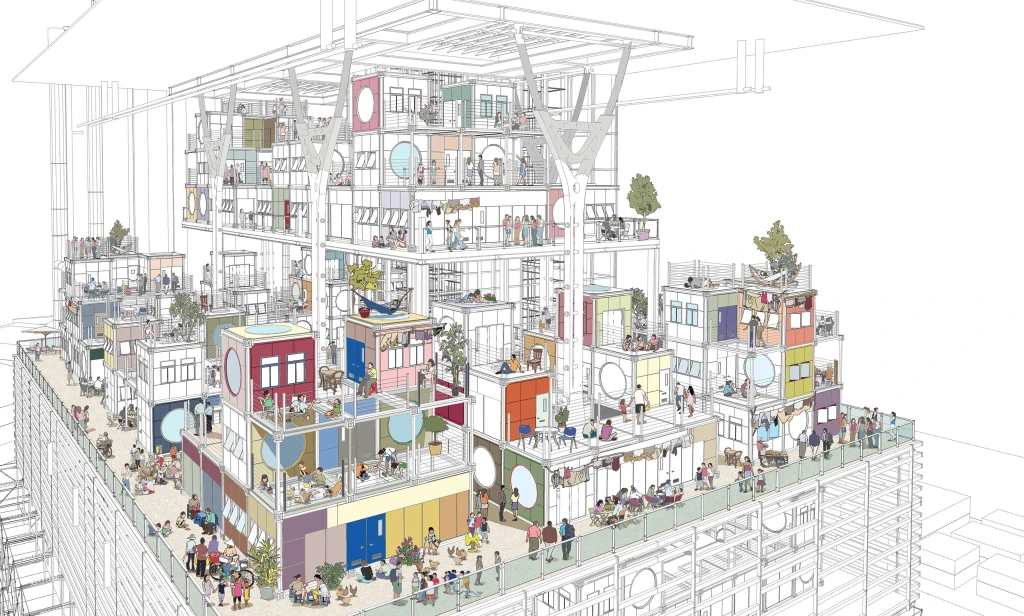
This shift has contributed to renewed interest in co-living environments, micro-apartments, mixed-use developments, and adaptive housing models. Shared kitchens, communal lounges, rooftop gardens, and collaborative workspaces are increasingly integrated into residential developments. Instead of maximizing private floor area, architects now seek an appropriate balance between personal privacy and shared amenities.
Mental health considerations also play an increasingly important role. Members of Gen Z openly discuss stress, anxiety, and psychological well-being to a degree rarely seen in previous generations. Architecture therefore becomes an active contributor to emotional health rather than merely providing physical accommodation.
Natural daylight, visual connections to nature, biophilic design, improved acoustic performance, generous ventilation, outdoor terraces, quiet reflection areas, and opportunities for social interaction all contribute to healthier living environments. Residential architecture increasingly recognizes that quality of life depends not only on square meters but also on environmental experience.
Furthermore, flexibility within housing allows residents to adapt their homes to changing life stages without relocating. A room may function as a study today, a nursery tomorrow, and a home office in the future. Such adaptability extends building usefulness while reducing waste associated with frequent renovations.
Sustainability as an Expectation
Few generations have demonstrated greater concern about climate change than Gen Z. Environmental responsibility is no longer viewed as a desirable feature but as a fundamental expectation.
This cultural shift fundamentally alters architectural priorities. Sustainable design is moving beyond energy-efficient technologies toward comprehensive life-cycle thinking. Architects increasingly evaluate embodied carbon, material sourcing, construction methods, operational performance, adaptability, and eventual deconstruction.
Gen Z also exhibits growing interest in transparency. They increasingly ask where building materials originate, whether labor practices are ethical, how much carbon a building produces, and whether structures can be reused rather than demolished.
Consequently, architecture is embracing circular economy principles. Buildings are increasingly designed for disassembly, allowing materials to be recovered and reused instead of discarded. Timber construction, recycled materials, low-carbon concrete, modular systems, and passive environmental strategies are gaining prominence.
Green roofs, urban agriculture, rainwater harvesting, renewable energy systems, and biodiversity integration are becoming standard components rather than exceptional design features.
Importantly, sustainability is no longer confined to technical performance. Social sustainability also matters. Inclusive public spaces, equitable access, affordable housing, walkable neighborhoods, and community resilience have become integral aspects of environmentally responsible architecture.
In many ways, Gen Z is encouraging architects to redefine sustainability not simply as environmental efficiency but as the long-term capacity of buildings to support healthy communities and changing societal needs.
Authenticity, Identity, and the Architecture of Experience
Previous generations often associated architecture with permanence, prestige, and monumental expression. Gen Z places greater emphasis on authenticity, personal identity, and meaningful experiences.
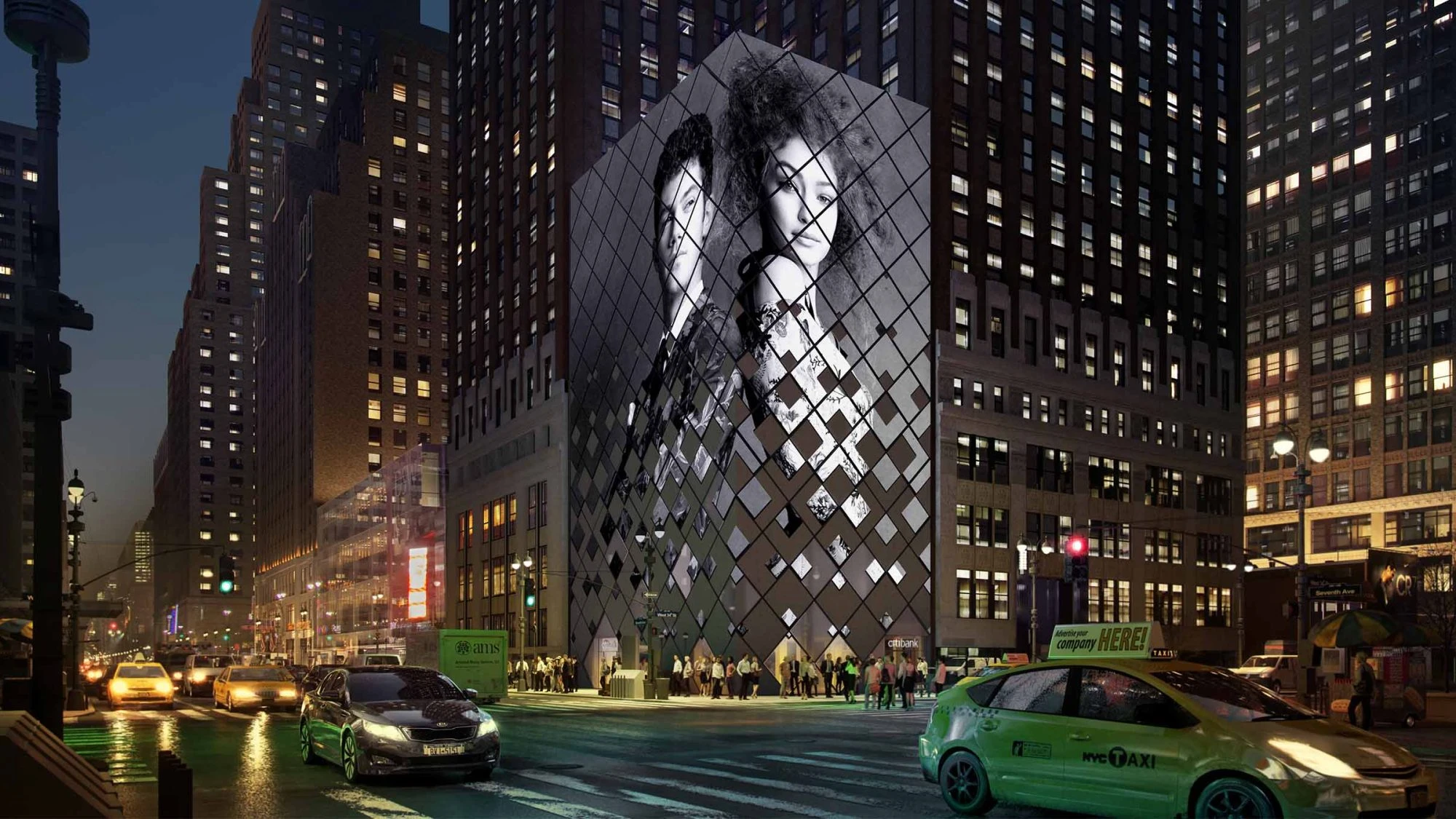
Social media undoubtedly influences this tendency. Buildings are constantly photographed, shared, reviewed, and experienced through digital platforms. Yet contrary to popular criticism, Gen Z does not merely seek “Instagrammable” architecture. Rather, they appreciate environments that tell genuine stories, reflect local culture, and provide memorable experiences.
This preference challenges architects to move beyond standardized global aesthetics. Context-sensitive design, adaptive reuse, preservation of industrial heritage, and celebration of local craftsmanship increasingly resonate with younger users.
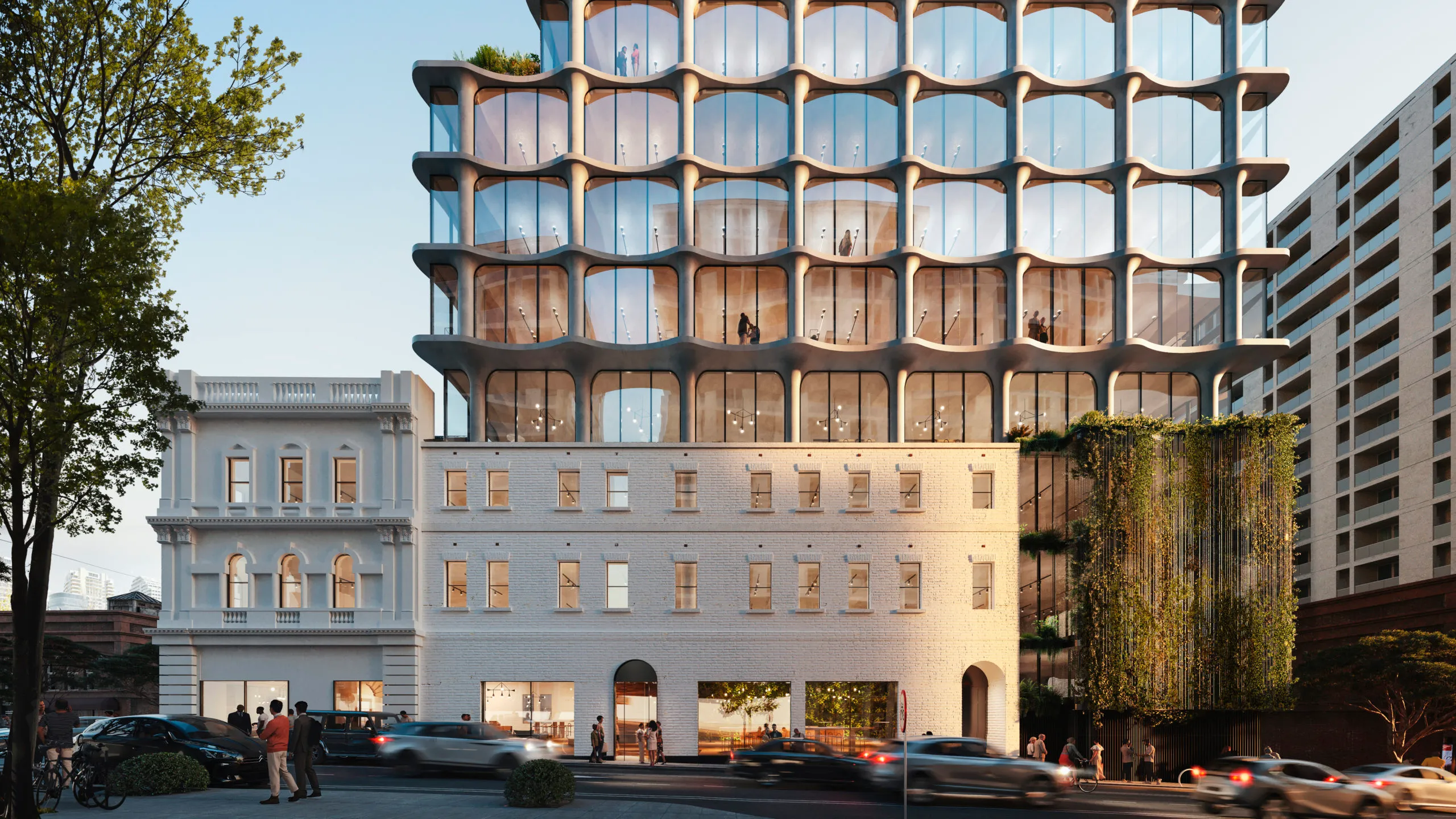
Adaptive reuse offers an excellent example. Rather than demolishing historic factories, warehouses, or industrial structures, architects transform them into creative offices, cultural centers, residential complexes, and educational facilities. These projects combine historical authenticity with contemporary functionality, reflecting Gen Z’s appreciation for sustainability and cultural continuity simultaneously.
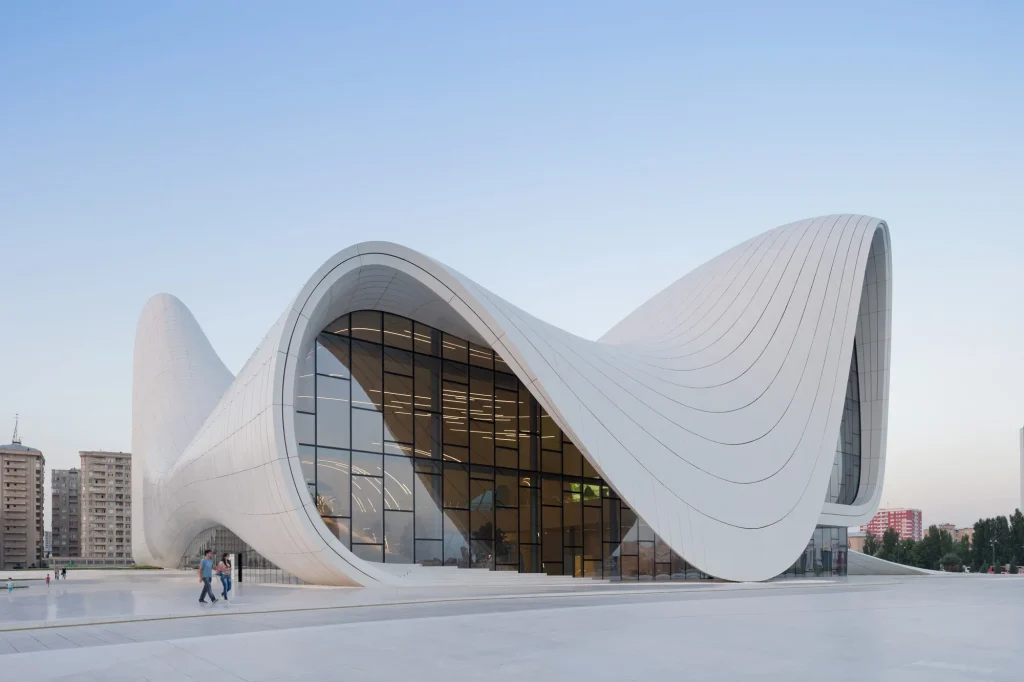
Experience has become equally important. Architecture now competes not only through appearance but also through atmosphere. Material textures, acoustics, lighting quality, spatial sequencing, and multisensory engagement significantly influence user satisfaction. Architecture therefore shifts from producing iconic objects toward creating meaningful human experiences.
Designing for Diversity, Inclusion, and Constant Change
Perhaps the most significant contribution of Gen Z to architecture lies in its understanding of diversity. Unlike earlier generations that often accepted standardized solutions, Gen Z expects environments capable of accommodating different identities, abilities, family structures, and lifestyles.
Universal design is increasingly becoming a baseline rather than an optional consideration. Accessibility benefits not only individuals with disabilities but also parents with strollers, elderly residents, temporary injuries, and diverse user groups.
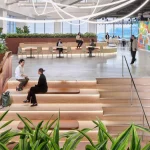
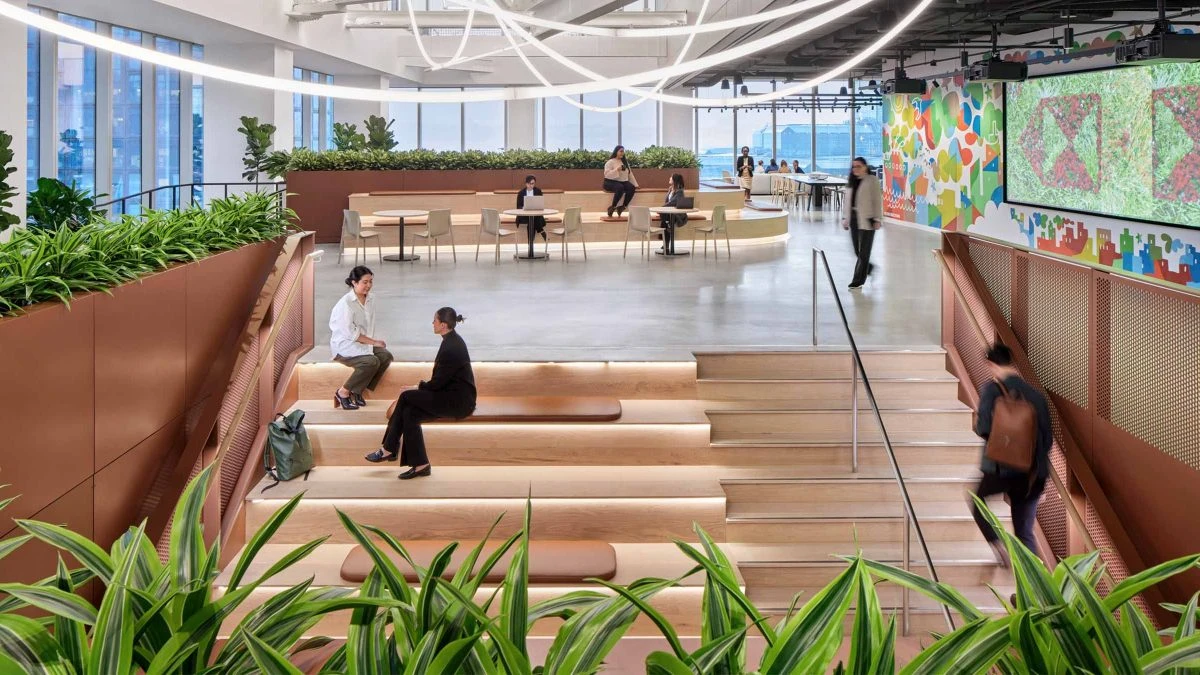
Similarly, workplaces are changing dramatically. Fixed desks and rigid office hierarchies are giving way to flexible collaboration zones, quiet focus rooms, informal meeting areas, wellness facilities, and outdoor working environments. Employers increasingly recognize that productivity depends upon supporting different working styles rather than imposing uniform ones.
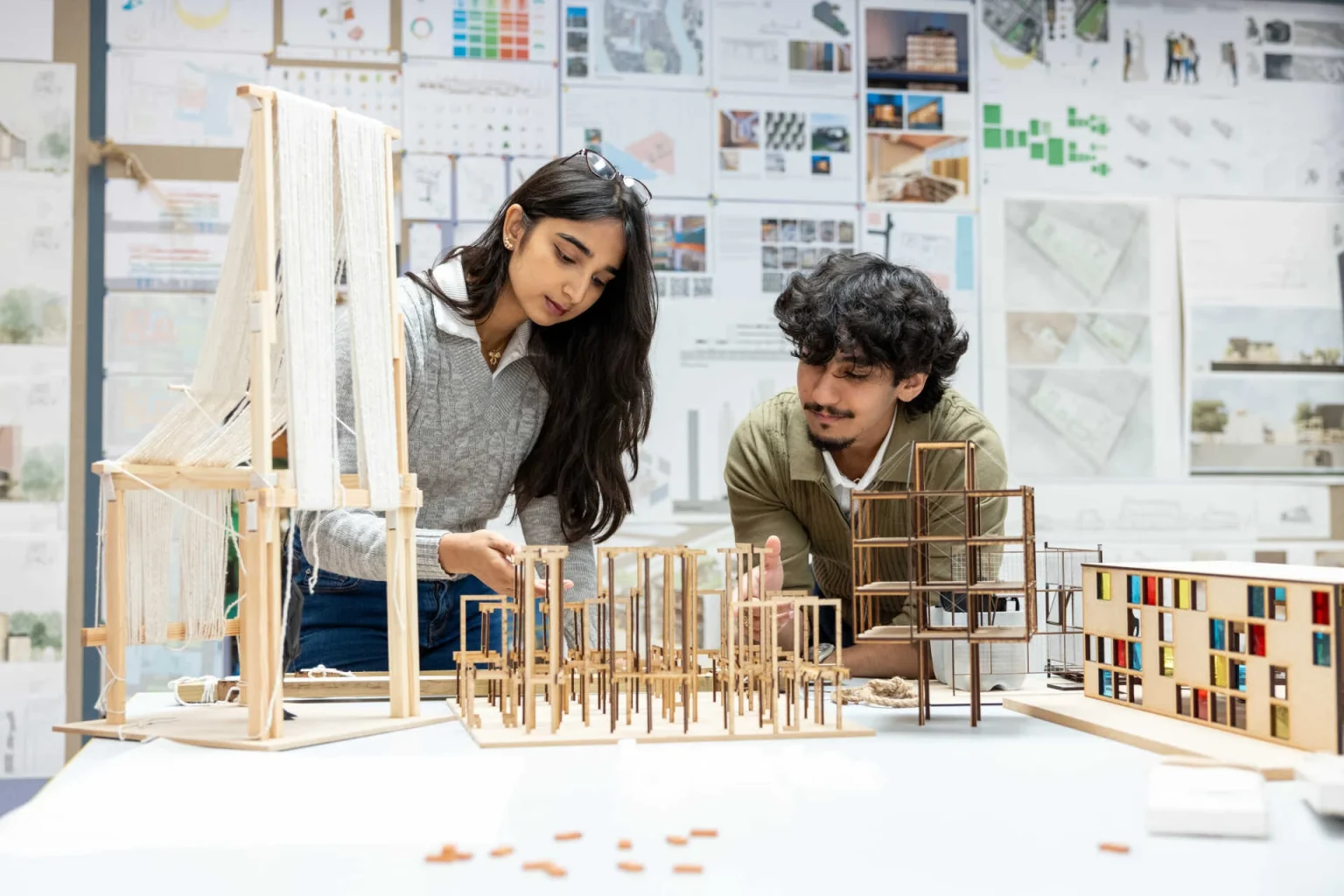
Educational buildings are evolving as well. Traditional lecture halls are complemented by maker spaces, collaborative studios, interdisciplinary laboratories, and informal learning environments. Learning increasingly occurs through interaction rather than passive observation.
Public spaces also reflect these changing priorities. Parks become multifunctional landscapes supporting recreation, exercise, cultural events, digital connectivity, and ecological restoration simultaneously.
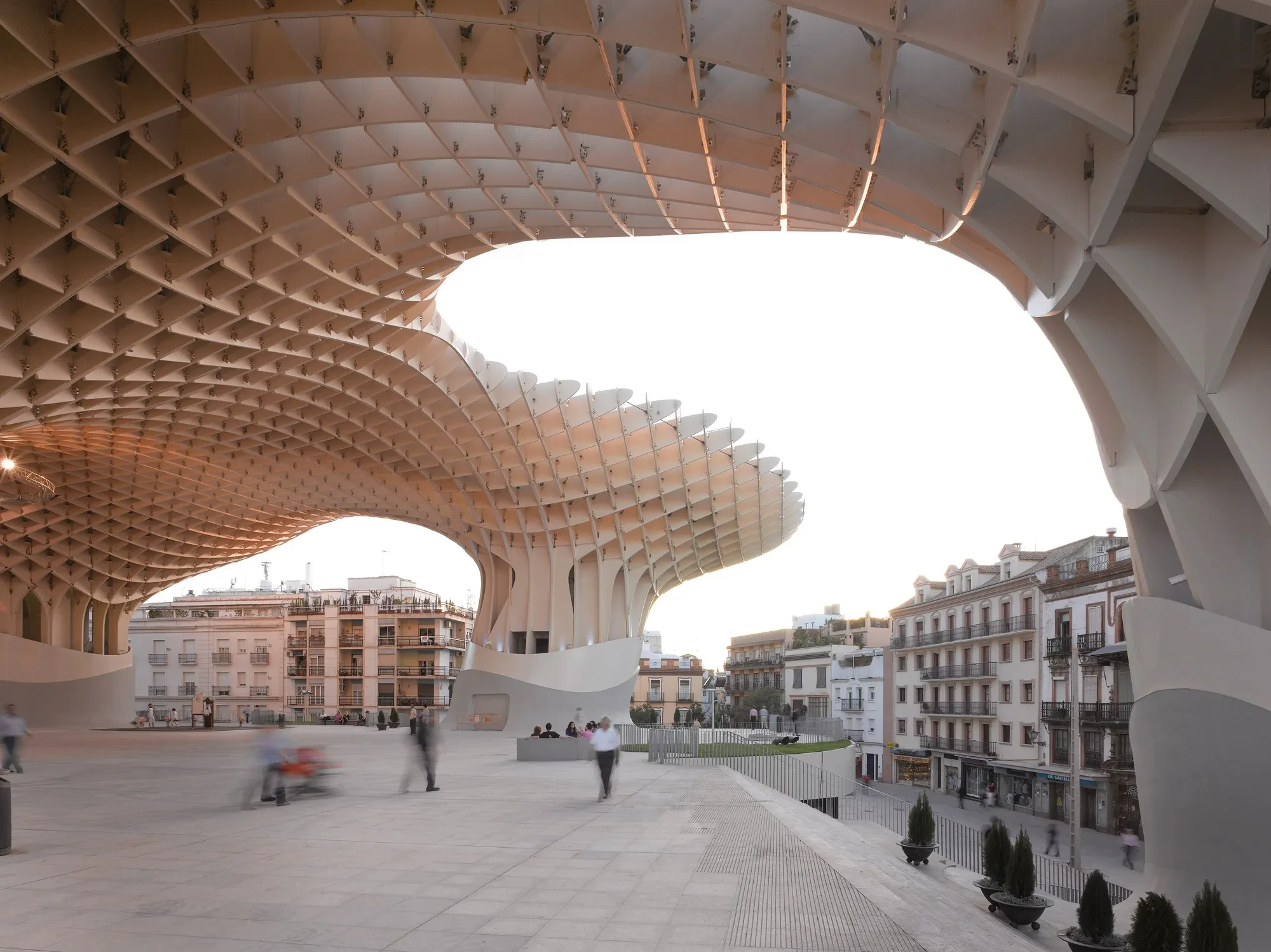
Underlying all these changes is a recognition that society itself changes more rapidly than ever before. Buildings designed for one permanent function may become obsolete within decades. Consequently, adaptability has become one of architecture’s most valuable characteristics.
Future buildings must accommodate uses that architects cannot yet predict.
The End of Static Architecture
Generation Z is not simply introducing new design preferences; it is redefining the relationship between people and the built environment. Their expectations challenge architecture to become more flexible, digitally integrated, environmentally responsible, socially inclusive, and emotionally supportive.
Rather than measuring architectural success solely through aesthetics or engineering achievement, Gen Z emphasizes experience, adaptability, well-being, and sustainability. These priorities encourage architects to design buildings capable of evolving alongside their occupants instead of remaining static throughout their lifespan.
Many of these transformations are still emerging, and their full impact will become increasingly visible as Generation Z gains economic influence and leadership within society. Nevertheless, the direction is already clear. Architecture is gradually shifting from designing fixed objects toward creating resilient systems that accommodate continual change.
Ultimately, Gen Z reminds architects of an enduring truth: buildings exist not merely to define skylines but to support human life. In responding to this generation’s values, architecture has an opportunity to become more humane, more adaptable, and more deeply connected to the realities of the twenty-first century.