

History was made on June 12, 2026, when Elon Musk became the first person to cross the $1 trillion net-worth mark following the public debut of SpaceX. The company’s IPO valued SpaceX at nearly $2 trillion, pushing Musk’s estimated fortune to around $1.1 trillion and creating an unprecedented milestone in modern wealth creation.
Yet, the headline-grabbing figure is accompanied by an equally surprising reality: the world’s first trillionaire is known for living in a compact 400-square-foot home in Texas. While many of the world’s wealthiest individuals are associated with sprawling estates, private islands, and luxury compounds, Elon Musk’s primary residence reflects a different philosophy centered on functionality and proximity to work.
Inside Elon Musk’s 400-Square-Foot Tiny House
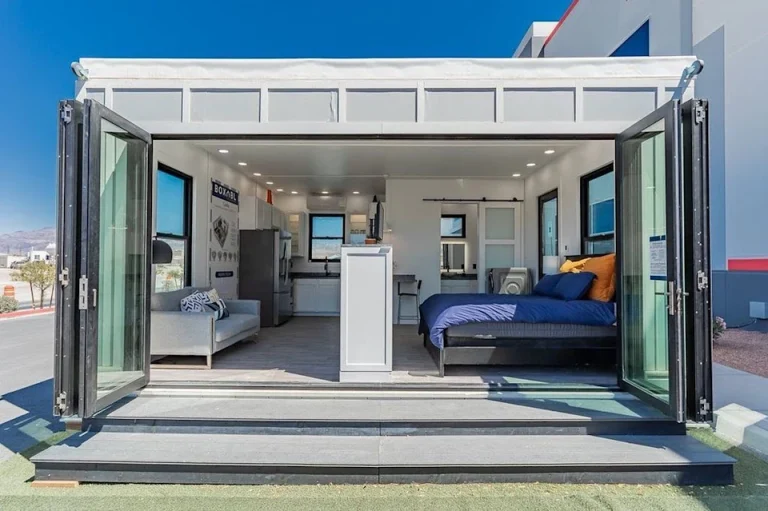
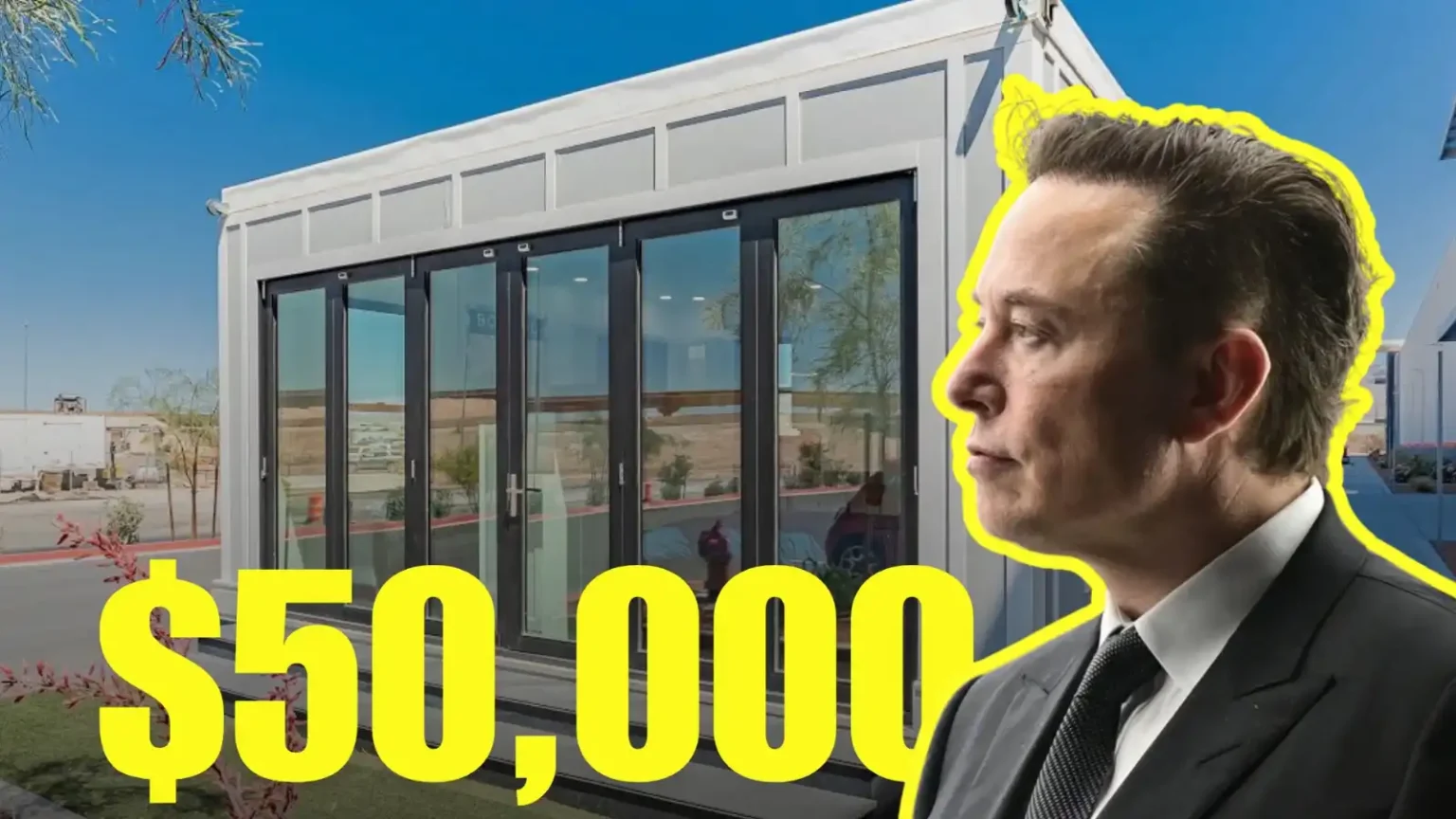
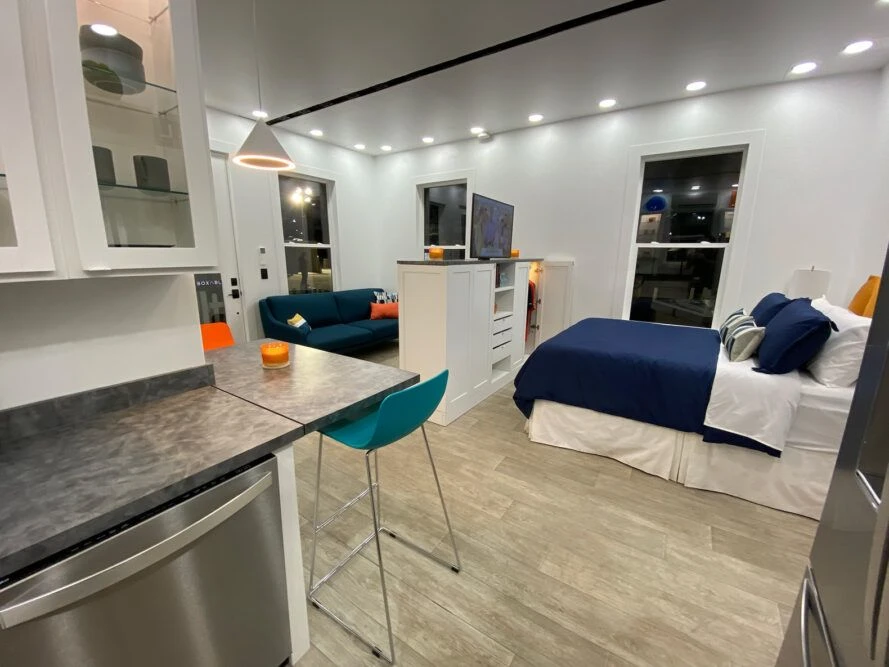
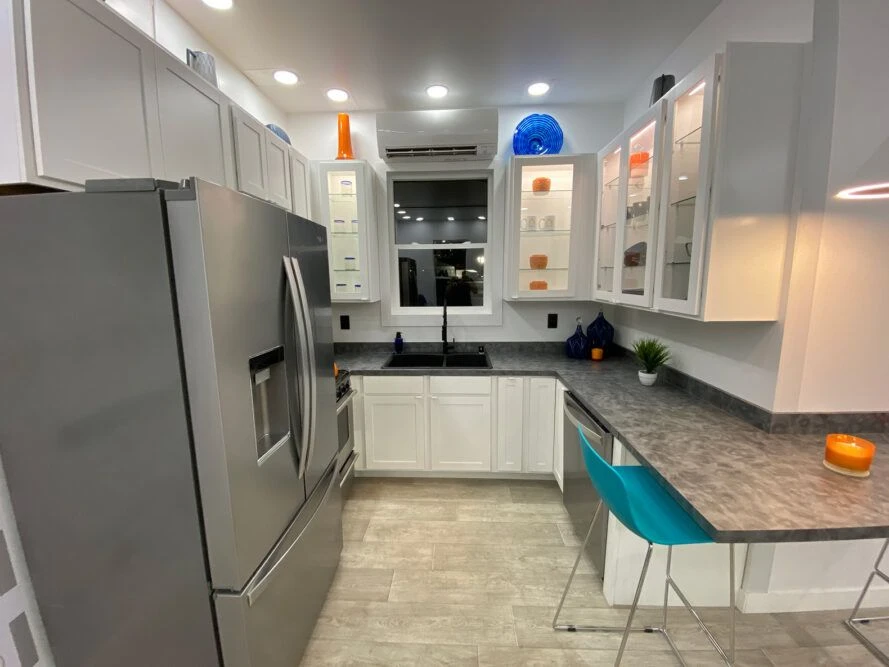
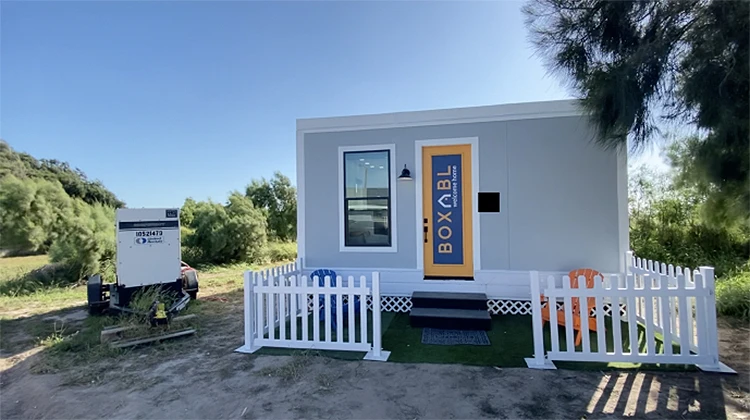
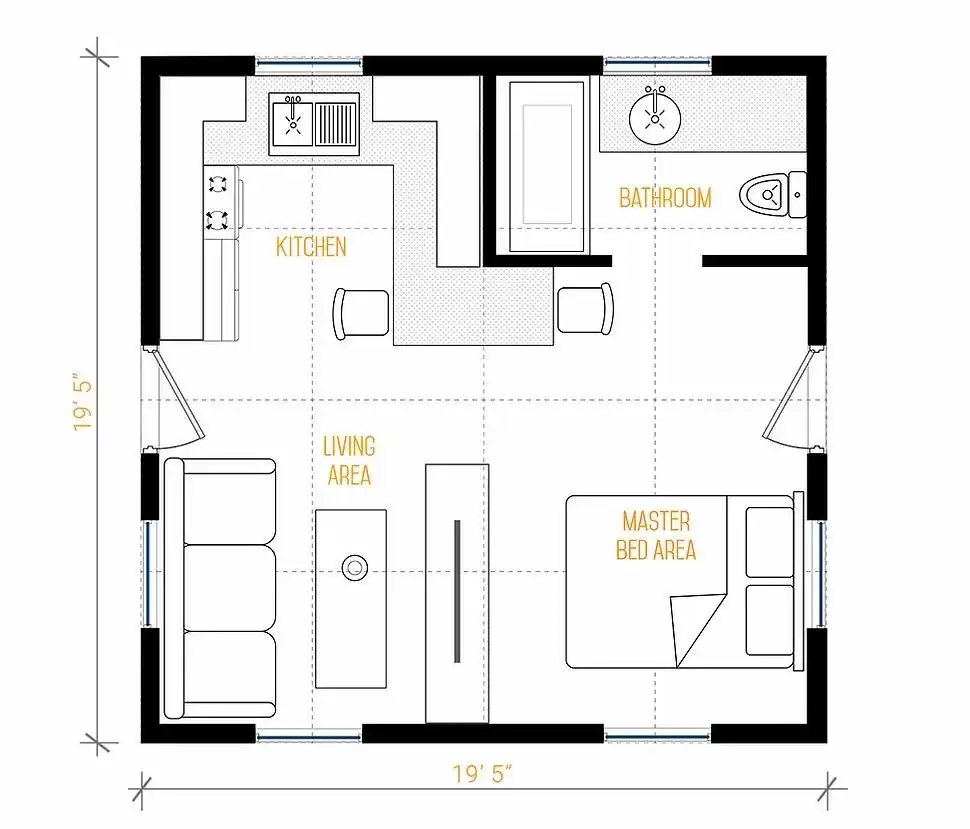
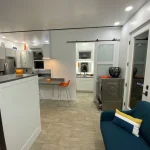
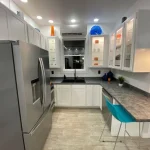
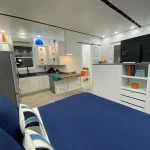
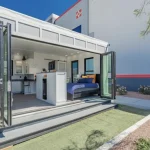
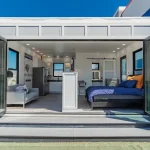
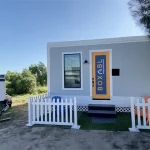
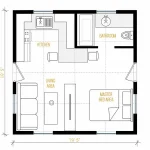
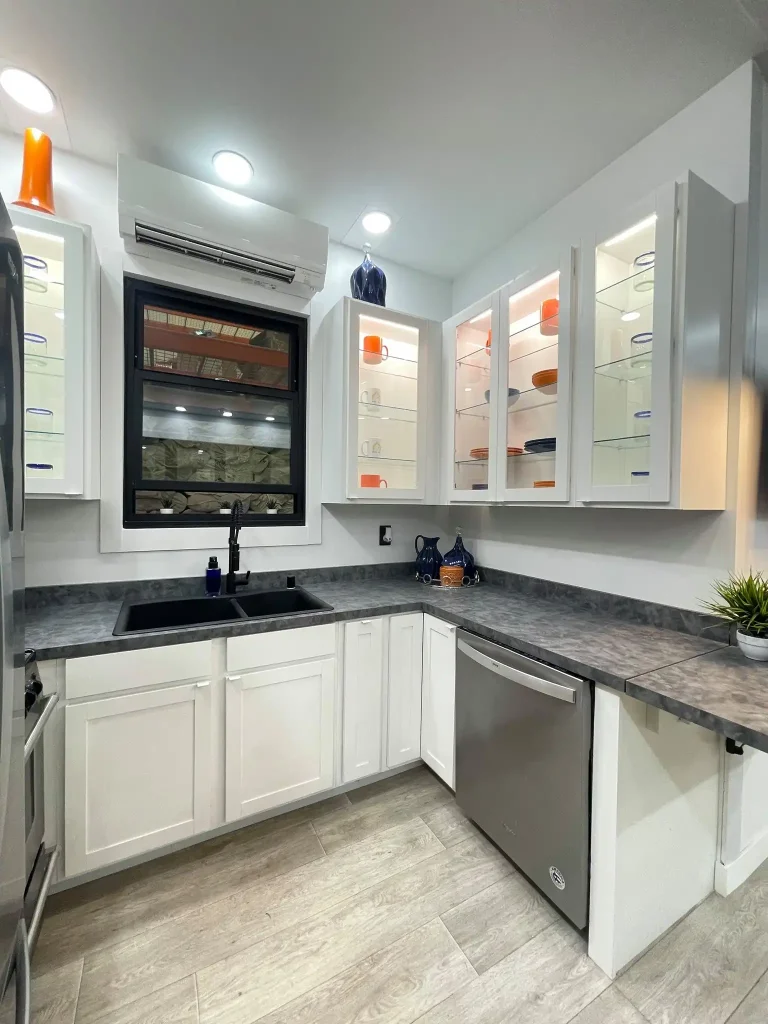
Located near SpaceX’s Starbase facility in Boca Chica, Texas, the residence is a prefabricated Boxabl Casita reportedly worth around $50,000. Measuring approximately 20 feet by 20 feet, the modular structure is designed to maximize efficiency within a minimal footprint. Despite its compact size, the house includes a bedroom, living space, kitchen, bathroom, built-in storage, and energy-efficient systems, allowing it to function as a complete home.
From an architectural perspective, the dwelling represents a growing movement toward modular and prefabricated housing. The Boxabl unit arrives largely factory-built and can be assembled rapidly on-site, reducing construction waste and shortening building timelines. Features such as multifunctional furniture, integrated storage, and space-saving layouts demonstrate how contemporary design is responding to changing ideas of residential living.
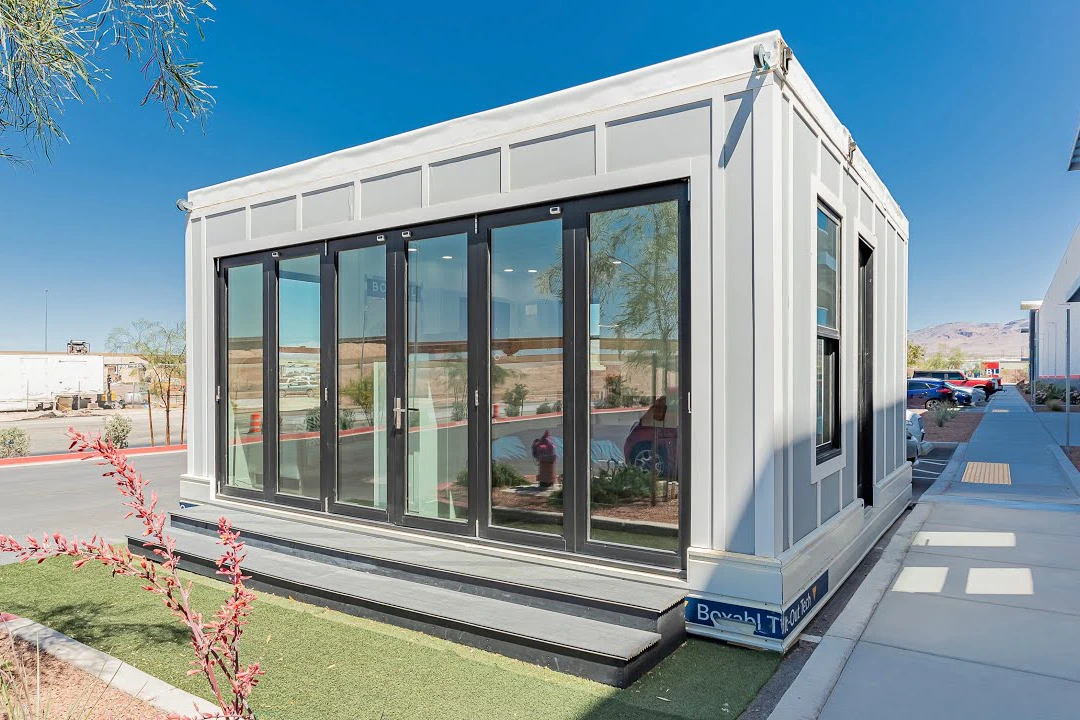
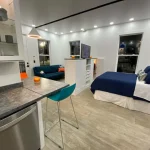
Reports describe the interior as minimalist, with a Murphy bed, compact furnishings, and a straightforward layout that prioritizes usability. Biographer Walter Isaacson previously characterized the space as a simple, work-focused environment where Musk frequently conducts calls and business discussions.
A Trillionaire’s Lifestyle That Challenges Traditional Ideas of Luxury
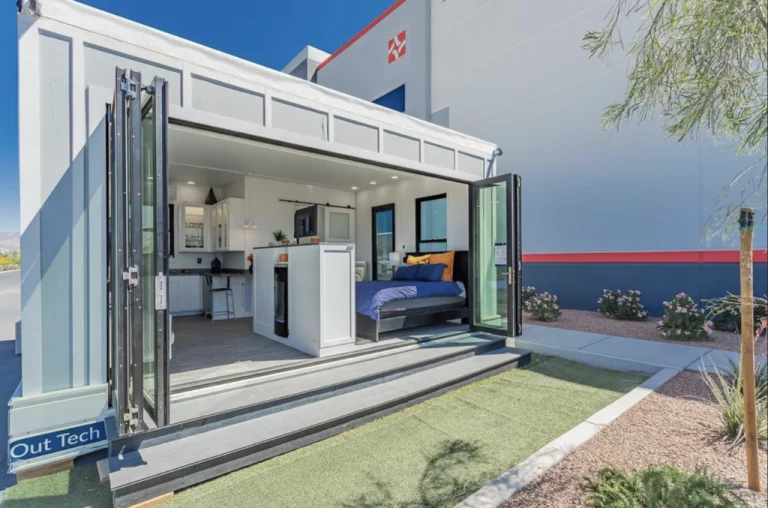
Musk’s decision to live in a tiny home has become a talking point precisely because it contrasts so sharply with his immense wealth. His mother, Maye Musk, has remarked that there is often little food in his refrigerator, reinforcing the image of a lifestyle driven more by work than comfort. The residence allows Musk to remain close to the Starship development program and other major SpaceX operations, reducing travel time and keeping him connected to day-to-day engineering activities.
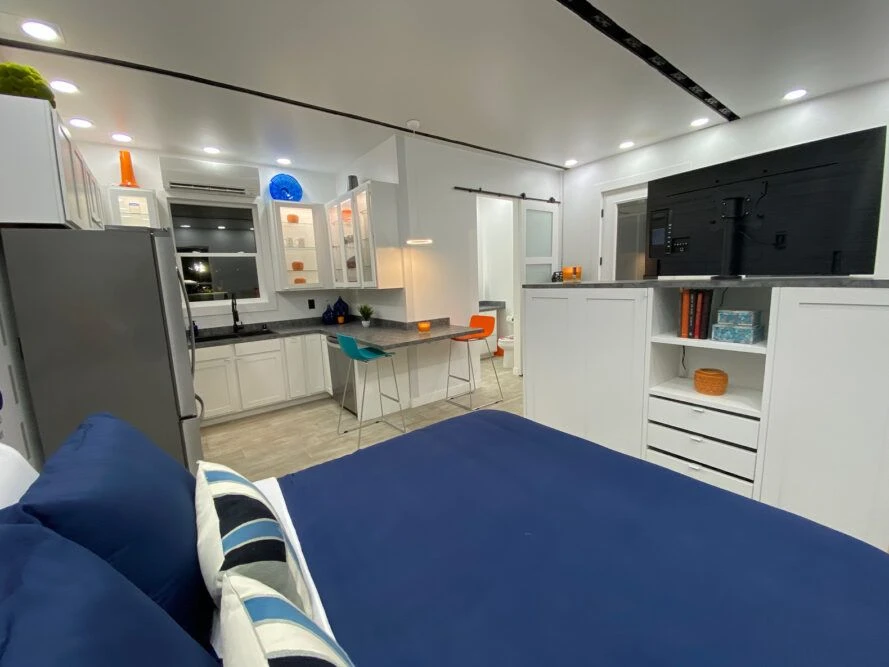
The choice also reflects a broader trend in contemporary architecture, in which efficiency, sustainability, and adaptability increasingly compete with size as measures of value. Tiny homes and modular housing have gained attention worldwide as architects and developers explore solutions for affordability, resource conservation, and changing lifestyle preferences. In Musk’s case, the tiny house has become both a personal statement and an unexpected symbol of minimalist living at the highest levels of wealth.
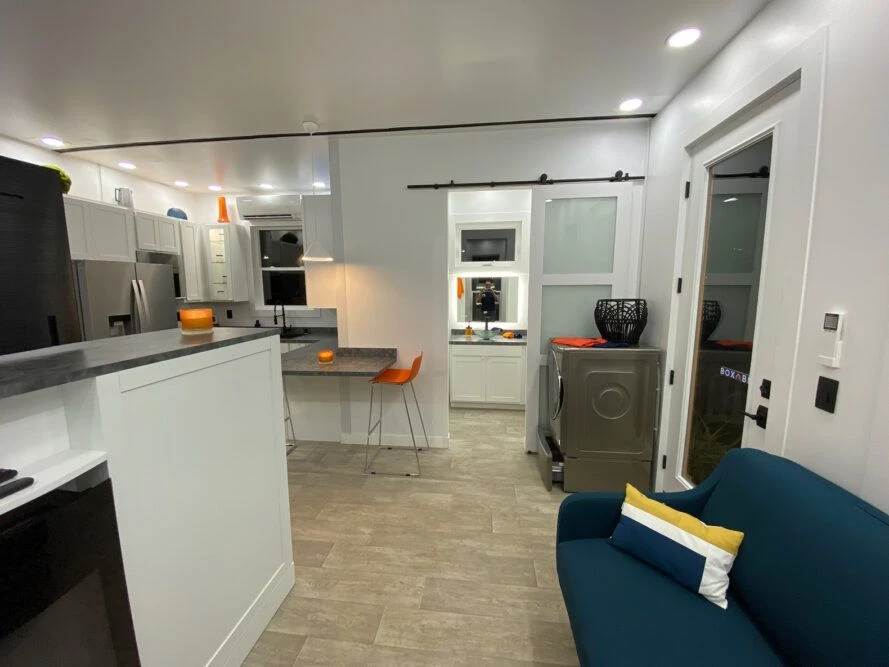
While recent reports suggest Musk has also been linked to larger residential properties in Texas through various entities, the 400-square-foot home remains the residence most closely associated with his public image. For many observers, the story is less about the size of the house and more about the contradiction it represents: a man whose fortune exceeds $1 trillion choosing to live in a home smaller than many urban apartments.
As the world debates the implications of trillion-dollar fortunes, Musk’s Texas tiny house stands as one of the most unusual architectural stories of the year, proof that, in some cases, the most talked-about home is not the largest one, but the smallest.
Image credit: Boxabl