


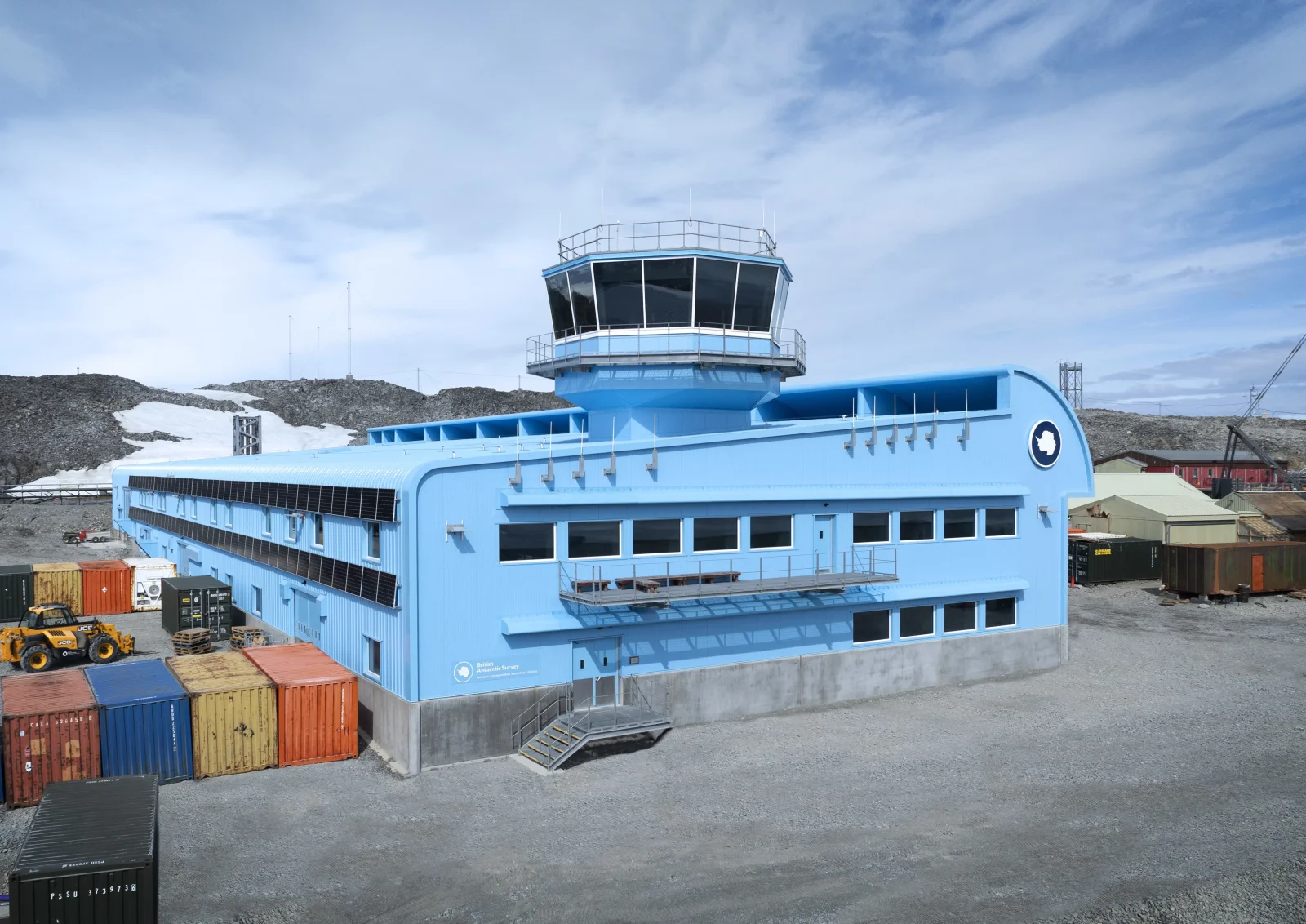
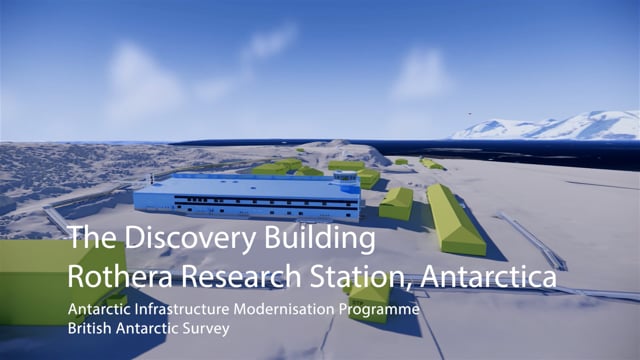
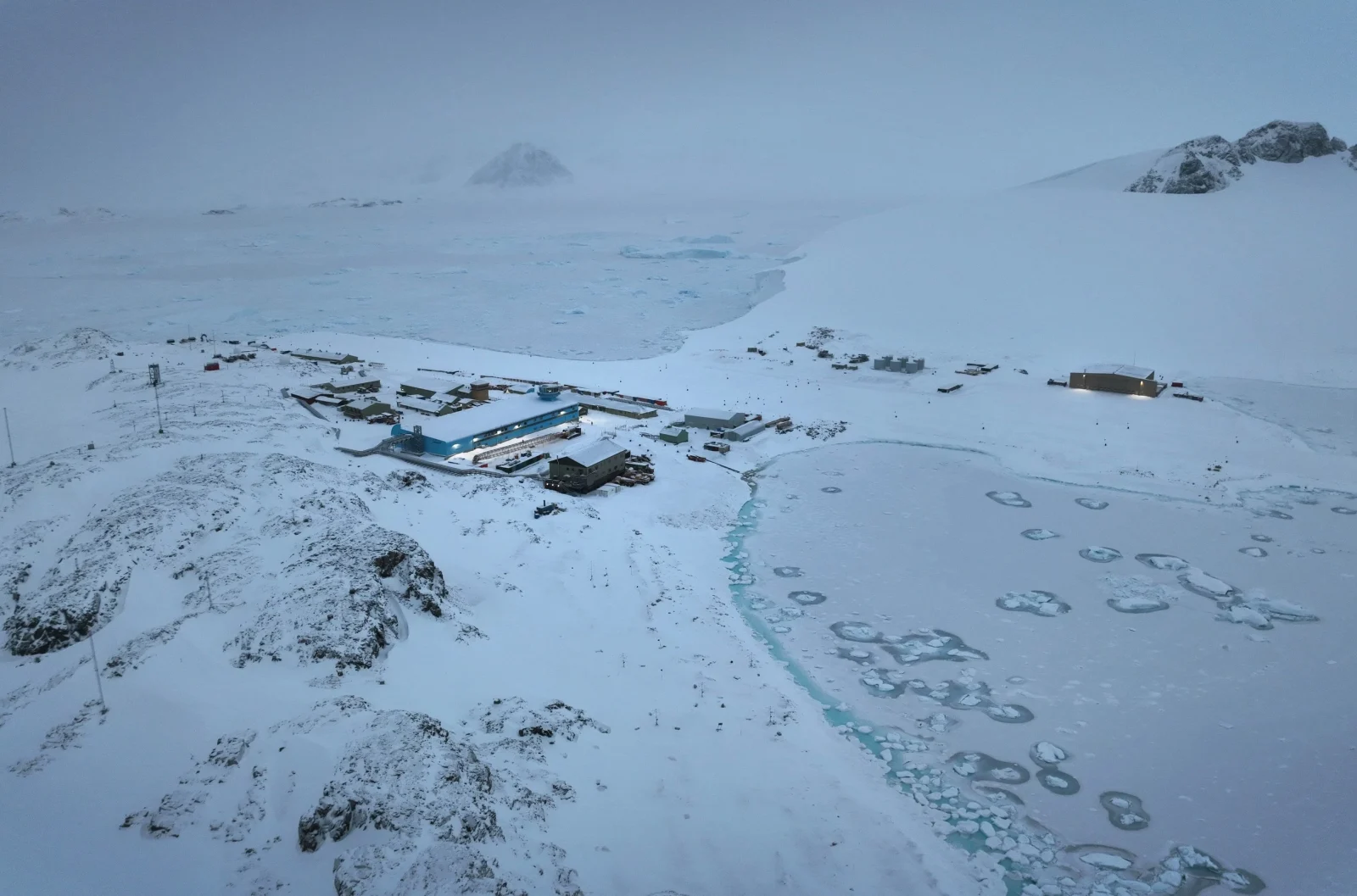
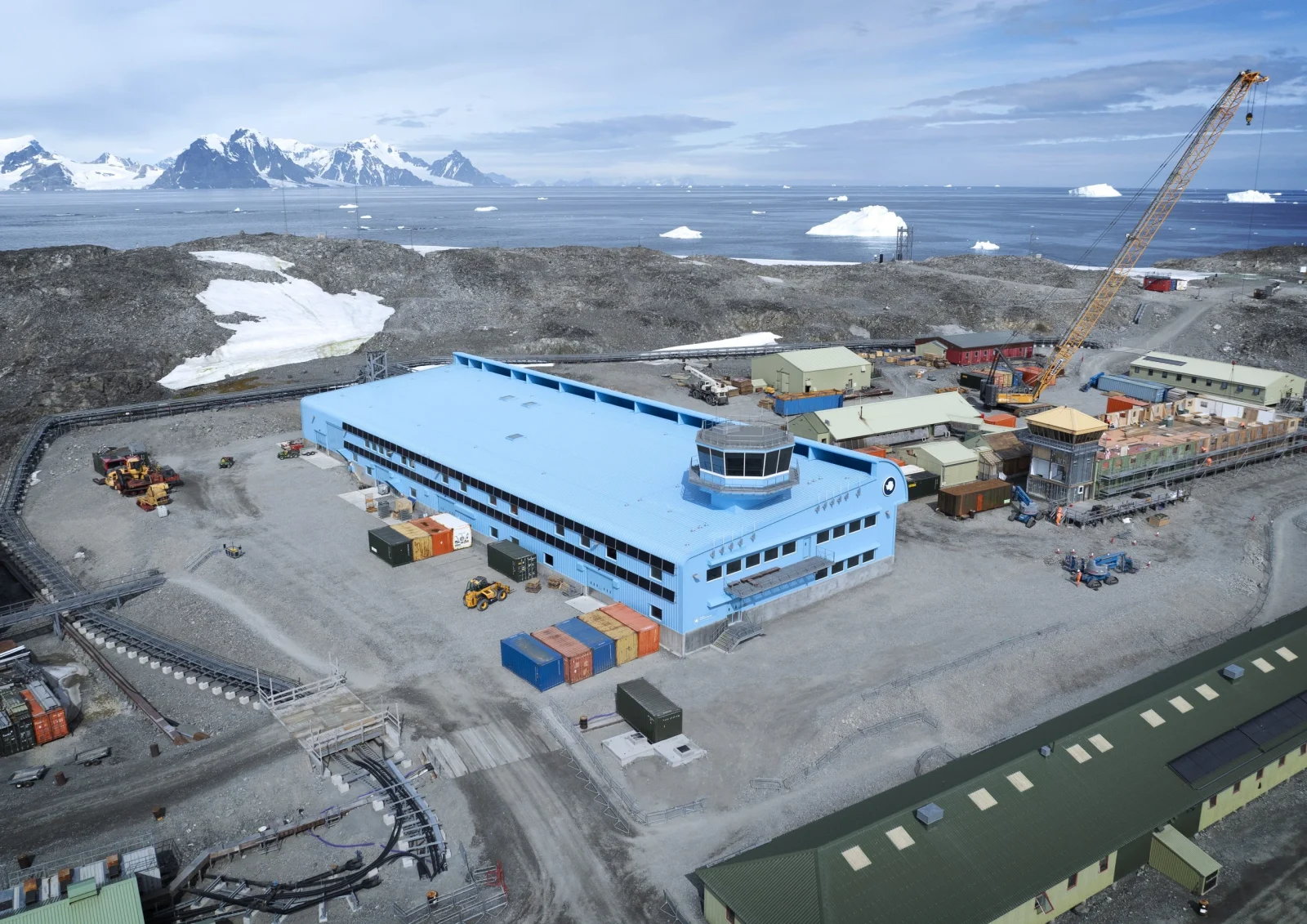
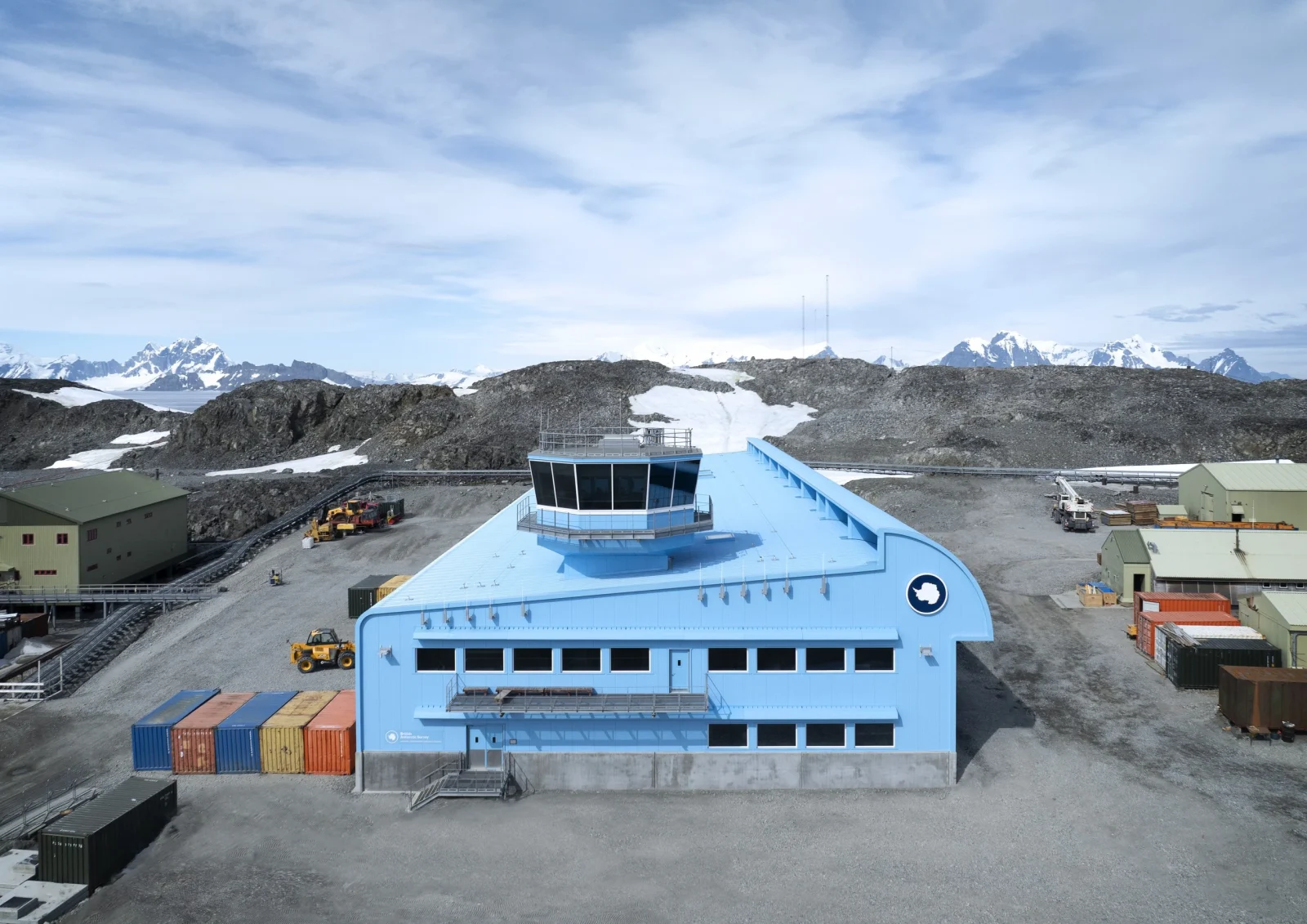
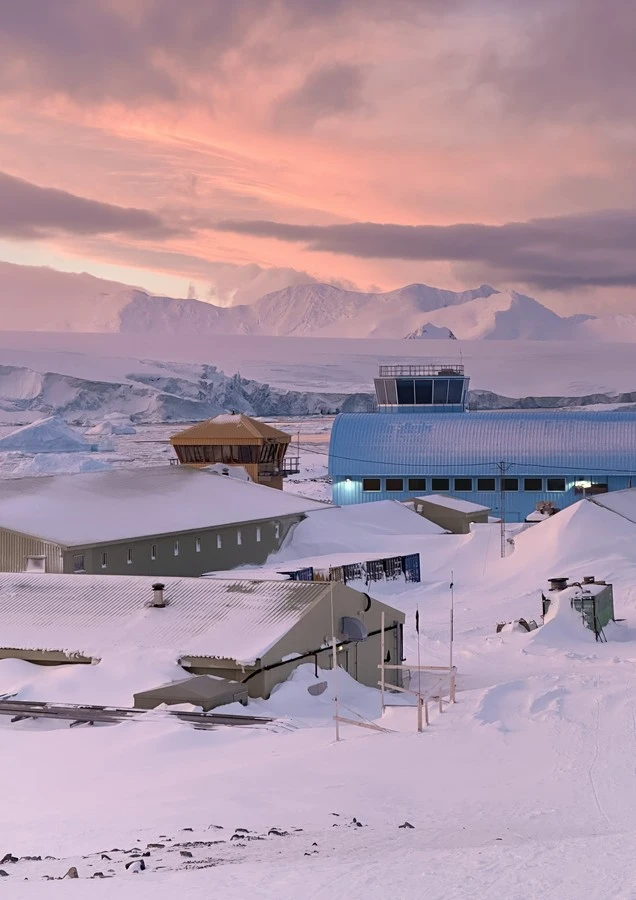
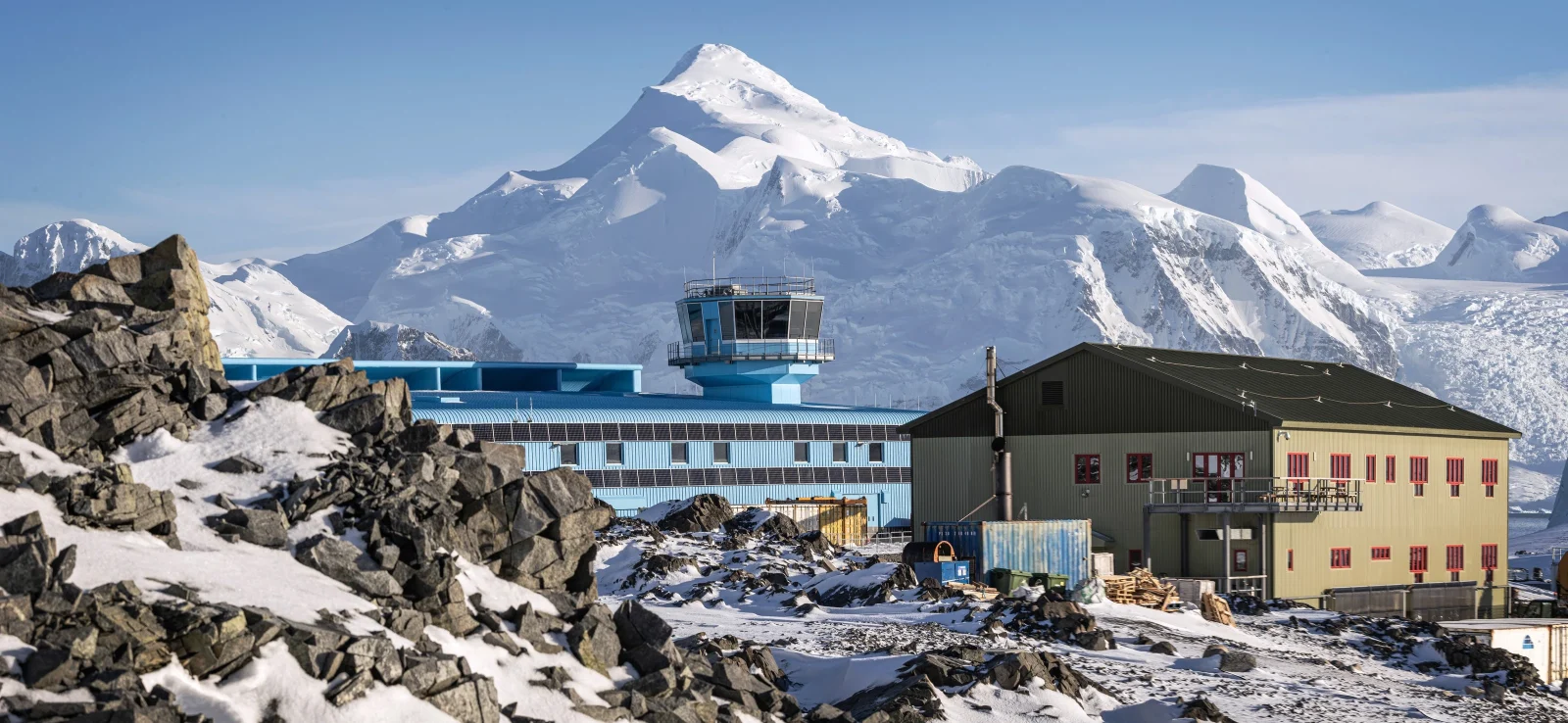
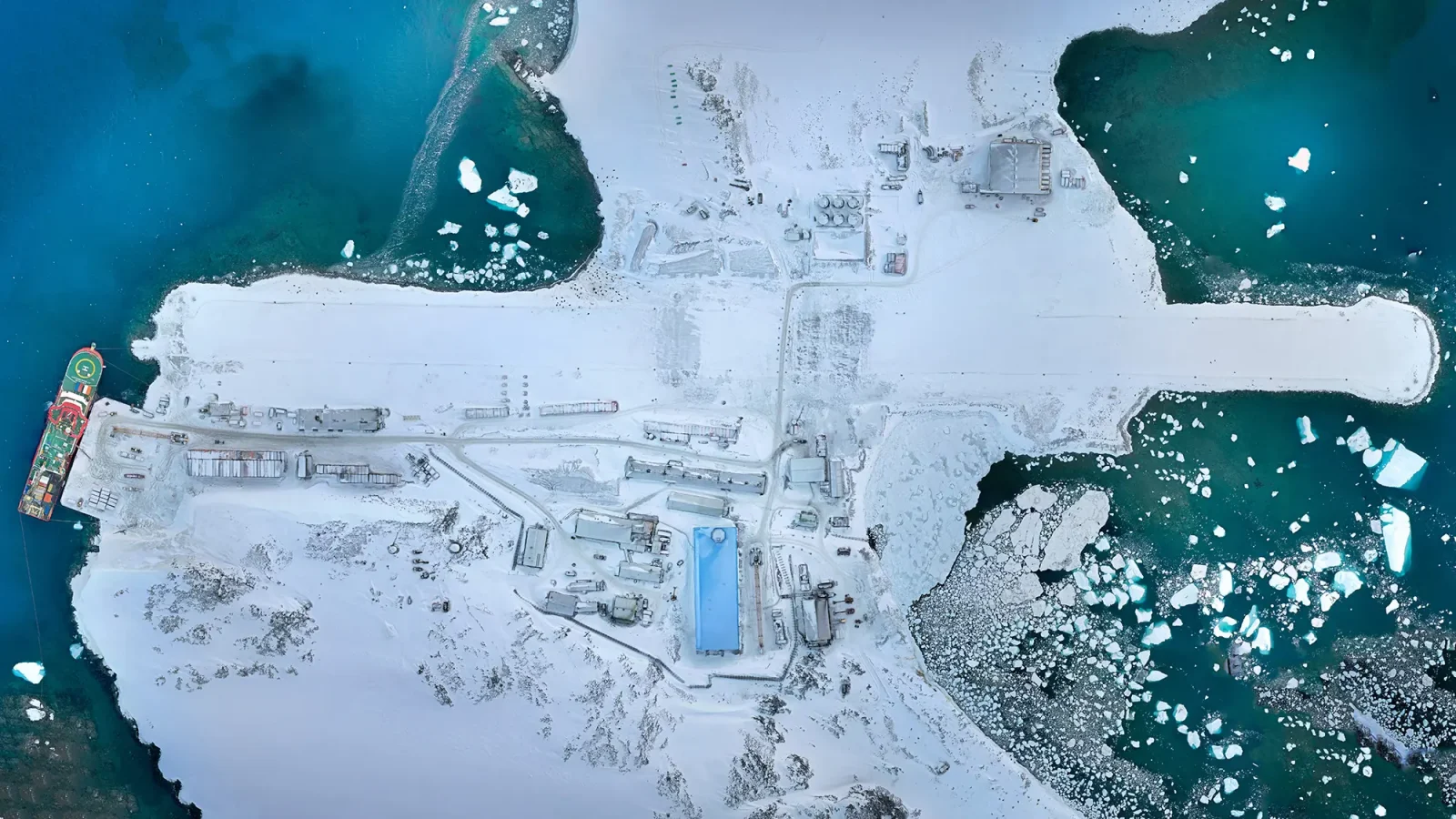
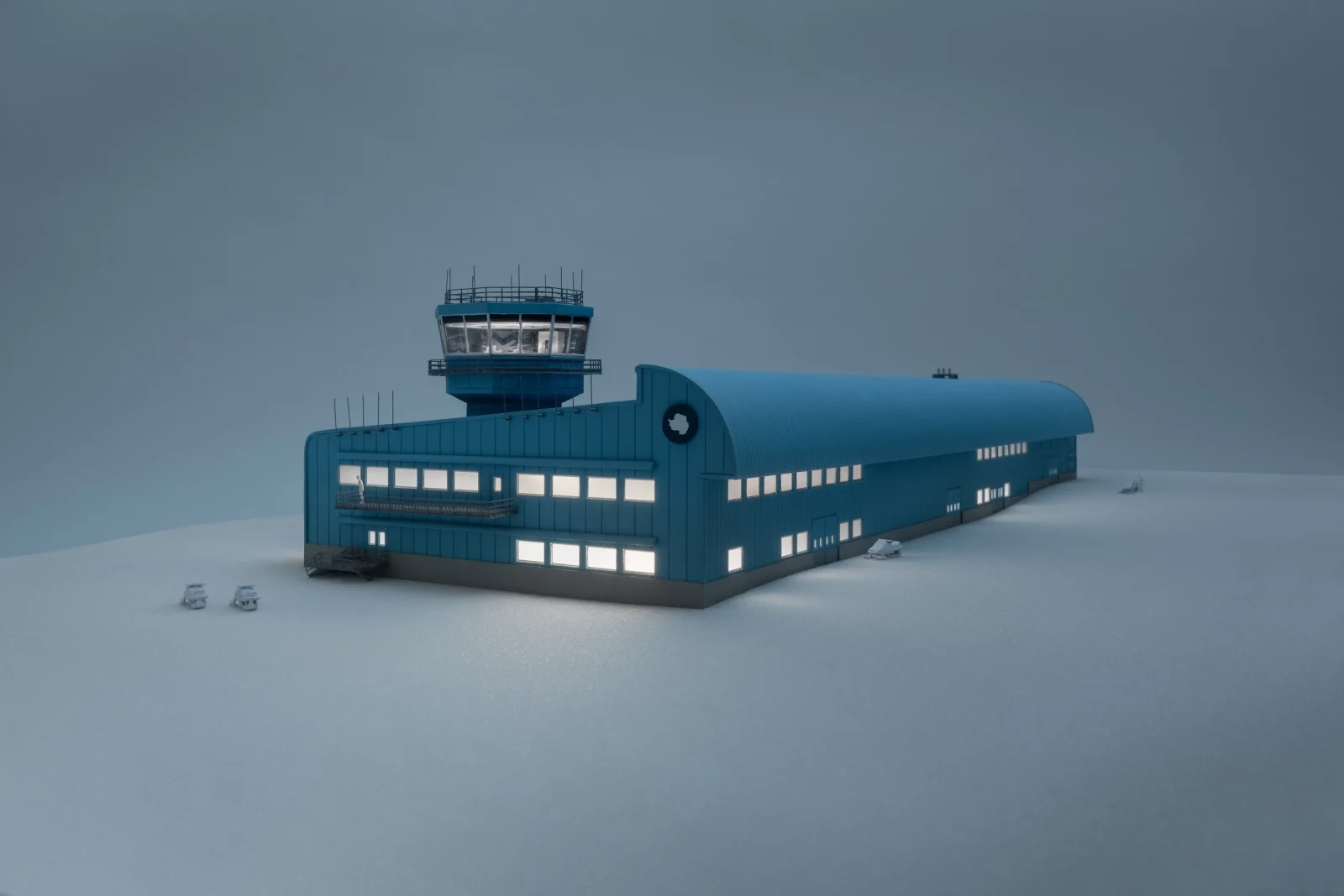
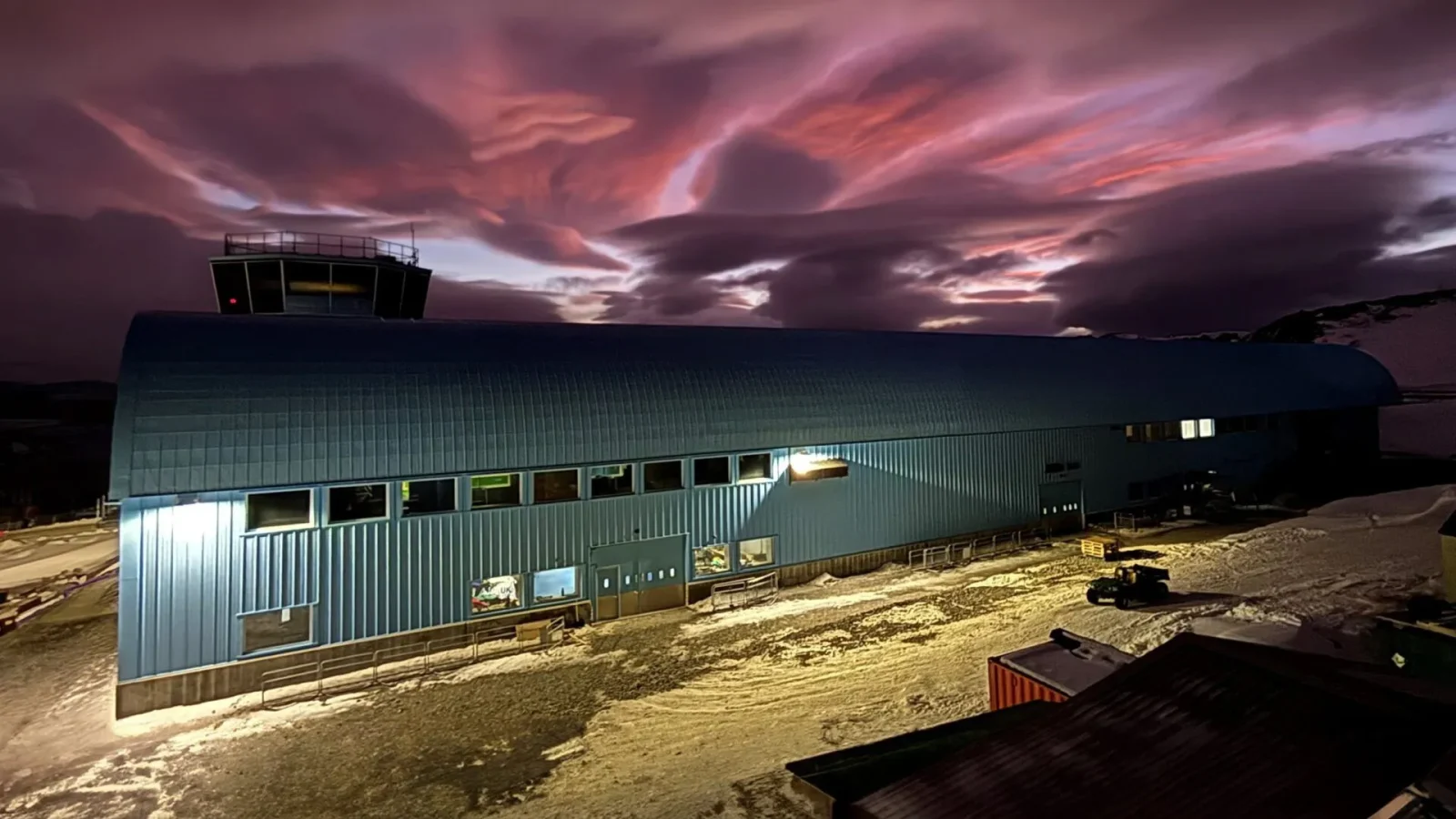
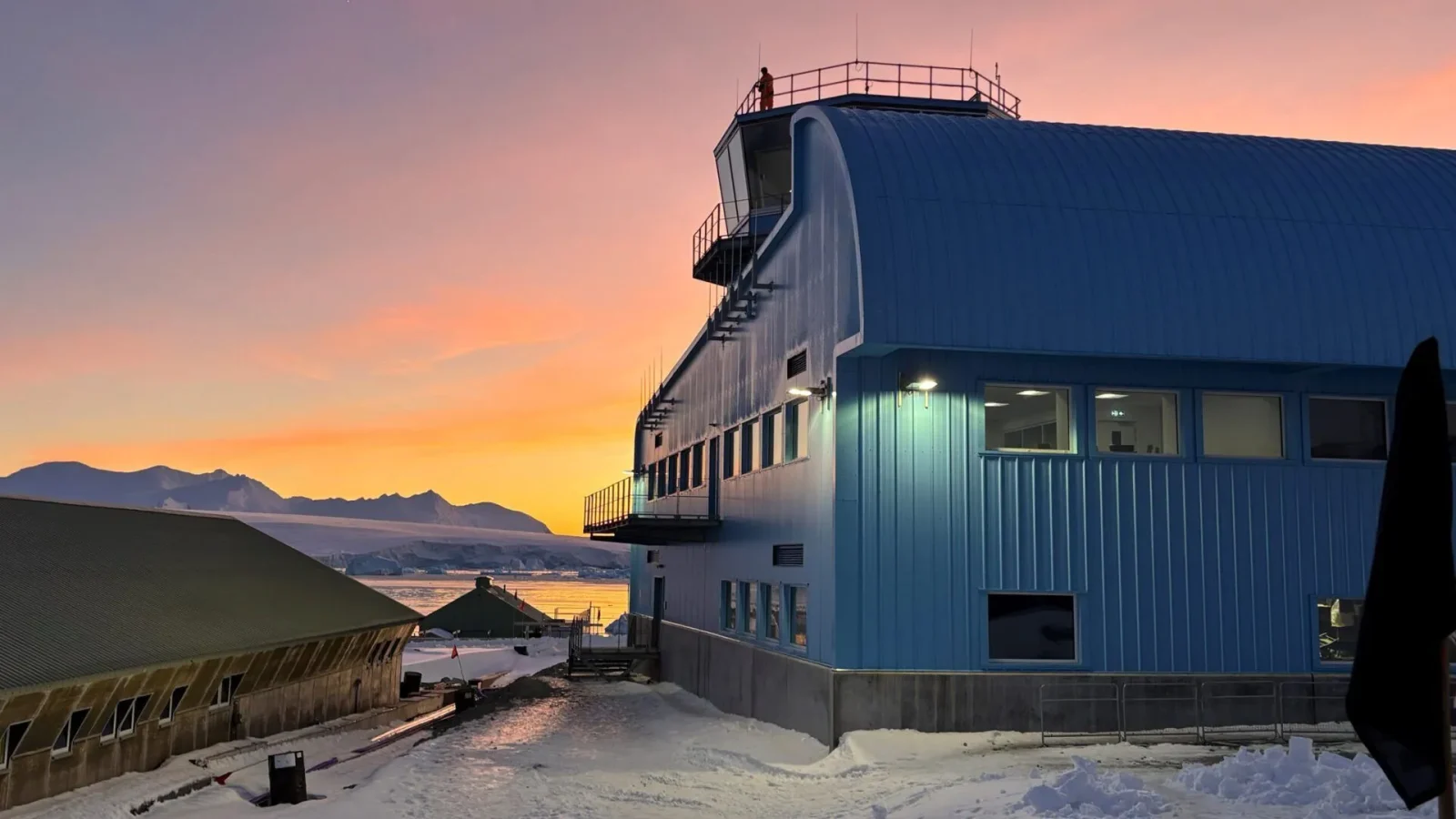
The Antarctic Discovery Building is a major new research and operations facility at Rothera Research Station on Adelaide Island. It is part of a long-term infrastructure upgrade program that aims to modernize the station and consolidate facilities into a single, energy-efficient, resilient building to support polar science for decades.
Strategic Purpose of the Antarctic Discovery Building
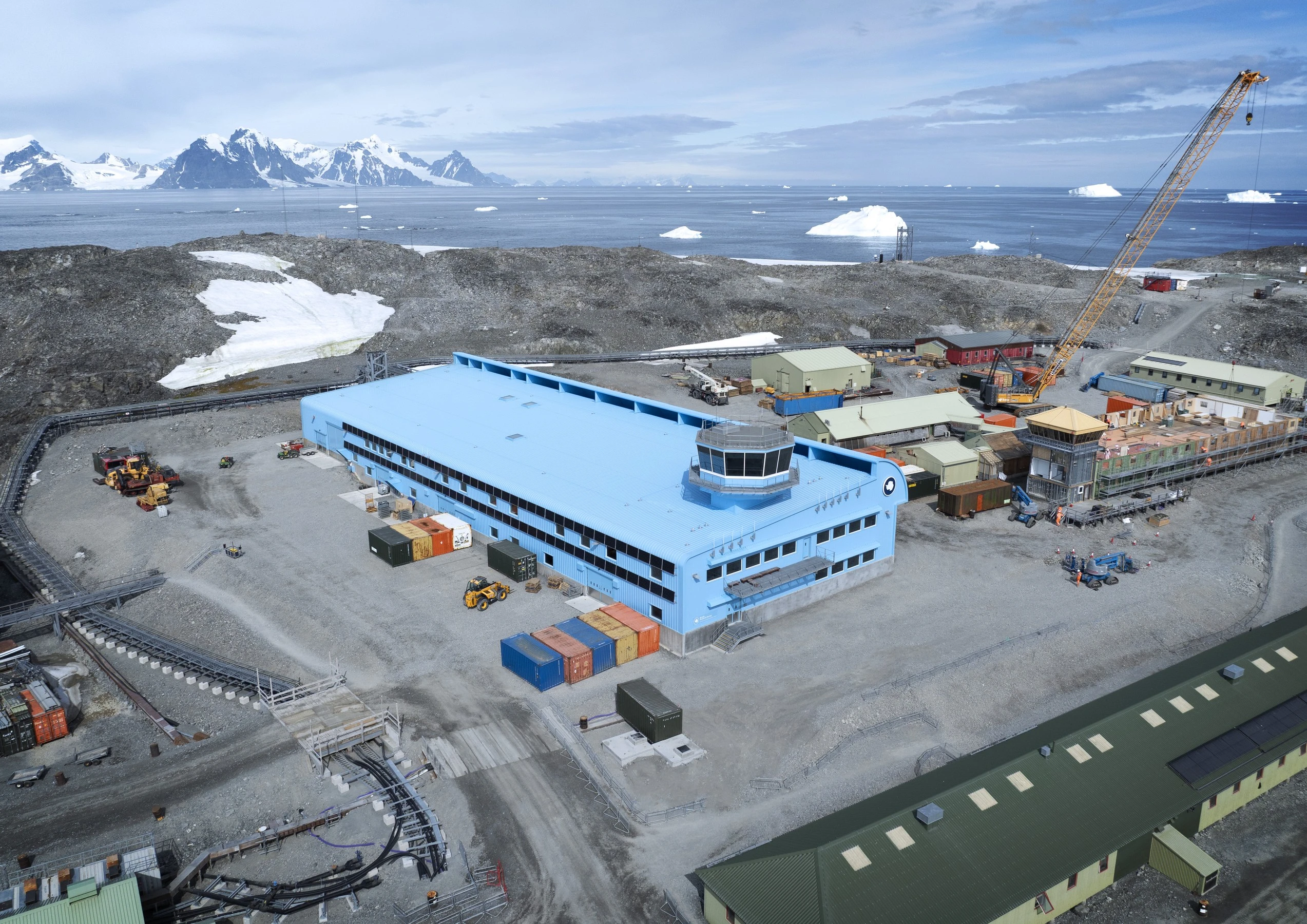
The Antarctic Discovery Building replaces a series of older structures that once served different functions across the station. It serves as the central hub for energy generation, water treatment, heating, and communications systems at Rothera Research Station. By bringing these essential services together in one location, it converges key operational, scientific, and support functions into a single integrated facility. This approach improves overall safety, streamlines workflows, and increases efficiency across the station.
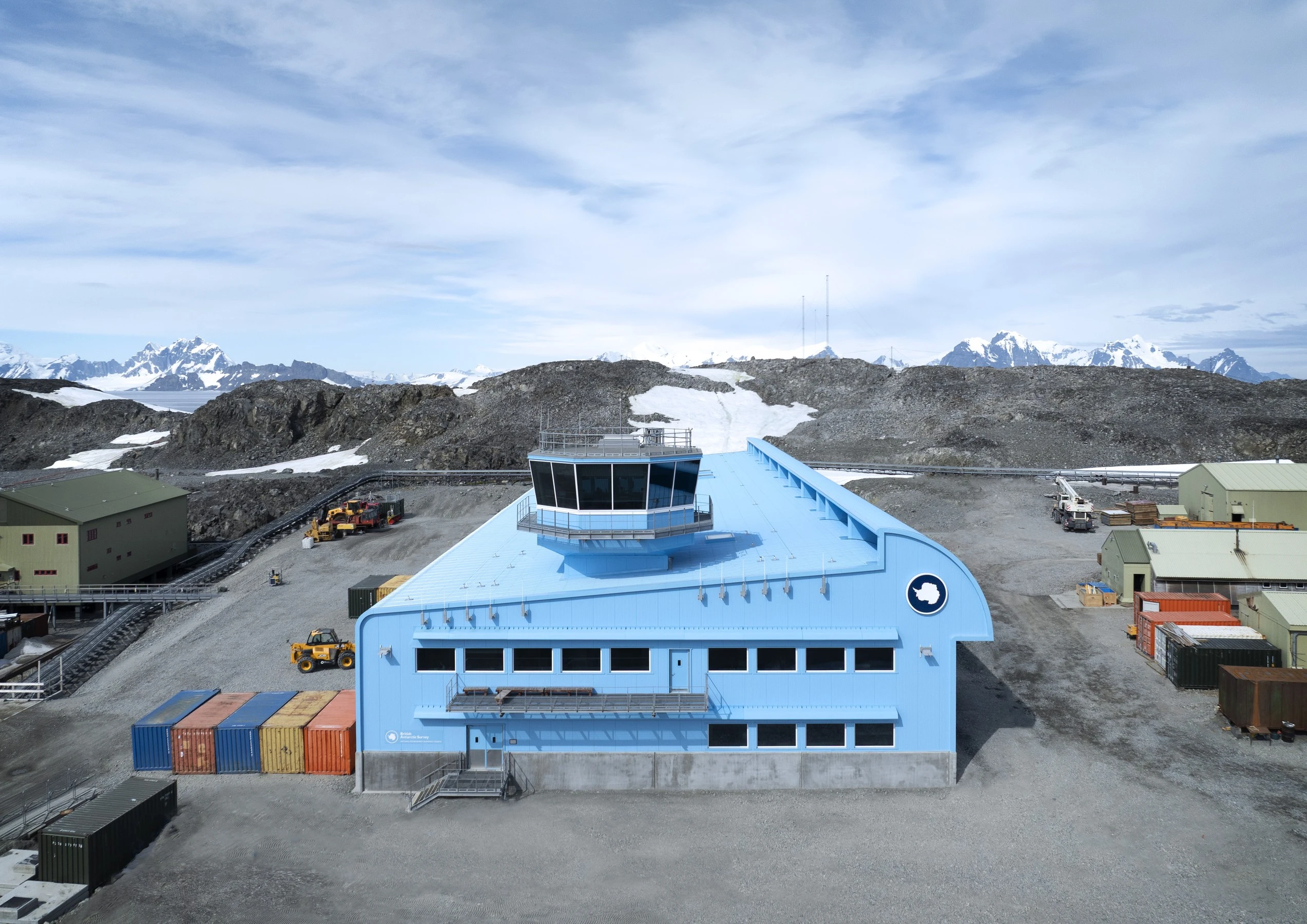
At the same time, the building has been designed to enhance environmental sustainability by reducing energy consumption and emissions. It also strengthens support for research teams by providing improved infrastructure for vehicles, aircraft logistics, and fieldwork operations, ensuring that scientific activities can be carried out reliably in Antarctica’s challenging conditions.
The facility is central to the Antarctic Infrastructure Modernisation Programme (AIMP), a government-funded investment led by the British Antarctic Survey (BAS) and commissioned through the Natural Environment Research Council (NERC).
Architectural Design and Resilience
Hugh Broughton Architects designed the building with additional architectural and engineering input from NORR, Ramboll, Sweco, and delivery support from BAM.
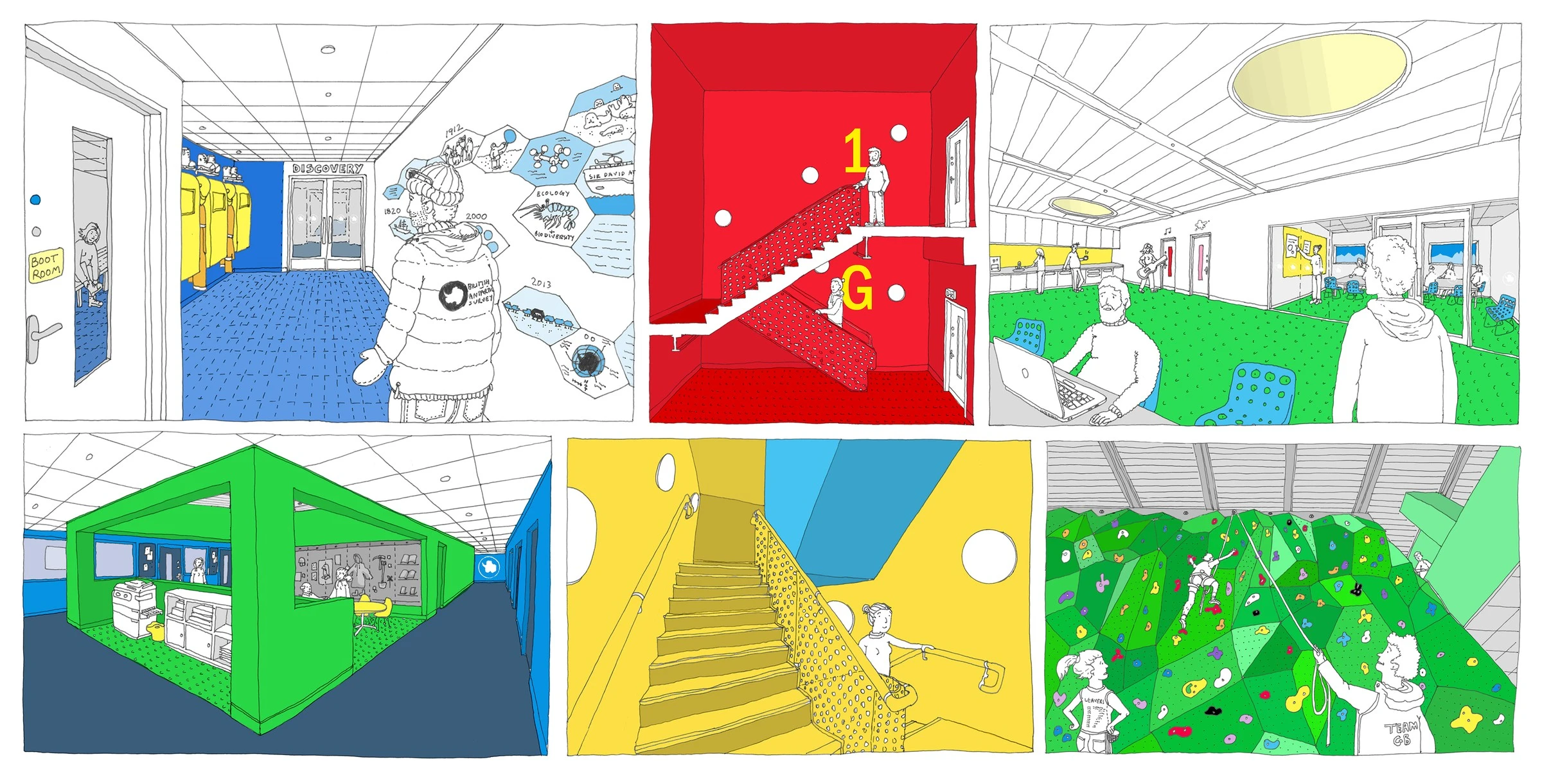
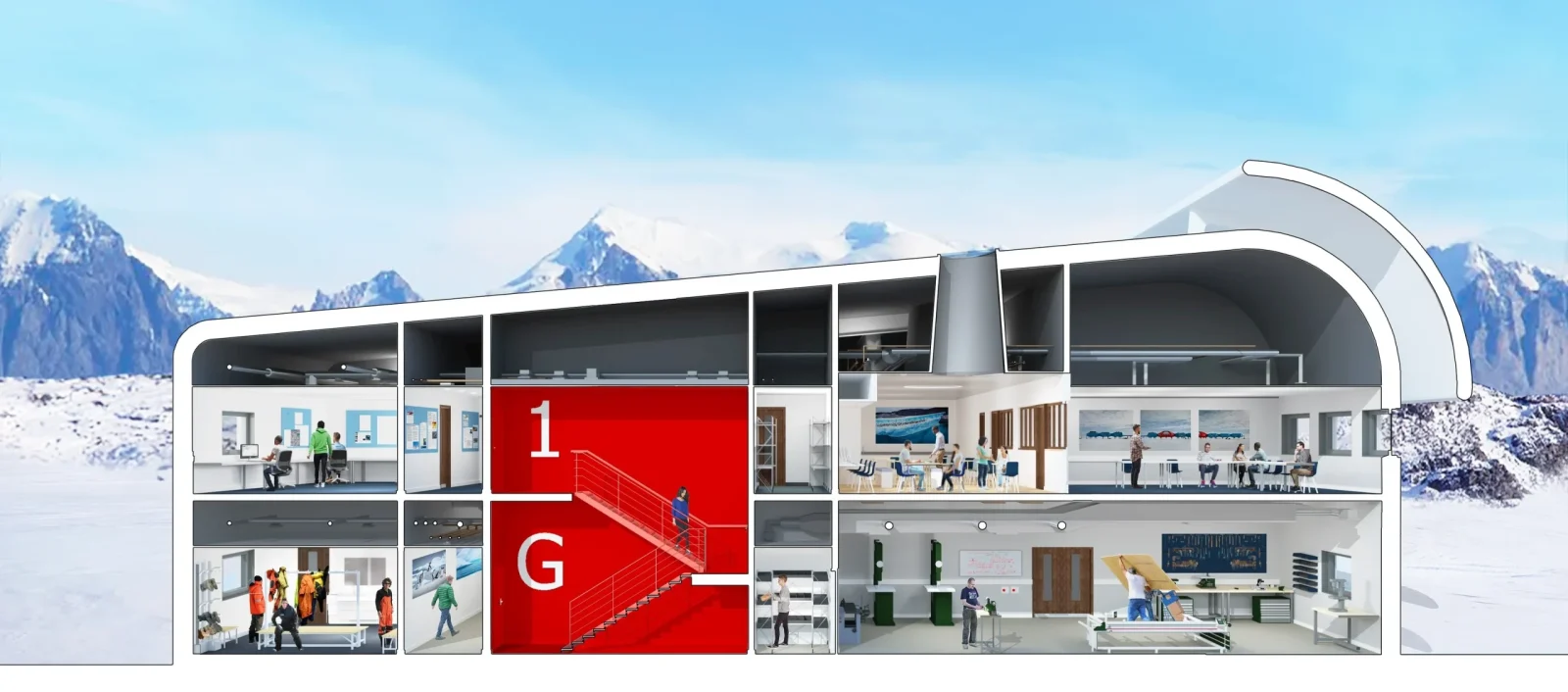
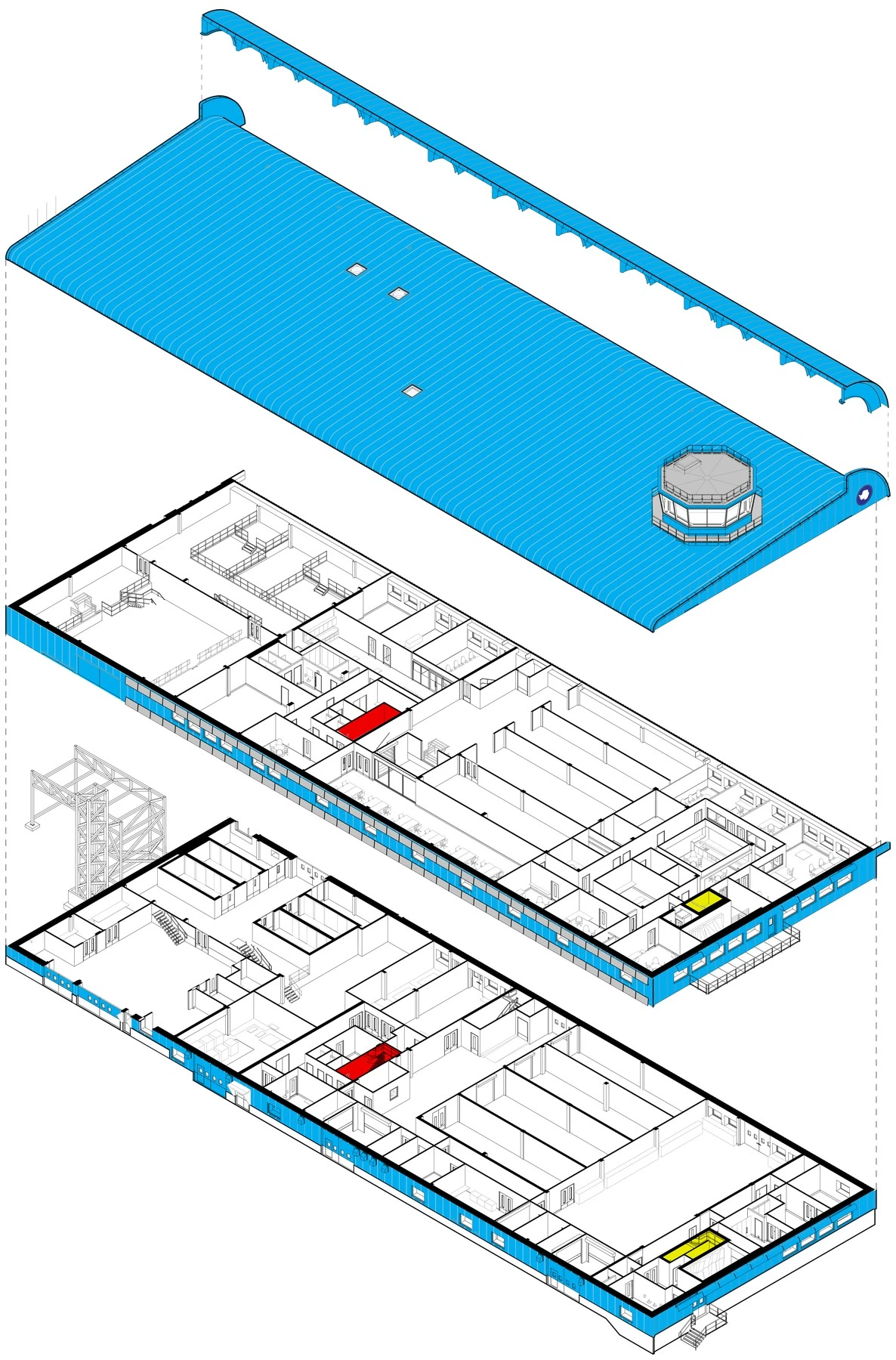
The Discovery Building has an internal floor area of approximately 4,500 square meters (50,000 square feet). Within this space, it accommodates approximately 60 separate rooms, each designed for a wide range of functions. These include scientific workspaces, operational control areas, storage facilities, workshops, offices, and community spaces that support daily life and research activities at Rothera Research Station.
Aerodynamic Form and Snow Management
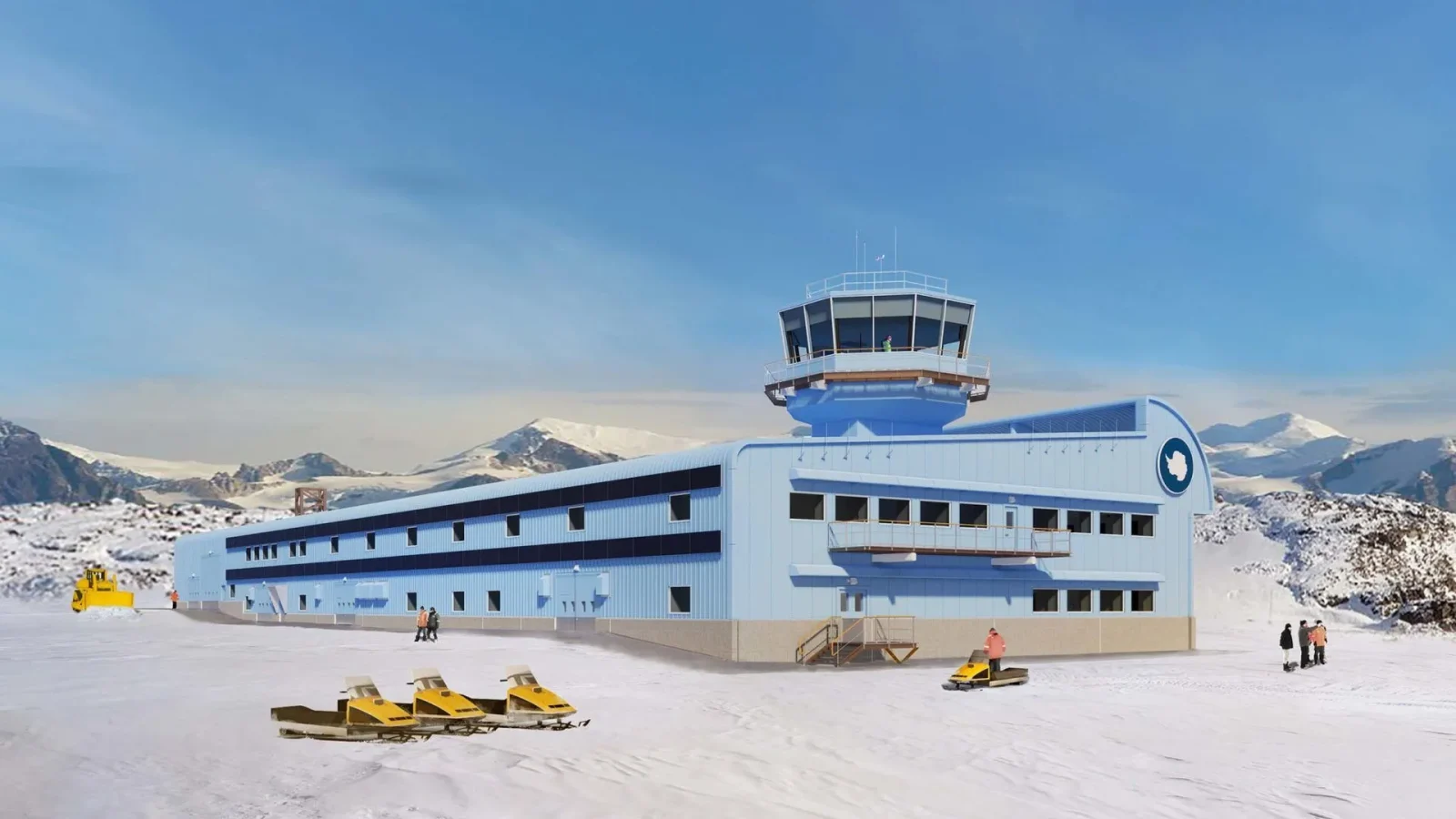
- One of the most distinctive design features is its aerodynamic exterior, including:
- A curved wind deflector runs the full length of the building.
- Smooth curved eaves and a monopitch roof shaped to harness prevailing winds.
- The exterior form is oriented into the wind to reduce snow buildup around the façade, entrances, and operational zones.
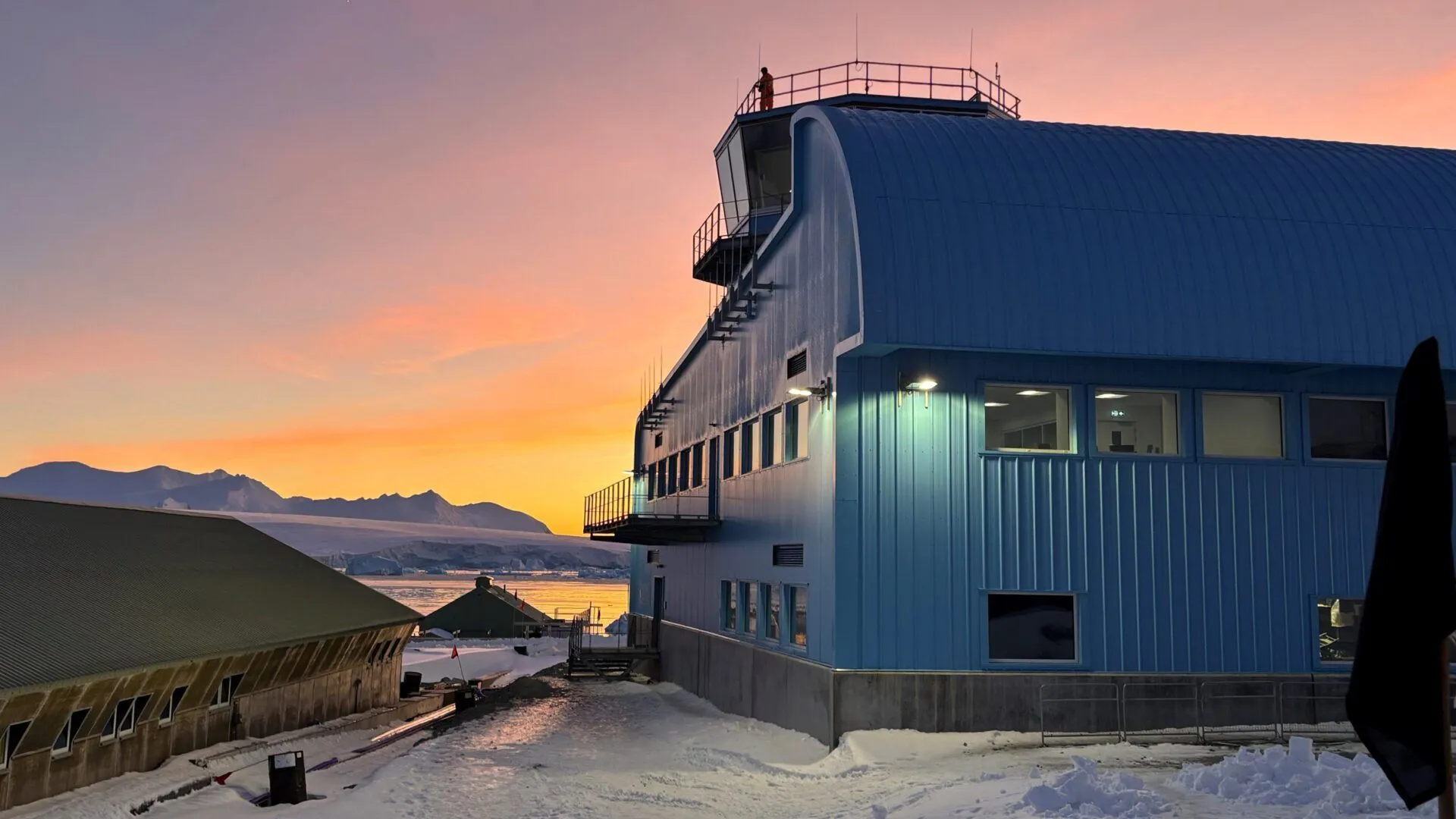
The aerodynamic strategy replaces the traditional approach of elevating buildings above snow level. It actively channels wind to blow snow away, improving access and reducing snow blockage around the structure, a key benefit in Antarctic conditions where snow accumulation and freeze-thaw cycles can damage buildings
Environmental Performance
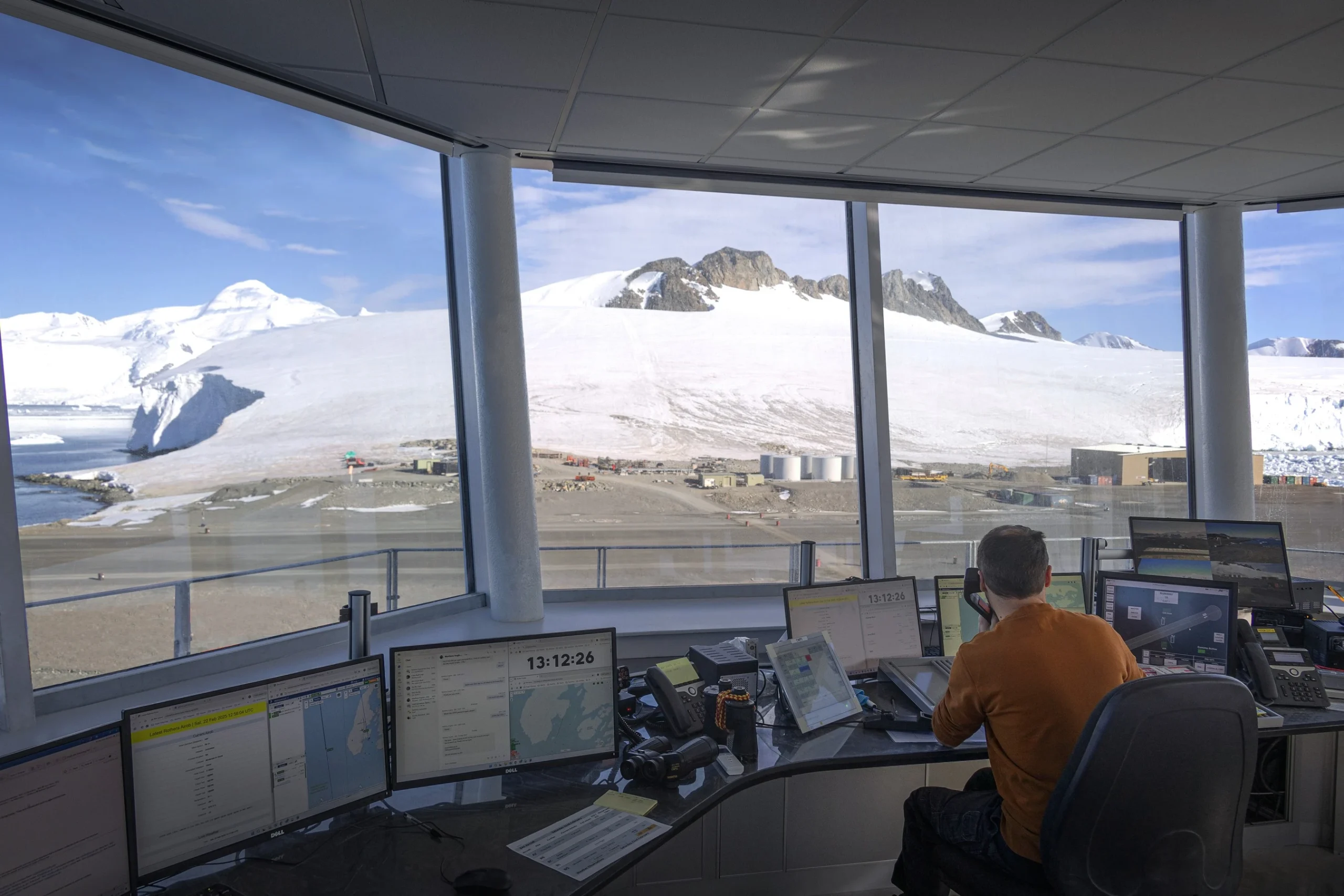
The Discovery Building’s envelope and systems are engineered for high thermal efficiency and durability. Insulated composite metal cladding with 150 mm insulation to minimize heat loss and avoid freeze-thaw damage. High-performance triple glazing to reduce thermal transfer. A ventilation system that modulates fresh air exchange based on occupancy. Heat recovery systems to capture generator waste heat for building heating and distribution.
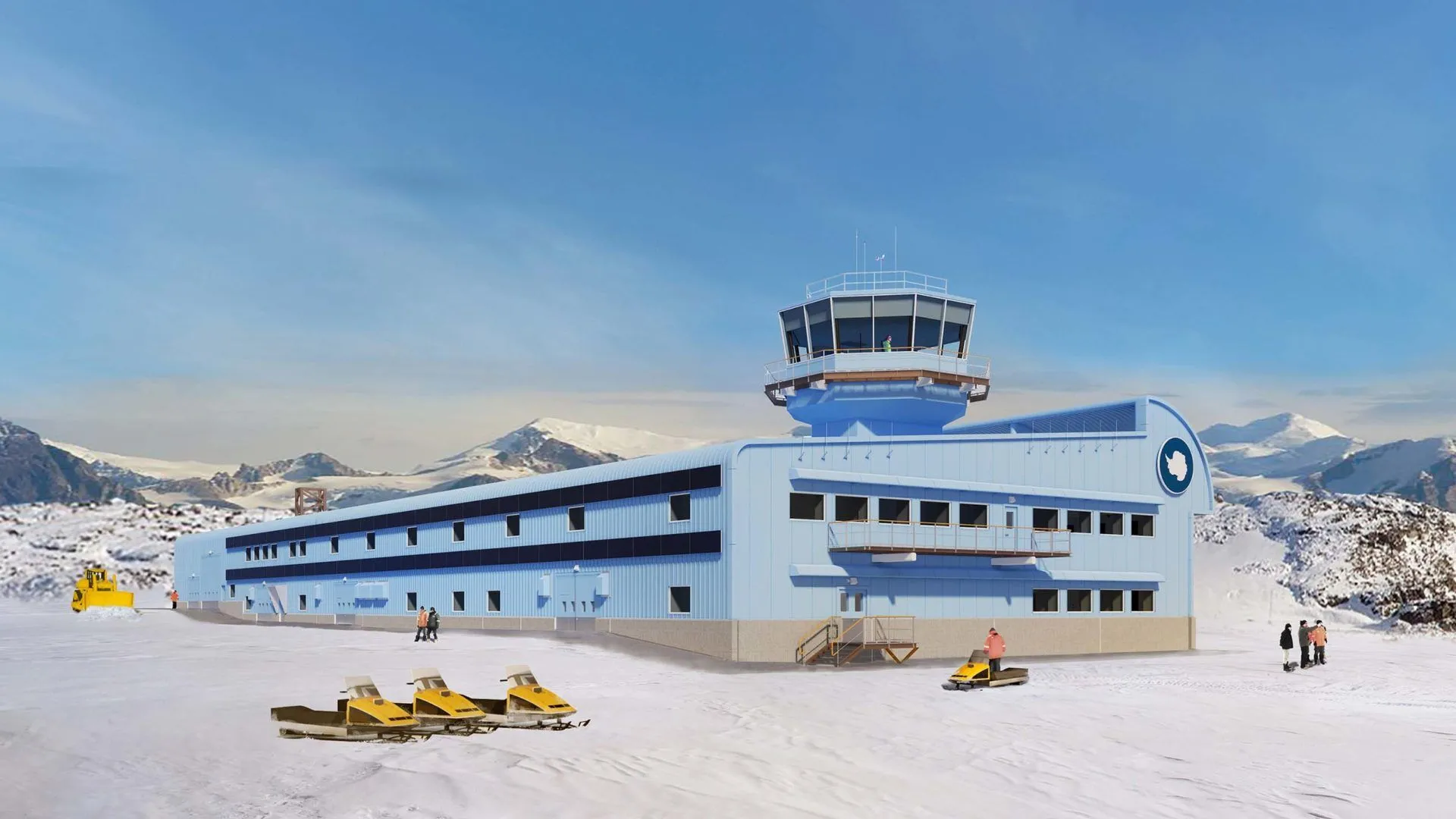
Renewable energy technologies, including photovoltaic solar panels, are incorporated to reduce reliance on fossil fuel generation and support the station’s carbon reduction goals.
The design aims to reduce carbon emissions at Rothera by about 25% compared with the previous infrastructure.
Internal Organisation and Key Functions
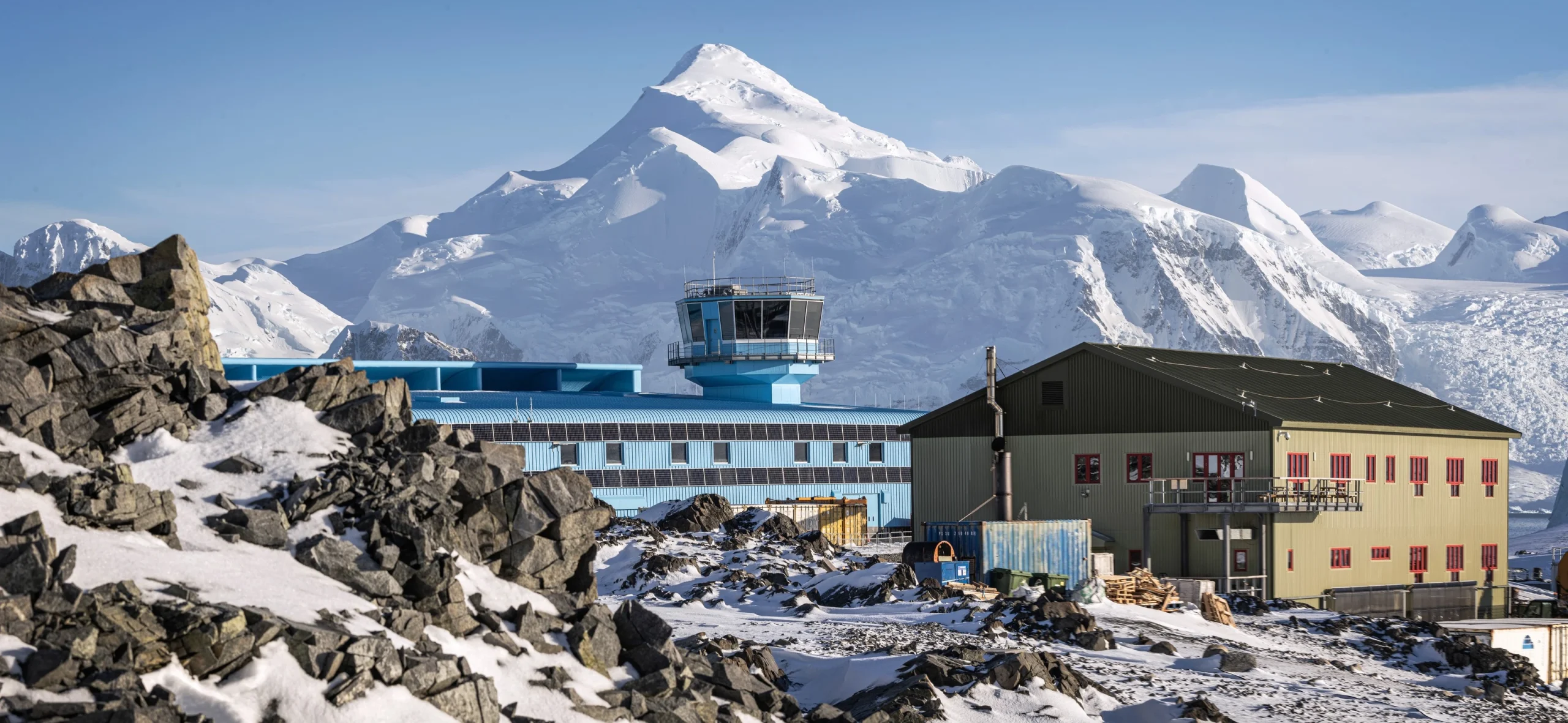
The Antarctic Discovery Building brings together many functions that were previously spread across several older structures at Rothera Research Station. The Energy Center supplies electricity and manages heat recovery for the building and nearby facilities. The building also includes a fully insulated vehicle workshop, providing a safe and controlled environment for maintaining polar vehicles and essential equipment.
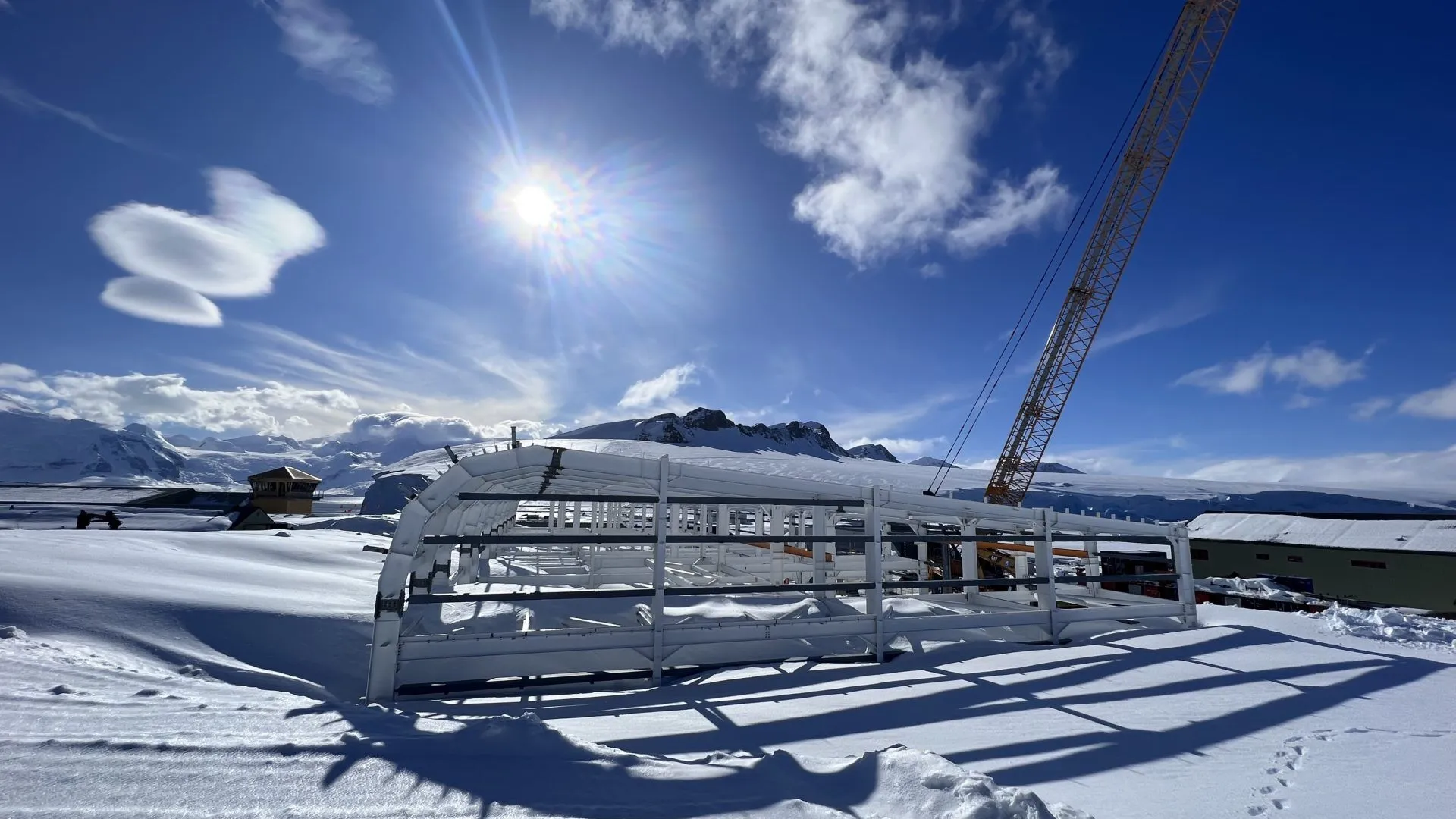
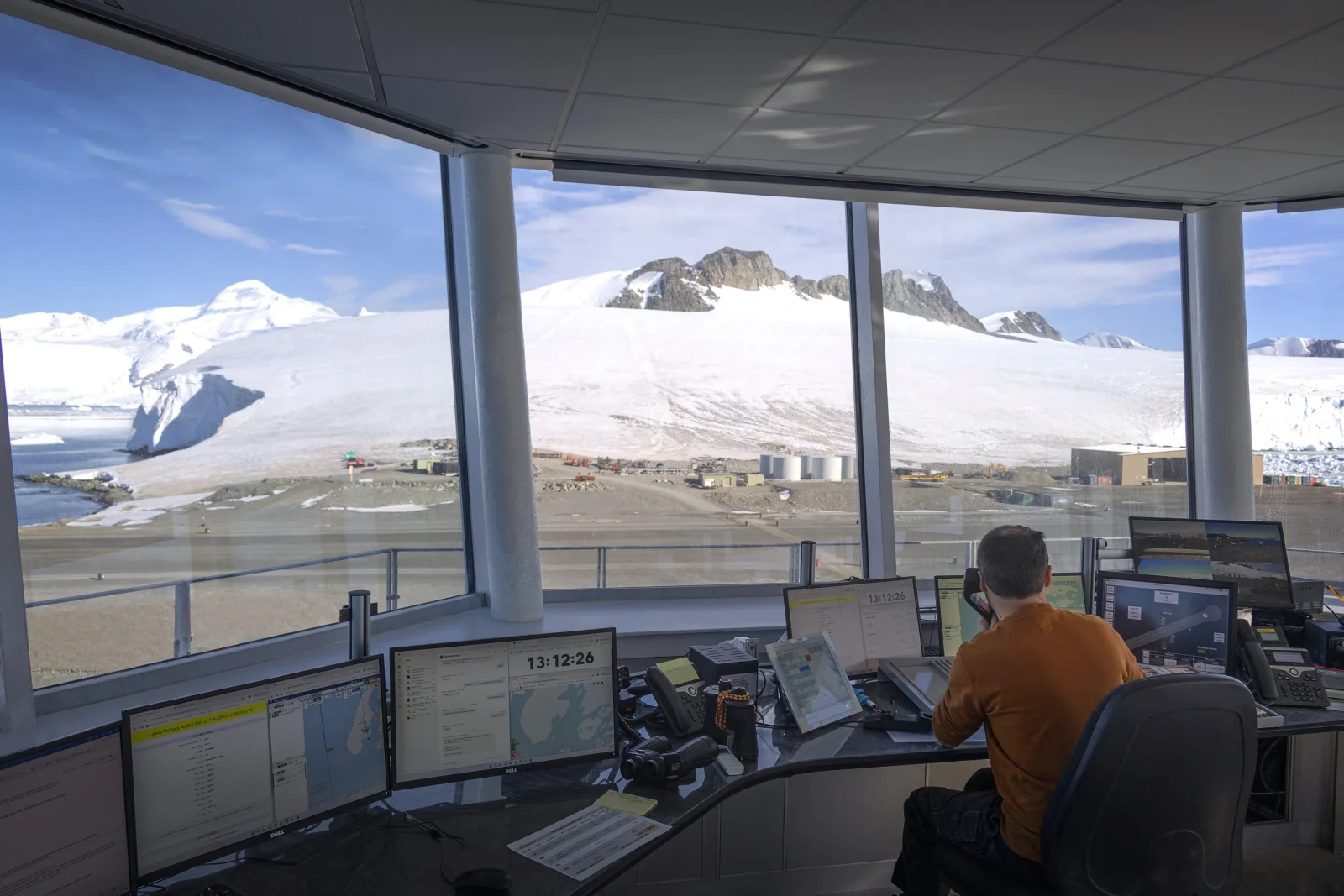
An operations tower houses the control center responsible for coordinating air access and field logistics, which are critical for research missions and transport. In addition, a central store manages station supplies and logistical materials, ensuring efficient handling and distribution of resources across the site.
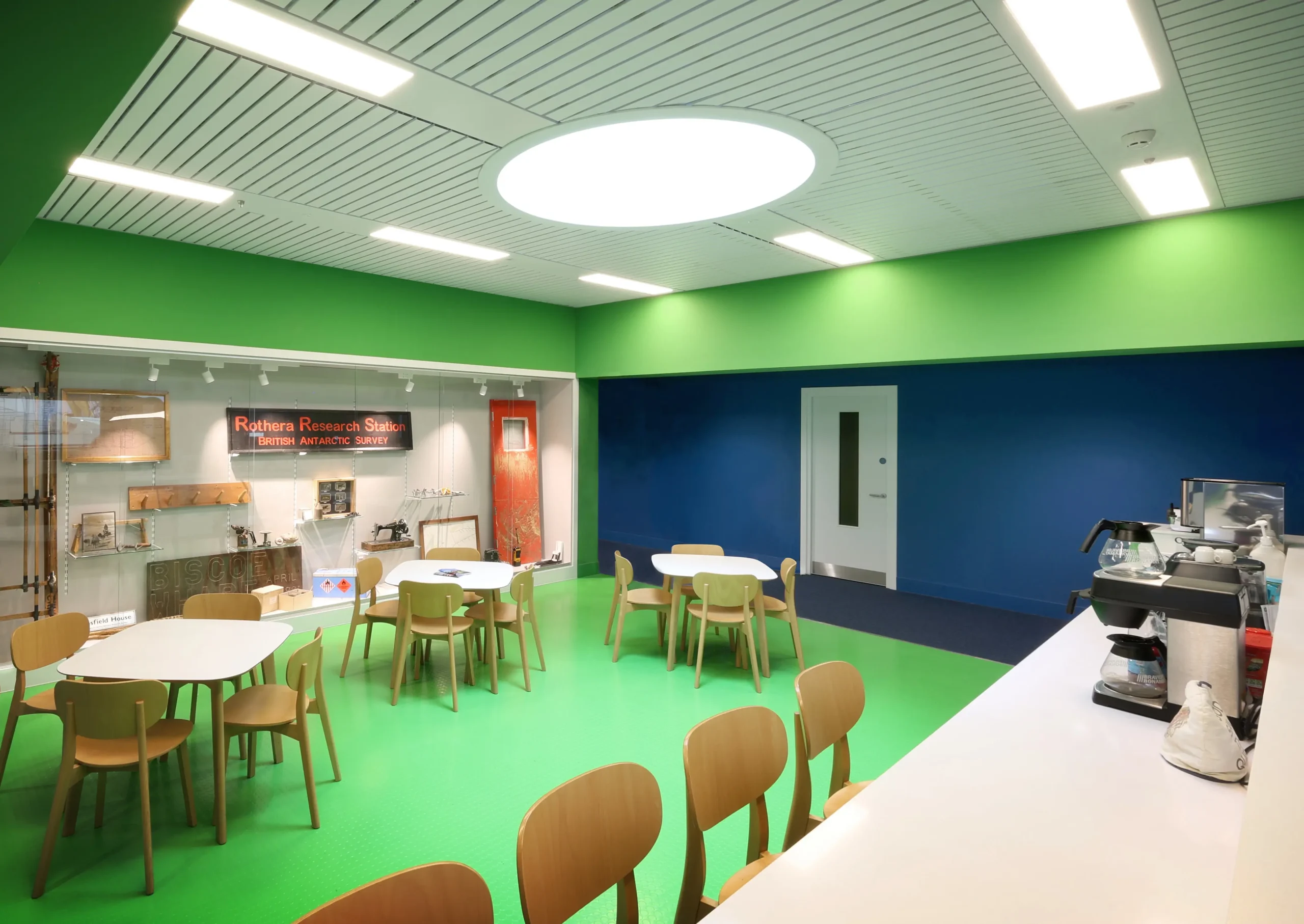
The Discovery Building provides dedicated space for research, support, and community use. It includes offices and open-plan work areas for researchers and support staff, allowing teams to collaborate effectively. Communal and welfare areas, including breakout spaces, offer places for rest and social interaction, which are important during extended stays in Antarctica.
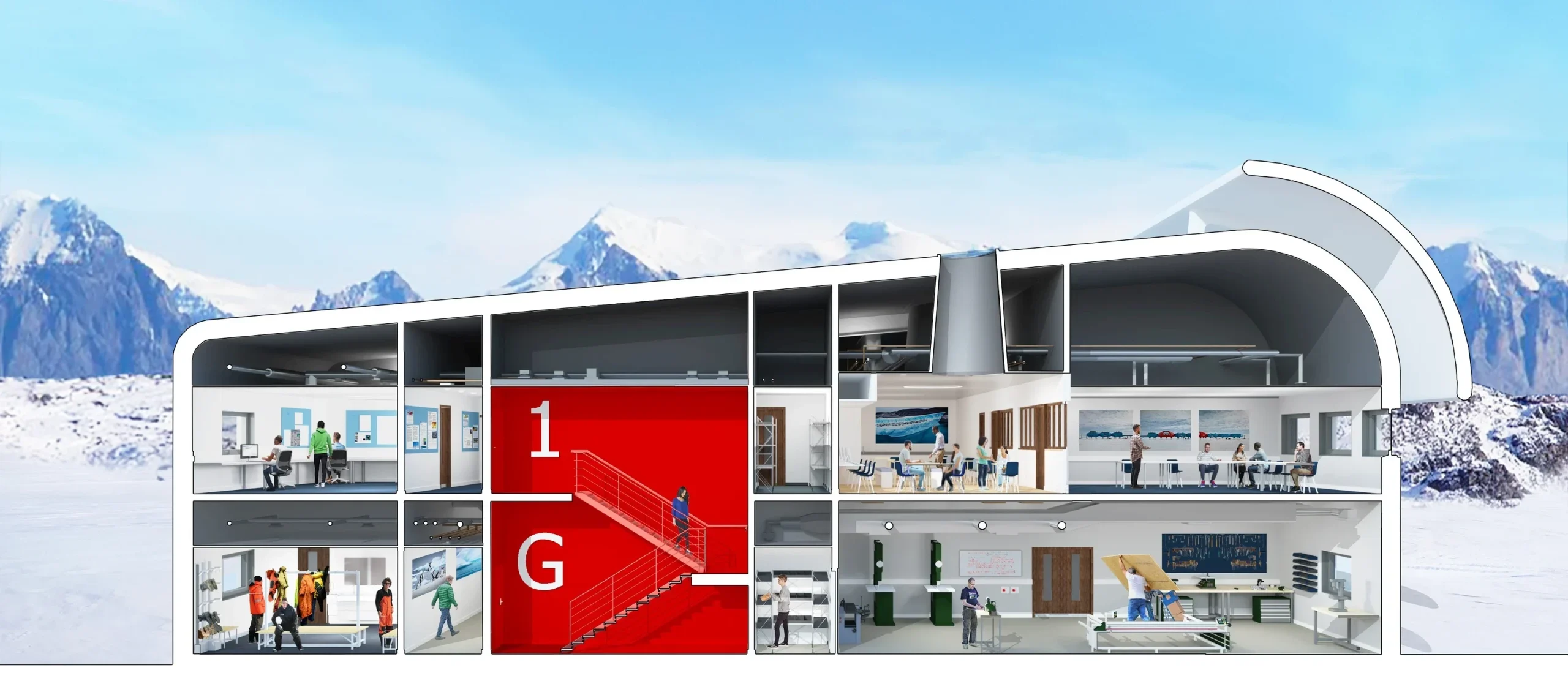
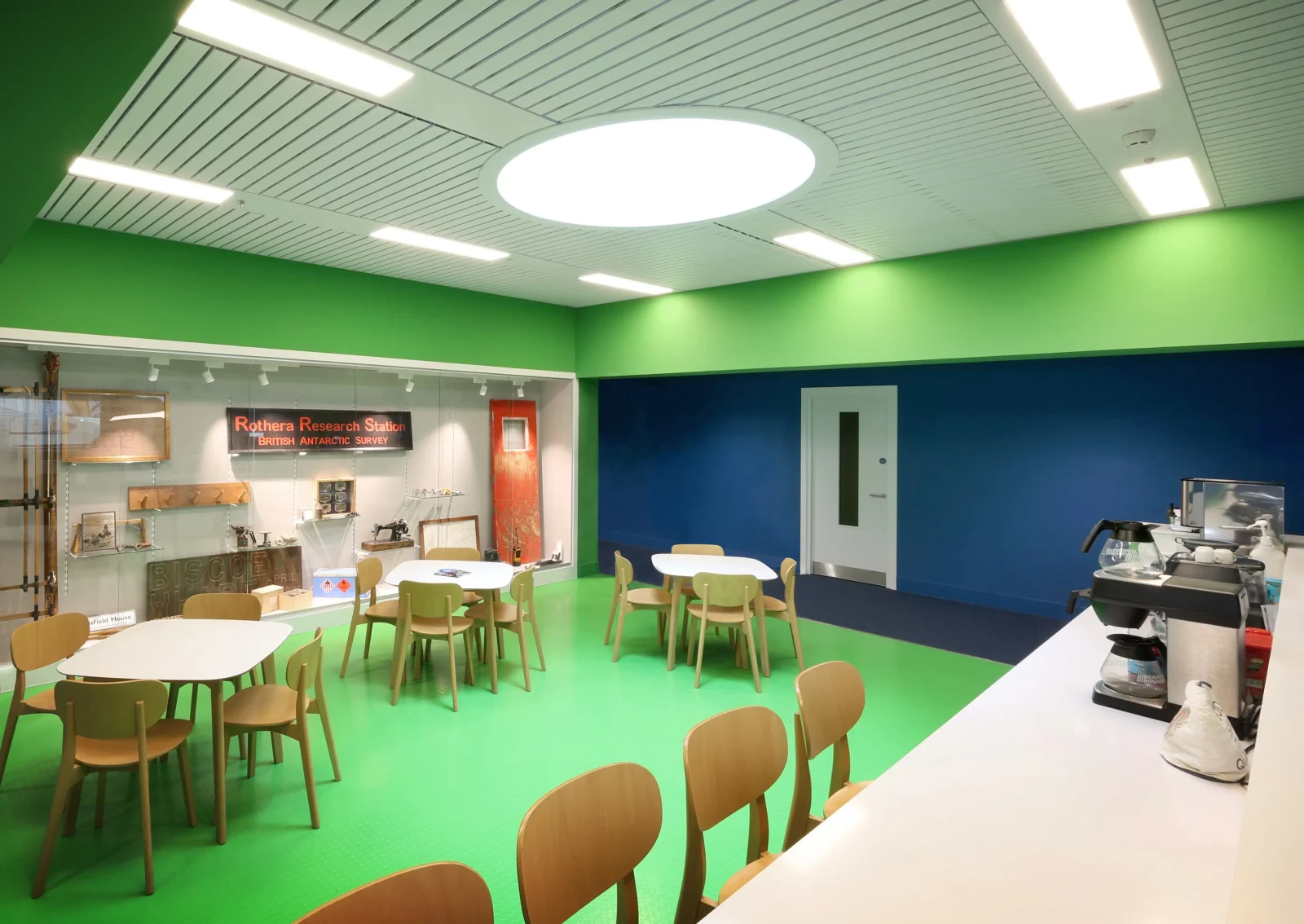
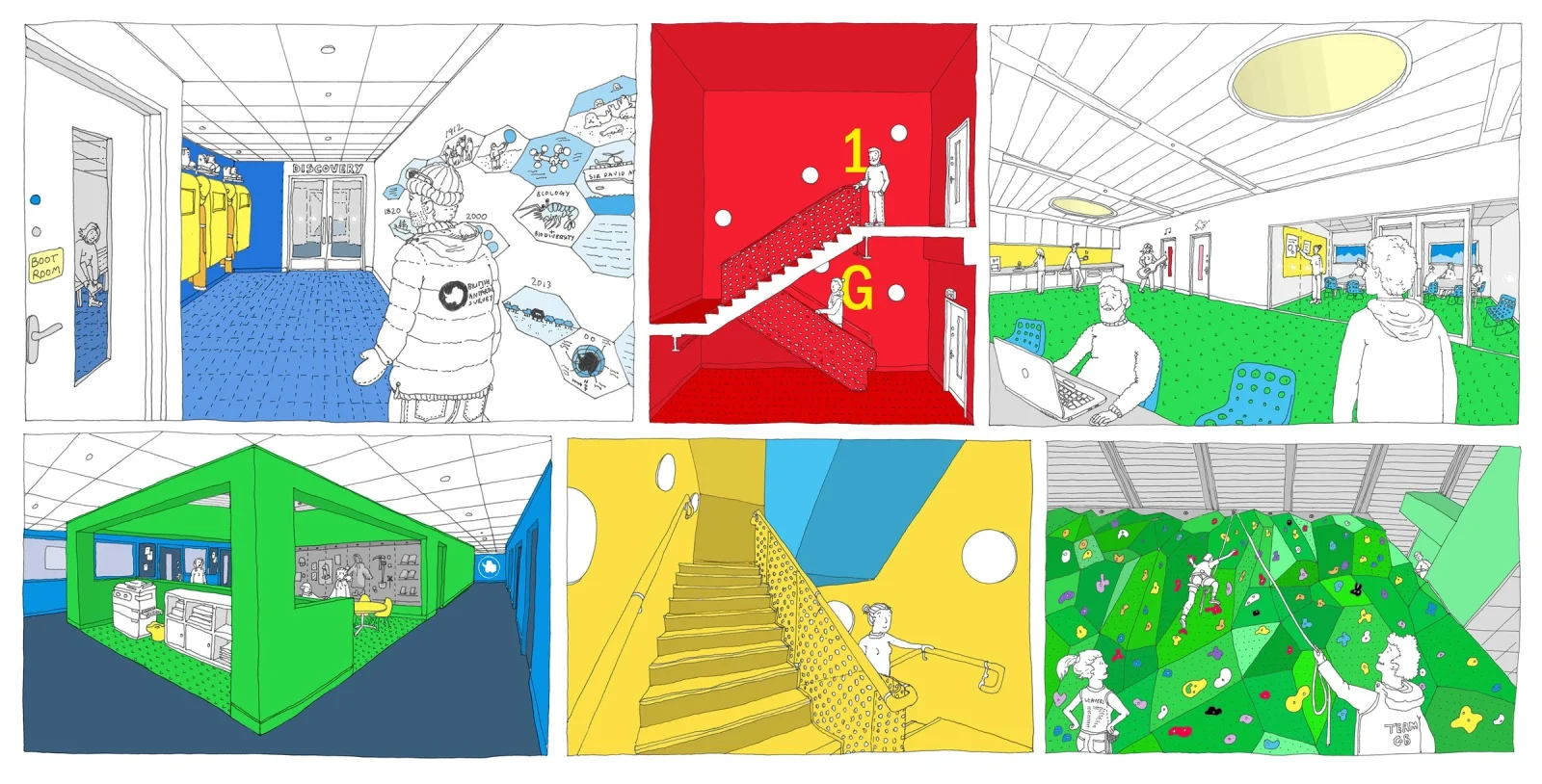
The building also accommodates medical rooms, recreational facilities, and workshops, ensuring that essential services are available on-site. Support areas for expedition planning and scientific fieldwork preparation are integrated within the layout. The interior design makes strong use of natural light, vibrant color schemes, and transparent partitions to create a brighter and more supportive environment during the long polar winter months.
Construction Timeline and Project Delivery
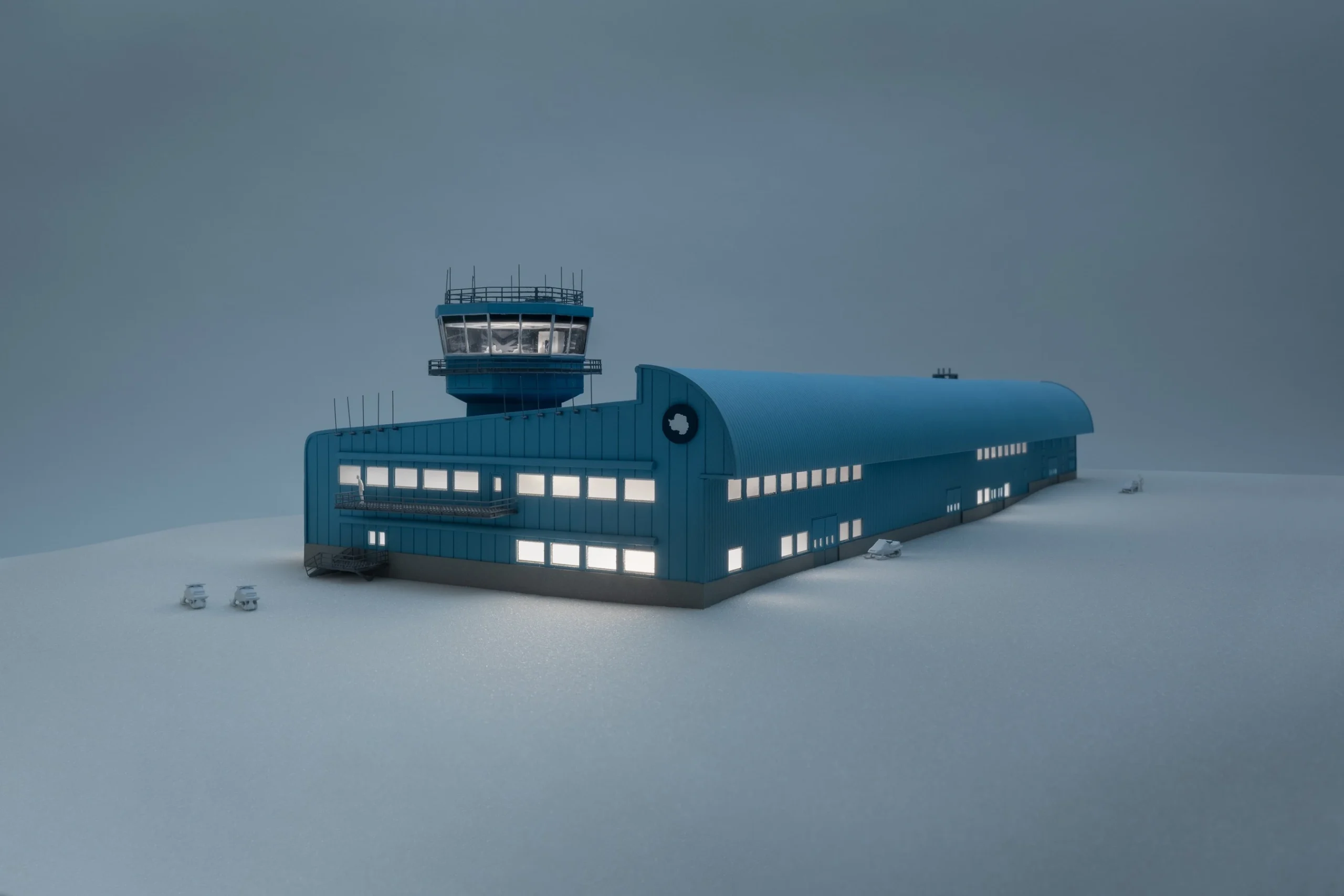
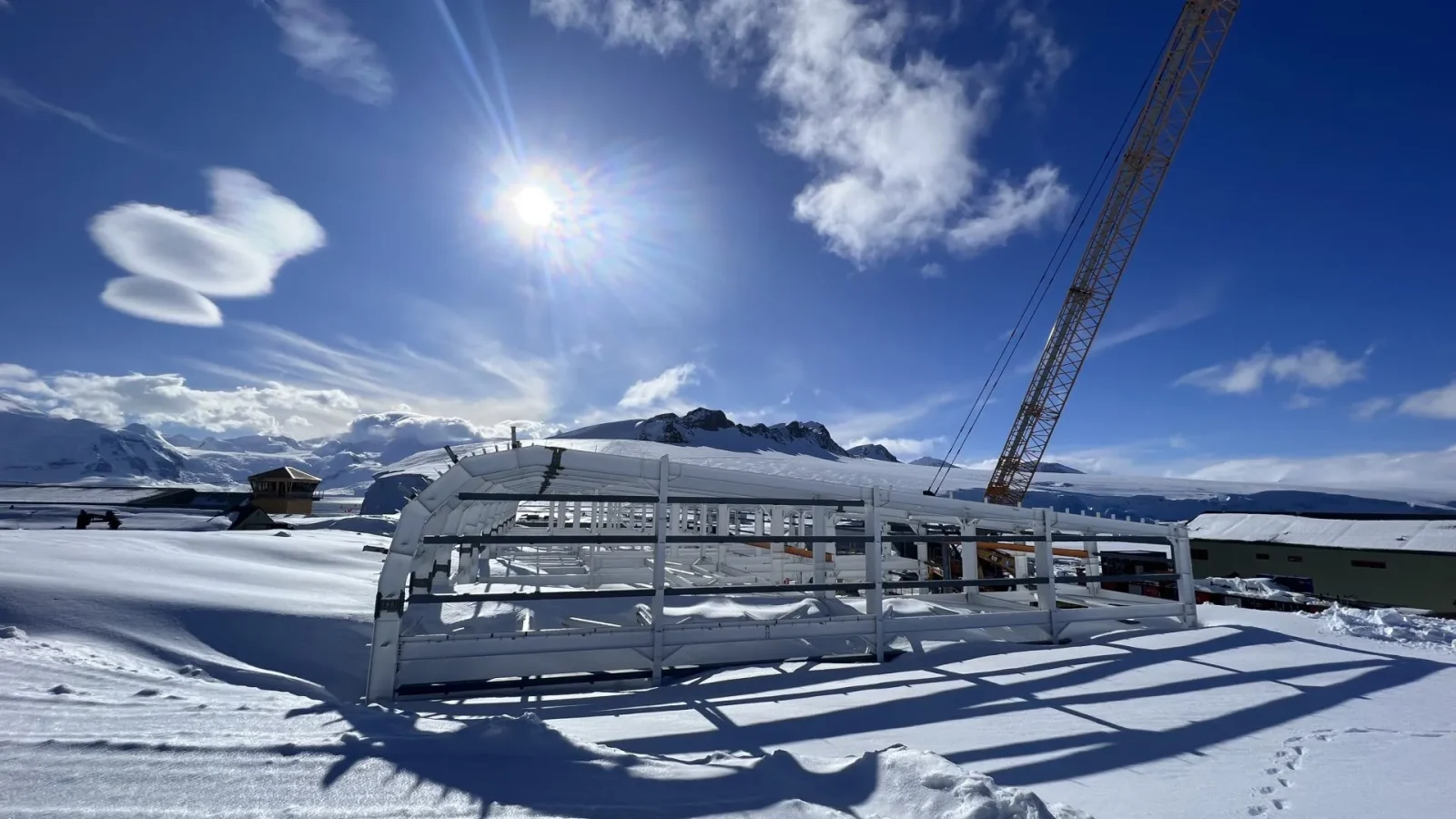
Construction of the Antarctic Discovery Building began in 2019 as part of the wider station modernization program at Rothera Research Station. Following the main construction phase, systems commissioning and detailed performance testing continued through the 2025–26 Antarctic season to ensure all mechanical, electrical, and operational systems function reliably in extreme conditions. Full handover of the facility is anticipated by April 2026.
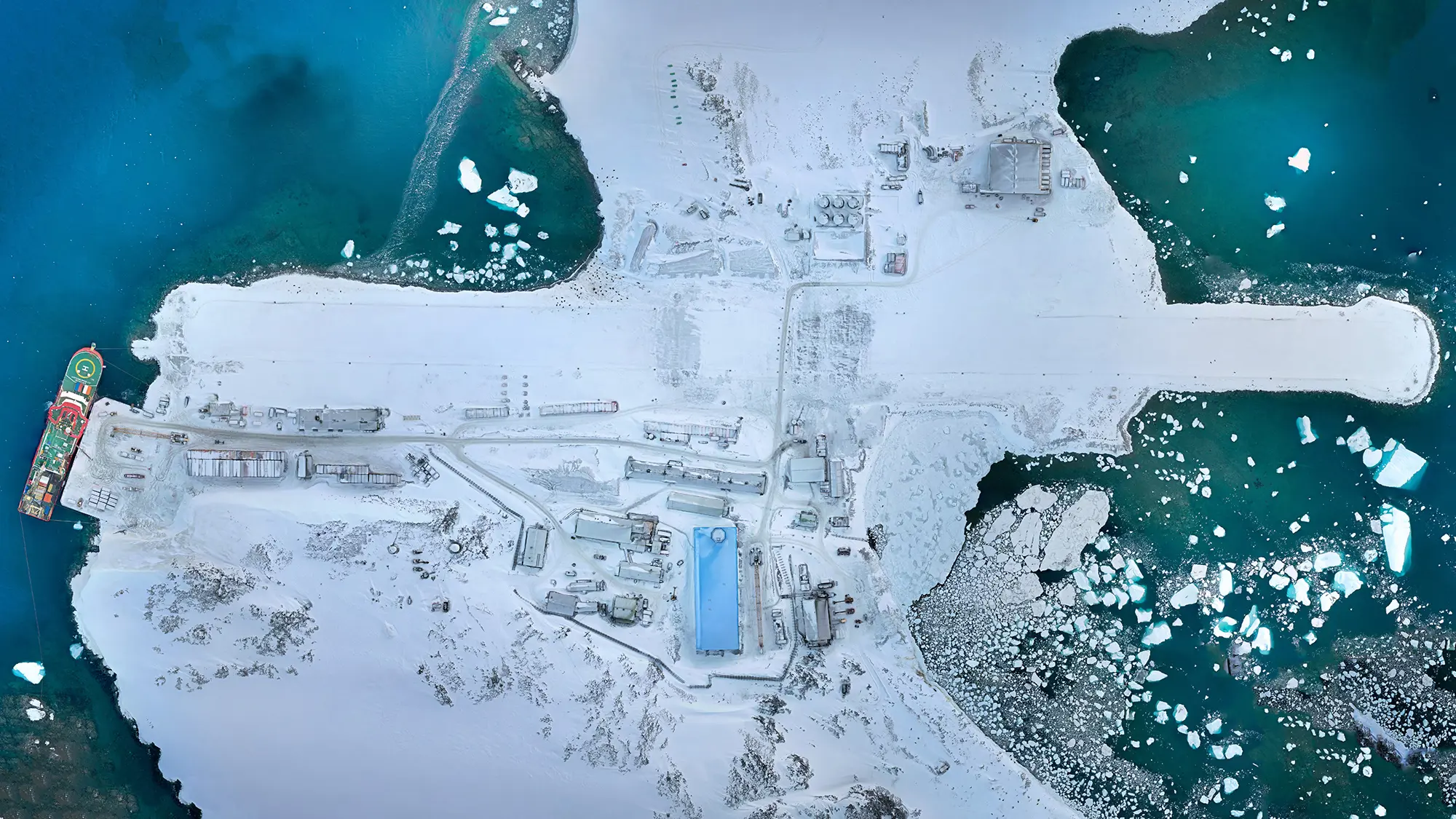
As the new building becomes fully operational, several older structures it replaces, including workshops, accommodation units, and support sheds, are being carefully dismantled and removed from Antarctica, with materials reused or recycled wherever possible to minimize environmental impact.
Once fully operational, the Discovery Building will serve as a modern, efficient base for science and logistics at Rothera. It supports long-term research into climate, ecosystems, ocean science, and polar systems, as well as providing a platform for international scientific collaboration.
The Antarctic Discovery Building responds directly to extreme environmental challenges, reduces emissions, and improves operational efficiency, providing a consolidated and resilient foundation for British and international polar science well into the future.
Explore Courses
.jpg "Ondrej Chybik - Rethinking Architecture")