



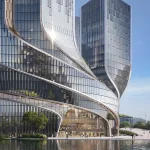
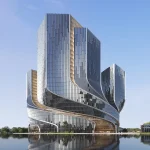
Geometry transforms facades, as classical symmetry, tessellation, and parametric design create striking, functional, and inspiring architecture.
Geometry has always been a cornerstone of architectural expression, turning simple building exteriors into dramatic visual statements. By applying shapes, angles, and patterns, architects create facades that balance rhythm, proportion, and harmony, which capture the viewer’s attention while enhancing the overall design.
From the clean lines of minimalist cubes to the intricate complexity of tessellated surfaces, geometric forms guide light, shadow, and perception. With modern computational tools and parametric design, architects now push the boundaries of creativity to balance artistic vision with structural function and transform facades into ever-evolving canvases of innovation.
Symmetry and Proportion in Classical Facades
Symmetry has long been a key principle in architectural design, giving facades a sense of balance and harmony. In classical architecture, elements like columns, windows, and arches are carefully arranged according to geometric ratios, creating a visual rhythm that feels natural and pleasing. This careful alignment not only enhances the overall aesthetic but also conveys a sense of stability and order, making buildings feel grounded and intentional.
By organizing features along vertical and horizontal lines, architects create a cohesive structure that guides the viewer’s eye across the facade. Whether in Renaissance, Neoclassical, or traditional designs, this thoughtful use of proportion and symmetry establishes a timeless elegance that connects human perception with built form.
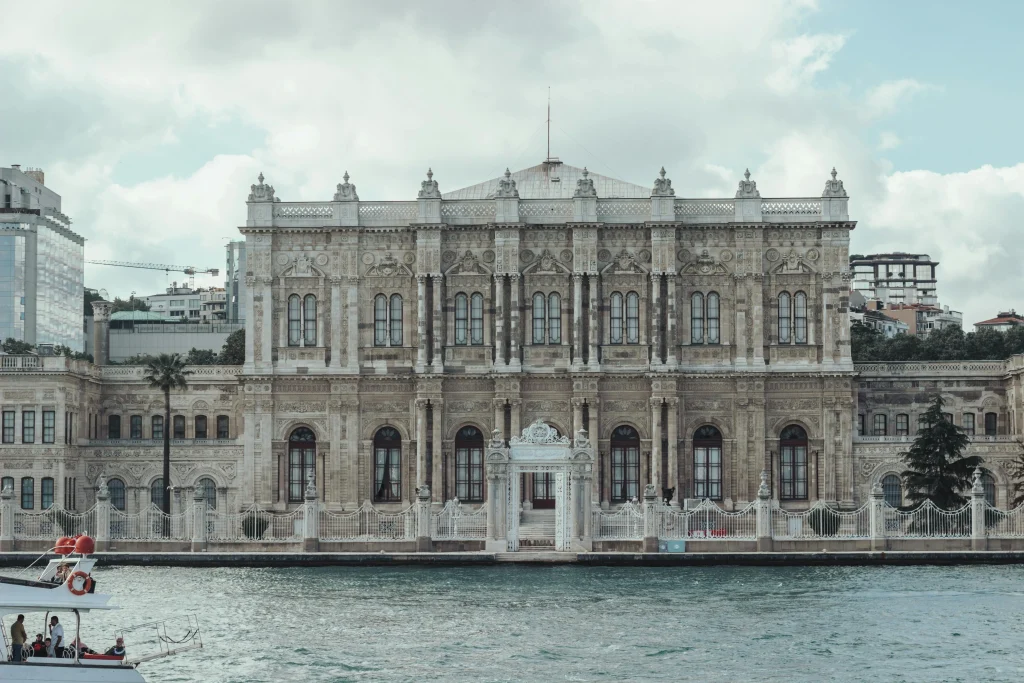
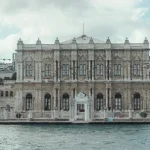
Built in 1856 on the shores of the Bosphorus during Sultan Abdülmecid’s reign, Dolmabahçe Palace exemplifies 19th-century Westernization in Turkey. Its exterior reflects classical principles of symmetry, proportion, and balance, drawing heavily from baroque, rococo, and neoclassical styles. The careful alignment of windows, columns, and cornices creates a harmonious rhythm, giving the massive structure a sense of order and elegance that complements its grandeur.
The palace is divided into the selamlık, the public state section, and the harem, the private quarters. Interiors designed by French artist Sechan feature exquisite crystal, porcelain, and carpets, with ceilings decorated by Italian and French painters, combining artistry with geometric precision.
Tessellation and Patterning in Modern Design
Tessellation refers to the repeated arrangement of shapes without gaps or overlaps that create a continuous, interlocking pattern. In modern architecture, tessellation adds depth, rhythm, and texture to building facades. Patterns like triangular, hexagonal, or irregular break visual monotony, engage the eye, and can influence how light interacts with surfaces, producing intricate shadows or improving energy performance by controlling sunlight.
Modern projects show how tessellated facades merge artistic expression with practical function. This approach allows modular construction, adaptability, and customization, giving architects the freedom to innovate while maintaining structural efficiency.
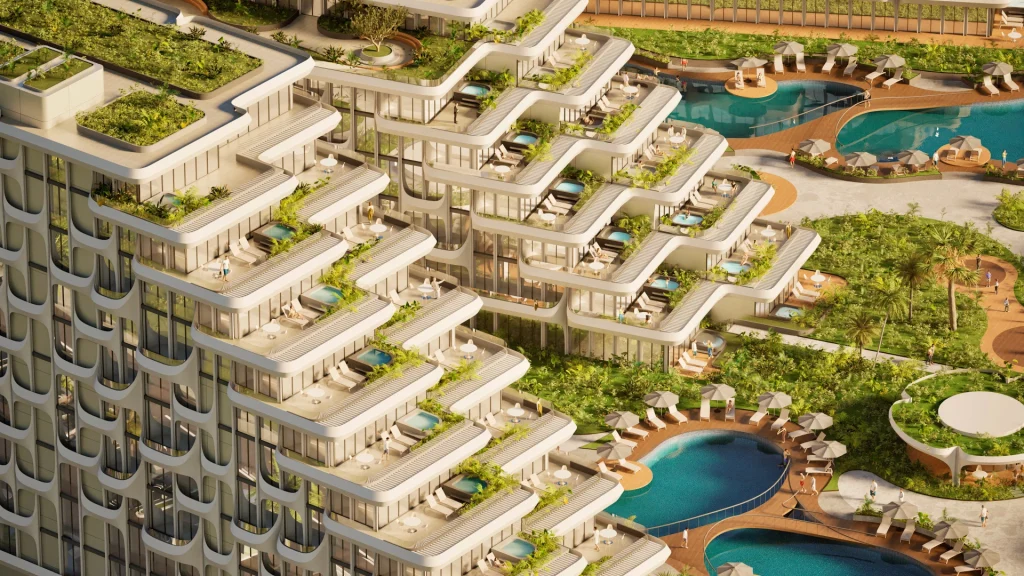
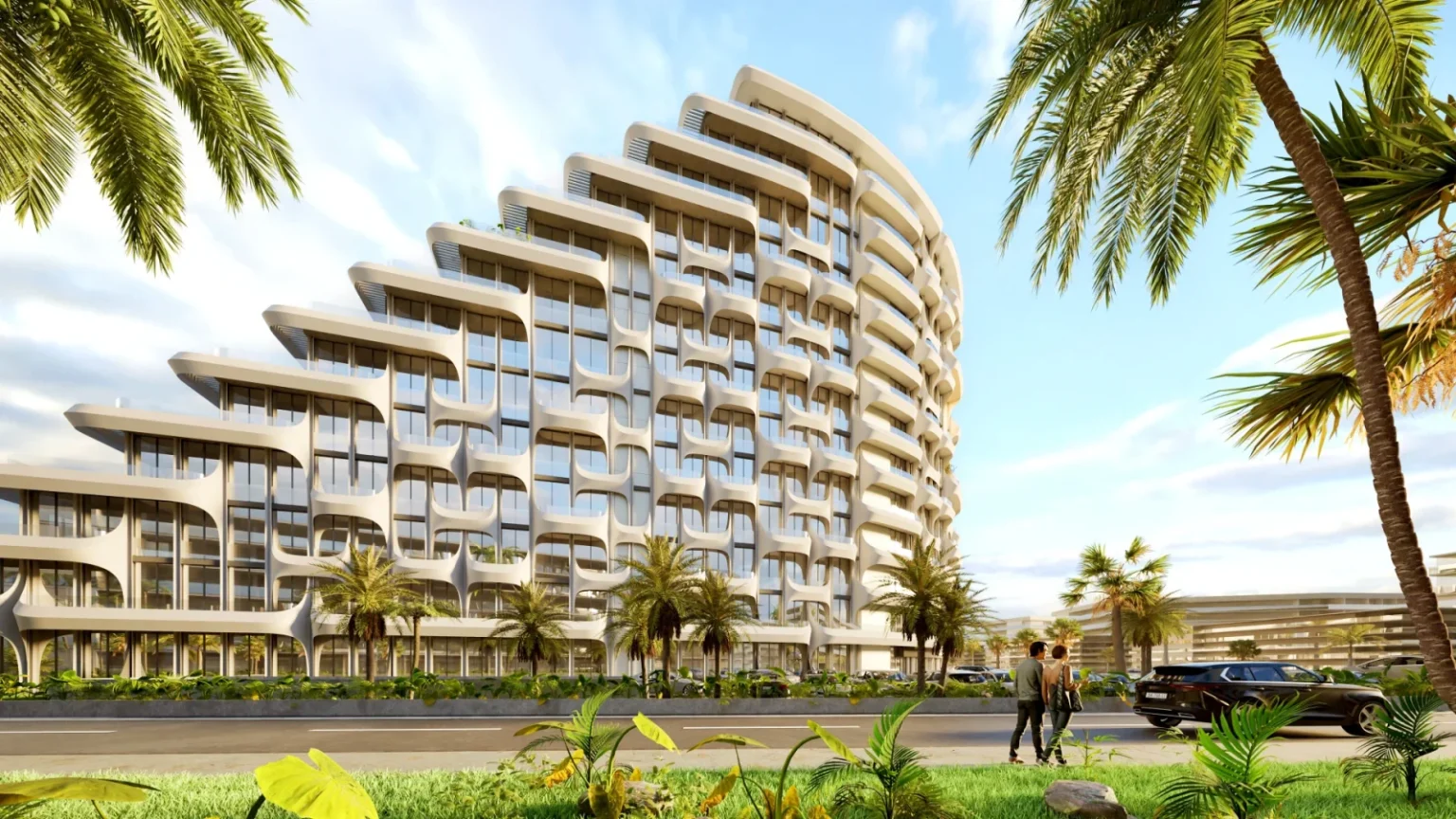
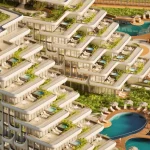
Melike Altınışık Architects’ Swissôtel & Raffle Residences Sea Breeze in Baku translates the movement of wind and waves into a dynamic, patterned façade. Layered surfaces, flowing shapes, and tall features form a pattern that changes with the light and your viewpoint, making the building stand out along the Caspian shoreline.
Large glazed openings and balanced proportions enhance natural daylight and sea views, while terraces and landscape connections integrate the building with its waterfront setting. Through tessellation-inspired design, the project blends coastal elegance with functional living, creating a rhythmic, visually engaging, and human-centered modern coastal environment.
Parametric Geometry and Computational Facades
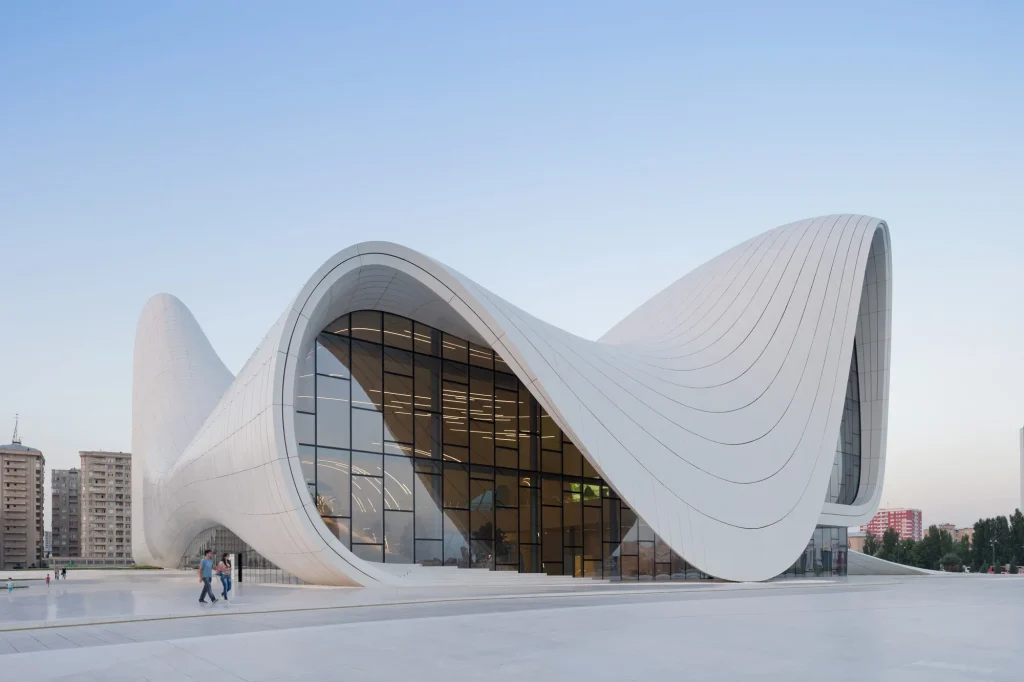
Parametric geometry uses computational algorithms to design complex shapes, curves, and patterns that traditional methods cannot easily achieve. By adjusting parameters in real time, architects can explore countless variations, creating facades that are both visually striking and precisely engineered. These designs often respond dynamically to environmental factors like sunlight, wind, or privacy needs, seamlessly blending aesthetics with functionality.
By integrating geometry with technology, facades move beyond static surfaces to become adaptive and interactive. Parametric design allows buildings to perform more efficiently, creating responsive, sustainable, and visually engaging architectural expressions.
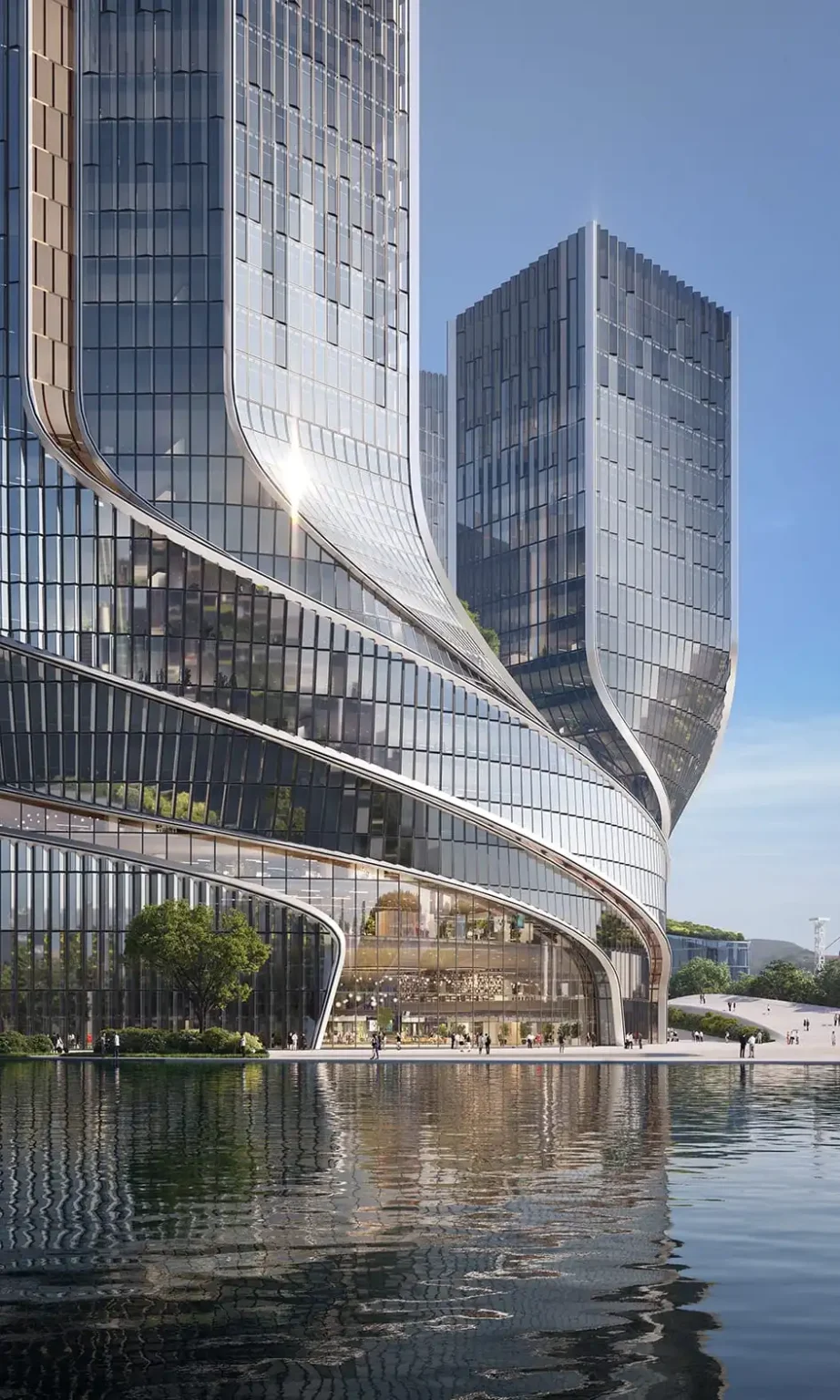
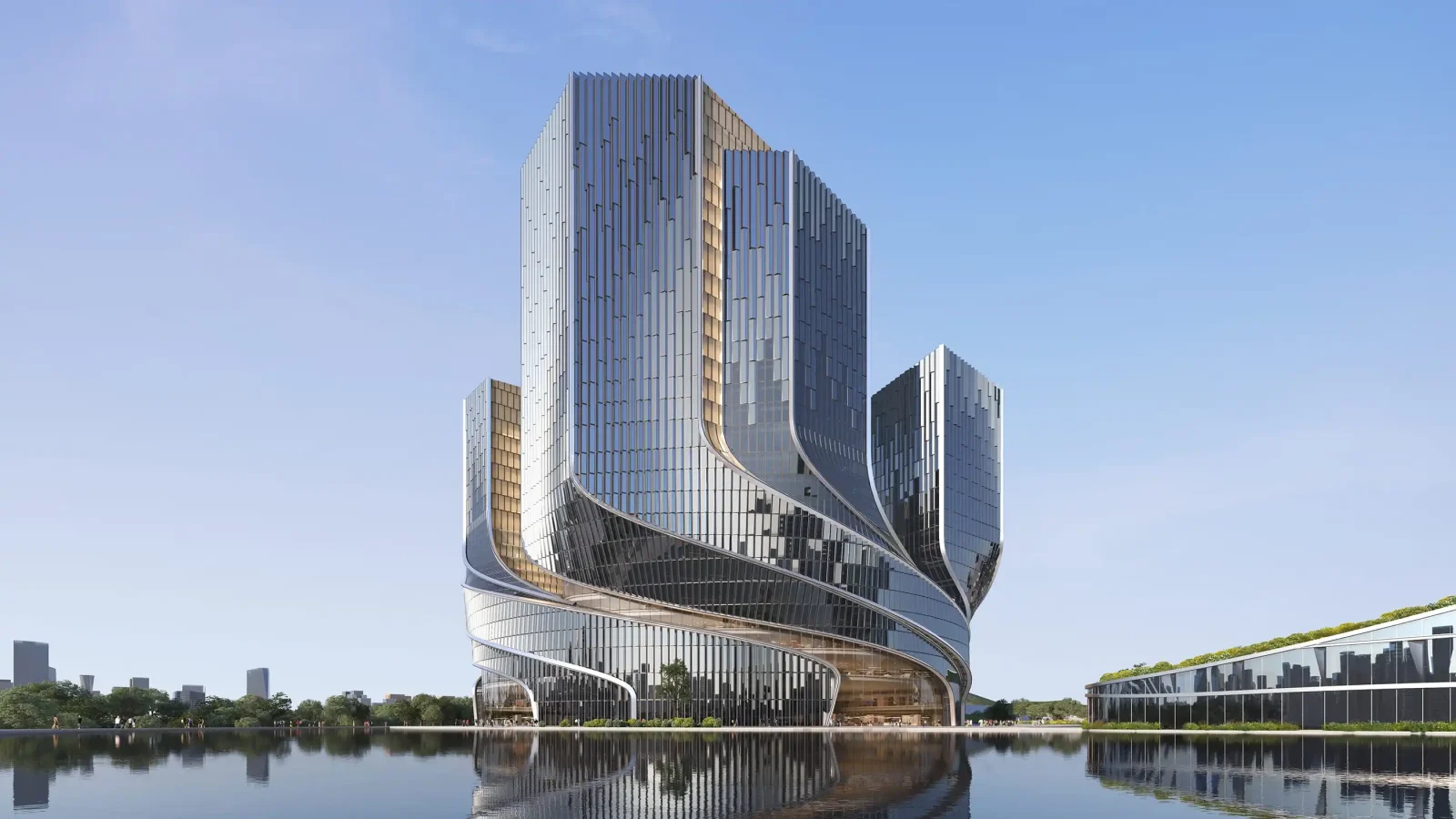
Tencent Helix in Shenzhen shows how complex geometry and parametric design can shape a workplace that is inspiring and functional. Its spiraling towers and interconnected Vortex Incubator create a dynamic, multi-dimensional environment, where form reflects movement, connection, and innovation. The modular prismatic façade adds visual richness while filling interiors with daylight and offering expansive city views.
With layered floorplates, social hubs, and spiraling terraces, the design encourages interaction while maintaining structural elegance. Parametric geometry helps the building respond to its environment, integrate greenery, and create a flexible, visually engaging campus that feels alive and human-centered.
Simplicity Through Minimalist Geometry
Minimalist facades focus on geometric clarity, using simple shapes like cubes, rectangles, and clean lines to create a sense of elegance and sophistication. Every element is intentional, and subtle contrasts in materials or textures enhance the overall design. This restrained approach emphasizes structure and proportion, allowing the building’s form to speak for itself without unnecessary ornamentation.
The simplicity of minimalist geometry also enhances natural light, shadow, and spatial perception, giving even compact or urban structures a feeling of openness and refinement. By applying clear geometric principles, architects show that minimalism can be visually striking and can make a bold statement through restraint.
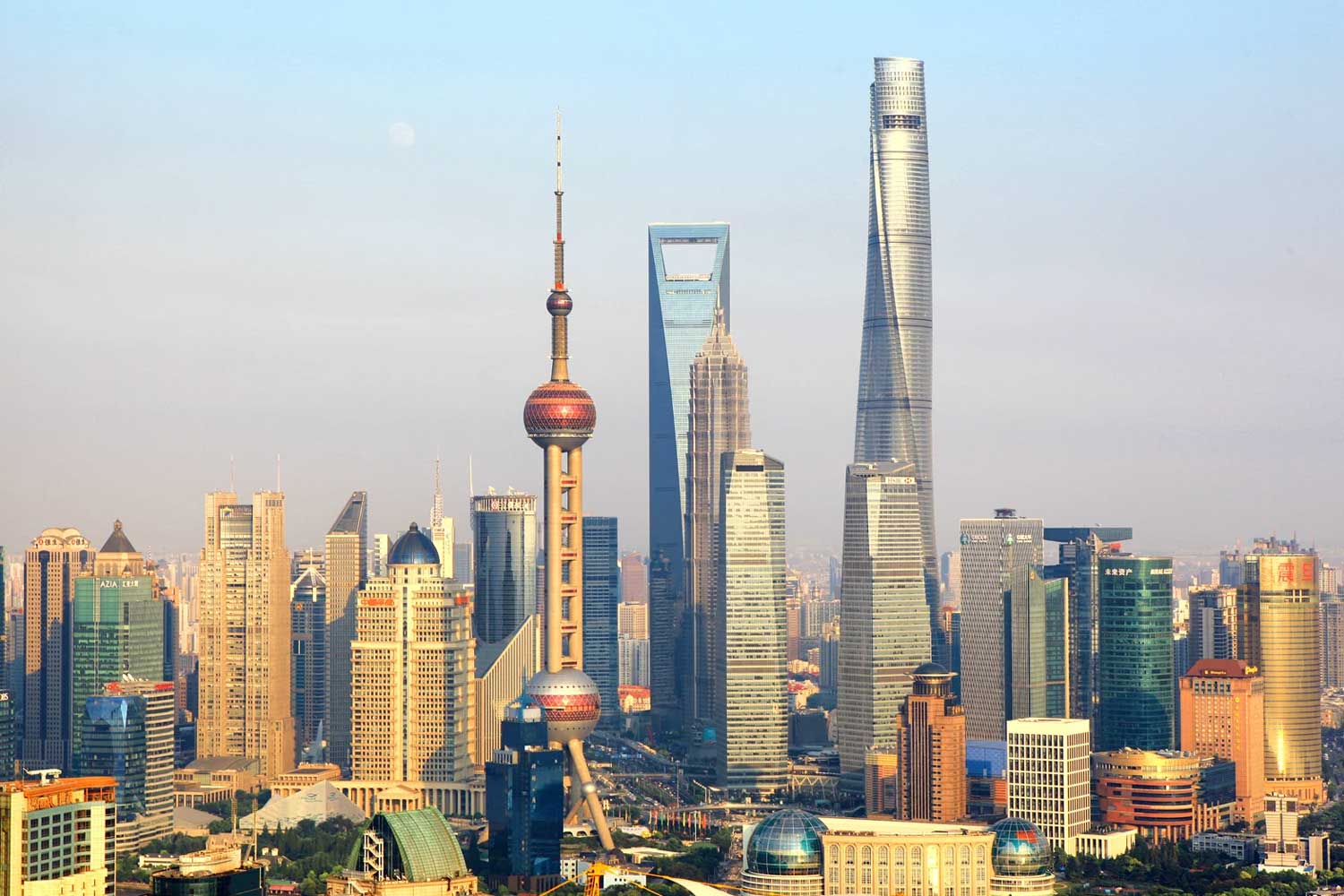
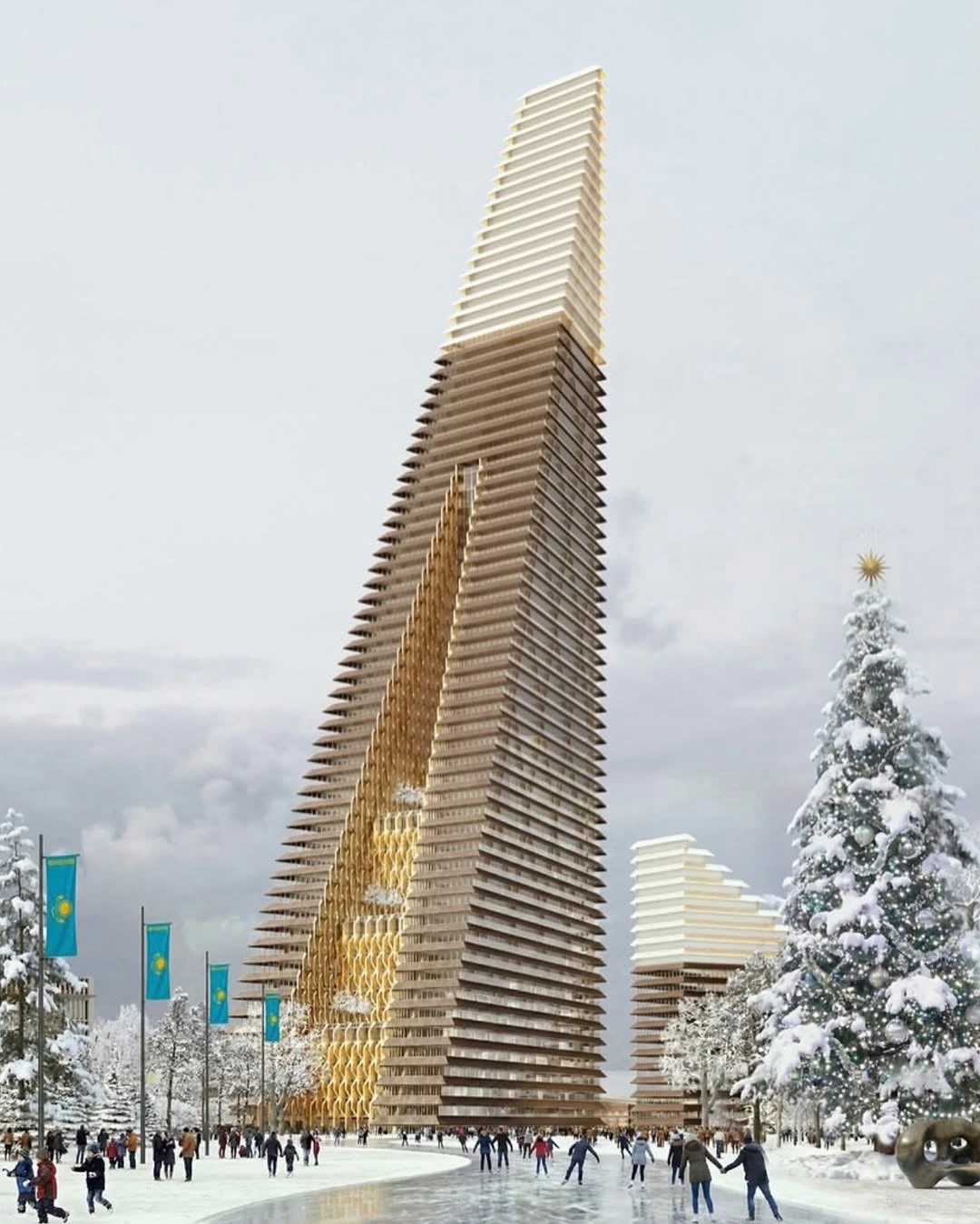
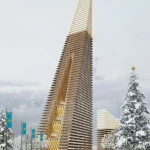
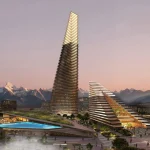
Alatau in Kazakhstan uses clean, faceted forms and simple, stepped volumes inspired by the surrounding mountains. By emphasizing proportion, alignment, and uncluttered surfaces, the design transforms monumental high-rises into visually coherent, elegant structures that convey order and clarity.
Through its compact footprint, interconnected towers, and restrained geometric articulation, the complex balances functionality with aesthetic simplicity. Minimalist principles guide the arrangement of offices, residences, and public spaces, creating a cohesive skyline that feels thoughtful, intentional, and connected to its environment.
Geometry transforms facades into dynamic, meaningful surfaces, guiding proportion, pattern, and form. As seen in classical symmetry and the new-age parametric innovation, it balances aesthetics with function, creating spaces that engage, inspire, and define buildings through timeless, artful, and functional design.