





Dystopian architecture often reflects society’s fears, ambitions, values, and concerns through built environments that evoke control, isolation, surveillance, and uncertainty. While some buildings and cities are designed to inspire optimism and comfort, others present visions of societies shaped by authoritarian power, environmental decline, technological dominance, or extreme social inequality.
This is the foundation of dystopian architecture, a design concept that explores how architecture can embody unsettling social, political, and environmental futures. Frequently seen in science fiction films, literature, and conceptual design projects, dystopian architecture offers a powerful lens through which to examine contemporary urban challenges and possible futures.
Defining Dystopian Architecture
Dystopian architecture refers to buildings, urban environments, and spatial designs that represent or suggest a dystopian society. Unlike a traditional architectural style, it is a visual language used to communicate themes of oppression, surveillance, scarcity, or social division.
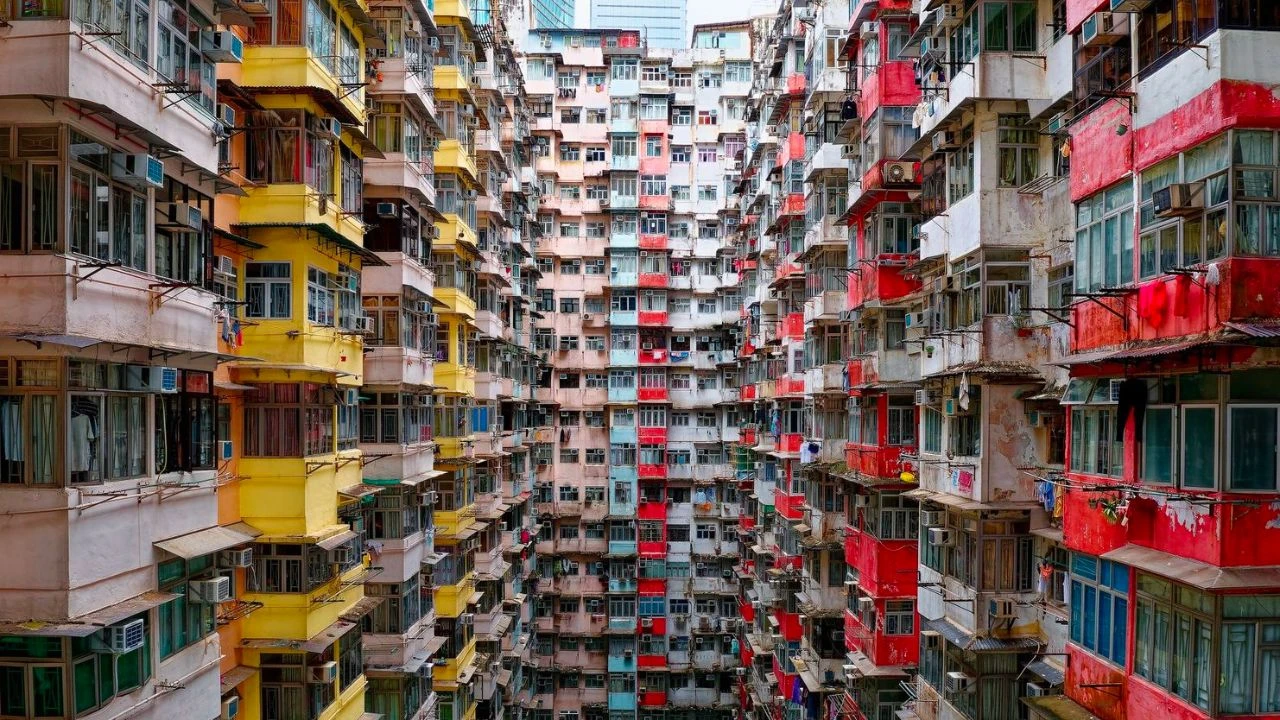
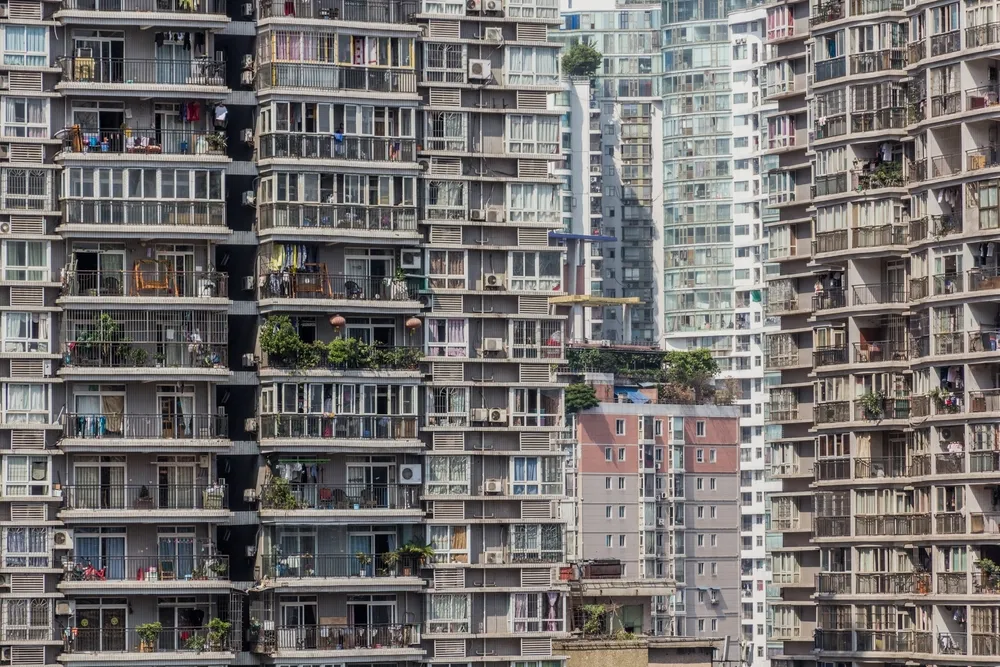
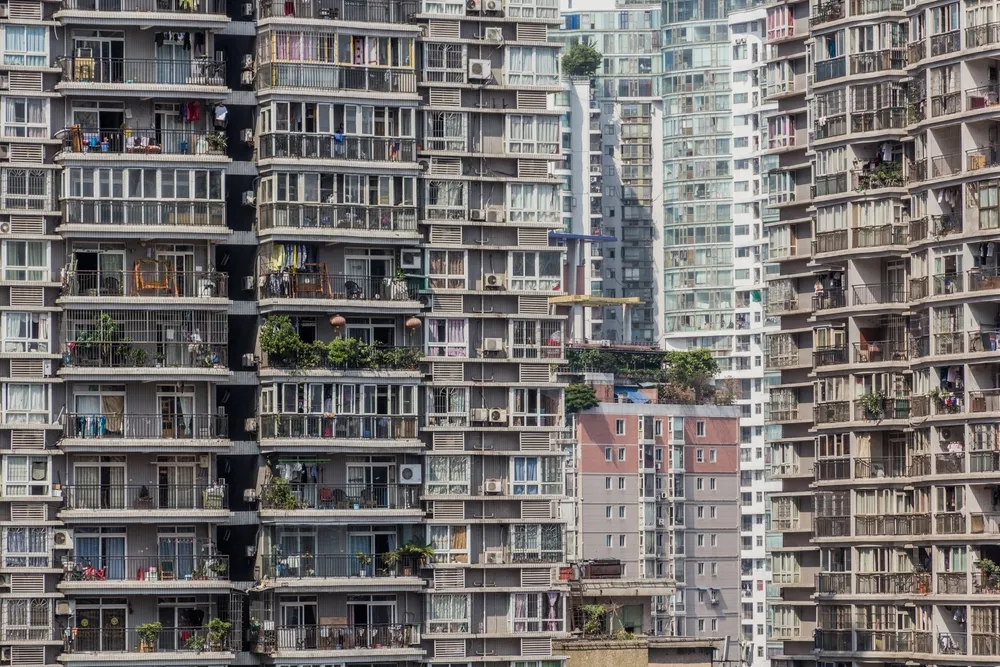
These environments are often characterized by overwhelming scales, dense urban development, and a sense of detachment between people and their surroundings. Dystopian architectural design does not necessarily predict the future. Instead, it serves as a commentary on present-day issues, encouraging audiences to reflect on how political, technological, and environmental decisions shape the built environment.
By transforming social concerns into physical spaces, dystopian architecture becomes a tool for storytelling, speculation, and critique.
Key Characteristics of Dystopian Architecture
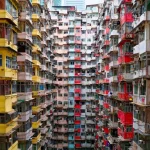
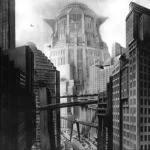
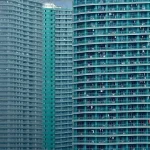
Several recurring features define dystopian buildings and cityscapes. Monumental structures often dominate the urban landscape, creating an atmosphere where institutions or corporations appear more powerful than individuals. Repetitive forms, stark materials, and rigid geometries reinforce feelings of conformity and control.
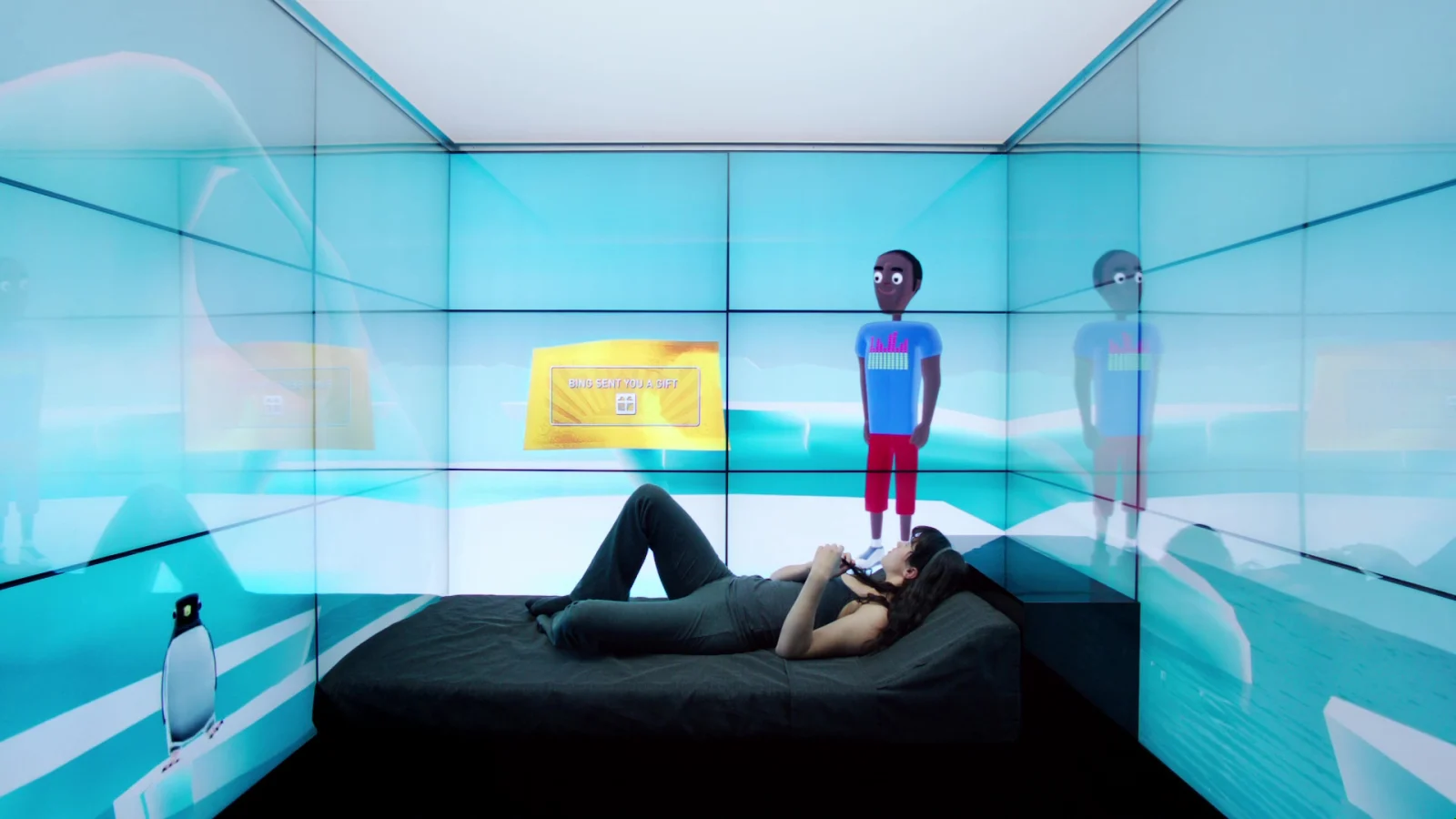
Technology also plays a central role in many dystopian environments. Surveillance systems, digital screens, communication networks, and automated infrastructure are frequently integrated into the architecture. While these elements suggest technological advancement, they often coexist with declining social conditions.
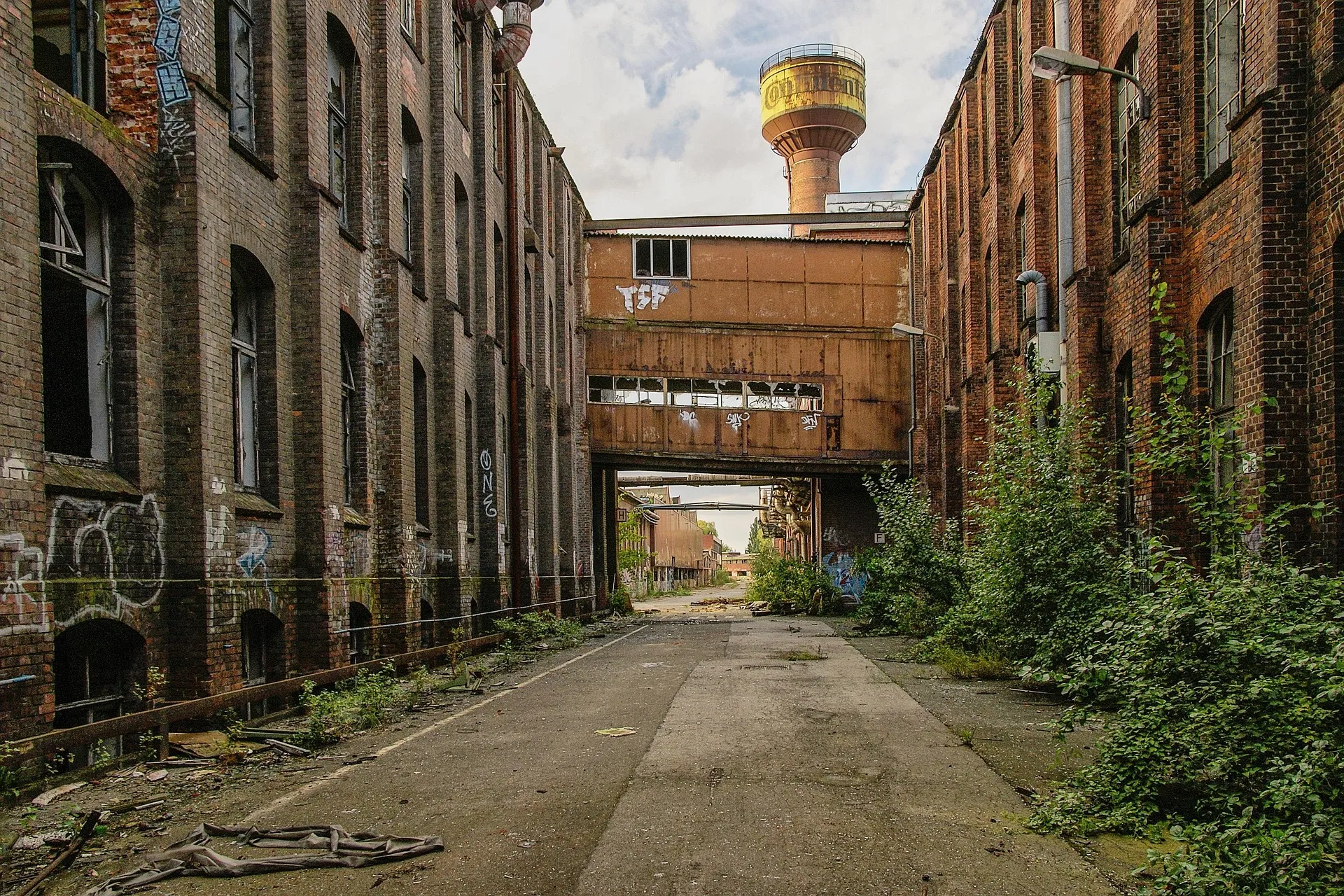
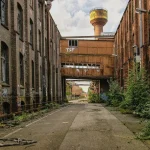
Environmental degradation is another common theme. Polluted skies, abandoned industrial facilities, deteriorating infrastructure, and overcrowded districts are frequently depicted in futuristic dystopian architecture. Together, these characteristics create environments that feel technologically advanced and socially fragmented.
Dystopian Architecture in Popular Culture
The concept of dystopian architecture has been popularized through film, literature, and visual media. Fictional worlds often use architecture to communicate societal structures without relying on dialogue. Towering skyscrapers, sprawling megacities, and decaying industrial zones instantly establish the tone of a dystopian narrative.
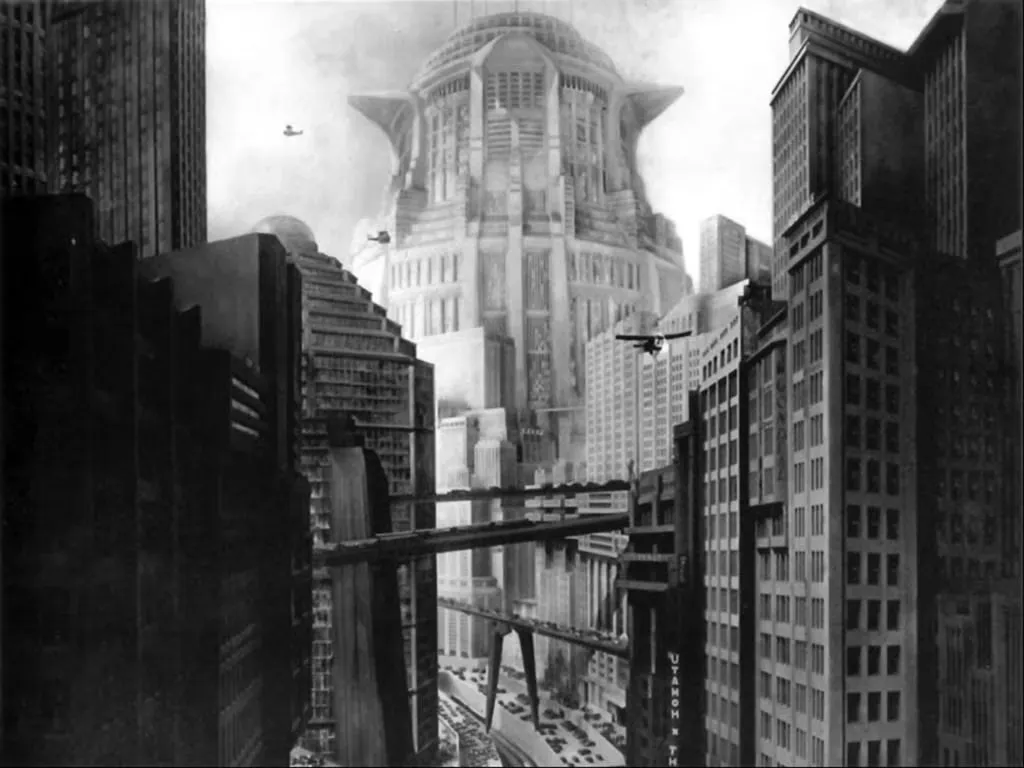
In many cases, dystopian cityscapes are designed to feel simultaneously familiar and unsettling. They draw inspiration from existing cities while exaggerating contemporary issues, making audiences question where current trends may lead.
Real-World Inspirations Behind Dystopian Urbanism
Although often associated with fiction, dystopian urbanism is rooted in real-world observations. Rapid urban growth, housing crises, environmental challenges, and increasing surveillance technologies have all contributed to dystopian architectural imagery.
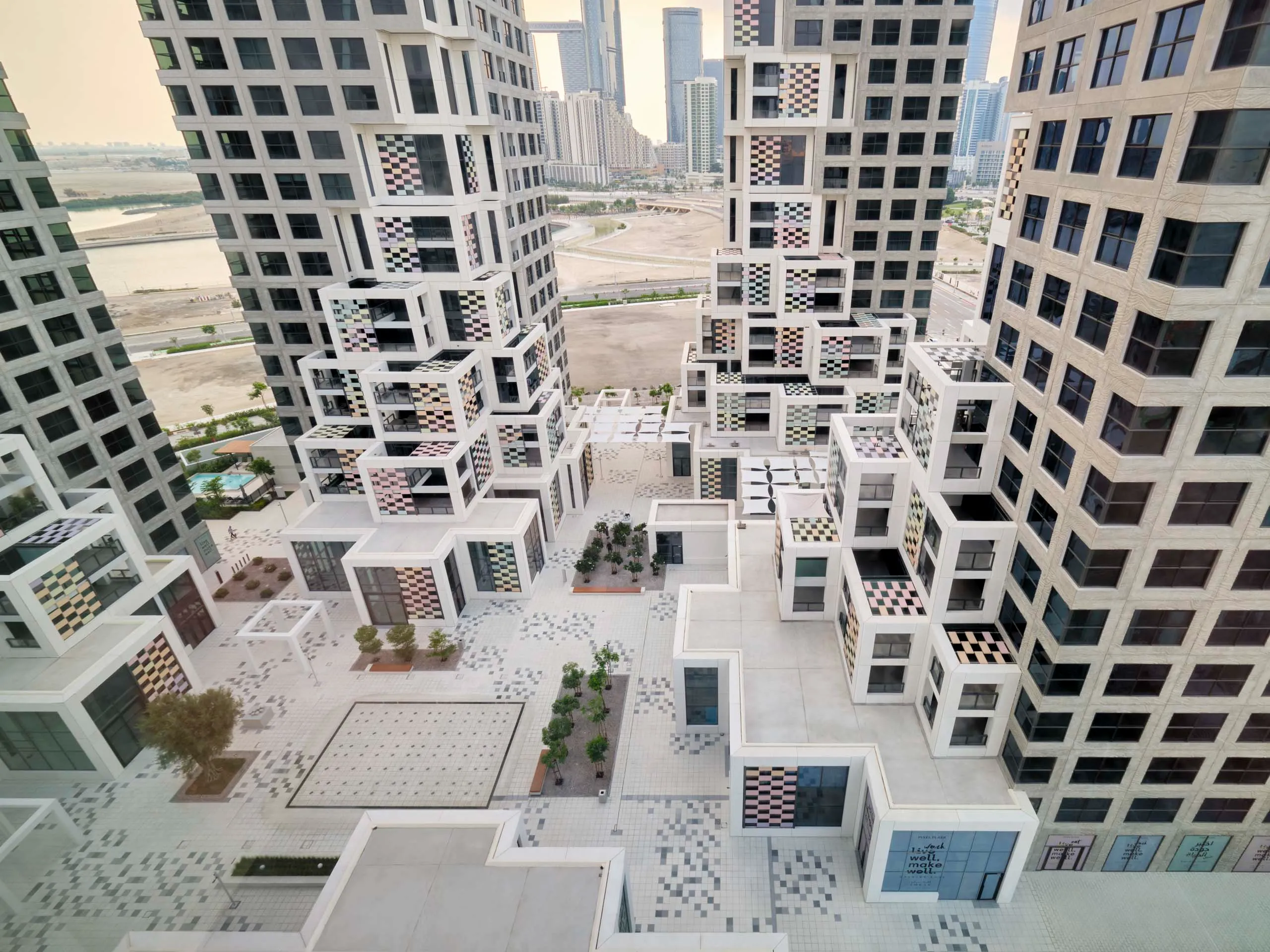
Large infrastructure projects, dense housing developments, and abandoned industrial districts frequently influence the visual language of dystopian design. Architects, urban theorists, and artists use these references to explore questions about sustainability, social equity, and the relationship between technology and human wellbeing.
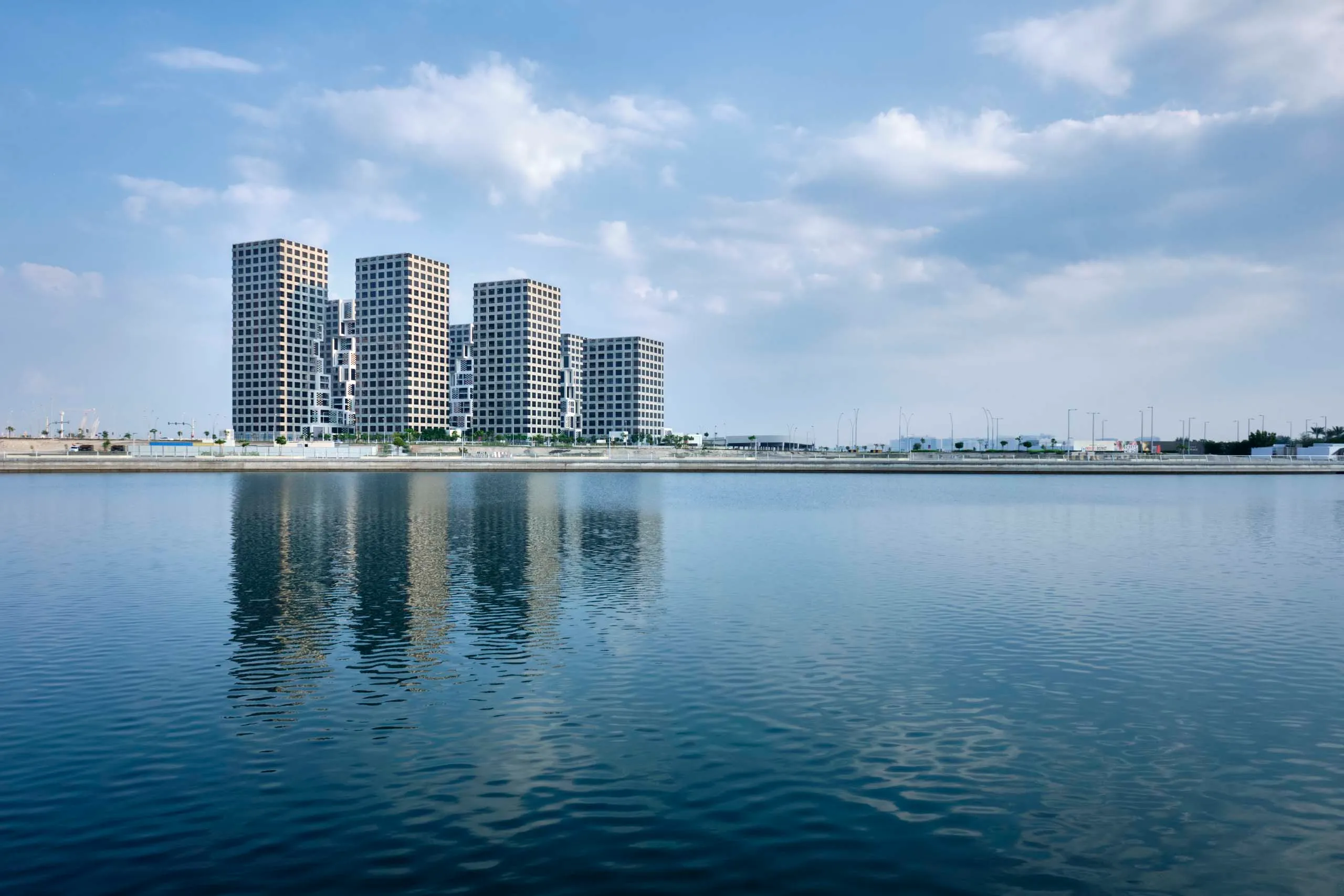
Importantly, dystopian architecture is not always intended to portray inevitable outcomes. It often functions as a warning, encouraging society to address emerging problems before they become deeply embedded in the urban fabric.
Why Dystopian Architecture Remains Relevant
As cities become more technologically connected and environmental concerns continue to grow, dystopian architecture remains highly relevant. It provides a framework for discussing privacy, resource consumption, artificial intelligence, climate resilience, and social inequality.
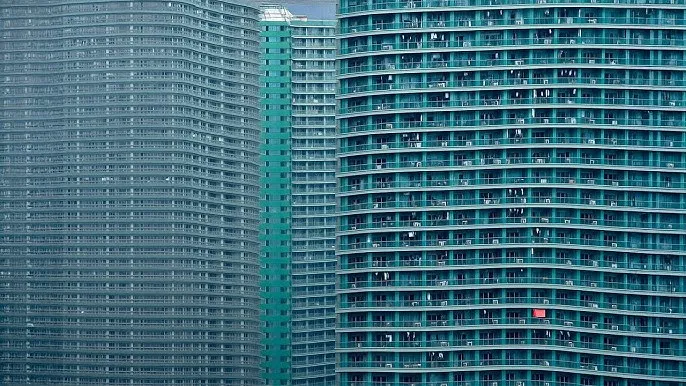
Designers increasingly use speculative architecture to visualize potential futures, in this context, dystopian architectural design helps stimulate debate about what kind of cities people want to inhabit. By presenting exaggerated scenarios, it encourages more thoughtful and responsible approaches to urban planning and development.

Instead of celebrating bleak futures, dystopian architecture challenges architects and policymakers to create environments that prioritize human experience, sustainability, and inclusivity.
Dystopian architecture is more than a cinematic aesthetic. It is a powerful design concept that explores the consequences of social, political, technological, and environmental change. Through monumental structures, dystopian cityscapes, and speculative urban visions, it encourages critical reflection on the future of the built environment. As contemporary cities continue to evolve, dystopian architecture remains an important tool for understanding the risks and possibilities that lie ahead.