




David Chipperfield’s architecture occupies a peculiar and influential position in contemporary design culture. Few architects of the late twentieth and early twenty-first centuries have managed to appear simultaneously restrained, monumental, intellectual, and commercially successful. In an era addicted to spectacle, branding, and buildings that scream for social media attention like exhausted influencers at a rooftop opening, Chipperfield has consistently pursued an architecture of calm. Yet this calmness is neither neutral nor universally admirable. His work has been praised as timeless, contextual, and ethically responsible, while also criticized as emotionally distant, elitist, and excessively controlled.
A critical analysis of Chipperfield’s work therefore requires moving beyond the simplistic image of him as merely a “minimalist” architect and examining the deeper tensions embedded in his projects: between permanence and flexibility, context and abstraction, restraint and monumentality, public responsibility and institutional power.
From High-Tech Britain to Architectural Restraint
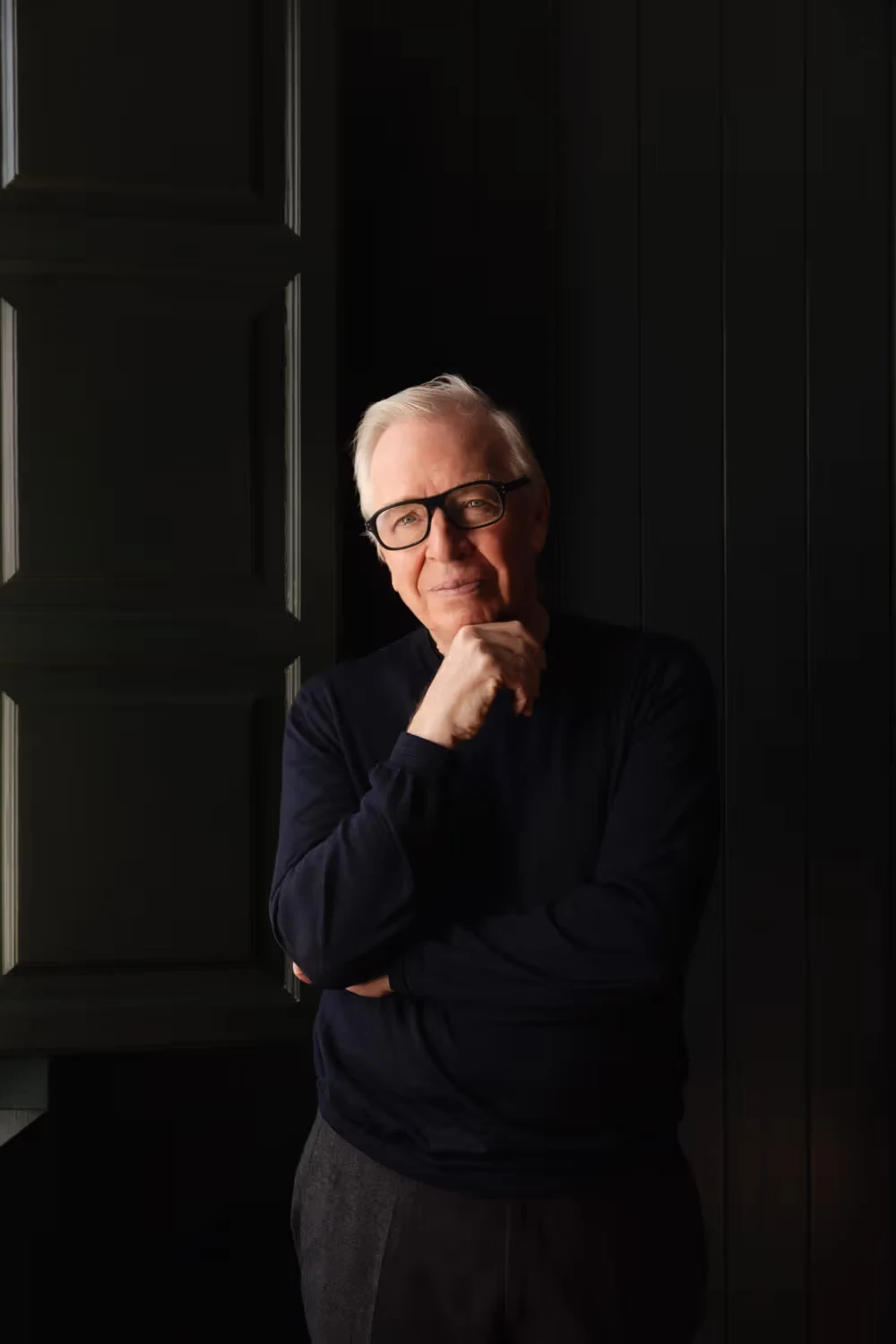
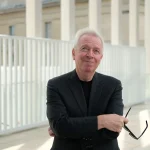
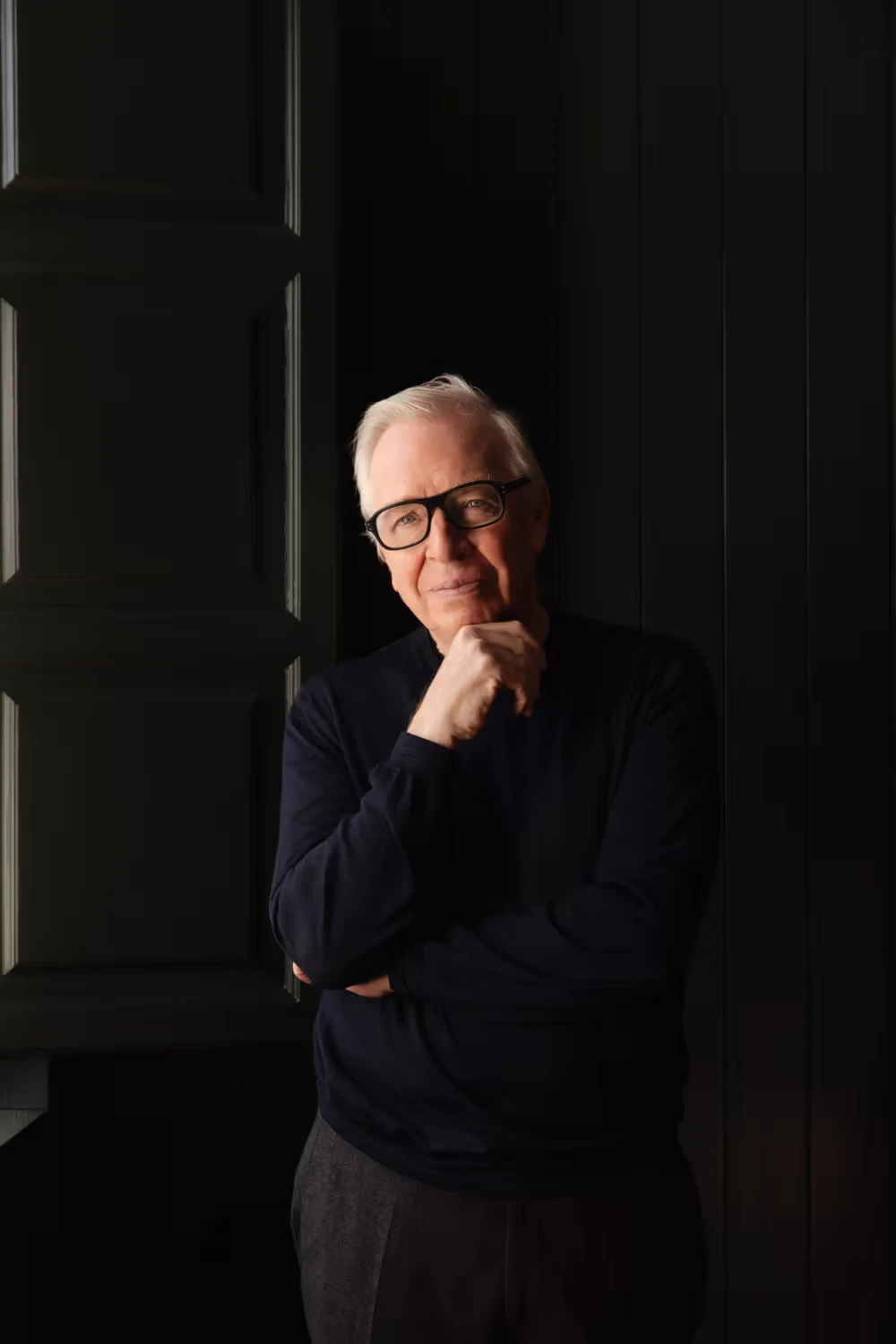
Born in London in 1953, David Chipperfield emerged professionally after working with Norman Foster and Richard Rogers. Unlike many architects associated with the British high-tech movement, however, Chipperfield moved away from expressive structural systems and technological exuberance. His architecture instead developed through precision, material discipline, geometric clarity, and careful relationships with urban context. Over the decades, his office expanded globally, producing museums, cultural institutions, residential buildings, and urban interventions across Europe, Asia, and the United States.
His receipt of the Pritzker Architecture Prize in 2023 confirmed his status as one of the defining architects of his generation. Architects do enjoy awarding people who can make concrete appear spiritually enlightened.
The Pursuit of Permanence
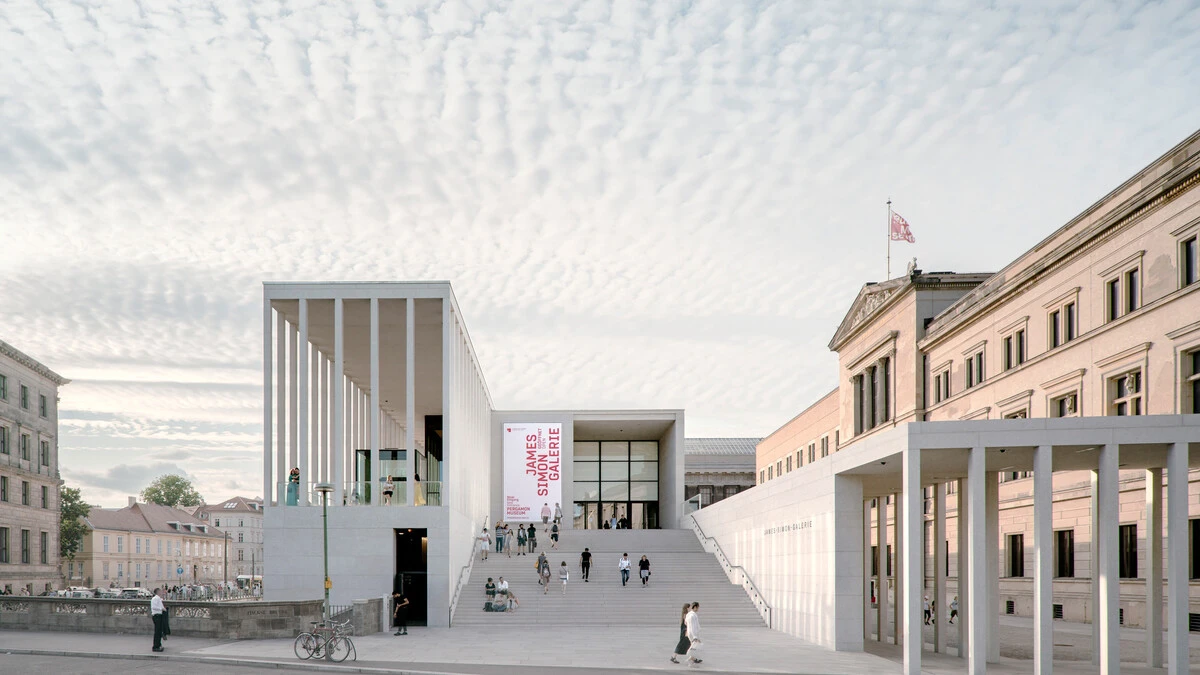
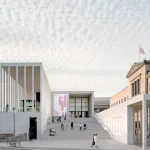
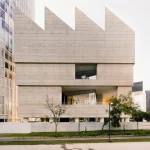
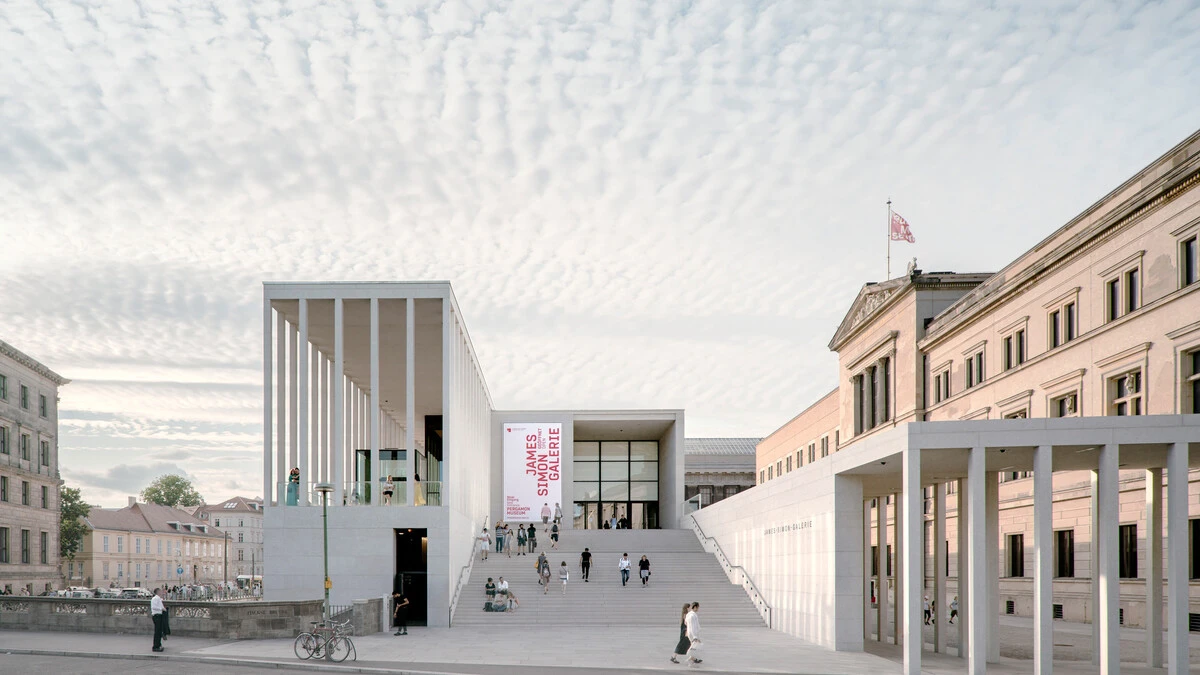
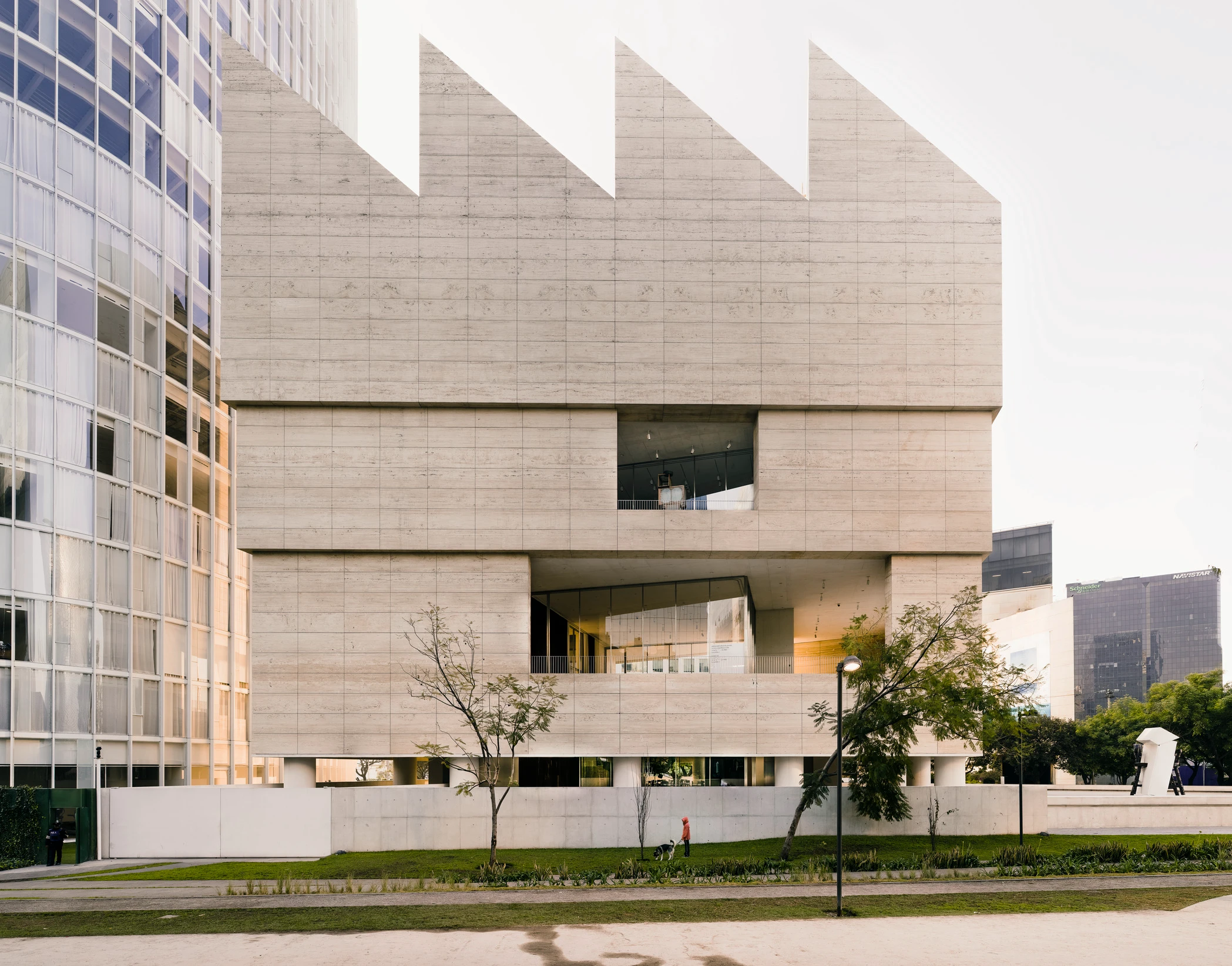
One of the defining characteristics of Chipperfield’s architecture is his commitment to permanence. In contrast to the temporary and image-driven nature of much contemporary architecture, his buildings often appear designed to resist fashion. This is evident in projects such as the Neues Museum in Berlin, the James-Simon-Galerie, and Museo Jumex in Mexico City. These buildings emphasize mass, material continuity, proportion, and urban coherence rather than visual novelty.
Chipperfield repeatedly argues that architecture should contribute to the long-term civic quality of cities rather than operate as isolated sculptural objects. This position can be interpreted as a reaction against the “iconic architecture” boom associated with late capitalist urban branding during the 1990s and 2000s. While many architects pursued increasingly dramatic forms to attract media attention, Chipperfield cultivated restraint and continuity.
His architecture therefore proposes a different model of relevance. Instead of competing for attention, the buildings attempt to become part of the enduring structure of the city itself.
The Neues Museum and the Ethics of Memory
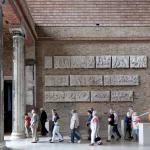
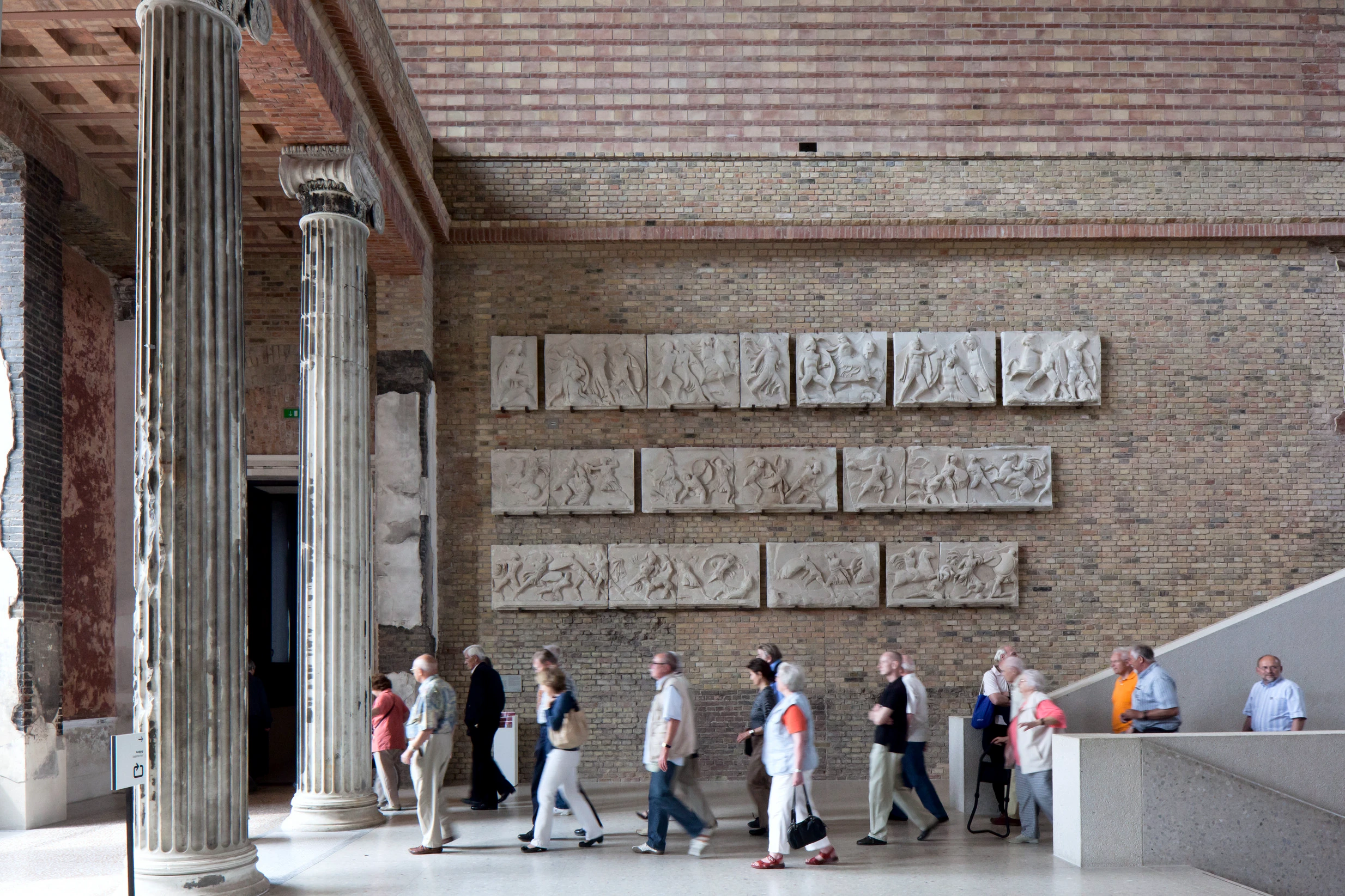
The restoration of the Neues Museum is perhaps the clearest expression of Chipperfield’s architectural philosophy and also the project through which his international reputation was decisively consolidated. Originally designed by Friedrich August Stüler in the nineteenth century, the museum was heavily damaged during the Second World War. Rather than reconstructing the building as a perfect historical replica, Chipperfield adopted an approach that preserved traces of destruction while integrating contemporary interventions.
The result is neither pure restoration nor radical contrast. Old fragments coexist with new concrete surfaces, reconstructed staircases, and carefully inserted architectural elements. The project communicates history through layering rather than imitation.
Critically, the Neues Museum represents an ethical argument about history and memory. Chipperfield avoids both nostalgic reconstruction and aggressive modern intervention. Instead, he creates an architectural language acknowledging time, damage, and continuity. This approach reflects broader European debates surrounding postwar reconstruction and cultural memory, particularly in Germany.
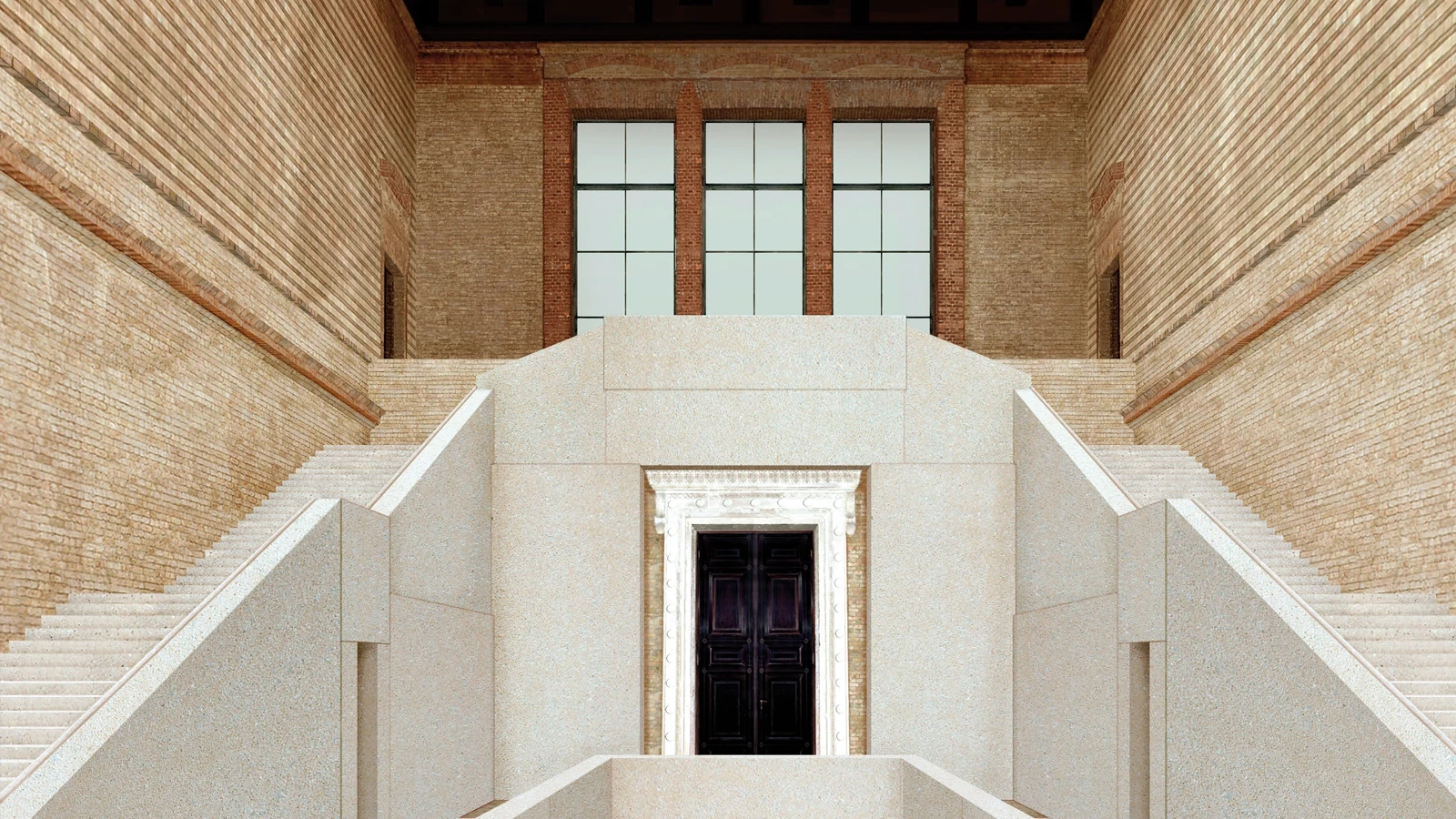
However, this restraint is also one source of criticism. Some scholars argue that Chipperfield’s approach aestheticizes ruin and historical damage, transforming trauma into a refined visual composition for cultural consumption. The carefully orchestrated scars and muted materials risk turning history into atmosphere. In this sense, the project raises important ethical questions about the relationship between architecture and memory. Does the building genuinely preserve historical complexity, or does it domesticate destruction into an elegant museum experience? The ambiguity remains unresolved.
Contextualism Without Imitation
Another central theme in Chipperfield’s work is contextualism. Unlike architects who impose highly individualized forms regardless of surroundings, Chipperfield frequently attempts to establish continuity with urban fabric, scale, and material traditions. Yet his contextualism is not literal imitation. Instead, he abstracts historical and urban relationships into disciplined geometries and spatial systems.
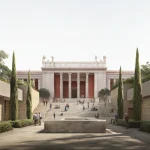
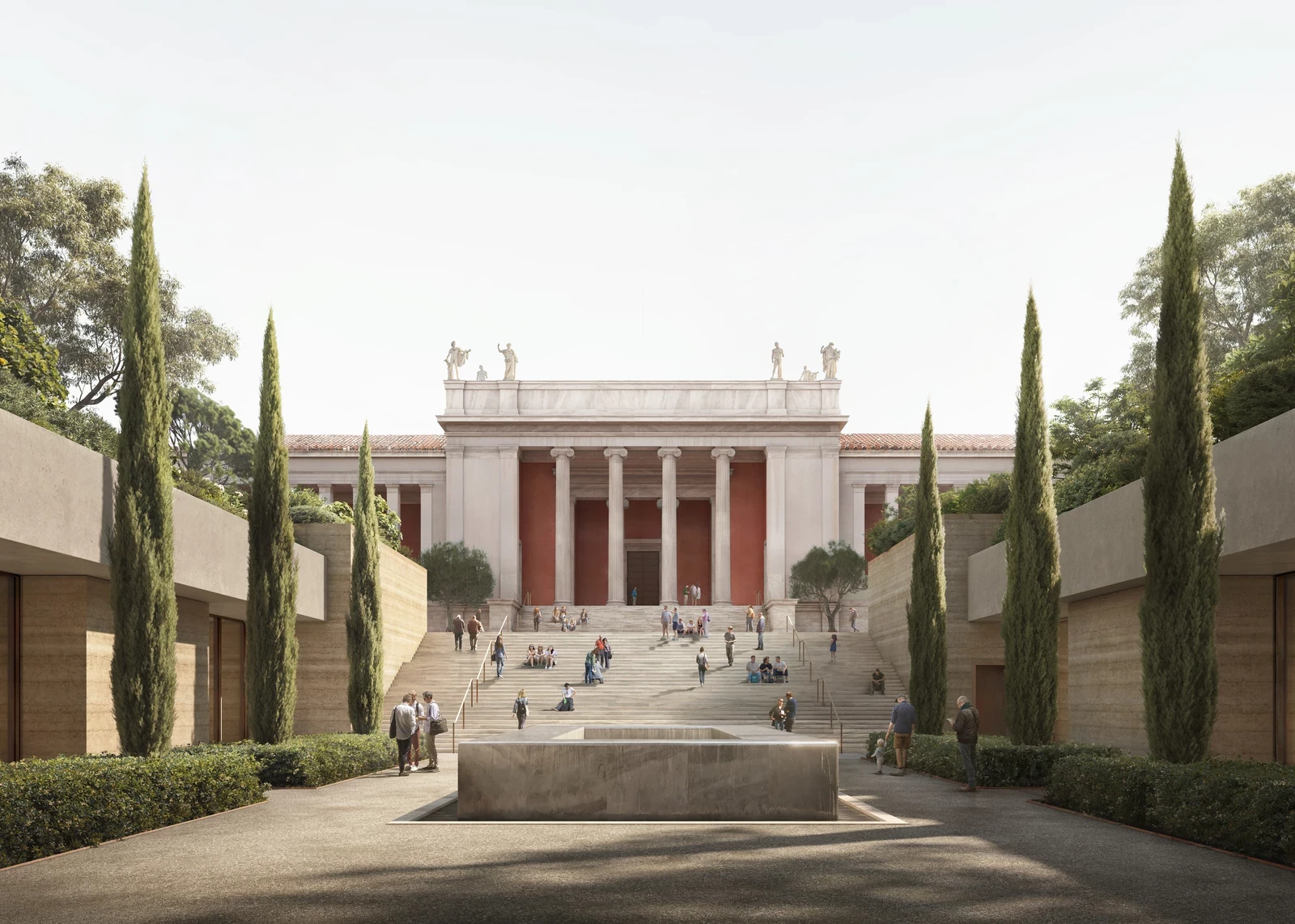
The Saint Louis Art Museum East Building demonstrates this tendency clearly. The extension engages the original museum by Cass Gilbert through proportion and material resonance rather than stylistic replication. Similarly, the James-Simon-Galerie in Berlin acts as an infrastructural and ceremonial gateway to Museum Island while maintaining a restrained architectural language rooted in colonnades and rational composition.
Yet contextualism in Chipperfield’s architecture often produces a paradox. While his buildings appear sensitive to place, they also possess a universal aesthetic language recognizable across continents. Whether in Tokyo, Berlin, Shanghai, or Mexico City, many Chipperfield buildings exhibit similar material palettes, spatial atmospheres, and compositional rigor.
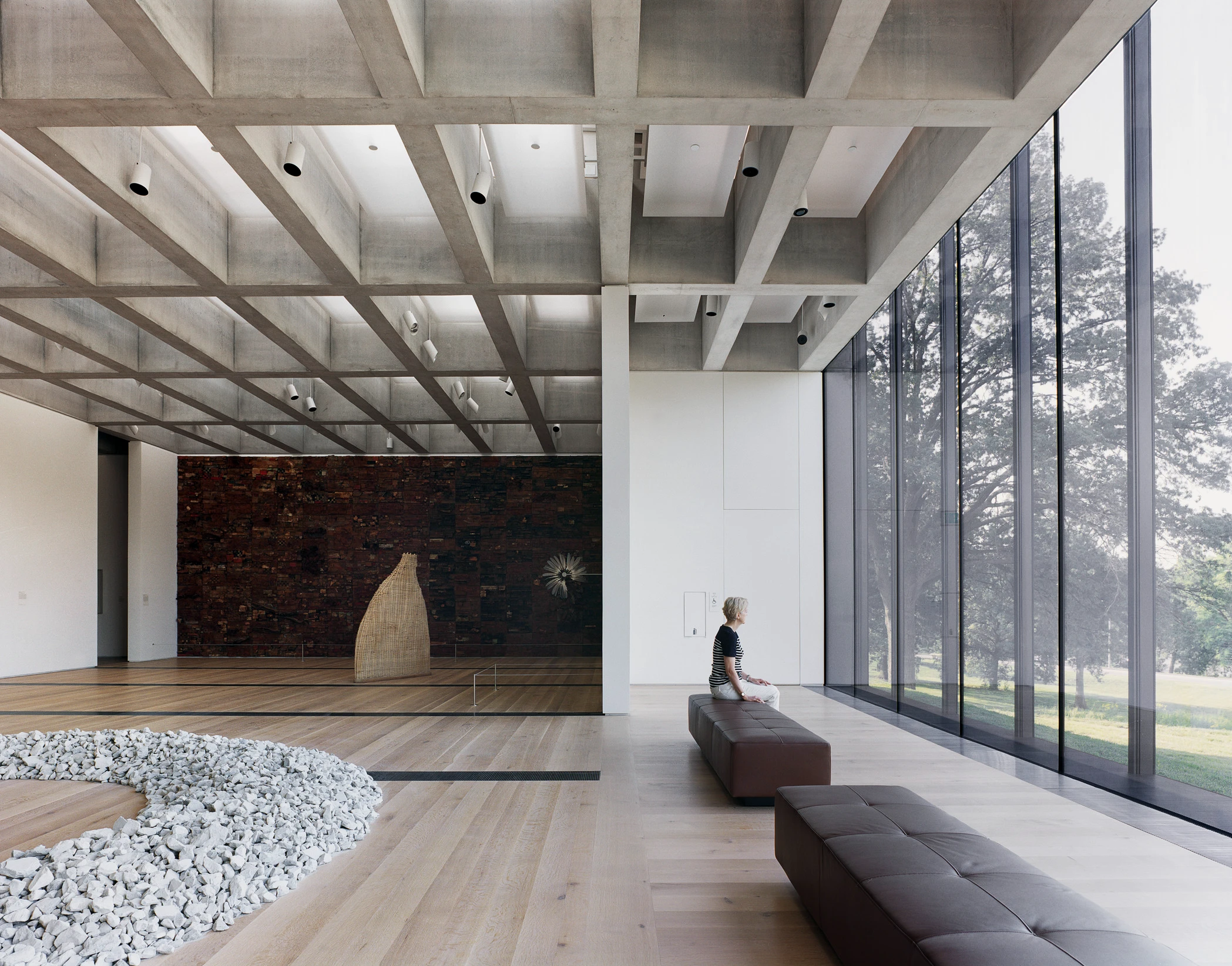
Critics therefore argue that his contextualism occasionally masks a globalized architectural brand based on refined minimalism. The architecture may respond to local conditions, but it also reproduces a distinctly international elite aesthetic associated with museums, luxury housing, and cultural capital.
Monumentality and Institutional Authority
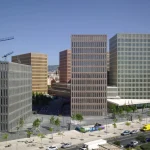
Although often described as minimalist, Chipperfield’s architecture is rarely light or immaterial. Many projects possess a strong sense of weight, order, and institutional authority. Buildings such as the City of Justice in Barcelona or Museo Jumex communicate stability through repetition, geometry, and material solidity.
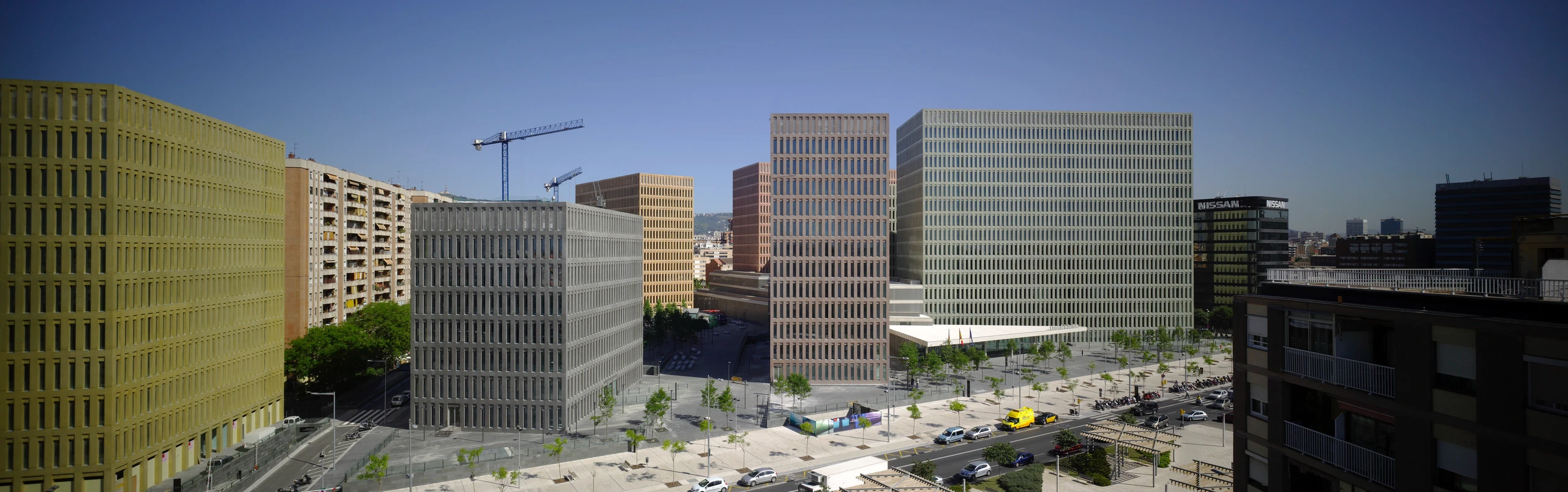
This monumentality can be interpreted positively as a defense of civic dignity in an age of distraction and commercial chaos. His museums and public buildings resist the hyperactive visual culture dominating many contemporary cities. They encourage slower movement, contemplation, and spatial awareness.
However, critics sometimes perceive his architecture as emotionally cold. The disciplined geometries and muted material palettes may create environments of exceptional refinement, but they can also appear detached from everyday urban vitality. Public life is noisy, messy, and unpredictable; Chipperfield’s architecture often seems designed for a more orderly civilization than the one humans actually produced.
This criticism becomes particularly relevant in discussions of accessibility and social inclusiveness. Chipperfield’s work is closely associated with cultural institutions, galleries, luxury developments, and state-sponsored projects. While he has consistently advocated for public responsibility in architecture, his built work is rarely connected to socially radical or participatory urban practices.
Materiality and Precision
Materiality is another essential aspect of Chipperfield’s architectural language. His buildings rely heavily on stone, concrete, glass, and carefully detailed surfaces. Materials are treated not as decorative finishes but as generators of atmosphere and identity. Precision in detailing plays a crucial role. Joints, proportions, textures, and transitions are meticulously controlled.
This emphasis on material refinement connects Chipperfield to traditions associated with architects such as Mies van der Rohe and Carlo Scarpa. Yet unlike high modernist transparency or technological expressionism, Chipperfield’s material language often seeks density and tactility.
At the same time, the pursuit of perfection can produce a sense of excessive control. Chipperfield’s architecture leaves little room for improvisation or user transformation. The spaces are highly authored environments in which every proportion and surface appears predetermined.
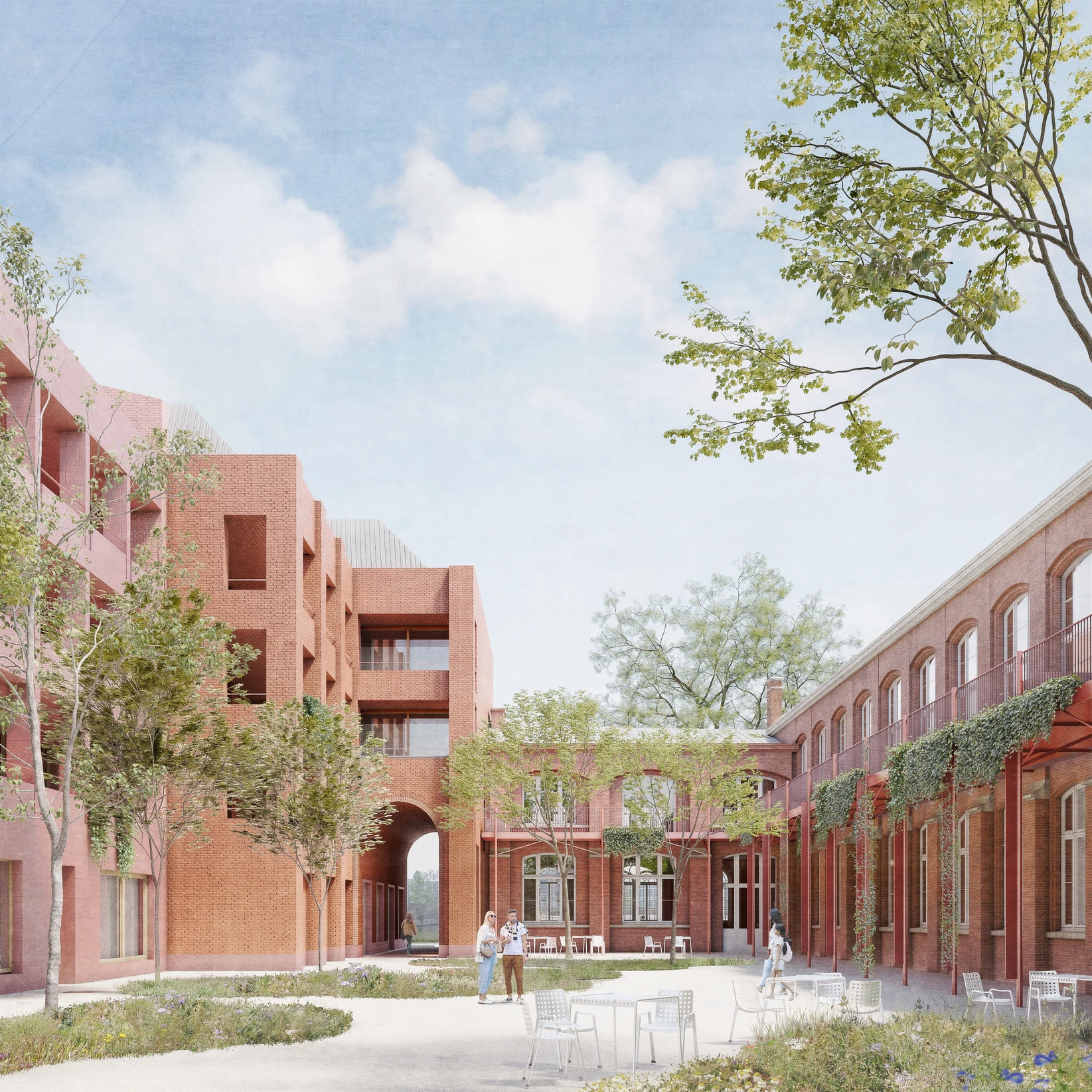
This raises broader theoretical questions about architecture’s relationship to human unpredictability. Can architecture designed with such precision genuinely accommodate changing patterns of occupation? Or does it impose an aesthetic order privileging visual coherence over social spontaneity?
Global Practice and Urban Capital
Chipperfield’s international practice further complicates his architectural identity. Projects in Japan, China, Europe, and the United States reveal an architect operating within highly diverse political and economic contexts while maintaining a remarkably consistent formal language.
In China especially, his projects participate within broader processes of rapid urbanization and global capital expansion. Although his buildings maintain formal discipline and contextual sensitivity, they inevitably become part of political and economic systems shaping contemporary global cities.
This creates another important contradiction. Chipperfield frequently presents architecture as a moral and civic practice grounded in responsibility and continuity. Yet architecture cannot be separated from the political and economic conditions enabling its production. Museums, luxury developments, and state-sponsored cultural projects often function within systems of inequality and image management.
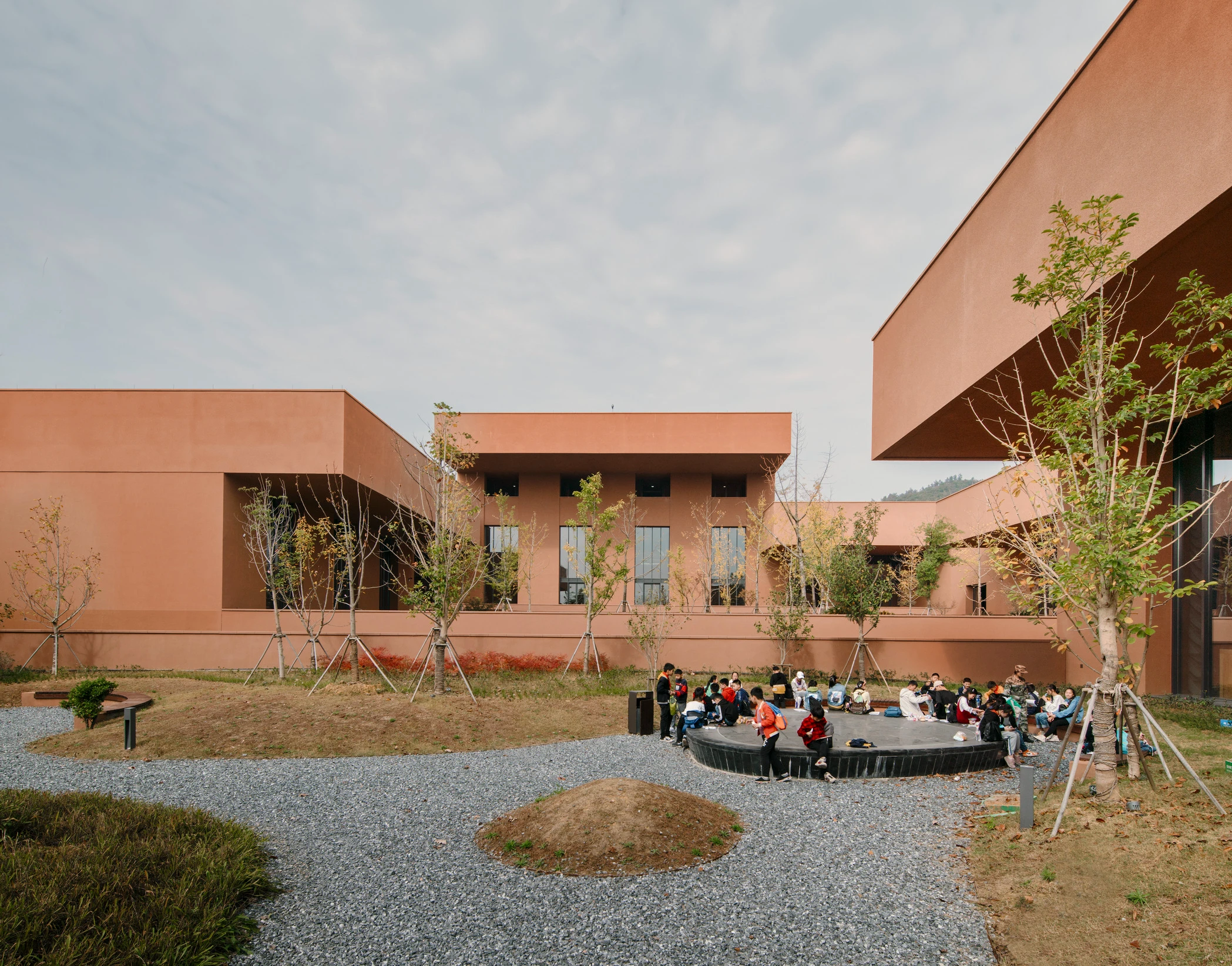
Chipperfield’s architecture may resist superficial spectacle, but it still operates within structures of power associated with global capitalism, urban branding, and institutional prestige.
Resistance to Spectacle
Despite these criticisms, reducing Chipperfield’s work to elite aesthetics would be intellectually lazy. He has consistently defended the importance of public space, urban coherence, and architectural responsibility. In interviews and essays, he criticizes the commodification of cities and the reduction of architecture to marketable imagery.
Moreover, his buildings often succeed precisely because they resist immediate consumption. In a culture addicted to novelty, Chipperfield’s architecture requires patience. Its qualities emerge gradually through movement, light, proportion, and material presence.
This slowness can feel deeply refreshing within contemporary urban environments dominated by screens, branding, and visual overload. Humans built cities behaving like casinos and then wondered why everyone feels exhausted all the time.
Influence on Contemporary Architecture
The influence of Chipperfield on younger architects has been substantial. His work contributed to a broader return toward material seriousness, contextual sensitivity, and restrained monumentality after decades dominated by expressive formal experimentation.
Many contemporary practices now pursue similar ideas of permanence, simplicity, and urban integration. Yet this influence also risks producing architecture that mistakes restraint for depth. Minimalism alone does not guarantee ethical or meaningful design. The danger lies in transforming Chipperfield’s architectural language into a fashionable aesthetic detached from the intellectual rigor underlying his best projects.
Architecture Between Calm and Contradiction
Ultimately, David Chipperfield’s architecture is defined by tension rather than purity. His buildings balance history and modernity, abstraction and context, calmness and authority, civic aspiration and institutional power.
The strength of his work lies in its refusal of easy spectacle and its commitment to architecture as a cultural and urban discipline. At its best, his architecture demonstrates extraordinary sensitivity to proportion, materiality, and historical continuity. Projects such as the Neues Museum reveal how architecture can engage memory and time without collapsing into nostalgia or theatricality.
At the same time, his work raises legitimate criticisms concerning elitism, emotional distance, aesthetic control, and complicity within systems of cultural and economic power. The refinement of his architecture can become exclusionary, and his contextualism can sometimes function as a globally exportable style rather than genuine local engagement.
Yet perhaps these contradictions are precisely what make Chipperfield important. He represents neither utopian idealism nor cynical commercialism in pure form. Instead, his architecture operates within the uncomfortable realities of contemporary culture while attempting to preserve certain values: permanence, dignity, continuity, and civic responsibility.
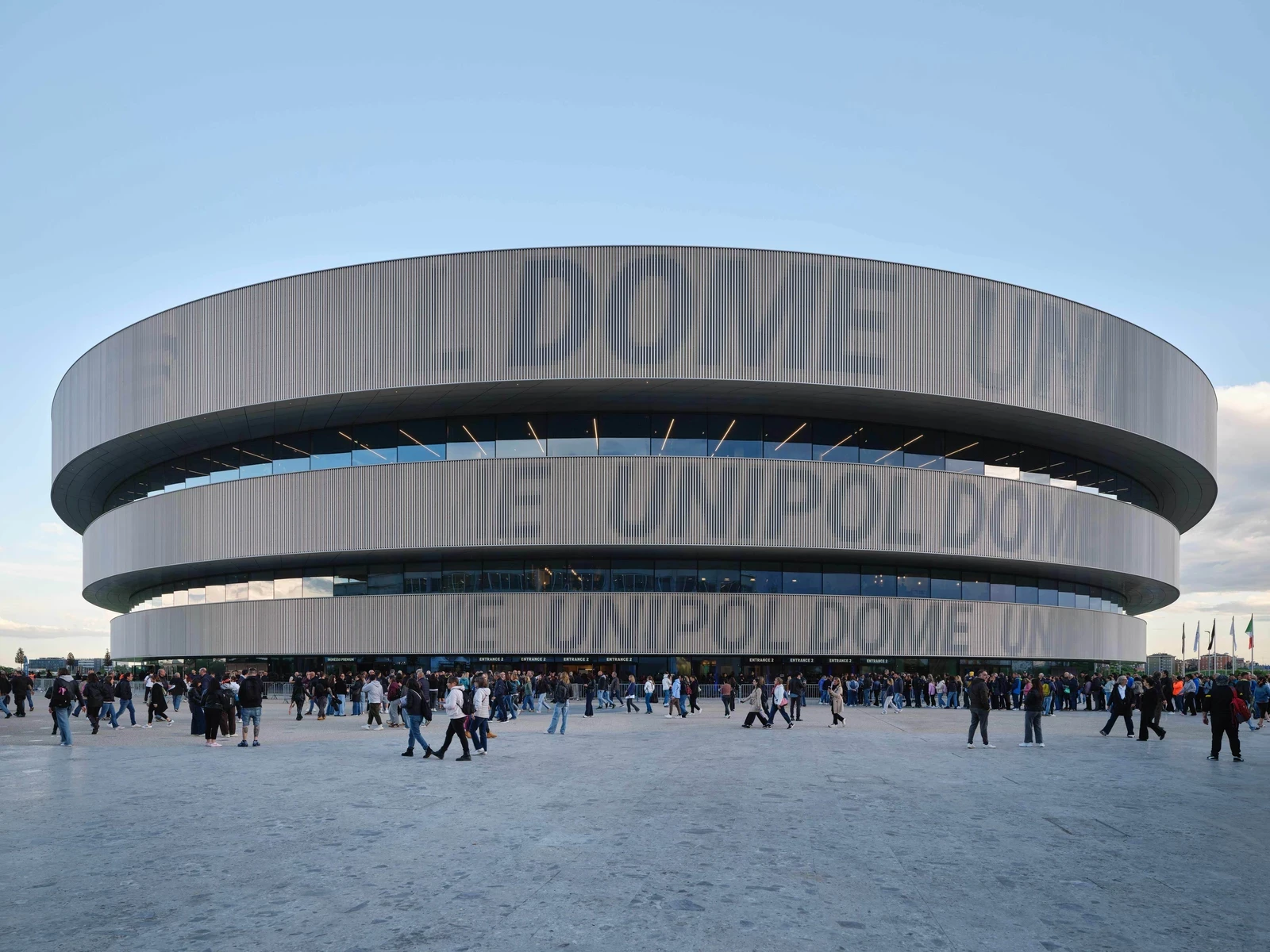
Whether one admires or critiques his work, it cannot be dismissed as superficial. Chipperfield forces contemporary architecture to confront a difficult question: how can buildings remain culturally meaningful in a world increasingly dominated by speed, consumption, and spectacle?
That question remains unresolved. Architecture, like civilization itself, continues constructing monuments while simultaneously eroding the conditions that make permanence possible. Chipperfield’s work stands within that contradiction, calm and austere, trying stubbornly to make buildings that outlast the noise around them.