






Architecture has traditionally been dominated by visual thinking. Design education, professional practice, and public perception often prioritize form, proportion, material appearance, and spatial composition as experiences perceived mainly through the eyes. Buildings are photographed, rendered, and evaluated visually long before they are physically experienced. As a result, architecture has frequently been treated as a visual object, while its soundscape, the acoustic environment that shapes how spaces are perceived, remains largely overlooked. Humanity, naturally, decided that looking at things was enough to understand them. An efficient misunderstanding that shaped entire cities.
During recent decades, however, architects and theorists have increasingly questioned this visually centered approach. The emergence of multisensory architecture emphasized that human perception of space extends far beyond sight. In this context, Juhani Pallasmaa and his influential book The Eyes of the Skin became a major reference point for architects seeking a more human-centered understanding of space. Pallasmaa argued that architecture should engage the entire body and all the senses, including touch, smell, sound, and memory. His ideas encouraged designers to reconsider the emotional and psychological dimensions of architectural experience instead of focusing solely on visual spectacle.
Despite this shift toward multisensory design, sound and acoustics have still received comparatively limited attention within mainstream architectural discourse. Acoustic considerations are often reduced to technical performance requirements such as noise control, reverberation management, or sound insulation. While these issues are important, they represent only one dimension of how sound shapes human experience in space. The broader cultural, emotional, and spatial qualities of sound are frequently overlooked.
What is Soundscape?
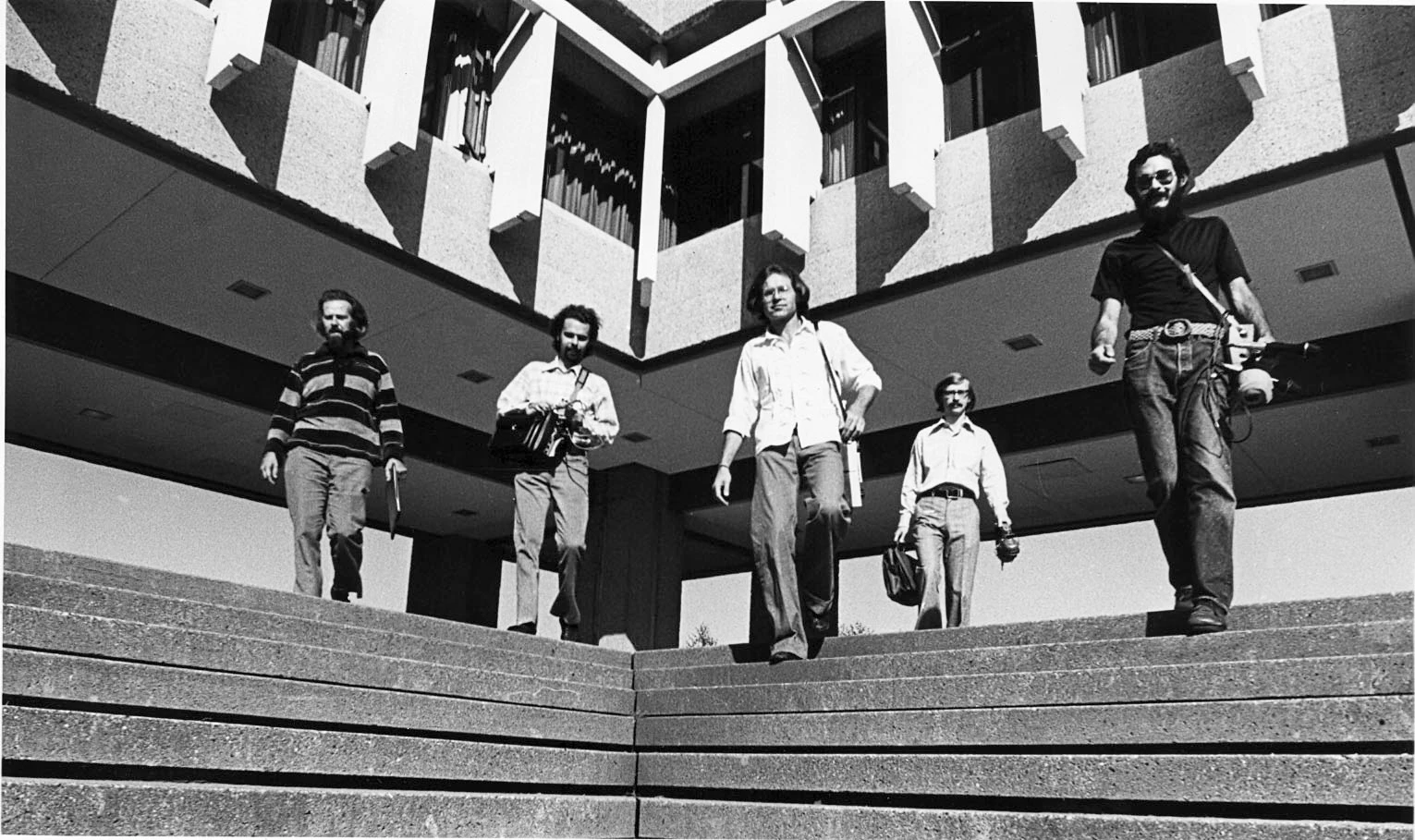
The concept of “soundscape” refers to the acoustic environment as perceived, experienced, and understood by people within a particular context. Unlike conventional acoustics, which mainly studies the physical properties of sound, soundscape theory focuses on the relationship between humans, sound, and environment. The term was popularized by R. Murray Schafer, who described soundscapes as the auditory equivalent of landscapes.
A soundscape includes all the sounds that define a place: natural sounds such as wind, rain, birds, and water; human sounds including conversation, footsteps, and movement; and mechanical or urban sounds generated by traffic, infrastructure, and technology. Together, these sounds create an acoustic identity that strongly influences how a space is perceived and remembered.
Soundscapes can affect emotional wellbeing, concentration, social interaction, and even the sense of safety within an environment. Calm and balanced sound environments may create feelings of comfort and relaxation, while chaotic or excessive noise can increase stress and psychological fatigue. In urban environments, especially, the quality of sound has become a significant issue as cities grow denser and noisier. Humans managed to industrialize silence out of existence and then invented meditation apps to cope with the consequences. A remarkable species.
In architecture, soundscape design involves intentionally shaping auditory experiences alongside visual and spatial qualities. This may include controlling reverberation, filtering unwanted noise, introducing natural sounds, designing materials that influence acoustic behavior, or creating spatial sequences that alter how sound is perceived through movement.

Projects Using Soundscape
In recent years, several architectural and urban projects have explored soundscape as an essential design component and not just a secondary technical issue.
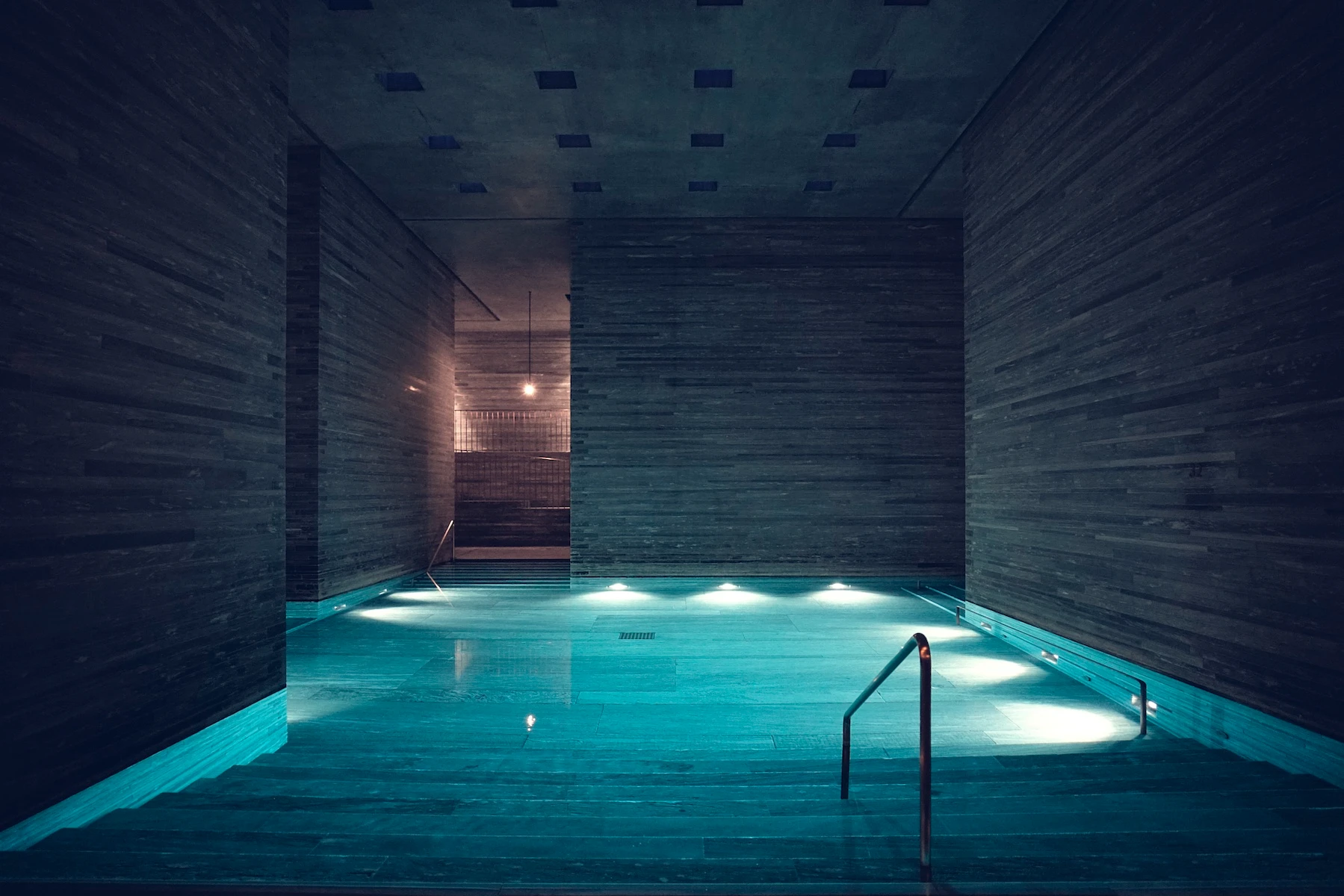
One important example is the work of Peter Zumthor, whose projects often demonstrate a deep sensitivity to sound and atmosphere. In the Therme Vals, the combination of stone surfaces, water movement, echoes, and silence creates a carefully composed acoustic environment. The sound of dripping water, footsteps on stone, and reverberation within enclosed chambers contributes significantly to the sensory experience of the building.
Another example can be found in contemporary healthcare architecture, where designers increasingly recognize the role of sound in healing environments. Hospitals and therapeutic spaces now incorporate acoustic strategies to reduce stress and improve patient well-being through noise reduction, sound absorption, and the integration of calming natural sounds.
Urban public spaces have also begun to integrate soundscape thinking. Parks designed with water features, vegetation buffers, and protected pedestrian zones can create acoustic relief from surrounding traffic noise. In some cities, sound mapping technologies are used to analyze urban noise patterns and support the design of healthier public environments.
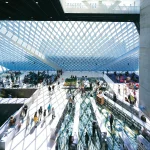
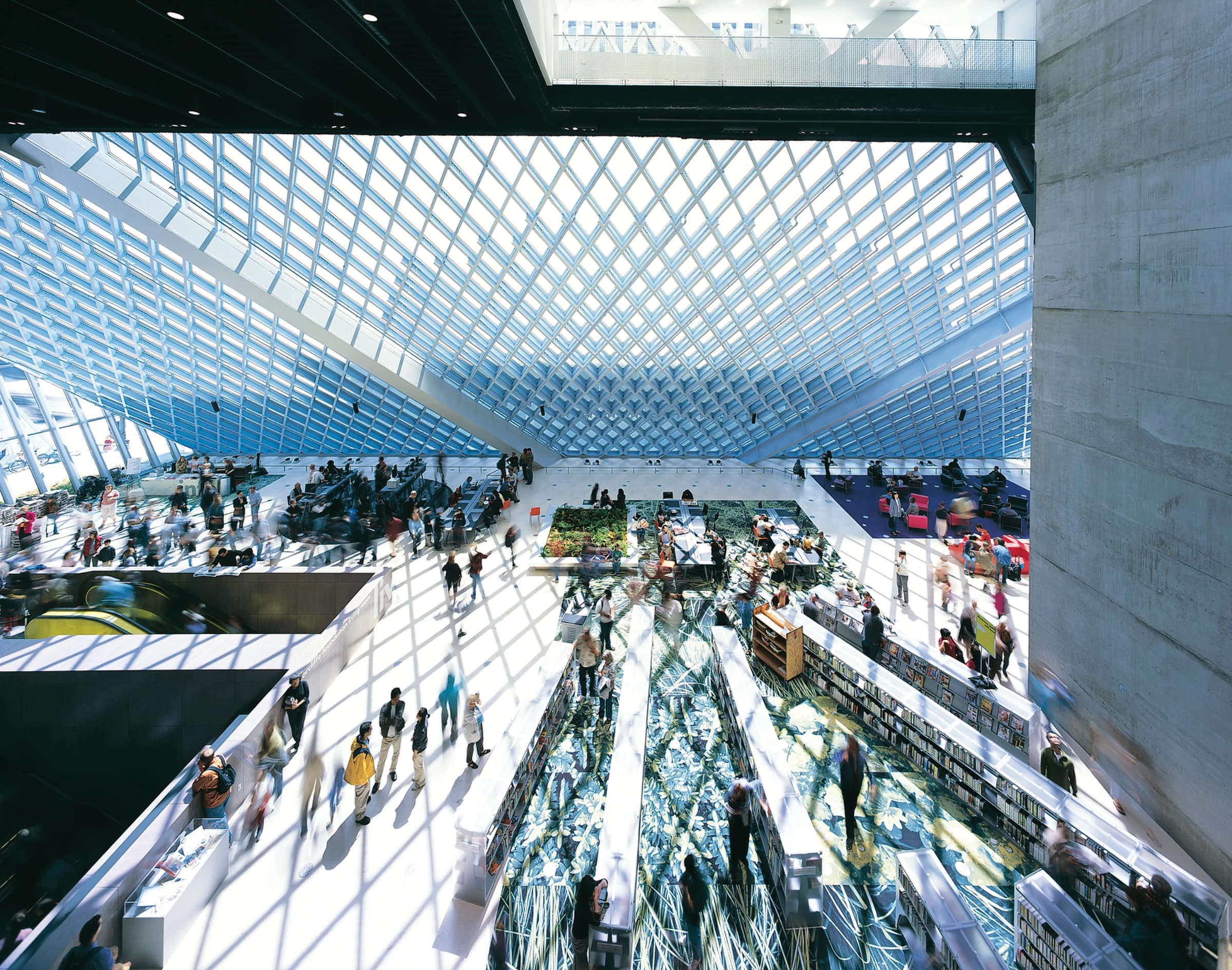
The Seattle Central Library, designed by Rem Koolhaas and OMA, shows how spatial organization and material selection influence the acoustic character of large public interiors. Different zones within the building produce varying sound conditions that support concentration, interaction, or circulation.
An important contemporary example of soundscape-oriented urban design is Nodeul Island, a cultural island located on the Han River in Seoul. Originally an underused infrastructural space beneath a bridge connection, the island was transformed into a public cultural platform that combines architecture, landscape, music, and community activities.
What makes Nodeul Island particularly significant in discussions of soundscape is its deliberate integration of auditory experience into spatial design. Unlike many urban public projects that attempt to eliminate sound, Nodeul Island embraces selected sounds as part of the identity of the place. The sound of flowing river water, wind movement across open platforms, distant city noise, live musical performances, and human activity all contribute to a layered and dynamic acoustic environment.

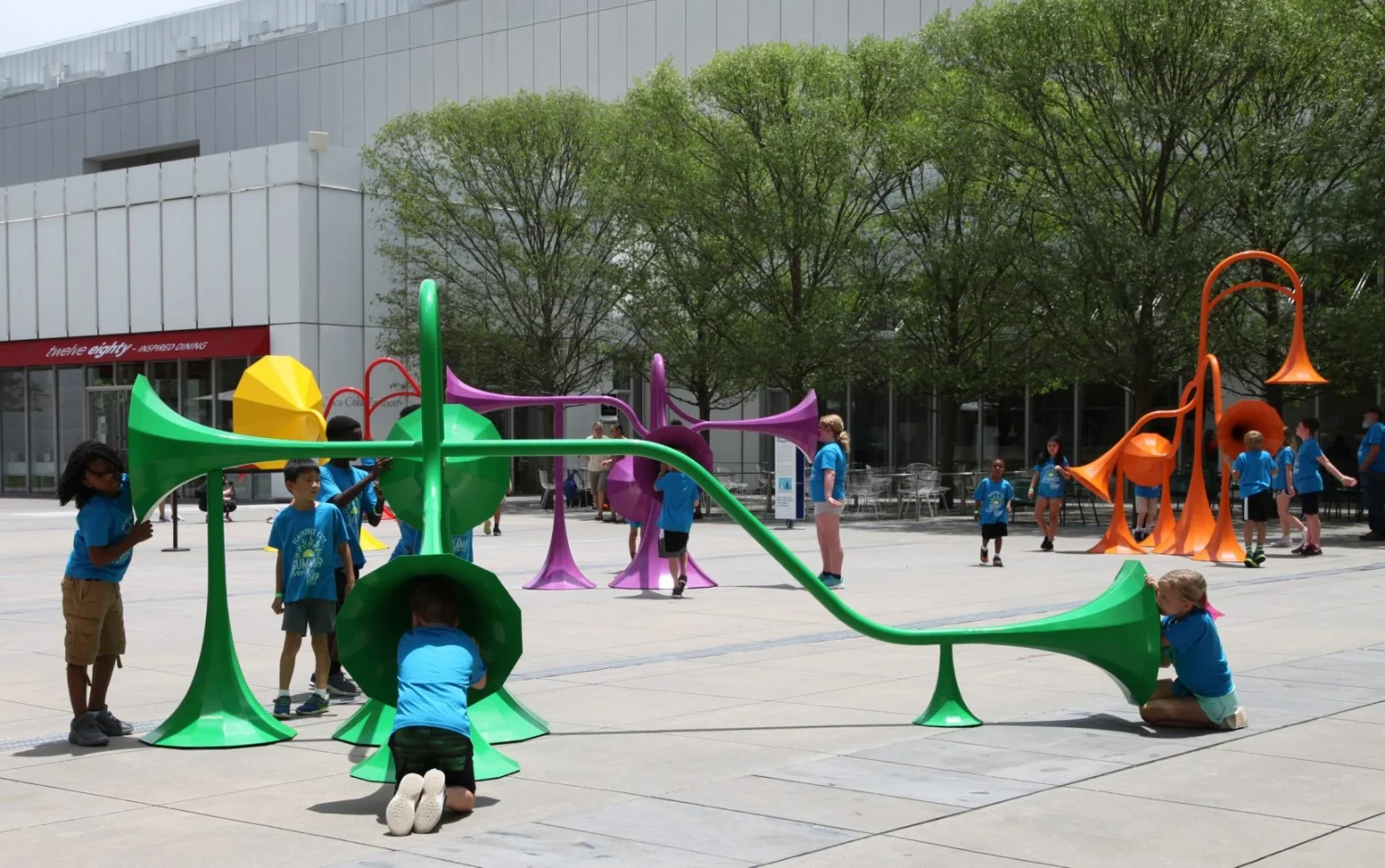
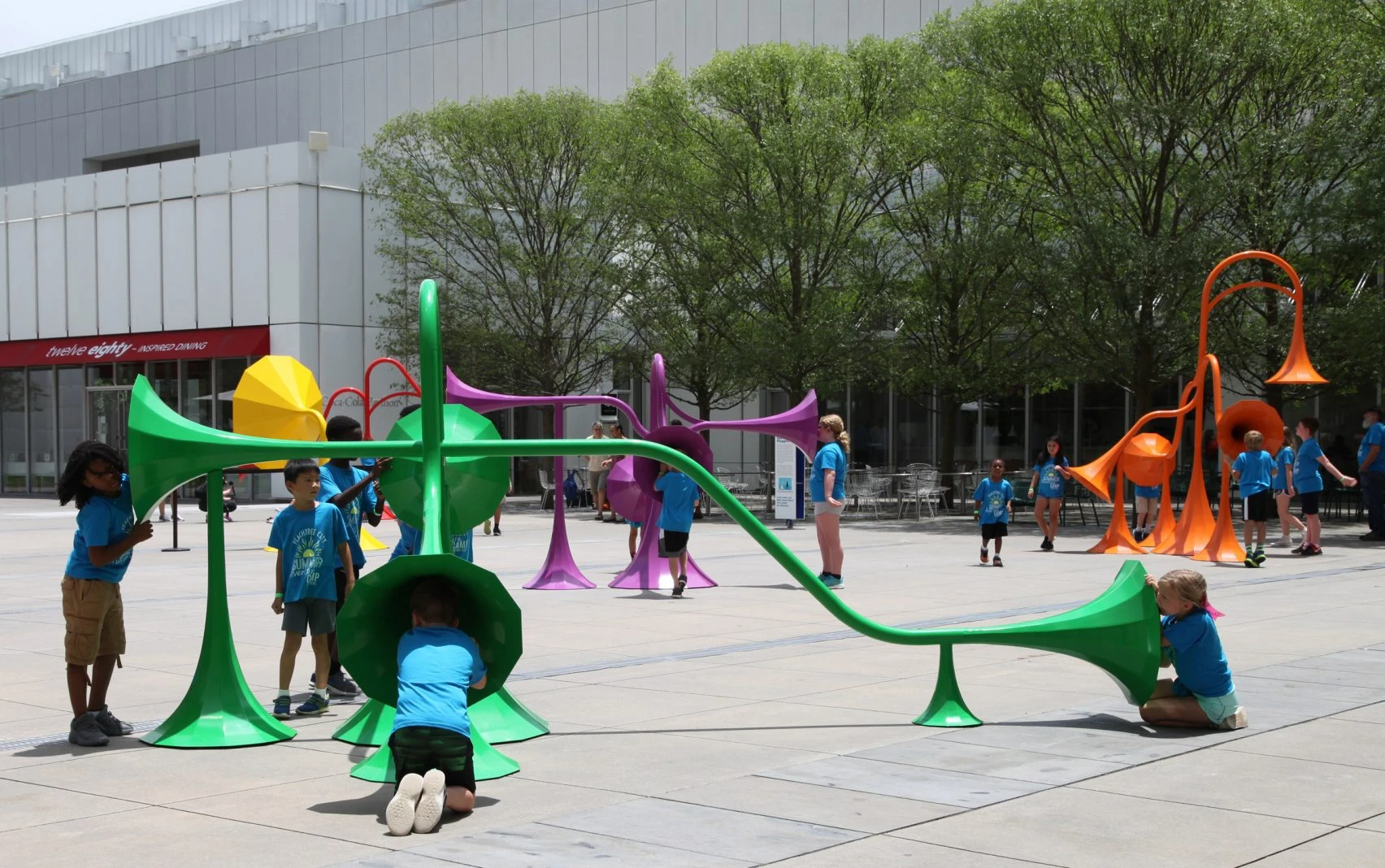
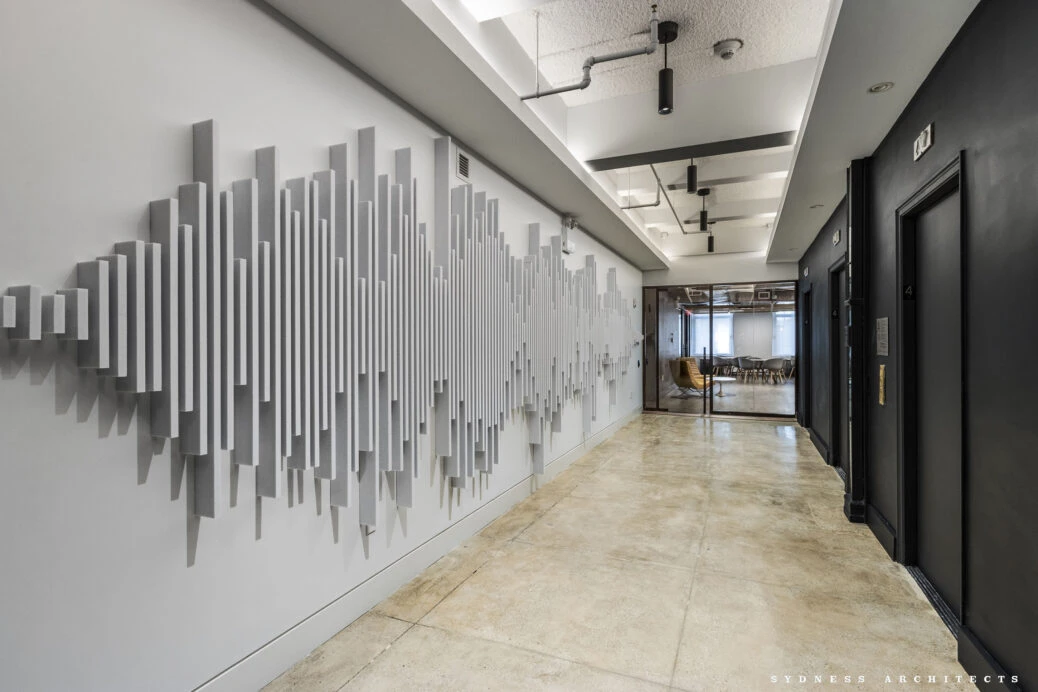
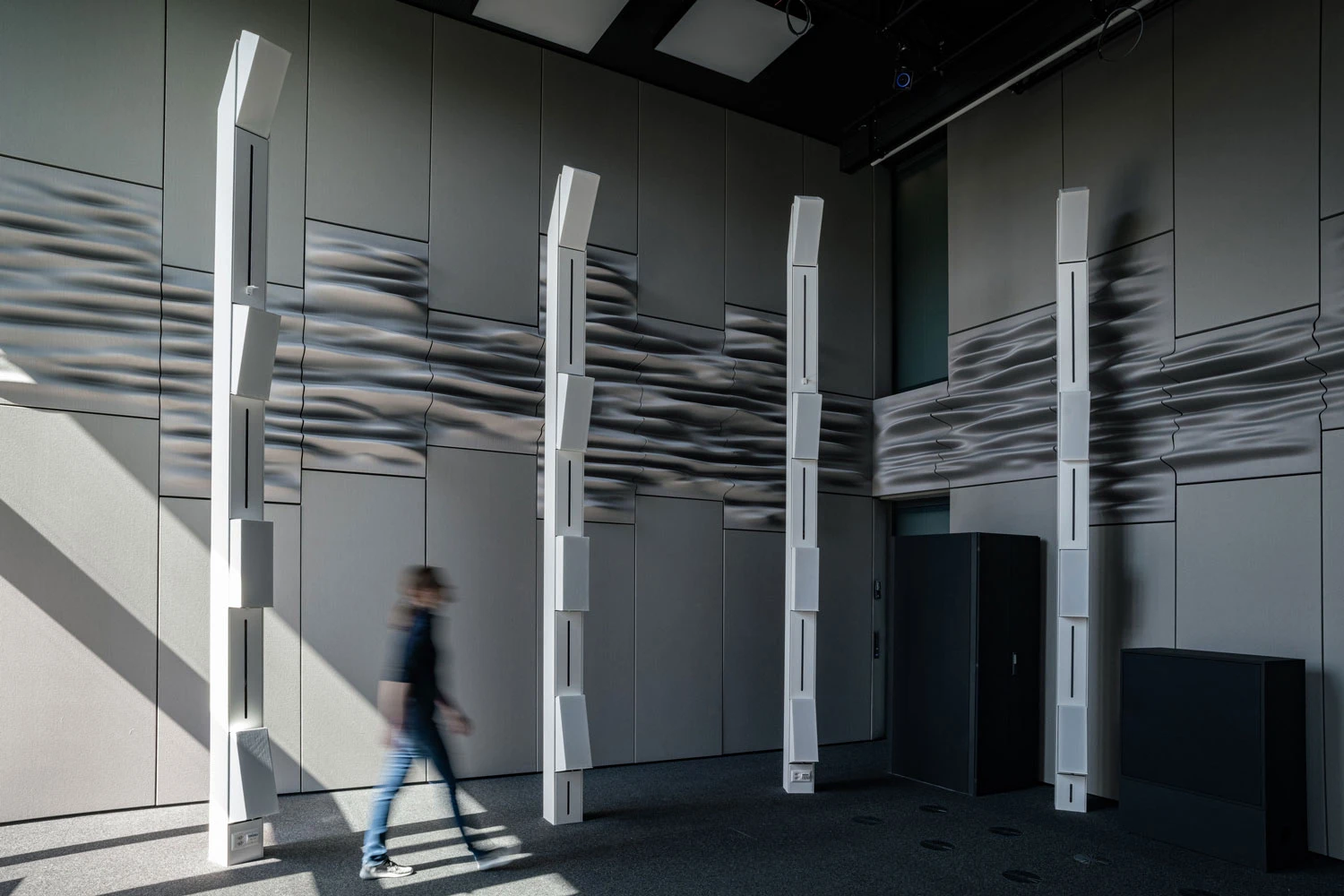
Similarly, sound installations and interactive architectural environments have emerged as experimental approaches to soundscape design. These projects explore how architecture can respond dynamically to human movement, environmental conditions, or changing urban activity through sound-based experiences.
A cleaner structure, because apparently even essays need urban planning now.
Designing with Sound
Designing with sound requires architects to think beyond traditional acoustic engineering and consider how auditory experiences shape human perception of space. Materials, geometry, scale, and spatial organization all influence the way sound behaves within an environment. Hard reflective surfaces can amplify echoes and create dramatic acoustic effects, while softer materials absorb sound and produce calmer atmospheres.
The relationship between sound and movement is also important in architectural design. As people move through corridors, plazas, courtyards, or enclosed interiors, the acoustic qualities of these spaces constantly change. A narrow passage may intensify footsteps and voices, while an open courtyard disperses sound and creates a sense of openness and relief. Through these transitions, sound helps define spatial hierarchy and emotional experience.
Natural elements can further enrich architectural soundscapes. Water features, vegetation, wind interaction, and even seasonal environmental changes contribute to dynamic auditory environments that connect users to nature and place. In many traditional architectural cultures, fountains, gardens, and courtyards were designed not only for visual beauty or climate control but also for their calming acoustic qualities.
Digital technologies have also expanded possibilities for soundscape-oriented design. Acoustic simulations, environmental sound analysis, and interactive sound systems now allow architects and urban designers to predict and shape auditory experiences during the design process. These tools can support healthier urban environments by reducing noise pollution while enhancing positive and meaningful sounds.
Ultimately, designing with sound encourages a more human-centered understanding of architecture. It reminds designers that spaces are not only seen but also heard, felt, and remembered through multiple senses simultaneously.
Final Reflections
Soundscape expands the understanding of architecture from a purely visual discipline into a richer and more immersive sensory experience. Sound is not simply background noise within architecture; it is an active component of atmosphere, emotion, memory, and identity. Every space possesses an acoustic character that influences how people feel, behave, and interact.
As contemporary architecture increasingly addresses human well-being and environmental quality, soundscape design becomes more important than ever. Integrating acoustic awareness into architecture can help create spaces that are not only visually impressive but also emotionally supportive, socially engaging, and psychologically comfortable.
Future architectural design may benefit from treating sound not as a technical afterthought, but as a fundamental material of space itself. Buildings are already shaping what we see. It might be time they also take responsibility for what we are forced to hear.