





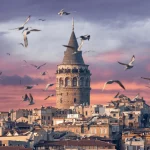
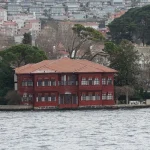
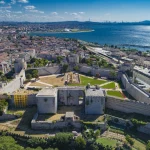
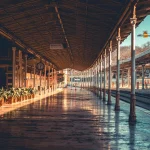
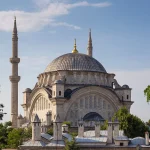
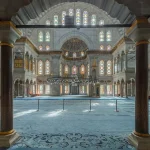
Istanbul is a city that refuses to fit into a single frame. Perched on the Bosphorus, where Europe and Asia meet, it has always been a place of movement, of people, ideas, and empires. Over the centuries, the Greeks, Romans, Byzantines, Venetians, and Ottomans have each left their mark, shaping a layered cityscape that feels alive with history.
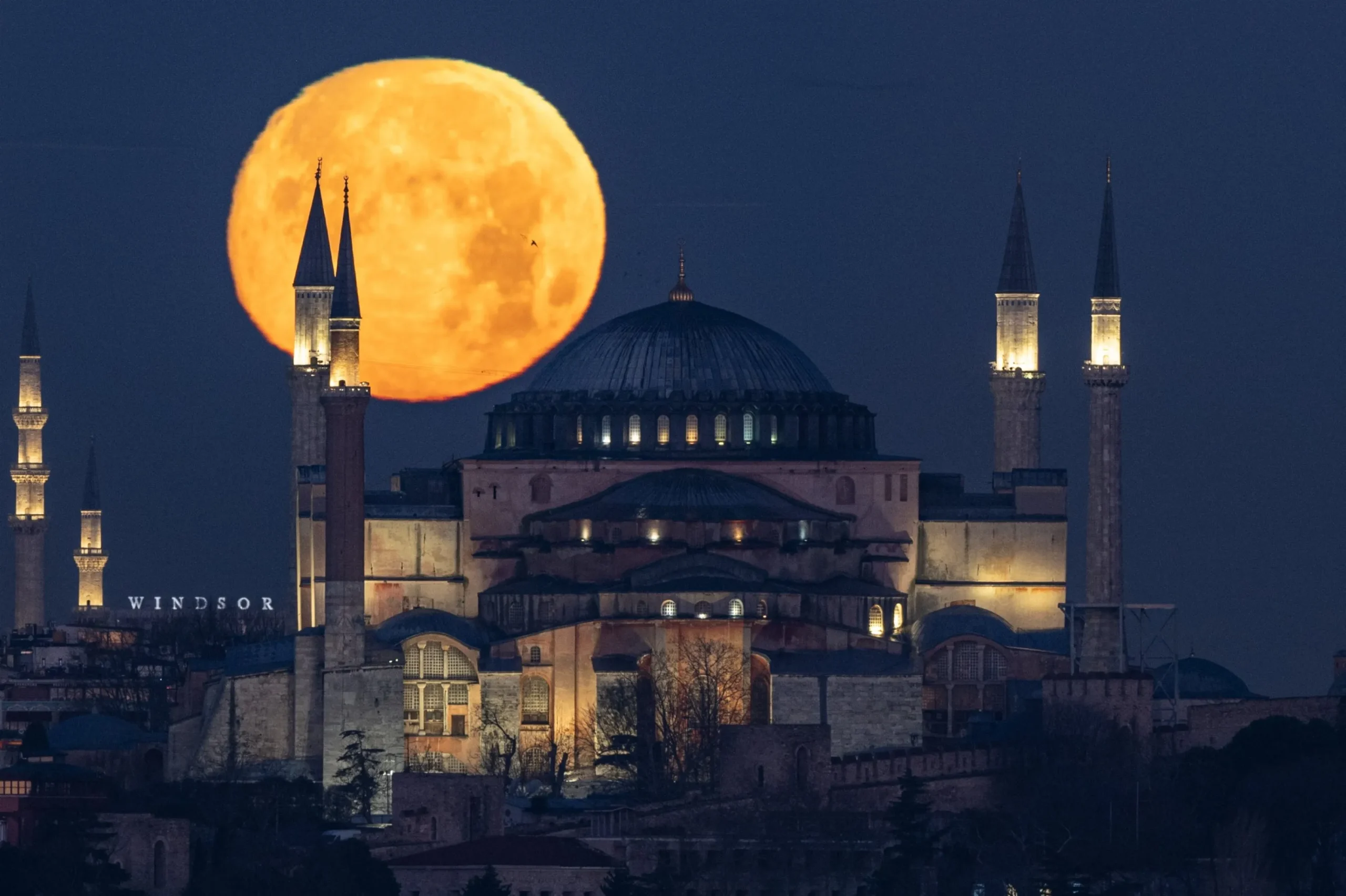
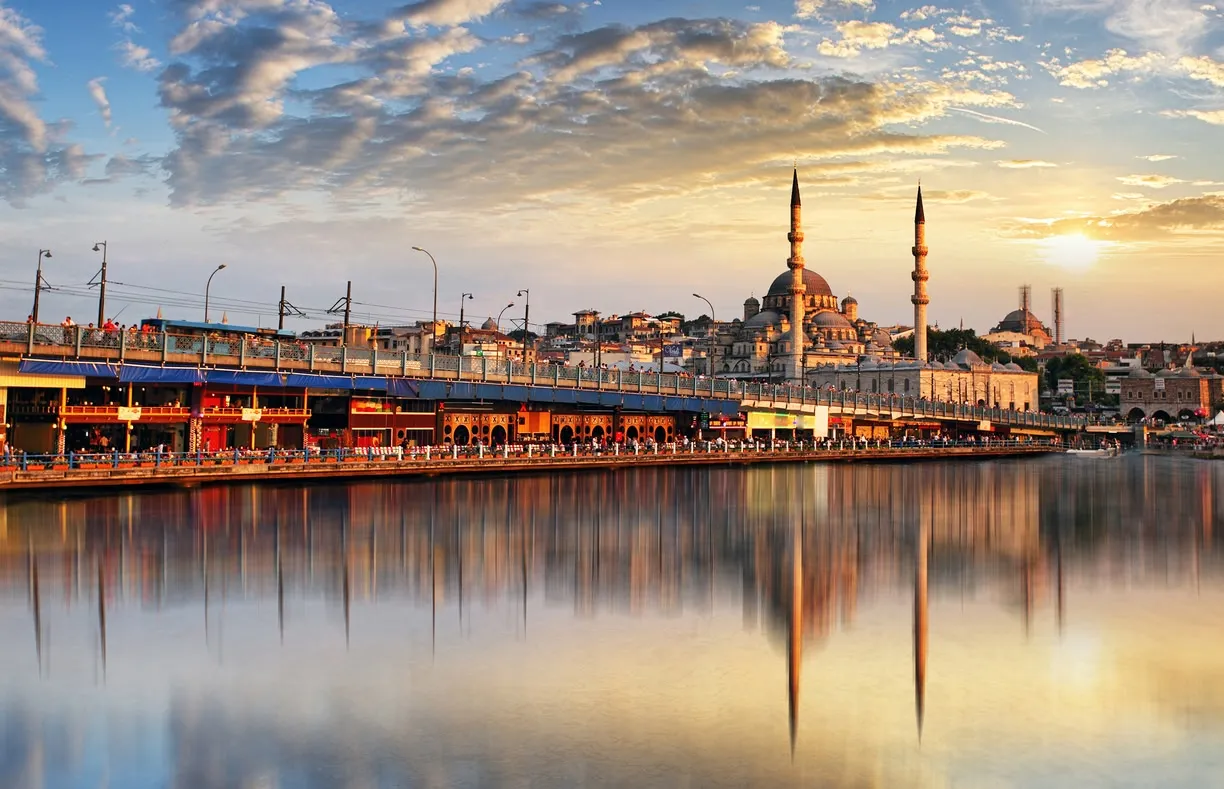
Walking through Istanbul is like tracing a timeline in real space. A Byzantine dome rises behind a row of Ottoman houses; a modern glass tower reflects the minarets of a nearby mosque. In one moment, you’re standing on an ancient bridge; in the next, you’re surrounded by contemporary galleries and bustling cafés. Home to over 15 million people, Istanbul remains Turkey’s cultural, economic, and historical core.
This guide features a diverse selection of Istanbul’s historical monuments and modern icons, ranging from elegant Ottoman mosques to magnificent Byzantine churches, as well as residential buildings and performing arts venues.
Here are 25 must-see places in Istanbul if you love architecture:
1. Hagia Sophia
Architects: Isidore of Miletus, Anthemius of Tralles
Year: 537
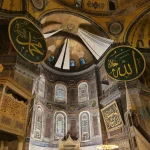
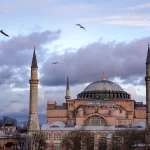
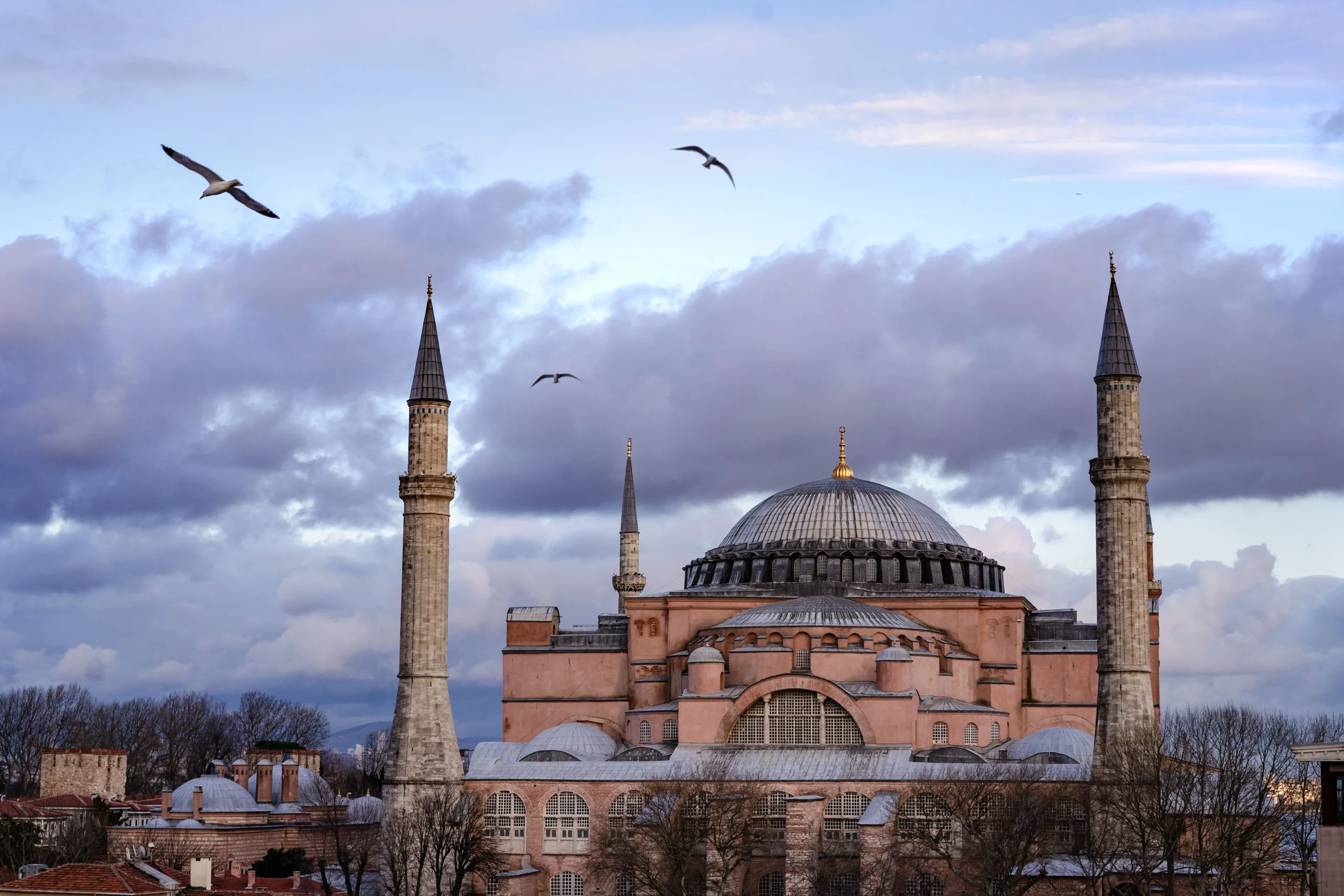
Hagia Sophia, one of the most important symbols of Istanbul and world architecture, was built between 532 and 537 by Byzantine Emperor Justinian I. Representing the engineering and aesthetic understanding of its time, the central dome marks a radical departure from the classical rectangular Roman basilica.
Its dome offers an architectural solution that dramatically expands the sense of space; thanks to the pendentive system, the high dome is directly attached to the square structure. The walls are clad in richly veined marble and adorned with glittering golden mosaics featuring swirling acanthus leaves and six-winged angels.
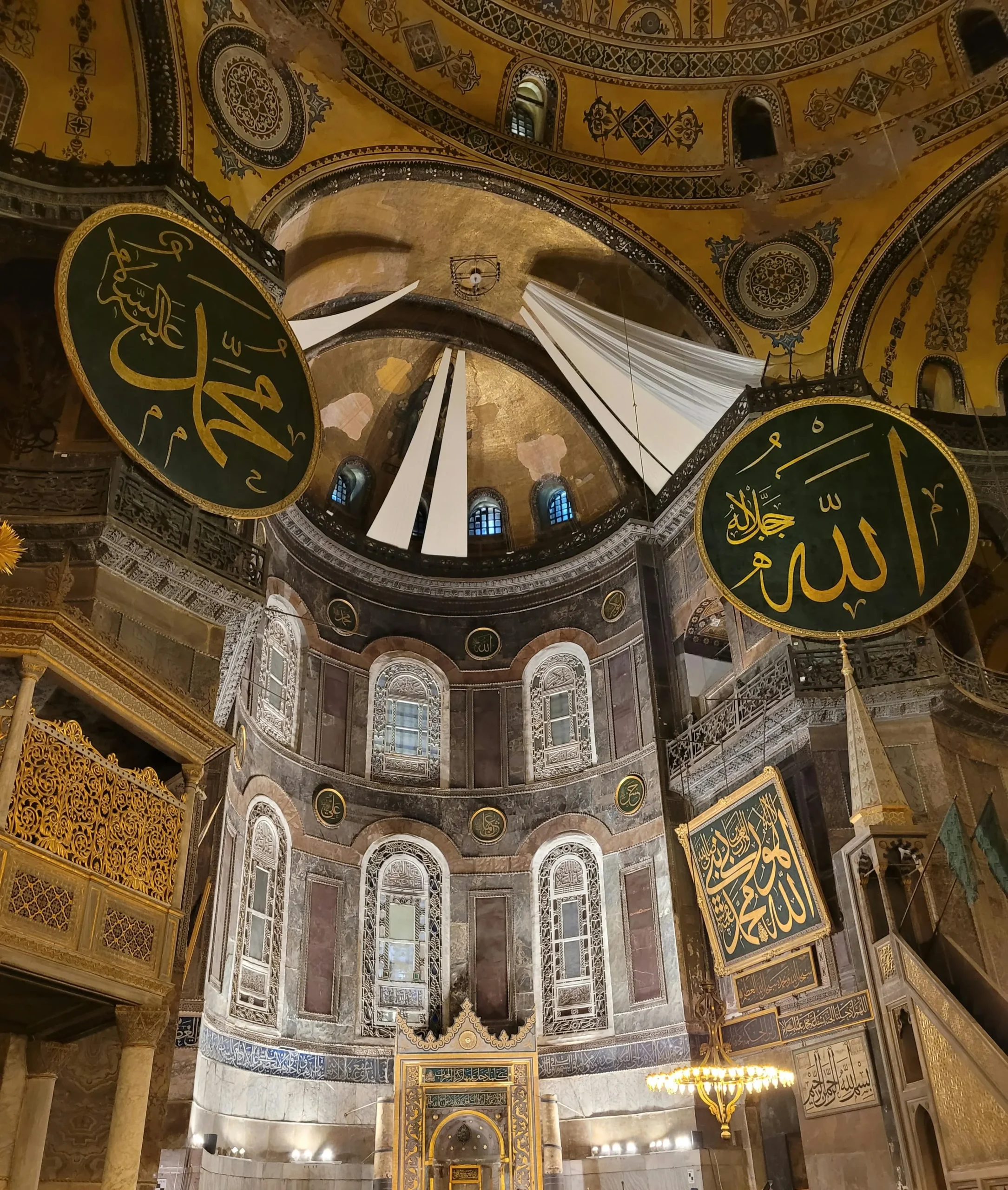
After the Ottoman conquest of Istanbul in 1453, Hagia Sophia was converted into a mosque and, from 1935, served as a museum. Recently reopened for worship, Hagia Sophia offers a layered historical and architectural experience with its Byzantine mosaics and Ottoman-era additions, making it an essential architectural masterpiece to see in Istanbul.
2. Blue Mosque (Sultan Ahmet Mosque)
Architect: Sedefkar Mehmet Agha
Year: 1616
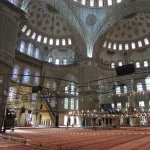
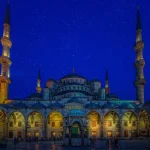
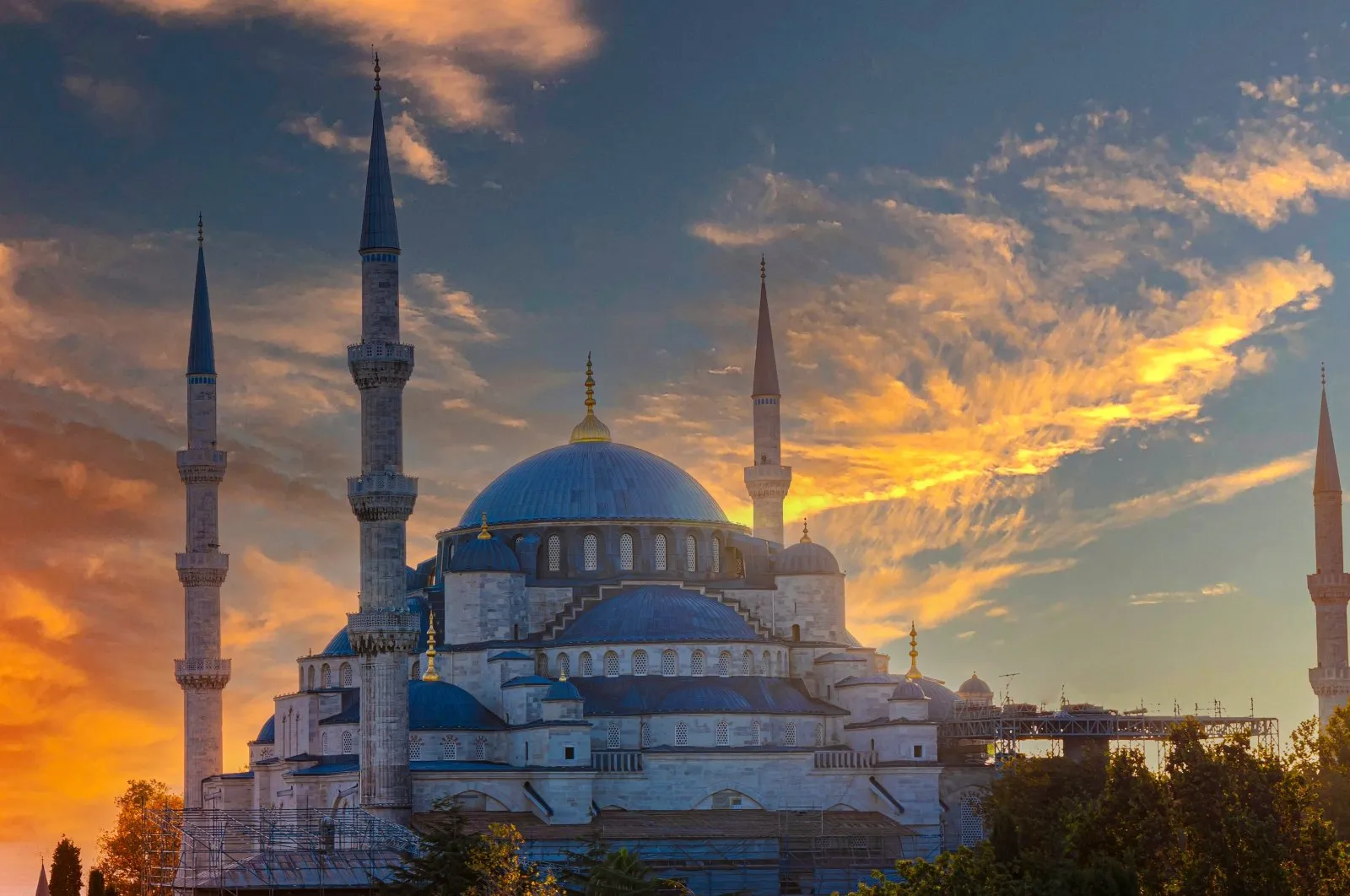
Located opposite Hagia Sophia on the historic peninsula, the Blue Mosque is one of the most mature examples of classical Ottoman mosque architecture. Enclosed by a large courtyard within a wide perimeter wall, the mosque boasts a massive central dome, smaller side domes supported by four elephant pillars, and six minarets. Covering an almost square area of 64 by 73 meters, the mosque’s balanced geometry creates a harmonious volumetric composition.
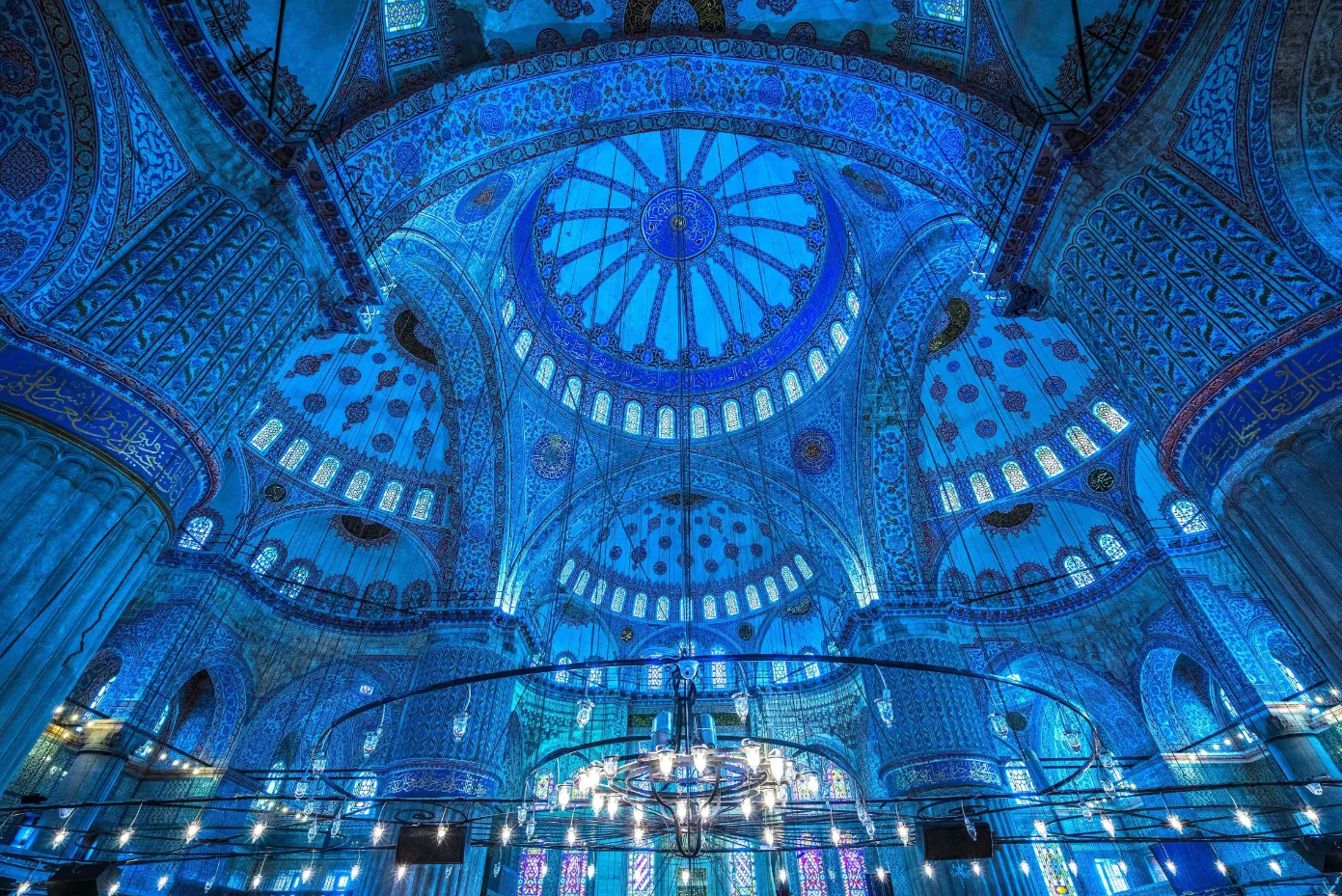
The interior walls of the Blue Mosque are adorned with over 21,000 İznik tiles. The floral and geometric motifs are dominated by the cobalt blue that gives the mosque its name, but the intense patterns also include green, red, and yellow.
3. Süleymaniye Mosque
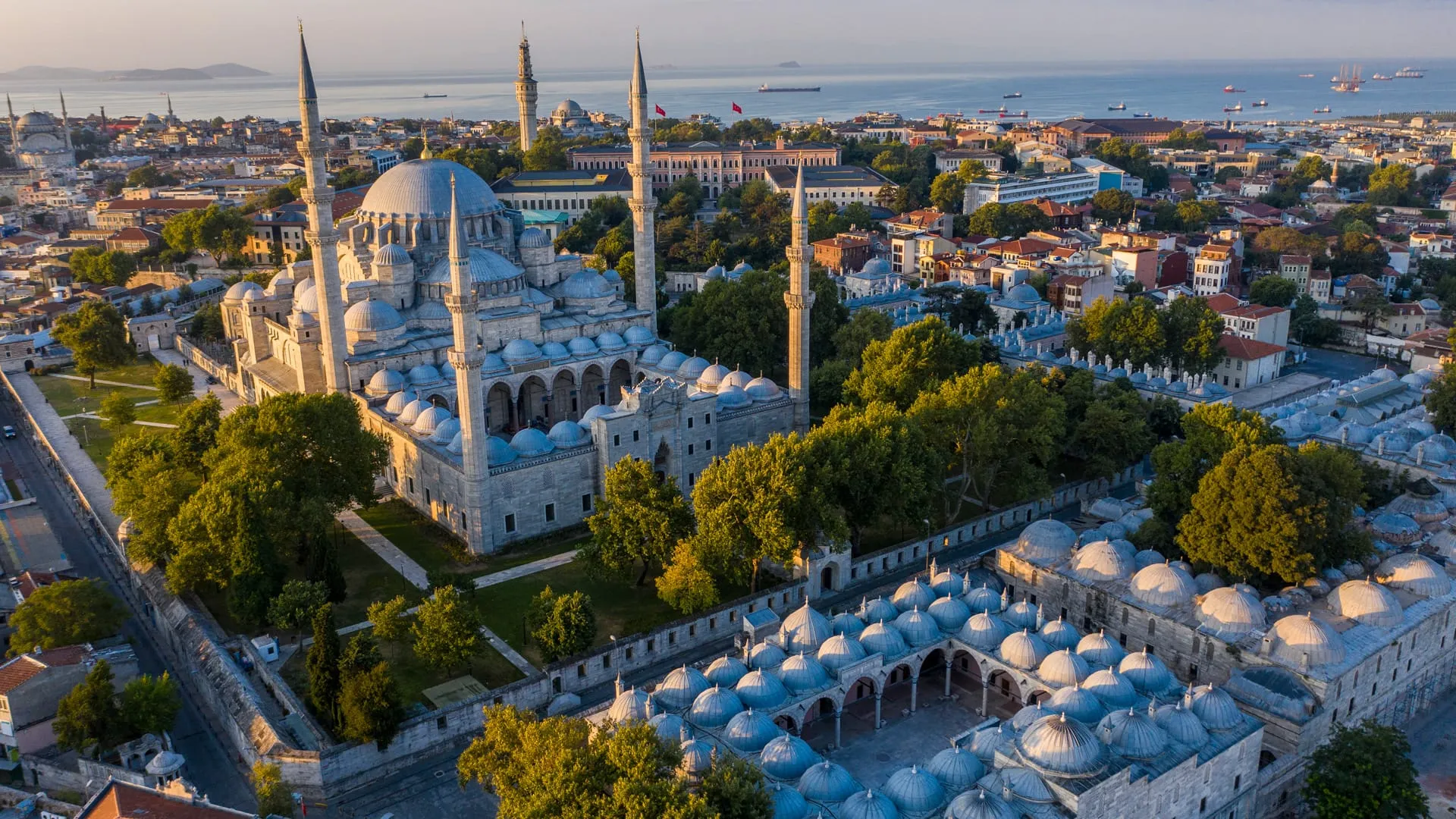
Architect: Mimar Sinan
Year: 1557
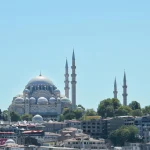
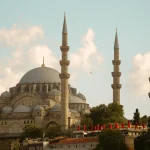
Built by Mimar Sinan for the Ottoman Sultan Suleiman the Magnificent, the Süleymaniye Mosque is situated on the third hill, one of Istanbul’s highest points. The spatial arrangement of domes and semi-domes provides both aesthetic harmony and structural balance. Following the classical Ottoman central dome plan, the main dome, with a diameter of 26.5 meters, rises 53 meters high and is supported by four massive piers.
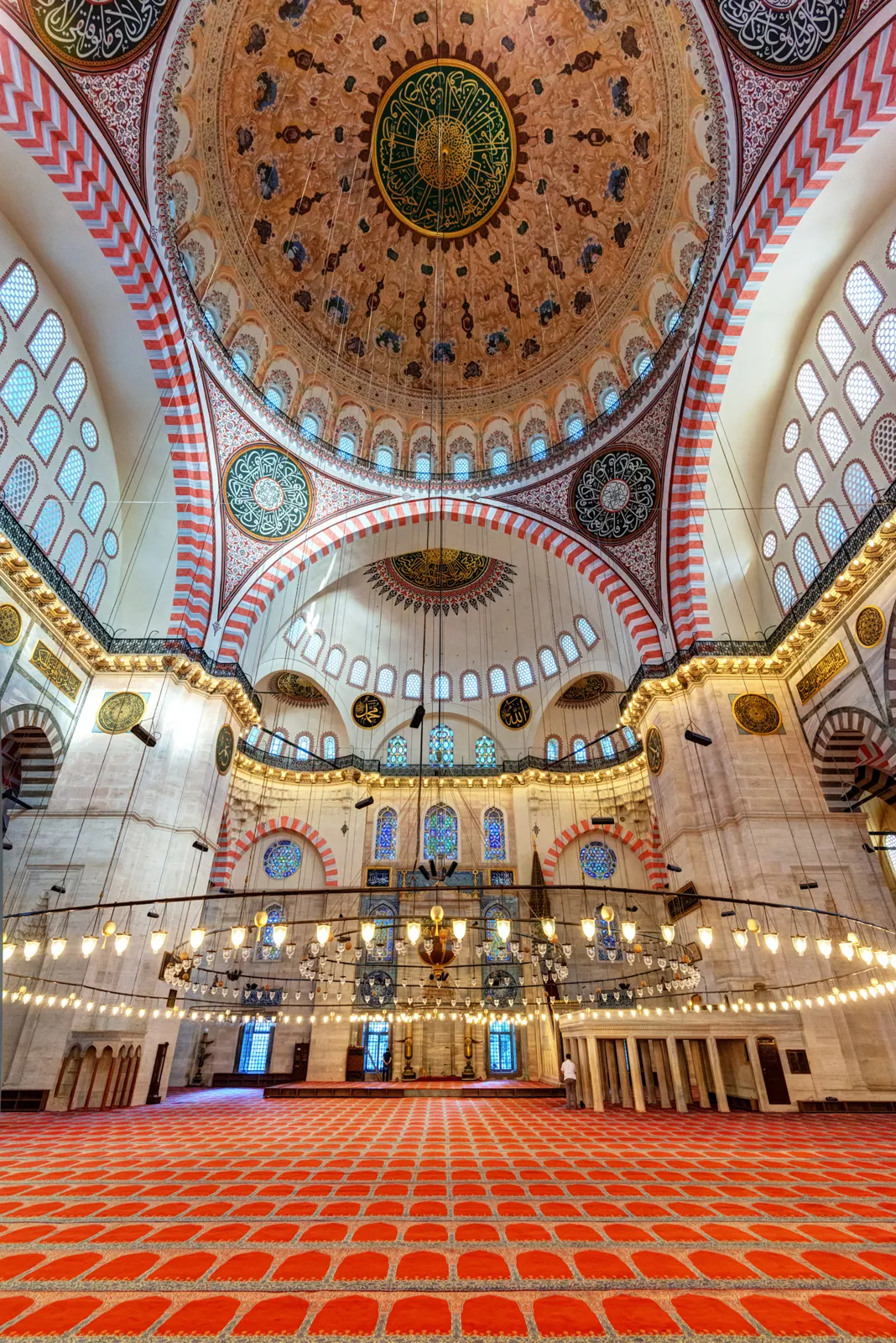
The Süleymaniye Mosque, which boasts four minarets, was largely constructed using cut stone and marble. The mosque boasts impeccable acoustics, and sound reflections beneath the dome allow the imam’s voice to reach every corner of the mosque without any technological aids.
4. Nuruosmaniye Mosque
Architect: Mimar Hüseyin Agha
Year: 1755
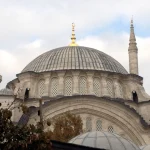
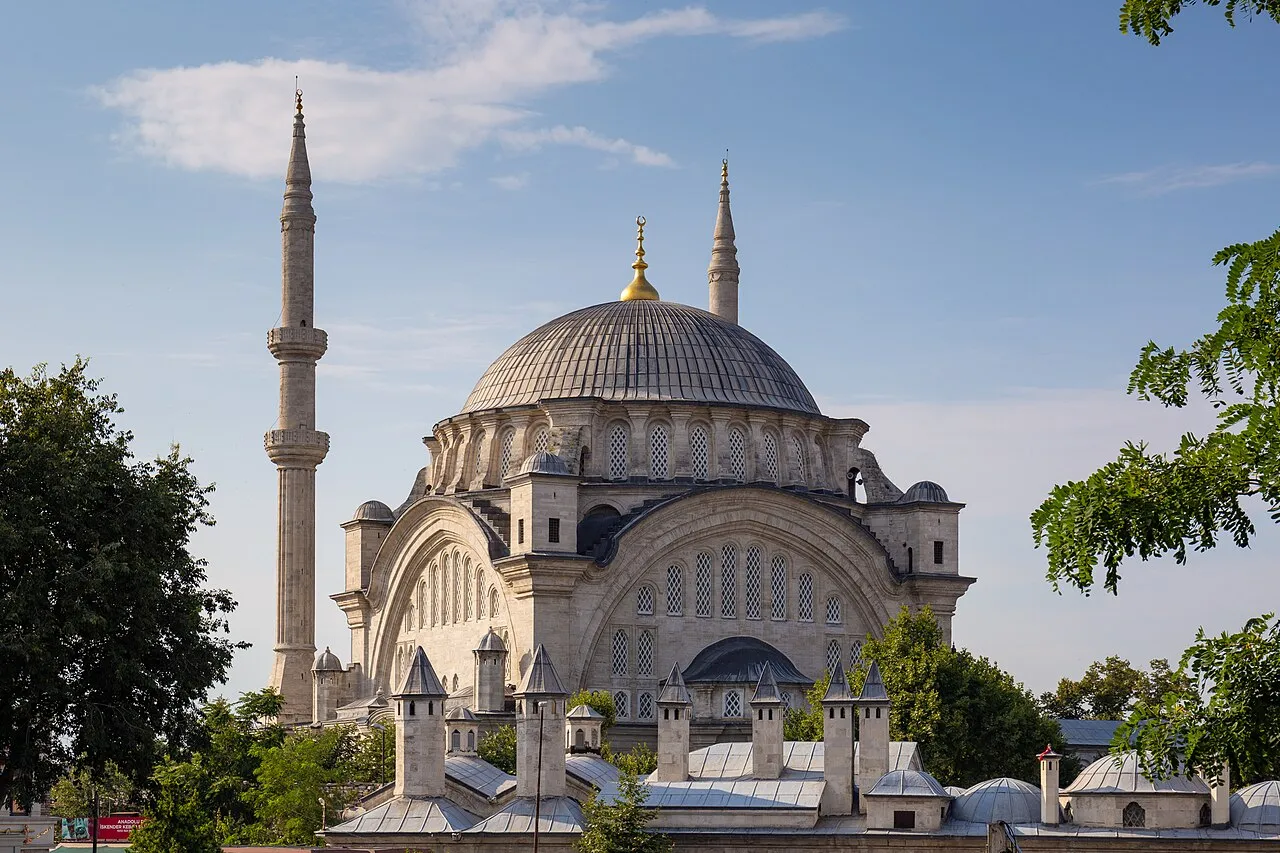
The Nuruosmaniye Mosque, the first and only structure where classical Ottoman mosque architecture is fused with Western Baroque architectural and decorative elements, is a must-see site in Istanbul. The mosque, which features a U-shaped courtyard surrounded by small domes, features baroque and rococo decorations that were refined and transformed into unique artistic ornaments in the hands of Ottoman masters.
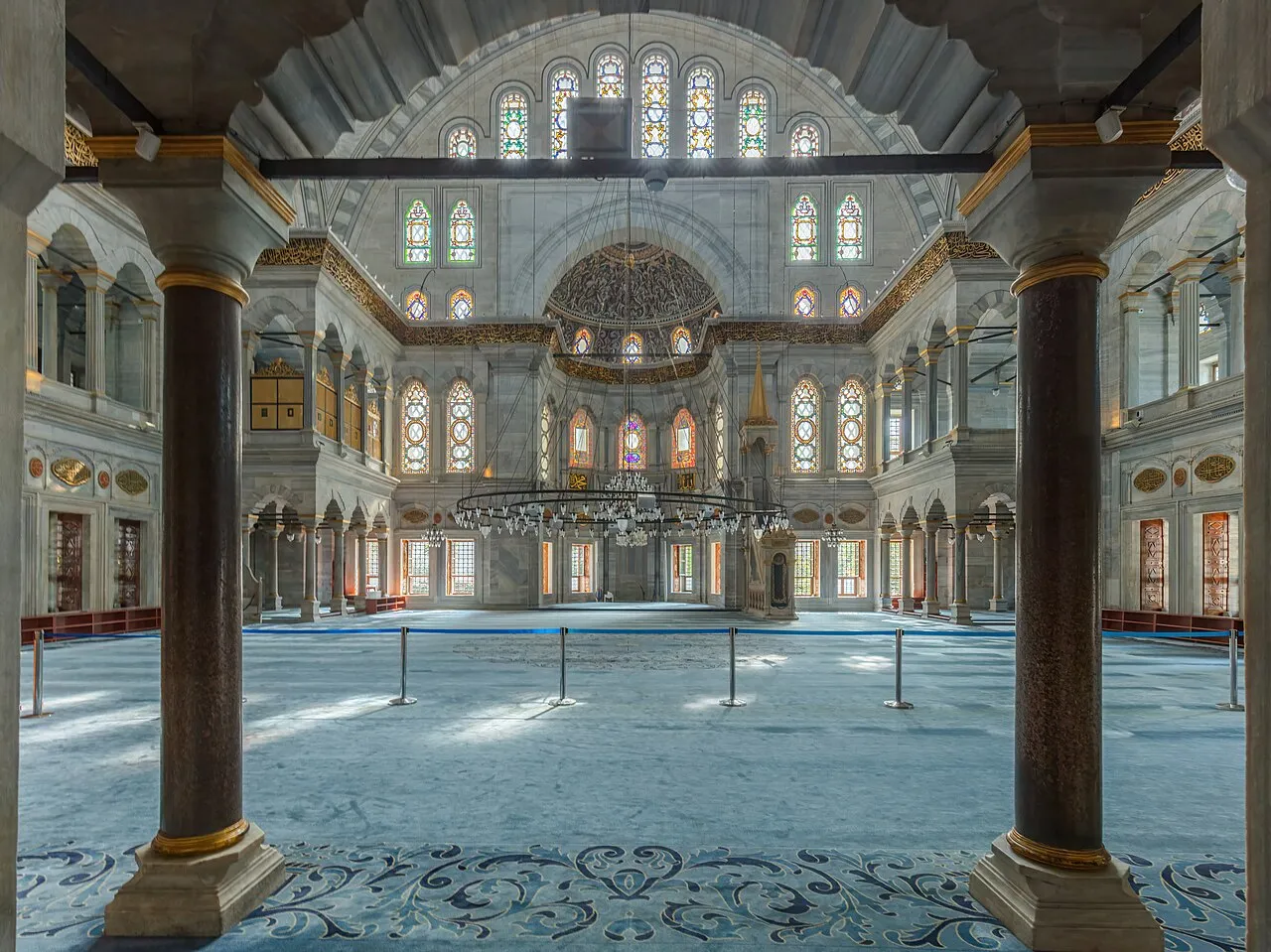
Notably, it is the first mosque in Ottoman architecture to use stone conical caps and is flanked by two fluted minarets built with cut stone. The main space is covered by a single dome, 25 meters and 50 centimeters in diameter, supported by four massive arches. 174 windows at its base illuminate the main dome.
5. Great Mecidiye Mosque (Ortaköy Mosque)
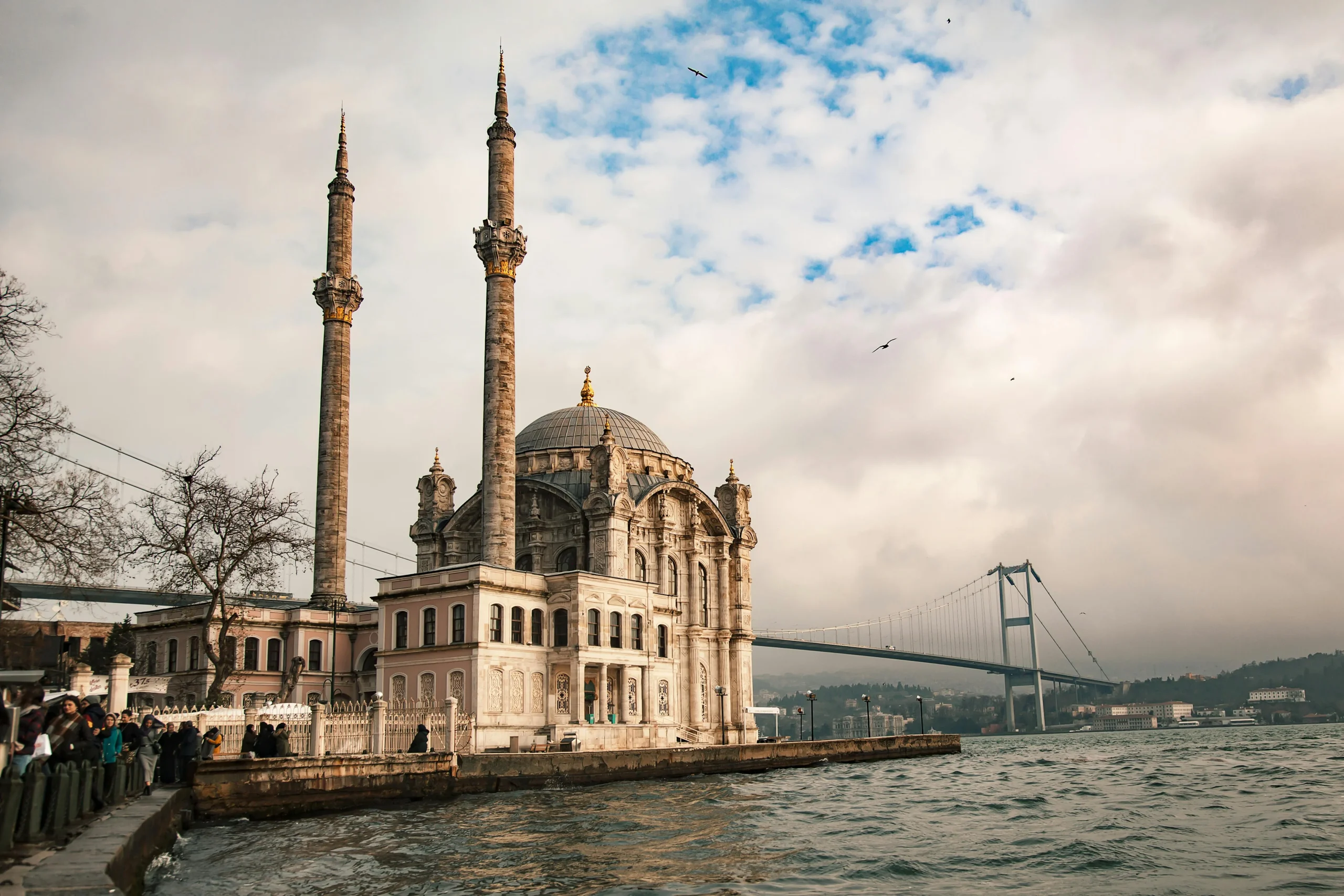
Architect: Garabet Balyan, Nigoğayos Balyan
Year: 1856
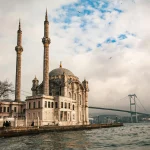
Ortaköy Mosque, one of the most influential examples of the Neo-Baroque style reflected in Ottoman architecture, is located on the Bosphorus shores of Istanbul. The mosque, with its exterior walls of white ashlar, has two single-balconied minarets. The large acanthus leaf reliefs beneath the minaret balconies, gilded with gold, are unique among Istanbul’s historic mosques. The mosque, with a square plan, is topped by a central dome covering the entire prayer hall.
Offering a magnificent view of the Bosphorus, the mosque’s interior is splendid with its ornamentation, stained glass, and stonework. The interior surface of the mosque’s dome features extensive hand-carved ornamentation depicting celestial architecture scenes. Unlike the dome design of classical Ottoman mosques, the decorations inside the dome of the Ortaköy Mosque have Roman, Byzantine, and European architectural designs.
6. Sancaklar Mosque
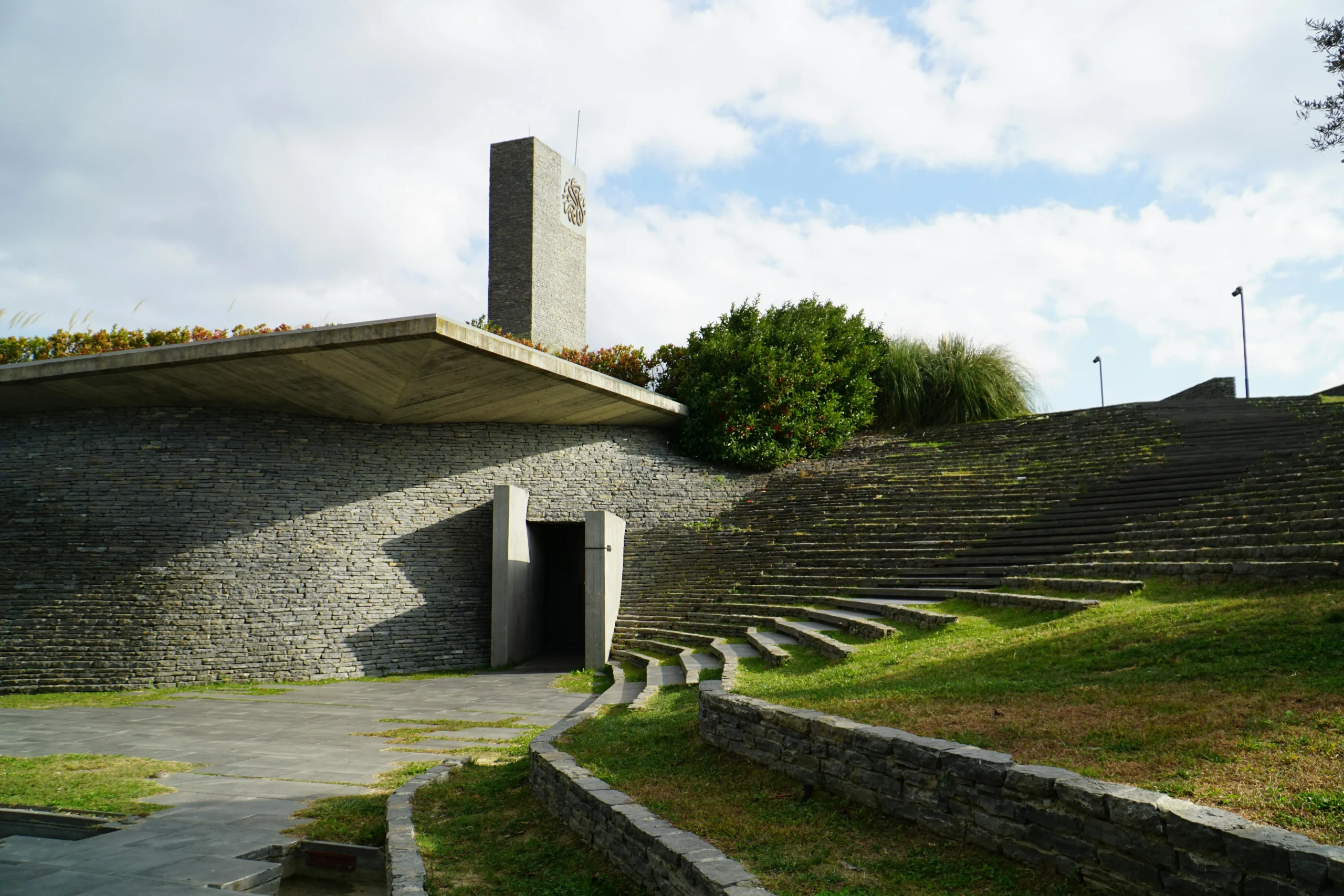
Architect: Emre Arolat
Year: 2013
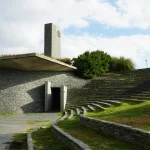
Designed by architect Emre Arolat, Sancaklar Mosque, located in Istanbul’s Büyükçekmece district, is one of the most striking examples of modern Islamic architecture. A blend of traditional Ottoman mosque architecture with minimalism and contemporary architecture, the Sancaklar Mosque is buried underground to blend in with the landscape. Its steps descend gradually along the slope, creating the entrance pathway, while only the stone minaret is visible from the outside.
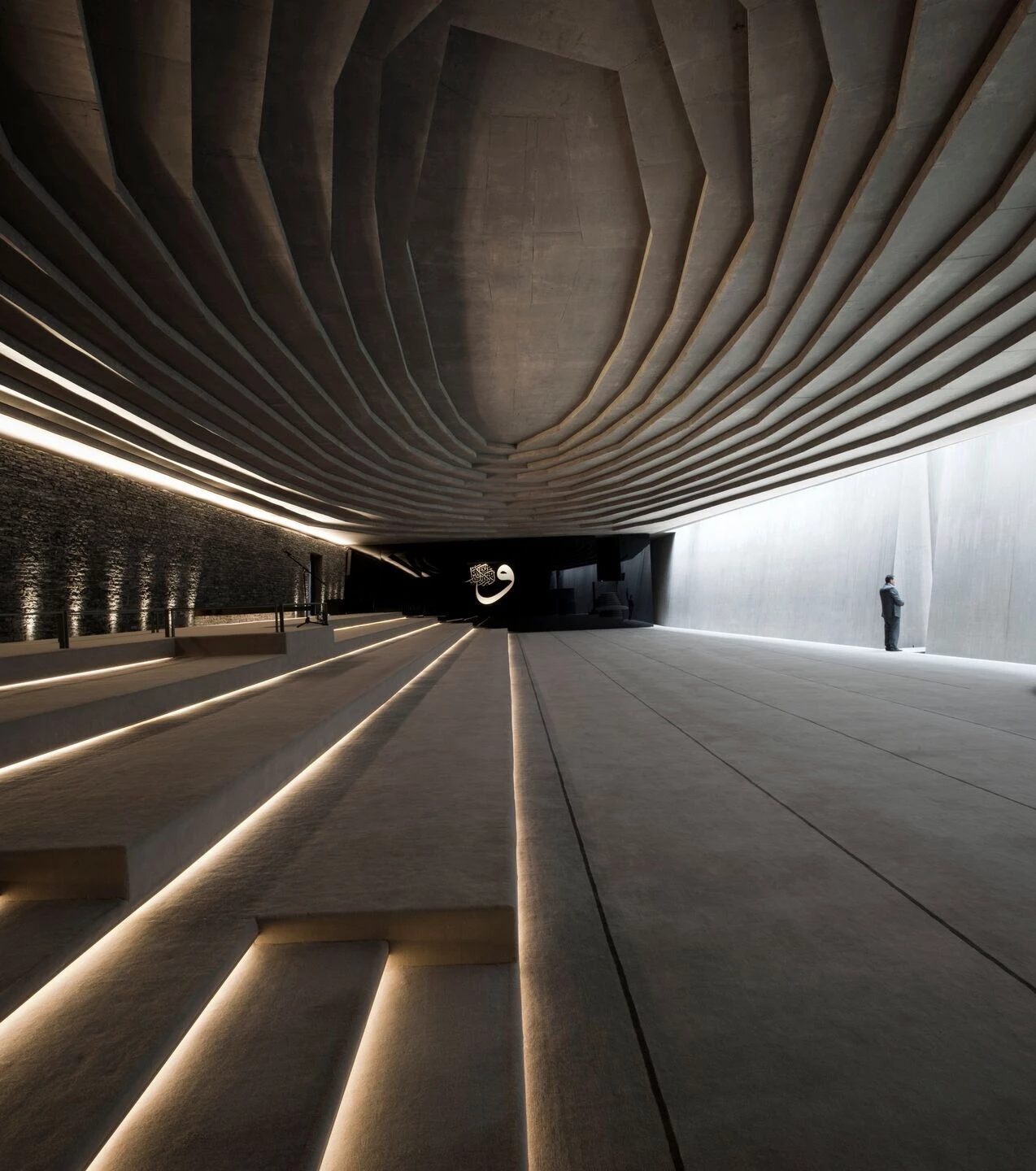
The simplicity that permeates the Sancaklar Mosque is also evident in its interior. The materials used in the interior design reflect the purity of the Islamic religion and worship, creating a simple ambiance without exaggeration or unnecessary ornamentation.
7. Fener Roman Orthodox Lyceum
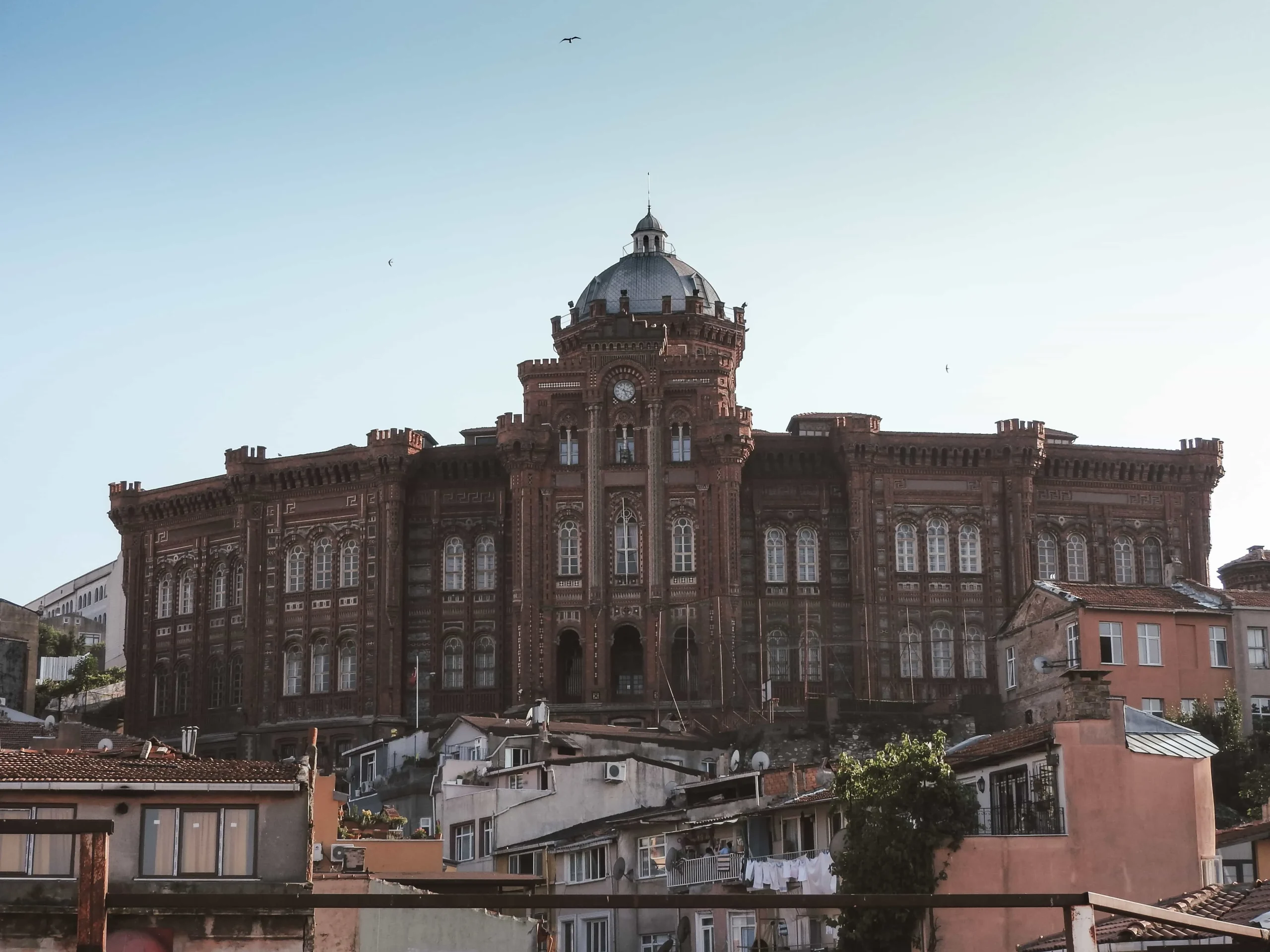
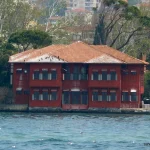
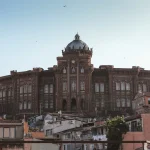
Fener Roman Orthodox Lyceum, located in Istanbul’s Fener district, is one of the city’s most striking historical educational buildings. Constructed in 1881, the structure served as the main school for the Greek Orthodox community during the late Ottoman period. Designed by architect Konstantinos Dimadis, the building is often referred to as the “Red Castle” due to its towering silhouette and distinctive red brick façade. Its architecture blends Neo-Byzantine and Neo-Classical elements, featuring ornate domes, arched windows, and decorative brickwork. Standing prominently on a hill, the Lyceum remains a symbol of the Greek Orthodox heritage in Istanbul and continues to function as a school today.
8. St. Antuan Church
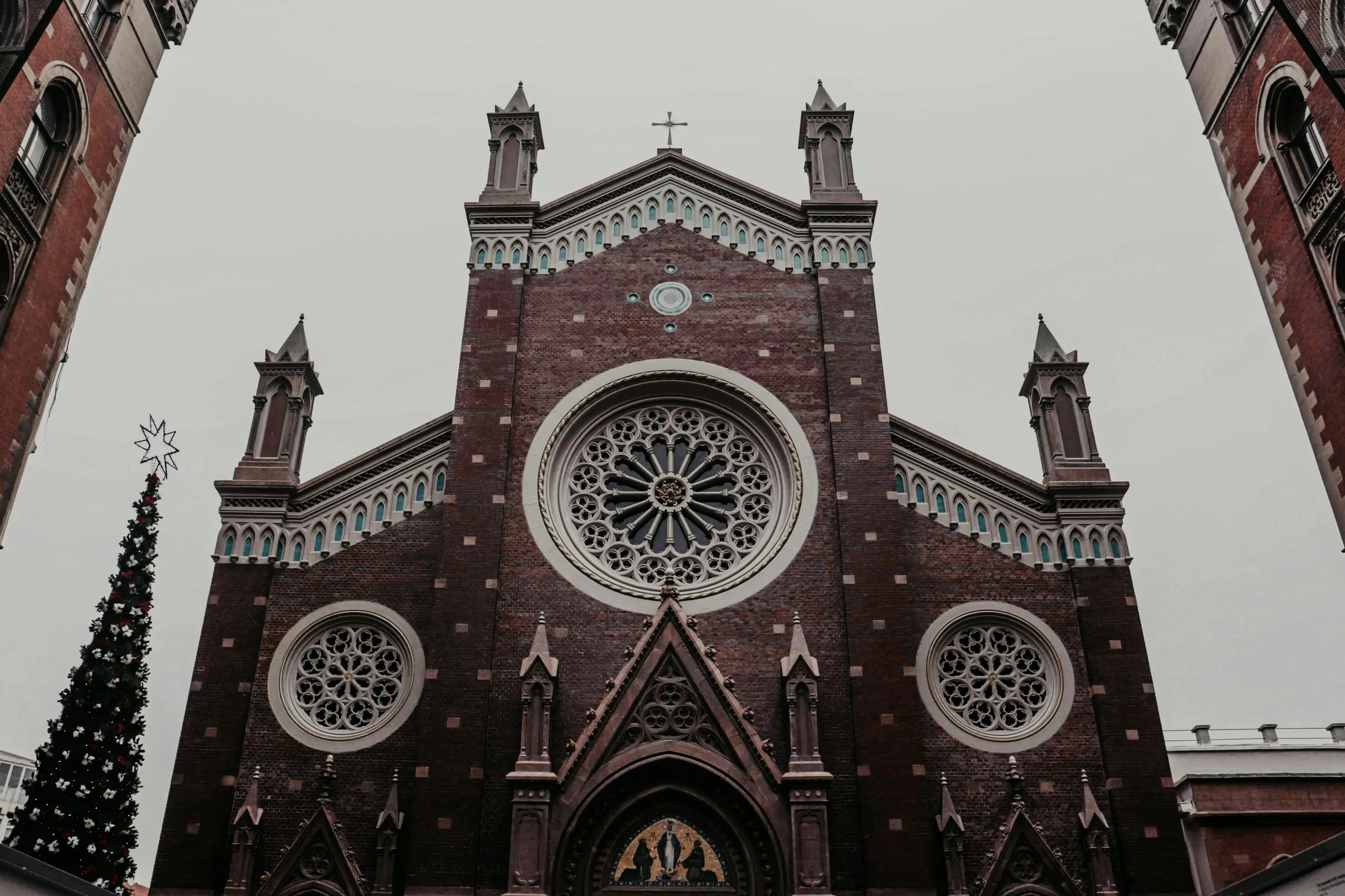
Architect: Giulio Mongeri, Eduardo Nari
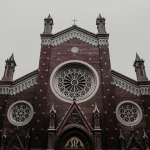
St. Anthony’s Church, a must-see in Istanbul, is one of the most important structures of worship for the Catholic community in Istanbul. Built in the Neo-Gothic style, the church’s façade reflects the 14th-century Tuscan-Lombardy style. The church is notable for its red brick structure, mosaic wall decorations on both sides, pointed arches, and high stained-glass windows. The interior of St. Anthony’s Church, designed in the shape of a Latin cross, features a cross on the frontispiece that rises 26 meters above the ground.
9. Balat
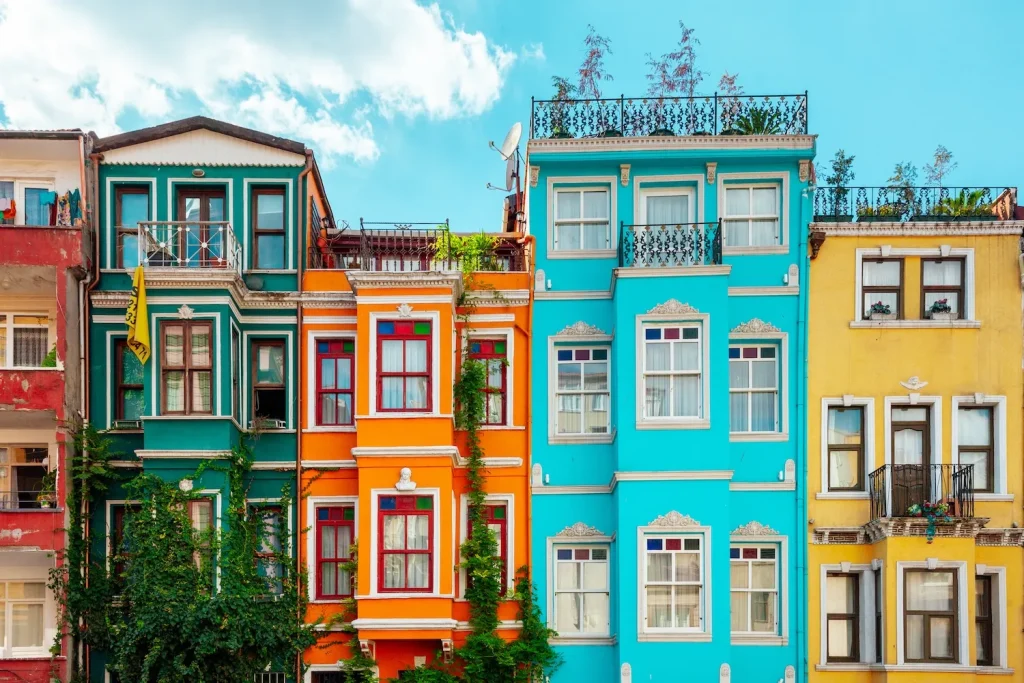
Balat, one of Istanbul’s most vibrant districts, is a must-see for architecture enthusiasts. The architecture of Balat reflects the influences of various empires that have shaped Istanbul over the centuries. The neighborhood’s captivating blend of Byzantine, Ottoman, and European architectural styles gives it a striking visual appeal and a timeless charm.
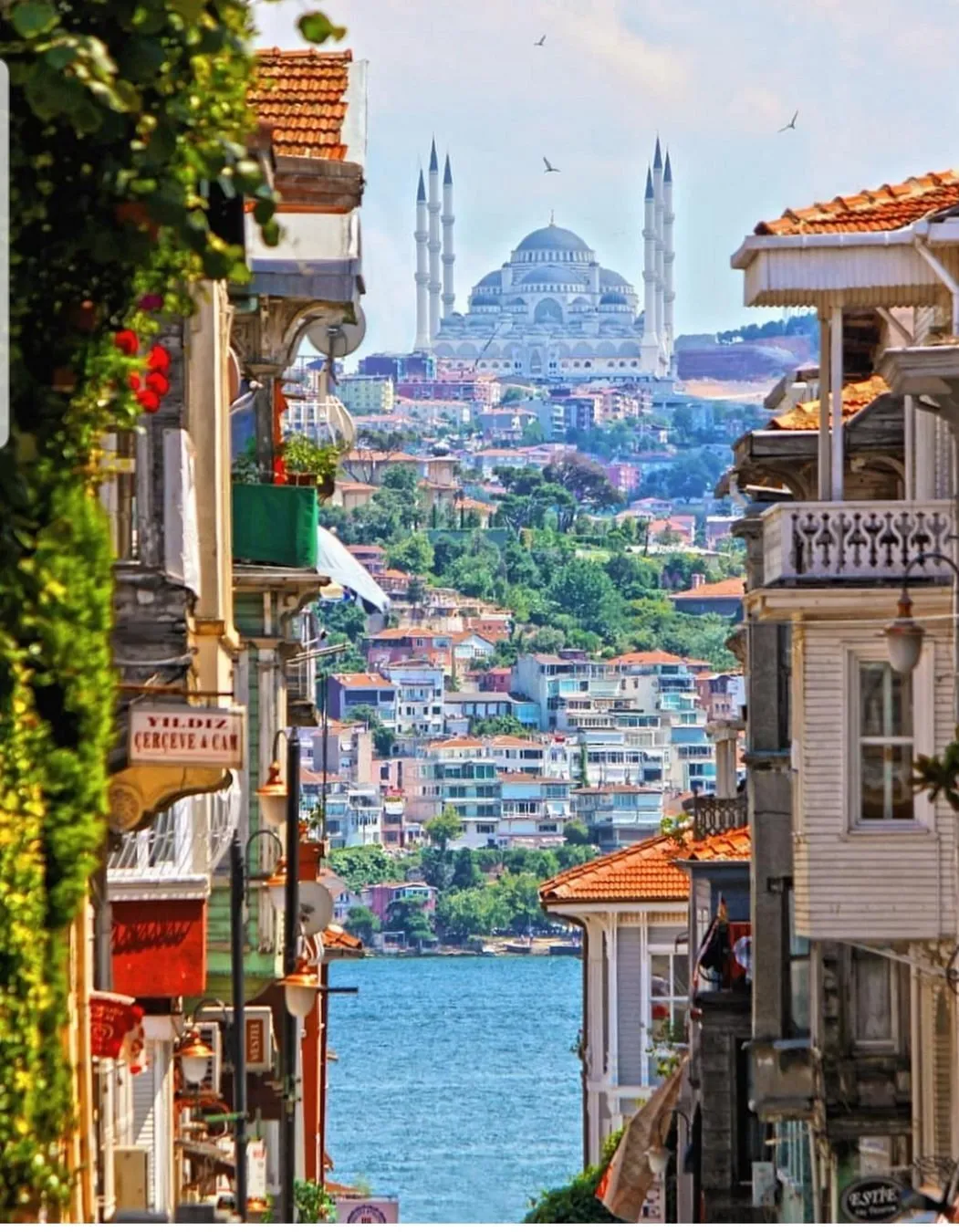
Once a commercial center and later a district home to well-educated, cultured, and affluent businesspeople, Balat is captivating with its layered history. This multicultural district, where Orthodox Christians, Jews, and Armenian Christians once lived side by side, still preserves its historical texture, evoking the feeling of stepping back in time.
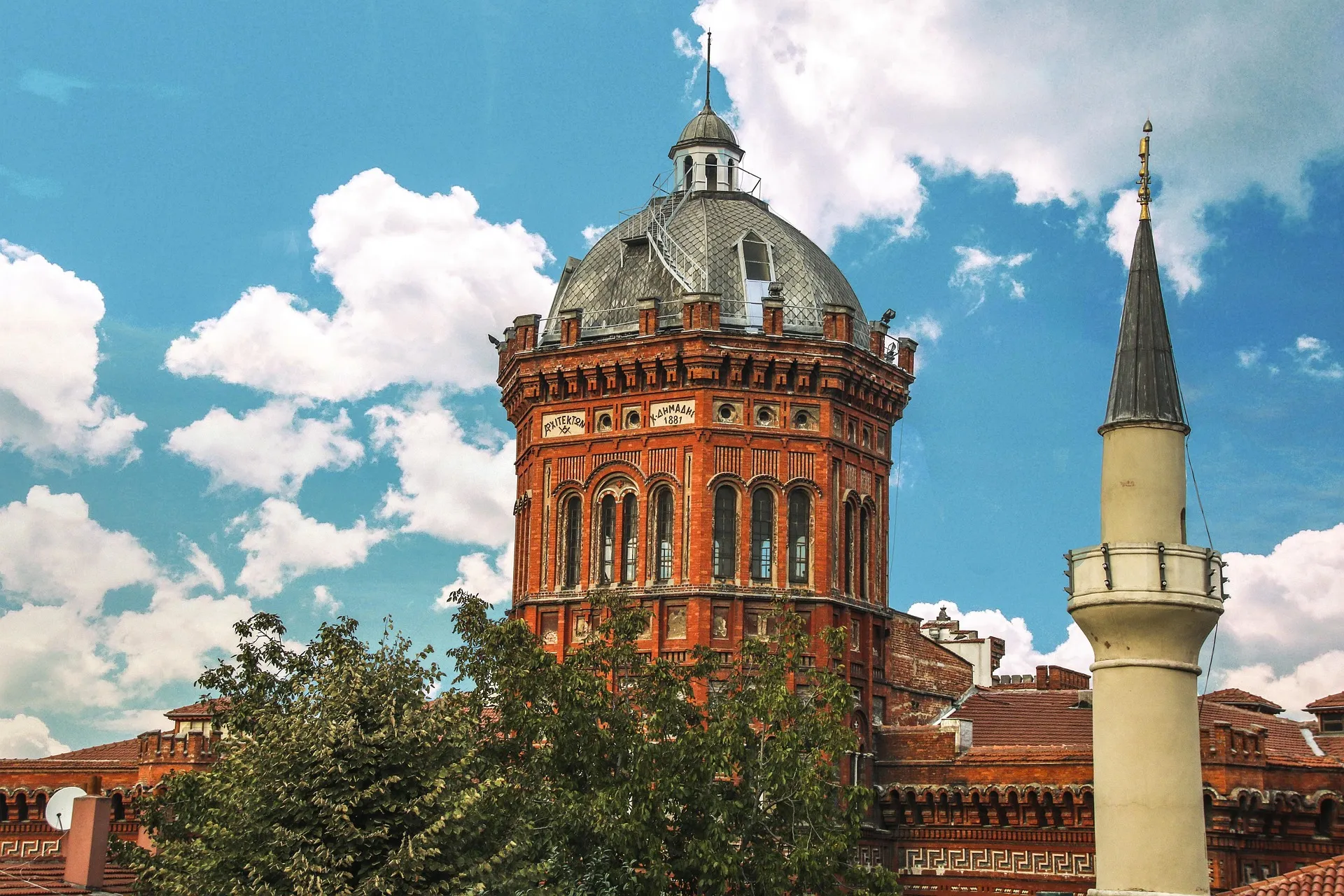
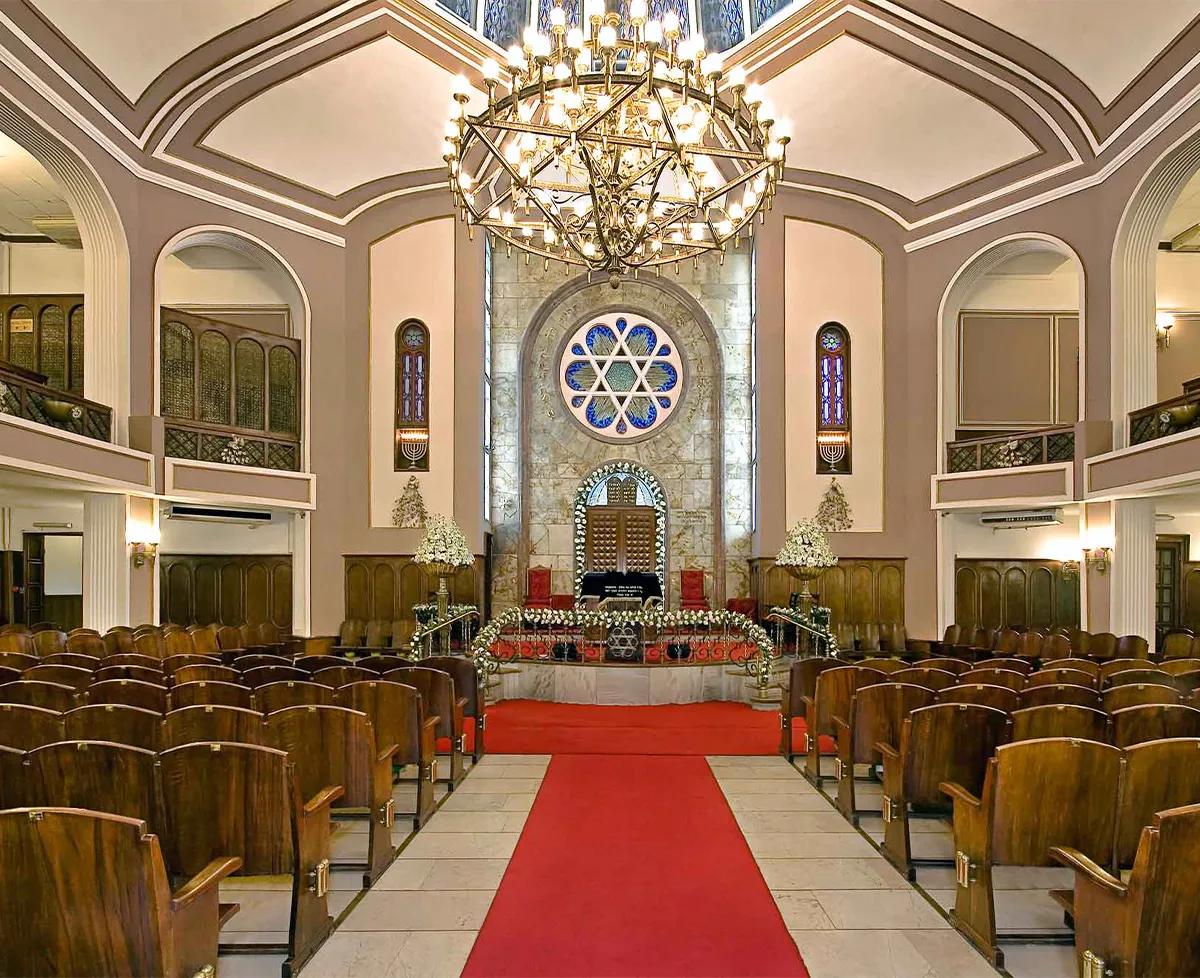
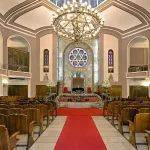
With its numerous historic churches and synagogues, Balat stands out for its rich cultural and architectural heritage. Among its most notable landmarks are the Ahrida Synagogue, Yanbol Synagogue, Bulgarian St. Stephen Church, Greek Orthodox Patriarchate, St. George Church, and the Küçük Mustafa Pasha Hammam. Dominating Balat’s skyline with its red façade and distinctive architecture, the Fener Rum High School (commonly known as the Red School) is one of the area’s must-see buildings.
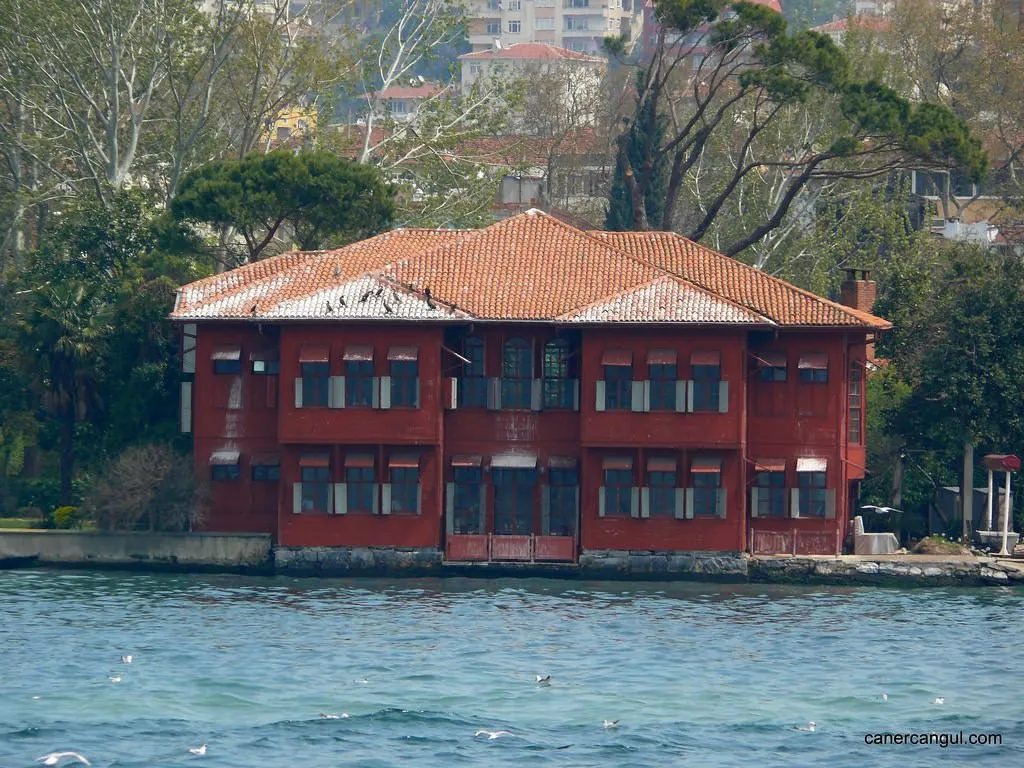
Balat, unaffected by Istanbul’s post-20th-century shift to concrete and glass residential architecture, features two-story wooden houses built side by side, tapering towards the top. These houses are striking with their bay windows and colorful facades.
10. Topkapı Palace
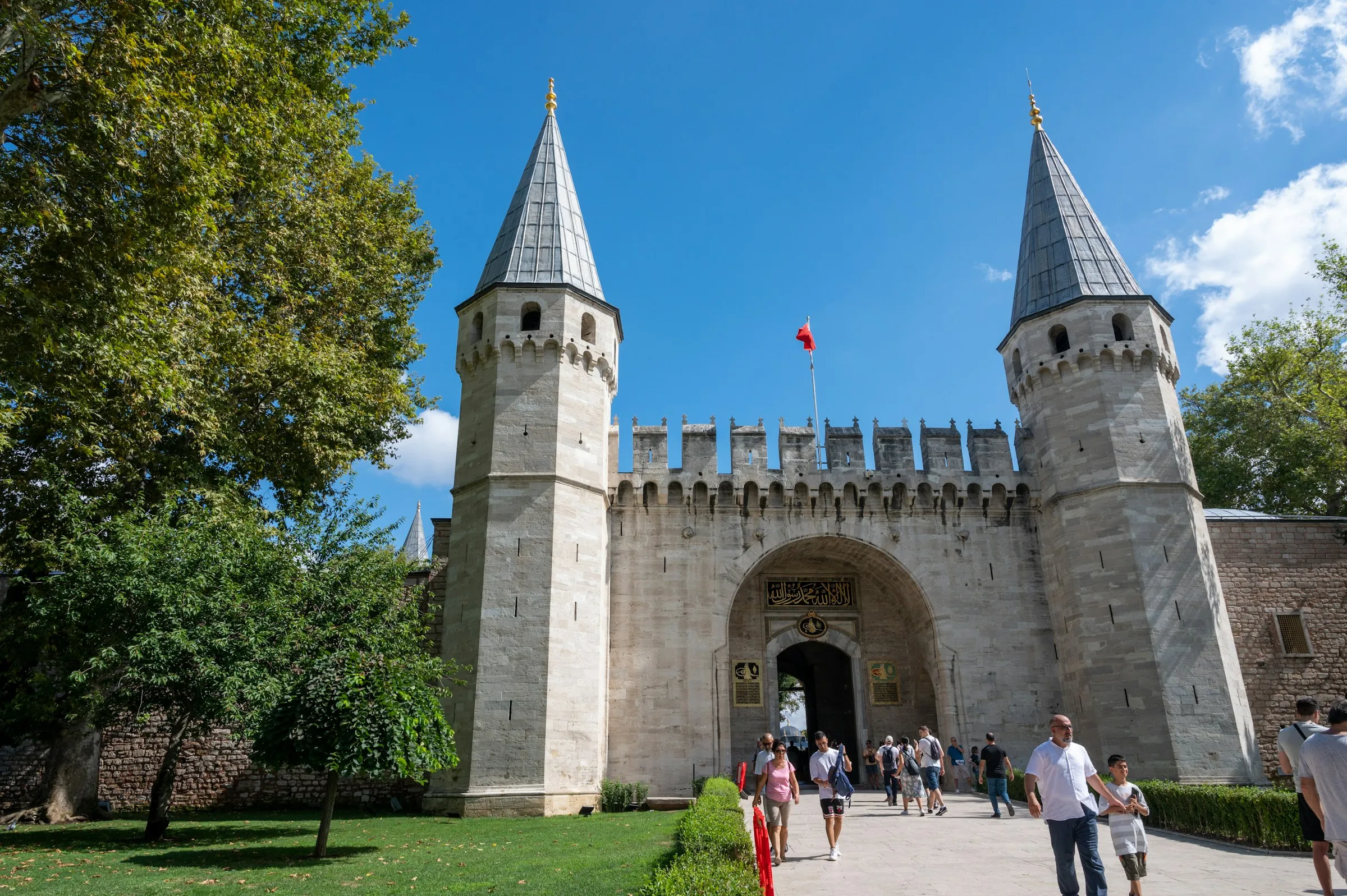
Year: 1465
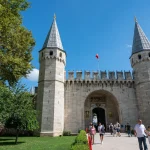
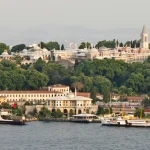
Commissioned by Sultan Mehmed II and built in Istanbul’s historic peninsula, Topkapı Palace served for centuries as the primary residence of the Ottoman sultans and the administrative center of the empire. Surrounded on the land side by the 1,400-meter-long Sur-ı Sultani walls and on the sea side by the Byzantine walls, the palace covers an area of over 700,000 m². Reflecting the hierarchy of Ottoman court life through the separation of public and private spaces, Topkapı Palace is a complex consisting of interconnected structures, pavilions, the Imperial Harem, council halls, and various service buildings opening onto successive courtyards.
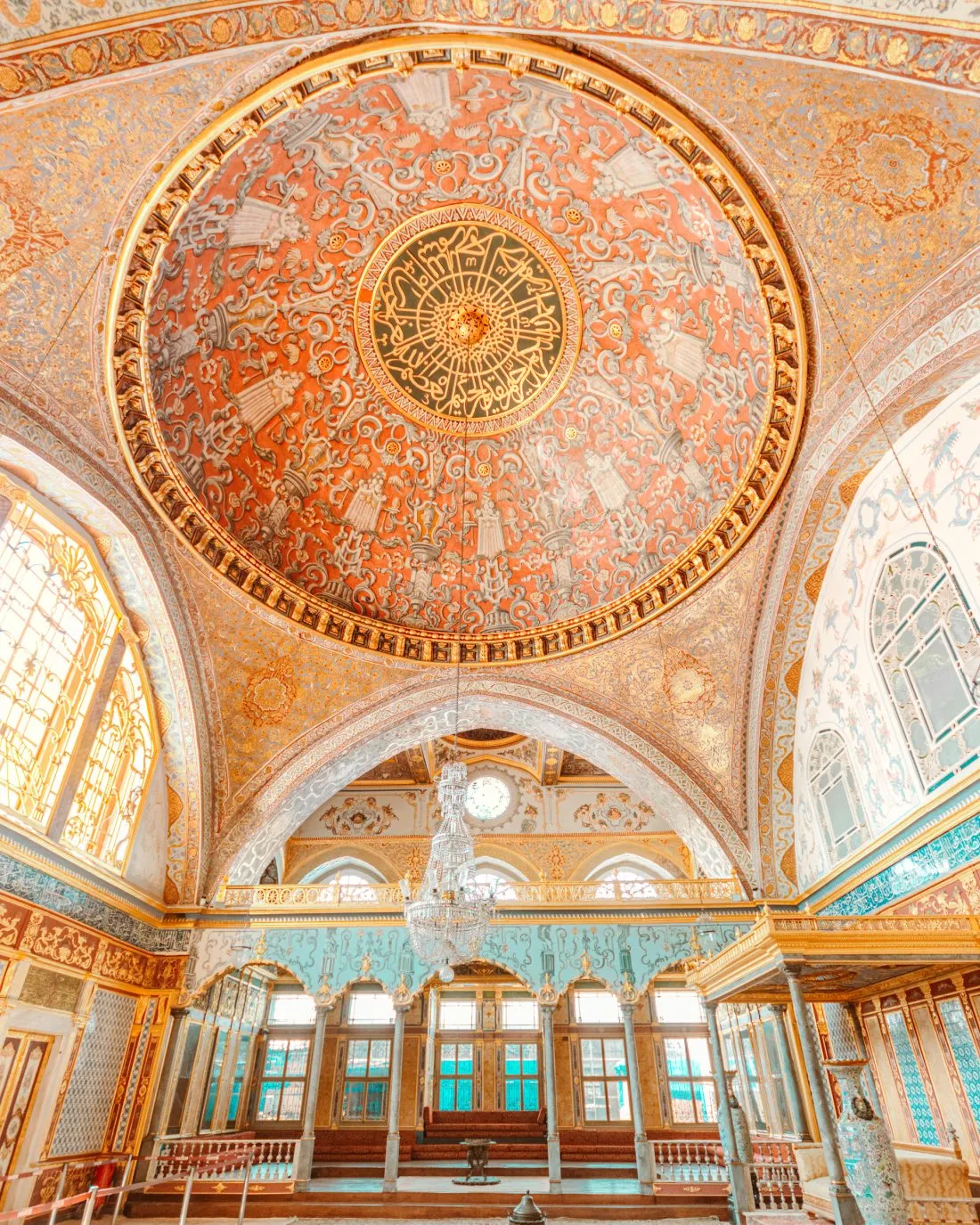
Topkapı Palace, which was converted into a museum and opened to visitors in 1924, exhibits the Imperial Treasury, European porcelain and glass, copper and tombac kitchenware, Chinese and Japanese porcelain, silverware, the Mantle of the Blessed Mantle and sacred relics, Istanbul glass and porcelain, the Sultan’s dresses, the Sultan’s portraits, and a collection of paintings.
11. Dolmabahçe Palace
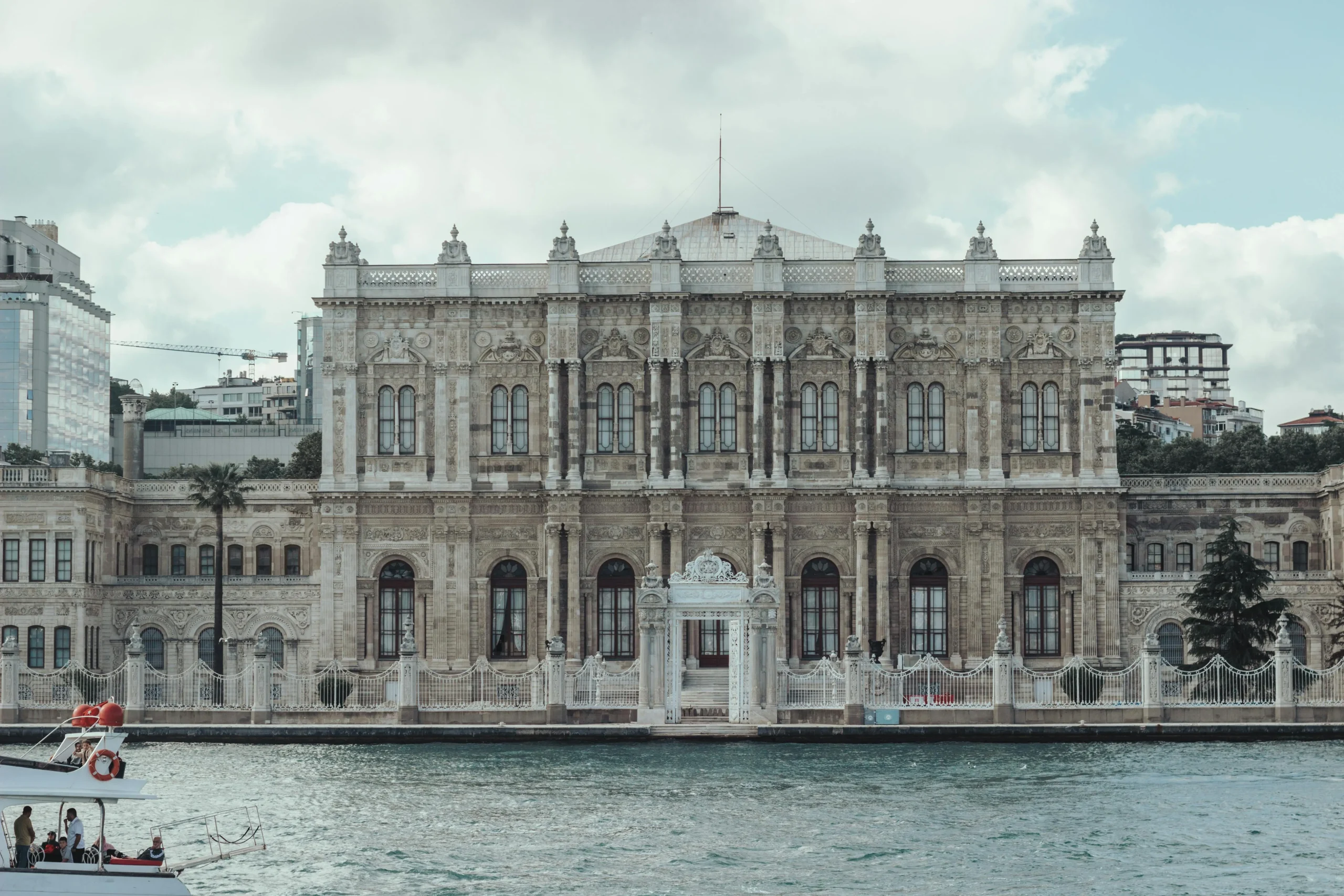
Year: 1856
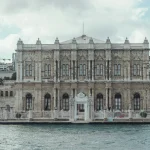
Built on the shores of the Bosphorus during the reign of Sultan Abdülmecid, Dolmabahçe Palace is one of the most significant landmarks to visit as an example of Turkey’s 19th-century Westernization. The palace, with its traditional features, is heavily influenced by baroque, rococo, and neoclassical styles in its interior and exterior decorations.
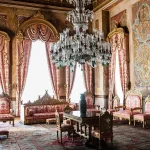
In line with Islamic tradition, the palace is divided into two main sections: the selamlık, representing the public face of the state, and the harem, reflecting the private life of the sultans. The interior decoration was designed by the French designer Sechan. The interior, a dazzling beauty adorned with Baccarat and Bohemian crystal, Sèvres and Yıldız porcelain, and Hereke carpets, is notable for its ceiling decorations by Italian and French artists.
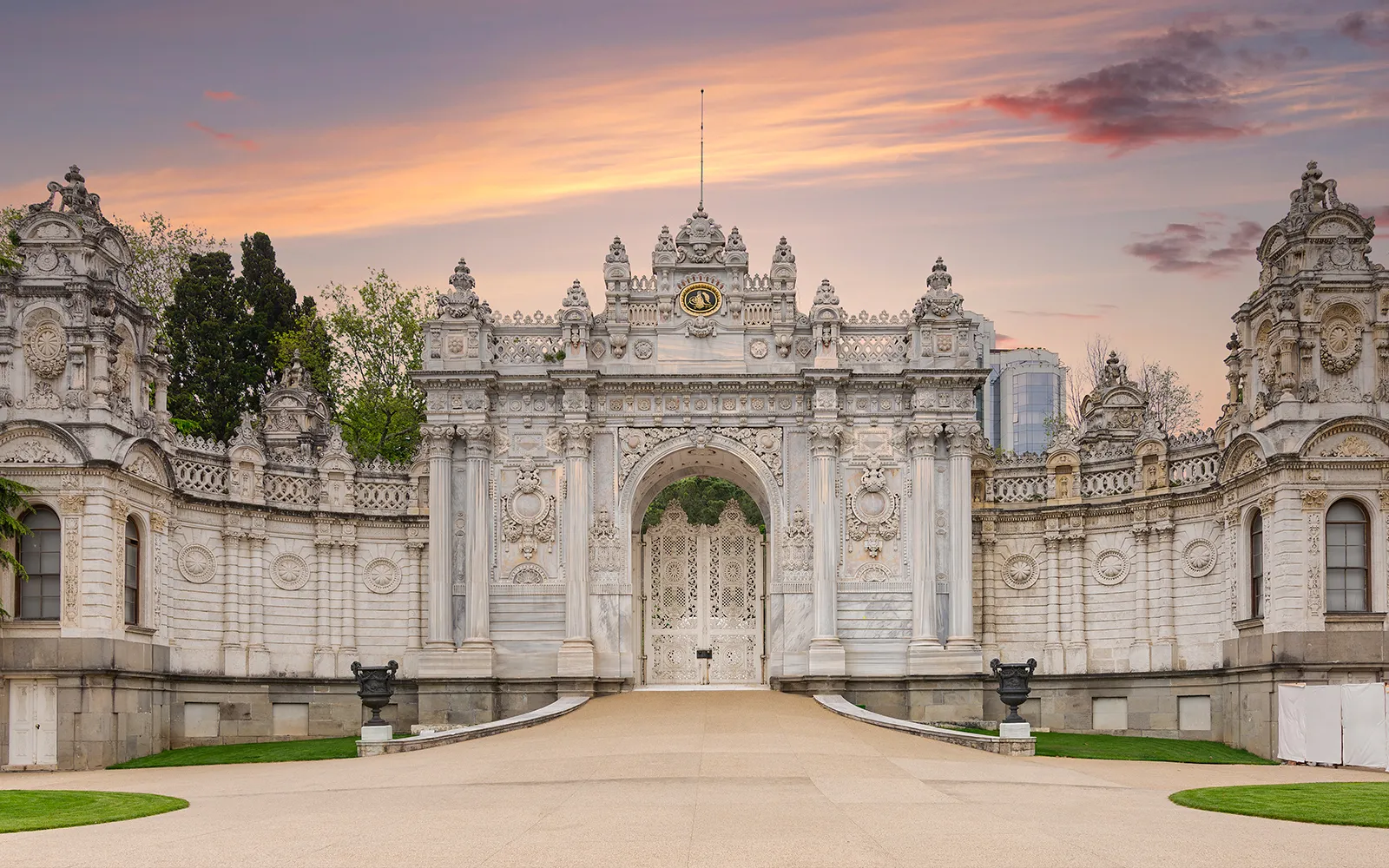
Surrounded by sea and land on both sides, the Dolmabahçe Palace gardens are architecturally structured into four main sections, each positioned according to the functions of the surrounding buildings. The gardens, with ponds, lanterns, vases, and statues adorning their green spaces, are laid out in a geometric pattern, reflecting European influences.
12. Beylerbeyi Palace
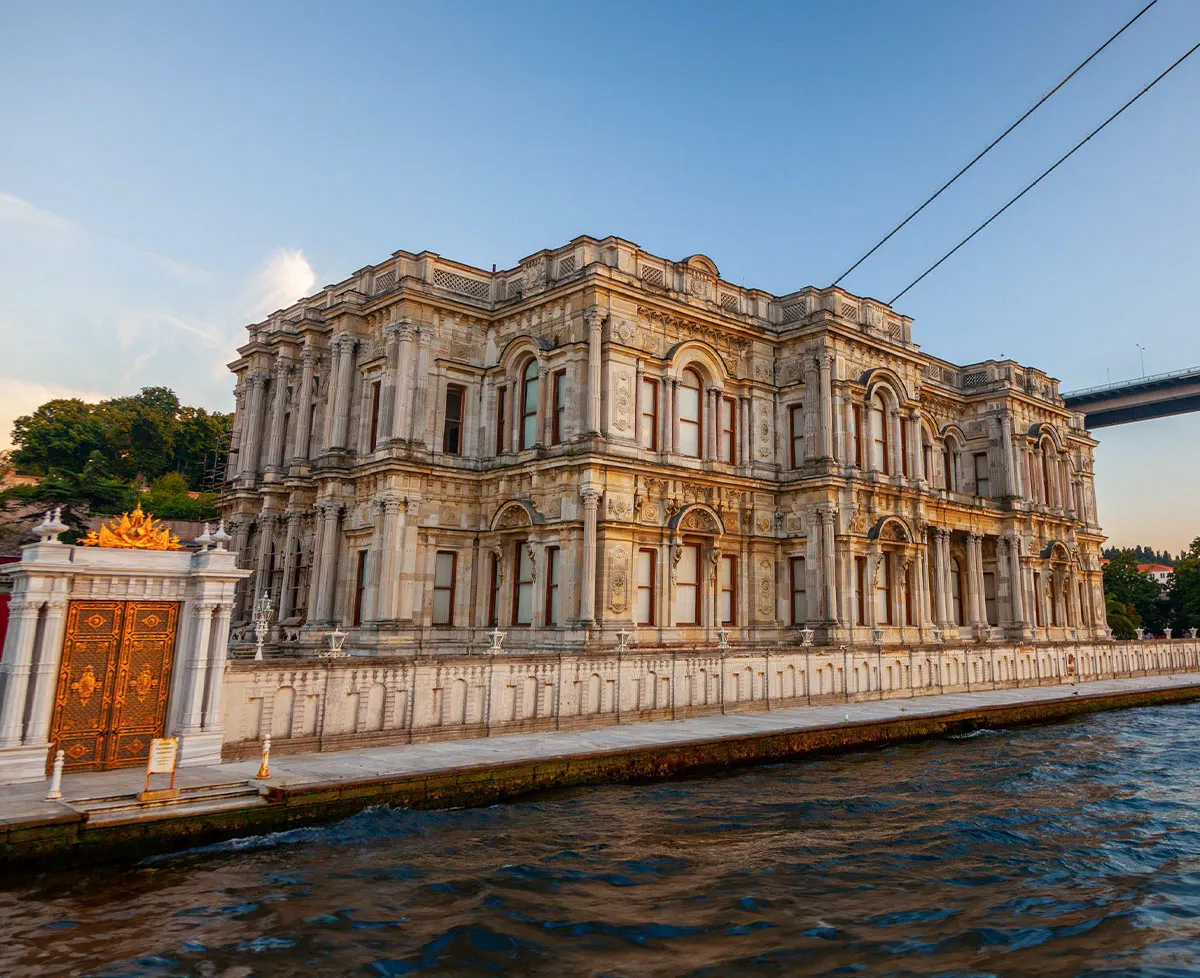
Year: 1865
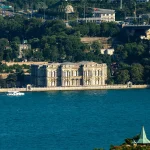
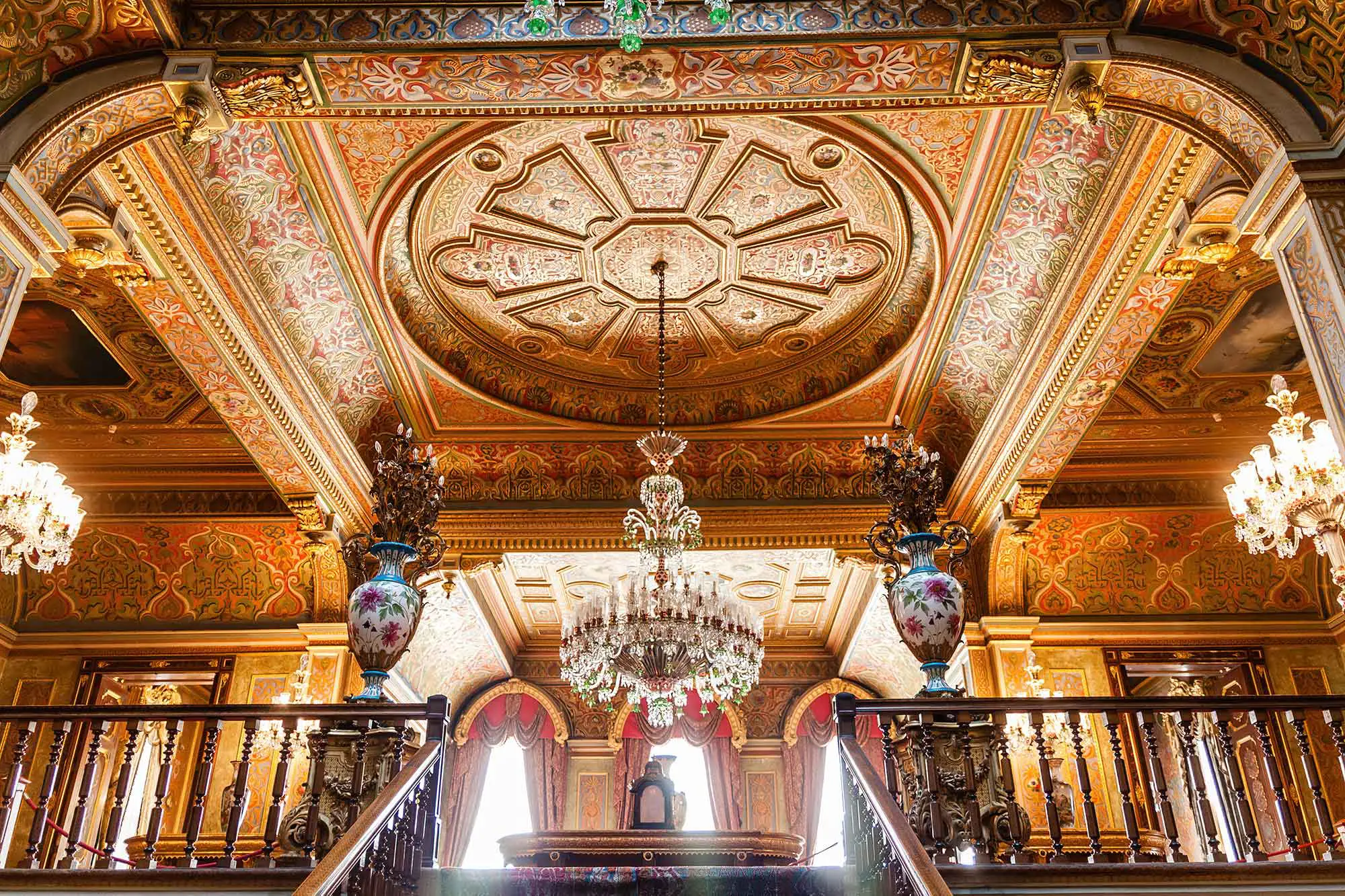
Located on the Asian side of Istanbul, Beylerbeyi Palace reflects a synthesis of East and West, showcasing elements of both Neoclassical and Baroque styles. The rectangular-paneled palace, which has a total of three floors, including the basement, houses six large halls, 24 rooms, one bathroom, and one bathhouse. The interior of Beylerbeyi Palace, which exhibits the characteristics of a Turkish house, is adorned with gold embroidery and carvings. While the grand decorations are concentrated in the entrance and main halls, the Harem section is designed in a simpler, more modest style.
13. Galata Tower
Year: 1349
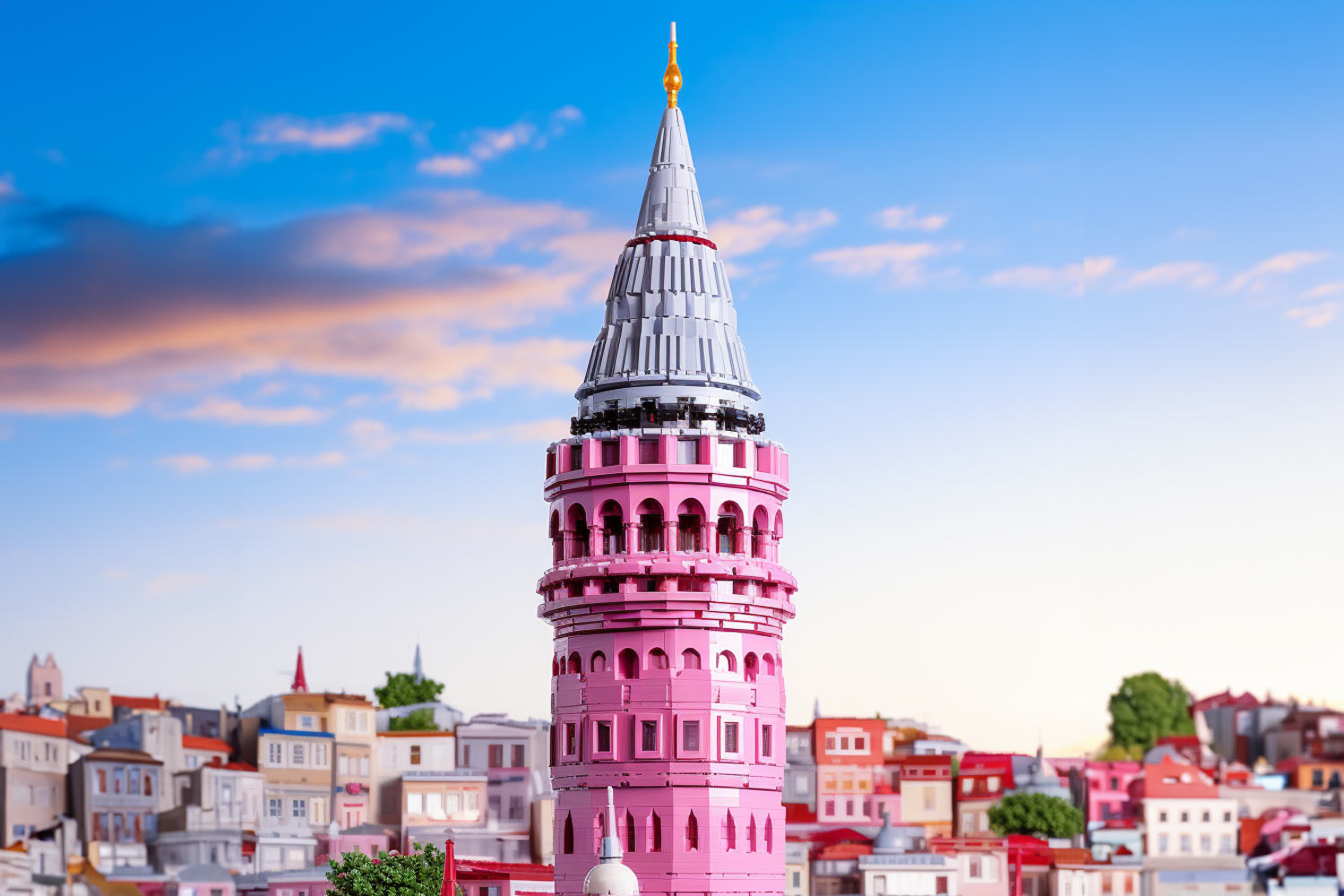
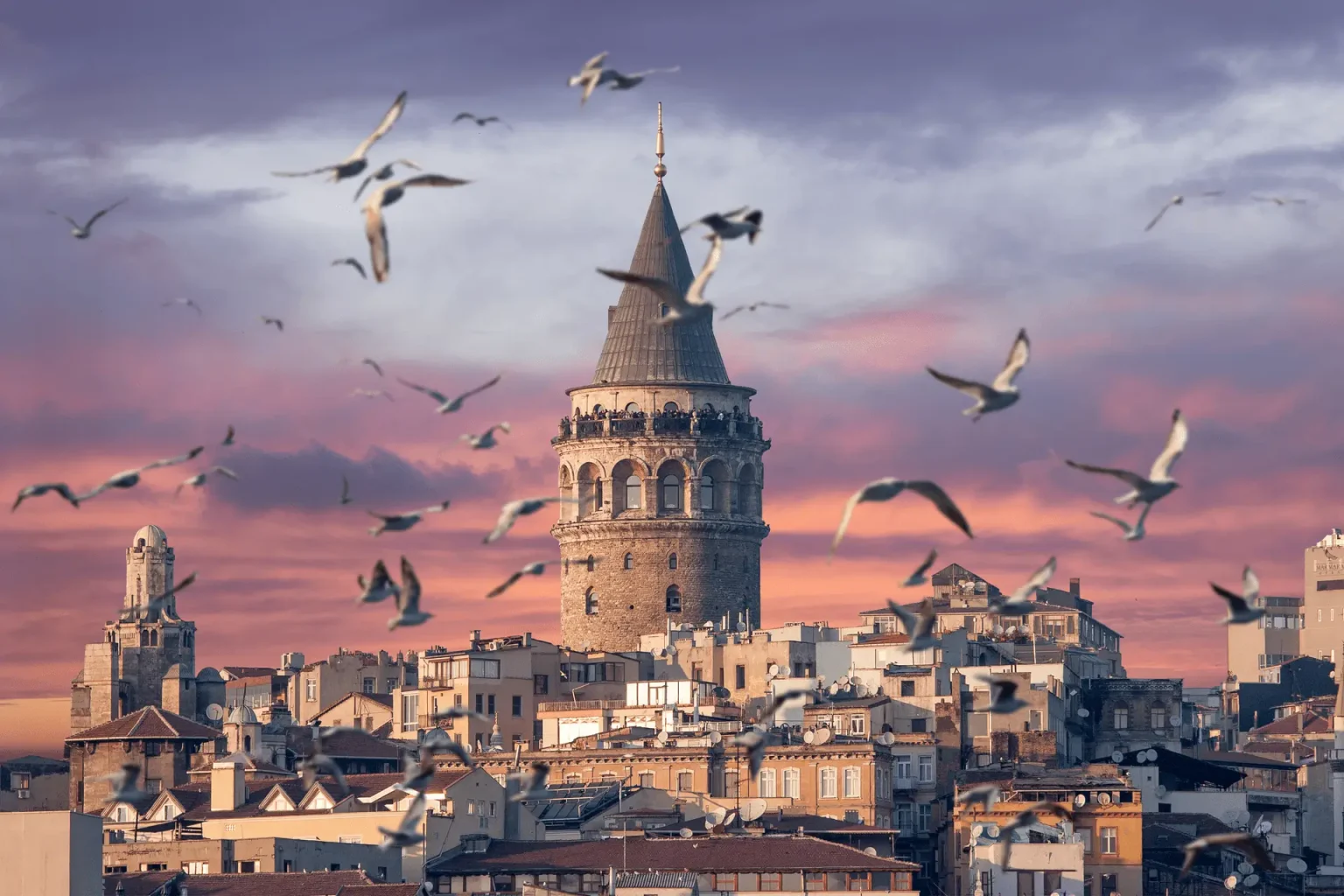
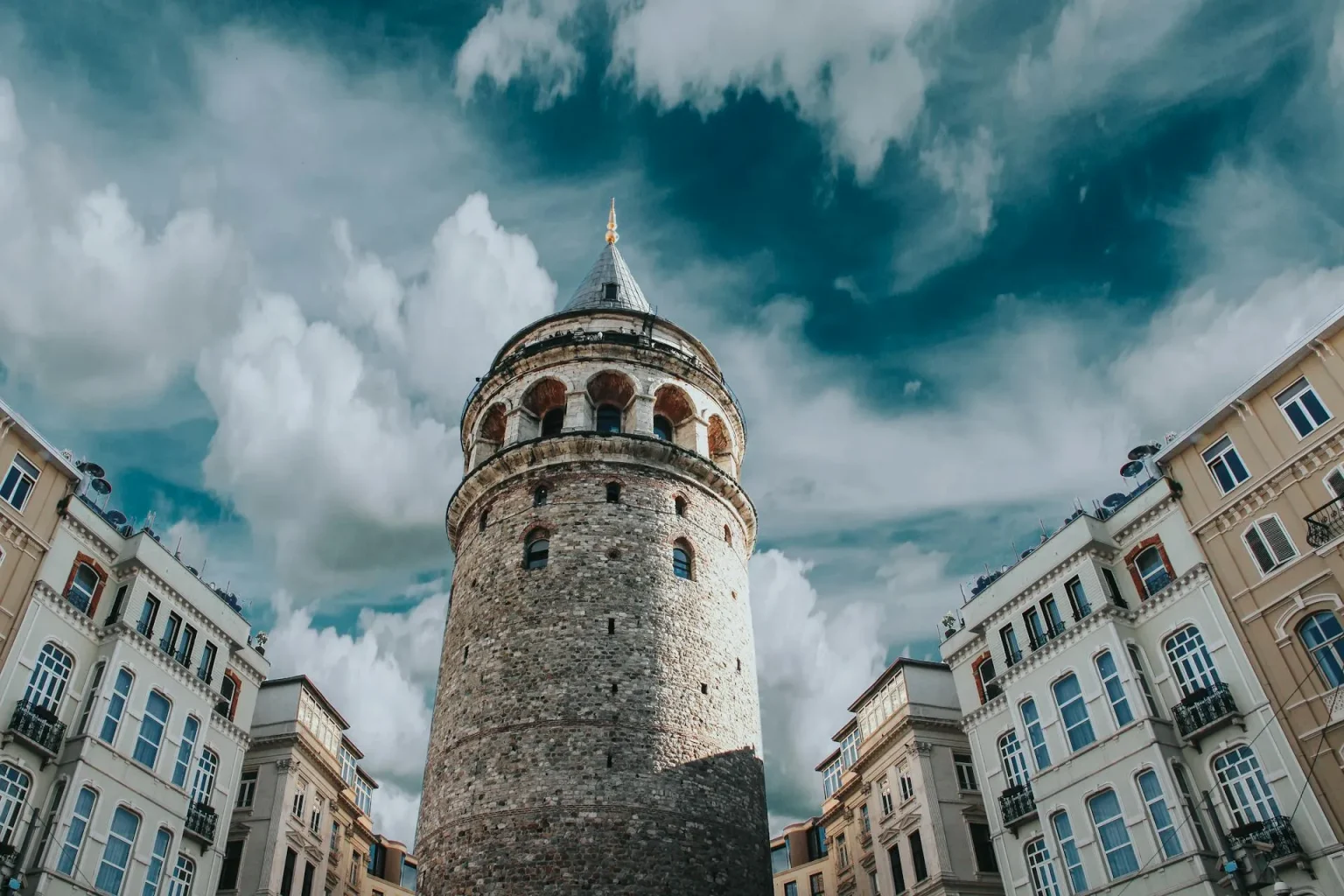
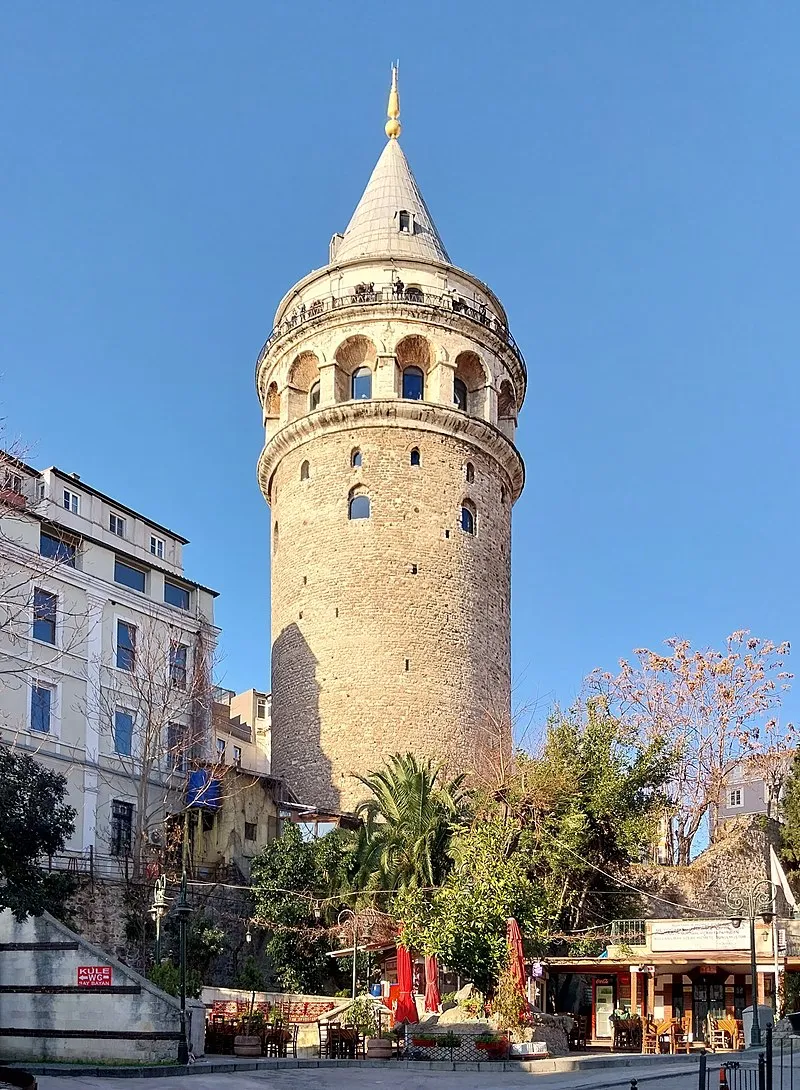
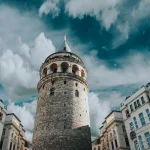
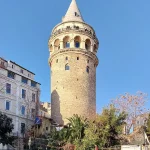
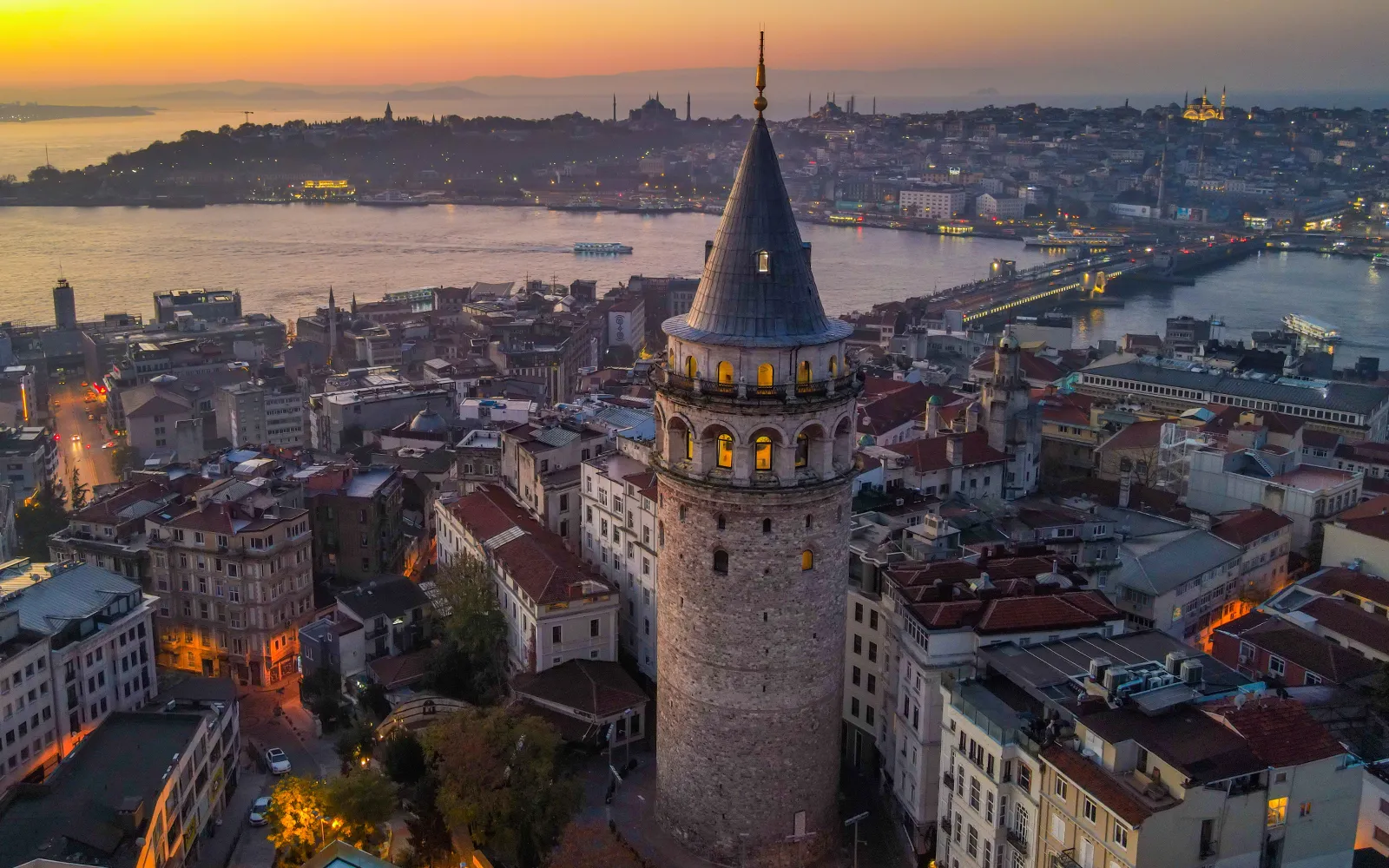
Galata Tower, one of Istanbul’s most iconic structures, is believed to have been built by Byzantine Emperor Justinian as a lighthouse. The tower took its present form in 1349 during the Genoese period, when it was used as a service building for trade between the Mediterranean and the Black Sea. During the reign of Sultan Selim III, the tower was restored, and an oriel was added to its upper floor. After being damaged by a fire in 1831, two additional stories were constructed, and the tower was crowned with its famous conical roof.
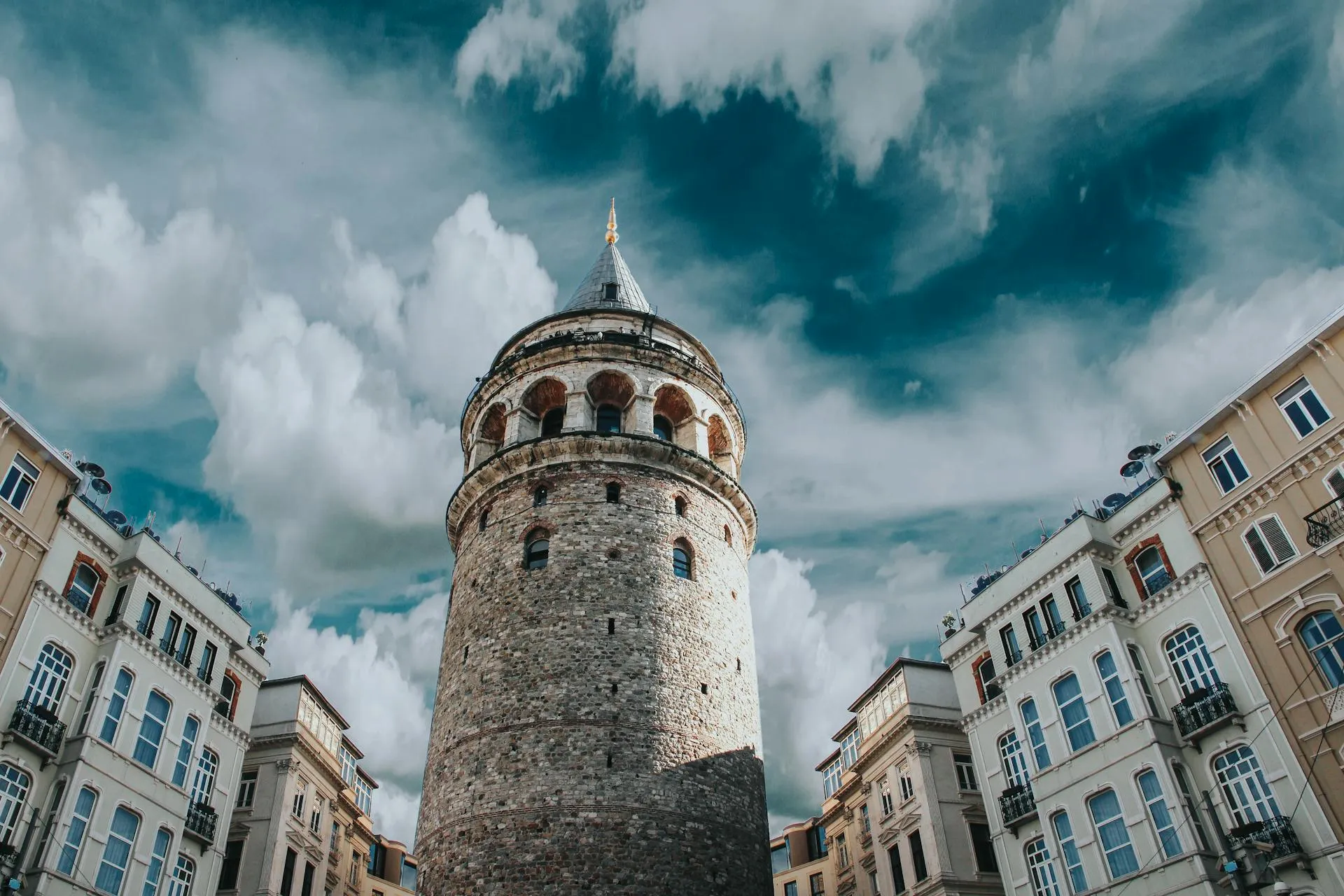
Reflecting Romanesque architecture, Galata Tower is constructed with a rubble masonry system. The outer walls are 3.75 meters thick, with an inner diameter of 8.95 meters and an outer diameter of 16.45 meters. The windows on Galata Tower’s massive, jointed masonry body are brickwork and round-arched. The cylindrical structure has 11 stories, including a high ground floor and basement. While the first three floors display the characteristics of Genoese architecture, the upper stories reflect Ottoman architectural style. Rising to a height of 62.59 meters, the tower is encircled just below its roof by an observation balcony with metal ornamental railings.
14. Maiden’s Tower
Year: 5th Century BC
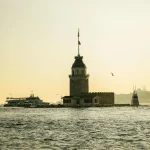
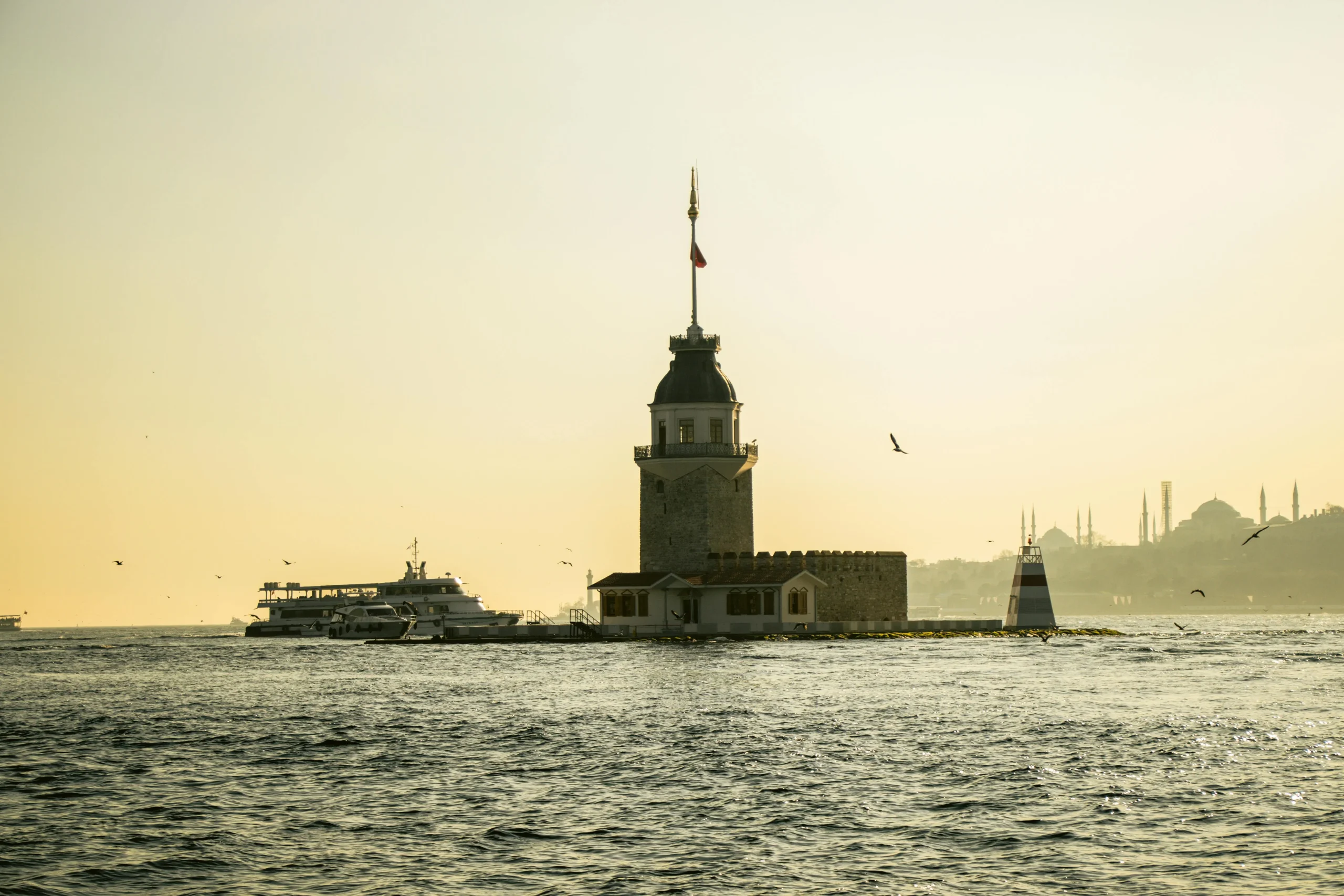
One of the iconic structures of the Bosphorus, the Maiden’s Tower has a rich history stretching from the Byzantine period to the Ottoman Empire. Originally built as a defense tower, it later served as a lighthouse, customs station, quarantine hospital, and today functions as a popular attraction for tourists. Located in the middle of the sea, the octagonal Maiden’s Tower combines Ottoman and Byzantine influences. Offering a panoramic view of both the European and Anatolian coasts, the tower represents Istanbul’s maritime history and its cultural heritage, rich with legends.
15. Yedikule Fortress
Year: 1458
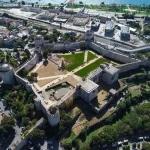
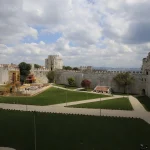
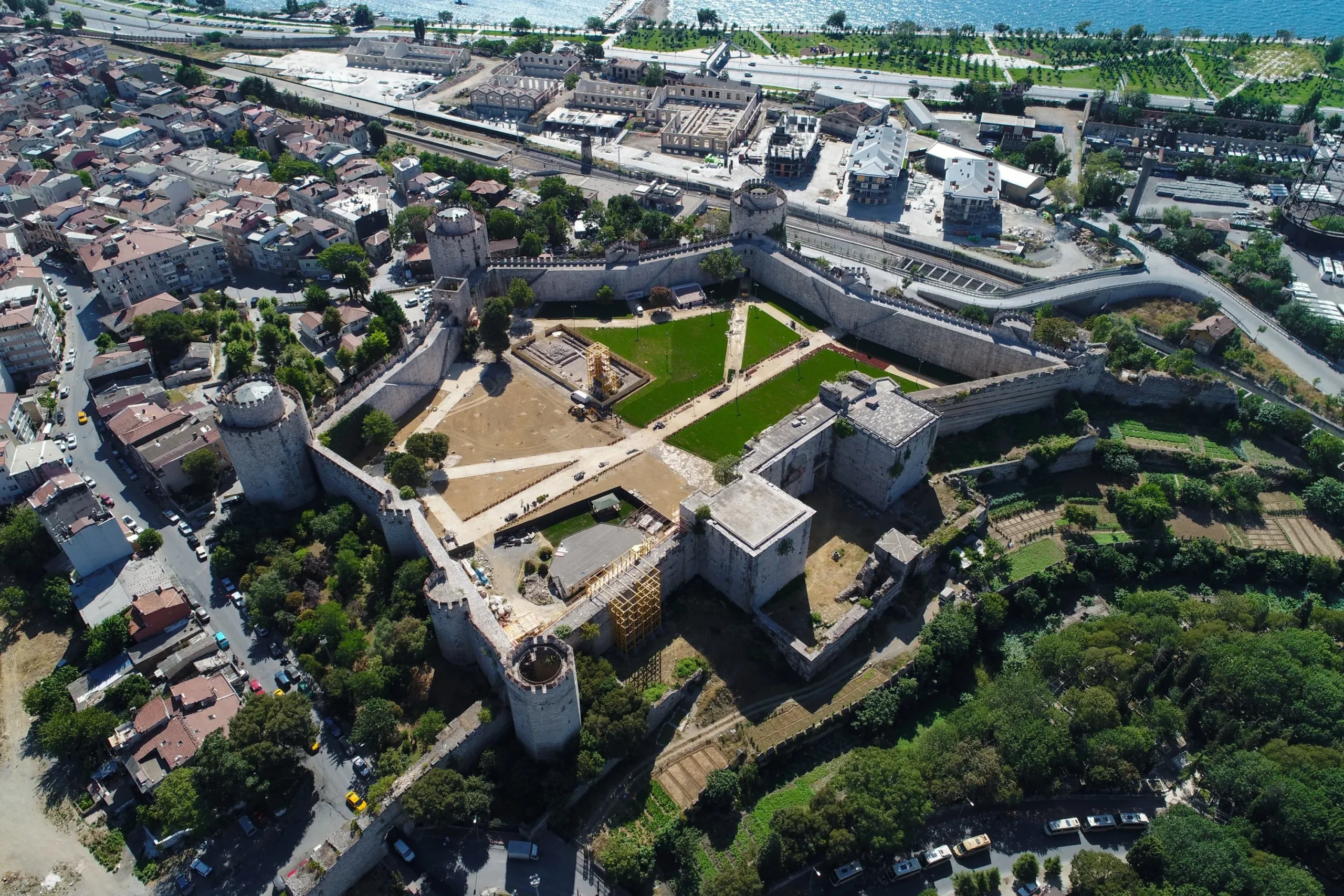
Built upon Istanbul’s historic land walls, Yedikule Fortress was commissioned by Sultan Mehmed II as a combined defense and prison complex. An Ottoman structure added to the late Roman land walls, Yedikule is a composite structure of older and relatively newer periods. Designed to incorporate Porta Aurea (the Golden Gate), one of Istanbul’s most significant entrances, this “inner fortress” was constructed with a star-shaped plan. Consisting of square and rectangular bastions and high walls, the tower protects the city from both land and sea.
During the Ottoman period, the complex also functioned as a dungeon, equipped with cells, passageways, and towers. Yedikule Fortress, now open to the public after extensive restoration, is a must-see in Istanbul with its impressive architecture and extensive history.
16. Çamlıca TV and Radio Tower
Architect: Melike Altınışık
Year: 2021
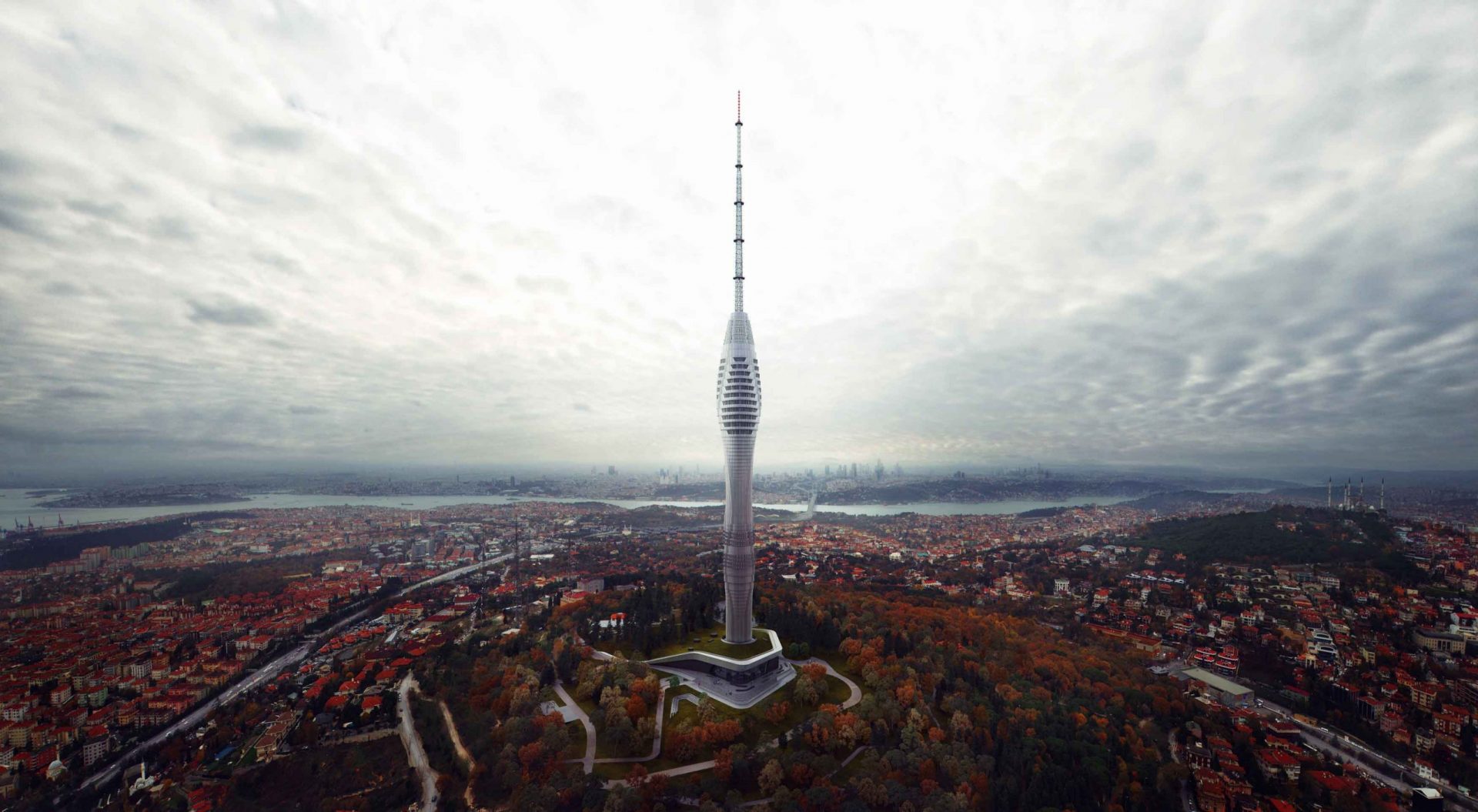
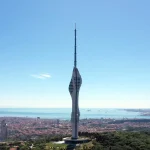
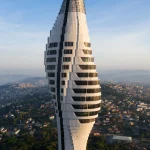
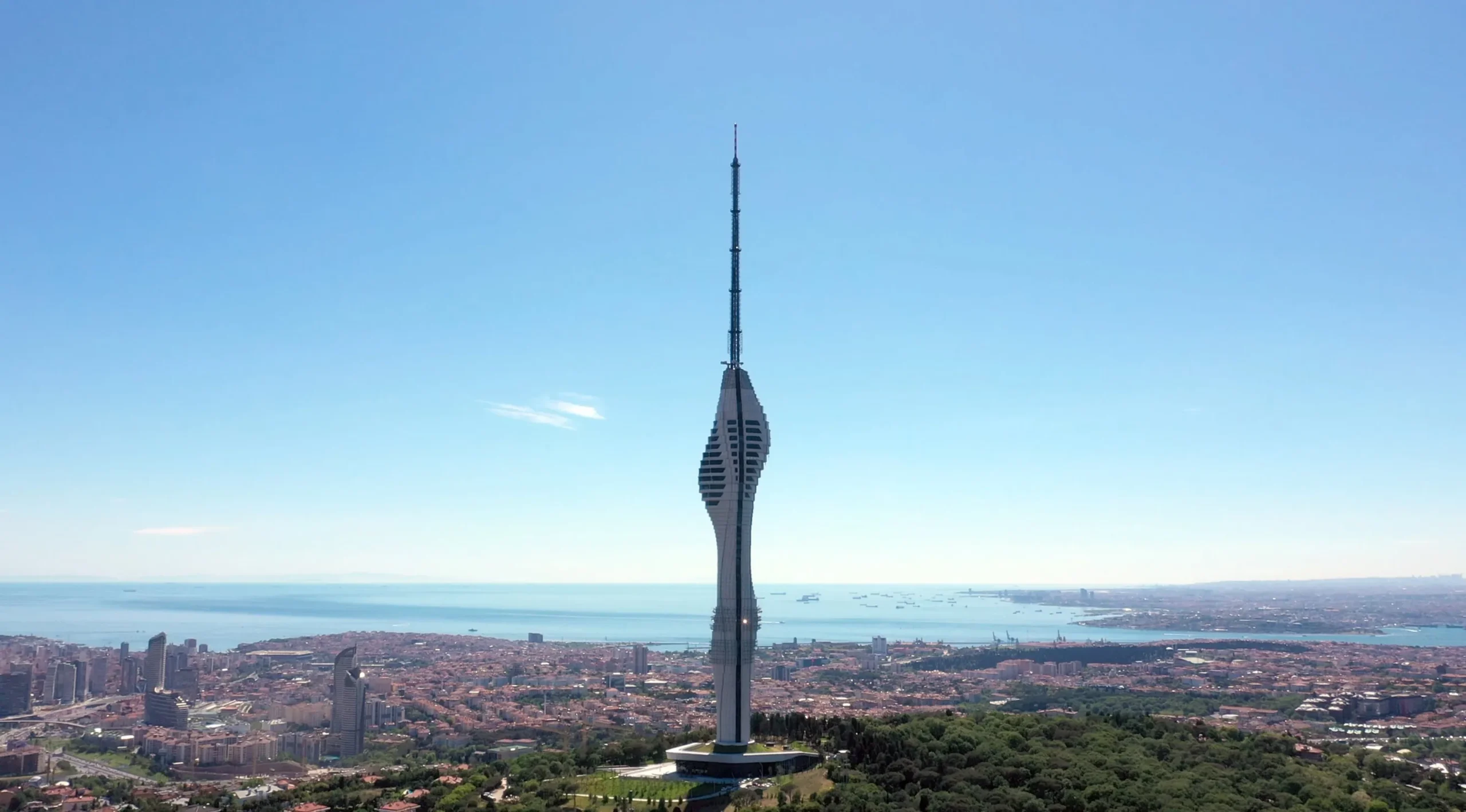
With its dynamic, organic form and futuristic character, the Çamlıca TV and Radio Tower rises 309 meters into Istanbul’s skyline as a modern communication and observation tower. The tower, which combines 80 FM radio stations, previously scattered and broadcasting from dozens of towers, into a single structure, reduces visual pollution and minimizes radiation emissions. Standing independently of the urban fabric, the tower embodies a symmetrical axis. The Çamlıca TV and Radio Tower offers not only radio and television broadcasts but also panoramic elevators for viewing.
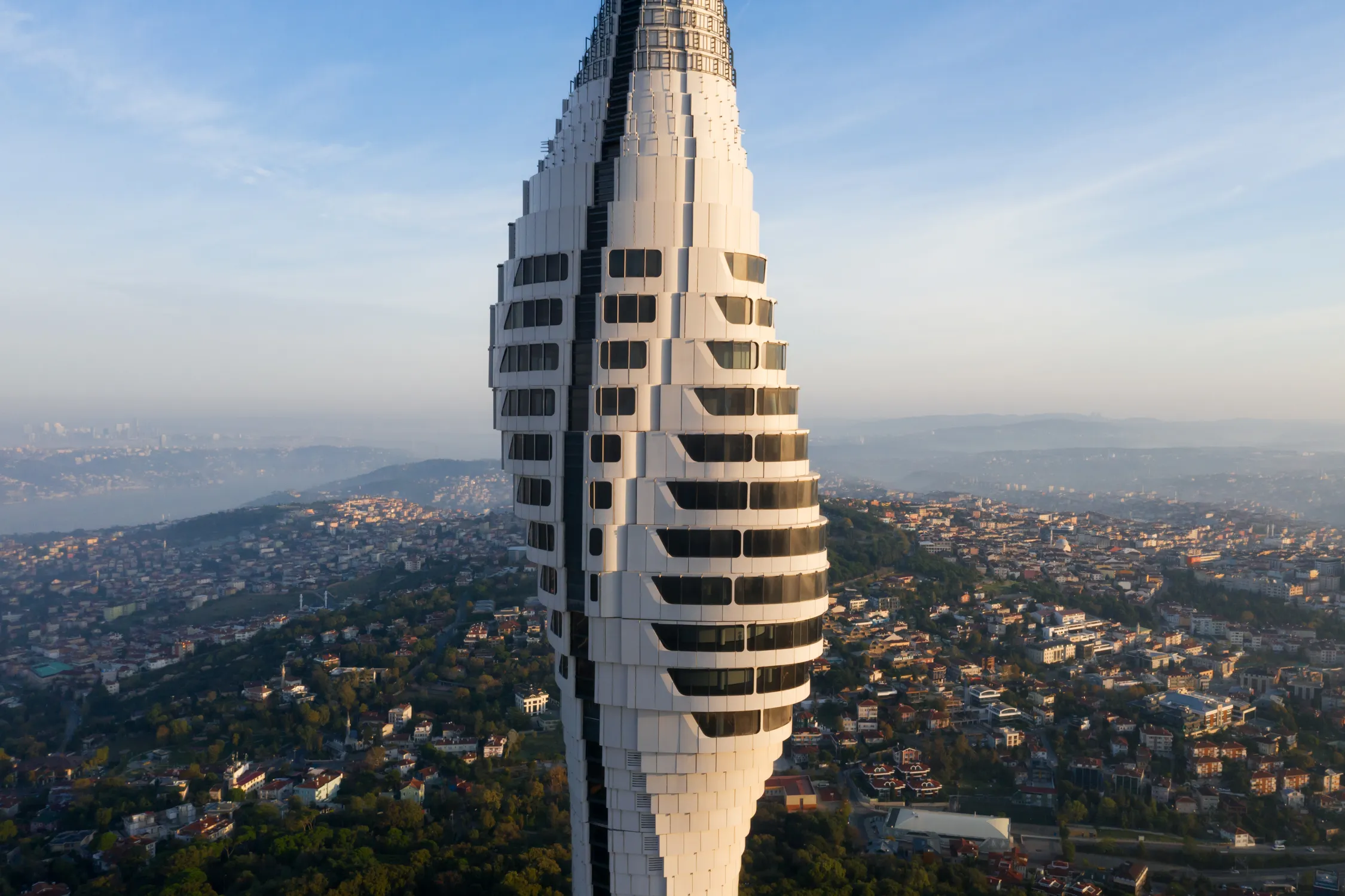
Constructed using advanced engineering techniques, the tower combines reinforced concrete and steel construction, providing both aesthetic and structural strength. The tower boasts a total of 49 floors, with the ground floor rising 220 meters above sea level. If you’re interested in designing residential towers using AI-assisted visualization, check out the BIM & Rhino.Inside the Advanced Tower Design workshop at PAACADEMY, led by instructor Albert Sumin. The workshop covers all stages, from concept to 3D and BIM modeling, to create a conceptual design for a residential tower.
17. Istanbul Archaeological Museum
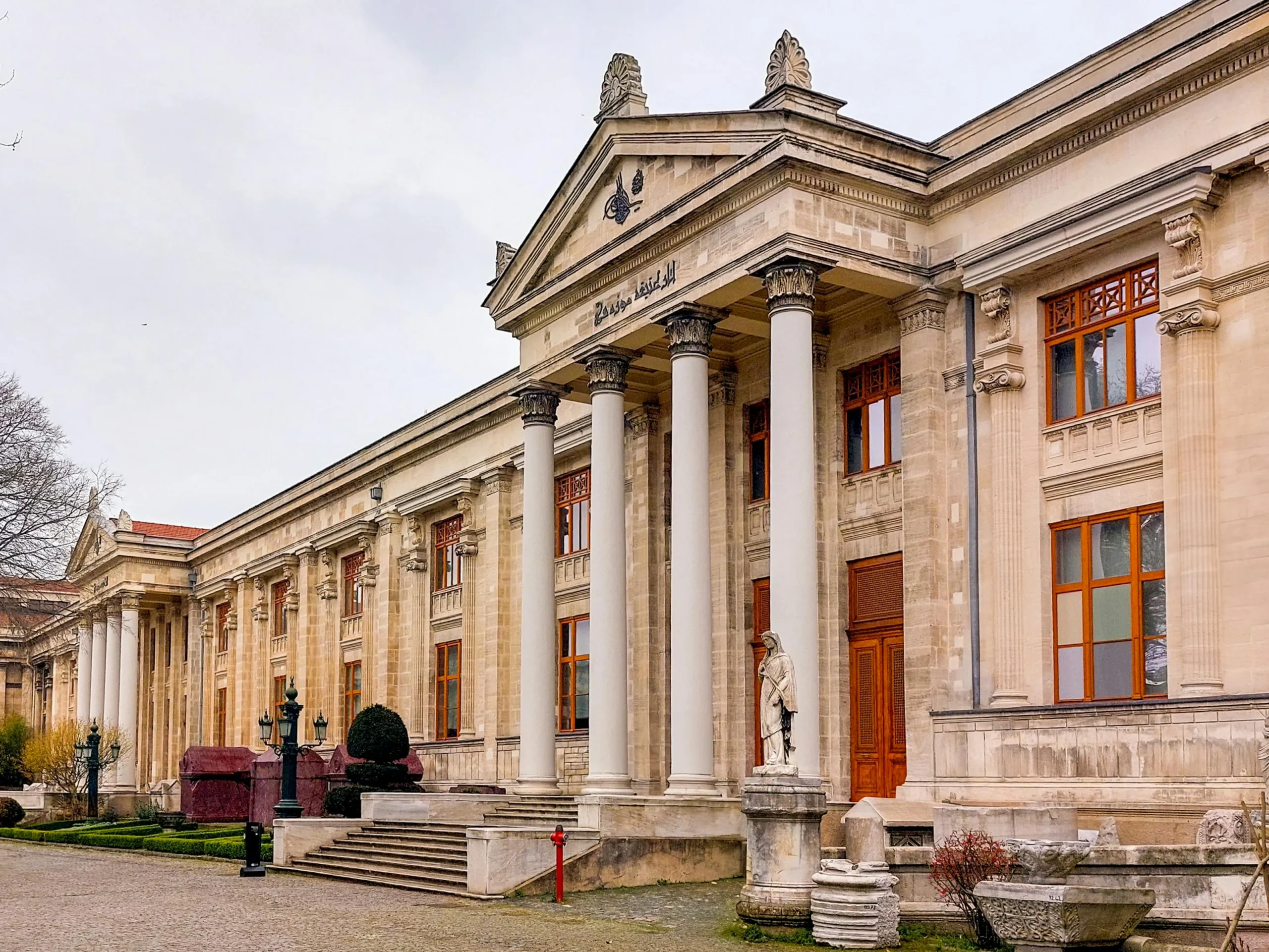
Architect: Alexandre Vallaury
Year: 1903
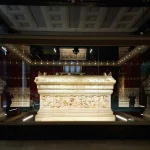
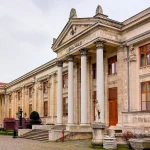
With over one million artifacts, the Istanbul Archaeological Museum, one of the world’s most important museums, is among the top 10 museums designed and built as museum buildings. Located adjacent to the Topkapı Palace Complex in Istanbul’s Sultanahmet district, the museum, which encompasses the extensive grounds of the Museum of the Ancient Orient, offers a chronological span from prehistoric times to the Ottoman period through its collections.
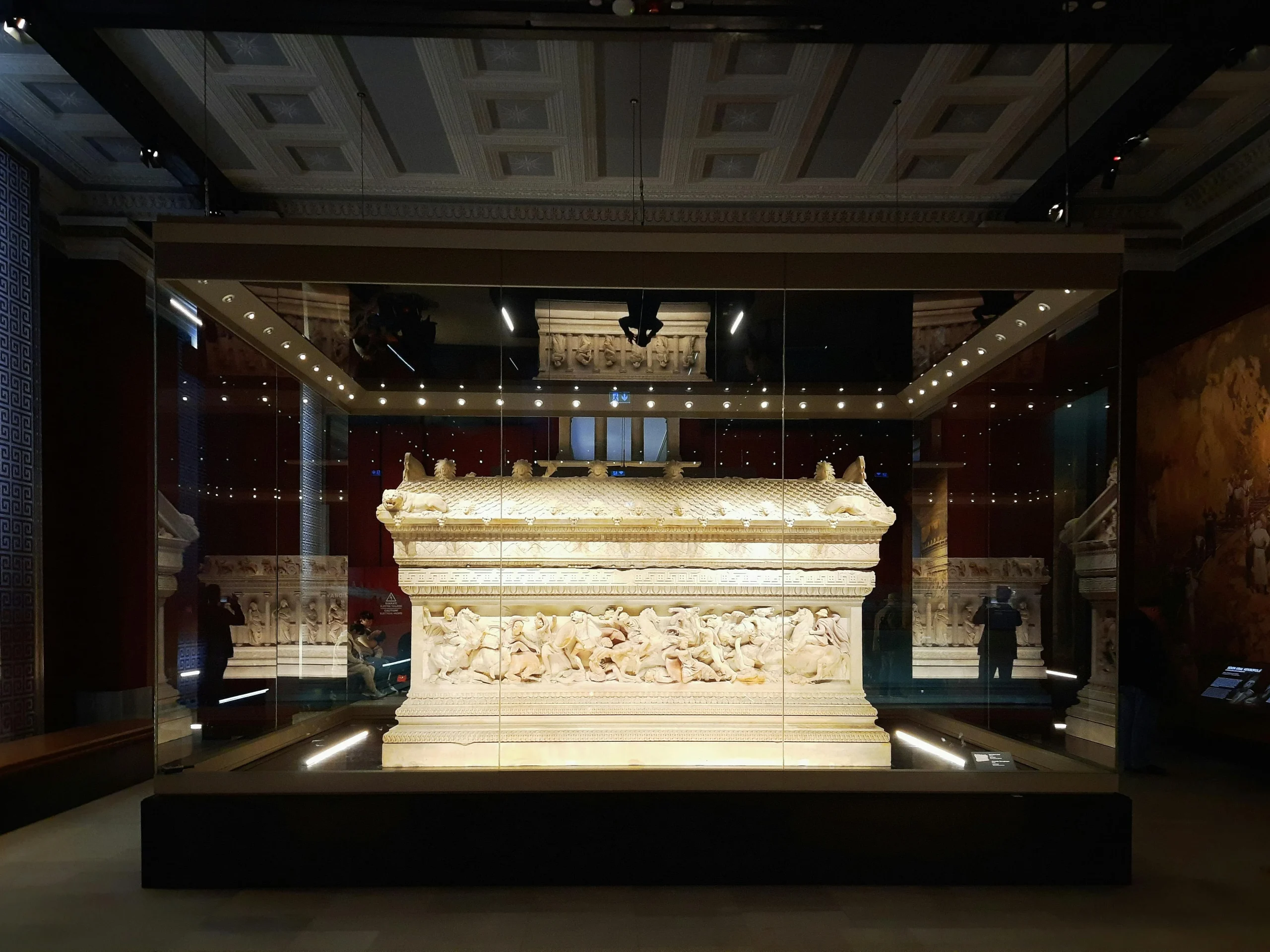
As a striking example of Neoclassical architecture, the masonry-built museum features stone-clad walls and beam-supported flooring, topped with a tiled hipped roof. The two entrances, accessed via wide staircases on the front facade, are separated by four columns.
18. Istanbul Maritime Museum
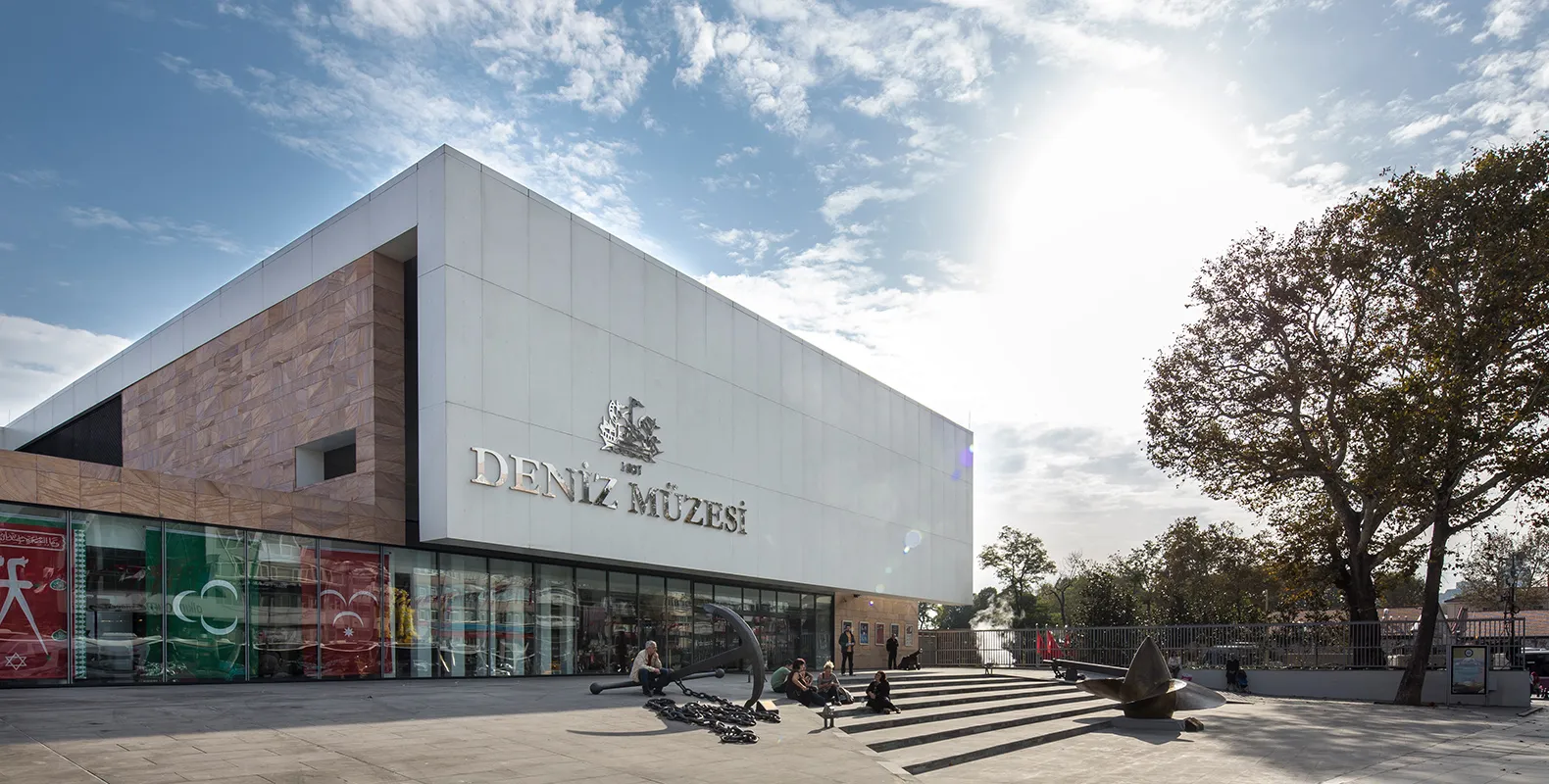
Architect: Teğet Architecture
Year: 2010
Located in Istanbul’s Beşiktaş district, the Maritime Museum is the first modern building constructed along the Bosphorus shoreline after the bridges were built. The museum presents an extensive collection documenting Ottoman and Republican maritime history.
Its site features three façades corresponding to different urban contexts: the Bosphorus façade dedicated to the boathouse, the Dolmabahçe Street façade, where the entrance is located, integrated with the city and transportation network, and the Beşiktaş Square façade containing the courtyard.
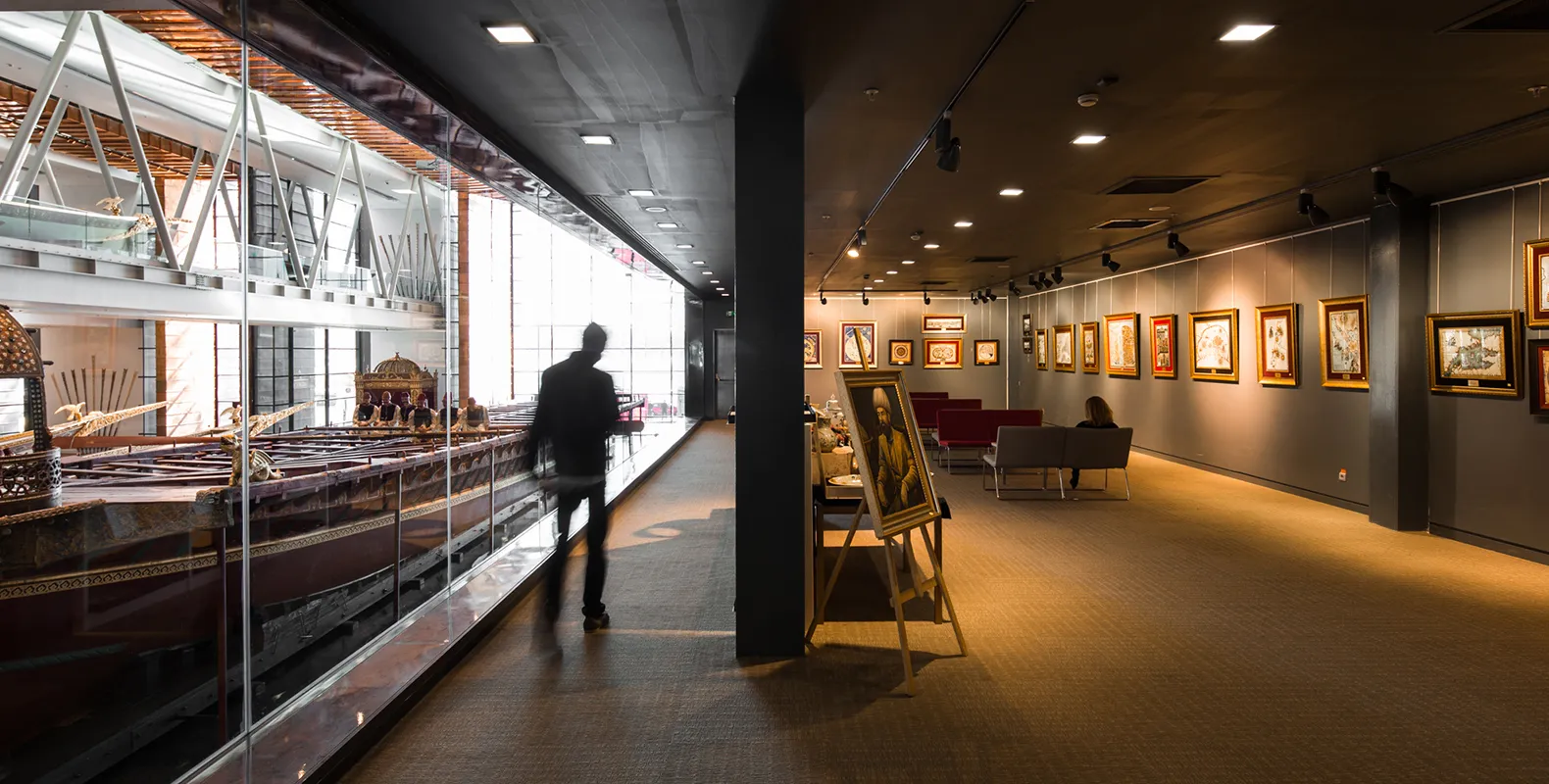
Designed and operated alongside an existing, but inadequately designated building, the Istanbul Maritime Museum stands out with its simple stonework and spacious exhibition spaces, reflecting the character of classical Ottoman architecture. The museum, with a height of 14 meters, is divided by a mezzanine supported by steel trusses ranging from 25 to 45 meters, accessible via a ramp.
19. Istanbul Modern
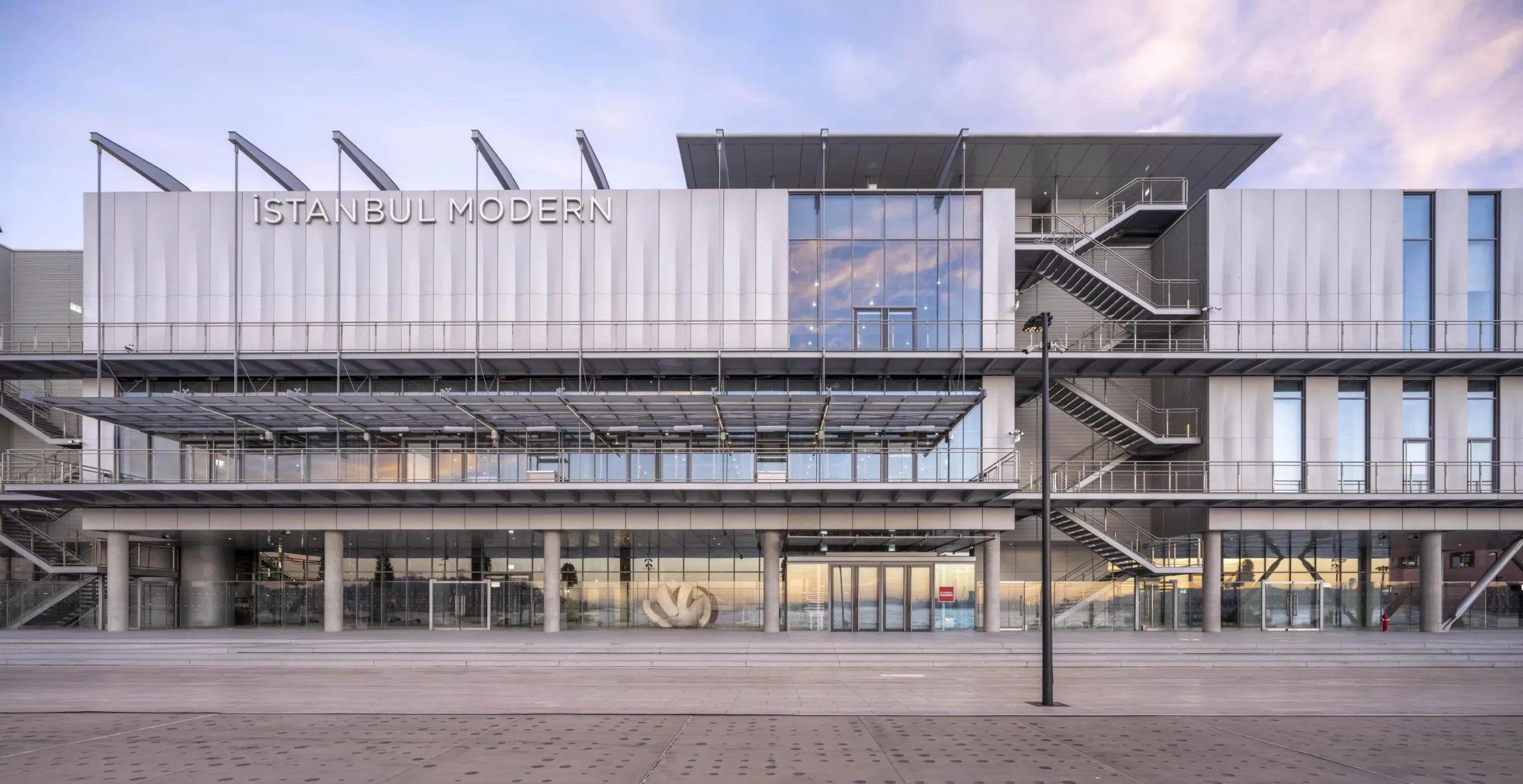
Architect: Renzo Piano
Year: 2023
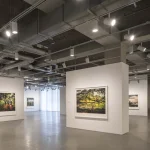
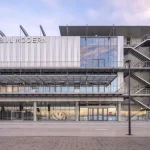
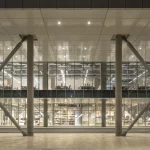
Founded in 2004 as Turkey’s first modern and contemporary art museum, Istanbul Modern moved to its new building in Karaköy, designed by Renzo Piano, in 2023. Encompassing a wide range of works from early modern art in Turkey to contemporary art, the museum hosts international exhibitions, film screenings, and educational programs, making a dynamic contribution to the city’s cultural life.
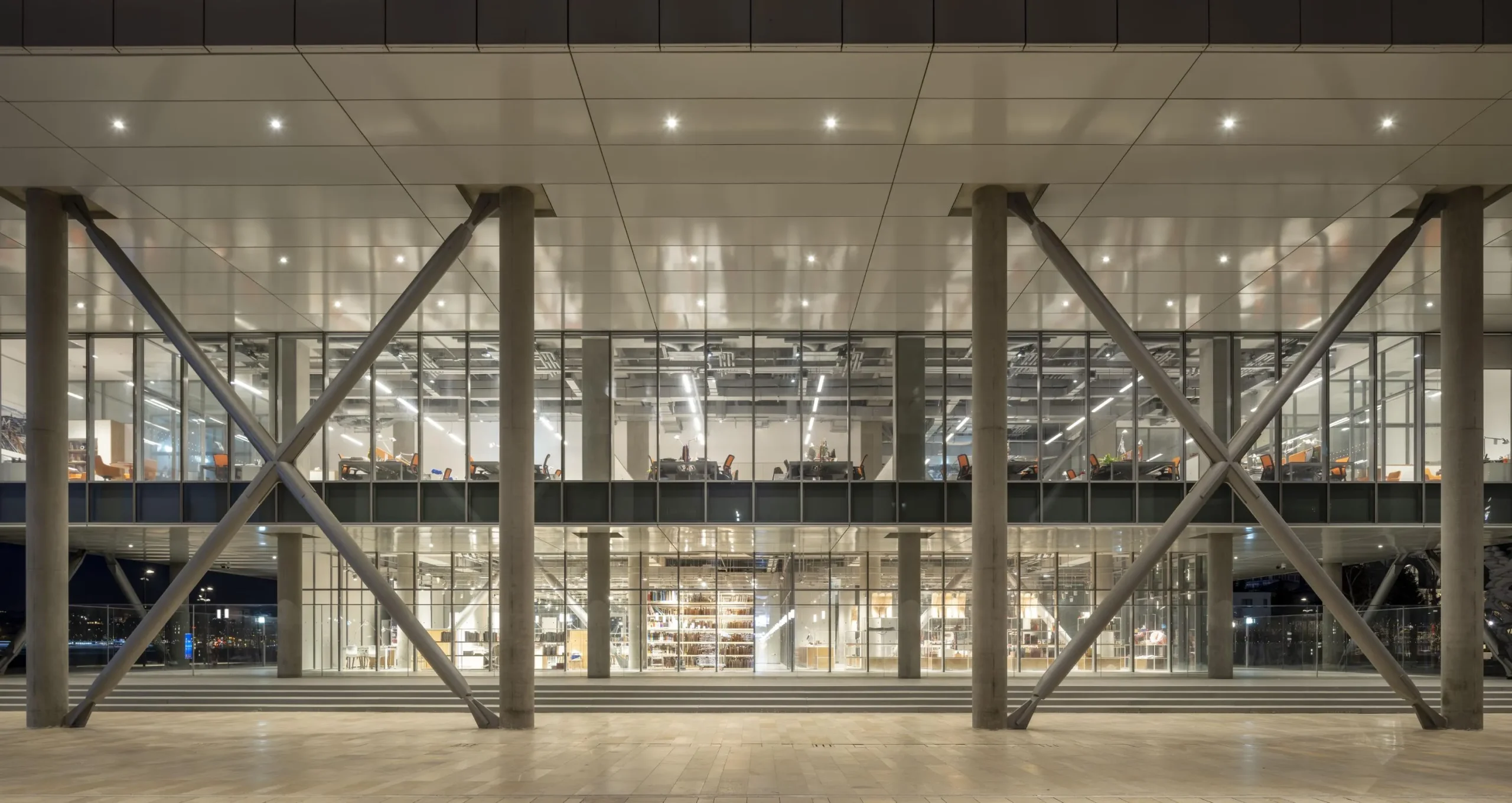
Inspired by the shimmering waters of the Bosphorus and the play of light, Renzo Piano designed Istanbul Modern’s façade with a series of 3D-shaped aluminum panels that shimmer like fish scales, creating an iridescent effect that changes with sunlight.
20. Atatürk Cultural Center (AKM)
Architect: Tabanlıoğlu Architects
Year: 2021
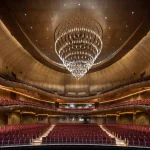
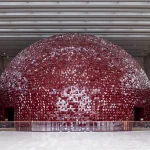
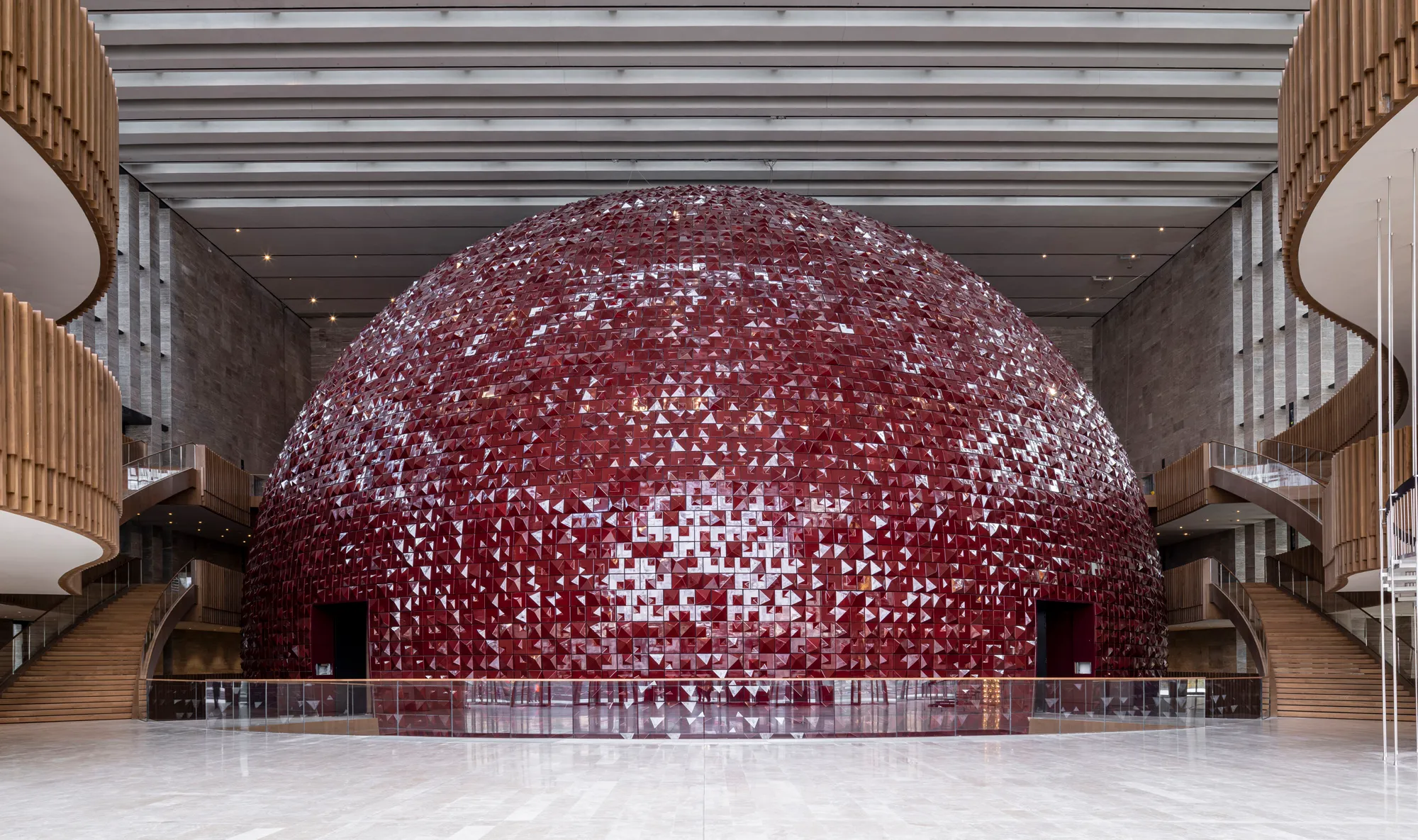
Originally opened in 1969 and rebuilt in 2021 after fire damage, the Atatürk Cultural Center is one of Istanbul’s most striking cultural structures. The Opera Hall, the centerpiece of the AKM’s iconic facade, is a giant sphere covered with 15,000 ceramic tiles. Built in a horseshoe shape for acoustic balance, the hall’s retractable ceiling light, comprised of specially designed glass panels, can be fully retracted during performances. Built with a steel structure and a transparent exterior, AKM’s modern and contemporary architecture makes it a captivating space for architecture enthusiasts.
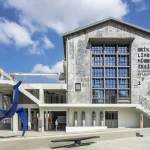
21. Hasanpaşa Gasworks Park and Museum Complex (Müze Gazhane)
Architect: do(x) architecture
Year: 2021
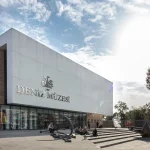
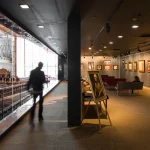
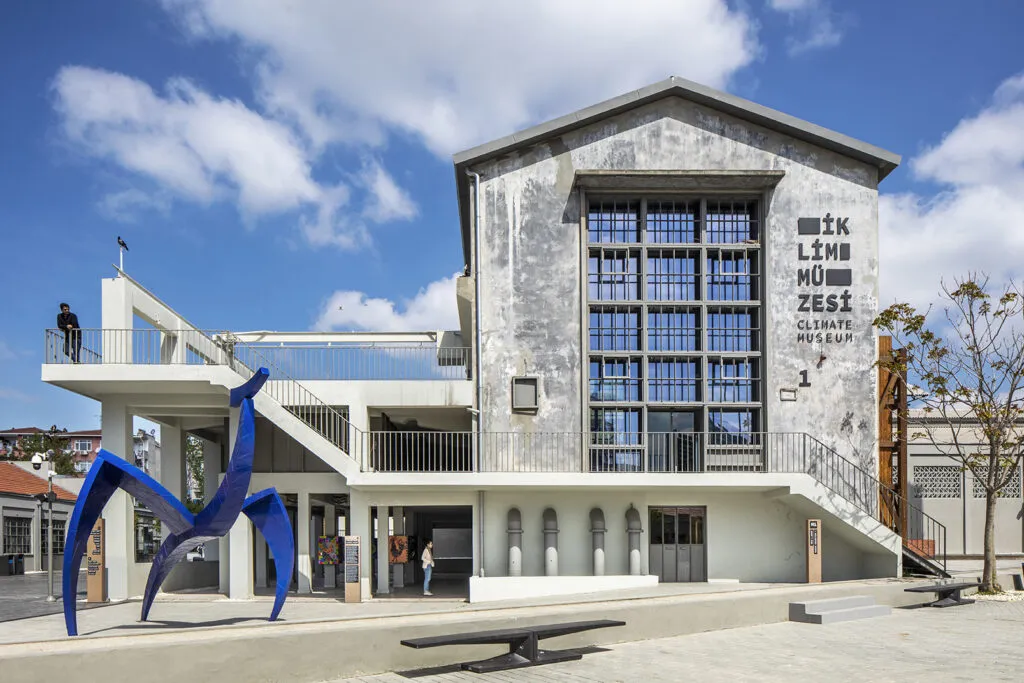
Hasanpaşa Gasworks Park and Museum Complex, a cultural and arts complex, is the restoration and reuse project of the Hasanpaşa Gasworks, established in 1892 to meet the energy needs of Istanbul’s Anatolian side. It includes a science center and workshop, museums, exhibition spaces, a bookstore, a library, shared workspaces, a theater, a cafe, a restaurant, and a square.
While working within buildings that were originally factory machinery, the project aimed to intervene as minimally as possible, preserving the existing integrity and aesthetics of the structures, while creating flexible and transformable spaces. Structural elements, machinery, machine bases, and all surviving components from the factory era were incorporated into the design.
22. Bruno Taut House
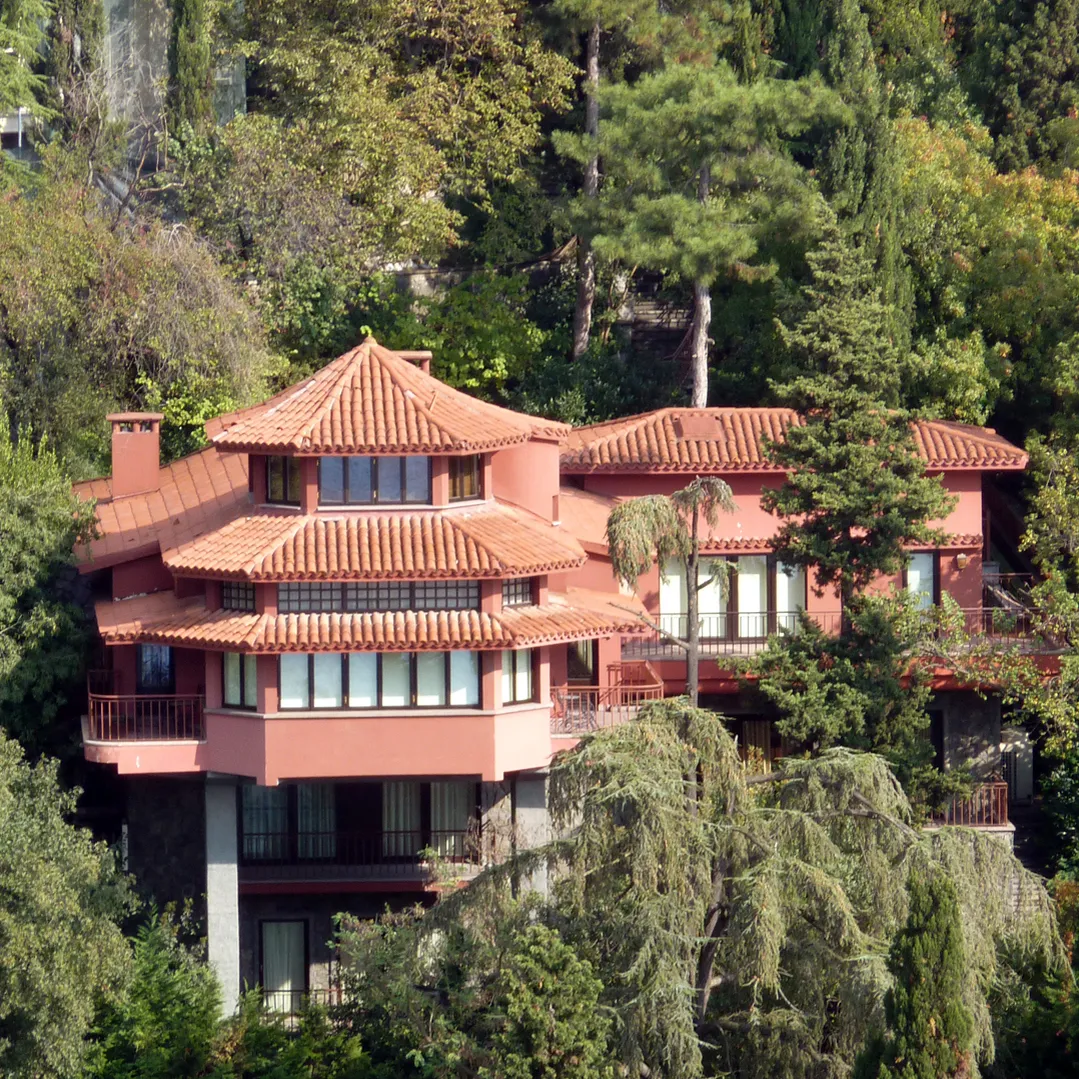
Architect: Bruno Taut
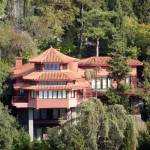
Designed by the German architect Bruno Taut for his own residence, the house is a notable example where elements of Japanese architecture can be observed. Constructed of reinforced concrete, the octagonal-plan Bruno Taut House consists of three floors: a basement, an entrance, and an observation level. This house, nestled on the ground at the rear, rises above the piloti at the front, offering views of the Bosphorus and the bridge. Designed with a hipped roof typical of Far Eastern architecture, the octagonal plan features six wooden-framed windows that offer panoramic views.
23. Santral Istanbul
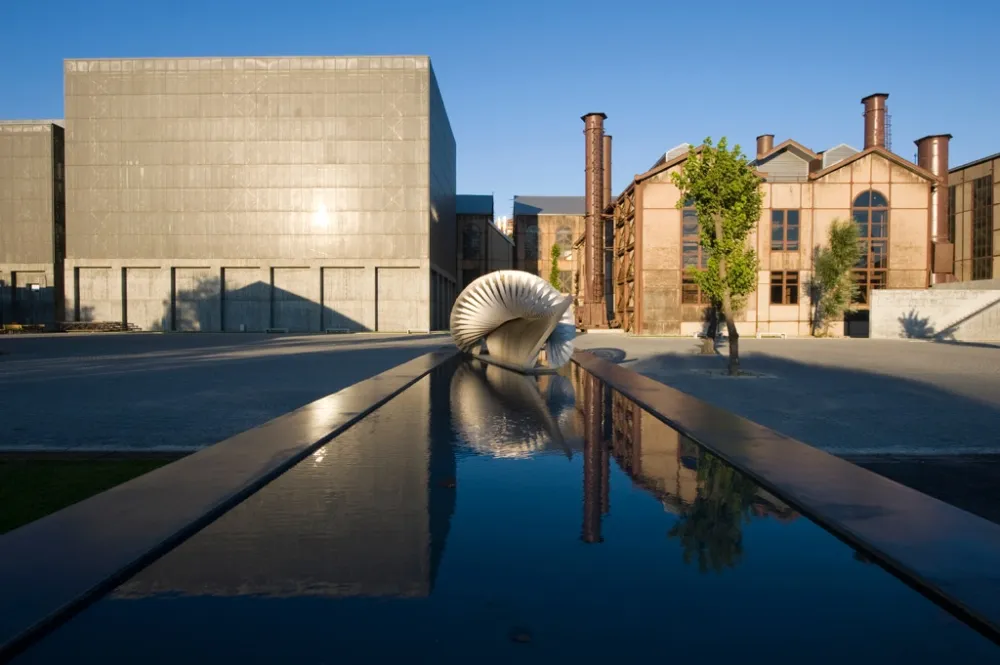
Architect: Emre Arolat Architects, Nevzat Sayın Mimarlık Hizmetleri (NSMH), Mimarlar ve Han Tümertekin
Year: 2007
Santral Istanbul is the renewal project of the Silahtarağa Power Plant, a modern industrial complex dating back to the 1910s and 1950s. Realized by Istanbul Bilgi University and designed by Emre Arolat, Nevzat Sayın, and Han Tümertekin, the project includes museums, recreational areas, and educational facilities.
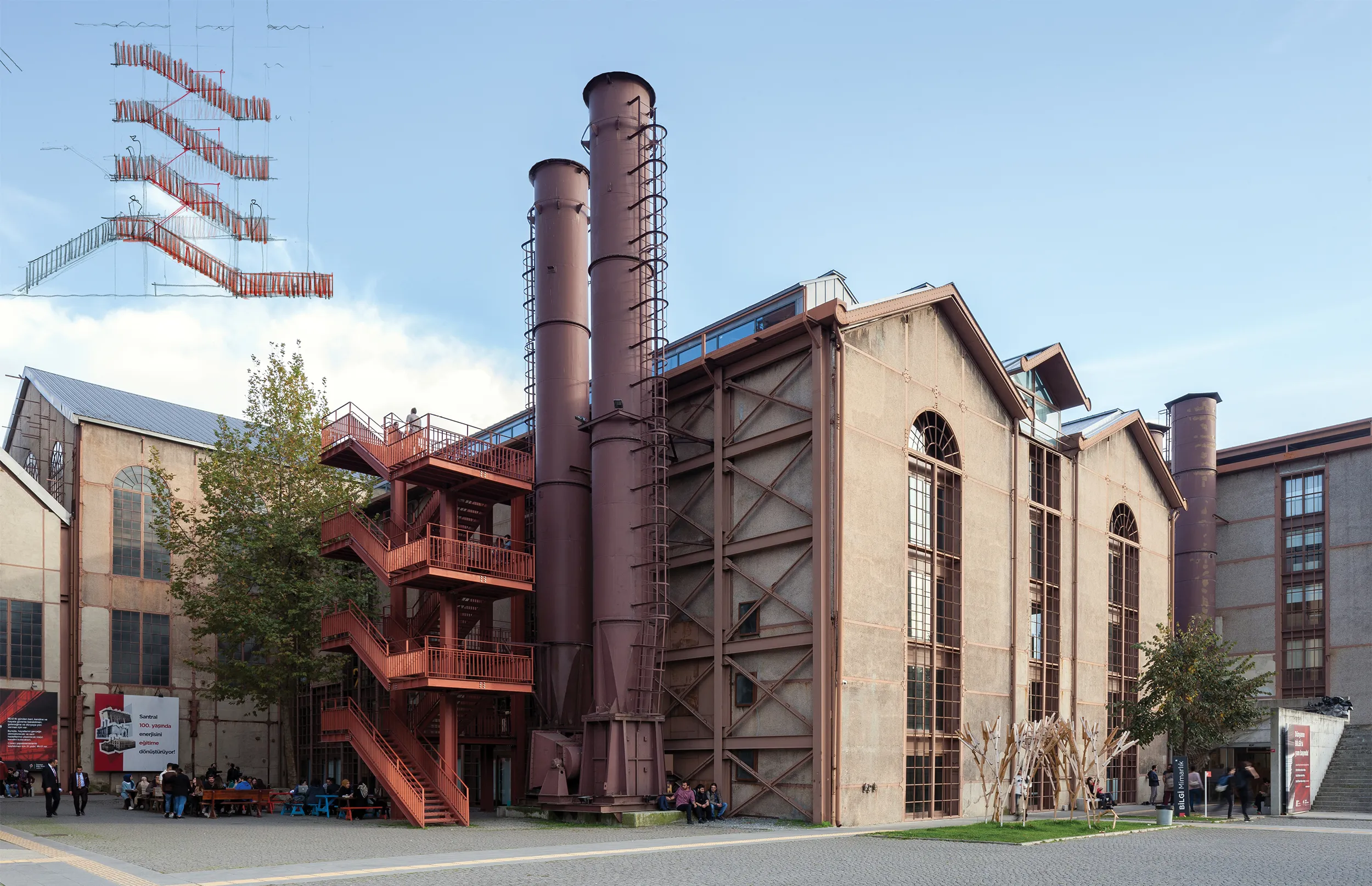
Santral Istanbul’s design involves the repurposing of two large boiler rooms, demolished years ago, with only traces of their foundations remaining. Standing apart but closely adjacent to complement the surrounding building mass, the two structures are planned to reflect the volumetric nature of their former functions, while preserving contemporary architectural features, demonstrating a contemporary approach detached from their historical context.
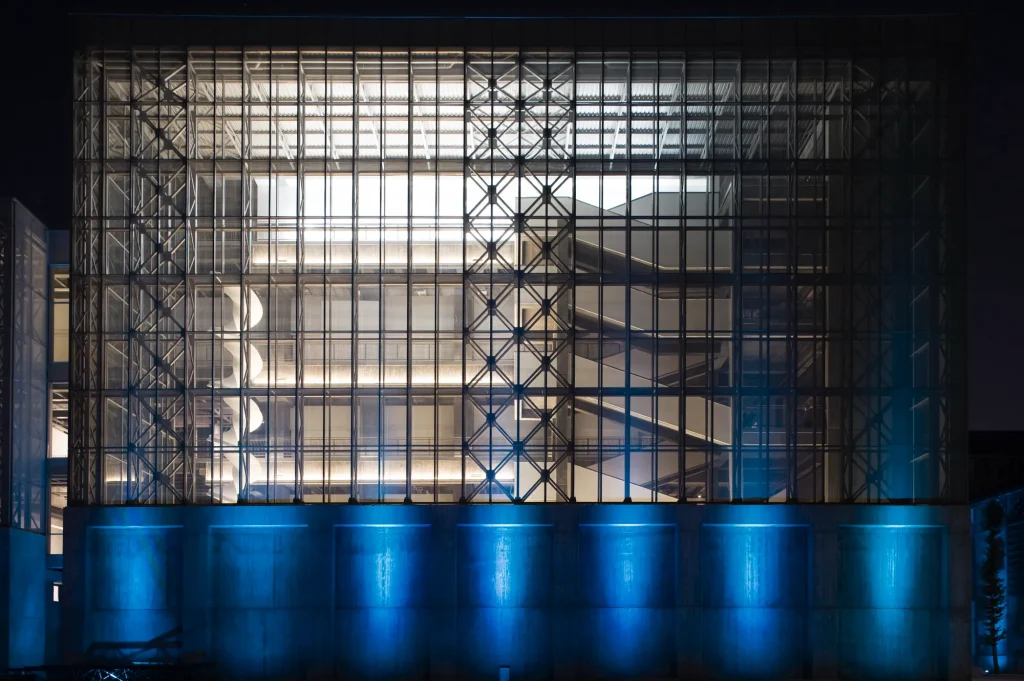
Featuring an inner core and a semi-transparent outer shell that references the original industrial architecture, the buildings are clad in metallic mesh and elevated on reinforced concrete columns. The façade design renders the building invisible during the day and fully visible at night, with the gauze not competing with the interior lighting. A striking example of restoration and repurposing, Santral Istanbul is a must-see project in Istanbul.
24. Sirkeci Railway Station
Architect: A. Jasmund
Year: 1890
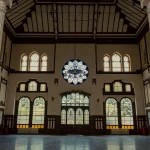
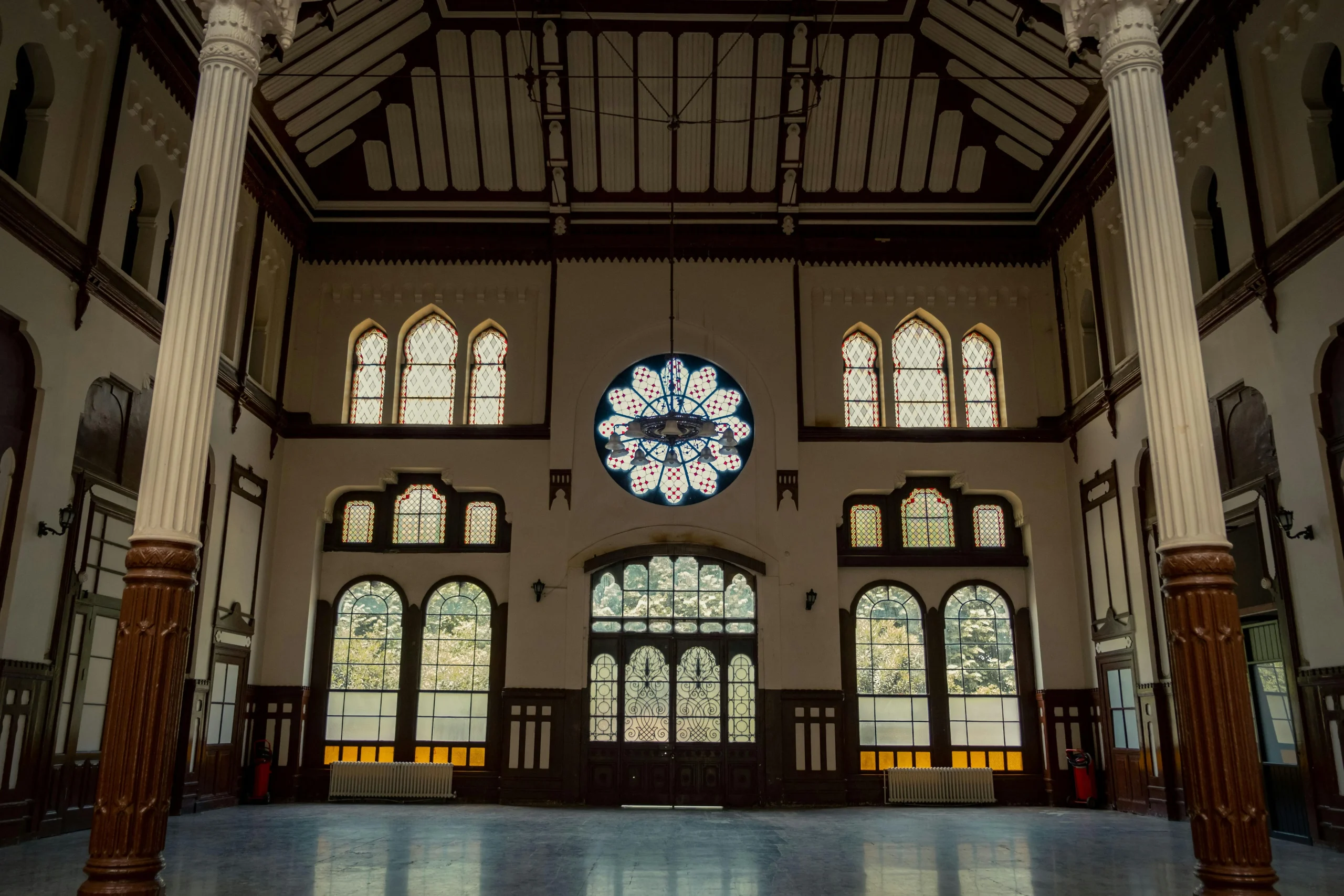
Built as the final stop of the Hejaz Railway during the reign of Sultan Abdulhamid II, Sirkeci Railway Station is dominated by an Orientalist architectural style. Reminiscent of European Gothic architecture with its rose windows, cloister vaults, and pointed arches, the station also bears the influence of Islamic architecture with its flanking clock towers, the eaves of the cloister vault, and the central triangular pediment.
The symmetrical façade of Sirkeci Station is constructed from marble and stone imported from Marseille and Aden, while the floor is made of granite. The interior, decorated in an eclectic style, features arches, column capitals, stained-glass windows, and decorative arch arrangements framing the doors.
25. Basilica Cistern
Architect: The designer is unknown; built under Byzantine Emperor Justinian I
Year: 532 CE
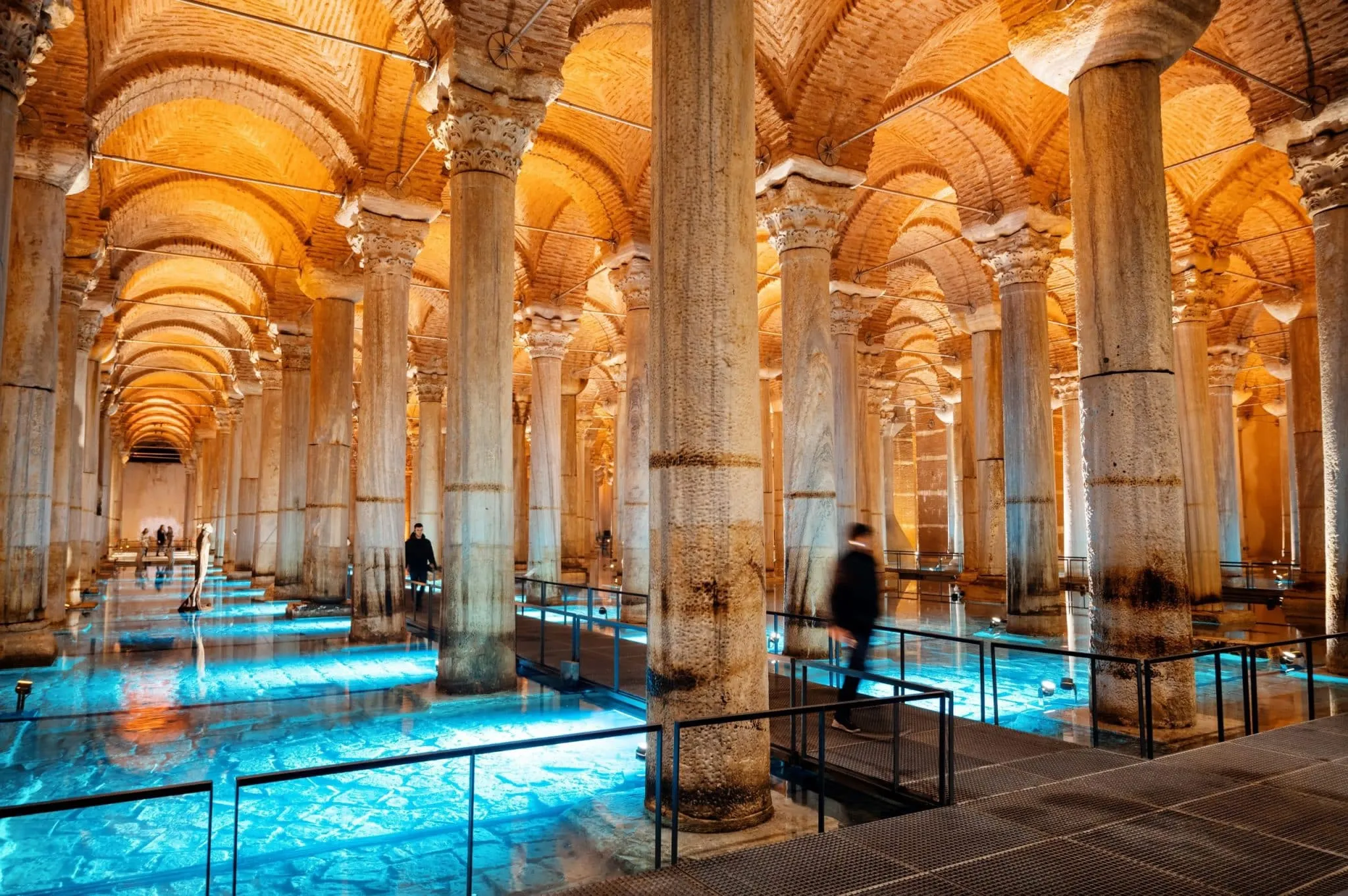
The Basilica Cistern, or Cisterna Basilica, is the largest of several hundred ancient cisterns that lie beneath the city. Commissioned by Emperor Justinian I, the Basilica Cistern (Yerebatan Sarnıcı) is one of Istanbul’s most atmospheric and enduring Byzantine structures.
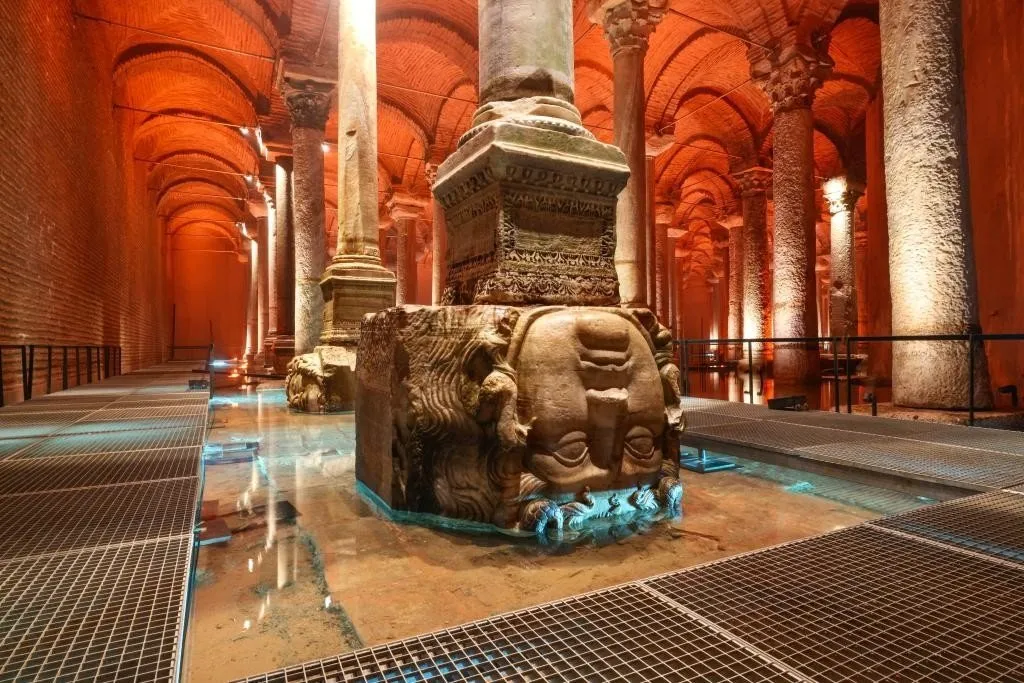
Built to supply water to the Great Palace and surrounding buildings, the vast underground reservoir once held up to 80,000 cubic meters of water, transported via aqueducts from the Belgrade Forest, nearly 20 km away. Its dimly lit forest of columns, vaulted ceilings, and the two enigmatic Medusa head bases give the space its famously atmospheric character, making it one of Istanbul’s most remarkable Byzantine works.