

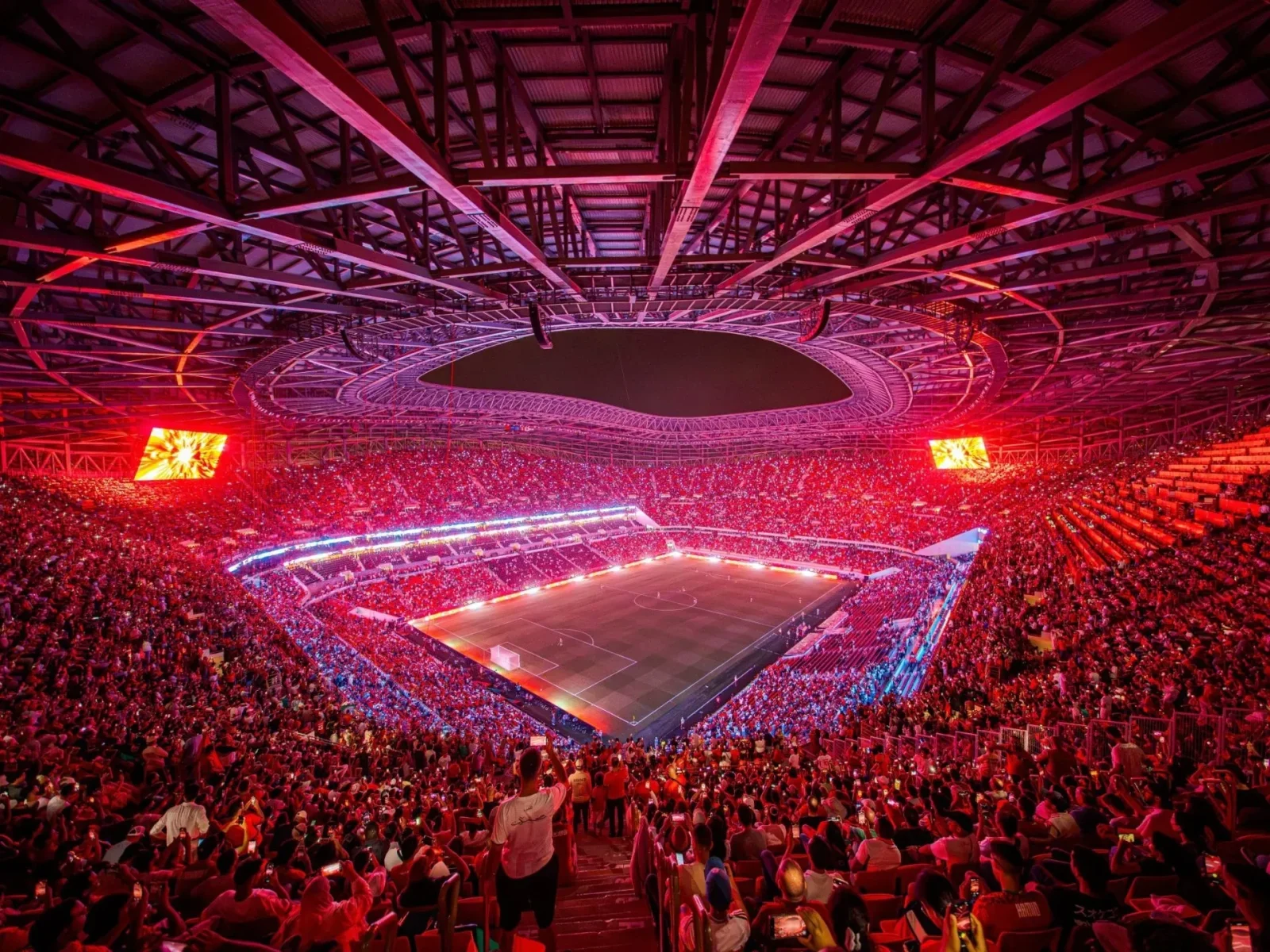
Early football grounds emerged in industrial cities, where large working-class audiences gathered around simple pitches, often with little more than terraces and basic stands. As football grew into a global sport, stadiums evolved with it, capacity increased, structures became more complex, and civic pride took over. This new generation of stadiums now extends beyond the ninety minutes of play, integrating public space, technology, and urban life into a single architectural system.
As the world gears up for the FIFA World Cup 2026, let’s take a look at the new wave of football stadiums that are taking shape across continents.
1. Addis Ababa National Stadium, Ethiopia
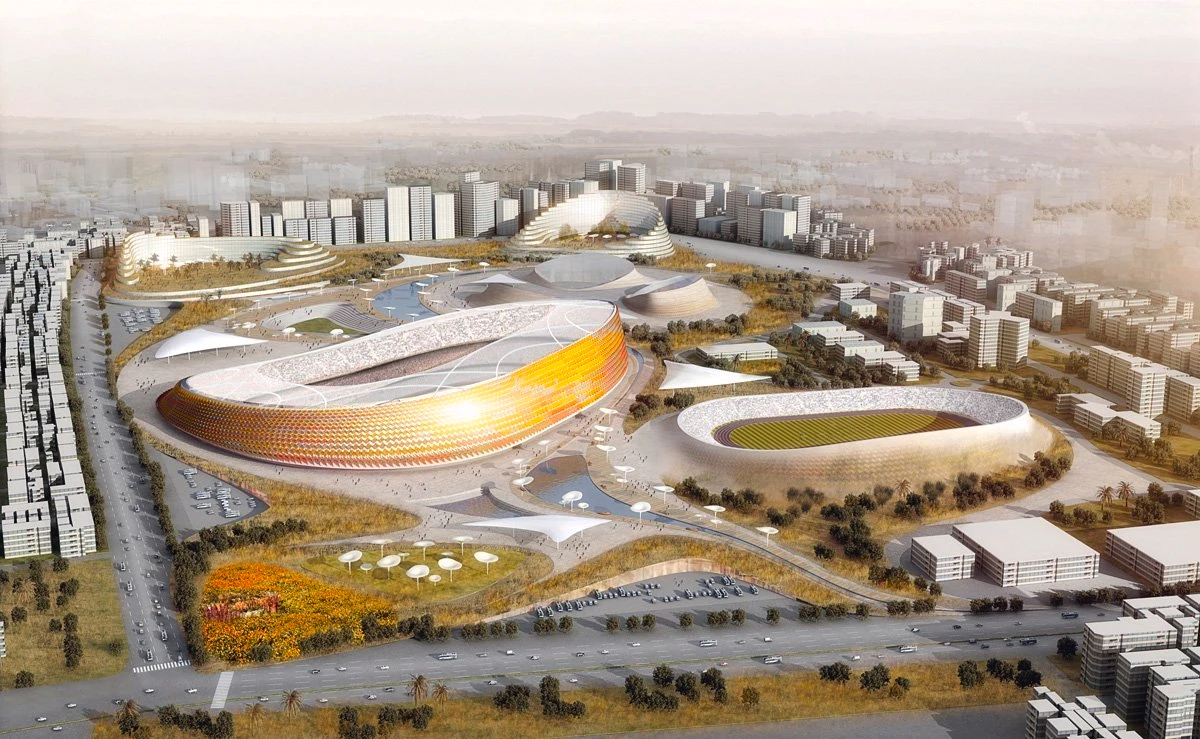
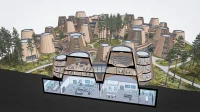
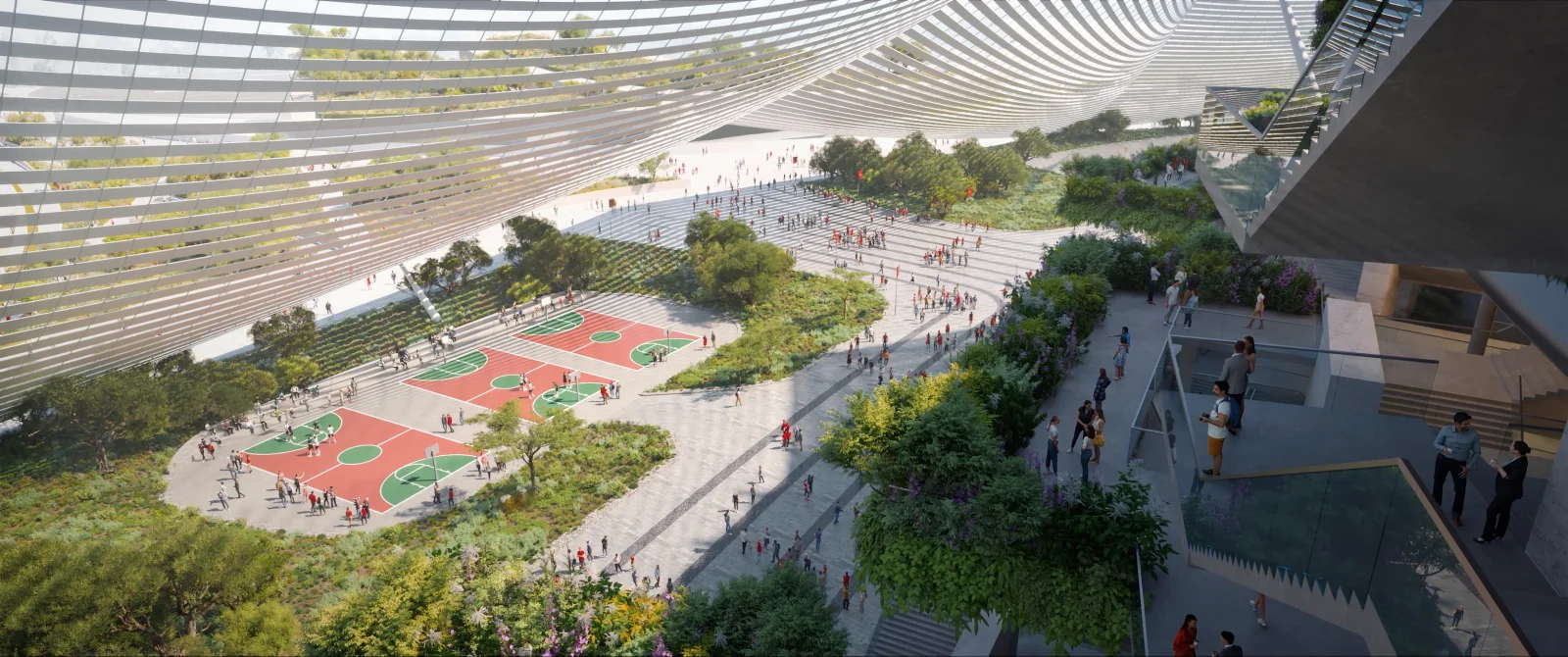
Designed by LAVA (Laboratory for Visionary Architecture) in collaboration with DESIGNSPORT and JDAW Architects, the Addis Ababa National Stadium is envisioned as a 60,000-seat venue embedded within a larger sports village masterplan. The design does not just impose a monumental object on the site, but it actually carves into the terrain, creating a sunken bowl that uses excavated earth to form the seating structure. This approach reduces the visual mass of the building while improving environmental performance.
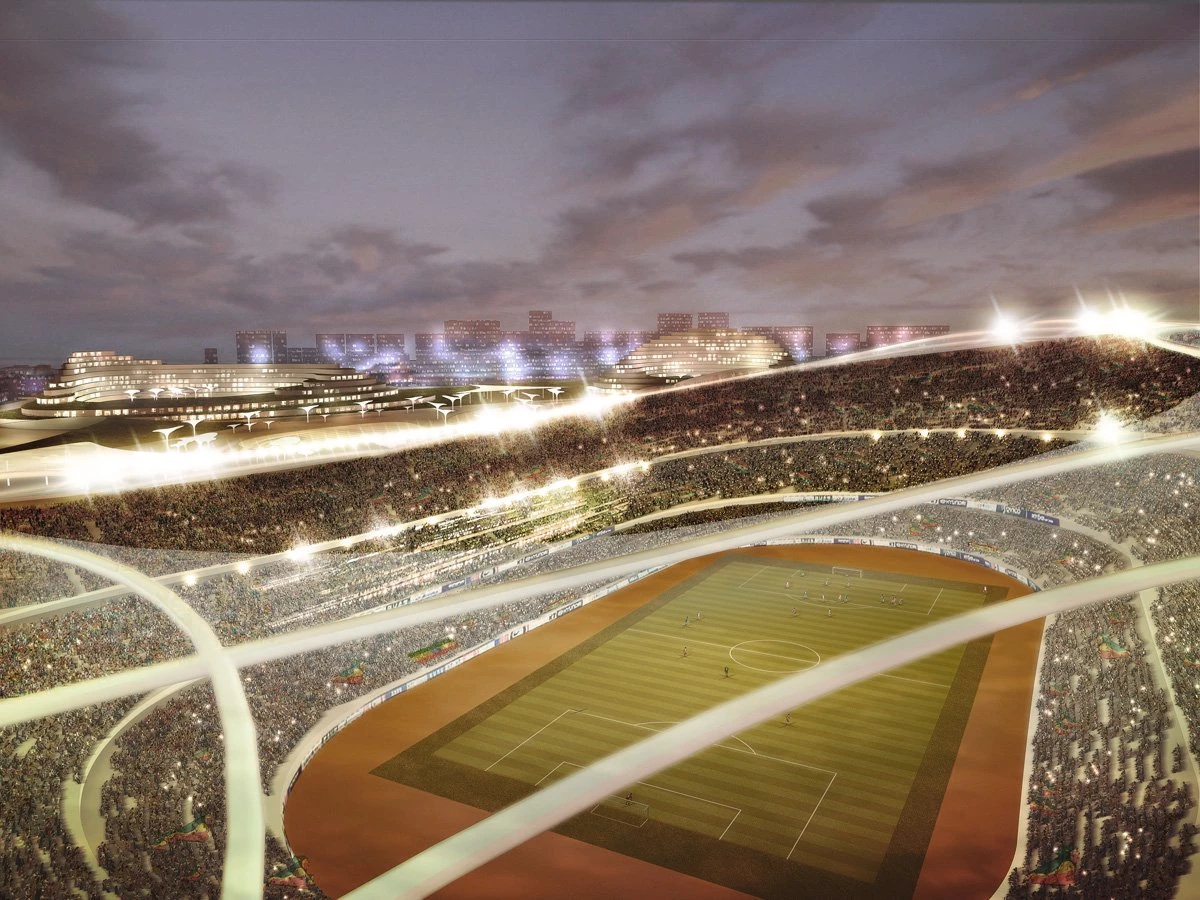
The facade references traditional Ethiopian craftsmanship, particularly the woven geometry of the massob basket, translating it into a porous outer skin that allows for natural ventilation. The stadium is conceived as a civic landscape, integrating public space, movement corridors, and recreational zones into a continuous urban field. Its significance lies in how it combines culture with environmental responsiveness at an infrastructural scale.
2. Venezia Stadium, Venice
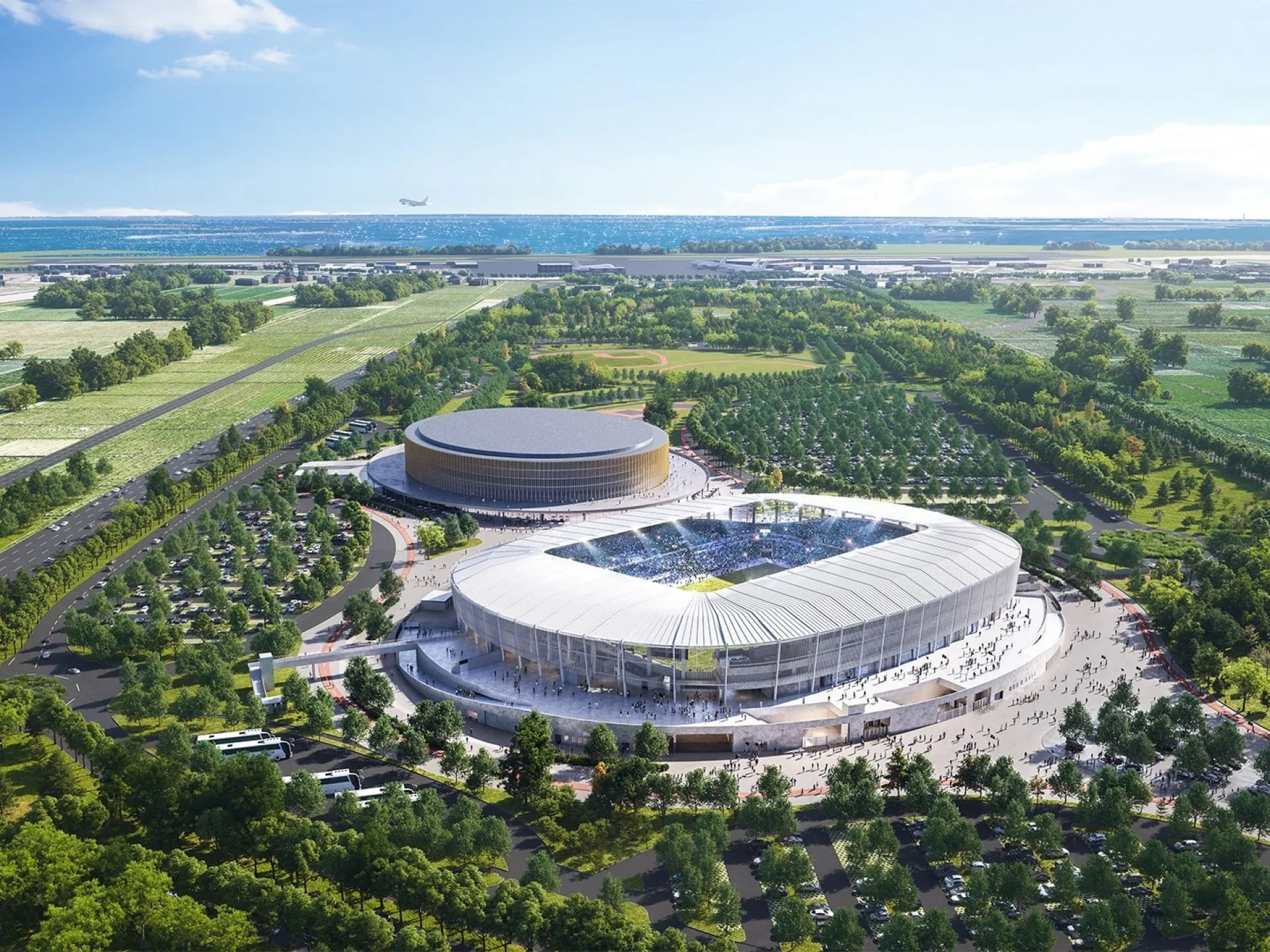
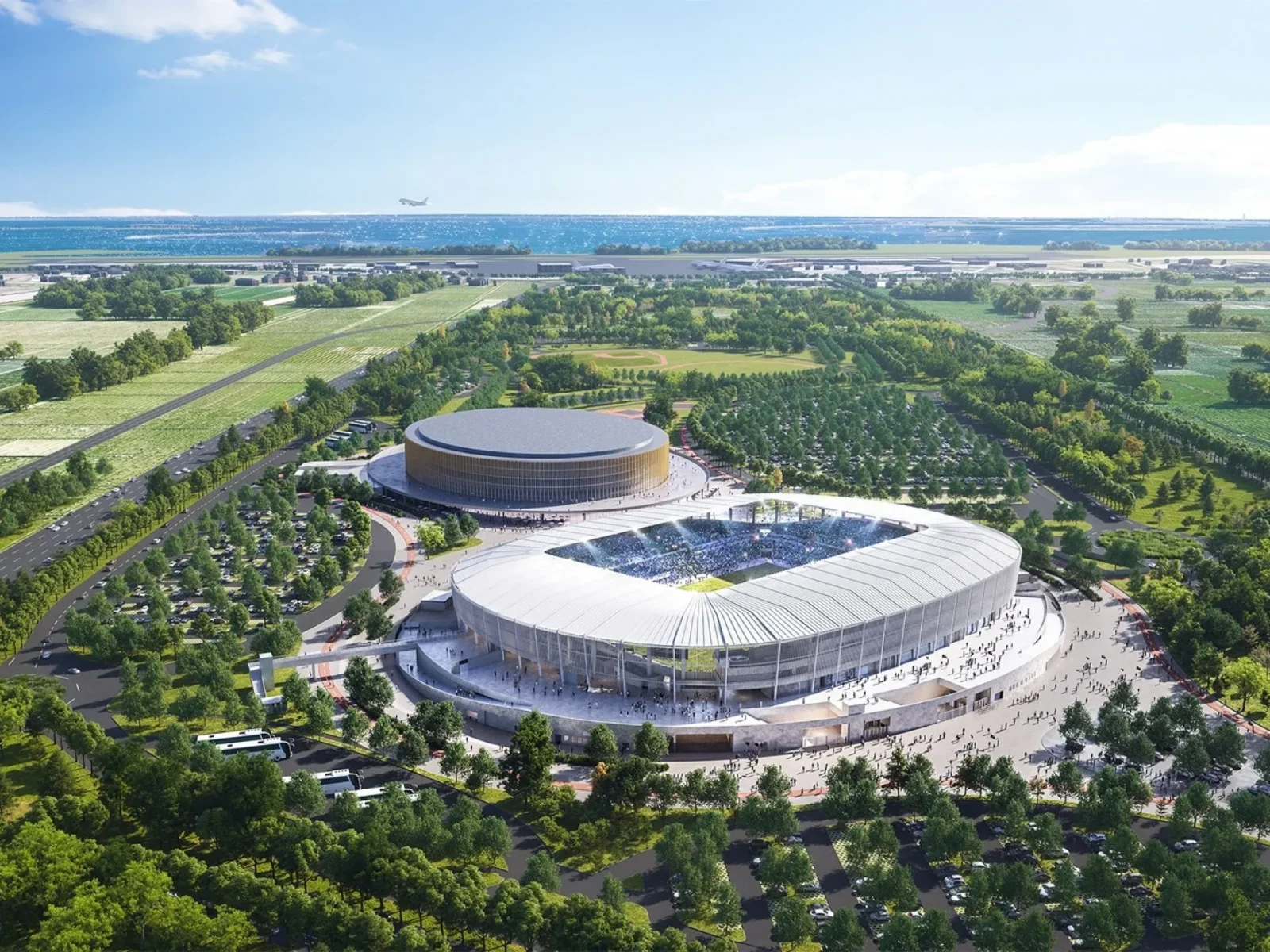
Designed by Populous in collaboration with Maffeis Engineering and local partners, the proposed Venezia Stadium is planned as a 16,000 to 18,000-seat venue located on the mainland near Venice. Groundbreaking for the project occurred in October 2025, with a design featuring vertical elements inspired by Venetian palaces, tailored for football, rugby, and concerts. Unlike many contemporary stadiums defined by scale, this project focuses on environmental sensitivity and contextual integration.
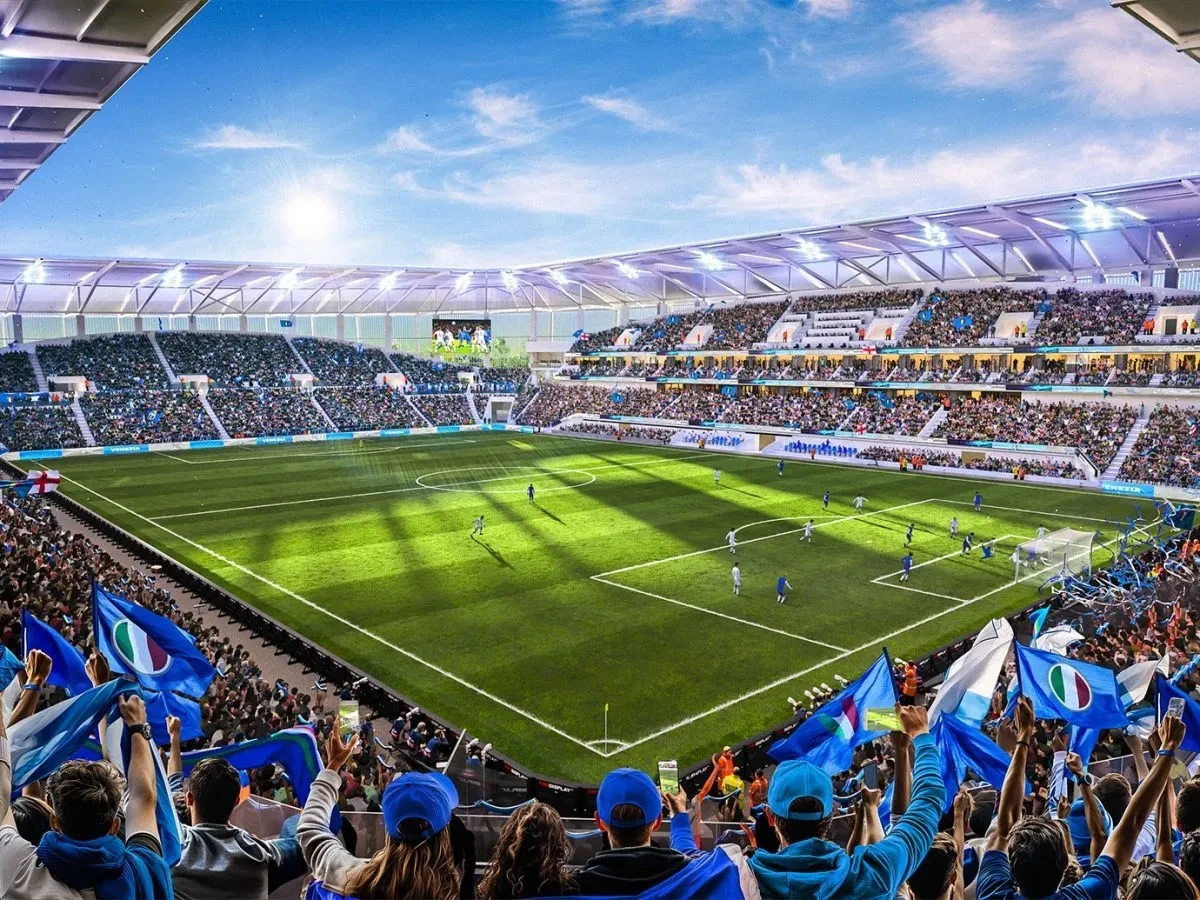
The architecture adopts a modular and lightweight structural system, with a facade composed of timber and prefabricated elements that reduce construction impact. The building is elevated and positioned to respond to the hydrological conditions of the Venetian lagoon, addressing issues of flooding and soil instability. The stadium is conceived as a permeable structure with open circulation and natural ventilation. Its design aligns with Venice’s ecological constraints while introducing a contemporary sporting facility, where environmental performance is as important as capacity.
3. Trong Dong Stadium, Vietnam
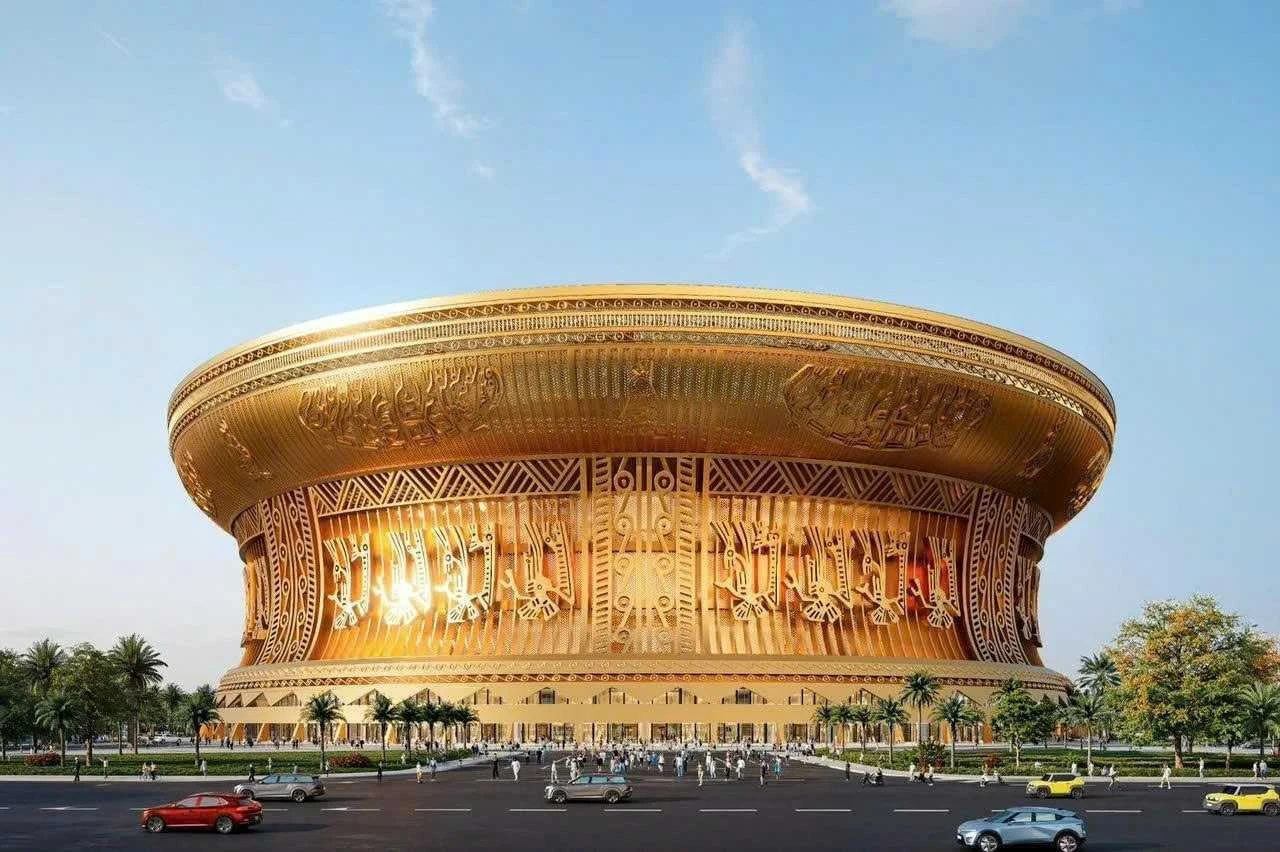
Planned on the outskirts of Hanoi, Trong Dong Stadium represents one of the most ambitious stadium projects currently proposed. With a projected capacity of 135,000 spectators, it is set to become the largest football stadium in the world, surpassing the Narendra Modi Stadium and Rungrado 1st of May Stadium.
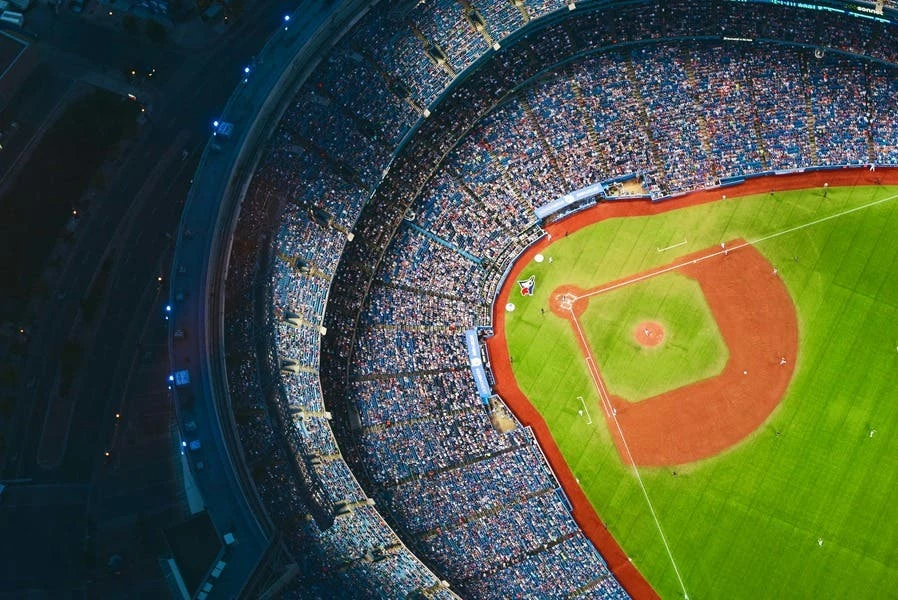
Developed as the centerpiece of a larger Olympic Sports City initiative backed by Vingroup, the stadium is conceived as a national-scale infrastructure. The architecture draws heavily from the Đông Sơn bronze drum, one of Vietnam’s most significant cultural artifacts. Its circular geometry and radial patterns are translated into the stadium’s form and facade. A retractable roof allows the venue to operate across varying climatic conditions, while a movable pitch system enables flexibility for different events. The stadium is designed to meet FIFA and AFC standards, positioning it as a potential host for major international tournaments. Its construction began in early 2026, with completion targeted for 2028.
4. Nou Mestalla, Spain
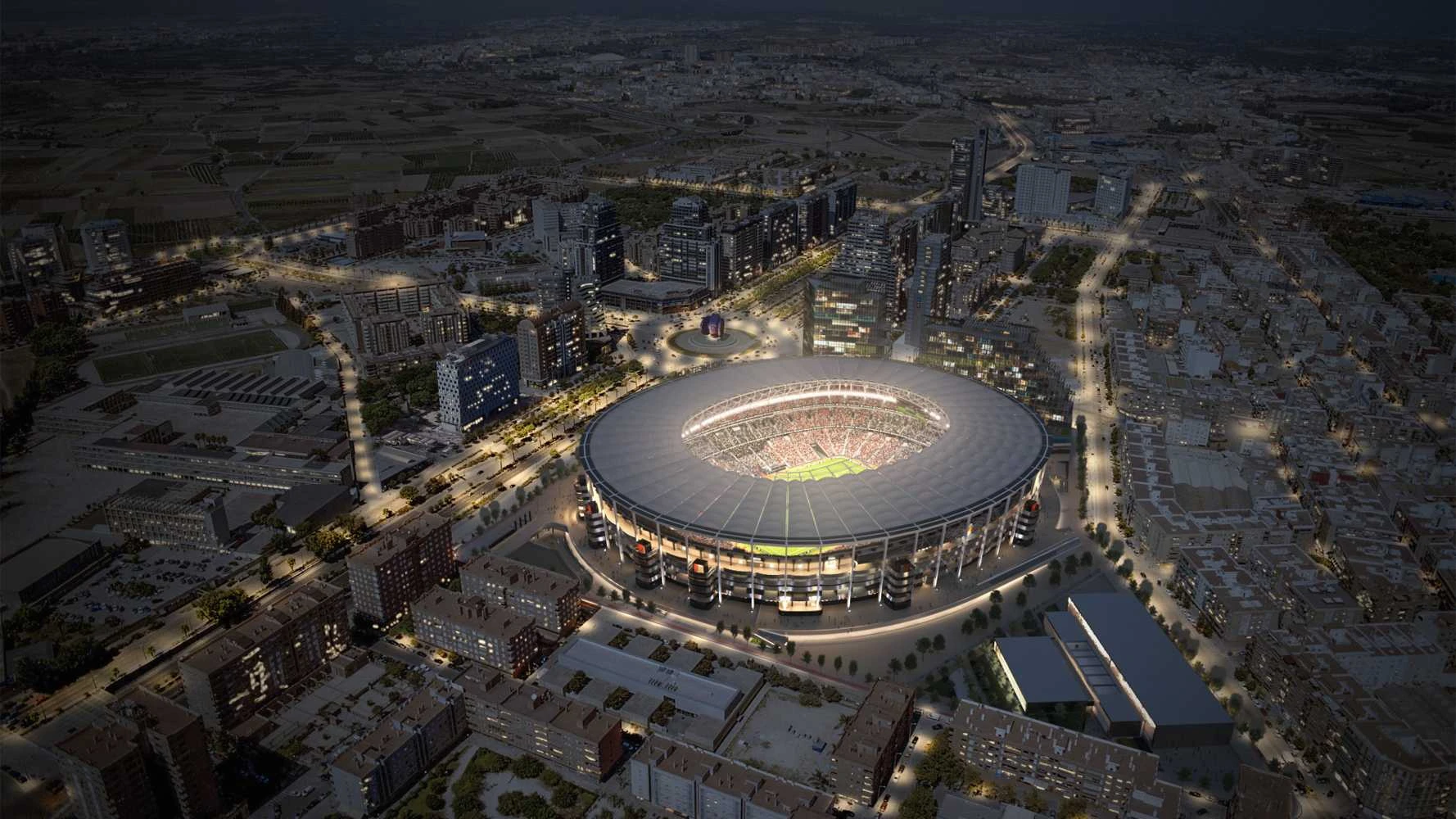
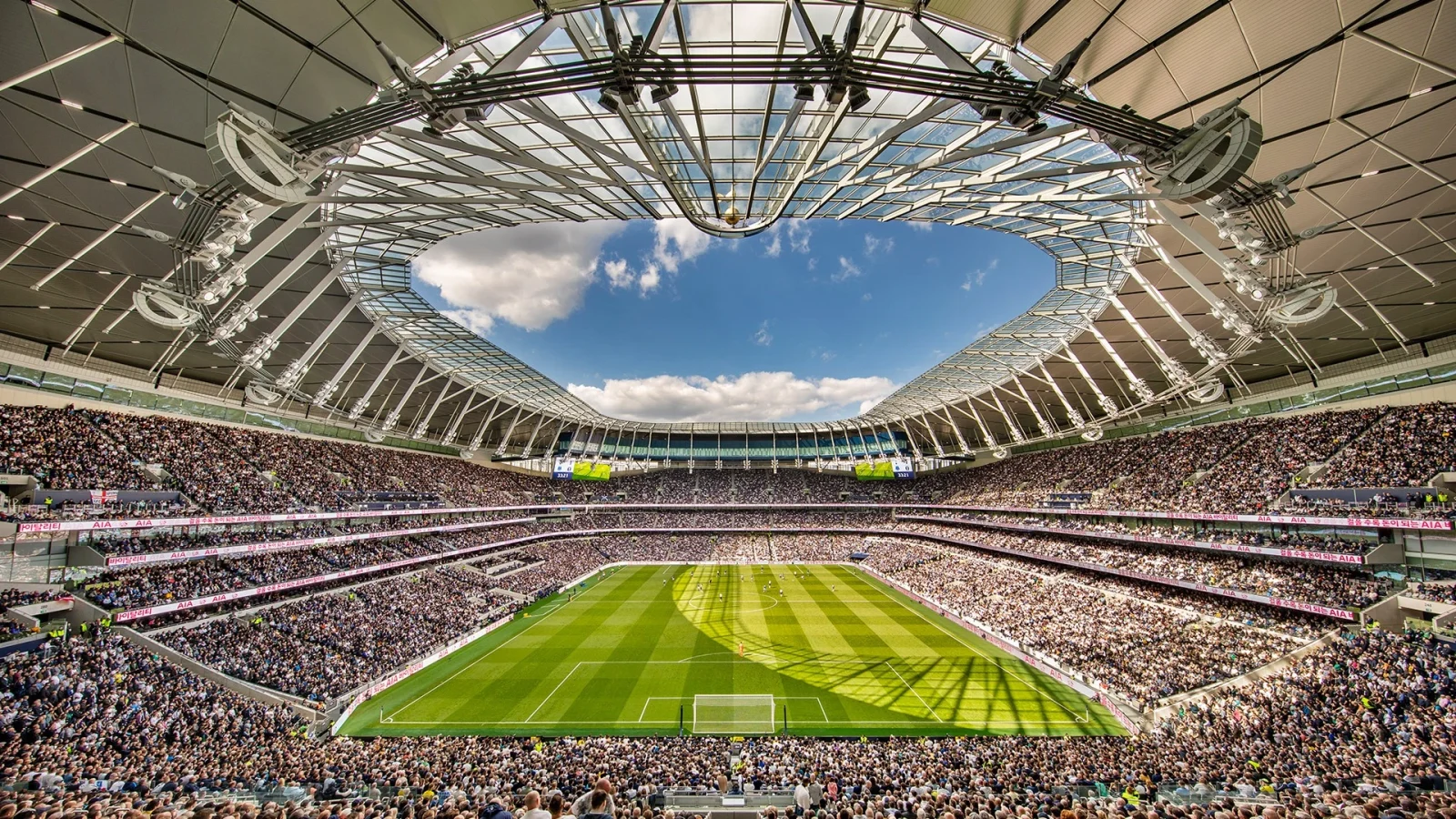
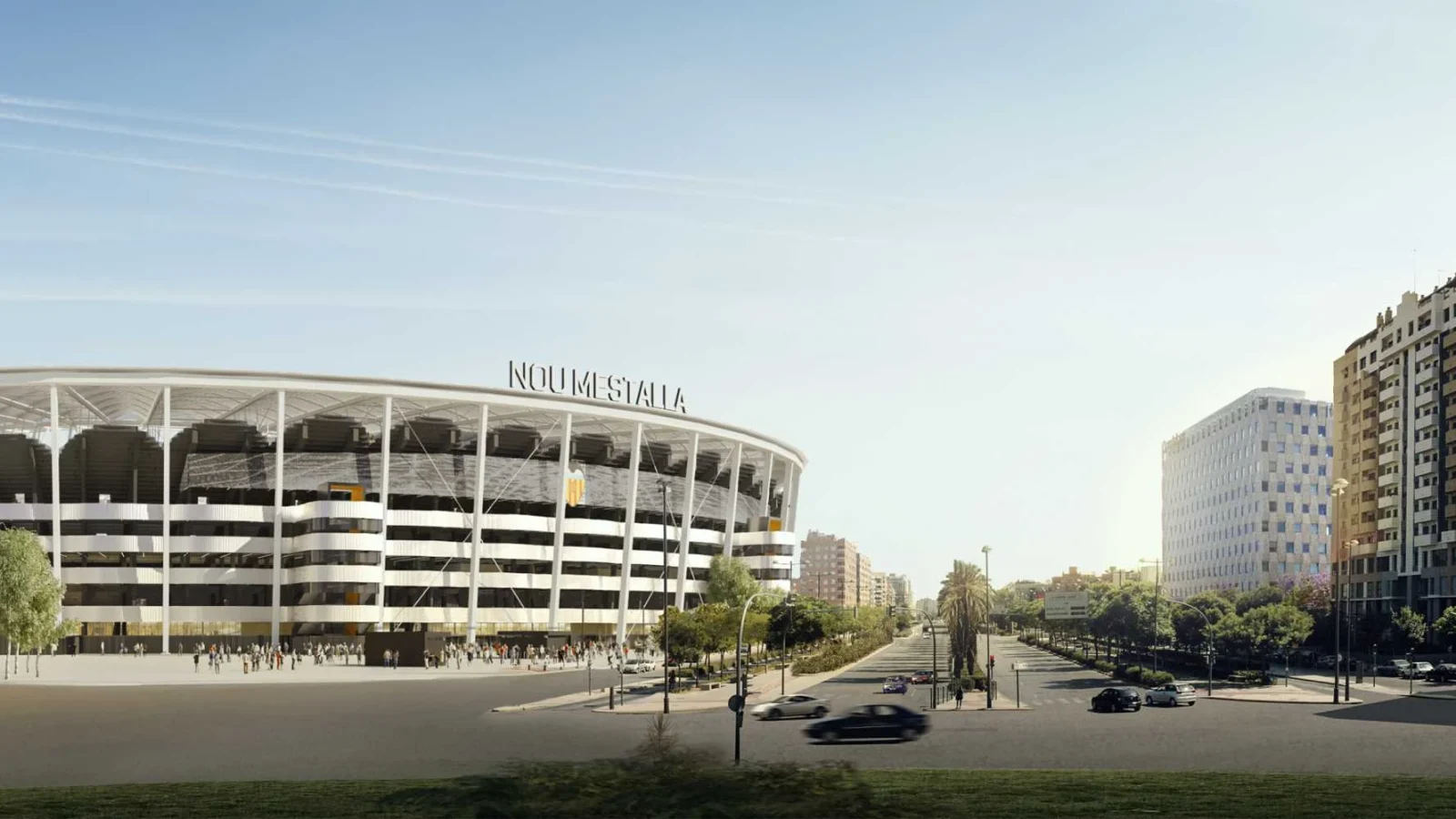
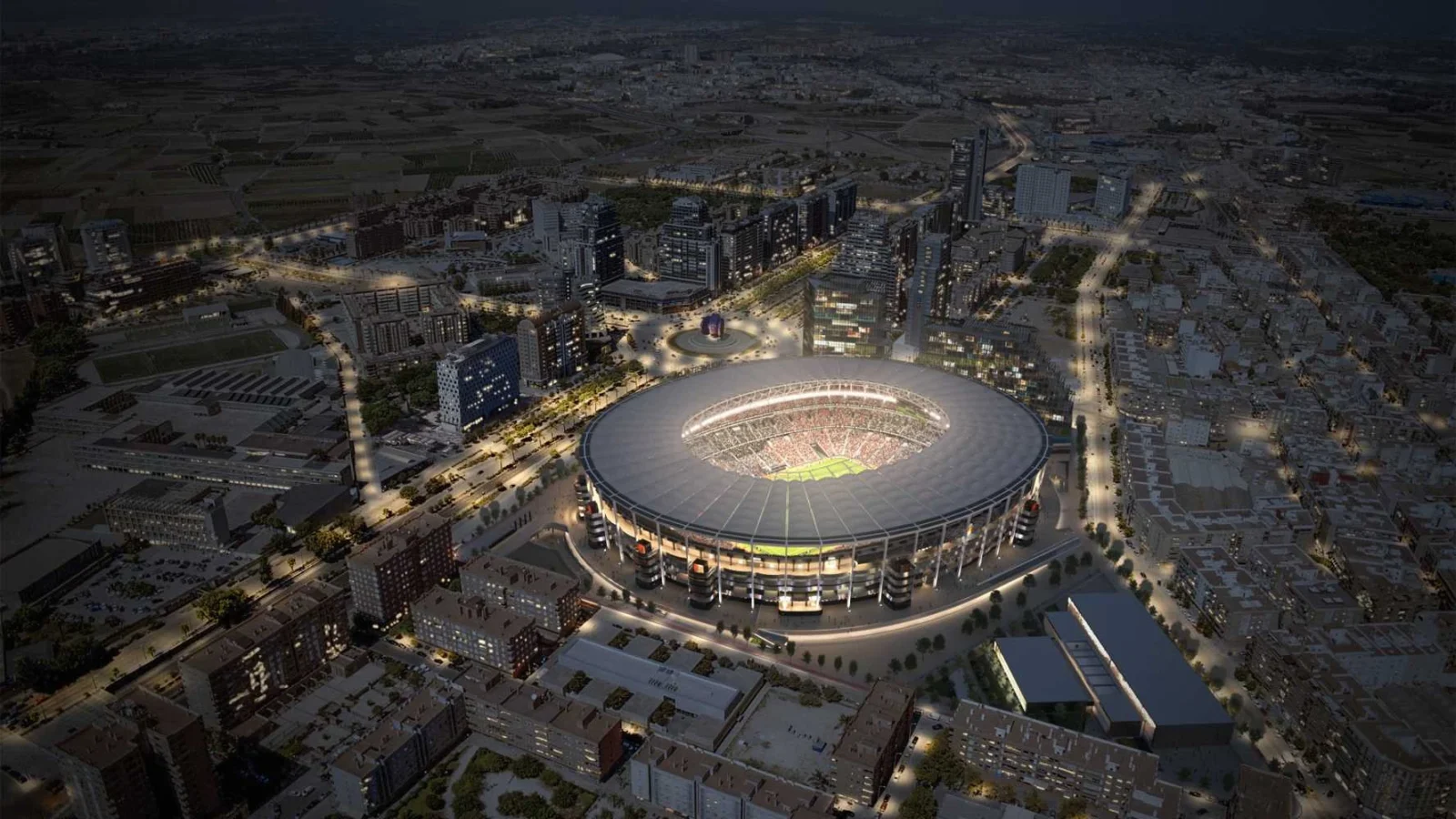
Designed by Fenwick Iribarren Architects with engineering support from ArupSport, Nou Mestalla has undergone multiple redesigns since construction began in 2007. The current scheme proposes a capacity of approximately 70,000 spectators, positioning it among Spain’s largest stadiums, with recent modifications involving Schlaich Bergermann & Partner for a revised 2027 completion.
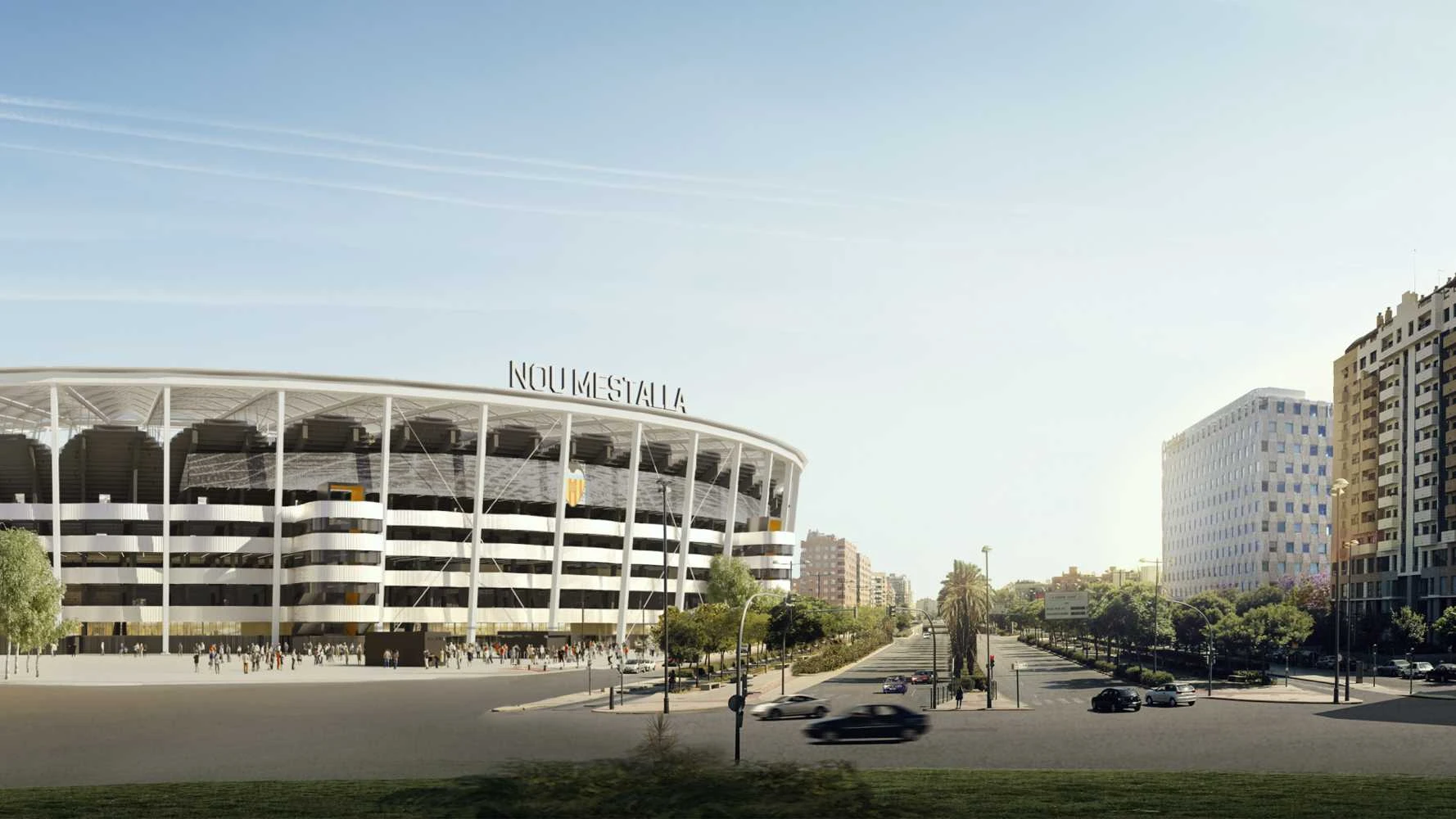
The architecture is defined by a steep, compact seating bowl designed to maximize proximity to the pitch while maintaining clear sightlines across all tiers. The structural system is primarily reinforced concrete, wrapped in a lightweight facade that responds to climate and daylight. The stadium incorporates hospitality, retail, and VIP programs, reflecting a shift toward revenue-driven, multi-use environments. After years of delays due to financial constraints, construction resumed in the early 2020s, with completion targeted around the 2027–2028 period.
5. La Nueva Romareda, Spain
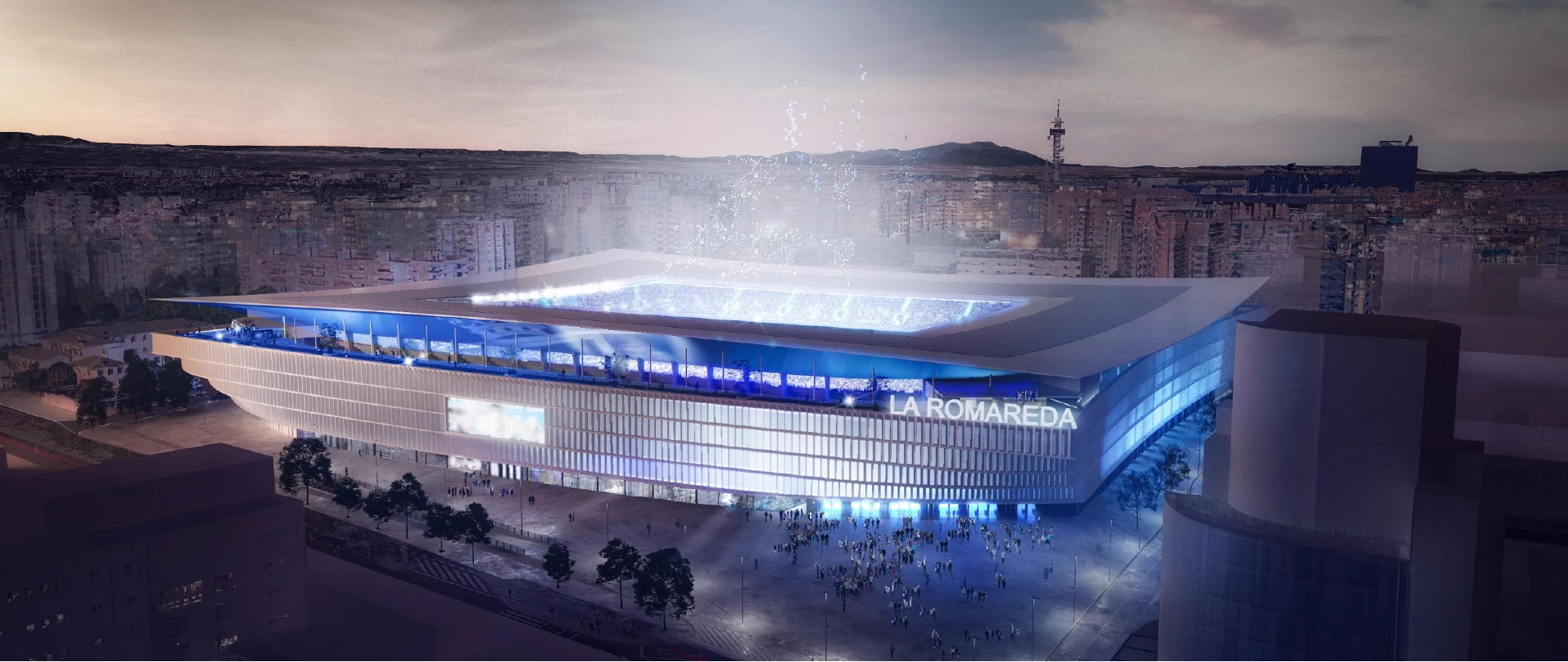
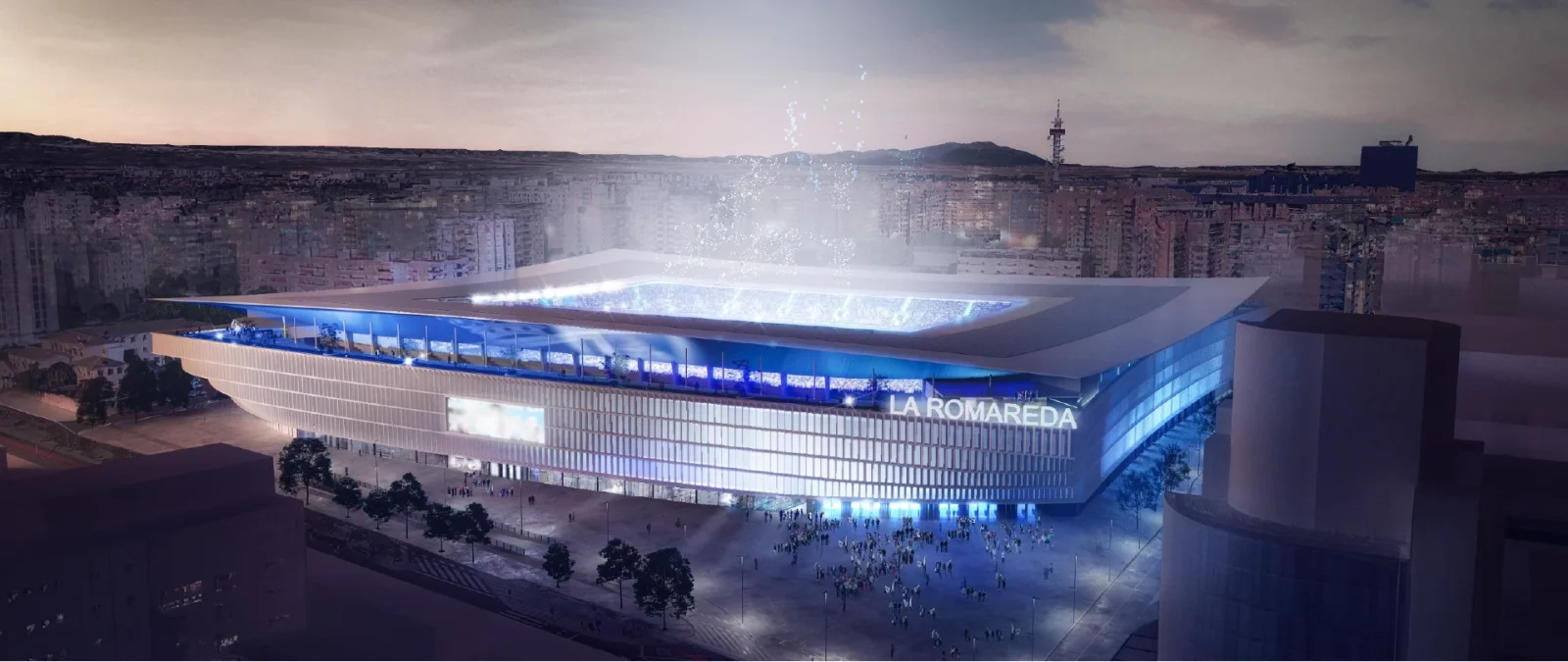
La Nueva Romareda, designed by IDOM, replaces Zaragoza’s existing stadium with a new 43,000-seat venue aligned with UEFA standards. The project is part of Spain’s preparation for the 2030 FIFA World Cup, positioning the stadium within a broader national infrastructure upgrade.
The architecture focuses on creating a compact and continuous seating bowl that enhances visibility and acoustic intensity. A lightweight roof structure wraps the entire stadium, providing full coverage while maintaining visual openness. The facade is designed as a permeable skin that allows airflow and reduces heat accumulation. The project also strengthens its integration with the surrounding urban fabric through new public spaces and improved accessibility.
6. Arctic Arena, Norway
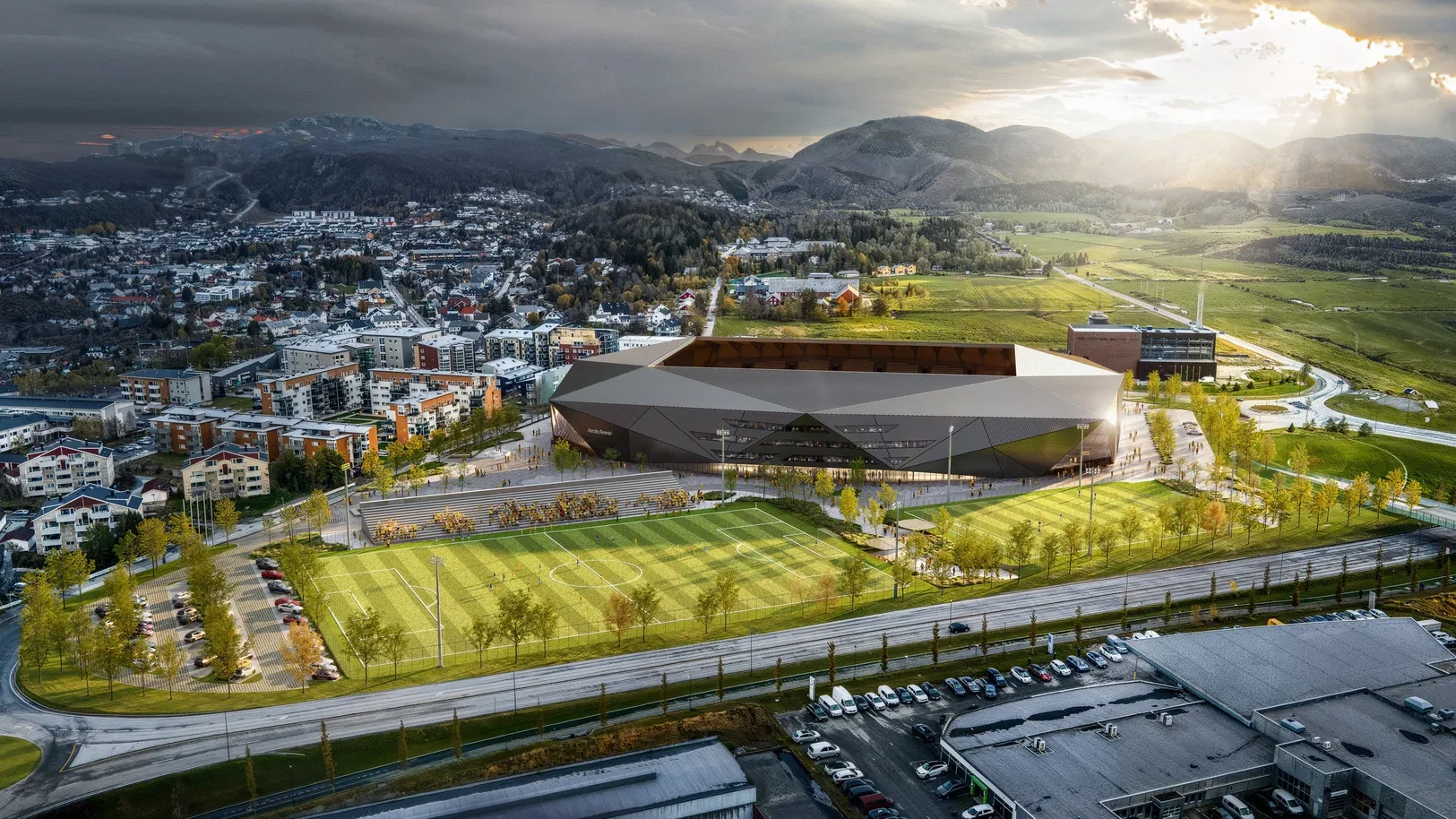
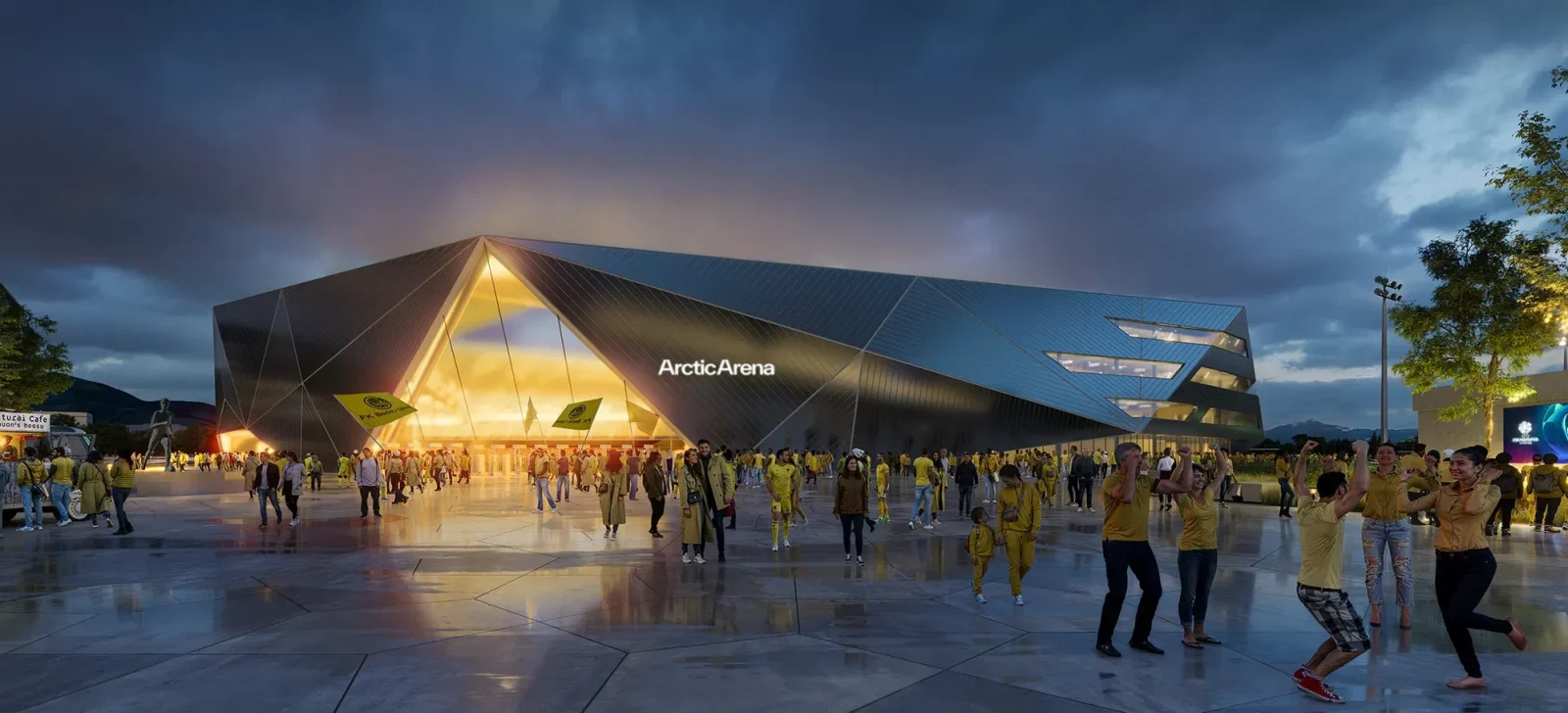
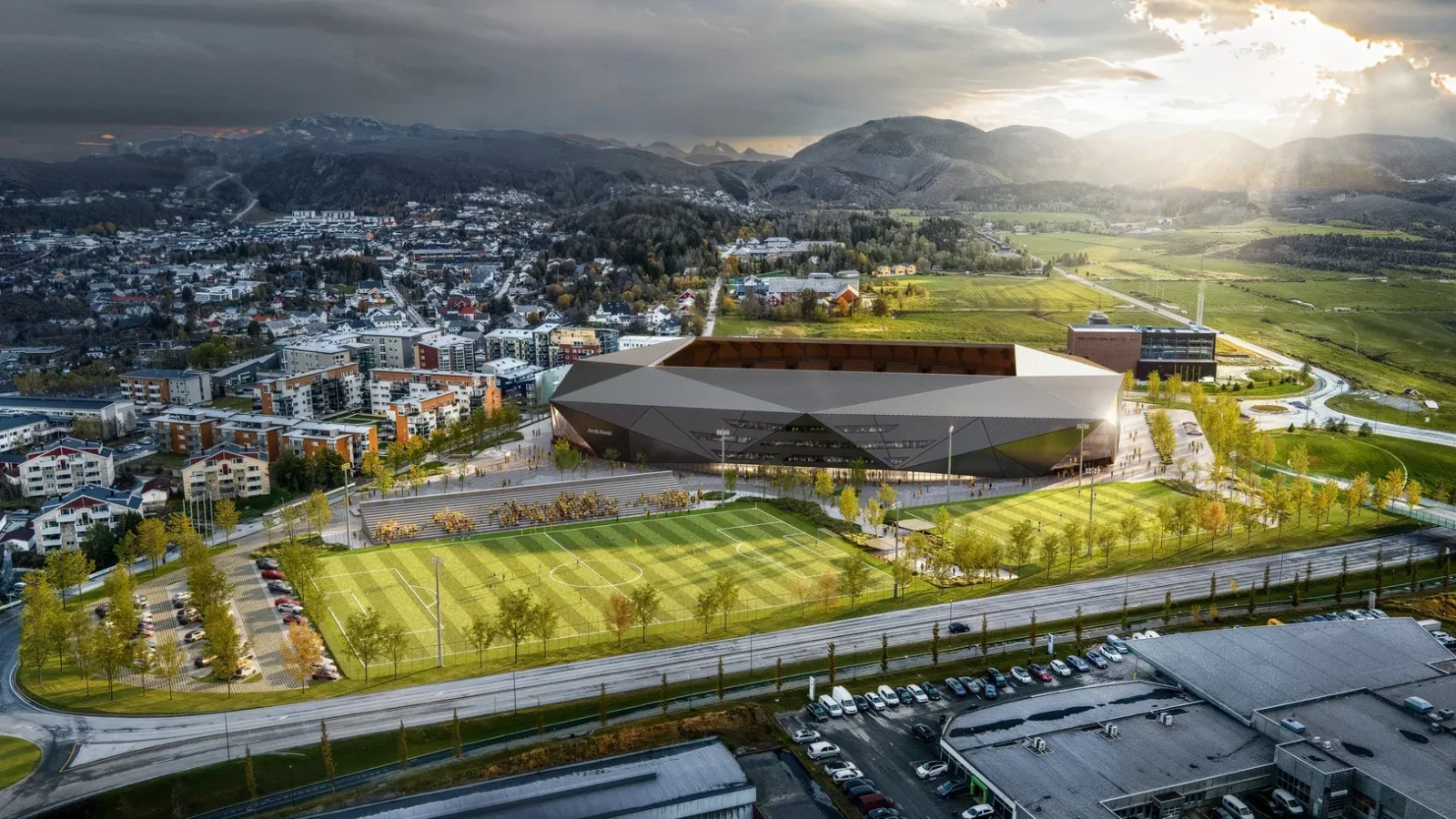
The proposed Arctic Arena, a new 10,000-seat football stadium in Bodø, Norway, for FK Bodø/Glimt, was designed by the Oslo-based Nordic Office of Architecture in collaboration with Arup. It features a faceted, diamond-like exterior designed to represent Norwegian resilience, with construction scheduled for 2025–2027.
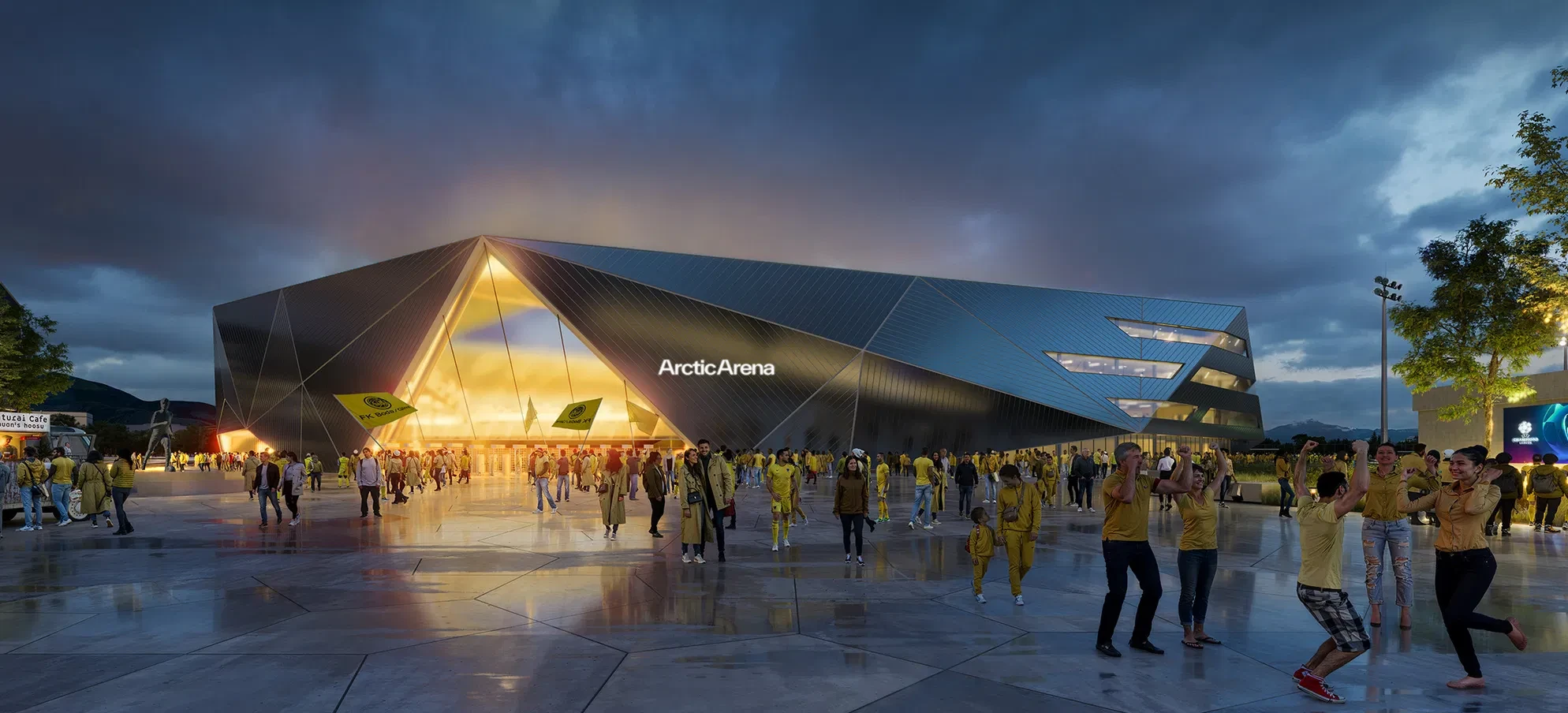
The architecture is conceived as a sealed volume, with advanced insulation systems and climate control technologies that allow year-round operation despite harsh weather. The structural envelope minimizes heat loss while maintaining internal comfort, transforming the stadium into an interiorized environment.
7. Hangzhou International Sports Centre, China
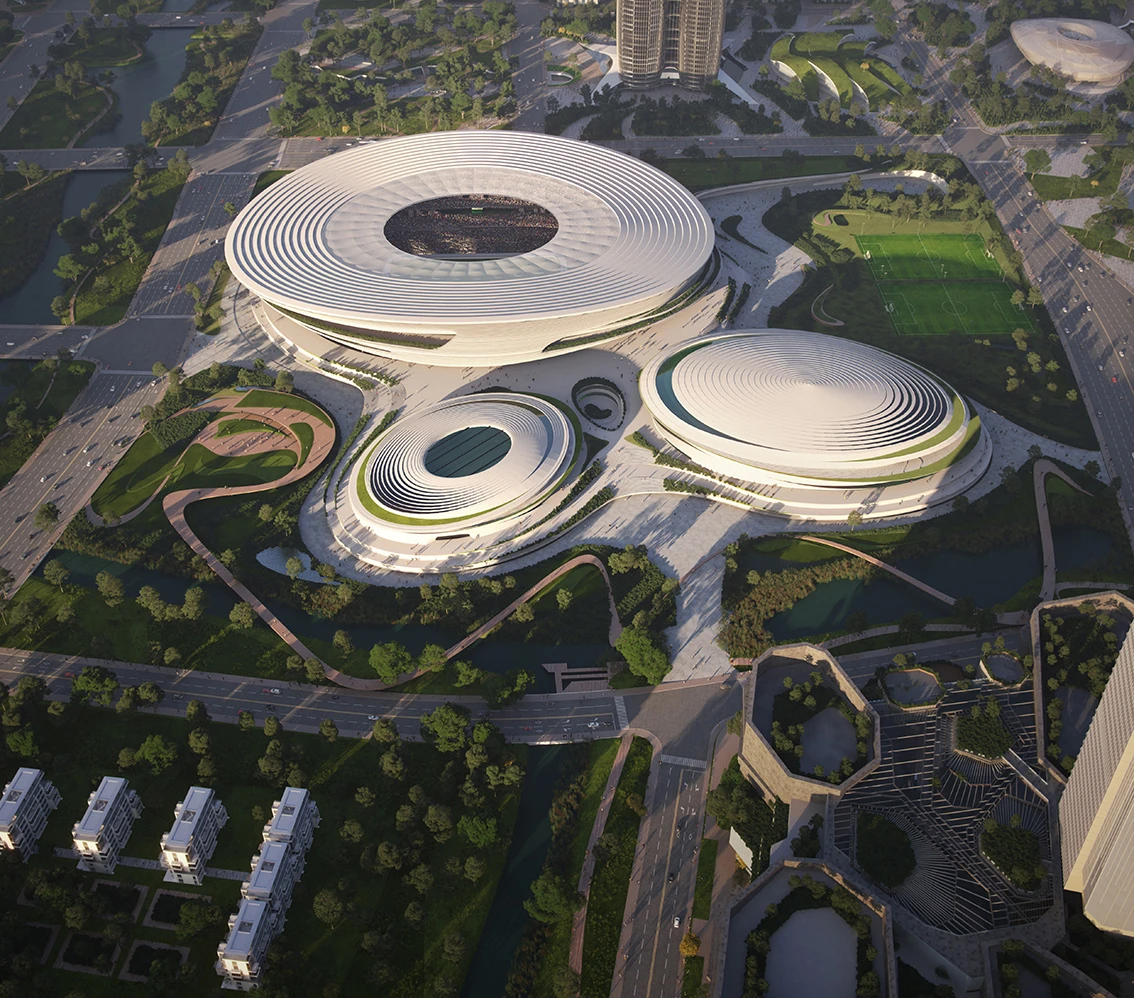
Designed by Zaha Hadid Architects, the Hangzhou International Sports Centre in Yuhang is a multi-venue complex centered around a 60,000-seat stadium. It is set to be completed by early 2027. Located in the Future Science and Technology Cultural District, it also features an 18,000-seat indoor arena and a 3,000-seat aquatics center.
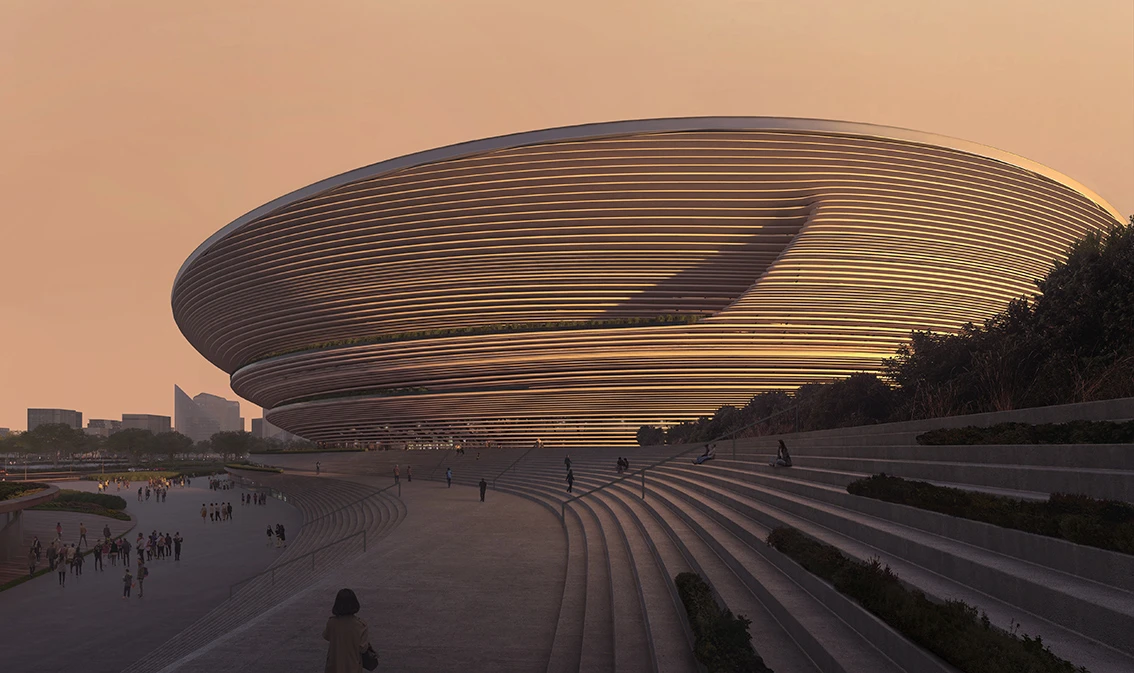
The design draws inspiration from the terraced tea fields of Zhejiang province. The stadium, arena, and aquatic center are unified under a flowing roof system generated through parametric design. This geometry is not purely visual but responds to structural efficiency and circulation flow. Movement through the complex is conceived as a spatial experience, where architecture guides users intuitively across different programs.
8. NS Square Marina Bay, Singapore
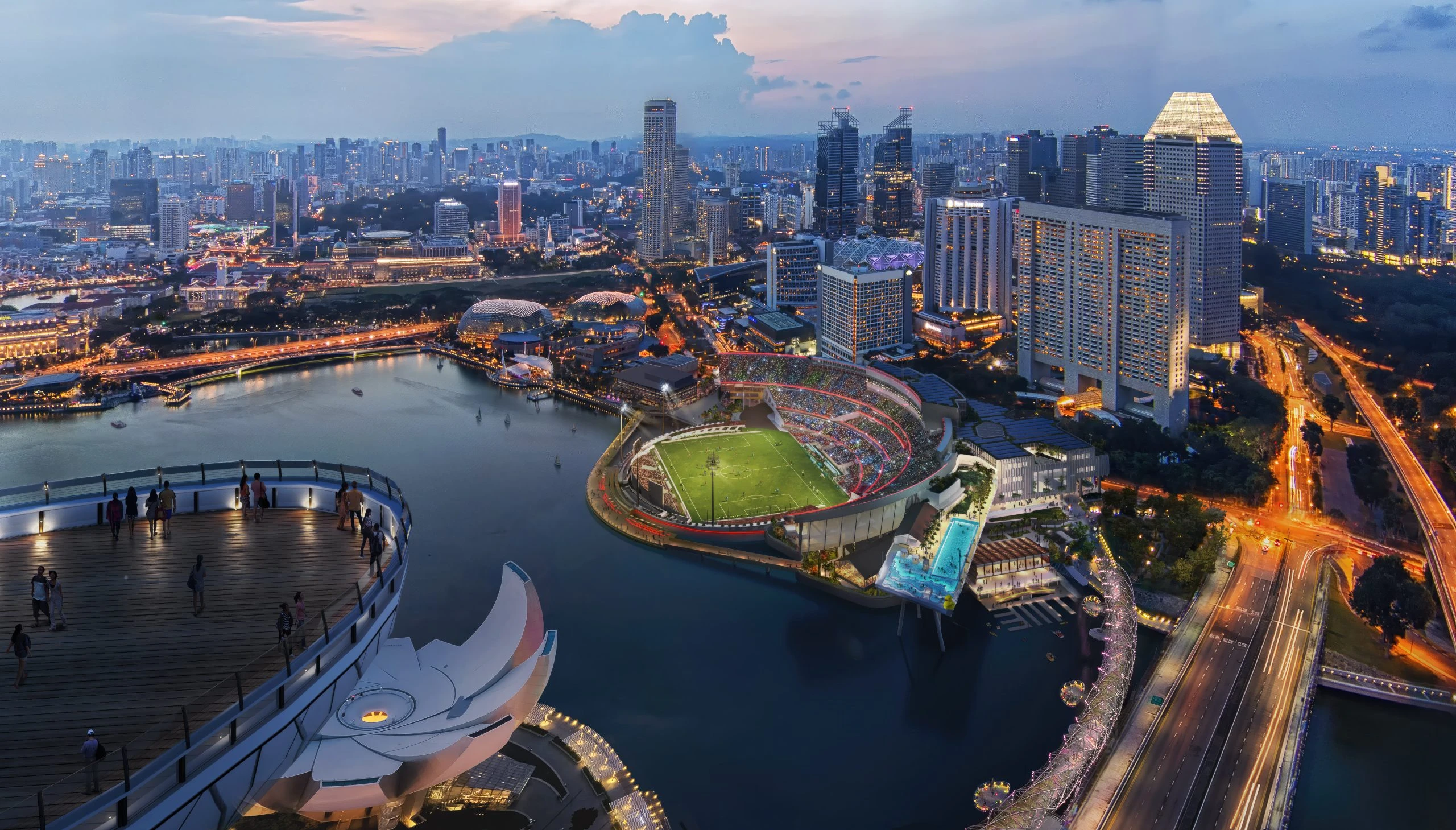
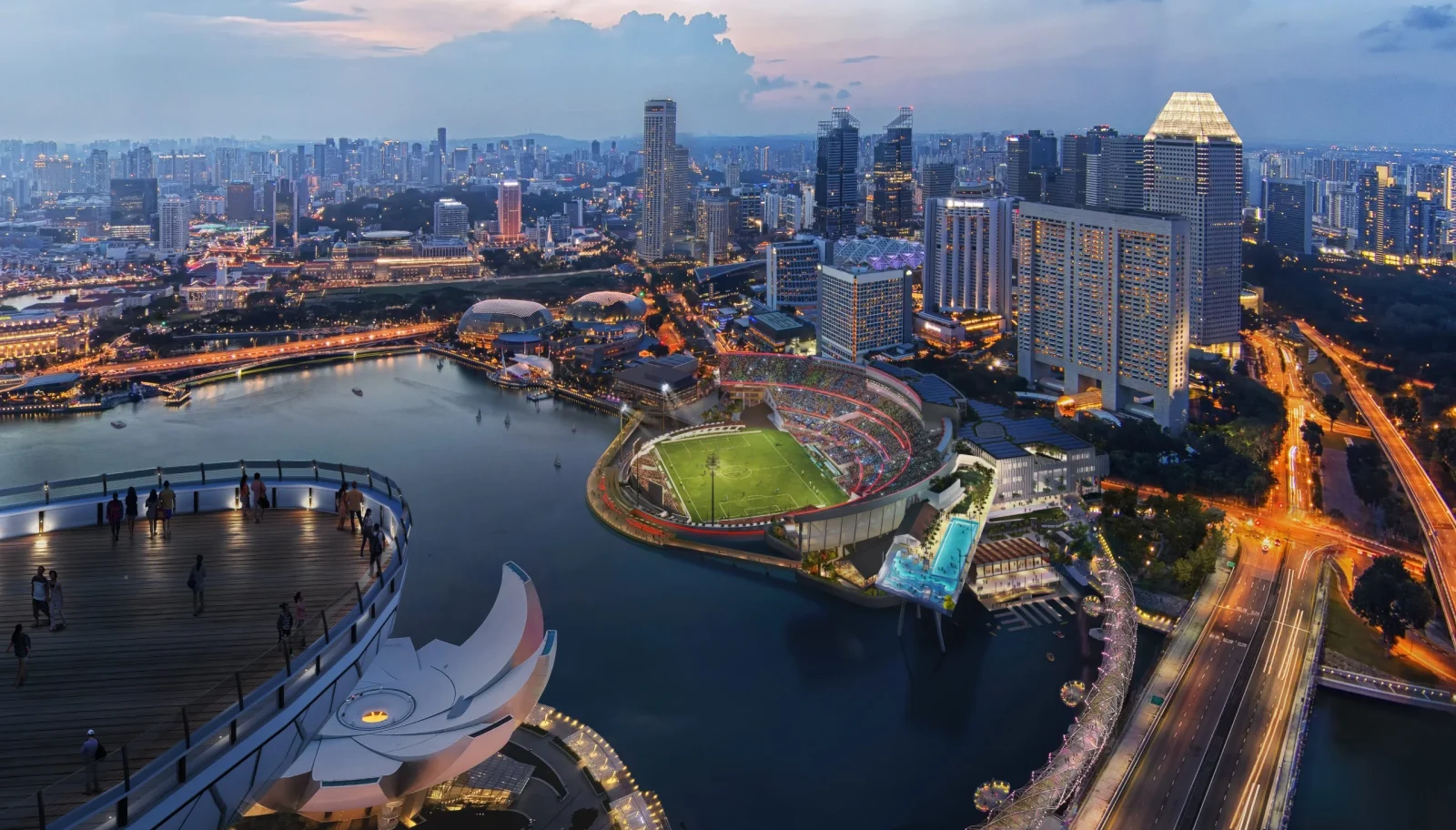
Designed by WOHA Architects and Populous, NS Square replaces Singapore’s existing floating platform with a new 30,000-seat multi-purpose venue. Located at Marina Bay, the project is conceived as a national event space and a public civic platform.
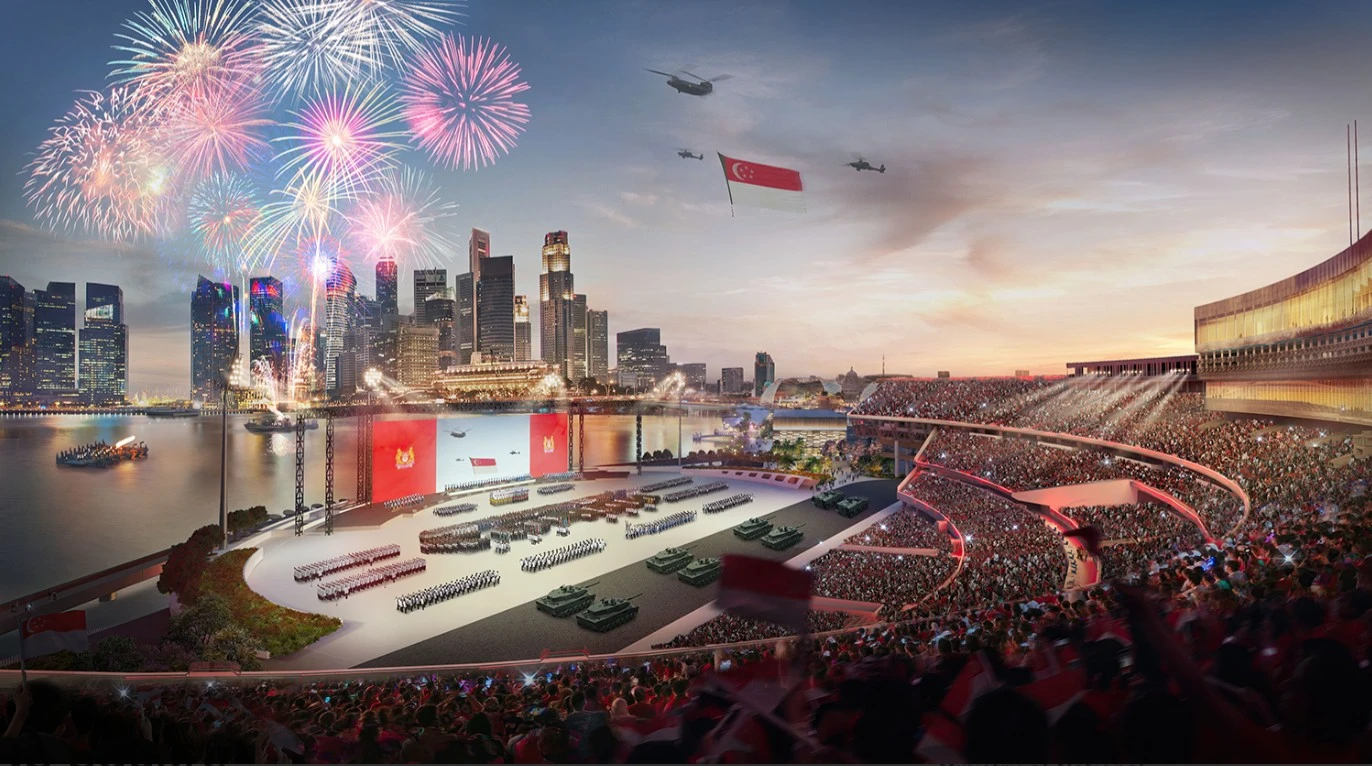
Unlike conventional stadiums, NS Square operates as an adaptable space capable of hosting parades, performances, and everyday public use. It is a permanent, sustainable replacement for The Float@Marina Bay in Singapore, scheduled for completion in 2027. The landmark features a public waterfront promenade, a National Service-themed gallery, and community sports facilities. Its architecture emphasizes sustainability, incorporating recycled materials, solar panels, and the Marina Bay District Cooling Network.
9. Hassan II Stadium, Morocco
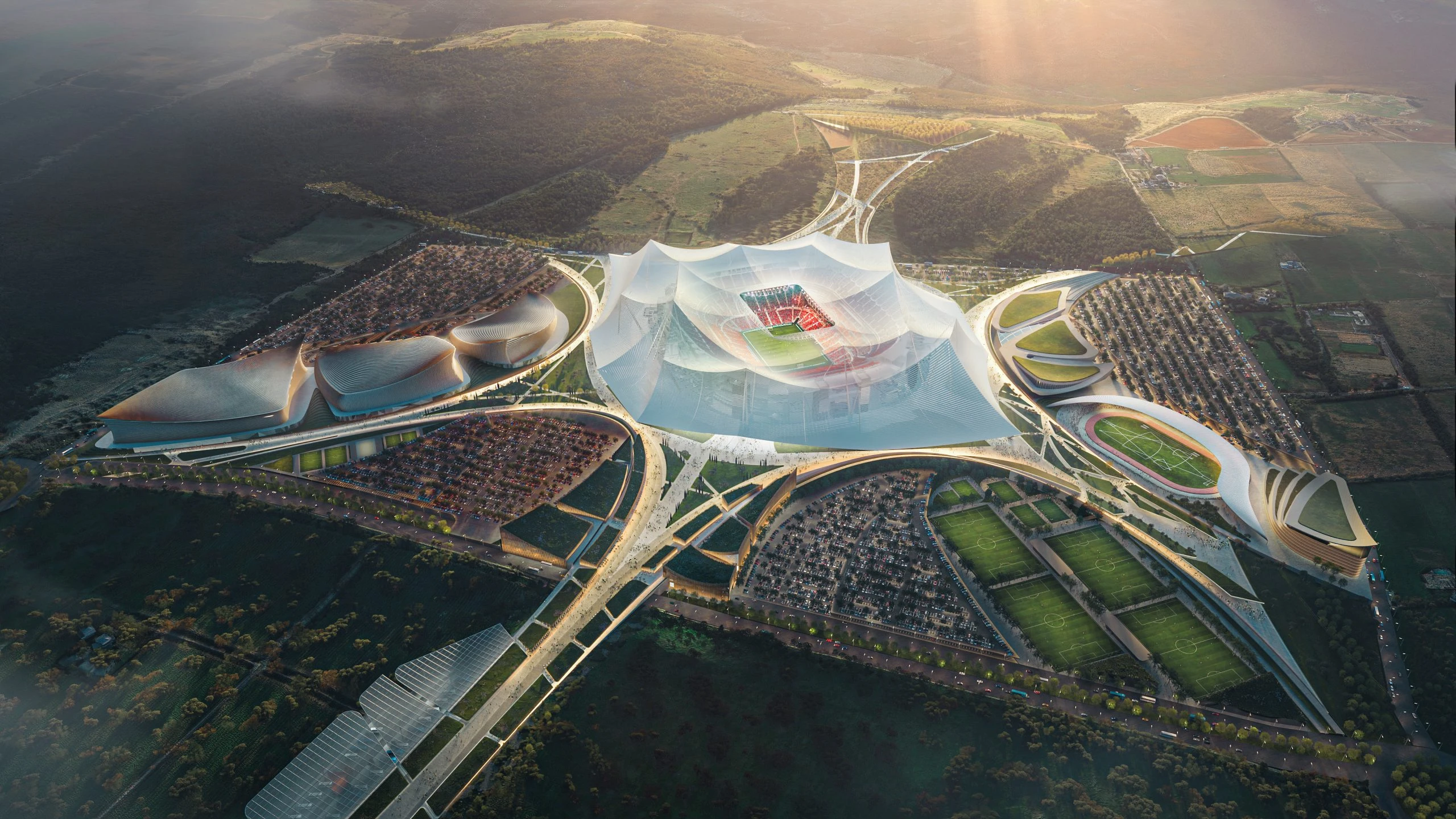
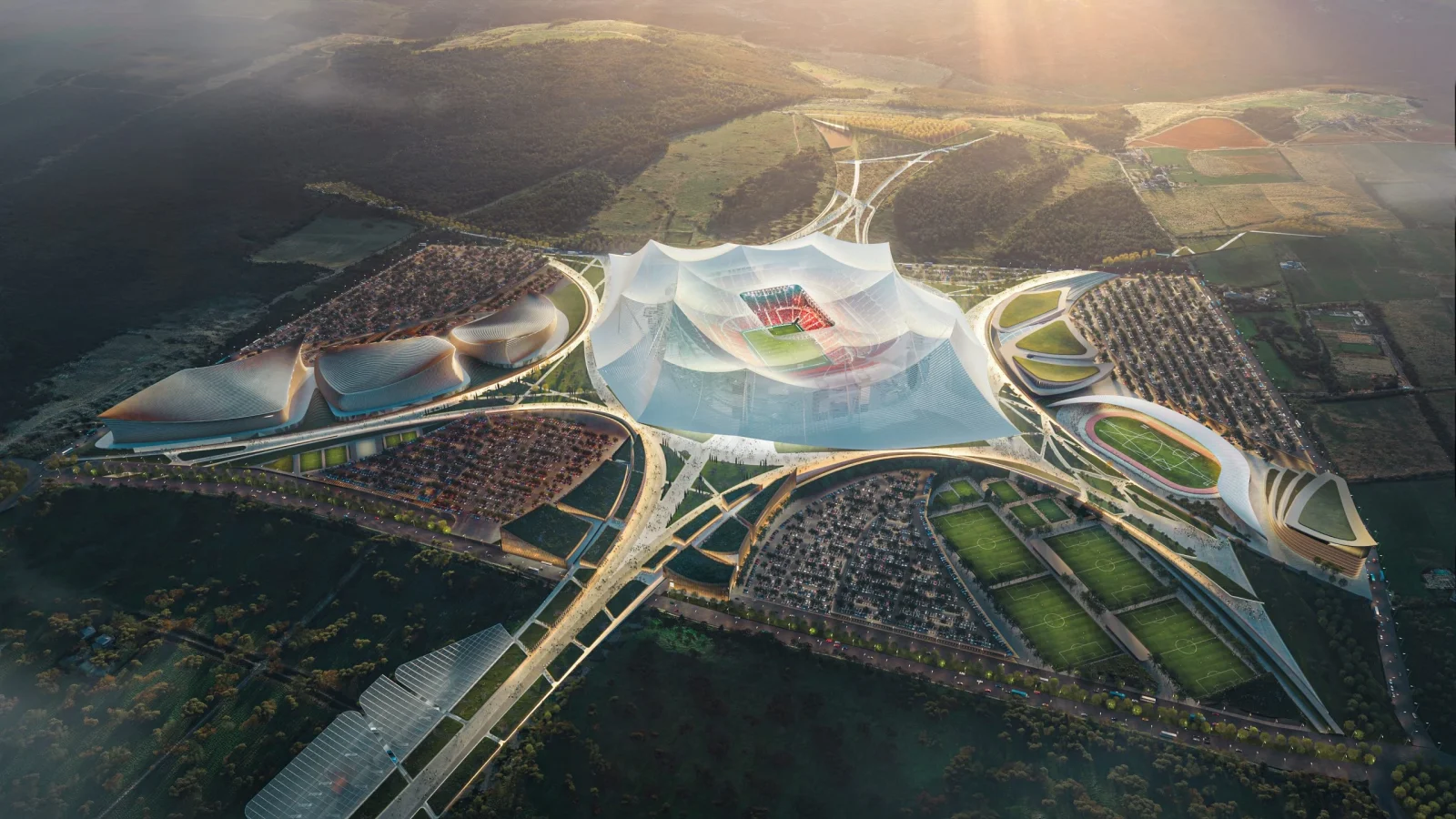
Designed by Tarik Oualalou Architecte in collaboration with Populous, the Hassan II Stadium near Casablanca is planned as a 115,000-seat venue, making it one of the largest football stadiums in the world. The project is part of Morocco’s broader strategy to position itself as a global sporting destination. It is designed to be the world’s largest football-specific stadium upon completion in 2028, aiming to host the 2030 FIFA World Cup final.
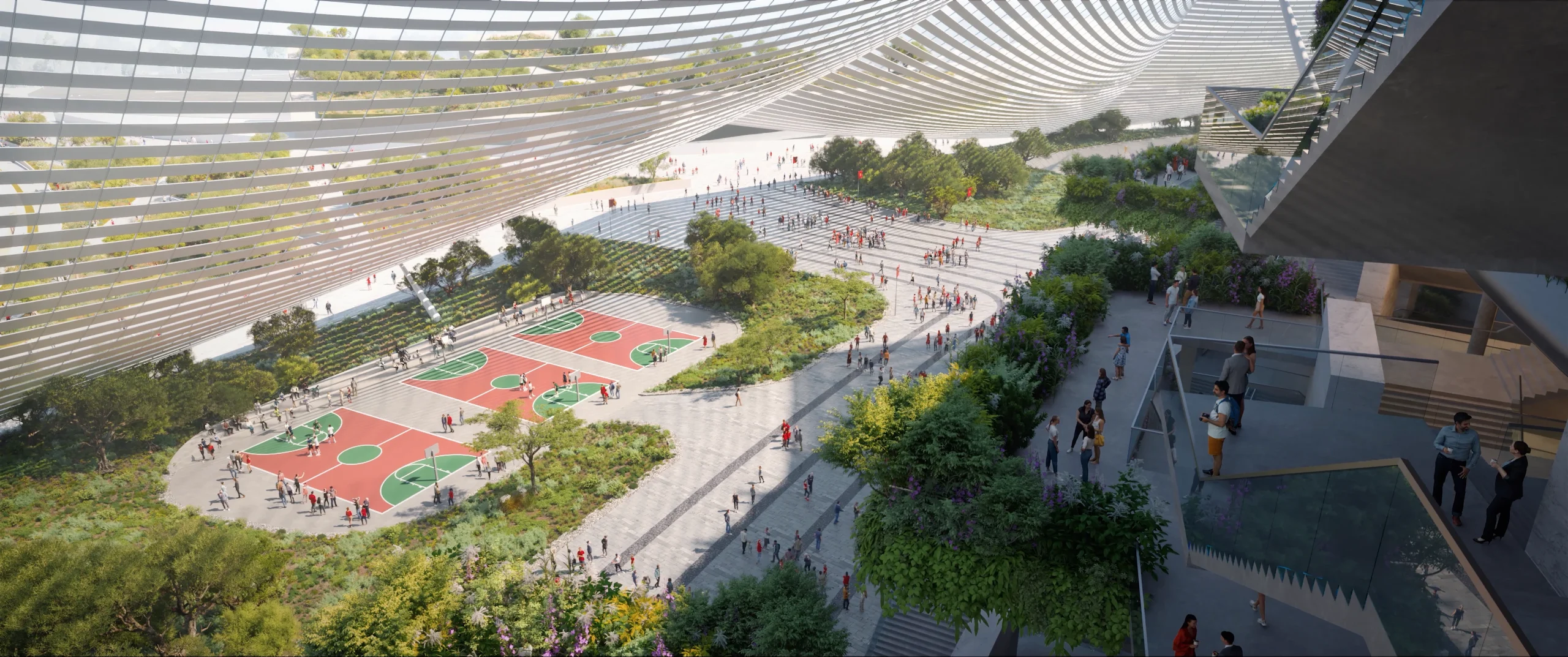
The architecture is defined by a monumental tent-like roof inspired by traditional Moroccan moussem gatherings. This expansive canopy is supported by a large-scale structural lattice, creating a unified enclosure while allowing filtered light and ventilation. The stadium is elevated on landscaped platforms, integrating gardens and public space into its base. This creates a layered spatial experience that extends beyond the seating bowl.
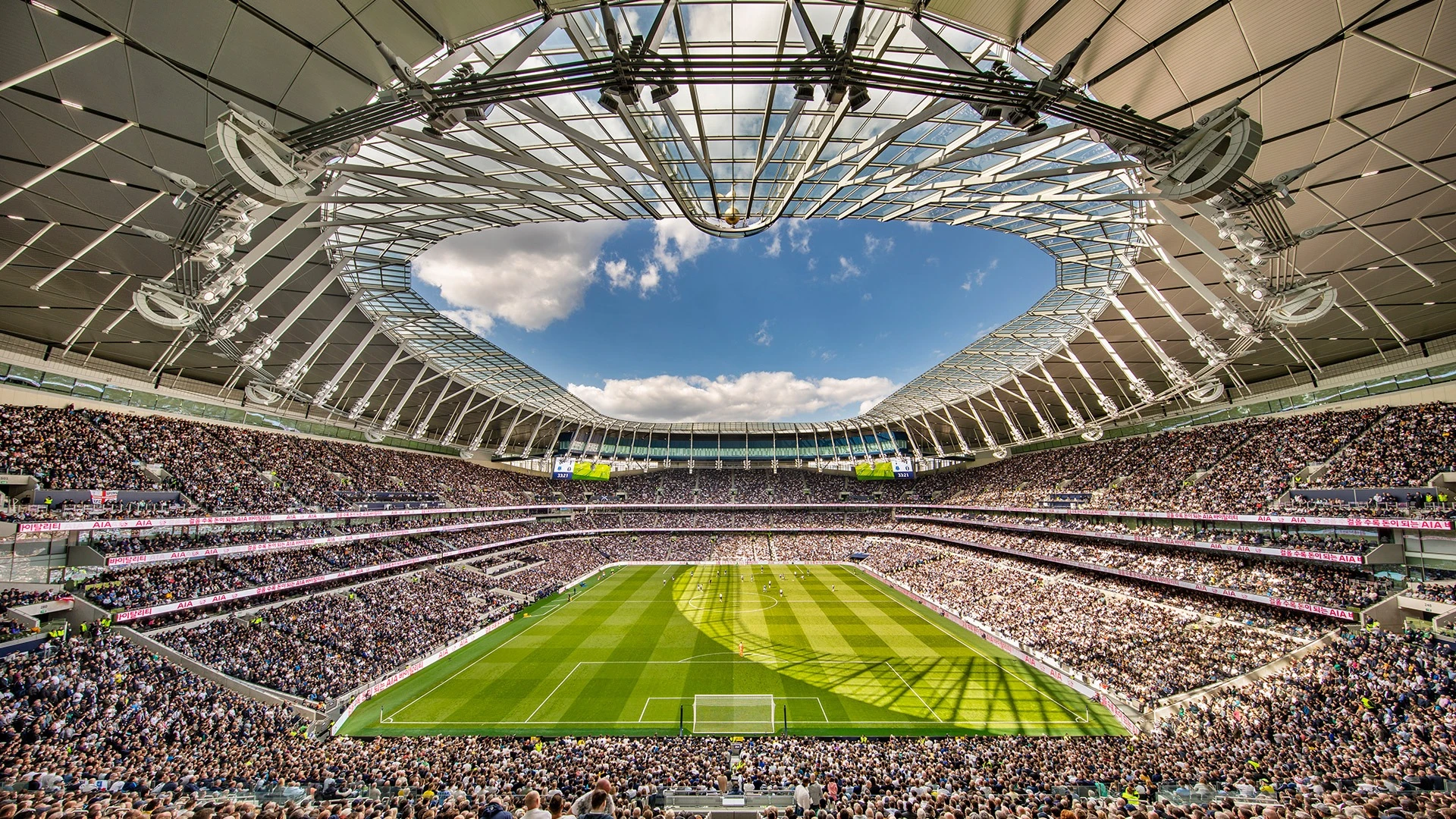
Stadiums are now being designed as long-term urban investments, expected to operate continuously, justify their scale, and contribute to the city beyond match day. The focus is moving from maximizing capacity to maximizing relevance, and the questions of climate, adaptability, public access, and economic sustainability are becoming central to design.
This shift also reflects a broader change in how football itself is positioned. As the sport becomes increasingly global and commercially driven, the spaces that host it are evolving too.
Explore Courses
.jpg "Ondrej Chybik - Rethinking Architecture")