


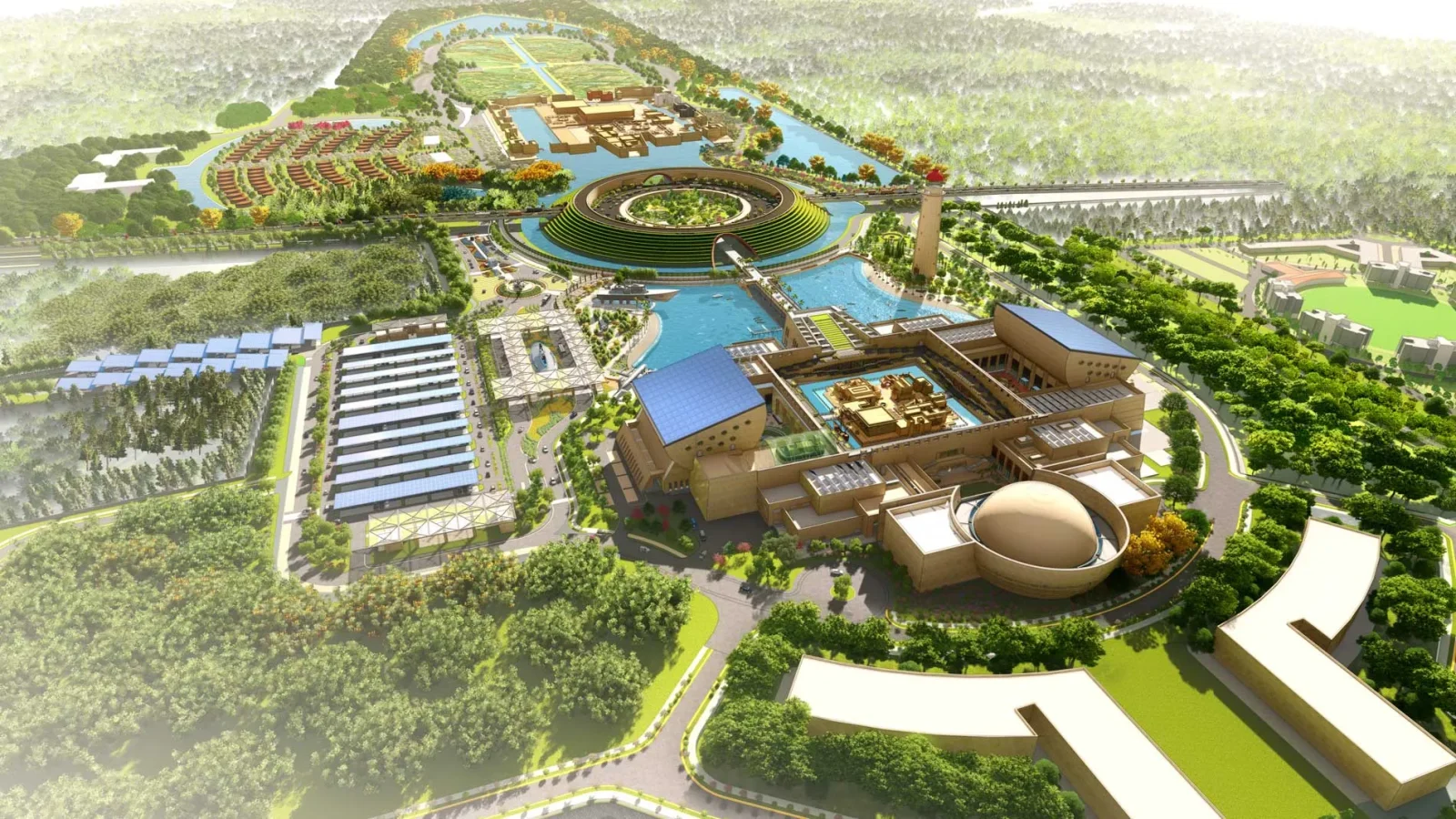
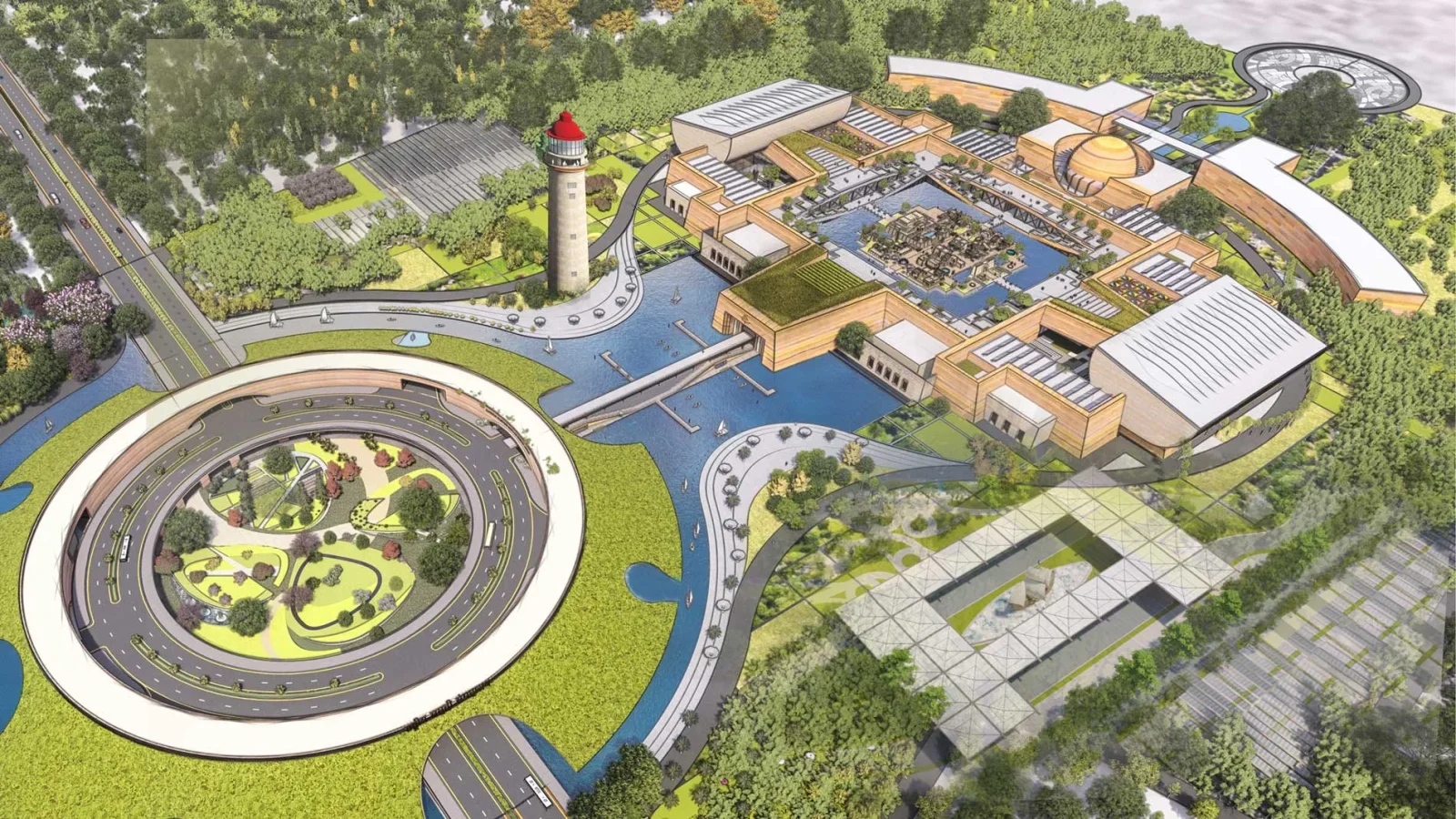
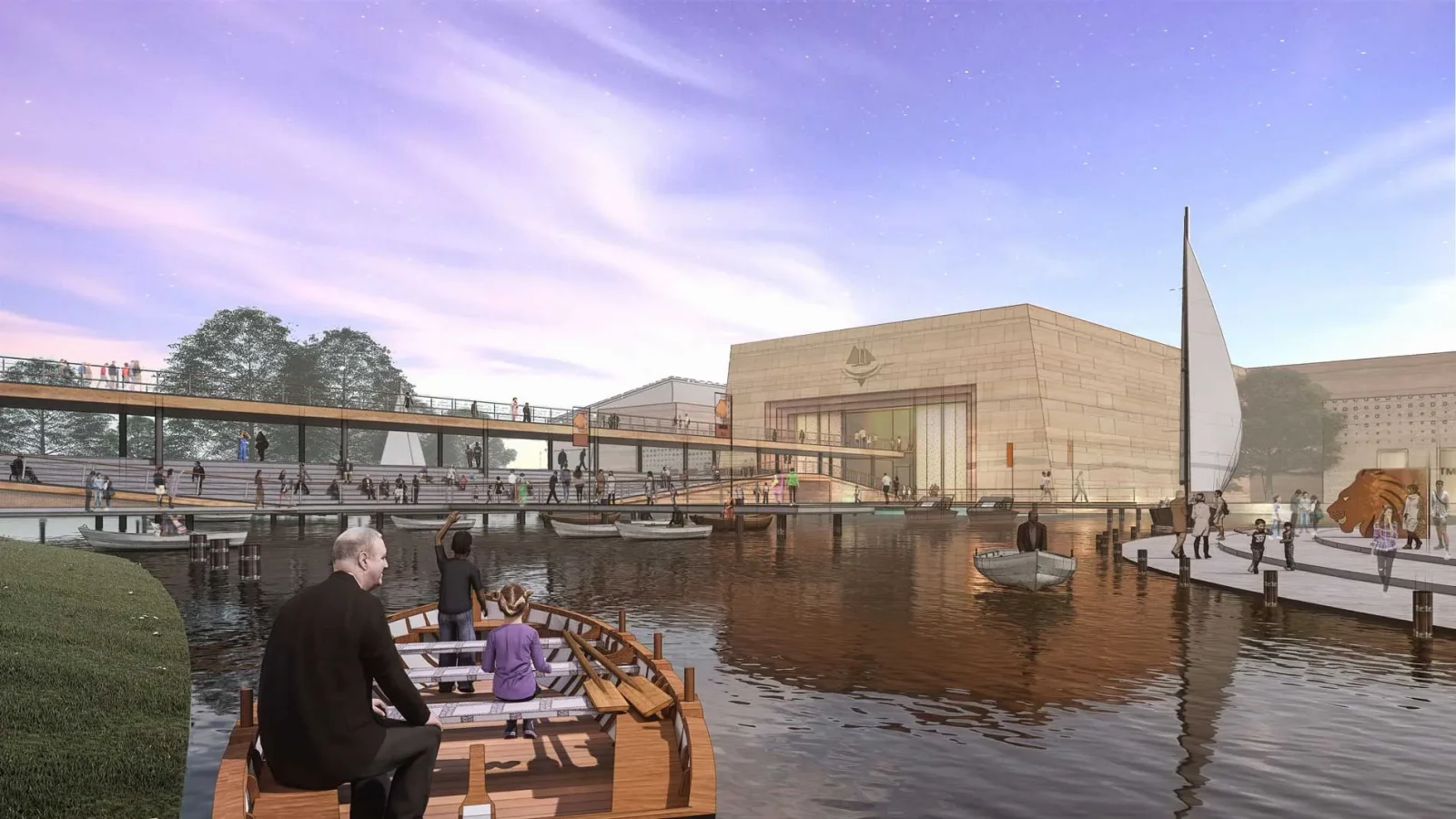
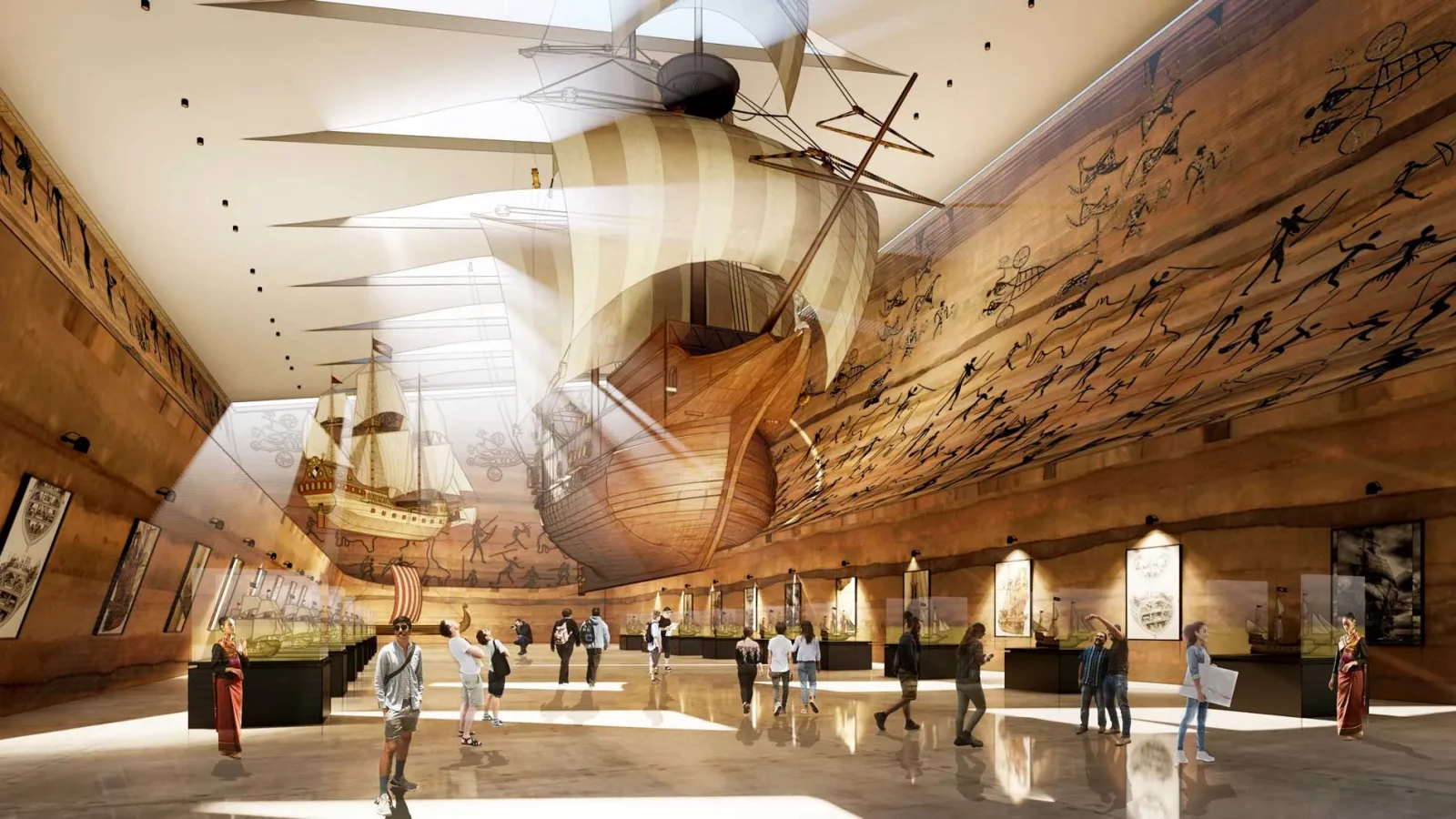
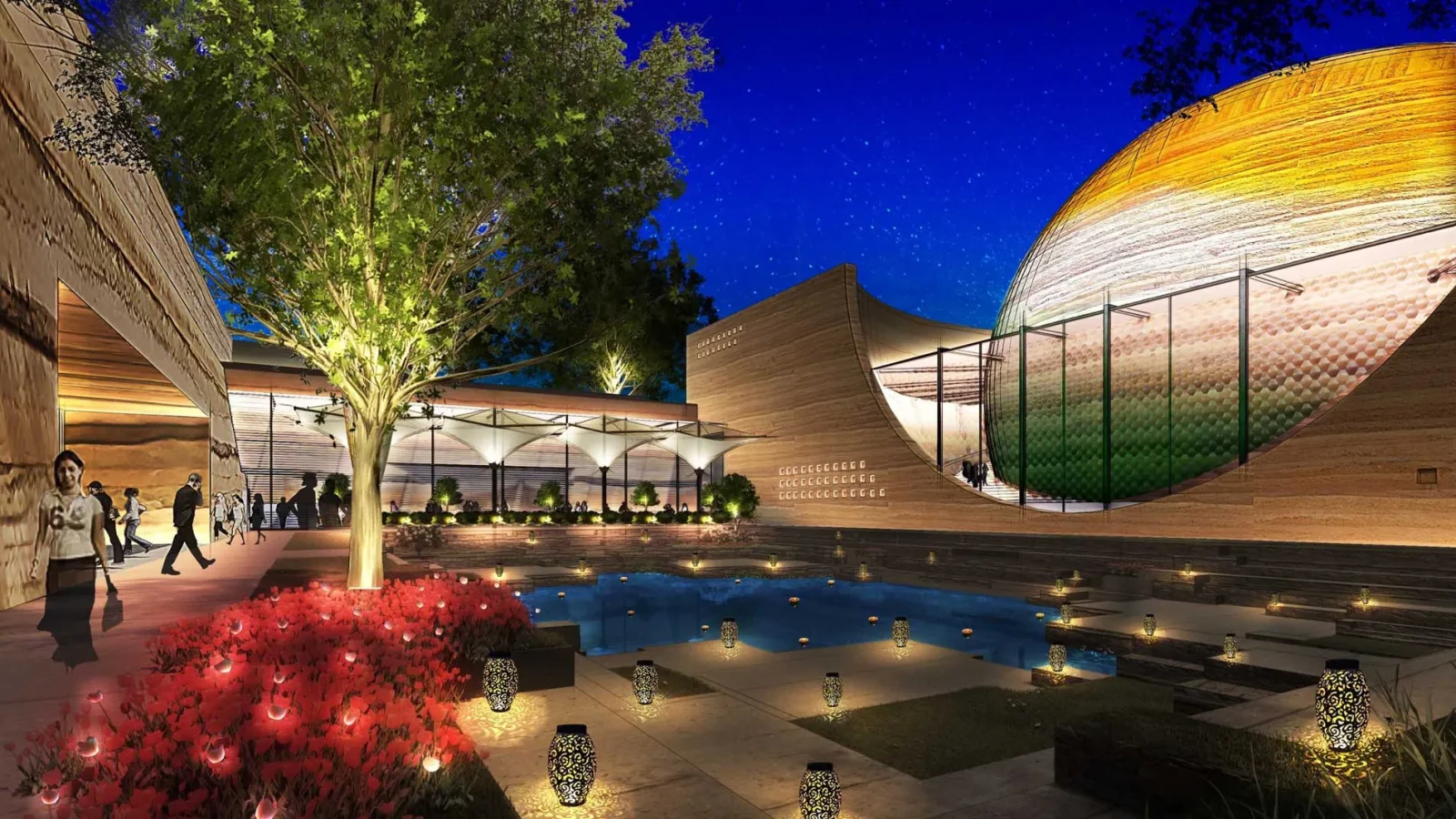
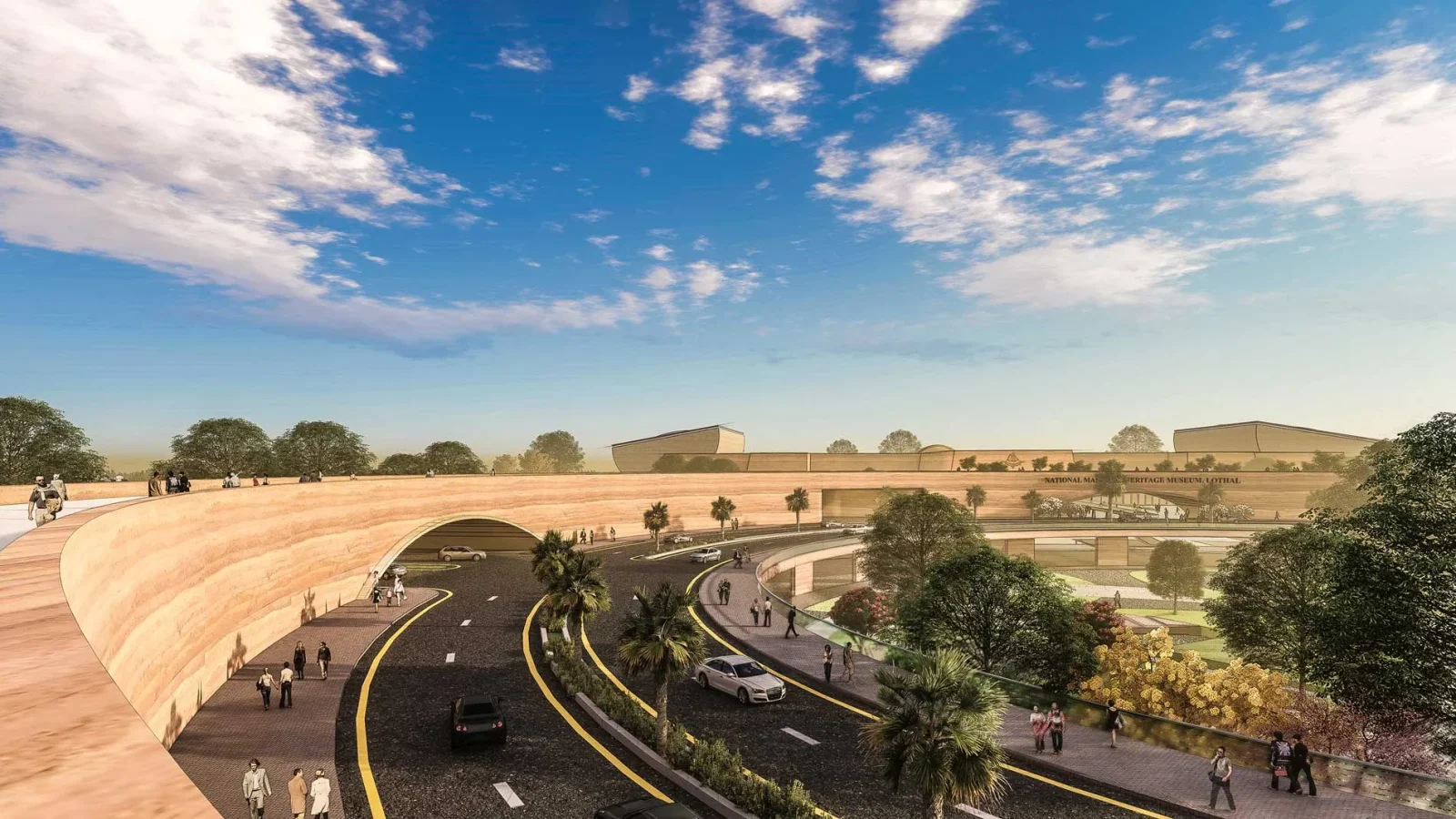
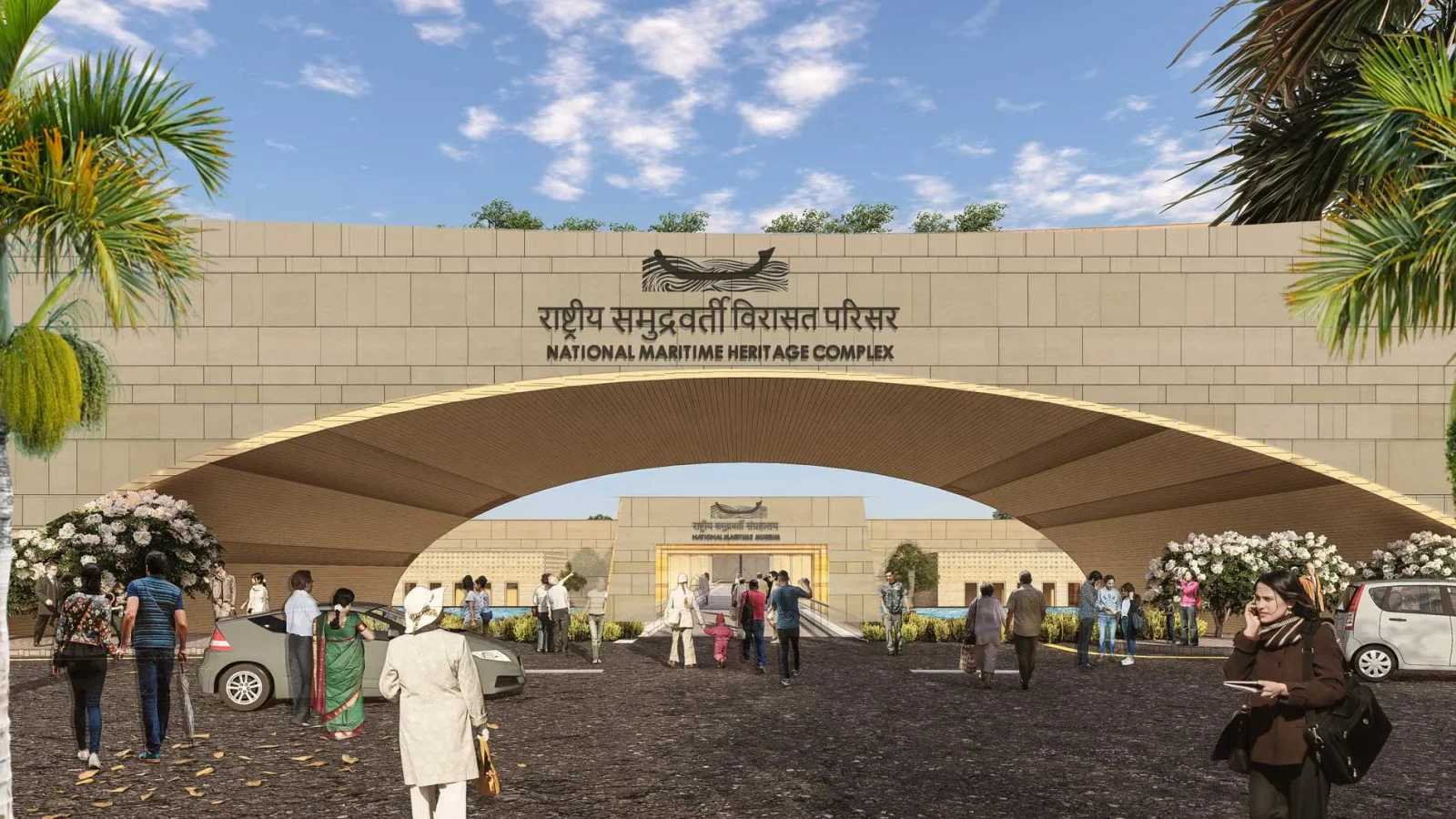
The Government of India has embarked on a plan to create the world’s largest maritime museum at Lothal, Gujarat, the site of one of the most important Harappan settlements and home to what is believed to be the world’s earliest known dockyard. The National Maritime Heritage Complex (NMHC) is a flagship project under the Ministry of Ports, Shipping, and Waterways, developed in collaboration with the Ministry of Culture.
Lothal’s Archaeological Legacy: The Ideal Site for India’s Maritime Museum
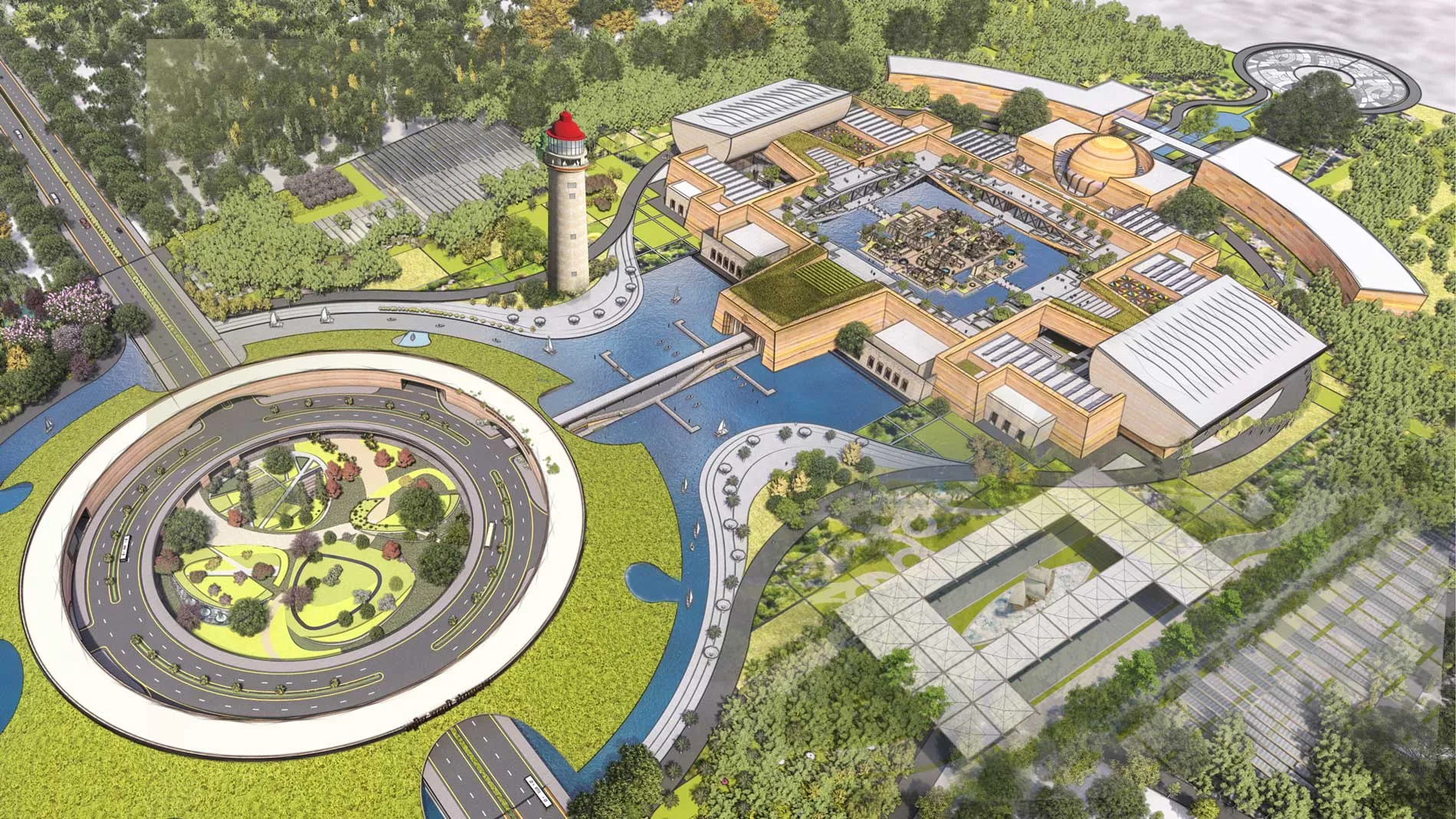
Located about 85 km from Ahmedabad, Lothal, a prominent site of the Indus Valley Civilization dating back to 2400 BCE, is renowned for housing one of the world’s oldest known dockyards. Archaeological excavations have revealed extensive trade networks, bead-making industries, and maritime engineering that highlight Lothal’s significance as an ancient port city. Its inclusion on UNESCO’s tentative World Heritage list further underscores why it was chosen as the site for India’s first and largest maritime museum, making it an ideal setting to narrate the subcontinent’s 5,000-year-old maritime legacy
This historical connection makes Lothal a fitting location for the NMHC. The project pays tribute to India’s ancient maritime roots and integrates the region’s archaeological importance into its spatial and architectural design.
Masterplan and Design Vision of the National Maritime Heritage Complex
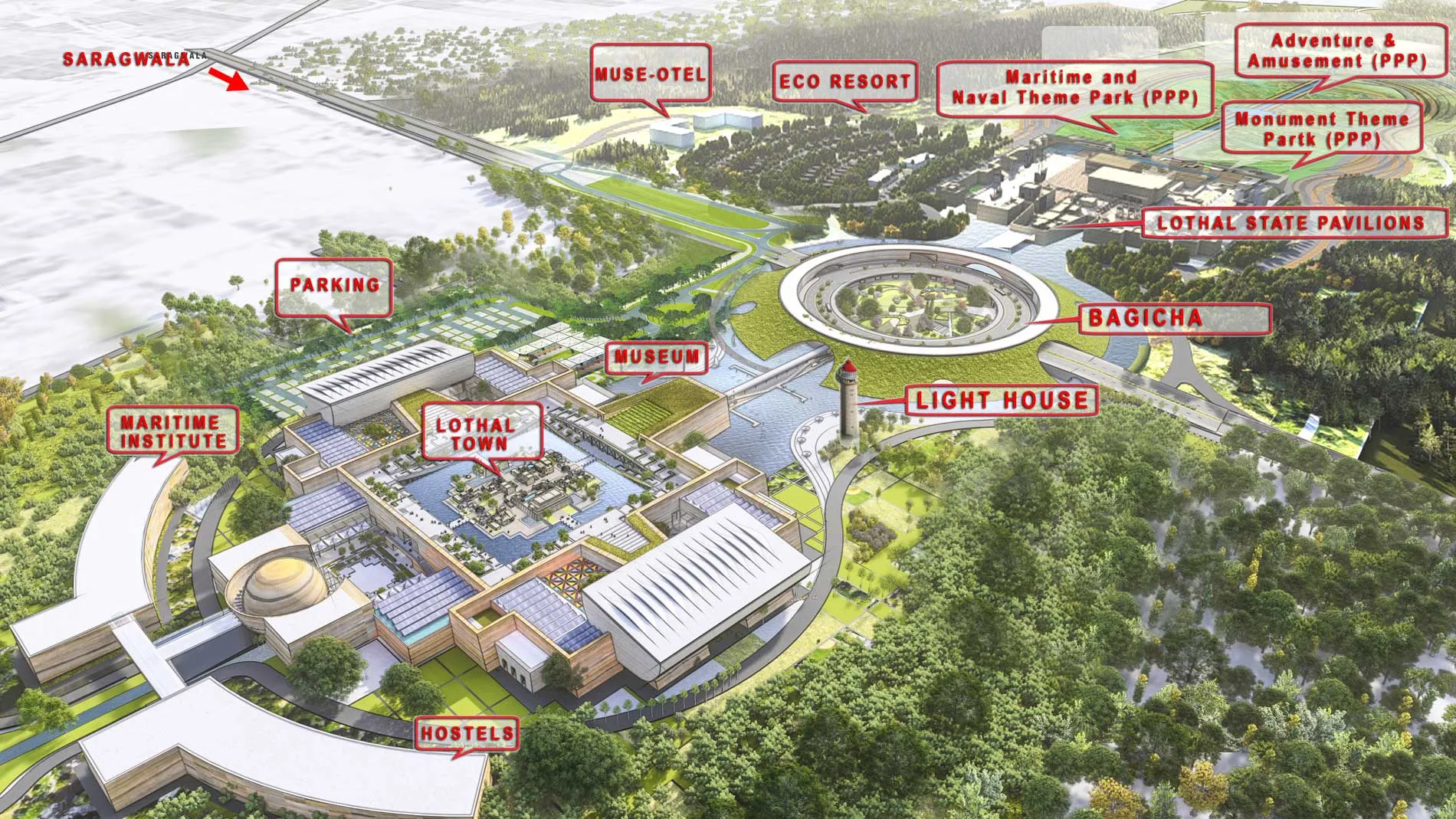
The National Maritime Heritage Complex is being developed in phases, with the master plan designed by Padma Bhushan awardee Shri Hafeez Contractor, one of India’s most distinguished architects. Serving as the principal project consultant, the contractor and his multidisciplinary team, including architects, exhibition designers, archaeologists, engineers, and project managers, are shaping the vision of what will be the world’s largest maritime museum.
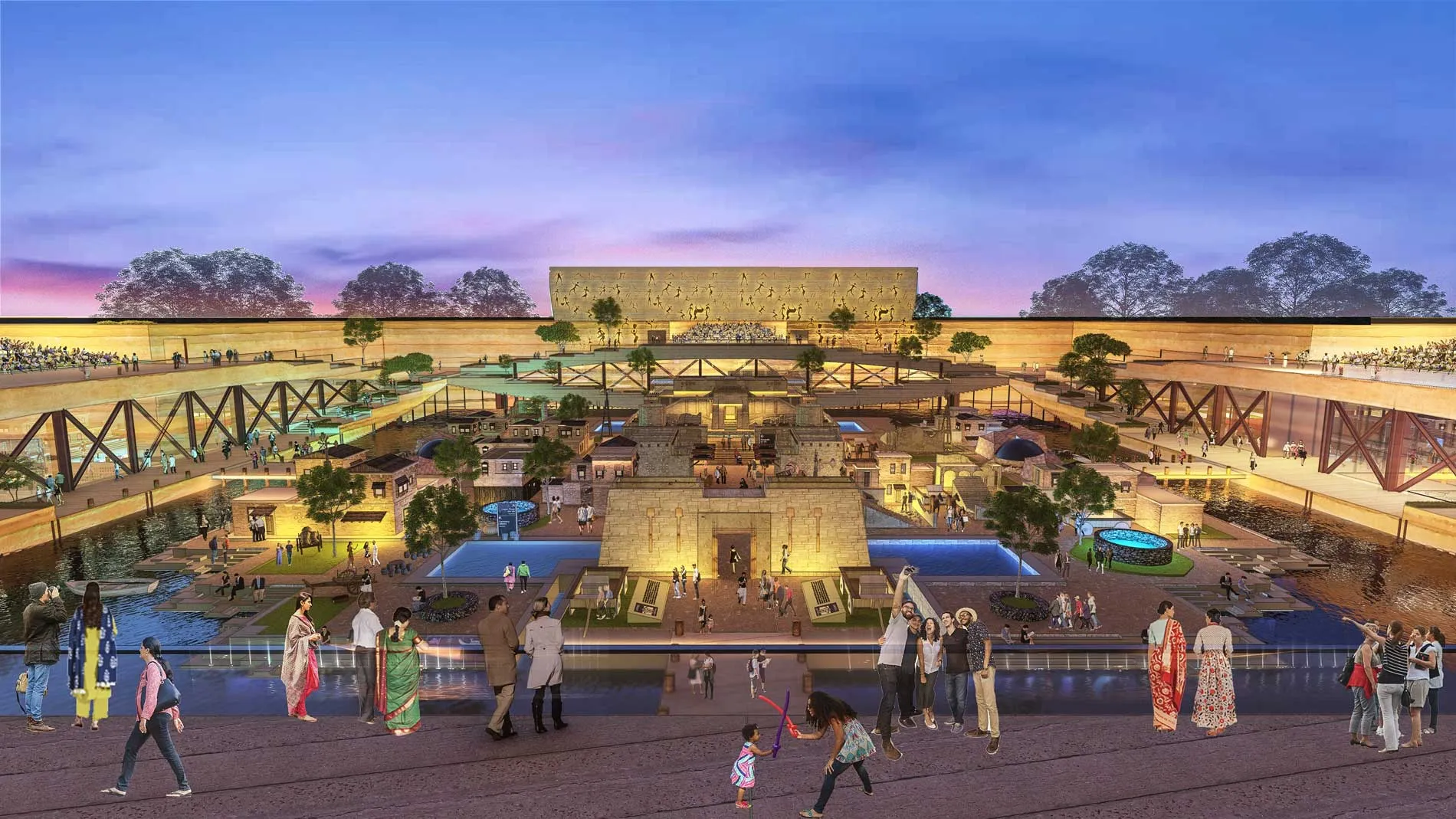
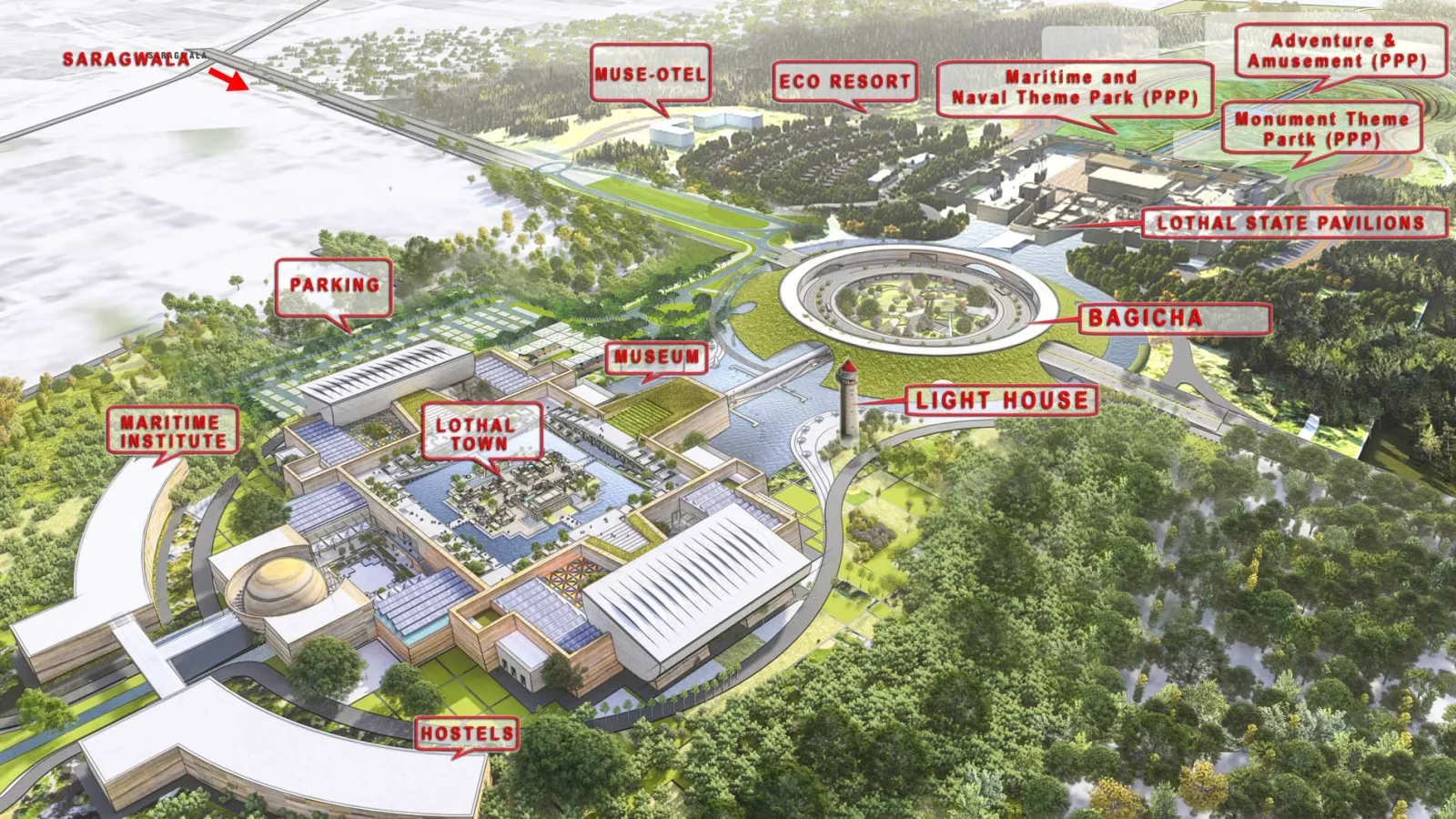
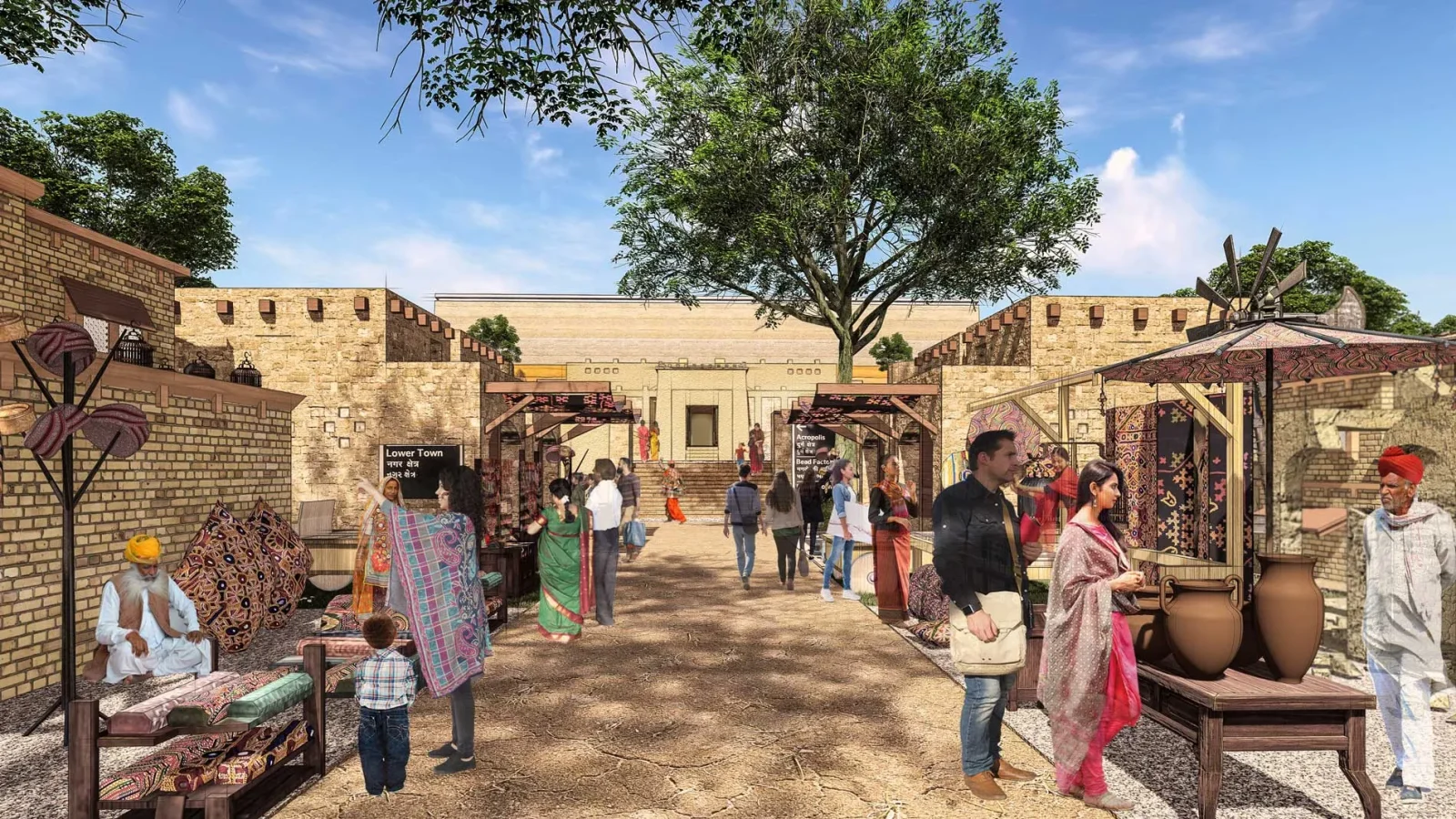
Phase 1A focuses on the first segment of the National Maritime Museum, supported by essential infrastructure and a scaled recreation of the ancient Lothal town. This phase is designed to highlight how India’s history, economy, and culture have been deeply influenced by its maritime traditions and mastery of the seas.
Phase 1B will expand the museum with its second segment, introduce a striking 77-meter-high Lighthouse Museum, and establish the Bagicha Complex, a public interchange and cultural space.
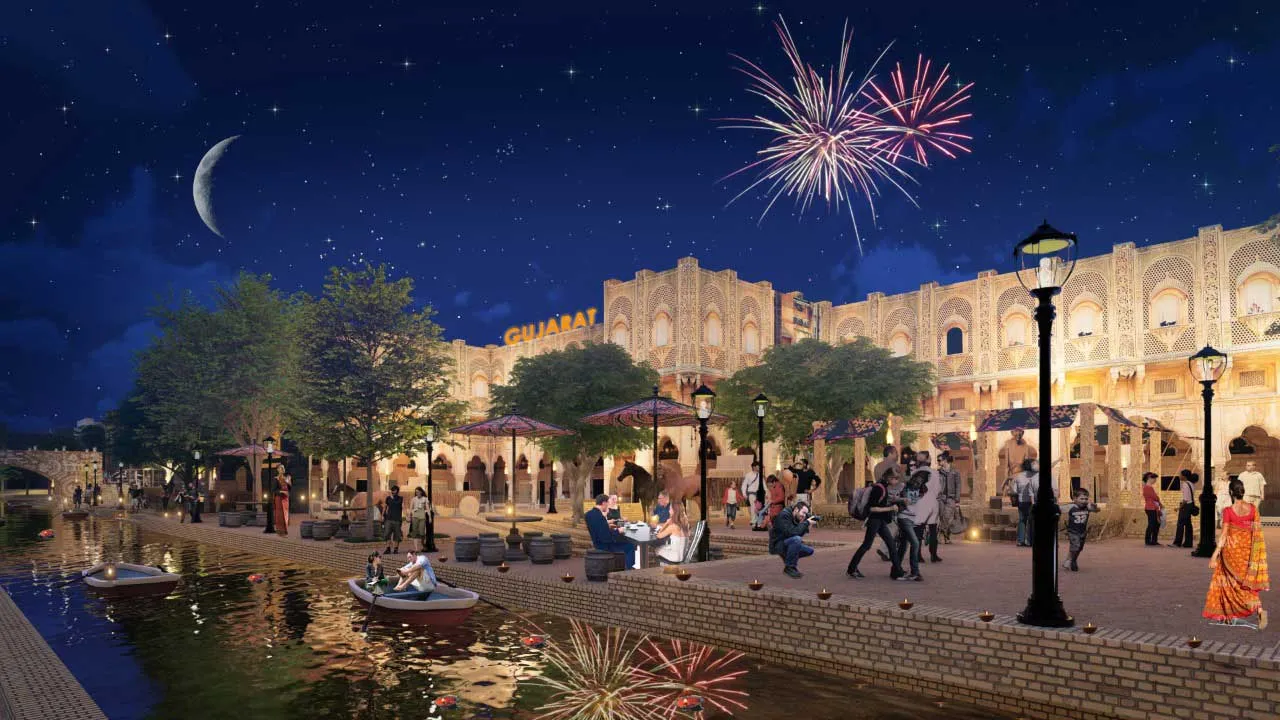
Looking ahead, Phase 2 will transform the site into a multifaceted heritage and leisure destination. Planned features include a Heritage Theme Park with a recreation of Lothal city and coastal state pavilions, a Maritime Institute, and thematic attractions such as a Maritime and Naval Park, an Adventure and Amusement Park, a Monuments Park, and a Climate Change Theme Park. Complementing these will be museum-themed hotels, eco-resorts, and other supporting infrastructure, making the complex both a cultural landmark and a world-class tourism hub.
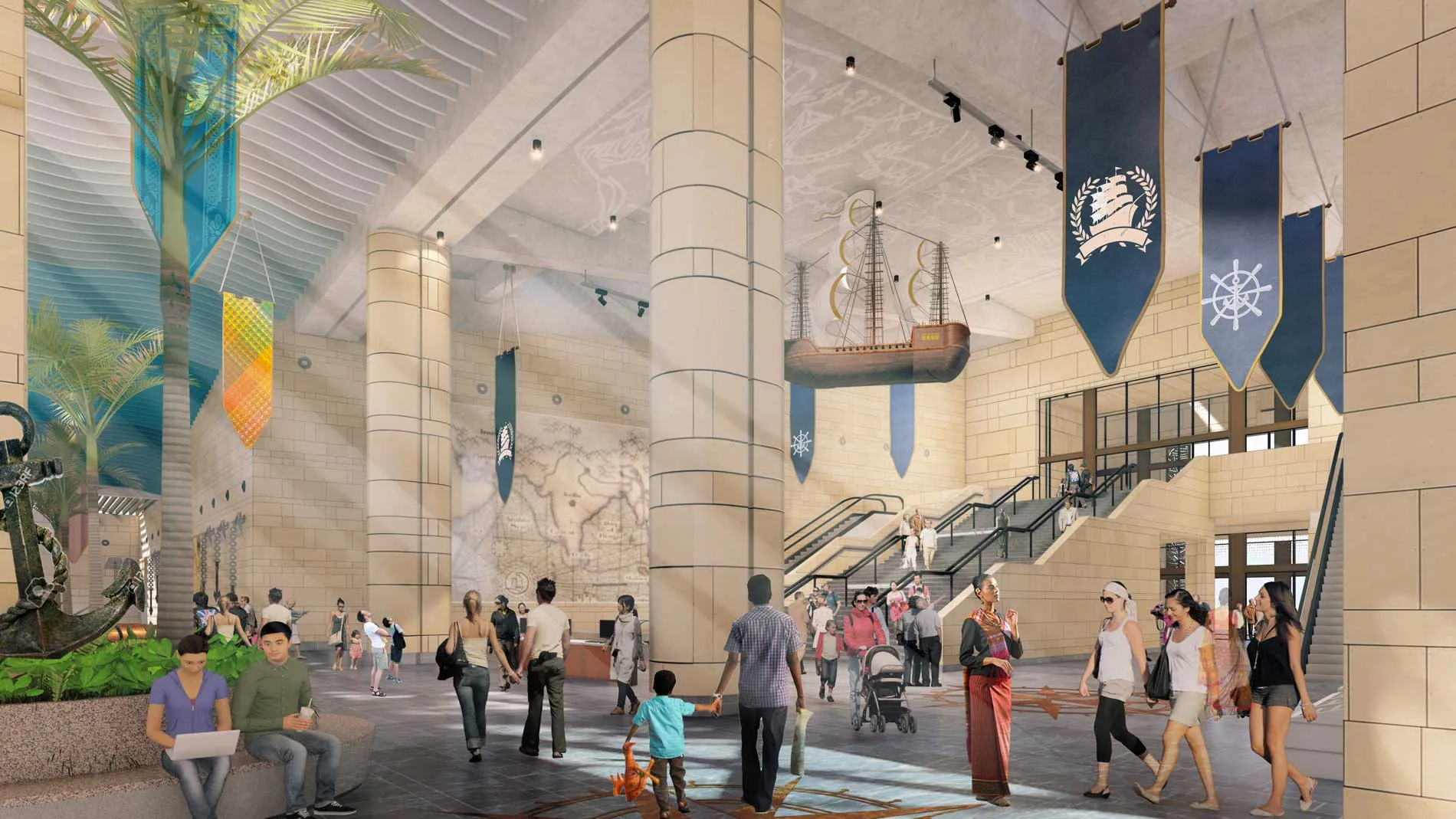
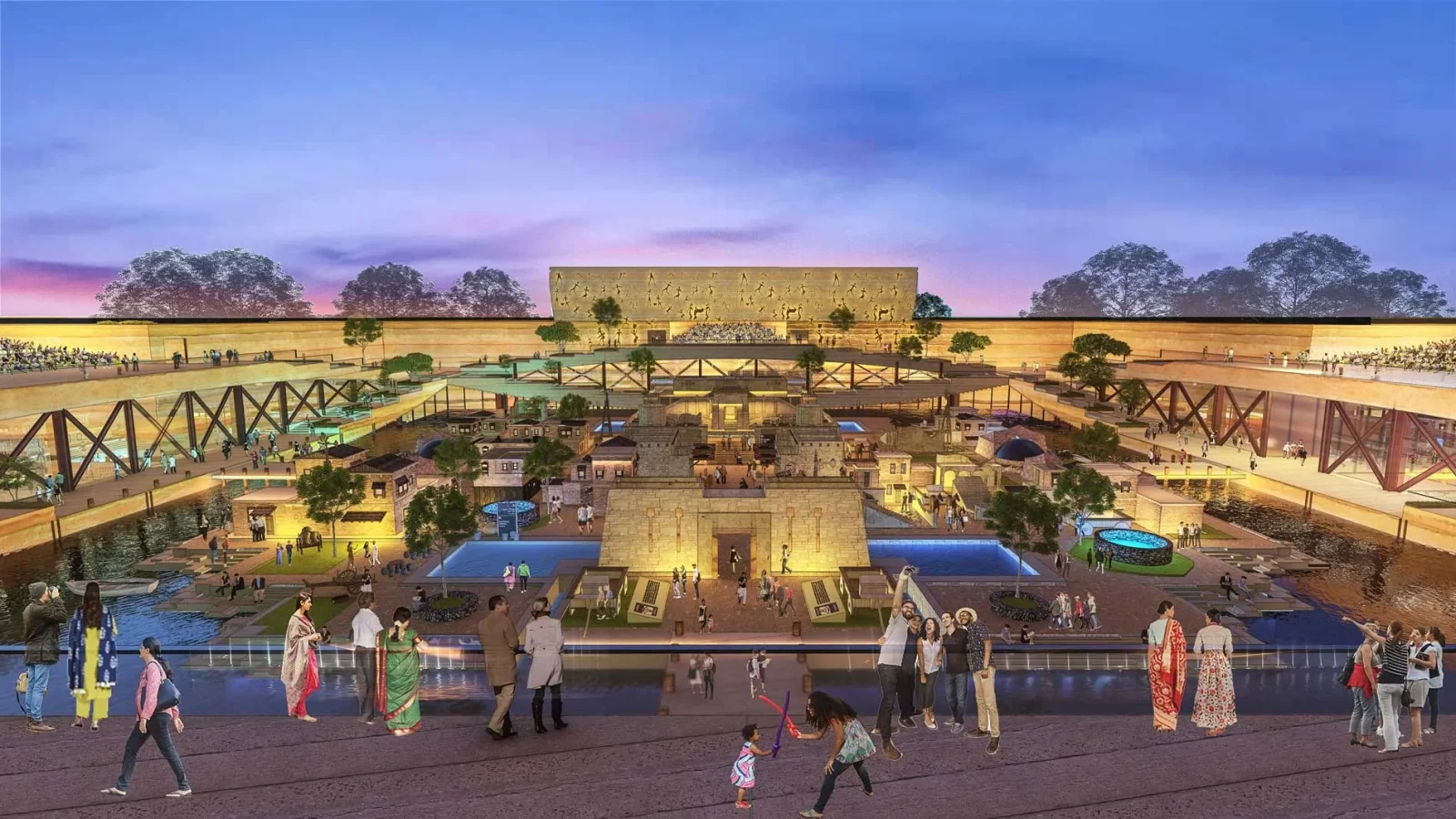
The masterplan is organized around a central waterbody, referencing the ancient dockyard that once defined Lothal’s identity. Around this, the museum and supporting facilities are distributed in a structured grid reminiscent of Harappan town planning. The central museum complex acts as the focal point, much like the citadel in ancient settlements.
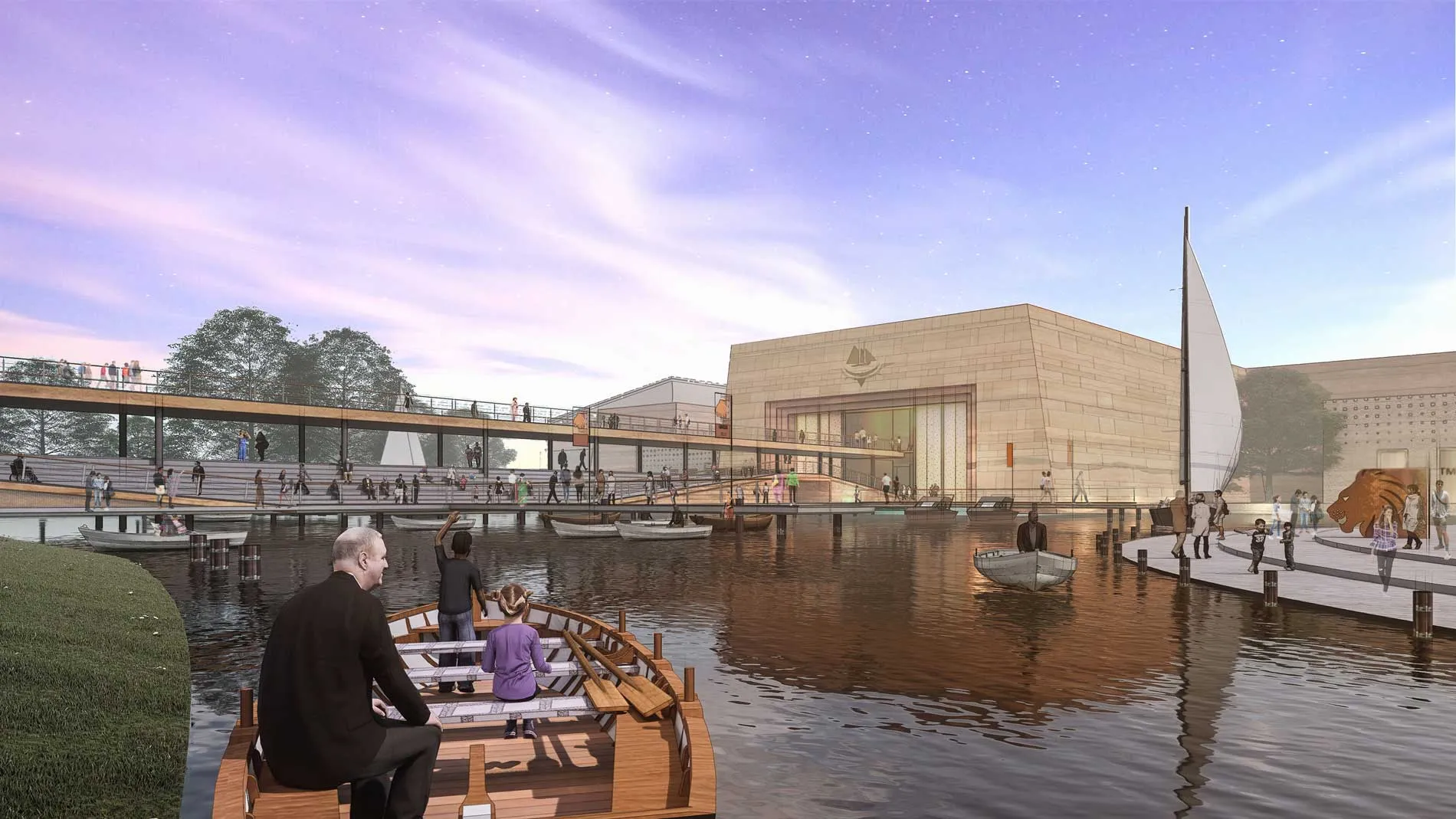
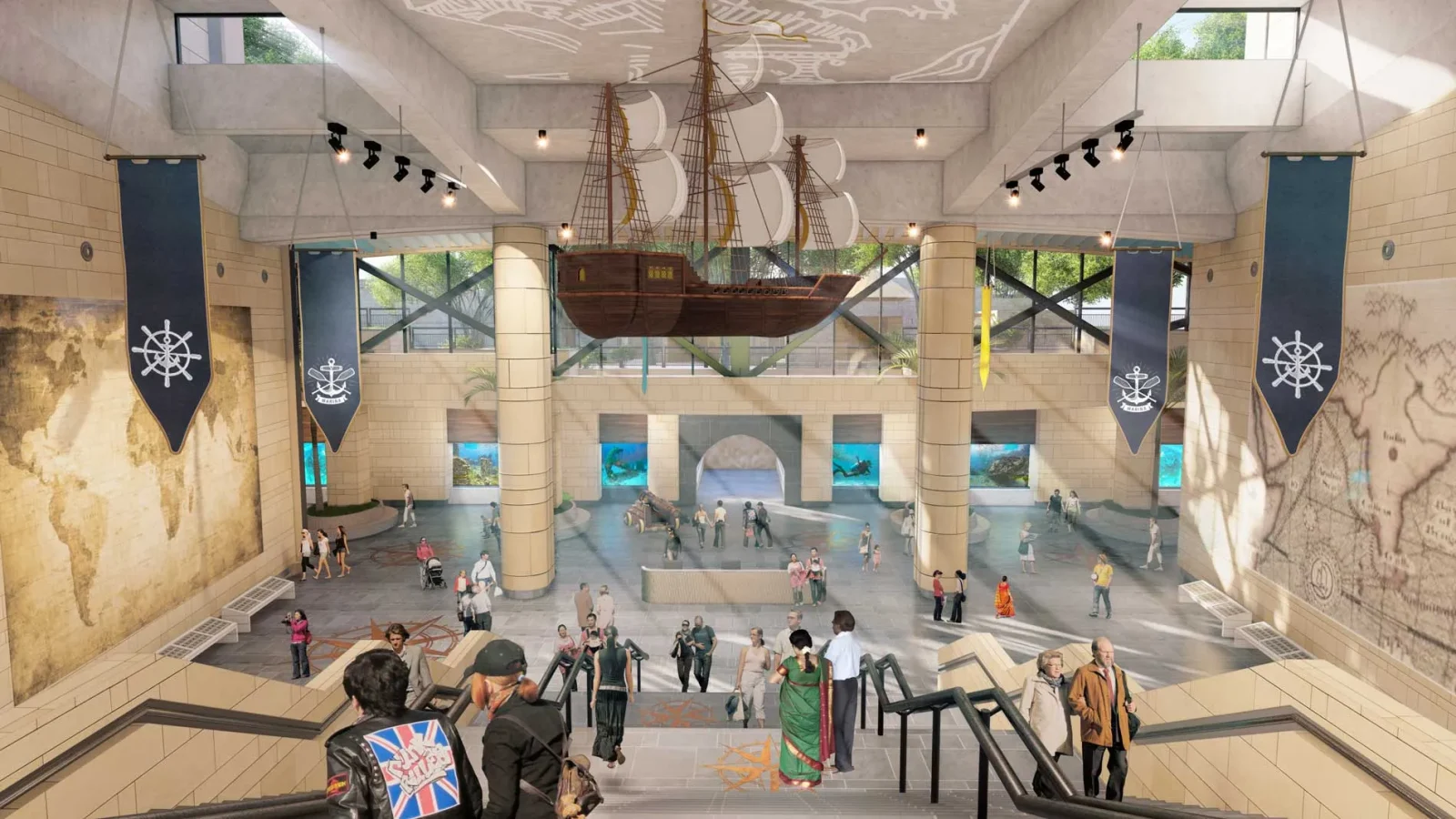
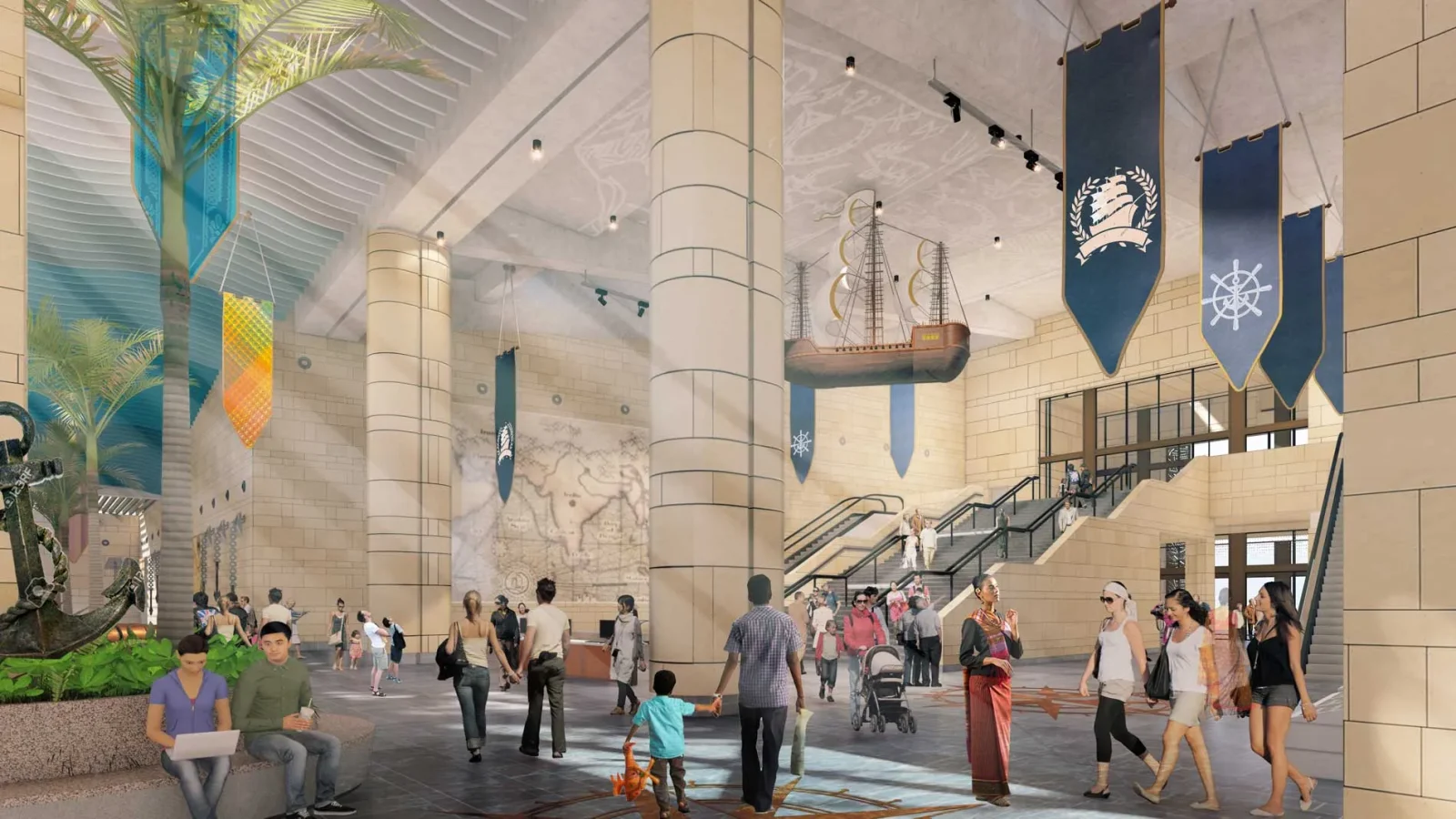
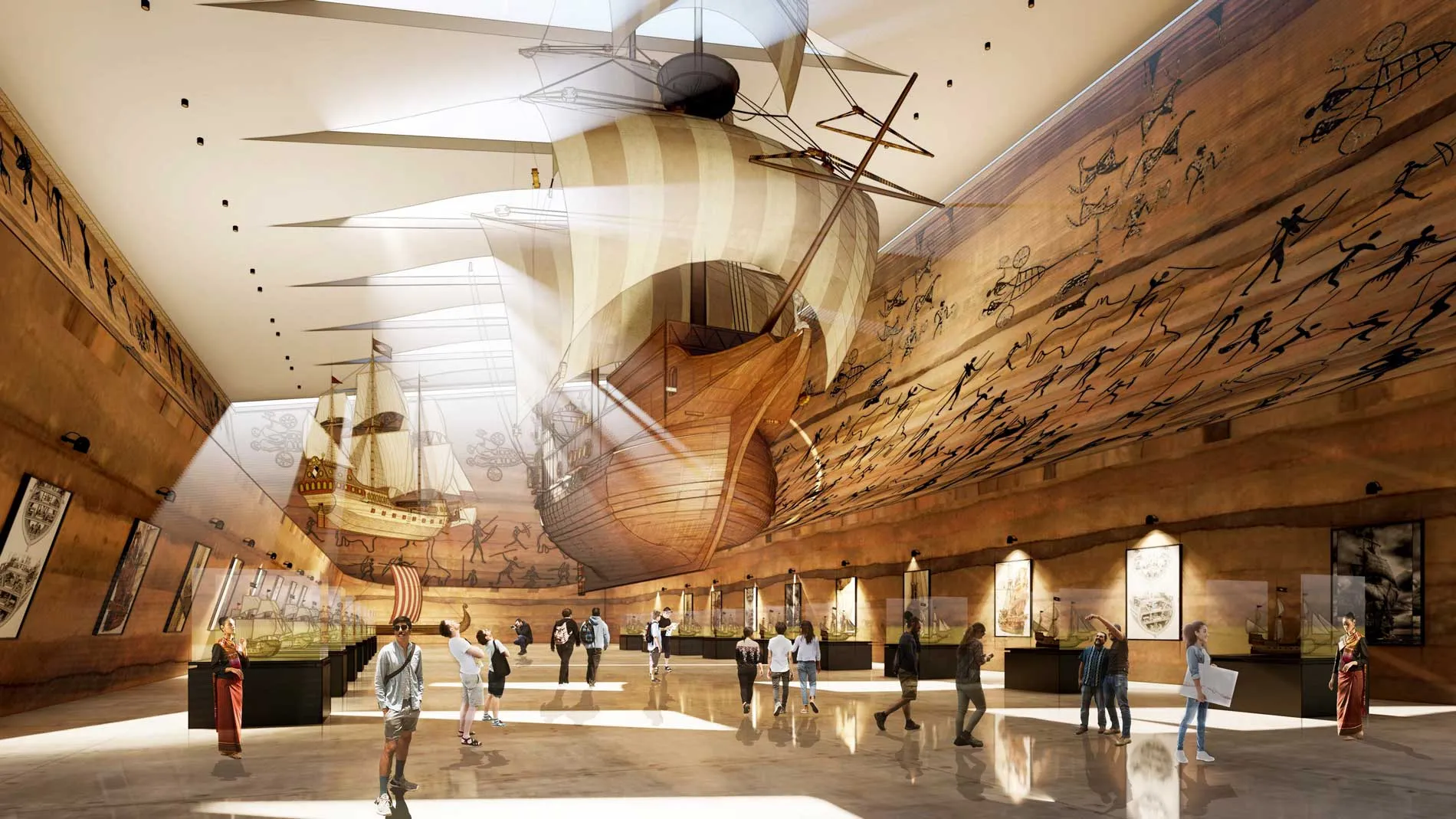
The NMHC integrates immersive exhibition design to create an engaging visitor experience. The use of audio-visual media, 5D simulations, and light-and-sound installations allows historical narratives to be presented in an accessible and interactive manner.
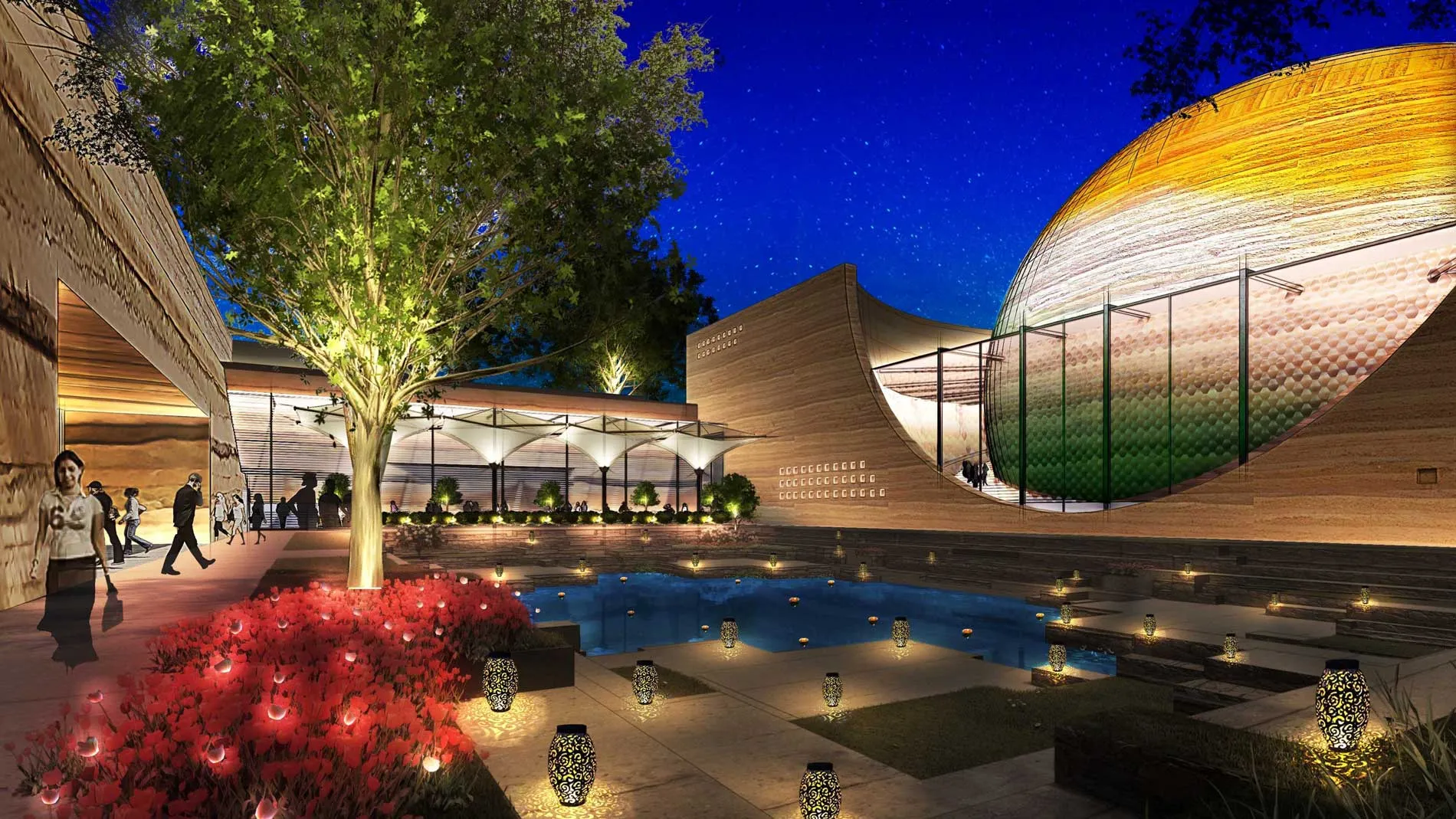
Planned attractions include full-scale reconstructions of ancient and medieval ships, archival photo collections, and displays of naval artifacts. Agreements are in progress to showcase a submarine and a warship, further enhancing the experiential learning aspect. Visitors will experience interactive exhibits that blend archaeology, history, and technology. These components aim to make the NMHC a multi-dimensional public space, blending education, entertainment, and community participation.
Economic and Cultural Impact of the World’s Largest Maritime Museum at Lothal
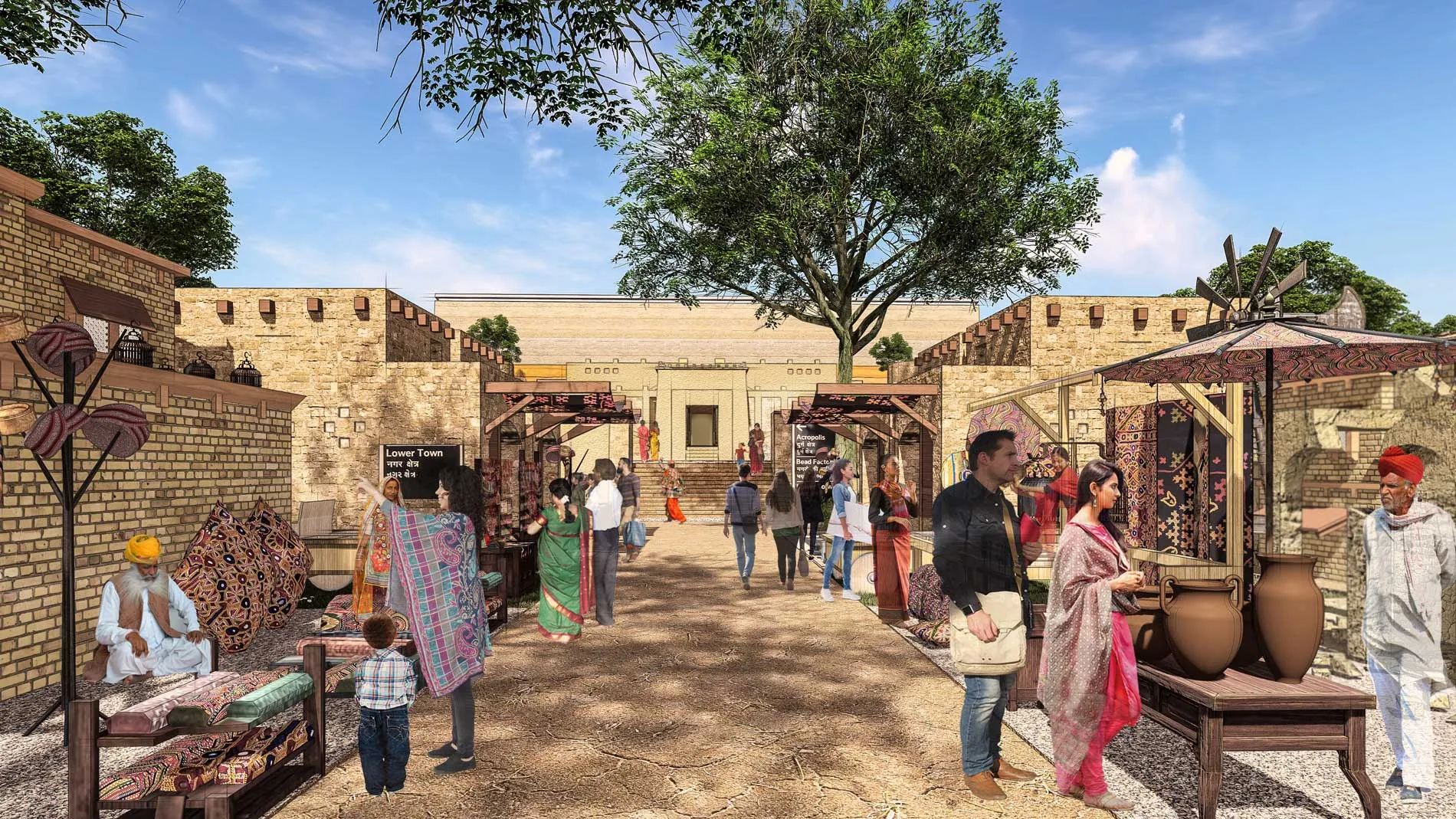
The NMHC is expected to have a significant impact on the regional economy and tourism sector. With an estimated investment of ₹4,500 crore, the project will create thousands of jobs during construction and operation. It will also open new opportunities for local artisans, cottage industries, and heritage-based tourism.
By integrating hospitality and recreational facilities within the master plan, the project is expected to transform Bhavnagar district into a major tourism destination, complementing Gujarat’s existing attractions such as Gir National Park, Somnath Temple, and Dwarka.
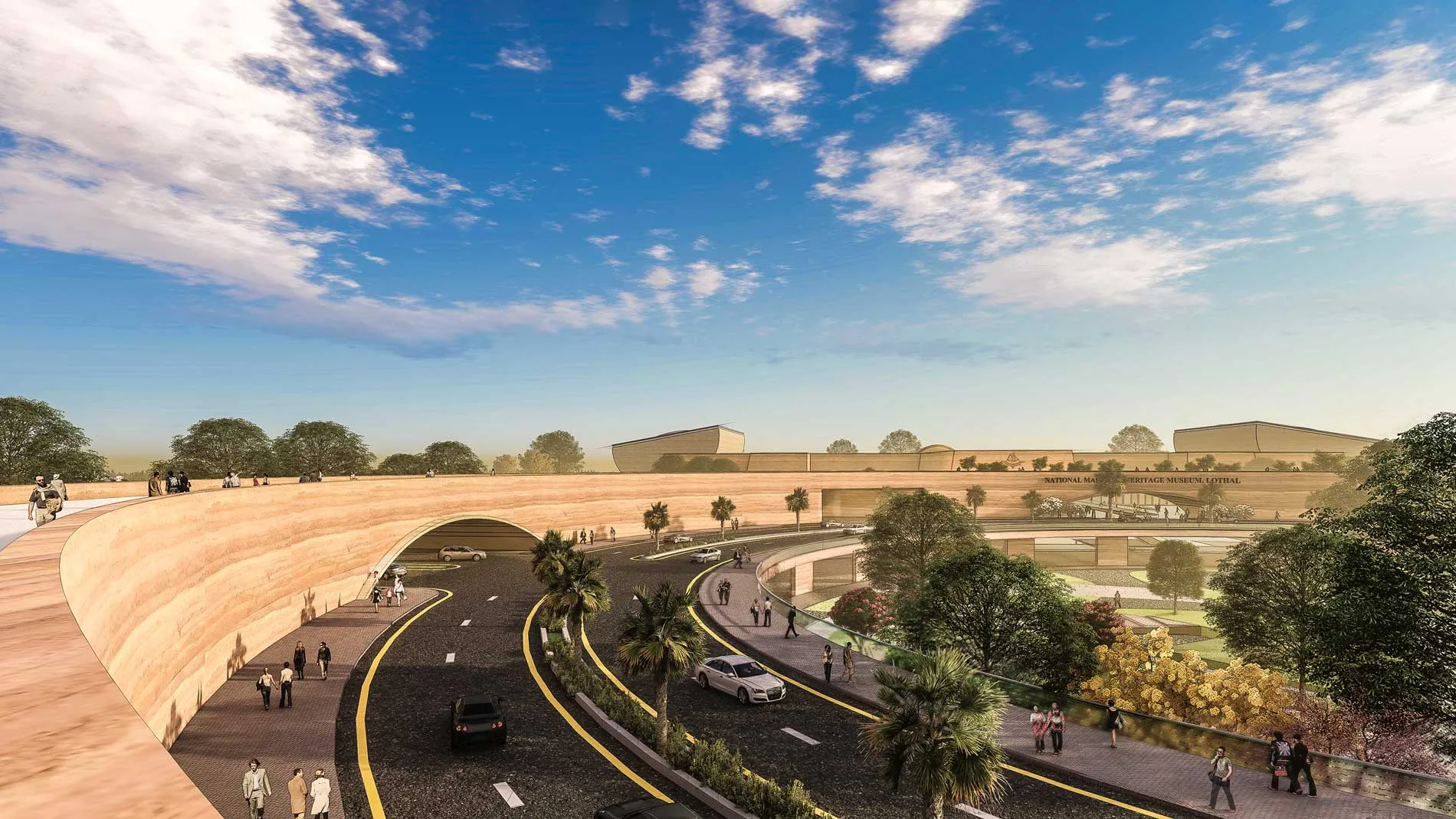
The NMHC is expected to be a major driver of tourism and employment in Gujarat. By showcasing India’s maritime traditions, it aims to attract global visitors while boosting local economies through hospitality and heritage-related industries. With an estimated ₹1,000 crore allocated for hotels, restaurants, and public-private infrastructure, the project is designed to generate long-term economic benefits while elevating India’s global cultural profile
National Vision: From Heritage to Development
The NMHC forms part of the national initiative to connect India’s maritime heritage with contemporary infrastructure development. During the “Samudra se Samriddhi” event, Prime Minister Narendra Modi emphasized the museum’s role in preserving India’s maritime history while advancing research and skill development in related sectors.
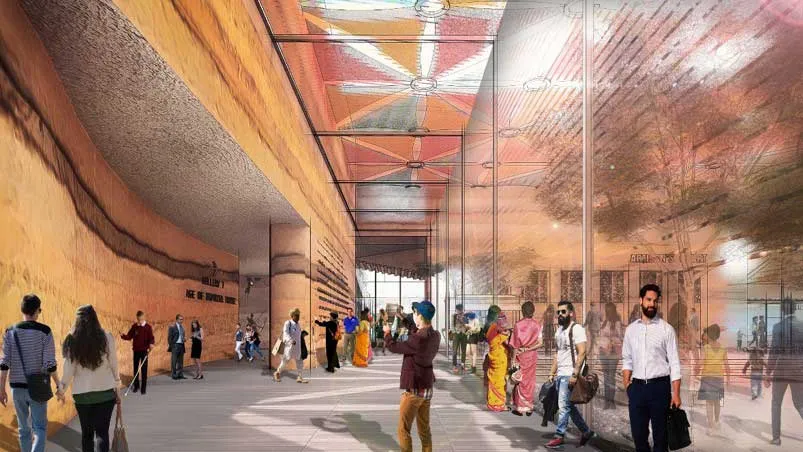
India’s coastline stretches over 7,500 kilometers, yet until now, there has been no dedicated national museum to its seafaring traditions. The NMHC seeks to bridge this gap by integrating heritage with modern development goals. It will function as both a cultural repository and a research hub, analyzing India’s maritime interactions with over 40 nations across the Indian Ocean rim over the last two millennia.
The project stands alongside several major port and maritime initiatives across India, including new cruise terminals, multi-cargo ports, and ship repair facilities, representing a comprehensive approach to strengthening the country’s maritime ecosystem.
A Landmark for India’s Maritime Future
The National Maritime Heritage Complex at Lothal is envisioned as a world-class cultural and educational hub, combining architecture, heritage, and technology. By merging ancient knowledge with contemporary design and sustainability principles, the project redefines how historical narratives are experienced and interpreted.
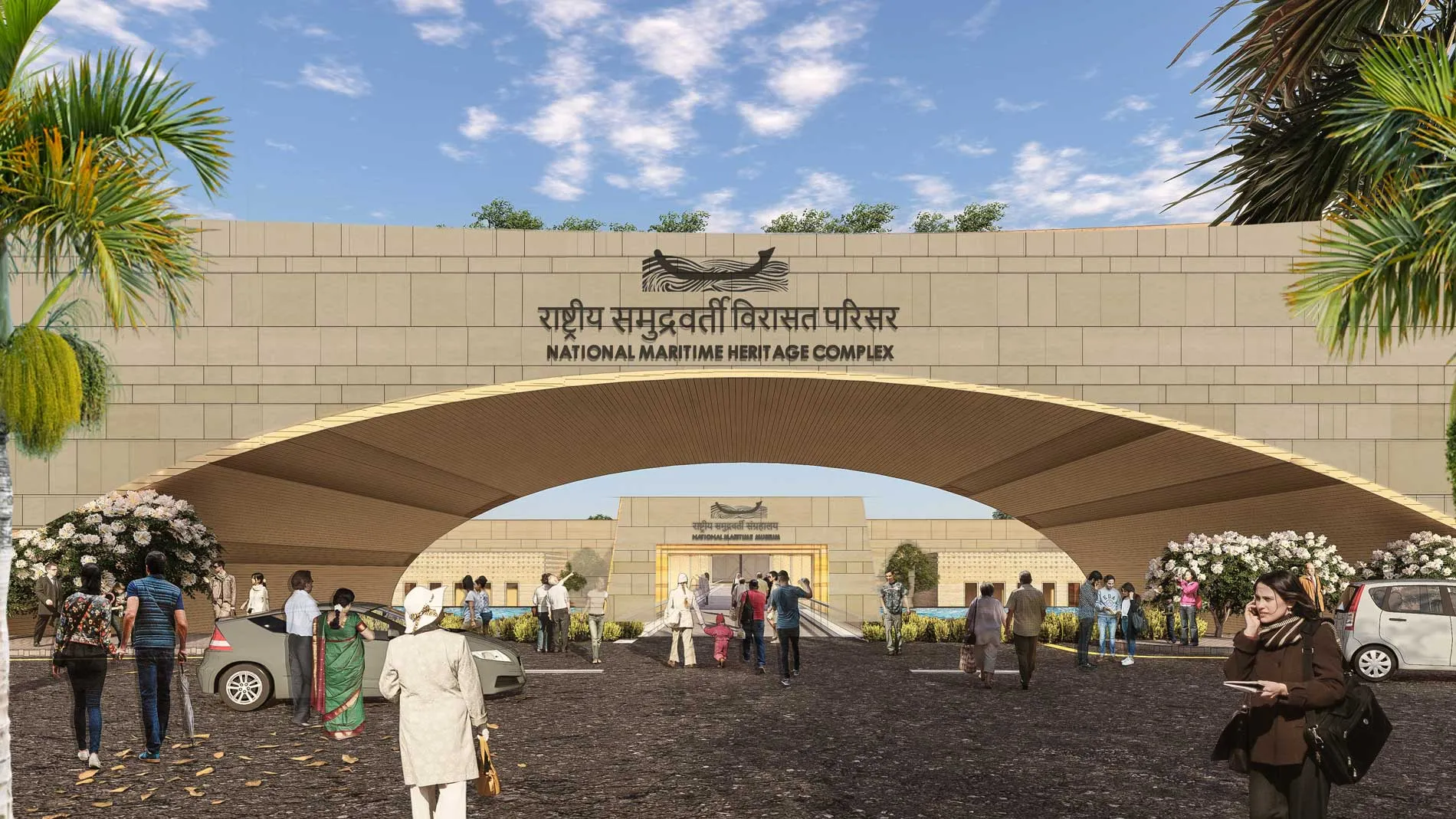
Once completed, it will stand as a symbol of India’s maritime evolution from the Harappan dockyards to a modern, globally connected maritime nation. More than a museum, the NMHC will function as a living institution, shaping public understanding of India’s seafaring legacy and its role in the future of the maritime world.
Image credit: Hafeez Contractor
Explore Courses
.jpg "Ondrej Chybik - Rethinking Architecture")