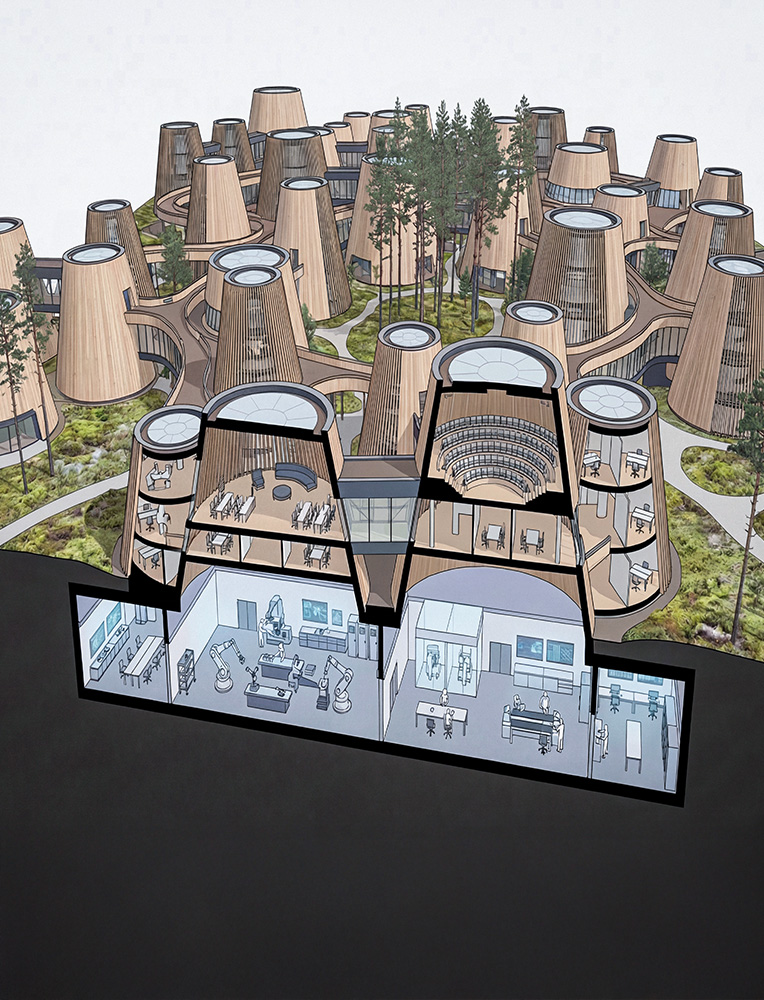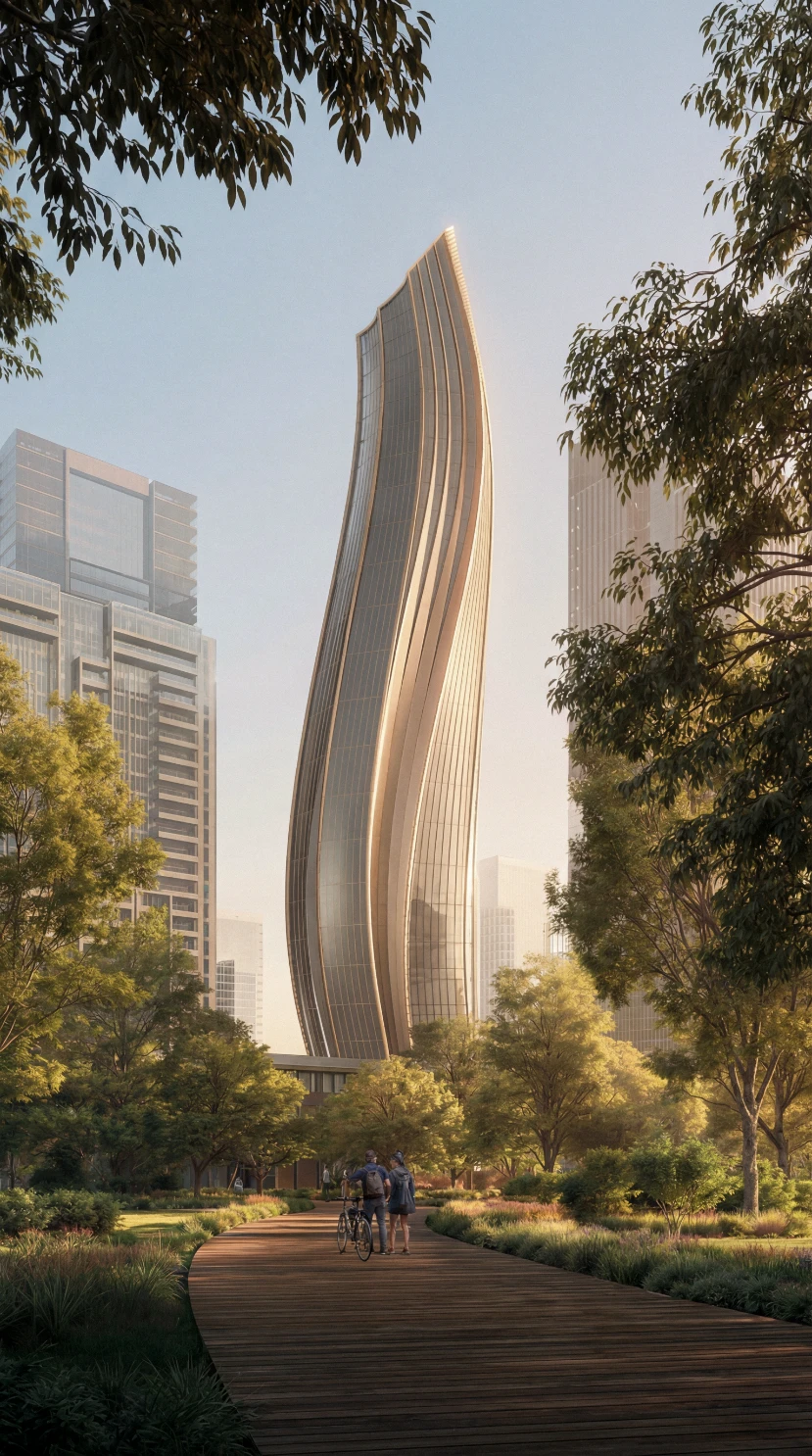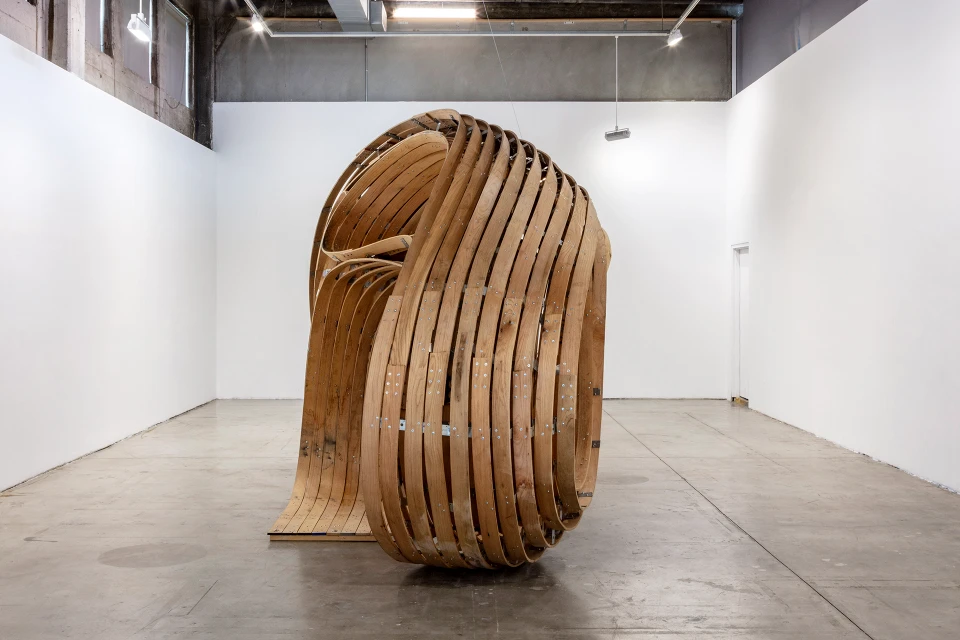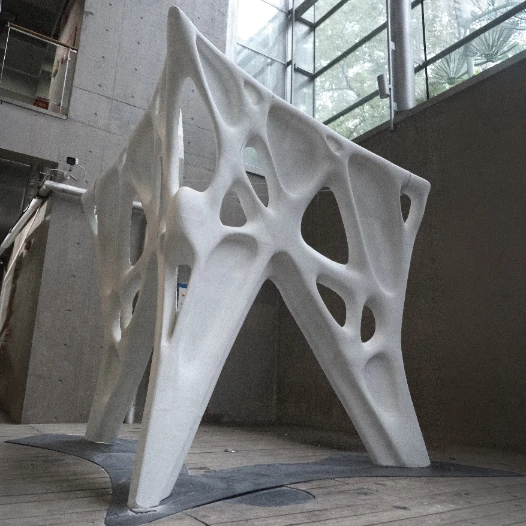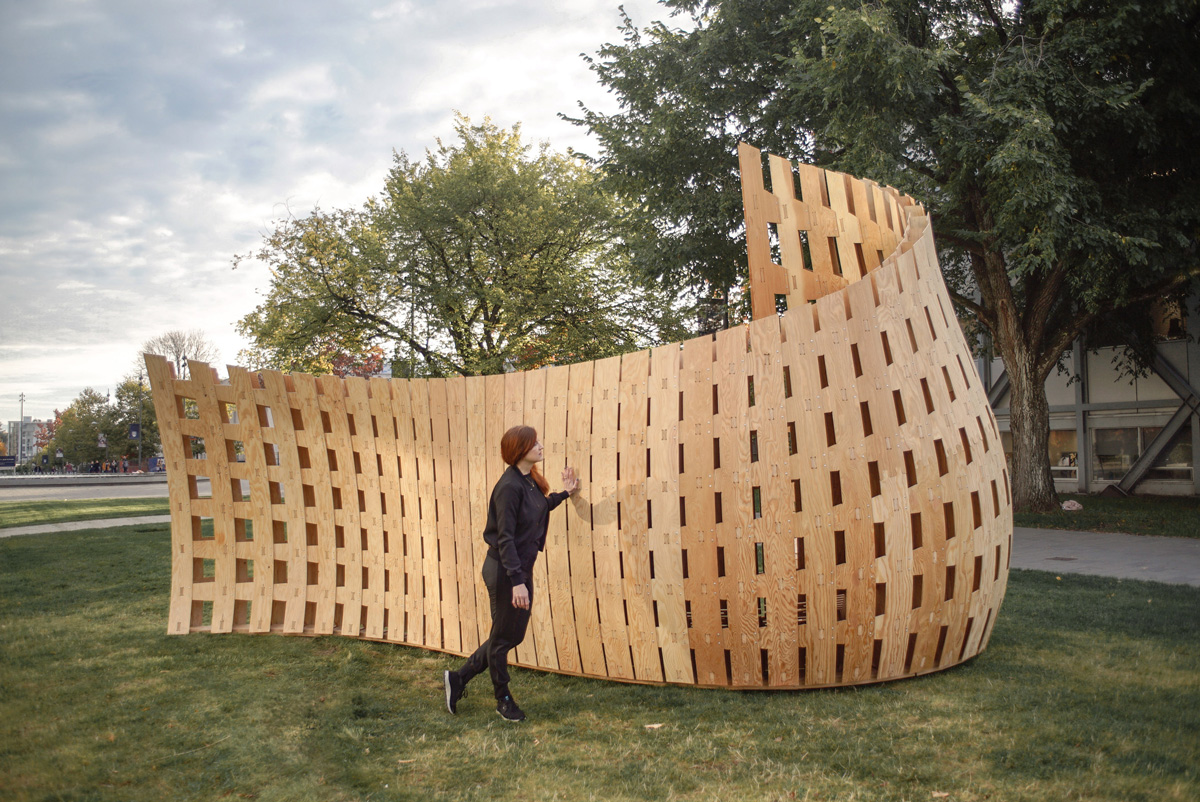










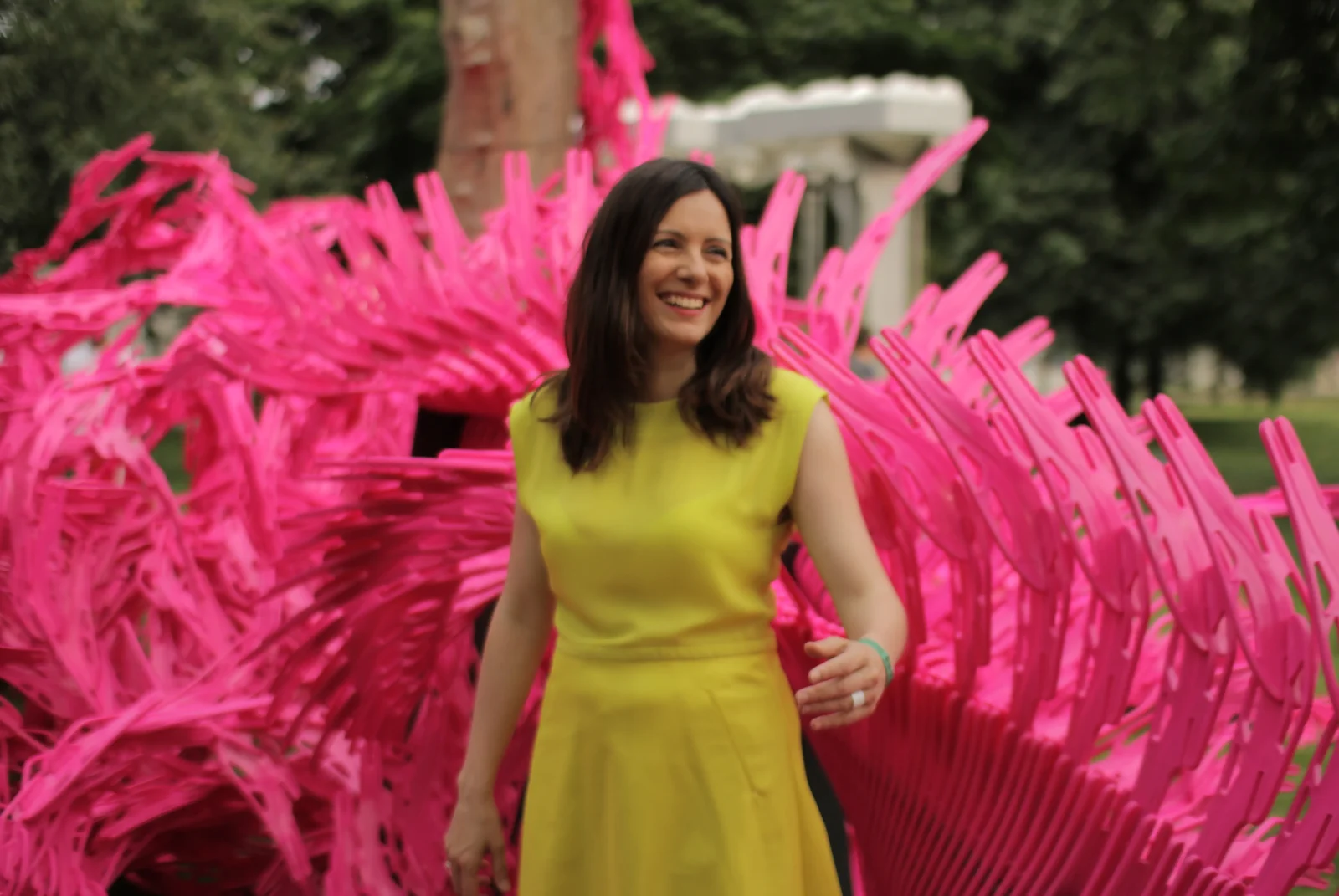
Architecture has always been a mirror of its time. Today, that reflection is pixelated, parametric, and profoundly intelligent. Across the AEC industry, computational design is quietly rewriting the rules of practice. What began as experimental scripts and digital prototypes has matured into a powerful design methodology, fluid, data-driven, and deeply human in its intent. Architects are no longer bound by the static lines of traditional drafting. Instead, they’re weaving environmental data, material behavior, and algorithmic precision into generative forms that respond to context, climate, and culture.
This is not the age of cold automation, it’s the era of expanded intuition. Computational design doesn’t replace the designer; it sharpens their vision. From zero-waste fabrication to kinetic facades and living structures, the possibilities are not only technical but sensorial and immersive.
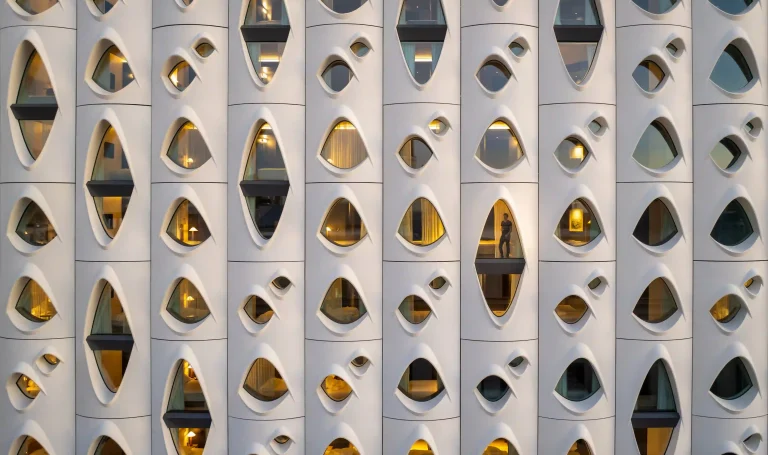
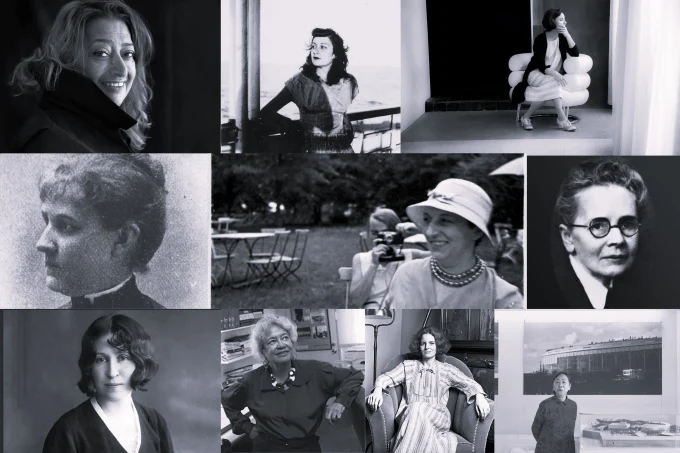
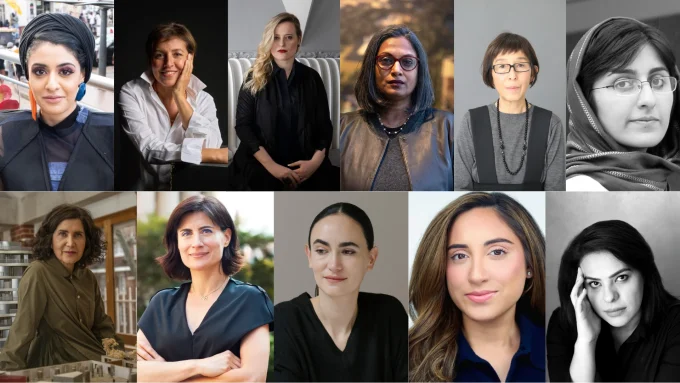
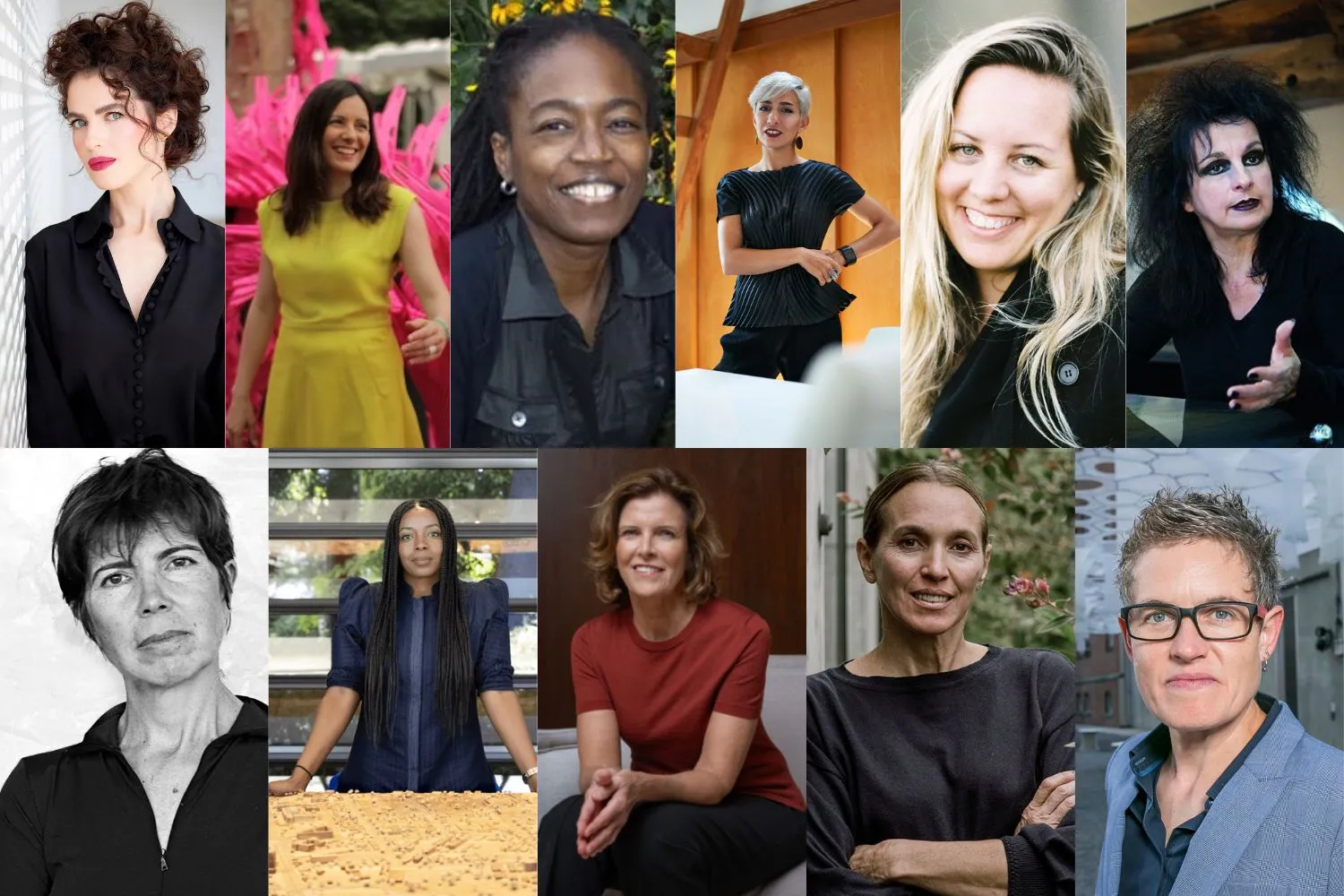
At the forefront of this evolution are a number of architects whose work not only advances the tools of the trade but reshapes its very ethos. In the following profiles, we spotlight inspiring figures who are redefining the future of computational design.
They are educators, researchers, and practitioners who challenge how we describe intelligence in design. In this article, we explore the groundbreaking work of architects who are shaping the future of the built environment through the fusion of advanced parametric techniques and human-centered vision.
1. Neri Oxman – Material Ecology, USA
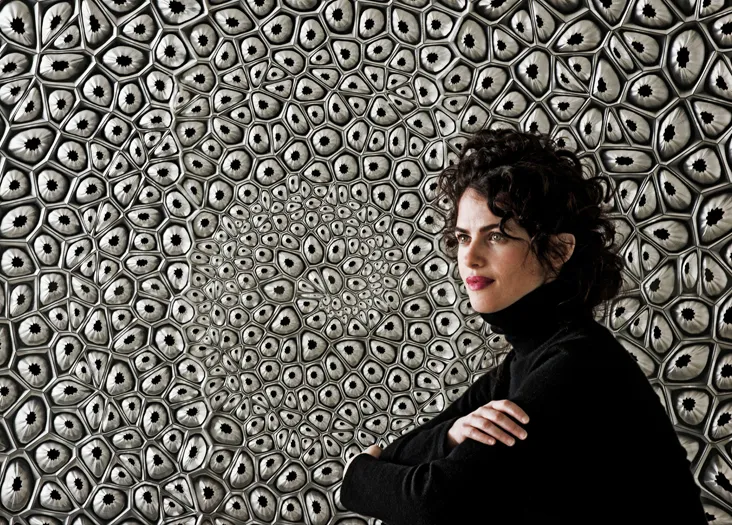
Neri Oxman, an architect, artist, scientist, and ecologist, is the founder of Material Ecology. Her unique experimental work focused on replacing the industrial age’s vision of the world as machines with the World-as-Organism for a future where structures are grown and behave in a particular adaptive system.
This is a revolutionary design philosophy that operates at the intersection of biology, computation, and material science. Material ecology aims to design structures that enhance material heterogeneity and emphasize growth over assembly and process over product.
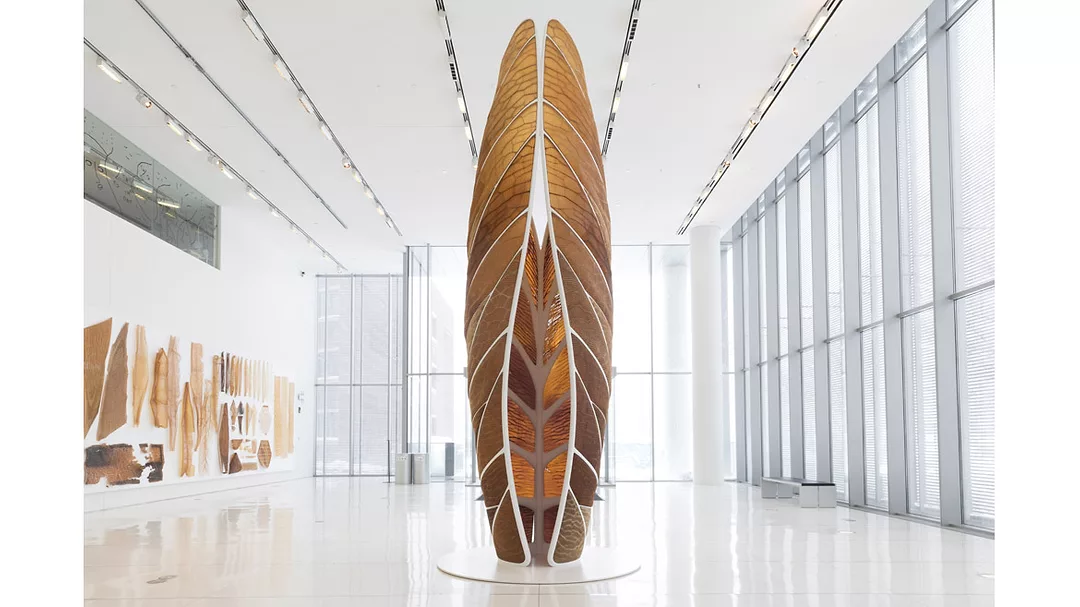
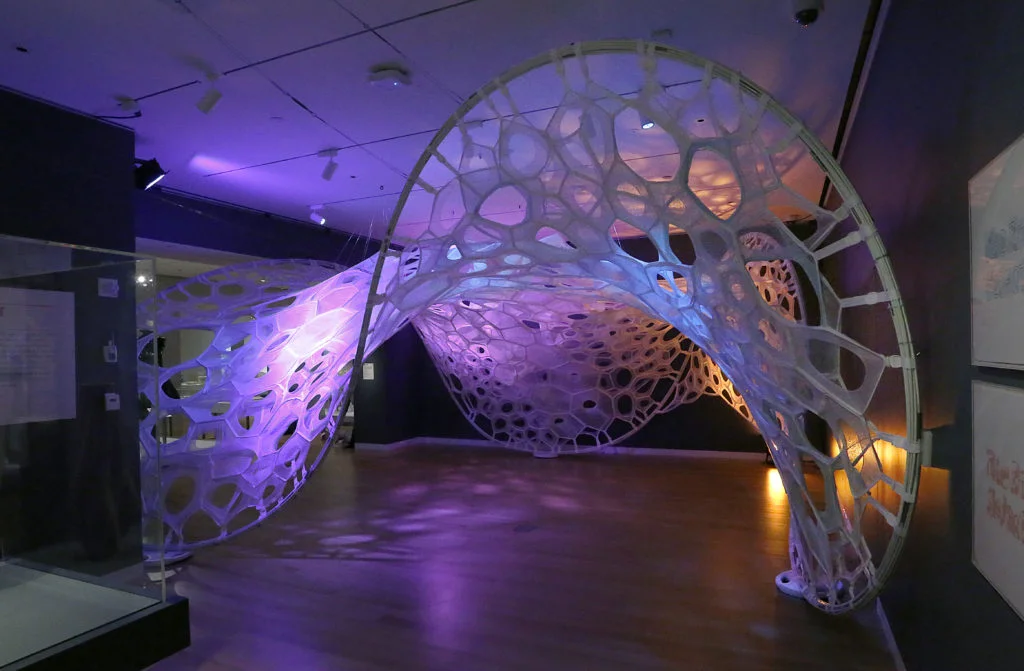
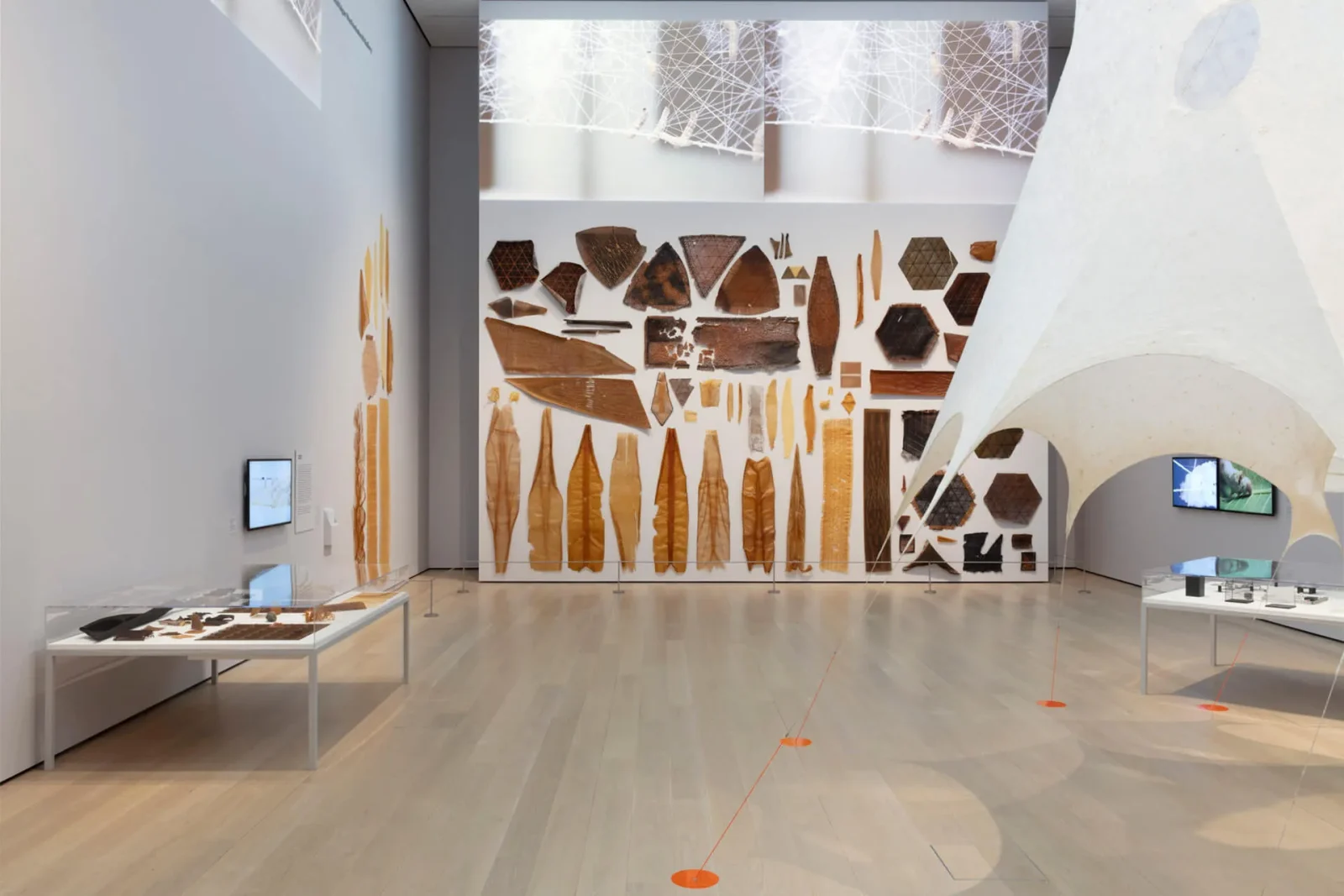
The Silk Pavilion and Aguahoja series stand out as two of Neri Oxman’s most iconic works. The Silk Pavilion used silkworms as living biological printers, showcasing a new method of fabrication that integrates nature into the design process.
Similarly, the Aguahoja series offered a design to decompose; the structures offered a fully biodegradable, water-based biopolymer, an alternative to plastic, dynamically reacting to humidity and temperature. These projects are a direct response to climate change, demonstrating that architecture can be a force for environmental good.
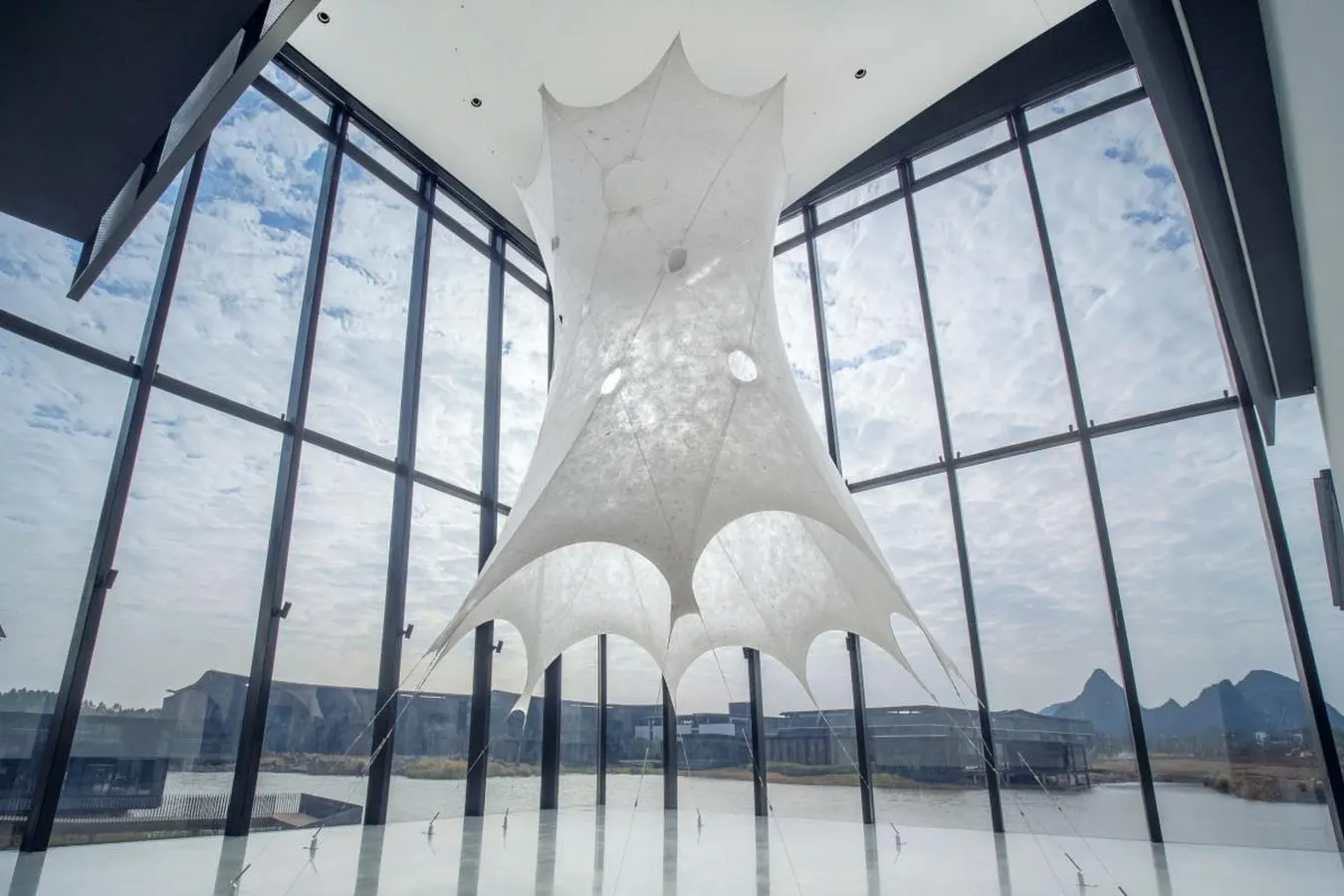
Silk Pavilion II was so impactful that it is included in the permanent collection of the Museum of Modern Art (MoMA), highlighting the significance of her contributions to both art and sustainable design.
2. Alisa Andrašek – Biothing & AI Build, UK
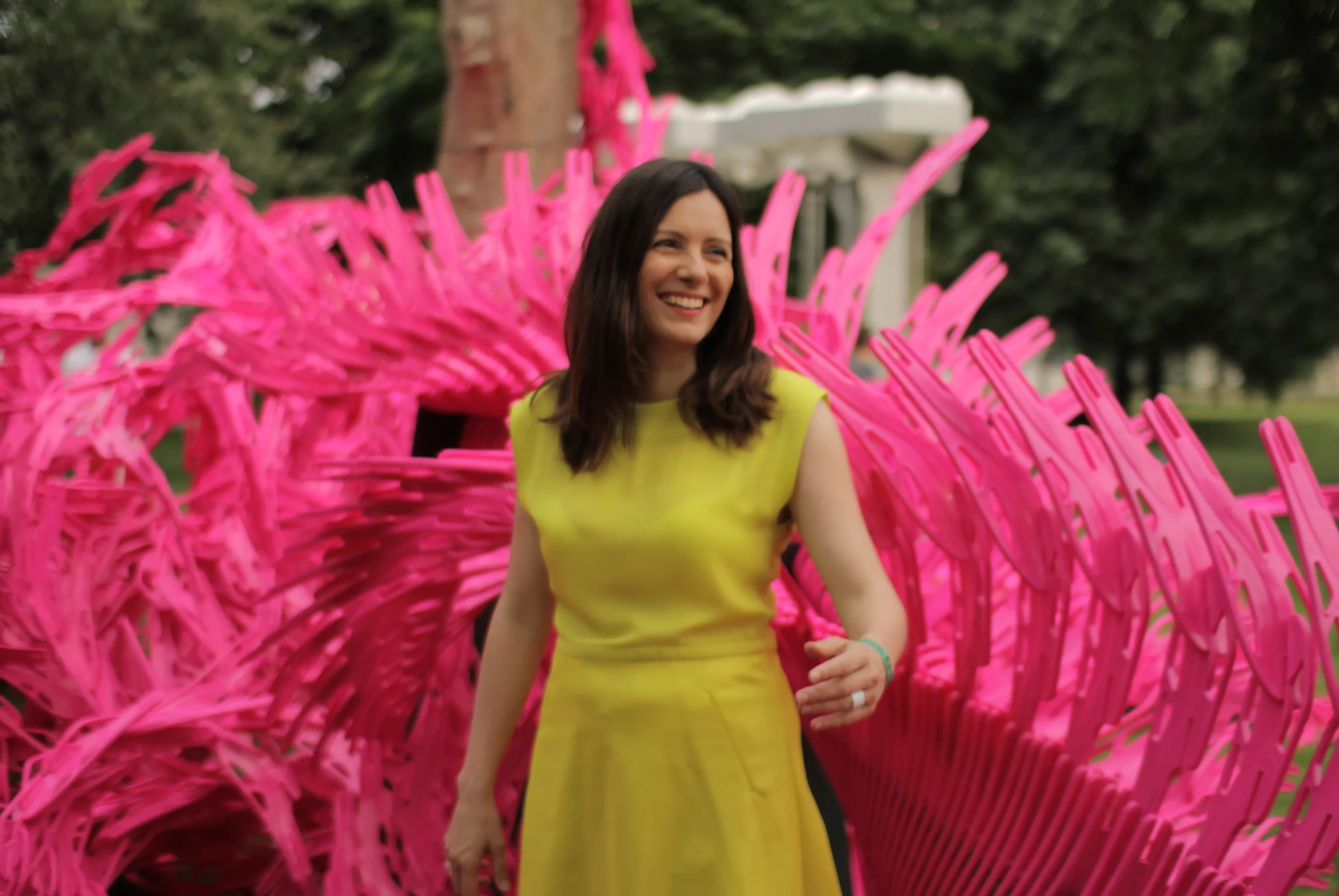
Founder of Biothing and AI Build, Alisa Andrašek, is a pioneering architect and researcher in the realm of computational and generative design. She explores how data-driven systems, artificial intelligence, and advanced fabrication can transform the way architecture is conceived and constructed. Her vision of architecture moves beyond form-making into structures that are self-organizing, responsive, and deeply intertwined with ecological intelligence.
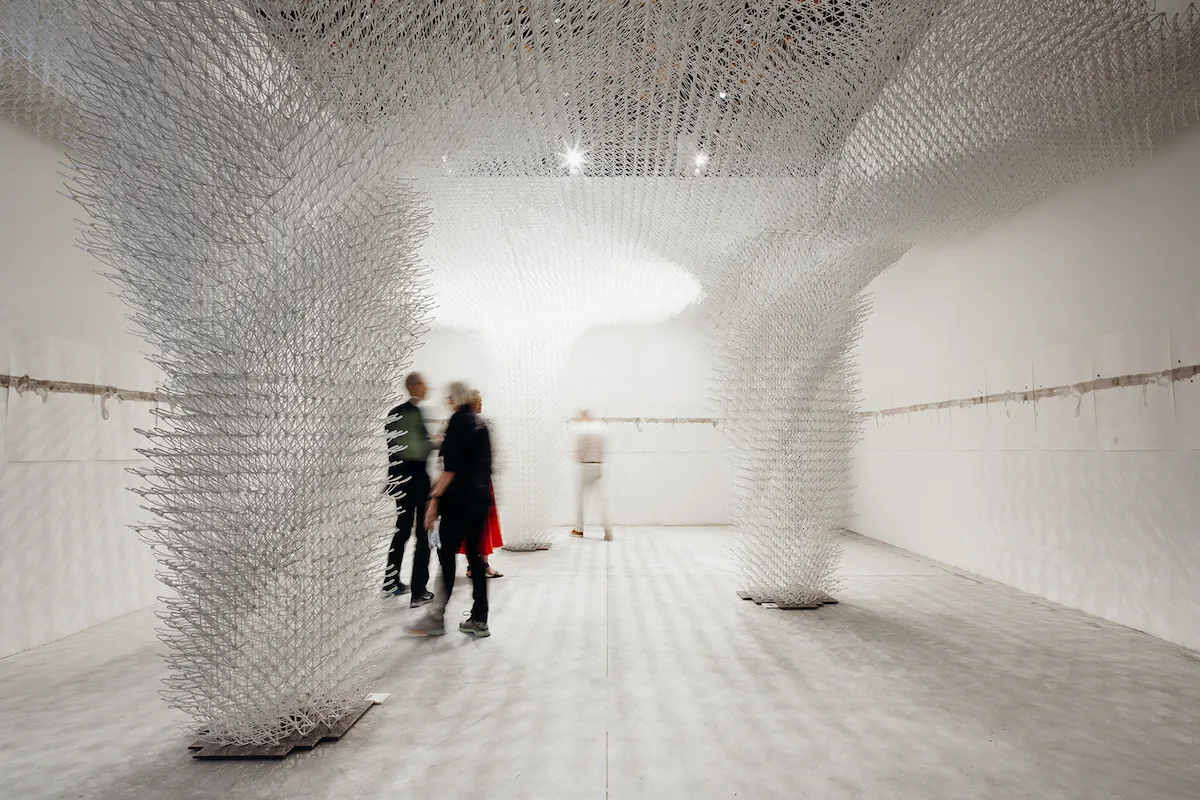
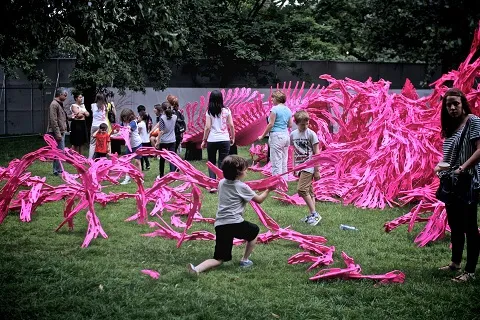
Her most notable project, Bloom, was an interactive installation in London. It consisted of thousands of interlocking 3D-printed, identical, flexible units that the public could recombine in multiple ways. This experimental approach was not just a temporary art piece but a tangible experiment in participatory design and collective intelligence, where users actively altered the installation.
This project showcases her vision of a future where architecture is a dynamic, user-driven system rather than a static form. Through her work, Alisa Andrašek is demonstrating how data and AI can create a more resilient, responsive, and ultimately, sustainable built environment.
3. Felecia Davis – Felecia Davis Studio, USA
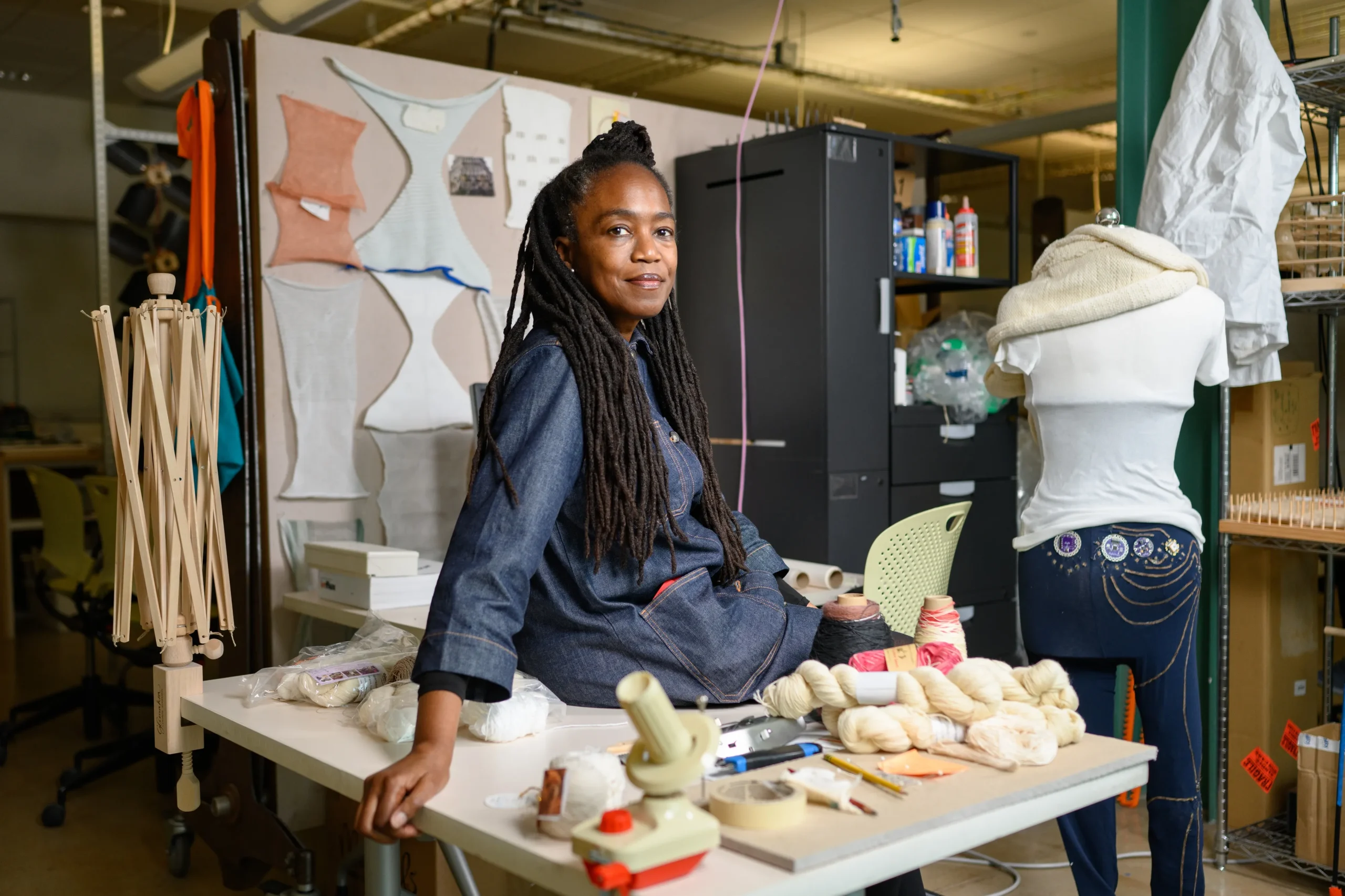
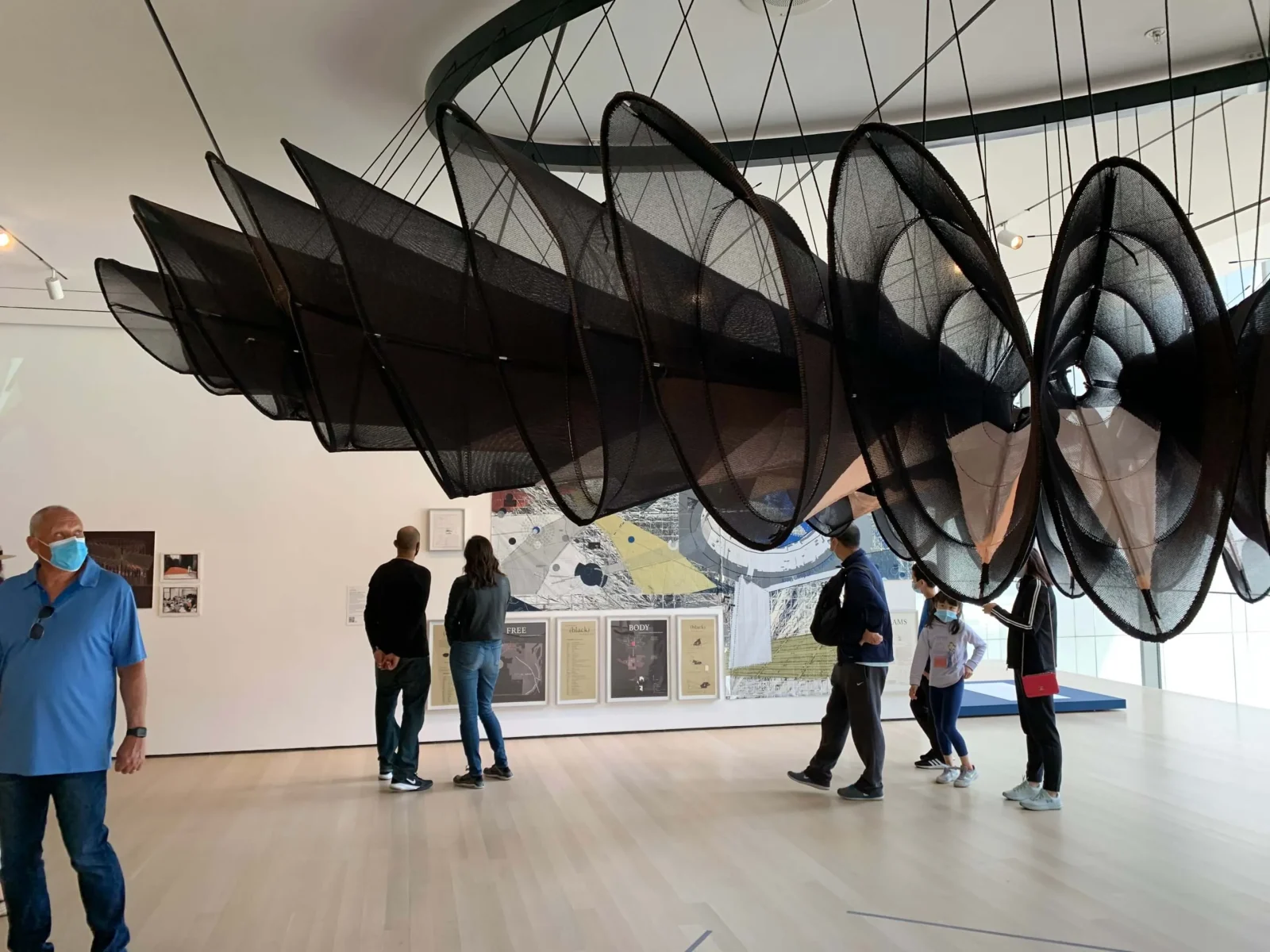
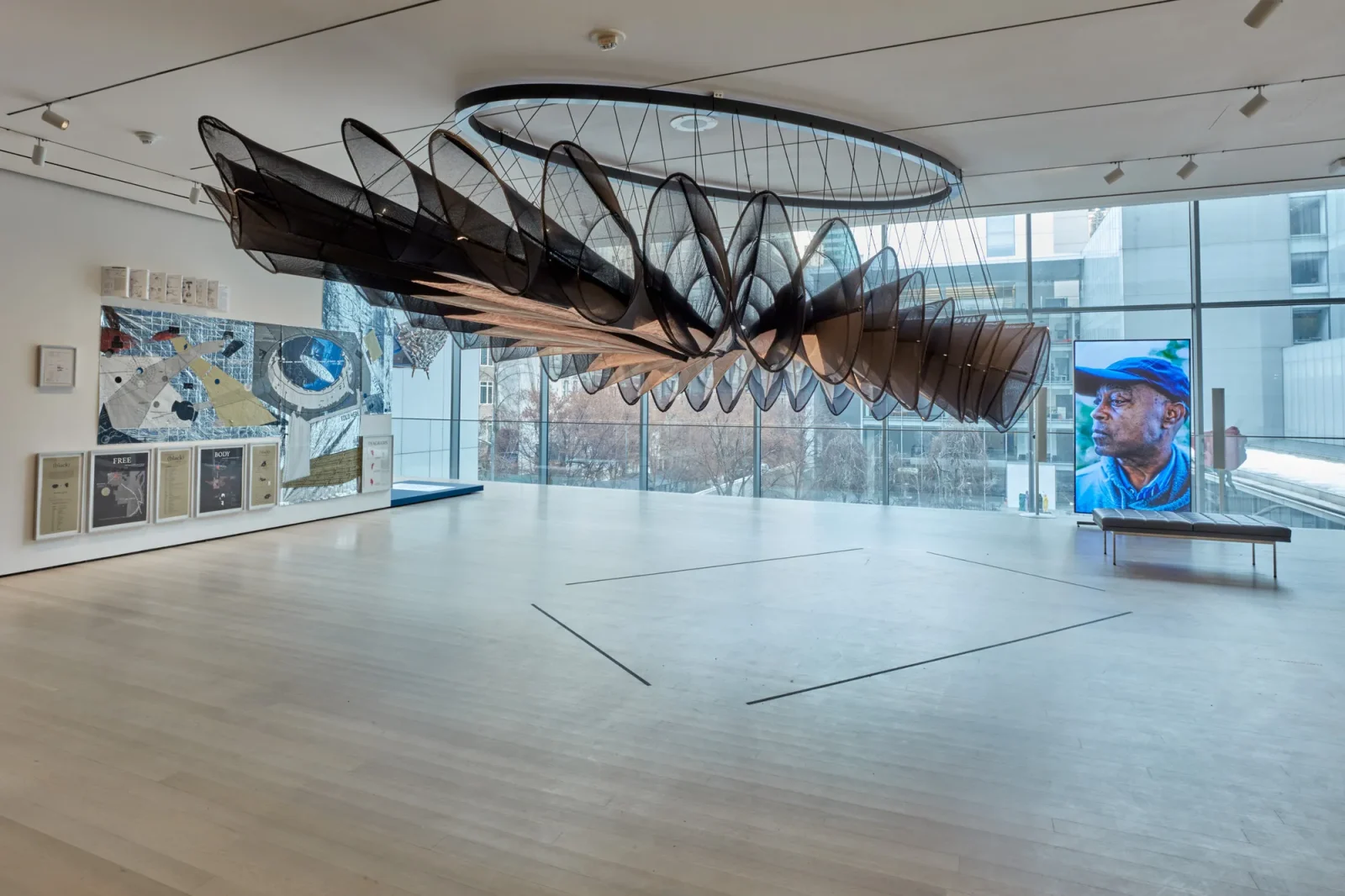
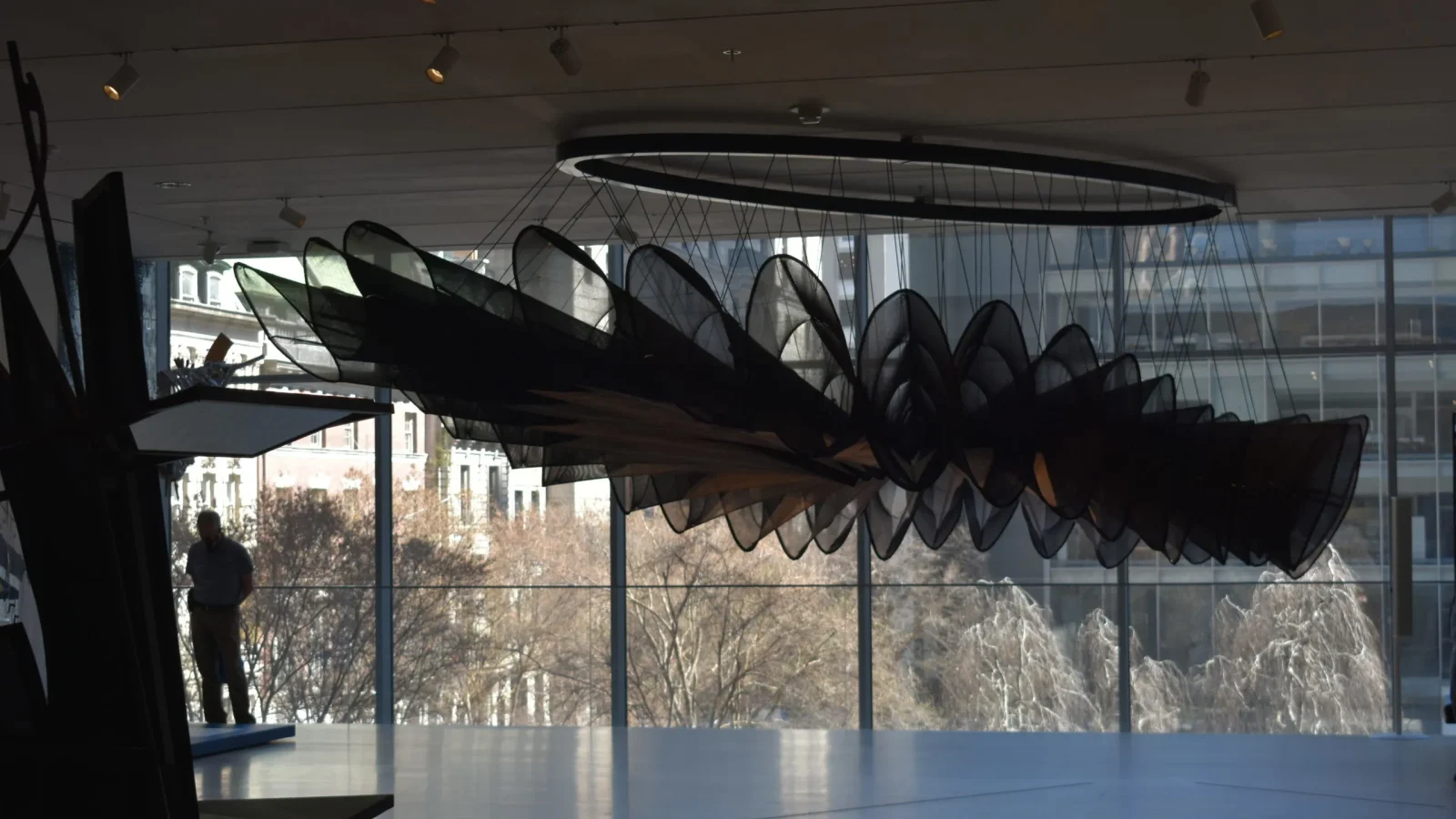
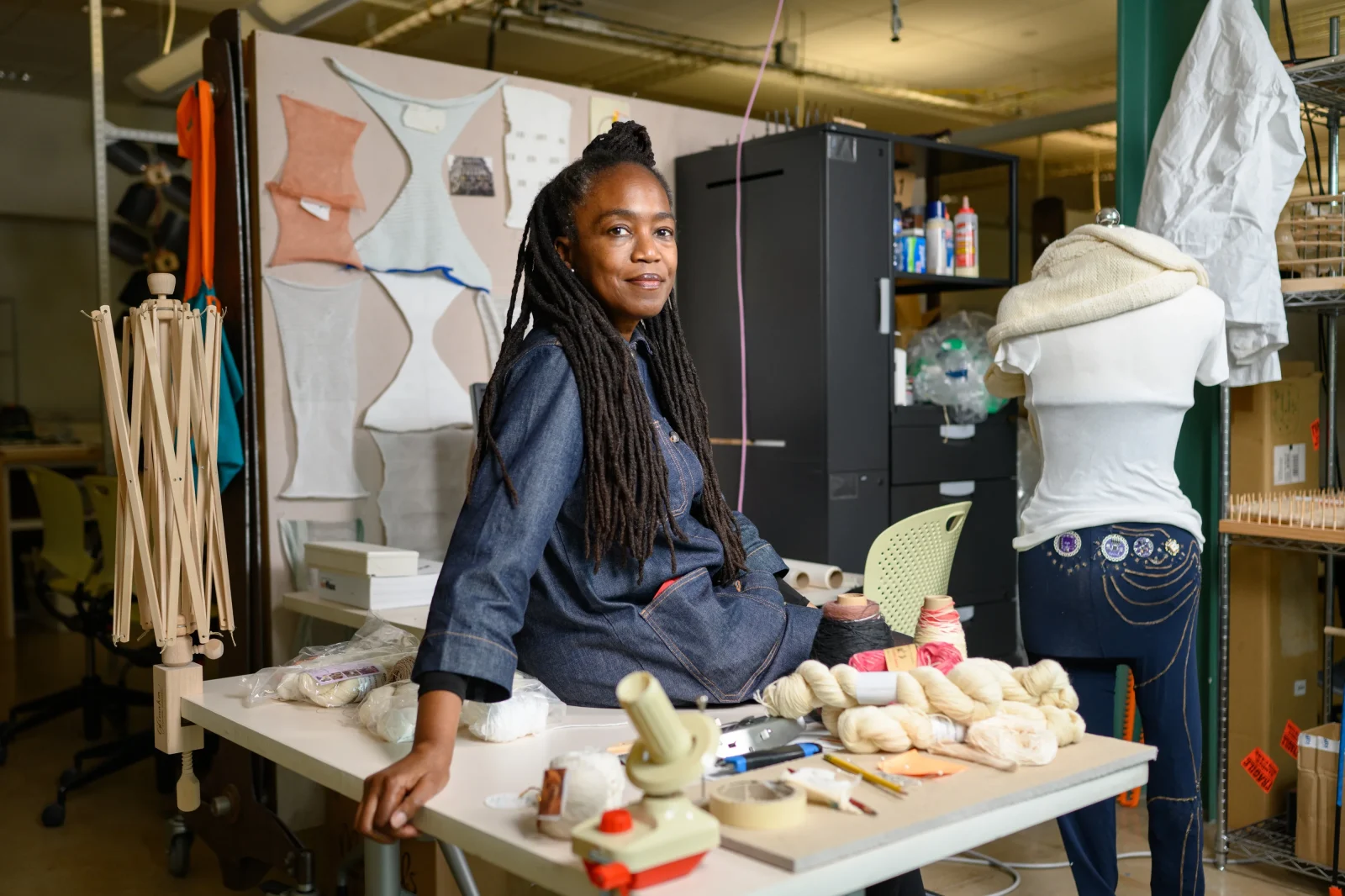
An American architect, researcher, and educator, Felecia Davis is the director of the Computational Textiles Lab (SOFTLAB) at Penn State University’s Stuckeman Center for Design Computing and a leading figure in soft architecture, an approach that blurs the boundaries between structure, technology, and human experience. Known for her work in computational textiles, she bridges the gap between art, engineering, and architecture. Her key work explores the intersection of textiles, technology, and social issues.
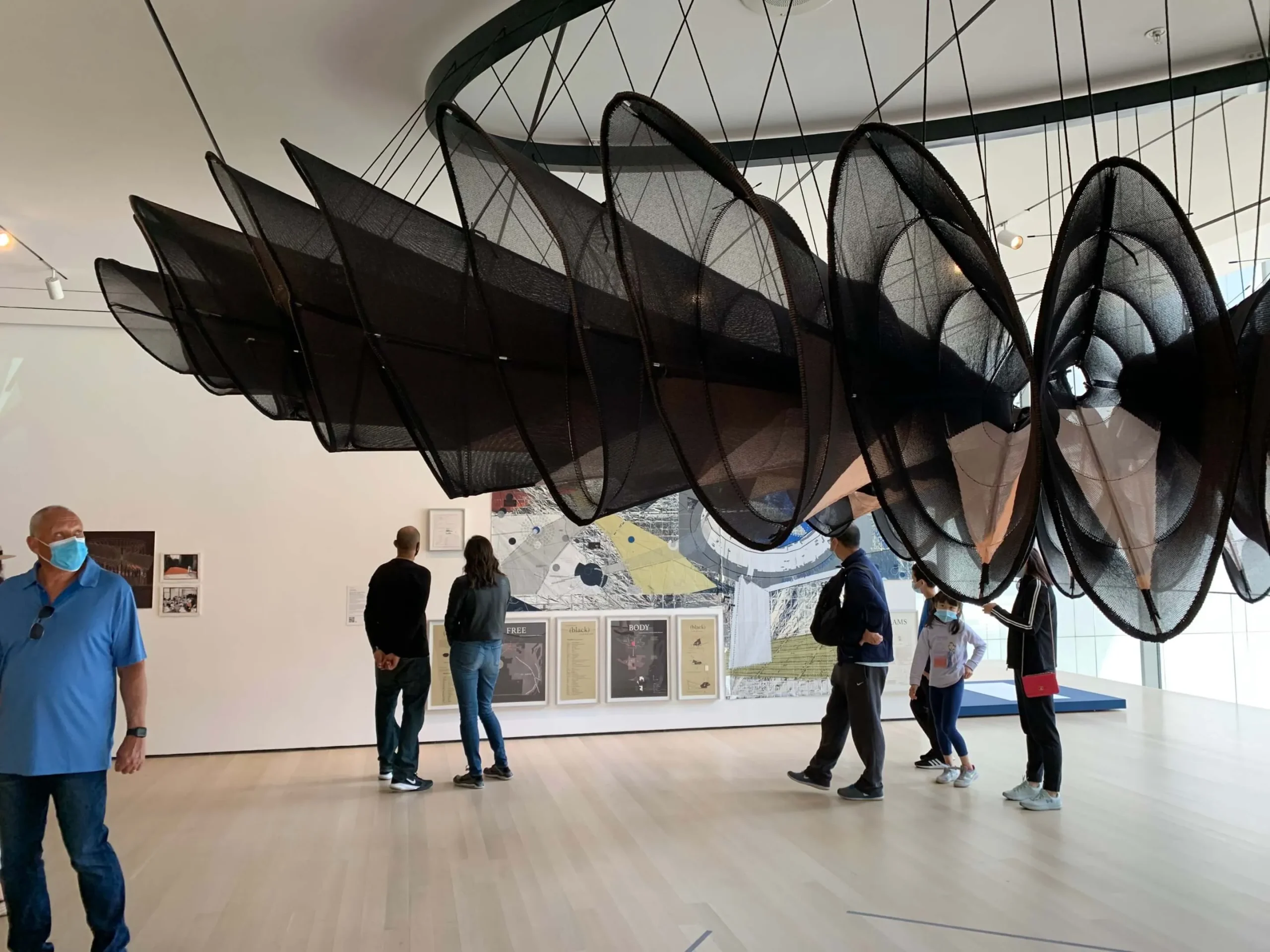
Her most notable projects exemplify this philosophy.
- Fabricating Networks Quilt, a touch-activated textile that features photographs and stories from the urban renewal era in Pittsburgh’s Lower Hill District.
- Black Flower Antenna, a symbolic antenna that translates the presence of electromagnetic waves into live sounds.
- Sensing Touch Curtain, a computational textile that captivates the sense to detect a person’s touch or presence, demonstrates how fabric can be used for augmented communication and soft architecture.
4. Behnaz Farahi – Behnaz Farahi Studio, USA
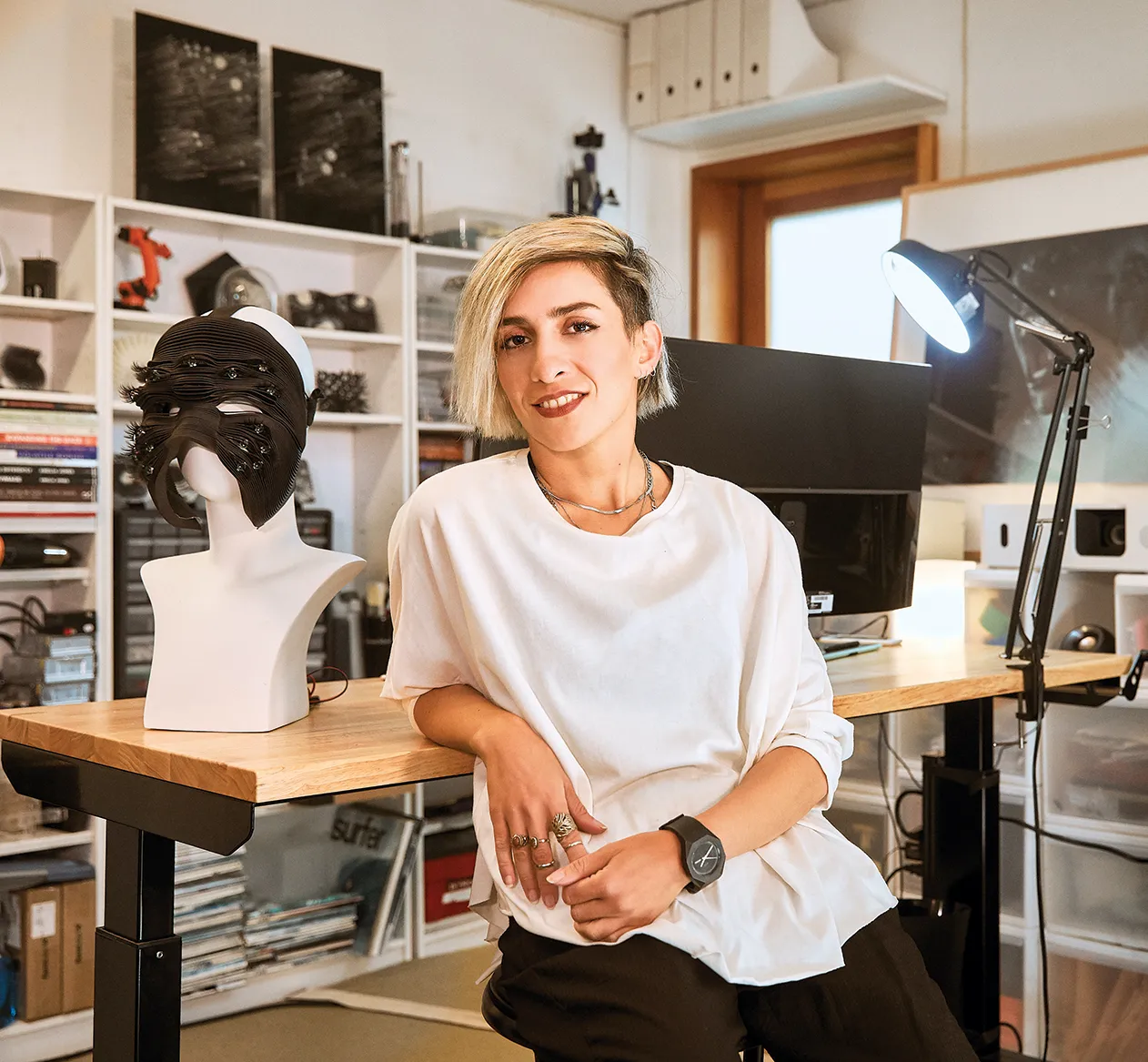
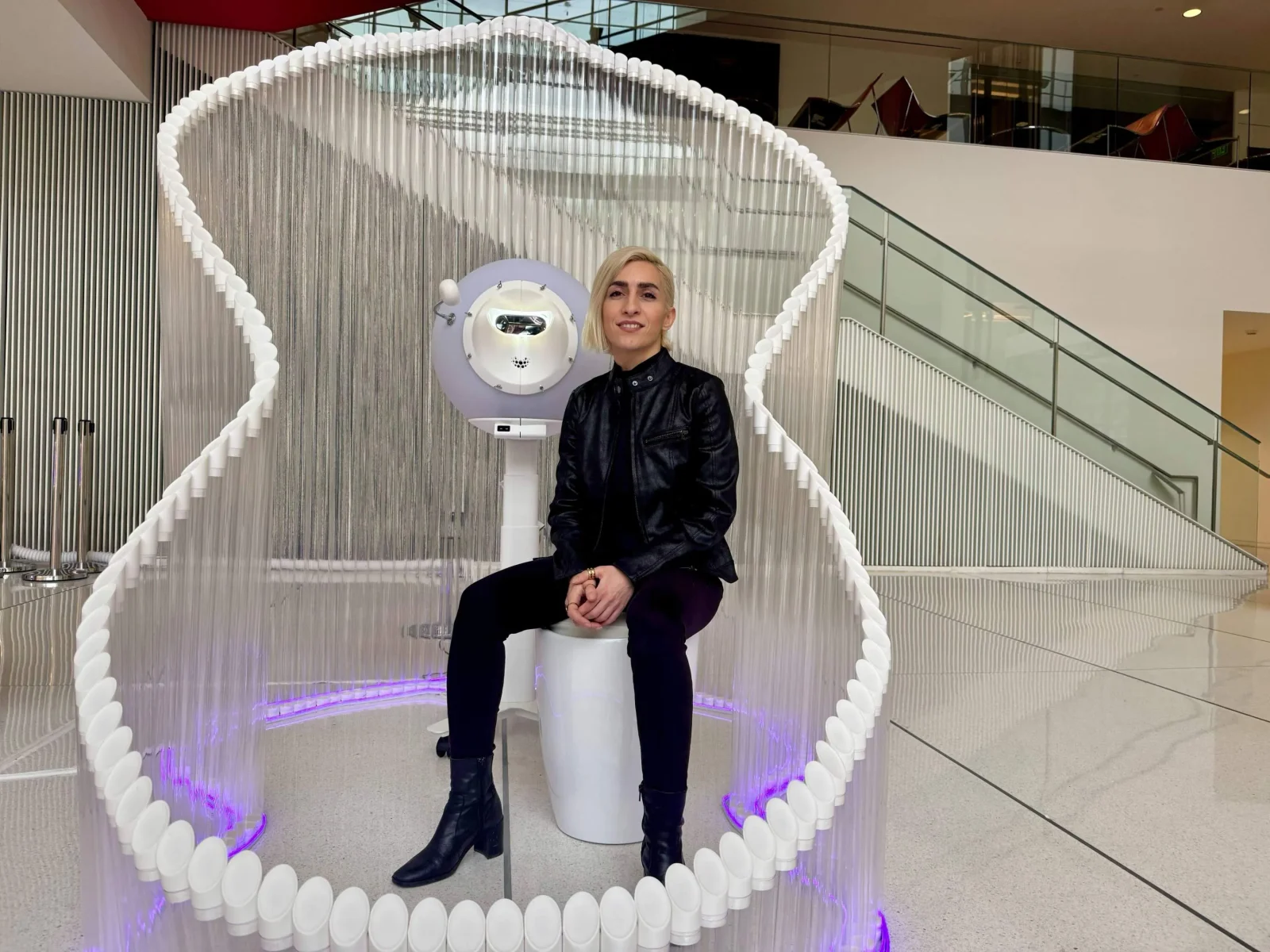
Celebrated for her interactive, parametric, and responsive architecture, Behnaz Farahi blends wearable technology, kinetic structures, and smart materials to explore how architecture can dynamically adapt to human presence and behavior. Integrating digital fabrication, robotics, artificial intelligence, and human-centered design into her designs, she often addresses critical social issues, including feminism and bodily perception.

One of her most celebrated projects is Caress of the Gaze, an iconic wearable architectural piece that responds to the wearer’s and observers’ gazes. A 3D-printed collar-like structure that responds to the viewer’s movements and expressions, causing its surface to expand and contract in response. This piece challenges the traditional relationship between the body and the environment, serving as a powerful statement on how technology can redefine our interaction with others and our surroundings.
5. Julia Koerner – JK3D, Austrian

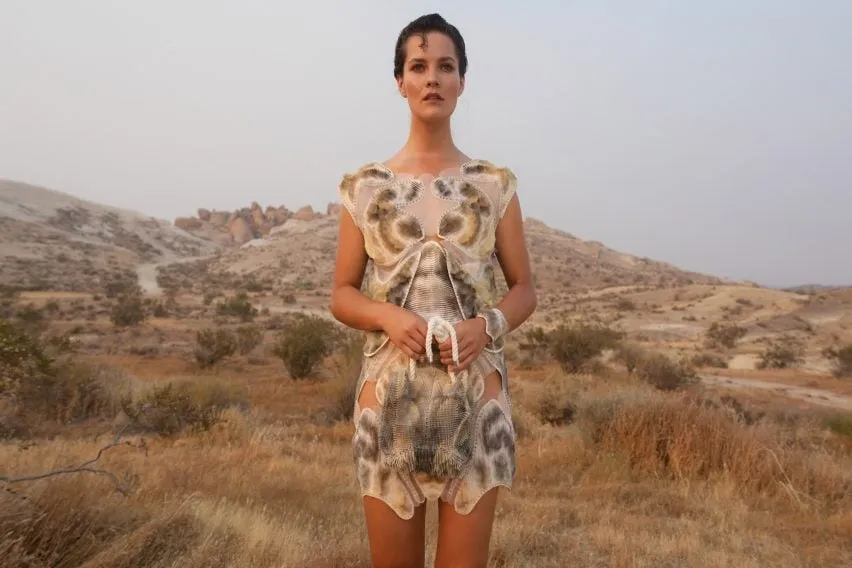
An award-winning architect and pioneer in 3D printing, Julia Koerner is celebrated for her interdisciplinary work that creates intricate, organic, and highly sustainable projects. Drawing inspiration from nature, her design philosophy is deeply rooted in biomimicry to solve human problems. Her holistic work replicates nature, such as the growth of fungi or the microscopic structures of butterfly wings, to develop algorithms that generate complex and beautiful designs.

Koerner’s approach to sustainability is based on additive manufacturing, a process that only uses the material needed, resulting in wasteless production. She often uses plant-based and biodegradable materials, such as bioplastic from corn, to create her projects.
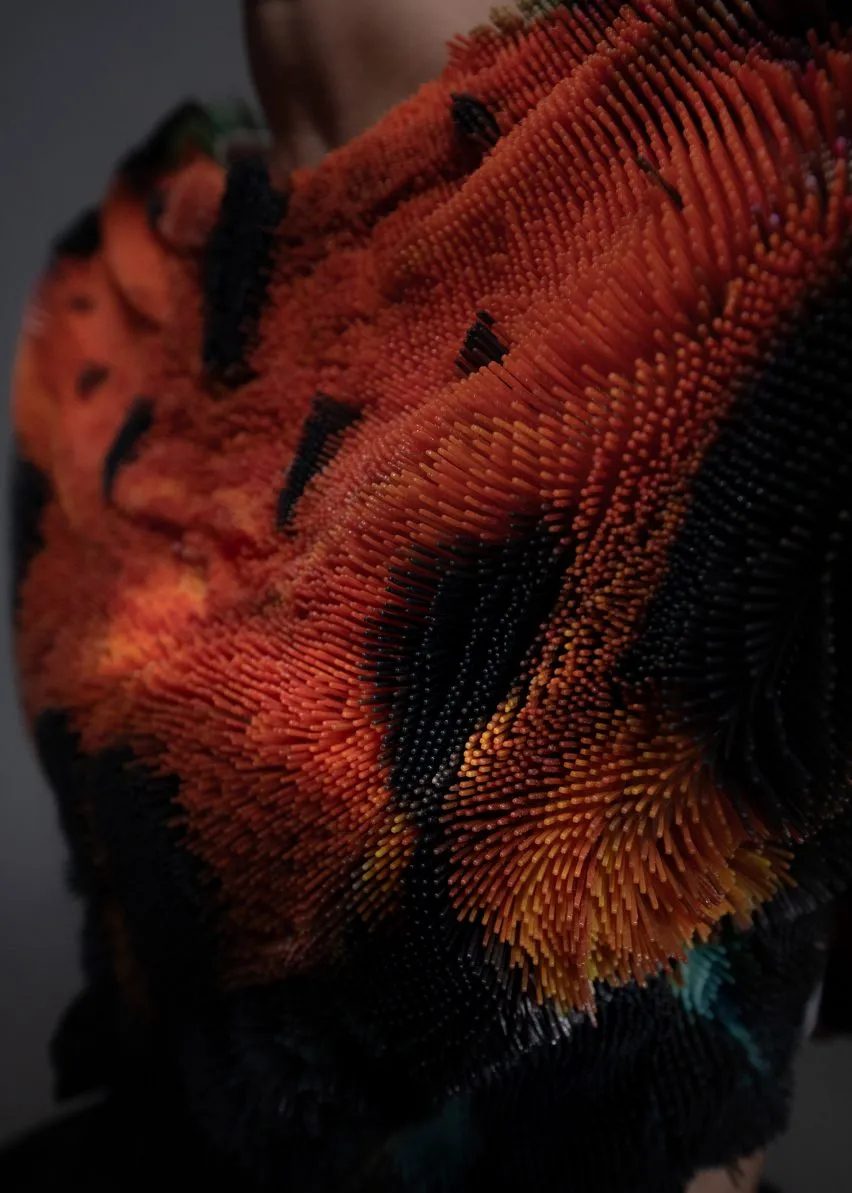
- Sporophyte Collection: A ready-to-wear 3D printed collection, which includes the “Setae Jacket,” which was inspired by the microscopic, hairlike structures on the butterfly’s wings. Koerner developed an algorithm to translate the butterfly’s colors and patterns into the jacket’s 3D-printed bristles.

- Costume Design for Marvel’s Black Panther: Collaborating with costume designer Ruth E. Carter, she created an iconic 3D-printed crown and shoulder mantle worn by Queen Ramonda, portrayed by Angela Bassett. The pieces, which refer to African patterns, were created using digital fabrication techniques that align with her wasteless production principles.
6. Odile Decq – Studio Odile Decq, France

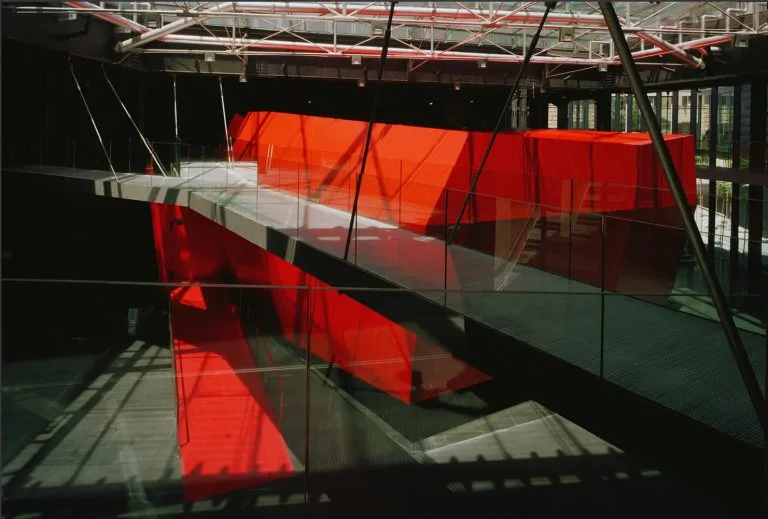
Odile Decq, a French architect known for her bold and rebellious ideas, is celebrated for innovative and highly expressive architecture. Her work focuses on experimentation with materials like steel and glass, incorporating computational tools, parametric strategies, and advanced digital visualization into her practice, pushing the boundaries of form, color, and space. Her architectural style features bold, dynamic geometric forms, artful play of light, and the fluidity of lines, creating buildings with contemporary elements in historic contexts.
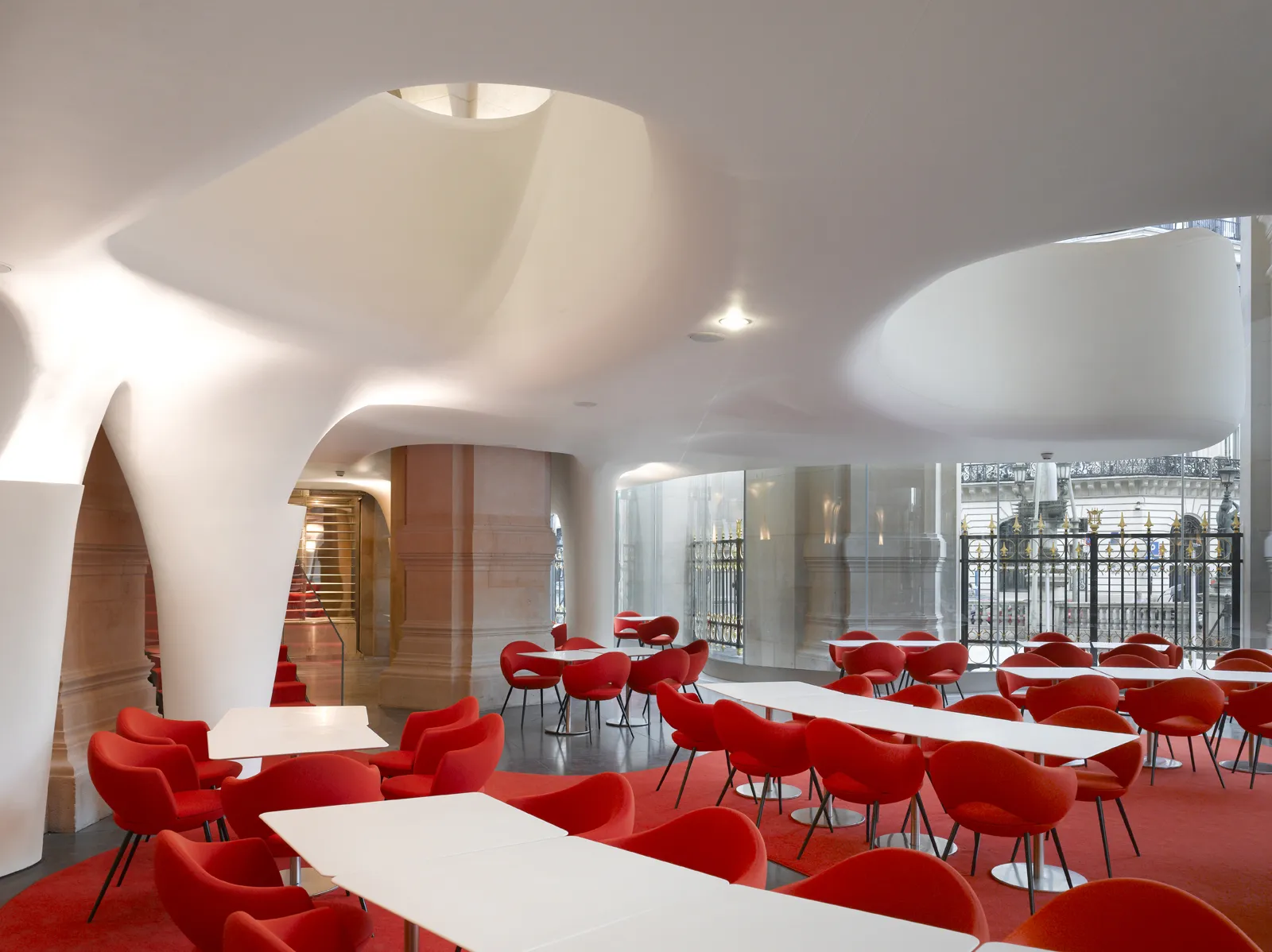
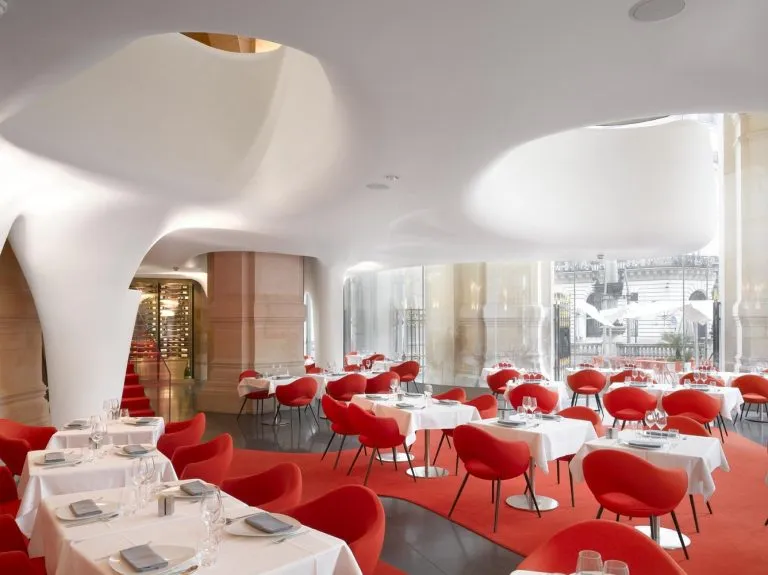
Odile Decq designed a new wing of the MACRO Museum of Contemporary Art in Rome, where she created a vibrant, fluid space that contrasts with the existing historic structure, showcasing her ability to create intriguing dialogues between past and present. She also designed the famous Phantom Restaurant in Paris, located inside the historic Opéra Garnier, highlighting a bold insertion of contemporary design of vibrant red fabrics and a curved glass mezzanine into a 19th-century masterpiece.
7. Elizabeth Diller – Diller Scofidio + Renfro (DS+R), USA

Elizabeth Diller, co-founder of the renowned firm Diller Scofidio + Renfro (DS+R), is a pioneer in challenging conventional architectural boundaries by seamlessly integrating design, performance, and electronic media. Her work views architecture as a physical manifestation of social relationships, utilizing computational design, parametric modeling, and digital fabrication to craft spaces that shape culture and society. In 1999, she and her partner, Ricardo Scofidio, were the first architects to receive the prestigious MacArthur “Genius Grant.”
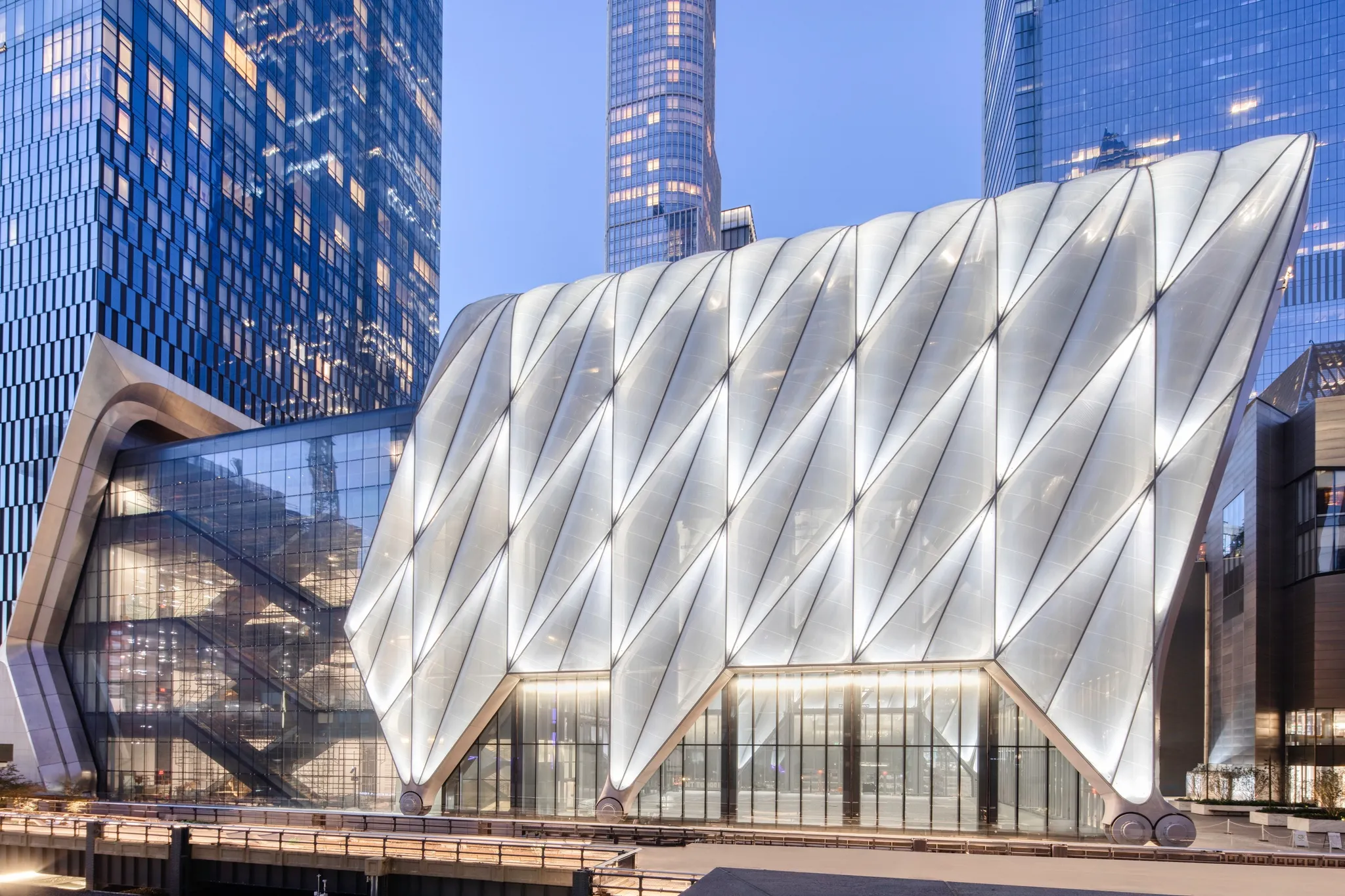
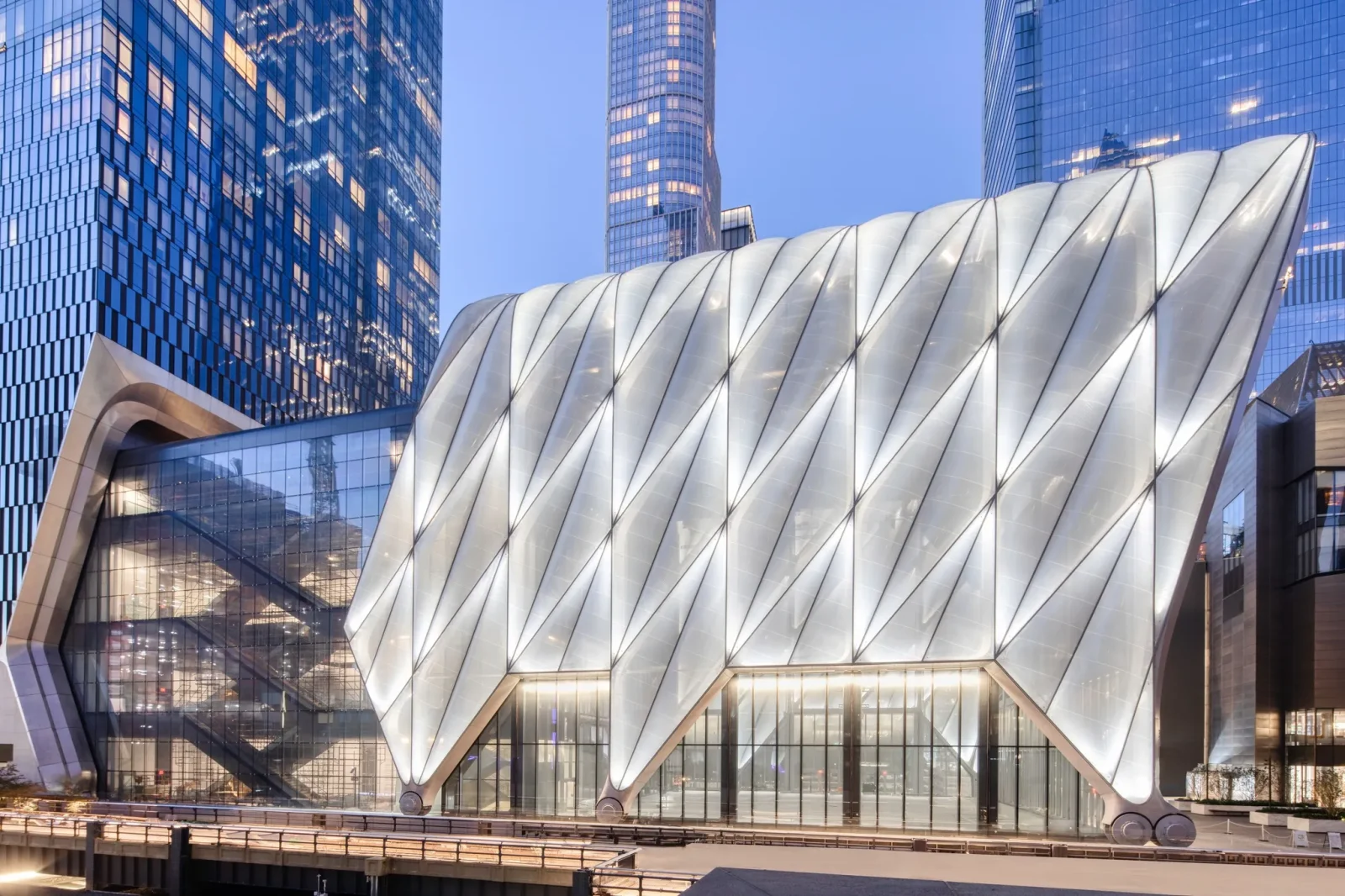
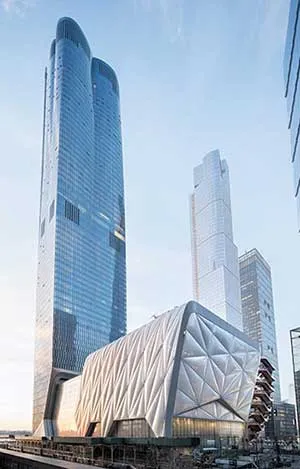
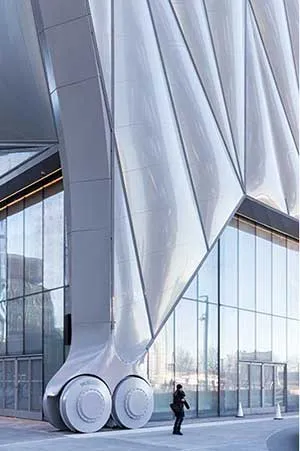
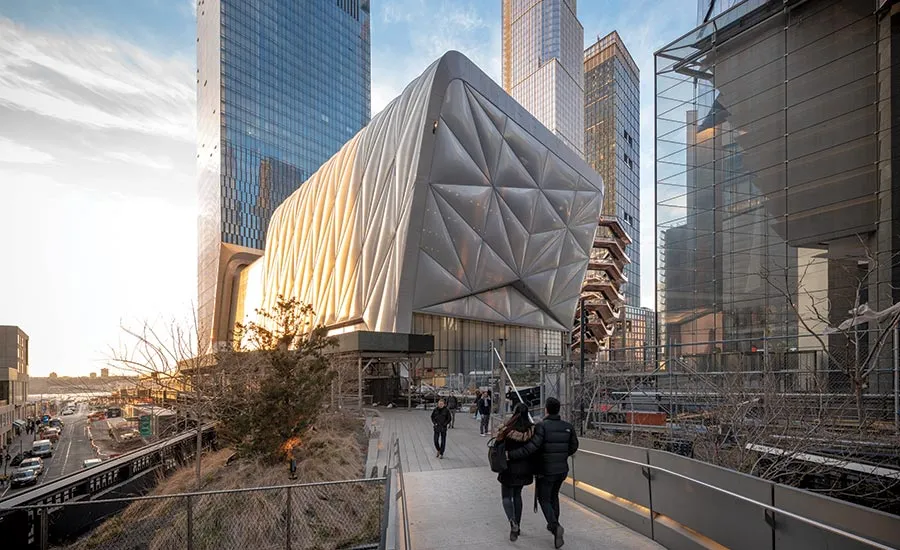
Located in Hudson Yards, New York, The Shed is a flexible cultural center with a unique retractable shell. The outer shell’s diagrid steel and ETFE panels were designed using parametric tools to optimize weight, movement, and transparency. This parametric approach enabled the creation of a lightweight yet structurally sound envelope that adapts to multiple programs. The building’s movable exterior allows it to adapt to host a wide range of performances and exhibitions, from large-scale concerts to intimate art installations.
8. Mariam Issoufou – Mariam Issoufou Architects, Niger
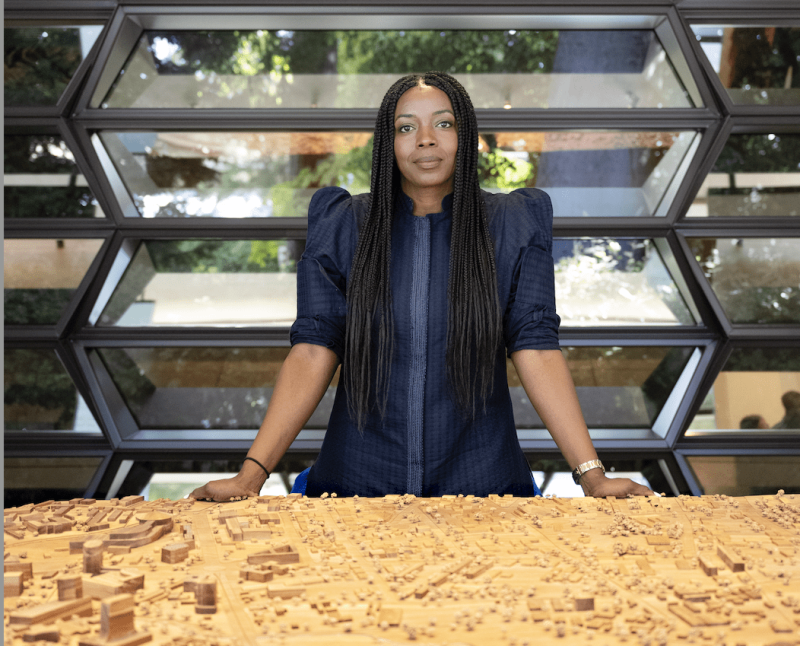
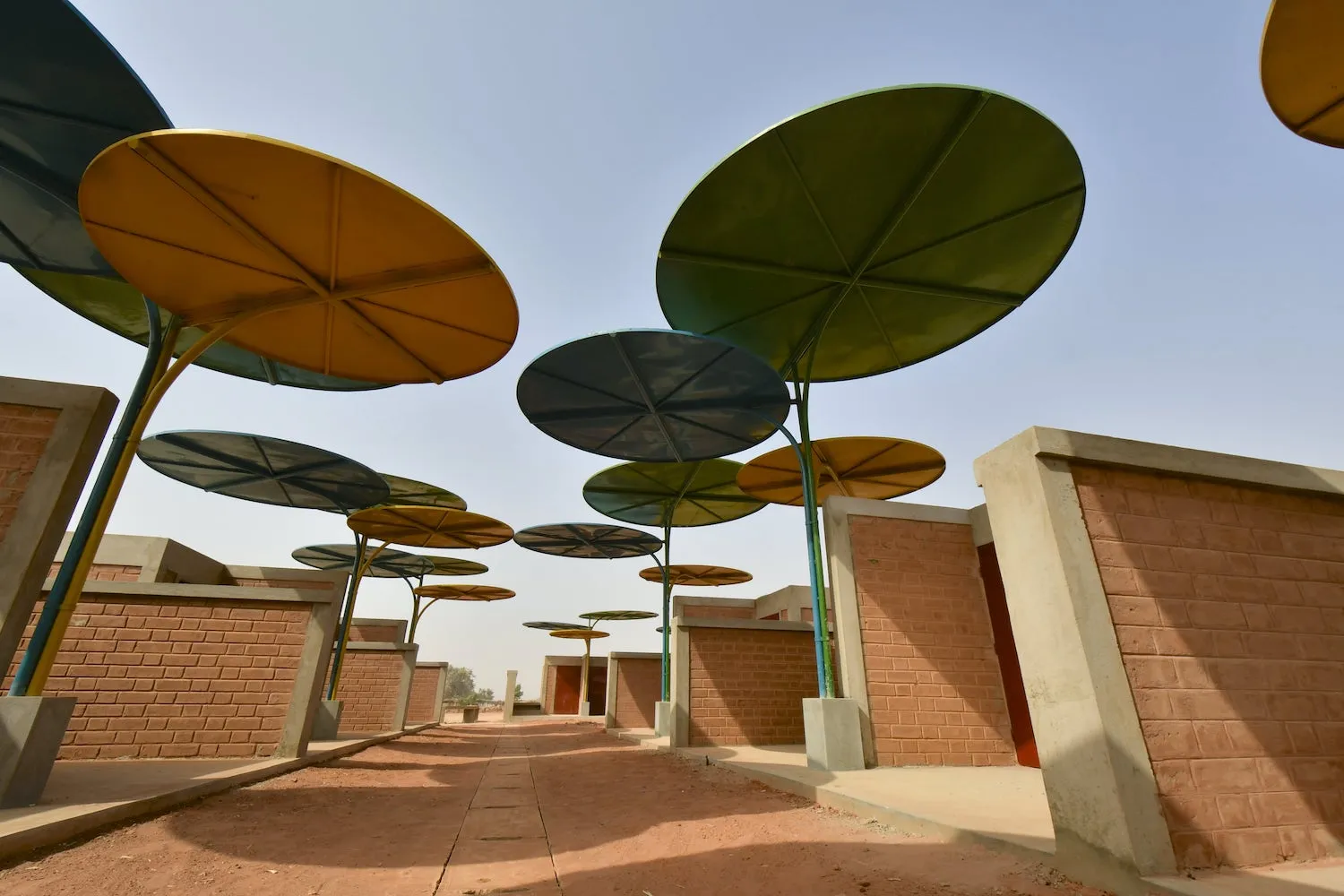
Founder of Mariam Issoufou Architects, a firm based in Niamey, Niger, Mariam Issoufou’s work emphasizes local materials, sustainable building techniques, and a collaborative process with local artisans, challenging the prevailing use of expensive, imported materials and Western architectural styles in Africa and advocating for a contextually responsive, socially engaged approach. Her firm’s work integrates parametric strategies to optimize structural efficiency and create spaces that are both sustainable and deeply rooted in their cultural environment.
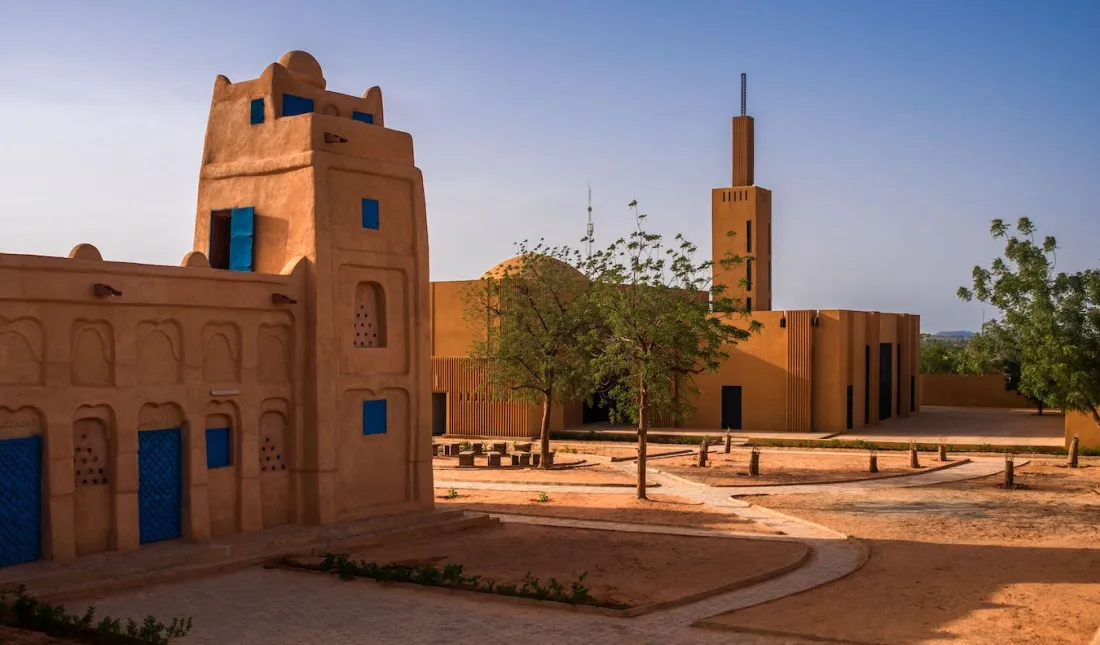
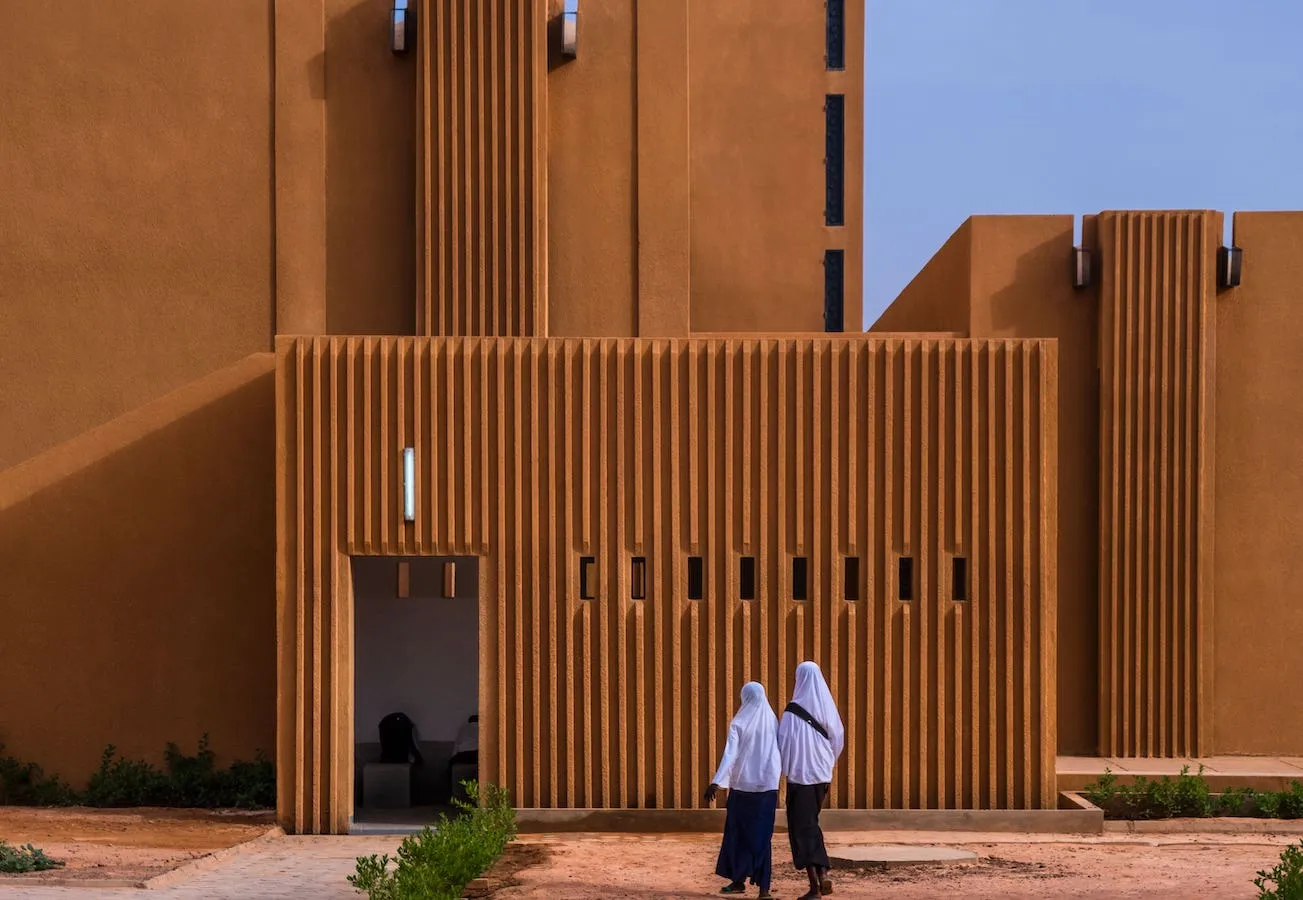
The Hikma Complex in Dandaji, Niger (designed by Mariam Issoufou and Yasaman Esmaili of Studio Chahar) is a powerful example of her work. Winner of LafargeHolcim Awards Gold in 2017, the cultural complex converted a deteriorating mosque into a library and included a new mosque built from rammed earth and compressed laterite. Embodying the Arabic concept of hikma-wisdom, using compressed earth blocks (CEB) to create modern elements and functional space that is both environmentally and economically sustainable. By converting the old mosque, she preserved a vital piece of the community’s heritage while creating a new space for learning.
9. Jeanne Gang – Studio Gang, USA

Jeanne Gang is a visionary American architect, founder of Studio Gang, and internationally recognized for her innovative approach to design, which often integrates social and environmental goals into the architecture itself. Envisioning architecture as a catalyst for positive change, her design philosophy focuses on actionable idealism. Drawing inspiration from natural systems, her projects highlight sustainability and foster community engagement. Her firm is known for its experimental and forward-looking use of materials and technology.
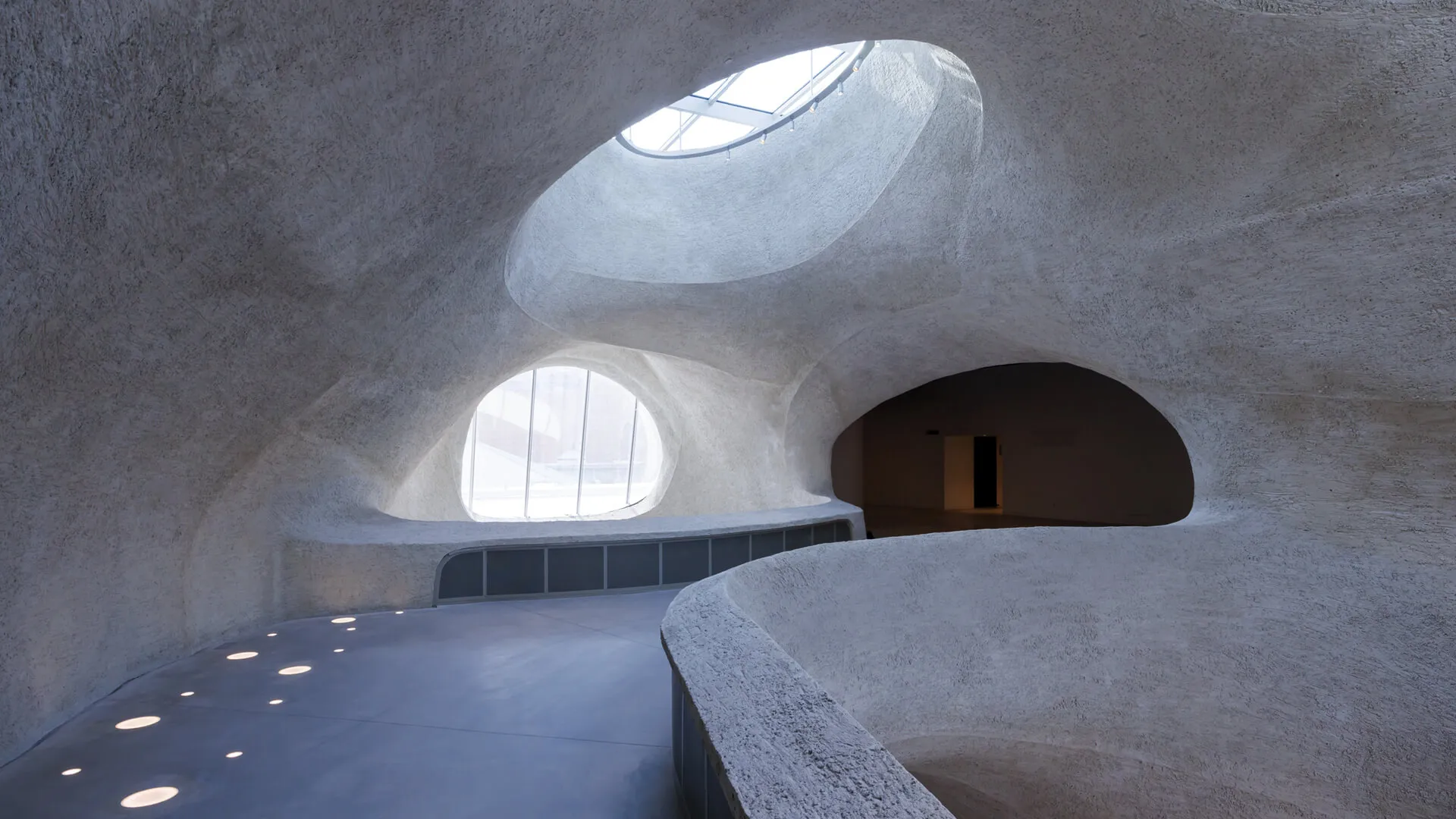
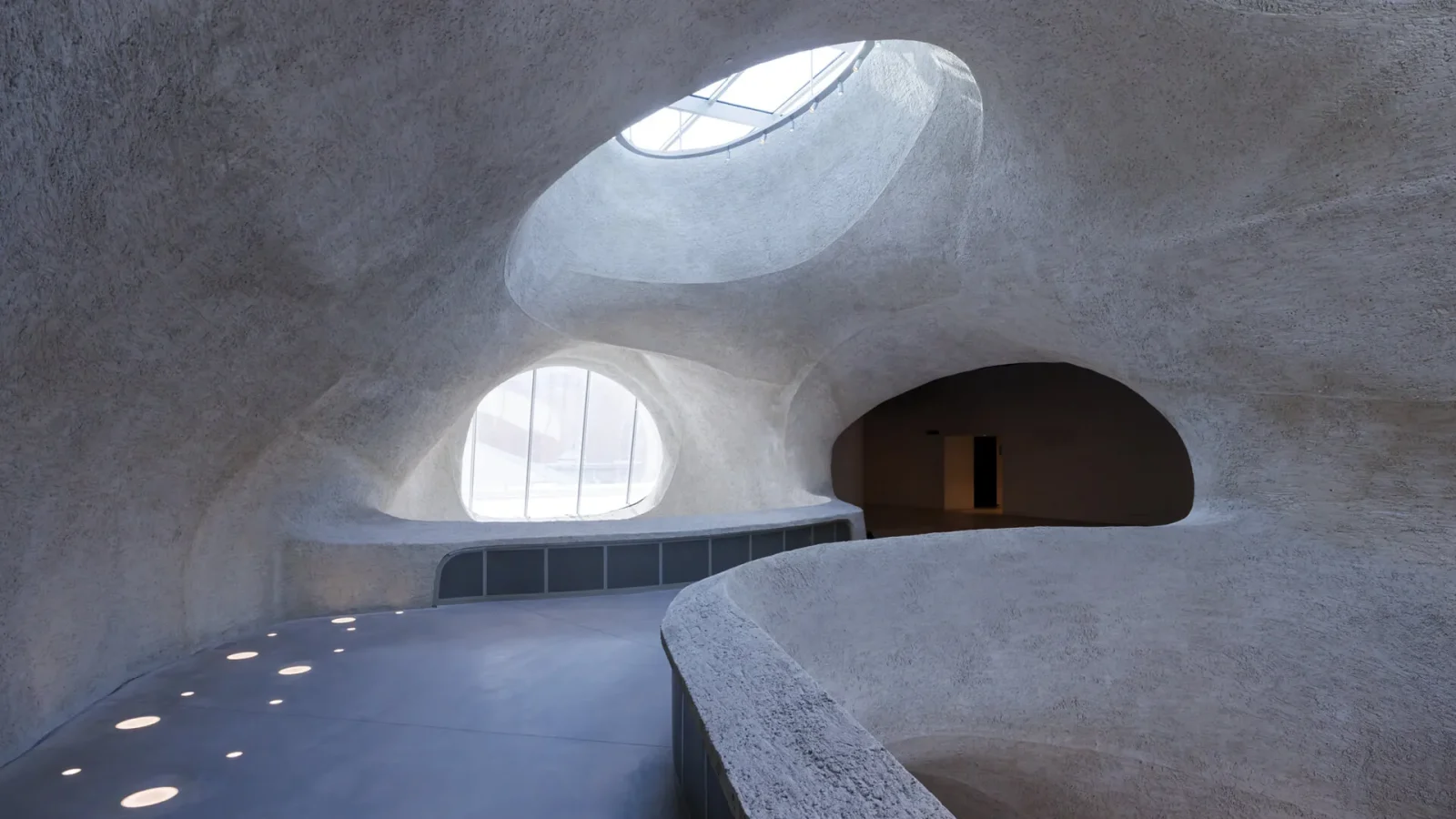
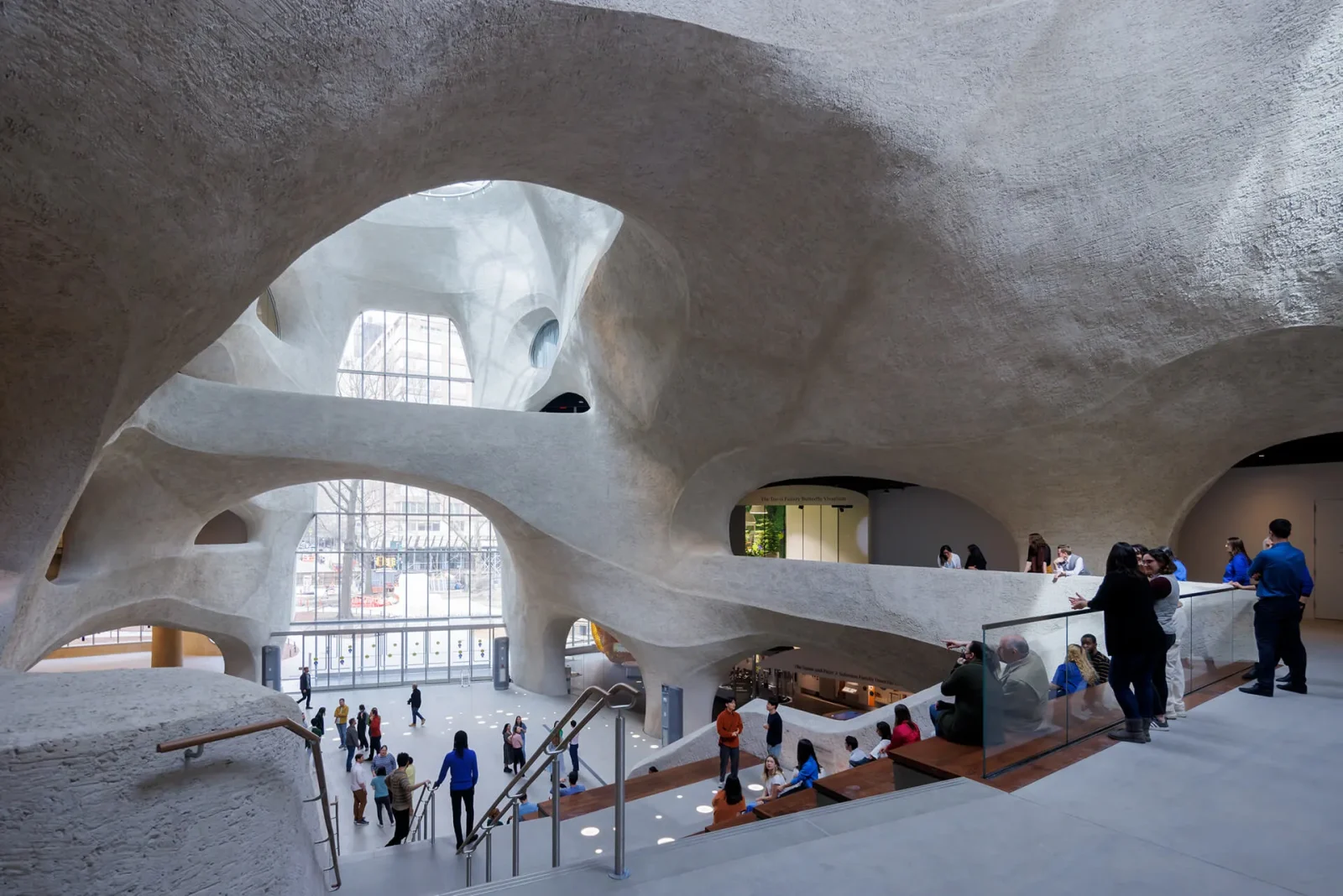
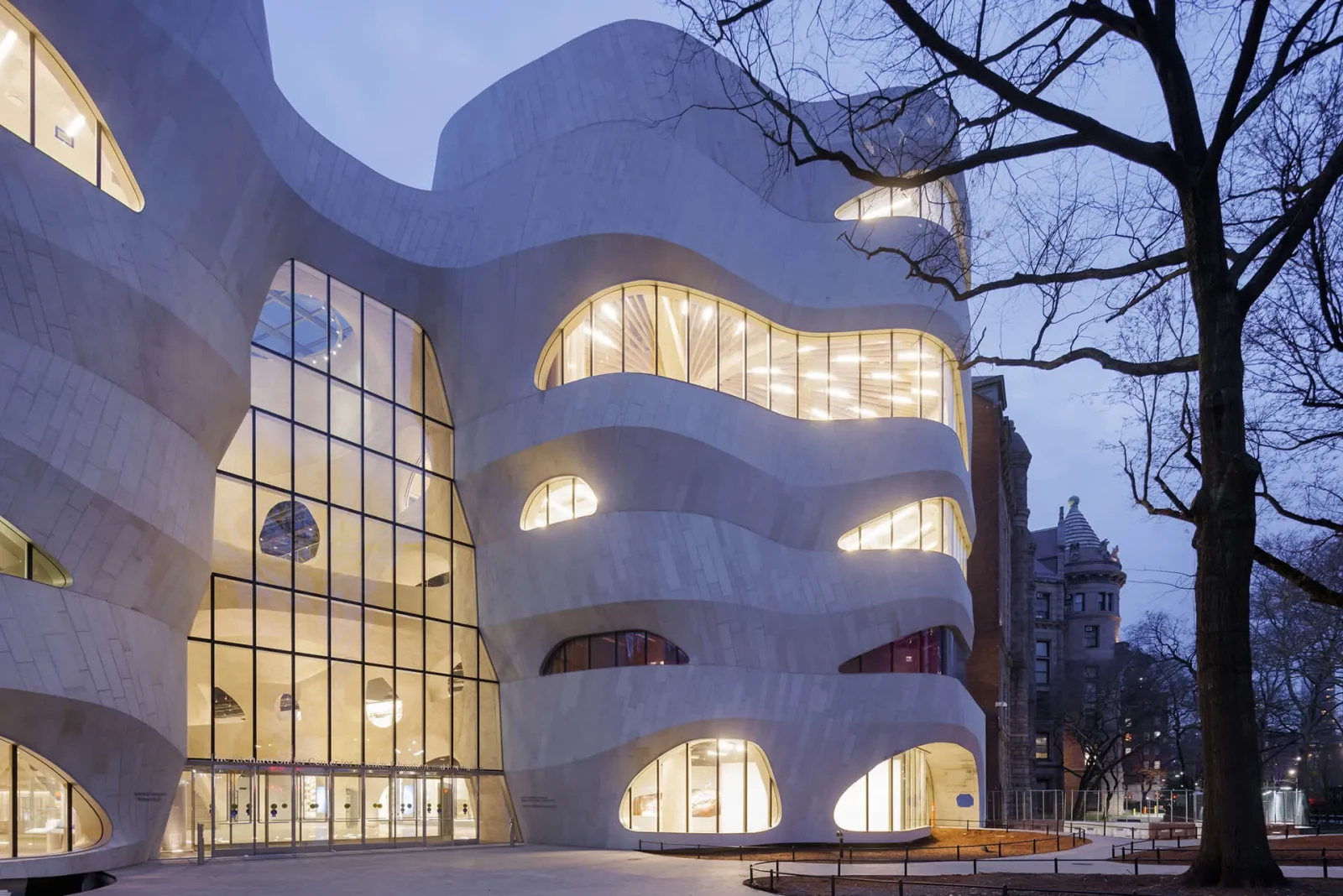
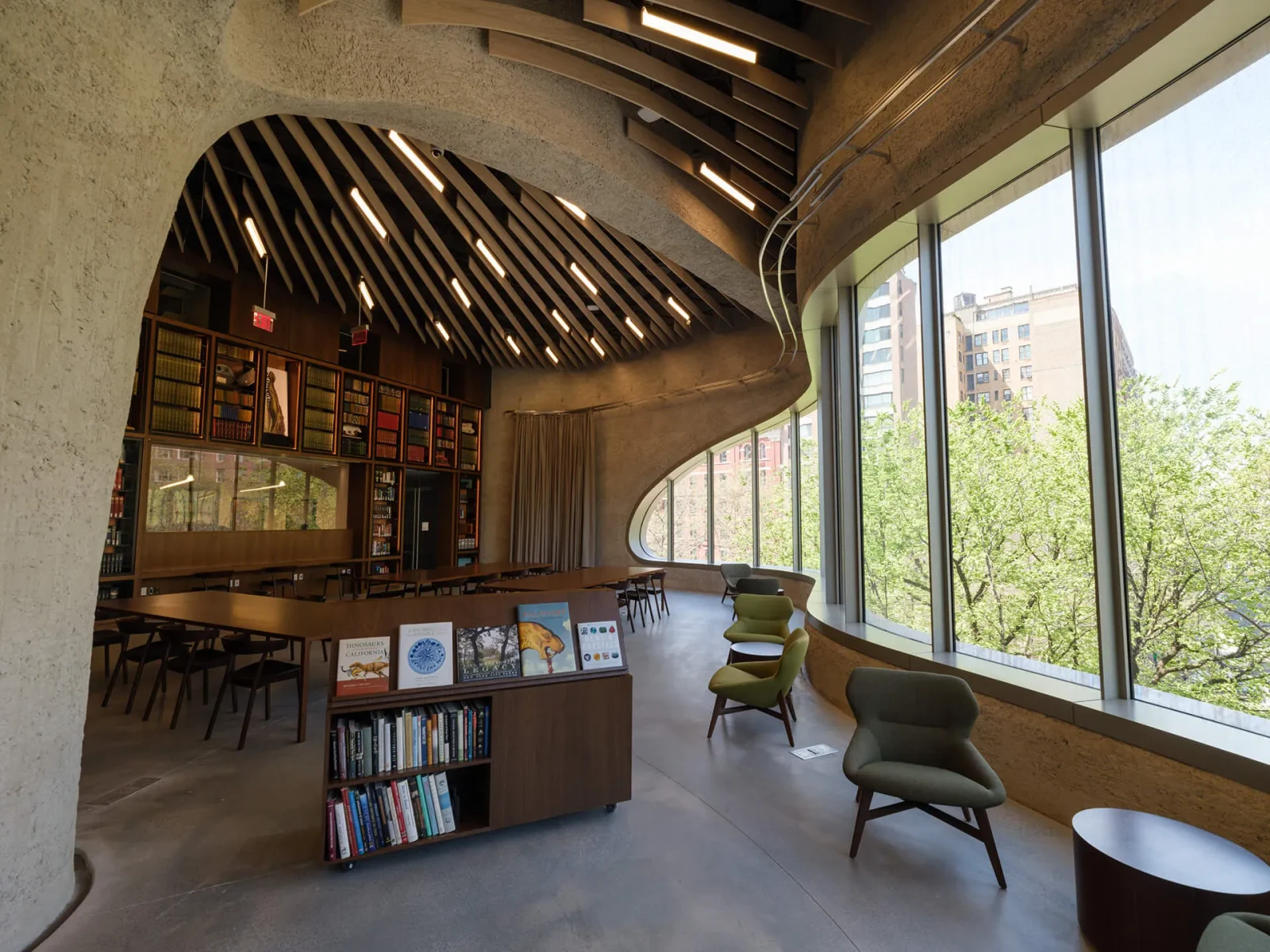
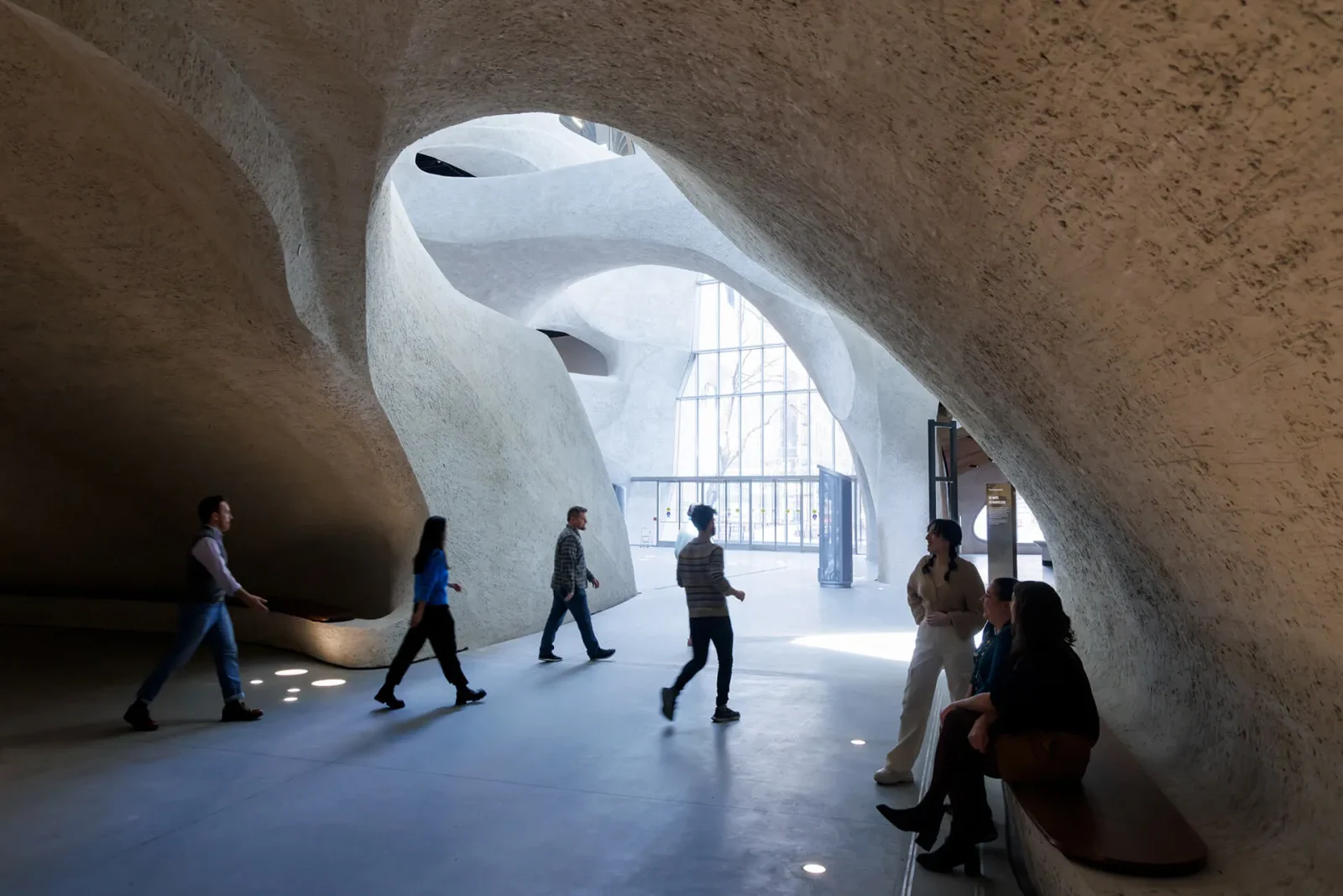
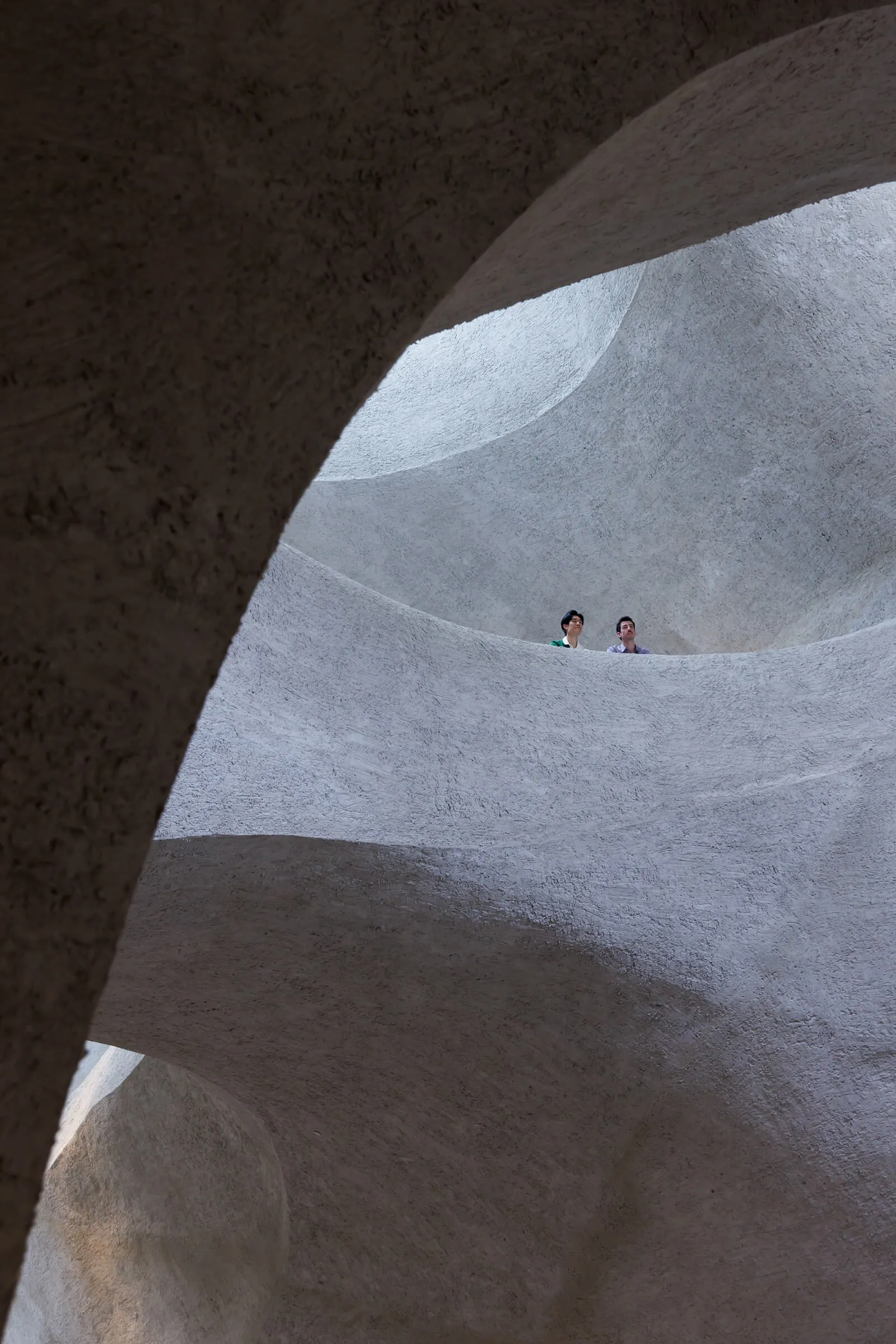
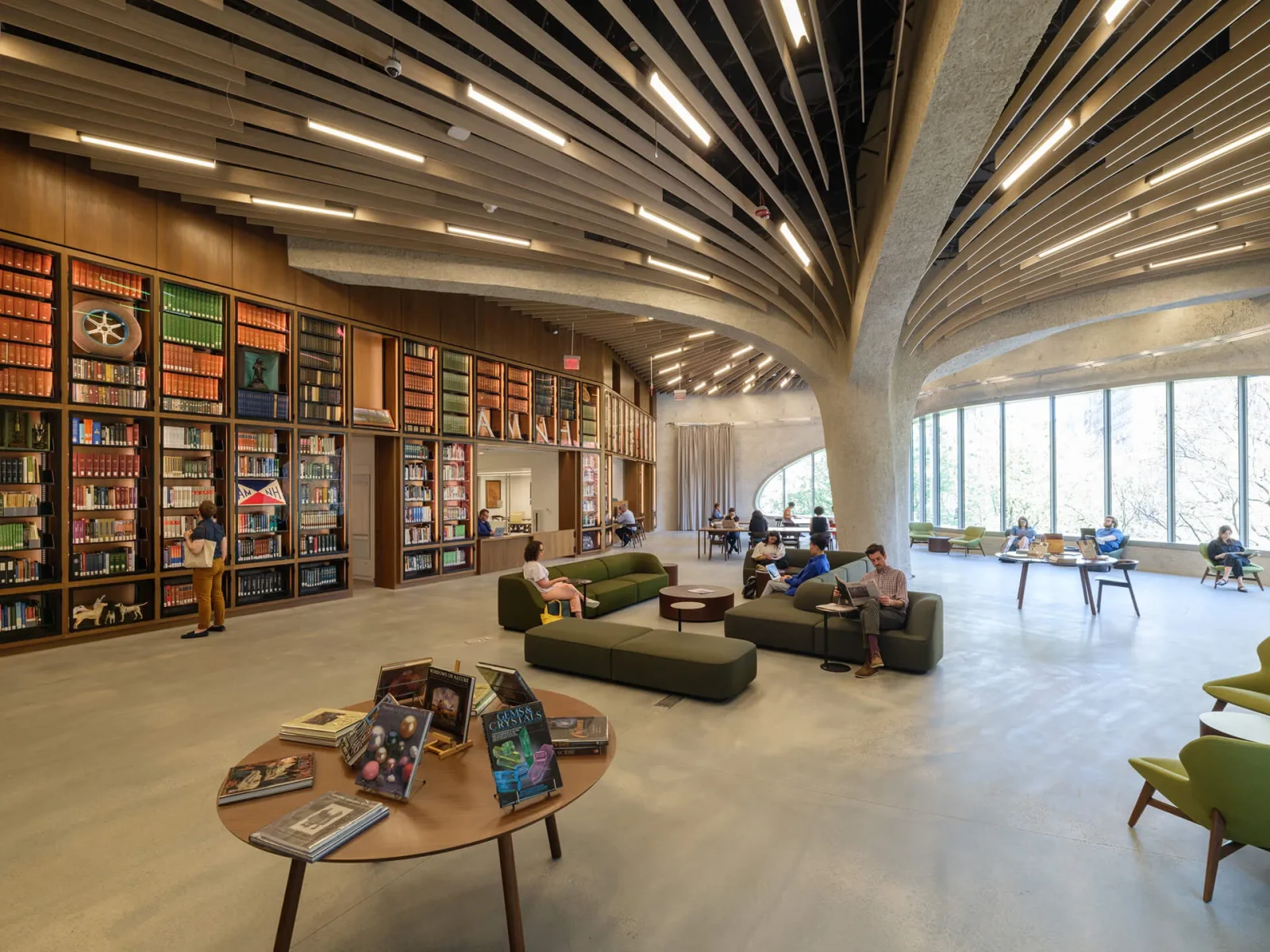
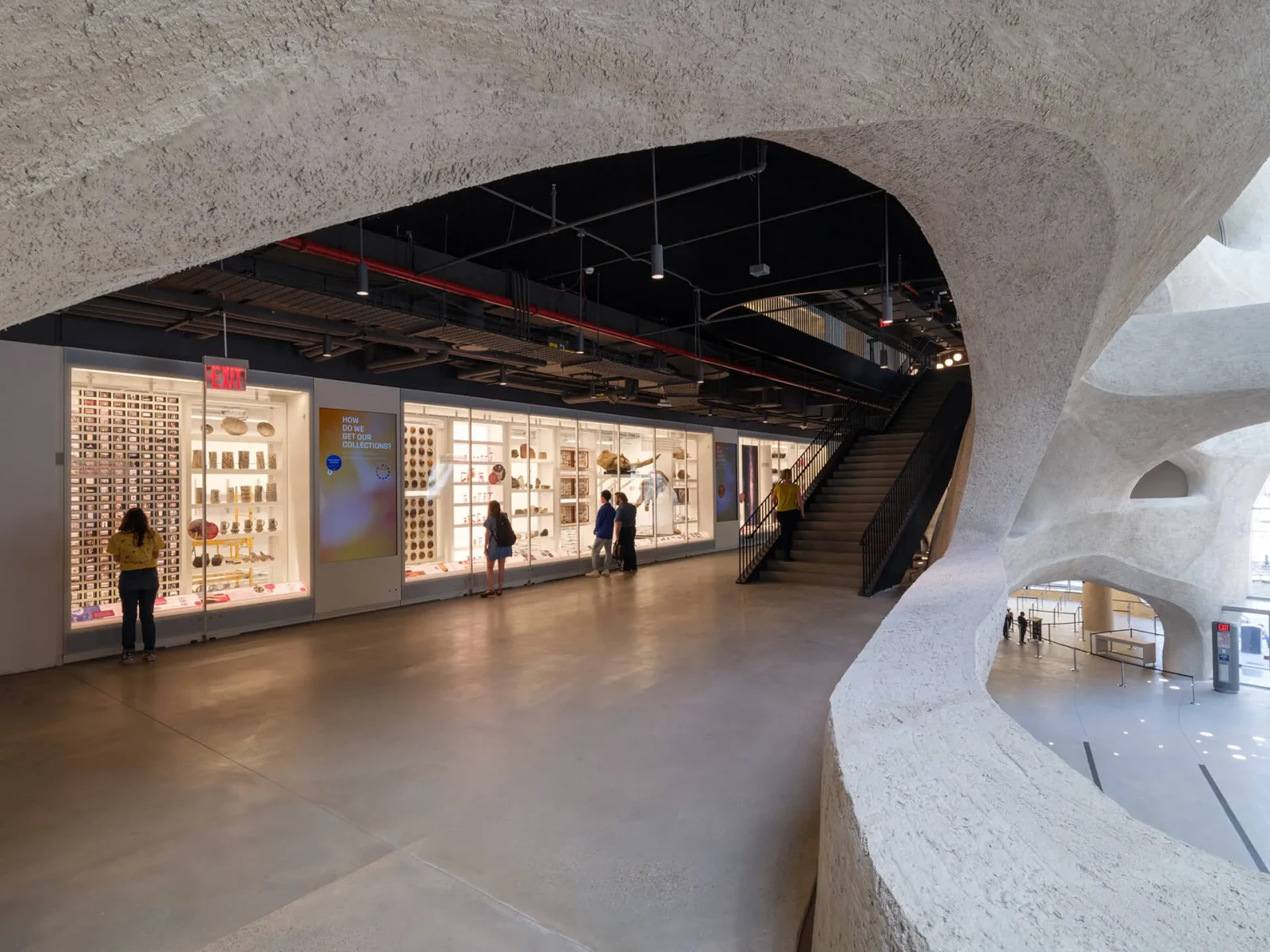
Her most significant project is the Richard Gilder Center for Science, Education, and Innovation, an expansion of the American Museum of Natural History. Spanning 230,000 square feet, the design draws inspiration from natural formations shaped by wind and water, creating an environment that encourages exploration and discovery and enhances visitors’ experience. The cavernous, light-filled atrium features flowing, organic forms that connect the museum’s various historical buildings, all while enhancing visitors’ experience.
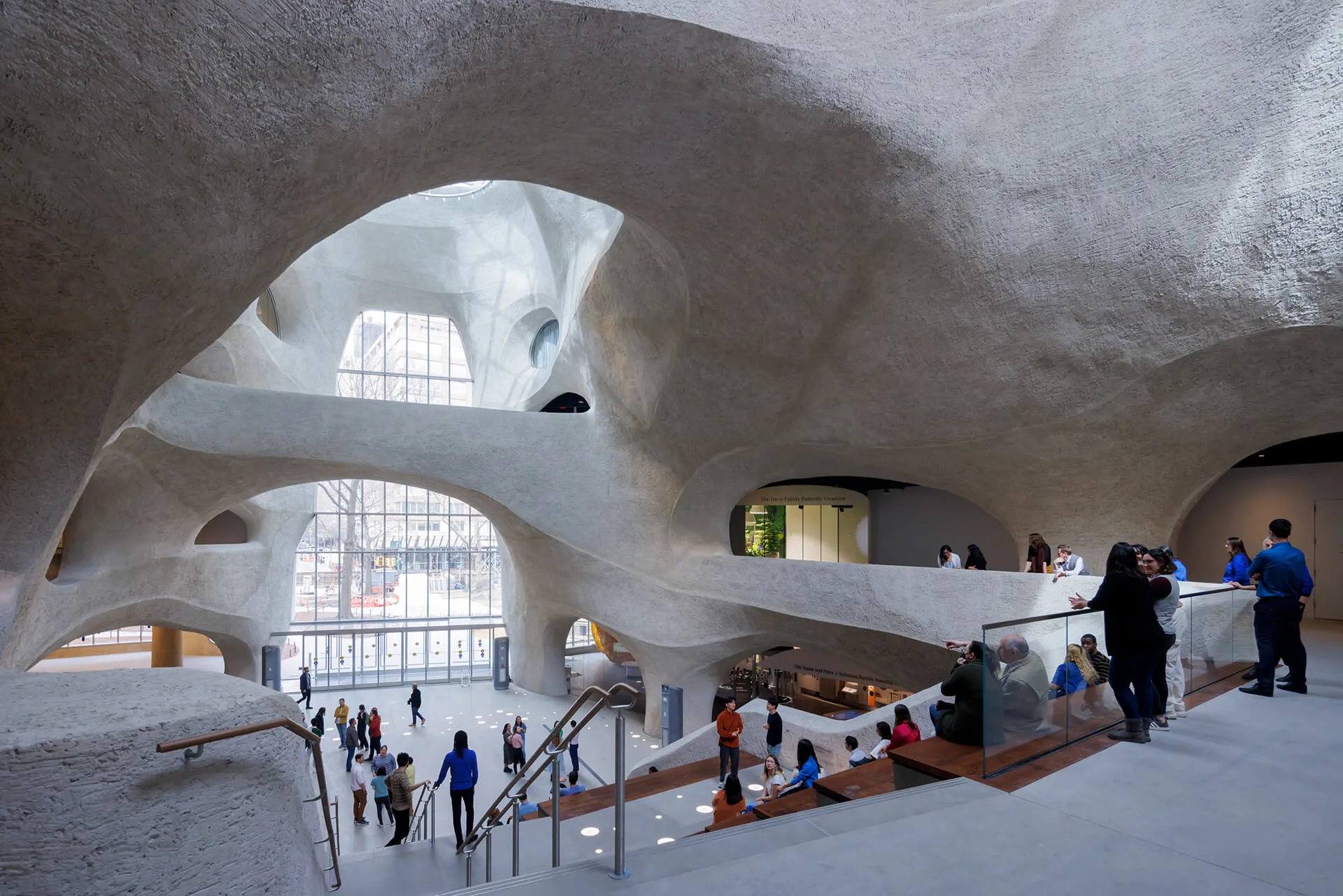
A model of sustainability, its form and use of natural light reduce the need for artificial lighting, while its construction incorporates innovative, sustainable materials and systems that minimize its environmental footprint. Through this project, Gang demonstrates that architecture can be a powerful tool for conservation and resource efficiency.
10.Tatiana Bilbao – Tatiana Bilbao Estudio, México
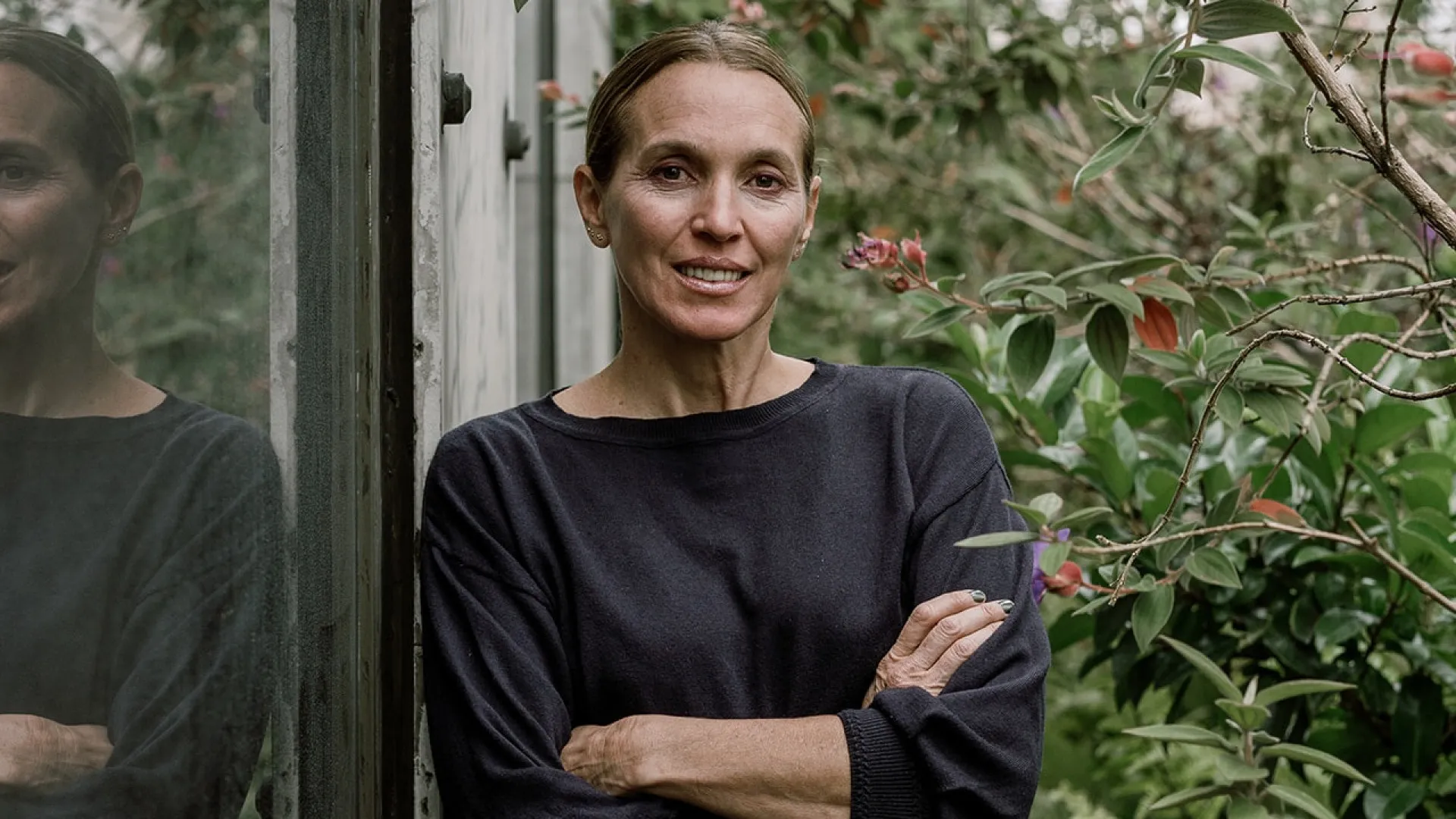
Founder of Tatiana Bilbao Estudio, a Mexico City-based firm, Tatiana Bilbao focuses on building affordable housing and sustainable public structures with local materials and traditional building techniques, prioritizing a collaborative process with local communities and artisans. Her projects showcase a collaborative approach that leads to designs that are not just built for a community but are built with them.
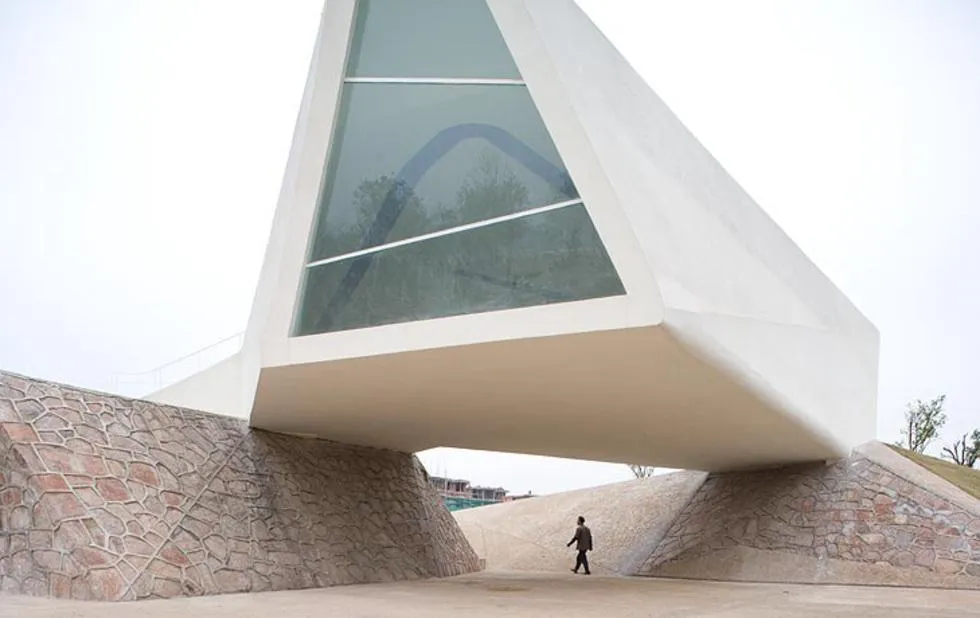
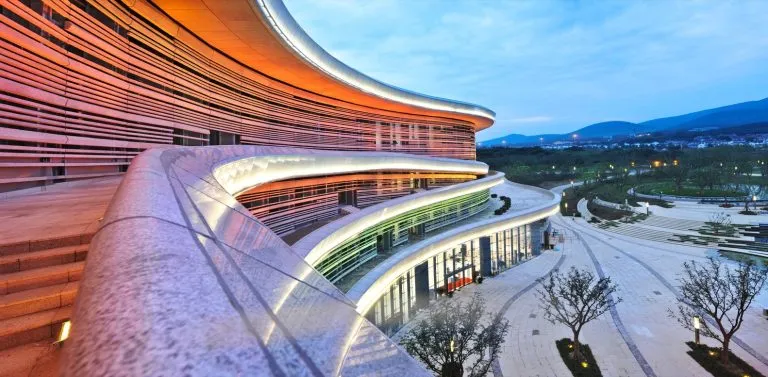
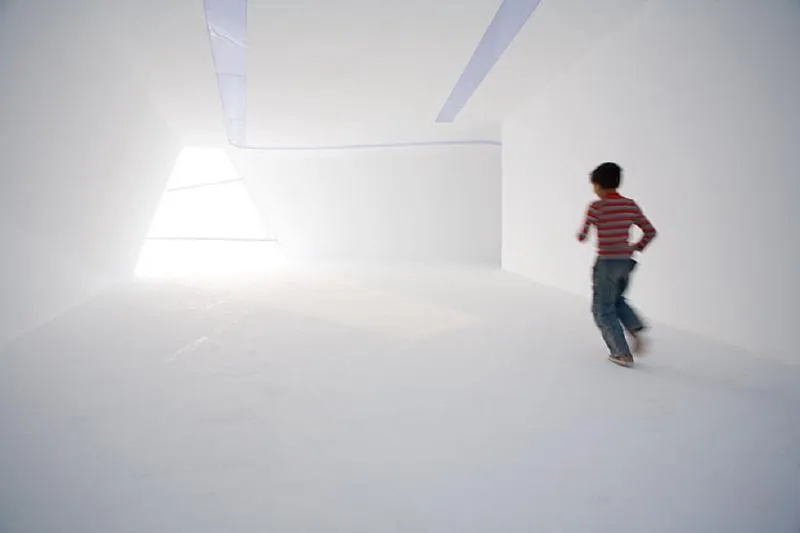
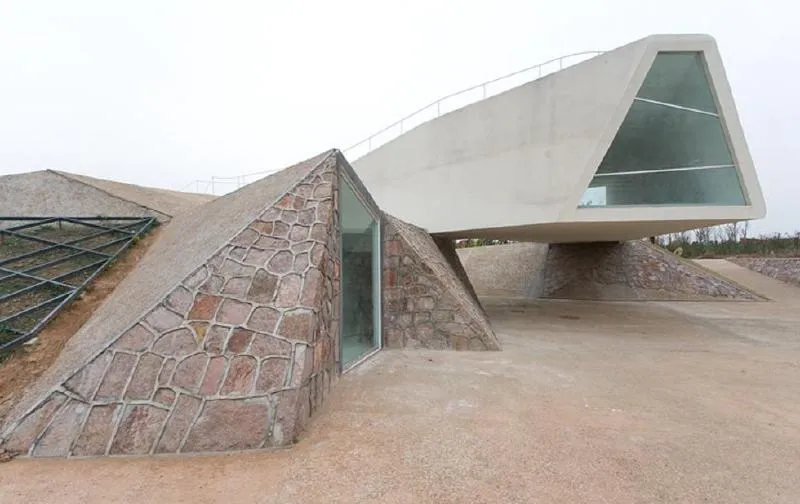
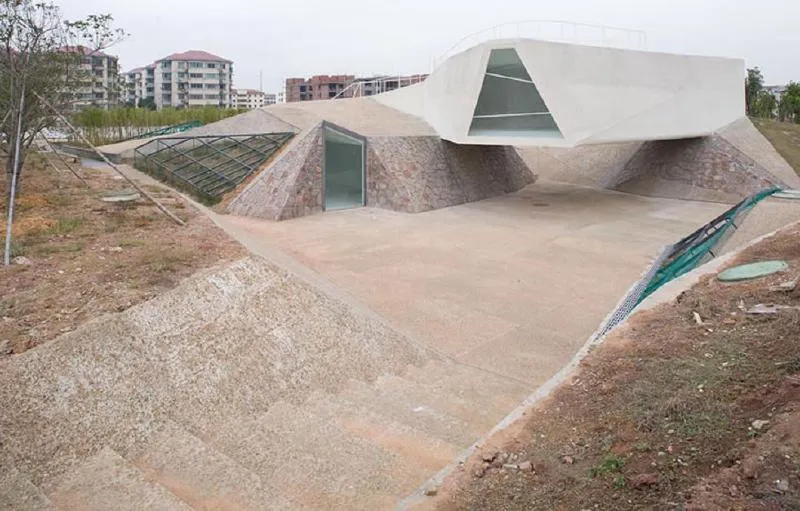
The Jinhua Pavilion was part of the Jinhua Architecture and Arts Center, an exhibition of innovative architectural interventions exploring spatial experimentation and community engagement. The pavilion consists of concrete modules arranged in dynamic configurations, creating a sense of fluidity while remaining structurally coherent. Designed as a cultural and social gathering space, the pavilion encourages Bilbao’s parametric thinking, modularity, and site responsiveness, demonstrating an intuitive understanding of geometry and context.
11. Jenny Sabin – Jenny Sabin Studio, New York
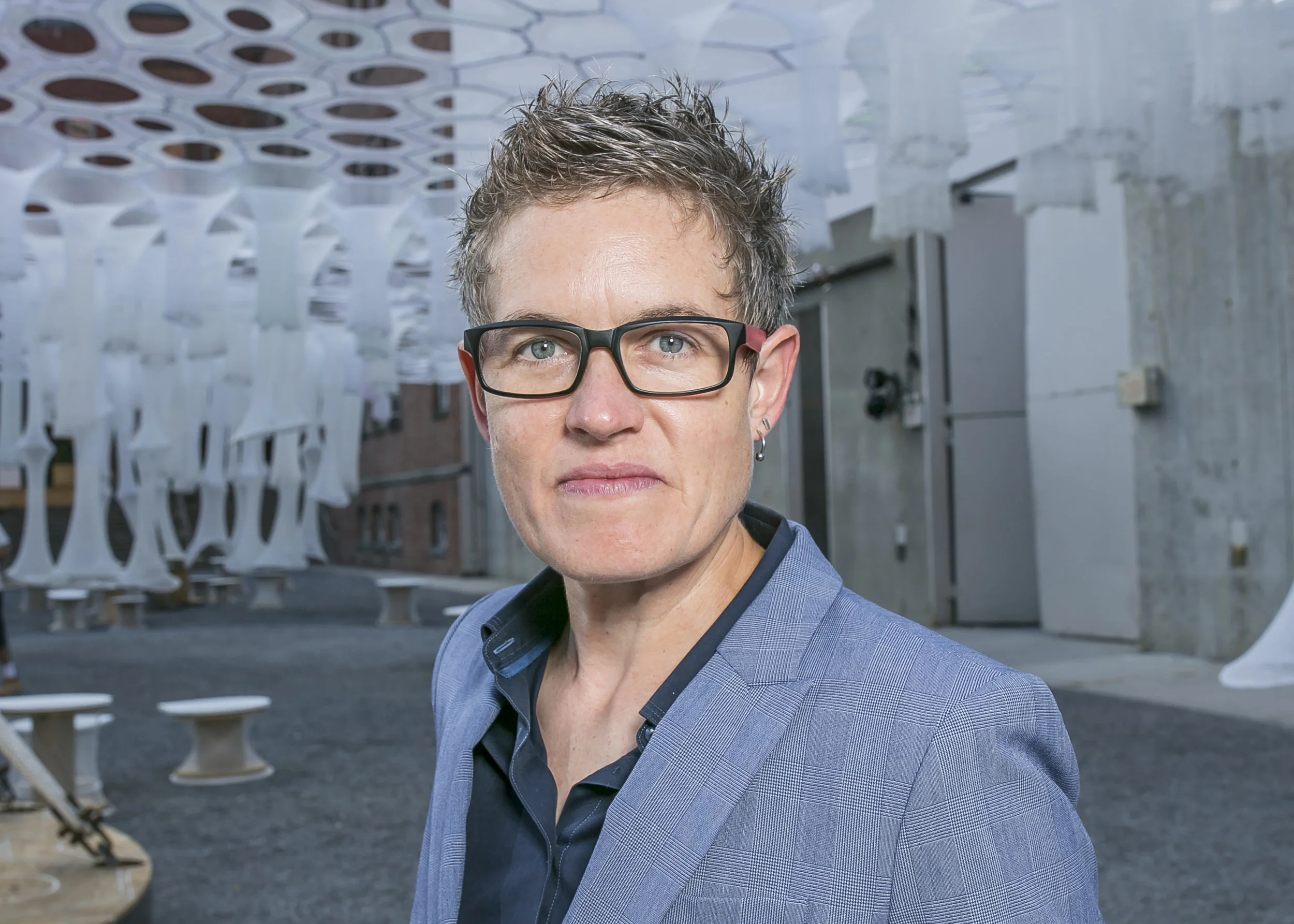
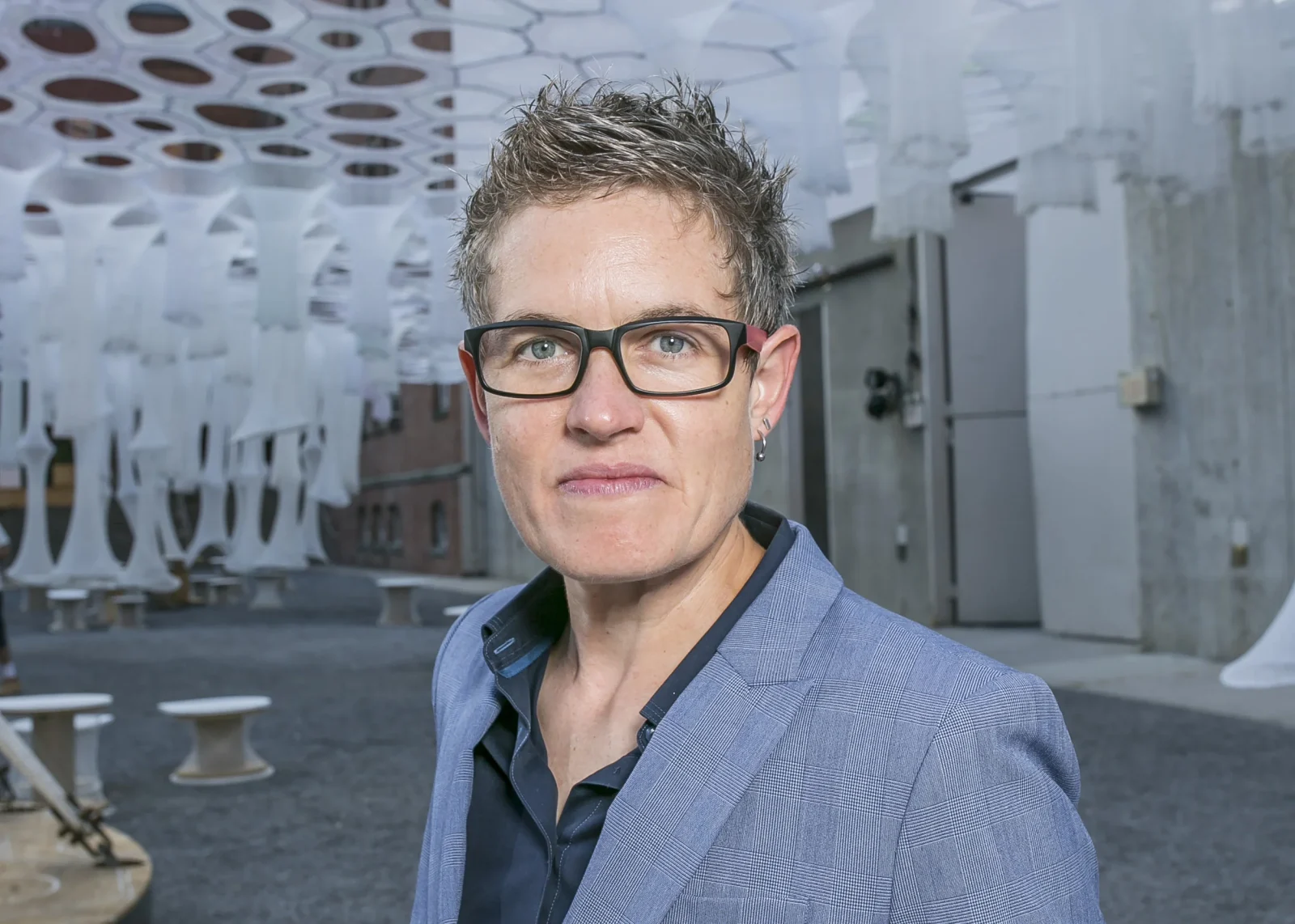
American Architect Jenny Sabin, Chair of Design Tech at Cornell University, has her architectural work at the forefront of a new era of architectural practice, one rooted in the intersection of biology, mathematics, and computation. She also directs the Sabin+Jones Design Lab, a hub for transdisciplinary research focused on Matter Design Computation. Working on digital fabrication and responsive materials, she creates large-scale, interactive installations rather than conventional buildings.
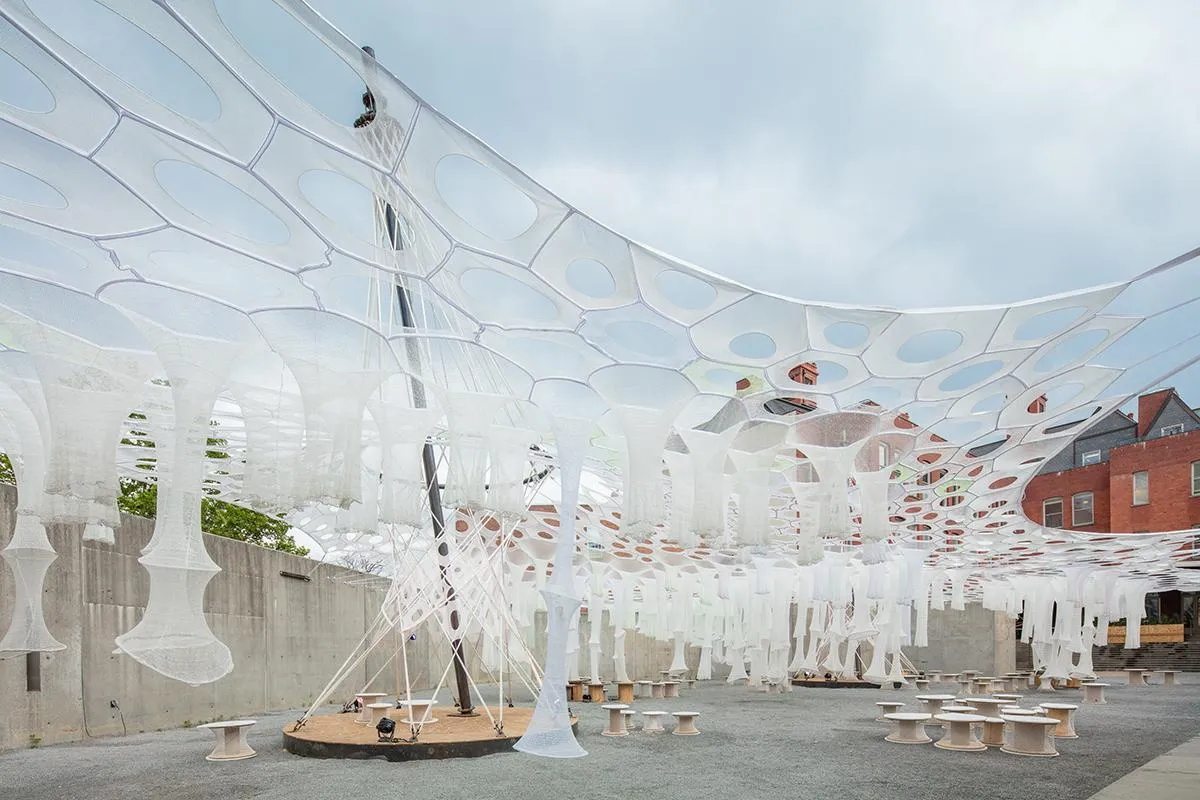
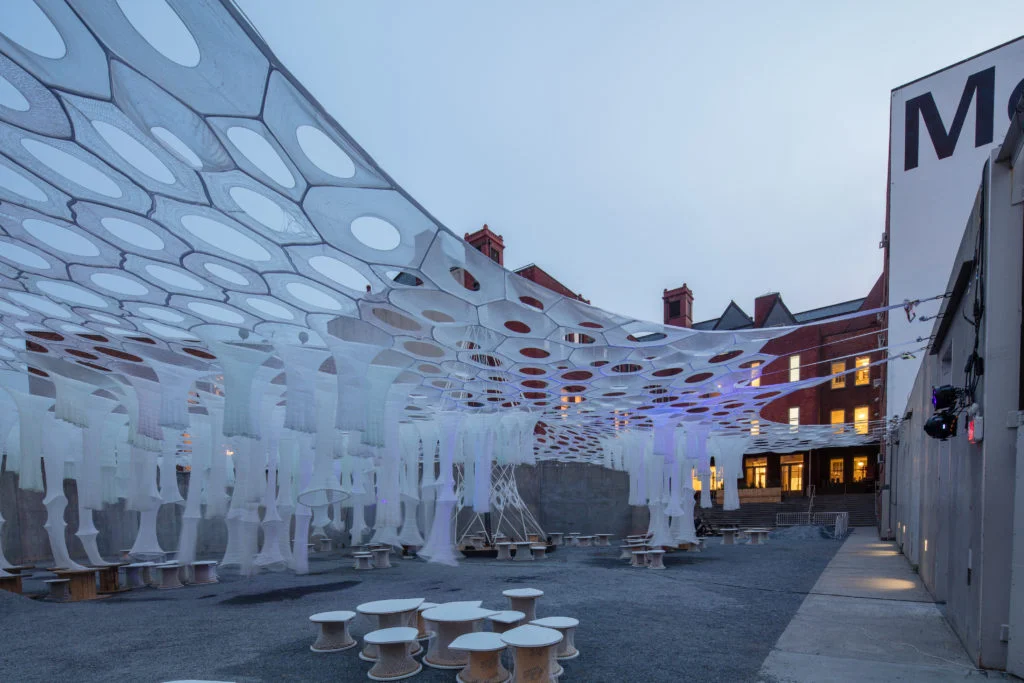
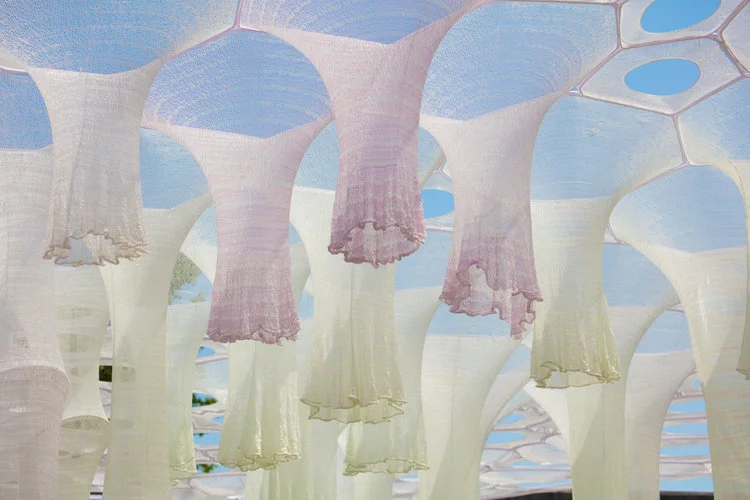
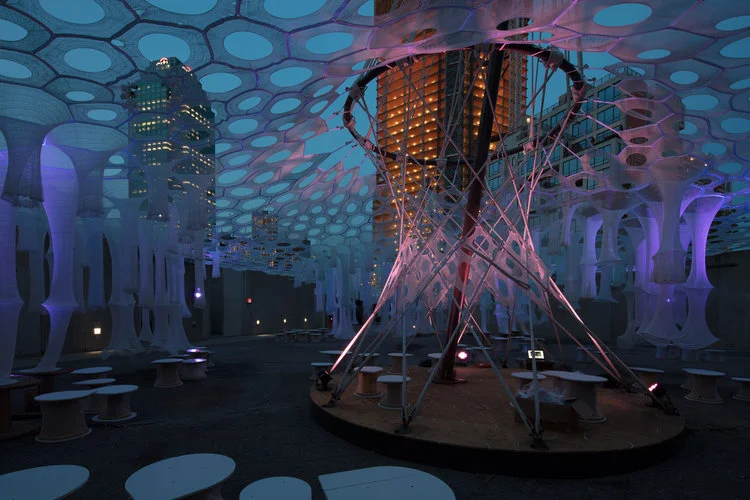
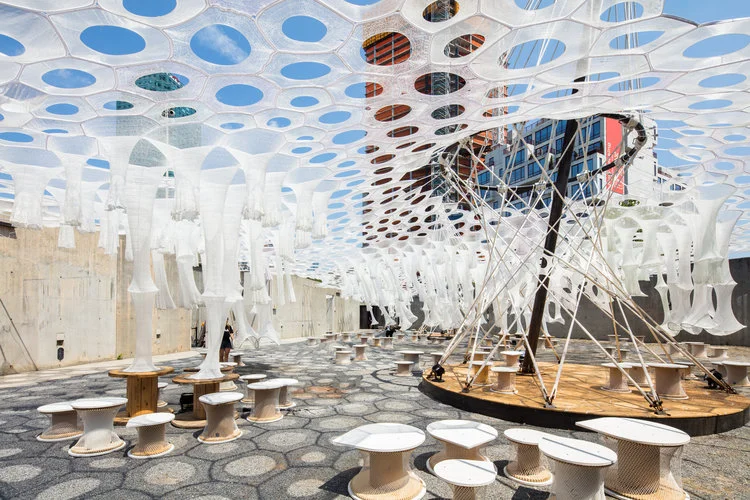
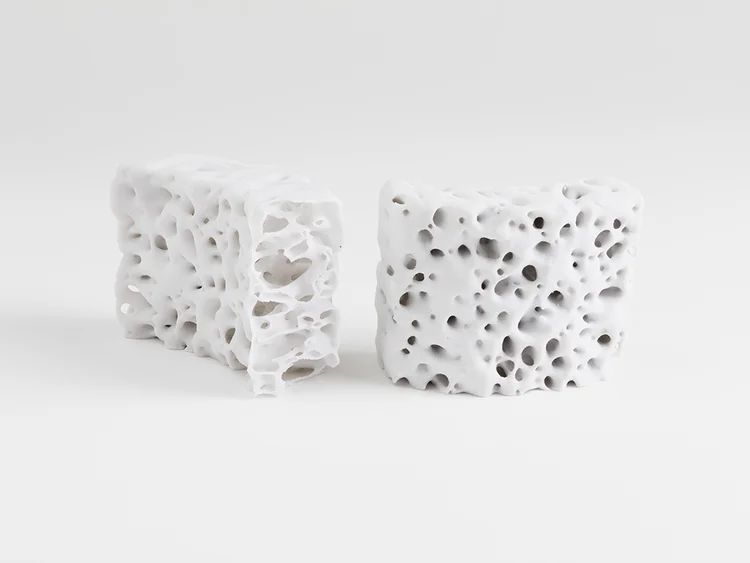
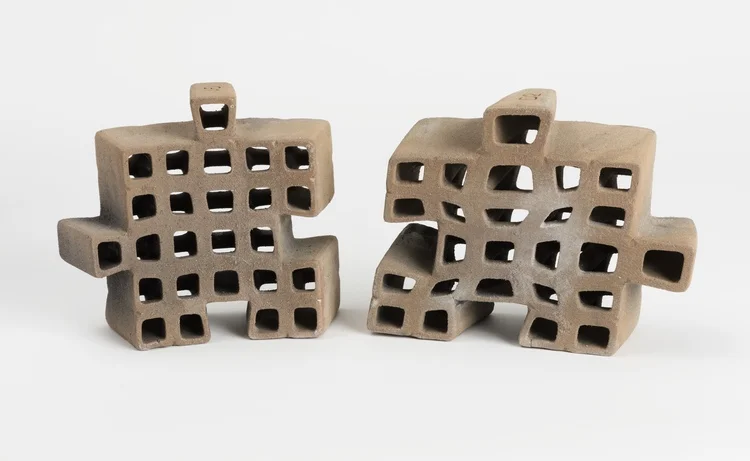
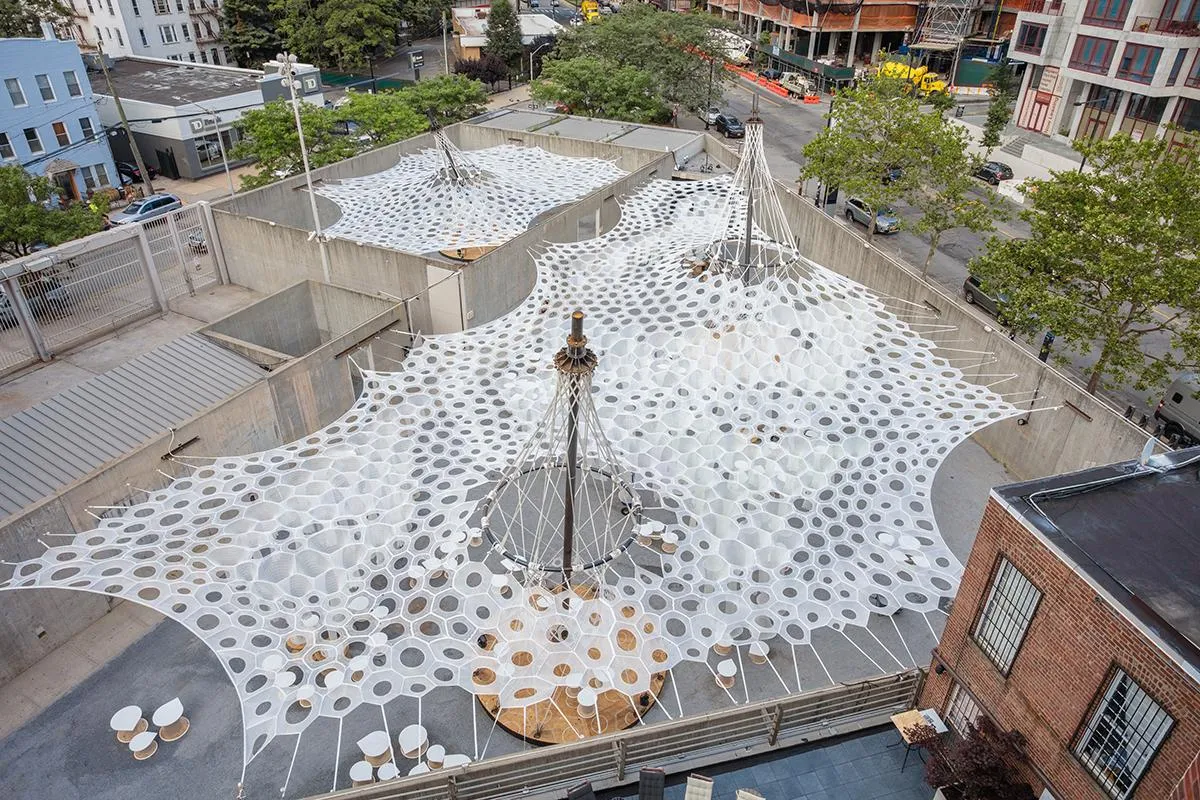
Her winning project for the MoMA PS1 Young Architects Program, Lumen, is an example of her design philosophy. It is a dynamic canopy made of solar-active and photo-luminescent fibers that absorb light in the day and glow at night. Other key works include the AI-driven pavilion Ada for Microsoft research and the ongoing research project PolyBrick, which takes inspiration from the porous structure of bone to design lightweight yet structurally robust ceramic building blocks.
Explore Courses
.jpg "Ondrej Chybik - Rethinking Architecture")