

Before bridges became feats of engineering, they were acts of instinct. A fallen tree over a stream, a strip of rock forming a natural arch, a narrow path stretched across a ravine, these were the first attempts at crossing obstacles. As cities grew and movement became essential, those simple solutions turned into deliberate structures, designed to carry weight, shorten distances, and connect communities.
Today, some bridges, with their unusual designs, not only provide passage from one point to another but also completely change our perception of bridges. Some of these bridges, which rotate, fold, or rise, are not only structures connecting banks but also demonstrate how familiar feelings can be transformed.
Here are 7 of the world’s most unusual bridges:
1. Bridge of Peace
Location: Tbilisi, Georgia
Architect: Michele de Lucchi
Year: 2010
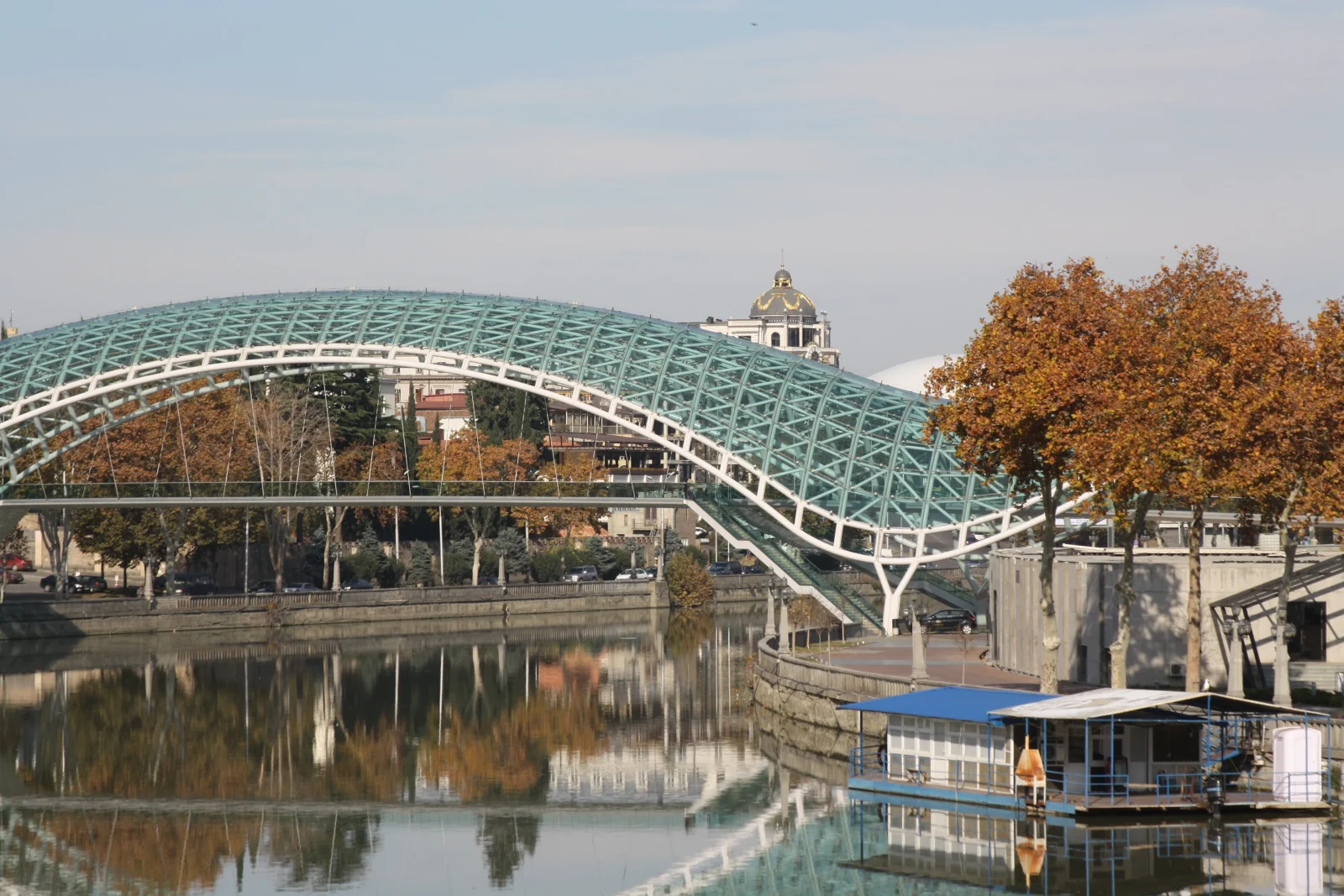
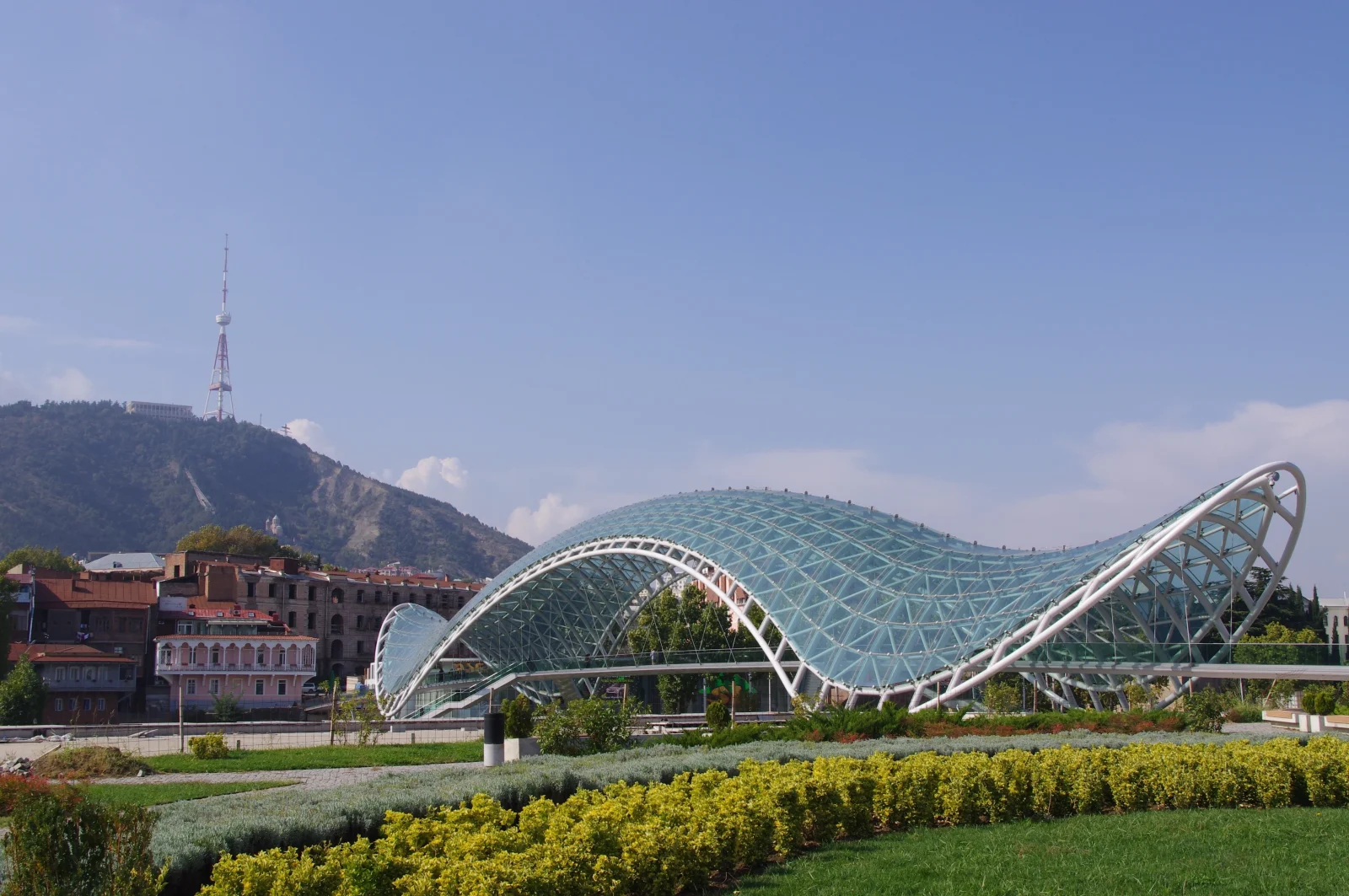
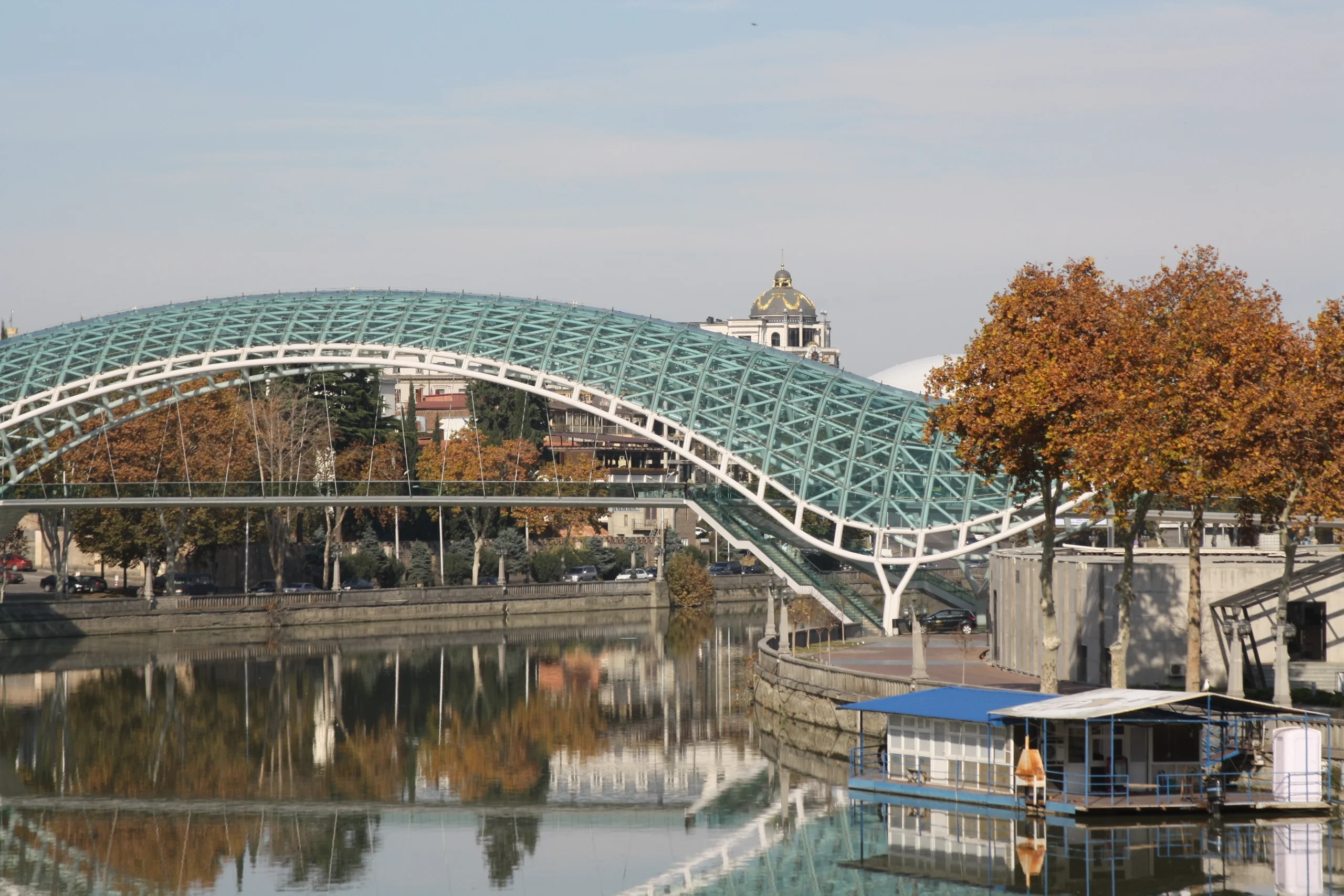
The Bridge of Peace, which spans the Mtkvari River and connects the western and eastern sides of Tbilisi, is one of the city’s most unusual bridges. Connecting the historic center and a park, this bridge represents a break from a controversial recent past marked by numerous cultural and ethnic distances. Designed with parabolic curves, the 150-meter-long Bridge of Peace is accessible both from the elevated ground level upstream and from the riverbank via a four-step staircase.
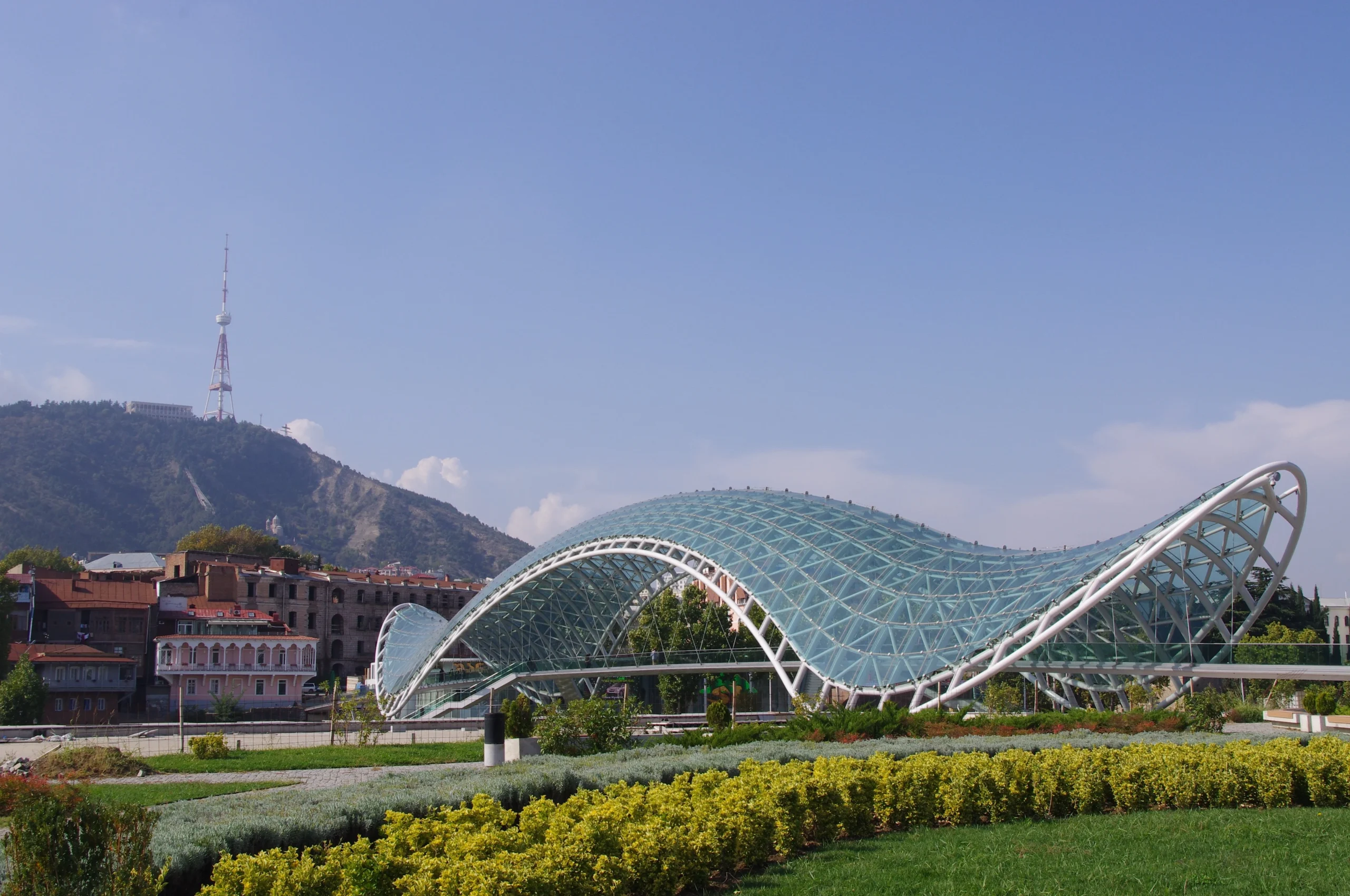
Its roof, composed of a steel tubular frame clad in trapezoidal glass panels, appears as a single delicate membrane, demonstrating the powerful outcome of collaboration between engineering and architecture. Featuring an interactive LED display system with 30,000 lights and 240 sensors, the captivating patterns created within the bridge symbolize human chemistry and peace.
2. Rolling Bridge
Location: London, UK
Architect: Thomas Heatherwick
Year: 2002
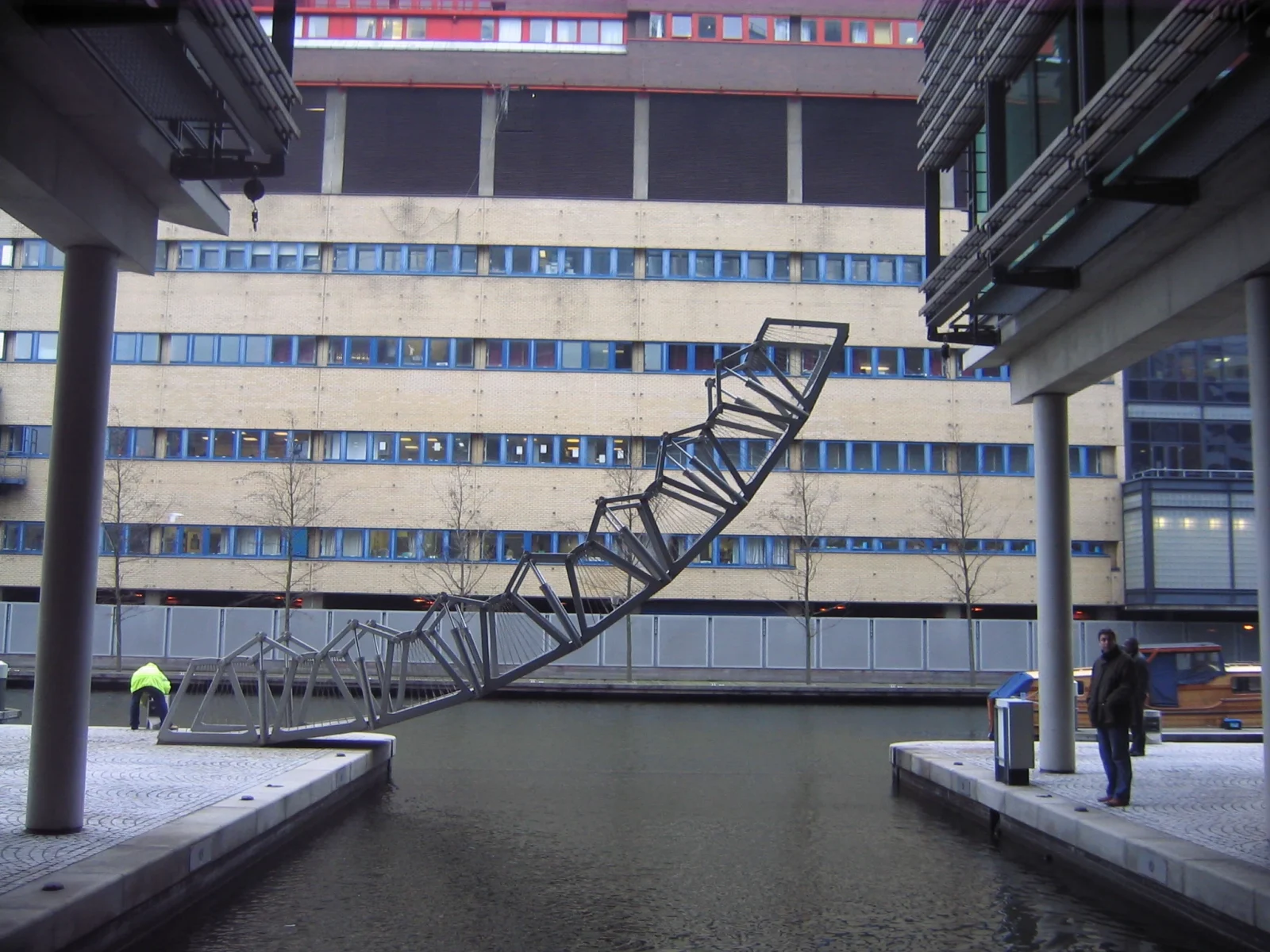
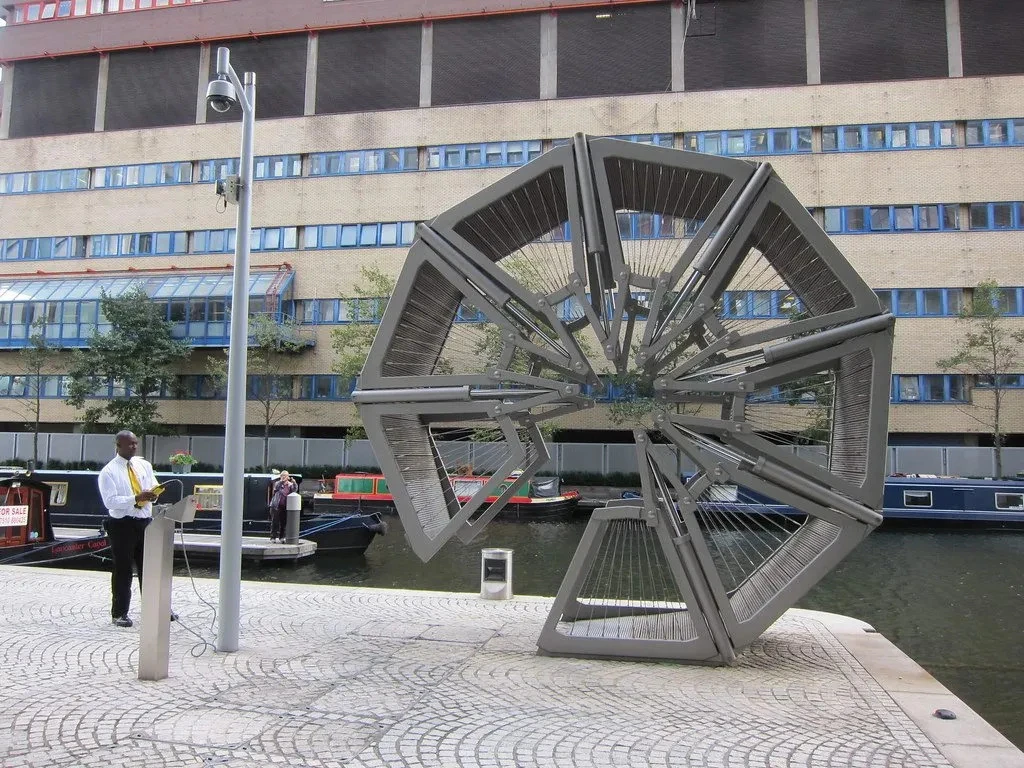
With its caterpillar-like curling form, the Rolling Bridge, designed by Thomas Heatherwick, stands as one of the world’s most unusual bridge designs. The bridge spans a branch of the main canal in London’s Paddington Basin. Unlike most drawbridges that break apart to allow boats to pass, the Rolling Bridge transforms itself by mutating rather than breaking, thanks to its smooth mechanism. This 12-meter-long pedestrian bridge opens from a single solid platform, transforming into a circular structure on the canal bank.
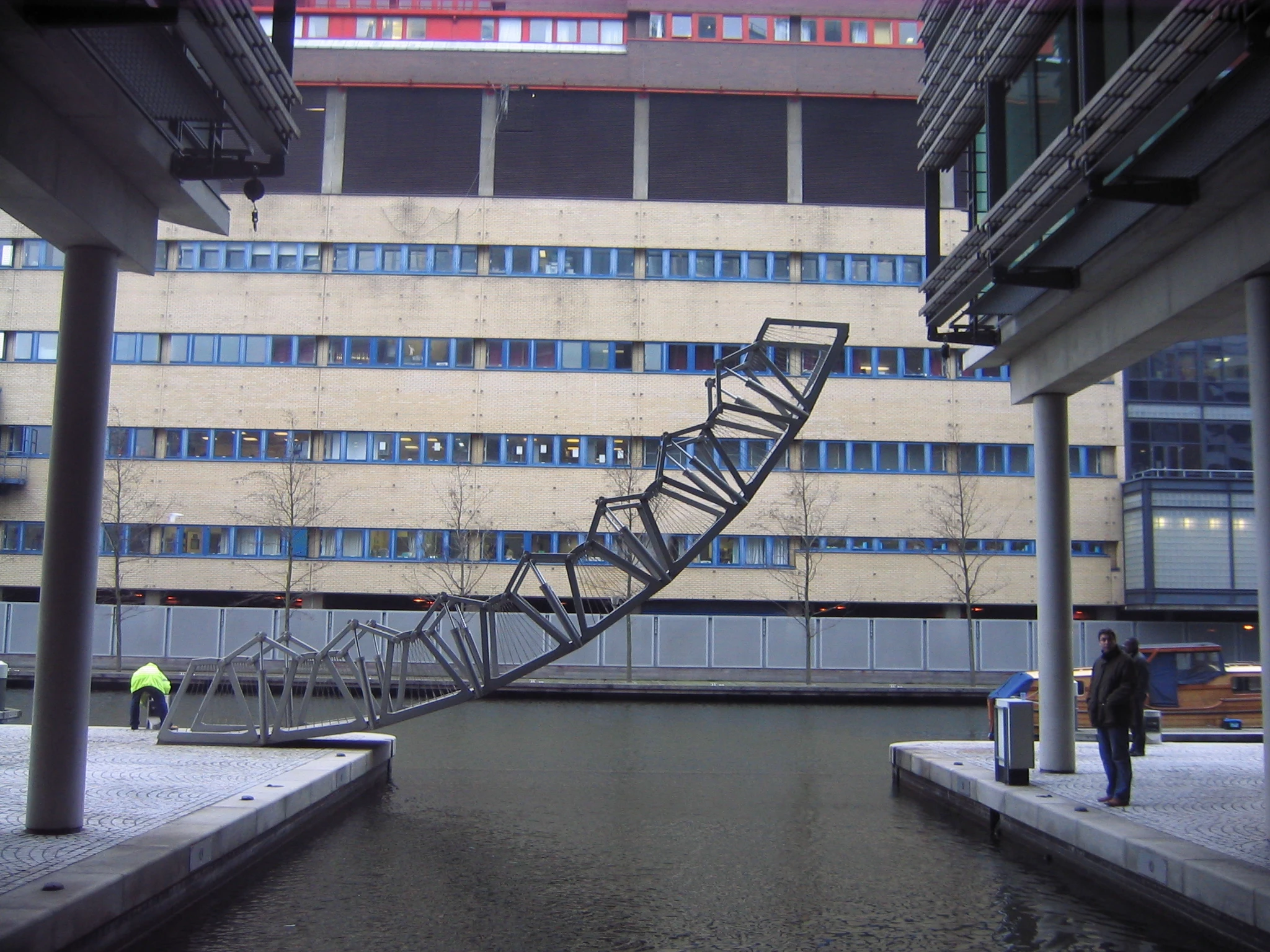
Inspired by the flowing, curving tails of Jurassic Park’s animatronic dinosaurs, the bridge is designed to become a simple, self-sufficient, independent sculptural object, anchored solely to the shore and leaving nothing behind on the other side. The steel mechanism operates using hydraulic fluid, resulting in minimal noise. Composed of eight steel sections, the bridge’s dark wood decking adds warmth to the structure while also providing a soft platform for pedestrians.
3. Gateshead Millennium Bridge
Location: Gateshead, UK
Architect: Wilkinson Eyre
Year: 2001
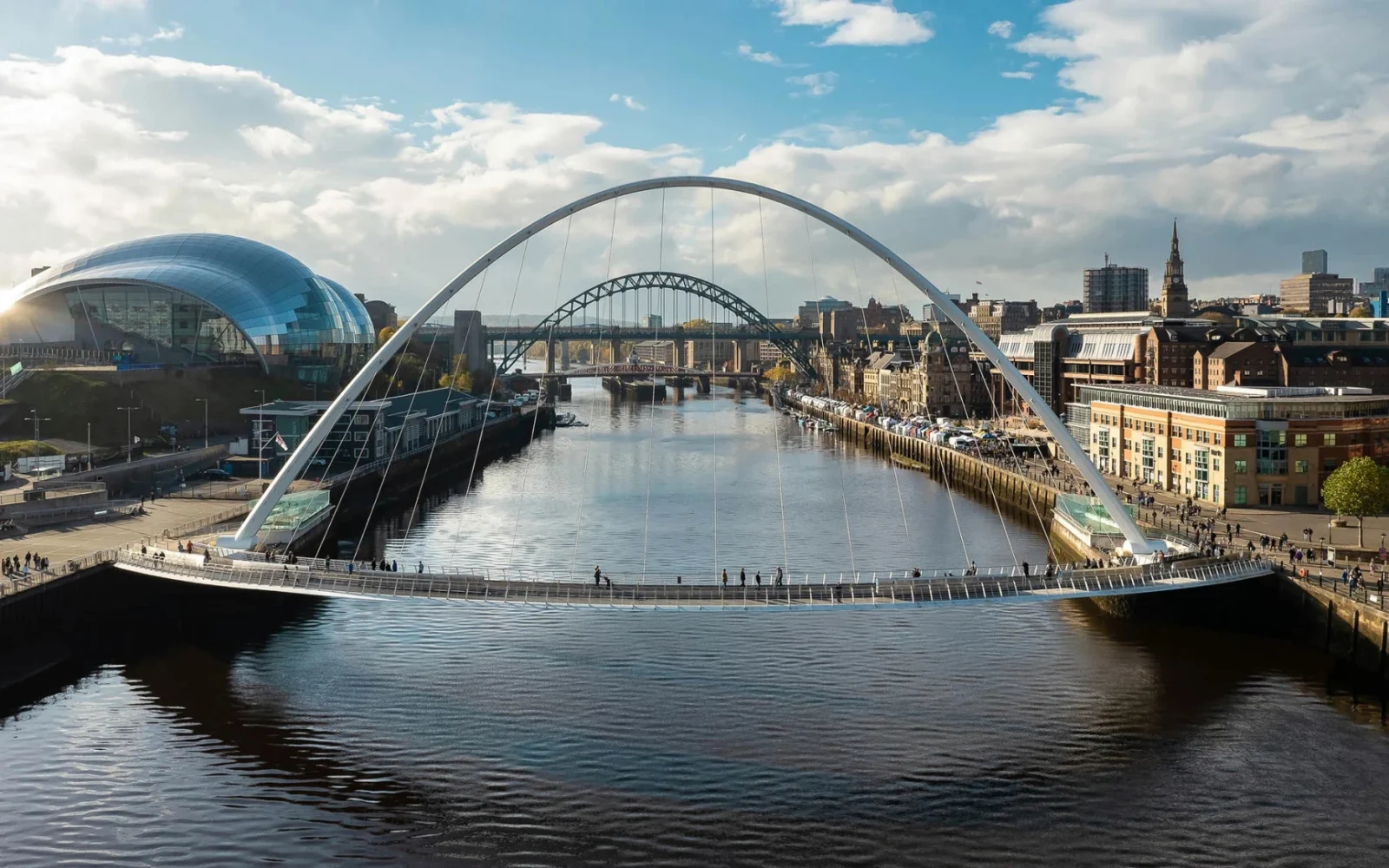
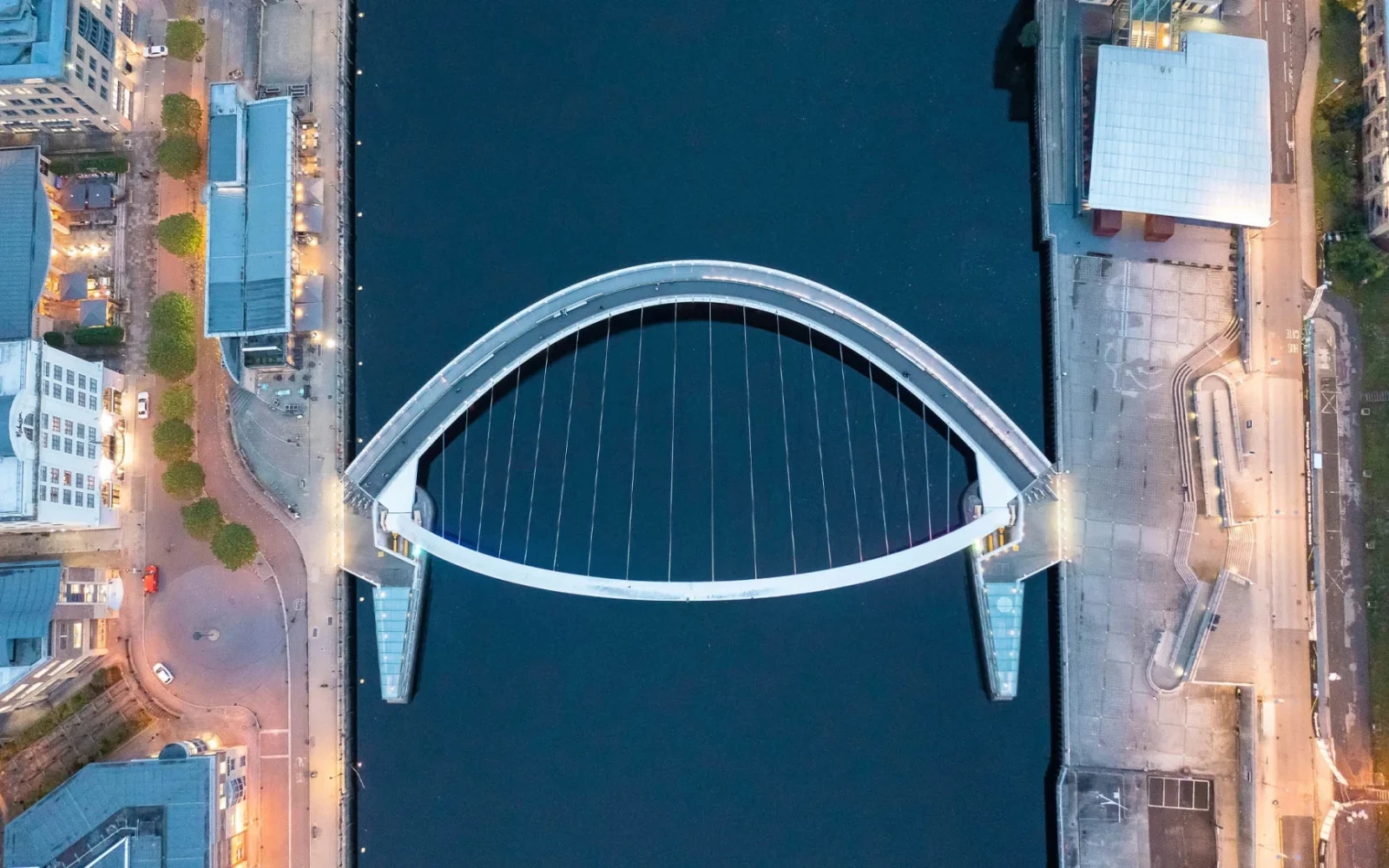
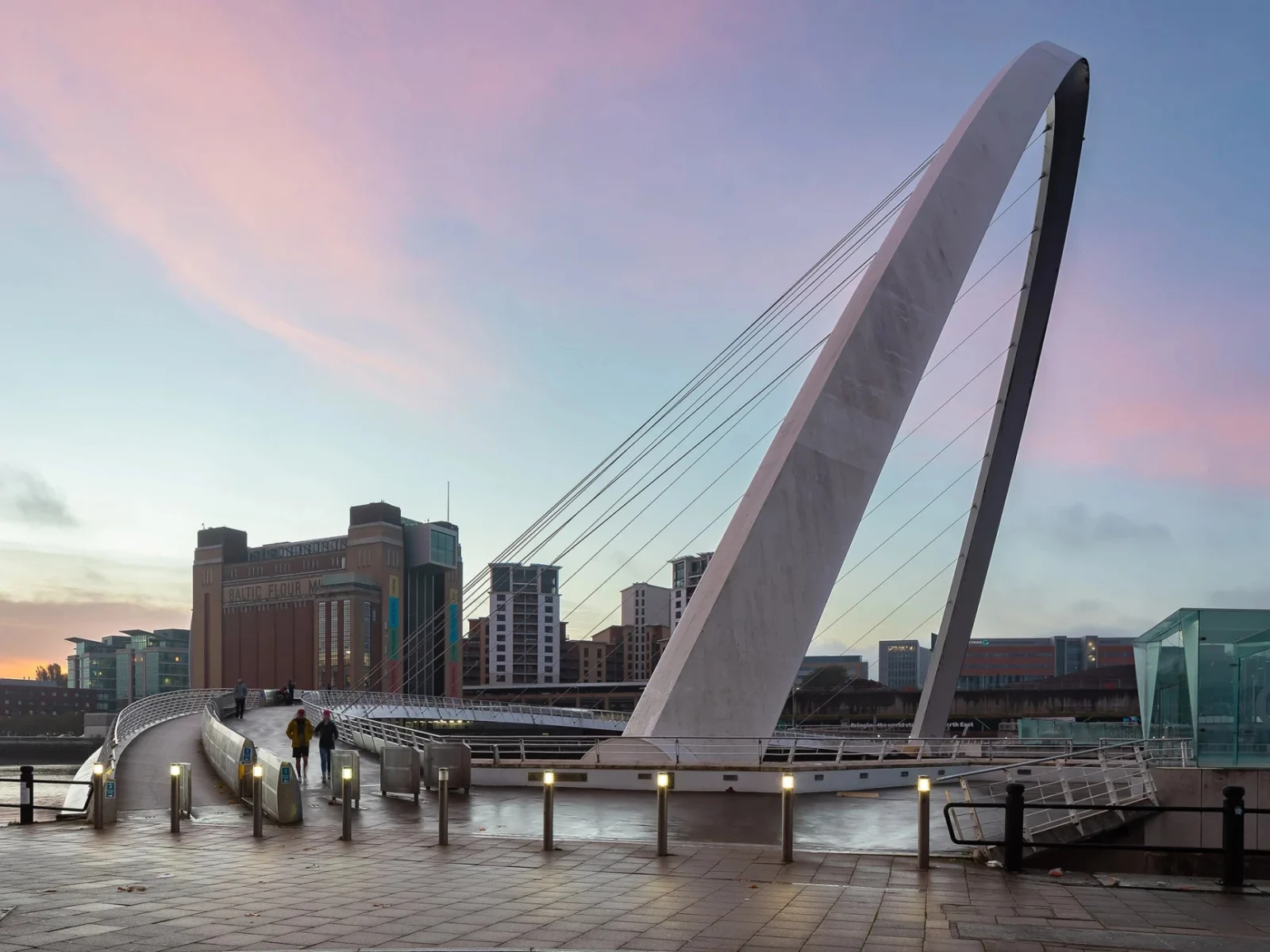
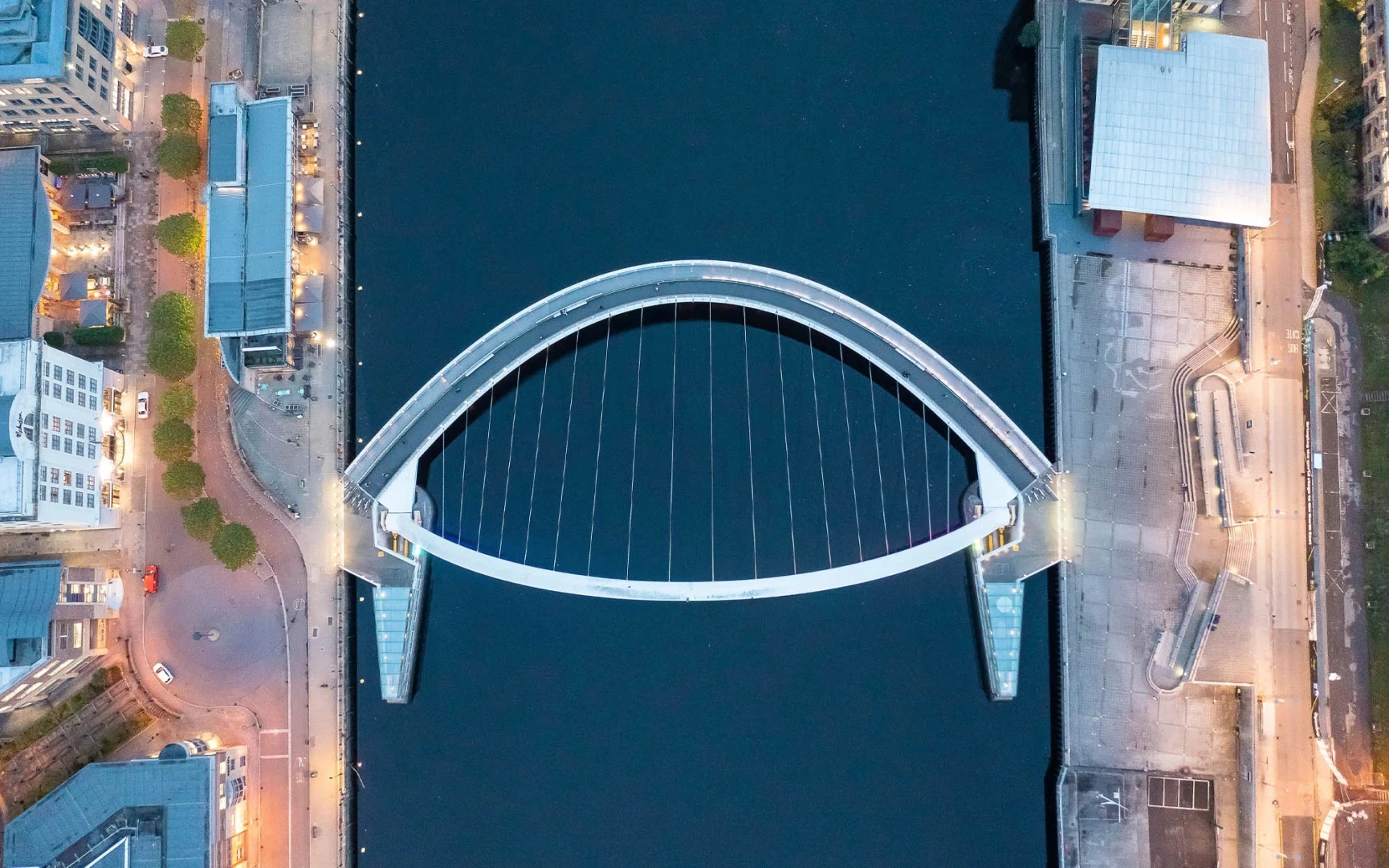
Winner of the 2002 RIBA Stirling Prize, the Gateshead Millennium Bridge is an unconventional pedestrian and cycle bridge. As the world’s first tilting bridge, it spans the River Tyne, a river long celebrated for its historic bridges. Connecting the burgeoning north bank of Newcastle with the new arts and culture district of Gateshead Quays to the south, the bridge consists of two steel arches: a deck that serves as a pedestrian and bicycle path and a supporting arch.
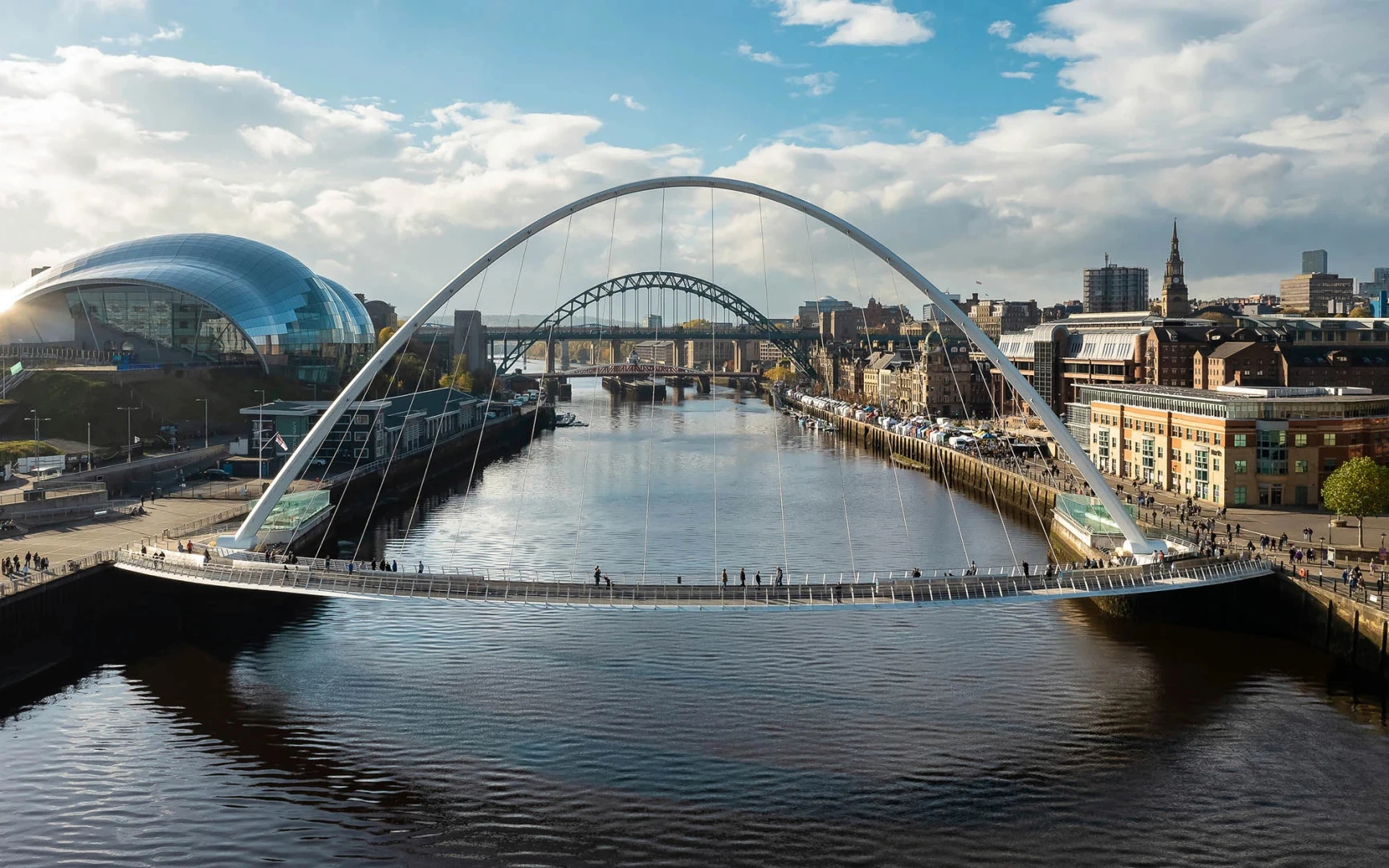
The Gateshead Millennium Bridge employs an innovative rotational movement, opening slowly like a blinking eyelid by rotating around its pivot point to allow ships to pass beneath. Parabolic curves on the deck extend the 105-meter crossing distance to approximately 120 meters, providing ample additional length to ensure the necessary clearance above the water.
4. Merchant Square Footbridge
Location: London, UK
Architect: Knight Architect
Year: 2014
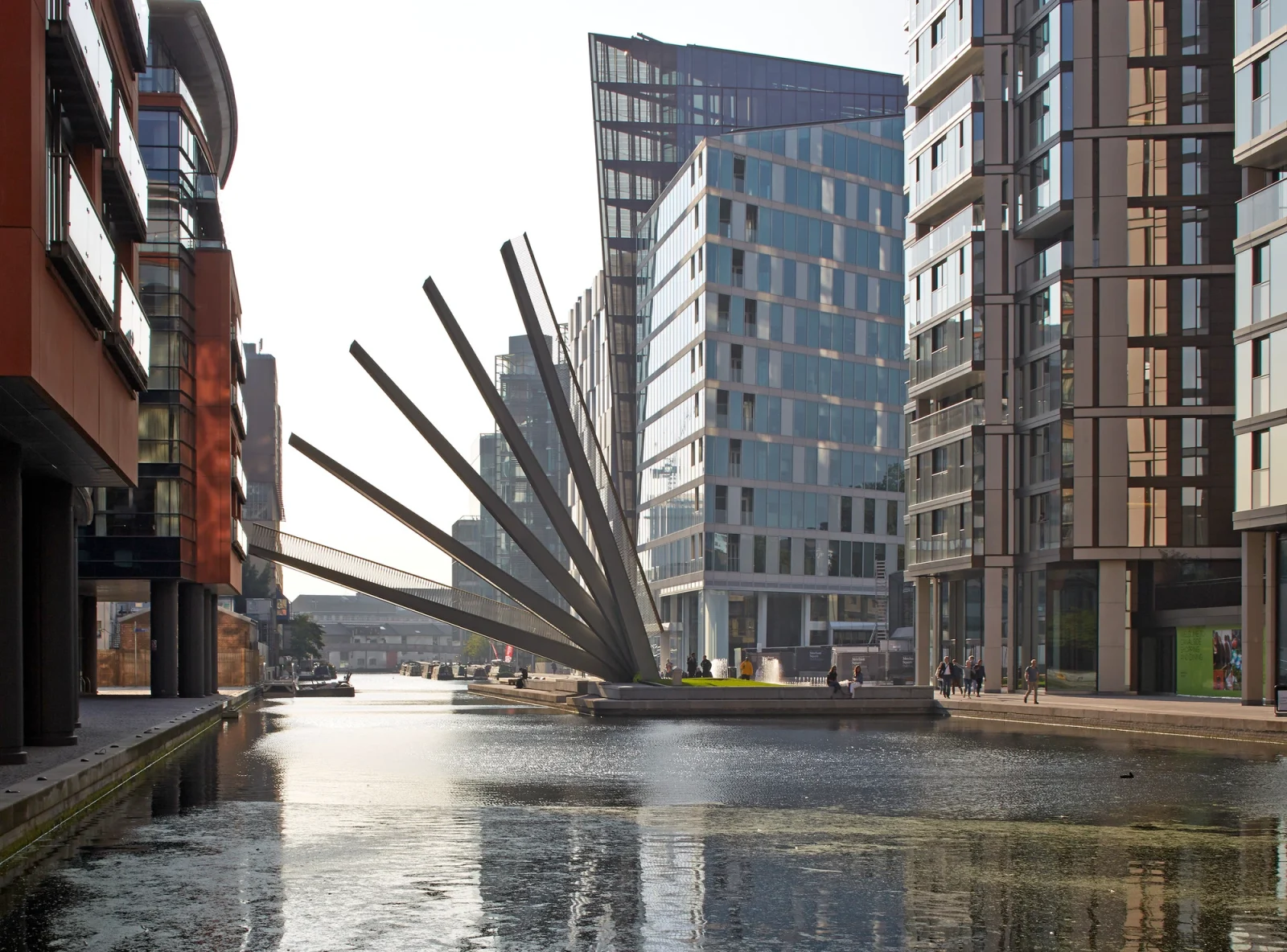
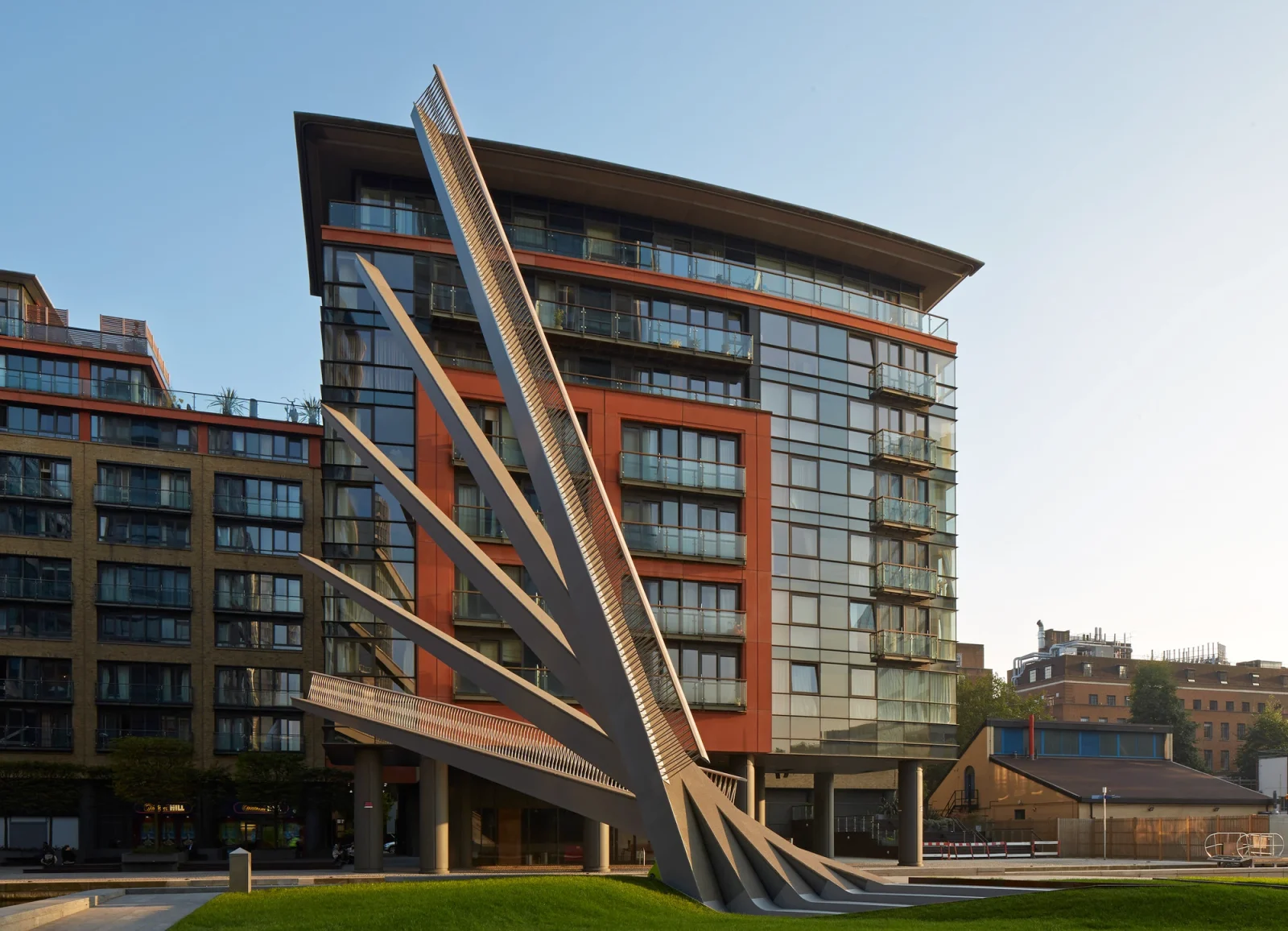
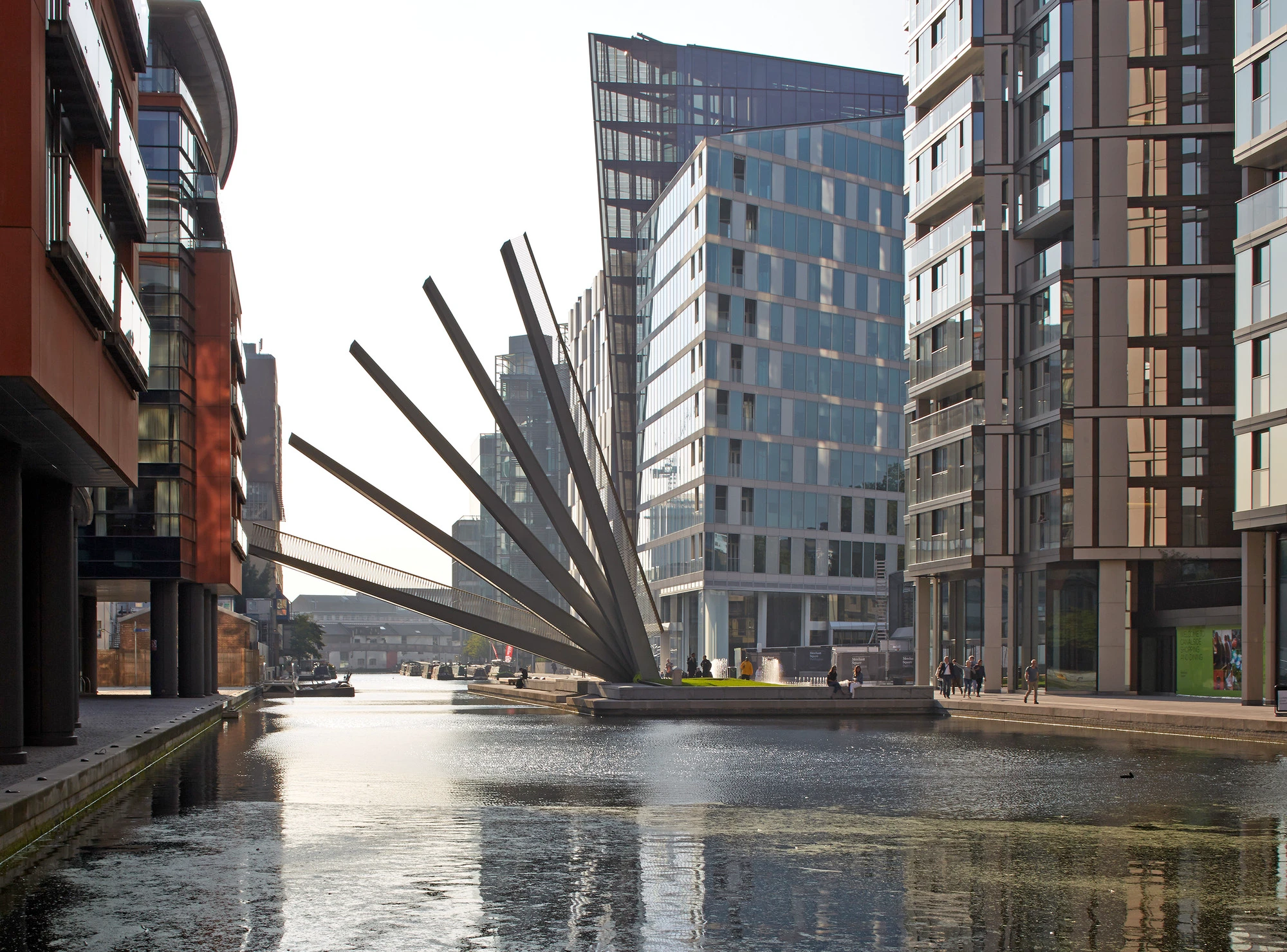
Designed by Knight Architects with the motto “making the simple extraordinary,” the Merchant Square Footbridge is one of the world’s most unusual bridge designs. Located in the heart of Merchant Square, this movable pedestrian bridge stretches 20 meters across the Grand Union Canal and is raised using hydraulic jacks with a movement similar to a traditional Japanese hand fan.
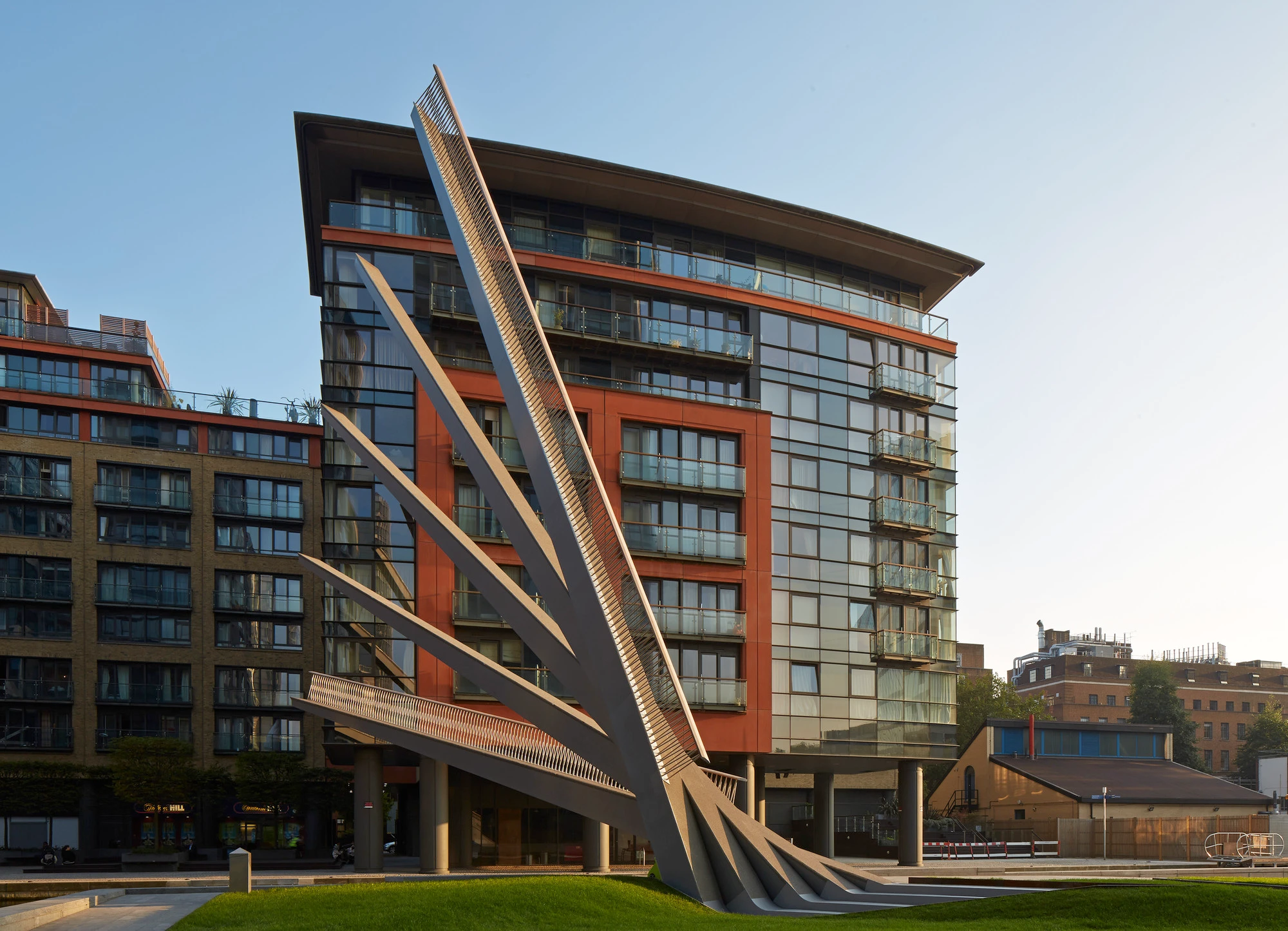
The bridge deck is formed by five steel beams that open sequentially: the first rises to a 70-degree angle, while the final beam provides the required clearance at the center of the canal, reaching 2.5 meters in height and 5.5 meters in width. The railings, designed in double rows of angled stainless steel rods, overlap to create a highly transparent structure. Low-energy LED spotlights on the railings provide homogeneous functional lighting for the bridge’s walking surface.
5. Cody Dock Rolling Bridge
Location: London, UK
Architect: Thomas Randall
Year: 2022
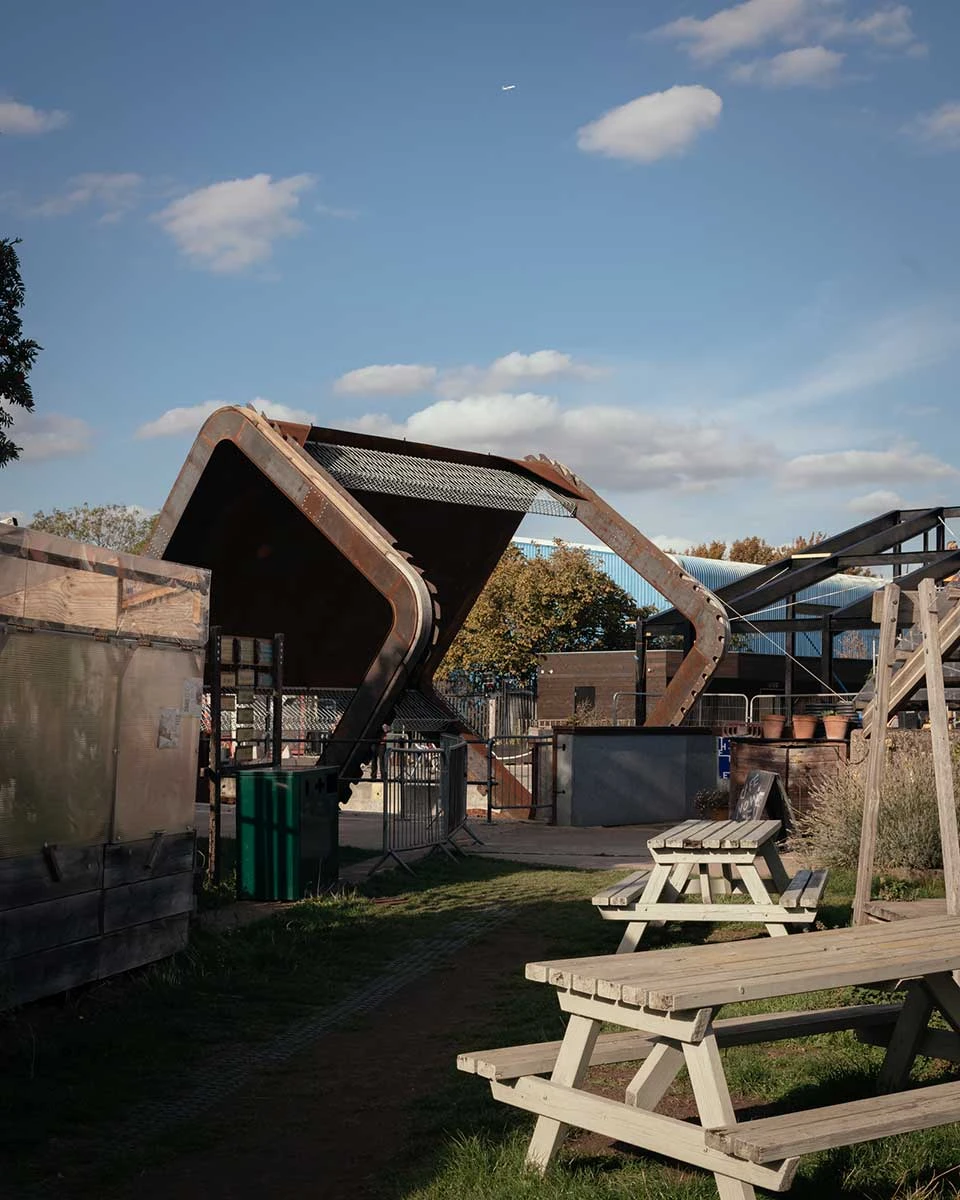
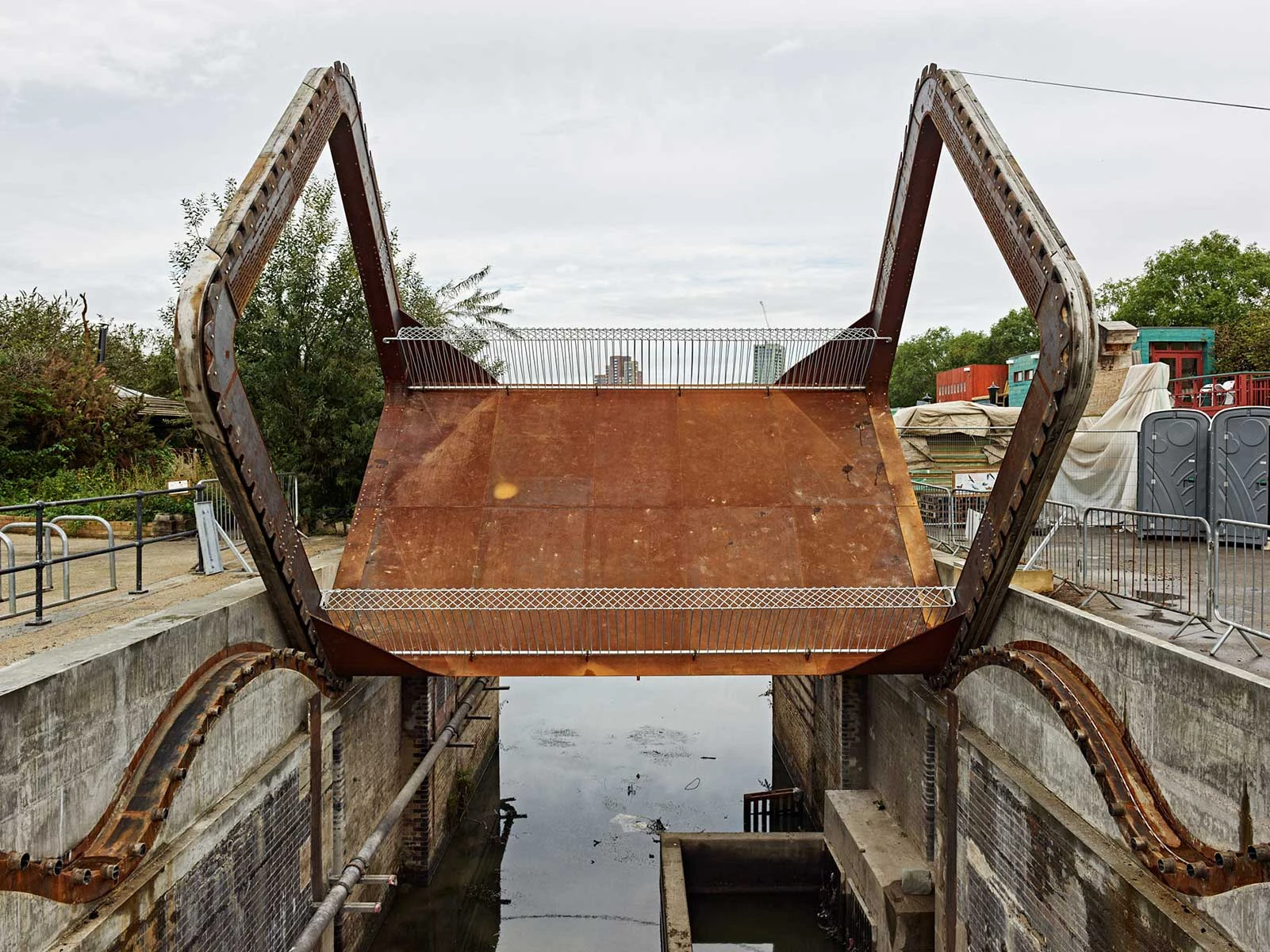
Once neglected and fragmented, the Cody Dock area along the banks of the River Lea underwent a remarkable transformation as part of the regeneration triggered by the 2012 London Olympic Games. At the heart of this rebirth is the Cody Dock Rolling Bridge, which not only closes the physical gap at the dock but also connects communities and fosters a renewed appreciation for waterways. Operated by a hand-cranked crane with an ingenious counterbalance system, the bridge rolls down into the canal it passes through.
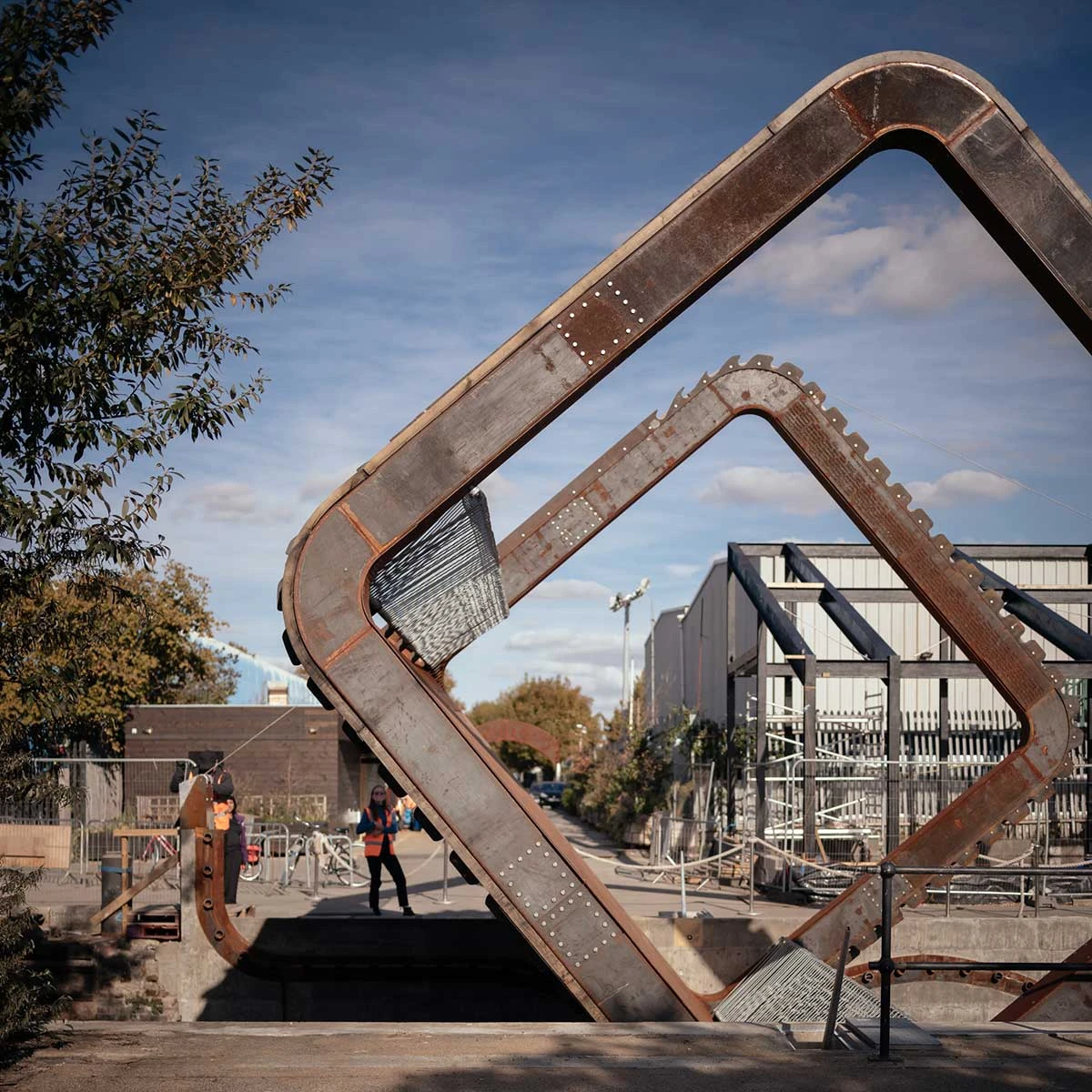
Featuring an unusual design that rolls toward the canal it crosses, the bridge moves along cast-in concrete tracks supported on both banks. The upper portion of each square portal frame is filled with ballast, counterbalancing the weight of the bridge deck that spans between them. This symmetry allows the entire structure to rotate smoothly through 180 degrees into a fully inverted position, enabling boats to move freely between the river and the dock.
6. Slauerhoffbrug Flying Drawbridge
Location: Slaurhoffbrug, Leeuwarden, Netherlands
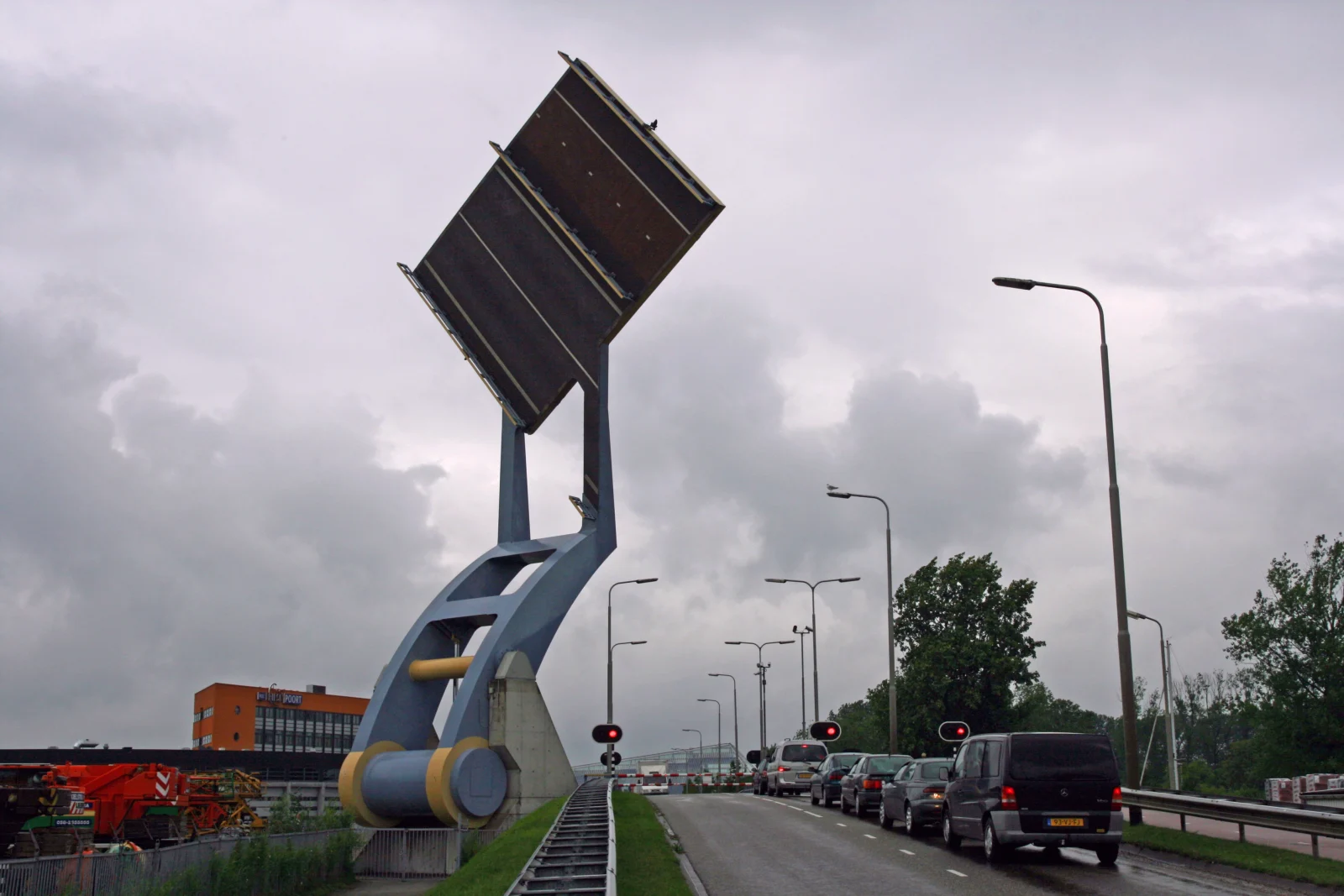
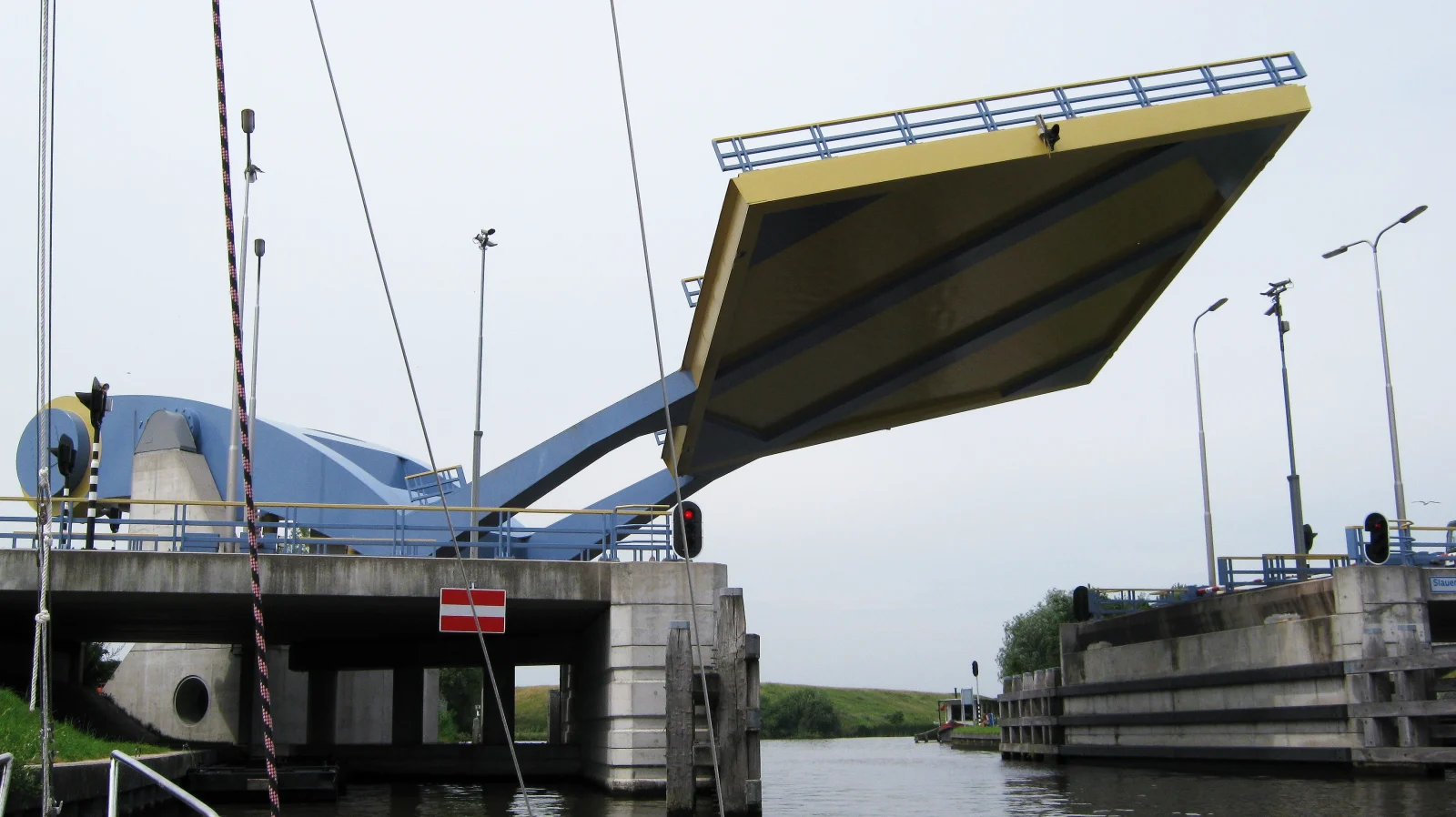
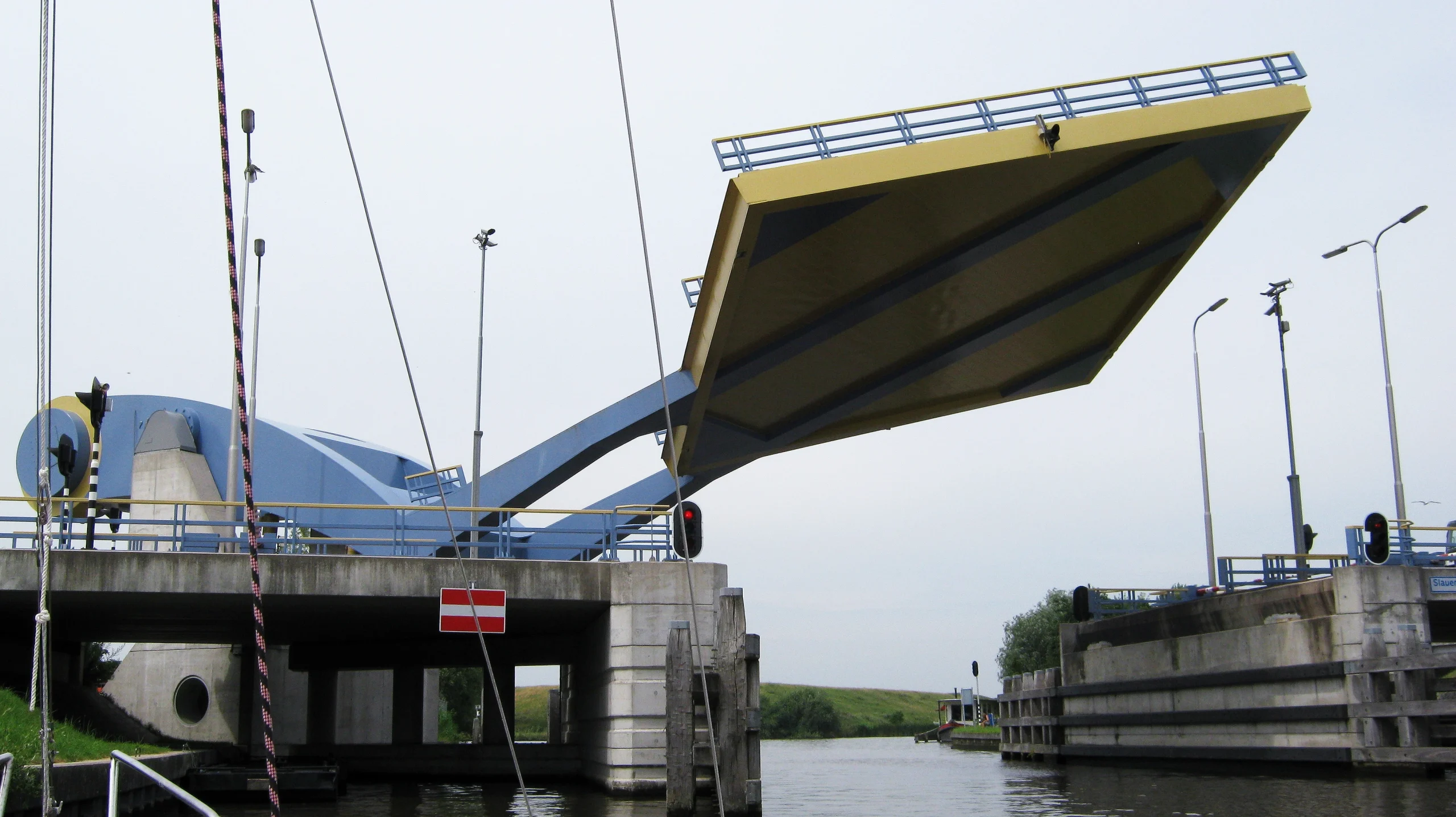
Also known as the “Tail Bridge,” the Slauerhoffbrug Flying Drawbridge is one of the world’s most unusual bridge designs. Allowing for the rapid passage of water traffic, the bridge uses two arms to move a section of the road in and out, temporarily halting road and bicycle traffic. As sailing vessels pass through, a massive, multi-story mast lifts a 2,500-square-meter section of the road into the sky. After the boat passes, the road is automatically compressed back into the waiting gap. This unique process, opening and closing approximately 10 times a day, takes about three minutes.
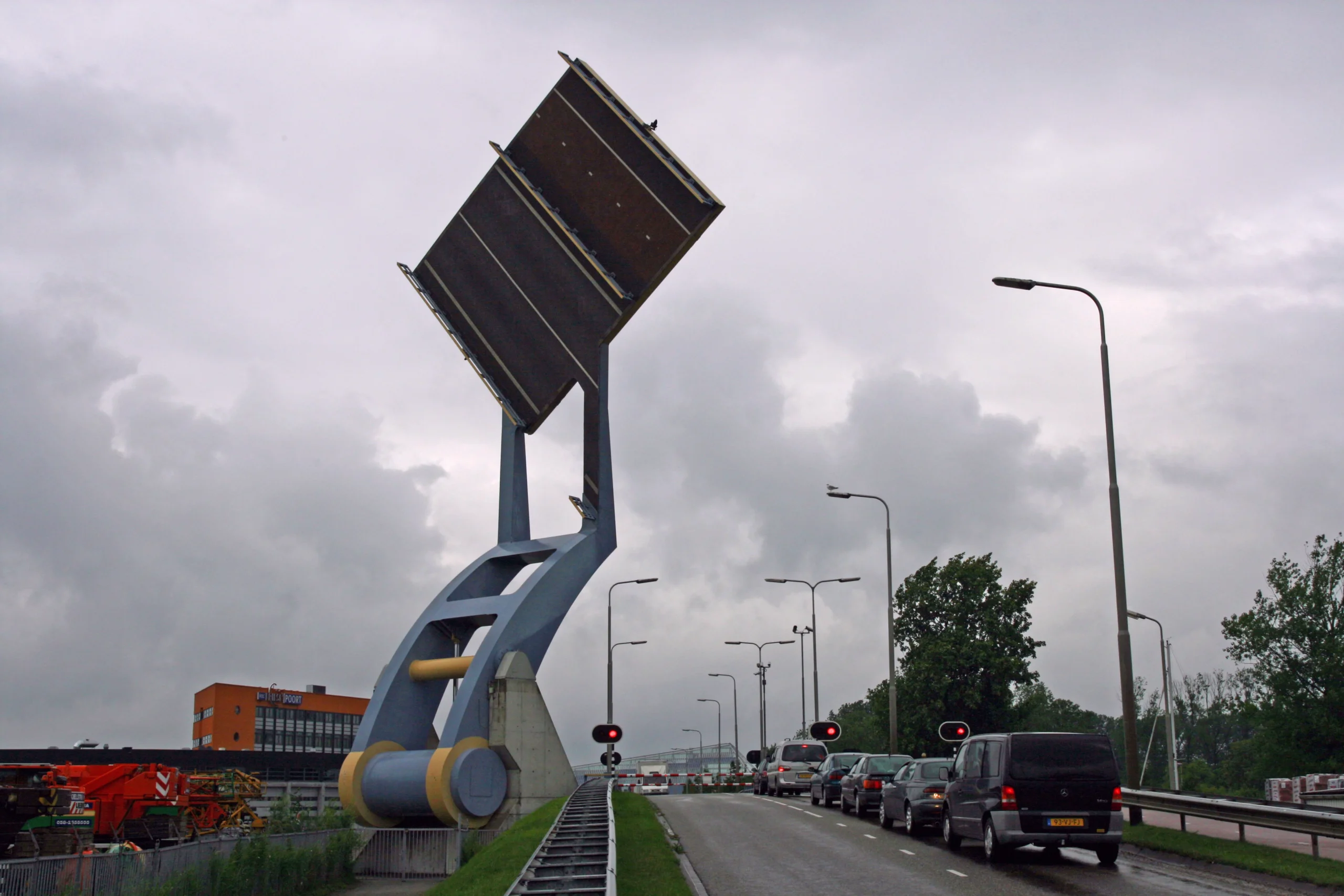
Beyond its unconventional mechanics, the Flying Drawbridge also functions as a symbolic work of art. It is named after the writer and poet J. Slauerhoff and is painted in blue and yellow, the colors of Leeuwarden’s coat of arms and flag.
7. Ailo/Mur Island Bridge
Location: Graz, Austria
Architect: Vito Acconci
Year: 2003
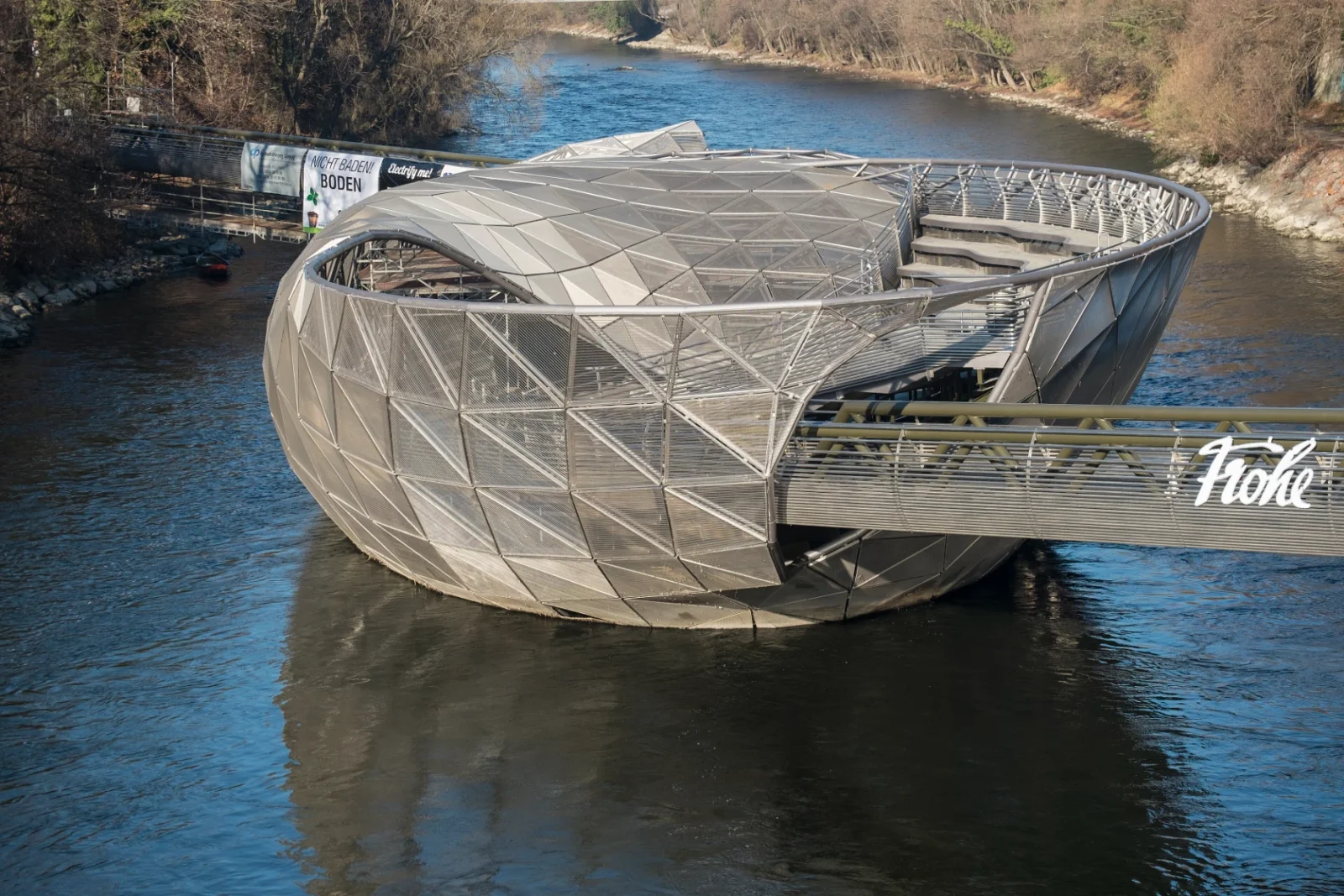
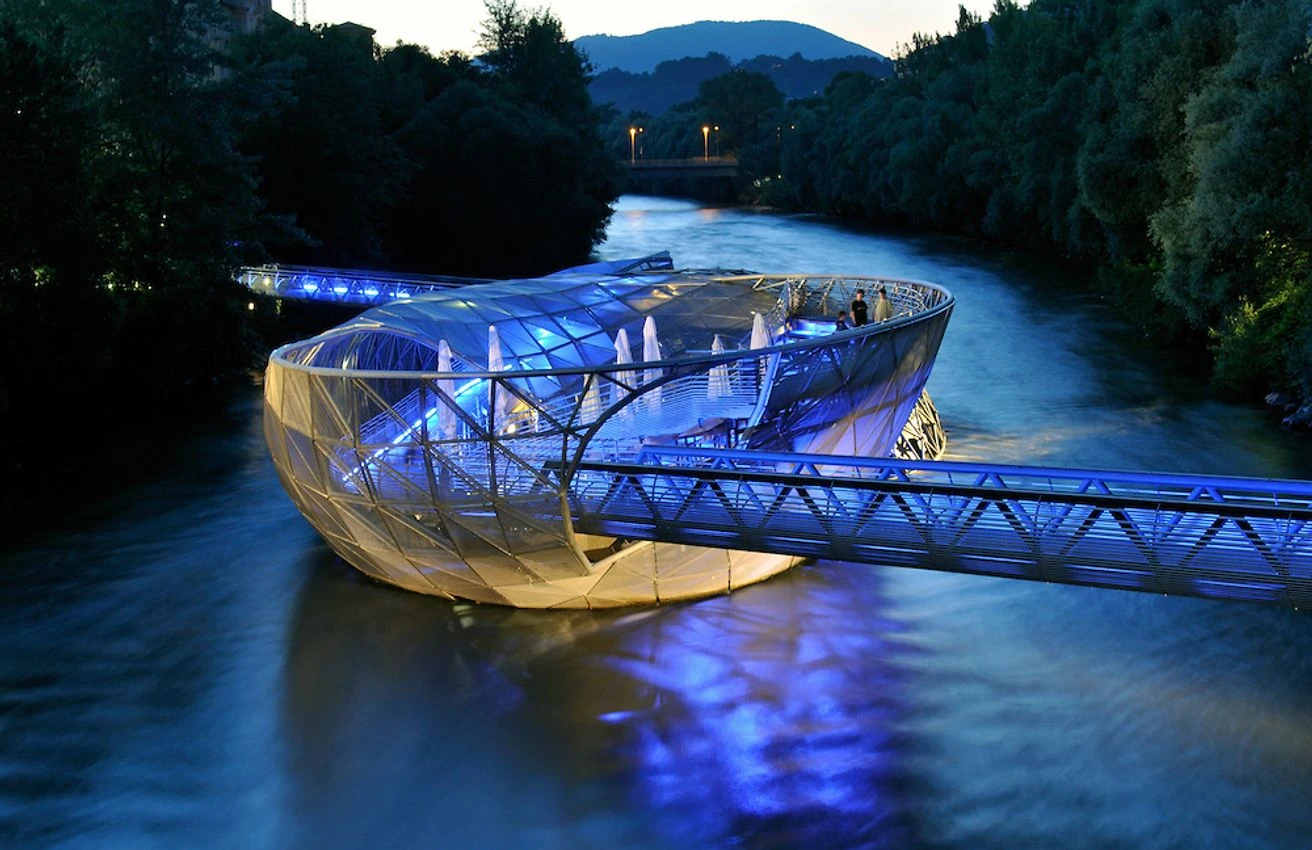
Designed as a temporary structure for Graz, selected as the European Capital of Culture in 2003, the Mur Island Bridge became a popular landmark due to its unconventional design and was ultimately realized as a permanent structure. Built on an artificial island, this pedestrian bridge not only fulfills the requirements of a pedestrian bridge but also offers various services and accommodation options. Composed of two intertwined spirals, the bridge houses a café and a small amphitheater. At the point where the two circular areas meet, there is a children’s play area with a kind of zip line simulator.
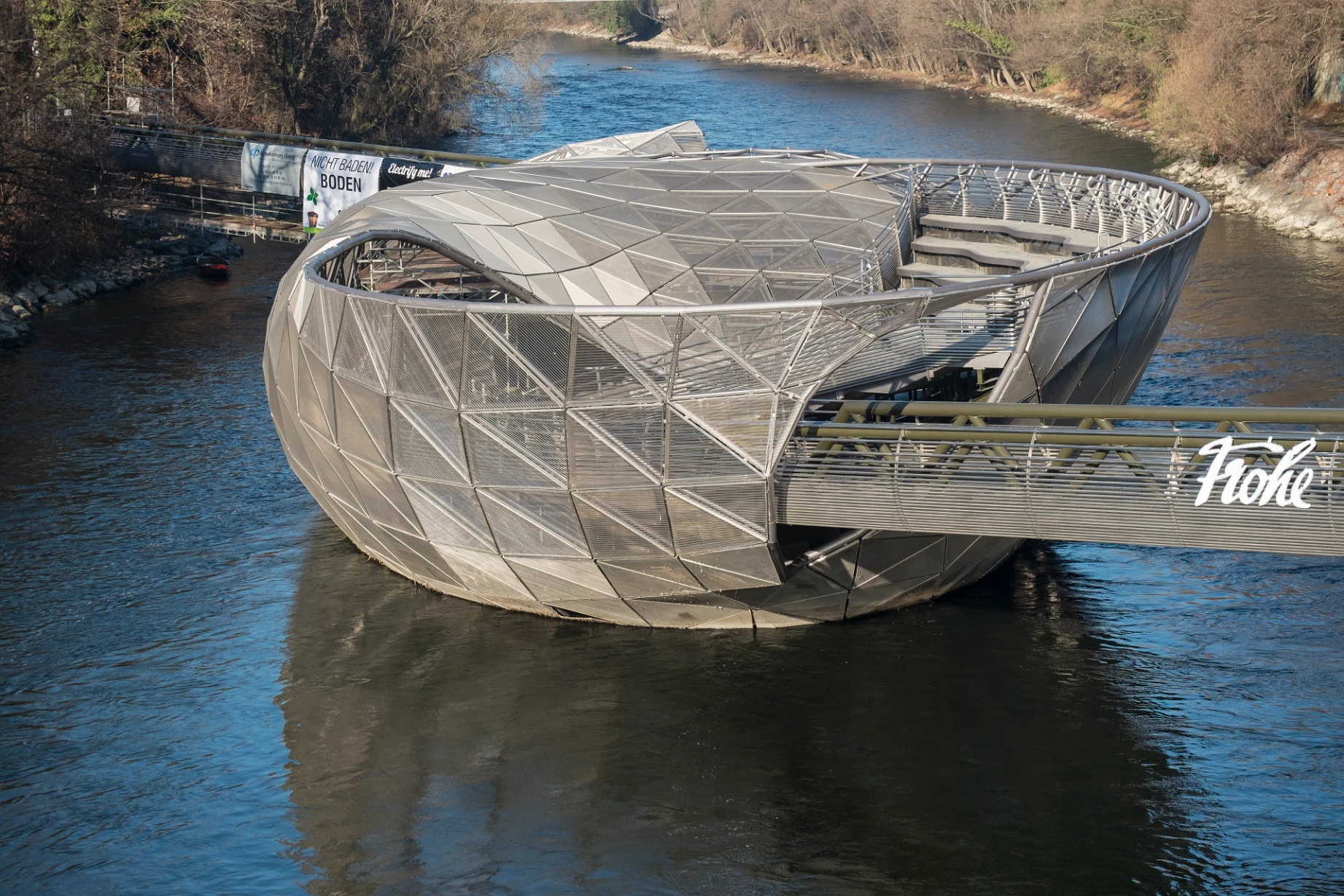
Defined by a lattice shell that twists continuously through space like a Möbius strip, the structure is dominated by glass and stainless steel. The bridge rests on a platform supported by two concealed piers, giving the impression of a floating form. The transparent materials chosen for the construction of Mur Island Bridge emphasize the absence of boundaries between visitors and the water, creating the feeling of sitting inside an air bubble ready to detach.
Explore Courses
.jpg%202.jpg "Building Performance with Forma & Opossum")
.jpg "Ondrej Chybik - Rethinking Architecture")