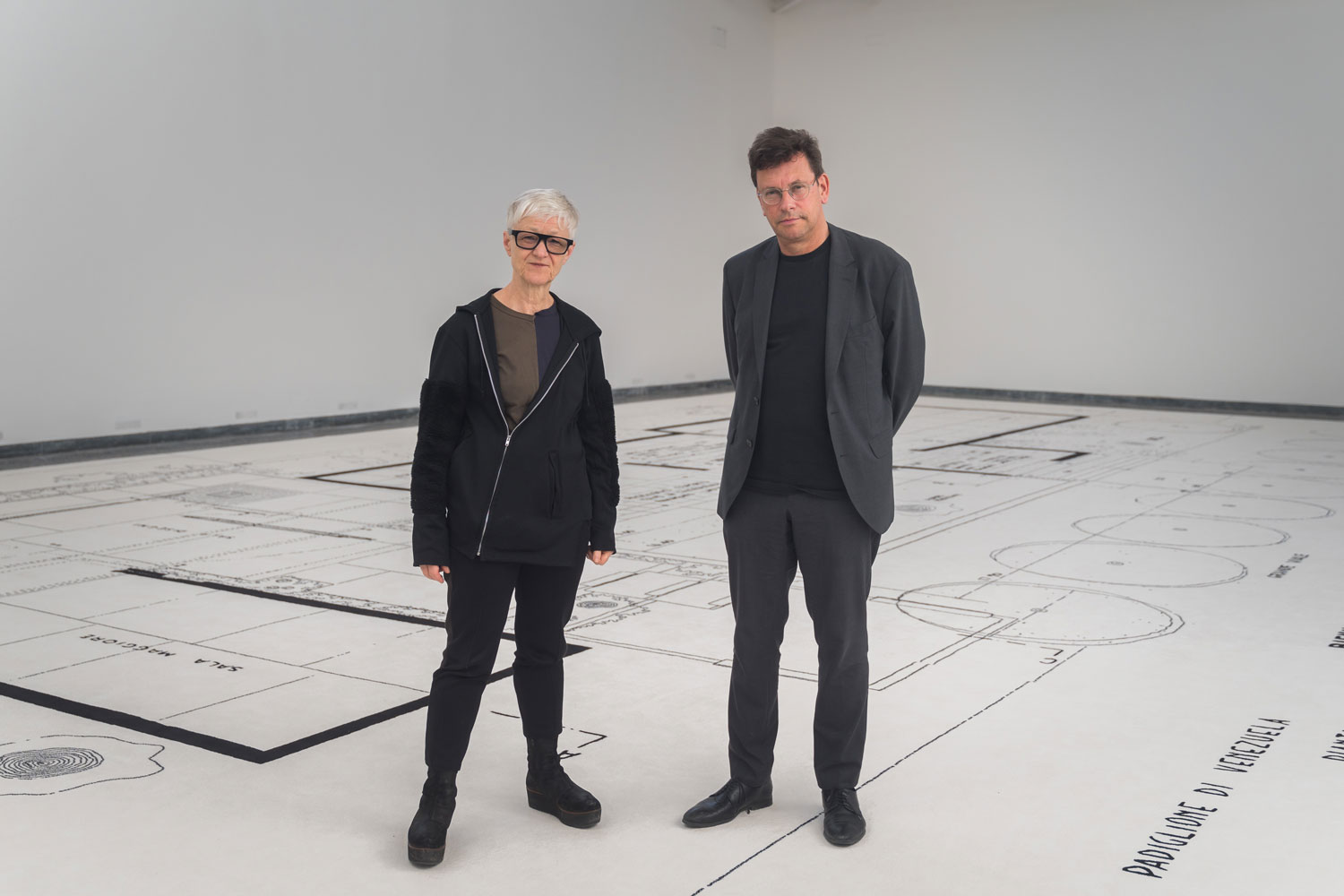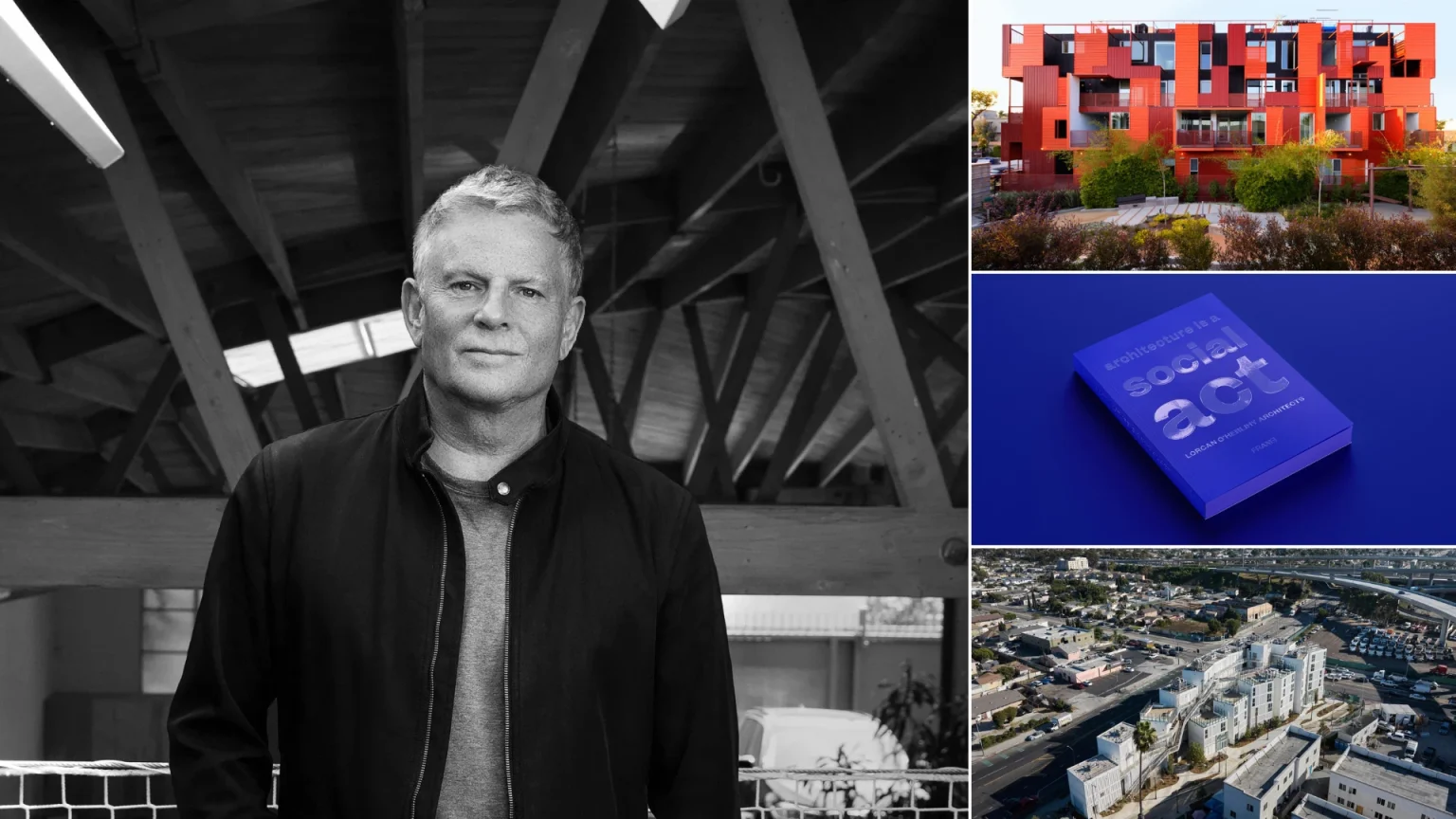






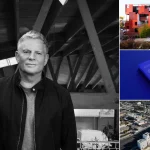






The architecture community is mourning the loss of architect, educator, and urban thinker Lorcan O’Herlihy, who died at the age of 66 on June 14. The Los Angeles-based architect, best known as the founding principal of LOHA (Lorcan O’Herlihy Architects), passed away following a battle with glioblastoma, according to reports published by architectural media outlets and confirmed by the firm.
For more than three decades, O’Herlihy stood at the forefront of conversations around housing, density, affordability, and the social responsibilities of architecture. While many architects became known for iconic standalone buildings, O’Herlihy built his reputation through projects that addressed the realities of contemporary cities, particularly Los Angeles, where issues of housing access and urban growth have long shaped public debate.
The Early Career and Founding of LOHA by Lorcan O’Herlihy
Born in Dublin in 1959, O’Herlihy’s architectural journey crossed continents before ultimately becoming intertwined with Southern California. He studied architecture at California Polytechnic State University in San Luis Obispo and later earned a Master’s degree in History and Critical Thinking from the Architectural Association in London. Early in his career, he worked with internationally renowned firms, including those led by Kevin Roche, I.M. Pei, and Steven Holl, gaining experience on major projects such as the Louvre expansion in Paris.
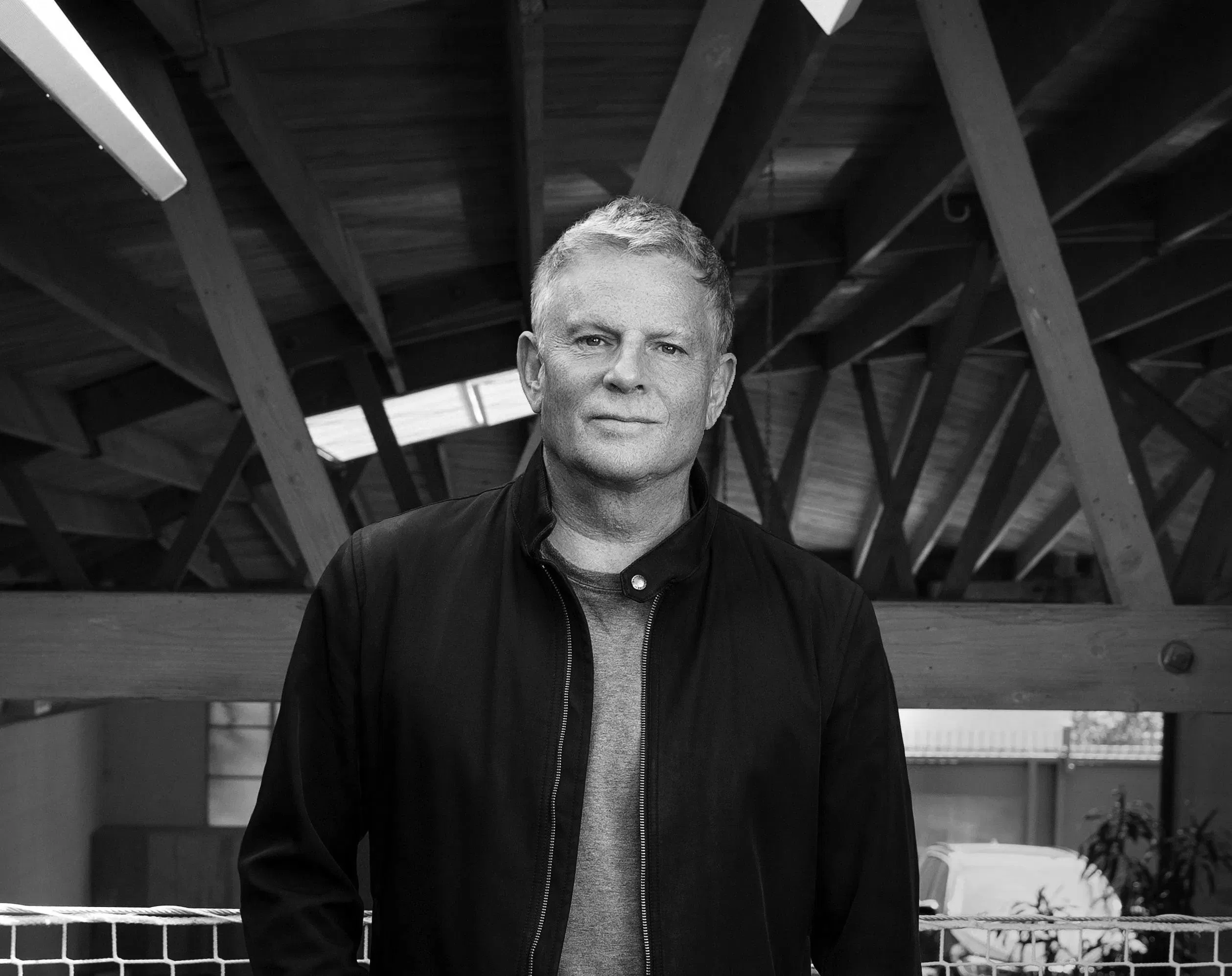
In 1994, he established LOHA in Los Angeles, a city that became both his laboratory and his canvas. At a time when housing design was often treated as a secondary architectural pursuit, O’Herlihy positioned it at the centre of his practice. Through multifamily housing, mixed-use developments, supportive housing, and urban interventions, LOHA challenged conventional residential typologies and explored how architecture could create stronger relationships between people, communities, and public space.
Lorcan O’Herlihy’s Enduring Architectural Legacy
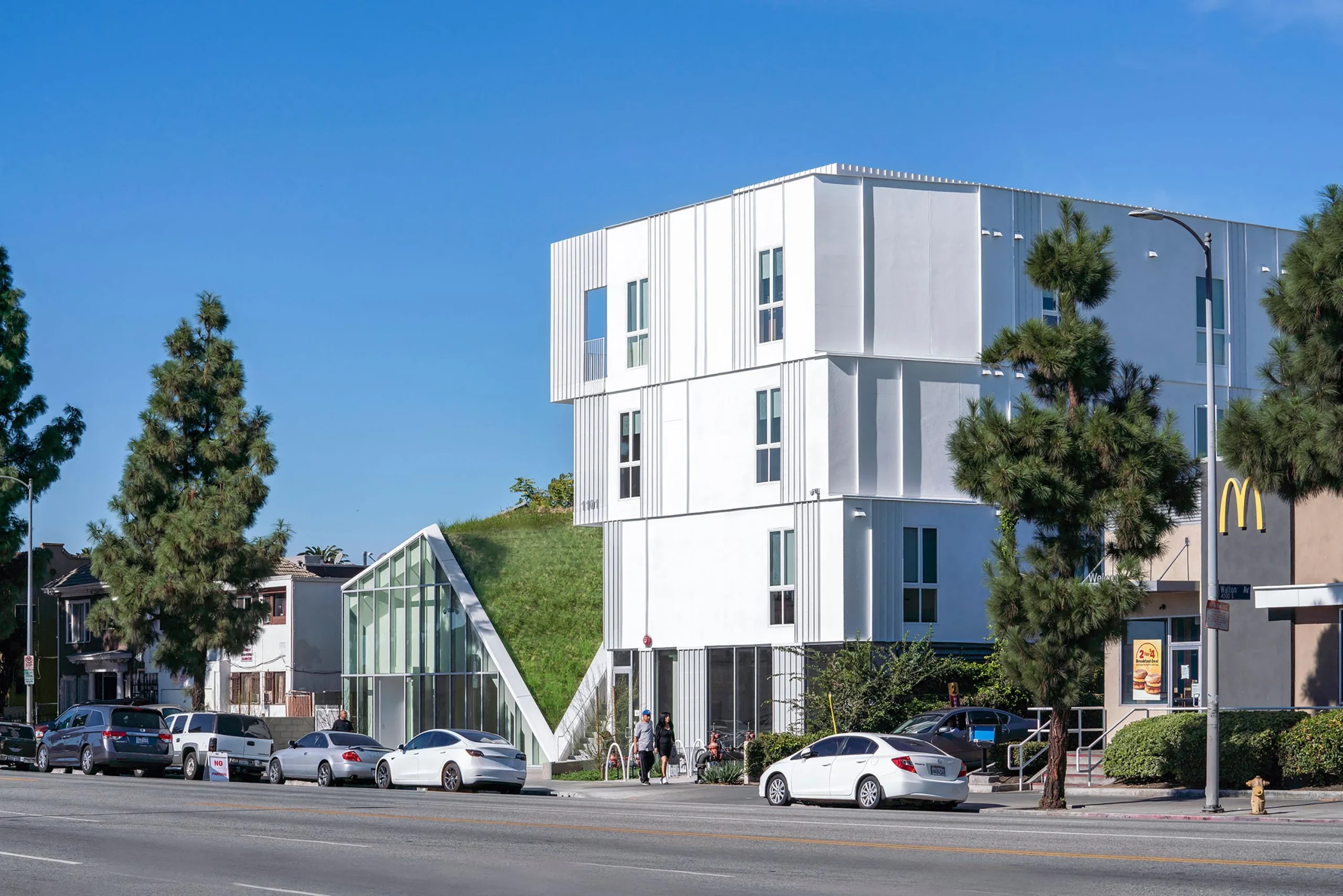
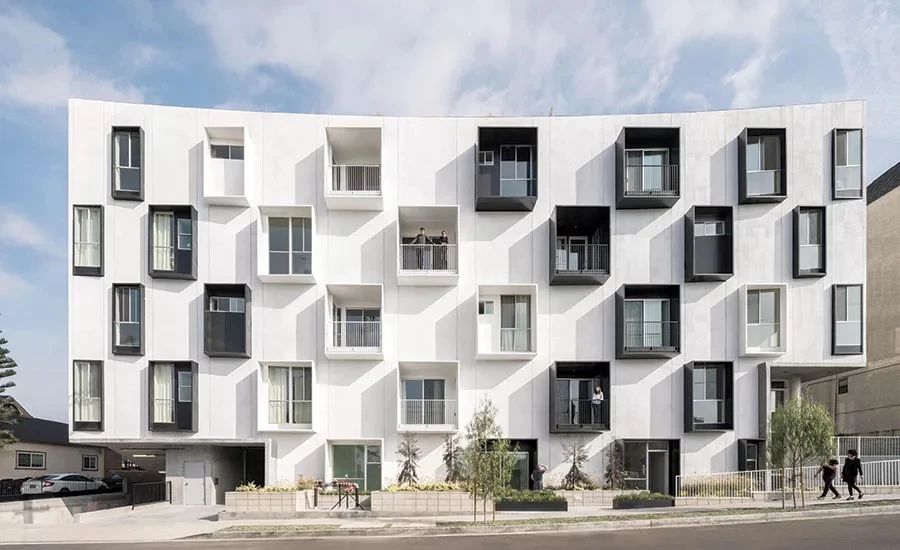
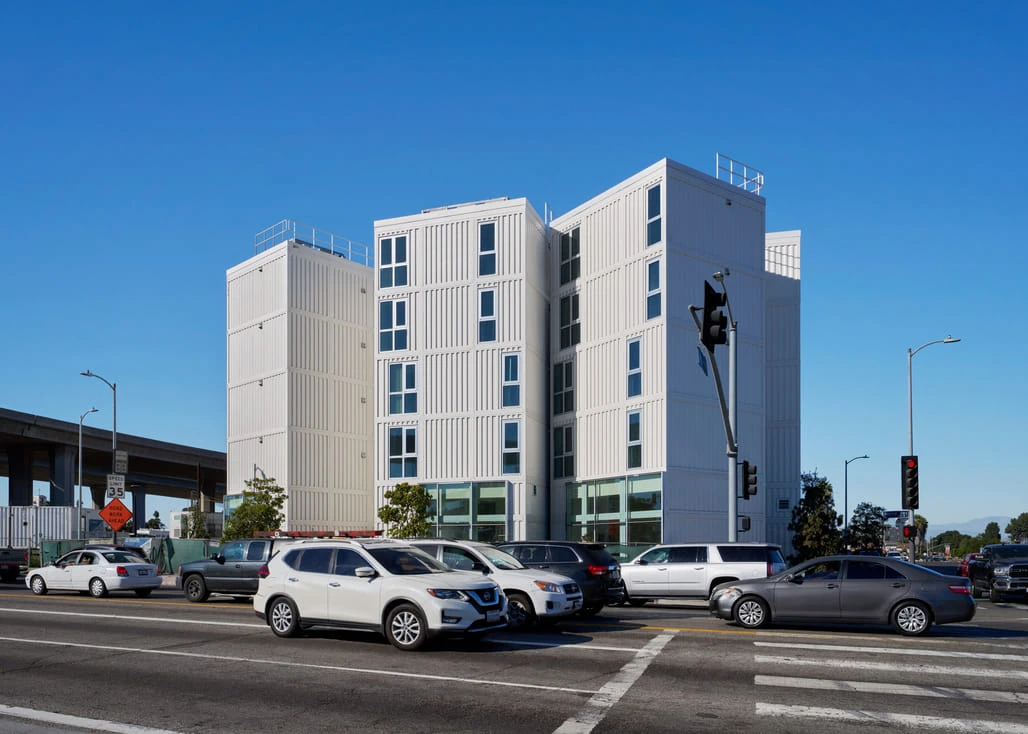
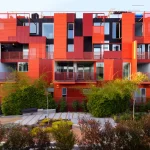
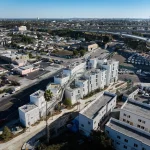
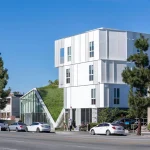
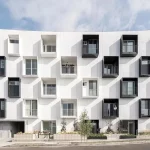
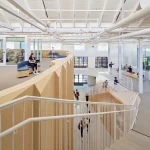
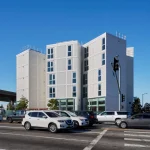
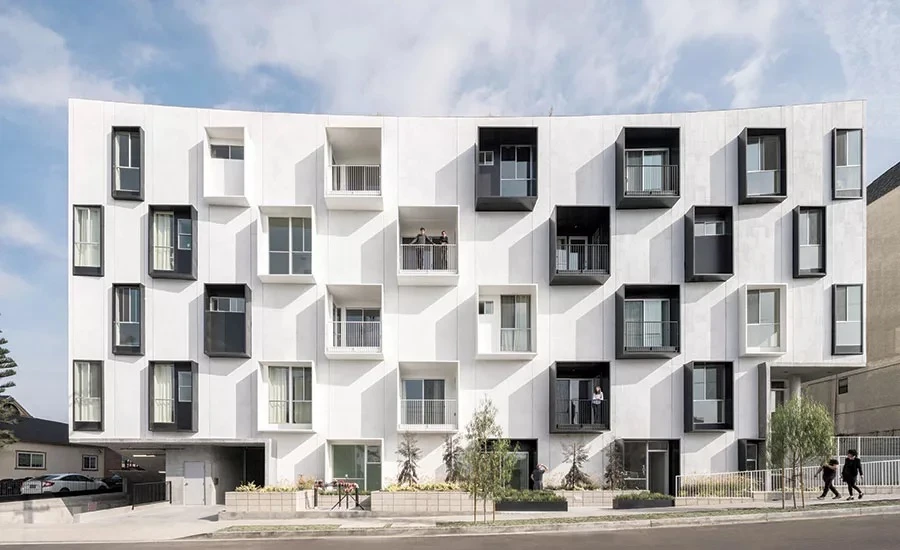
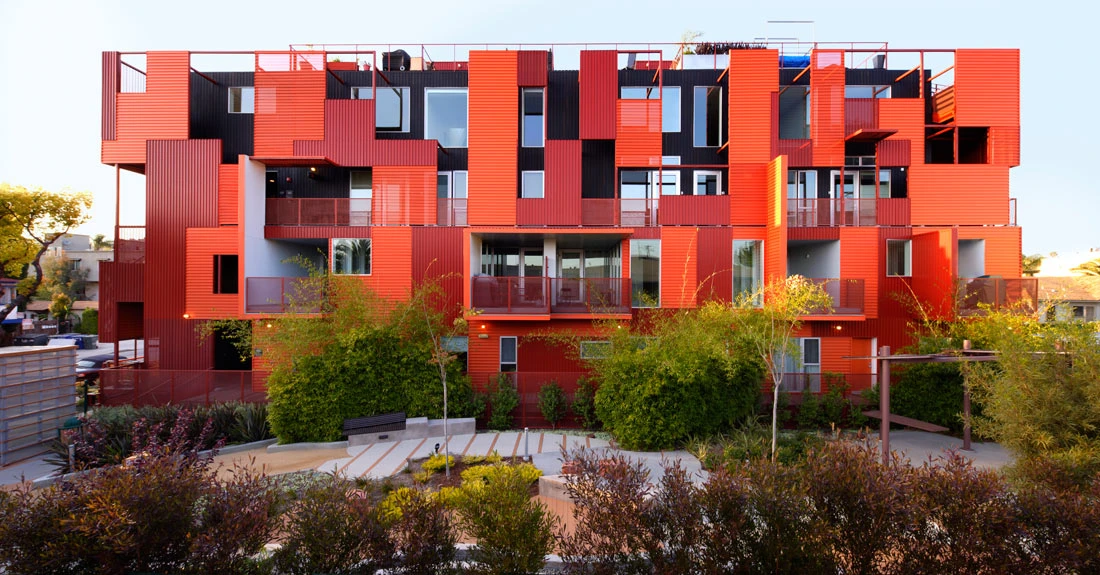
Projects such as Formosa1140, Habitat 825, Mariposa1038, MLK1101 Supportive Housing, and the award-winning Isla Intersections became defining examples of the firm’s approach. LOHA used courtyards, outdoor circulation routes, terraces, and shared communal spaces to encourage interaction and strengthen neighborhood connections. These projects helped establish a new architectural language for urban housing in Los Angeles, one that balanced social engagement with bold architectural expression.
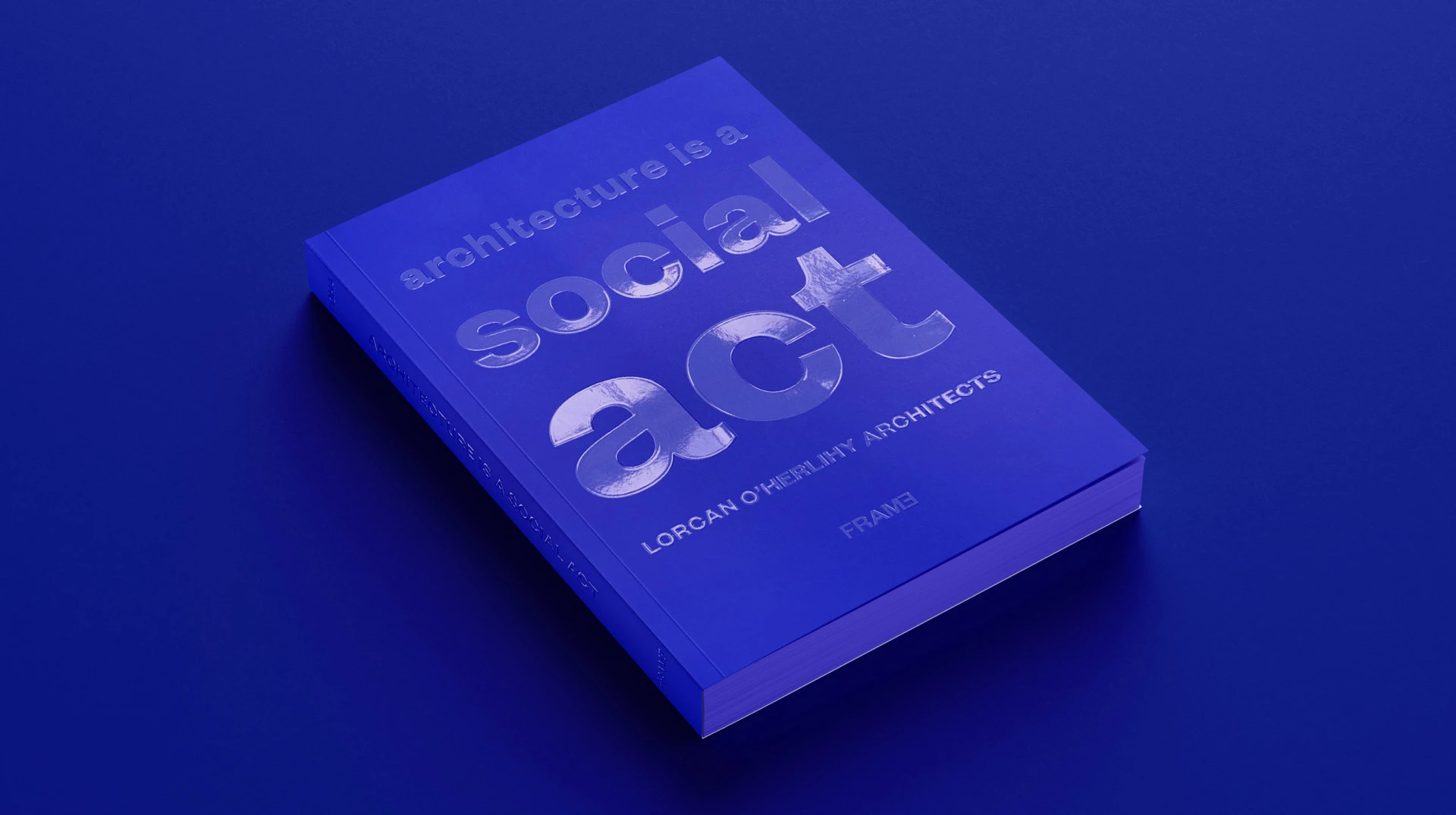
What distinguished O’Herlihy was his insistence that architecture was never an isolated artistic exercise. Throughout his career, he argued that buildings operate within political, economic, environmental, and social systems. This philosophy became the foundation of LOHA’s work and later informed his influential book Architecture Is a Social Act, which articulated his belief that architects have a responsibility to contribute to society through meaningful and consequential design.
Beyond California, LOHA expanded its reach internationally and established a second office in Detroit in 2016. The move reflected O’Herlihy’s interest in cities transforming. In Detroit, the firm became involved in neighborhood revitalization efforts, including projects in Brush Park and Milwaukee Junction, examining how architecture could respond to both urban decline and renewal.

His influence also extended far beyond professional practice. O’Herlihy taught and lectured at institutions including the Architectural Association, SCI-Arc, Columbia University, Carnegie Mellon University, Pratt Institute, Cranbrook Academy of Art, and the University of Southern California. Through teaching, writing, and public speaking, he shaped generations of architects who viewed design as a tool for addressing social challenges rather than merely producing visual statements.
Under O’Herlihy’s leadership, LOHA completed more than 100 projects across three continents and accumulated over 200 national and international awards. His honours included designation as an Emerging Voice by the Architectural League of New York, elevation to the College of Fellows of the American Institute of Architects, the AIA Los Angeles Gold Medal, and the AIA California Lifetime Achievement Award.
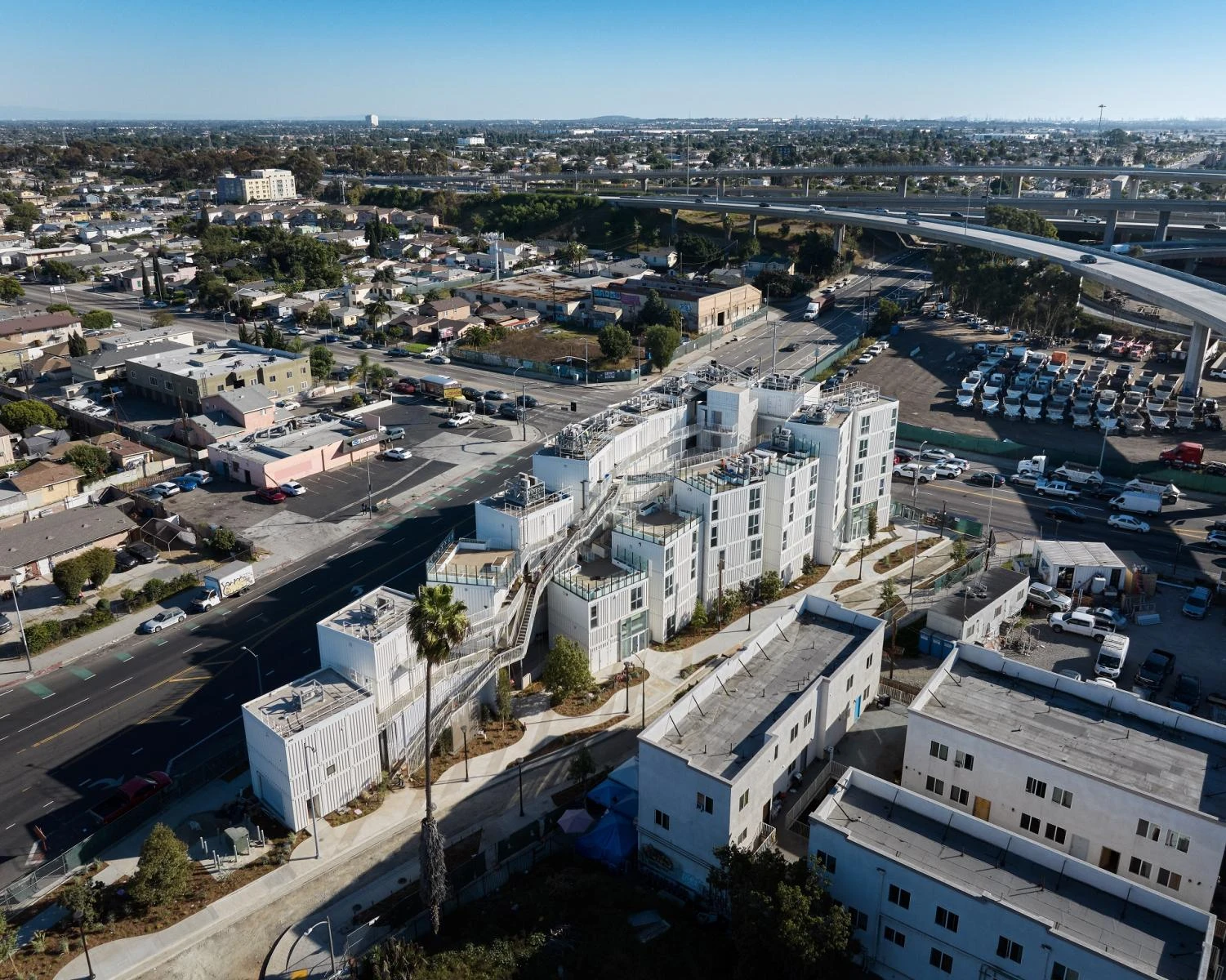
Notably, only months before his passing, LOHA announced a transition toward a collective ownership model, elevating seven long-time collaborators into leadership positions. The move was widely viewed as an effort to ensure that the firm’s collaborative culture and socially driven mission would continue beyond its founder.
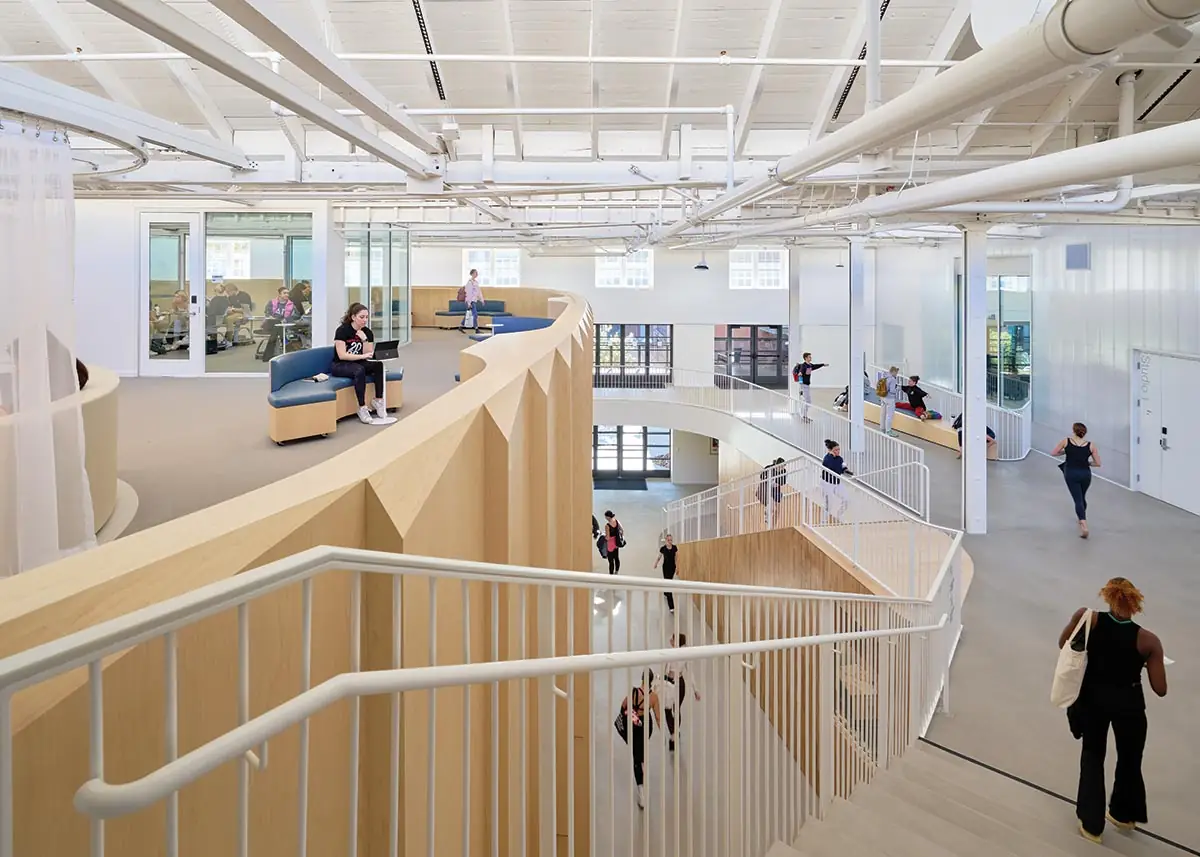
As cities worldwide continue to grapple with housing shortages, affordability pressures, and questions of equitable development, O’Herlihy’s work remains deeply relevant. His buildings demonstrated that architecture could be both socially responsive and architecturally ambitious. Through LOHA, he helped redefine the role of housing in contemporary design discourse and left behind a body of work that continues to influence how architects think about density, community, and urban life.