





Clear signage is often treated as a finishing detail, but in reality it is part of a building’s operational structure. Offices, hotels, medical facilities, and public institutions all depend on clear identification to function smoothly. When rooms, corridors, and service areas are marked consistently, people move confidently and daily routines remain predictable. Without that clarity, even a well-designed interior can feel confusing and inefficient.
Functional signage helps translate architecture into understandable information. It tells visitors where they are, where to go next, and what each space is used for. This process happens quietly in the background, yet it has a direct impact on how a building performs.
Signage systems used in professional environments, including those available through Bsign Store, are built around this principle of clear, reliable identification rather than decorative effect.
How signage improves everyday operations
The practical value of signage becomes visible in daily movement. Employees, visitors, and service staff rely on signs to make quick decisions. When identification is clear, people move without hesitation and do not interrupt others to ask for directions.
Functional signage helps buildings to:
- reduce unnecessary questions at reception or in corridors;
- prevent wrong turns and repeated backtracking;
- support independent navigation for visitors and staff.
These small improvements add up over time, creating smoother workflows and a more organized environment.
Where signage becomes essential
In buildings with multiple rooms and shared spaces, signage is not optional. It forms the backbone of navigation, especially where users may be unfamiliar with the layout.

Signage is critical in:
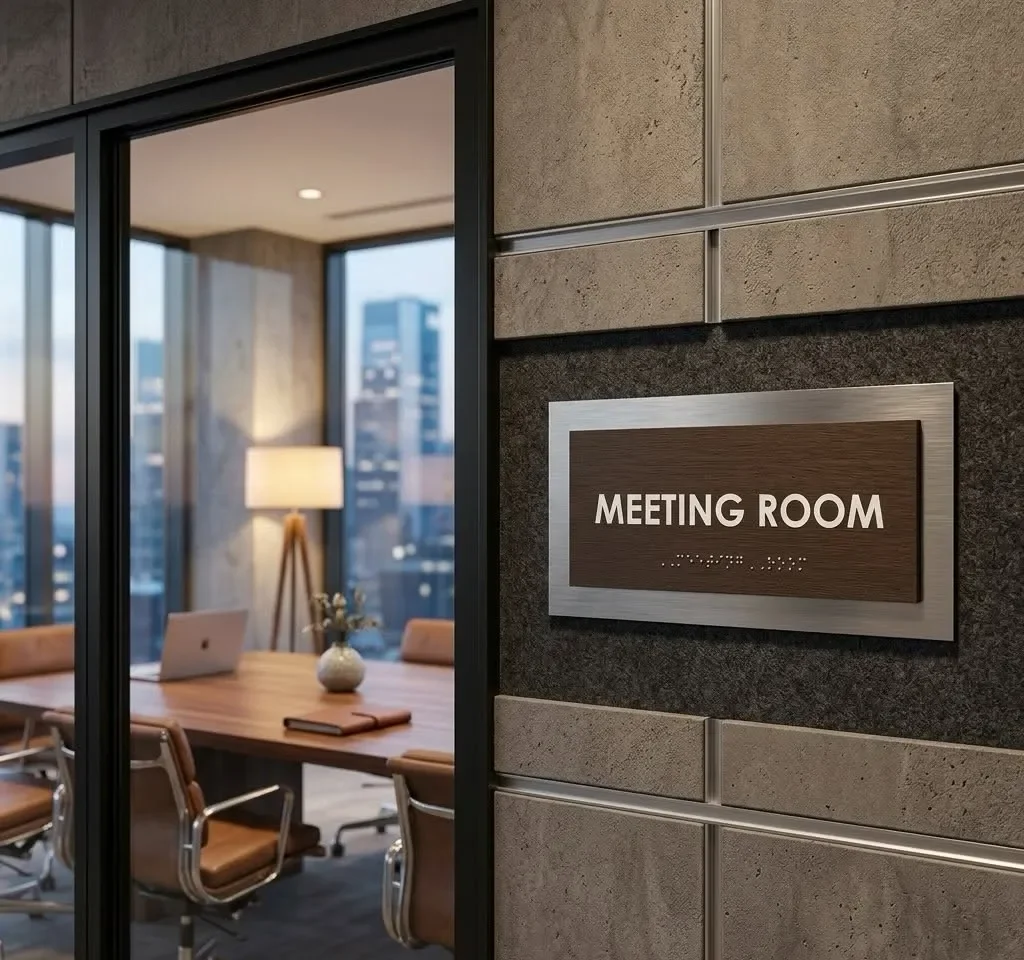
- office buildings, where departments and meeting rooms must be identified clearly;
- hotels, where guests navigate corridors without staff assistance;
- medical and educational facilities, where clarity supports safety and schedules;
- administrative buildings, where visitors expect structure and order.
In these environments, signage is part of the infrastructure that keeps operations running smoothly. Solutions developed through Bsign Store follow this functional approach, focusing on reliability rather than visual distraction.
Materials that support long-term performance
Signage must remain readable and stable despite frequent contact, cleaning, and environmental changes. For this reason, production is limited to three proven materials:
- wood, which provides a durable surface suited to calm, people-focused interiors;
- stainless steel, which offers resistance in high-traffic areas;
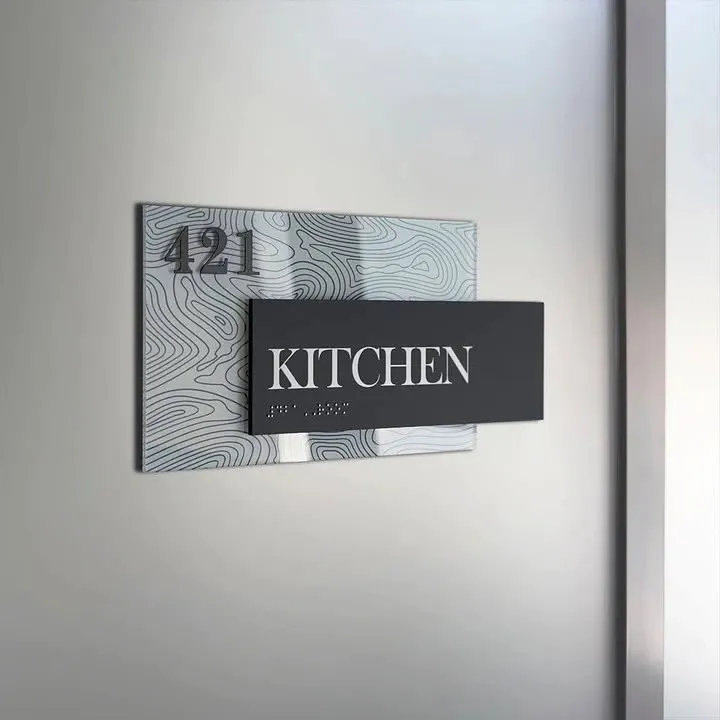
- acrylic glass, which allows precise cutting and clear readability in modern spaces.
Each material supports different functional needs while maintaining long-term reliability.
Comparing material choices for different environments
Material selection often depends on how a building is used. A simple comparison highlights practical differences.
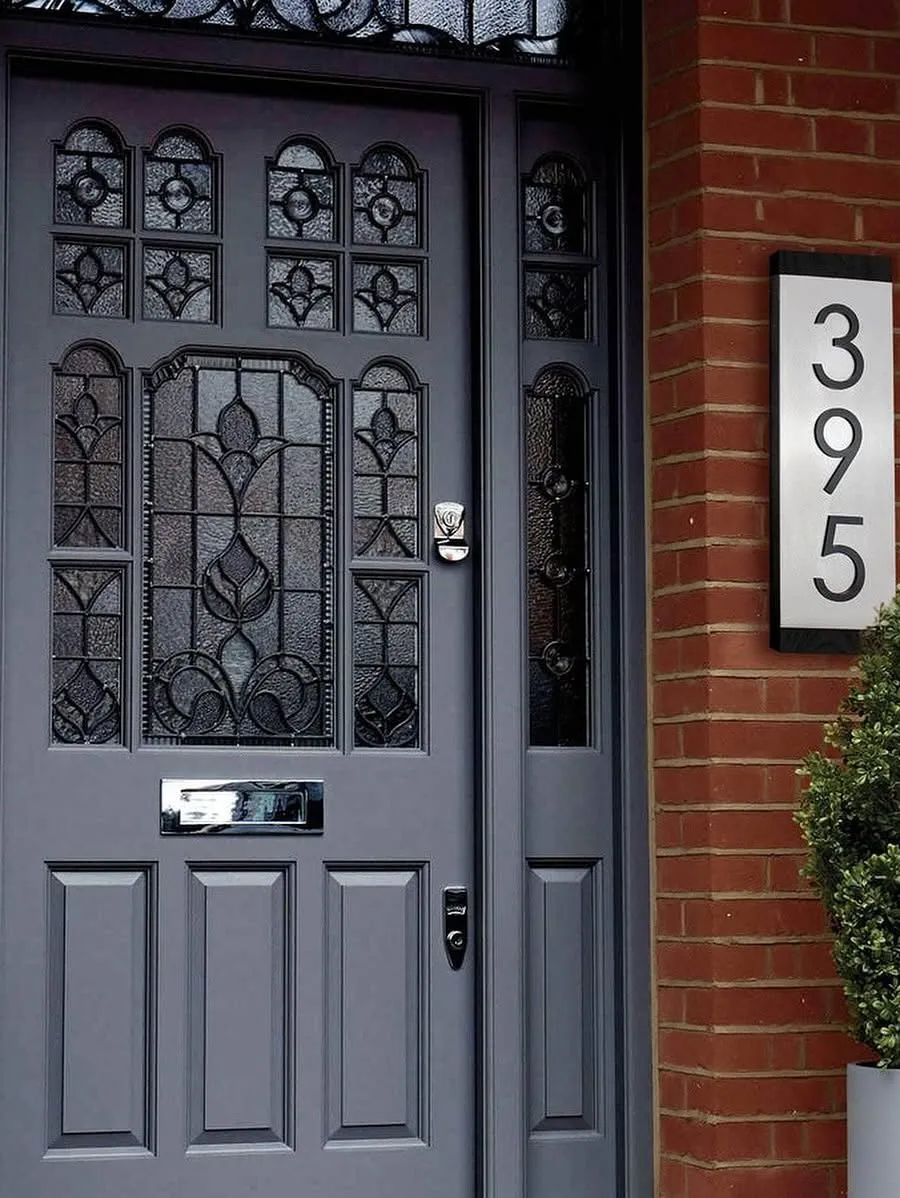
- Best for quiet, people-focused interiors
- Material: wood
- Key advantage: stable surface and comfortable visual tone
- Typical use: private offices, consulting rooms, small studios
- Best for high-traffic public areas
- Material: stainless steel
- Key advantage: resistance to wear and frequent cleaning
- Typical use: corridors, reception zones, service areas
- Best for contemporary office layouts
- Material: acrylic glass
- Key advantage: precise dimensions and sharp readability
- Typical use: coworking spaces, modern conference areas, tech offices
These comparisons show that material choice is primarily about performance and durability. Systems available through Bsign Store are structured around this practical logic.
Functional expectations moving into 2026
By 2026, building users expect spaces to be easy to understand without instructions. Clear signage is no longer a luxury or decorative feature; it is a basic operational standard.
When signage is durable, logically placed, and consistent across the building, it reduces friction in everyday movement. Staff spend less time giving directions, visitors navigate independently, and operations remain uninterrupted.
Well-designed signage systems are increasingly viewed as part of building infrastructure rather than interior decoration, reflecting the growing demand for clarity, efficiency, and long-term reliability.
Image Credit: Bsign-Store