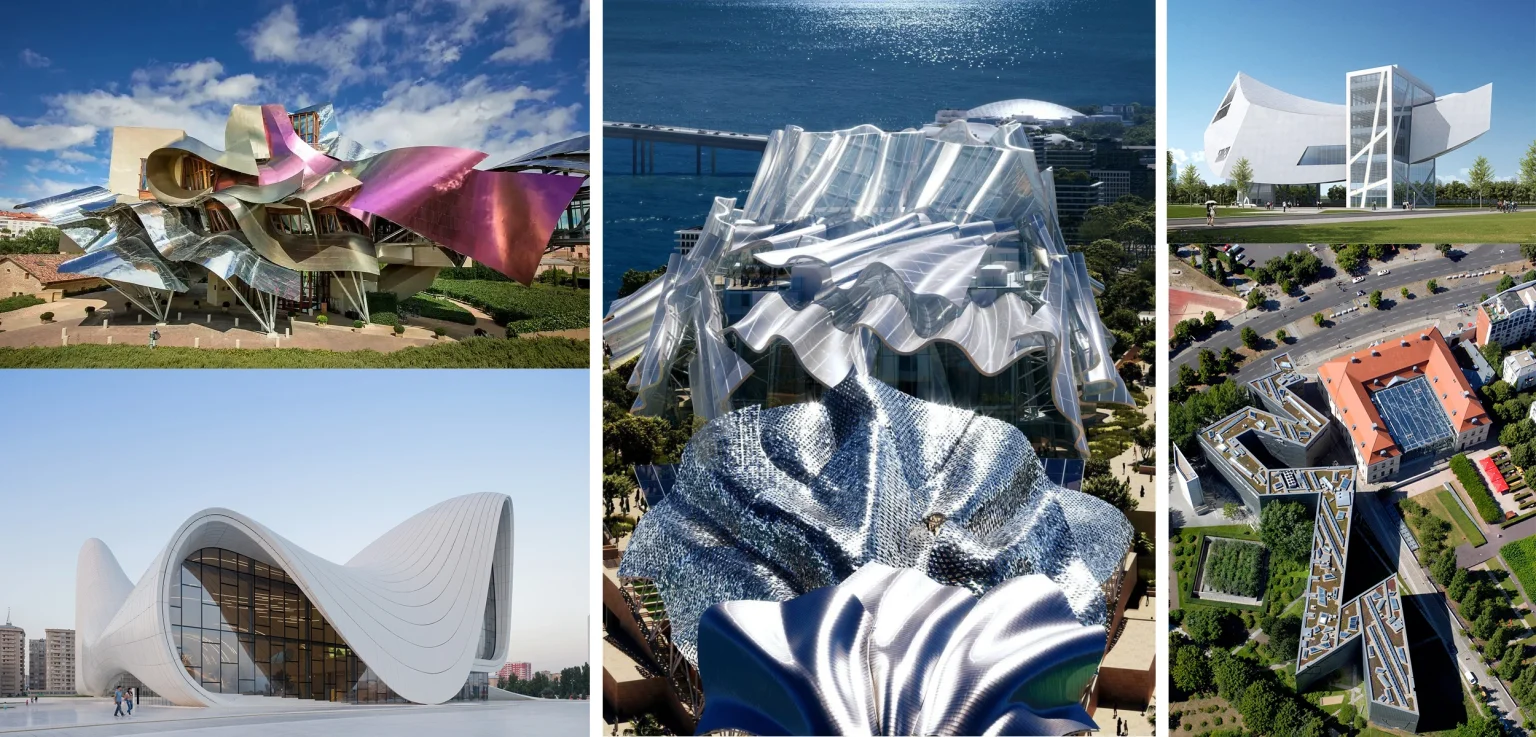


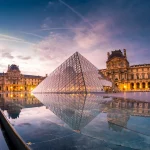
For more than a century, the architectural profession has celebrated the modernist maxim “form follows function,” first articulated by Louis Sullivan in 1896. The phrase suggested that the appearance of a building should emerge naturally from its purpose, structure, and performance rather than from decorative ambitions. Throughout the twentieth century, this principle became one of the defining foundations of modern architecture. Yet contemporary architecture presents a noticeably different reality. Across the world, many of today’s most recognizable buildings appear to reverse Sullivan’s proposition. Instead of function determining form, an iconic form is often conceived first, while function is adjusted afterward to fit within it.
This transformation reflects more than an aesthetic preference. It reveals profound changes in the relationship between architecture, economics, politics, technology, media, and globalization. Cities increasingly compete for international attention, tourism, foreign investment, and cultural prestige. In this competition, architecture has become a branding instrument. Buildings are expected to produce memorable images before they produce memorable spaces. Their success is often measured by social media visibility, magazine covers, and tourist photographs rather than by the daily experiences of their occupants.
The result is a new architectural culture in which sculptural expression frequently dominates practical considerations. While this approach has generated extraordinary innovations and unforgettable landmarks, it has also raised difficult questions about sustainability, usability, maintenance, and the true social role of architecture. The contemporary city increasingly resembles an exhibition of spectacular objects, where visual identity often takes precedence over human experience.
From Functional Modernism to Architectural Branding
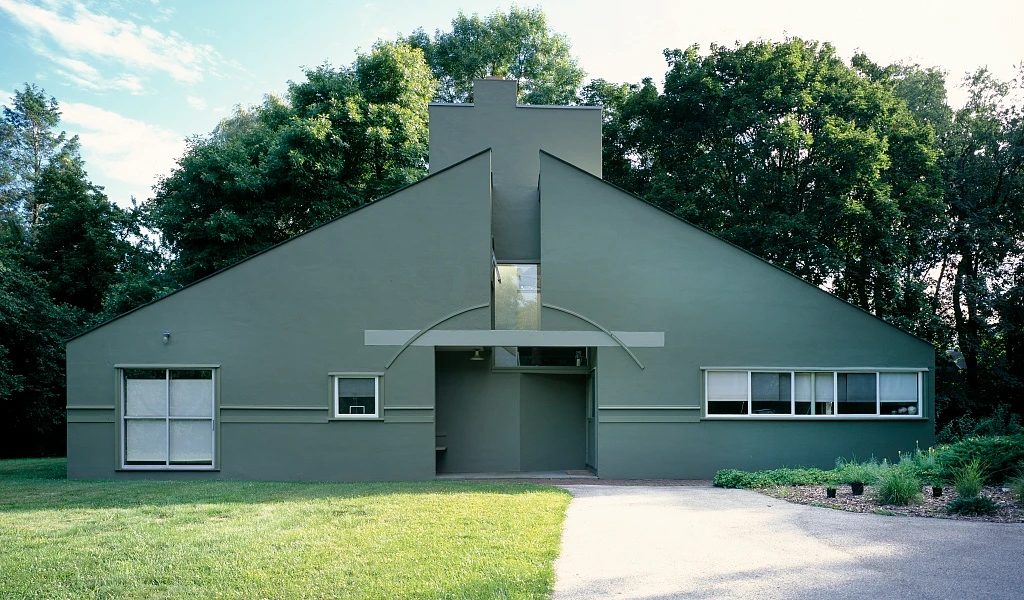
The shift from functionalism to iconic architecture did not happen overnight. Modernist architects such as Walter Gropius, Ludwig Mies van der Rohe, and Le Corbusier believed that buildings should respond rationally to technology, climate, structure, and human needs. Ornament was rejected in favor of clarity and efficiency. Beauty emerged through proportion, logic, and construction rather than visual spectacle.
During the late twentieth century, however, architecture entered an entirely different cultural economy. Globalization intensified competition between cities seeking investment and international recognition. At the same time, digital modeling software enabled architects to generate forms that had previously been impossible to design or construct. Computer-aided fabrication transformed free-form geometry from theoretical experimentation into buildable reality.
Architecture simultaneously became deeply connected to media culture. A building was no longer experienced only by its users but also by millions of people through photographs, television broadcasts, Instagram posts, and promotional videos. Under these conditions, visual uniqueness became economically valuable. Buildings evolved into marketing tools capable of transforming the identity of entire cities.
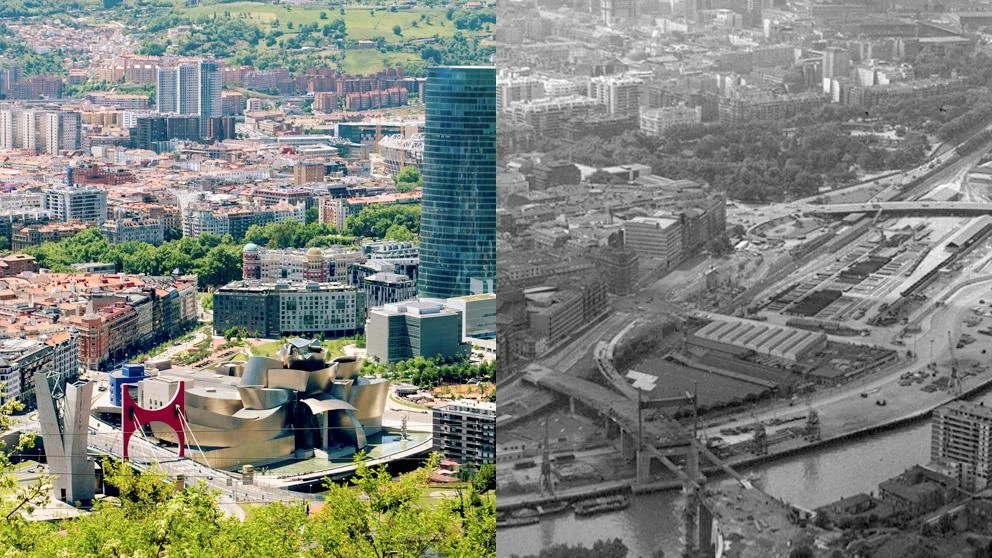
The success of the Guggenheim Museum in Bilbao demonstrated this phenomenon with remarkable clarity. The museum became an international symbol capable of attracting tourism, investment, and worldwide media attention, inspiring governments across the globe to pursue their own architectural icons. This phenomenon, often described as the “Bilbao Effect,” encouraged cities to commission increasingly expressive buildings from internationally recognized architects. As a result, architecture gradually shifted from solving problems toward producing recognizable images.
The Age of the Global Icon
Today’s iconic buildings are rarely designed as isolated structures. They are carefully positioned within broader strategies of economic development, urban regeneration, and cultural diplomacy. Governments, private developers, and global corporations increasingly commission landmark projects that communicate innovation, wealth, ambition, or national identity.
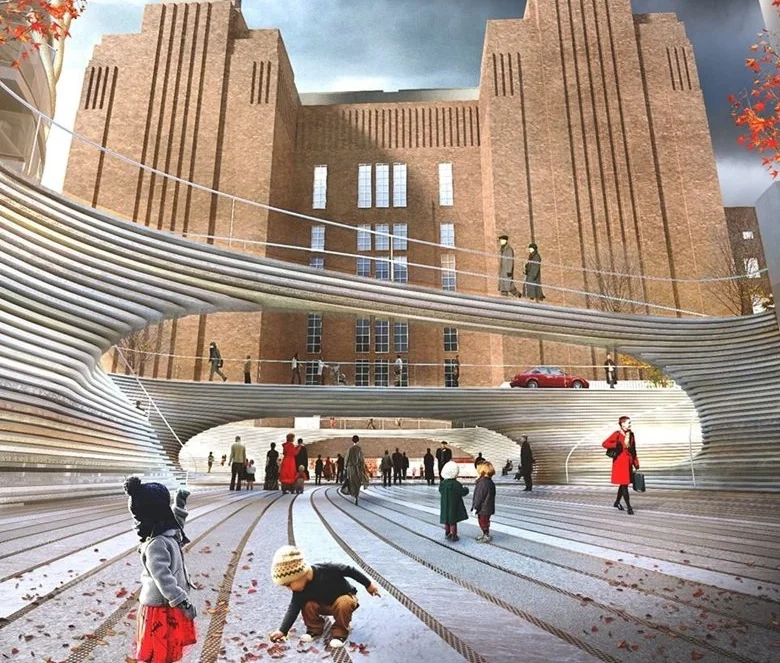
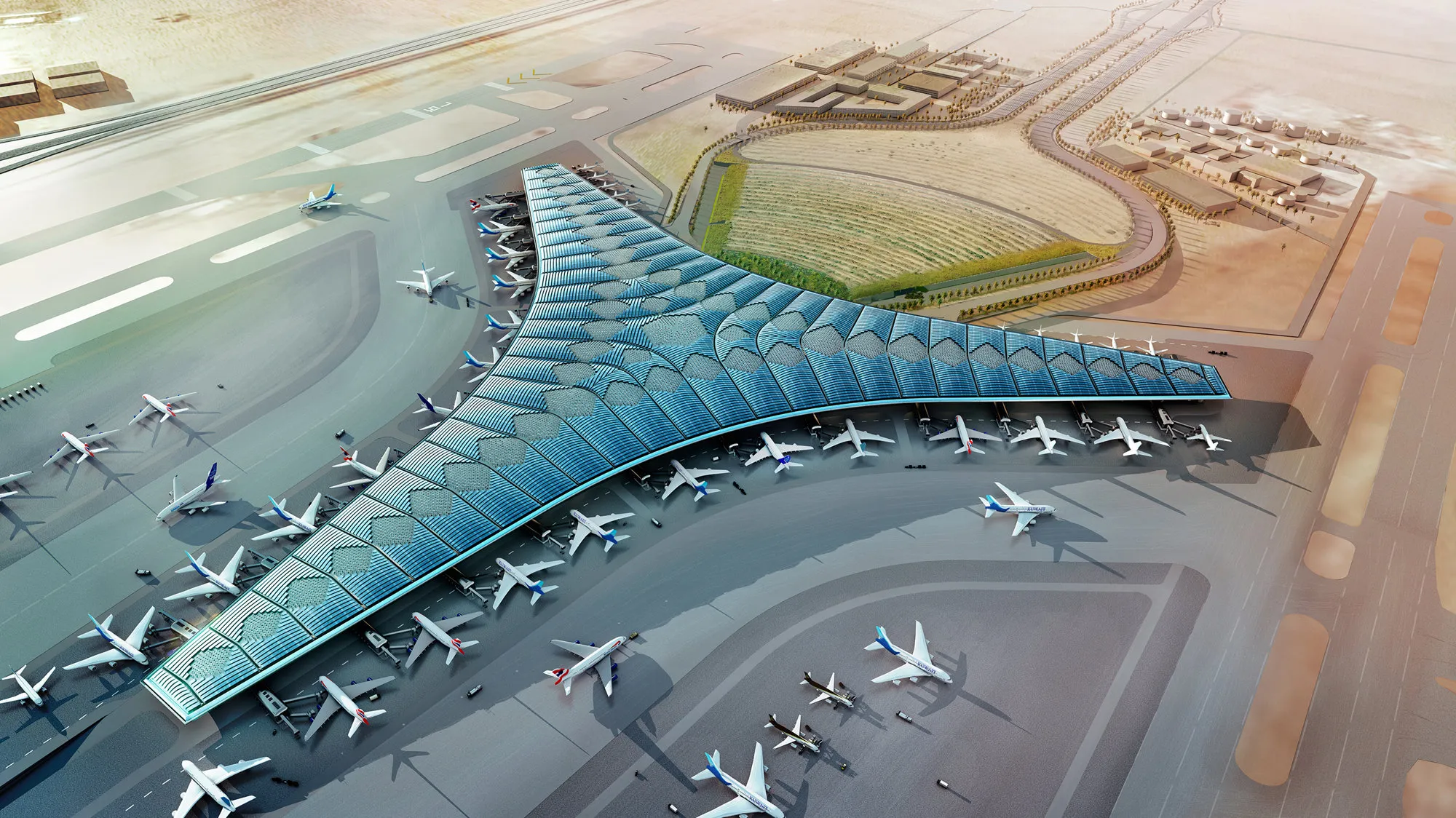
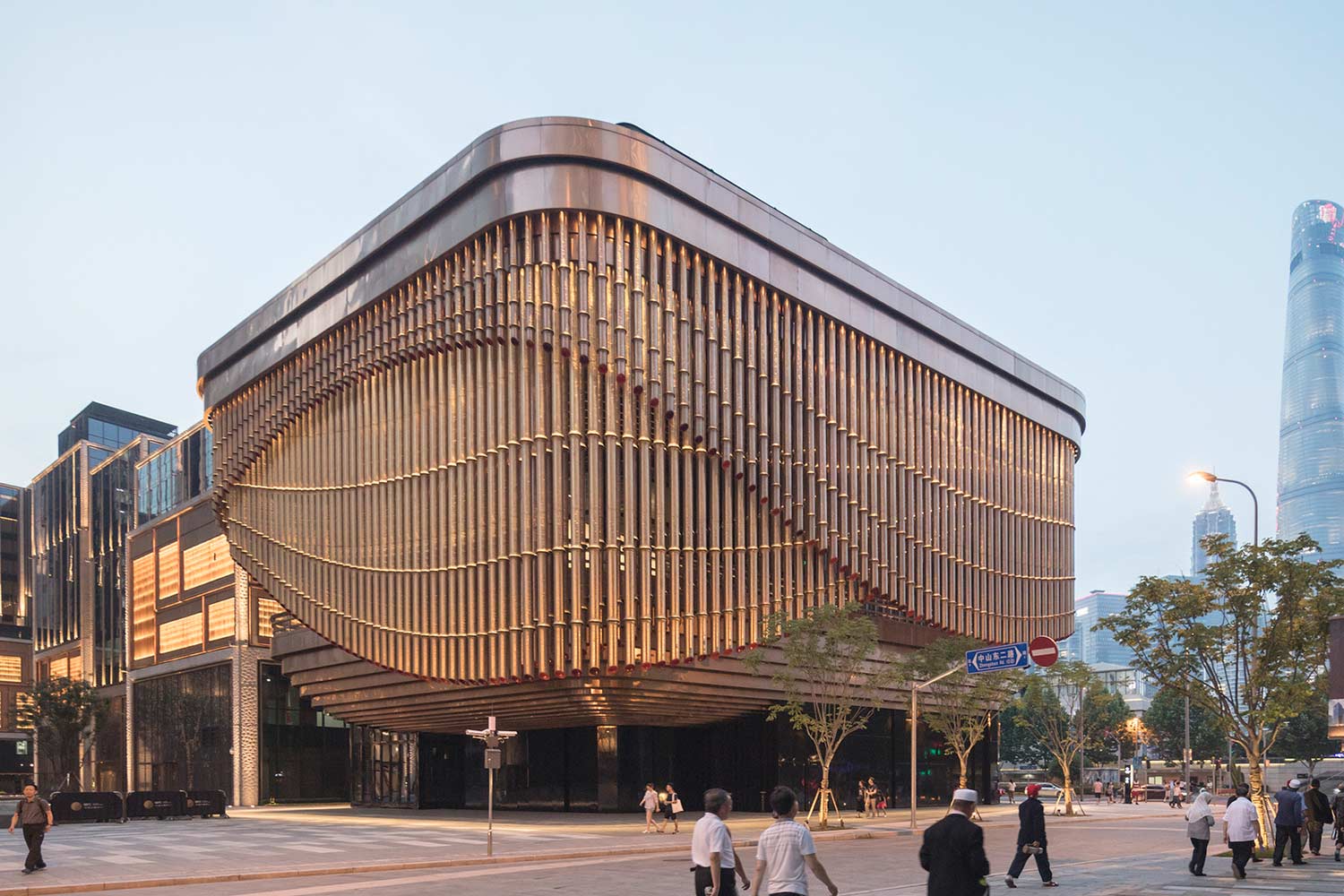
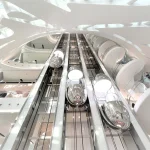
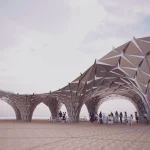
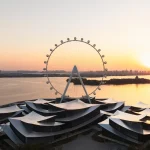
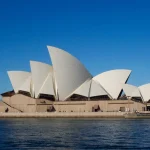
Buildings such as the Heydar Aliyev Center in Baku, the Museum of the Future in Dubai, the Harbin Opera House in China, and numerous contemporary museums, airports, cultural centers, and headquarters demonstrate this trend. Their dramatic curves, fluid geometries, and technologically advanced envelopes immediately distinguish them from conventional buildings.
In many cases, these forms are intended to evoke emotional responses before visitors even enter the building. Architecture becomes an experience of spectacle. Exterior appearance functions as a cultural event.
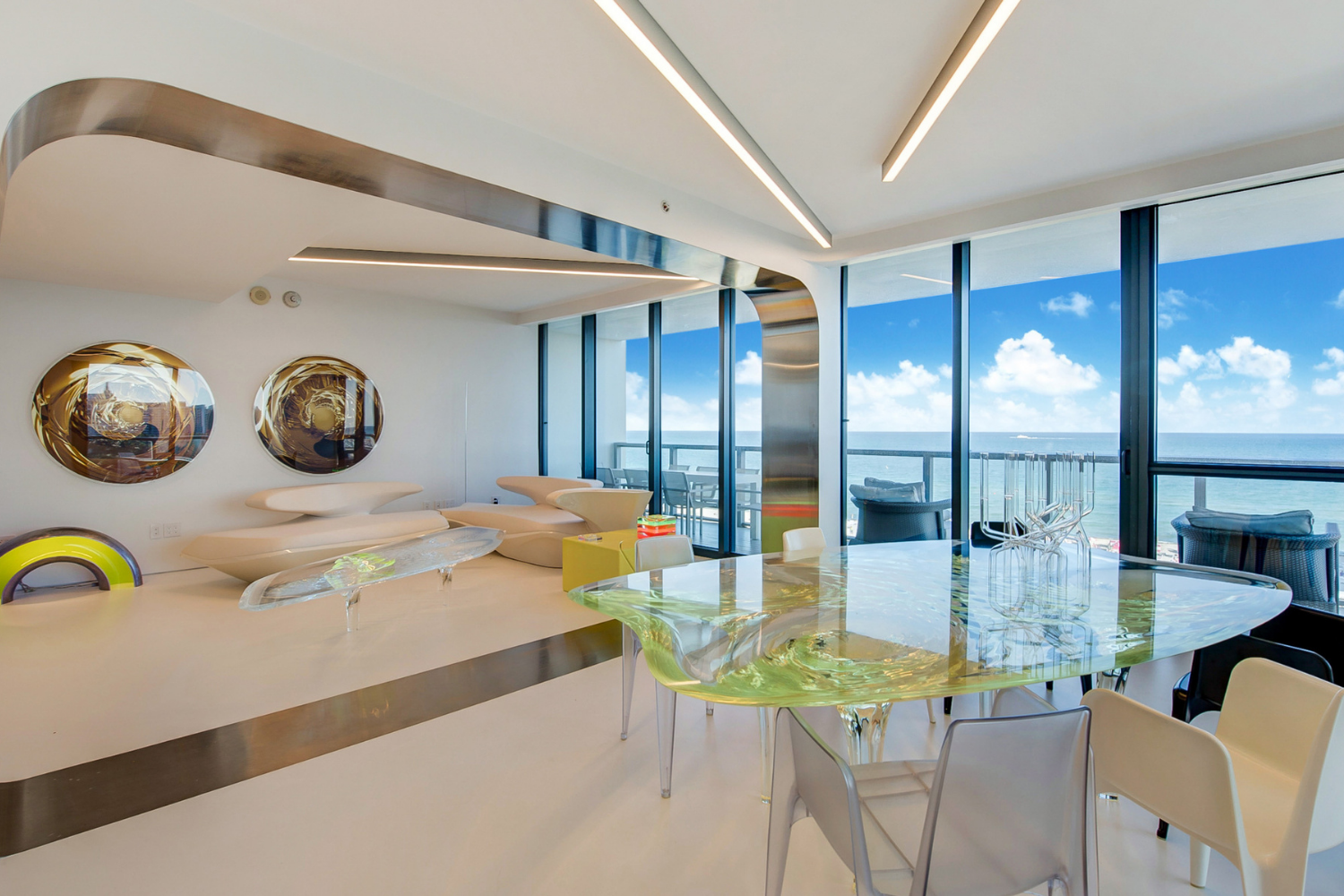
Digital technology has amplified this tendency. Architects can now simulate complex structural systems, optimize unusual geometries, and fabricate customized building components with remarkable precision. Parametric design allows nearly limitless formal experimentation, encouraging architects to treat buildings almost as sculptural landscapes rather than enclosed rooms.
Social media further reinforces this process. Iconic architecture now circulates globally within seconds of completion. A successful building is photographed from drones, shared across digital platforms, and transformed into an instantly recognizable visual symbol. Architecture increasingly exists simultaneously as physical space and digital image.
Consequently, many contemporary projects are designed with photogenic qualities in mind. Their forms are intended to produce memorable silhouettes and dramatic perspectives that attract online attention. In this sense, architecture no longer competes only with neighboring buildings but with every iconic image circulating across the internet.
When Function Adjusts to Form
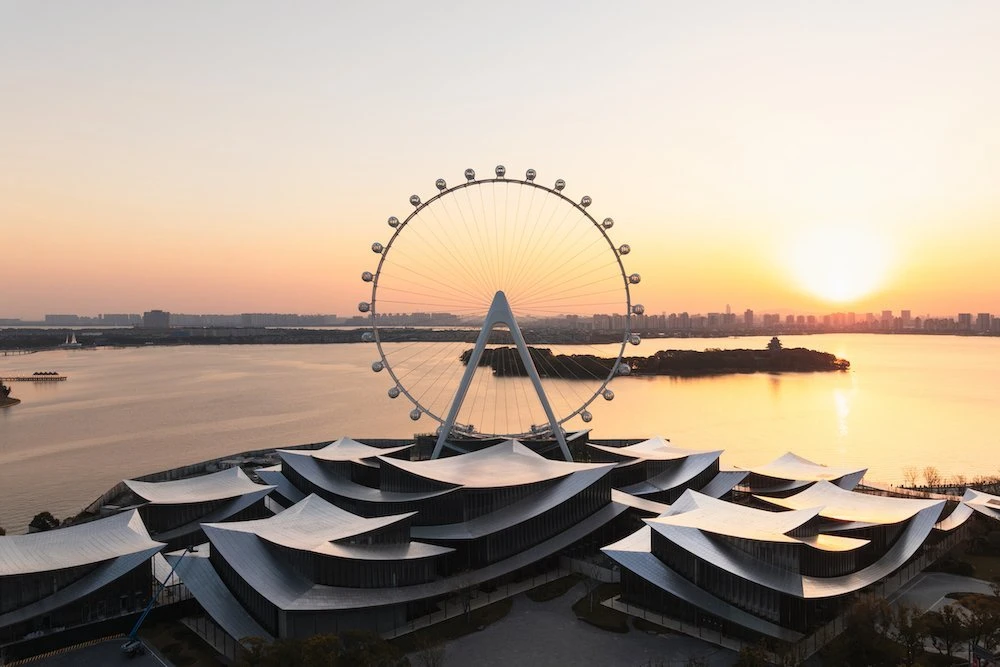
This emphasis on visual identity has produced remarkable architectural achievements, yet it has also exposed significant limitations. When form becomes the primary objective, functional organization frequently becomes secondary.
Many highly expressive museums, cultural centers, and public buildings require complicated internal circulation because usable spaces must conform to predetermined sculptural envelopes. Galleries may contain irregular walls, offices occupy unconventional geometries, and maintenance systems become increasingly difficult to access. Structural complexity often increases construction costs while reducing spatial efficiency.
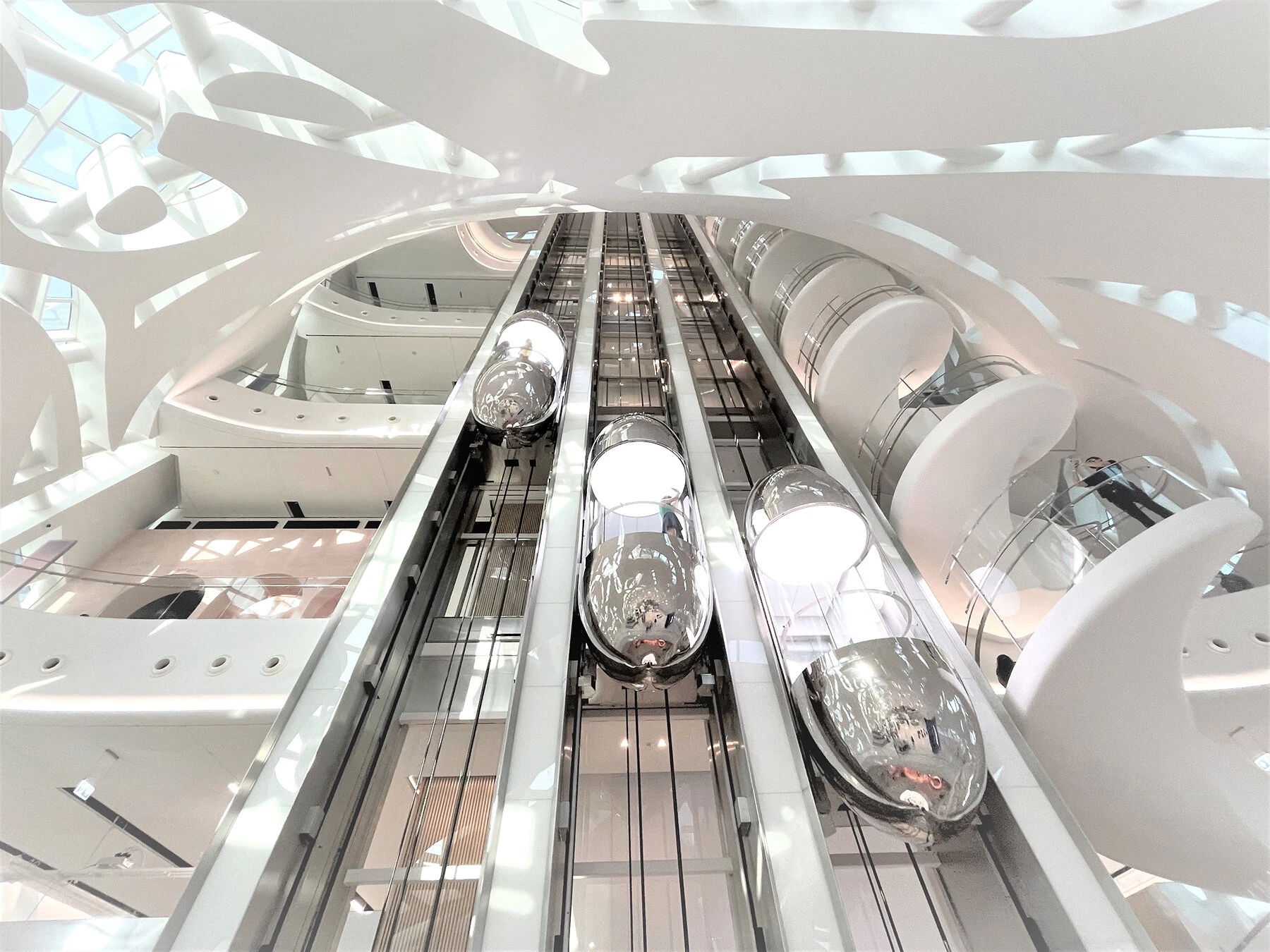
The Museum of the Future in Dubai illustrates this paradox. Its toroidal geometry creates one of the world’s most recognizable architectural forms, successfully communicating innovation and technological optimism. Yet the spectacular envelope required sophisticated engineering solutions and complex interior planning that extended well beyond conventional building practices.
Similarly, many contemporary cultural buildings prioritize monumental entrance halls and dramatic atriums over adaptable working spaces. Visitors remember the visual impact of arrival while everyday operations continue behind carefully concealed technical systems. Function remains present but is frequently reorganized to accommodate the architectural concept rather than defining it.
Even commercial developments increasingly follow this model. Corporate headquarters, luxury hotels, shopping districts, and mixed-use developments seek unique visual identities capable of differentiating themselves within competitive global markets. Architectural originality becomes part of the product itself.
This reversal does not necessarily imply poor architecture. Instead, it reflects changing priorities. The architect is expected to produce not merely shelter but cultural symbolism, international recognition, and economic value.
The Cost of Spectacle
Despite the undeniable beauty of many contemporary landmarks, their emphasis on iconic form raises important criticisms.
The first concern involves sustainability. Highly complex geometries often require customized structural systems, specialized construction techniques, and significant material consumption. While many new iconic buildings incorporate advanced environmental technologies, their overall embodied carbon can be substantially higher than simpler alternatives. A visually spectacular building is not automatically an environmentally responsible one.
Second, maintenance becomes increasingly demanding. Curved glass panels, customized façades, unusual roofing systems, and intricate structural details require specialized repairs throughout the building’s lifespan. The cost of preserving an iconic image frequently extends decades beyond construction.
Third, architecture risks becoming detached from everyday urban life. Many landmark buildings function as isolated objects rather than integrated components of the city. Their surrounding public spaces sometimes receive less attention than the buildings themselves, reducing opportunities for genuine social interaction.
Another criticism concerns accessibility. Iconic architecture often attracts tourists and photographers but may remain disconnected from local communities. A building designed primarily to impress international audiences can struggle to address the practical needs of its immediate users.
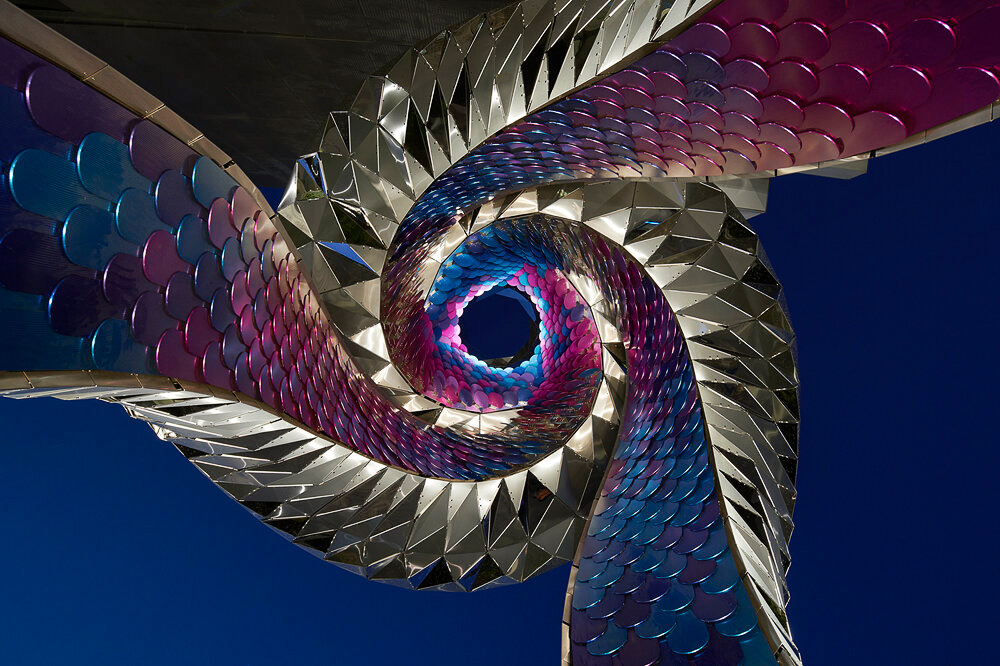
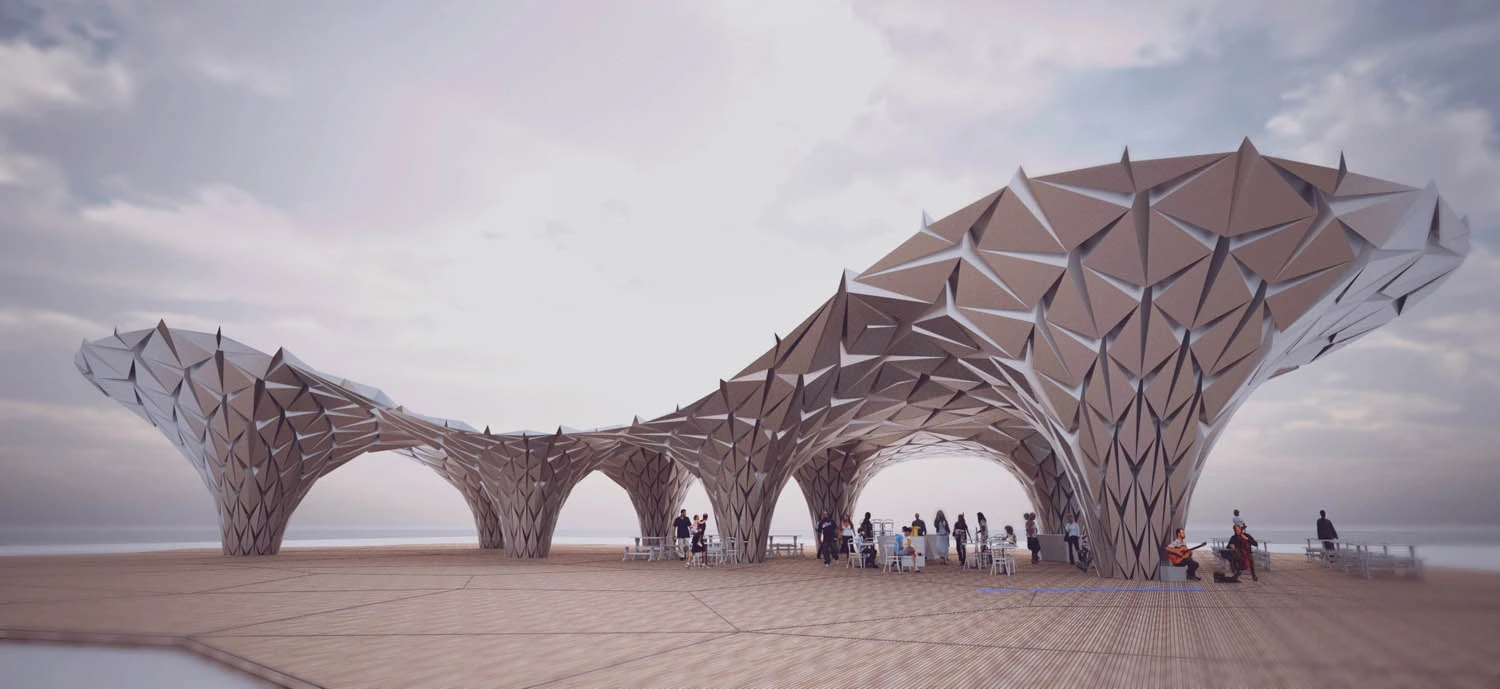
Finally, the global spread of signature architecture has generated a surprising degree of visual similarity. Although each project seeks uniqueness, many employ comparable flowing geometries, glass envelopes, metallic skins, and parametric surfaces. Ironically, architecture pursuing individuality sometimes produces a new international style of spectacular forms.
Toward a New Balance
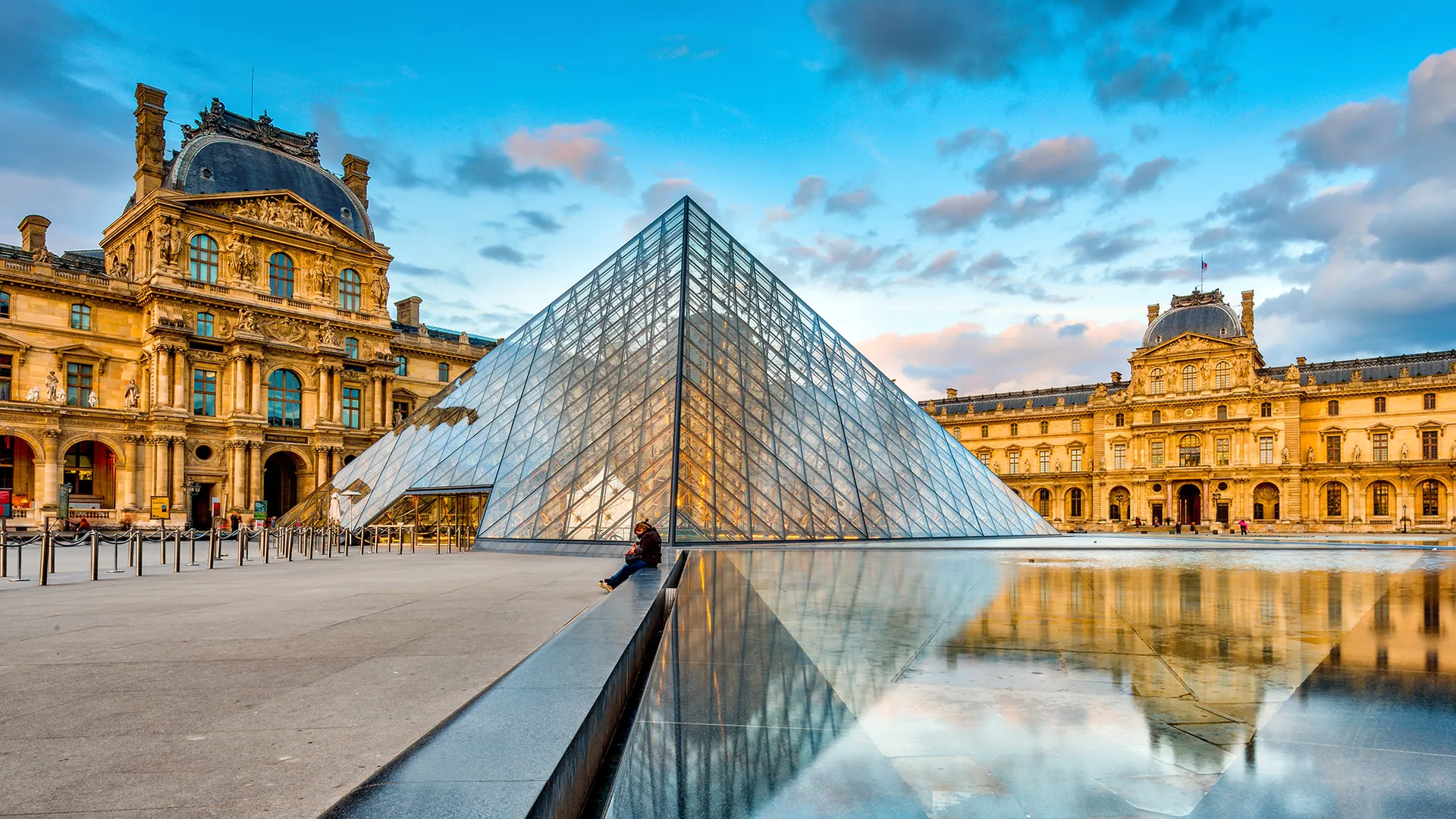
The debate between form and function should not be understood as a simple opposition. Architecture has always balanced aesthetics, technology, culture, and utility. Great buildings throughout history have combined symbolic meaning with functional excellence.
The challenge facing contemporary architecture is therefore not to reject expressive form but to reconnect formal innovation with human experience. The most successful recent projects demonstrate that visual ambition and functional intelligence can coexist. Rather than allowing one to dominate the other, they integrate environmental performance, flexibility, accessibility, and social value into compelling architectural expressions.
Increasing attention to adaptive reuse, circular construction, climate-responsive design, and community participation suggests that architecture may be entering another period of transformation. Instead of pursuing novelty alone, architects increasingly explore resilience, inclusiveness, and long-term performance.
Digital technologies themselves may contribute to this shift. Artificial intelligence, building performance simulations, environmental analysis, and generative design enable architects to optimize buildings not only aesthetically but also functionally and ecologically. Future iconic architecture may derive its beauty from measurable environmental intelligence as much as from sculptural complexity.
Beyond the Icon
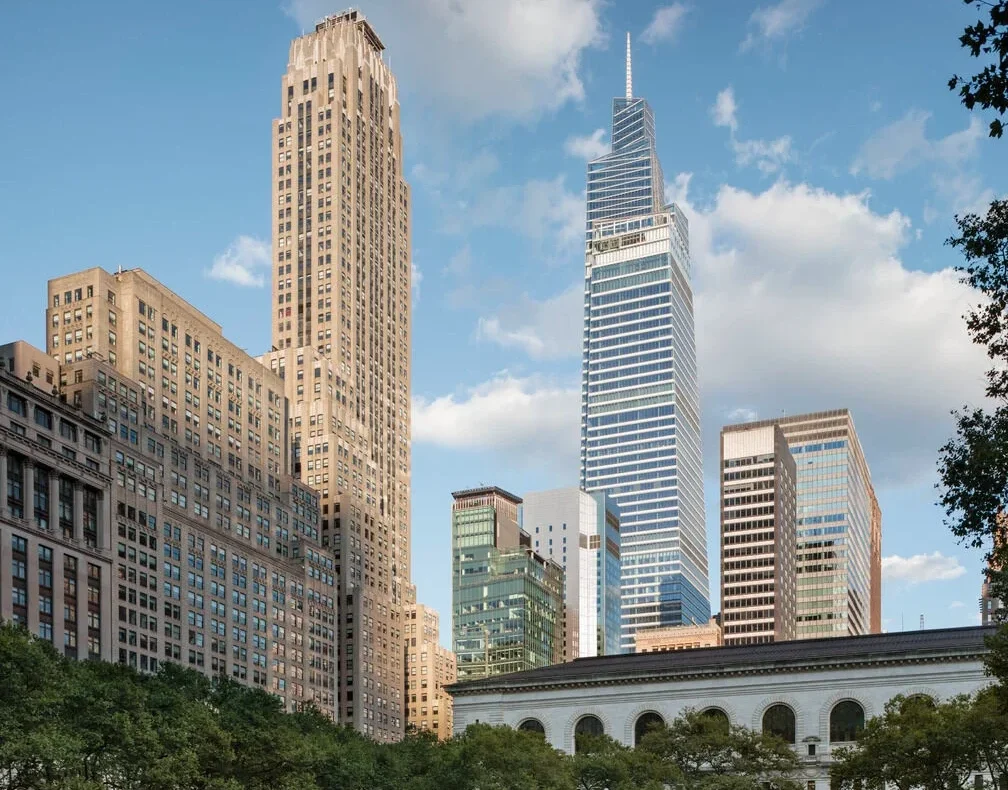
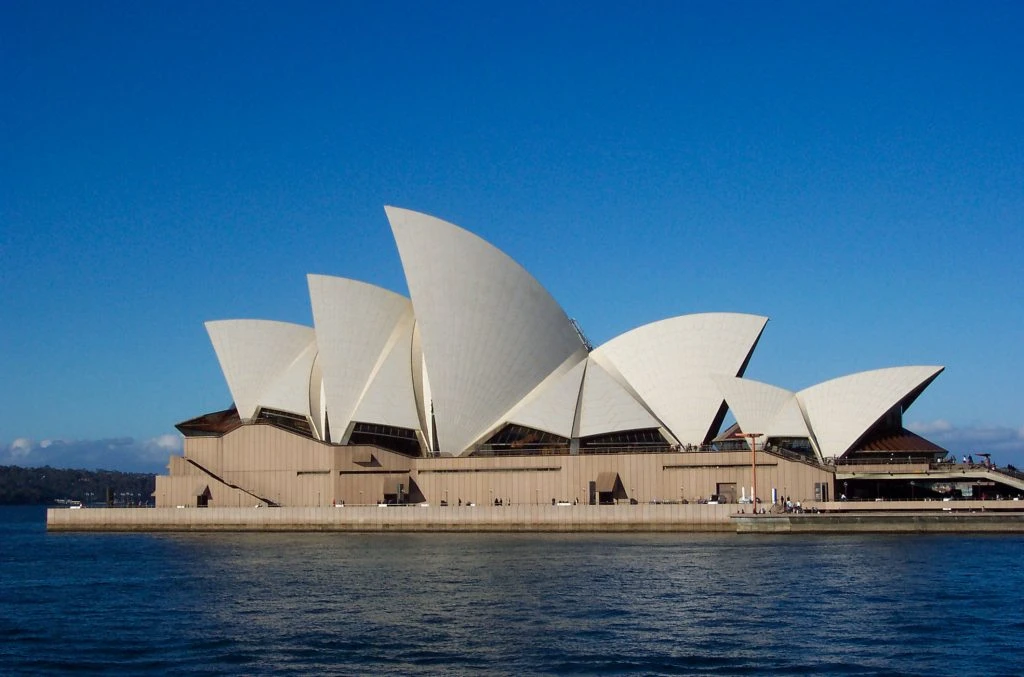
Contemporary architecture has undoubtedly entered an era in which form often leads and function follows. Iconic buildings serve as cultural ambassadors, economic catalysts, and visual identities for cities competing within a globalized world. Their extraordinary forms demonstrate remarkable advances in engineering, digital technology, and creative imagination. They inspire visitors, redefine skylines, and challenge conventional architectural thinking.
Yet architecture cannot survive on imagery alone. Buildings ultimately exist to support human activities, strengthen communities, and improve everyday life. When visual spectacle becomes the primary objective, architecture risks becoming disconnected from its social and environmental responsibilities.
The future of architectural excellence lies not in abandoning iconic design but in redefining what makes a building iconic. The next generation of landmarks should be remembered not only for extraordinary silhouettes but also for extraordinary performance, adaptability, sustainability, and public value. In doing so, architecture can move beyond the simple reversal of “form follows function” and toward a more integrated vision in which beauty and purpose evolve together, each enriching rather than competing with the other.