


UNESCO defines heritage as “our legacy from the past, what we live with today, and what we pass on to future generations,” and describes World Heritage sites as “irreplaceable sources of life and inspiration.” In this context, a World Heritage country or World Heritage Site refers to places designated by the United Nations Educational, Scientific, and Cultural Organization (UNESCO) as having outstanding importance in categories such as history, culture, or science.
These sites may be cultural, natural, or mixed properties that showcase the world’s rich history, artistic achievements, ecological diversity, and scientific heritage. From Italy’s iconic Roman ruins to India’s magnificent palaces, these structures reflect a nation’s spirit and heritage.
Types of UNESCO World Heritage Sites:
UNESCO World Heritage sites are divided into three categories: cultural sites, natural sites, and mixed sites.
- Cultural Sites: These are places related to human history, creativity, achievements, or culture. Examples include Butrint in Albania, the Port of Cartagena in the Caribbean, and the L’Anse aux Meadows National Historic Site in Canada.
- Natural Sites: These are areas that have not been significantly altered by human activity and are valued for their natural beauty and biodiversity. Examples include the Wulingyuan Scenic and Historic Interest Area in China, Garajonay National Park in Spain, and the Lagoons of New Caledonia in France.
- Mixed Sites: These sites represent both natural and cultural significance. Examples include the Historic Sanctuary of Machu Picchu in Peru, and Kakadu National Park and the Willandra Lakes Region in Australia.
The 8 countries with the most UNESCO World Heritage Sites in the world are listed below:
1. Italy – 61 World Heritage Sites
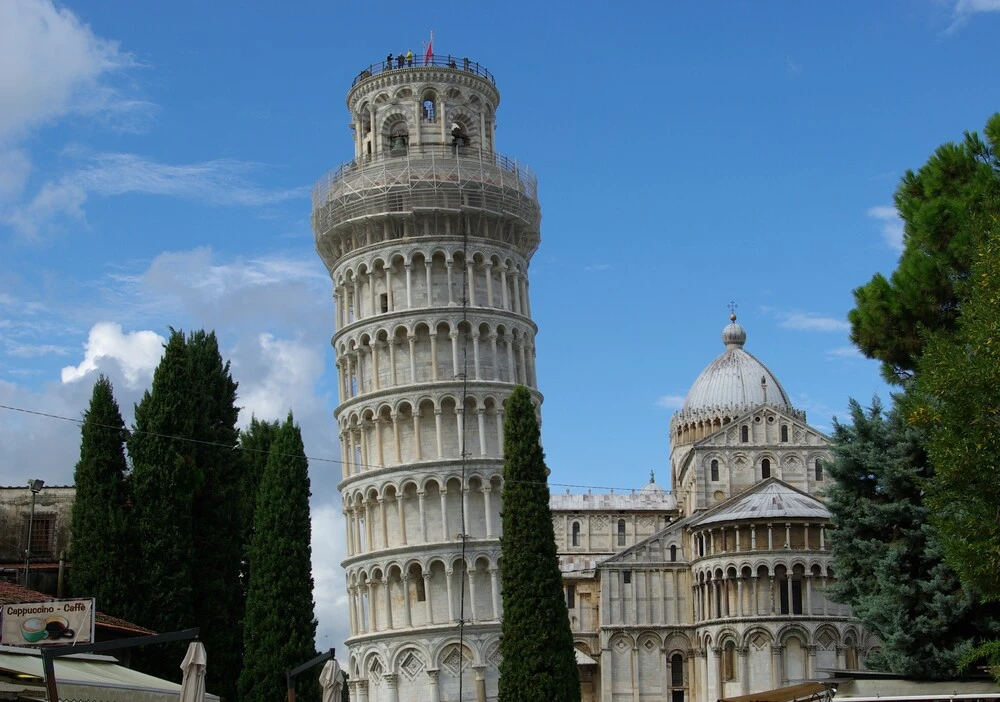
Italy, the center of the Roman Empire and the heart of the Renaissance, ranks first on the World Heritage List with a total of 61 sites, 55 of which are cultural sites and 6 are natural sites. Italy offers a rich cultural landscape shaped by Roman ruins, Renaissance art, medieval cities, and natural beauty. From the city of Vicenza to the Vatican Museum, from the Colosseum to the archaeological sites of Sicily, each site reflects centuries of cultural, architectural, and historical influences across Europe and the Mediterranean.
Sites in Italy that are on the World Heritage List:
Cultural:
- Sacri Monti of Piedmont and Lombardy (2003)
- 18th-Century Royal Palace at Caserta with the Park, the Aqueduct of Vanvitelli, and the San Leucio Complex (1997)
- Arab-Norman Palermo and the Cathedral Churches of Cefalú and Monreale (2015)
- Archaeological Area and the Patriarchal Basilica of Aquileia (1998)
- Archaeological Area of Agrigento (1997)
- Archaeological Areas of Pompei, Herculaneum, and Torre Annunziata (1997)
- Assisi, the Basilica of San Francesco and Other Franciscan Sites (2000)
- Botanical Garden (Orto Botanico), Padua (1997)
- Castel del Monte (1996)
- Cathedral, Torre Civica and Piazza Grande, Modena (1997)
- Church and Dominican Convent of Santa Maria delle Grazie with “The Last Supper” by Leonardo da Vinci (1980)
- Cilento and Vallo di Diano National Park with the Archeological Sites of Paestum and Velia, and the Certosa di Padula (1998)
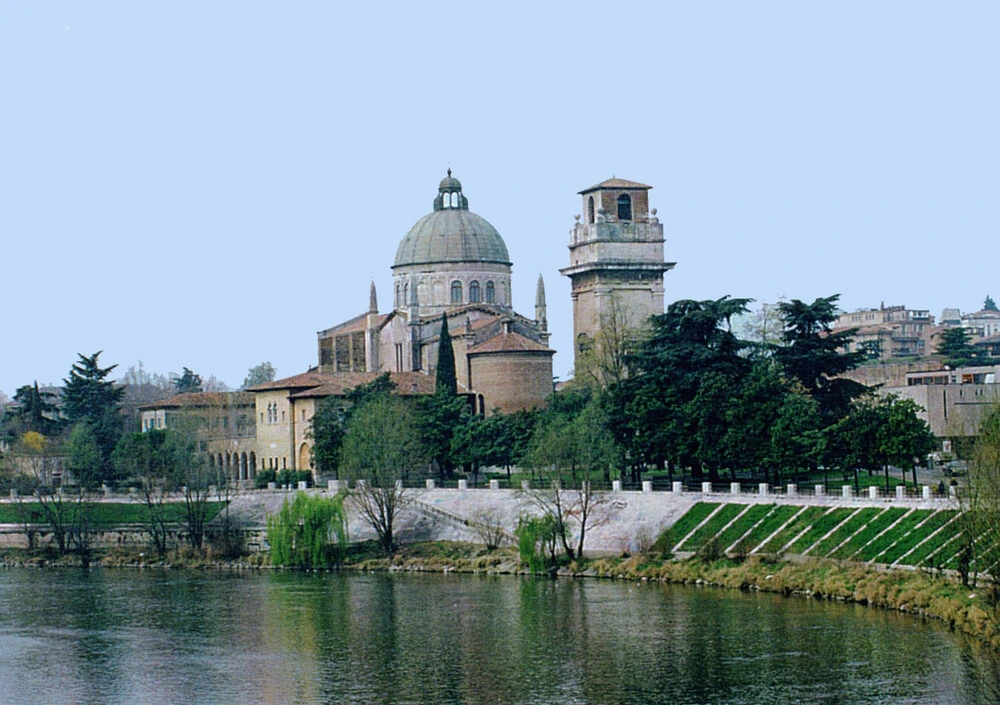
- City of Verona (2000)
- City of Vicenza and the Palladian Villas of the Veneto (1994, 1996)
- Costiera Amalfitana (1997)
- Crespi d’Adda (1995)
- Early Christian Monuments of Ravenna (1996)
- Etruscan Necropolises of Cerveteri and Tarquinia (2004)
- Ferrara, City of the Renaissance, and its Po Delta (1995, 1999)
- Funerary Tradition in the Prehistory of Sardinia – The domus de janas (2025)
- Genoa: Le Strade Nuove and the system of the Palazzi dei Rolli (2006)
- Historic Centre of Florence (1982)
- Historic Centre of Naples (1995)
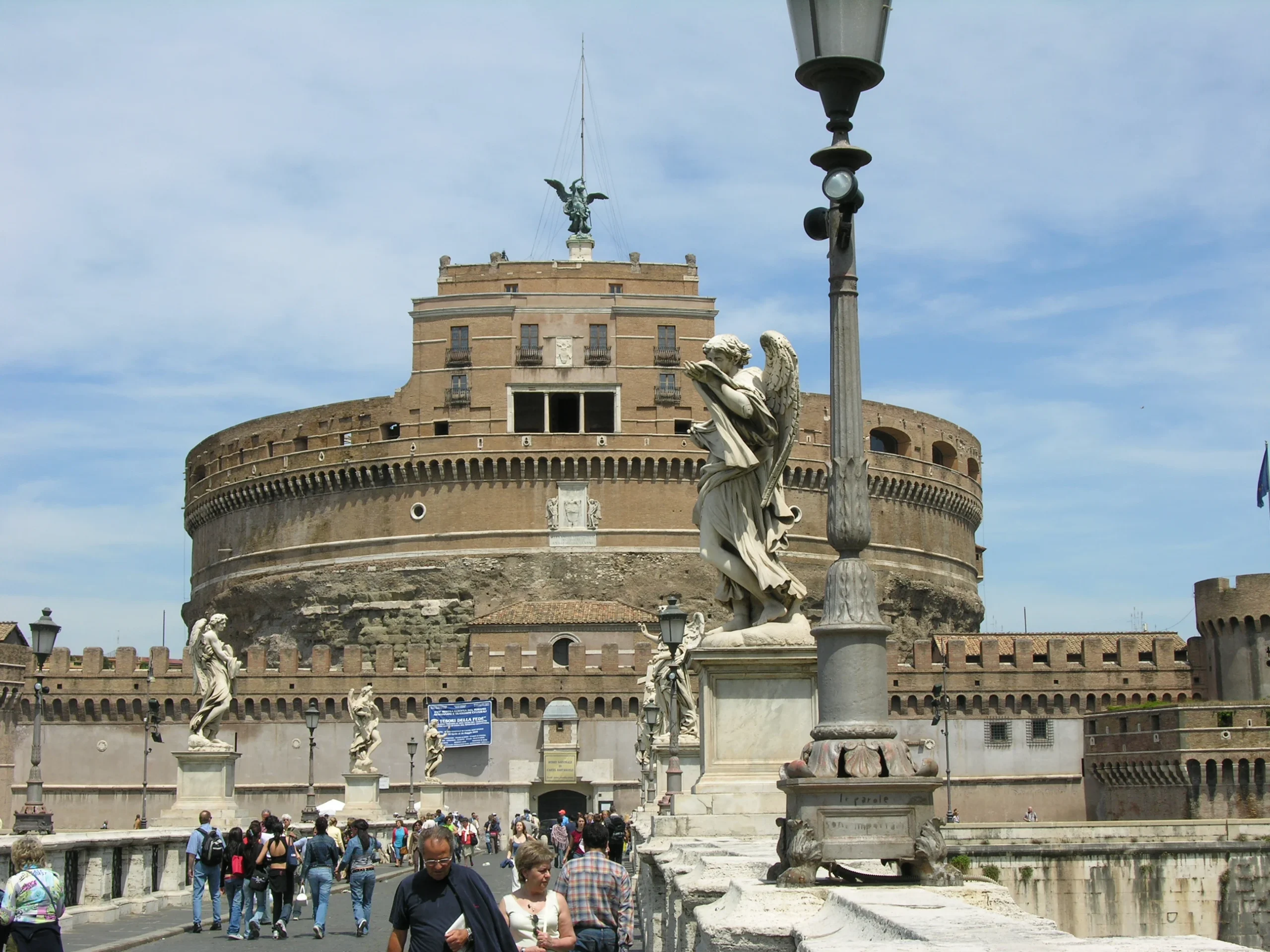
- Historic Centre of Rome, the Properties of the Holy See in that City Enjoying Extraterritorial Rights and San Paolo Fuori le Mura (1980, 1990)
- Historic Centre of San Gimignano (1990)
- Historic Centre of Siena (1995)
- Historic Centre of the City of Pienza (1996)
- Historic Centre of Urbino (1998)
- Ivrea, an industrial city of the 20th century (2018)
- Late Baroque Towns of the Val di Noto (South-Eastern Sicily) (2002)
- Le Colline del Prosecco di Conegliano e Valdobbiadene (2019)
- Longobards in Italy. Places of the Power (568-774 A.D.) (2011)
- Mantova e Sabbioneta (2008)
- Medici Villas and Gardens in Tuscany (2013)
- Padua’s fourteenth-century fresco cycles (2021)
- Piazza del Duomo, Pisa (1987)
- Portovenere, Cinque Terre, and the Islands (Palmaria, Tino, and Tinetto) (1997)
- Prehistoric Pile Dwellings around the Alps (2011)
- Residences of the Royal House of Savoy (1997)
- Rhaetian Railway in the Albula / Bernina Landscapes (2008)
- Rock Drawings in Valcamonica (1979)
- Su Nuraxi di Barumini (1997)
- Syracuse and the Rocky Necropolis of Pantalica (2005)
- The Trulli of Alberobello (1996)
- The Great Spa Towns of Europe (2021)
- The Porticoes of Bologna (2021)
- The Sassi and the Park of the Rupestrian Churches of Matera (1993)
- Val d’Orcia (2004)
- Venetian Works of Defence between the 16th and 17th Centuries: Stato da Terra – Western Stato da Mar (2017)
- Venice and its Lagoon (1987)
- Via Appia. Regina Viarum (2024)
- Villa Adriana (Tivoli) (1999)
- Villa d’Este, Tivoli (2001)
- Villa Romana del Casale (1997)
- Vineyard Landscape of Piedmont: Langhe-Roero and Monferrato (2014)
Natural:
- Ancient and Primeval Beech Forests of the Carpathians and Other Regions of Europe (2007, 2011, 2017, 2021)
- Evaporitic Karst and Caves of Northern Apennines (2023)
- Isole Eolie (Aeolian Islands) (2000)
- Monte San Giorgio (2003, 2010)
- Mount Etna (2013)
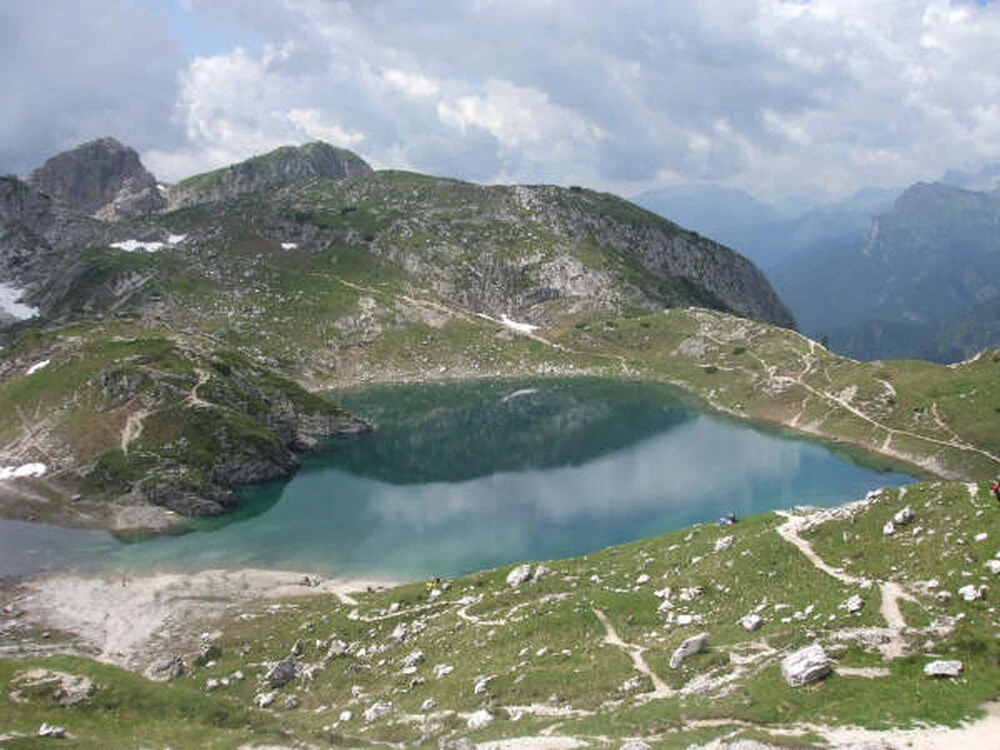
- The Dolomites (2009)
2. China – 60 World Heritage Sites
With a total of 60 heritage sites – 41 cultural sites, 15 natural sites, and 4 mixed sites – China is the second country in the world with the most UNESCO World Heritage Sites. This Asian nation, boasting a four-thousand-year-old civilization, offers an impressive mix of culturally fascinating places and natural areas. From the Great Wall of China to the classical gardens of Suzhou, these sites reflect China’s deep-rooted civilization, philosophical depth, and artistic expression.
Sites in China that are on the World Heritage List:
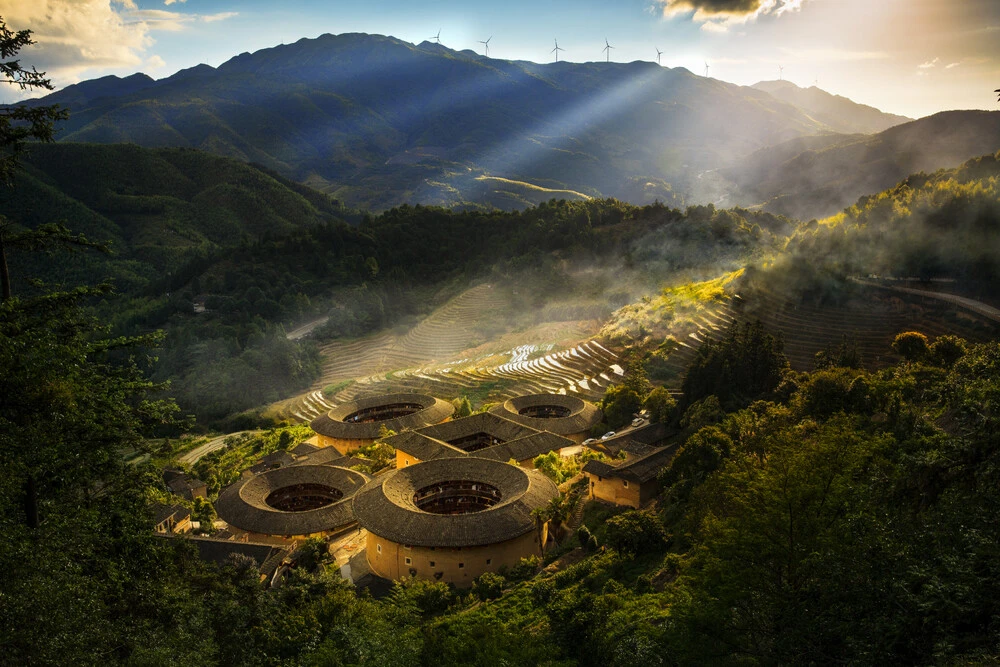
Cultural:
- Fujian Tulou (2008)
- Ancient villages of southern Anhui – Xidi and Hongcun (2000)
- Central axis of Beijing: a set of buildings representing the ideal order of the Chinese capital (2024)
- Capitals and tombs of the ancient kingdom of Koguryo (2004)
- Historic Centre of Macau (2005)
- Diaolou and villages of Kaiping (2007)
- Group of ancient buildings in the Wudang mountains (1994)
- Historic complex of the Potala Palace, Lhasa (1994, 2000, 2001)
- Longmen Caves (2000)
- Mogao Caves (1987)
- Yungang Grottoes (2001)
- Classical Gardens of Suzhou (1997, 2000)
- Kulangsu, an international historic establishment (2017)
- The Great Wall (1987)
- The Grand Canal (2014)
- Mausoleum of the First Qin Emperor (1987)
- Mount Qingcheng and the Dujiangyan irrigation system (2000)
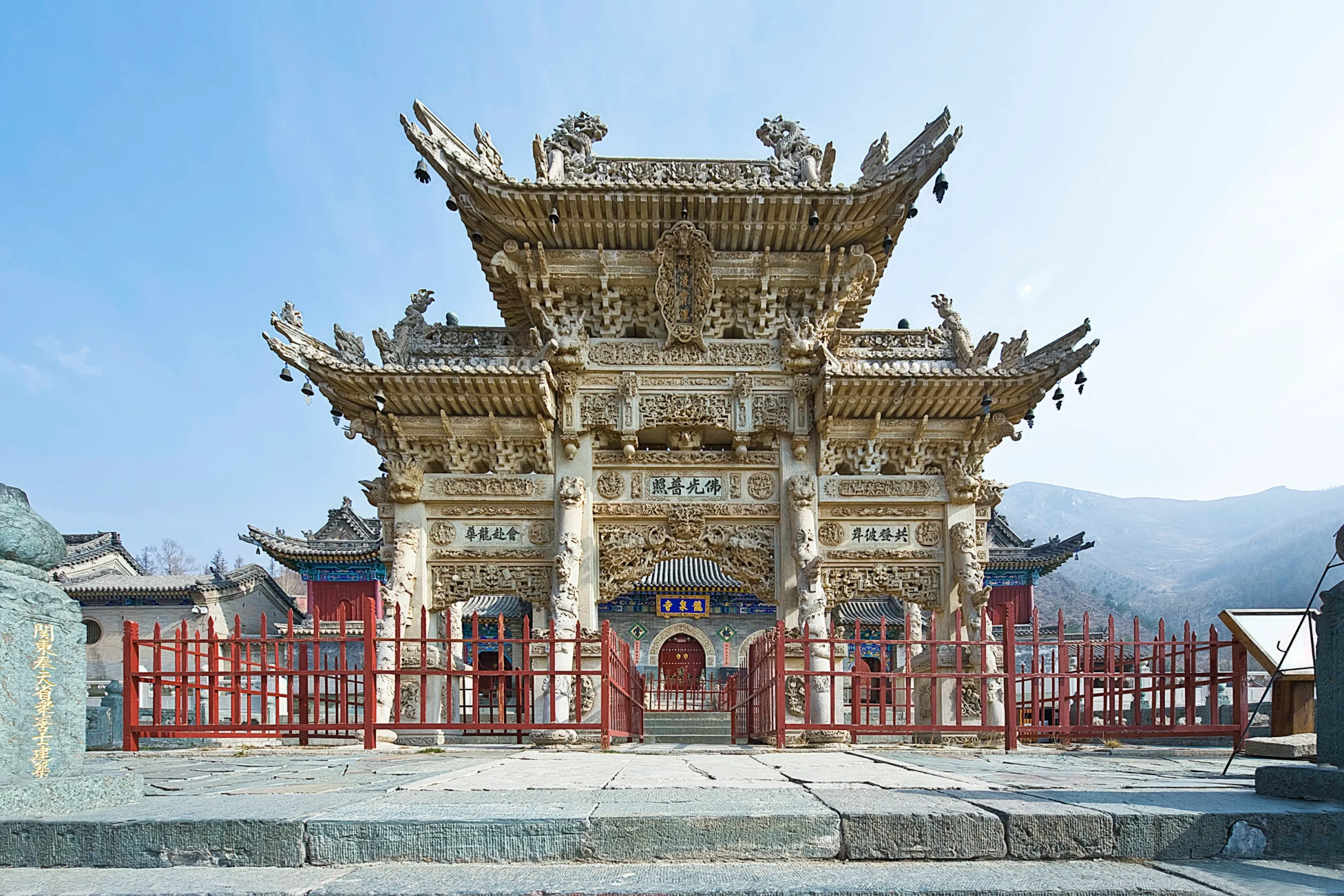
- Mount Wutai (2009)
- Historical monuments of Dengfeng at the “center of heaven and earth” (2010)
- Summer Palace, Imperial Garden of Beijing (1998)
- Imperial palaces of the Ming and Qing dynasties in Beijing and Shenyang (1987, 2004)
- Lushan National Park (1996)
- Zuojiang Huashan Rock Art Cultural Landscape (2016)
- Cultural landscape of the ancient tea forests of Jingmai Mountain in Pu’er (2023)
- Cultural landscape of the Hani terraced rice paddies of Honghe (2013)
- Cultural landscape of Hangzhou’s West Lake (2011)
- Quanzhou: World Emporium of Song and Yuan Dynasty China (2021)
- Mountain residence and surrounding temples in Chengde (1994)
- Silk Roads: The Chang’an-Tianshan Corridor Road Network (2014)
- Archaeological ruins of the city of Liangzhu (2019)
- Rock carvings of Dazu (1999)
- Site of the Peking Man at Zhoukoudian (1987)
- Xanadu site (2012)
- Tusi sites (2015)
- Temple of Heaven, imperial sacrificial altar in Beijing (1998)
- Temple and cemetery of Confucius and residence of the Kong family in Qufu (1994)
- Imperial tombs of the Ming and Qing dynasties (2000, 2003, 2004)
- Imperial Tombs of the Xixia (2025)
- Lijiang Old Town (1997)
- Old Town of Ping Yao (1997)
- Yin Xu (2006)
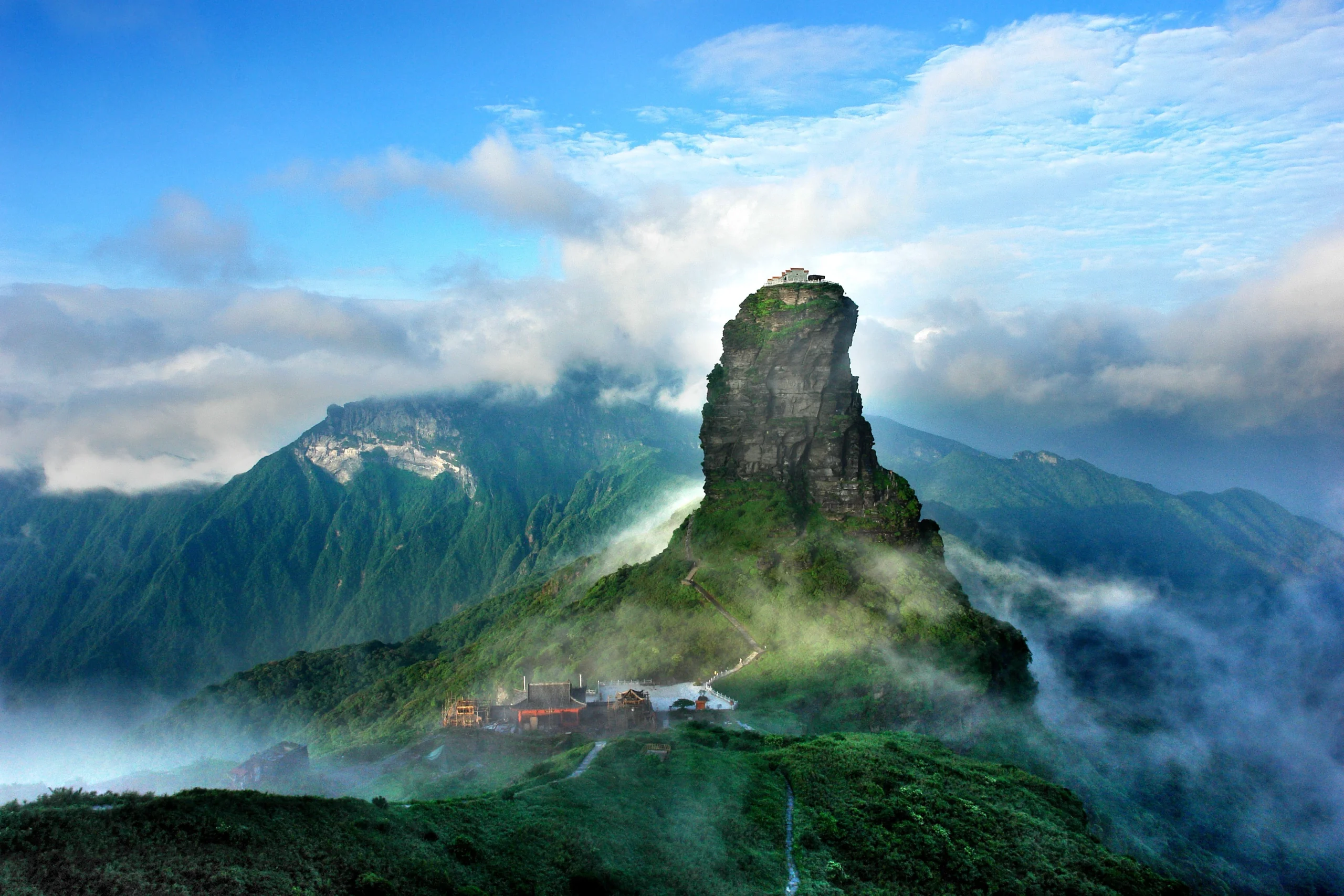
Natural:
- Sichuan Giant Panda Sanctuaries – Wolong, Mount Siguniang and Jiajin Mountains (2006)
- Protected areas of the three parallel rivers in Yunnan (2003)
- Danxia of China (2010)
- Badain Jaran Desert – Sand Towers and Lakes (2024)
- Fanjing Shan (2018)
- South China Karst (2007, 2014)
- Mount Sanqingshan National Park (2008)
- Qinghai Hoh Xil (2017)
- Huanglong Scenic and Historical Interest Area (1992)
- Jiuzhaigou Valley Scenic and Historical Interest Region (1992)
- Wulingyuan Scenic and Historical Interest Area (1992)
- Migratory bird sanctuaries along the coast of the Yellow Sea and the Bohai Gulf of China (2019, 2024)
- Shennongjia in Hubei (2016)
- Chengjiang Fossil Site (2012)
- Tianshan in Xinjiang (2013)
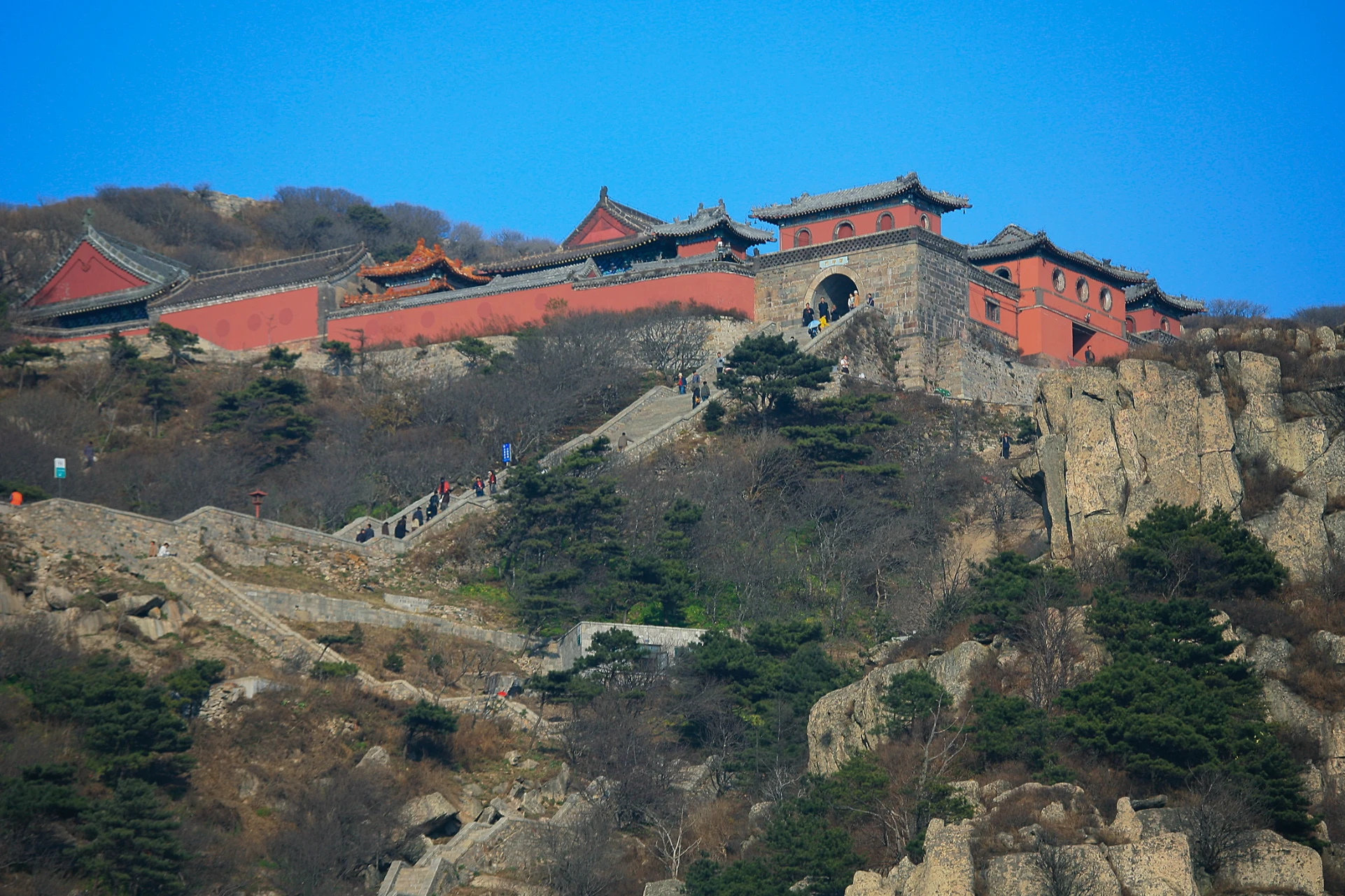
Mixed:
- Mount Huangshan (1990)
- Mount Taishan (1987)
- Mount Wuyi (1999)
- Panoramic landscape of Mount Emei, including the panoramic landscape of the Leshan Giant Buddha (1996)
3. Germany – 55 World Heritage Sites
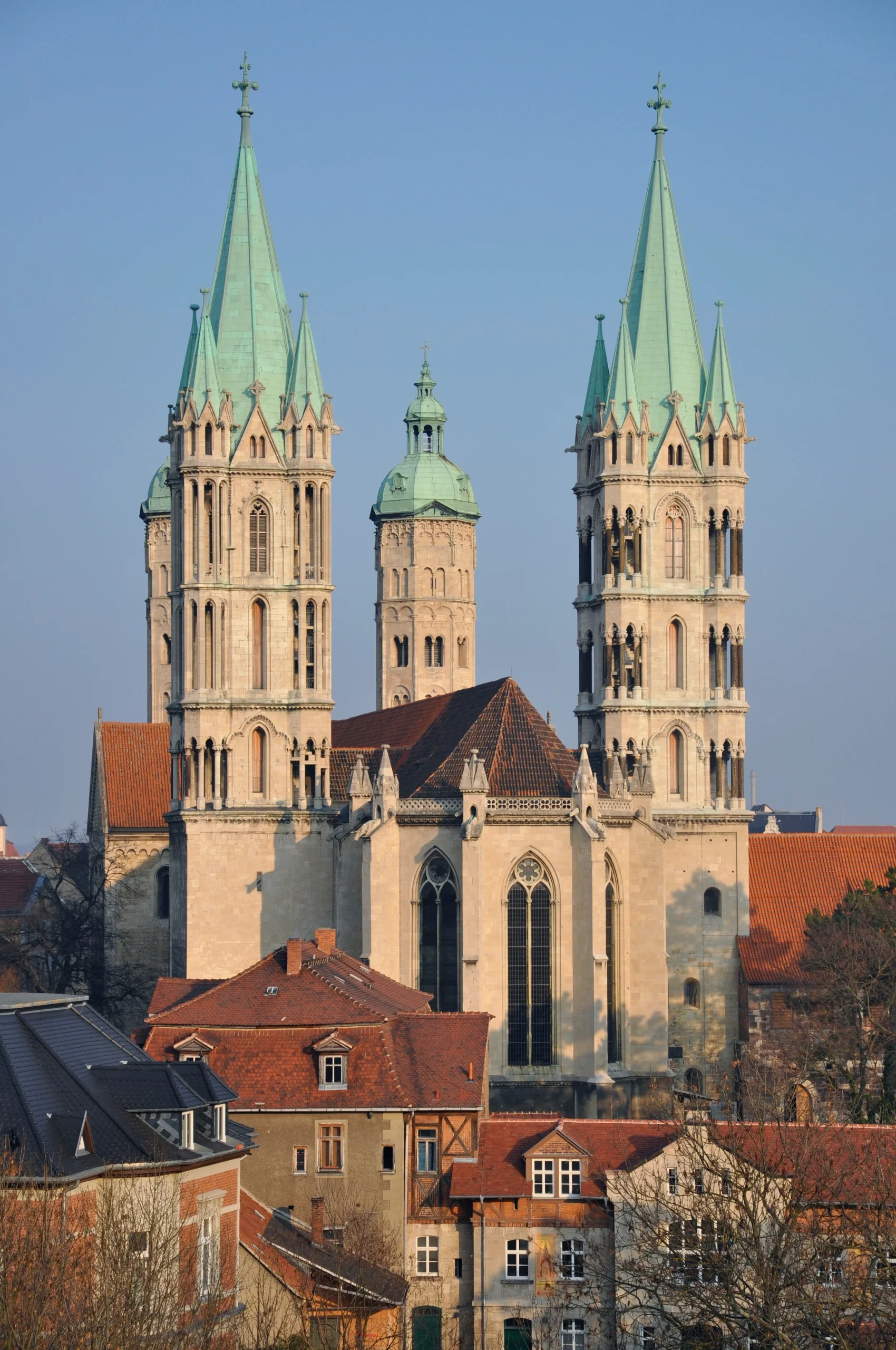
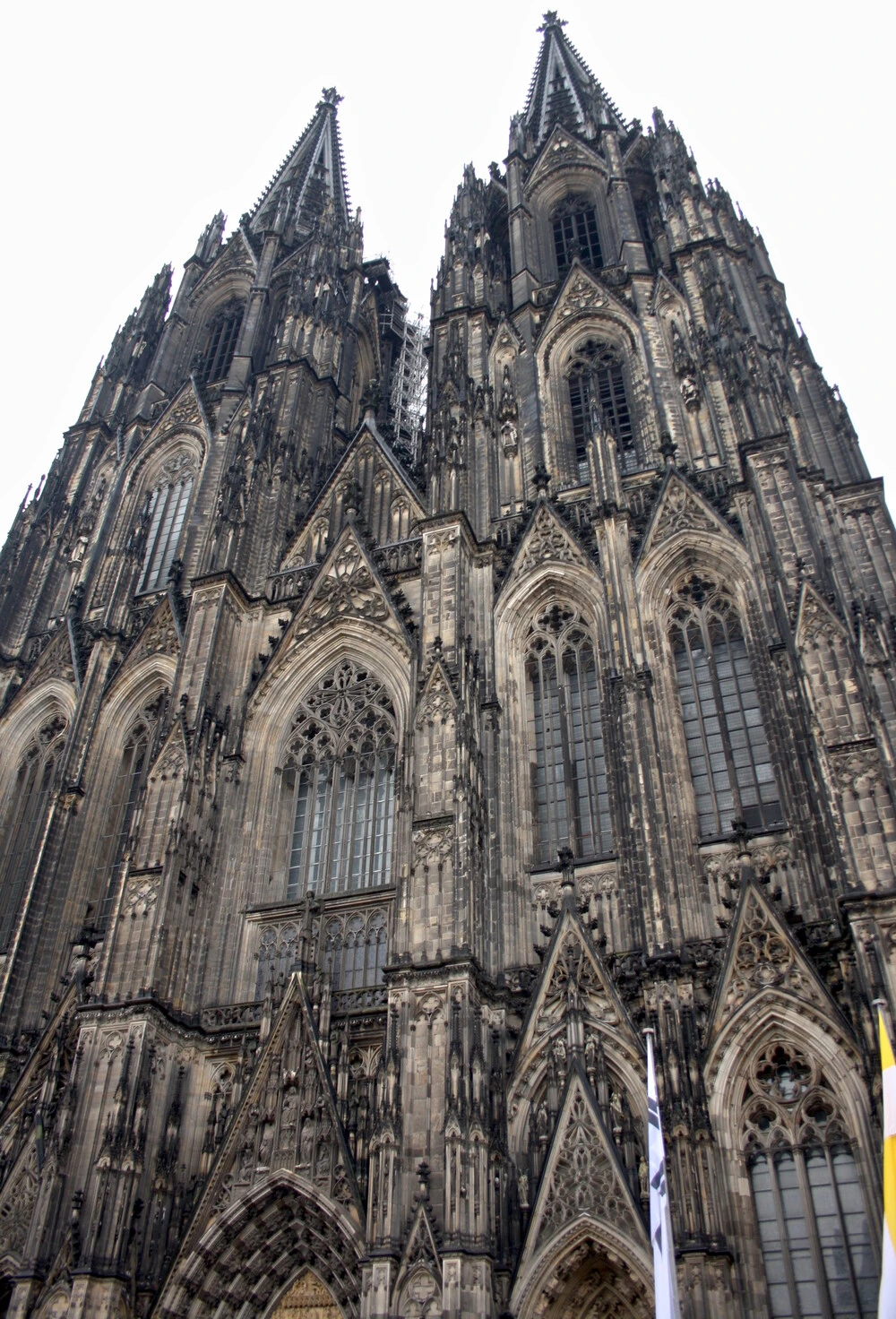
With its Gothic cathedrals, castles, and modern industrial sites, Germany ranks 3rd on the list of countries with the most World Heritage sites. It boasts a total of 55 heritage sites, 52 of which are cultural and 3 are natural. Cologne Cathedral, Augustusburg Castle, and Wartburg Castle, among the country’s most visited sites, reflect Germany’s complex history, architectural advancements, and commitment to nature conservation, balancing medieval traditions with cutting-edge innovation.
Sites in Germany that are on the World Heritage List:
Cultural:
- Abbey and Altenmünster of Lorsch (1991)
- Bauhaus and its sites in Weimar, Dessau, and Bernau (1996, 2017)
- Bergpark Wilhelmshöhe (2013)
- Aachen Cathedral (1978)
- Cologne Cathedral (1996)
- Naumburg Cathedral (2018)
- Speyer Cathedral (1981)
- St. Mary’s Cathedral and St. Michael’s Church in Hildesheim (1985)
- Historic Centres of Stralsund and Wismar (2002)
- Augustusburg and Falkenlust Castles in Brühl (1984)
- Castles and parks of Potsdam and Berlin (1990, 1992, 1999)
- Cities of Berlin Modernism (2008)
- Collegiate Church, Castle and Old Town of Quedlinburg (1994)
- Moravian Church Colonies (2015, 2024)
- Zollverein coal mine industrial complex in Essen (2001)
- Wies Pilgrimage Church (1983)
- Border archaeological ensemble of Hedeby and Danevirke (2018)
- Schwerin Residence Complex (2024)
- Borders of the Roman Empire (1987, 2005, 2008)
- Frontiers of the Roman Empire – the Lower Germanic Limes (2021)
- Caves and Ice Age Art in the Swabian Jura (2017)
- Bremen Town Hall and the statue of Roland in the market square (2004)
- Reichenau Monastic Island (2000)
- The architectural work of Le Corbusier is an exceptional contribution to the Modern Movement (2016)
- The Mathildenhöhe in Darmstadt (2021)
- The Speicherstadt and the Kontorhaus district with the Chilehaus (2015)
- The Wartburg (1999)
- The Kingdom of Gardens of Dessau-Wörlitz (2000)
- The castles of King Ludwig II of Bavaria: Neuschwanstein, Linderhof, Schachen and Herrenchiemsee (2025)
- The borders of the Roman Empire – the Danube limes (western segment) (2021)
- Major spa towns in Europe (2021)
- Rammelsberg Mines, the historic town of Goslar, and the Upper Harz water management system (1992, 2010)
- Maulbronn Monastery (1993)
- Luther memorials in Eisleben and Wittenberg (1996)
- Museum Island, Berlin (1999)
- Margravial Opera of Bayreuth (2012)
- Muskau Park / Mużakowski Park (2004)
- Medieval Jewish Heritage of Erfurt (2023)
- Erzgebirge/Krušnohoří mining region (2019)
- Würzburg Residence with Court Gardens and Residence Square (1981)
- Prehistoric pile-dwelling sites around the Alps (2011)
- SchUM sites in Speyer, Worms, and Mainz (2021)
- Augsburg Water Management System (2019)
- Trier – Roman monuments, St. Peter’s Cathedral, and Church of Our Lady (1986)
- Fagus factory in Alfeld (2011)
- Völklingen steelworks (1994)
- Upper Middle Rhine Valley (2002)
- Old Town of Regensburg and Stadtamhof (2006)
- City of Bamberg (1993)
- Hanseatic City of Lübeck (1987)
- Classical Weimar (1998)
- Carolingian Westwerk and Corvey civitas (2014)
Natural:
- Primary and ancient beech forests of the Carpathians and other regions of Europe (2007, 2011, 2017, 2021)
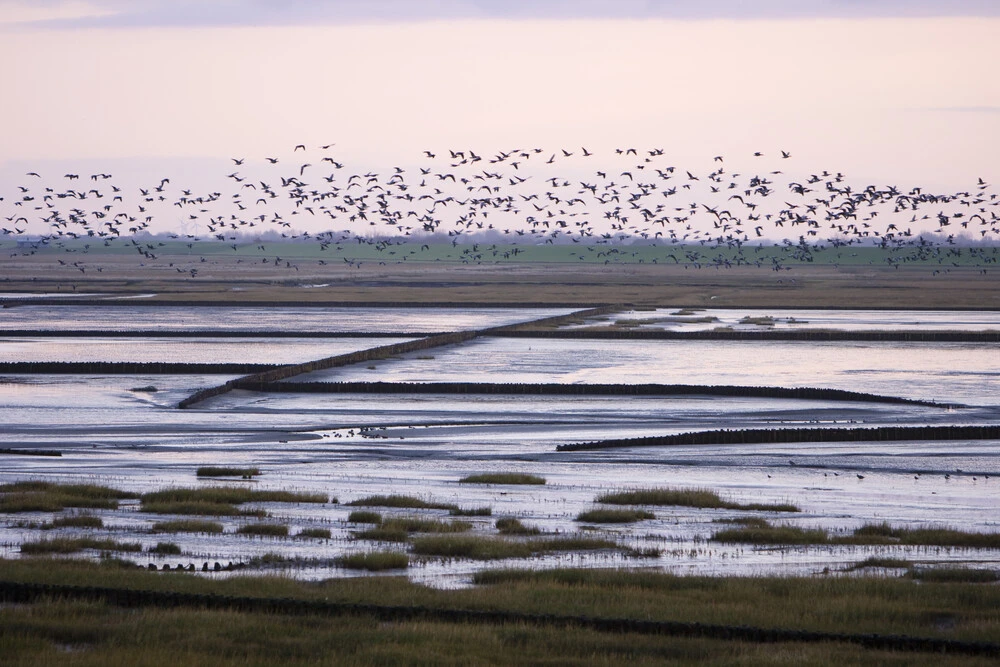
- The Wadden Sea (2009, 2014)
- Messel fossil site (1995)
4. France – 54 World Heritage Sites
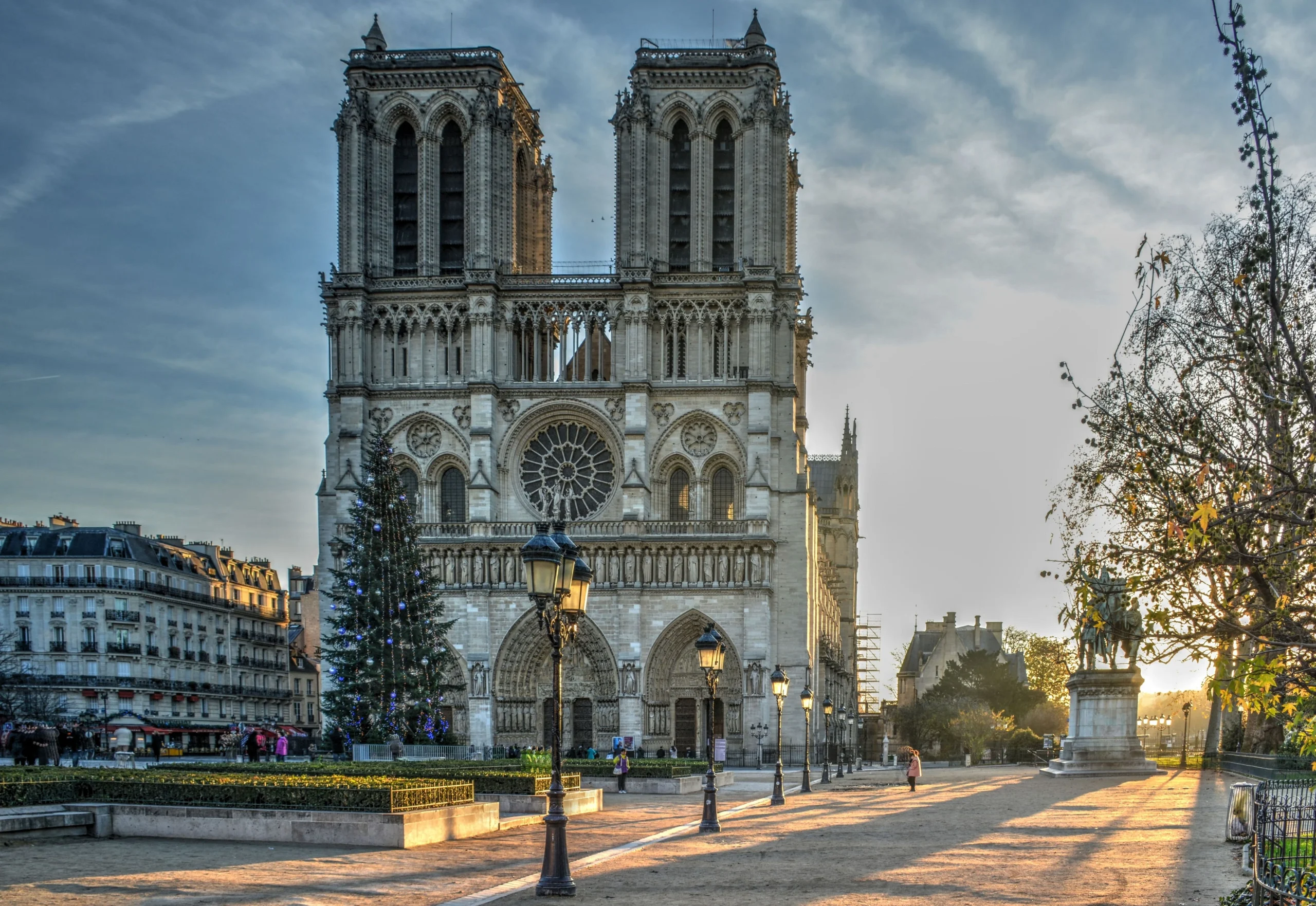
Ranked 4th on the list, France’s heritage includes magnificent palaces, prehistoric caves, Gothic cathedrals, and natural beauty. From medieval towns to splendid cathedrals, 54 heritage sites preserve traces of France’s past while carrying the country’s cultural memory and universal values into the future.
Sites in France that are on the World Heritage List:
Cultural:
- Abbey church of Saint-Savin sur Gartempe (1983)
- Cistercian Abbey of Fontenay (1981)
- Arles, Roman and Romanesque monuments (1981)
- Basilica and hill of Vézelay (1979)
- Nord-Pas-de-Calais mining basin (2012)
- Belfries of Belgium and France (1999, 2005)
- Bordeaux, Port of the Moon (2007)
- Canal du Midi (1996)
- Amiens Cathedral (1981)
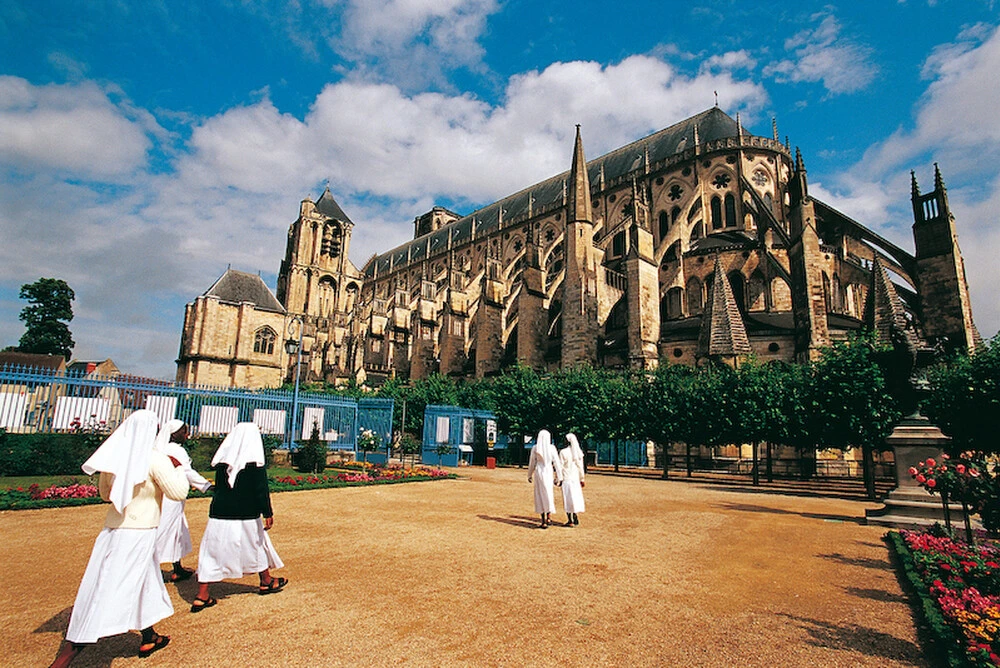
- Bourges Cathedral (1992)
- Chartres Cathedral (1979)
- Notre-Dame Cathedral, former Saint-Rémi Abbey and Tau Palace, Reims (1991)
- Historic center of Avignon: Palace of the Popes, episcopal complex, and Avignon Bridge (1995)
- Routes of Santiago de Compostela in France (1998)
- Episcopal City of Albi (2010)
- Champagne Hillsides, Houses and Cellars (2015)
- From the large saltworks of Salins-les-Bains to the royal saltworks of Arc-et-Senans, the production of evaporated salt (1982, 2009)
- Fortifications of Vauban (2008)
- Decorated cave of Pont-d’Arc, known as Chauvet-Pont-d’Arc Cave, Ardèche (2014)
- Jurisdiction of Saint-Émilion (1999)
- The architectural work of Le Corbusier is an exceptional contribution to the Modern Movement (2016)
- The Maison Carrée in Nîmes (2023)
- Le Havre, the city rebuilt by Auguste Perret (2005)
- The Cordouan Lighthouse (2021)
- The Causses and the Cévennes, a cultural landscape of Mediterranean agro-pastoralism (2011)
- The Climats of the Burgundy vineyards (2015)
- Major spa towns in Europe (2021)
- Megaliths of Carnac and the banks of the Morbihan (2025)
- Mont-Saint-Michel and its bay (1979)
- Nice, the Riviera winter resort city (2021)
- Palace and park of Fontainebleau (1981)
- Palace and Park of Versailles (1979)
- Paris, banks of the Seine (1991)
- Stanislas, Carrière, and Alliance squares in Nancy (1983)
- Pont du Gard (1985)
- Provins, a medieval fair town (2001)
- Historic site of Lyon (1998)
- World War I burial and memorial sites (Western Front) (2023)
- Prehistoric pile-dwelling sites around the Alps (2011)
- Prehistoric sites and decorated caves of the Vézère valley (1979)
- Strasbourg, Grande-Île and Neustadt (1988, 2017)
- Taputapuātea (2017)
- Ancient theatre and its surroundings, and the “Triumphal Arch” of Orange (1981)
- Loire Valley between Sully-sur-Loire and Chalonnes (2000)
- Historic fortified city of Carcassonne (1997)
Natural:
- Primary and ancient beech forests of the Carpathians and other regions of Europe (2007, 2011, 2017, 2021)
- Gulf of Porto: Calanche de Piana, Gulf of Girolata, Scandola reserve (1983)
- Tectonic hotspot Chaîne des Puys – Limagne fault (2018)
- New Caledonia lagoons: reef diversity and associated ecosystems (2008)
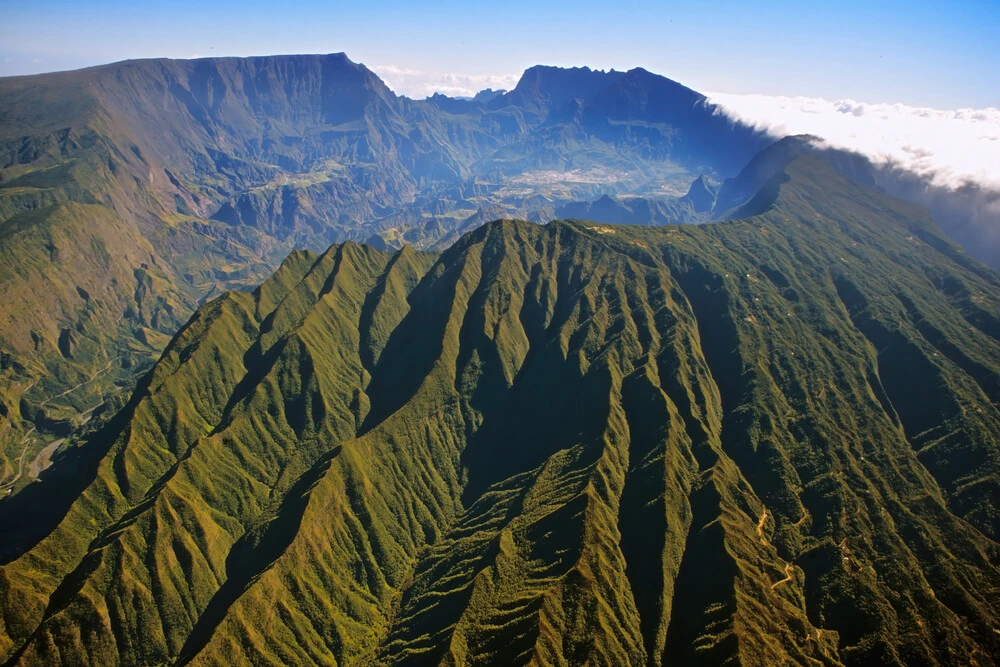
- Peaks, cirques, and ramparts of Reunion Island (2010)
- French Southern Lands and Seas (2019)
- Volcanoes and forests of Mount Pelée and the northern peaks of Martinique (2023)
Mixed:
- Pyrénées – Mont Perdu (1997, 1999)
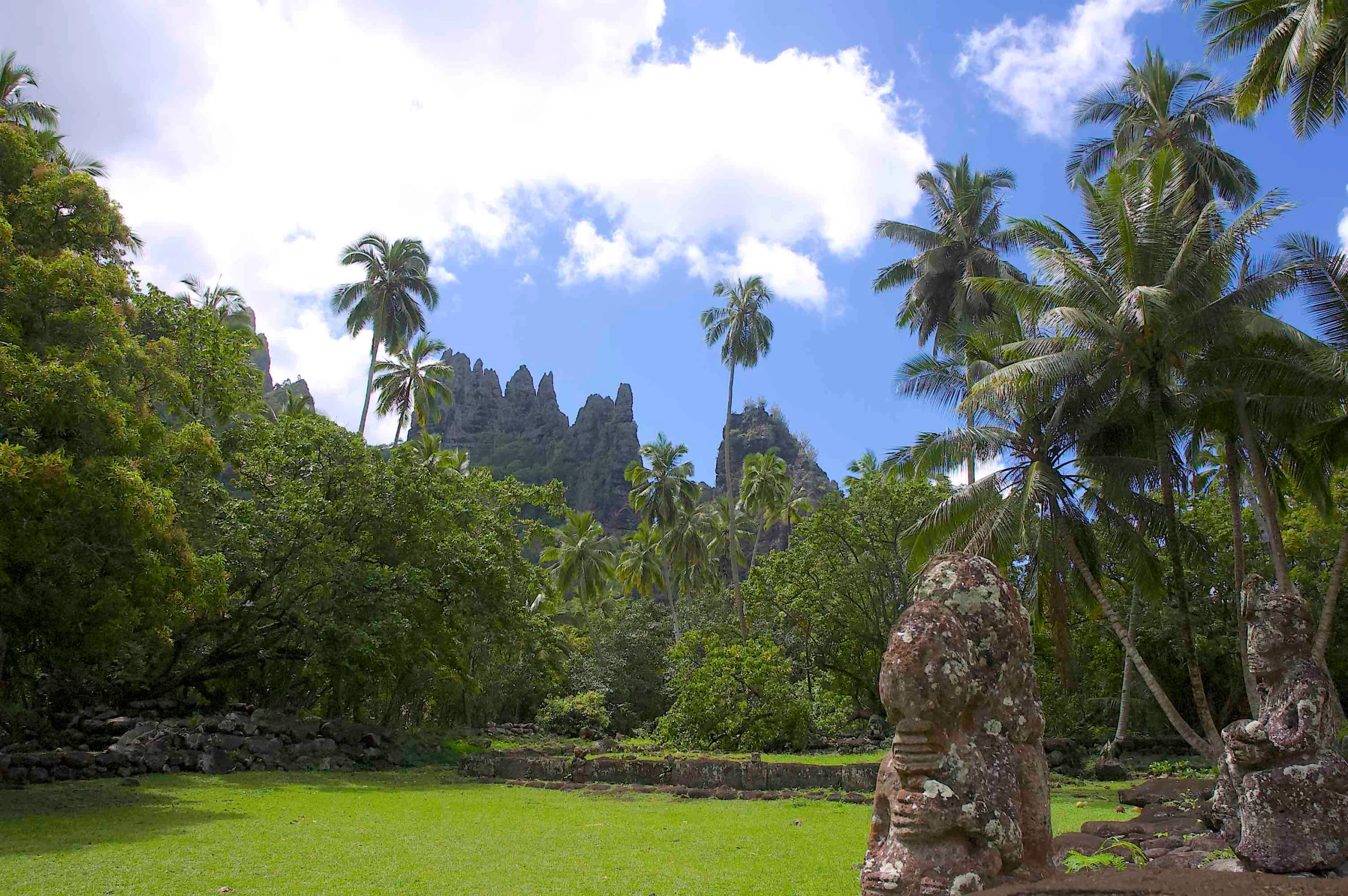
- Te Henua Enata – The Marquesas Islands (2024)
5. Spain – 50 World Heritage Sites
Shaped by the traces left by different civilizations over the centuries, Spain boasts a total of 50 UNESCO World Heritage Sites: 44 cultural, 4 natural, and 2 mixed. Carrying the vibrant spirit of Mediterranean culture, these heritage sites, from the Alhambra Palace in Granada to the Mezquita Cathedral in Cordoba and from the historic pilgrimage route of Santiago to Gaudí’s architectural masterpieces, reflect the country’s multifaceted identity.
Sites in Spain that are on the World Heritage List:
Cultural:
- Alhambra, Generalife, and Albayzín, Granada (1984, 1994)
- Antequera Dolmens Site (2016)
- Aranjuez Cultural Landscape (2001)
- Archaeological Ensemble of Mérida (1993)
- Archaeological Ensemble of Tarraco (2000)
- Archaeological Site of Atapuerca (2000)
- Burgos Cathedral (1984)
- Caliphate City of Medina Azahara (2018)
- Catalan Romanesque Churches of the Vall de Boí (2000)
- Cathedral, Alcázar and Archivo de Indias in Seville (1987)
- Cave of Altamira and Paleolithic Cave Art of Northern Spain (1985, 2008)
- Cultural Landscape of the Serra de Tramuntana (2011)
- Heritage of Mercury. Almadén and Idrija (2012)
- Historic Centre of Cordoba (1984, 1994)
- Historic City of Toledo (1986)
- Historic Walled Town of Cuenca (1996)
- La Lonja de la Seda de Valencia (1996)
- Las Médulas (1997)
- Monastery and Site of the Escorial, Madrid (1984)
- Monuments of Oviedo and the Kingdom of the Asturias (1985, 1998)
- Mudejar Architecture of Aragon (1986, 2001)
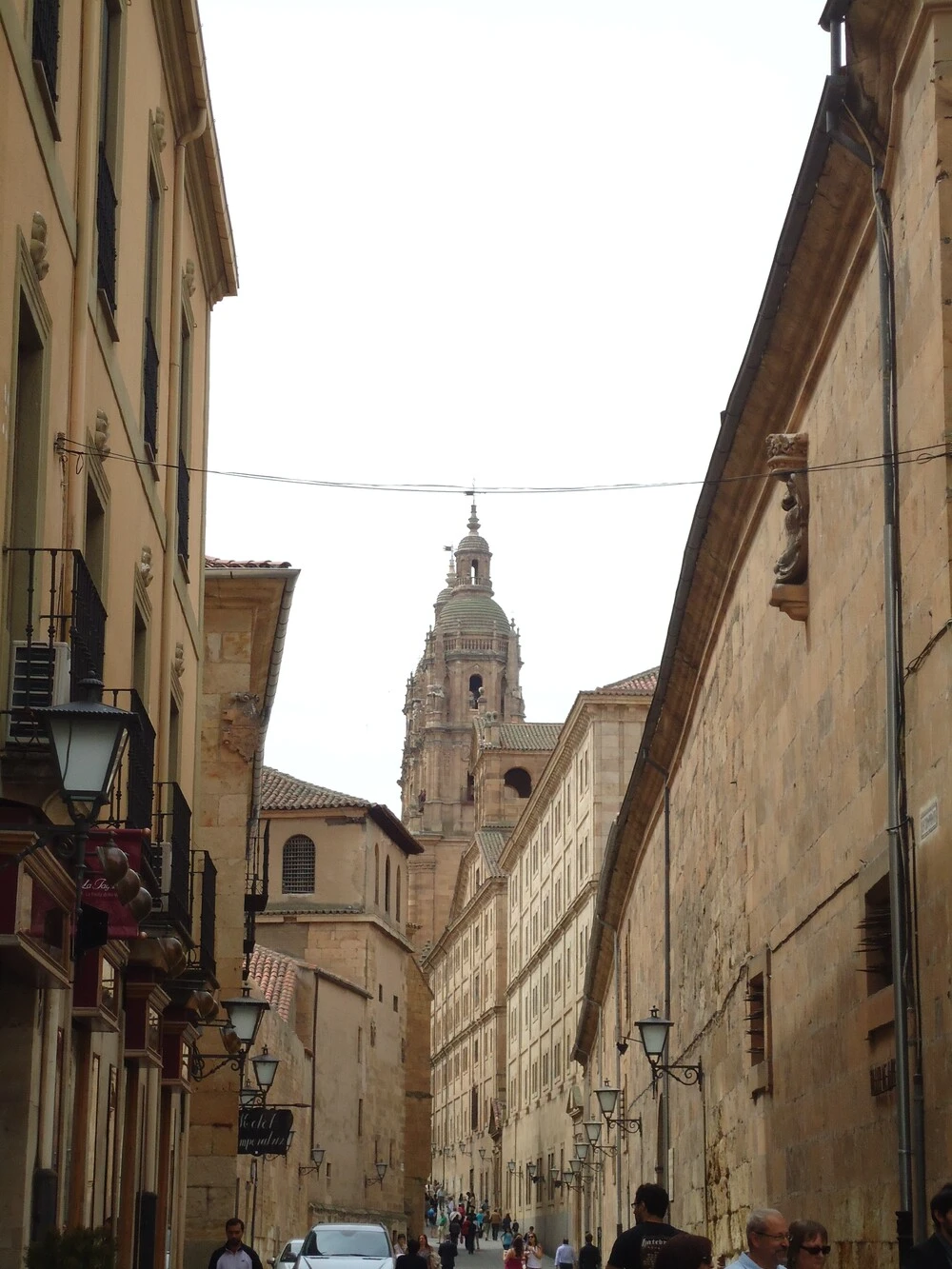
- Old City of Salamanca (1988)
- Old Town of Ávila with its Extra-Muros Churches (1985)
- Old Town of Cáceres (1986)
- Old Town of Segovia and its Aqueduct (1985)
- Palau de la Música Catalana and Hospital de Sant Pau, Barcelona (1997)
- Palmeral of Elche (2000)
- Paseo del Prado and Buen Retiro, a landscape of Arts and Sciences (2021)
- Poblet Monastery (1991)
- Prehistoric Rock Art Sites in the Côa Valley and Siega Verde (1998, 2010)
- Renaissance Monumental Ensembles of Úbeda and Baeza (2003)
- Risco Caido and the Sacred Mountains of Gran Canaria Cultural Landscape (2019)
- Rock Art of the Mediterranean Basin on the Iberian Peninsula (1998)
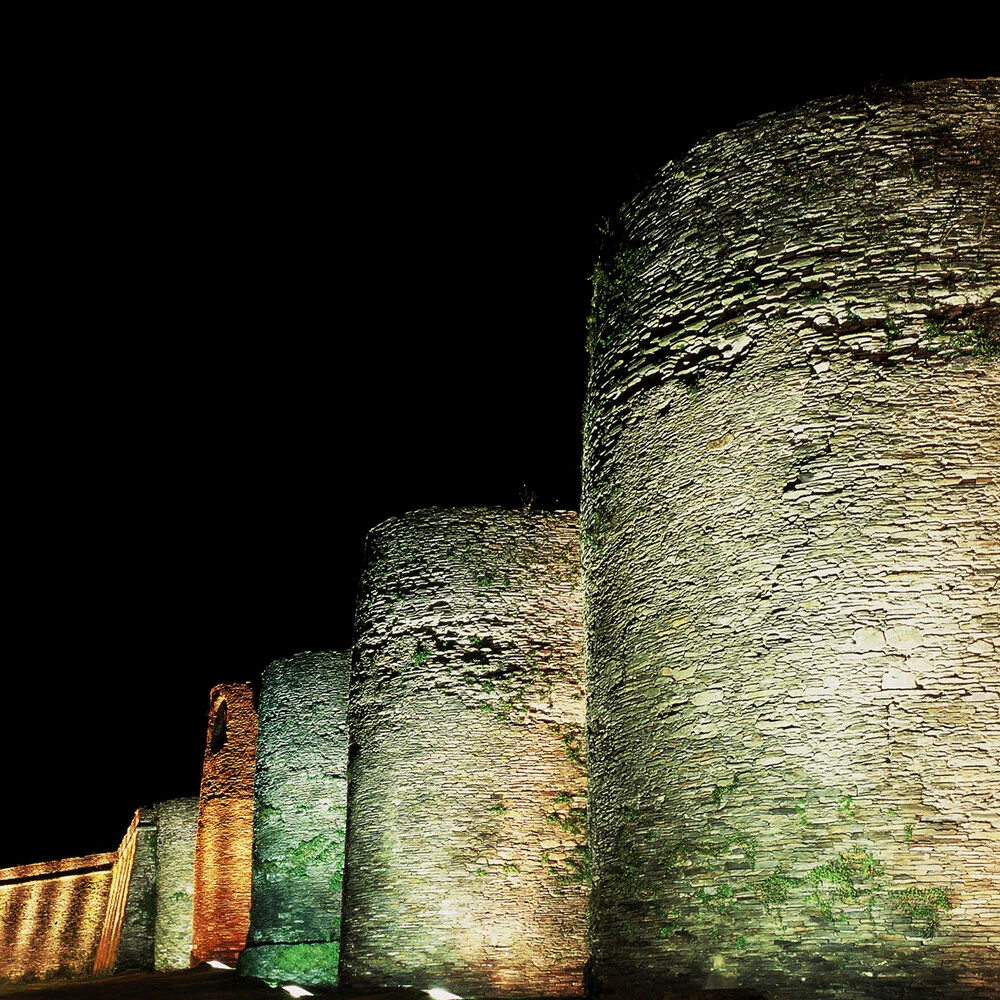
- Roman Walls of Lugo (2000)
- Routes of Santiago de Compostela: Camino Francés and Routes of Northern Spain (1993, 2015)
- Royal Monastery of Santa María de Guadalupe (1993)
- San Cristóbal de La Laguna (1999)
- San Millán Yuso and Suso Monasteries (1997)
- Santiago de Compostela (Old Town) (1985)
- Talayotic Menorca (2023)
- Tower of Hercules (2009)
- University and Historic Precinct of Alcalá de Henares (1998)
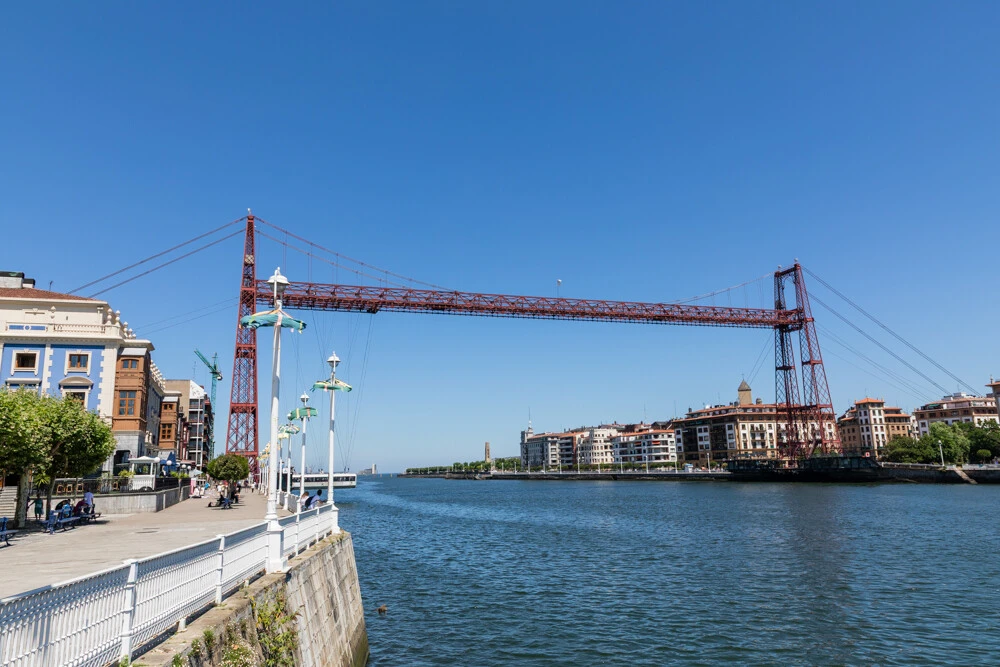
- Vizcaya Bridge (2006)
- Works of Antoni Gaudí (1984, 2005)
Natural:
- Ancient and Primeval Beech Forests of the Carpathians and Other Regions of Europe (2007, 2011, 2017, 2021)
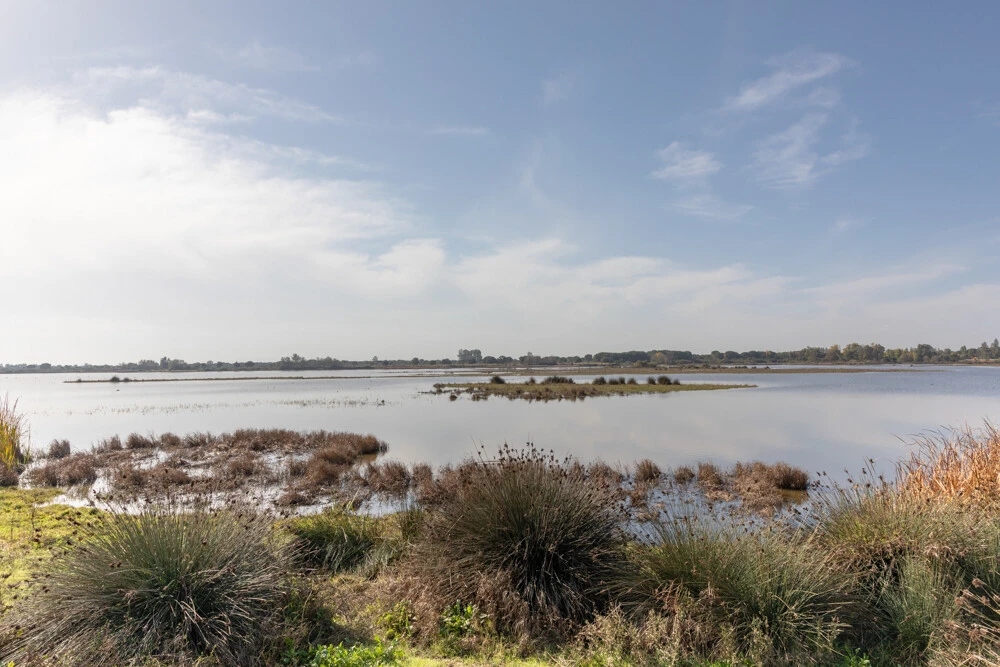
- Doñana National Park (1994, 2005)
- Garajonay National Park (1986)
- Teide National Park (2007)
Mixed:
- Ibiza, Biodiversity and Culture (1999)
- Pyrénées – Mont Perdu (1997, 1999)
6. India – 44 World Heritage Sites
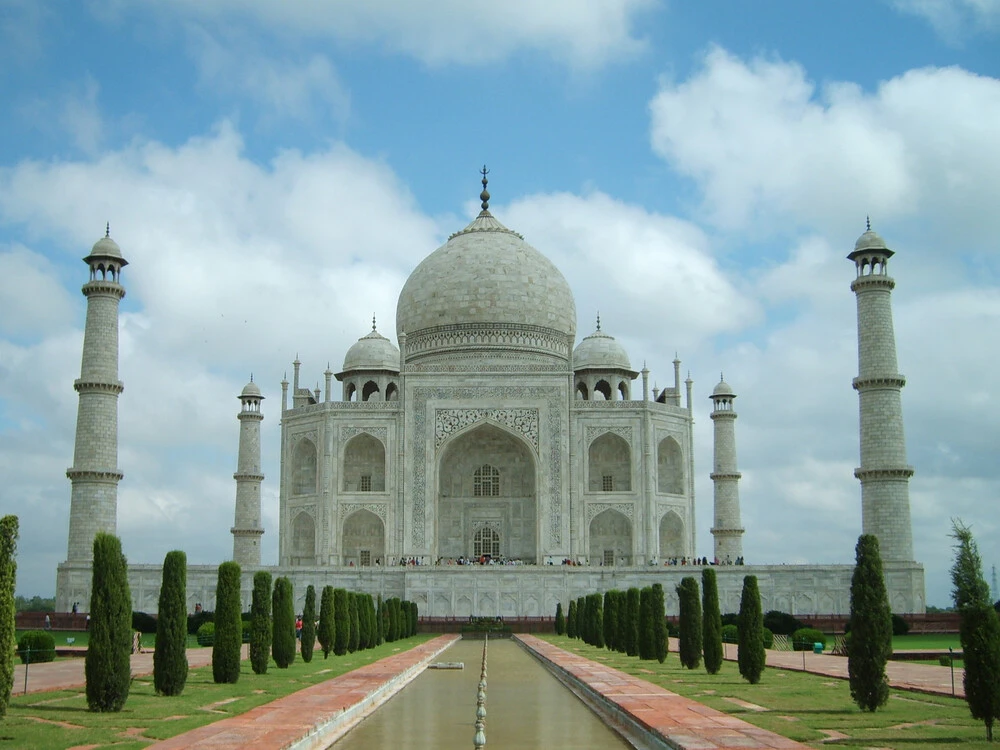
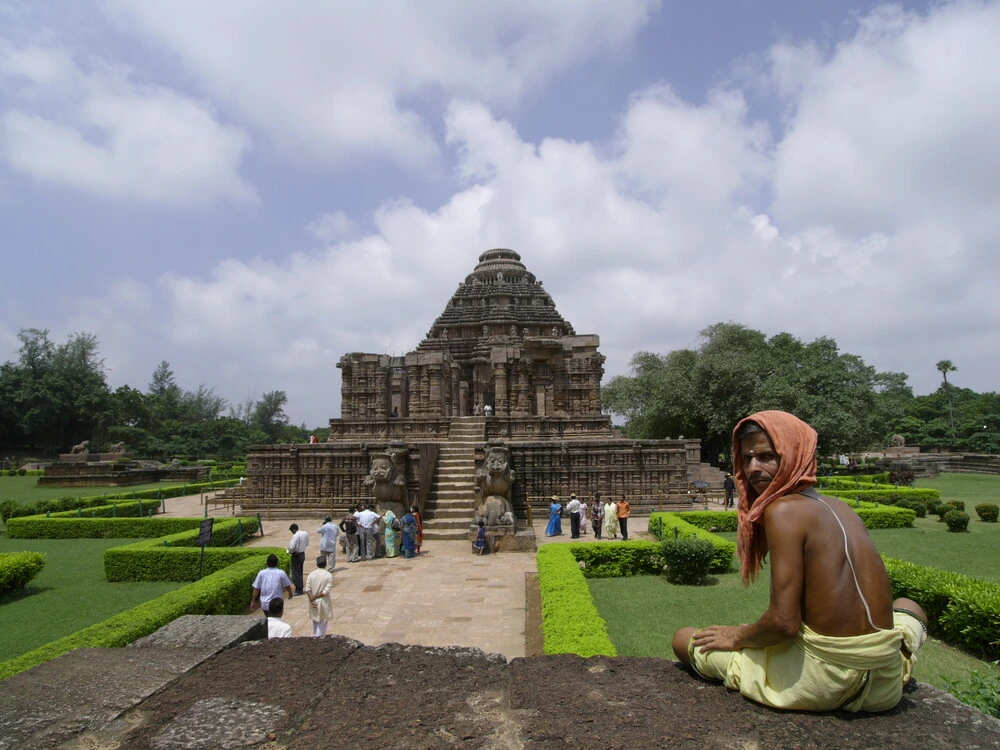
With its ancient temples, Mughal forts, Buddhist caves, and diverse ecological regions, India, boasting 44 UNESCO World Heritage Sites, is a meeting point of ancient civilizations, diverse beliefs, and rich traditions. Iconic sites such as the Taj Mahal in Agra, the Temple of the Sun in Konarak, and the Ajanta caves in Lenapur showcase India’s spirituality, architecture, and biodiversity.
Sites in India that are on the World Heritage List:
Cultural:
- Agra Fort (1983)
- Ajanta Caves (1983)
- Archaeological Site of Nalanda Mahavihara at Nalanda, Bihar (2016)
- Buddhist Monuments at Sanchi (1989)
- Champaner-Pavagadh Archaeological Park (2004)
- Chhatrapati Shivaji Terminus (formerly Victoria Terminus) (2004)
- Churches and Convents of Goa (1986)
- Dholavira: a Harappan City (2021)
- Elephanta Caves (1987)
- Ellora Caves (1983)
- Fatehpur Sikri (1986)
- Great Living Chola Temples (1987, 2004)
- Group of Monuments at Hampi (1986)
- Group of Monuments at Mahabalipuram (1984)
- Group of Monuments at Pattadakal (1987)
- Hill Forts of Rajasthan (2013)
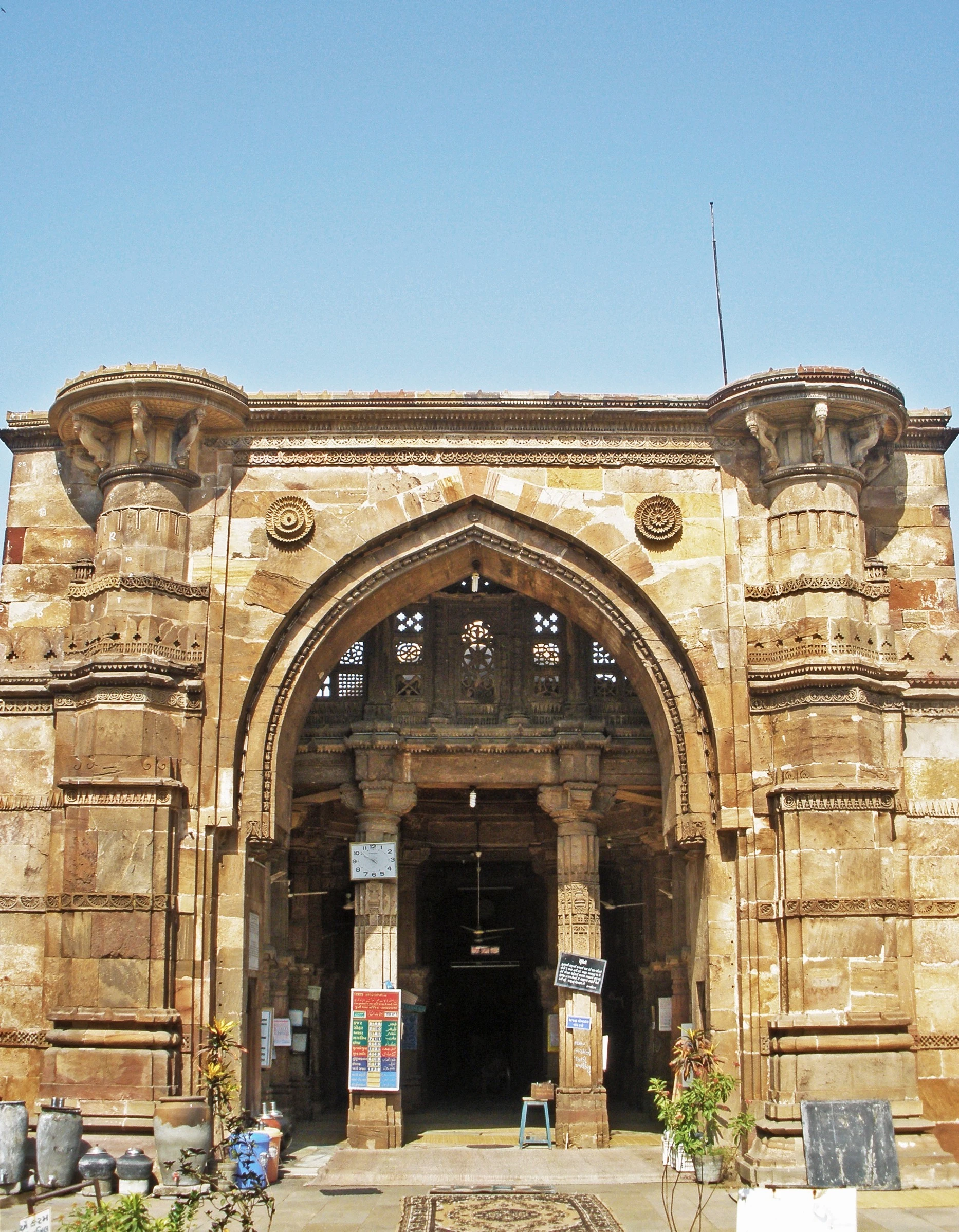
- Historic City of Ahmadabad (2017)
- Humayun’s Tomb, Delhi (1993)
- Jaipur City, Rajasthan (2019)
- Kakatiya Rudreshwara (Ramappa) Temple, Telangana (2021)
- Khajuraho Group of Monuments (1986)
- Mahabodhi Temple Complex at Bodh Gaya (2002)
- Maratha Military Landscapes of India (2025)
- Moidams – the Mound-Burial System of the Ahom Dynasty (2024)
- Mountain Railways of India (1999, 2005, 2008)
- Qutb Minar and its Monuments, Delhi (1993)
- Rani-ki-Vav (the Queen’s Stepwell) at Patan, Gujarat (2014)
- Red Fort Complex (2007)
- Rock Shelters of Bhimbetka (2003)
- Sacred Ensembles of the Hoysalas (2023)
- Santiniketan (2023)
- Sun Temple, Konârak (1984)
- Taj Mahal (1983)
- The Architectural Work of Le Corbusier, an Outstanding Contribution to the Modern Movement (2016)
- The Jantar Mantar, Jaipur (2010)
- Victorian Gothic and Art Deco Ensembles of Mumbai (2018)
Natural:
- Great Himalayan National Park Conservation Area (2014)
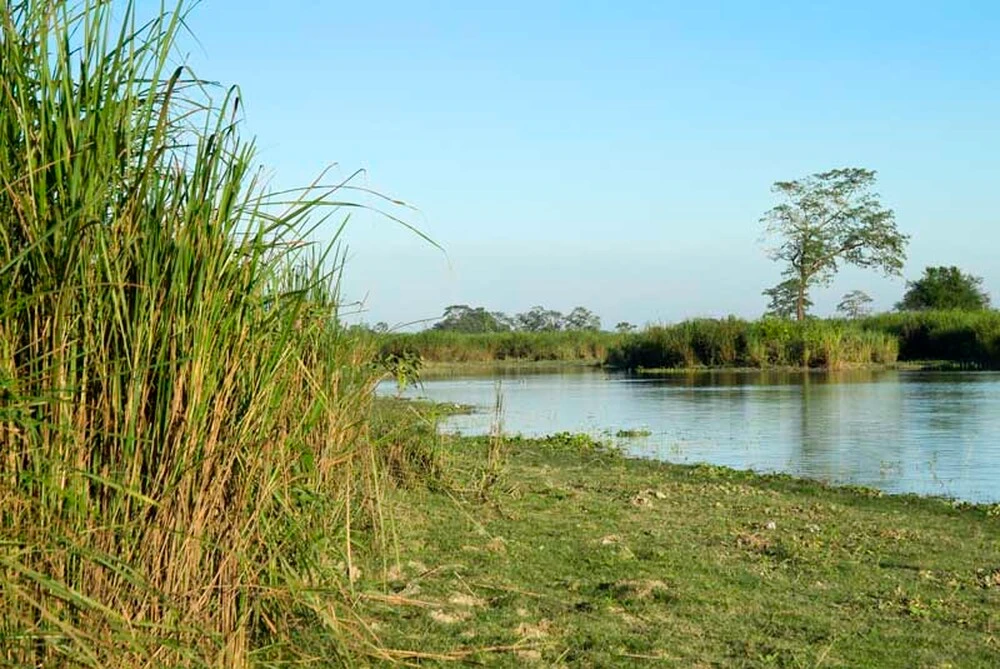
- Kaziranga National Park (1985)
- Keoladeo National Park (1985)
- Manas Wildlife Sanctuary (1985)
- Nanda Devi and Valley of Flowers National Parks (1988, 2005)
- Sundarbans National Park (1987)
- Western Ghats (2012)
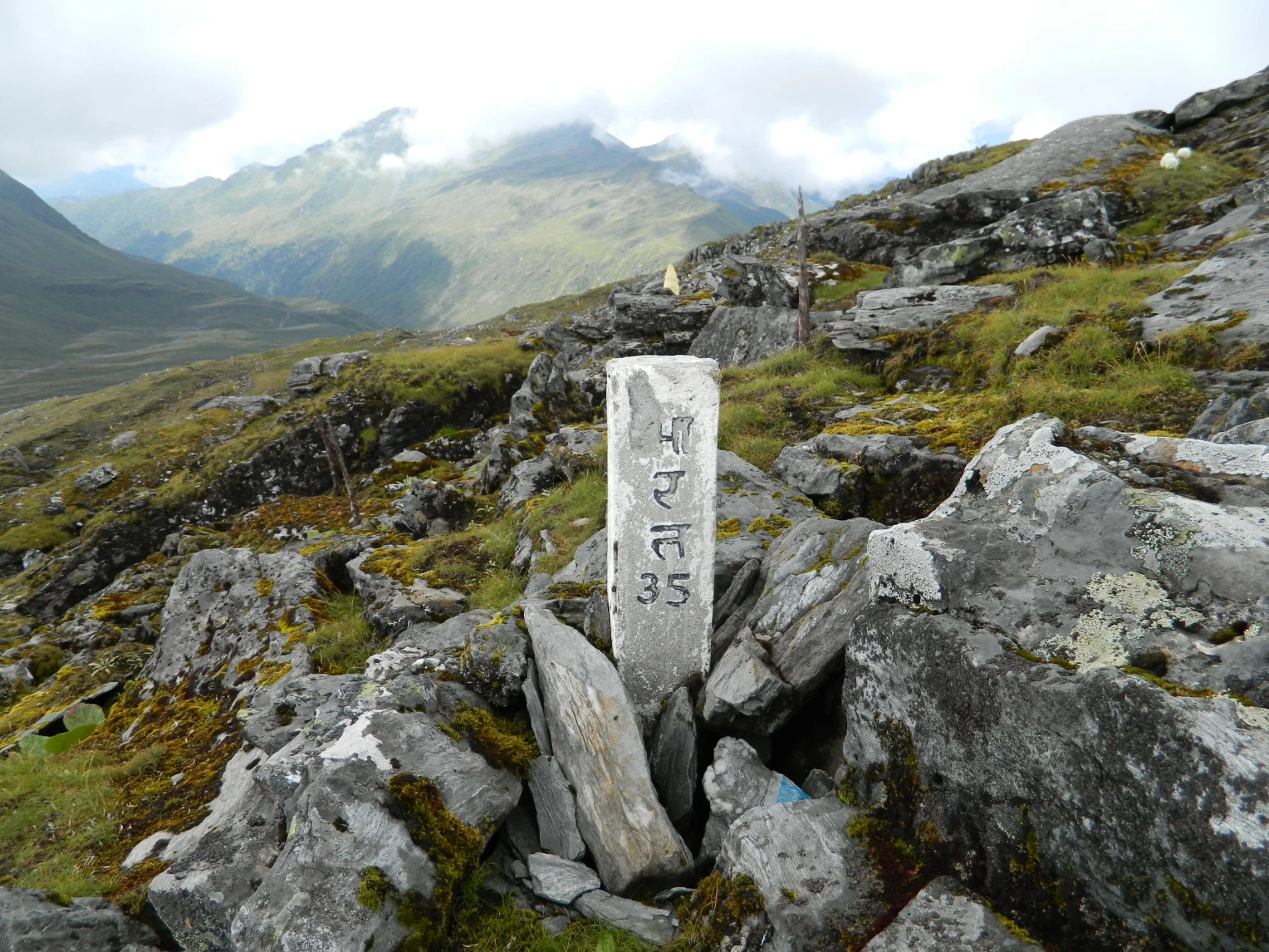
Mixed
- Khangchendzonga National Park (2016)
7. Mexico – 36 World Heritage Sites
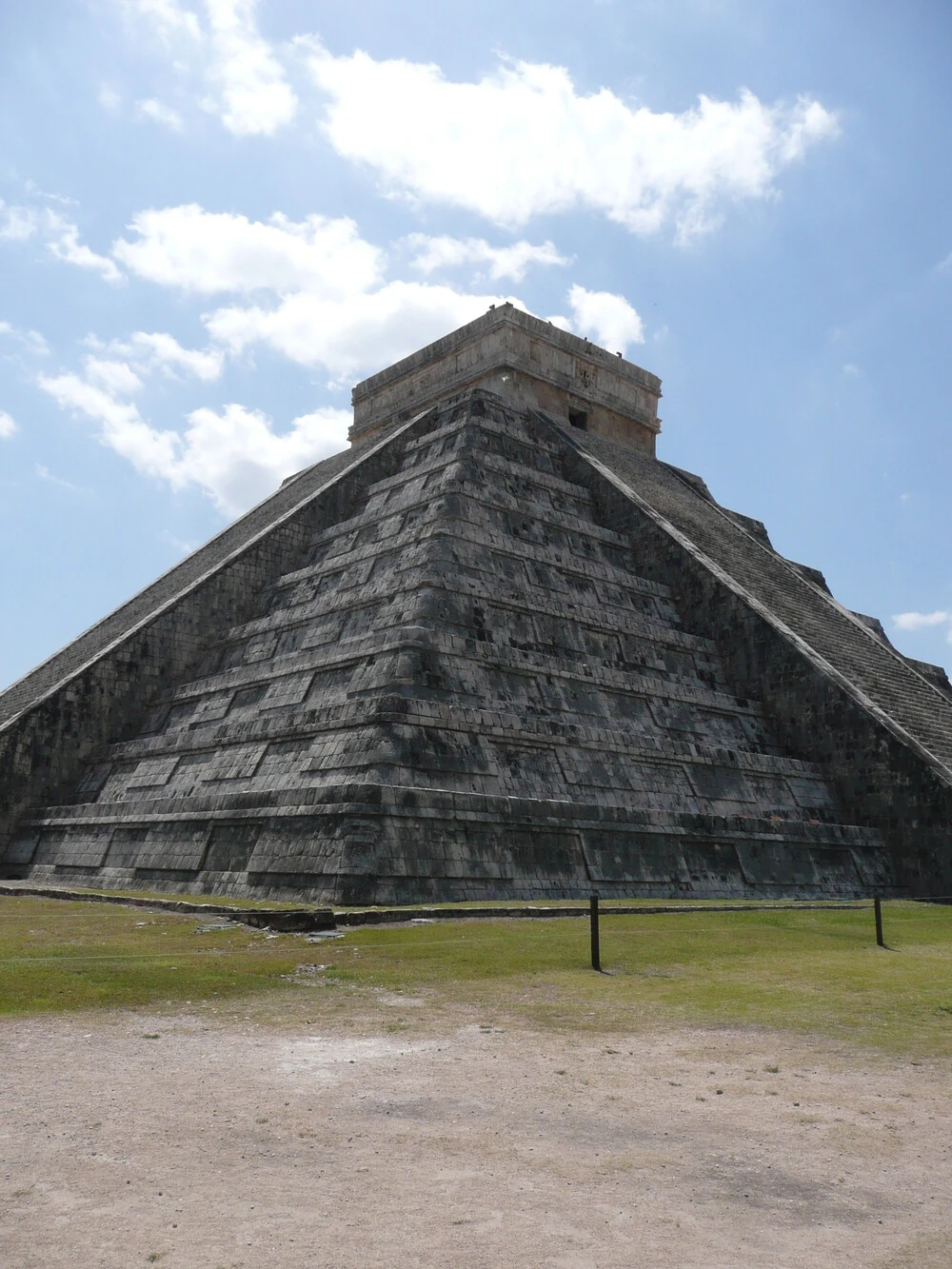
With a total of 36 heritage sites—28 cultural, 6 natural, and 2 mixed—Mexico is one of the countries with the most UNESCO World Heritage Sites in the world. All these sites represent three major periods of Mexico’s history: the pre-Columbian era, the Spanish era, and the contemporary period, dating back over 200 years. Among the World Heritage Sites, the pre-Spanish city of Chichén Itza stands out, crowned by the Kukulcán pyramid, the largest ceremonial complex of the Mayans and a prime location for understanding their ancestral culture. This diversity, ranging from Mayan and Aztec civilizations to colonial cities, nature reserves, and contemporary cultural landscapes, is strongly represented on the UNESCO World Heritage List.
Sites in Mexico that are on the World Heritage List:
Cultural:
- Camino Real de Tierra Adentro (2010)
- Central campus of the university campus of the Universidad Nacional Autónoma de Mexico (UNAM) (2007)
- Historic Center of Mexico City and Xochimilco (1987)
- Historic Center of Morelia (1991)
- Historic Centre of Oaxaca and Archaeological Zone of Monte Alban (1987)
- Historic Center of Puebla (1987)
- Historic Center of Zacatecas (1993)
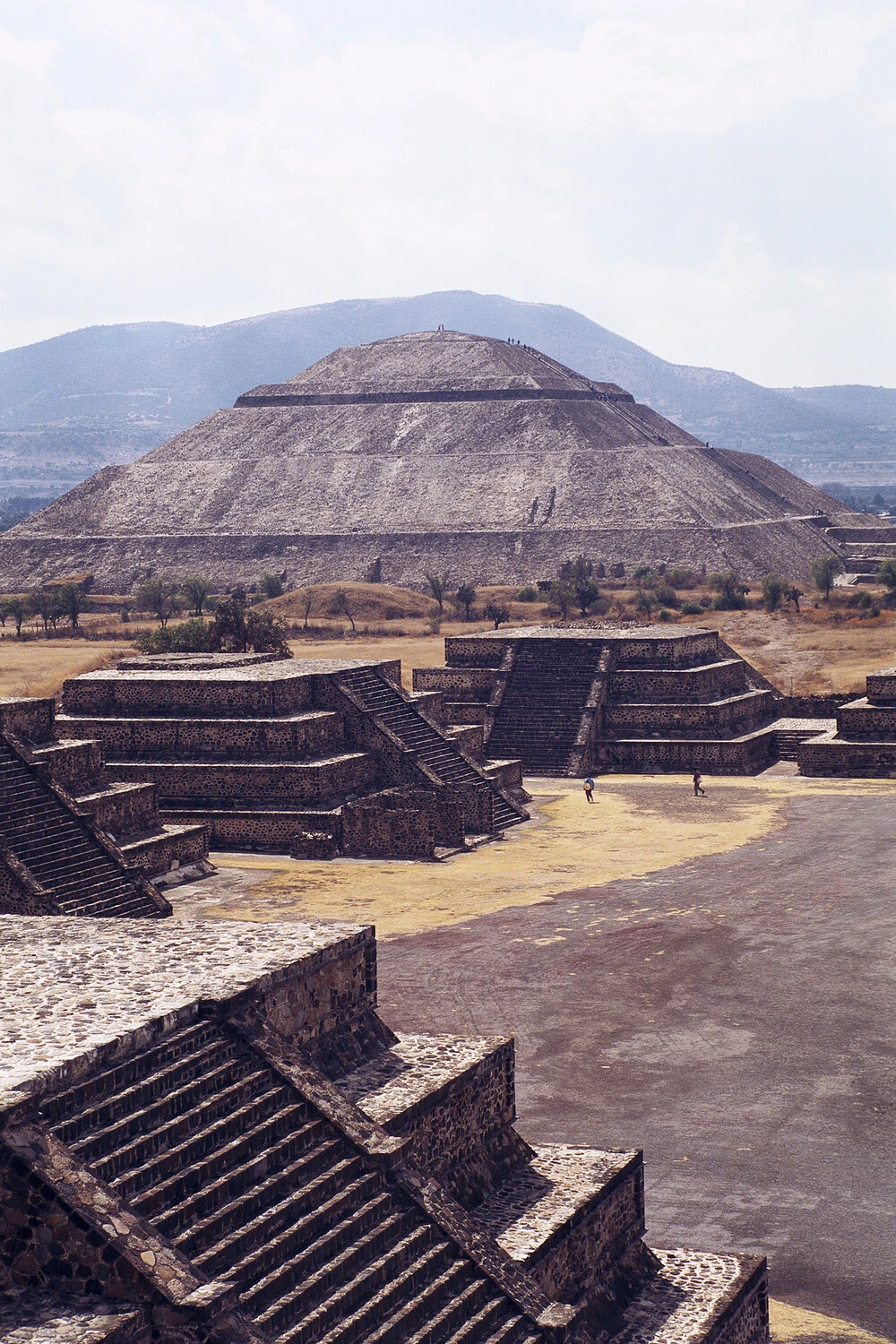
- Pre-Hispanic city of Teotihuacan (1987)
- Pre-Hispanic city and Palenque National Park (1987)
- El Tajin, a pre-Hispanic city (1992)
- Prehistoric caves of Yagul and Mitla in the center of the Oaxaca Valley (2010)
- Cabañas Hospice, Guadalajara (1997)
- House-studio by Luis Barragán (2004)
- Franciscan Missions of the Sierra Gorda of Querétaro (2003)
- Landscape of agave plants and former industrial facilities in Tequila (2006)
- Rock paintings of the Sierra de San Francisco (1993)
- Early 16th-century monasteries on the slopes of Popocatepetl (1994, 2021)
- Route from Wixárika through sacred sites to Wirikuta (Tatehuarí Huajuyé) (2025)
- Hydraulic system of the Padre Tembleque aqueduct (2015)
- Historic City of Guanajuato and Adjacent Mines (1988)
- Historic fortified city of Campeche (1999)
- Pre-Columbian city of Uxmal (1996)
- The pre-Hispanic city of Chichen Itza (1988)
- Protected City of San Miguel and Sanctuary of Jesus Nazareno de Atotonilco (2008)
- Archaeological zone of Paquimé, Casas Grandes (1998)
- Xochicalco Archaeological Monuments Zone (1999)
- Historic Monuments Zone of Querétaro (1996)
- Tlacotalpan Historic Monuments Zone (1998)
Natural:
- Revillagigedo Archipelago (2016)
- Islands and Protected Areas of the Gulf of California (2005)
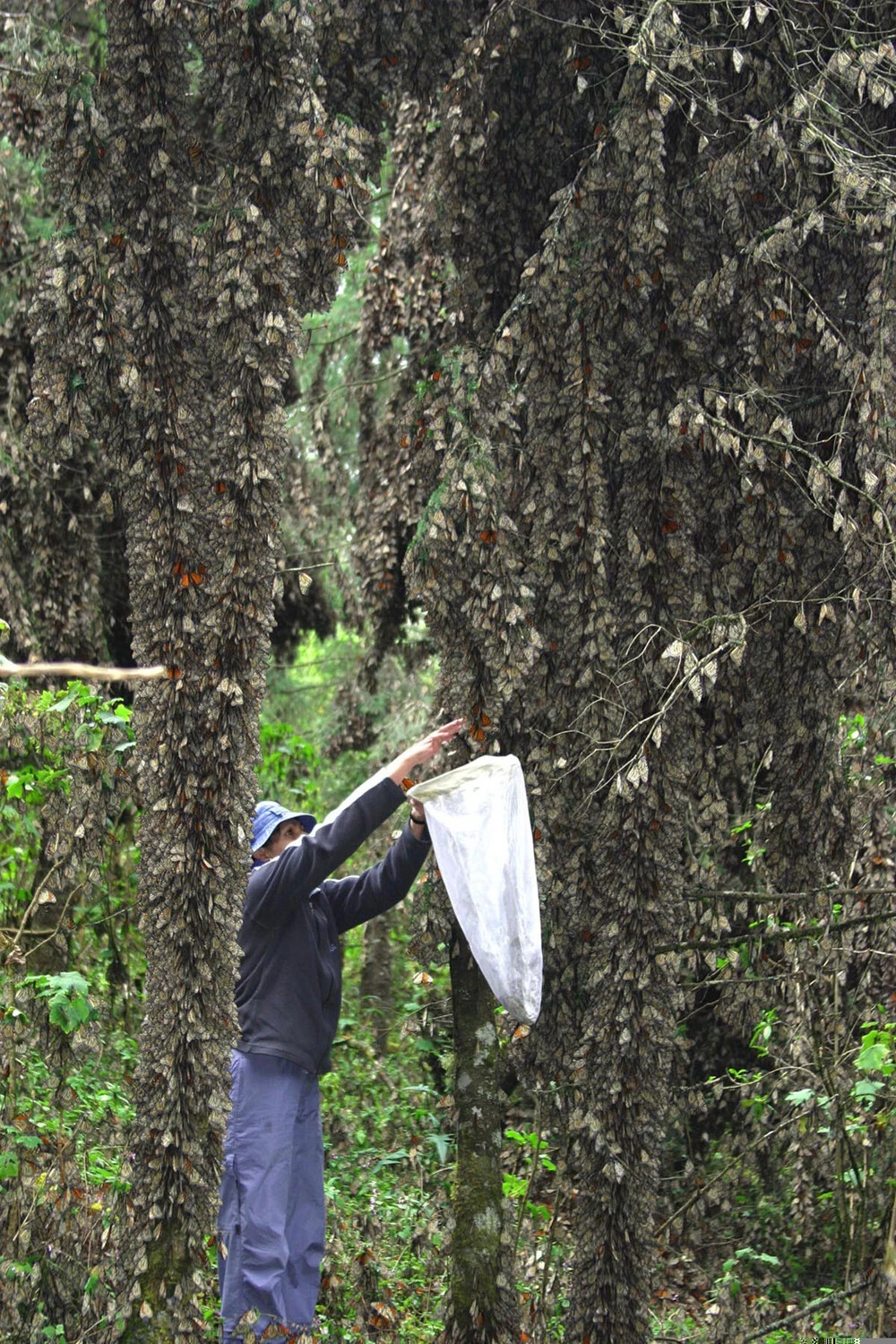
- Monarch Butterfly Biosphere Reserve (2008)
- El Pinacate Biosphere Reserve and the Great Altar Desert (2013)
- El Vizcaino Whale Sanctuary (1993)
- Sian Ka’an (1987)
Mixed:
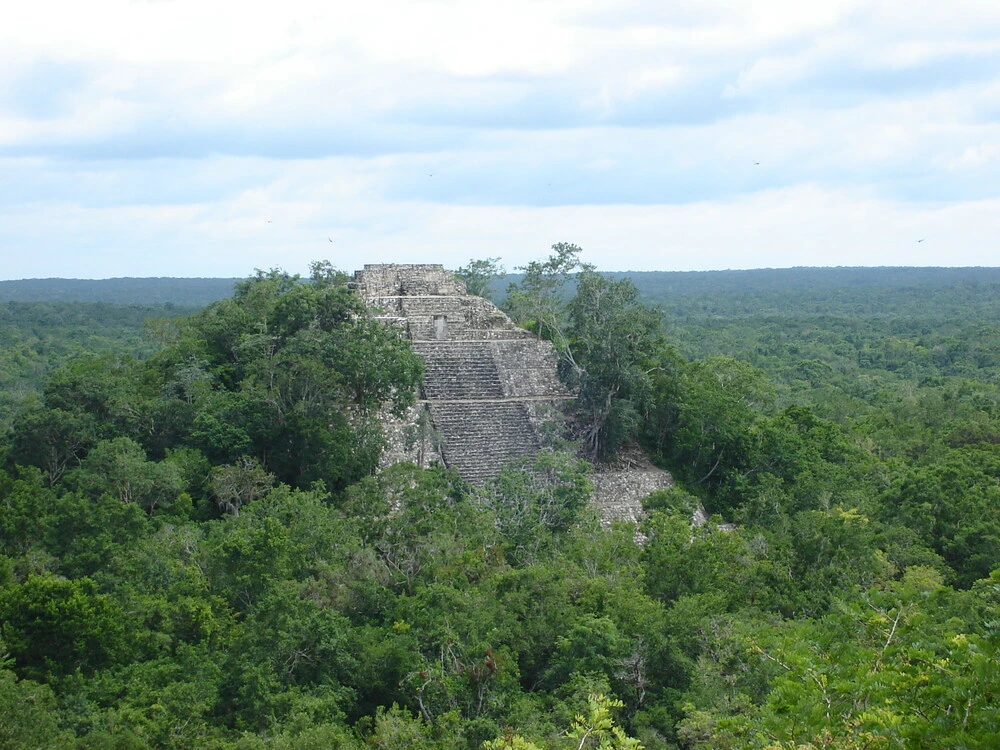
- Ancient Mayan city and protected tropical forests of Calakmul, Campeche (2002, 2014)
- Tehuacán-Cuicatlán Valley: original habitat of Mesoamerica (2018)
8. United Kingdom – 35 World Heritage Sites
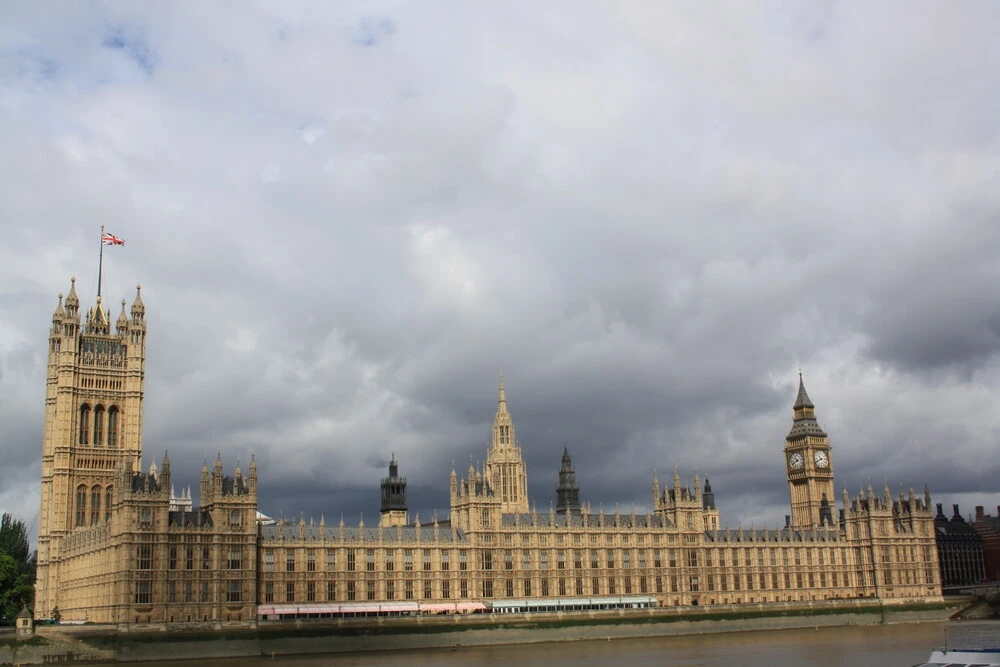
With a total of 35 UNESCO World Heritage sites, the United Kingdom boasts a heritage range from prehistoric monuments to symbols of the Industrial Revolution. Having witnessed the rise of empires, the transformation of the Industrial Revolution, and the shaping of the modern world throughout history, the UK’s 35 World Heritage sites carry the traces of the past into the present. Sites such as Hadrian’s Wall and Blenheim Palace showcase the country’s royal, scientific, and military history, while natural areas like the Giant’s Causeway highlight the geological and mythological richness of the British Isles.
Sites in the UK that are on the World Heritage List:
Cultural:
- Blaenavon Industrial Landscape (2000)
- Blenheim Palace (1987)
- Canterbury Cathedral, St Augustine’s Abbey, and St Martin’s Church (1988)
- Castles and Town Walls of King Edward in Gwynedd (1986)
- City of Bath (1987)
- Cornwall and West Devon Mining Landscape (2006)
- Derwent Valley Mills (2001)
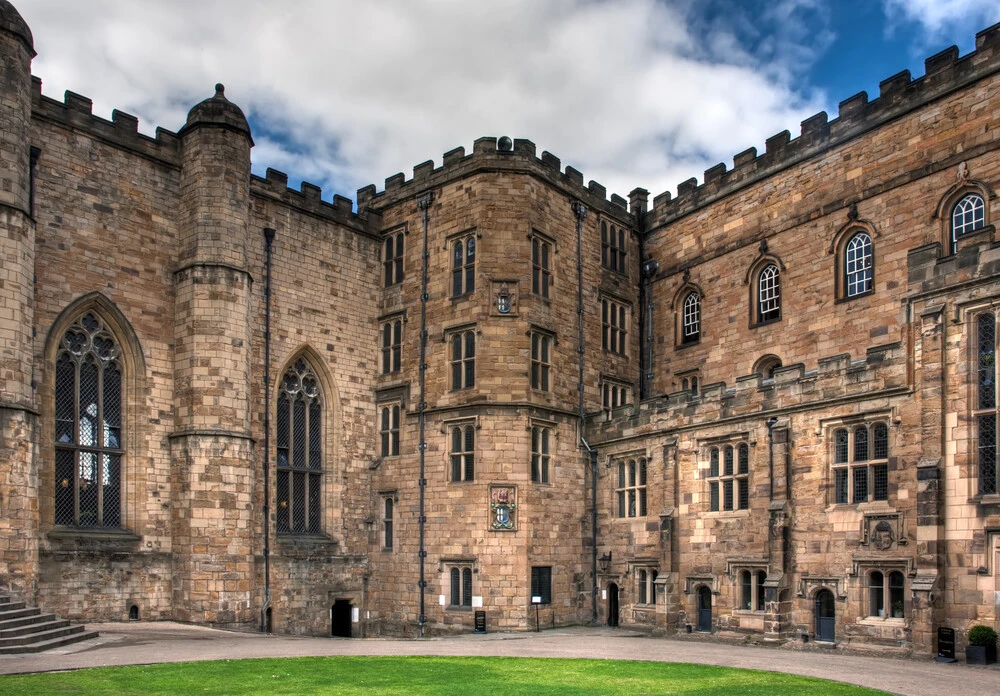
- Durham Castle and Cathedral (1986)
- Frontiers of the Roman Empire (1987, 2005, 2008)
- Gorham’s Cave Complex (2016)
- Heart of Neolithic Orkney (1999)
- Historic Town of St George and Related Fortifications, Bermuda (2000)
- Ironbridge Gorge (1986)
- Jodrell Bank Observatory (2019)
- Maritime Greenwich (1997)
- Moravian Church Settlements (2015, 2024)
- New Lanark (2001)
- Old and New Towns of Edinburgh (1995)
- Palace of Westminster and Westminster Abbey, including Saint Margaret’s Church (1987)
- Pontcysyllte Aqueduct and Canal (2009)
- Royal Botanic Gardens, Kew (2003)
- Saltaire (2001)
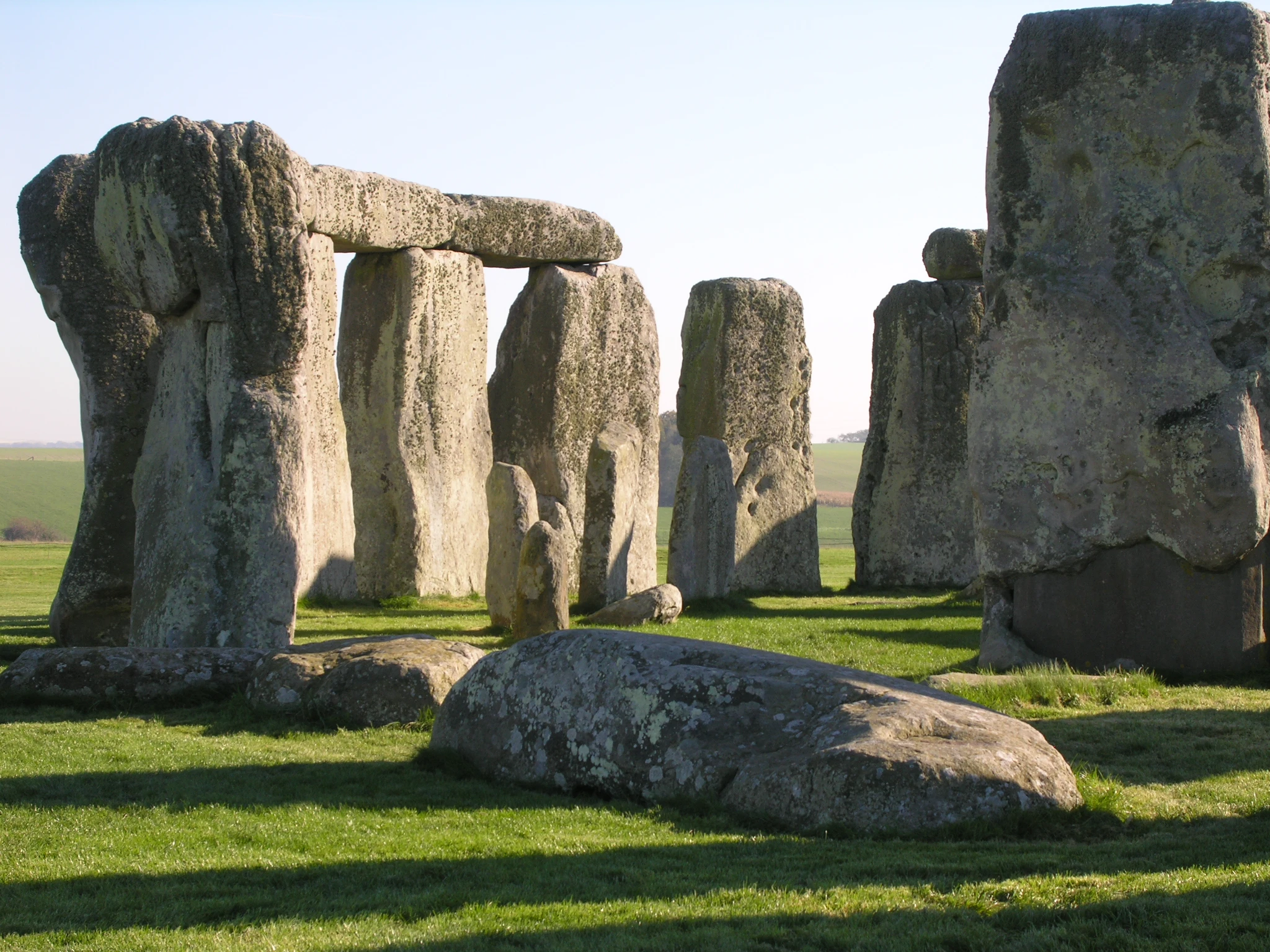
- Stonehenge, Avebury and Associated Sites (1986)
- Studley Royal Park, including the Ruins of Fountains Abbey (1986)
- The English Lake District (2017)
- The Forth Bridge (2015)
- The Great Spa Towns of Europe (2021)
- The Slate Landscape of Northwest Wales (2021)
- Tower of London (1988)
Natural:
- Dorset and East Devon Coast (2001)
- Giant’s Causeway and Causeway Coast (1986)
- Gough and Inaccessible Islands (1995, 2004)
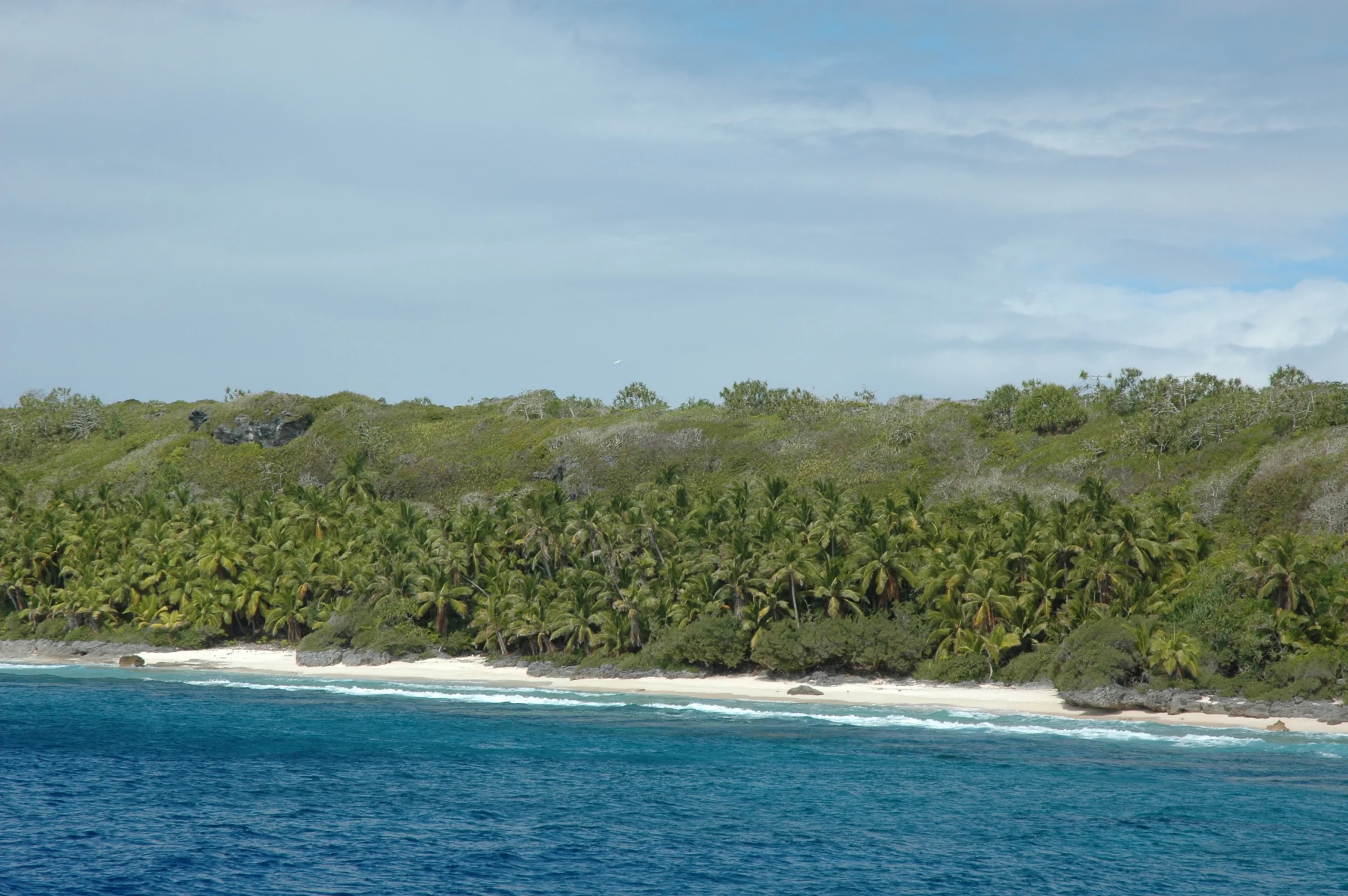
- Henderson Island (1988)
- The Flow Country (2024)
Mixed:
- St Kilda (1986, 2004, 2005)
Beyond ancient monuments, UNESCO World Heritage Sites are also living symbols of culture, history, architecture, and biodiversity. As of 2026, there are 1,248 UNESCO World Heritage Sites across the world, spanning continents and civilizations. Countries with the highest number of sites, such as Italy, China, Germany, and Spain, continue to attract travelers, historians, and conservation experts alike.