

Solar panels are often treated as a technical afterthought, something applied to a roof once the architecture is already complete. This shift is especially visible in contemporary parametric and computational design, where geometry is not only visual but performative. Surfaces can tilt, fold, curve, track sunlight, filter heat, create shade, and support energy production at the same time.
For years, solar panels were associated with flat rooftops, technical installations, and visible sustainability gestures that rarely shaped the actual design of a building. They helped performance, but they seldom influenced architecture in a meaningful visual or spatial way. In this context, solar technology stops being an attachment and starts becoming part of the architectural language itself.
When Solar Design Becomes Climate Survival
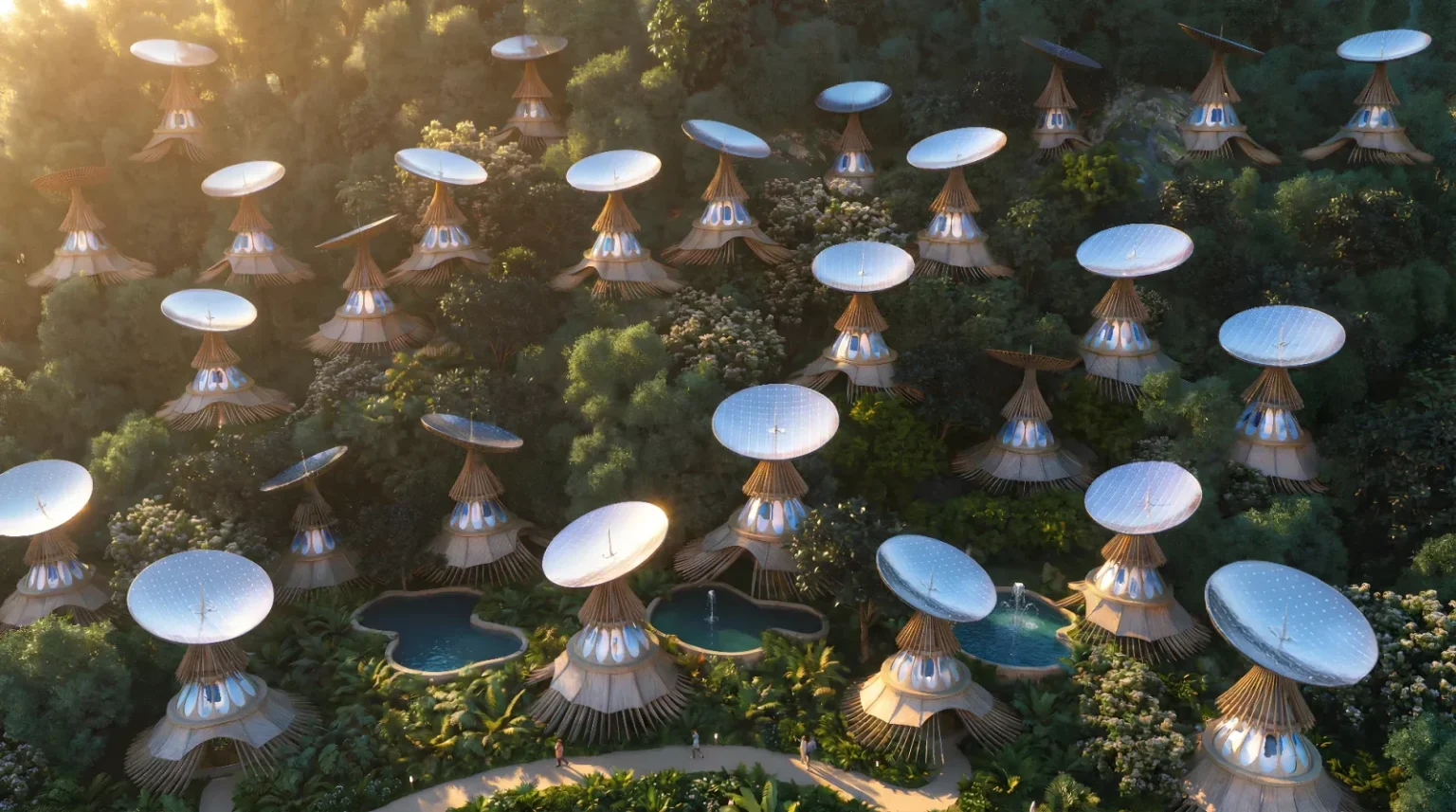
One of the most interesting examples of solar architecture today is the Fiji Solar Crown by MASK Architects, which incorporates solar as part of a self-sustaining living system and not just a simple energy add-on. Designed for island conditions, the project combines renewable energy generation, freshwater collection, shade, and environmental responsiveness within a single architectural framework. Its rotating crown follows the sun while also helping create a cooler and more habitable microclimate beneath it.
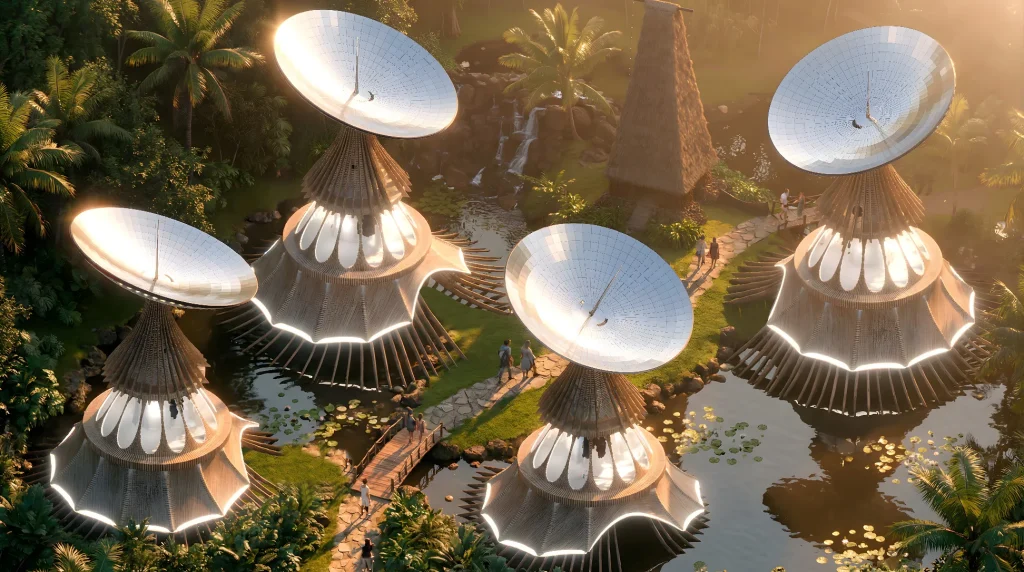
What makes the project especially relevant is that the solar system is not concealed within the building envelope; it defines the envelope itself. The geometry is driven by environmental performance, but it also carries a strong visual and cultural identity through its reinterpretation of the traditional Fijian bure.
When Solar Architecture Learns to Move
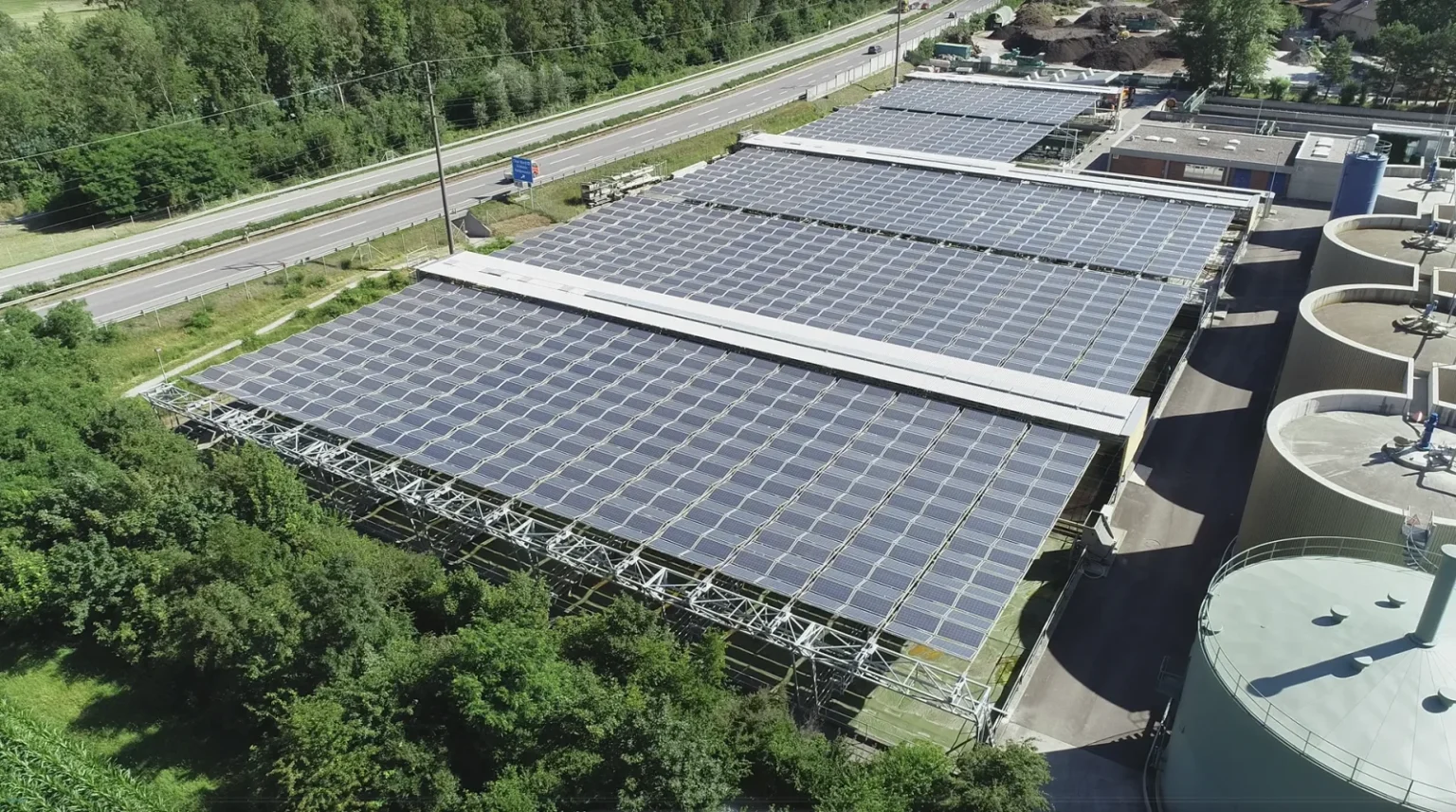
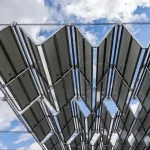
Another major shift in solar design is adaptability, and the world’s largest foldable solar roof uses this with unusual clarity. Installed over wastewater treatment infrastructure, the project transforms a highly technical site into an energy-producing architectural surface.
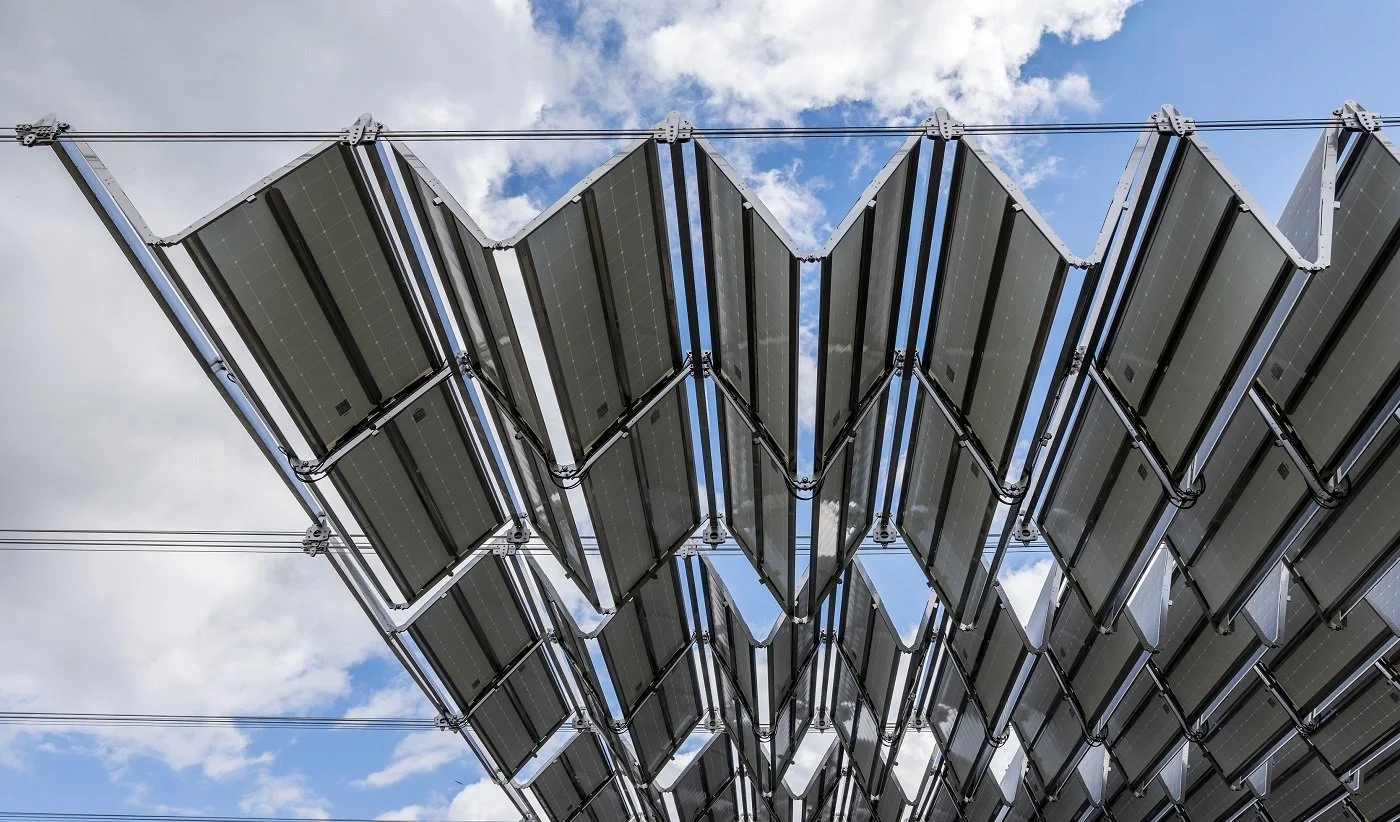
Instead of demanding new land or functioning as a static rooftop array, it works by rethinking existing infrastructure as a dynamic and productive solar landscape. Its most interesting contribution lies in movement as the foldable mechanism introduces a kinetic dimension that aligns closely with parametric logic, where performance and responsiveness begin to shape the final form.
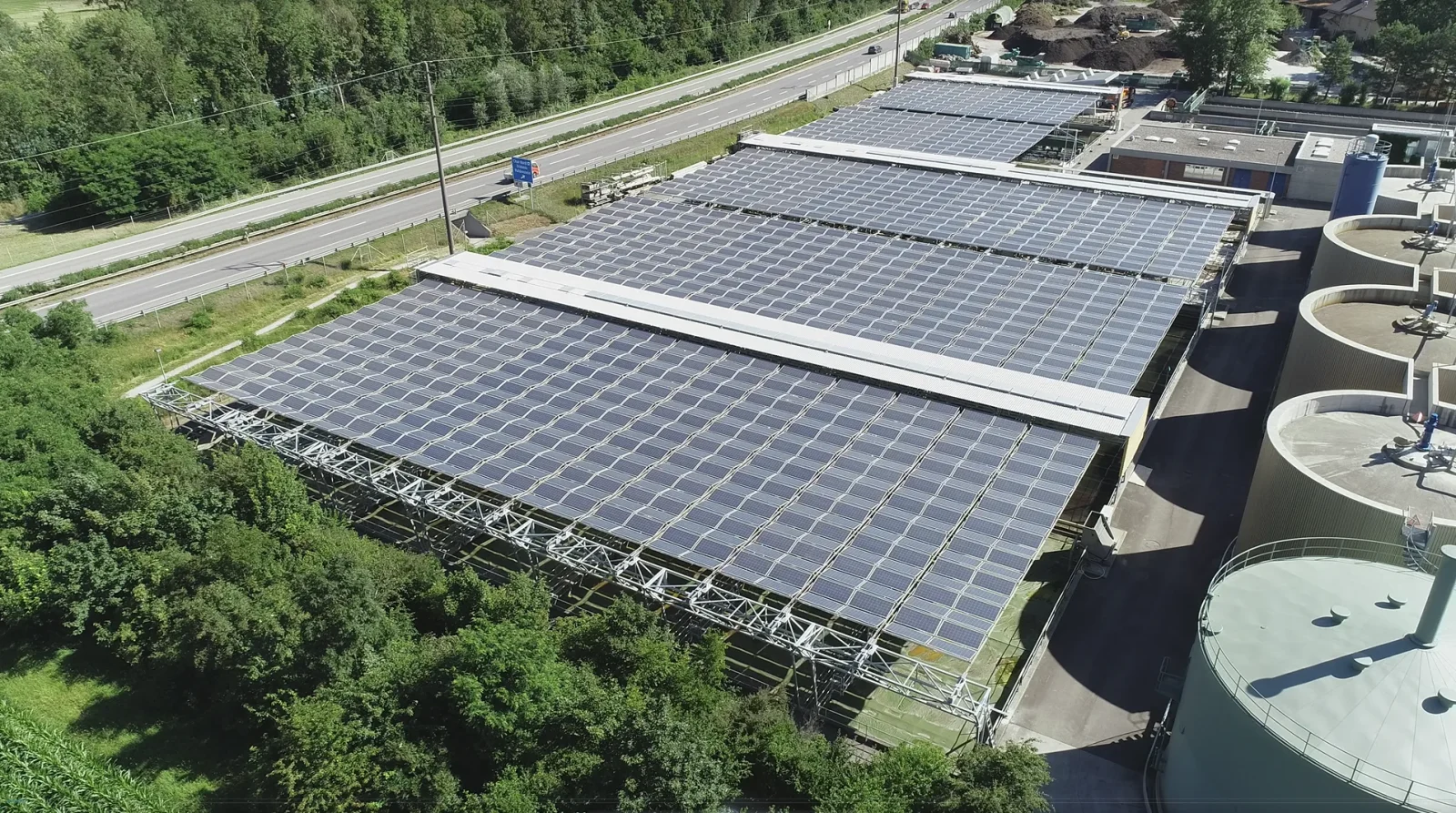
This gives the project significance beyond engineering alone. It suggests that future solar systems may become increasingly flexible, deployable, and multifunctional, adapting not only to sunlight but also to maintenance, access, and operational needs.
When Solar Becomes Part of the Façade
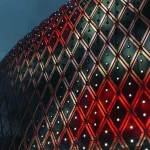
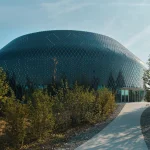
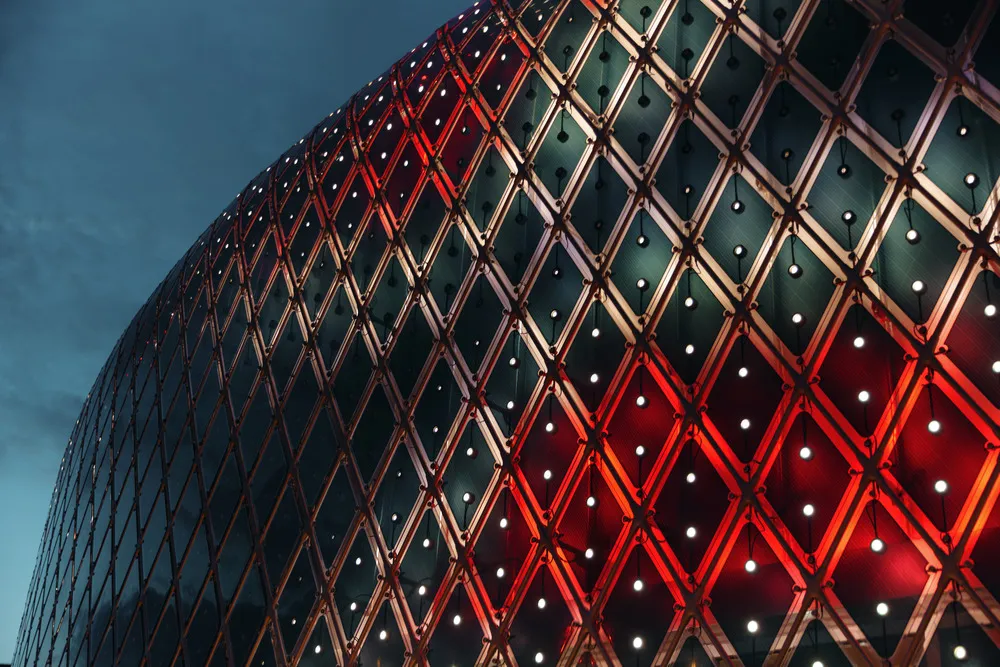
The Novartis Pavillon offers a very different take on solar design, showing how energy generation can be woven directly into the visual character of a building. Its façade is made up of 10,000 diamond-shaped organic solar panel modules, forming a zero-energy media skin that produces electricity while also giving the pavilion its distinctive presence. Instead of being treated as a technical layer added onto the surface, the solar system becomes part of how the building is seen, experienced, and understood.
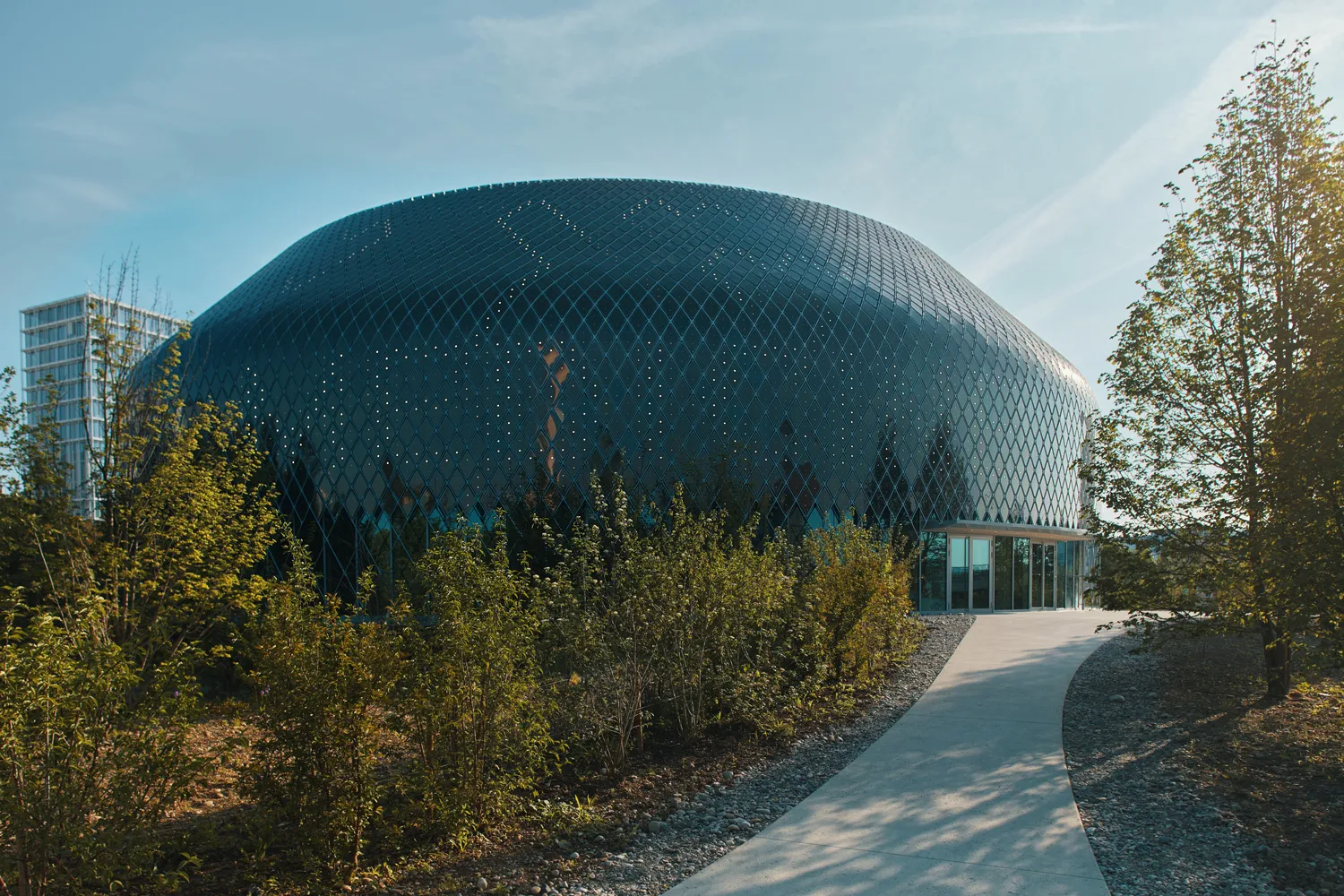
What makes the project so interesting is the ease with which performance and appearance come together. By day, the façade works quietly as an energy-generating surface. By night, it shifts into something more atmospheric and public-facing, turning the building into a luminous presence. In this case, solar design does more than improve efficiency. It helps shape mood, identity, and the way the architecture communicates with its surroundings.
The most interesting future of solar architecture is not one in which every building simply adds more panels. It is one in which energy generation starts shaping architecture from the beginning by influencing form, movement, materiality, and spatial experience as much as performance. As solar panel technology becomes more integrated into contemporary design, it is beginning to influence architecture in more visible and meaningful ways. Beyond energy performance, it now has the potential to shape form, experience, and the broader relationship between buildings and the environment.