











Architects, whose focus is creativity, are responsible for designing new buildings, restoring old ones, or developing new ways to use existing ones. The practice of architecture is not limited to designing buildings; its ultimate goal is to create livable cities, address social and environmental needs, and enhance people’s quality of life by combining aesthetics with functionality.
Those who choose architecture as a career, where art and science intersect, embark on a creative and intellectual journey. Architecture brings together analytical skills (such as structural calculations and material science) with aesthetic sensitivity (like the psychological impact of space design), and it constantly encourages you to evolve in response to changing user needs, technological advancements, and cultural values
Architecture, a profession that allows you to turn imagination into reality and shape human life through design, is an appealing option for those looking to shape their career path. Let’s explore 10 reasons you should choose architecture as a career:
1. Architecture is a Profession with Global Relevance
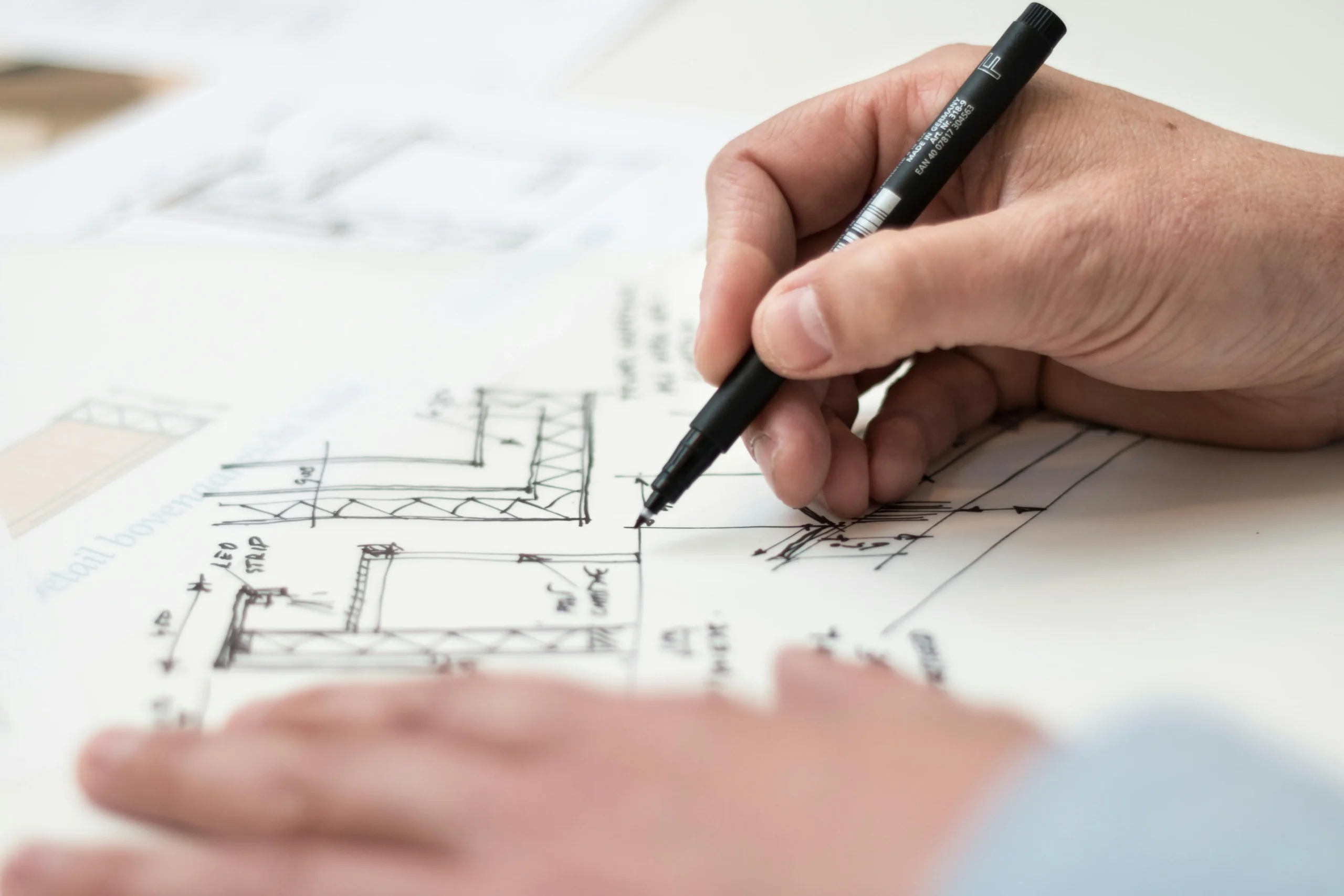
Transcending geographical boundaries, architecture is a universal profession. An architect’s design language, a drawing, plan, diagram, or cross-section, is a form of communication understandable anywhere in the world. Thus, gaining international recognition and respect, architecture offers architects the opportunity to work in different countries, participate in international projects, and integrate different cultures into their designs.
When you choose architecture as a career, every corner of the world becomes a potential workplace. You can earn internationally recognized certifications, take part in overseas projects remotely thanks to digital tools, or find internships and job opportunities abroad through various programs. Architects who travel have the opportunity to experience diverse world cultures firsthand. This allows architects who develop their vision to explore life more vibrantly and enjoy it.
2. Architecture Cultivates Essential Life Skills
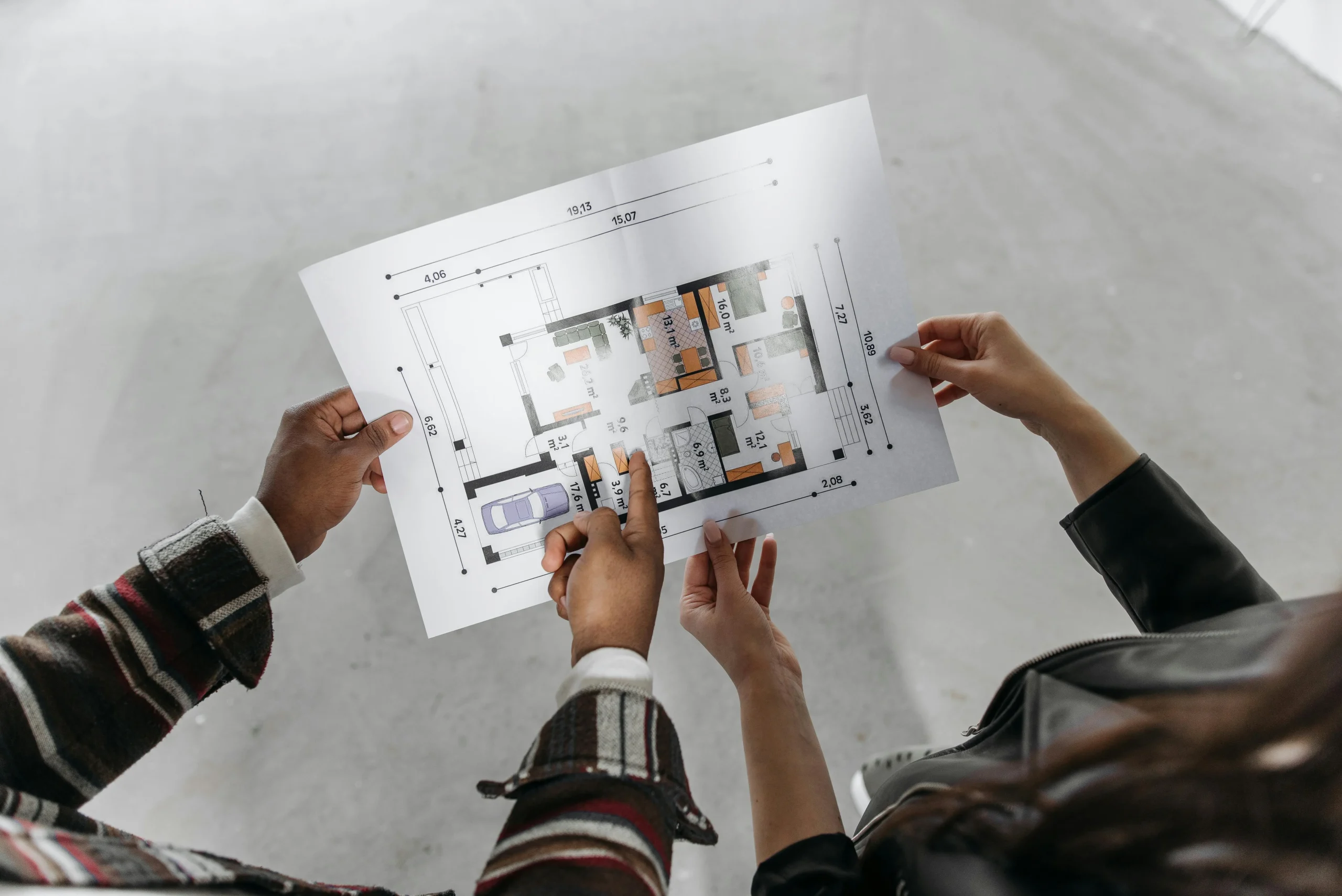
Architectural practice, which requires a strong technical background, also provides professionals with strong personal skills. Each project is a new adventure with its own unique characteristics. Architects not only draw but also research, analyze, and solve problems throughout the project.
The project-based nature of both architectural education and professional life, with strict deadlines, teaches architects how to manage their time effectively. From receiving constructive criticism during student juries to delivering impactful presentations to clients, architects develop strong communication skills.
The project process is a long and sometimes tiring experience. Thus, those who choose architecture as a career learn patience and attention to detail, while also developing the ability to evaluate multiple variables simultaneously. These skills, which shape an individual’s worldview, not only contribute to professional success but also make architects stand out in social interactions and entrepreneurship.
3. Architecture Offers a Wide Range of Career Paths
An architecture degree is much more than just the title of architect. Architects, with their diverse range of fields, can open career paths in various disciplines. Professionals who pursue architecture can find roles in areas such as architectural design, site management, interior architecture, restoration, academia, or digital design (such as BIM specialization). With the advancement of technology, architects can also play active roles in many creative sectors, such as game design, film set concepts, and AI-assisted design tools.
Architecture also offers the freedom to choose your own working style. Architects can work for global firms, establish their own studios, or pursue a freelance career. With its flexibility and versatility, the field of architecture opens many doors for those who choose to make it their profession.
If you want to learn how to integrate artificial intelligence into design, PAACADEMY is for you. By joining PAACADEMY’s workshops, you can master advanced parametric design tools from leading industry experts, learn how to integrate artificial intelligence into design workflows, and leverage computational design in architecture.
4. Architecture Combines Technical and Aesthetic Thinking

A profession where science and art intersect, architecture is an ideal career opportunity for those who seek to blend imagination with technical calculations. Architects are responsible not only for designing the most suitable project through spatial and environmental analysis but also for ensuring that the design can be built accurately and securely.
To succeed, architects must possess both a strong aesthetic sense and well-developed analytical skills. Architecture, one of the rare professions that simultaneously engages both the left and right hemispheres of the brain, transcends a typical design process and becomes an interdisciplinary synthesis. The sometimes challenging requirement for multifaceted thinking teaches architects to approach a topic from different perspectives, leading them to see the world through a new lens.
5. Architecture is a Profession with a Strong Social Dimension and is Extremely Vibrant
For architects who strive to design a better world for everyone, their profession is not merely a “job.” Architectural practice, which has become a way of life, aims to ensure that new structures come to life correctly and that people live their lives with pleasure and security. In this respect, architecture is a dynamic profession that touches people’s lives and establishes a direct relationship between them.
From the early years of their education, architects are required to understand people and their needs. Architecture, which has responsibilities such as determining user needs, analyzing the cultural structure of society, collaborating with different disciplines, and conducting teamwork, is an extremely lively profession that requires being in touch with life and people at all times.
6. Architecture is a Continuously Evolving Discipline

Architecture is not a static profession; on the contrary, it constantly develops, evolves, and renews itself. Throughout history, changing social needs, environmental concerns, and technological advancements have also altered the goals and methods of architecture. The materials and construction techniques that bring a structure to life are in constant development, and architects are expected to stay informed and adapt to these changes.
In addition to topics like energy consumption and building performance, digital tools that assist in design are also rapidly evolving. All these developments push architects to keep learning, stay updated, and align with the spirit of the times. Architecture, a career choice for those who are curious and open to development, is a profession that never feels boring, offering new paths, new tools, and new perspectives.
7. Architecture Offers a Hands-On, Experience-Based Education
One of the most important points for those considering architecture as a career is that architectural education is more than just theory. From the early years of study, students are involved in real-world projects through internships and gain on-site construction experience. One of the best ways to truly understand architecture is to experience it firsthand. In material workshops, students work directly with concrete, wood, steel, and other building materials, allowing them to learn the profession in a tangible and practical way.
Hands-on training isn’t limited to the construction site. The project-based learning method offered in schools not only teaches students about design through technical drawings but also through digital modeling and model-making. This transforms all architecture students from passive listeners into active designers. Architecture, which offers the opportunity to see and examine every detail of a building from its design process to its construction, is a vibrant field of education and professional practice that teaches by producing and blending theory and practice.
8. Architecture Enhances Spatial Awareness and Offers a New Perspective on the World
Throughout history, every building has its own unique aesthetic and story. Architects not only design these structures, but also feel, understand, and interpret them. This allows them to walk down any street in the world, thoroughly analyzing the details of a building, its relationship with its surroundings, the effects of light, materials, and ergonomics.
Architecture sharpens visual, spatial, and sensory perception, helping individuals see the world as a layered, aesthetic, and functional whole. From locations seen in movies and game settings to structures they pass by, architects are always ready to ask and analyze the question, “Why was this building designed this way?” Thus, professionals who choose architecture as a career gain a deep understanding of the world around them and gain perspective that will last not only professionally but also throughout their lives.
9. Architecture is a Profession That Shapes the Future
Although architecture carries significant challenges and responsibilities due to its role in shaping the built environment, it is also an incredibly rewarding and enjoyable profession. Architects are responsible for analyzing yesterday’s architecture and constructing structures tailored to the future’s needs.
Every designed building, public space, or urban design directly impacts how future generations will live and experience life. By shaping the future, architects become part of a world that is driven by technology, sustainability, and human-centered design. For those who want to build livable cities and contribute to social transformation, architecture offers a visionary and purpose-driven career path.
10. There are No Limits to Creativity in Architecture
With its liberating and inspiring nature, architecture pushes the boundaries of imagination and design. Breaking free from the mold, architecture offers the freedom to rethink, redesign, and present your own perspective in every project. Architecture is a journey where the process, rather than the outcome, is paramount.
This process involves experimentation and trial-and-error. Architects who explore new technologies, test alternative materials, and develop creative solutions during the design phase have the opportunity to bring original ideas to life. There is no ultimate “right” or “wrong” in architecture. Architects must consult building technology and science, but the design of a building with the same needs and technical parameters is shaped by the designer’s perspective. Even if they meet the same needs, no two architects’ designs will ever be exactly alike.