

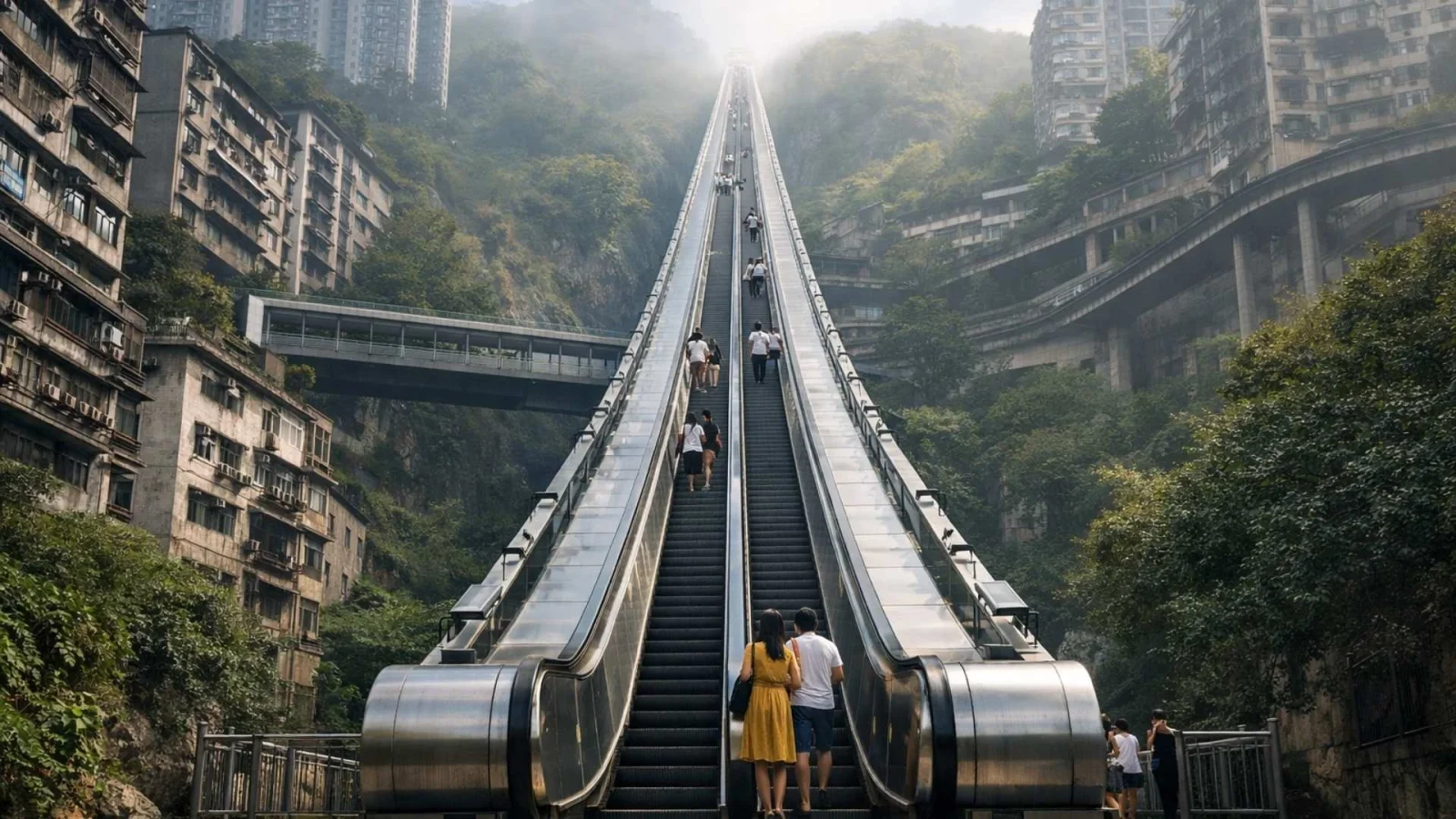
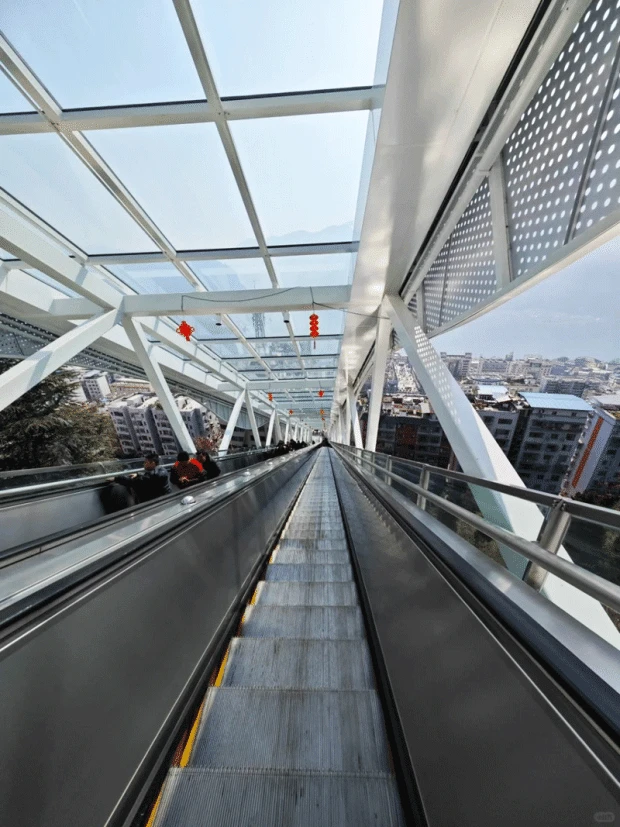
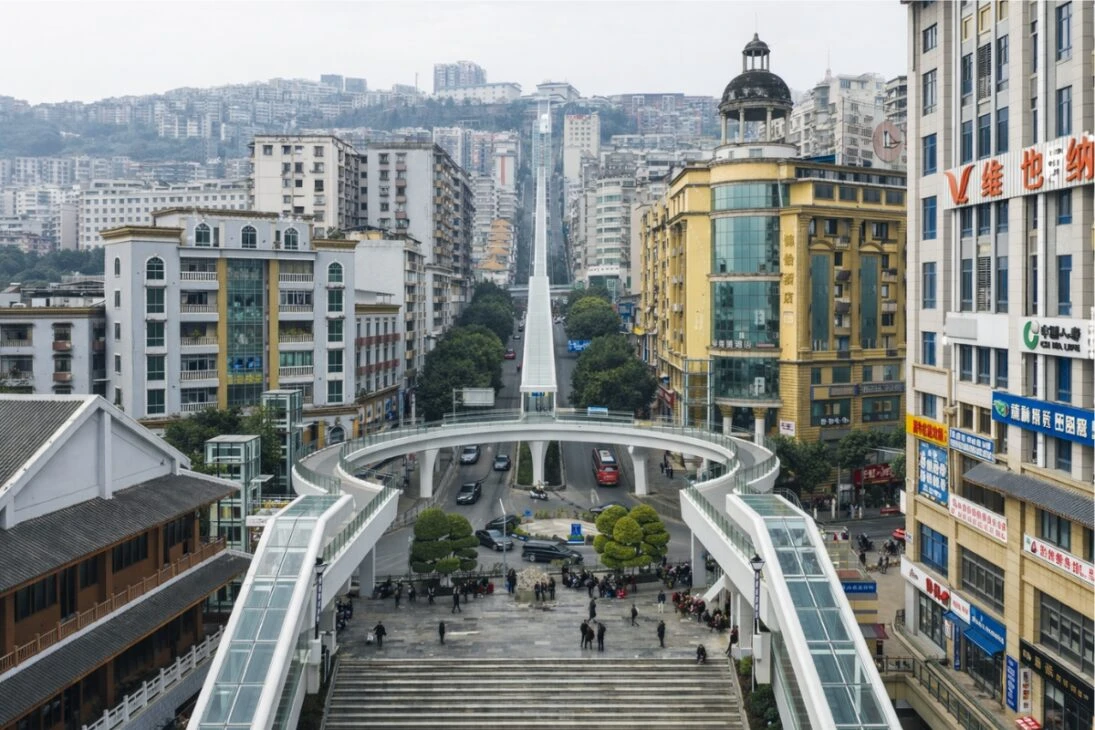
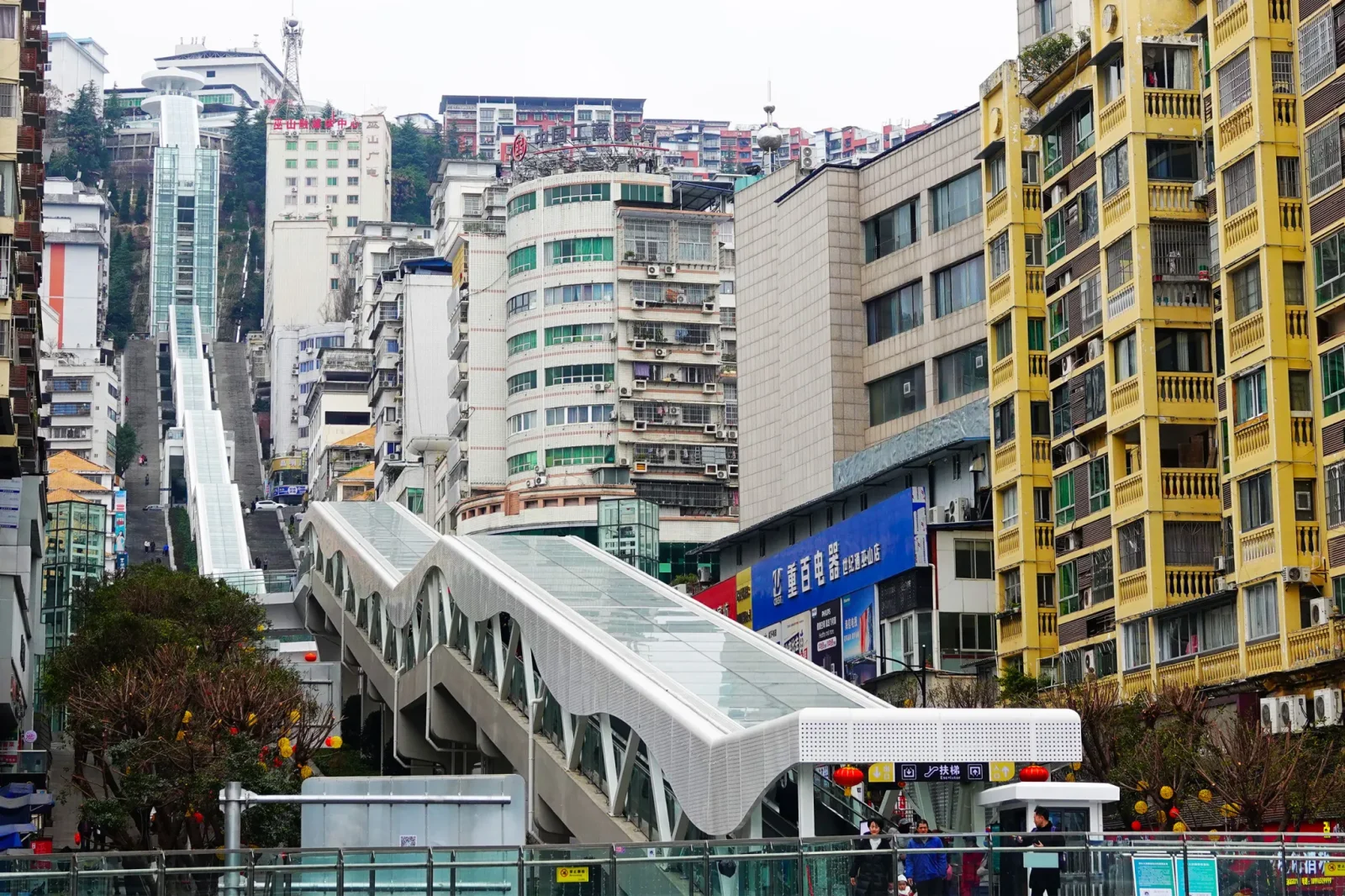
In modern cities, where horizontal space is no longer the ultimate limitation, architecture is beginning to negotiate with gravity itself, evident in innovations like the world’s longest outdoor escalator. The inauguration of Chongqing’s Wushan Goddess Escalator, stretching nearly one kilometer and rising the vertical equivalent of an eighty-storey skyscraper, goes beyond mere infrastructure. It reimagines urban mobility, demonstrating how cities can move vertically with the same fluidity and natural rhythm with which they traverse the land.
The Evolution of Three-Dimensional Urban Transit
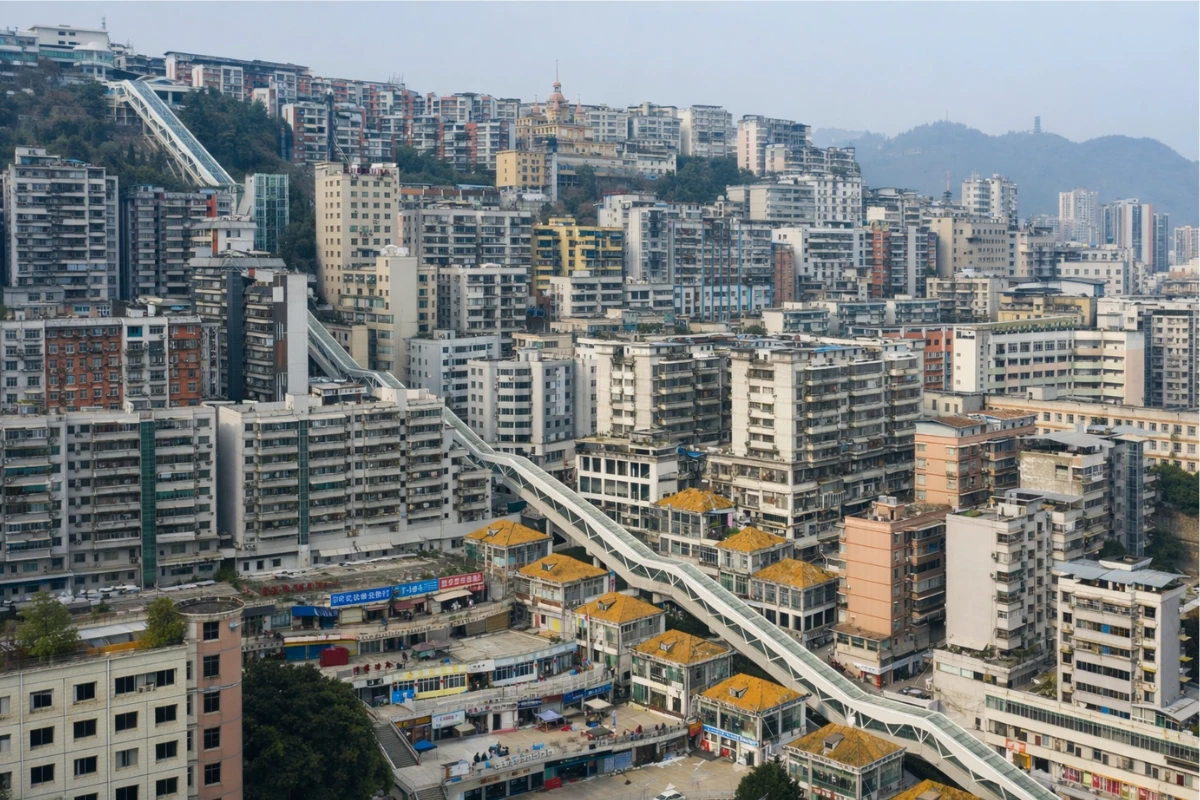
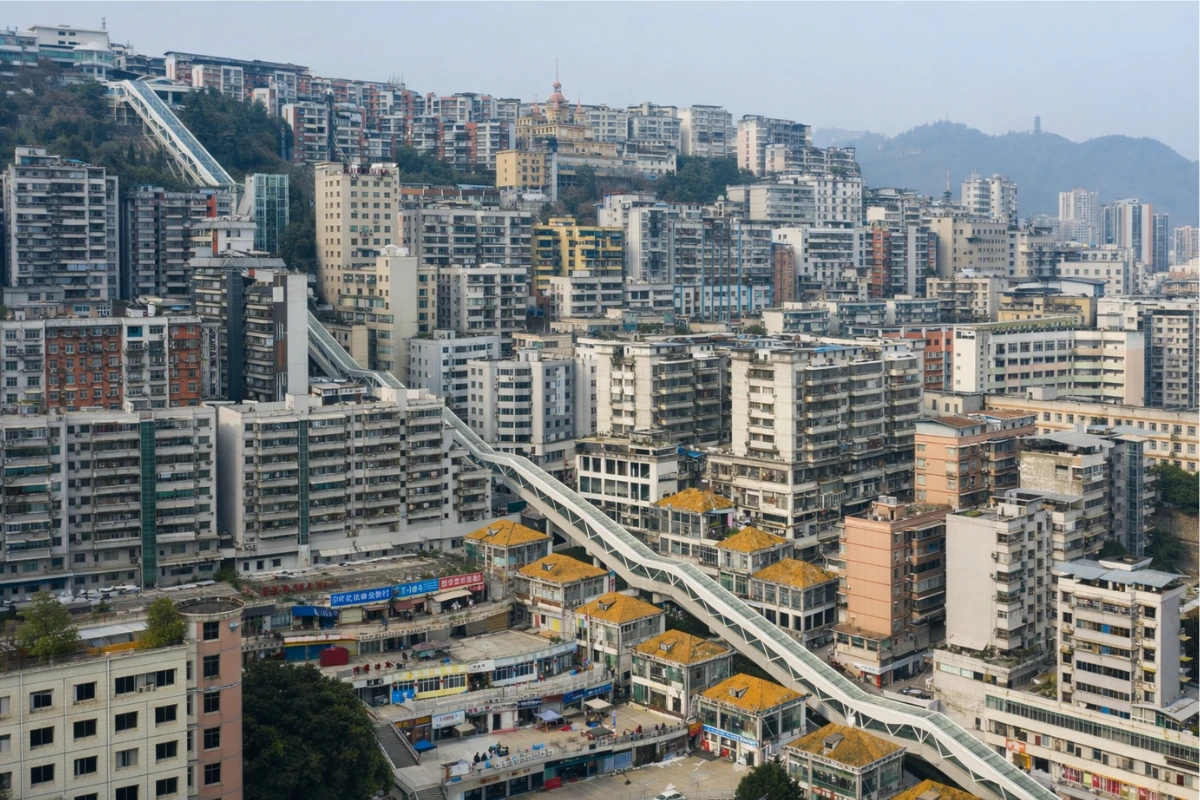
Chongqing’s global recognition as an 8D city reflects its extraordinary vertical complexity, where streets, transit systems, and residential towers coexist across multiple elevated planes. Wushan, situated at the intersection of the Three Gorges region, is defined by its extreme karst topography and steep riverbanks. The Wushan Goddess Escalator, also known as the Shennü Escalator, is officially recognized as the world’s largest outdoor escalator system, positioning infrastructure as an urban lifeline.
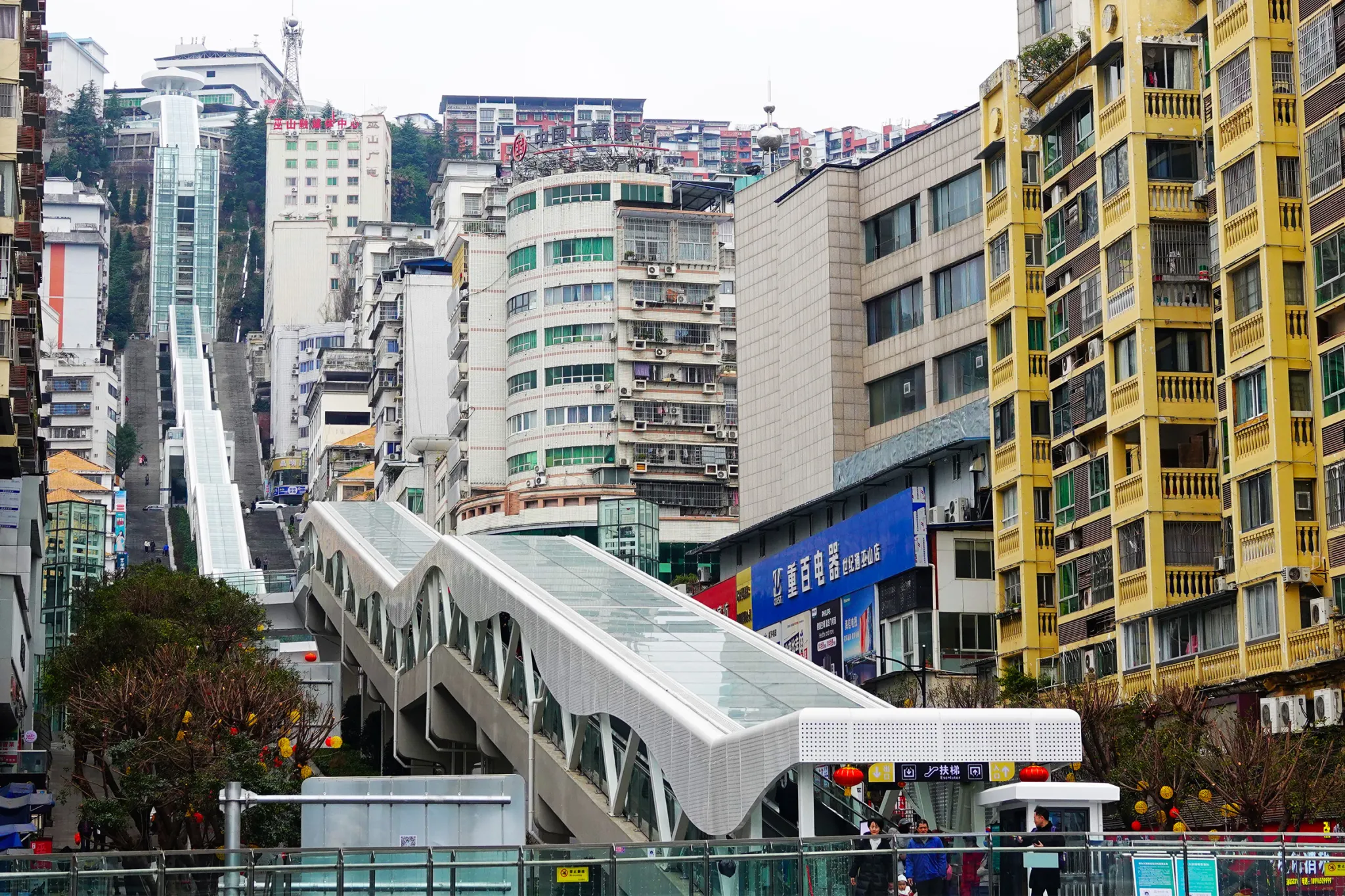
The conceptualization of a vertical transit solution began as early as 2002, following the completion of the county’s new urban area. Addressing rising urban congestion and the need for revitalization, the project was revived in 2022, envisioned as a connective spine capable of stitching together the fragmented elevations of the city. The terrain of Wushan is defined by its extreme gradients, with slopes averaging 35 percent and reaching nearly 60 percent at their steepest points.
Engineering Challenges and Innovative Solutions
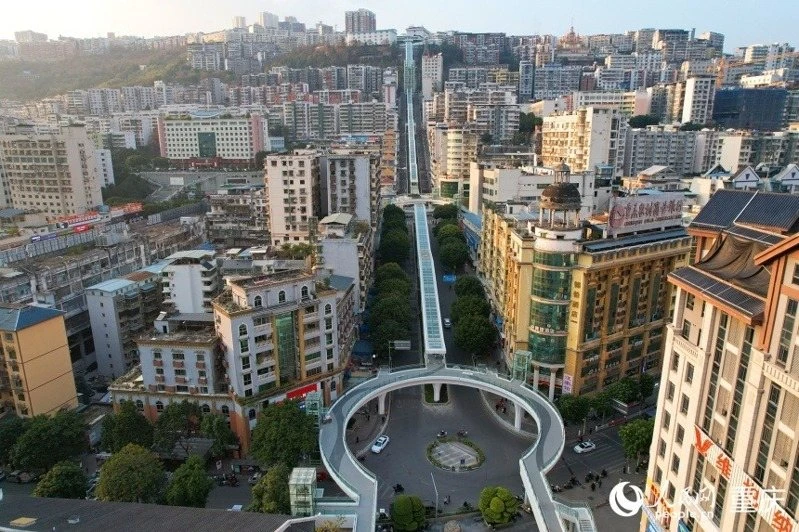
The system spans a total length of approximately 905 meters, overcoming a vertical height difference of 242.14 meters. To understand the scale, the ascent is approximately equivalent to an 80-story building, establishing vertical transit corridors of massive proportions. This towering escalator creates a continuous transit loop, turning a tough climb into an effortless, smooth ride.
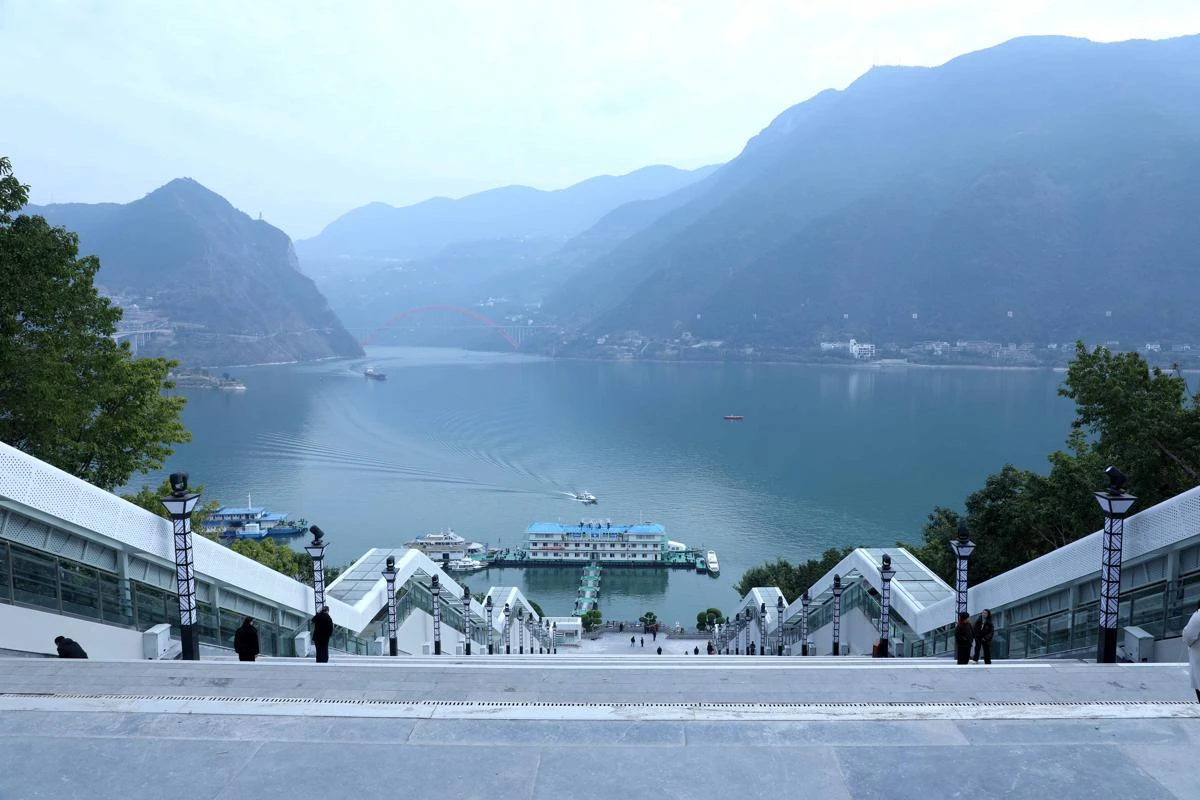
The integration of 21 individual escalator segments allows for a staggered yet connected transit system. The design approach of modularity is essential for long-term maintenance, as specific sections can be isolated without shutting down the entire system. The core mechanical components, produced by the Swiss industrial company Schindler, showcase escalator segments equipped with variable-speed motors that utilize sensor arrays to adjust operation based on real-time passenger loads.
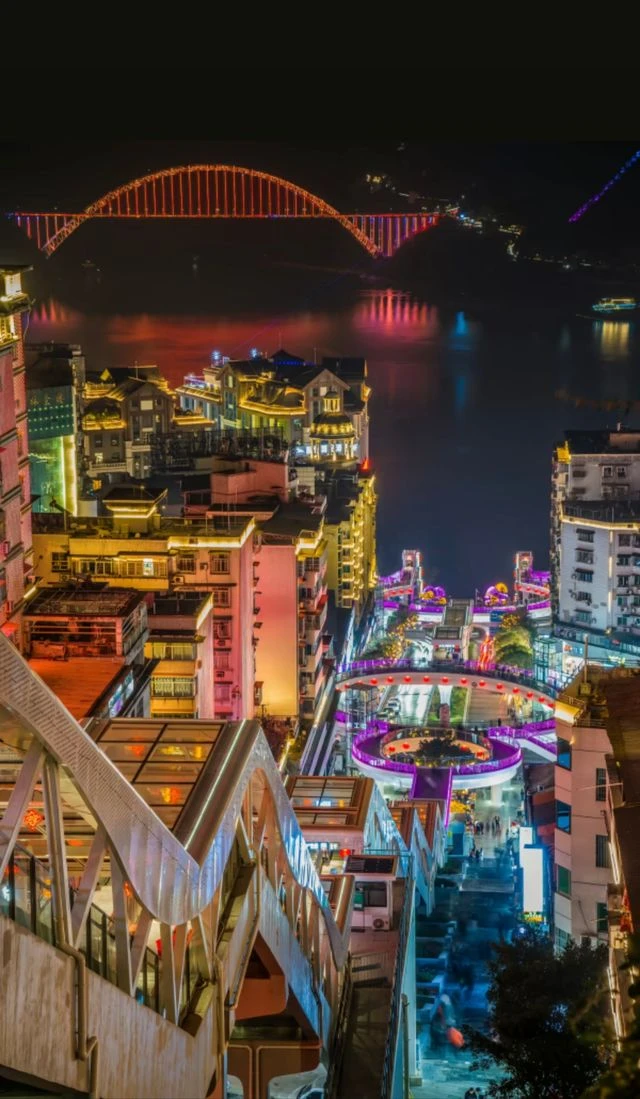
The system also incorporates regenerative braking technology, where descending passengers generate kinetic energy that is converted back into electrical power. Beyond efficiency, this model reflects a growing shift toward infrastructure that is not only functional but also environmentally responsive. The structure is divided into prefabricated modules that could be transported and assembled in situ, minimizing extensive hillside excavation and reducing risks of slope instability.
The Visual Experience: Rising Into the Sky
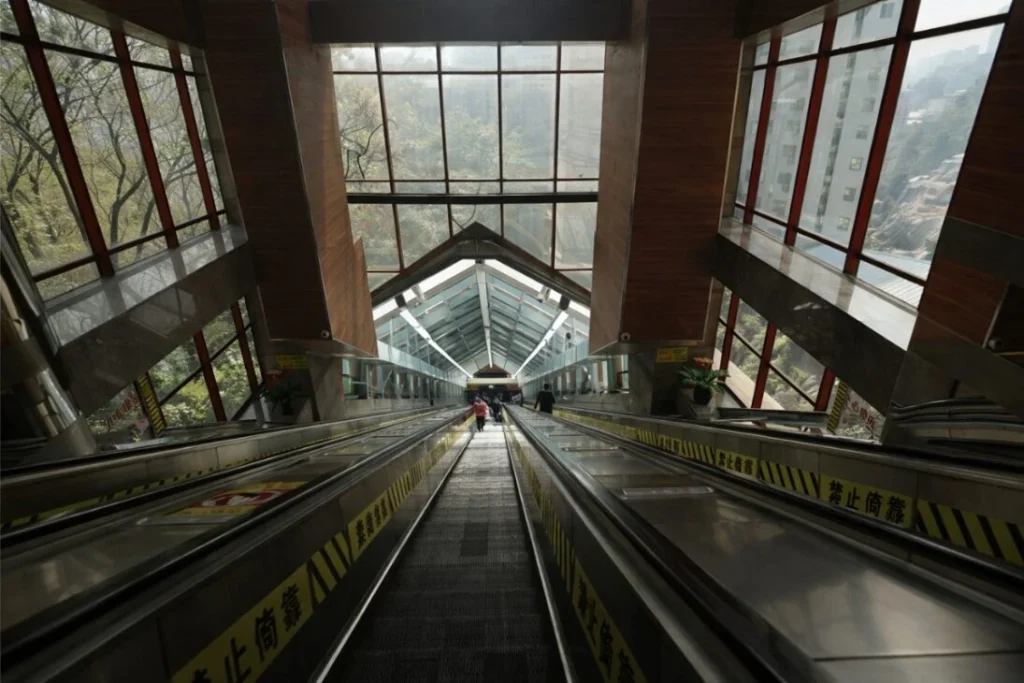
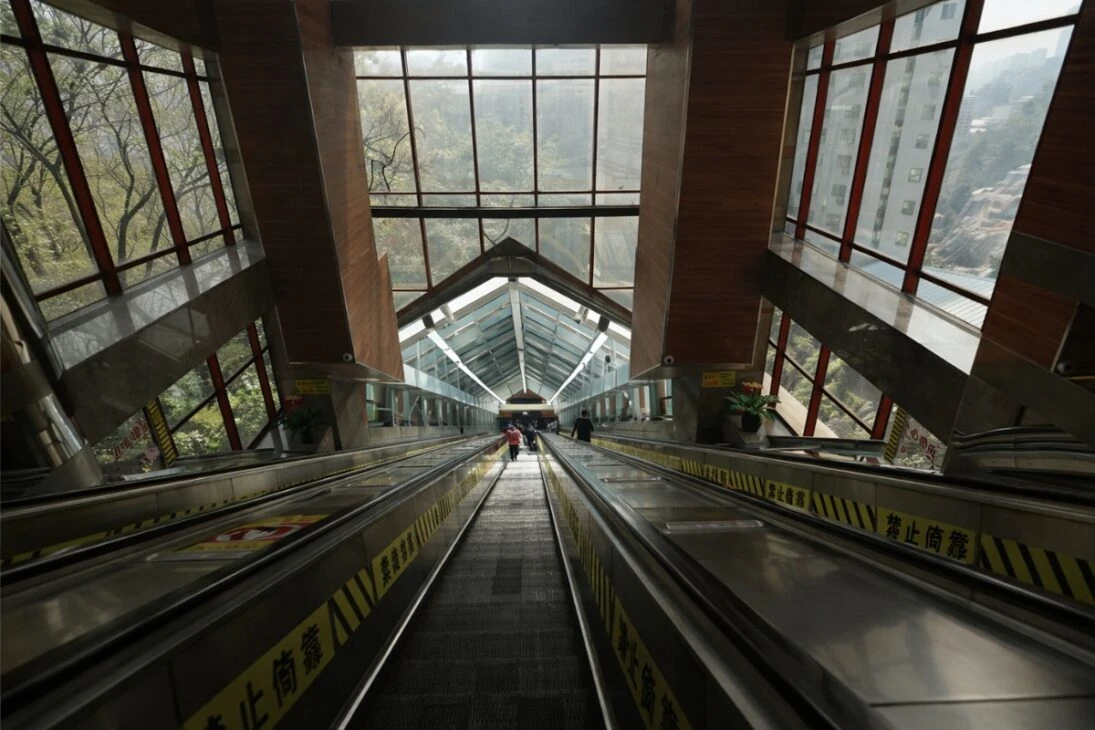
The Wushan Goddess Escalator is designed to be a contemplative piece of architecture that enhances its surroundings. The use of transparent glass facades serves a dual purpose: it reduces the visual bulk of the structure, allowing it to blend with the mountain backdrop, and it transforms a utilitarian commute into a scenic experience.
The design team intentionally avoided blocking views of the Yangtze River and the Wu Gorge. By incorporating sky balconies and a 360-degree lookout platform at the summit, the escalator has become a destination in its own right.
The Wushan Goddess Escalator responds to the profound challenges of geography and the needs of modern society. By overcoming a 242-meter vertical rise, the project has bridged a historical divide in Wushan’s urban landscape. More than just practical, it shapes the way people move through and enjoy the city.
Explore Courses
.jpg "Ondrej Chybik - Rethinking Architecture")