

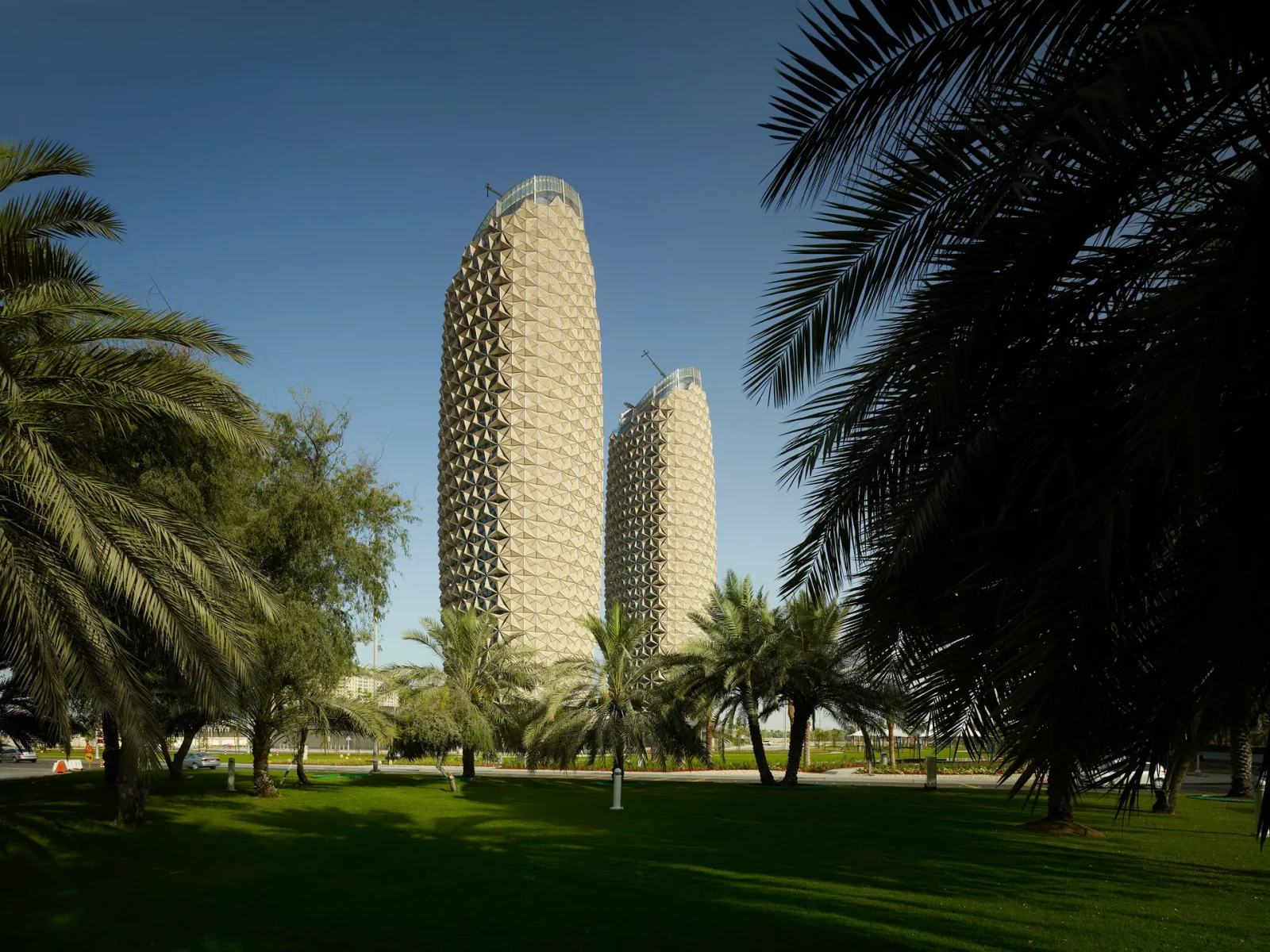
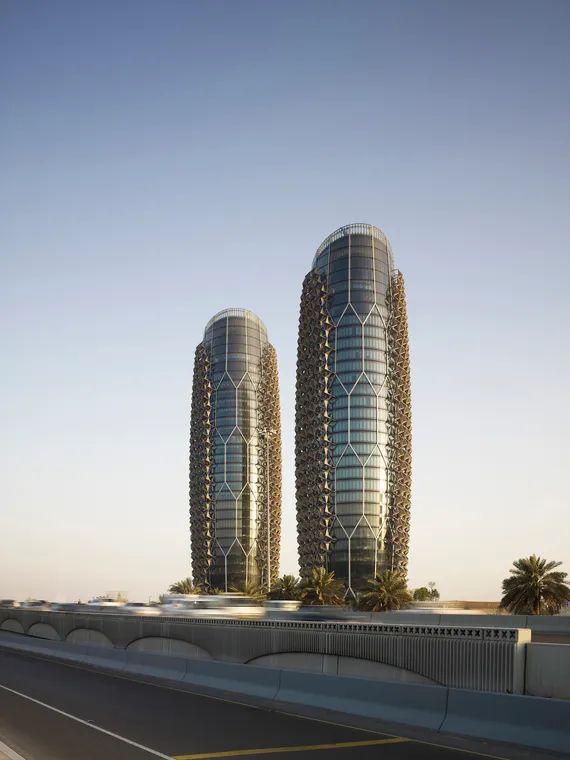
Abu Dhabi, a city of modern buildings and cultural significance, reveals two identical cylindrical twin skyscrapers, known as Al Bahr Towers. Designed by world-renowned Aedas Architects, the building responds to context, forming the city’s skyline, which blends technology, tradition, and sustainability. The striking dynamic facade represents the Al Bahar Towers’ commitment to sustainable building design for hot climates. Let’s delve into this groundbreaking case study of a 29-story built form demonstrating a modern interpretation of tradition to develop iconic Al Bahr Towers.
Al Bahr Towers Kinetic Facade
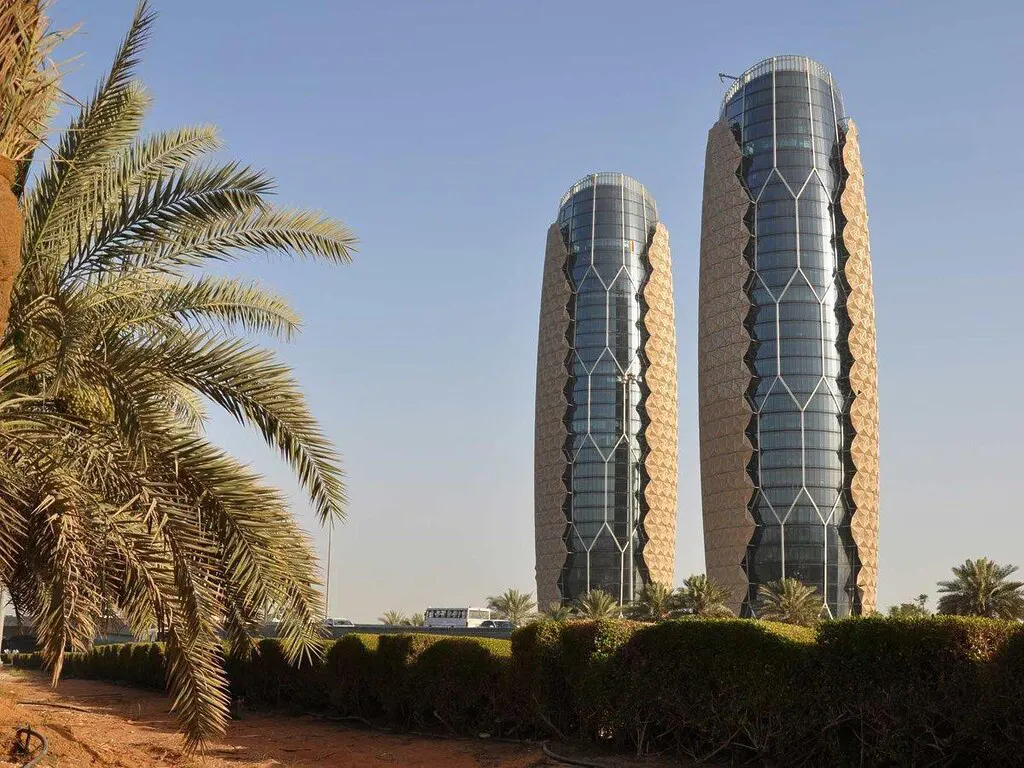
Al Bahr Towers serve as the headquarters for the Abu Dhabi Investment Council and Al Hilal Bank. Completed in 2012, the two visually striking towers, standing approximately 145 meters tall, collectively cover 70,000 m². The design team of Aedas Architects, in collaboration with engineering firm Arup and local partner Diar Consult, envision a co-working, flexible workplace, promoting the project as a cultural landmark.
Design Inspiration: Tradition Meets Technology
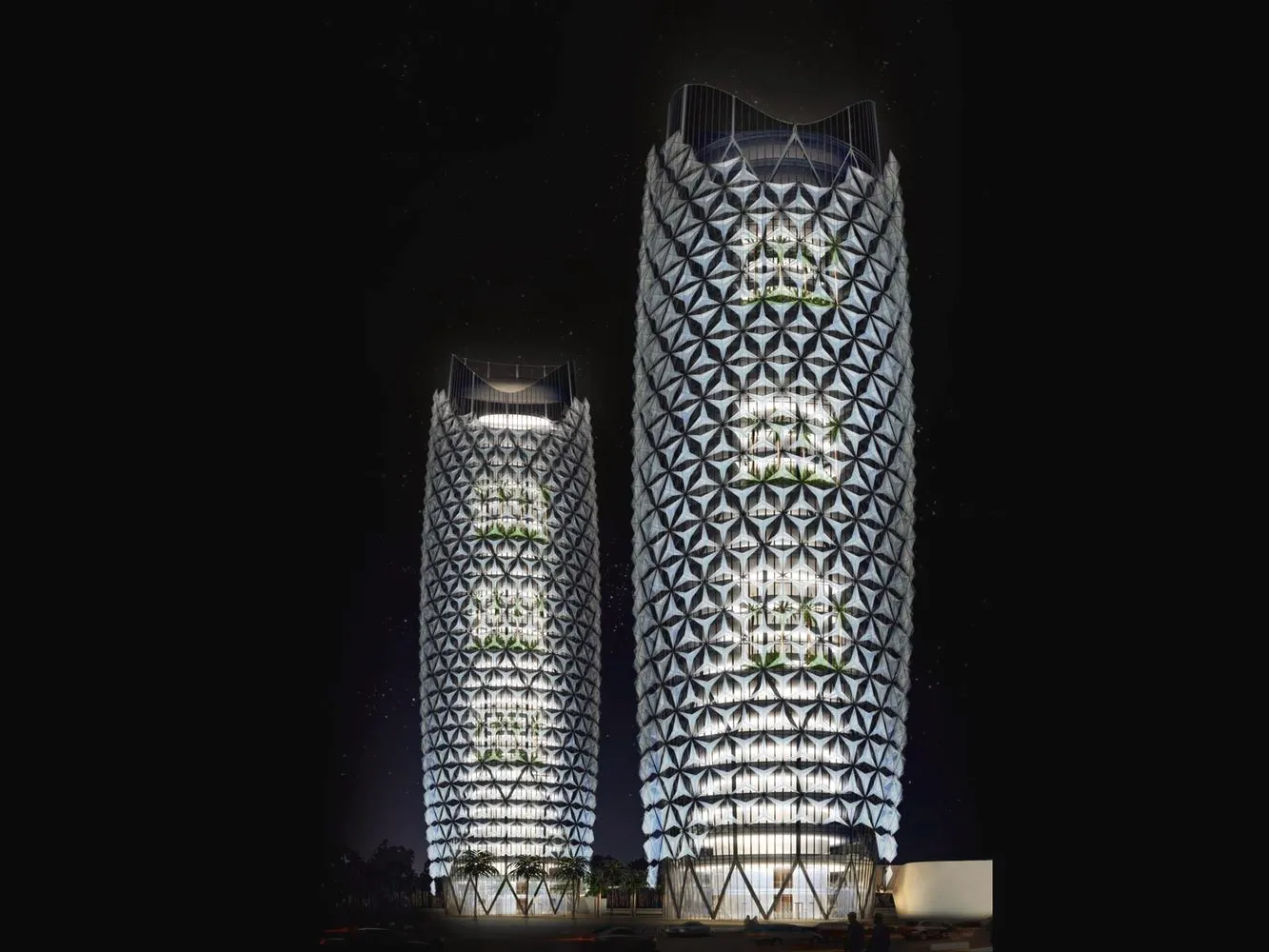
Responding to the extreme climate of Abu Dhabi, the dynamic facade of the two striking cylindrical forms moves with the sun, creating dramatic light and shadow throughout the day. Inspired by geometric patterns and intricate details of the mashrabiya, the latticed wooden screens historically used in Arab architecture to provide shade, privacy, and natural ventilation, became an important design element.
The design narrative of Al Bahar Towers emerged from the ancient notions of grand scale and proportion, transforming the entire facade of the towers into a responsive skin. This approach fosters the architect’s commitment to respond context-sensitive heritage of the Middle East.
Sculpting the Skyline: Form and Building Configuration
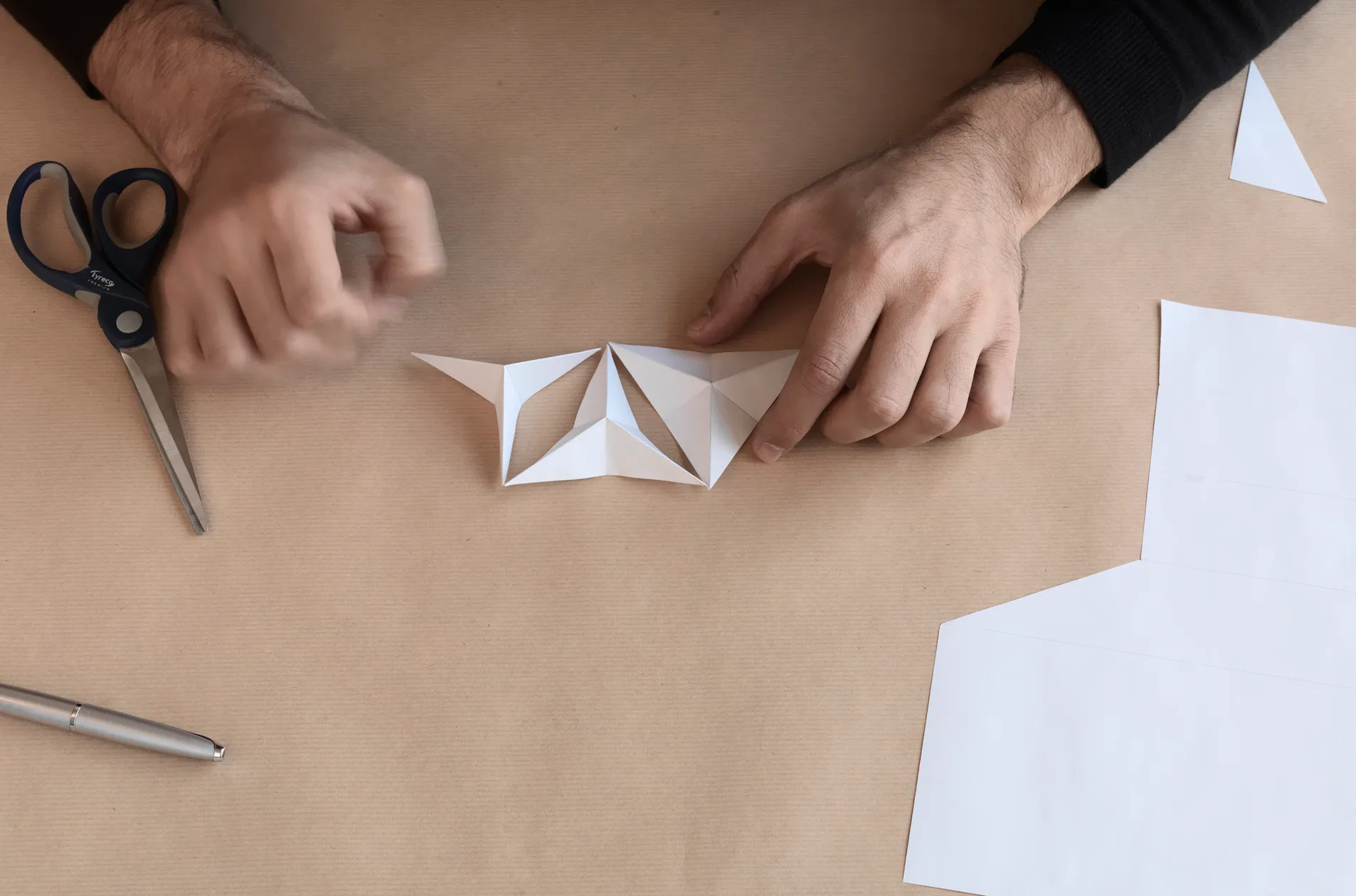
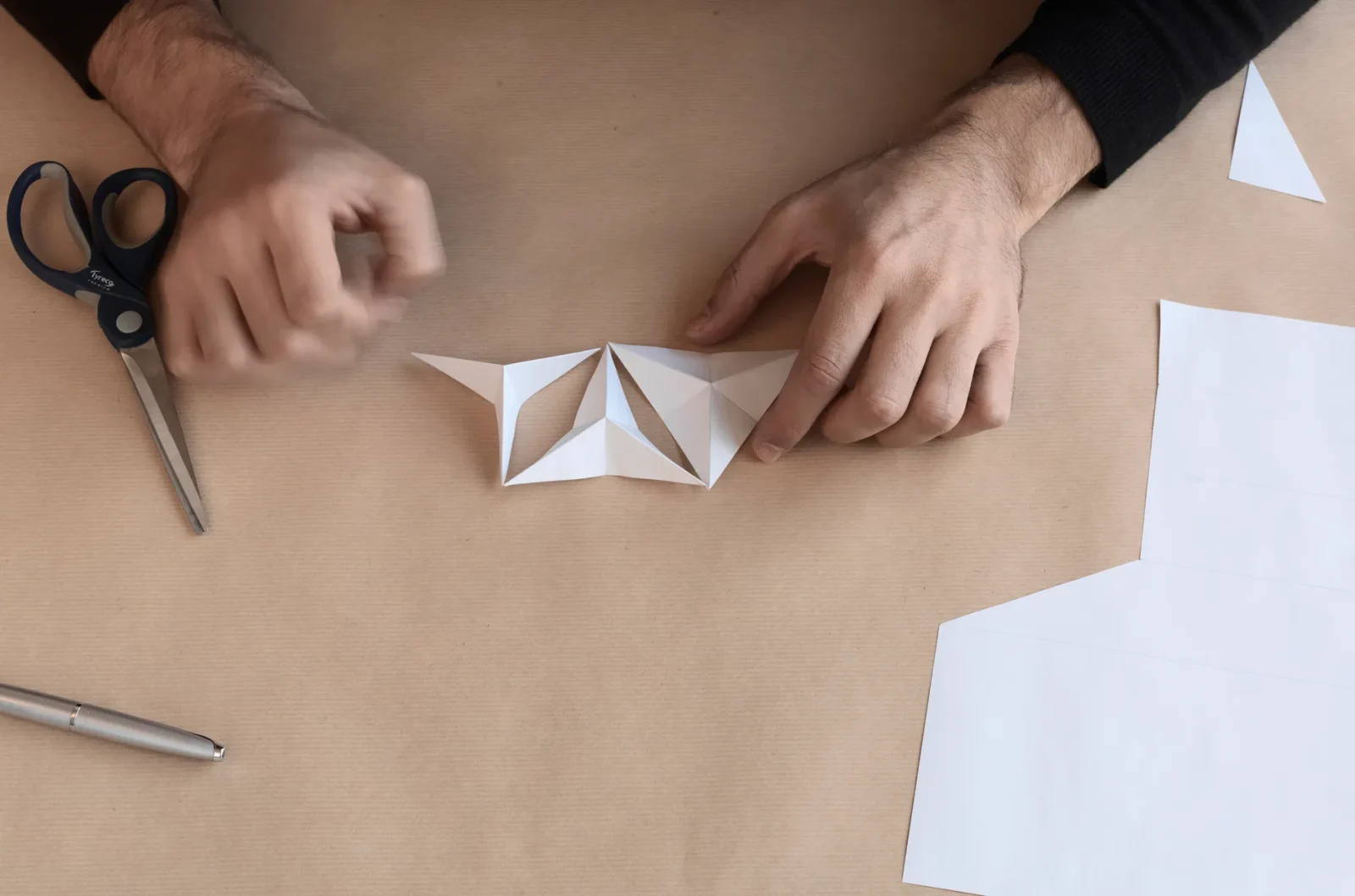
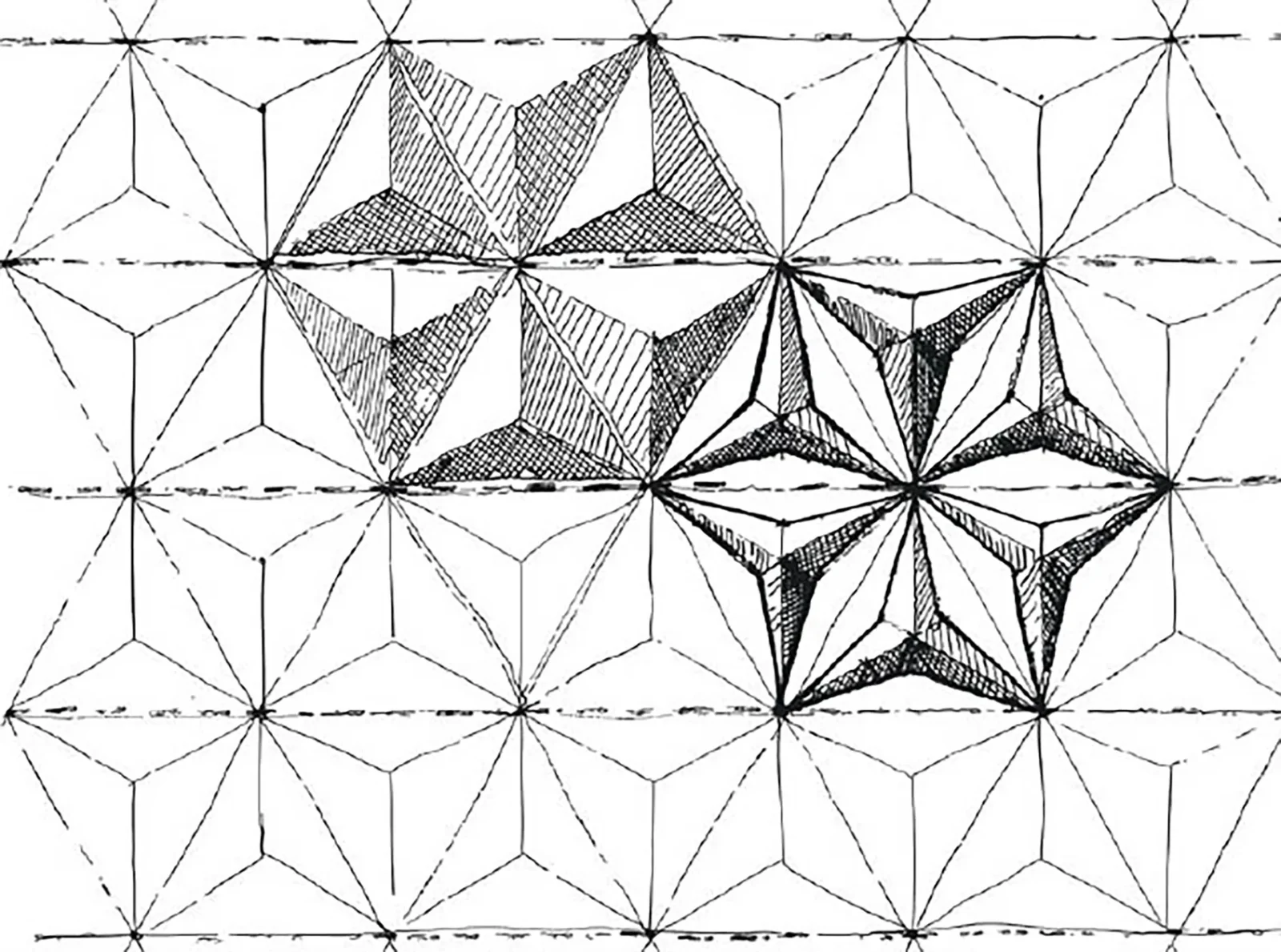
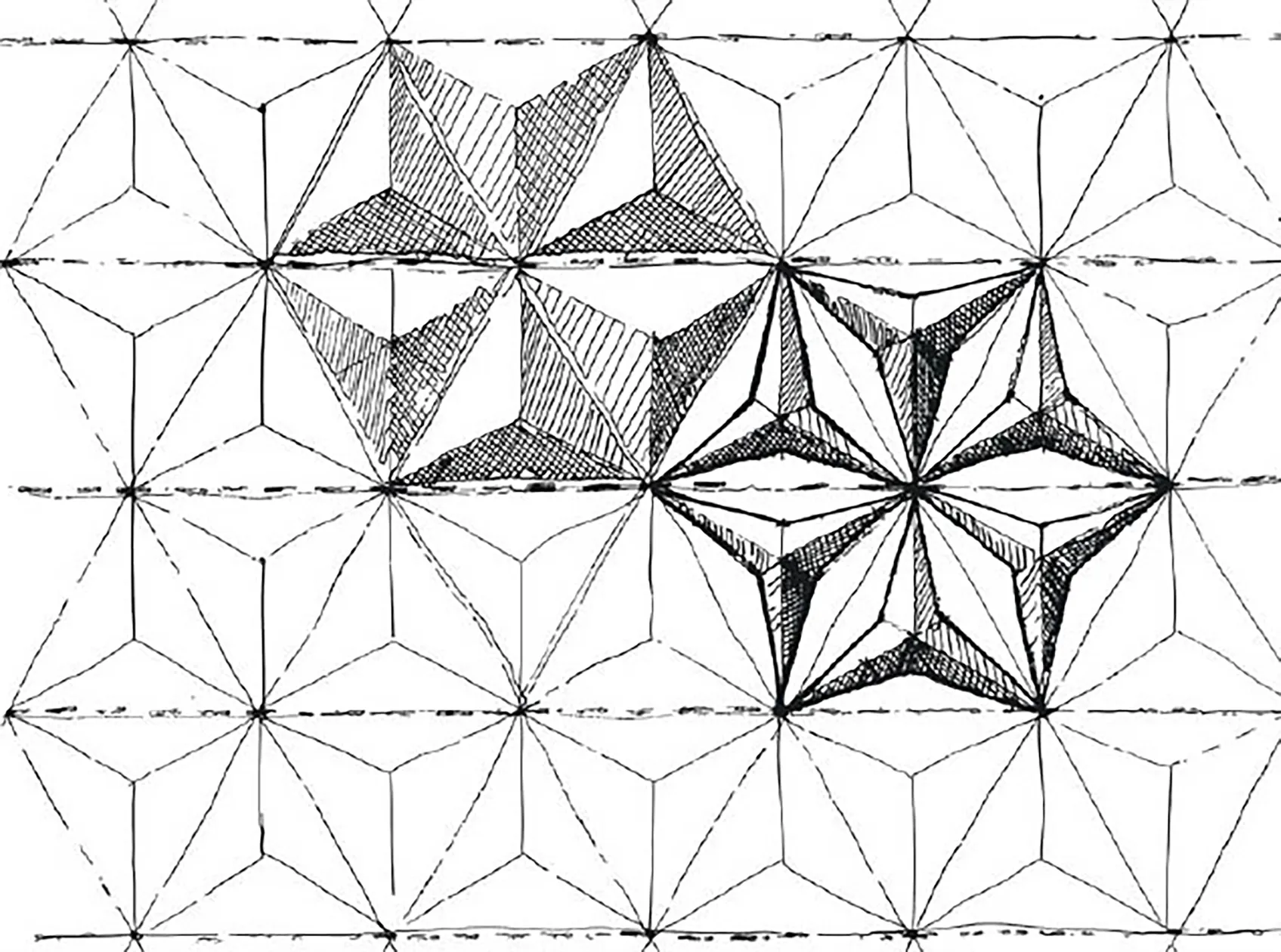
Conceptualised on the notion of adaptive flowers and ‘Mashrabiya’, the Al Bahr Towers design portrays the Aedas Architects’ commitment to defining modern parametric architecture. With a simple origami model for the dynamic Mashrabiya panel, the concept was understood, which revealed how the triangular unit would function. Enlightened by the region’s geometry, the plan of the towers was based on six tangential arcs, taken from three intersecting circles.
Kinetic Facade: A Living Skin for the Desert
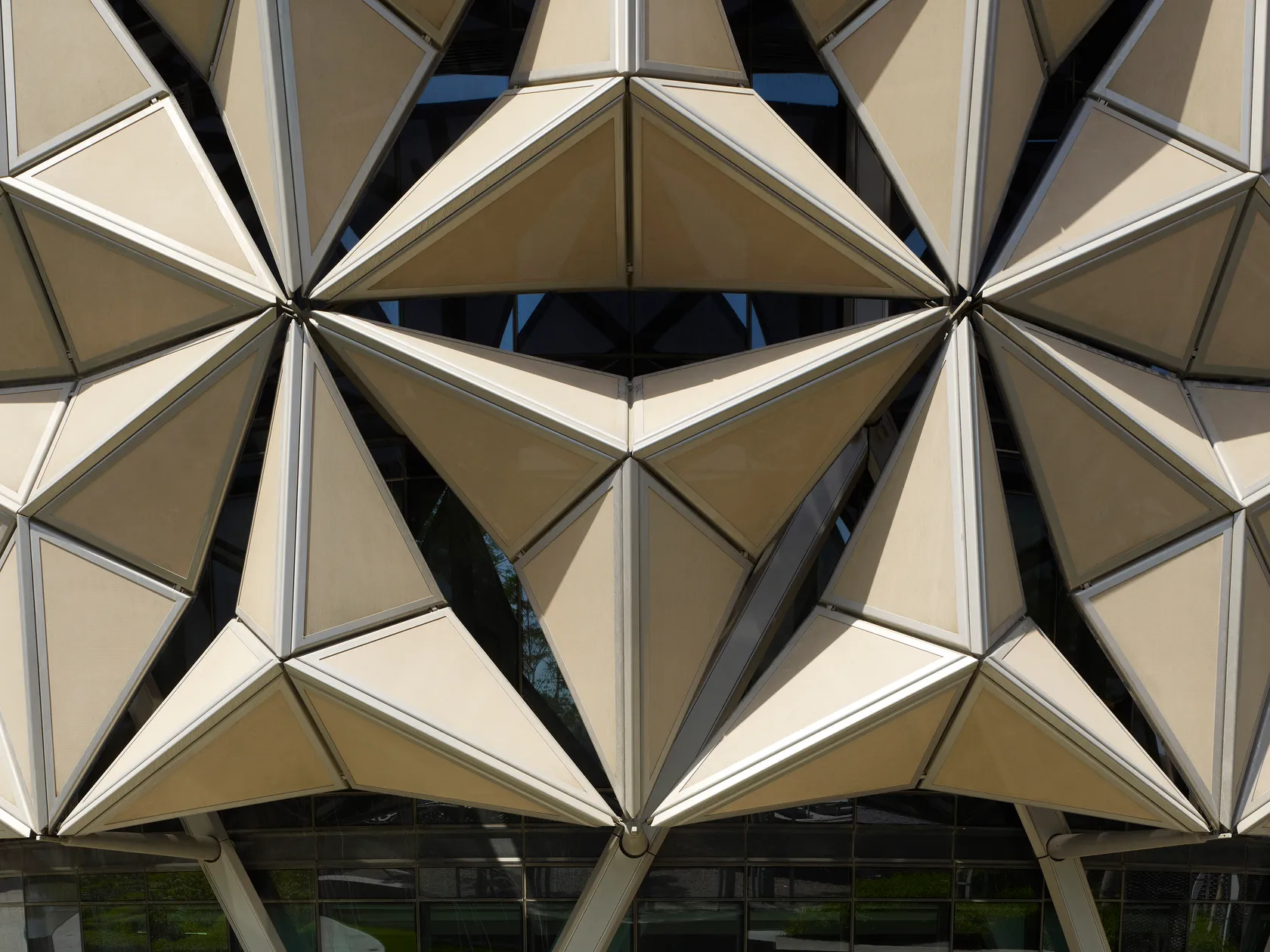
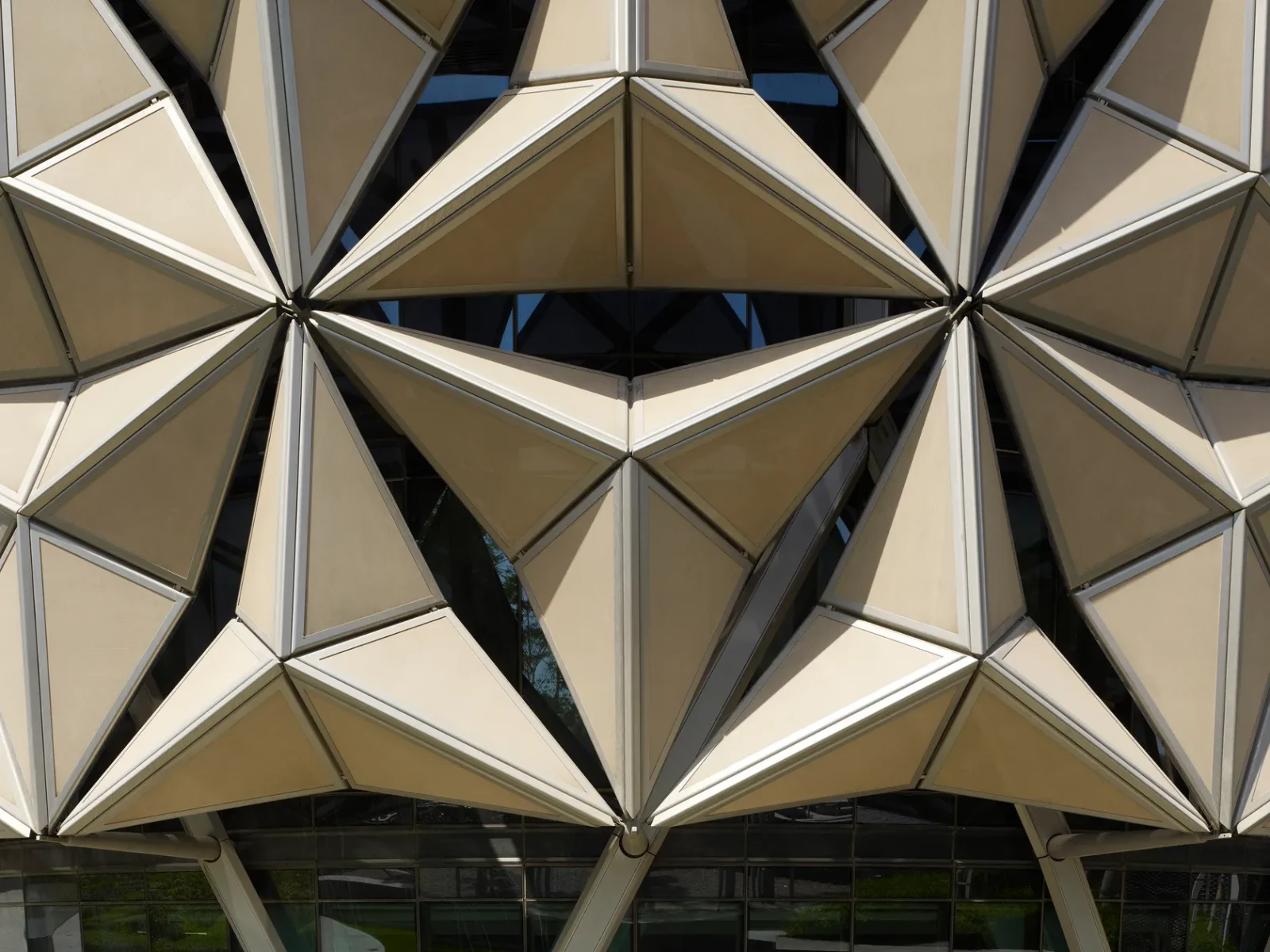
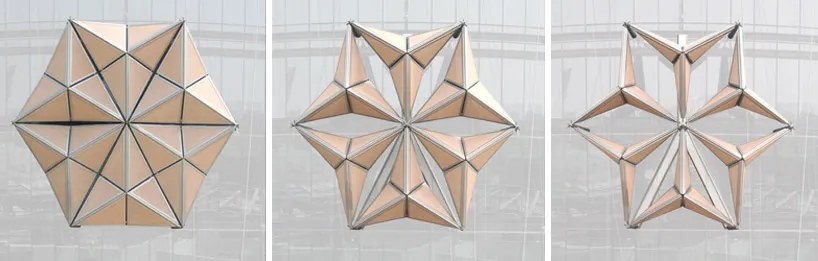
The building facade is the modern interpretation of mashrabiya that transformed into a dynamic facade system comprising over 2,098 umbrella-like shading devices. Each element opens and closes in response to the sun’s position, creating a building envelope that breathes with the desert heat. The skin of the Al Bahar Towers was developed using parametric and computational design tools.
The architects employ advanced modeling software to understand the building’s orientation, movement patterns, optimize geometry, and integrate building performance into the design. For a deep dive into how cutting-edge algorithms shaped the Al Bahr Towers’ kinetic skin, check out PAACADEMY – a creative platform where computational design meets real-world architectural marvels.
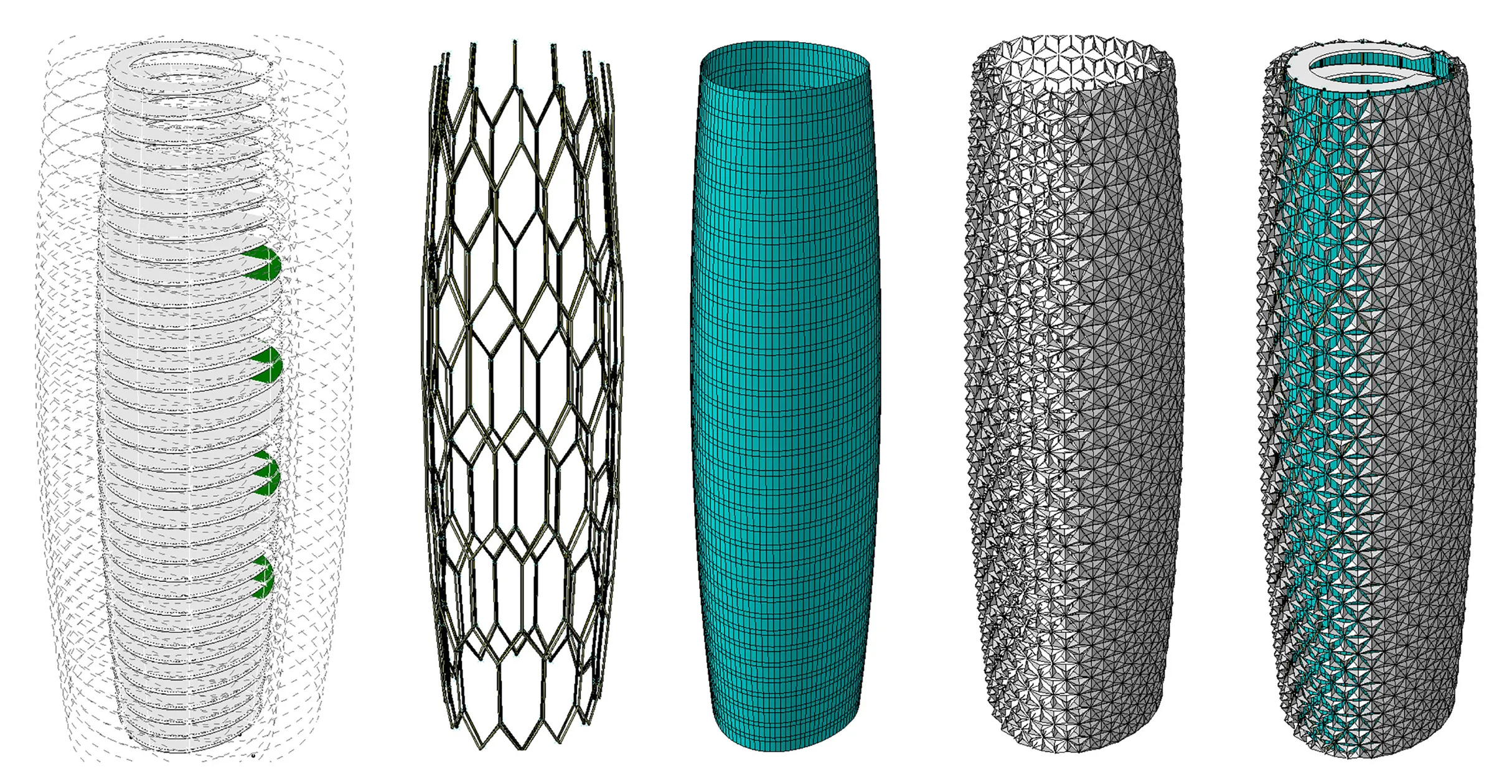
By minimising the building’s exposure to intense desert heat, the circular floor plan was strategically designed that be both functional and aesthetically beautiful. The bold arrangement connected with the dynamic kinetic facade reduces solar heat gain and adds elegance to the structural bold form of the towers’ silhouette and Abu Dhabi’s skyline. The shape of the tower tapers slightly towards the base, enhancing its slender profile, and between the towers, a shared podium was designed for community engagement, transitional spaces, and underground parking.
Parametric Precision – Designing with Data
Al Bahar Towers’ captivating feature is their computer-controlled dynamic facade’s shading device that responds to climate and context. The second skin comprises approximately 2098 umbrella-like shading elements, crafted from fibreglass and coated with PTFE, mounted on a steel frame. Each of these triangular units is programmed to move in real-time, tracking the sun’s path throughout the day.
As the sun intensifies on a particular side of the building, the corresponding shades close, providing optimal shading and reducing the internal heat load. Conversely, when the sun moves away, the panels open, allowing more natural light to filter through the high-performance glass behind.
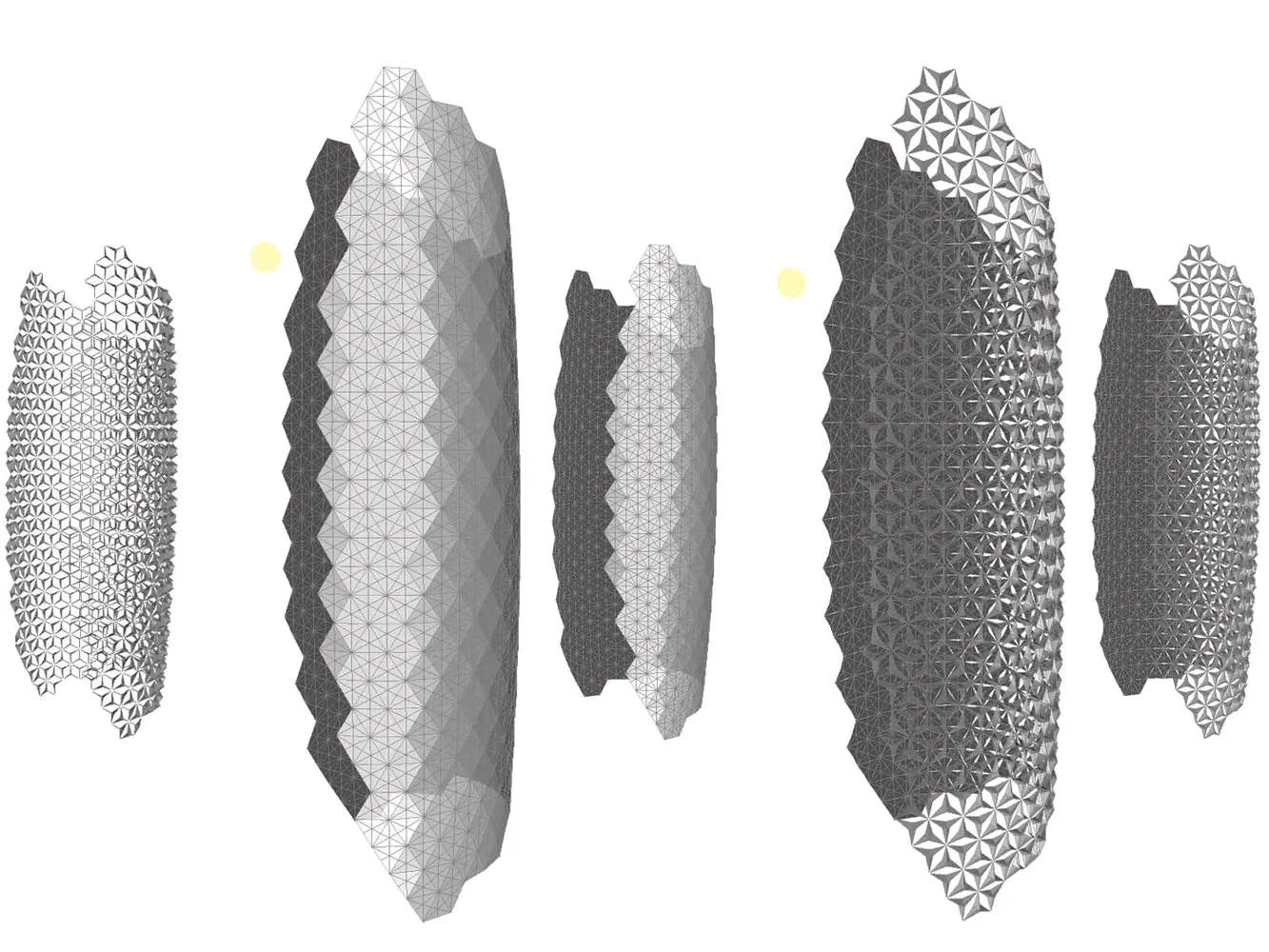
This contemporary approach to designing with high-tech mashrabiya reduces cooling demand, limits glare, and maintains a comfortable interior environment while creating a constantly changing exterior appearance. The double skin system involves a functional and clean design, placing a separate structural frame positioned two meters away from the main building.
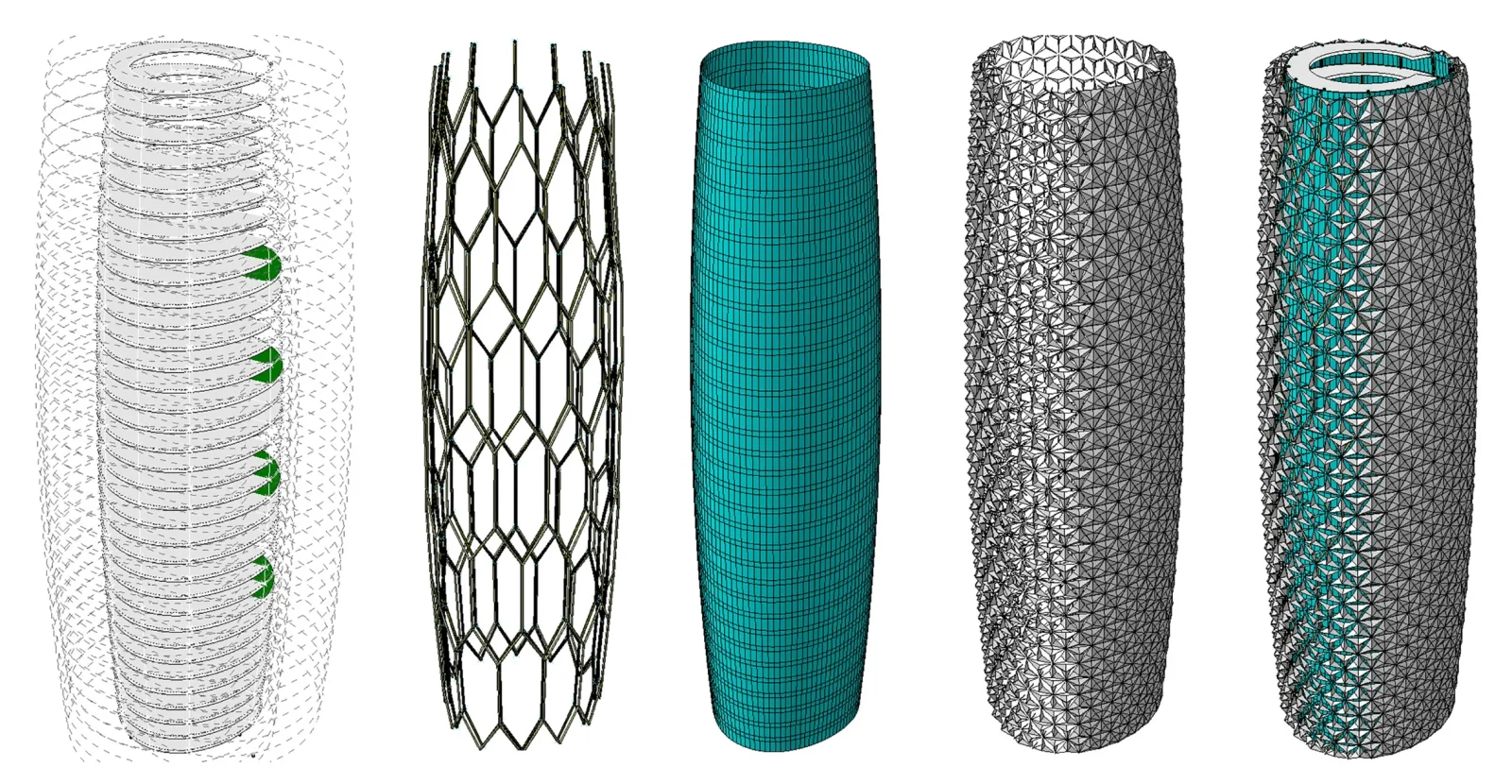
Parametric and algorithmic modeling played a key role in drafting the building’s facade comprises intricate geometry, patterns, and showcases the power of computational design in modern architecture. With the extensive use of BIM (Building Information Modeling) and parametric design tools like Rhino and CATIA, the building facade components were prefabricated and tested for movement precision before installation. This strategy ensured that the kinetic system would function reliably under Abu Dhabi’s challenging weather conditions.
Sustainability Features
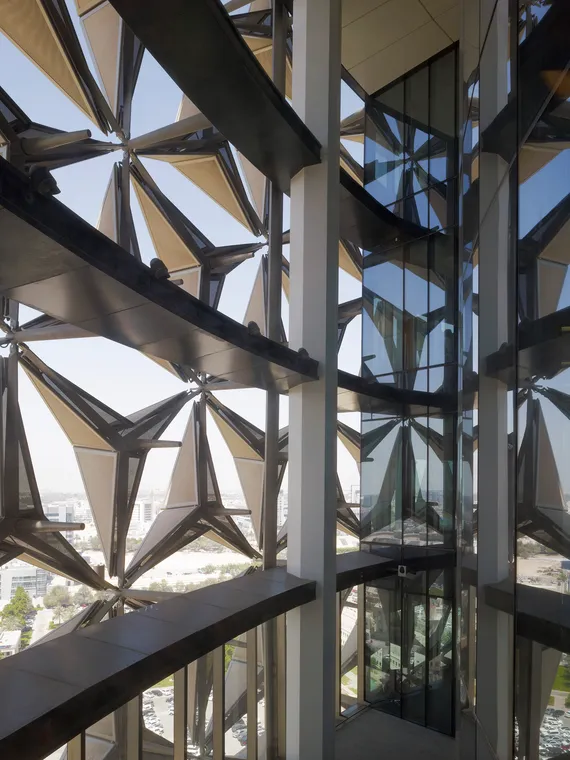
The Al Bahr Towers achieved the rare accomplishment of LEED Silver certification for high-rise commercial towers in the Gulf and their holistic approach to green building practices, which includes reduced energy loads, daylight optimization, water conservation, and integrating local materials directly to the harsh desert climate, a prime example of sustainable architecture in action.
Following the sustainable ethos, the dynamic facade reduces the solar gain by more than 50%. By controlling glare and direct natural light, the facade was crafted with highly transparent glazing, allowing natural light to flood the interior office spaces and improve productivity for occupants. Beyond the dynamic facade, the building incorporates an advanced building management system (BMS) and landscaping designed to minimize water consumption.
Architectural Relevance and Impact
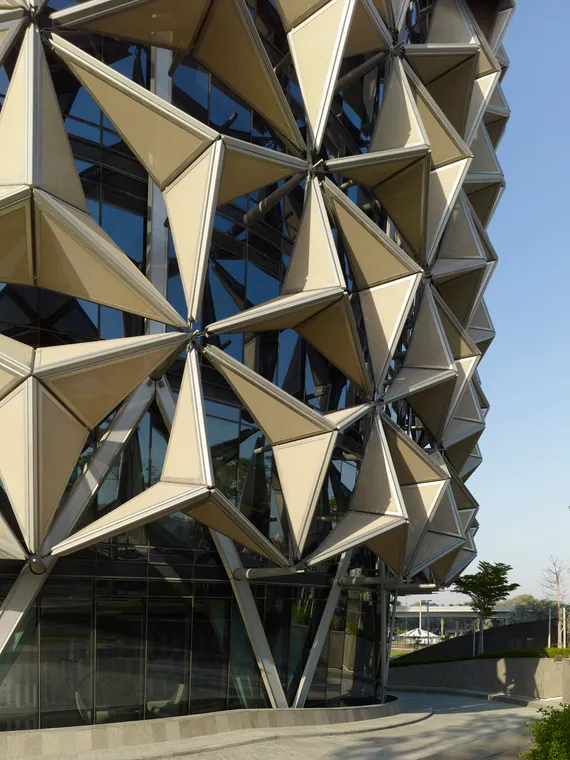
The Al Bahar Towers demonstrate a compelling case study for designers who face the challenges of building in severe climatic conditions. It highly showcases how to create an aesthetically elegant structure that is both sustainable and intelligent by integrating Islamic traditional wisdom with cutting-edge technology. The innovative approach of facade design responds to environmental requirements in real time, paving the way for a more energy-efficient and environmentally conscious future for the built environment.
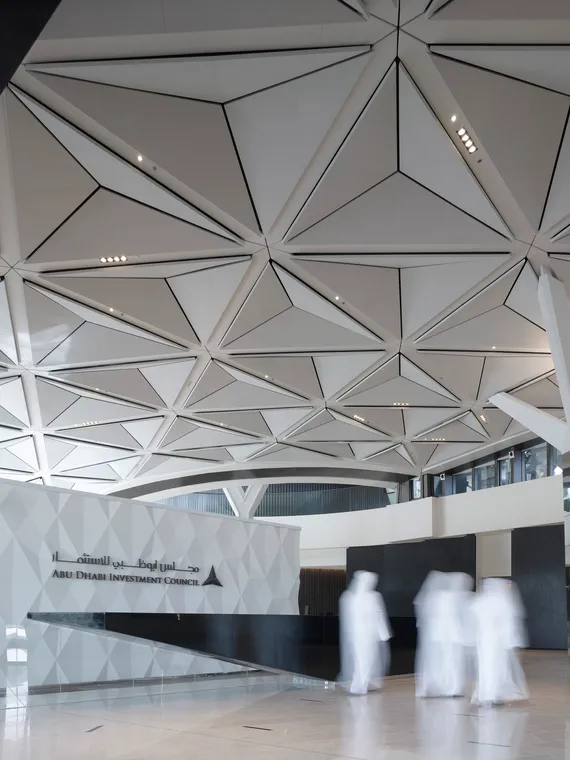
This project enhances context-sensitive modernism and illustrates how architecture can be both a poetic and pragmatic response to place. Al Bahr Towers are modern storytellers, through their dynamic shading skin, they narrate the rich history of the UAE and its roots.
It reminds us to build consciously not just sustainable structures, but to design buildings that belong to people, culture, and climate. For the project’s sustainable approach, context-sensitive cultural integration, and modern engineering, the towers were awarded the 2012 Tall Building Innovation Award by the Council of Tall Buildings and Urban Habitat.
Al Bahar Towers Project Details
Architect: Aedas Arquitectos
Location: Abu Dhabi, United Arab Emirates
Client: Abu Dhabi Investment Council
Completion: 2013
Size: 52,000 m2
Associate Architect: Diar Consult
Engineer: Arup
Acoustic Engineer: Arup
Construction Company: Al-Futtaim Carillion
Construction Manager: Eter Oborn
Explore Courses
.jpg "Ondrej Chybik - Rethinking Architecture")