

Go switch off the light in your room. Now draw the curtains. See how the space suddenly disappears?
That is how vital light is to architecture. One cannot exist without the other. Daylight has perhaps been an architect’s greatest muse, constantly breathing life into it, shaping our moods and our sense of time.
In this article, we look at 10 buildings that carefully shape light in Architecture. Each one shows a different way light can transform architecture, sometimes spiritual, sometimes practical, but always essential.
1. Light as Devotion: The Church of Light
Project: The Church of Light
Architect: Tadao Ando
Location: Osaka, Japan
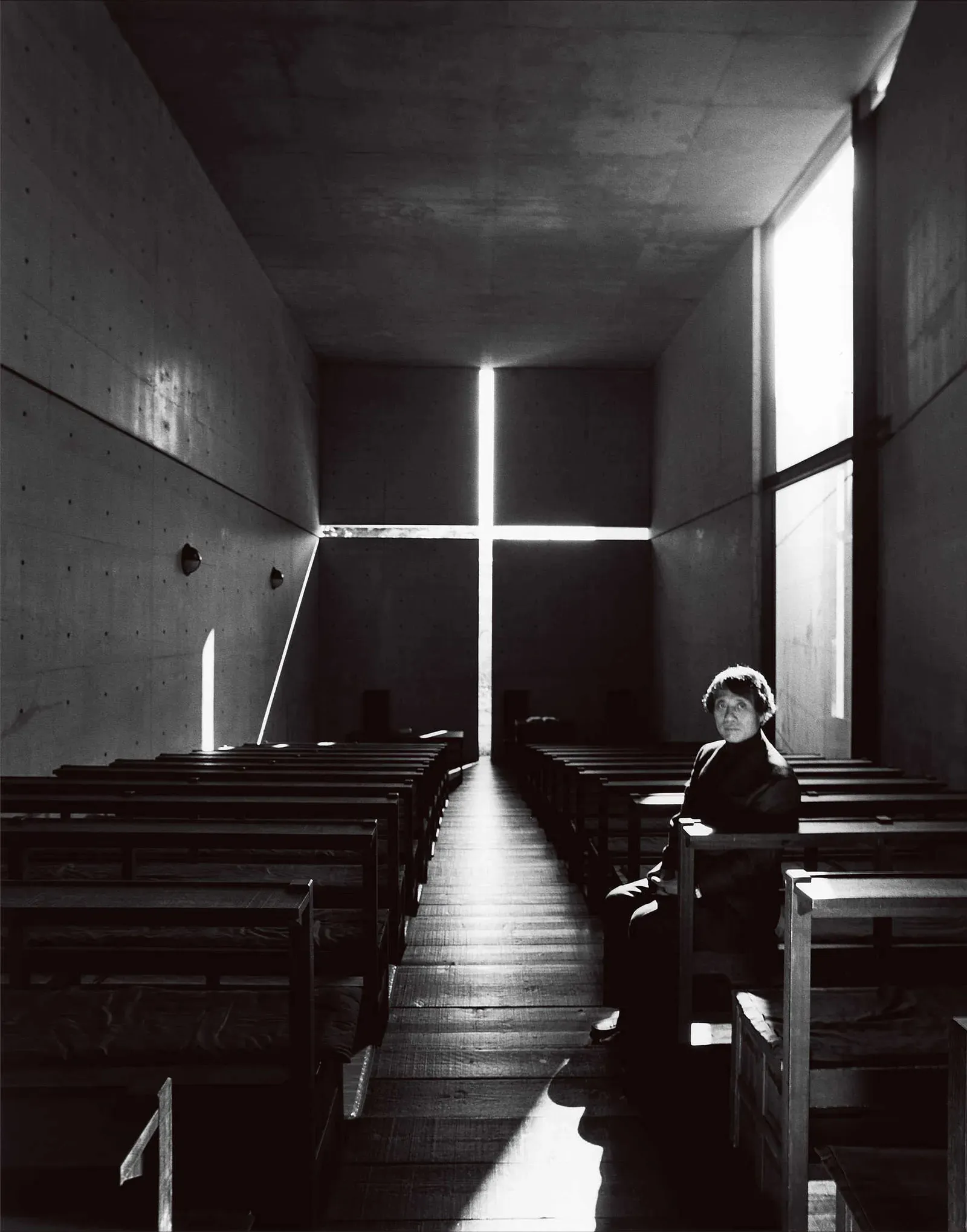
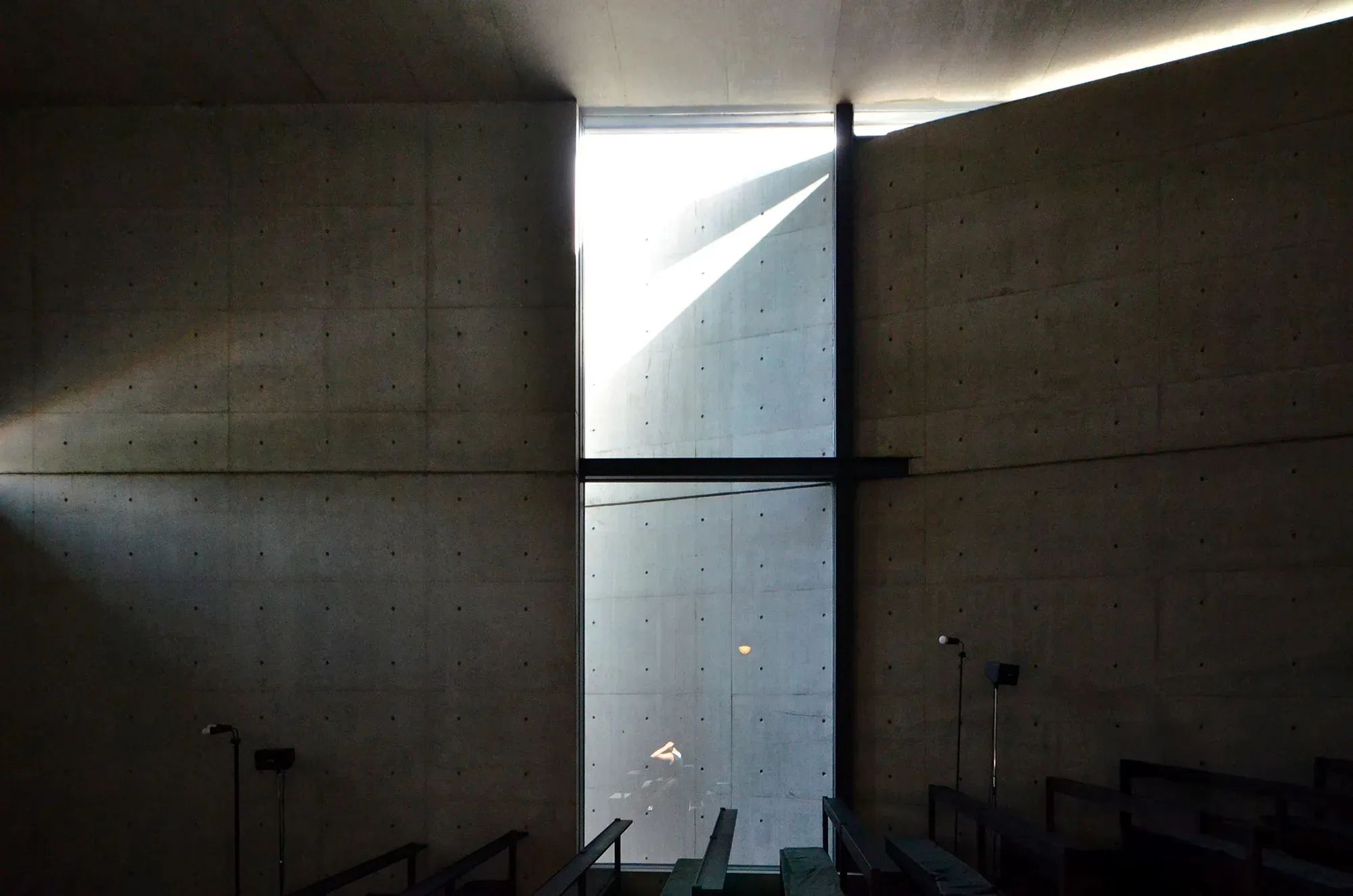
Tadao Ando’s Church of Light, a single luminous cross, slices through the dark, raw concrete walls. The daylight interrupts the silence of the design precisely, forming a perfect cruciform. No stained glass, no ornate windows in sight. The effect is startling. The light becomes the altar, and the divine is made visible.
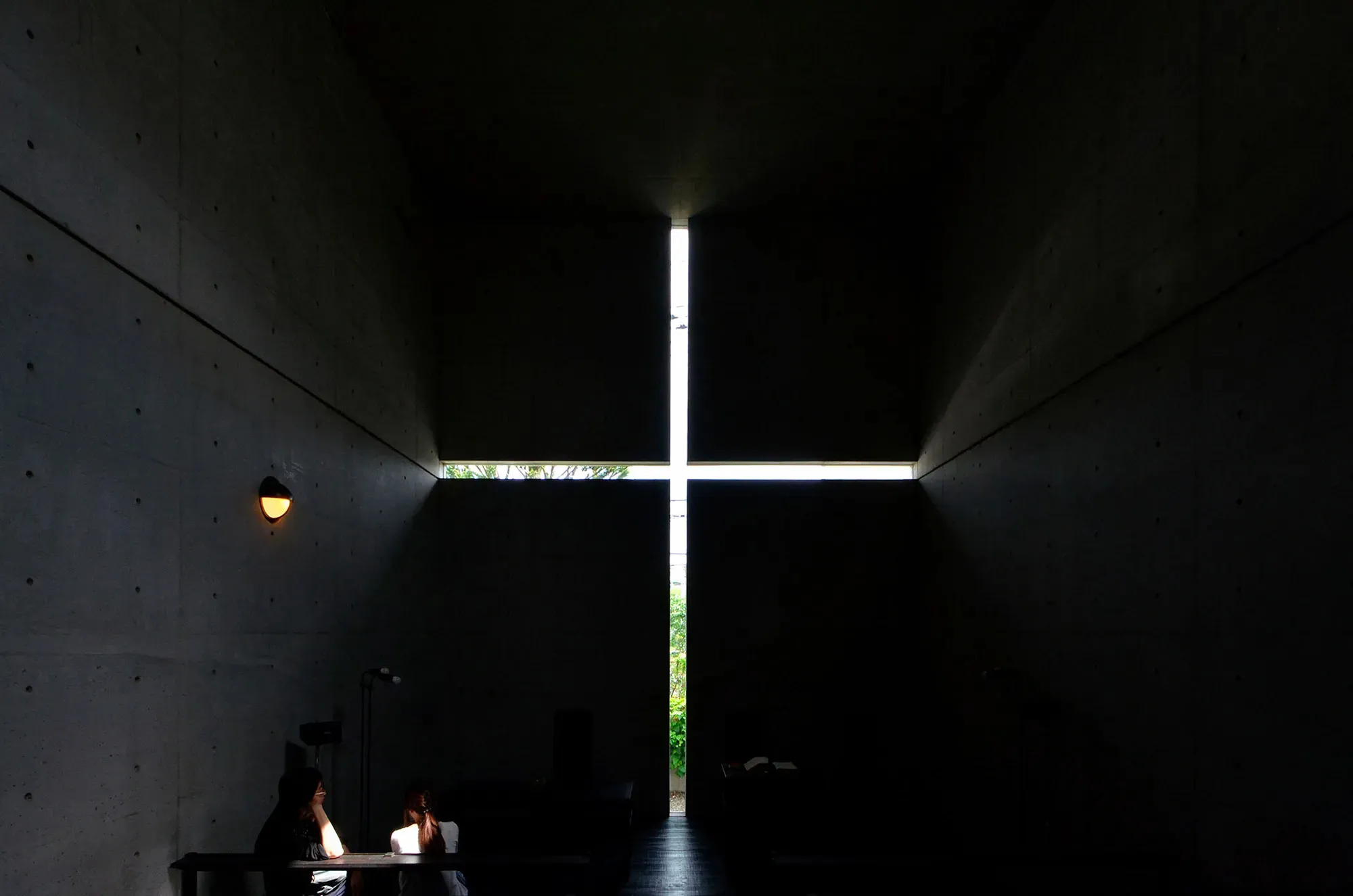
This radical design decision was deliberate, where the concrete is carved away at a 15-degree angle, made for it to follow the path of the sun, ensuring the cross remains luminous throughout the day. It was a moment of architectural faith, trusting that the controlled presence of light would create a more profound impact than any ornament would.
This isn’t just dramatic lighting; it is a complete reimagination of a sacred space. Light makes faith visible. The wall is nothing until the cross of light cuts through it.
2. Light as an Identity: Louvre Abu Dhabi
Project: Louvre Abu Dhabi
Architect: Jean Nouvel
Location: Abu Dhabi, United Arab Emirates
When the Louvre Abu Dhabi opened in 2017, Jean Nouvel didn’t just design a museum; he forged a cultural identity for the region.
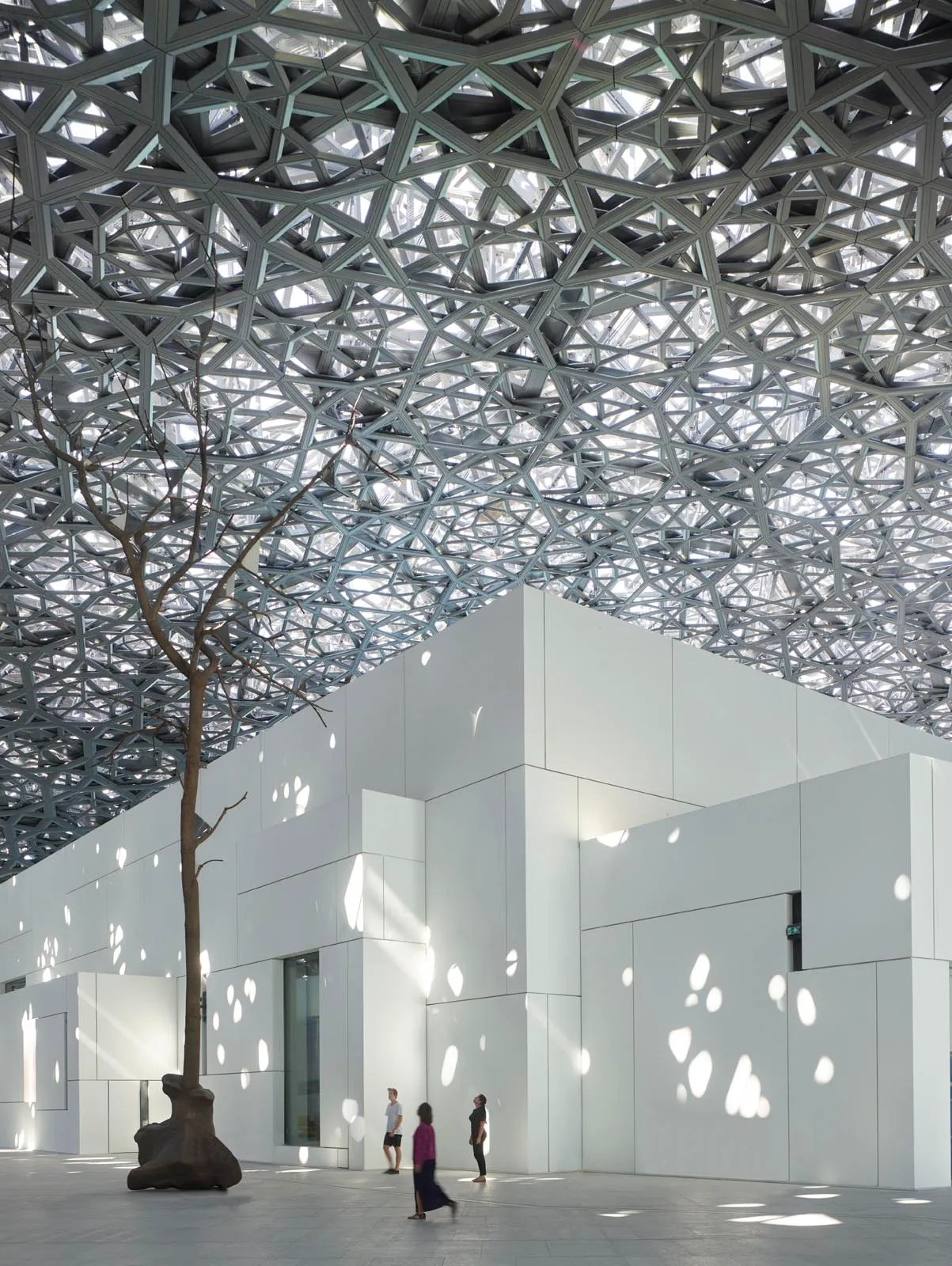
At the heart of this design lies a contemporary reinterpretation of the most powerful symbol of Arab architecture: the dome. Nouvel’s dome spans 190 meters and comprises 8000 interlaced metal stars to create a stunning lattice inspired by Islamic Mashrabiya screens and the shadows of palm fronds. The perforated dome softens the harsh Gulf sun to create a “rain of light’ that dances across the gallery below.
By day, the dome shimmers like a mirage above the water, and by night, it glows softly like a lantern. Architecture is elevated from a technical necessity to a symbol of a place. At this moment, under this particular sky, light itself whispers, “This is Abu Dhabi.“
3. Light carries Memory: Jewish Museum
Project: Jewish Museum
Architect: Daniel Libeskind
Location: Berlin, Germany
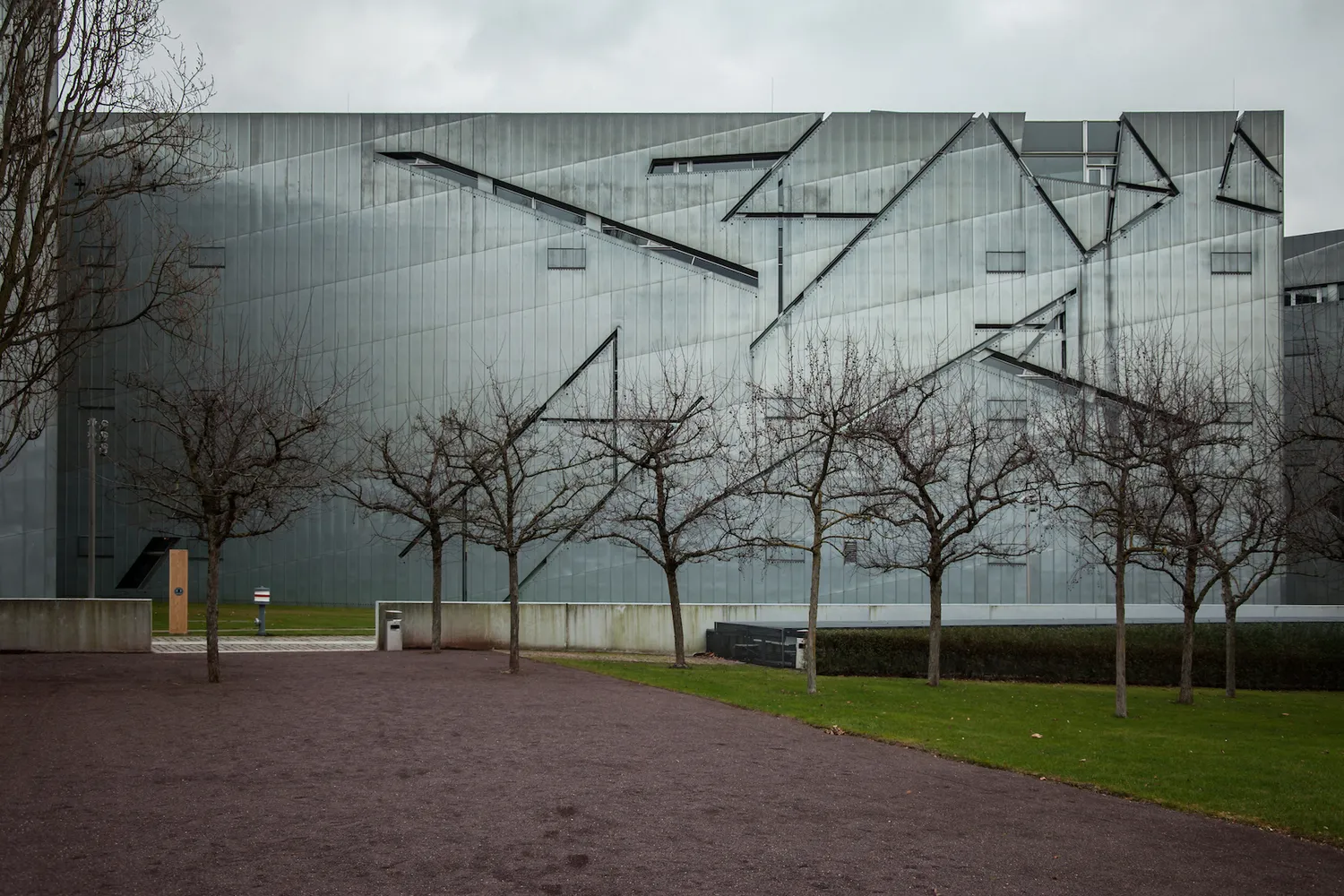
When one thinks about daylight in design, it is often tied to joy, openness, and clarity. Daniel Libeskind’s Jewish Museum in Berlin subverts that expectation entirely. From the outside, this is a zinc-clad building with a jagged silhouette. But inside, light is fractured and deliberately disorienting.
Thin irregular slits puncture concrete walls, casting sharp streaks that cut through darkness, a visual reminder of ruptured Jewish life in Berlin after the Holocaust. From its angular form to its circulation and lighting, the entire spatial experience is carefully choreographed.
Though it is built as an extension to the original Jewish Museum, it has no independent entrance. Visitors must first pass through the Baroque building, descend into an underground passage, and only then enter Libeskind’s extension.
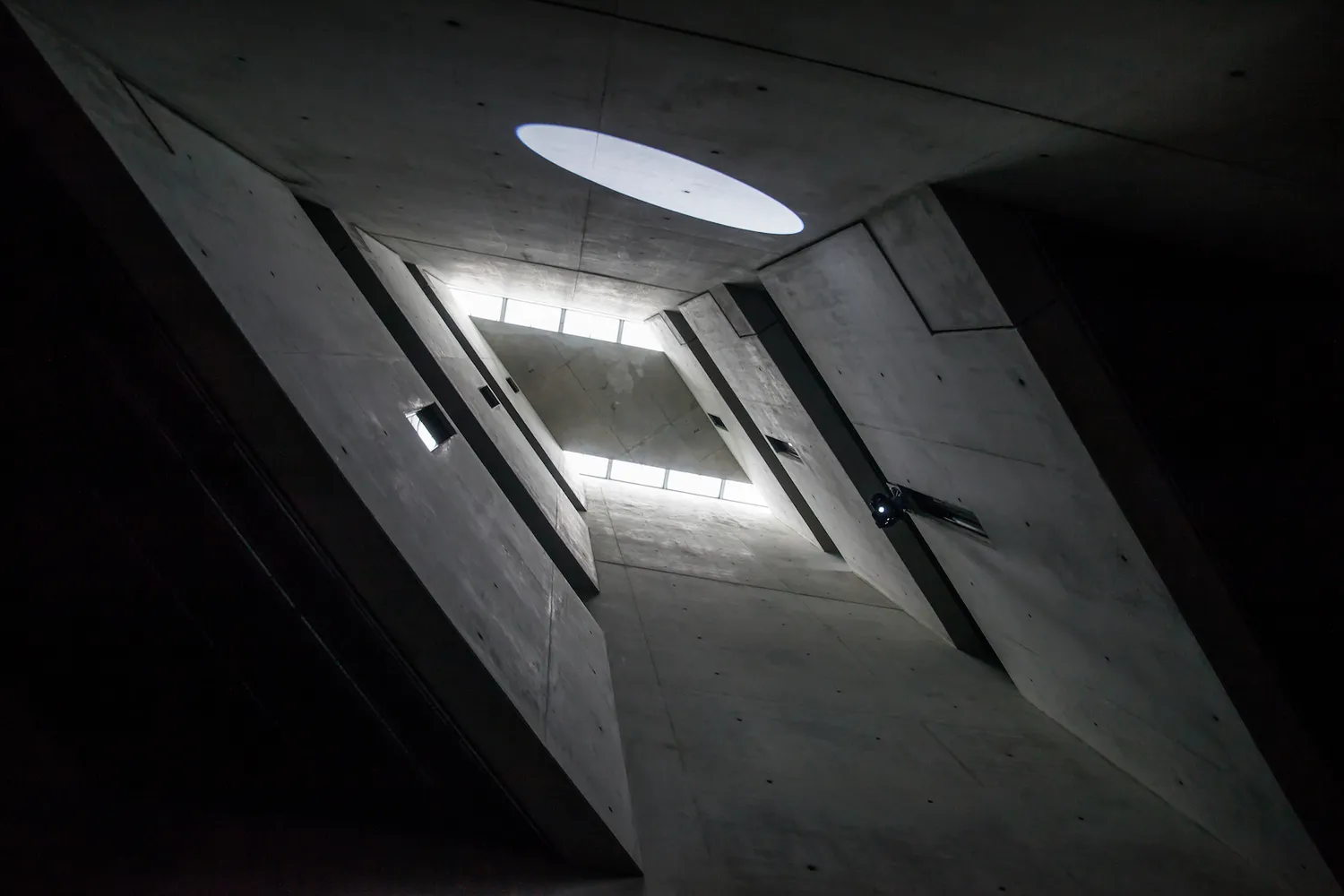
This journey is intentional, where history is hidden and must be unearthed. The zig-zag plan creates moments of unease: angled walls, empty voids that cannot be accessed, unheated spaces, and light that arrives in staggering moments. The architect himself describes this as ‘that which cannot be exhibited’: trauma and loss that cannot be displayed, only felt.
The effect is both unsettling and deeply immersive. The building is a painful reminder of a time when humanity collapsed as the world watched on. And light is the conduit of that memory.
4. Light is Art: Salk Institute for Biological Studies
Project: Salk Institute for Biological Studies
Architect: Louis Kahn
Location: La Jolla, California, US
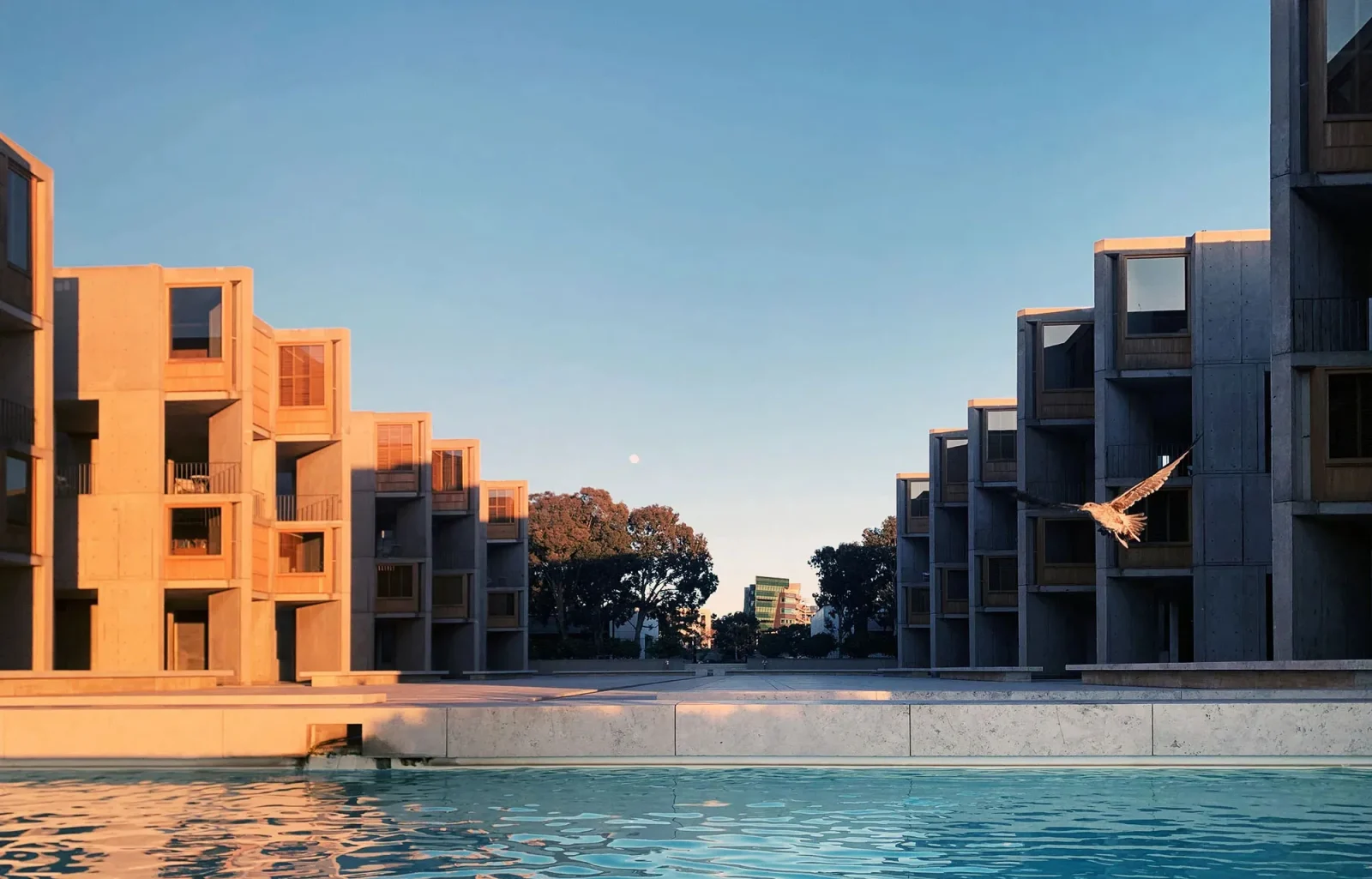
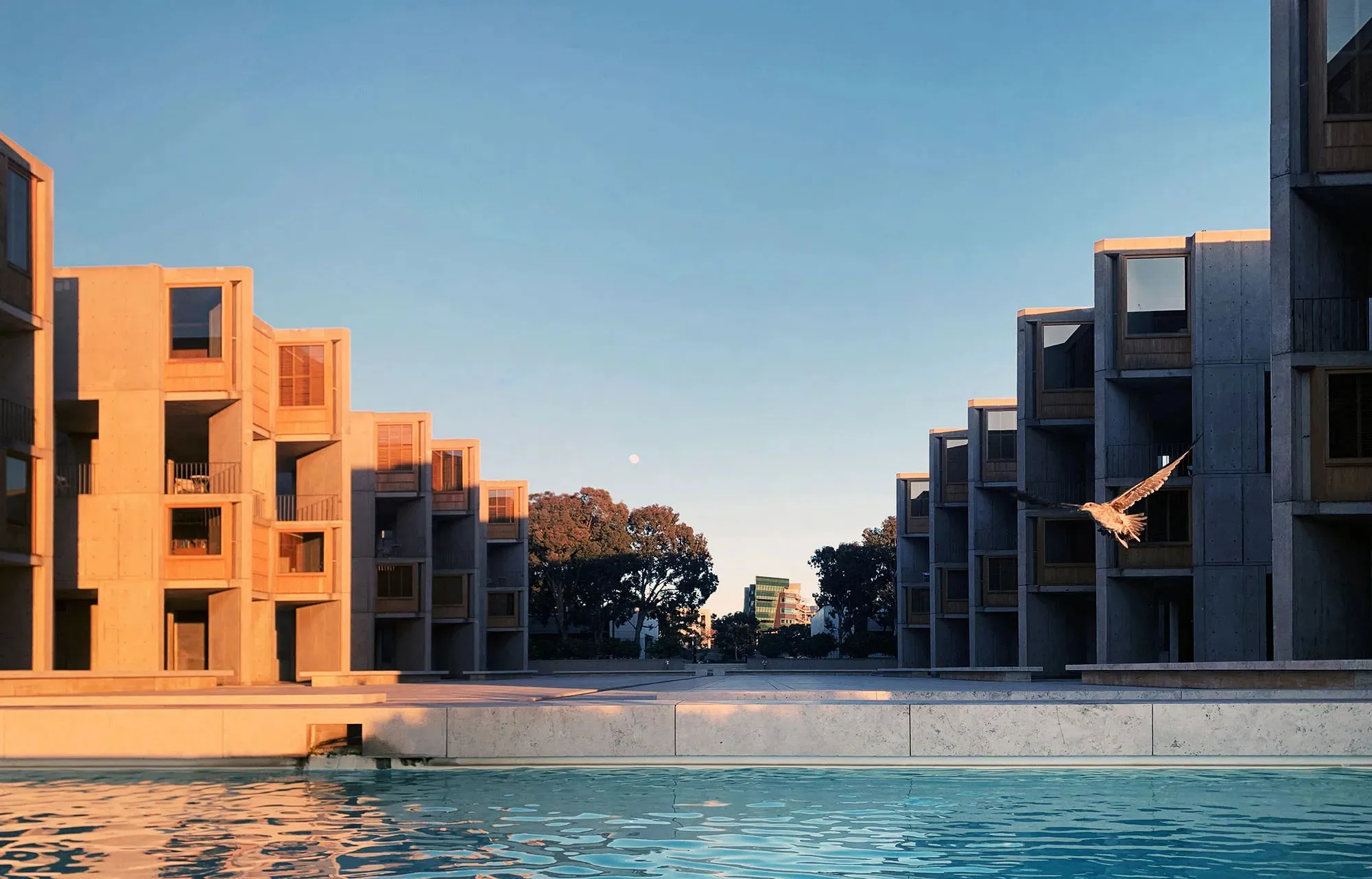
Conceived through a dialogue between scientist Jonas Salk and architect Louis Kahn, the Salk Institute stands as a temple for science. Its defining feature is the vast courtyard that opens directly to the Pacific Ocean, where daylight becomes the central element. Twin laboratory blocks flank the travertine-paved plaza in perfect symmetry, drawing the eye toward the horizon.
A narrow water channel, known as the River of Life, runs along the central axis that is precisely aligned so the sun sets along it during the spring and fall equinoxes. The travertine reflects shifting tones of light, while teak-framed windows soften the stark concrete exteriors.
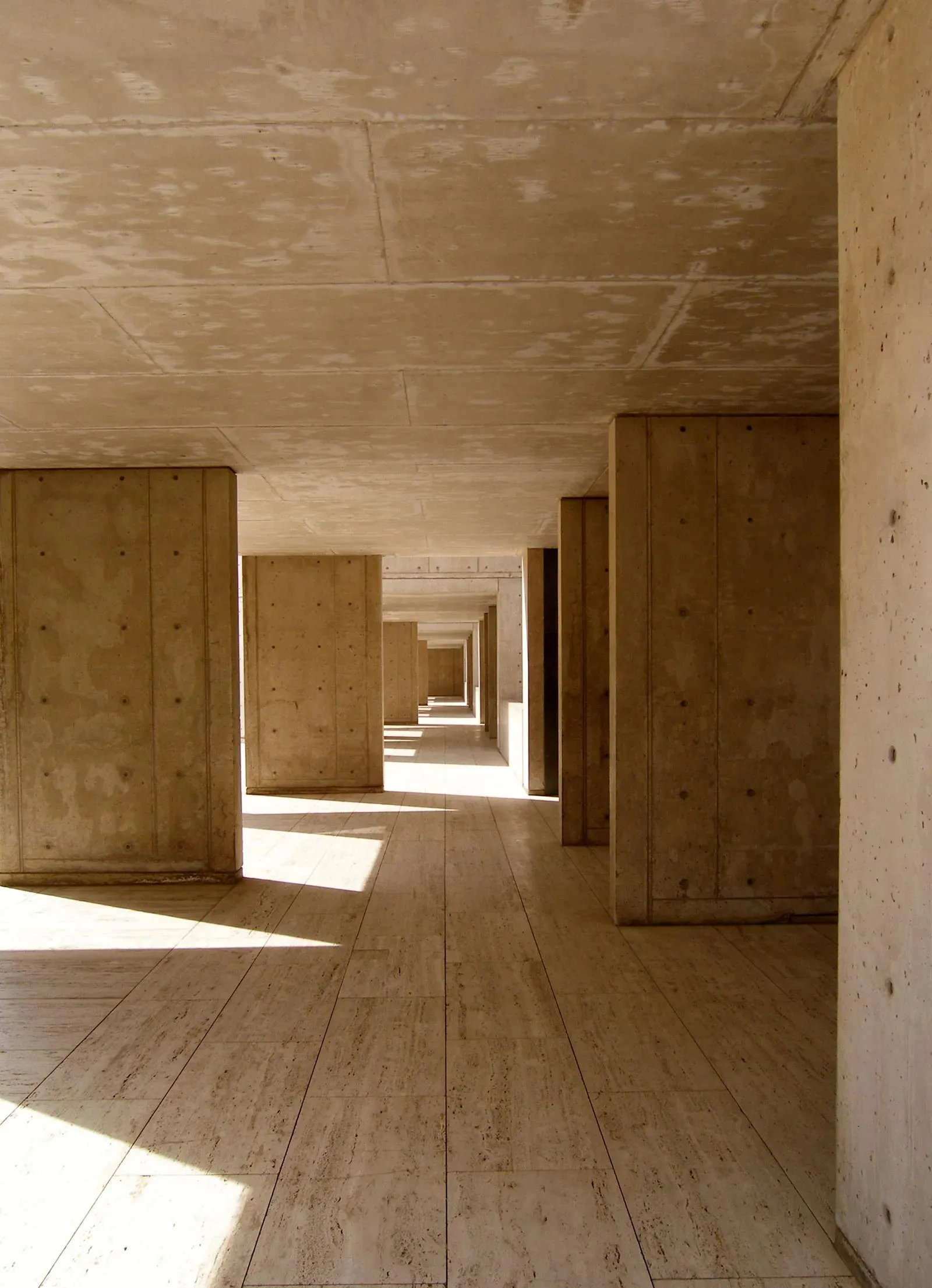
The facility was envisioned to be a monastery for research, a space designed to let scientists “think like monks.” And for this reason, every space prioritizes natural light, including the underground levels, which are illuminated through cleverly placed light wells. Solar panels cover the roofs, providing power for the complex. The result is an architecture where light is art, orientation, and energy.
5. Light as a Material: Bruder Klaus Field Chapel
Project: Bruder Klaus Field Chapel
Architect: Peter Zumthor
Location: Mechernich, Germany
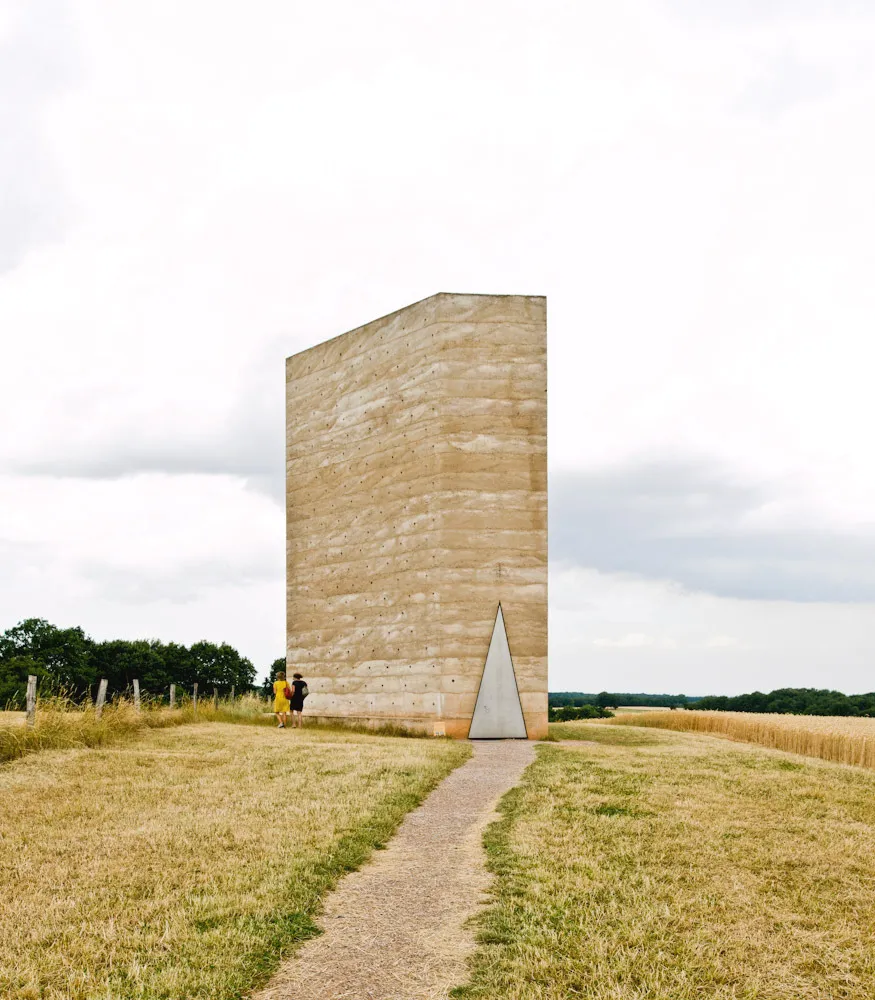
Unassuming from the outside, deeply evocative within. That is the essence of the Bruder Klaus Field Chapel in Mechernich, Germany, designed by Peter Zumthor and brought to life by local farmers honoring the Swiss patron saint.
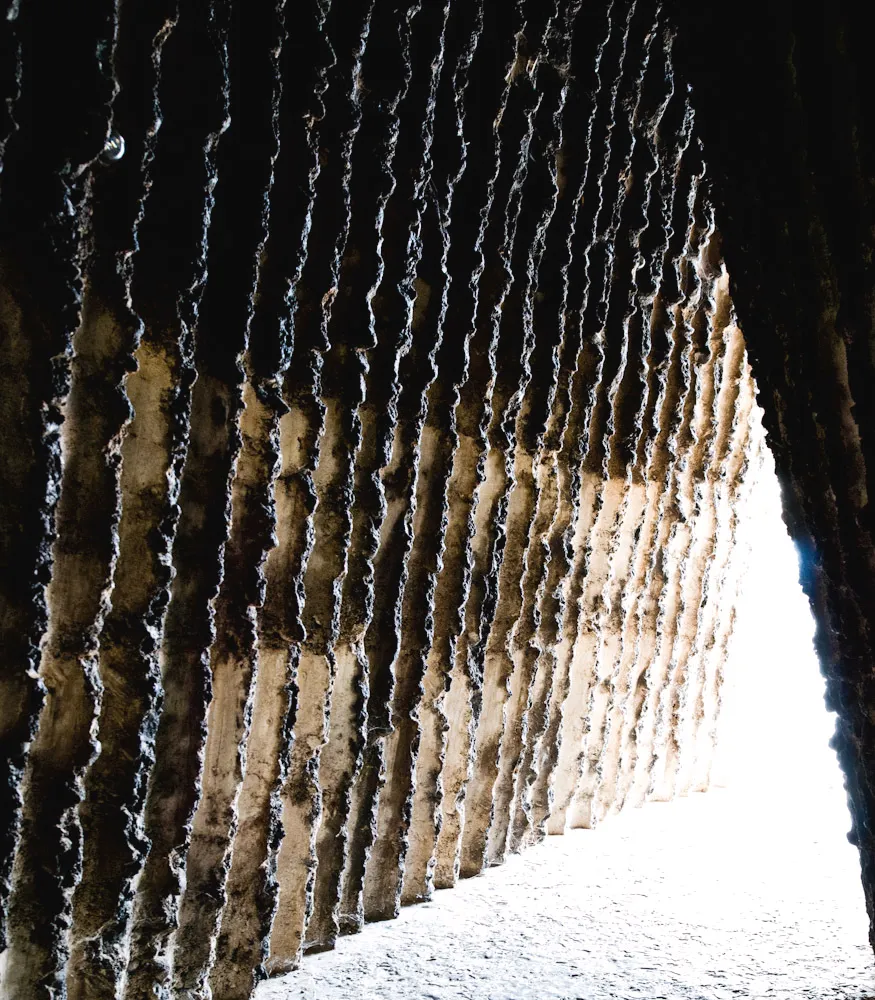
Inside the chapel, light is not merely illumination but a building material in itself, with its own weight and texture. Zumthor achieved this through a wigwam of tree trunks, encased in concrete. Once the concrete had set, the wood was burned away, leaving behind a charred interior over which daylight poured like a gleaming liquid. Streams of light that you could almost reach out and touch.
The angled walls then funnel upward to a single opening that shifts with the passing day, drawing in sun, rain, and stars. The result is a raw, elemental monument that is honest and unpolished. It mirrors the German countryside, where faith feels immediate, personal, and deeply intimate.
6. Light with Purpose: Exeter Library
Project: Exeter Library
Architect: Louis Kahn
Location: Exeter, United States
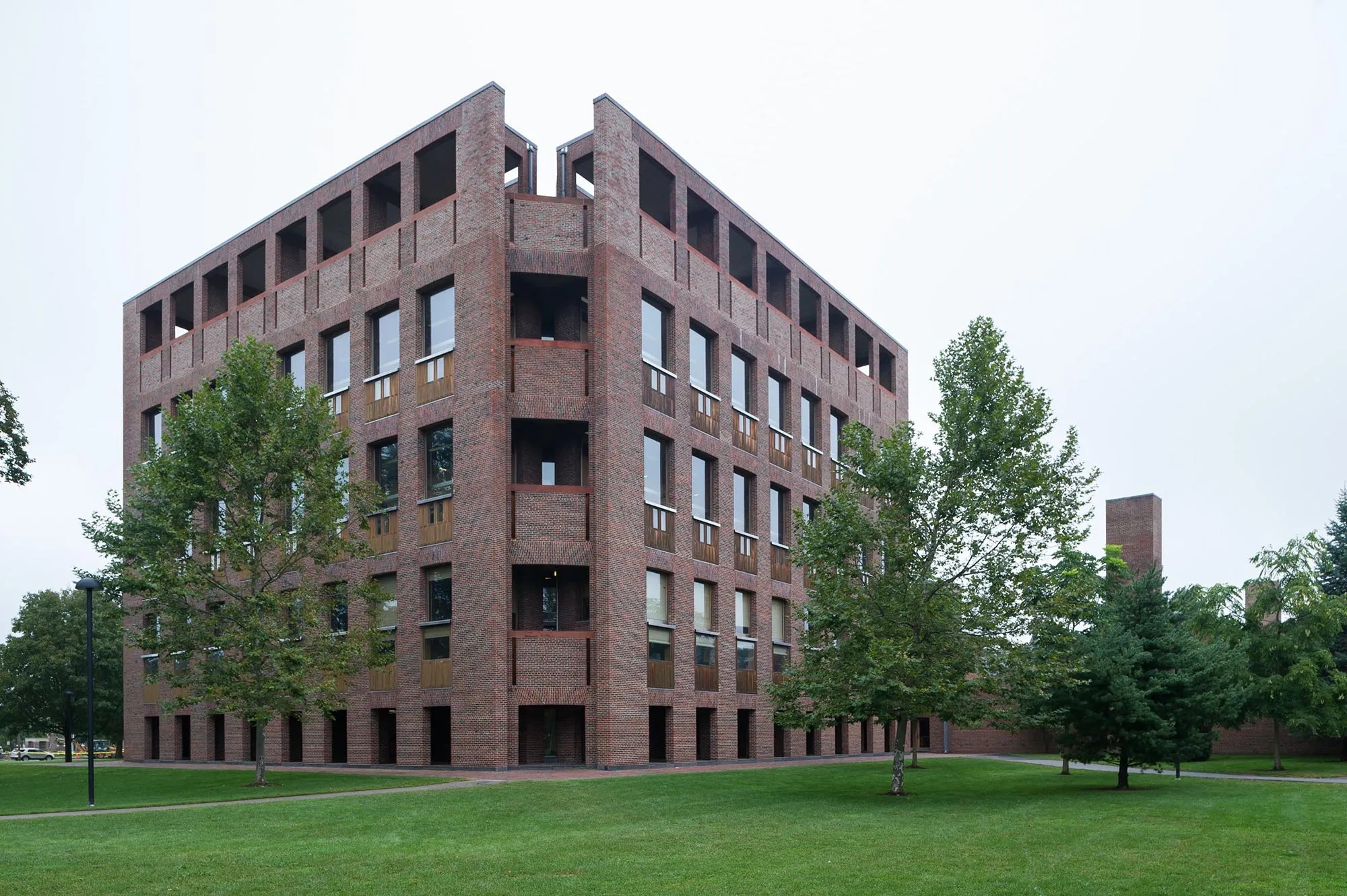
The human reads in the light. Yet another gem by Louis Kahn, the Exeter Library is organized so that every book and every reader has its share of light. The logic of light is woven into the very fabric of this building.
A vast central atrium draws sunlight deep into the core, while the corners of the reading zones are cut away to form open balconies that invite both air and light. In each space, light is tuned to its purpose: direct, indirect, and ambient.
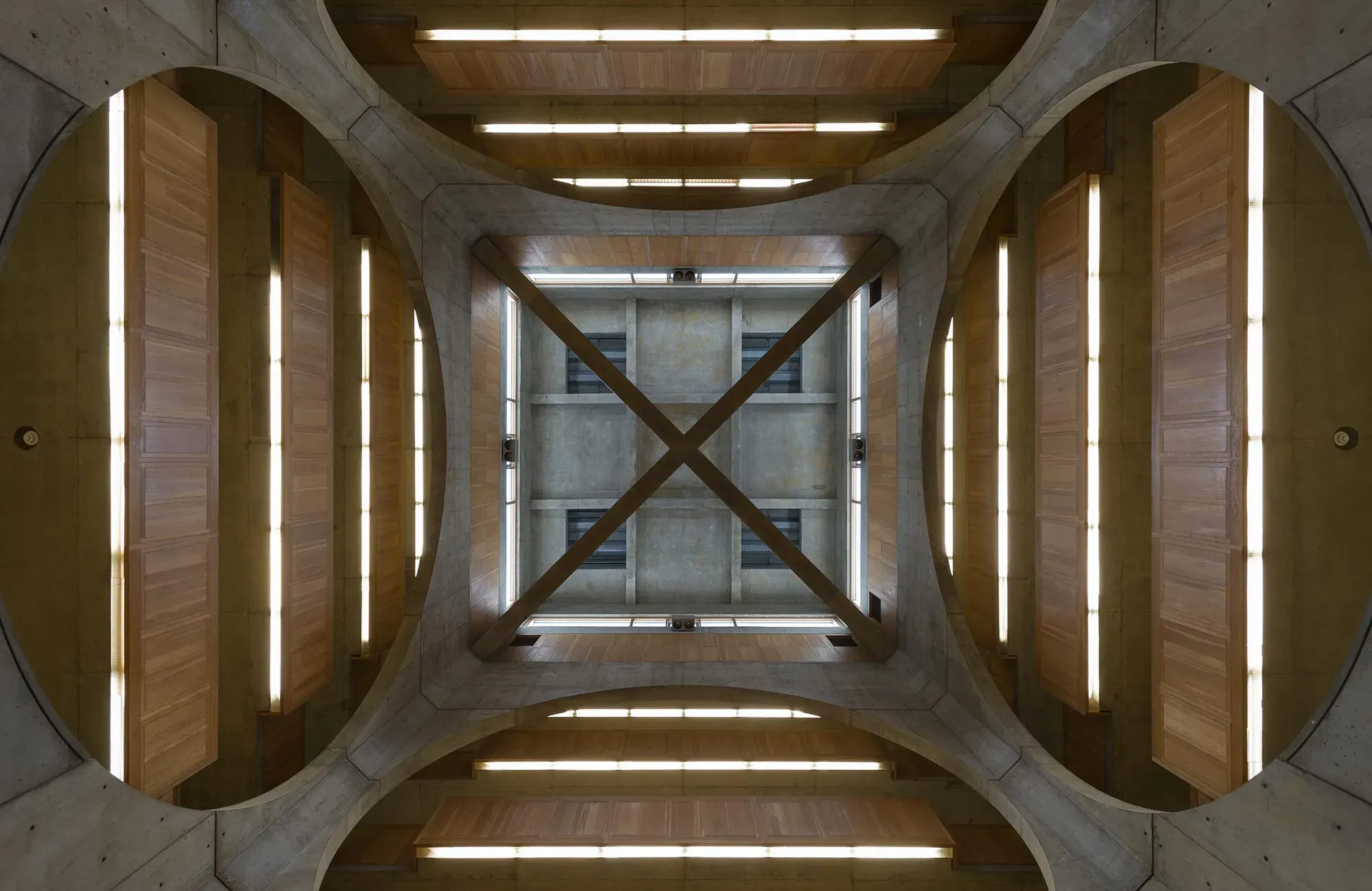
The impact is functional, yet pleasing. Readers are never boxed in by shelves but are in constant dialogue with the outside world and its light. One does not have to be an architect to sense the clarity behind these choices, and that is the library’s true beauty.
7. Light creates drama: Notre Dame du Haut
Project: Notre Dame du Haut
Architect: Le Corbusier
Location: Ronchamp, France
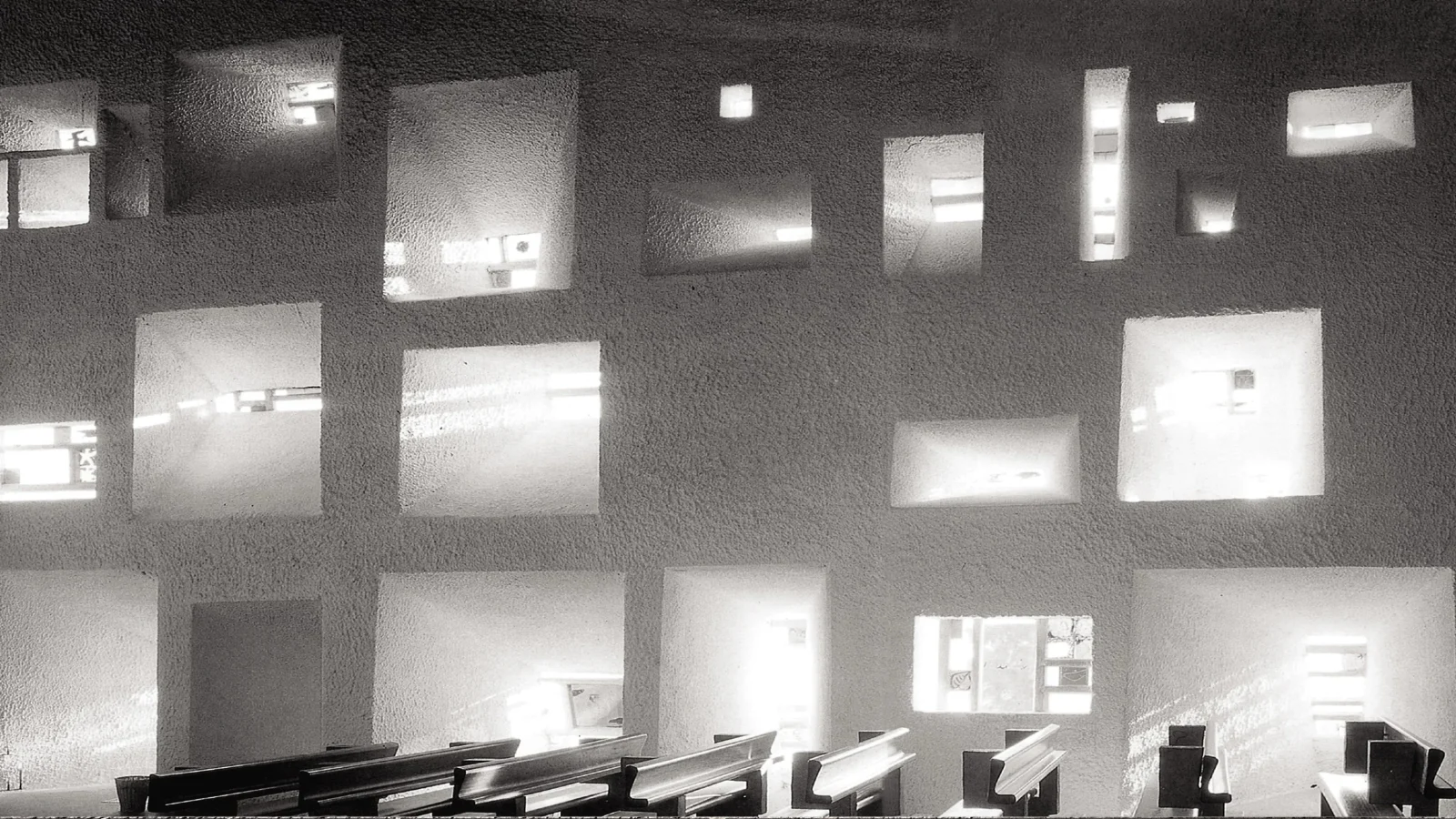
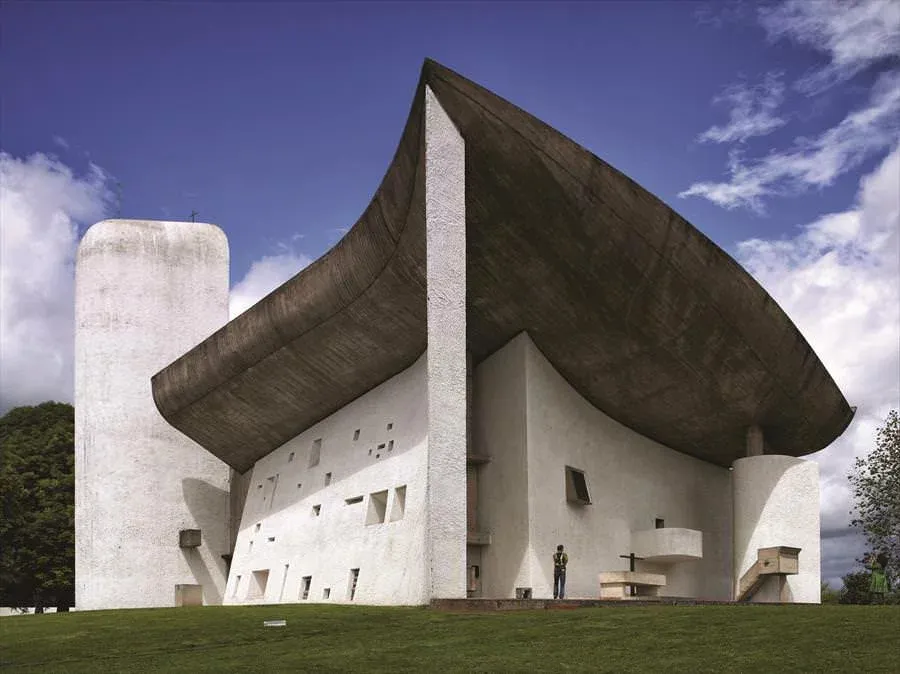
Perched on a hilltop in Ronchamp, Le Corbusier‘s Notre Dame du Haut is a pilgrimage chapel born out of the shadows of war, and it feels every bit like a stage for spiritual renewal. The sculptural curves of the building respond to the slope of the site, but the true drama unfolds on the inside, where light itself feels like a theatrical performance.
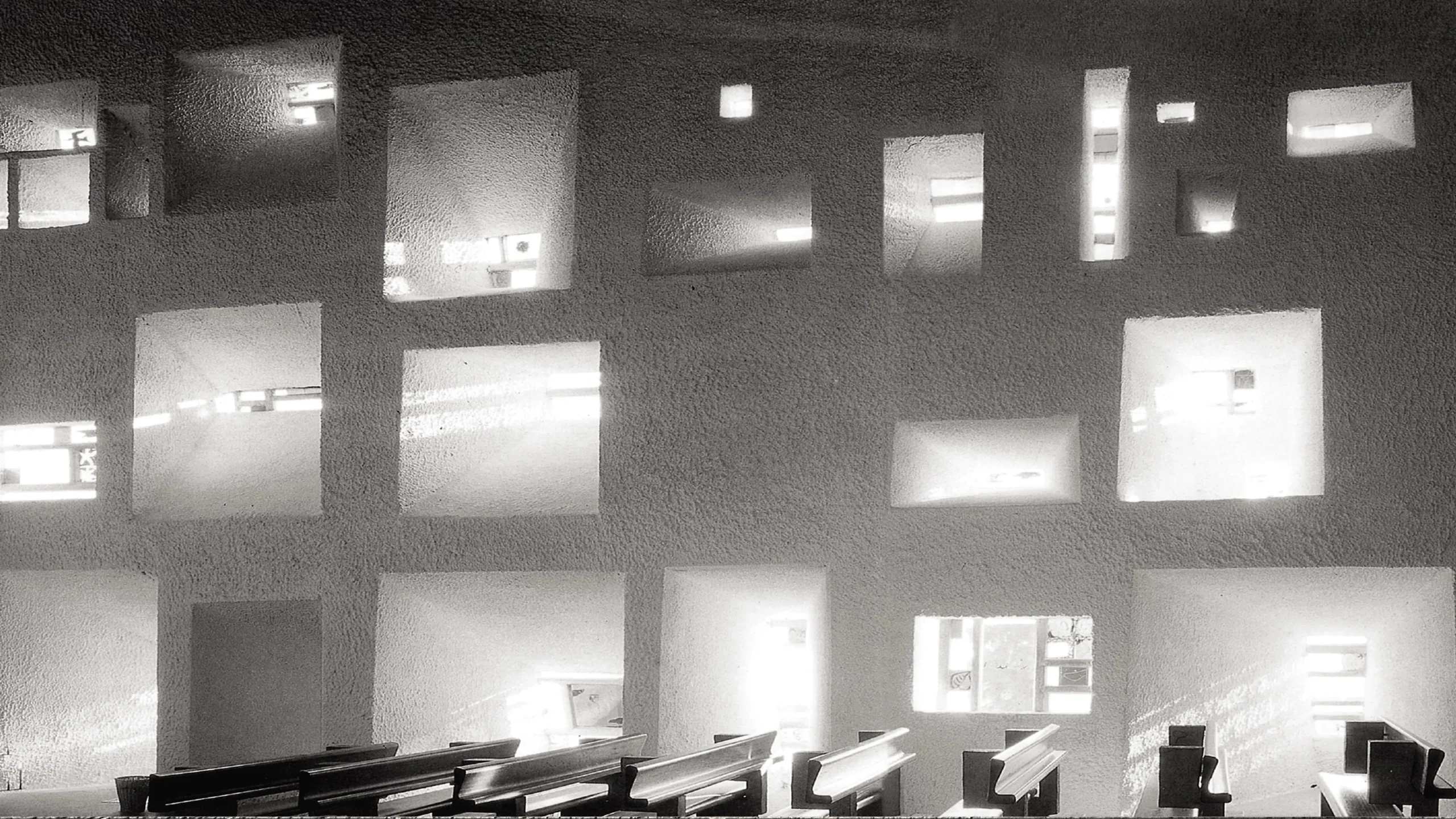
The south wall is the star of this performance. Punctured by irregular openings that seem random, yet the composition is said to follow the proportions of the Golden Section. Each window is set at a different depth, funneling daylight in from multiple angles. Some are clear, while others carry shades of Corbusier’s signature palette: red, green, and yellow. As the sun shifts, these fragments glow like rubies, emeralds, and amethysts embedded in concrete.
In a final poetic gesture, the wall’s thickness is filled with rubble salvaged from the original chapel destroyed in the war. Here, ruin and renewal collide, and the light turns loss into hope.
8. Light as a Retreat: Thermal Baths
Project: Thermal Baths
Architect: Peter Zumthor
Location: Switzerland
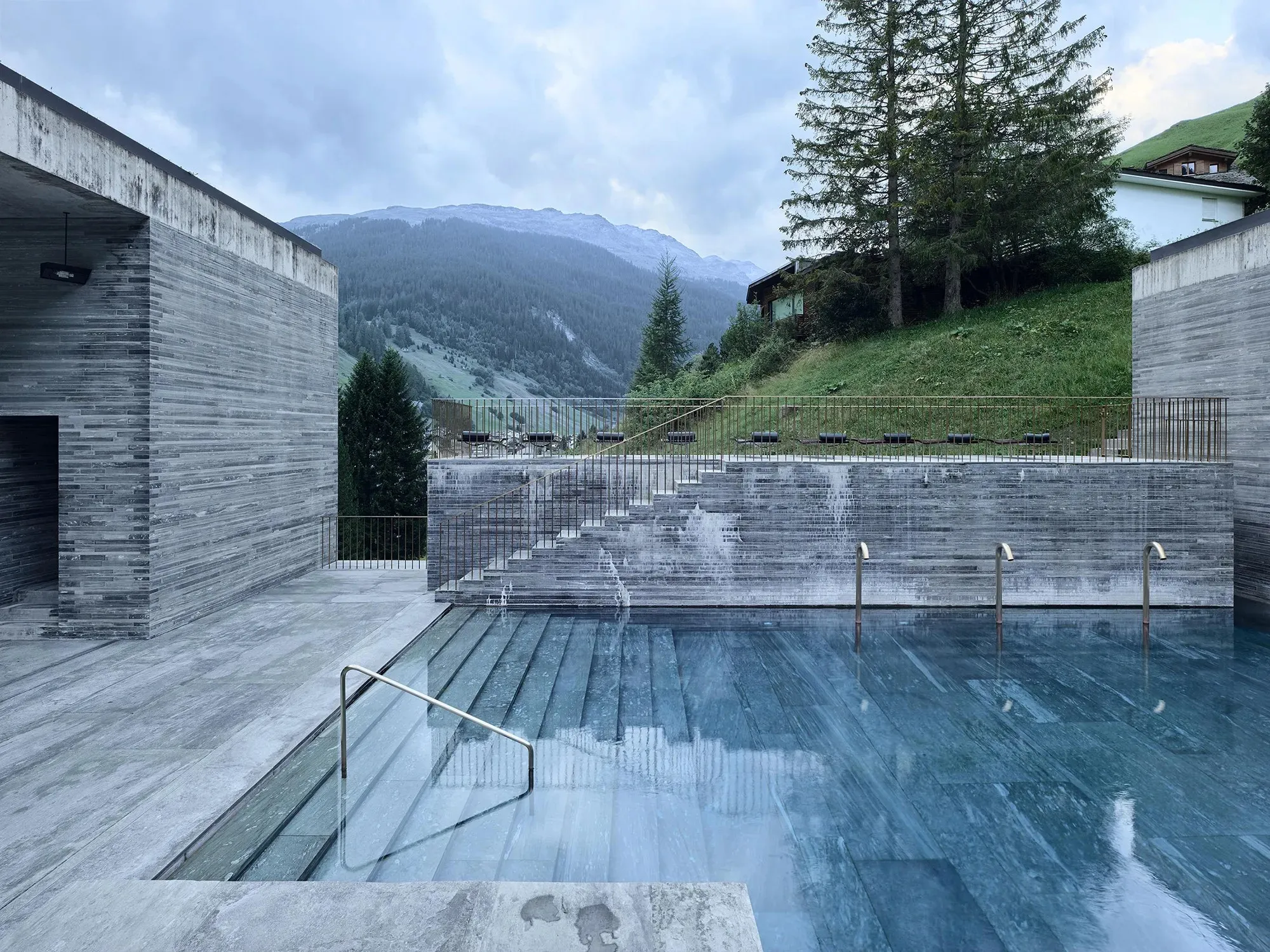
Nestled in the Swiss Alps, Peter Zumthor’s Thermal Baths at Vals are a sanctuary of stone and water. Completed in 1996, the baths were designed to reconnect visitors with the ancient rituals of bathing.
Inside, gentle shafts of daylight strike the thick stone walls, creating pools of quiet luminescence. Light dances over water and stone, softening the heavy architecture and transforming the space into one of intimacy and calm. Narrow openings are carefully positioned so sunlight reflects off water and steam, producing a diffuse glow that subtly guides visitors through the baths.
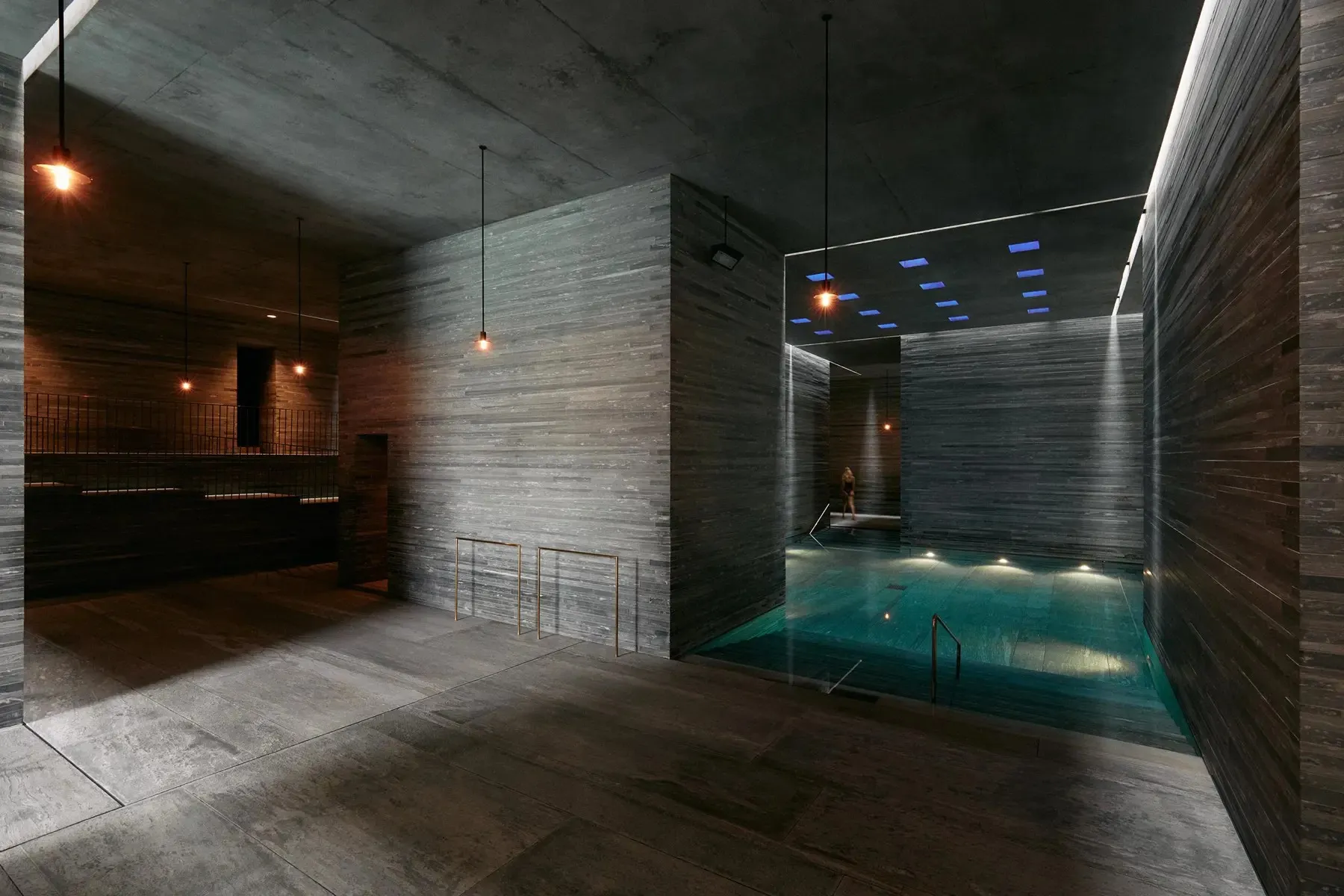
The effect is both physical and psychological. The stone rooms are designed not to compete with the human form but to flatter it. Here, light establishes a restorative rhythm: the body relaxes, the mind finds repose, and visitors can fully inhabit a space where they are free simply to be.
9. Light as a Home: Villa Savoye
Project: Villa Savoye
Architect: Le Corbusier
Location: Poissy, France
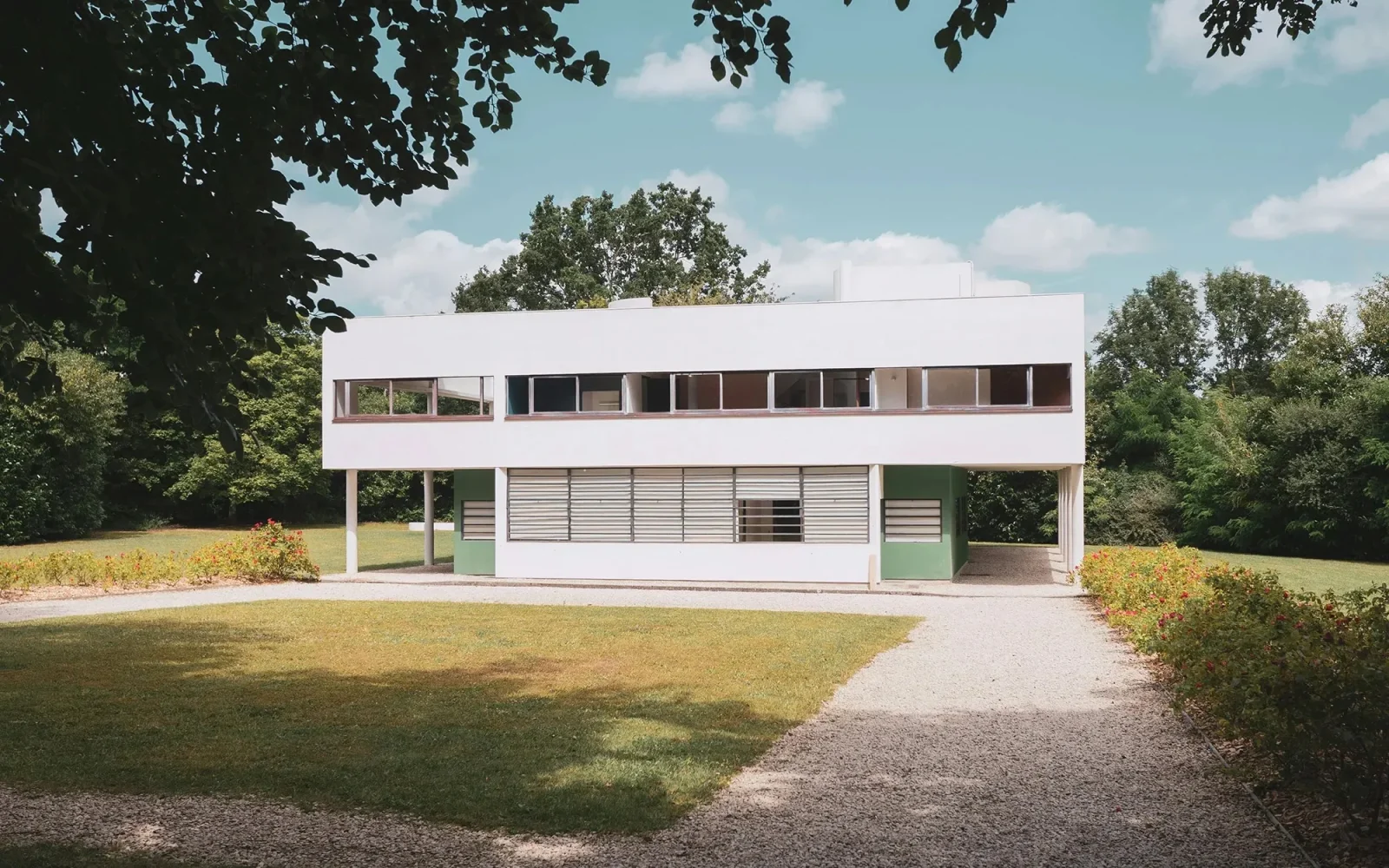
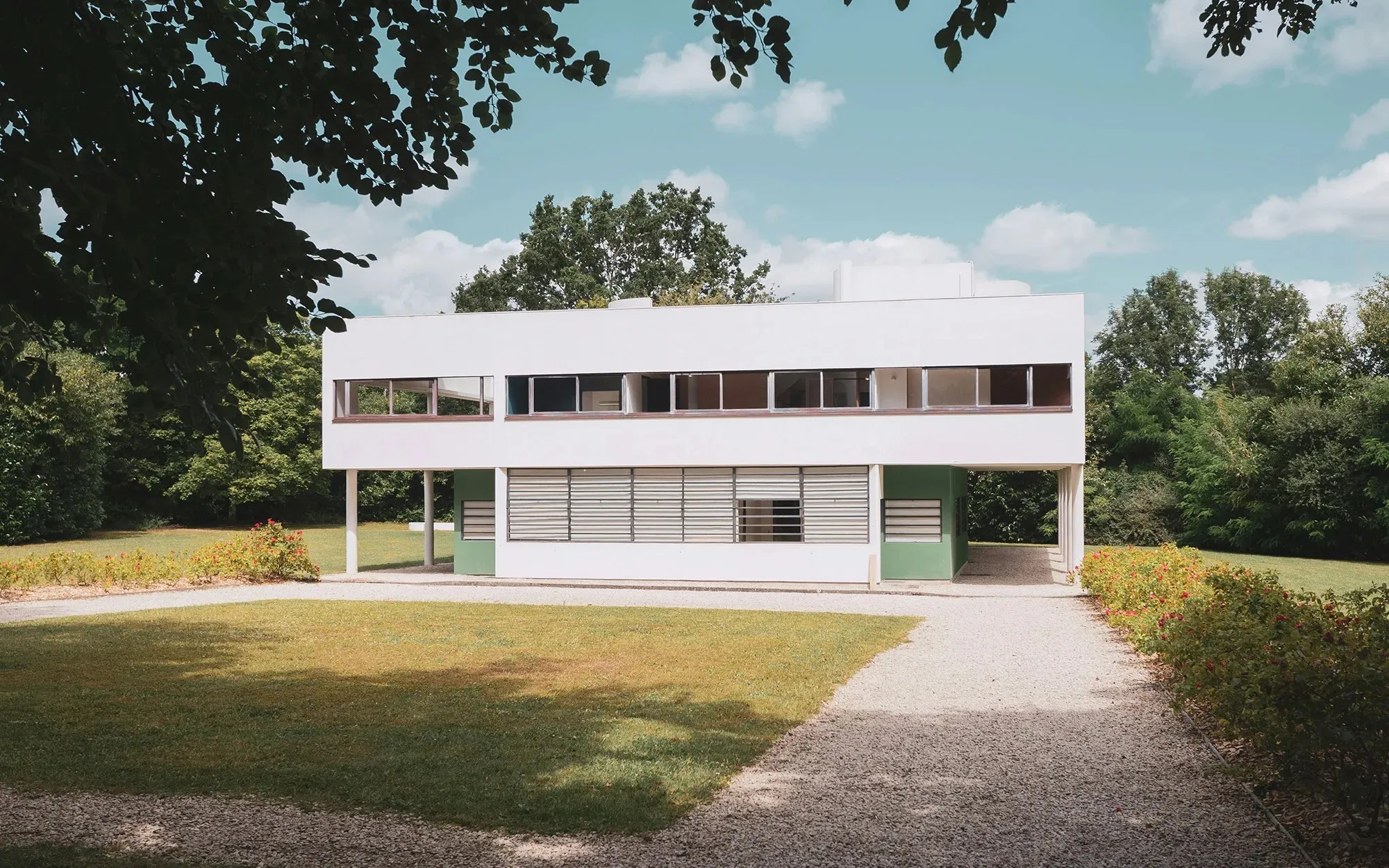
Emerging in the early 1930s, Villa Savoye in France is a modernist icon that broke free from traditional residential design. Le Corbusier envisioned the house as a “machine for living,” where daily life and sunlight are inseparable. Light floods the interiors, flowing across open spaces and filling every corner, making it an essential element of domestic comfort.
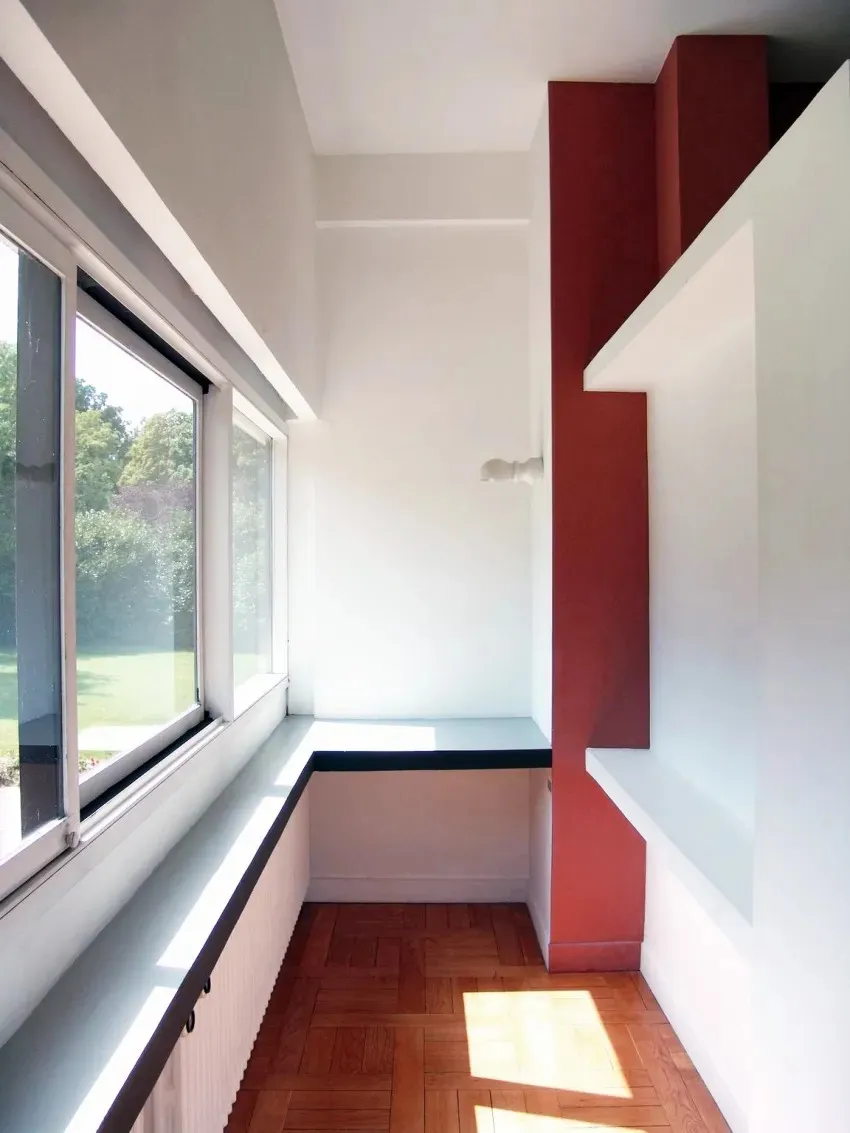
This effect was achieved through the architect’s revolutionary Five Points of Architecture: the villa is lifted on pilotis, allowing light and air to circulate beneath the structure; walls are free from structural constraints (free facade); interior spaces are open (open floor plan); horizontal ribbon windows stretch across the façades, capturing panoramic views; and the roof garden reclaims space for nature, connecting indoor and outdoor life.
The result is a home that feels alive. Sunlight animates interiors, guides movement, and shapes mood. Villa Savoye frees its occupants from the weight of walls and shadows, making it an enduring testament to the power of light in shaping modern residential architecture.
10. Light and Its Shadow: National Parliament House
Project: National Parliament House
Architect: Louis Kahn
Location: Dhaka, Bangladesh
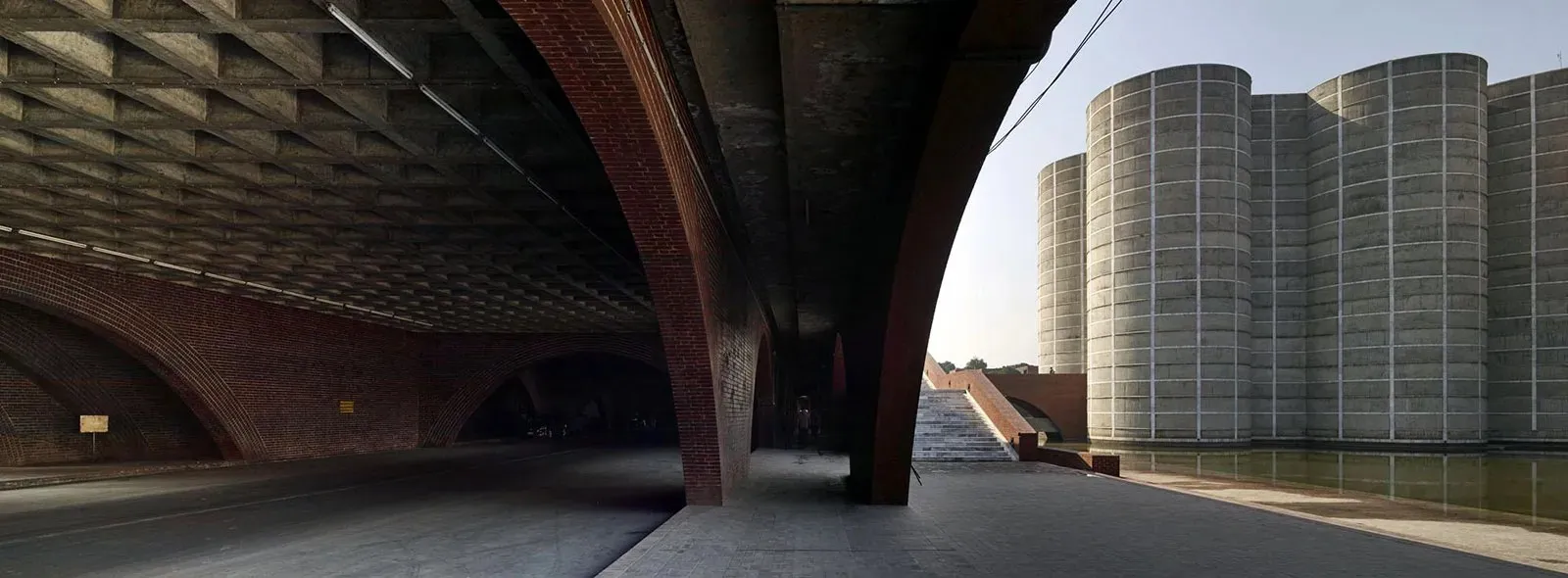
Louis Kahn’s National Parliament House in Dhaka is a monumental study of light and shadow. Within its vast geometric volumes, light asserts authority and focus, while shadow creates depth and invites contemplation, giving the building a profound civic gravitas.
Kahn achieved this through monumental geometric cutouts, light wells, and strategically placed courtyards. Sunlight penetrates the thick concrete shells through these openings, highlighting the rhythm of interlocking shapes. The courtyards also serve as ventilation shafts, filling interiors with diffused light suited to Bangladesh’s hot climate. Every opening and shadow is deliberate, reinforcing Kahn’s vision of light as the “creator of space.”
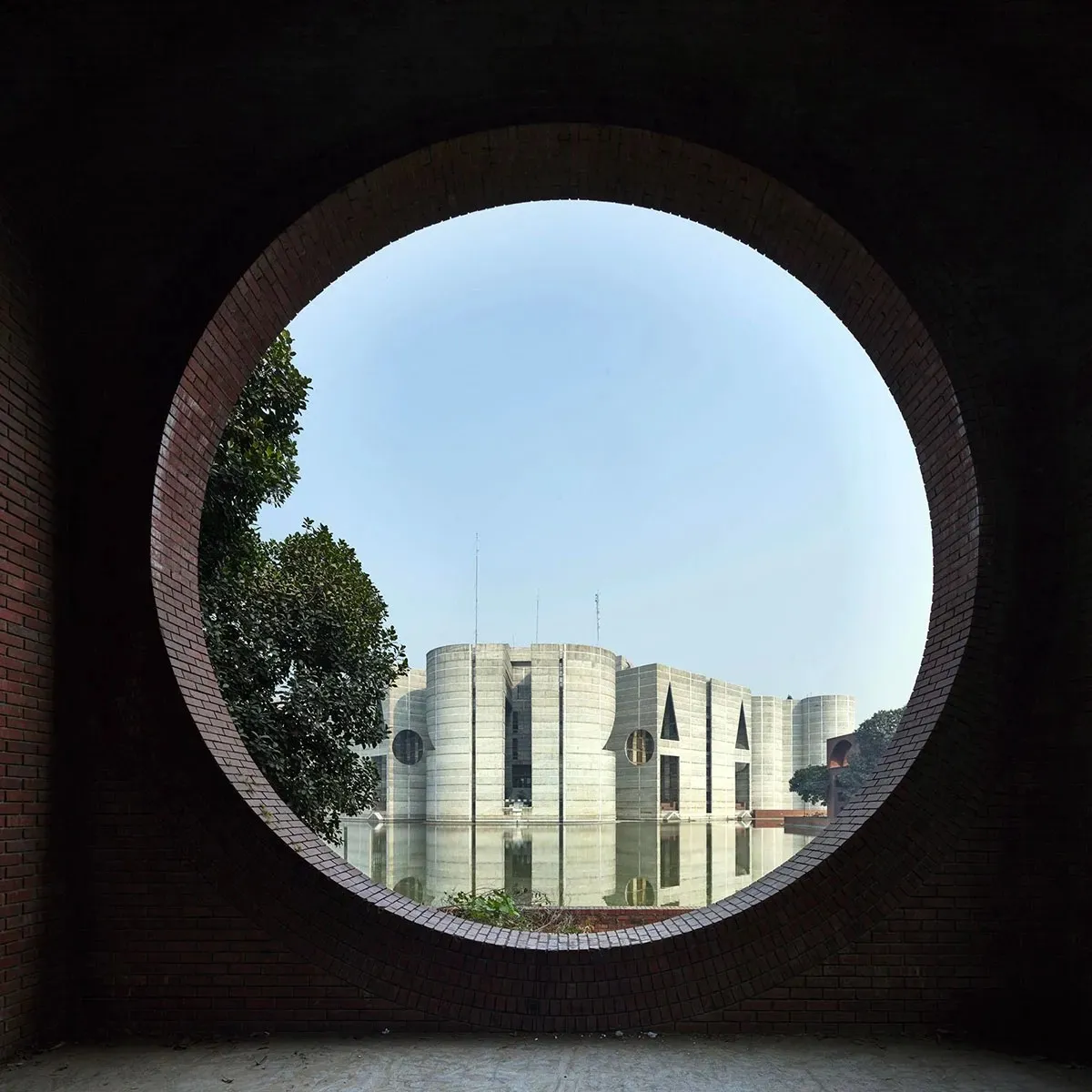
The effect is both symbolic and experiential. The interplay of light and shadow conveys transparency, order, and collective purpose, reflecting democratic ideals. Kahn demonstrates how light itself can define the identity of civic architecture.
A Future Shaped by Light in Architecture
At a time when cities across the world are becoming similar with endless stretches of grey and blue concrete, it is worth revisiting buildings that remind us of the true power of architecture. Angle, material, intent, and climate are all forces that shape the human experience within a structure. With technology advancing rapidly, any building, on any site, can be reimagined to honour its light and context.
Light sustains all life on Earth, and architecture’s highest calling is to honor it. When architects learn to shape daylight with intention, something amazing happens: spaces begin to breathe, walls come alive, and people reconnect with the rhythms of nature.
Explore Courses
.jpg%202.jpg "Building Performance with Forma & Opossum")
.jpg "Ondrej Chybik - Rethinking Architecture")