

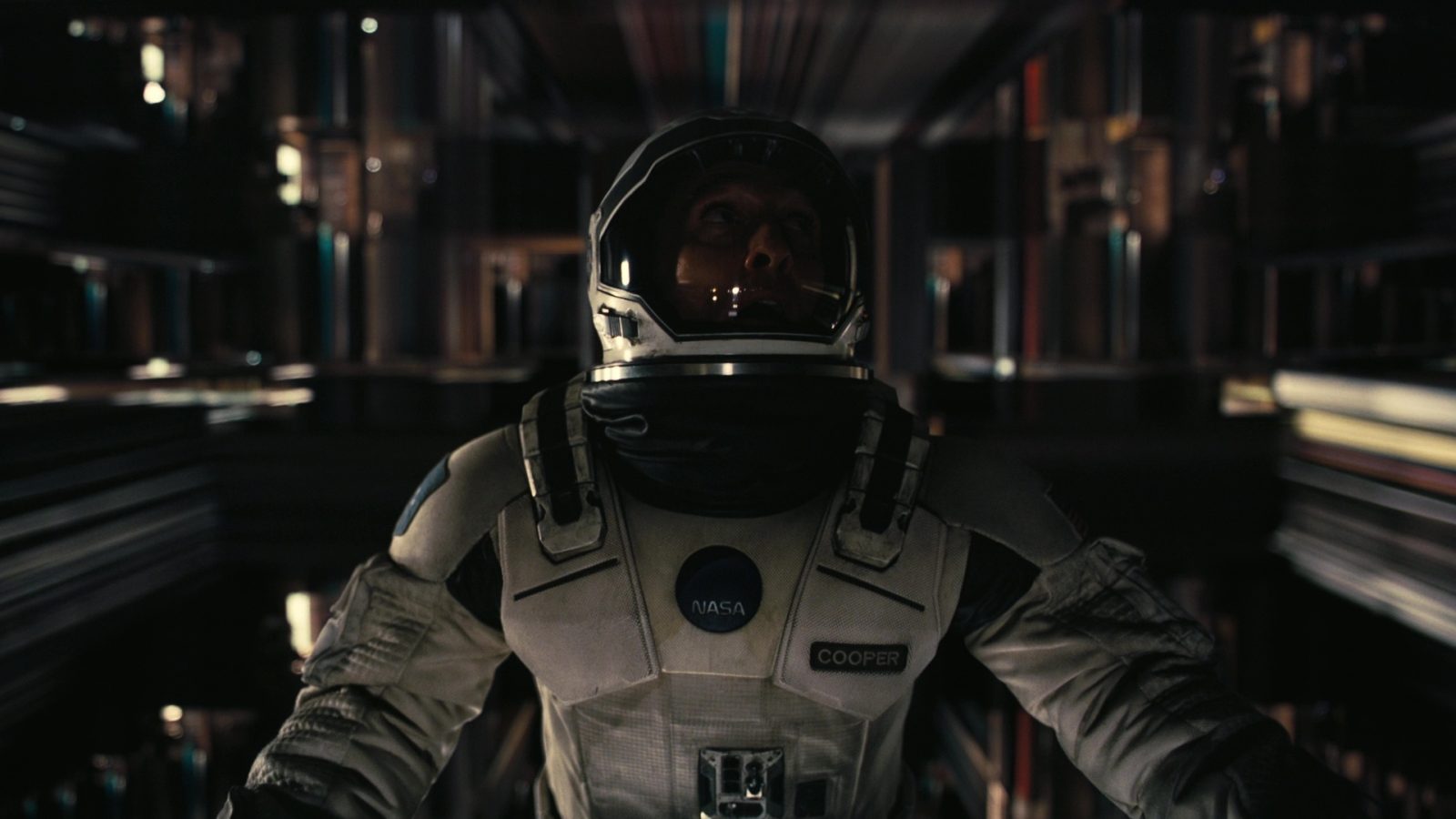
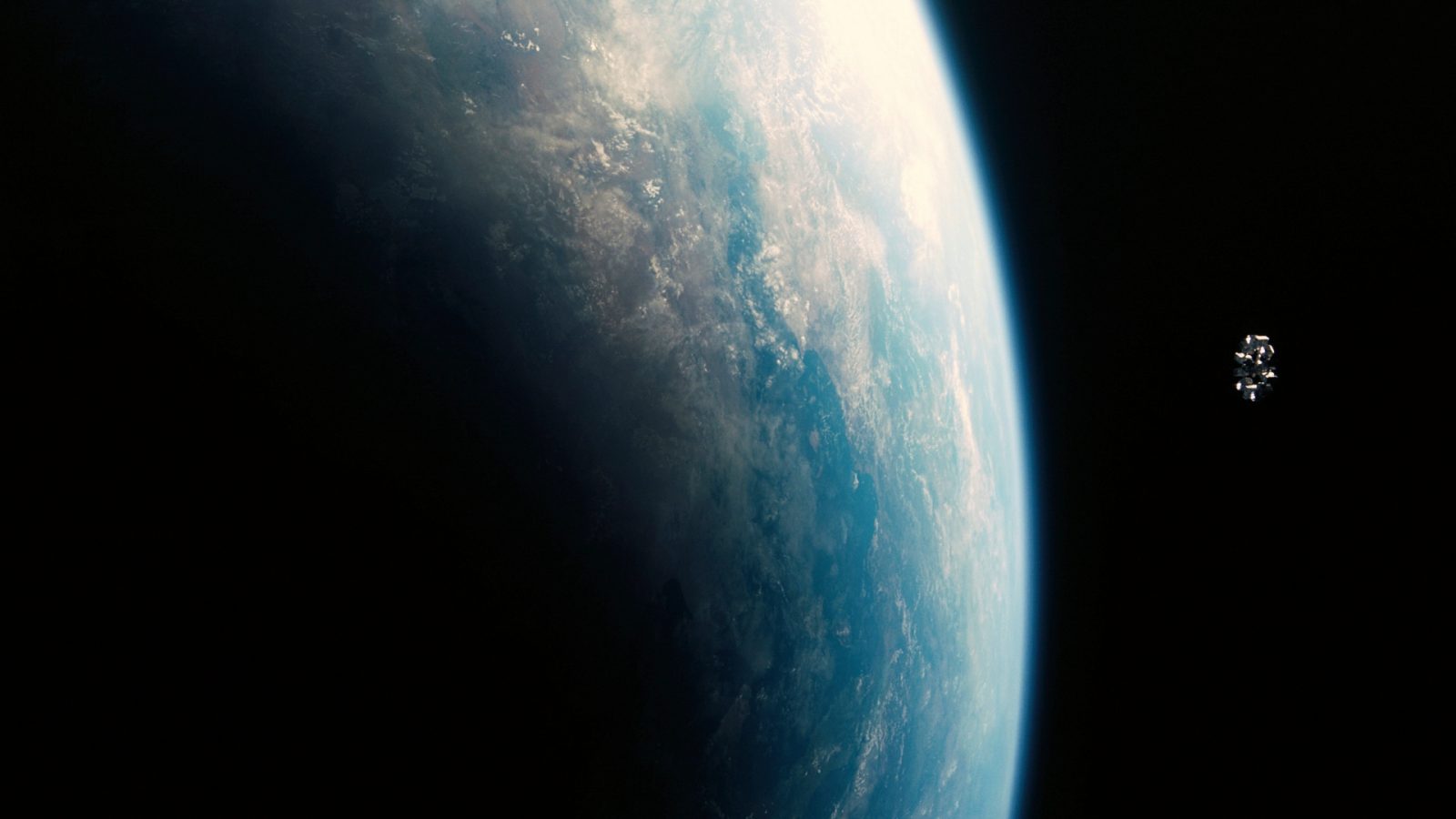
For as long as we have existed, human beings have looked up at the stars with both wonder and longing, often with more regard than the ground beneath us. It is perhaps one of the greatest ironies of our time that we now look to the sky not only for inspiration, but for escape. As we continue to deplete the Earth’s resources, a pressing question emerges: if we fail the planet, where do we go next?
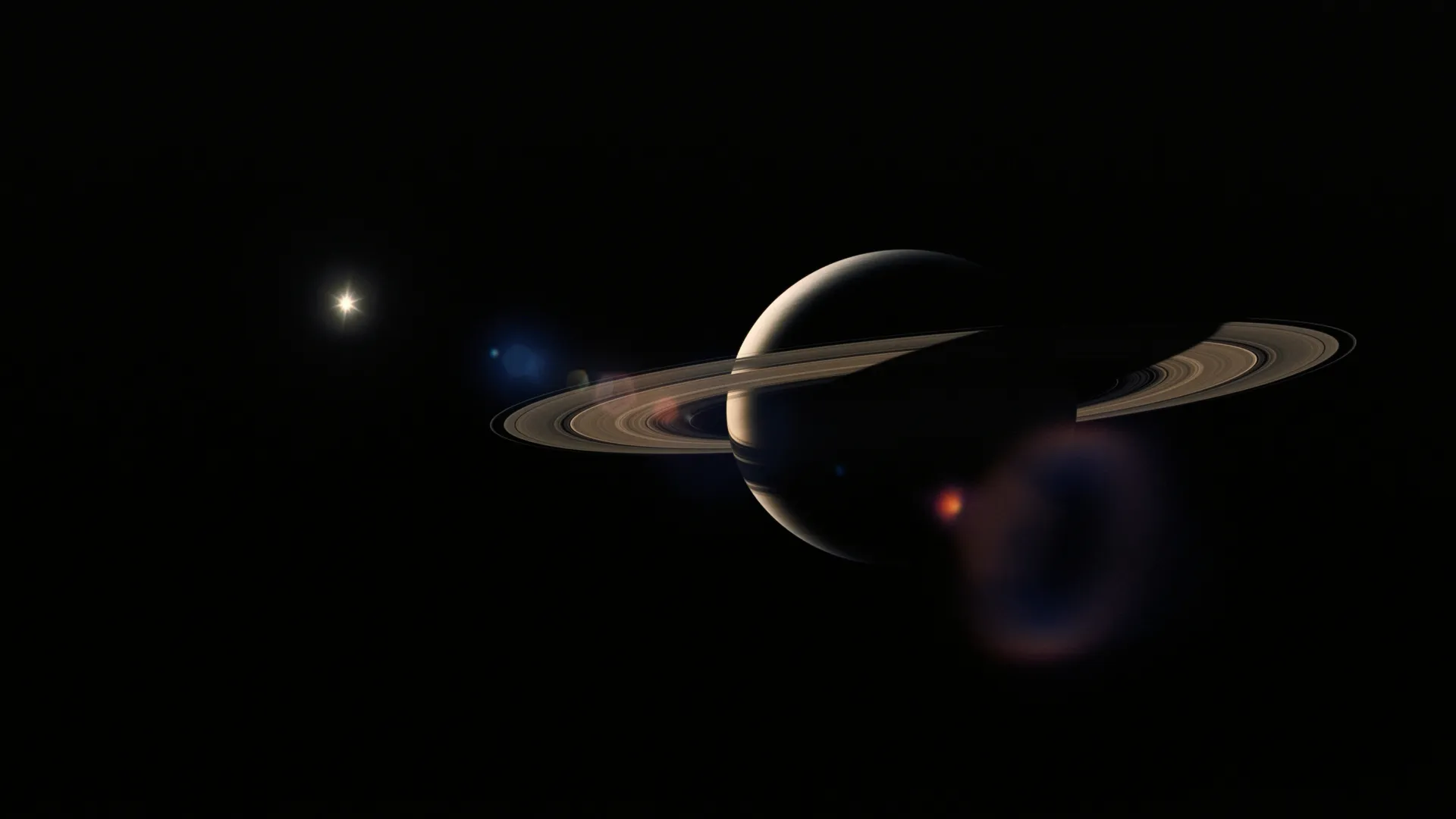
In this search for alternatives, cinema becomes our closest tool for simulation. It allows us to reach the unreachable, walk through spaces that are yet to exist, and offers a portal to a future where we may have to live, love, and hopefully, not just survive in space. The primary tool through which cinema renders these largely untapped worlds is architecture. Because no matter how far we travel, we continue to build. But the question is – what do we build? What does it say about us? From ancient caves to modern skyscrapers, architecture has always acted as a mediator between the human body and its surroundings.
This article explores the intersection of architecture and space in cinema as a means to understand how we might live beyond Earth.
Interstellar: The Architecture of Survival over Comfort
This iconic 2014 Christopher Nolan film needs no introduction. Widely watched and studied, Interstellar has been examined through many lenses, but what happens when we view it through the lens of architecture?
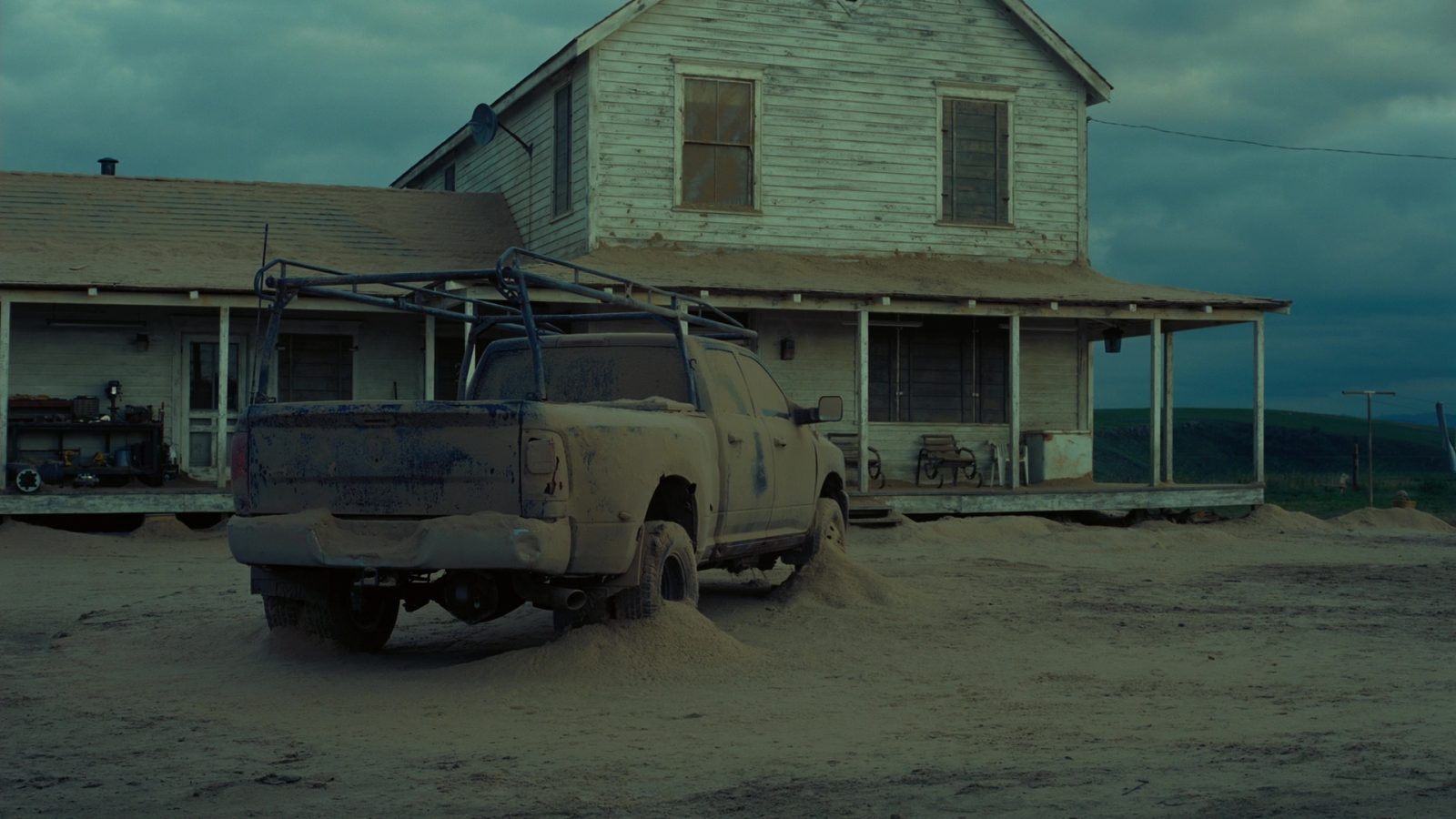
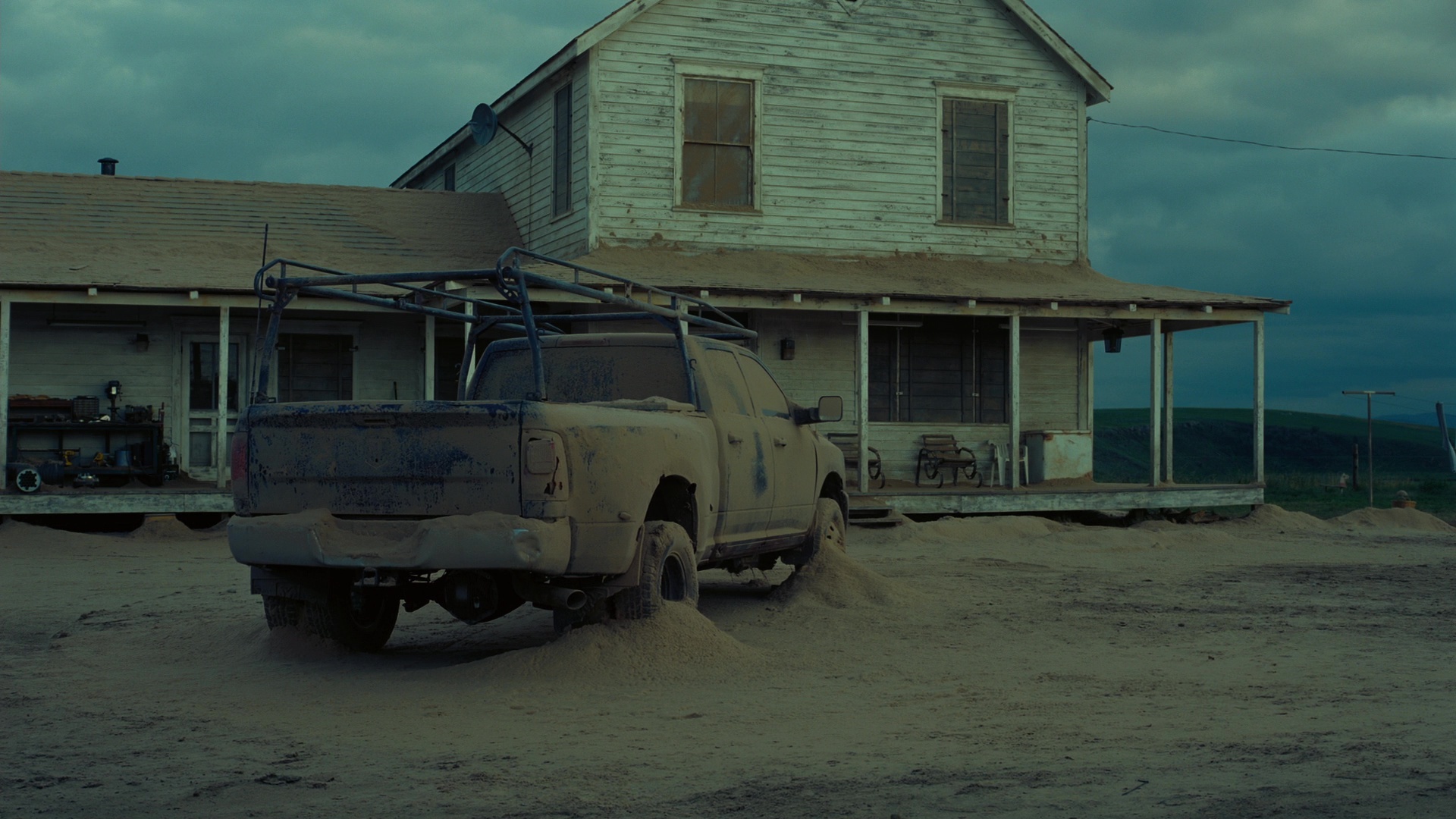
In Interstellar, space is not a distant curiosity, but a necessity. The only remaining hope for a species on the brink of extinction. The Earth is in decline, finally succumbing to years of exploitation. What remains is dust-covered surroundings with houses that stand merely as frames, battered by drought and extreme weather. Minutes into the movie, we are forced to confront what life would look like if nature itself turned against us.
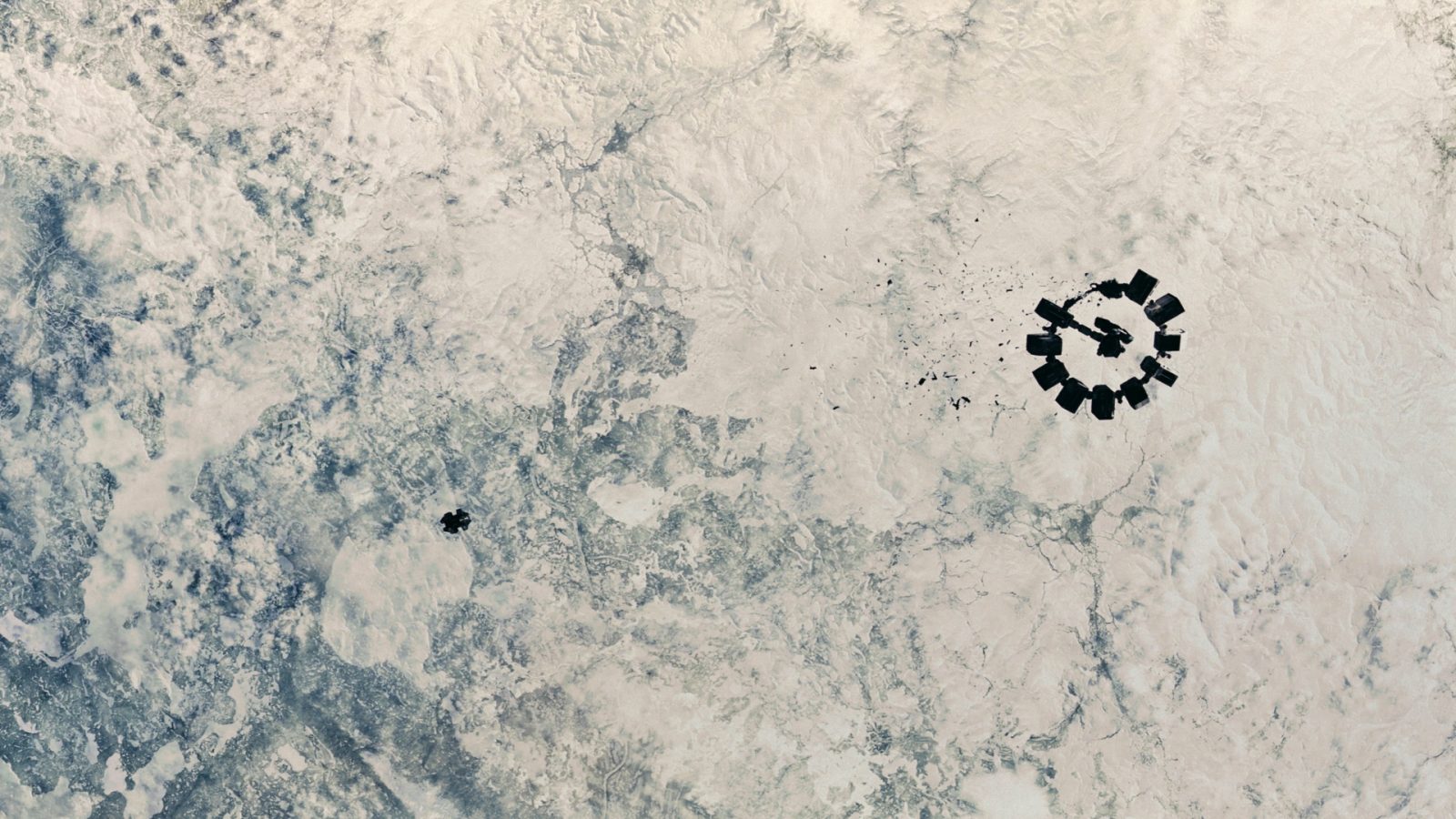
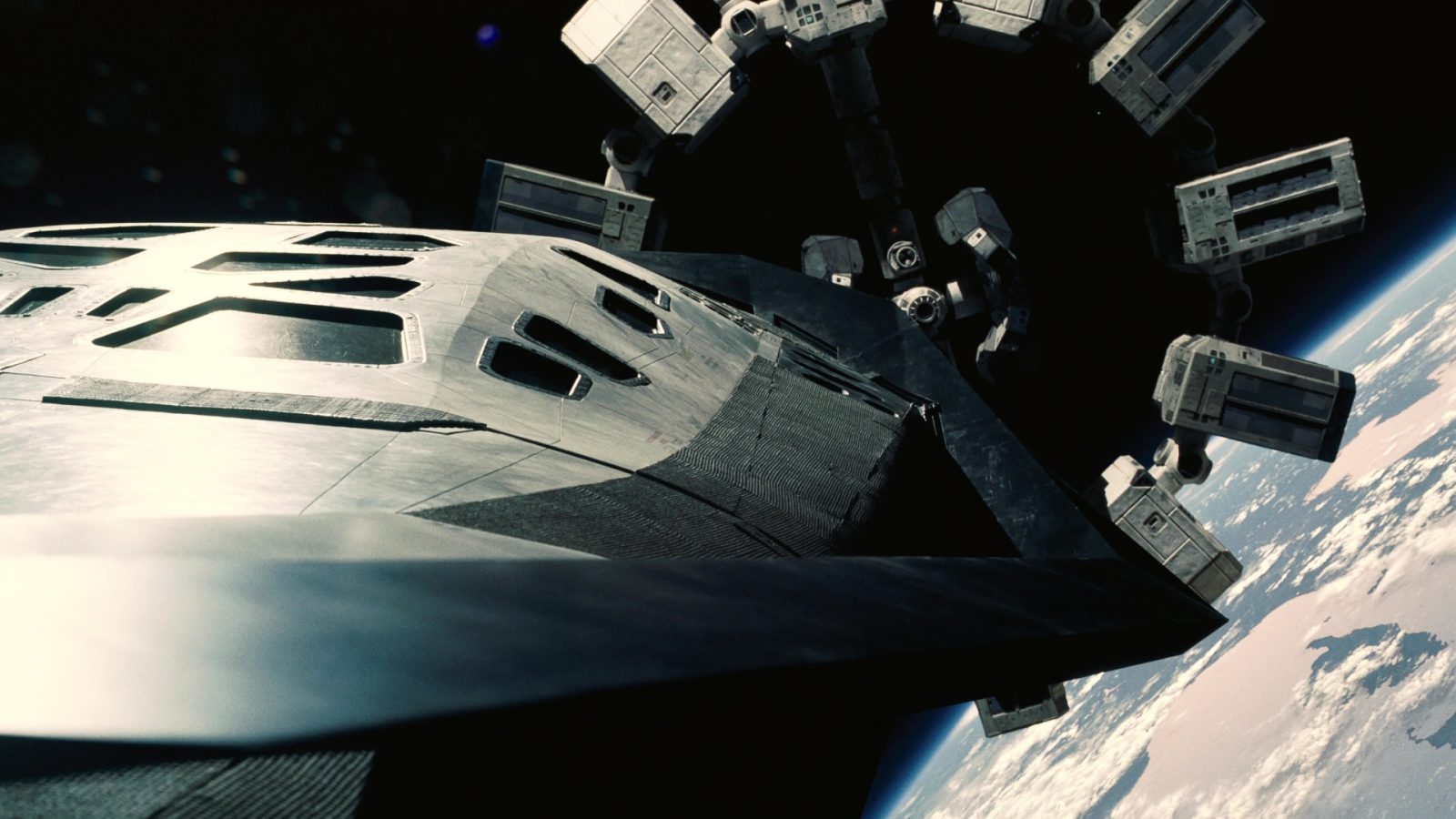
The movie’s shift from wooden porches to metallic corridors is jarring, but intentional. In the quest for survival, we don’t just leave behind our planet, but the sense of warmth and belonging that came with it. The sleek, minimal interiors of the spaceship, aptly named Endurance, serve as a reminder that it is built purely for survival, with little regard for psychological comfort.
Everything about Endurance is modular: no curves, no softness, no signs of vitality. Even the robots are built as functional blocks and not the comforting humanoids of our imagination. There’s an occasional flash of orange from life jackets in the background, but instead of offering relief from the monotony, they only heighten the sense of caution. The humans on board live through extreme emotions, but the space around them remains unmoved and sterile, like a prison, cold and indifferent.
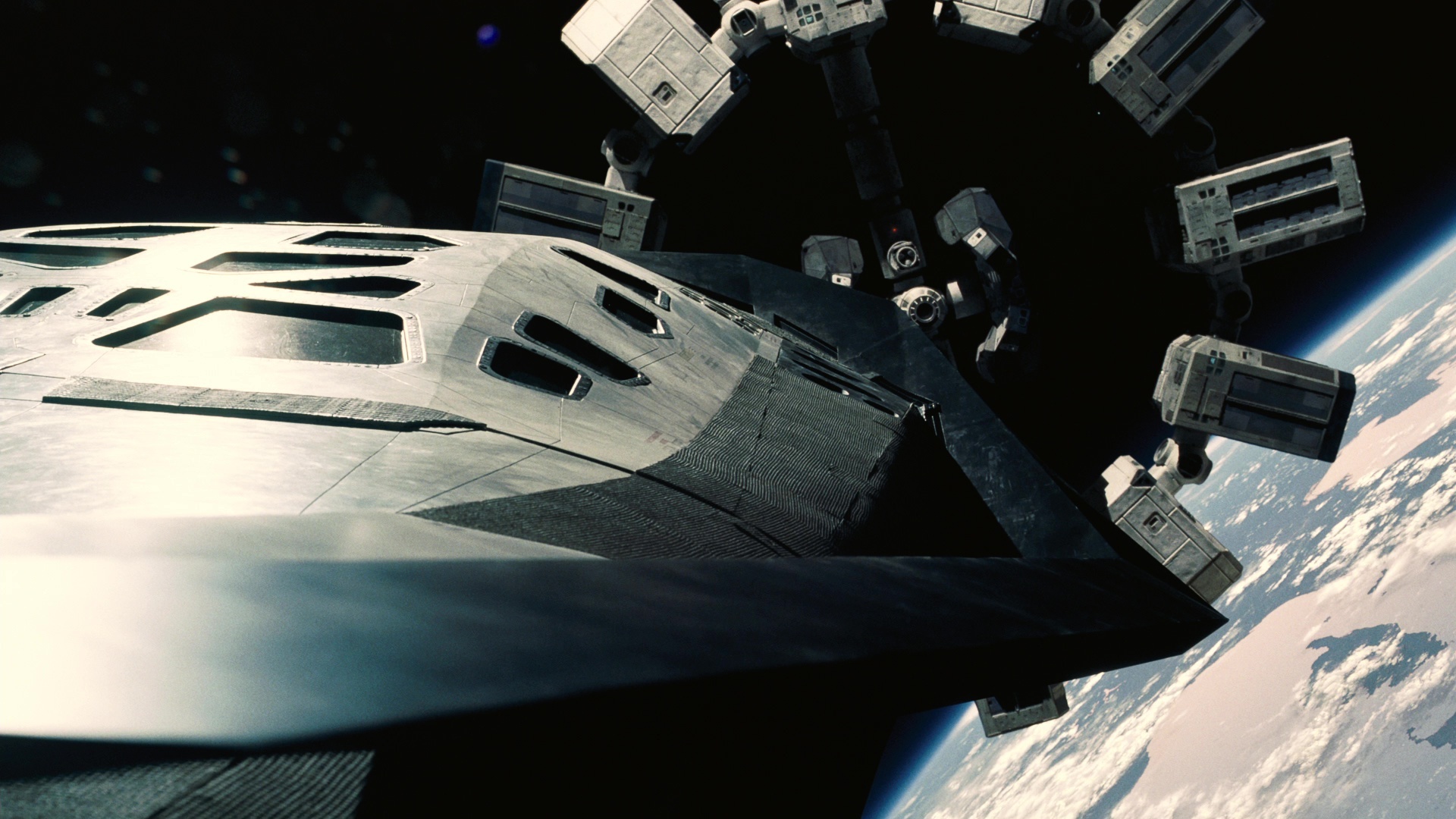
The design of this spacecraft is far from utopian. It is arguably the closest to what reality would look like, as emphasized by Nolan’s attention to realistic space design. The film’s central theme is mirrored in its architecture. When push comes to shove, the only thing that remains is the connections we build and preserve, which travel across time, memory, and even gravity.
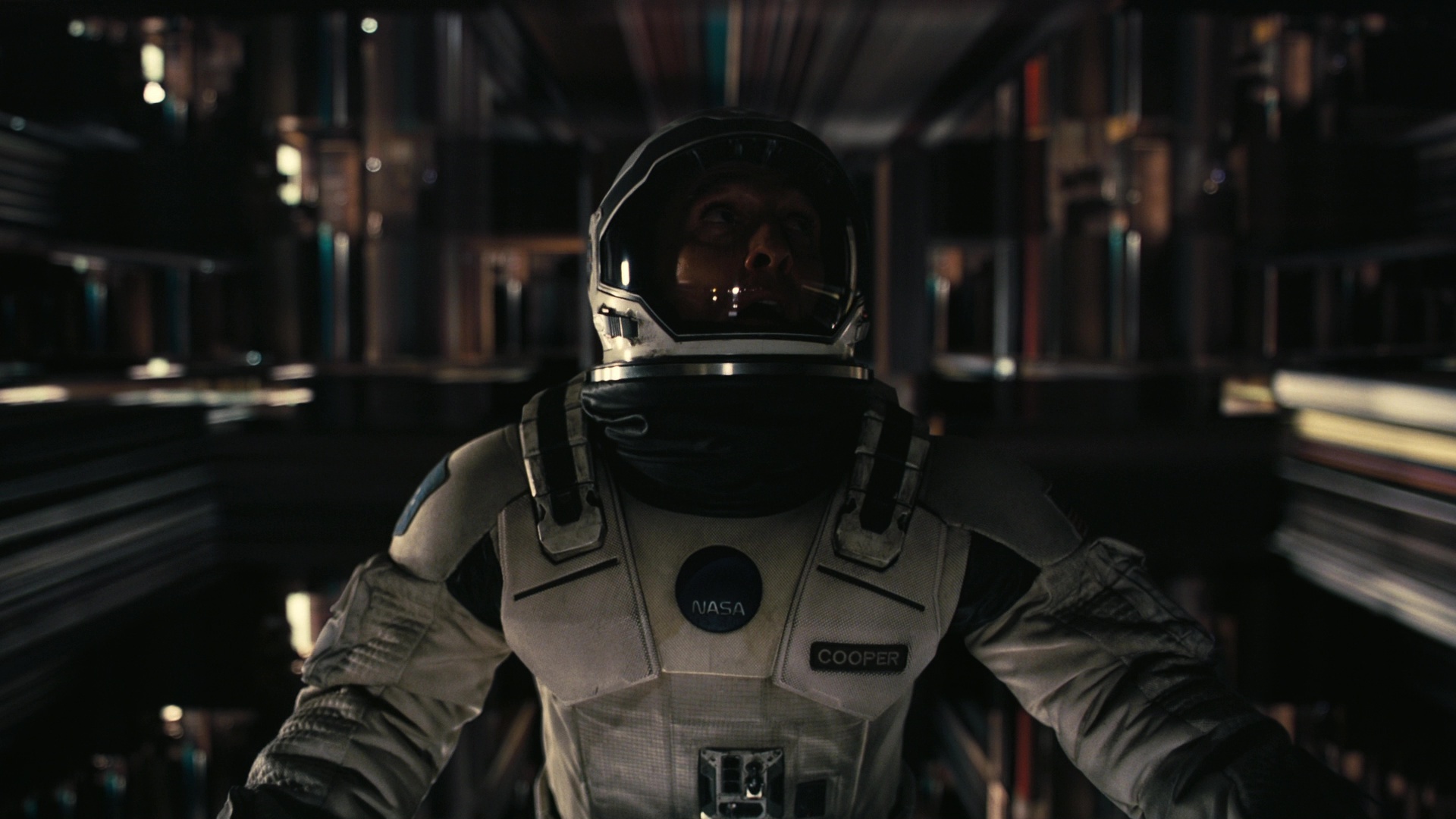
Survival without connection is its own kind of extinction, and that is why even in the confusing and puzzling interiors of the tesseract, we feel relief. The colors shift. The forms become familiar. For the first time in space, we stop feeling lost.
Zathura: Taking Home to Space
Zathura was chosen to be the next case study as a departure from the cold, lifeless interiors of Interstellar. This 2005 movie, directed by Jon Favreau, is a children’s movie that is lighter in tone but offers a unique perspective on what human life could look like in space.
What if we could build spaceships that looked exactly like our homes on Earth? The film explores this question by placing a typical family house in the vastness of space. The interiors are nostalgic with warm yellow lighting, wooden floors, and a 1950s aesthetic that evokes a sense of familiarity and safety.
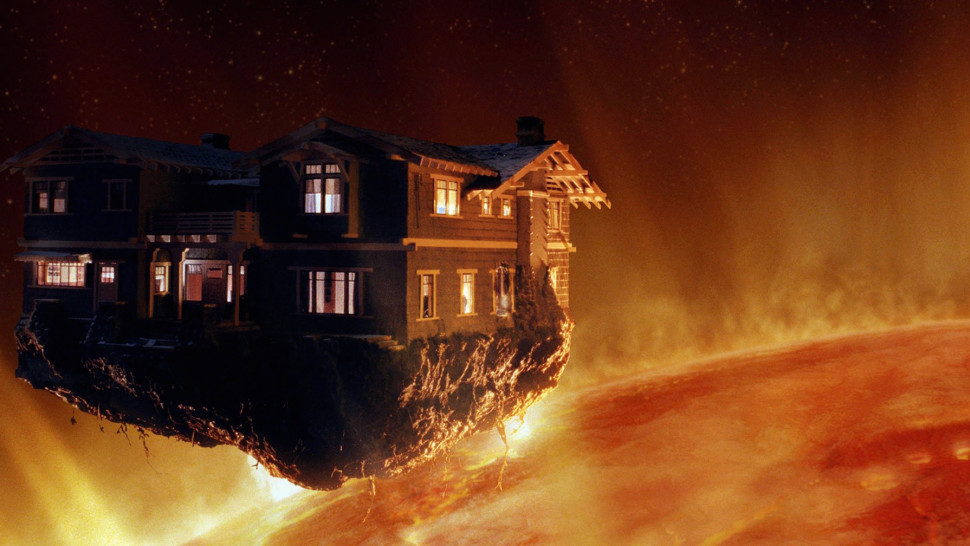
However, the movie quickly reminds us that this sense of domesticity is merely an illusion. As the film progresses, the warm interiors become increasingly constricting. The cryonic sister frozen in her icy blue cryo-chamber, though a figment of a hypothetical game, reminds us that no amount of warmth or familiar architecture can truly protect us from the vast, cold nature of space.
Even the alien species, Zorgon, depicted in the movie, seems to be in constant search of warmth. Their submarine-like spaceship, with its circular industrial doors, is bathed in a striking yellow glow, reinforcing the idea that warmth might be a universal need.
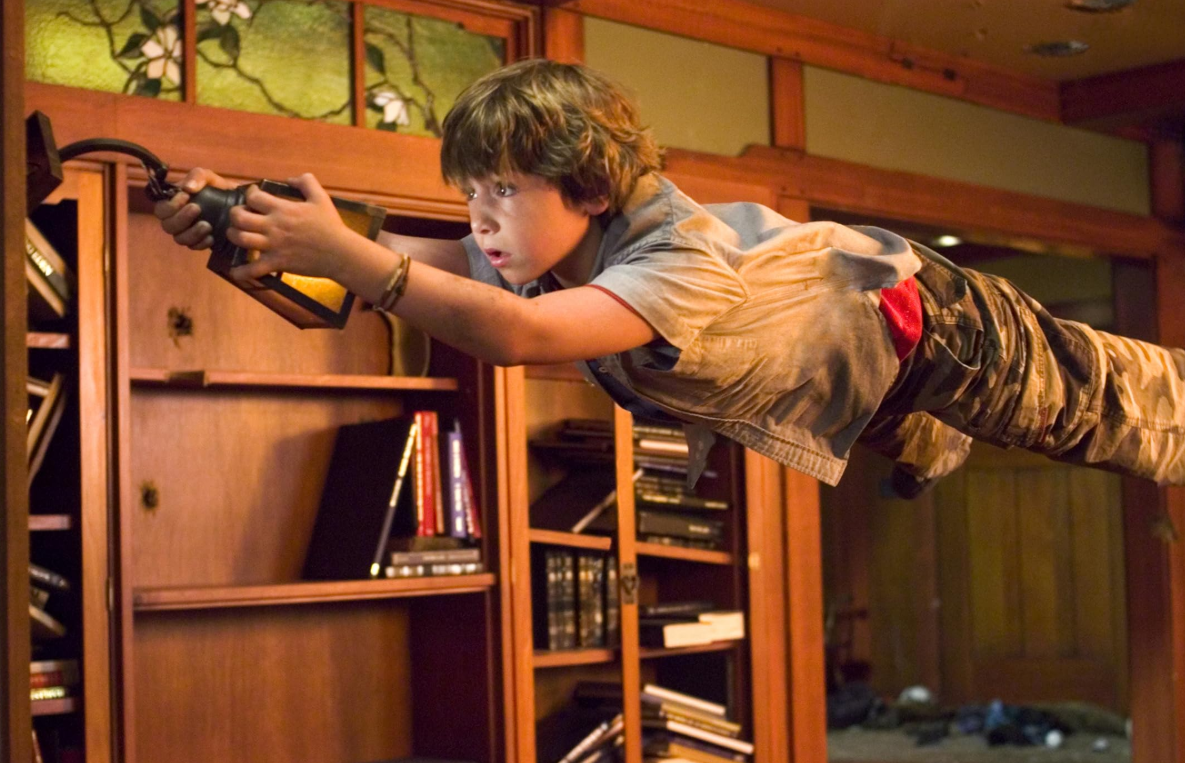
The filmmakers constructed the house set on a rotating gimbal to physically evoke the disorientation of space to amplify the sense of anxiety. This lack of scientific accuracy doesn’t detract from the emotional depth of the story. Sound, silence, and design are key architectural elements here, creating a narrative that no amount of artificial warmth can replace the true comfort of life on Earth.
In the closing scene, when the kids finally return to Earth, it feels like a typical movie ending, but notice the background. The same interiors that once felt confining now seem alive, suggesting that our homes are only truly home when rooted in the natural world, surrounded by sunlight and trees.
WALL.E: When Automation Replaces Life
Let’s say humanity finds a way to leave Earth, builds a perfect habitat in space, and lets technology handle everything. What would that life look like?
Pixar’s WALL.E paints a satirical picture of such a future; where convenience has replaced connection, and where architecture reflects two extremes: the Earth in ruins and the Axiom, steeped in automation.
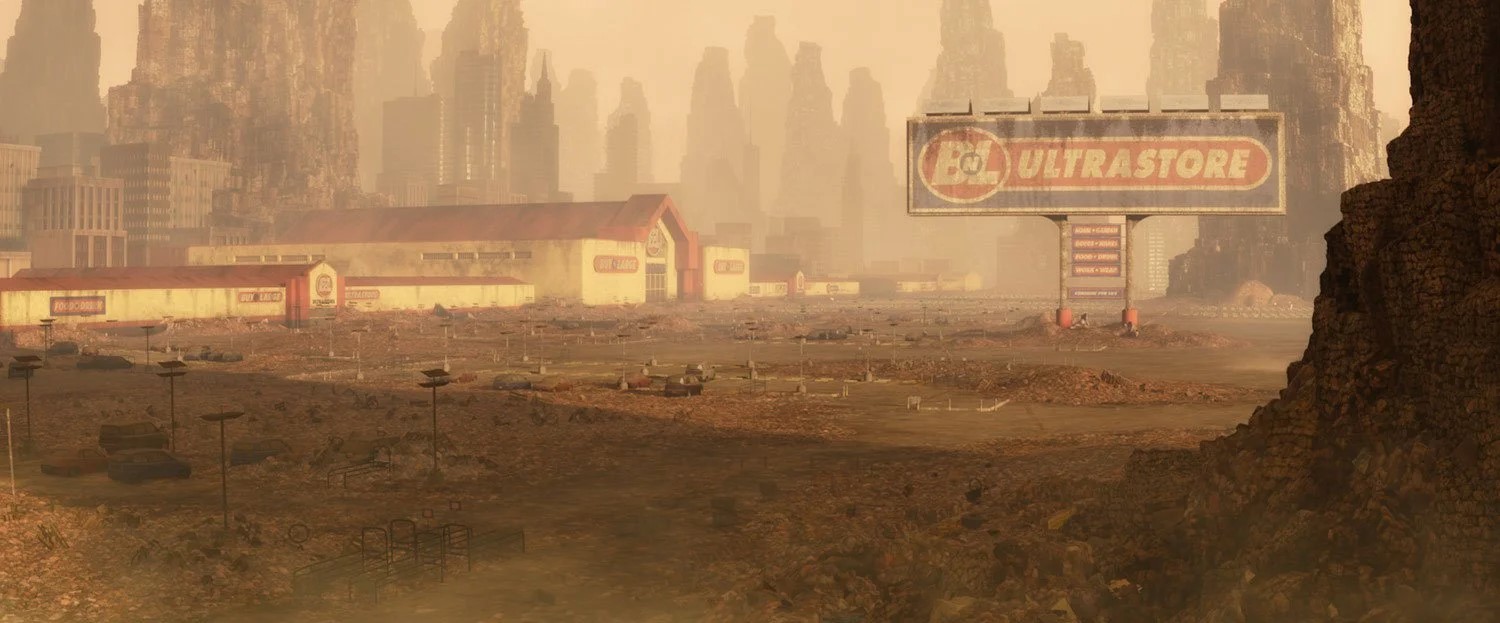
The film opens with silence and dust. Earth is no longer a planet, only a memory. Amid the debris, WALL.E roams alone: compact, utilitarian, and somehow soulful. Set to La Vie en Rose, his quiet world echoes with longing.
Then we meet the Axiom, a spaceship floating like a luxury liner in orbit. Its metallic exterior hides a bright, seamless, fully automated interior. Here, every function of human life has been outsourced. Robots clean, groom, and guide. People float in chairs, absorbed by screens, barely aware of each other, or even that they have a pool onboard!
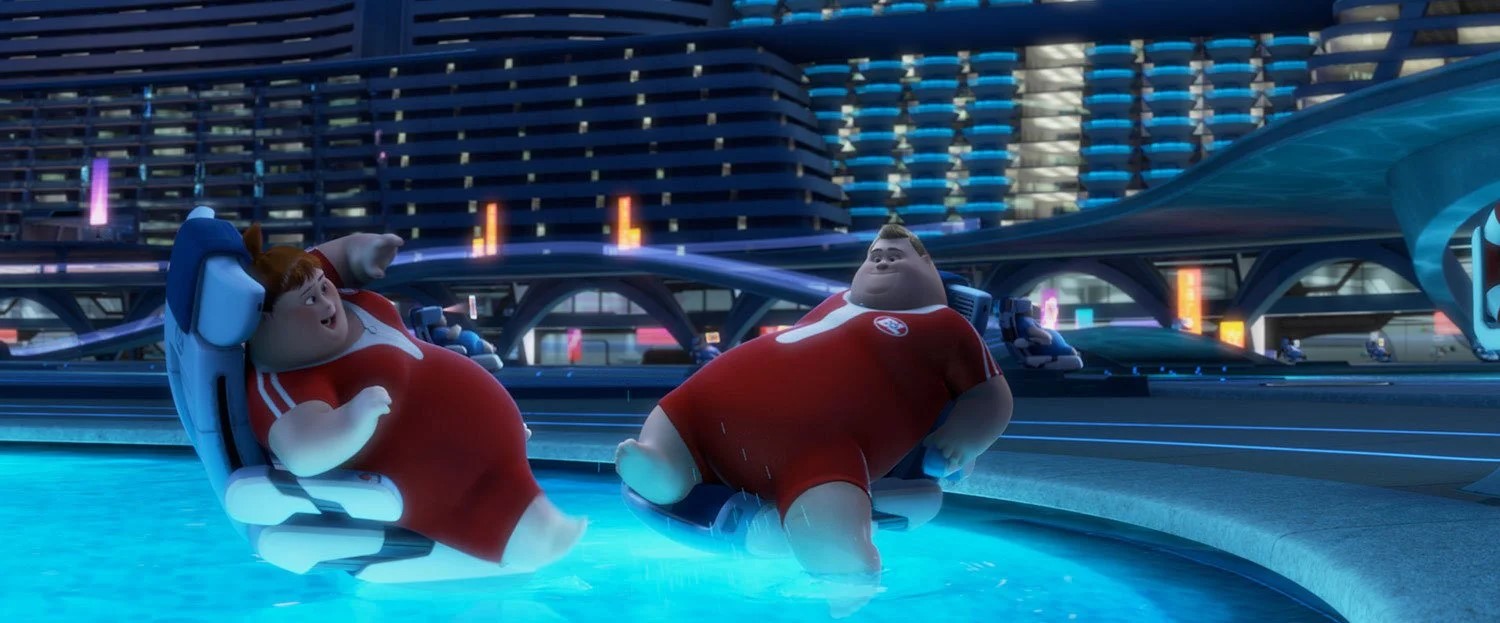
It’s been 700 years. Earth is forgotten. Life is effortless but empty.
Inside, cool blues dominate the colour palette, calm but emotionally detached. In contrast, WALL.E, covered in earth tones and dust, finds joy in forgotten human relics like fairy lights, bubble wrap, and a single plant.
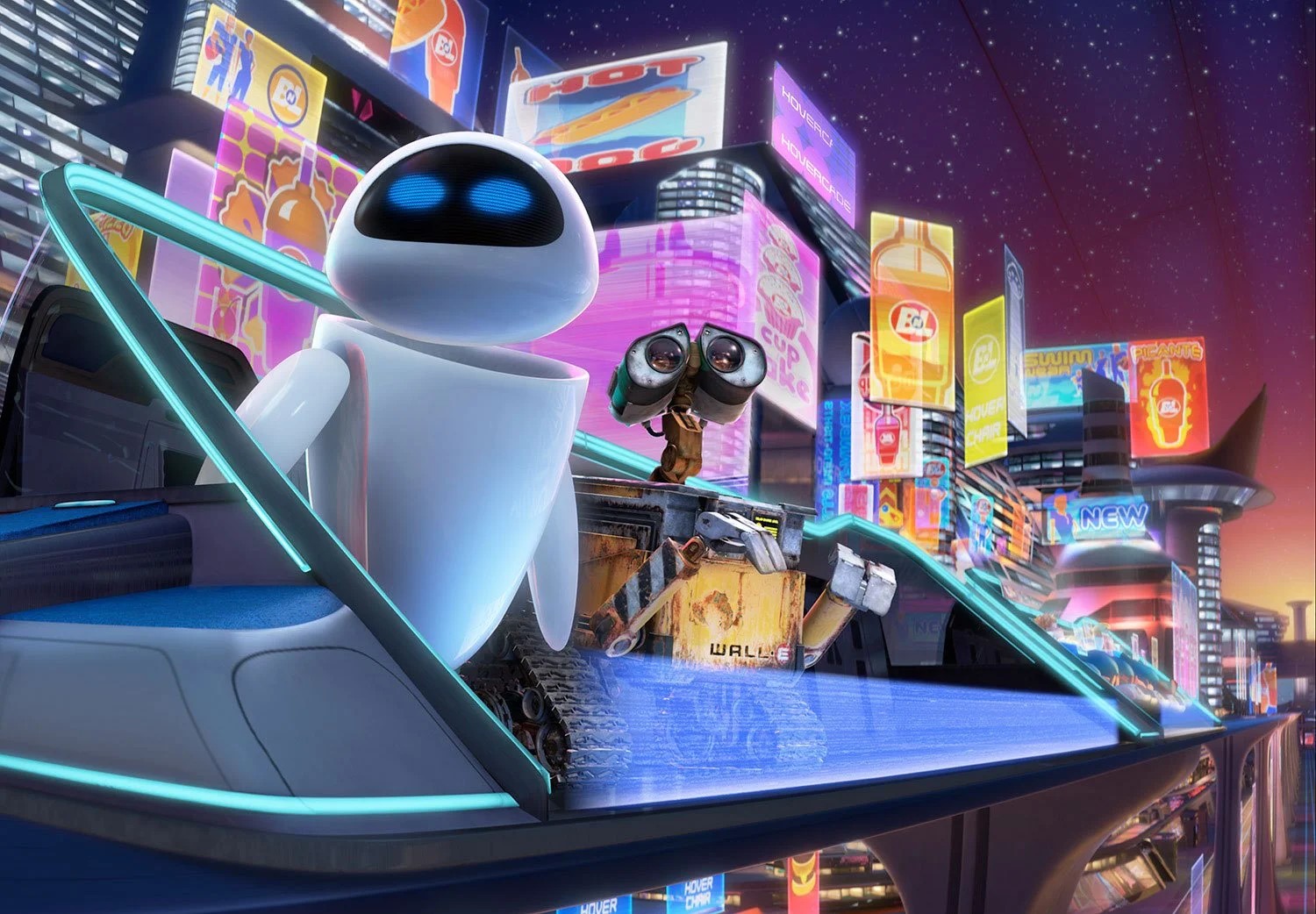
The film then moves through a series of incidents that highlight the impact of architecture that focuses on convenience over meaning. And without a sense of purpose, we collectively regress as a species. Ultimately, the passengers choose to return and step onto the dusty ground that was once foreign to them. WALL.E reminds us: the farther we drift from Earth, the more sterile our existence becomes. In today’s day and age, where the reliance on technology is stronger than ever, sometimes it might take a robot to remind us what it really means to feel.
What Does This Say about Our Future?
Through the lens of space cinema, architecture becomes a reflection of humanity’s deepest desires and vulnerability. Whether it’s the utilitarian designs of Interstellar, the domesticity of Zathura, or the sterile automation of WALL.E, each film uses space and structure to explore what it means to truly live, not merely survive. For real-world architects interested in solving this possible design problem, PAACADEMY’s Mars Architecture studio workshop is a good place to start exploring the computational design capabilities in space architecture.
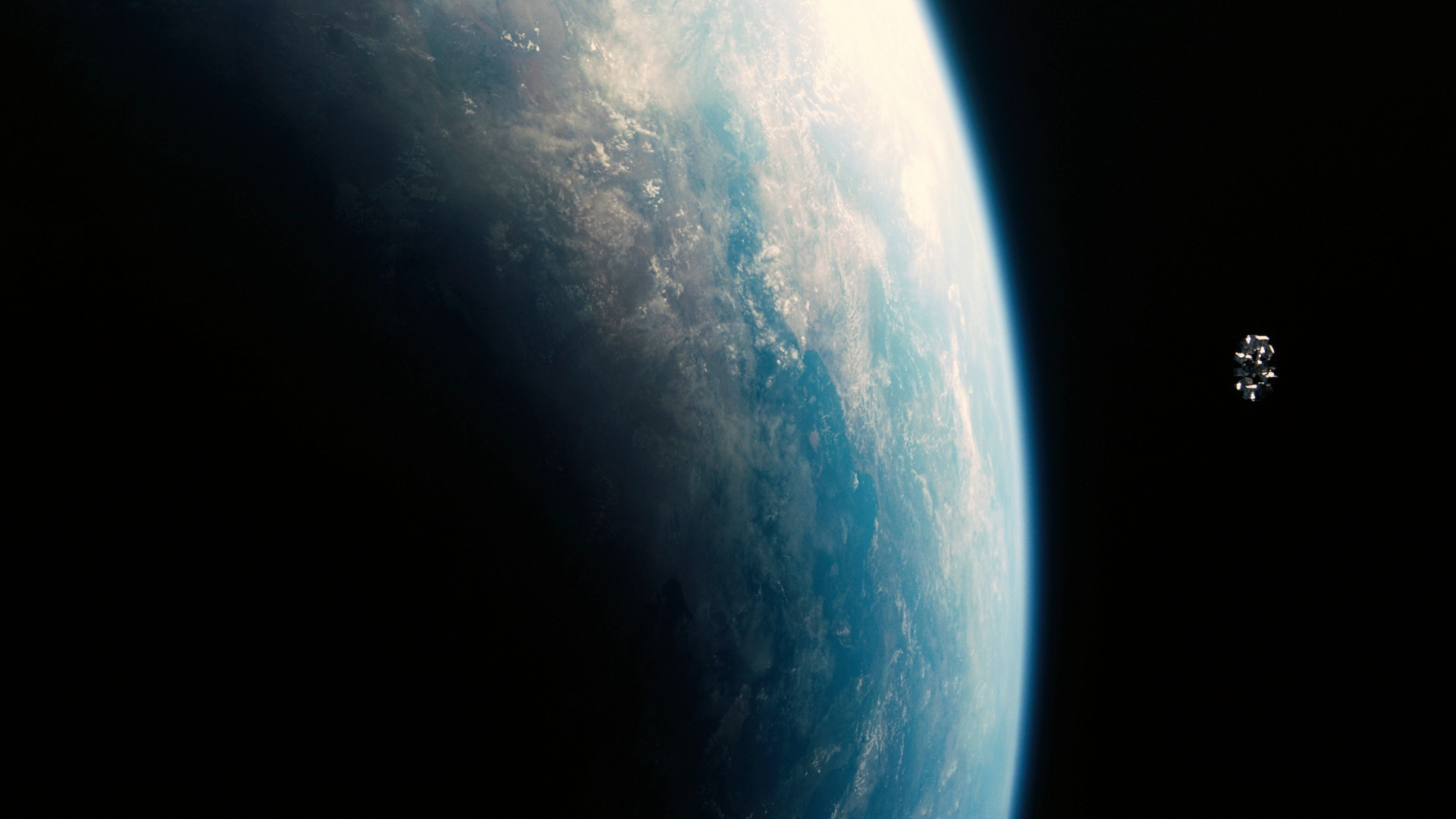
In the end, space architecture – fictional or otherwise-is not an escape from Earth, but a reflection of it. These films don’t just speculate about where we might go; they reveal what we must protect before we even consider leaving. Perhaps the most profound message buried within these imagined futures is that what we seek in the stars, has always been right here, under our feet.
Explore Courses
.jpg "Ondrej Chybik - Rethinking Architecture")