
NASA is accelerating its plan to establish a sustained human presence on the Moon, marking a major shift from short-term exploration missions to long-term space infrastructure development. Under its new Artemis plan and recent initiatives, NASA plans a step-by-step lunar exploration to establish a permanent moon base.
The agency’s approach reflects a broader strategic goal: maintaining U.S. leadership in space while building reusable systems that support continuous operations on the lunar surface. NASA is now focusing on integrated infrastructure that includes surface habitats, mobility systems, energy production, communications networks, and logistics chains between lunar orbit and the surface.
A key part of this system remains the Lunar Gateway, a planned orbital platform around the Moon that will support crew transfers and act as a staging point for surface missions. However, NASA has also signaled a shift in emphasis toward direct surface capability, aligning orbital infrastructure with a faster-moving plan for landing systems and lunar base construction. The lunar south pole remains a primary target due to the confirmed presence of water ice, which can support life support systems and fuel production through in-situ resource utilization.
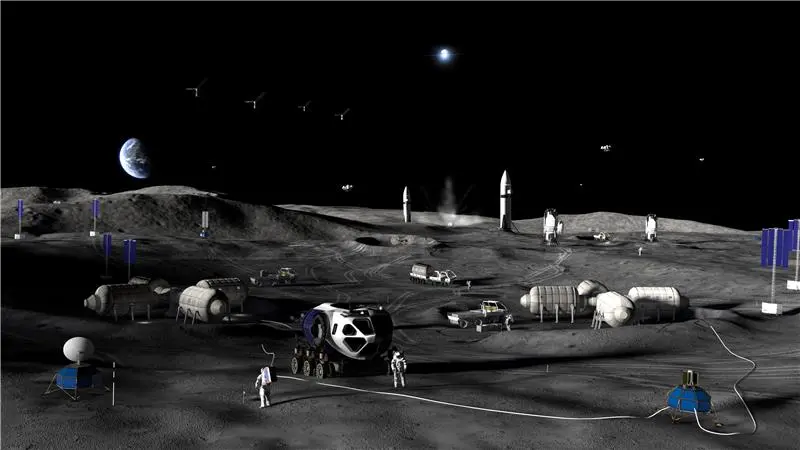
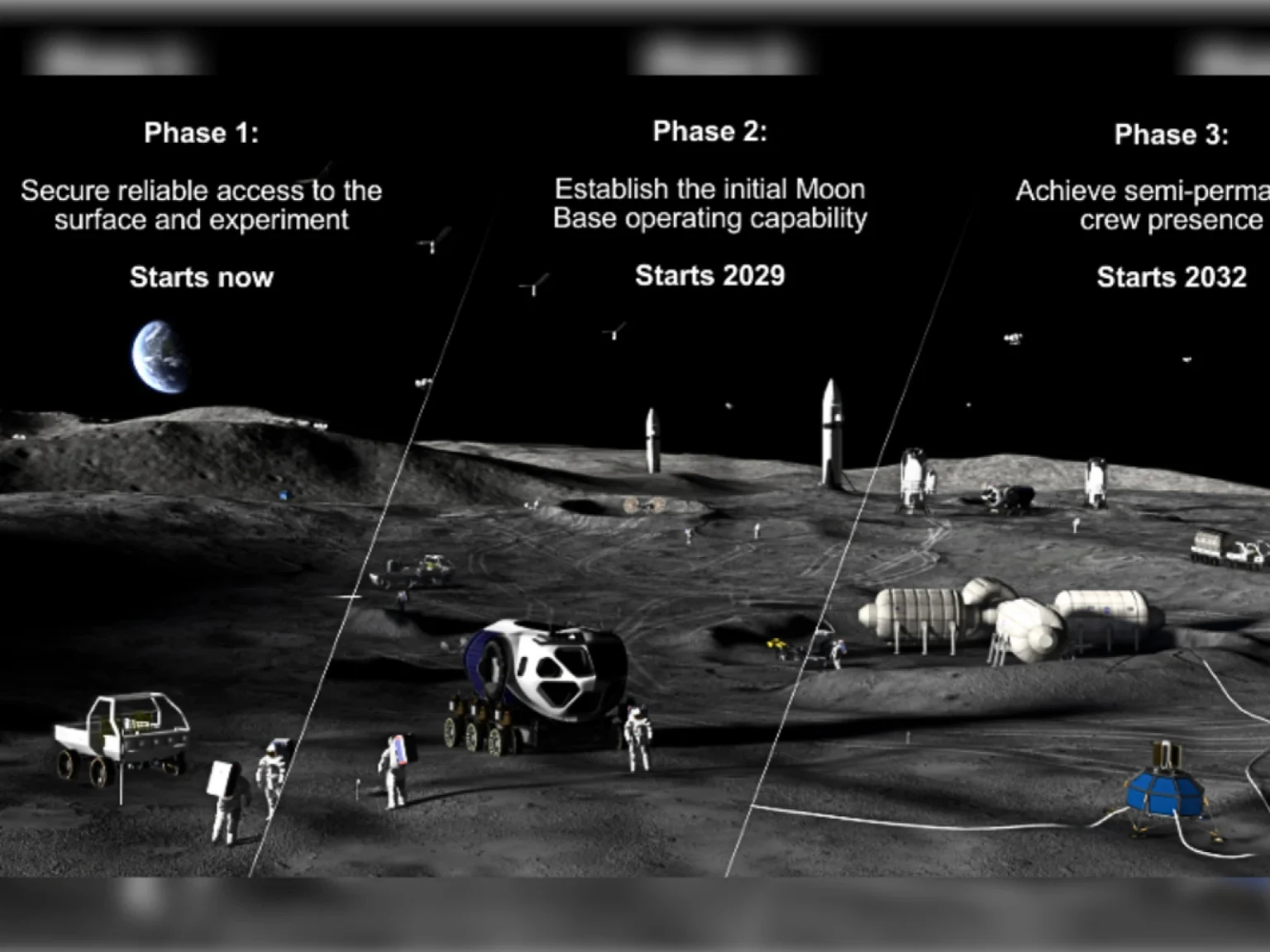
Three-Phase Lunar Base Architecture: From Missions to Permanent Presence
NASA’s updated lunar strategy is organized into a clear three-phase development model that gradually transitions from experimental missions to a continuously occupied base.
Phase One: Build, Test, Learn
The first phase focuses on increasing the cadence of lunar activity through repeated Artemis missions and commercial payload deliveries under programs such as CLPS (Commercial Lunar Payload Services). This stage is designed to validate landing systems, surface mobility, communications, navigation, and power technologies in real lunar conditions. Robotic missions and early technology demonstrations will lay the groundwork for sustained human operations.
Phase Two: Establish Early Infrastructure
In the second phase, NASA transitions from isolated missions to semi-permanent infrastructure. This includes deploying modular or semi-habitable surface systems, expanding logistics capability, and enabling more frequent astronaut surface operations. International partners play a key role here, contributing systems such as pressurized rovers, mobility platforms, and experimental habitat technologies. Energy systems, including nuclear-powered surface support units and advanced solar arrays with storage, are also part of the developing architecture to handle the Moon’s extreme environmental cycles.
Phase Three: Enable Long-Duration Human Presence
The final phase focuses on establishing a continuous human presence on the Moon. Heavy infrastructure delivered by next-generation human landing systems will support permanently or regularly occupied habitats. International agencies are expected to contribute habitat modules, utility vehicles, and logistics systems, which will integrate into a shared lunar ecosystem. At this stage, the Moon shifts from a destination for exploration to a functioning operational base supporting science, industry, and future deep-space missions.
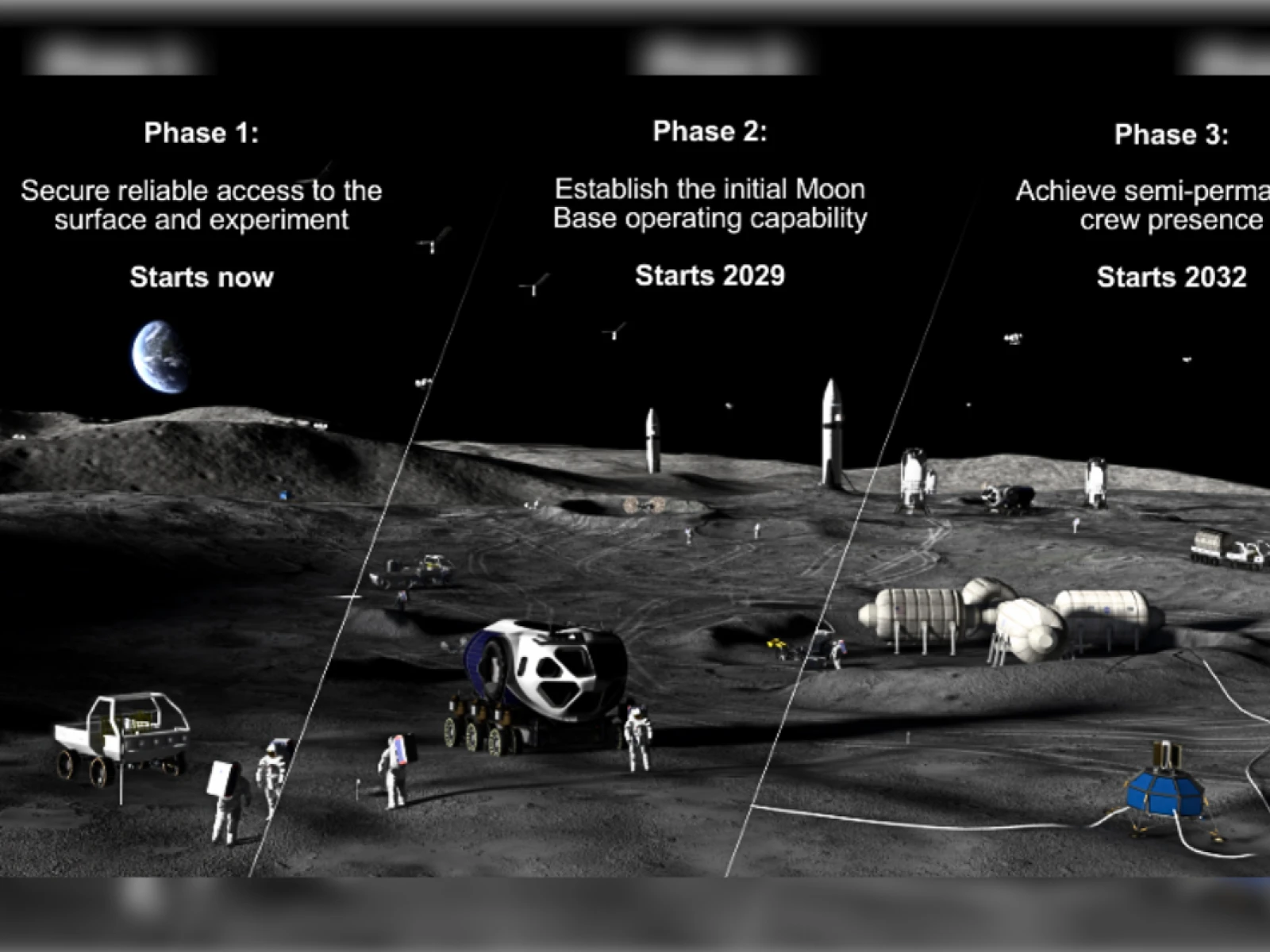
Exploration and Infrastructure: The New Space Architecture Model
NASA’s updated strategy represents a fundamental shift in space architecture thinking. Instead of treating lunar missions as standalone events, the agency is designing an interconnected system where each mission builds toward a larger operational network.
This architecture is being developed alongside broader changes in low Earth orbit strategy, where NASA is preparing for a gradual transition from the International Space Station to commercial platforms while maintaining an uninterrupted U.S. presence in orbit. Together, these efforts reflect a dual-track approach: building sustainable orbital infrastructure while simultaneously expanding human reach deeper into the Moon.
The long-term vision extends beyond the Moon itself. By developing reusable landing systems, surface resource utilization, and continuous habitation capability, NASA aims to establish the technological foundation for eventual crewed missions to Mars and beyond. In this model, the Moon functions as both a proving ground and a permanent operational hub.
NASA’s accelerated timeline and phased architecture mark one of the most significant reorganizations of lunar exploration strategy in decades. If successfully executed, it would transition humanity from intermittent lunar visits to a sustained off-world presence supported by permanent infrastructure, international collaboration, and commercial participation.
Credit: NASA