

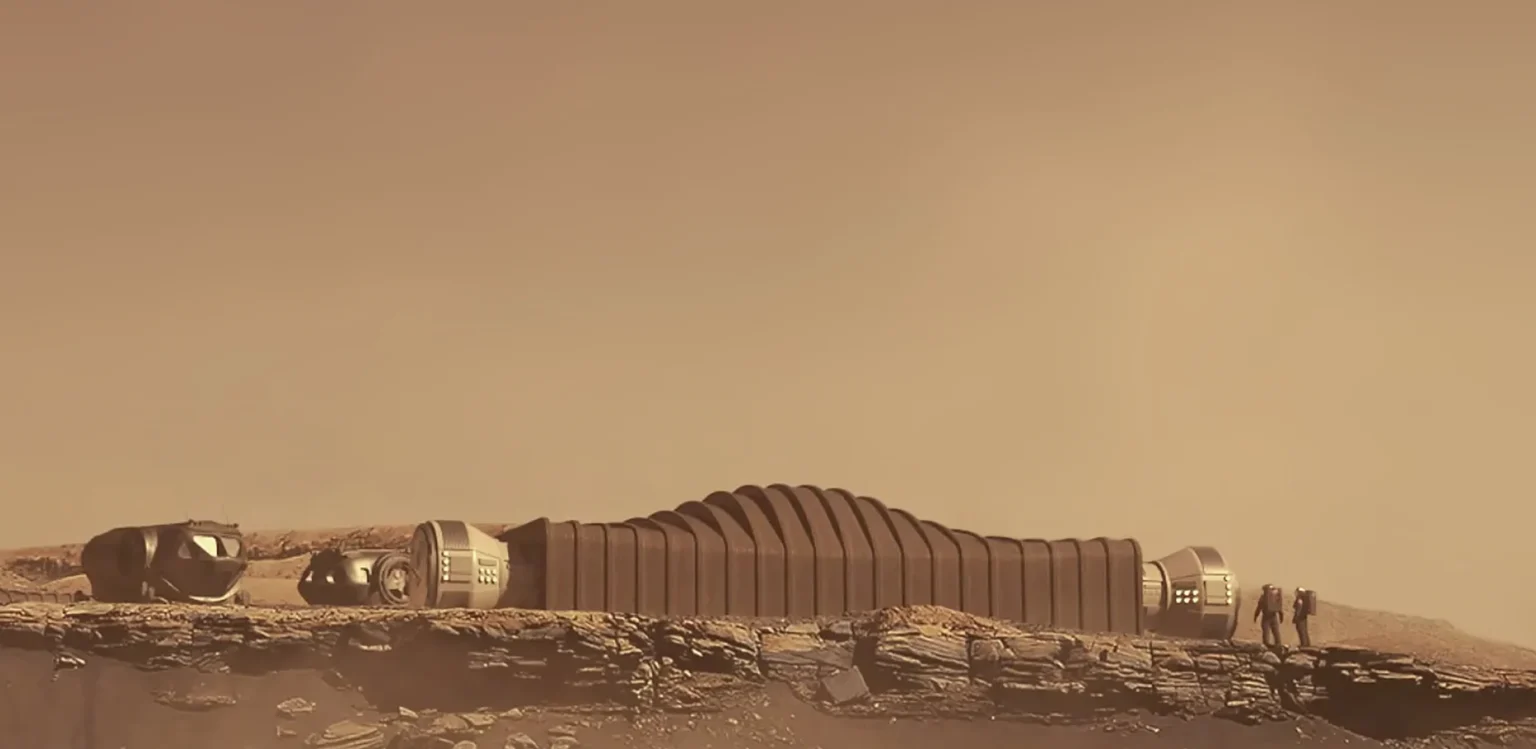
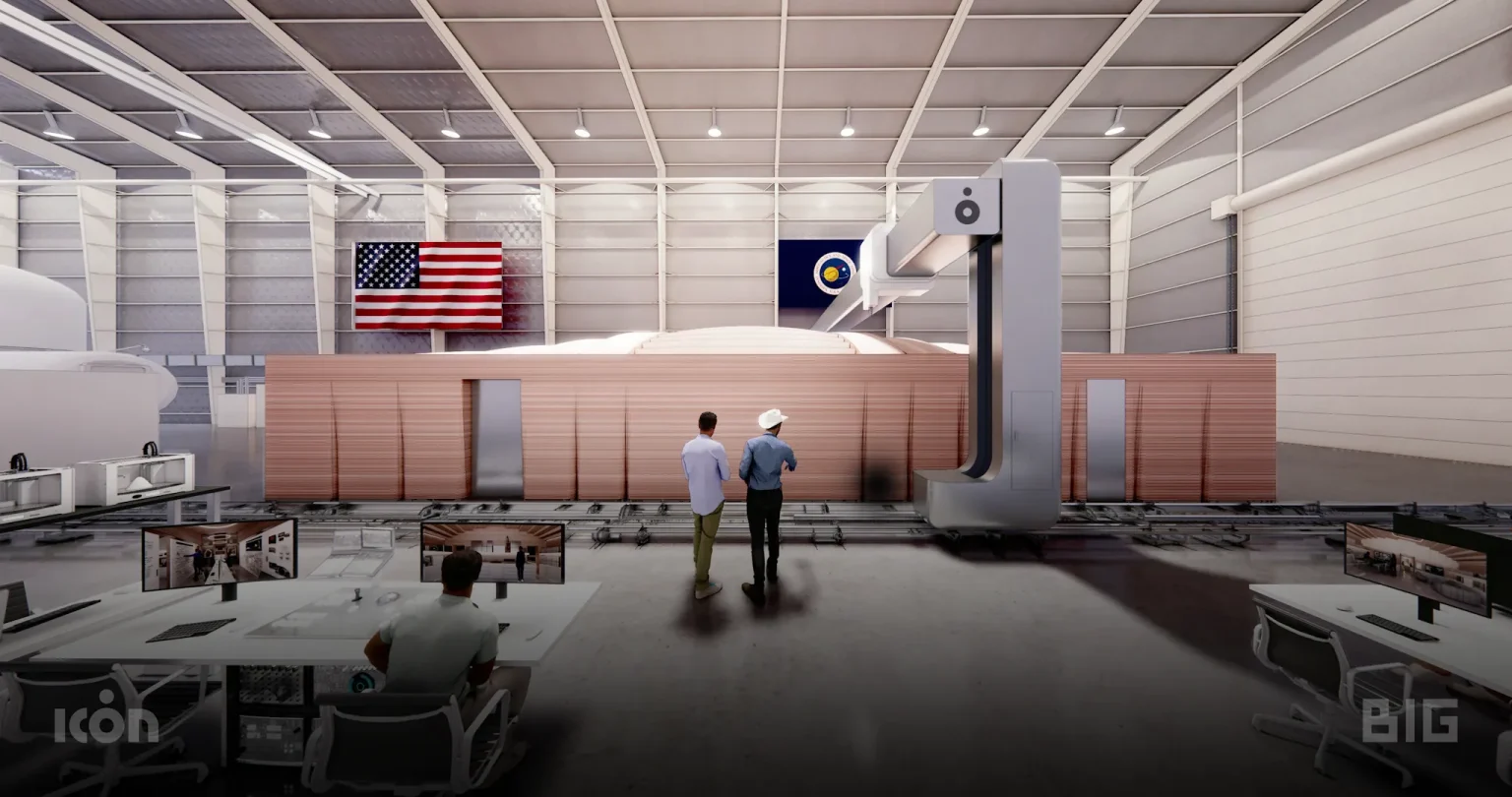


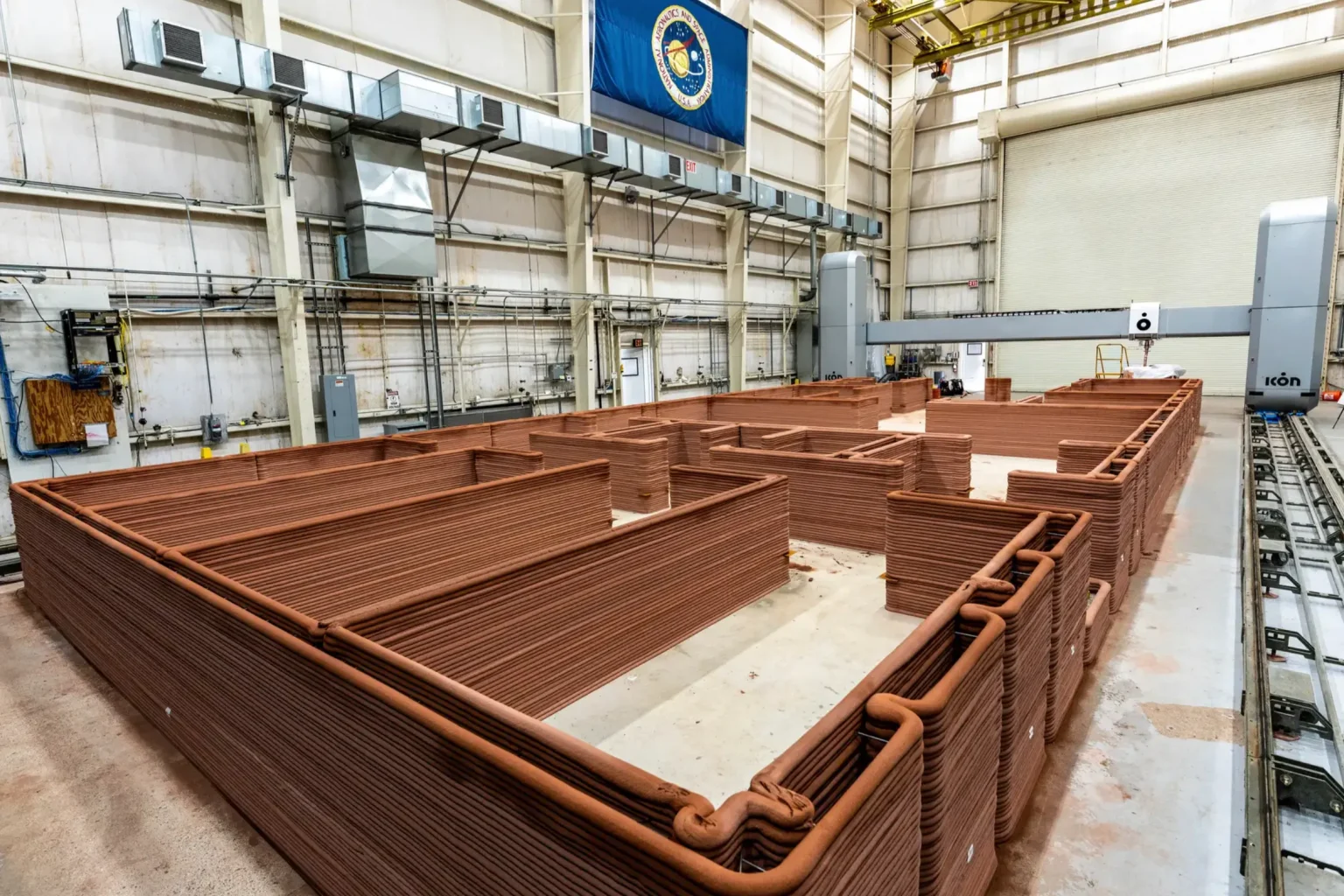
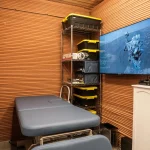
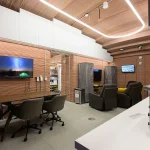
Mars Dune Alpha is a 3D-Printed mars habitat designed to aid in long-duration, exploration-class science missions at NASA’s Johnson Space Center, in Houston, Texas. Envisioned by Bjarke Ingels Group, the structure became the stage for NASA’s first CHAPEA mission (Crew Health and Performance Exploration Analog).
From June 25, 2023, to July 6, 2024, four crew members lived in complete isolation inside NASA’s 3D-printed habitat at the Johnson Space Center in Houston. Building on that first mission, four new research volunteers will soon take part in a second year-long simulation, providing NASA with critical data to guide future exploration of the Moon, Mars, and beyond.
Mars Dune Alpha: Life Inside a 3D-Printed Prototype
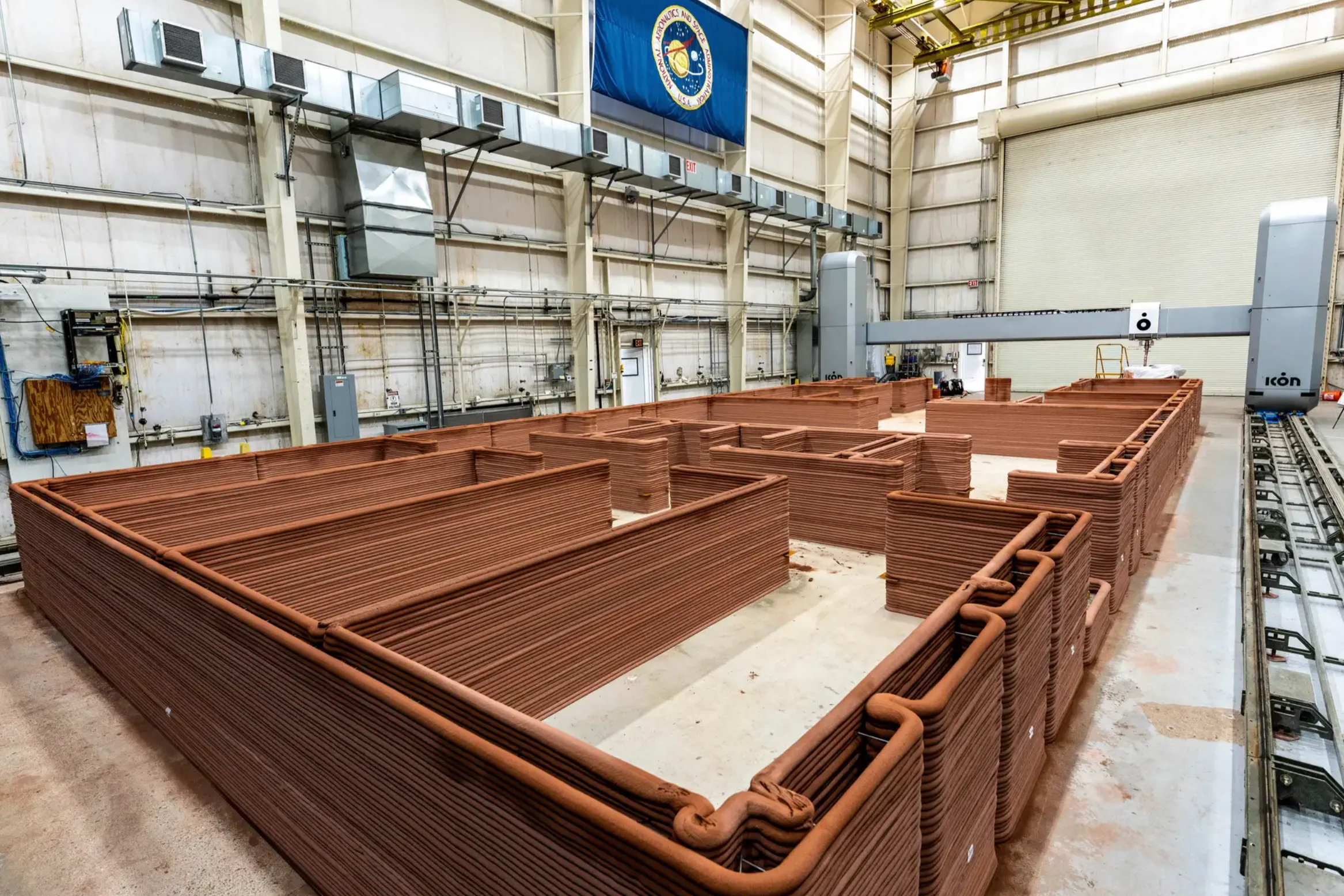
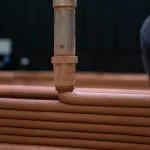
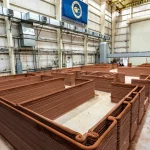
Developed by ICON’s next-gen Vulcan construction system with advanced 3D-printing technology and robotics, the structure spans 1,700 square feet. The experiment aimed to evaluate how humans perform and adapt to Mars-like conditions involving isolation, limited resources, delayed communication, and habitat confinement.
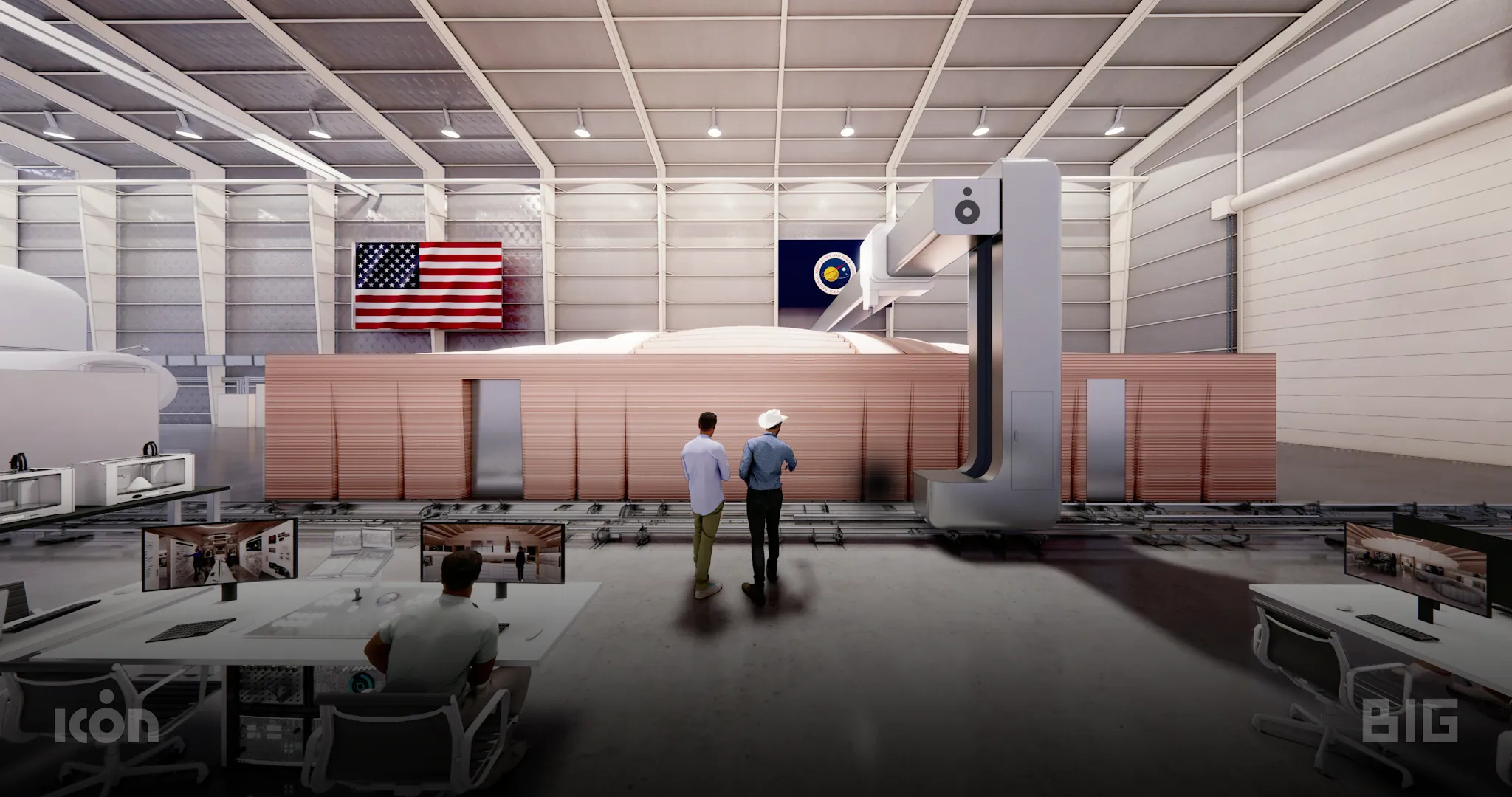
Built for Mars, Born on Earth
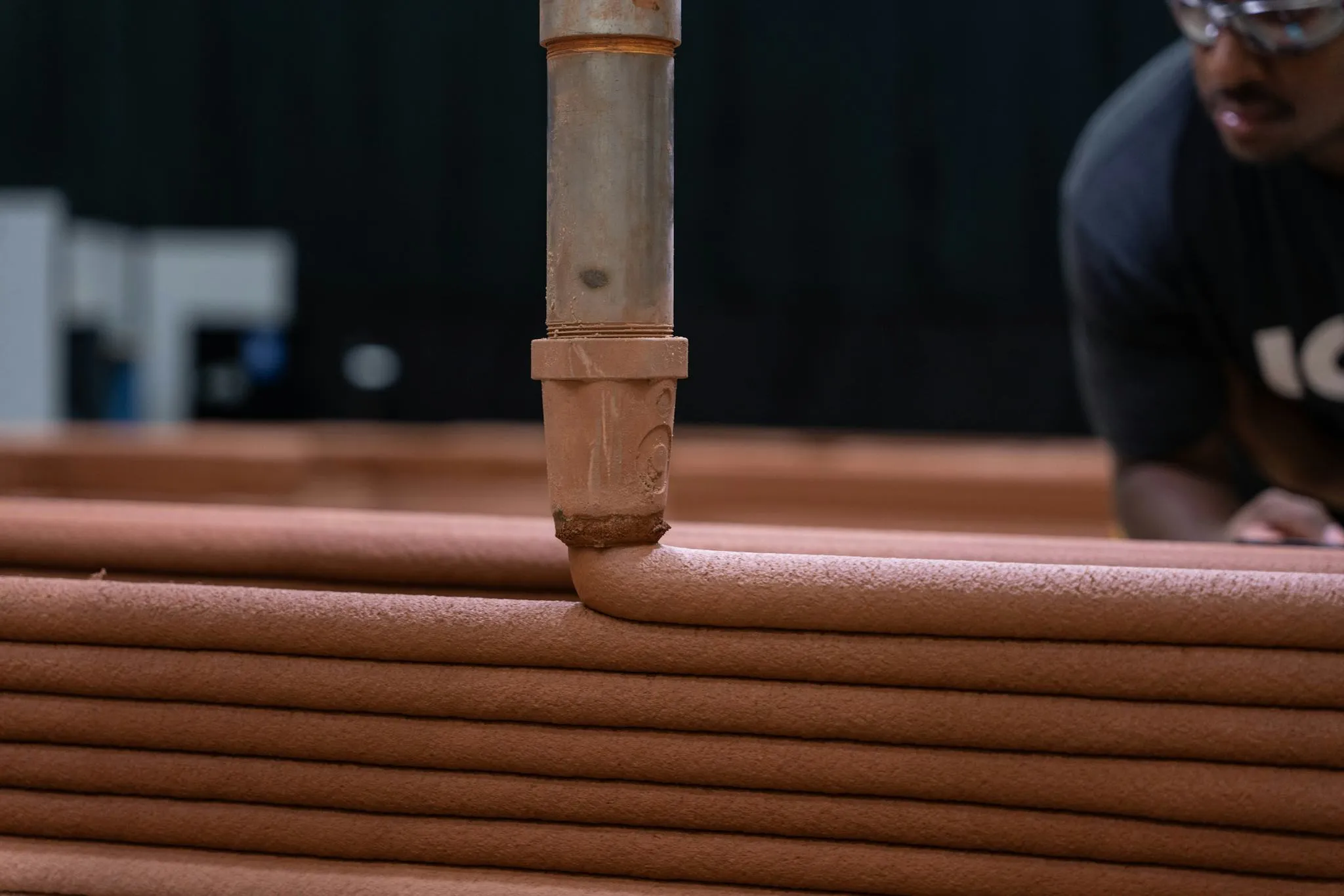
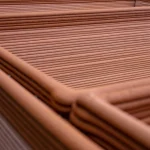
Built with 3D printing technology and walls fabricated using LavaCrete, a strong concrete suitable for space habitats, the project aimed to simulate additive manufacturing to produce robust, livable spaces that could be constructed on the Martian surface using in-situ materials. This approach differs from Earth-bound habitats in weight, volume, and manual labor, offering adaptability, precision, and sustainability at a fraction of the cost.
Inside 3D-Printed Mars Habitat – Mars Dune Alpha
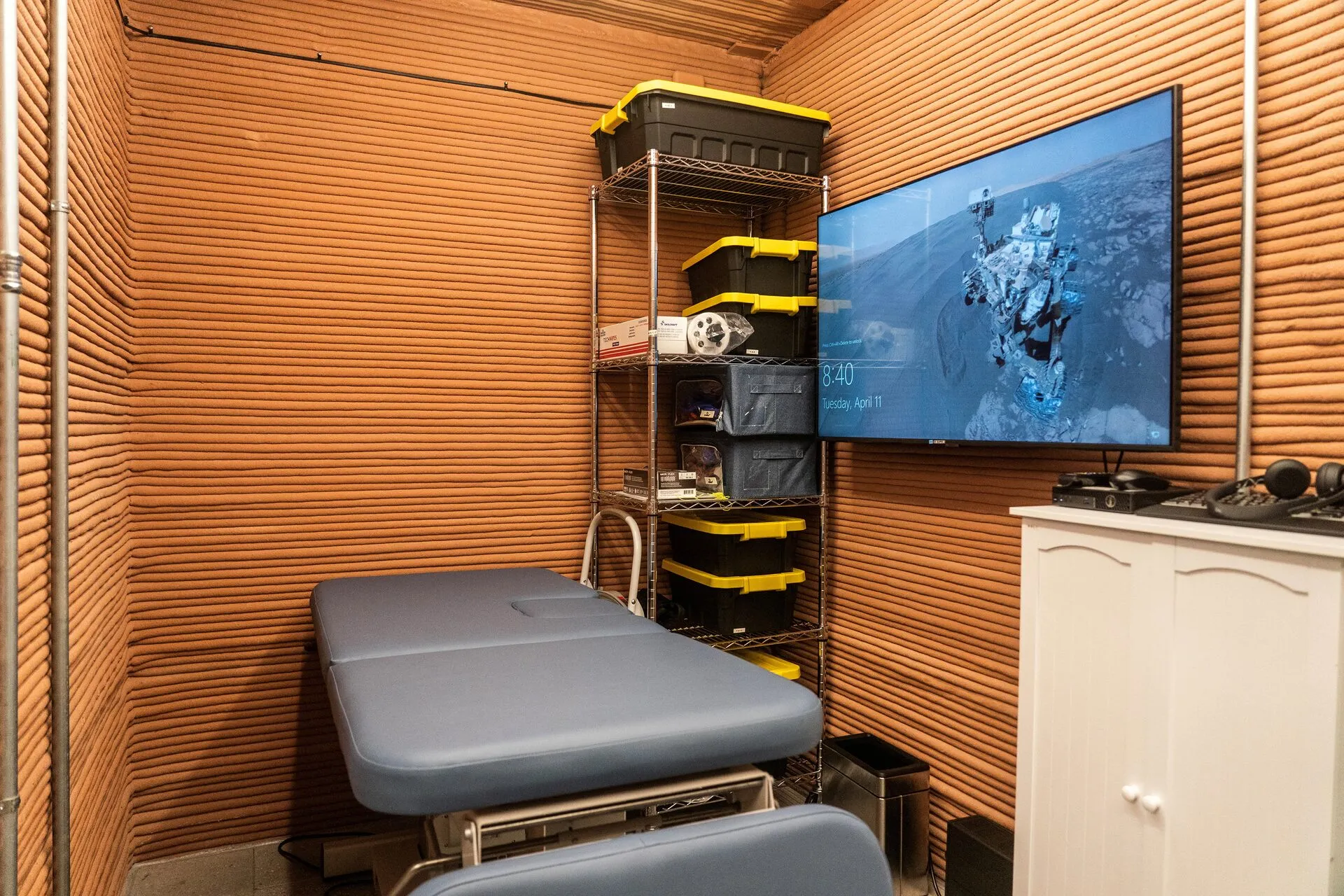
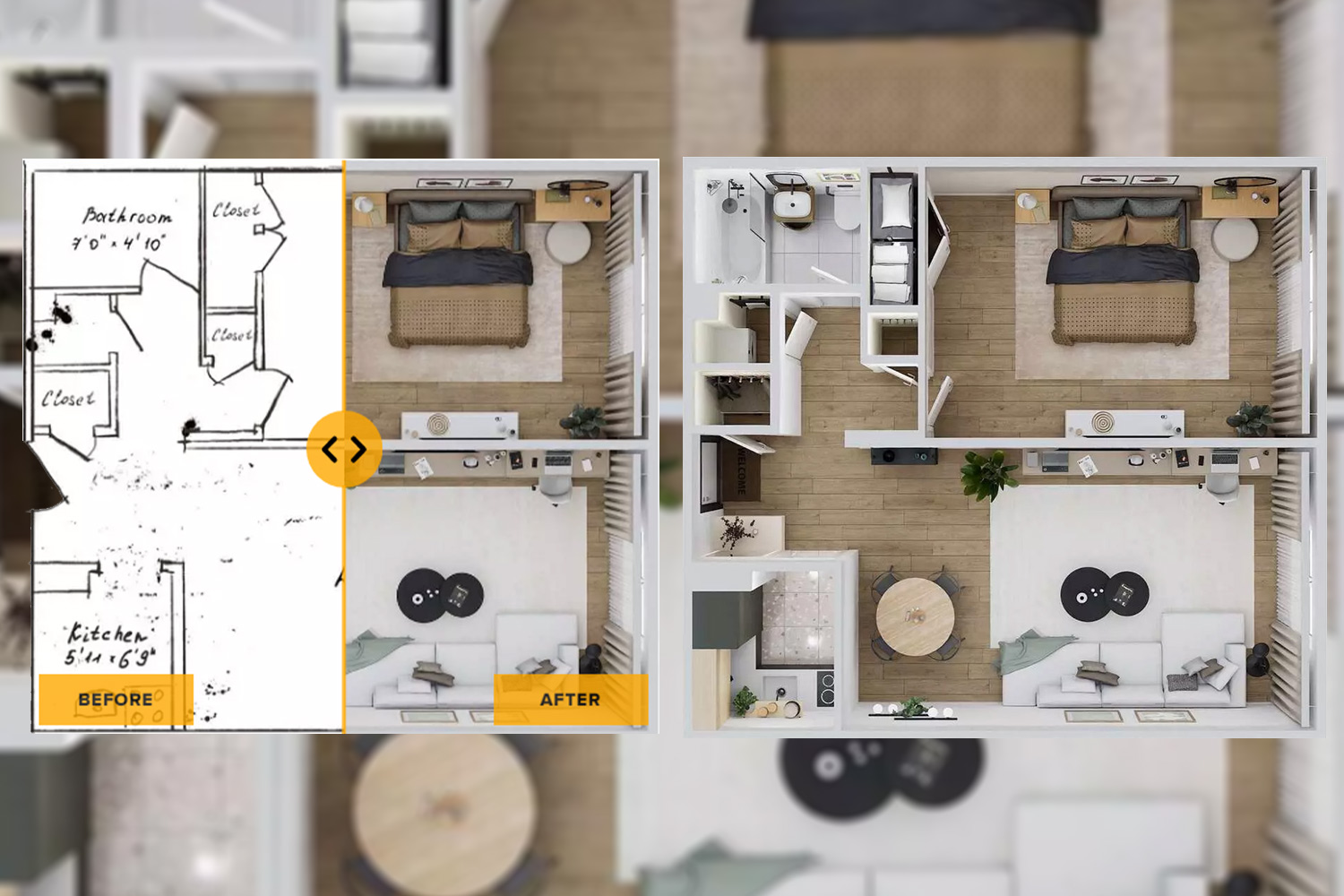
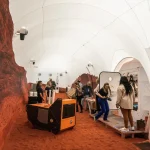
The spatial interior of the 3D habitat was designed to mimic limitations, challenges, emergency scenarios, and maintenance that would be expected on Mars. The built form provides private quarters for crew members, along with shared dedicated workstations, laboratories, medical space, an exercise area, a cooking area, a dining zone, and a crop-growth greenhouse module. The arched shell, customized lighting, sound, and dynamic floor layout foster design flexibility. Outside the habitat is a mock Martian landscape, a sandbox of red sand, used for the simulated spacewalks.
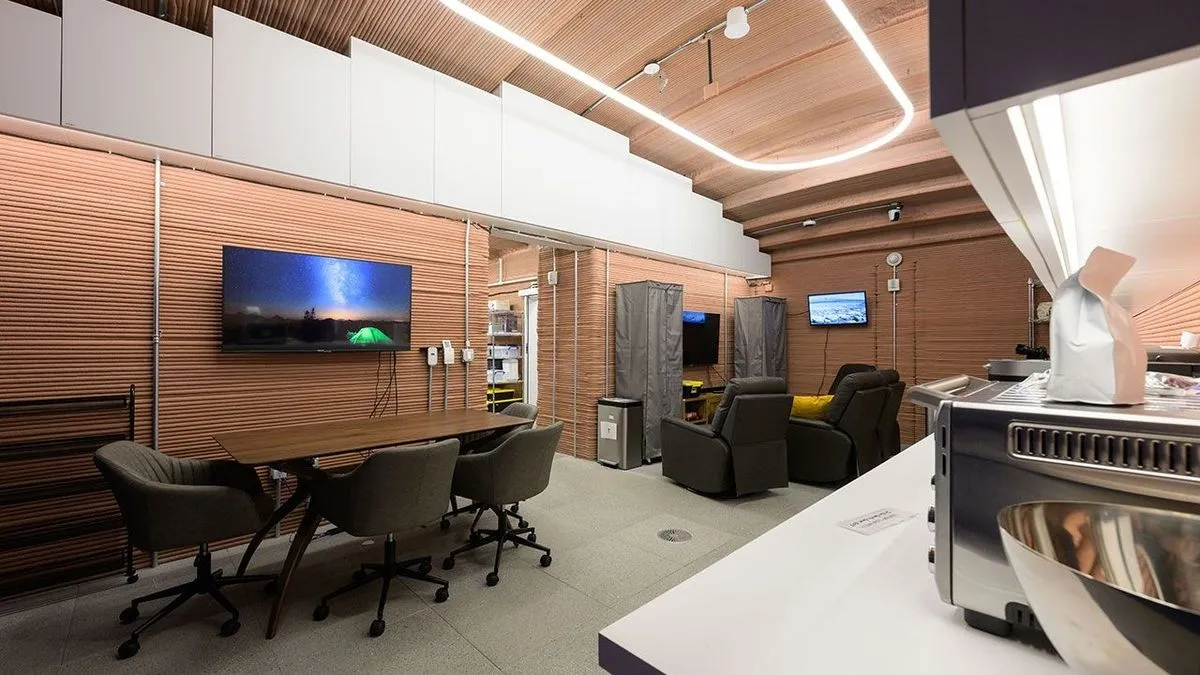
Testing Human Limits Inside a Simulated Habitat
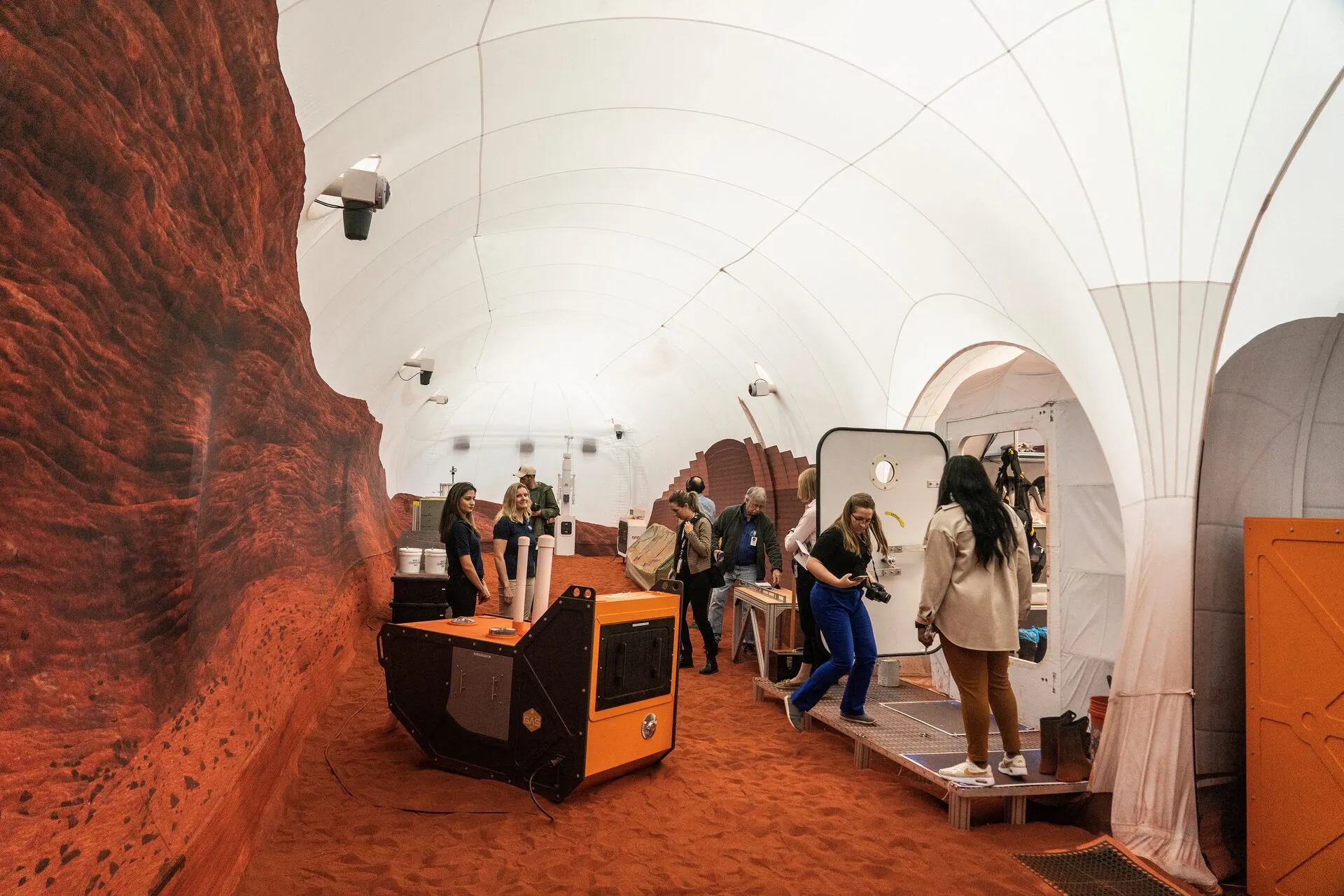
The CHAPEA 1 mission aspires for the future of planetary living and addresses several critical factors, including behavioral and psychological well-being under isolation, team dynamics and conflict resolution in closed quarters, and operational challenges of long-term extraterrestrial habitation. The results would guide decision-making in Lunar and Martian surface habitats, astronaut training, habitat design, mission planning, and mental health support protocols for future Mars missions.
The Architecture of the Interplanetary Era
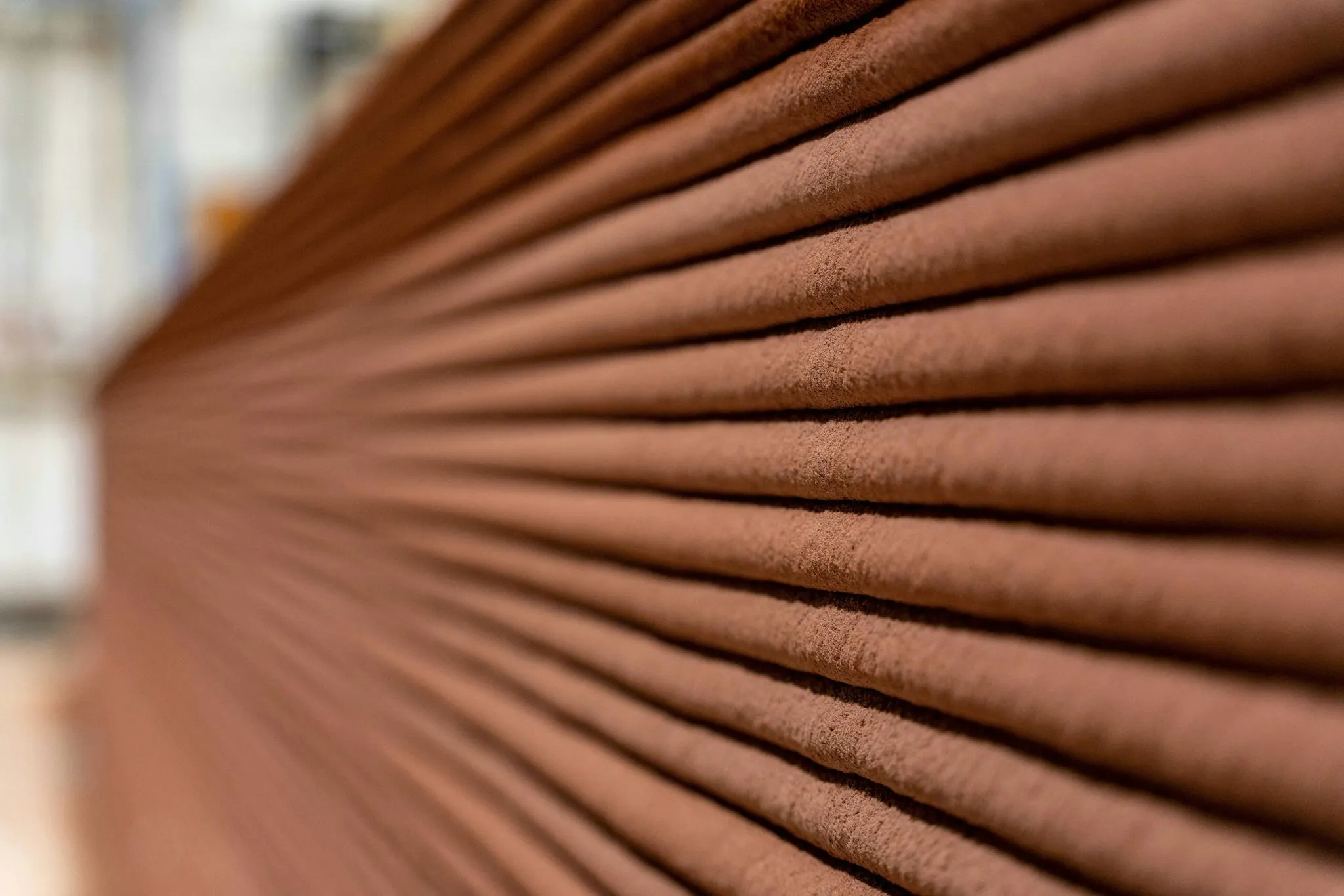
Built on a simple design philosophy, print fast, reuse materials, and develop for both comfort and crisis, Mars Dune Alpha redefines the future of space colonization. The project aligns with NASA’s Moon-to-Mars goal, contributing in the areas of human performance, sustainable architecture, and autonomous operations in space.
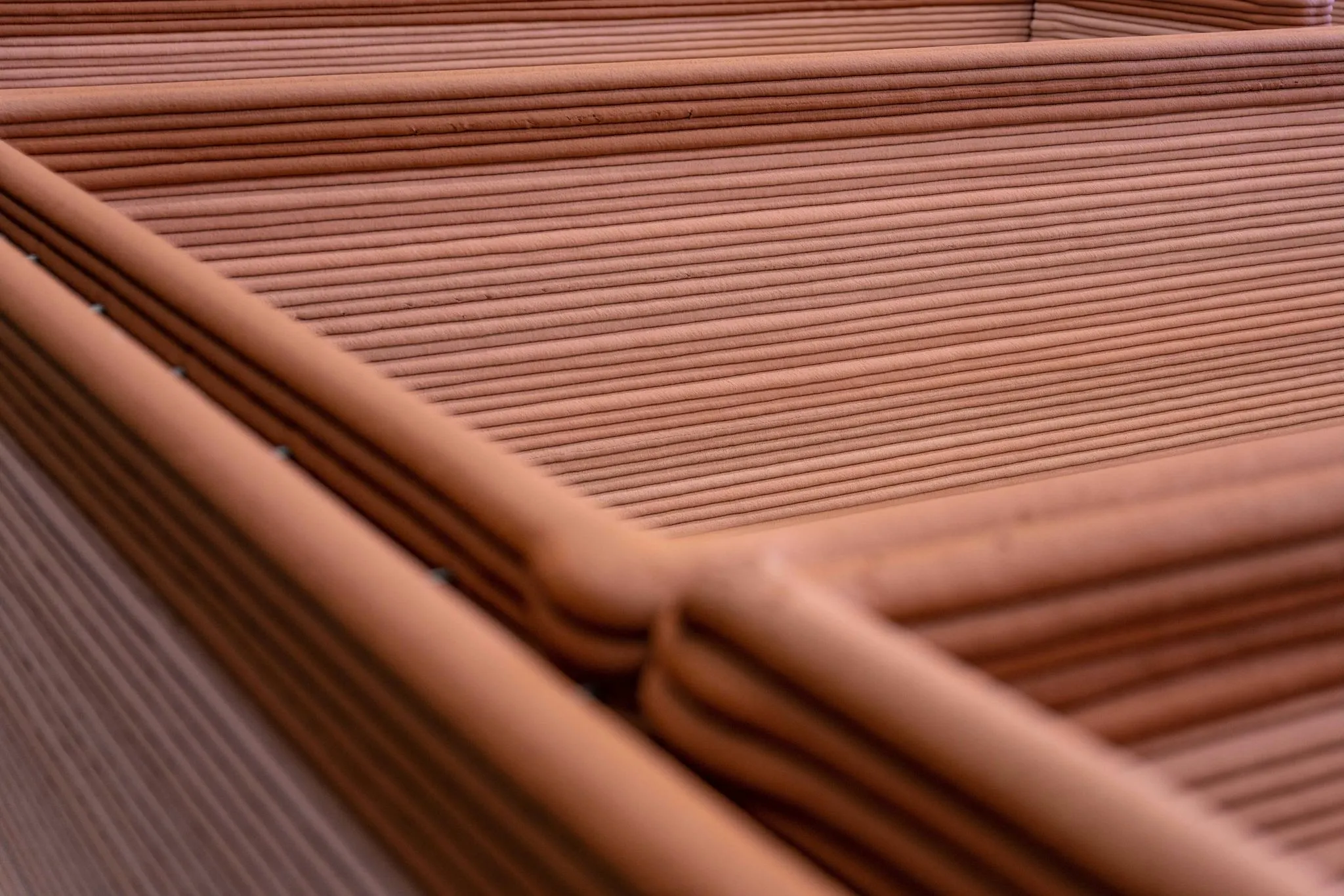
NASA plans to conduct two more CHAPEA missions, the second scheduled to begin in October 2025, with four different research volunteers participating in a similar year-long simulation. Through multiple missions, NASA hopes to build the largest dataset with different crews and conditions and refine the prototype for more robust conclusions.
Mars Dune Alpha Project details
Location: Houston, Texas
Fabrication: ICON
Architect: Bjarke Ingels Group (BIG)
Client: NASA
Image Credit: © Bjarke Ingels Group (BIG)