

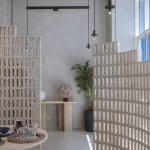


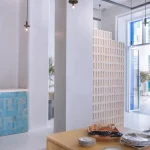
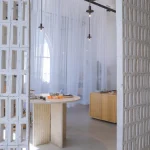


On Jordan’s coastline, discarded seashells are being given a second life not as waste, but as the foundation for a new kind of sustainable architecture. At the forefront of this innovation is the Amman-based design practice FADAA, founded by architects Bisher Tabbaa and Sara Hejazin. Their work transforms leftover seafood shells, lime, and alginate into bio-bricks, a low-carbon material that has already captured international recognition, including the 2024 Design Doha Prize in interior design.
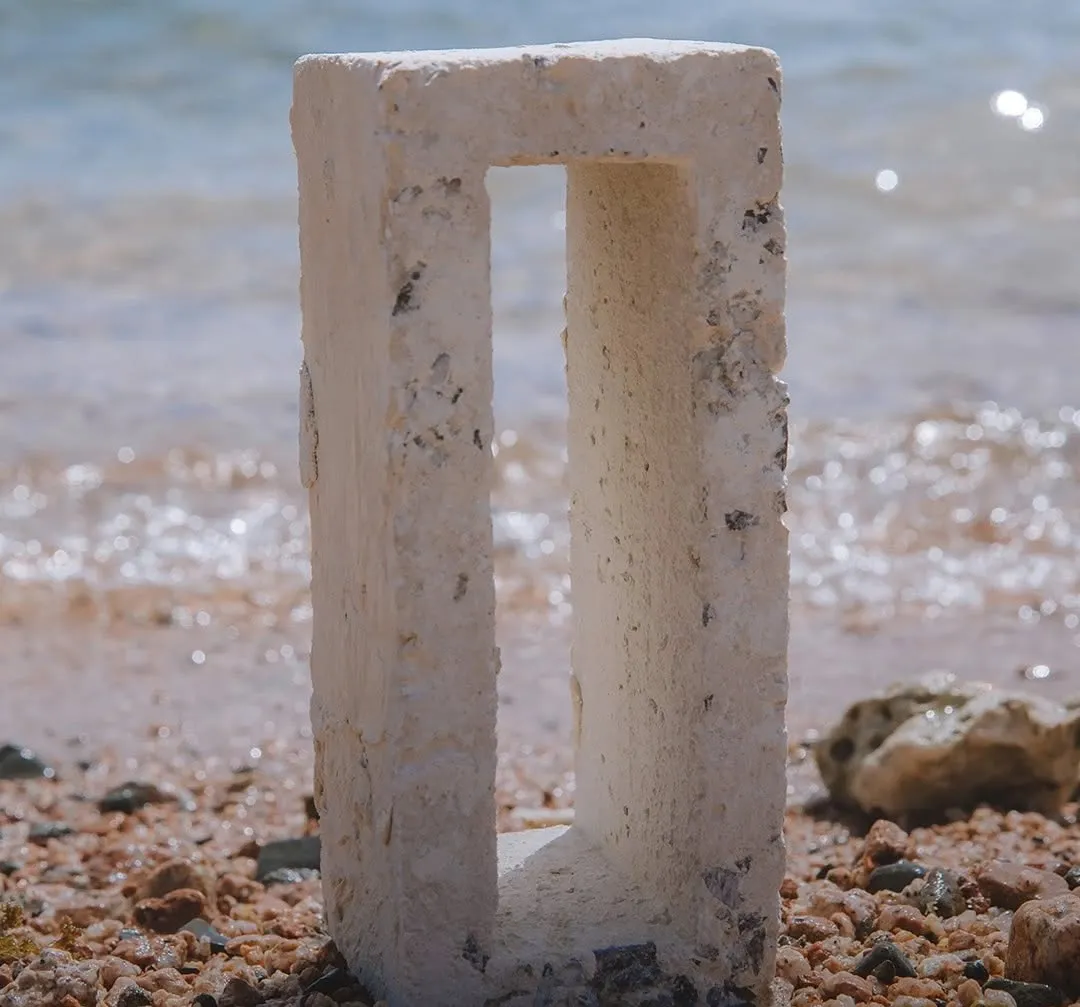
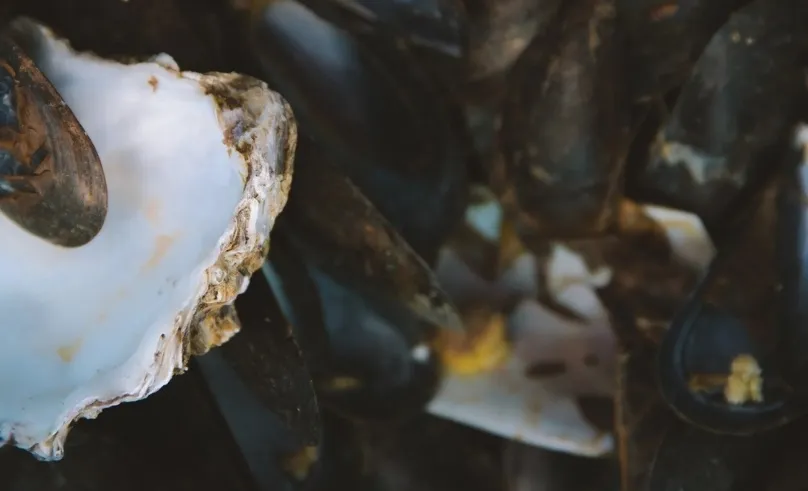
The process begins with an abundant and often overlooked resource, discarded shells from local restaurants. These shells, rich in calcium carbonate, are ground down and mixed with lime and a natural binder. The result is a durable material that reduces reliance on conventional, resource-intensive construction products such as cement. In this way, FADAA turns a waste stream into a valuable building block, redefining how architecture engages with its ecological footprint.

Reviving Tradition and Showcasing Innovation with Seashell Bio-Bricks
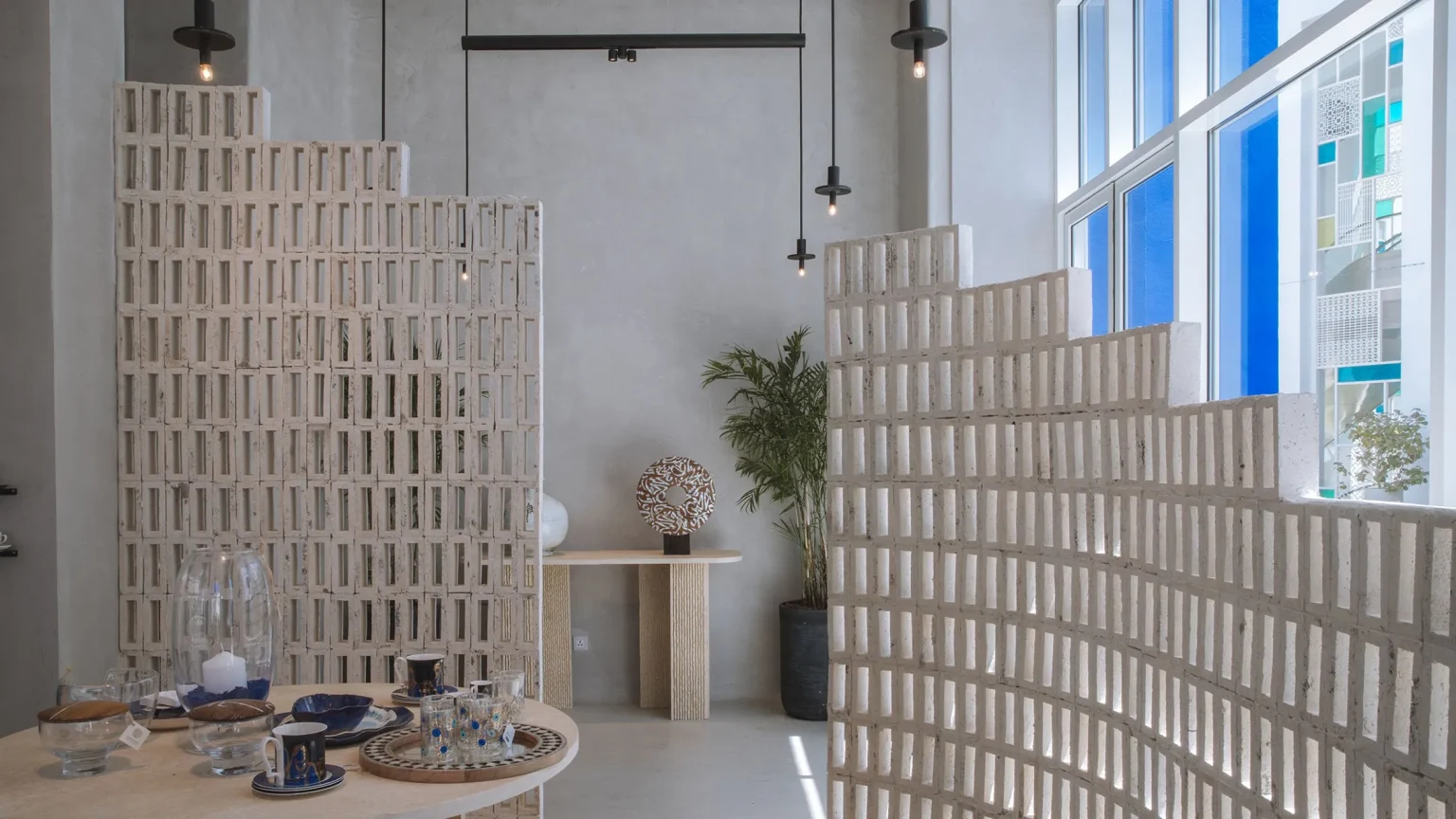
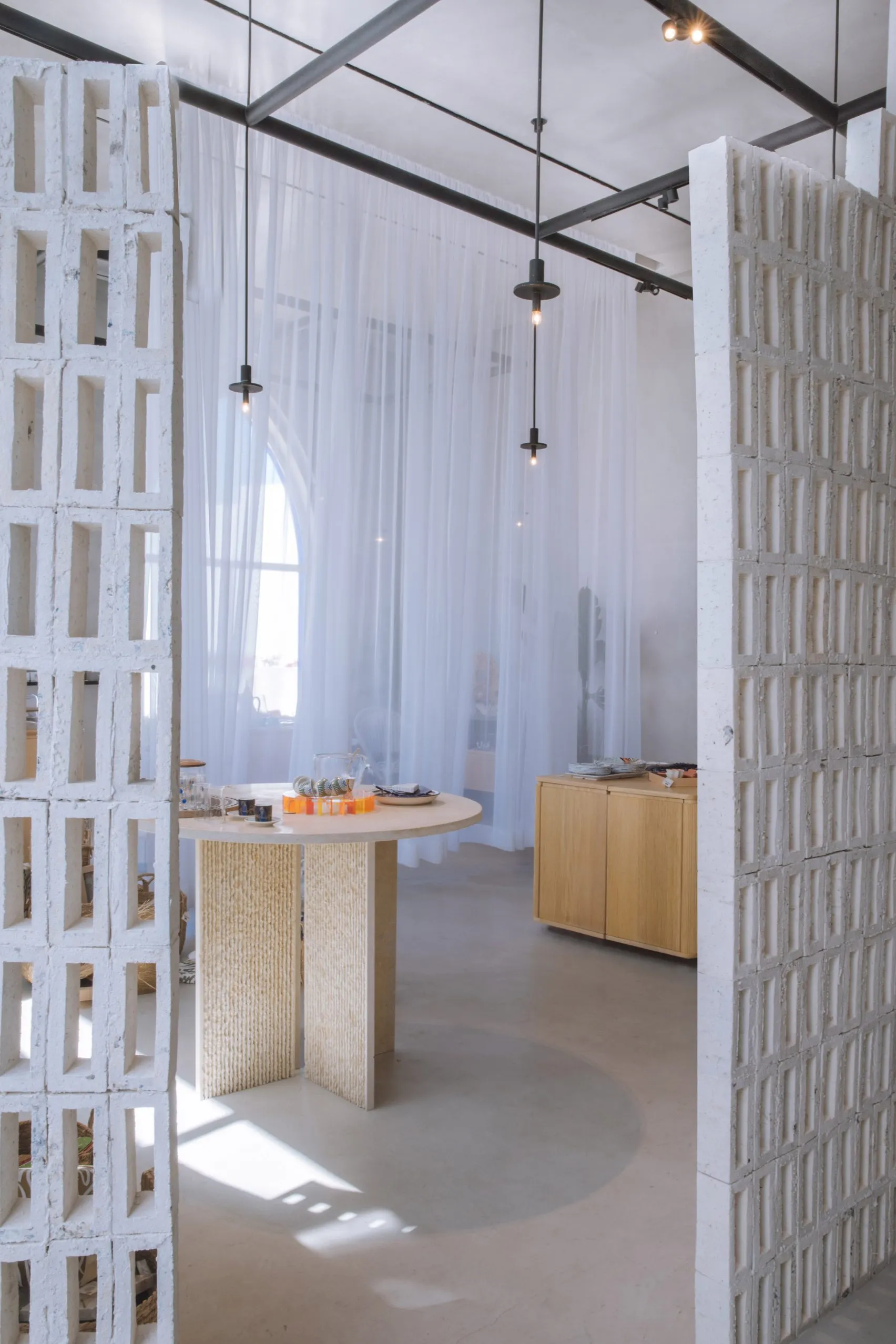
The first major application of these bio-bricks was a screen system inspired by the mashrabiyya, the traditional lattice window common across the Middle East. Instead of ornamental woodwork, FADAA’s version is constructed from seashell-based bricks that diffuse sunlight and moderate the interior climate. This design not only improves energy efficiency but also connects the structure directly to its coastal setting, where the raw material originates.
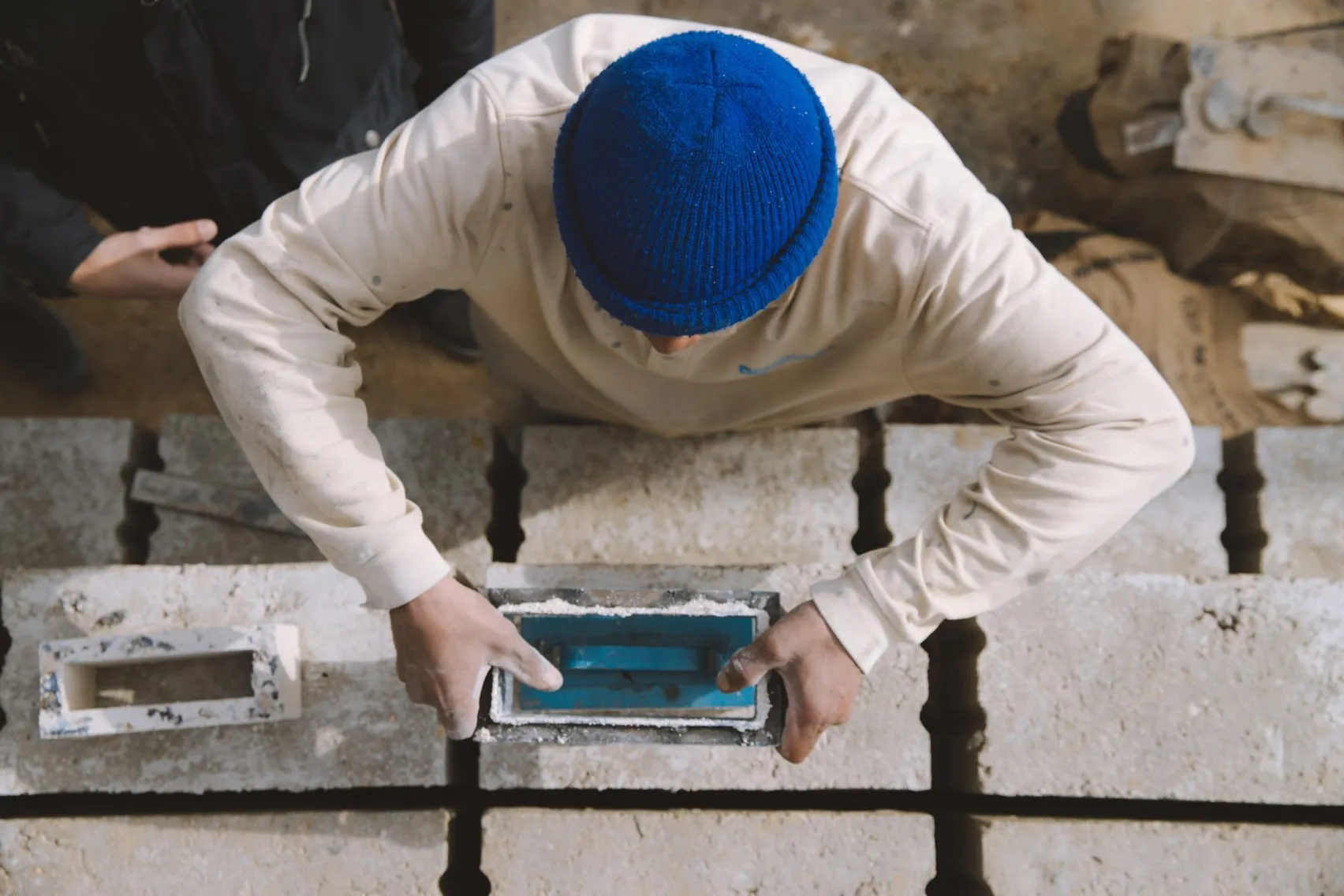
FADAA showcased the potential of their material at Dubai Design Week in 2022 with the KIN installation, a pavilion composed of seashell bricks, lime, and oyster shells. The installation invited visitors to reconsider how construction materials are sourced and what roles waste products might play in future building practices. The project exemplified the studio’s ethos that architecture should not dominate its environment but exist in dialogue with it.
Recognition for Innovation
This philosophy has guided the studio from its early days. What began as a shared concern during their studies at Columbia University has developed into a practice committed to environmental stewardship. Their work with bio-bricks has been praised not just for its technical achievement but also for rethinking architecture’s cultural and ecological responsibilities. The recognition of the Design Doha Prize underscores how locally grounded, material-led design can resonate globally.
FADAA and the Path to Low-Carbon Architecture
By harnessing the structural potential of seashells, FADAA is pointing toward a future where construction materials are renewable, site-specific, and responsive to climate. In a world where building industries are often synonymous with heavy carbon footprints, their bio-bricks suggest an alternative one that balances innovation with respect for place and resources.
Photography by: Bisher Tabbaa