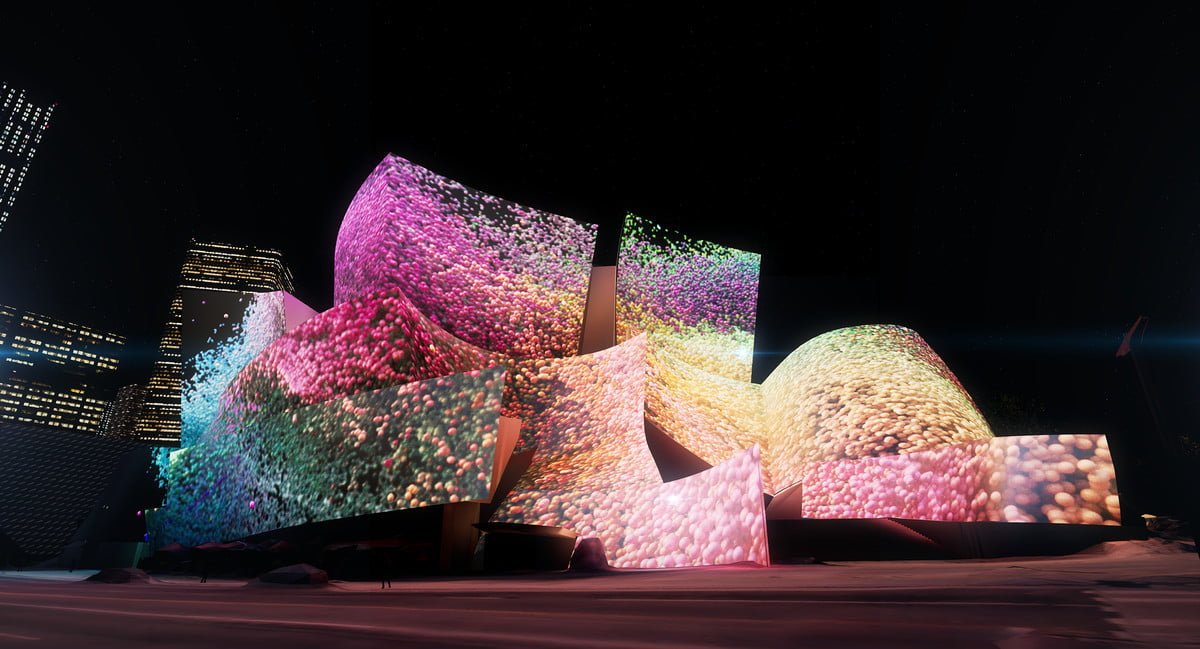






“Architecture should speak of its time and place but yearn for timelessness.” This quote by Frank Gehry is commonly known, and his work surely depicts it. All architects aim to leave a little piece of their beliefs and principles through their work for eternity; the part that it should also depict the time and place can best be described as sustainable architecture, since true sustainability is rooted in the local context.
Today, taking sustainable efforts is on a fast track at the unit, city, and global levels, with almost all countries having a blueprint of the policies and actions geared towards achieving a more sustainable life. And with the realisation of the UN 2030 Agenda for Sustainable Development so close at hand, it becomes imperative as designers of cities to keep sustainability at the core.
By definition, the term “sustainable” is closely associated with ideas of minimal environmental impact, implying that sustainable architecture could be flexible, evolving, and “light”. It also invariably indicates durability and longevity, suggesting that green architecture should be everlasting. The question then becomes, can the efforts in the name of sustainable architecture and design genuinely be economical, durable, adaptable, and timeless? And at the same time, prioritise the 17 Sustainable Development Goals, especially what the UN 2030 Agenda calls ‘leave no one behind’.
Economic Aspect of Sustainability
The pursuit of sustainable design can and should never ignore the economic investments and financial gains of a project. There are new technologies and design methods that consistently get introduced into the industry, thanks to the creative approaches in the sustainability realm from diverse communities. Many of them seem a luxury compared to the amount that is required to be invested at the beginning.
However, buildings have time and again proved that over a period they do give sizeable returns by employing sustainable methods as energy consumption has reduced, spaces have become more comfortable, healthier environments have been created, and money has been saved. All this without compromising the surrounding environment and, in many scenarios, improving the air, water, and biodiversity on site.
Sustainability is not about how a building looks; it is about how it functions. Aesthetically appealing designs are preferred, but the performance of a structure and its impact on the surrounding landscape and its users are more crucial considerations. It becomes essential to value a project not on how much is invested but on the economic impact it has through its lifetime, including its demolition and reuse.
Durability in Sustainable Design
The most sustainable materials are those that are natural, locally sourced, produced with low energy, and have low embodied carbon. Those with a focus on circularity have a high potential for upcycling, recycling, or reuse. For this reason, these sustainable materials should be durable, strong, malleable, and preferably maintenance-free. Sturdy materials and resilient design choices make for durable, lasting structures.
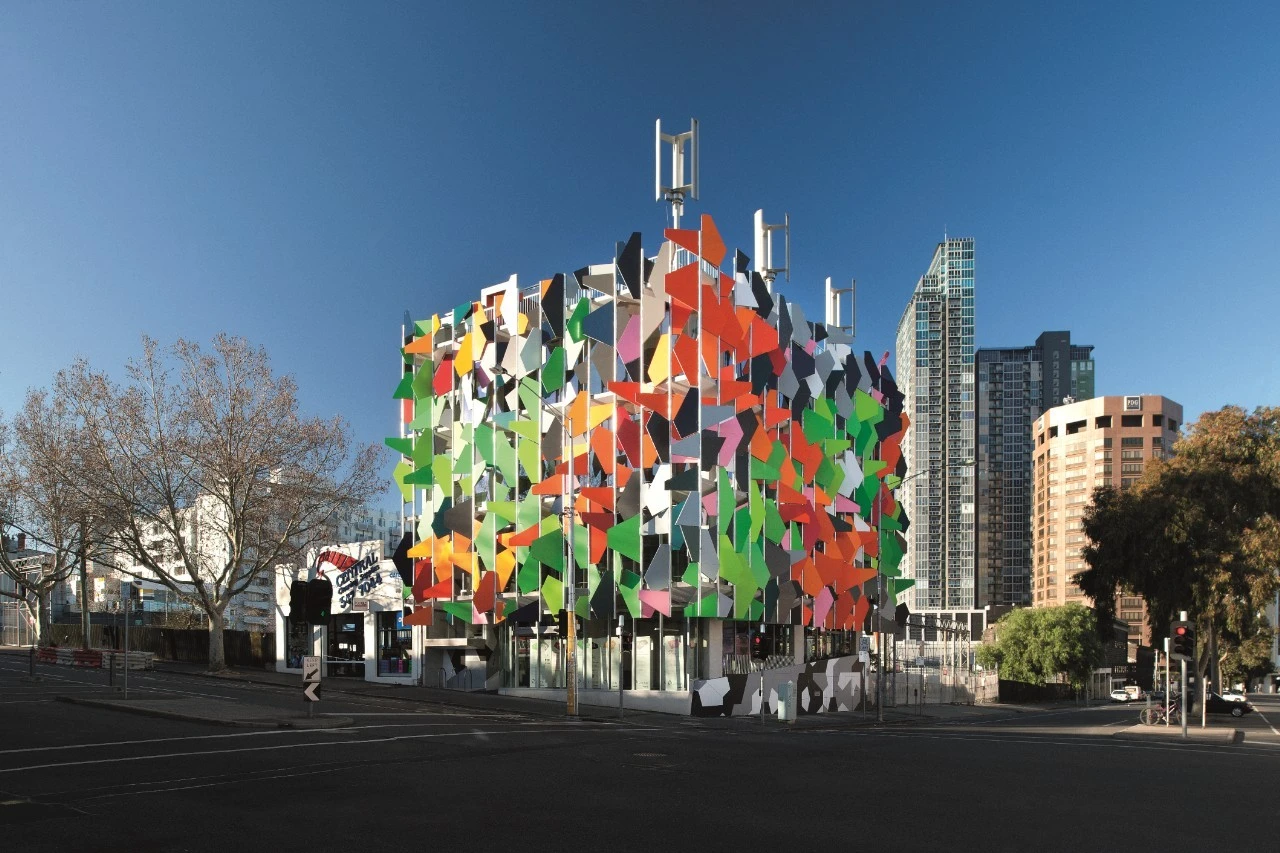
Some of the best lessons on durability can be learnt from old heritage buildings. The age-old techniques of our ancestors have stood the test of time and can impart some of the best lessons on building robust structures. They are prime examples of passive heating and cooling, optimising daylight, and the use of local materials to withstand local conditions and disasters without affecting the natural surrounding environments.
They have also been adapted to modern needs, with renovations, regenerations, and/or repairs. The synergy of natural materials, low-maintenance projects, and flexible spaces with conscious thought towards the natural environment while designing and constructing significantly lowers carbon emissions and can create not just sustainable buildings but also durable structures.
Adaptability and Sustainability
To make a building sustain a longer lifespan and thrive and function well, it needs to be designed to work efficiently. But this should not hinder the building from being adapted to a different use if and when the need arises. It is necessary to make it flexible to evolving needs and varying conditions of its surrounding environments. The environment tends to shift as people’s lifestyles change, and this brings about a different set of requirements for the shelter needed.
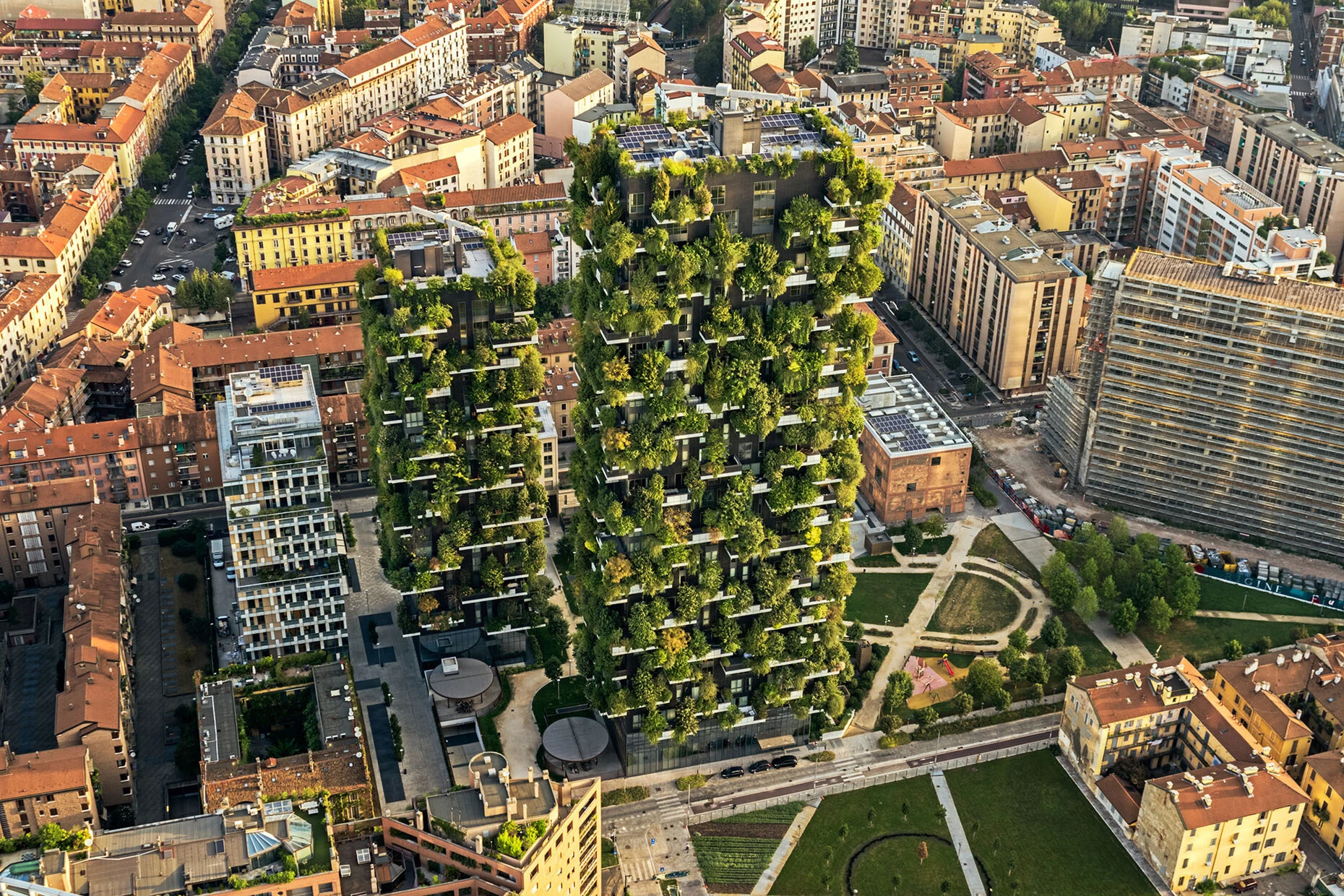
Renovating or reusing buildings becomes a natural choice when the existing building is built well, and it helps reduce the carbon footprint. Modular designs, movable partitions, and open-plan concepts facilitate the flexibility of a building. The option to repurpose building materials for different uses also elevates its sustainability, as opposed to complete demolition. When buildings are designed factoring in flexibility as a design requirement, attention is given to material choices, space development, and longevity of the structure.
The different elements of sustainable design, like passive cooling and heating systems, maximising daylight inside structures, reusable and/or renewable construction materials, and efficient water management strategies, go a long way in catering for buildings that are flexible for different consumptions.
Timeless Sustainable Architecture
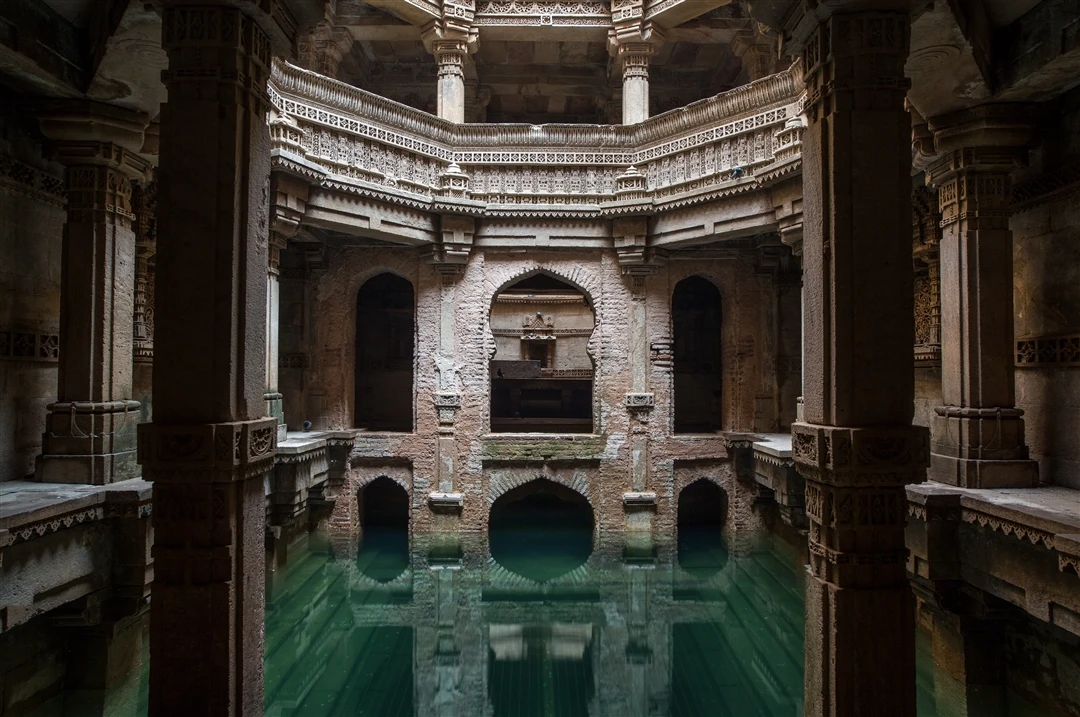
Timelessness, in simple terms, means untouched by change, something that exists for eternity. Designers, clients, and any stakeholder looking to build a colossal project aim for it to add to their legacy and to survive far beyond their time. In today’s context, it is imperative that buildings be sustainable to be timeless so that they do not become a burden to the environment and people. They should not raise energy expenses, deplete resources, create social displacement, or further damage the climate if they aim to be everlasting.
Timeless and adaptable are usually conflicting characteristics, and sustainability needs to be both. But timelessness does not need to mean permanence. Change is the only constant, and being timeless can purely mean that the design is flexible to accommodate the ever-changing nature of the environment around it and the people using it. Sustainable design at its core should traverse the dichotomy of longevity and adaptability, not as two different entities but as two sides of the same coin, so the whole building system is sustainable.
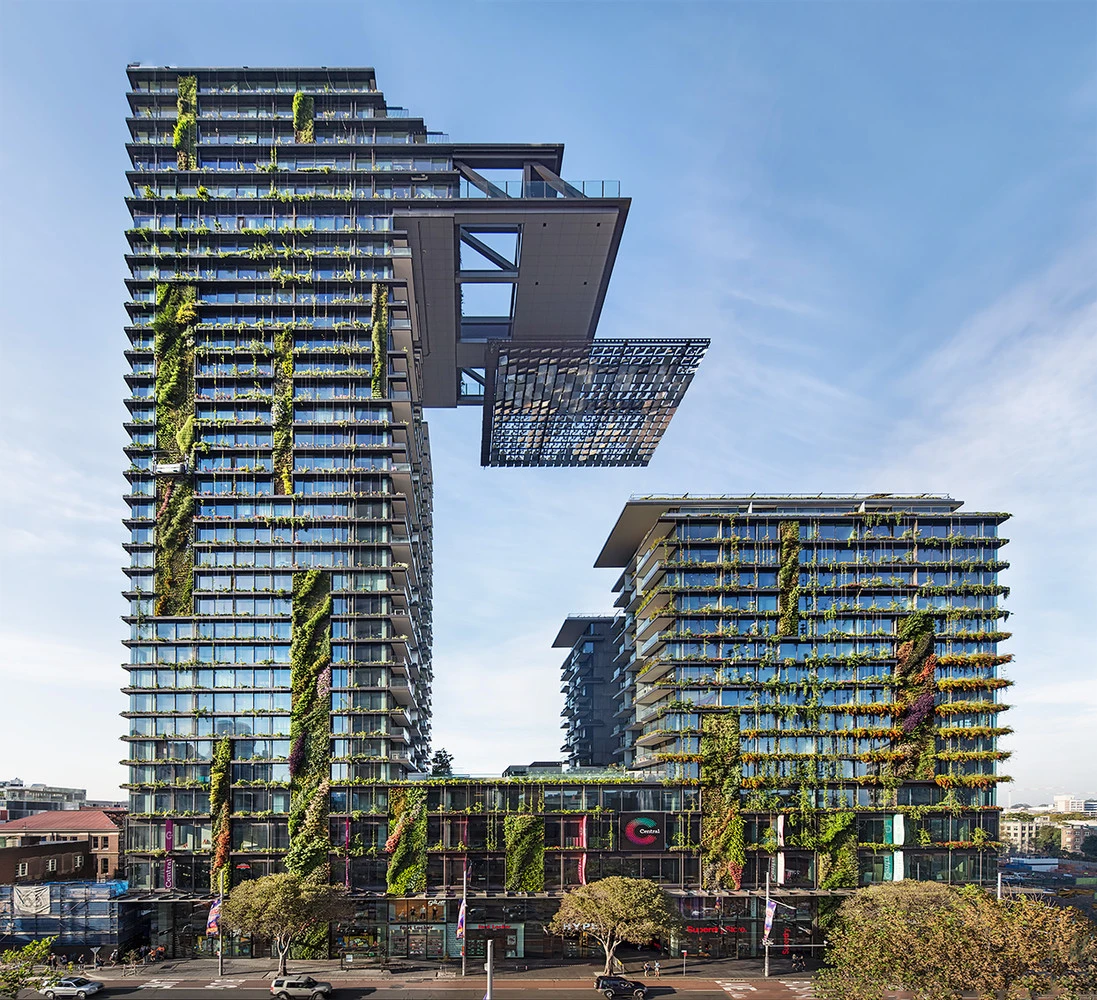
Conscious and strategic planning can create durable, sustainable buildings that give financial benefits over time, are adaptable to changing times, and have a long lifespan. Well-designed structures are liveable for a long period of time without impacting the environment.
It becomes the moral responsibility of well-designed buildings and spaces to also facilitate social interactions, optimise inclusion, escalate the quality of life, and deliver cultural identity. That is when social sustainability gets prioritised, when ‘leaving no one behind’ is truly achieved.