

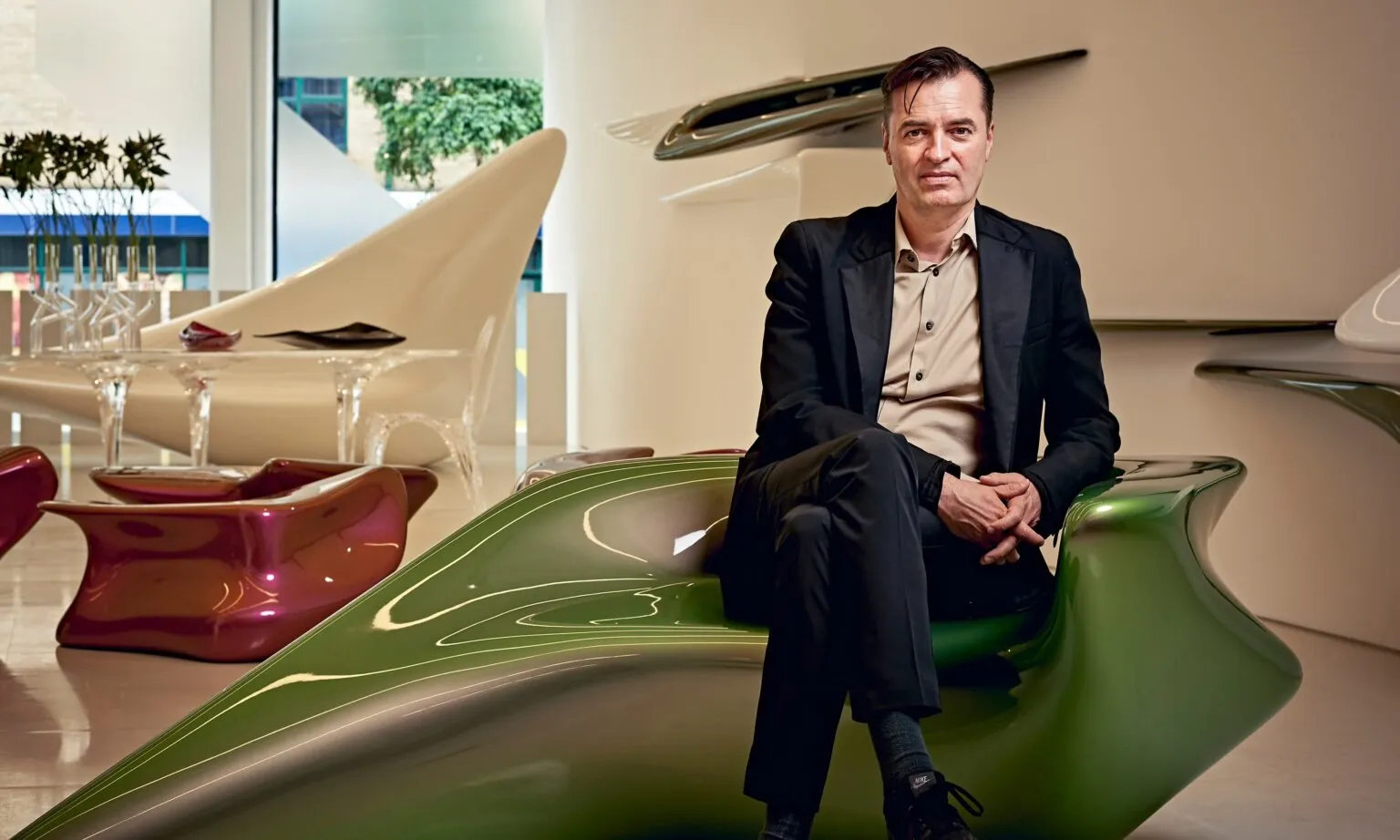


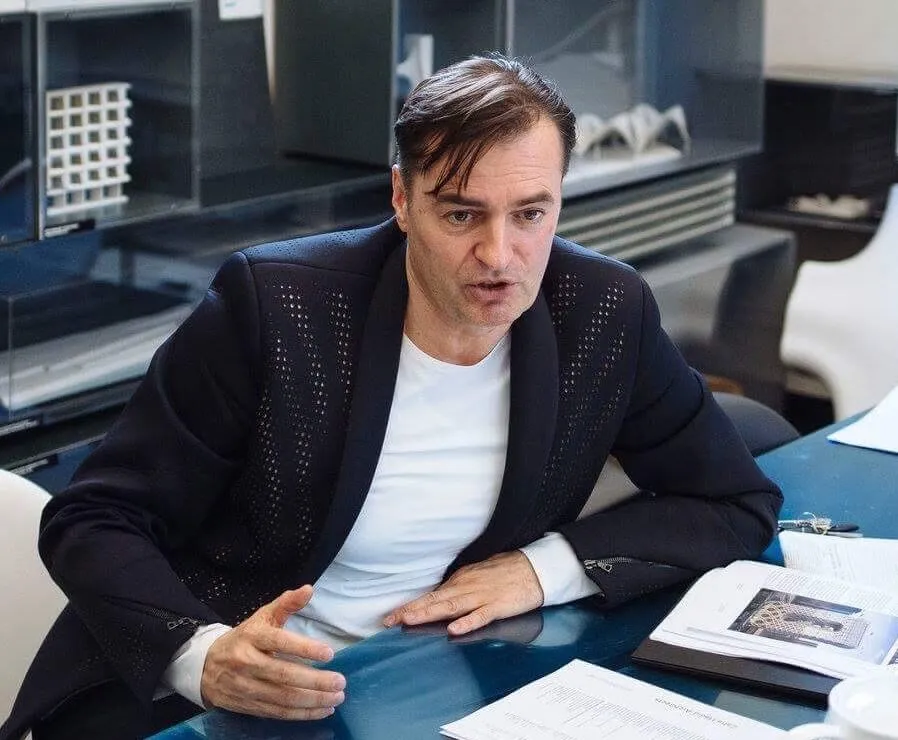


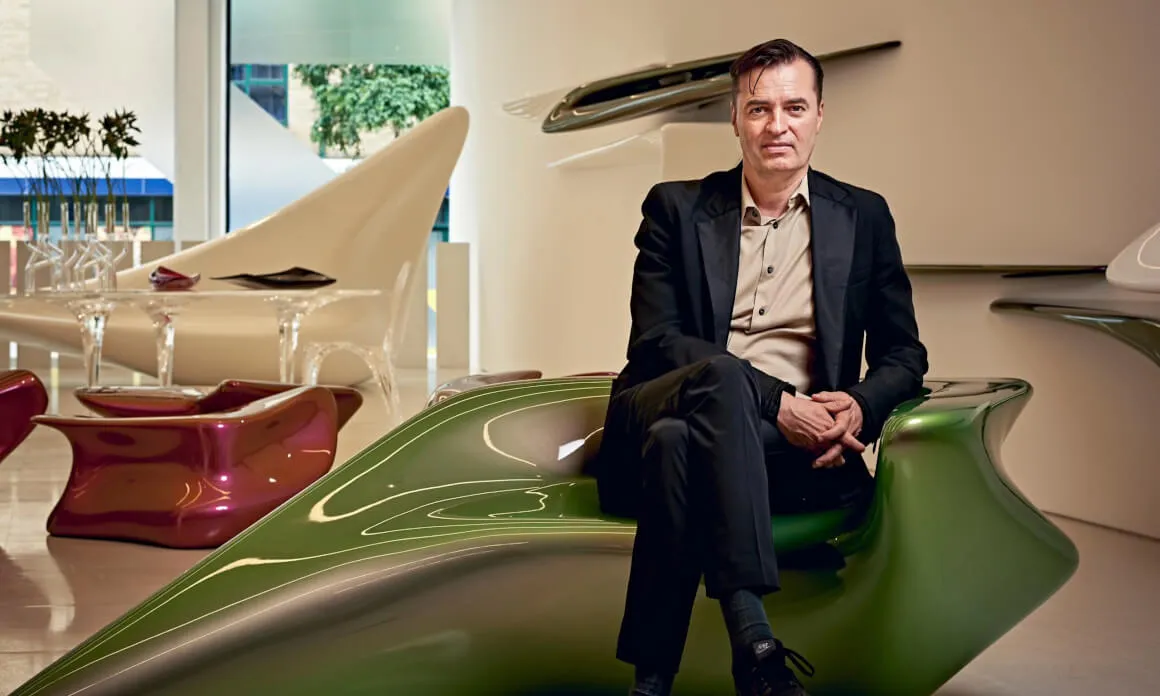


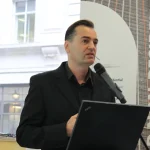
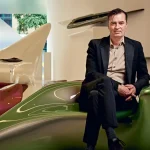
German architect and renowned theorist Patrik Schumacher has been awarded the 2025 European Prize for Architecture, one of the most prestigious honors in the field. Presented by The Chicago Athenaeum: Museum of Architecture and Design and The European Centre for Architecture Art, Design, and Urban Studies, the award celebrates architects who shape the future of design with innovation, vision, and social impact. Schumacher will officially receive the prize at the Athens Symposium, in an event adjacent to the Acropolis.
Celebrating a Legacy Beyond Zaha Hadid
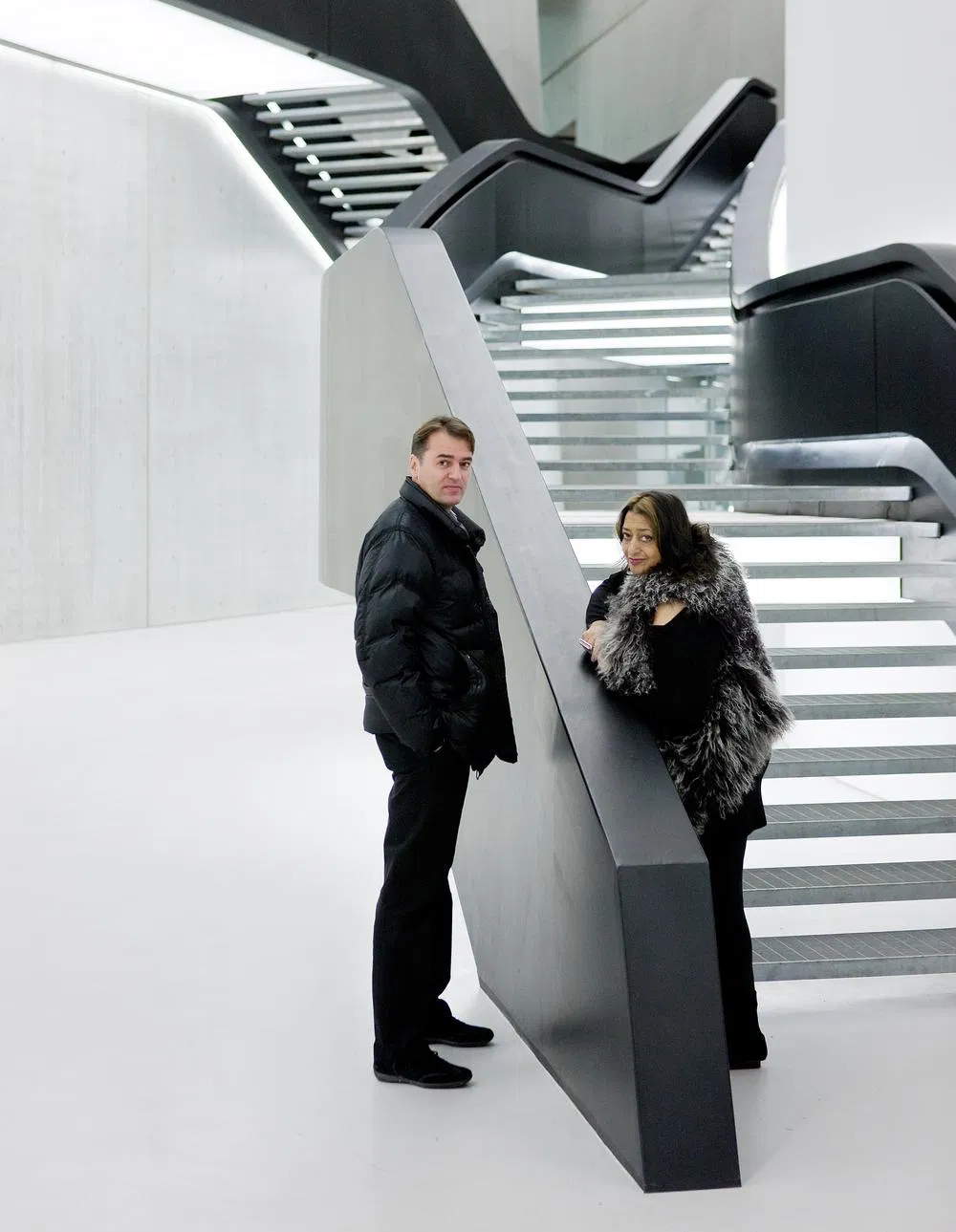
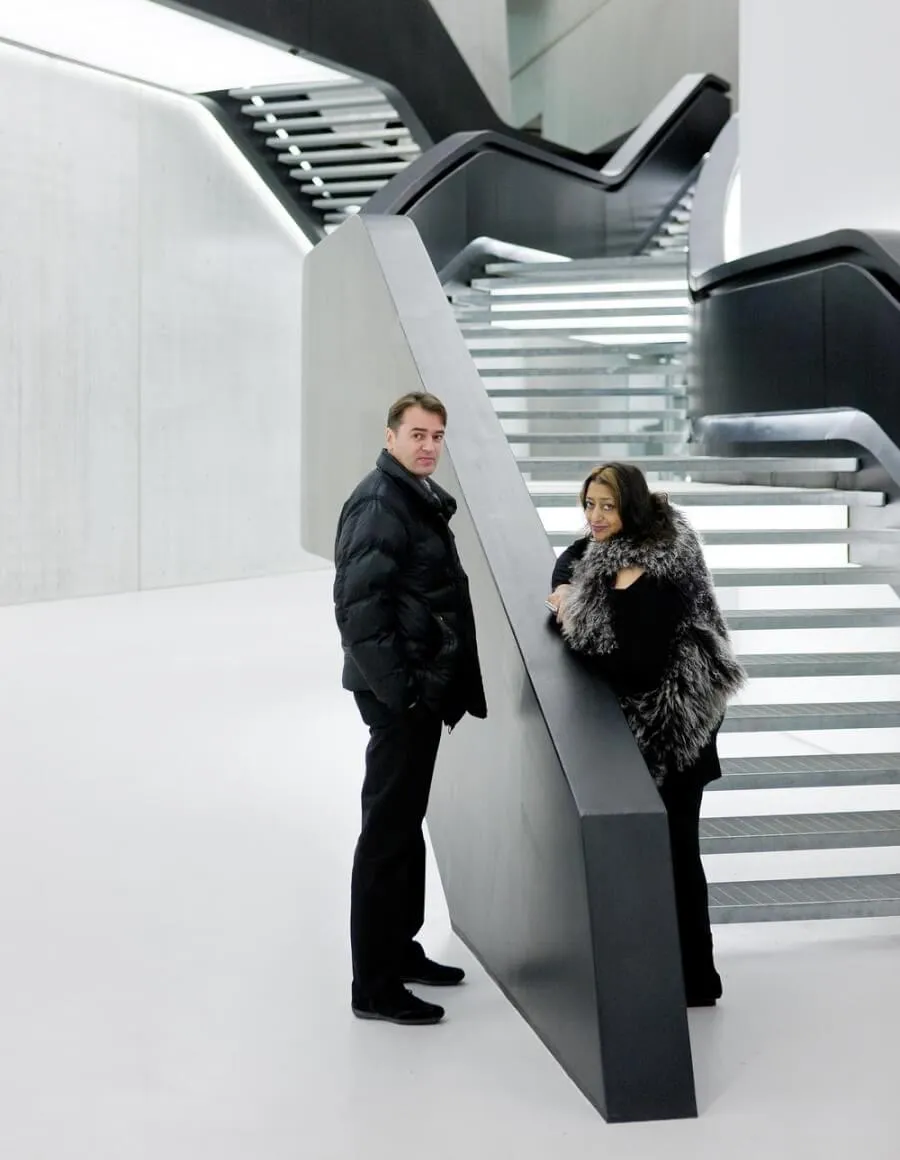
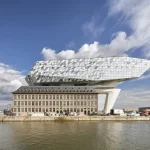
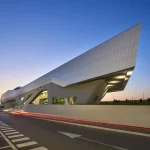
Schumacher, director of Zaha Hadid Architects (ZHA), has been continuing and evolving the firm’s groundbreaking work after the passing of Dame Zaha Hadid in 2016. Having joined ZHA nearly three decades ago, he worked closely with Hadid on defining projects such as the Napoli Afragola Train Station in Italy and Port House in Antwerp.
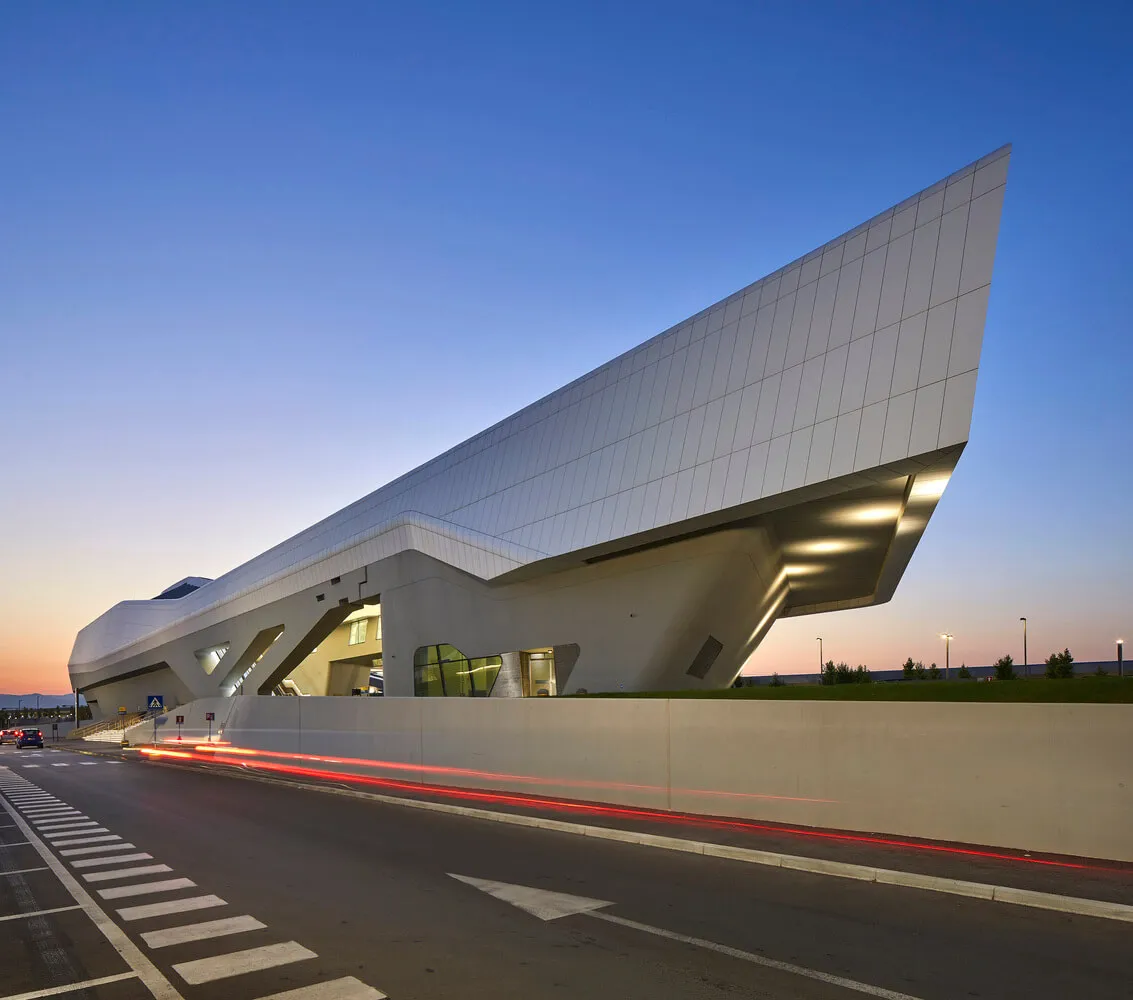
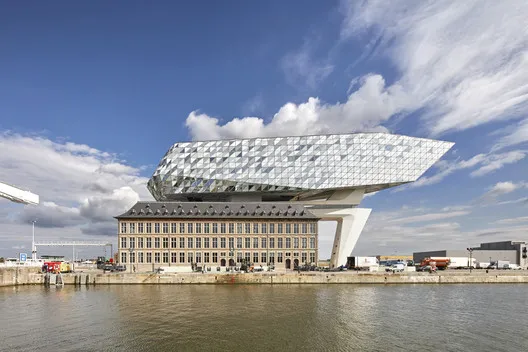
Reflecting on that period, Schumacher recalled, “At the time of Zaha’s death, the practice had 36 projects on-site in 21 countries. We vowed to complete them, and we did—honoring her vision and pushing it forward.”
Visionary Contributions to Global Architecture
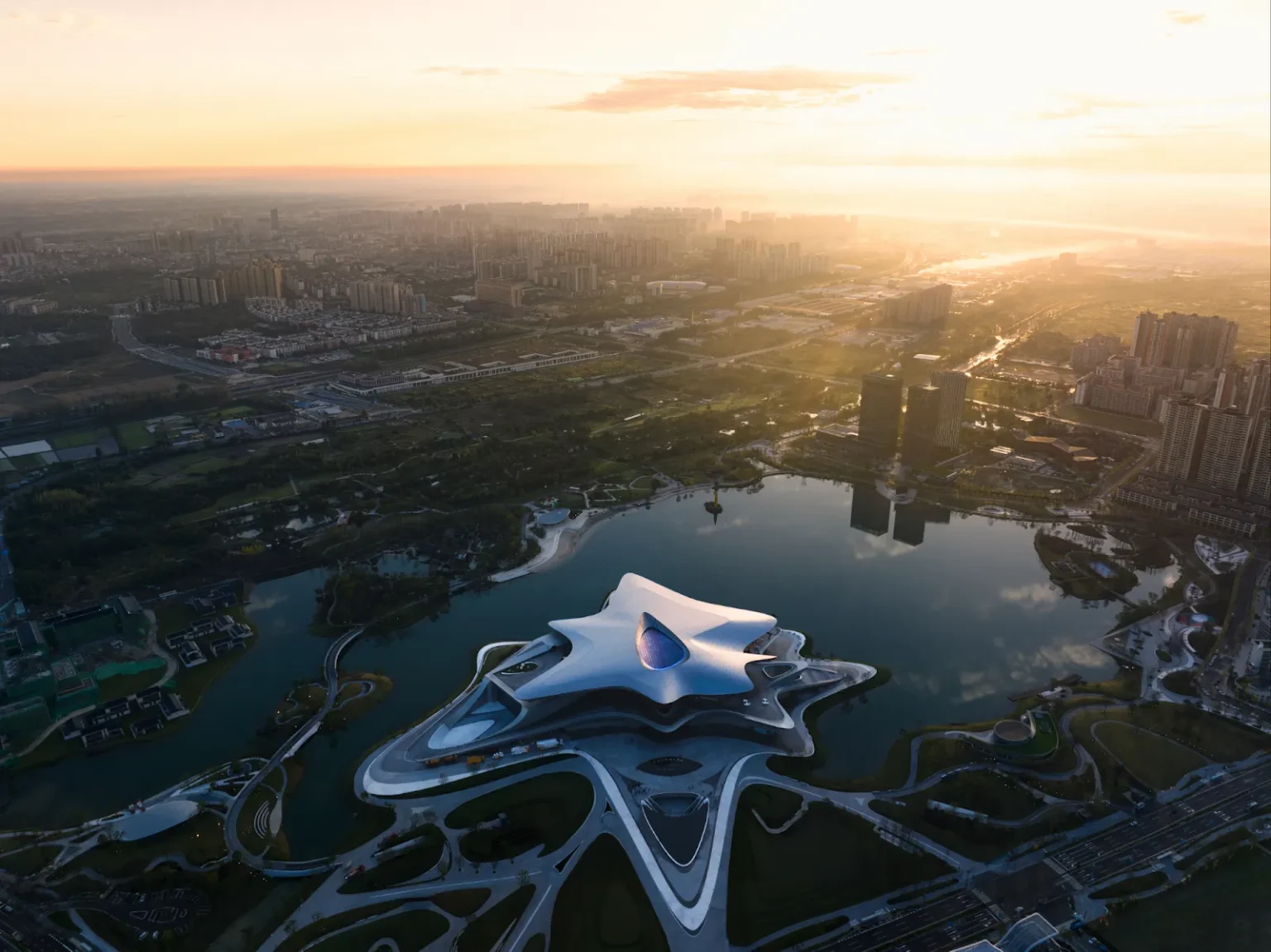
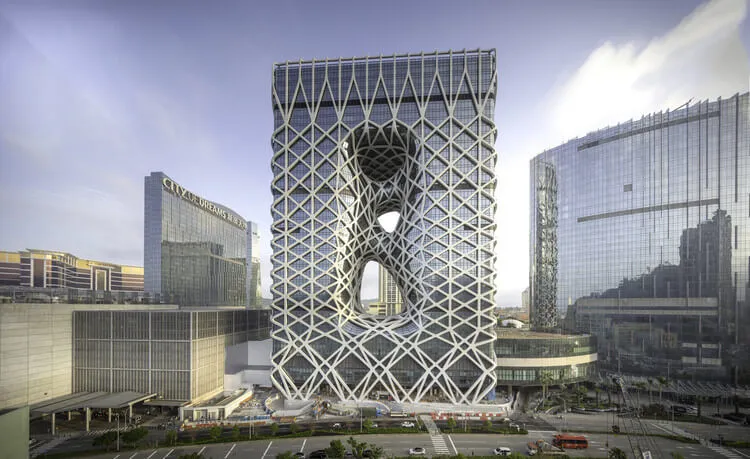
Schumacher has established an independent architectural voice rather than merely continuing an inherited style. Widely regarded as a visionary, his portfolio reflects bold experimentation and cultural significance, with recent highlights including:
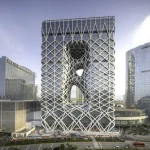
Chengdu Science Fiction Museum, China (2023)
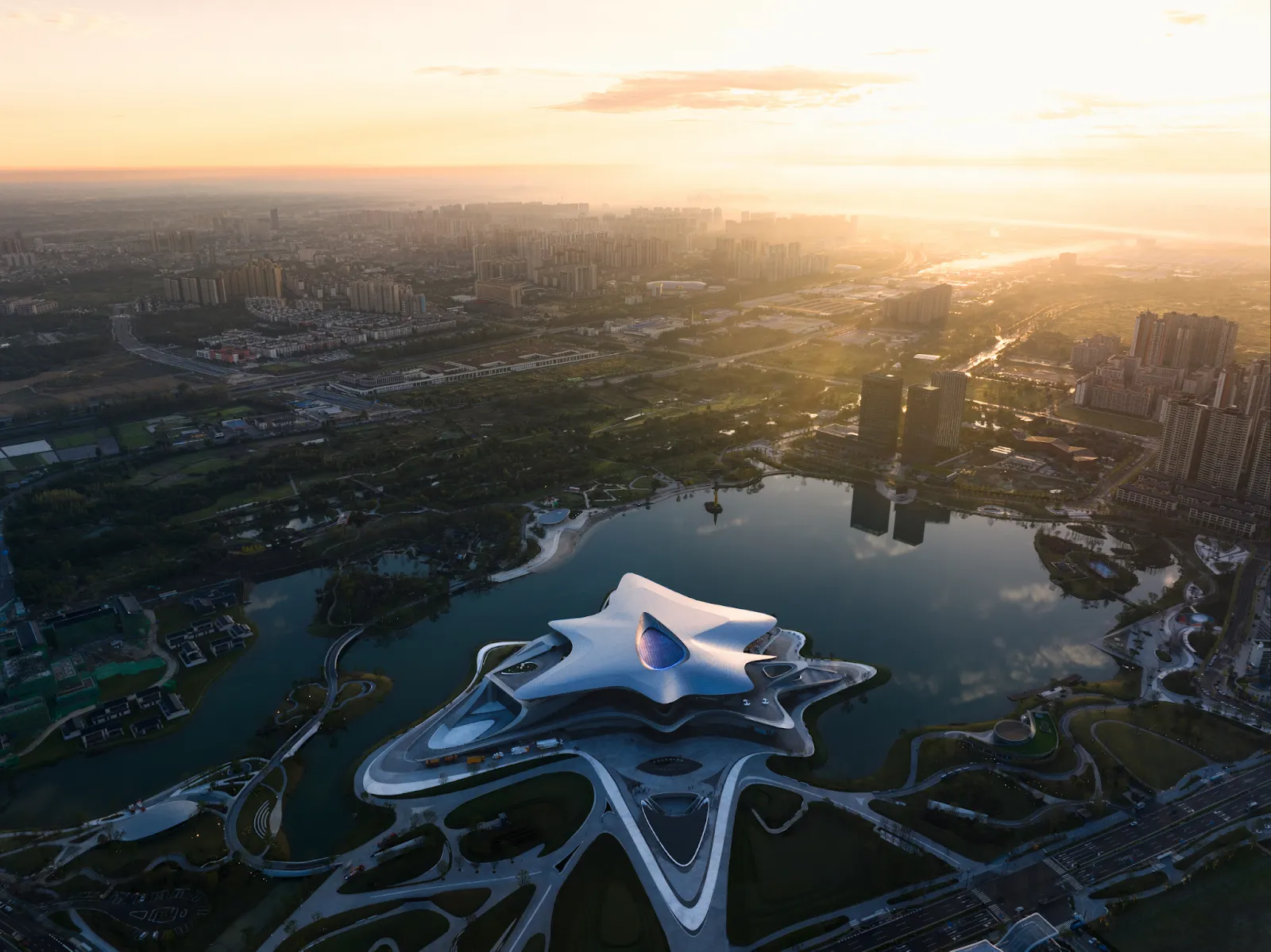
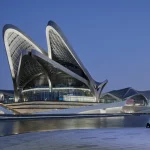
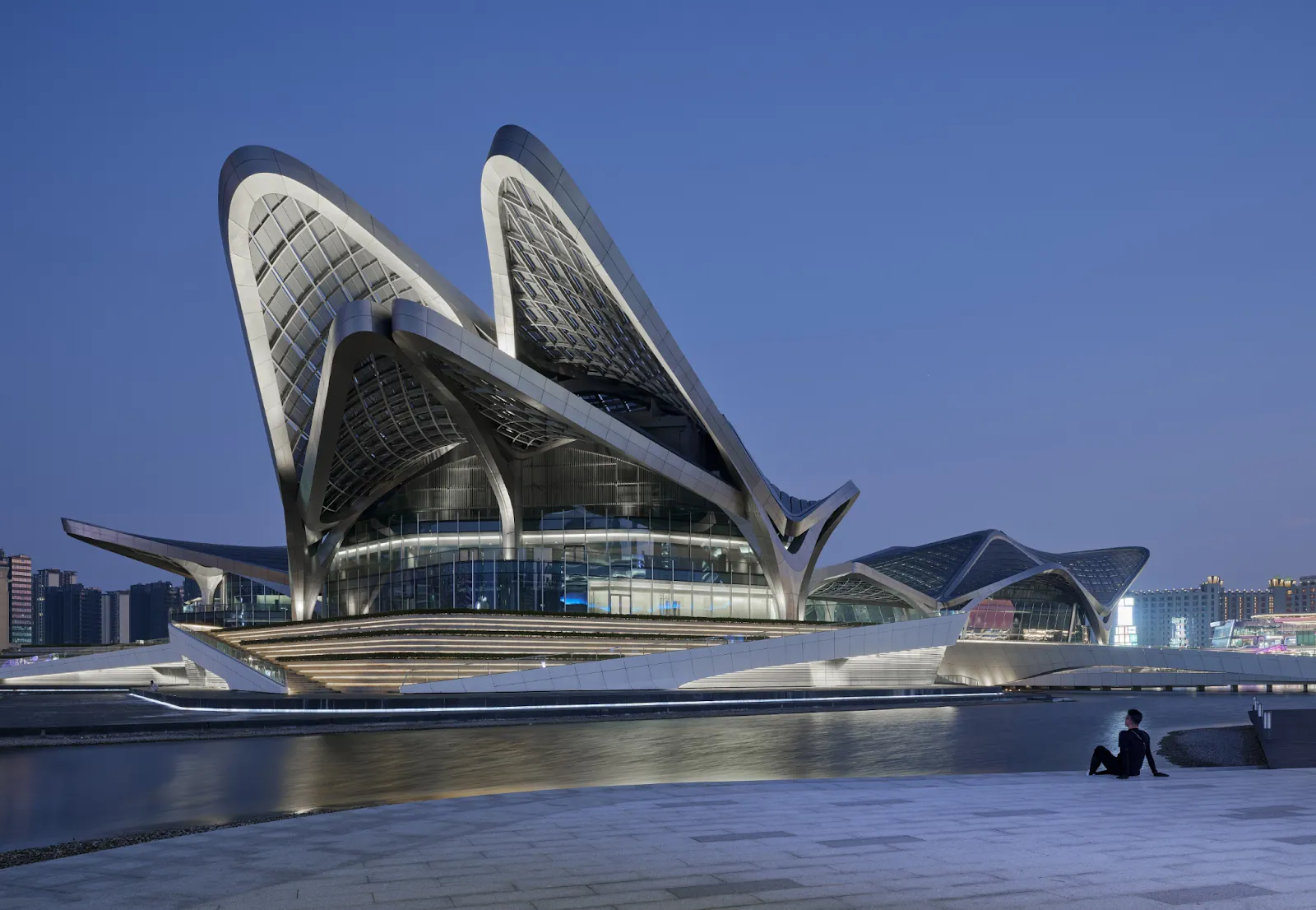
Zhuhai Jinwan Civic Arts Centre, China (2023)
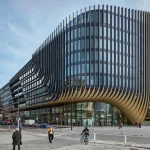
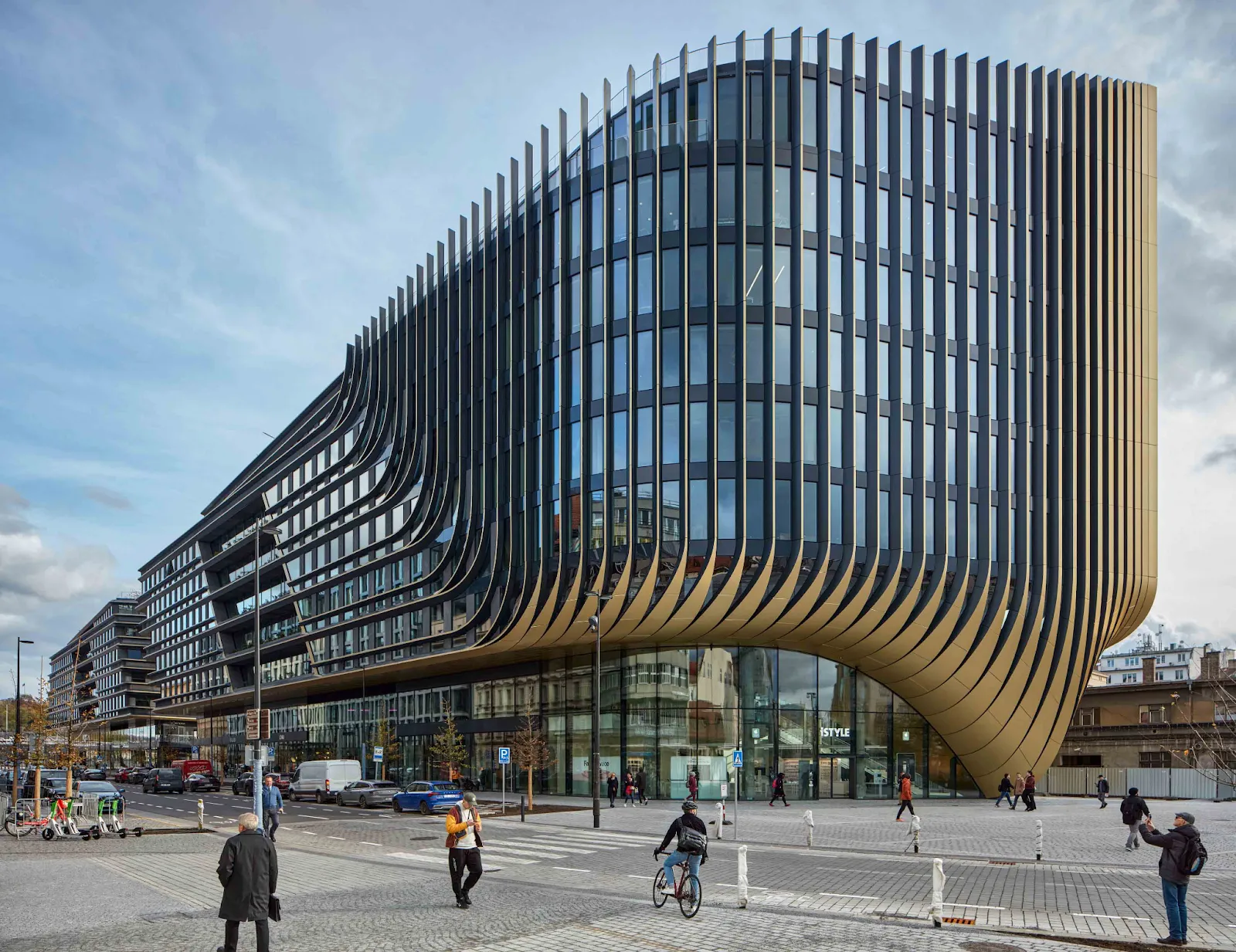
Masaryčka Building, Prague (2023)
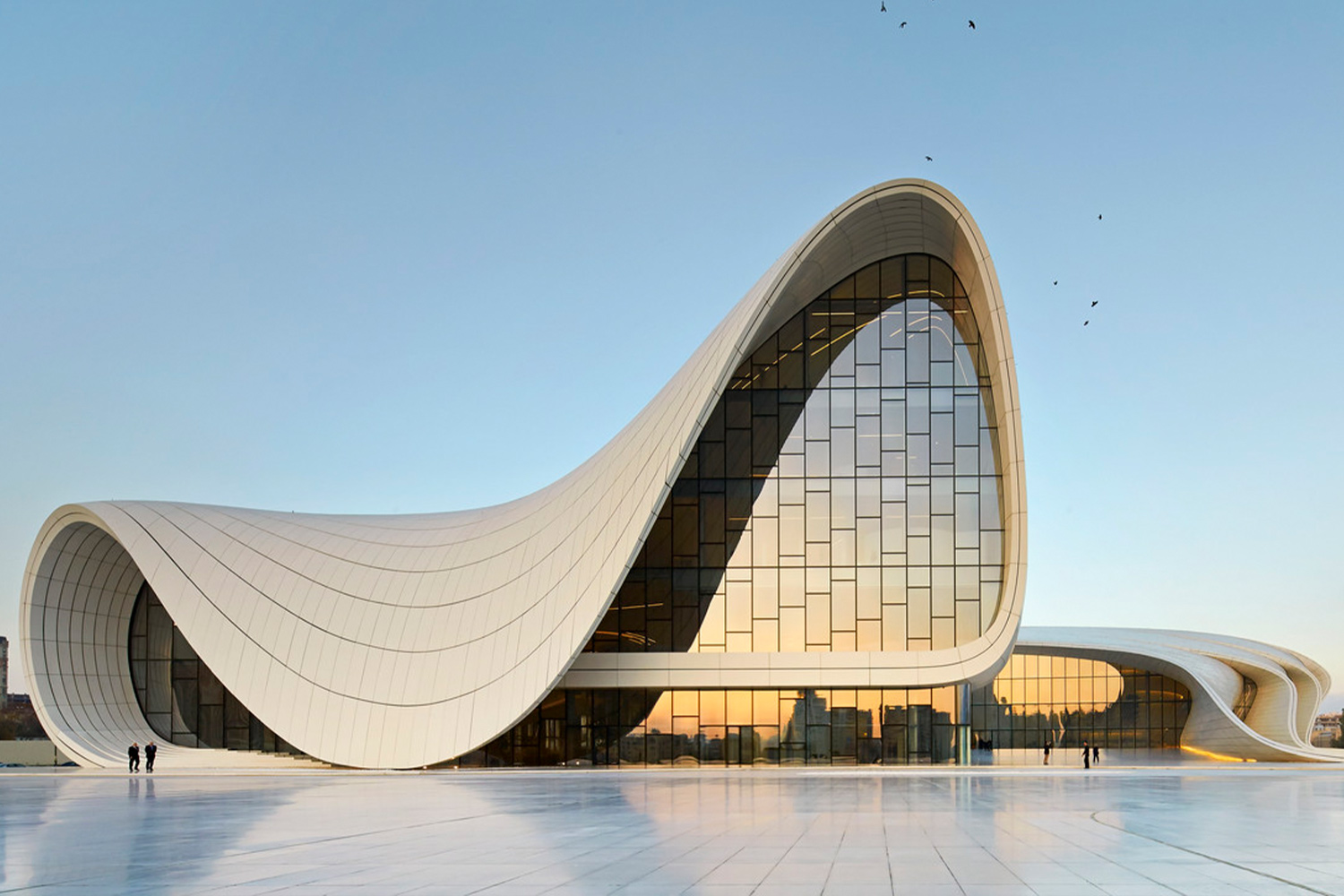
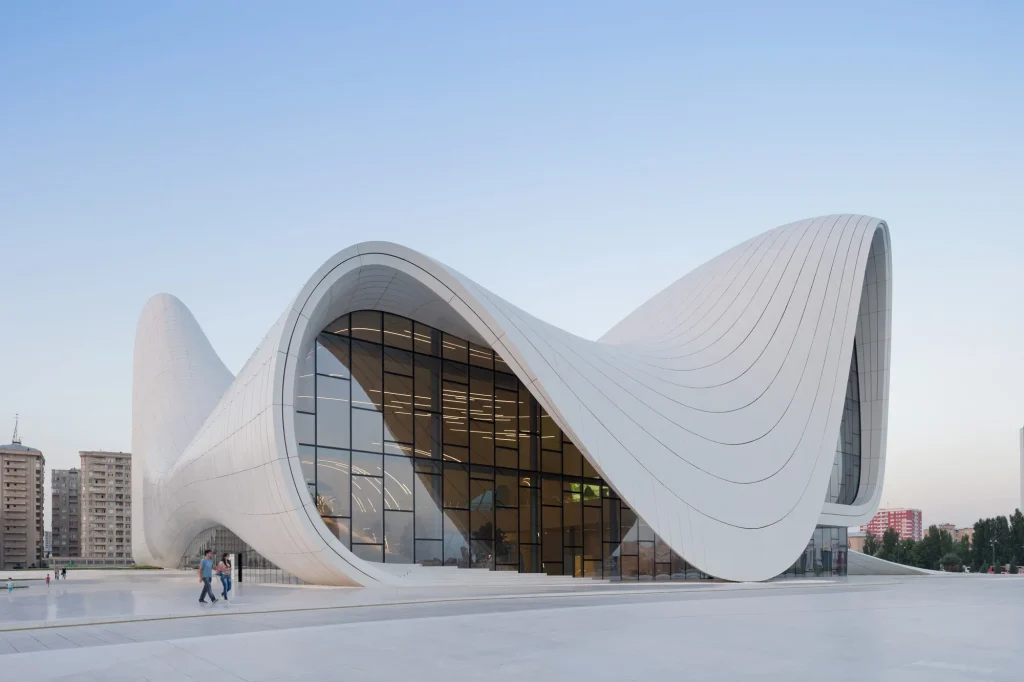
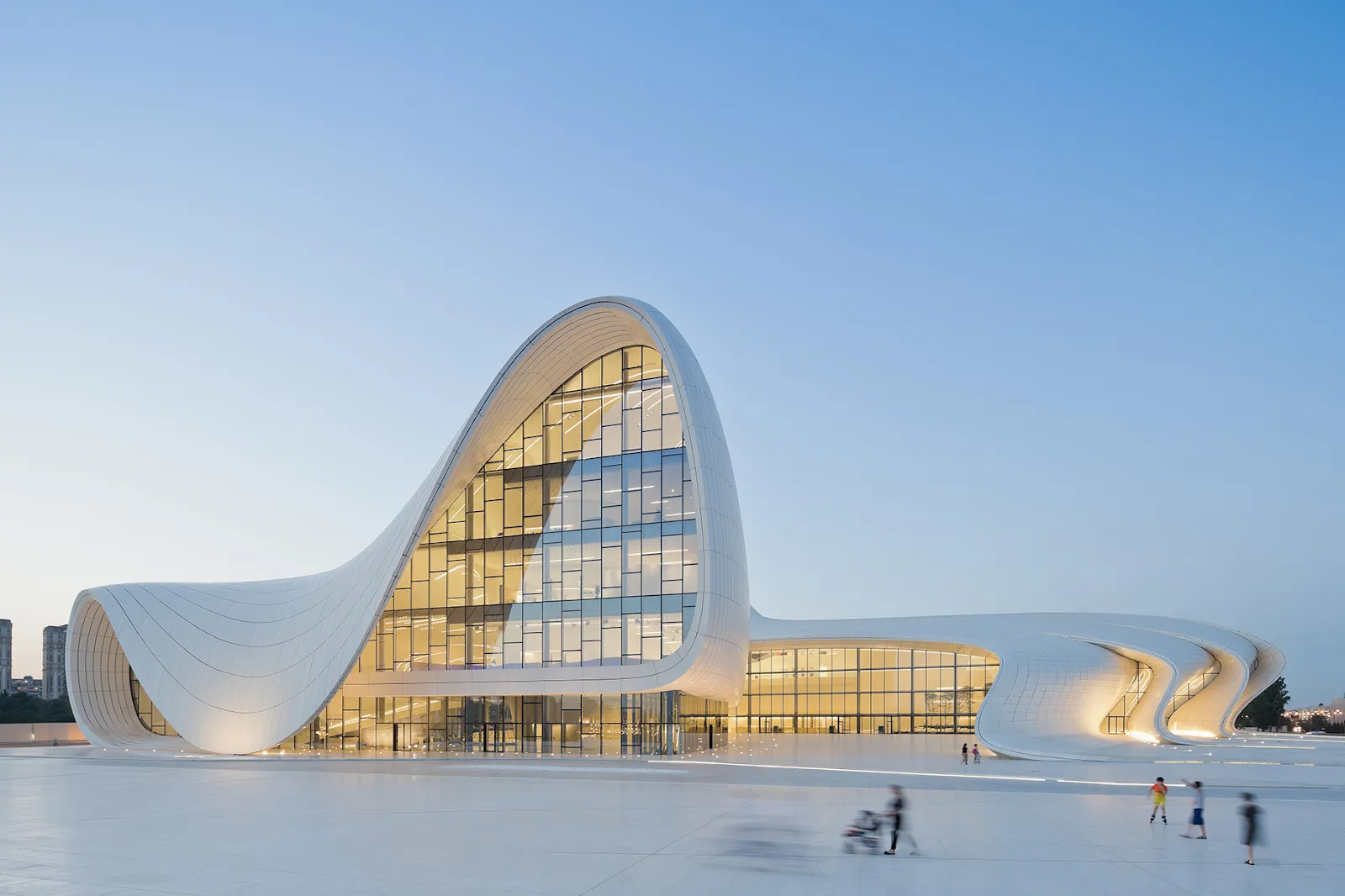
Heydar Aliyev Center, Baku, Azerbaijan (2012)
Architectural Philosophy and Influence
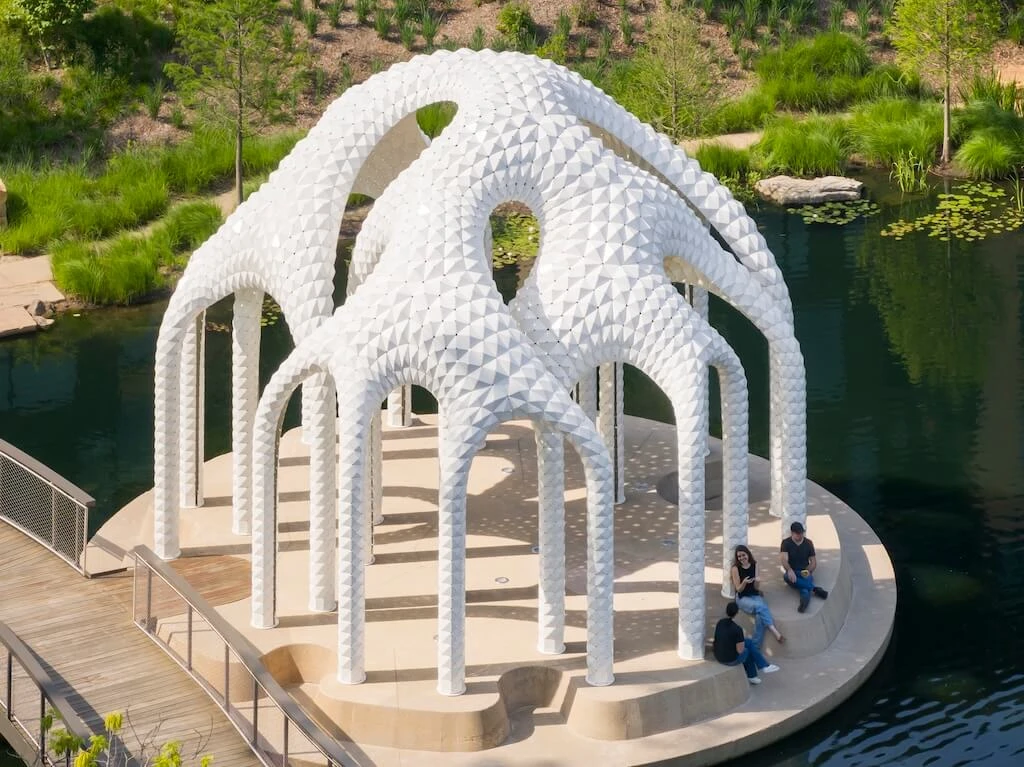
Beyond his built projects, Patrik Schumacher is widely recognized as one of the leading theorists of contemporary architecture. He is the originator of Parametricism, a term he coined in 2008 to describe a design approach rooted in advanced computational tools. By linking multiple design parameters, this method allows architects to generate fluid, organic, and adaptive forms that mirror the complexity of natural systems.
Schumacher has promoted Parametricism as an epochal style for the 21st century, presenting a manifesto at the Venice Architecture Biennale and expanding on the theory in his seminal two-volume work The Autopoiesis of Architecture (2011 and 2012). His writings argue that architecture must respond to the growing intricacy of global society, shifting from rigid modernist frameworks toward more dynamic, responsive urban forms.
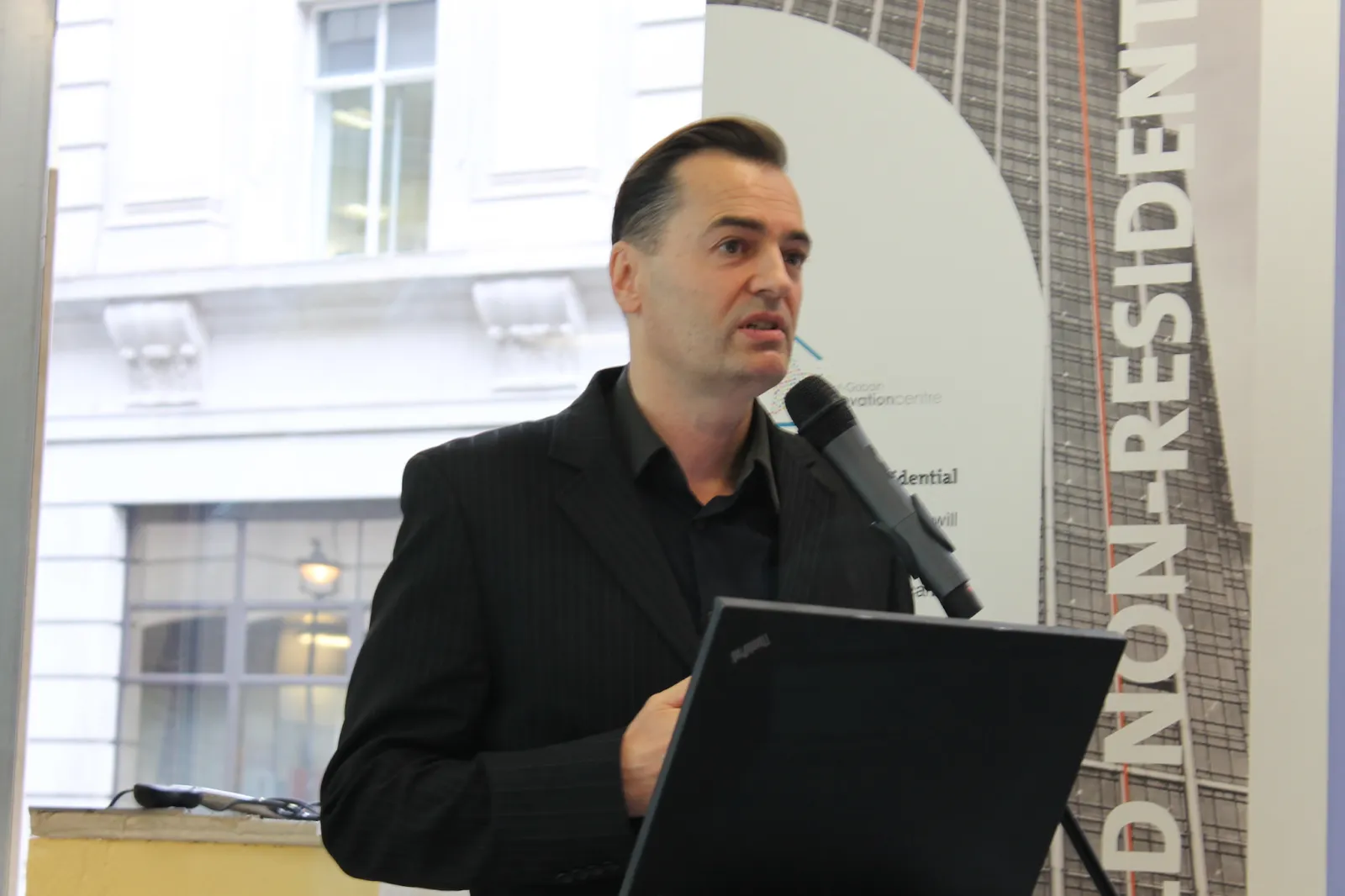
In addition to Parametricism, Schumacher has addressed broader debates on urban policy, housing, and the integration of cyberspace into design, often sparking controversy. His outspoken positions, whether on deregulation of housing markets or the future role of the metaverse in urban design, reflect his commitment to challenging conventions and pushing the discipline forward.
In interviews, Schumacher frequently reflects on Zaha Hadid’s influence, describing her as “very courageous, very driven, but also incredibly warm and loyal.” His admiration underscores how her mentorship shaped both his career and the identity of ZHA. Yet, Schumacher’s independent path demonstrates a refusal to simply replicate her work, instead adapting to contemporary challenges with fresh, transformative ideas.
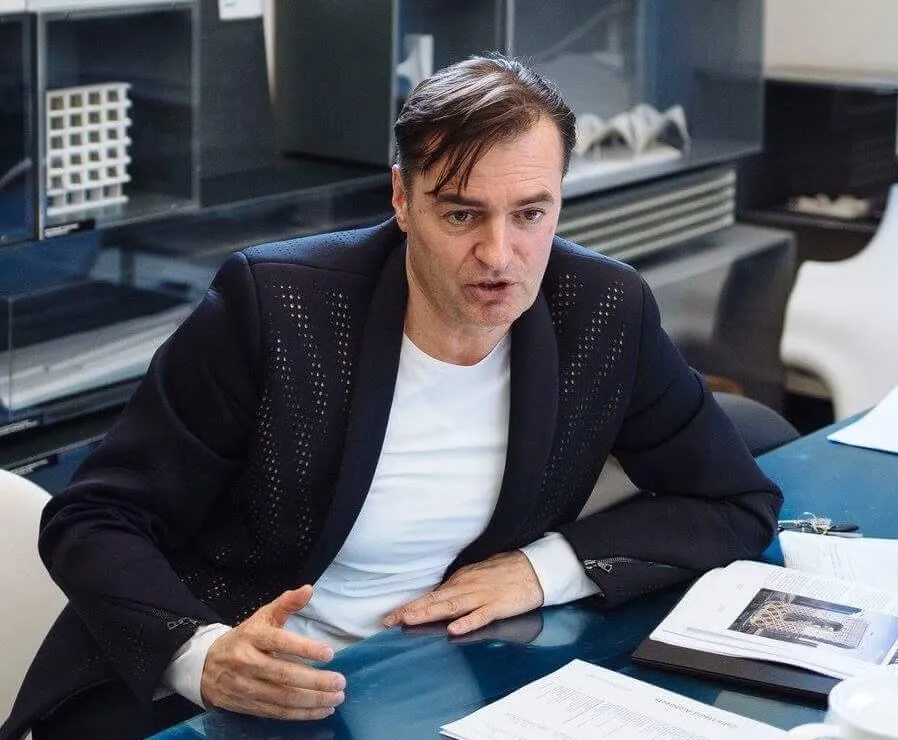
Since its establishment, the European Prize for Architecture has honored architects whose work transcends aesthetics, merging design excellence with social and cultural responsibility. For Schumacher, the recognition affirms his dual role as both a keeper of Hadid’s legacy and an innovator charting new directions.
Patrik Schumacher’s 2025 European Prize for Architecture symbolizes the resilience of contemporary architecture in balancing tradition with progress. His ability to carry forward Zaha Hadid’s daring spirit while pursuing his own radical visions ensures that his influence on global architecture will remain profound for decades to come.