






Long before modern cities and highways connected the world, communities were built around survival, geography, trade, and culture. Some settlements emerged along rivers and coastlines that supported maritime trade, while others grew on steep hillsides and mountain cliffs for protection against invasions and harsh climates. Over centuries, these neighborhoods evolved in response to local materials, weather conditions, religious traditions, and the everyday needs of the people who lived there.
Here are 15 picturesque and architecturally rich neighborhoods and settlements from around the world where everyday life still unfolds within centuries-old built environments.
1. Hallstatt, Salzkammergut, Austria
Hallstatt is located between the Hallstätter See and the Dachstein Alps and is one of Austria’s alpine settlements. The village developed around salt mining, an industry that shaped the region for thousands of years and helped establish Hallstatt as an important cultural center in early Europe. Its dramatic setting, with steep mountains rising directly behind tightly packed homes, gives the settlement a postcard-like character.
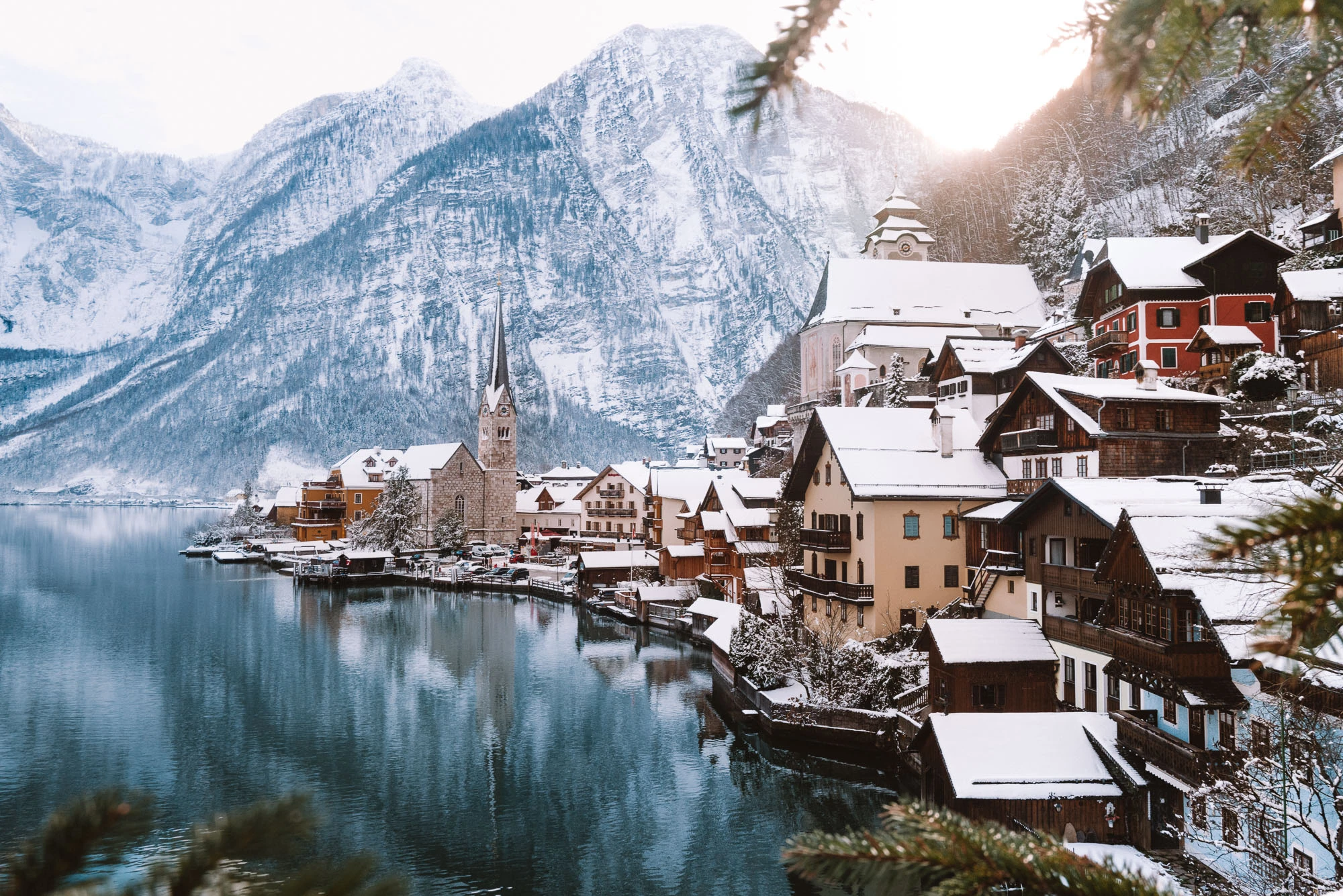
Hallstatt reflects the vernacular traditions of the Austrian Alps through timber houses, sloped roofs, flower-lined balconies, and compact street planning adapted to limited terrain. Buildings are arranged closely along the lakefront and mountain edge, creating a dense yet rhythmic settlement pattern. Wooden facades and elevated structures were historically designed to respond to heavy snowfall and steep topography.
2. Sassi di Matera, Matera, Italy
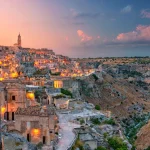
Located in southern Italy’s Basilicata region, the Sassi di Matera is an old, continuously inhabited settlement, with human habitation dating back thousands of years. Carved into limestone ravines known as the Gravina, the district developed through cave dwellings, rock-cut churches, and clustered homes shaped by the region’s rugged terrain and harsh climate. Once associated with poverty and difficult living conditions, Matera has since transformed into one of Italy’s most celebrated historic landscapes and a UNESCO World Heritage Site.
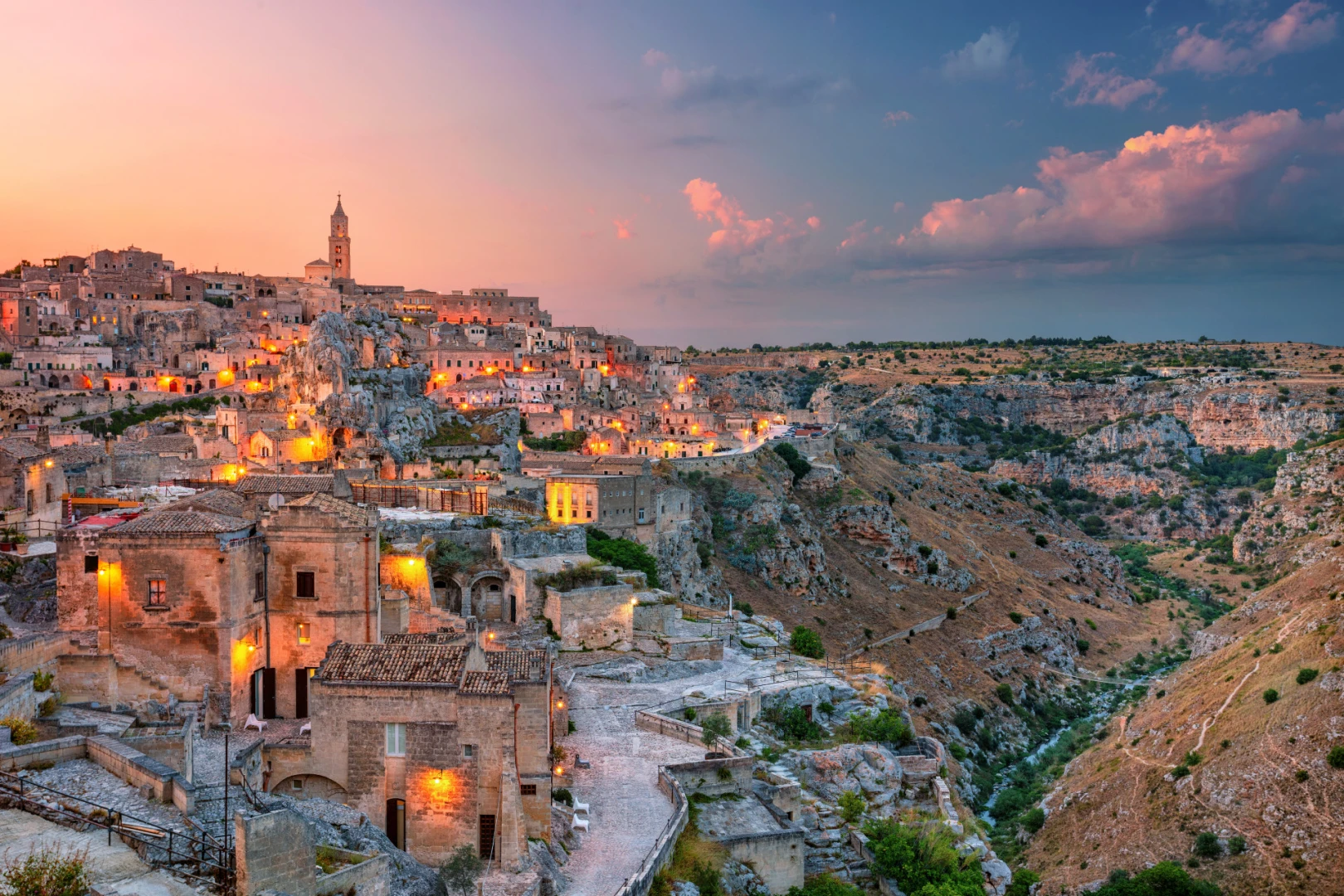
The Sassi districts are a triumph of rupestrian (rock-cut) architecture, defined by cave-like residences, stone stairways, terraces, arches, and interconnected structures carved directly into the rock face. The settlement evolved vertically and organically within the landscape itself, unlike most traditional European towns. Thick limestone walls provided natural insulation against extreme temperatures, while courtyards and cisterns reflected centuries of climate-responsive planning.
3. Chefchaouen, Rif Mountains, Morocco
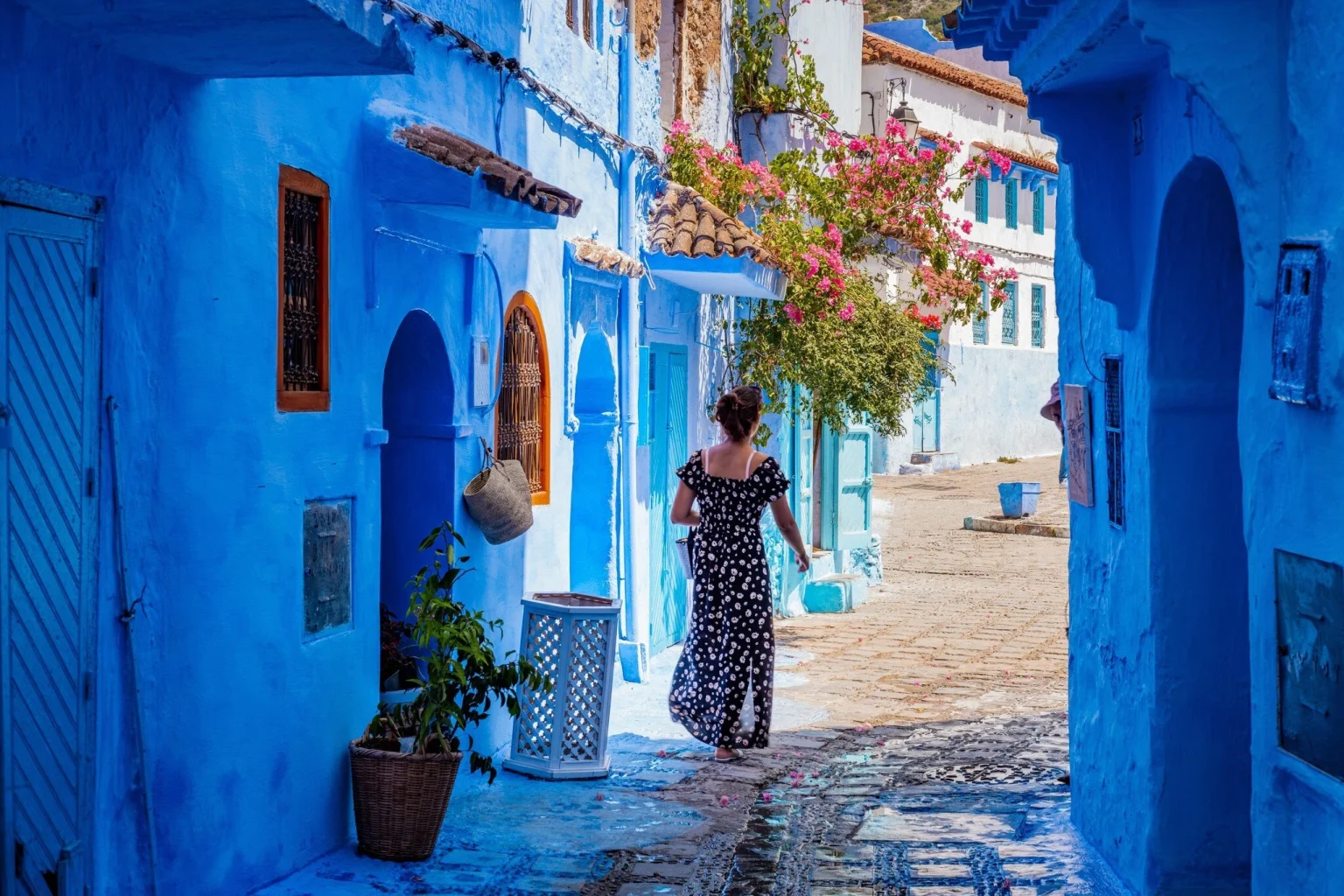
Set within the Rif Mountains of northern Morocco, Chefchaouen is known for its maze-like streets, whitewashed buildings, and distinctive blue-painted facades. Founded in the 15th century, the town developed as a refuge for Muslim and Jewish communities fleeing the Iberian Peninsula. The settlement’s steep terrain, mountain backdrop, and tightly woven streets create an atmosphere that feels far removed from Morocco’s larger imperial cities.
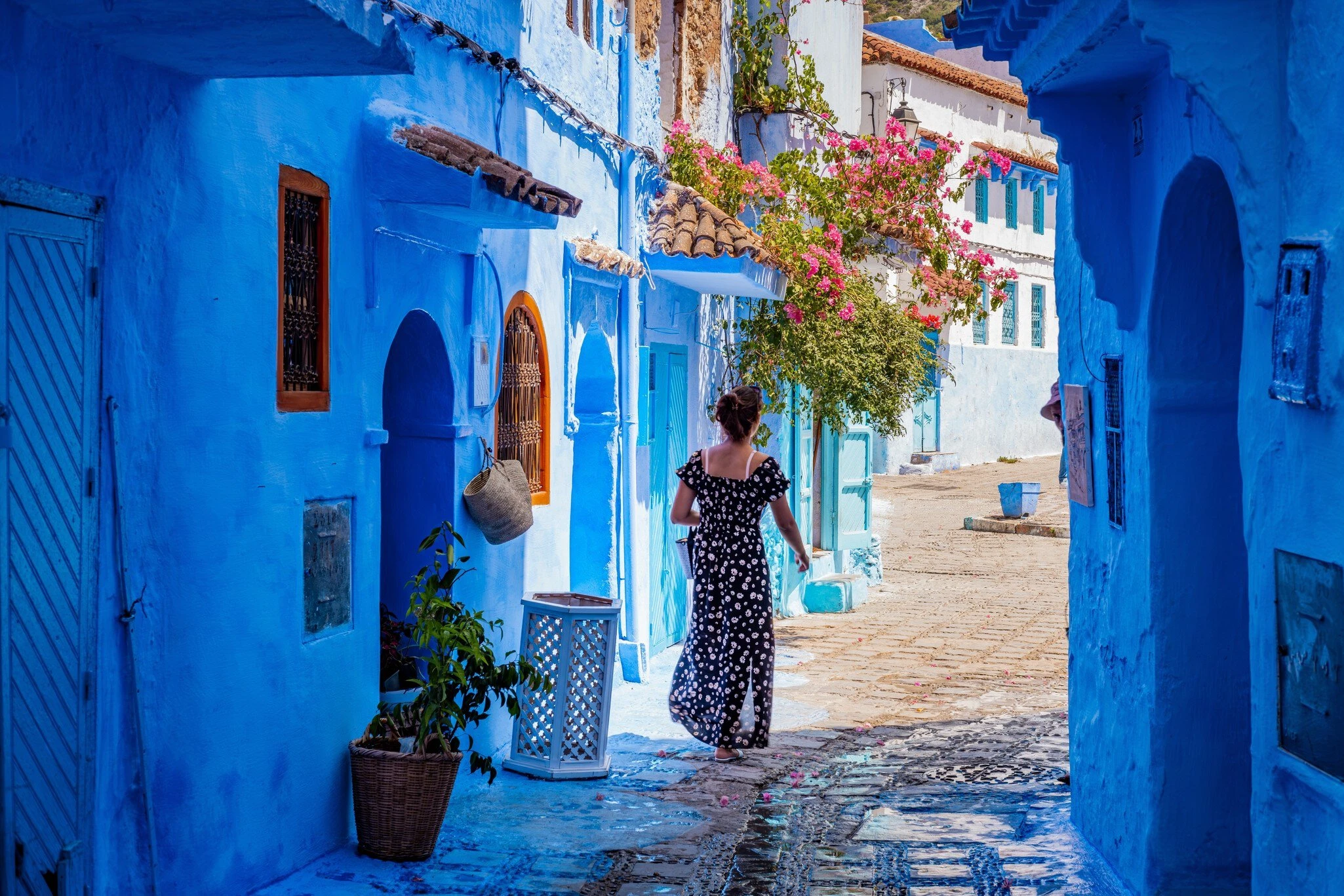
Andalusian and traditional Moroccan architecture influence Chefchaouen. Arched doorways, interior courtyards, textured plaster walls, and red-tiled roofs define much of the built fabric. The blue-painted streets, often associated with spirituality, climate comfort, and local tradition, give the town its globally recognized identity. Narrow pedestrian lanes help regulate heat and encourage walkability, while the arrangement of homes follows the natural contours of the mountain landscape.
4. Key Monastery, Spiti Valley, India
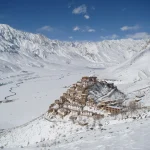
Rising above the Spiti Valley in the Indian Himalayas, Key Monastery is an iconic monastic settlement in the region. Believed to date back over a thousand years, the monastery developed as an important center of Tibetan Buddhism while adapting to the harsh conditions of the cold desert landscape. Built at an elevation of over 13,000 feet, the settlement appears almost fused with the mountainside, creating a mesmerizing silhouette against the barren terrain of Spiti.
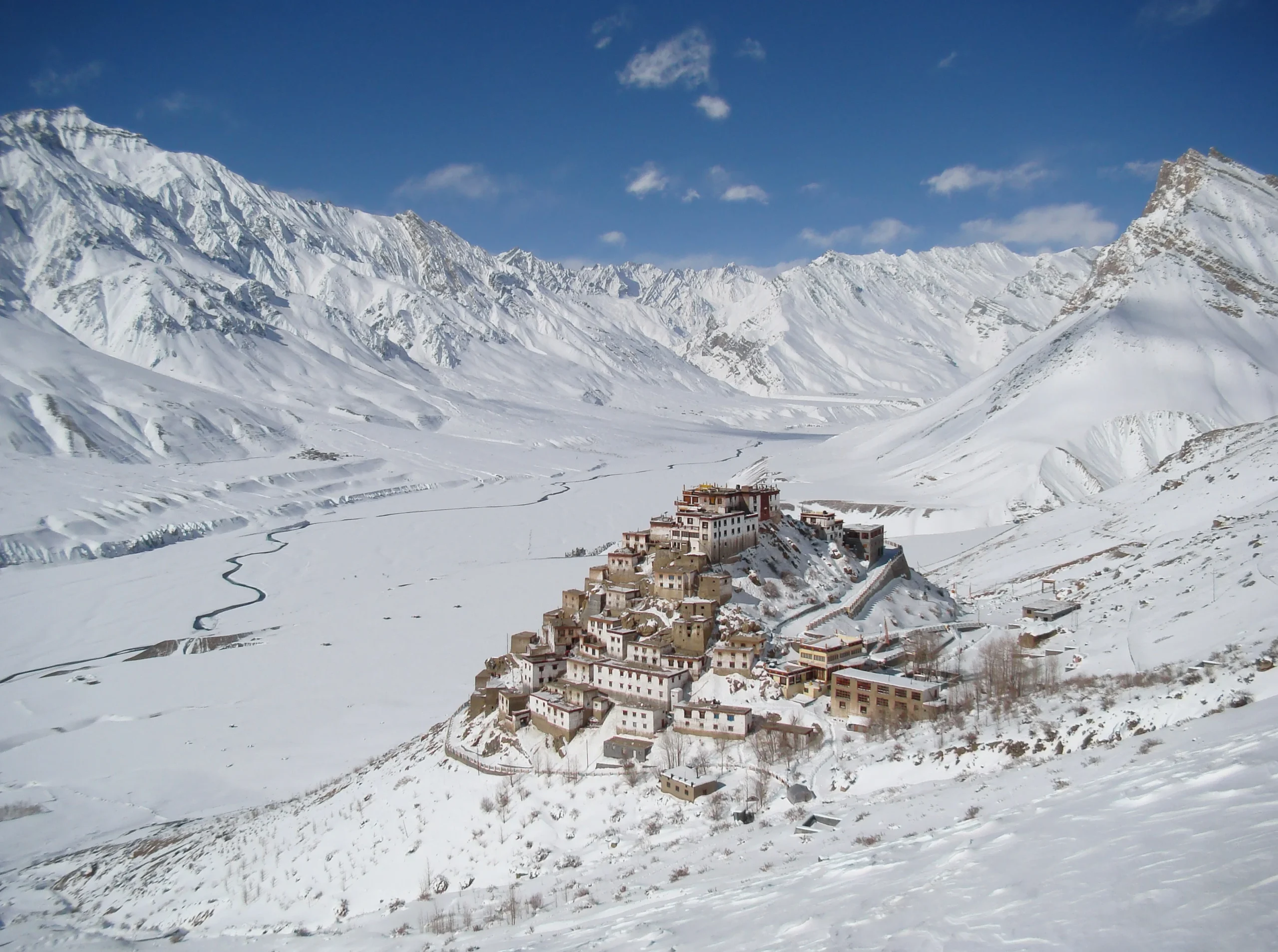
Key Monastery is known for its fortress-like form (Pasada style) made up of layered mud-and-stone structures stacked along the slope. The irregular arrangement reflects centuries of additions and rebuilding, giving the complex an organic quality shaped by terrain. Thick walls, small openings, whitewashed surfaces, and inward-looking spaces help protect against extreme temperatures and strong winds. Narrow passages, prayer rooms, terraces, and interconnected volumes create a spatial experience that demonstrates how Himalayan monastic architecture evolved in response to climate, spirituality, and topography.
5. Ras Um Sid Cliffs, Sharm el-Sheikh, Egypt
Located along the southern coastline of the Sinai Peninsula, Ras Um Sid is a cliffside district in Sharm El Sheikh known for its cinematic views of the Red Sea and coastal landscape. The area developed around tourism and local gathering spaces. Rocky cliffs, winding pathways, terraces, and sea-facing viewpoints exist beautifully around the neighborhood’s cafés and social spaces.
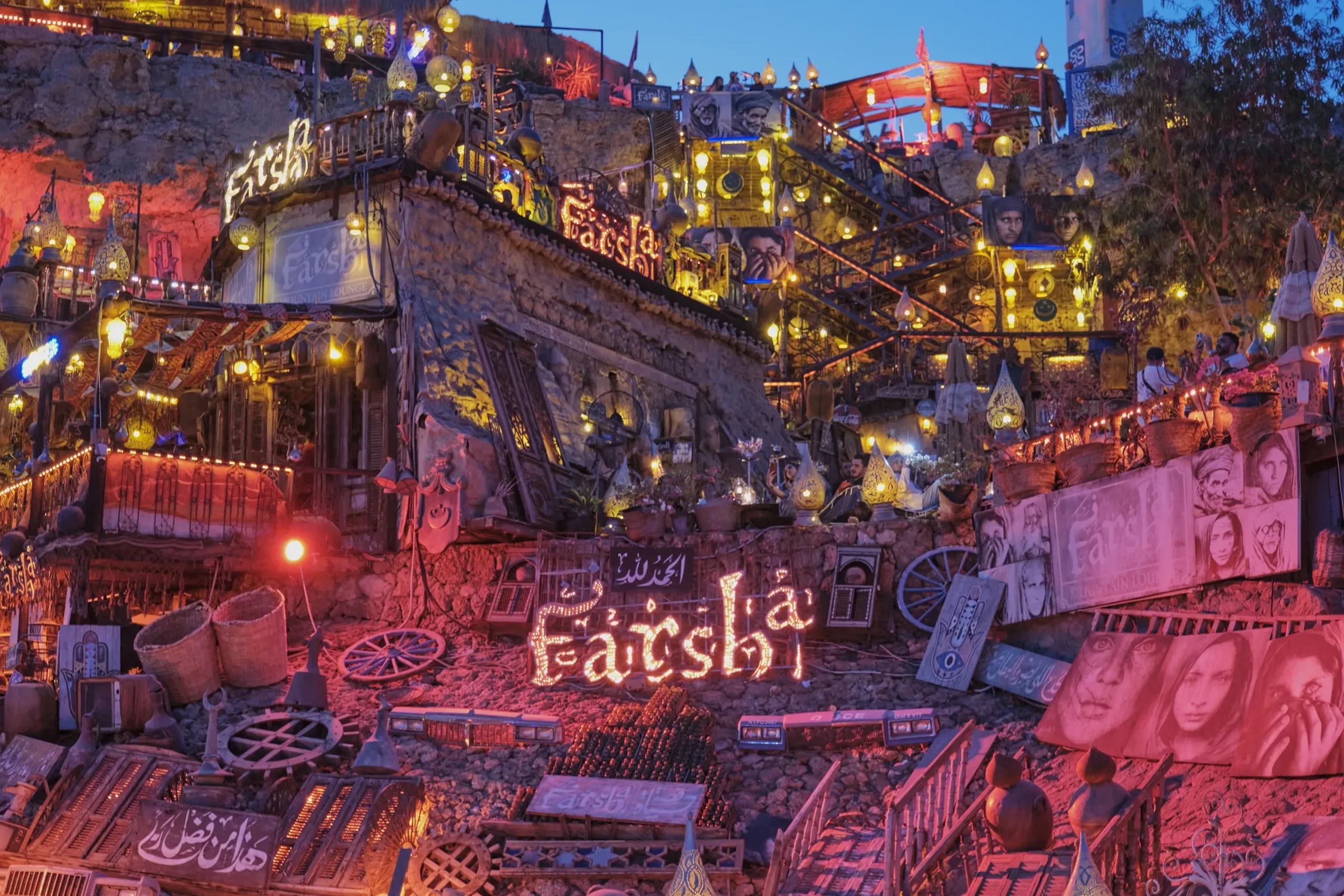
The district is defined by stepped terraces, organic circulation routes, and structures integrated directly into the rocky terrain. Many spaces draw from vernacular Middle Eastern and Bedouin-inspired design through the use of textured stone, timber details, lantern lighting, woven textiles, and shaded seating areas. Rather than following a rigid urban grid, the neighborhood evolves through platforms and cliffside edges that respond to the coastline’s natural contours.
6. Manarola, Cinque Terre, Italy
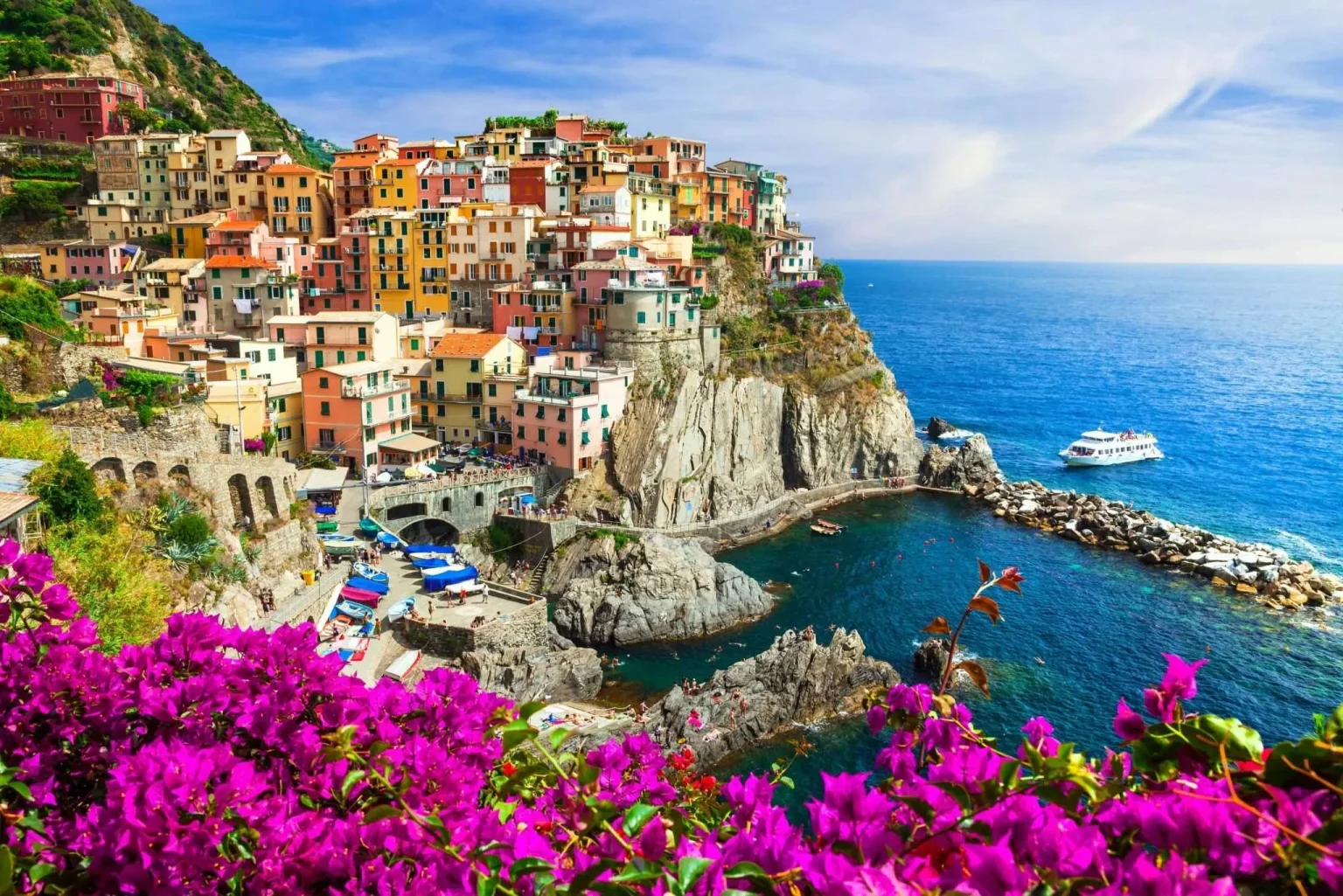
Perched along the rugged Ligurian coastline, Manarola is one of the five historic villages that make up Cinque Terre in northwestern Italy. The settlement developed around fishing, terraced agriculture, and maritime trade, with homes tightly clustered against cliffs overlooking the Mediterranean Sea. Manarola, being globally popular, retains the compactness of a traditional coastal village shaped by geography and everyday community life.
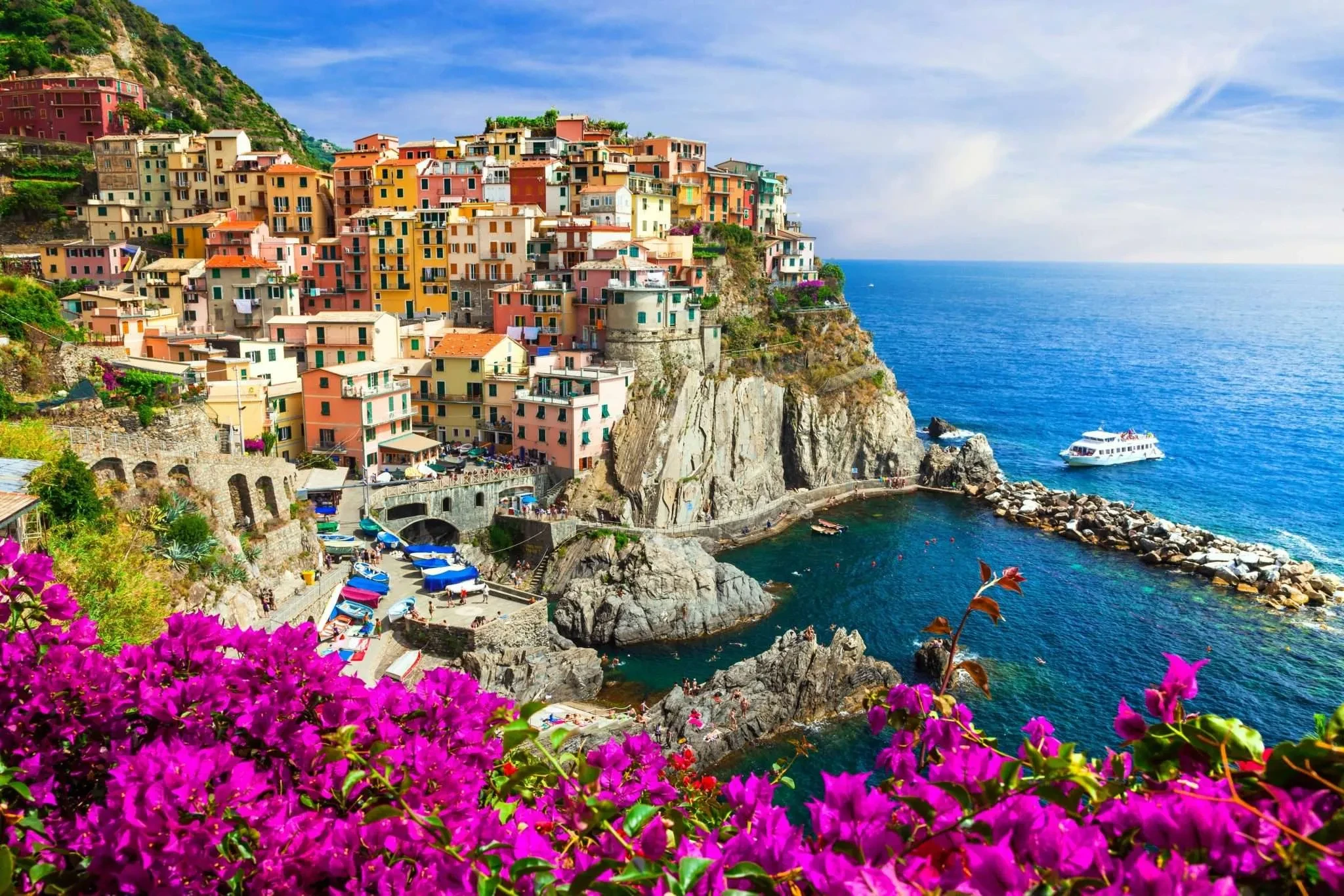
Manarola is defined by multicolored houses stacked closely along the rocky terrain, creating a picturesque waterfront landscape. Its vertical planning responds directly to the limited buildable land between mountains and sea. Stone pathways, stairways, and terraces connect different levels of the settlement, while vineyards carved into the hillsides demonstrate centuries of landscape adaptation. Together, the built fabric and terraced topography create an example of how architecture and agriculture evolved together along the Mediterranean coast.
7. Lübecker Altstadt, Lübeck, Germany
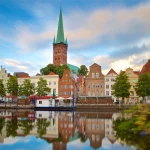
Located on an island surrounded by the Trave River, Lübecker Altstadt is one of Europe’s best-preserved medieval city centers and a UNESCO World Heritage Site. It grew into an important trading hub during the Hanseatic League period, connecting Northern Europe through commerce and maritime trade. Its narrow streets, canals, merchant houses, and church spires still reflect the economic and cultural influence Lübeck once held across the Baltic region.
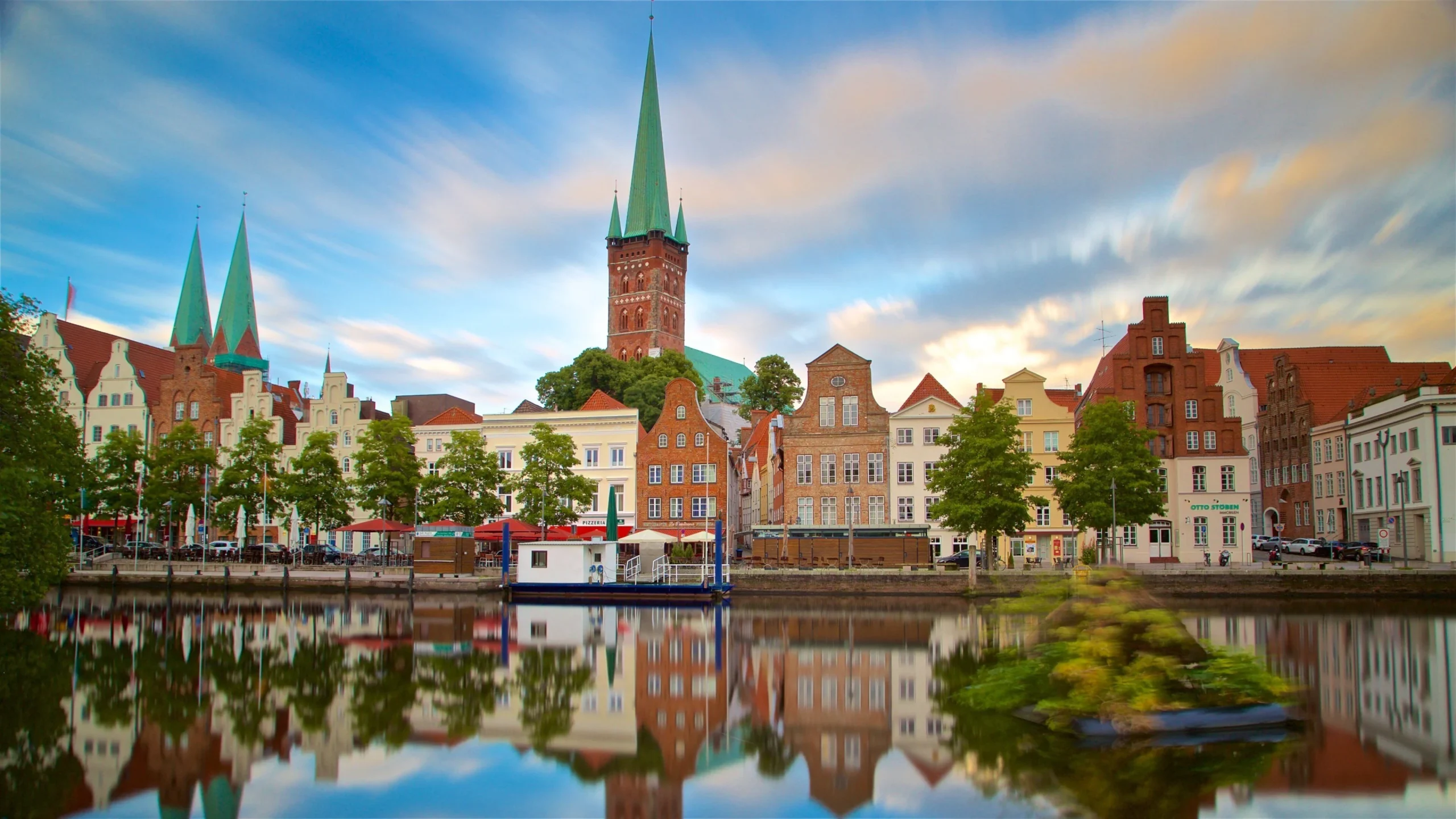
Architecturally, the district is known for its Brick Gothic style, a form of architecture that developed in northern Europe where natural stone was scarce. Red-brick churches, stepped gables, warehouses, and courtyards define the neighborhood’s identity. The urban layout remains dense and walkable, with intimate alleys and interconnected passages revealing how medieval planning adapted to trade and climate.
8. Haworth, West Yorkshire, United Kingdom
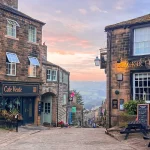
Haworth is a historic English village best known for its connection to the Brontë sisters, whose literary works were influenced by the surrounding landscape and atmosphere. Set within the moorlands of West Yorkshire, the village grew during the Industrial Revolution as a center for textile production. It has retained much of its historic character through its steep cobbled streets, stone buildings, and village layout.
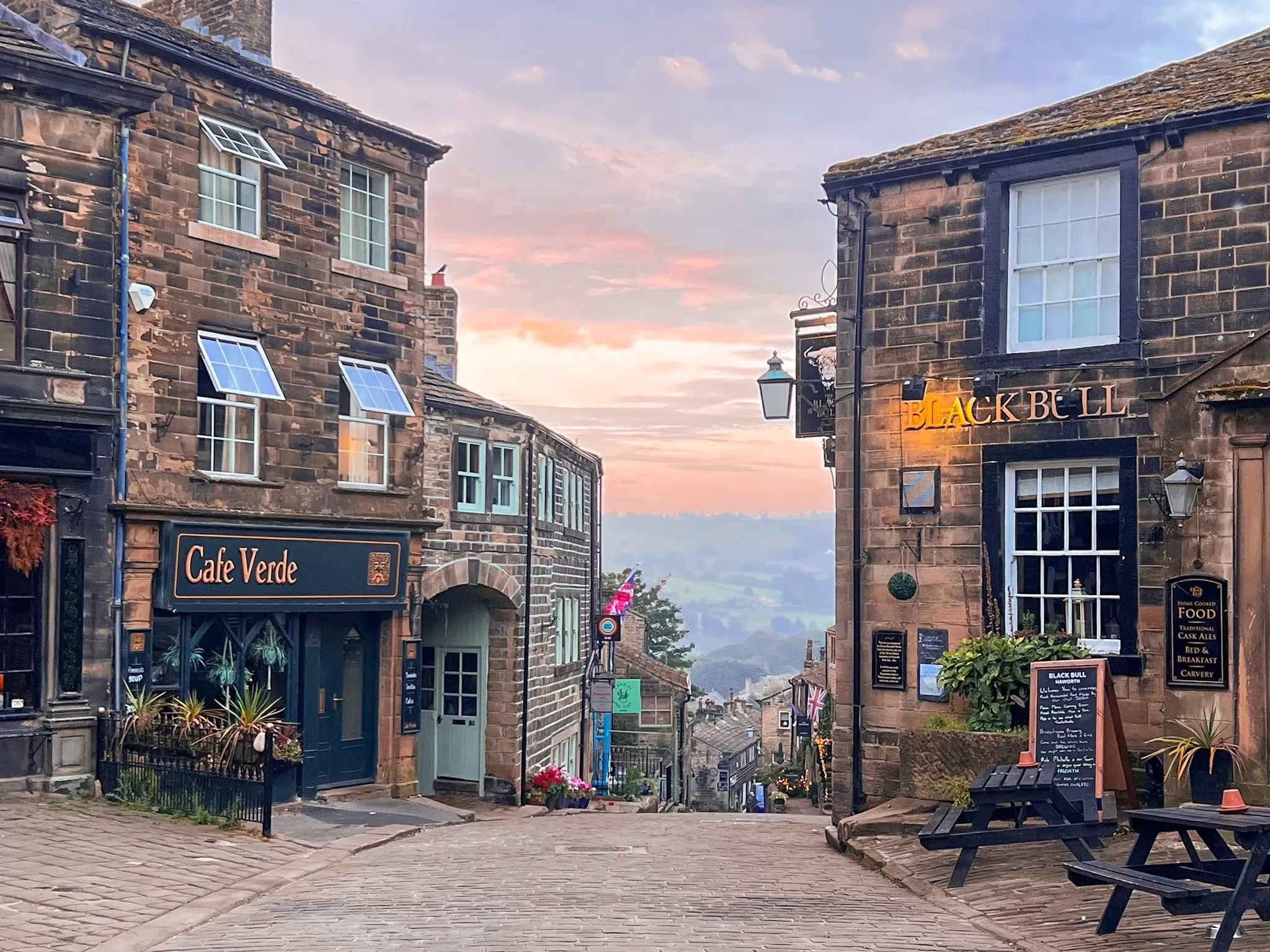
Haworth has traditional Yorkshire stone construction, with rows of tightly packed cottages, slate roofs, chimneys, and lanes shaped by the region’s rugged climate and topography. The village’s muted material palette and weathered textures contribute to its Gothic atmosphere. Buildings are arranged closely along the rising Main Street, creating a pedestrian environment reminiscent of 19th-century English village life.
9. Saint Cirq Lapopie, Lot, France
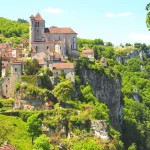
Overlooking the Lot River in southern France, Saint-Cirq-Lapopie is a medieval hilltop village known for its preserved historic character. The settlement developed during the Middle Ages as a fortified community positioned along important trade and pilgrimage routes. Its elevated location above the river valley provided strategic protection and sweeping views of the surrounding countryside.
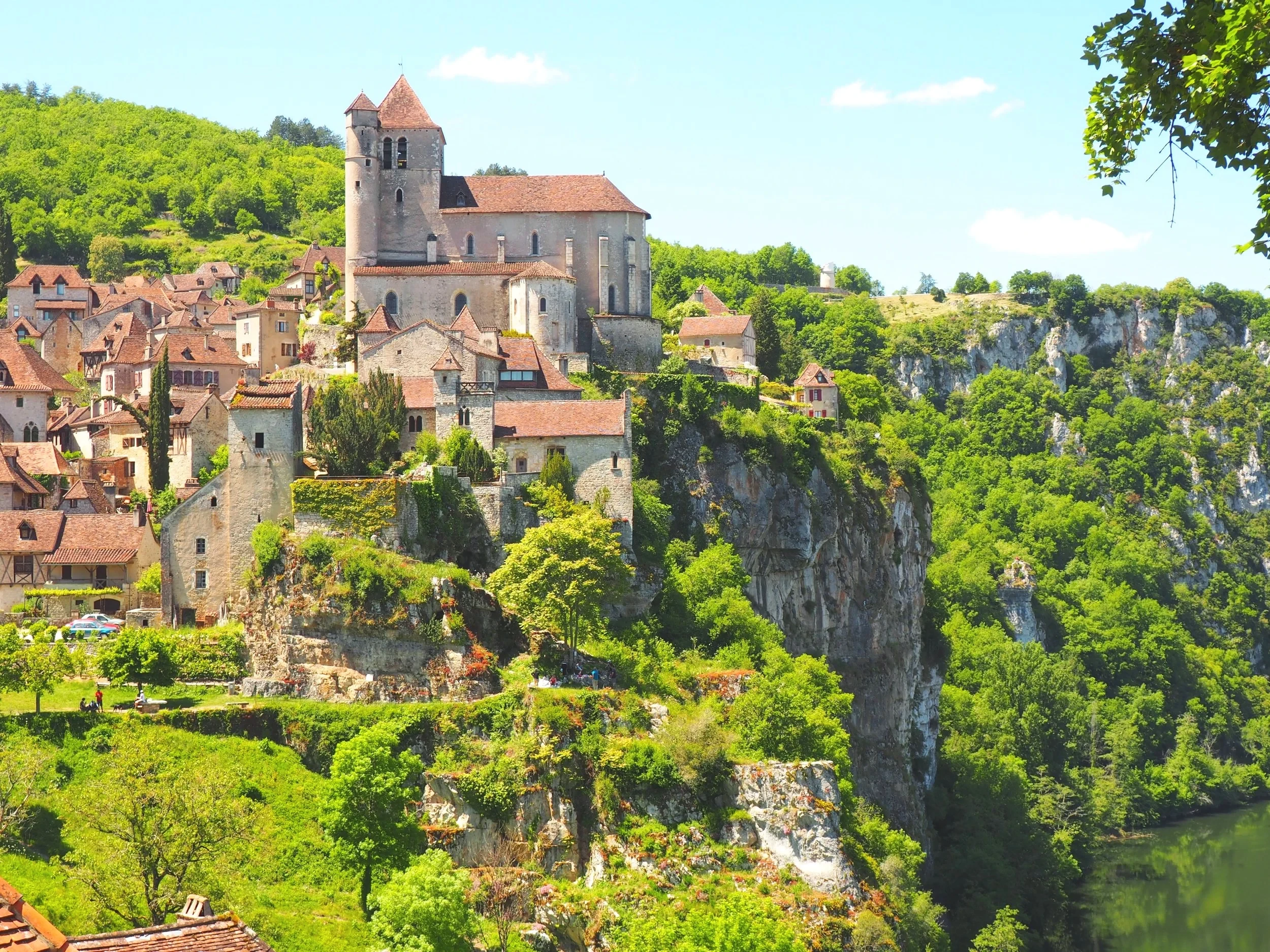
Saint-Cirq-Lapopie is defined by stone houses, steep tiled roofs, timber-framed facades, and winding streets that follow the contours of the hillside. Buildings appear stacked into the rocky terrain, creating an organic settlement pattern typical of medieval European hill towns. Ivy-covered walls, Gothic details, artisan workshops, and small courtyards contribute to the village’s timeless atmosphere.
10. Paraty, Costa Verde, Brazil
Paraty is a colonial-era town known for its preserved historic center and tropical waterfront setting, and is located between the Atlantic coast and the forested mountains of southeastern Brazil. Founded during the Portuguese colonial period, the settlement became an important port along Brazil’s gold trade routes, connecting inland mining regions to the Atlantic Ocean. Although centuries old, Paraty has maintained much of its original character through its cobbled streets, low-rise buildings, and strong relationship with the surrounding landscape.
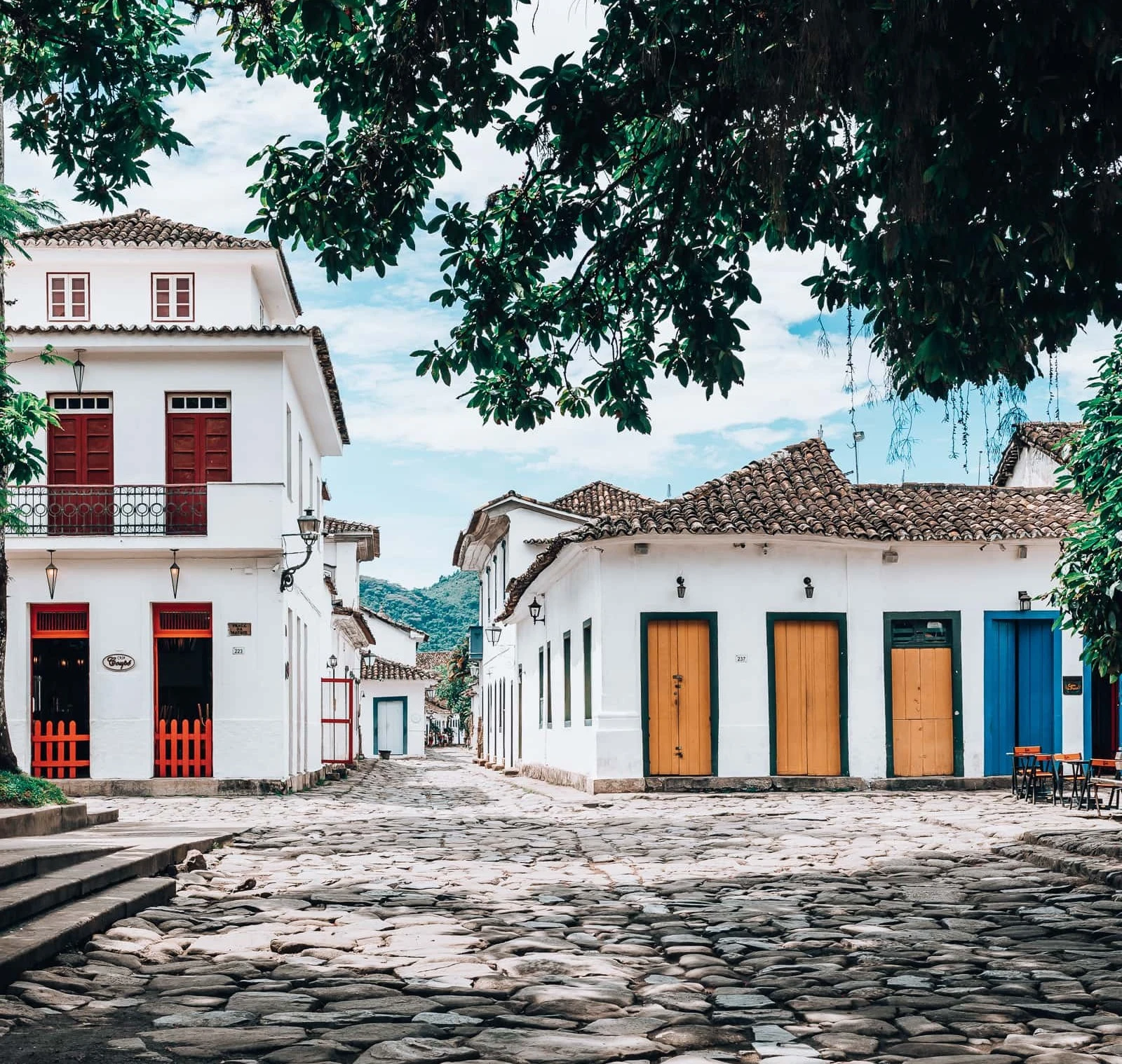
Architecturally, the town reflects Portuguese colonial planning through whitewashed facades, colorful window frames, tiled roofs, and symmetrical streets organized around churches and public squares. The historic center was designed for pedestrians and horse-drawn movement, creating a walkable urban fabric that remains largely car-free today. Many streets intentionally flood during high tide, a historic drainage strategy that helped clean the roads and respond to the coastal environment.
11. Groenerei Canal District, Bruges, Belgium
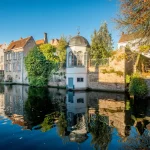
Groenerei is a canal-side district known for its waterways, stone bridges, and medieval Flemish architecture. Often referred to as the “Green Canal,” the area developed as part of Bruges’ extensive canal network that once connected the city to major European trade routes during the medieval period.
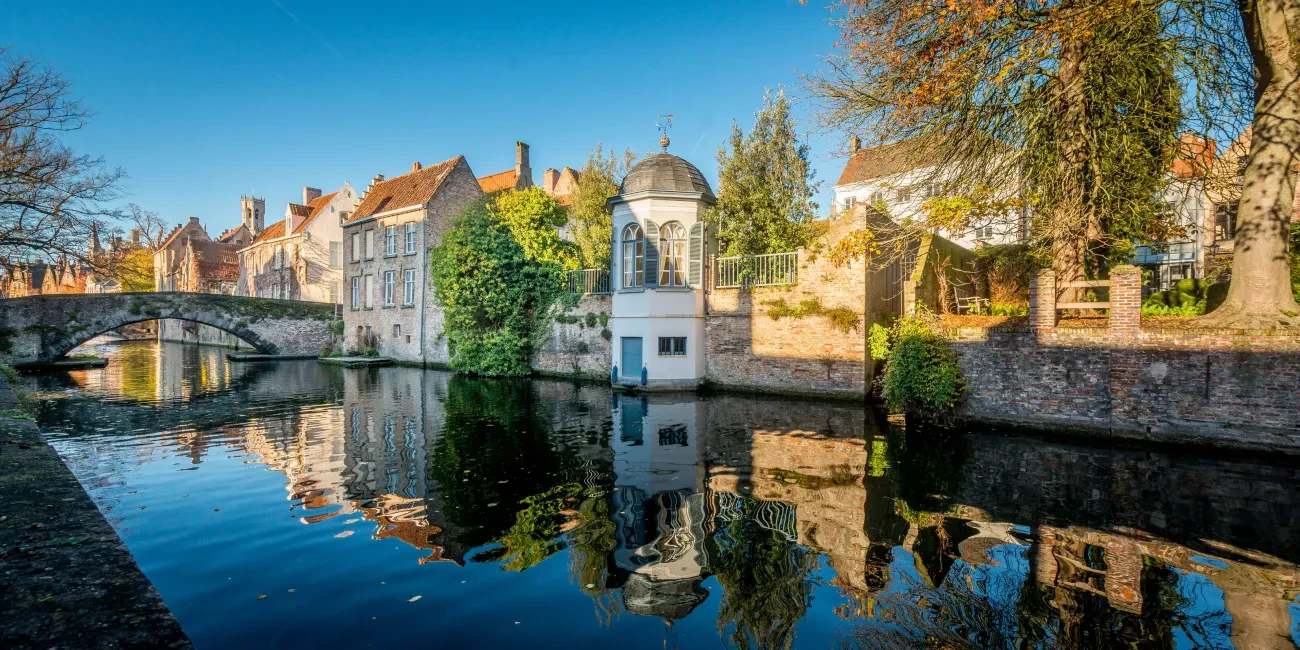
Groenerei is characterized by stepped-gable houses, brick facades, arched bridges, and streets arranged closely along the canal edge. The district reflects traditional Flemish urban planning, where dense development and water infrastructure evolved together within a compact medieval city. Trees, reflections, and waterfront walkways soften the built environment while reinforcing the close relationship between architecture and landscape.
12. Dolac, Šibenik, Croatia
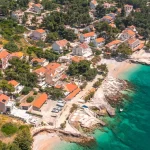
Located along the Adriatic coast beside Šibenik’s historic center, Dolac is one of Croatia’s waterfront neighborhoods. Originally shaped by maritime trade and everyday coastal life, the district developed as a network of stone houses, stairways, and lanes descending toward the sea. Unlike larger tourist-focused coastal towns, Dolac still retains the character of a traditional Dalmatian neighborhood.
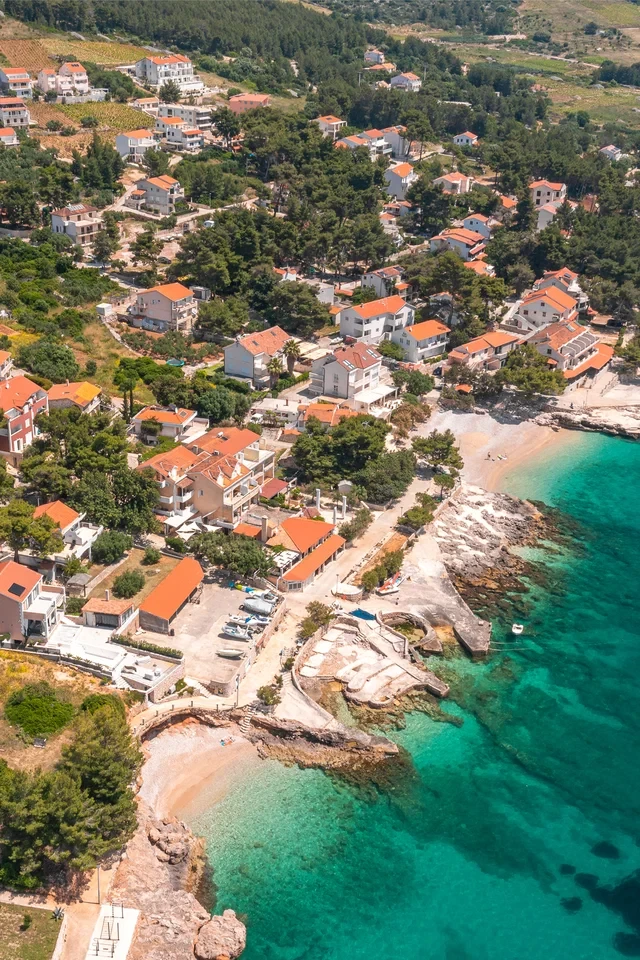
The neighborhood is characterized by limestone facades, terracotta roofs, arched passages, and steep stair streets woven into the hillside terrain. Buildings are positioned tightly together to maximize shade and respond to the coastal geography, creating an urban fabric that feels functional and picturesque. Small courtyards, balconies, and sea-facing terraces reinforce the relationship between domestic life and the Adriatic environment, while the pedestrian-focused layout showcases centuries of Mediterranean urban planning shaped by climate, density, and topography.
13. Schnoorviertel, Bremen, Germany
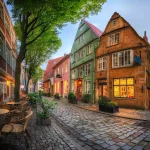
Schnoorviertel is one of Germany’s oldest surviving urban quarters, known for its tightly packed medieval houses. The neighborhood developed between the 13th and 15th centuries as a district for fishermen, craftsmen, and merchants connected to Bremen’s maritime economy. Its name, “Schnoor,” comes from the old Low German word for string, referring to the way the small houses appear lined together like beads along winding streets.
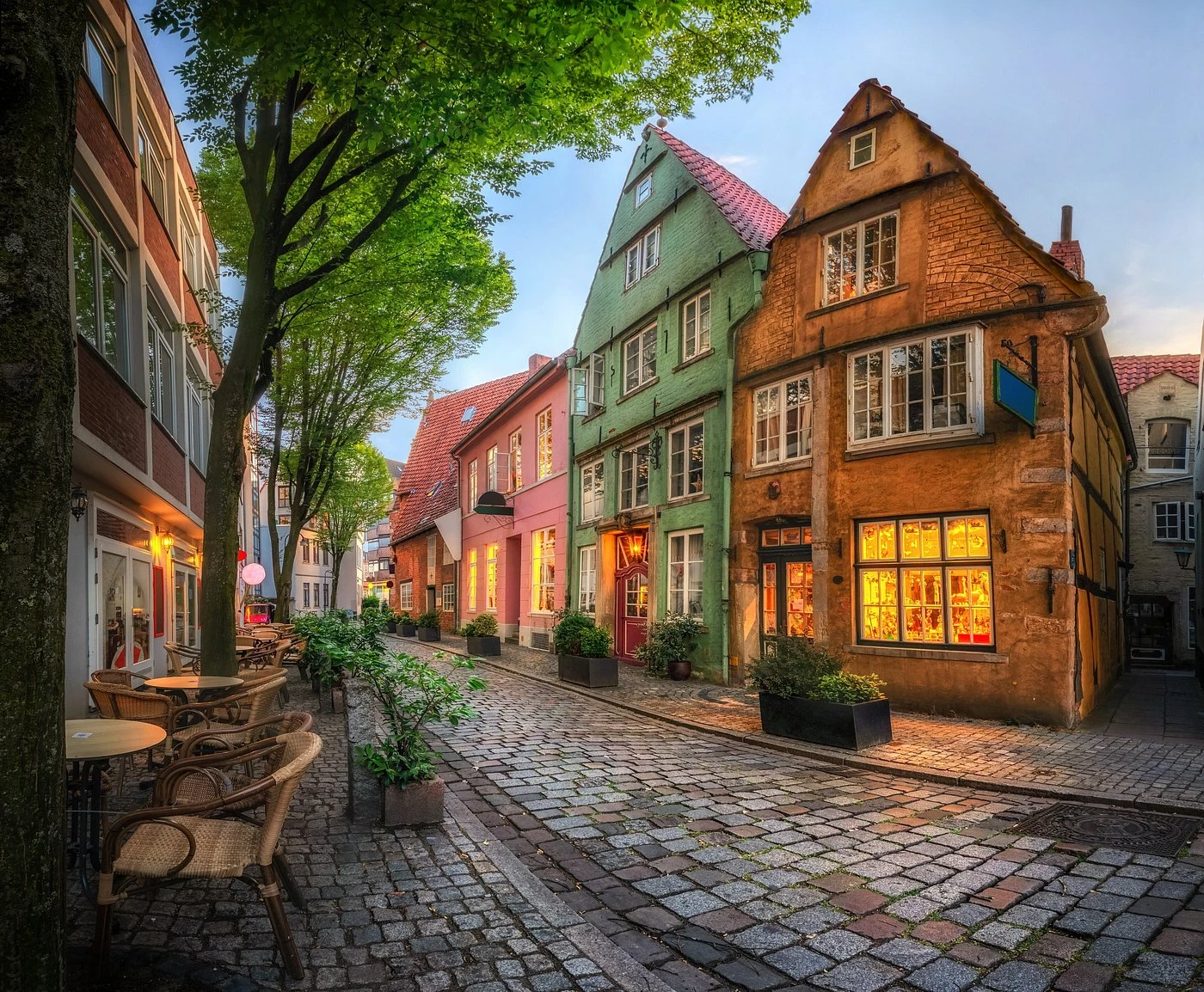
Schnoorviertel is defined by brick and timber-framed buildings arranged along intimate pedestrian alleys. Many structures are only a few meters wide, reflecting the dense urban conditions of medieval European towns. Gabled facades, uneven rooflines, small courtyards, and passageways create a human-scaled environment that contrasts with modern city planning. The district’s preserved street pattern and traditional building materials are a living example of how medieval urban neighborhoods adapted to trade, limited space, and walkable community life.
14. Mykonos, Cyclades Island, Greece
Located in the Cyclades islands of the Aegean Sea, Mykonos developed as a maritime settlement through trade and fishing. Although widely known today for tourism and nightlife, the island’s historic neighborhoods still preserve the character of traditional Cycladic settlements. Narrow pedestrian streets, whitewashed buildings, and tightly arranged homes were originally designed to protect residents from strong coastal winds, intense sunlight, and pirate invasions common in the region’s past.
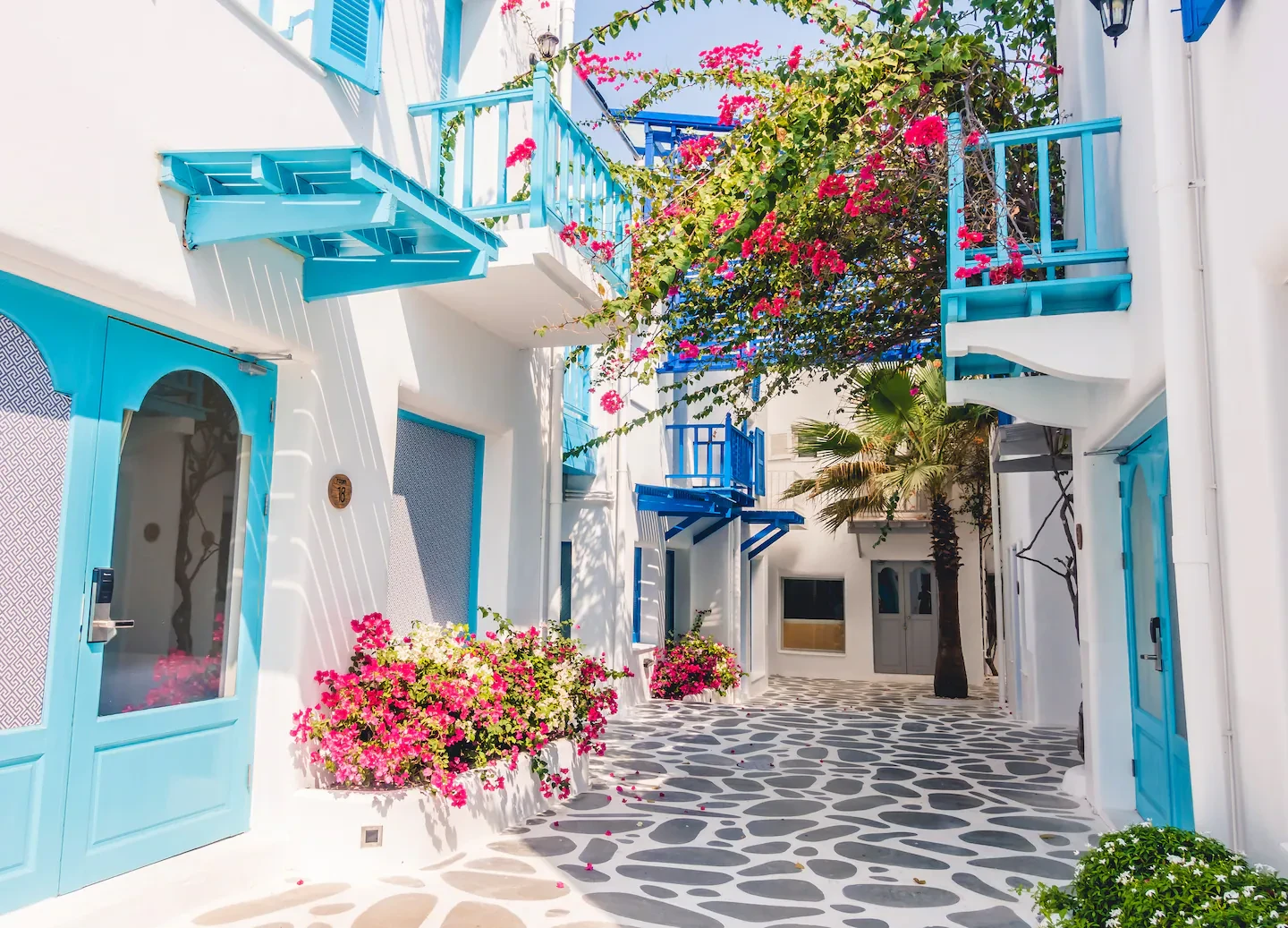
Mykonos is characterized by the minimalist forms of Cycladic architecture, by cubic whitewashed houses, flat roofs, blue accents, and winding alleyways. The maze-like streets create shaded public spaces while regulating heat within the settlement. Small courtyards, stairways, balconies, and waterfront facades contribute to the island’s overall environment.
15. Ticino, Switzerland
The Ticino region is known for its lakeside towns and alpine landscapes, located in southern Switzerland along the Italian border. It is shaped by mountain trade routes and Mediterranean connections; many settlements in Ticino developed around valleys, lakefronts, and steep hillsides where architecture adapted closely to the surrounding terrain. The region’s mild climate and geography give its villages and neighborhoods a character that feels distinct from the rest of Switzerland.
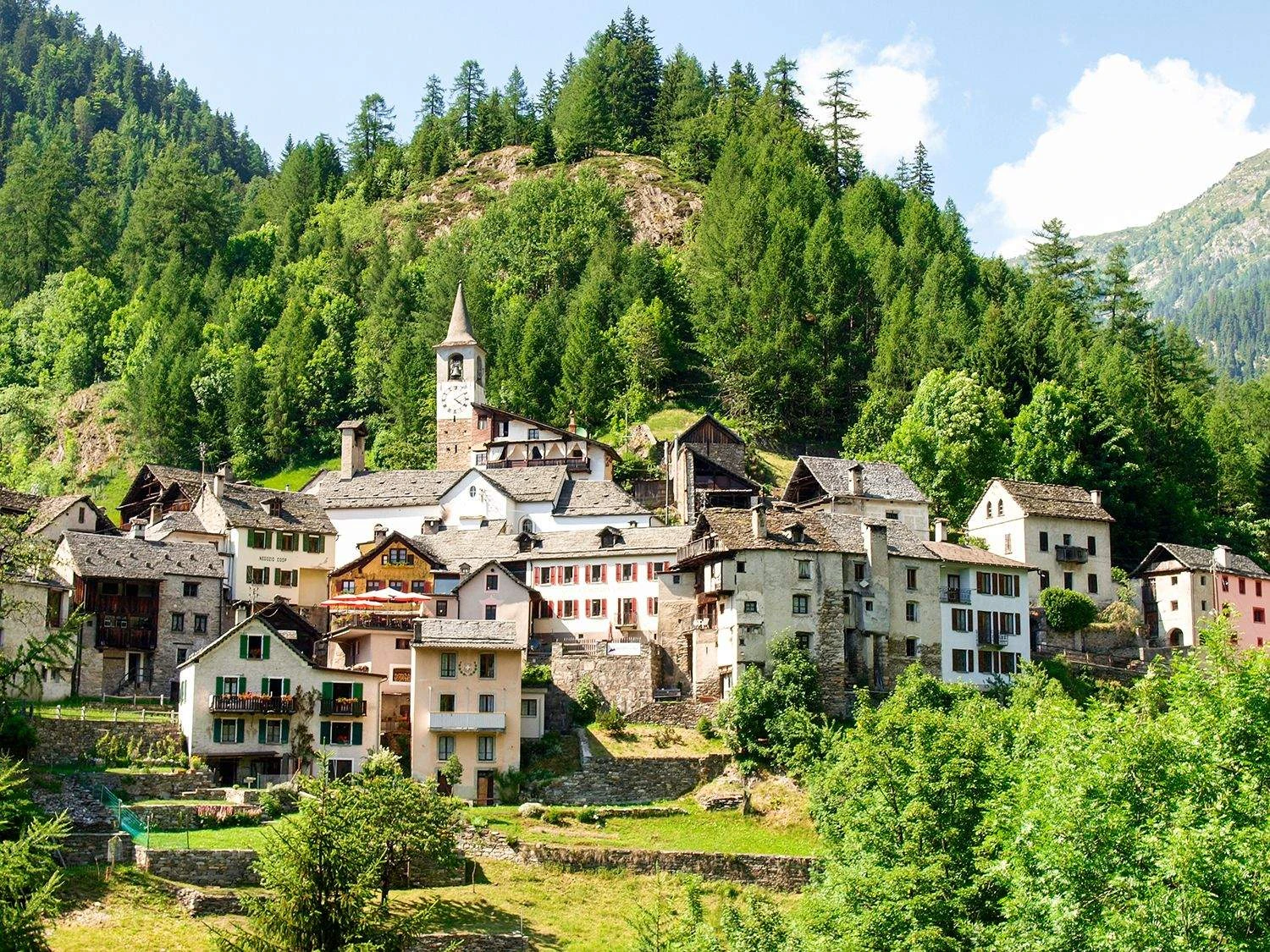
Ticino is a stone-built village with terracotta roofs that reflect traditional Alpine and northern Italian building traditions. Settlements are embedded into the mountainsides, with piazzas, stairways, and courtyards forming public spaces. Local granite and stone construction helped structures withstand changing weather conditions while merging naturally into the rocky landscape.
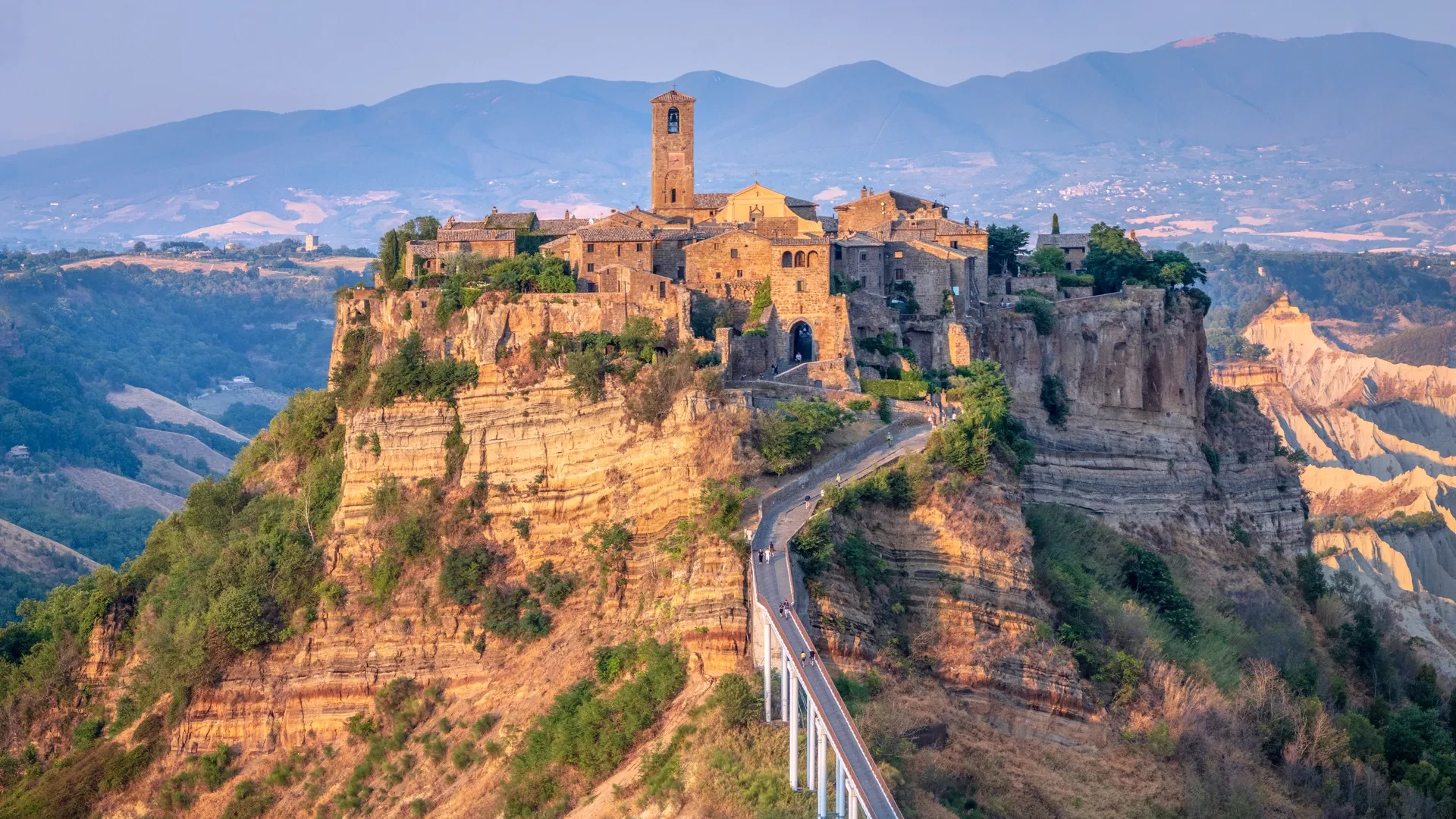
More than just postcard destinations, many of these neighborhoods also remain remarkably preserved. From stone villages overlooking river valleys to colorful coastal settlements and monastery towns carved into mountainsides, these neighborhoods reflect a time when urban planning responded directly to terrain, climate, and community life.