




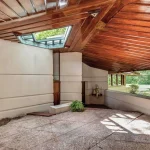
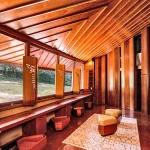
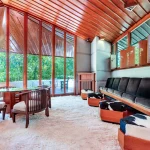
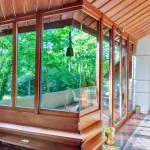
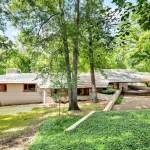
Some houses are designed to shelter life; others become part of architectural history. Frank Lloyd Wright’s Fountainhead belongs firmly to the latter. Hidden among the wooded slopes of Jackson, Mississippi, the Usonian residence has quietly stood for more than seven decades, embodying Wright’s lifelong pursuit of architecture that grows organically from its landscape. Today, that legacy enters a new chapter as Belinda Stewart Architects has been selected to lead the comprehensive preservation of the iconic residence, ensuring that one of Frank Lloyd Wright’s most significant Southern works remains intact for future generations.
Acquired by the Mississippi Museum of Art in late 2025, Fountainhead will be transformed into a publicly accessible house museum while preserving its architectural authenticity. The preservation project extends beyond restoring a historic residence; it aims to safeguard Wright’s holistic vision, where architecture, interiors, landscape, and furnishings function as a unified work of art.
A Rare Frank Lloyd Wright Masterpiece
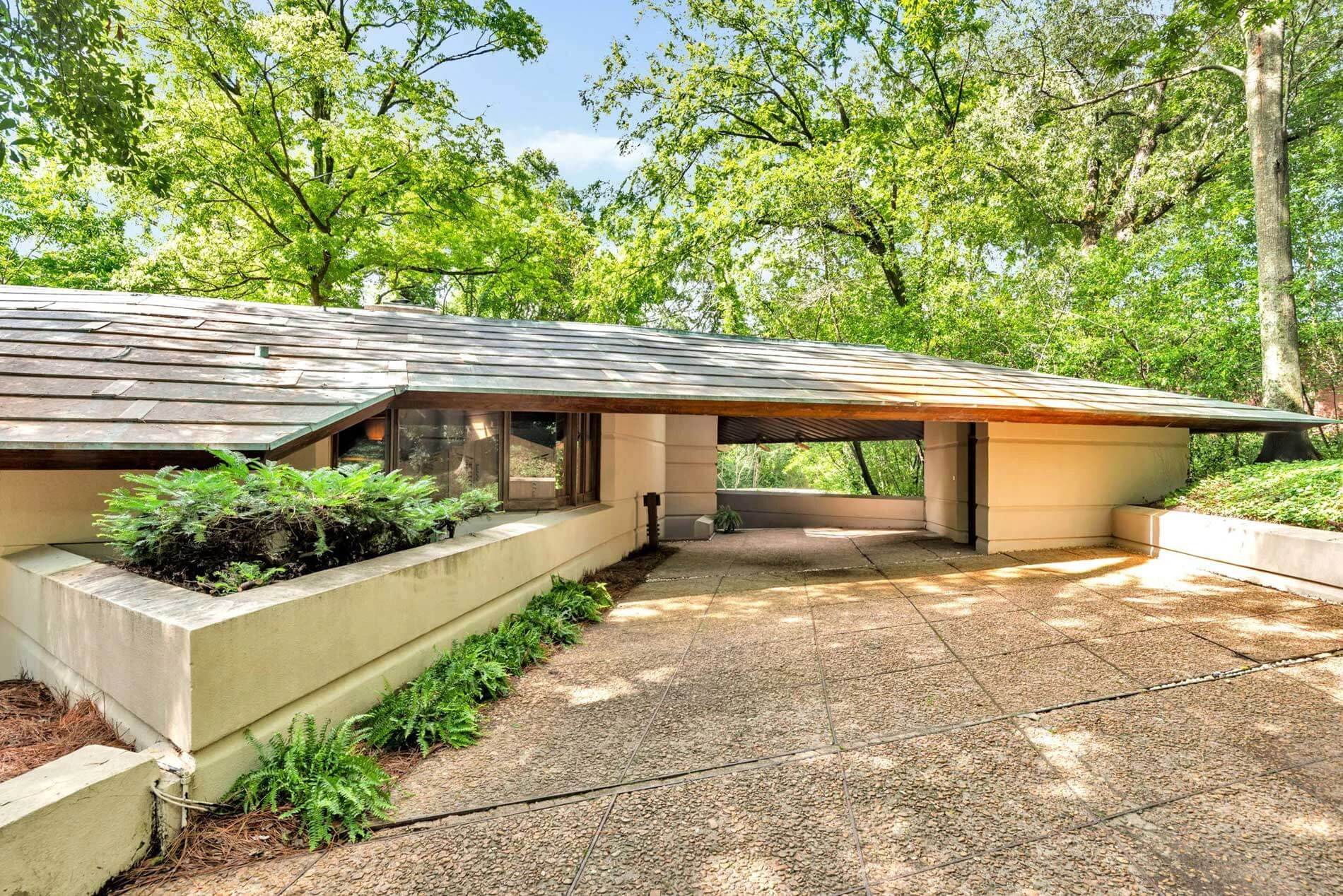
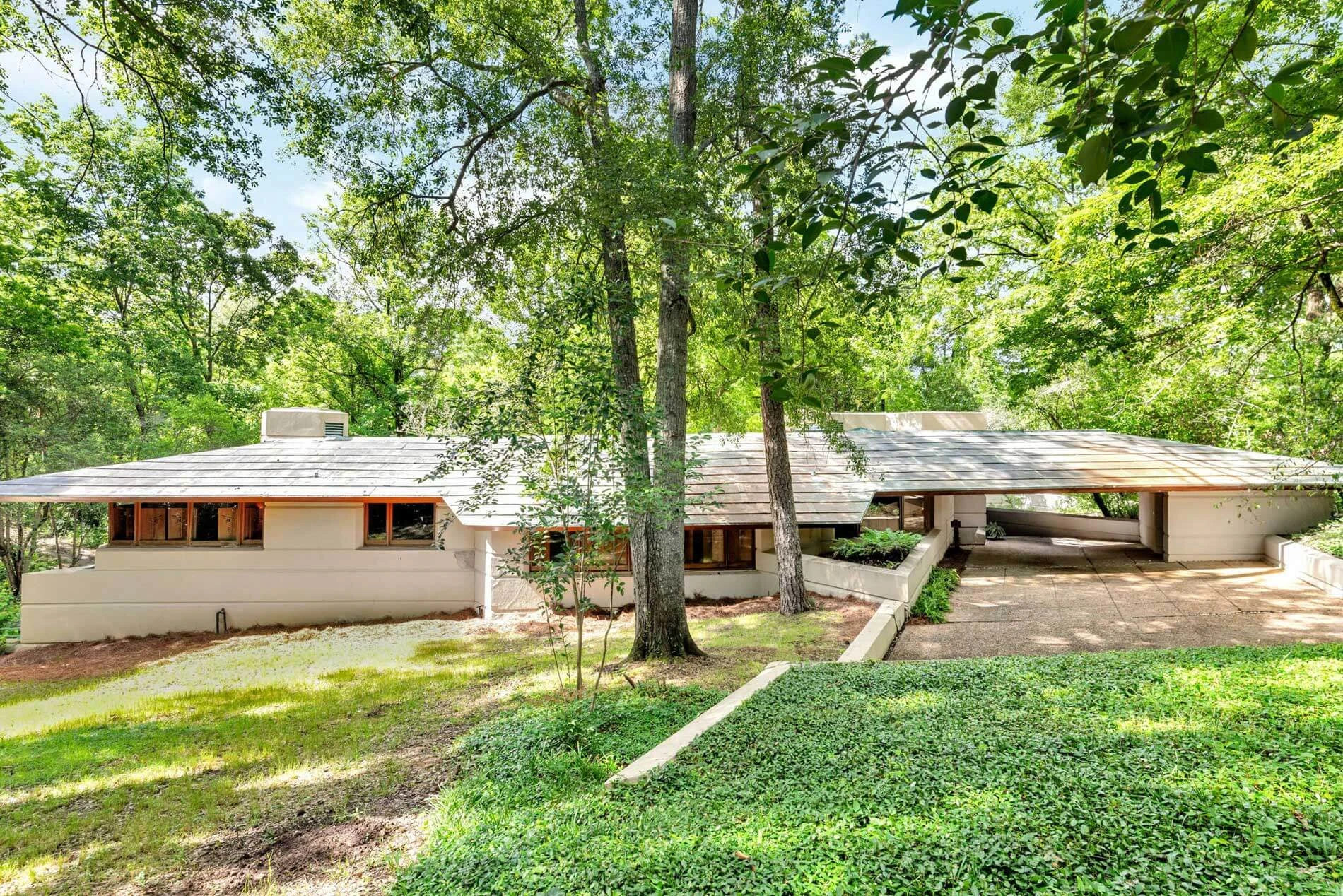
Originally commissioned in 1948 by oil businessman J. Willis Hughes and completed in 1954, Fountainhead is one of only a handful of Frank Lloyd Wright projects realized in Mississippi and among the architect’s celebrated Usonian homes. The residence was conceived around Wright’s philosophy of affordable yet highly crafted modern living, where geometry, natural materials, and landscape merge into a single architectural experience.
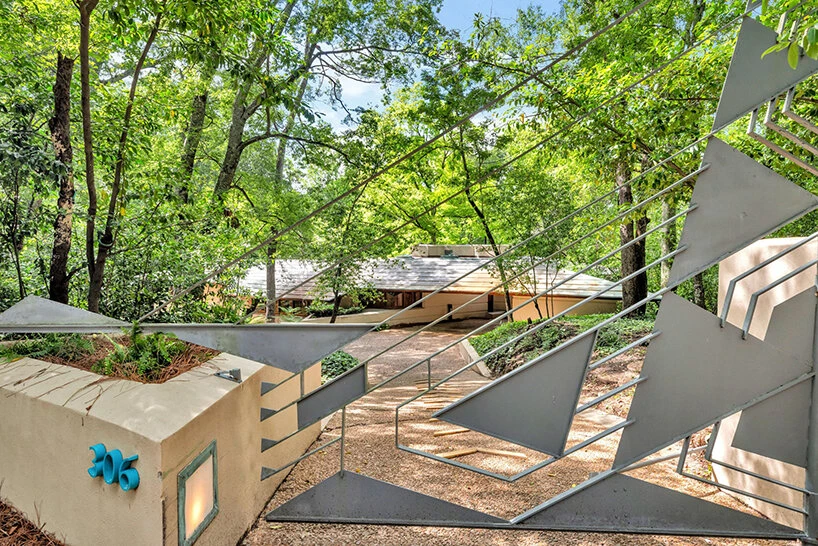
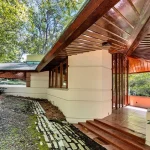
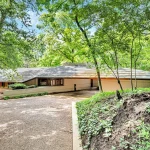
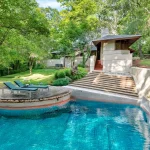
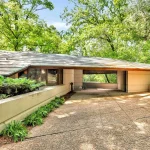
Positioned on a steep, wooded site, the residence adopts a distinctive Y-shaped plan generated from a 30-60-90 triangular grid. The house steps with the natural topography, allowing indoor spaces to extend seamlessly toward terraces, gardens, and the cascading fountain that ultimately inspired its name.
Preserving an Architectural Legacy
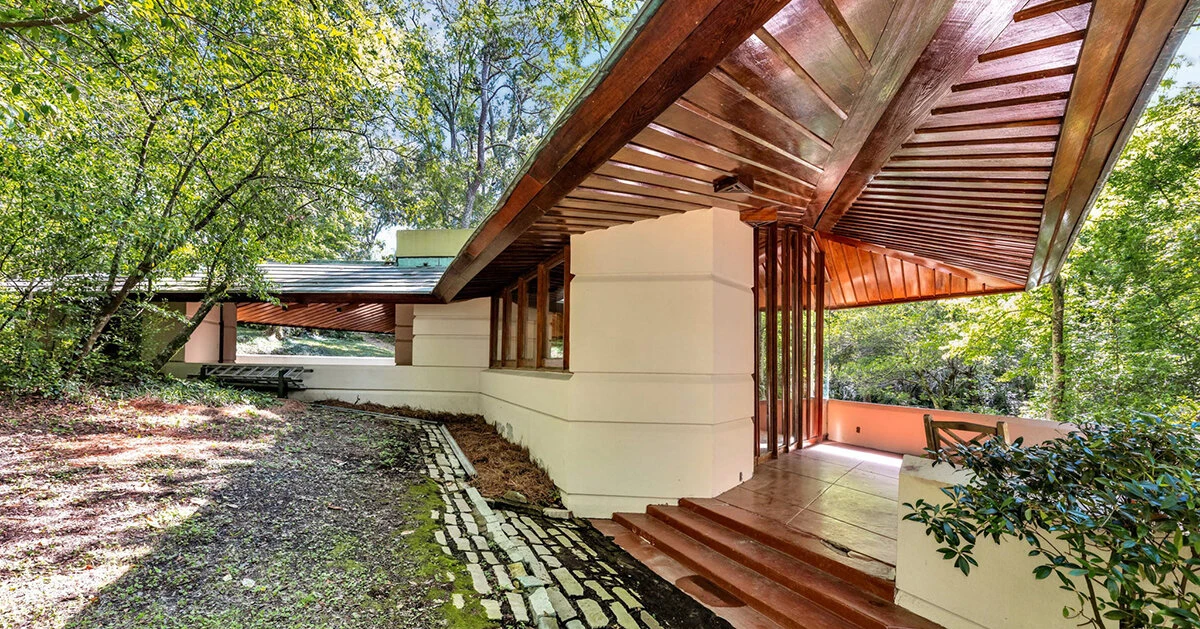
The preservation strategy embraces the complete architectural ecosystem of Fountainhead. Belinda Stewart Architects will prepare a detailed Historic Structure Report that documents the building’s existing condition, supported by digital Historic Building Information Modeling (HBIM), material investigations, and diagnostic testing. These studies will establish a prioritized roadmap for long-term conservation.
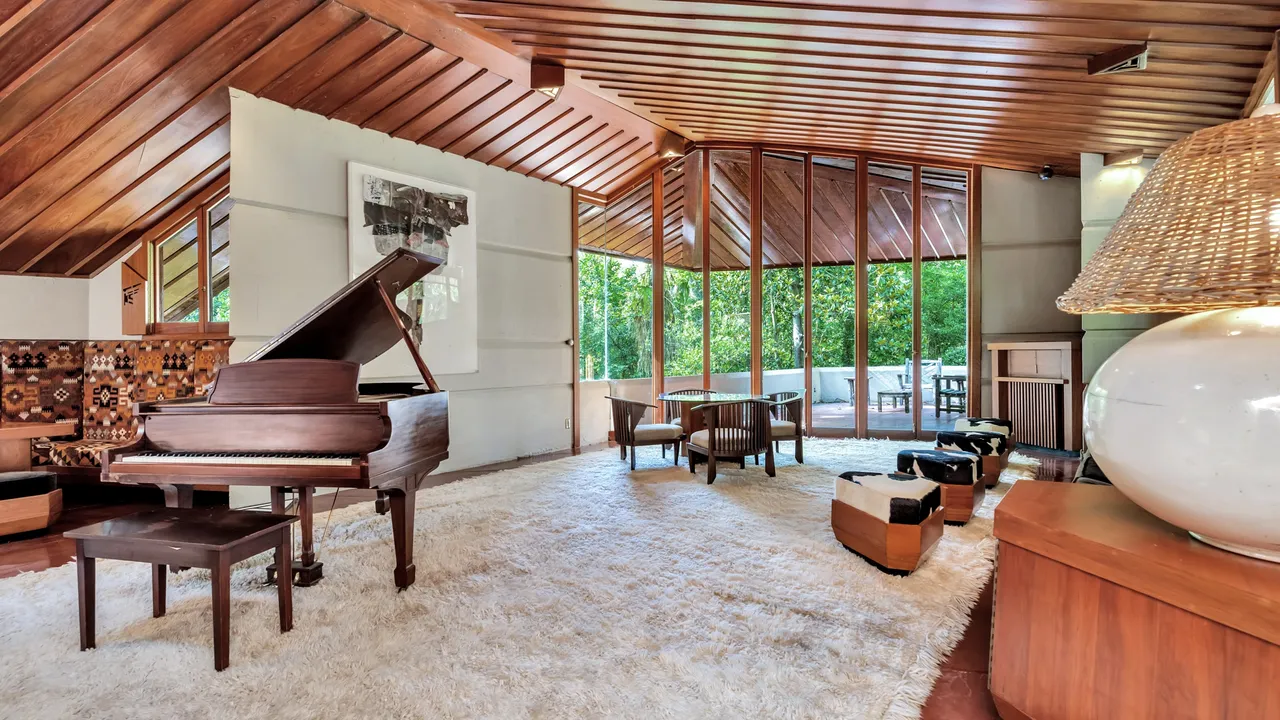
The architectural scope also includes structural stabilization, rehabilitation of the surrounding landscape, accessibility improvements, code compliance upgrades, and interventions necessary to accommodate the property’s future role as both a house museum and event venue, all while minimizing impacts on Wright’s original design intent.
Safeguarding Wright’s Interior Vision
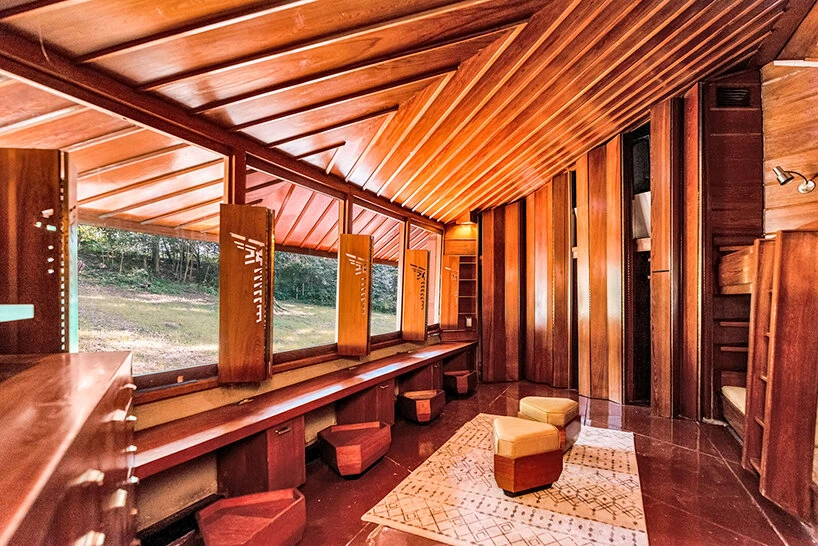
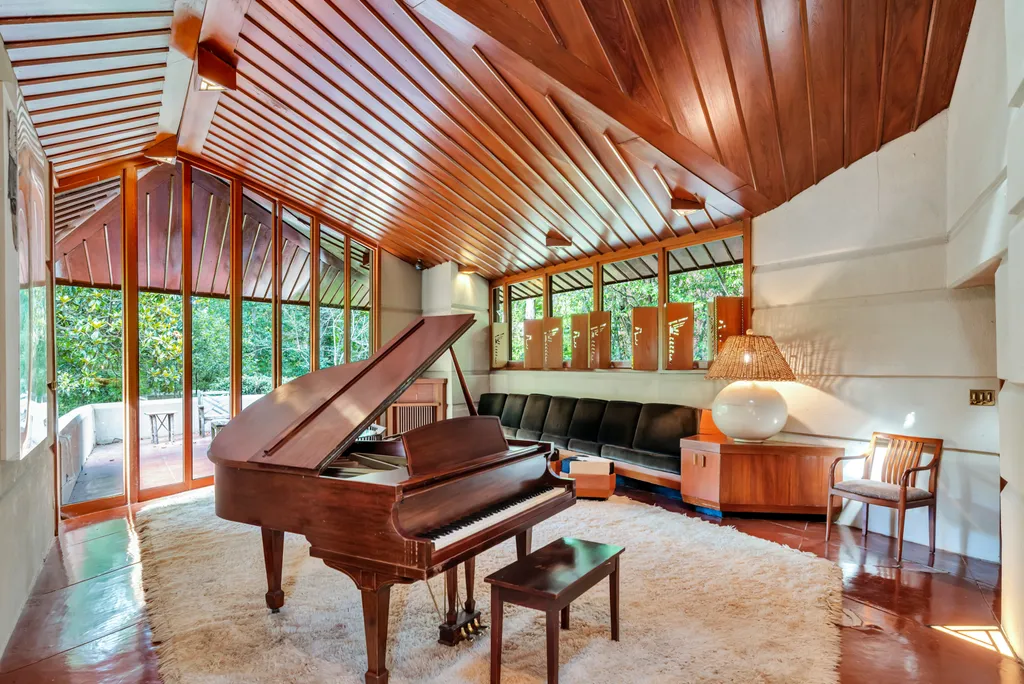
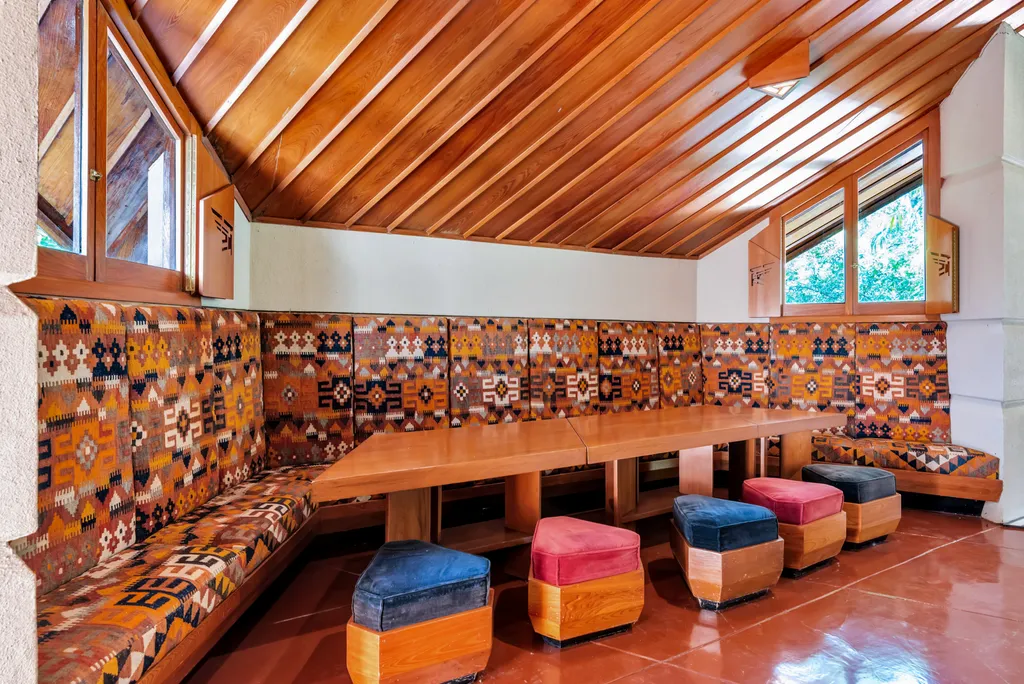
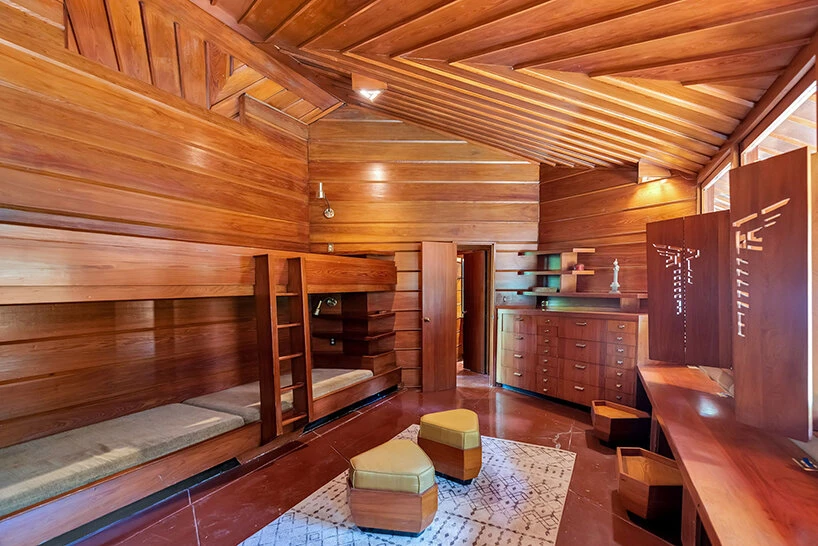
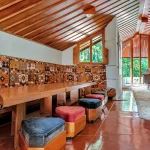
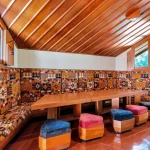
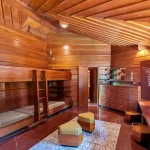
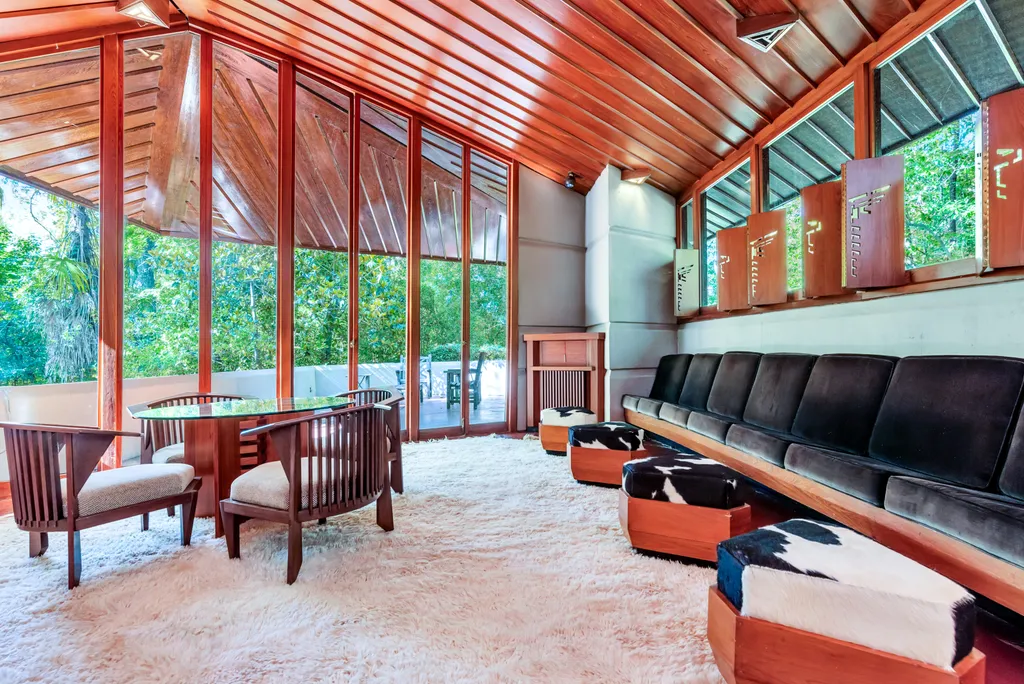
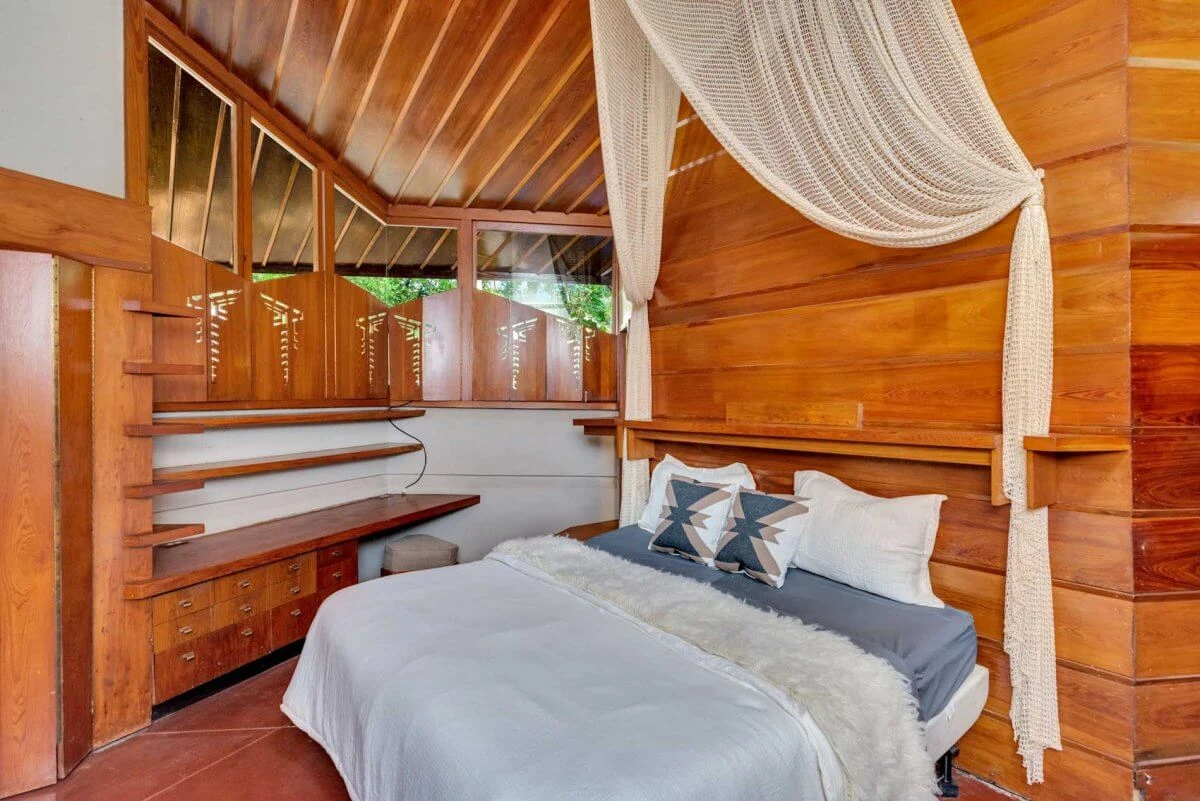
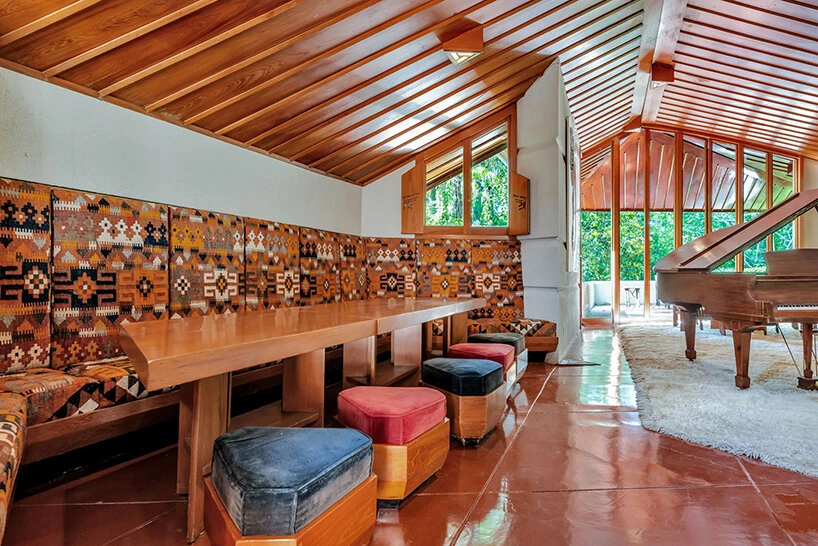
Fountainhead was conceived as a complete work of architecture. Wright designed not only the building but also much of its built-in furniture, seating, storage, fireplaces, lighting, and spatial organization.
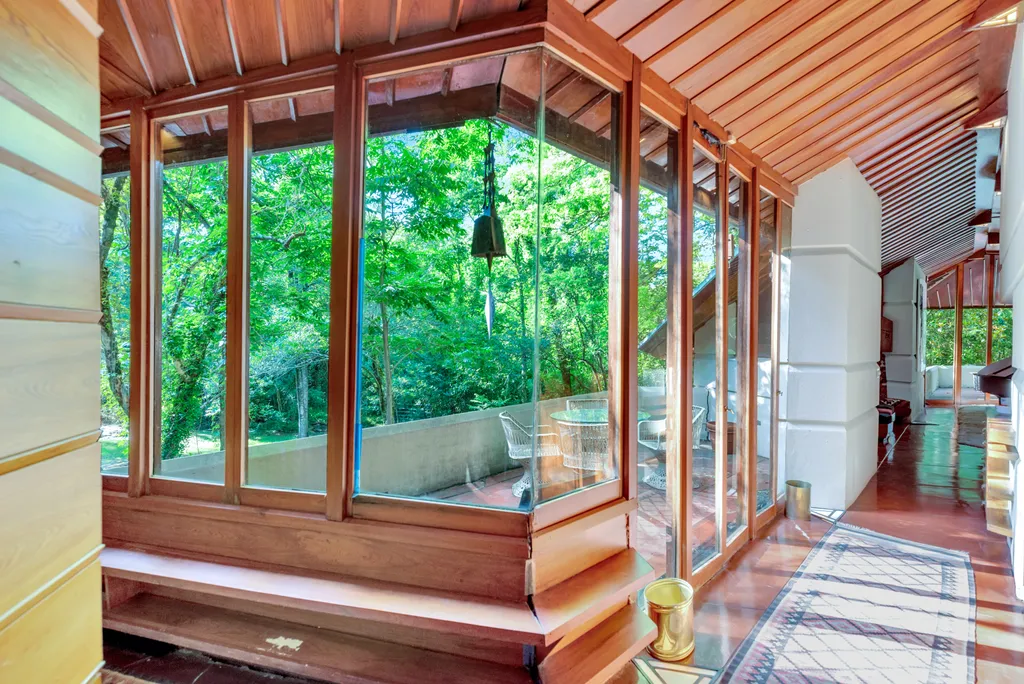
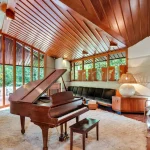
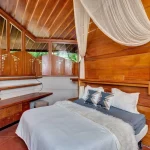
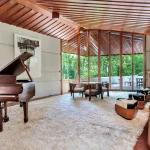
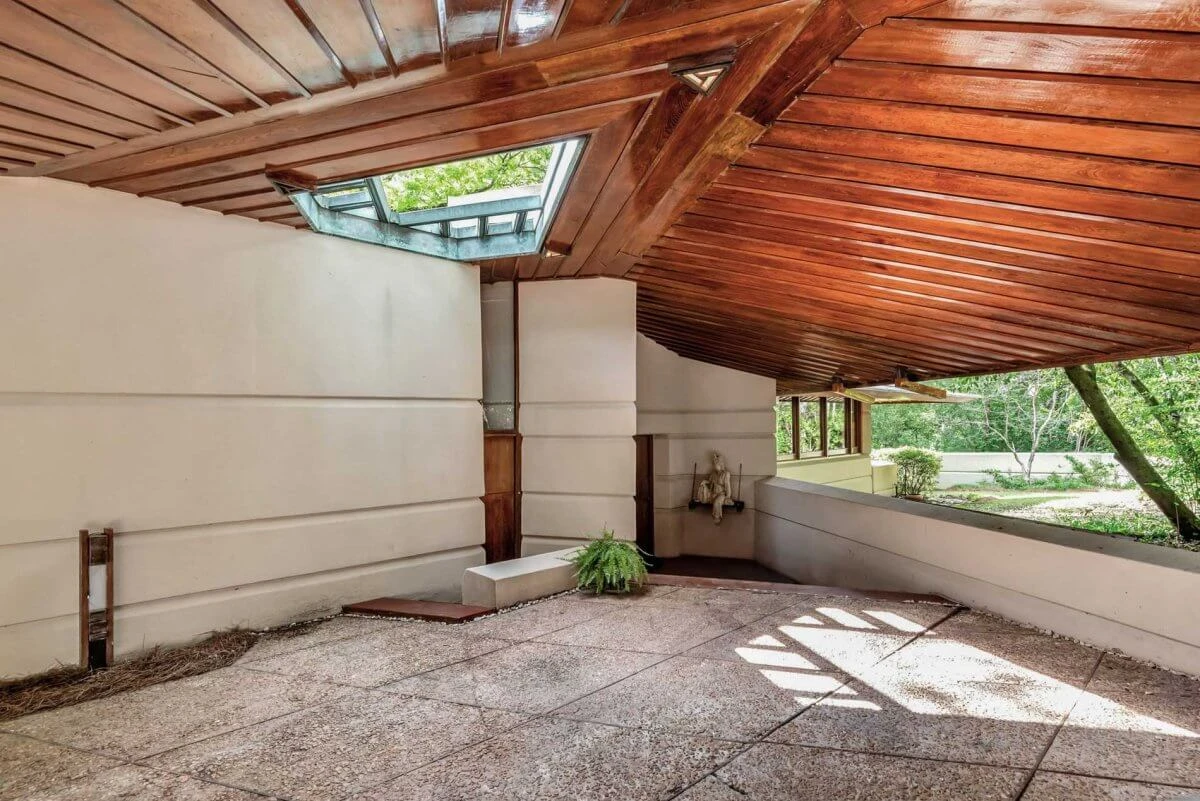
The preservation effort therefore extends beyond walls and roofs to include the home’s original architectural finishes, custom furnishings, integrated millwork, fireplaces, geometric skylights, red cypress interiors, and staged open-plan living spaces. Maintaining these original elements is essential to preserving the experiential quality that defines Frank Lloyd Wright’s domestic architecture.
Architecture Rooted in Landscape
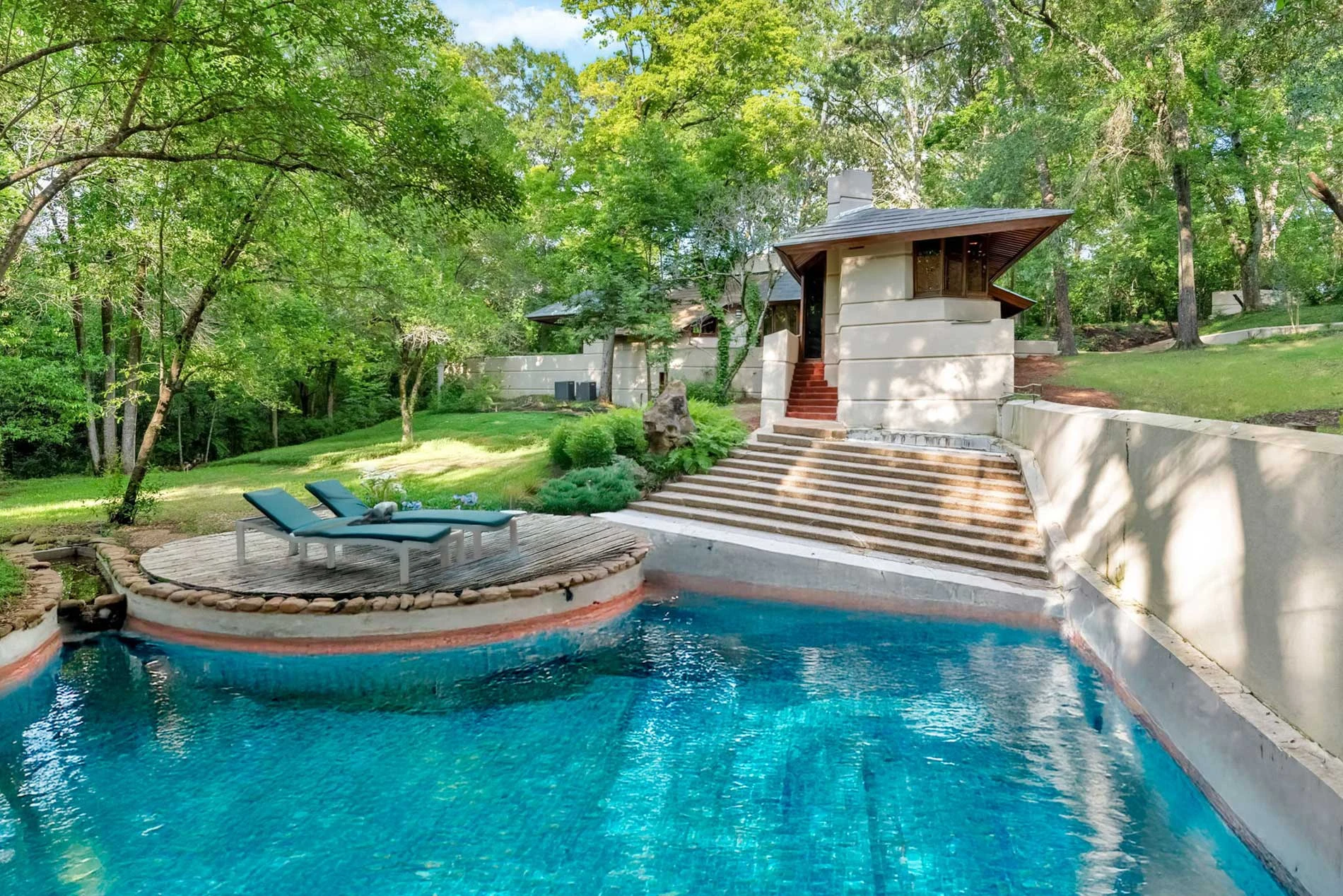
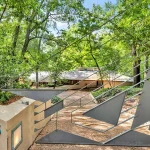
Equally significant is the restoration of Fountainhead’s exterior setting. Wright designed the residence as an extension of its wooded hillside, allowing architecture and landscape to function as one continuous composition.
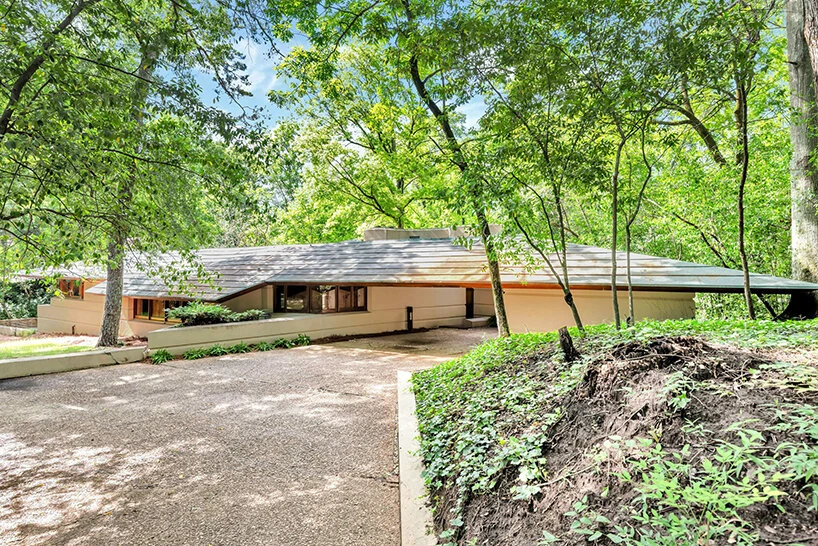
The preservation project includes evaluation and rehabilitation of the surrounding grounds, terraces, water features, and circulation routes that shape the visitor’s experience of the house. Restoring these landscape elements ensures that the building continues to express Wright’s principle of organic architecture, where built form emerges naturally from its environment rather than dominating it.
A Mississippi Team with National Preservation Expertise
Based in Eupora, Mississippi, Belinda Stewart Architects has earned national recognition for preservation, rehabilitation, and adaptive reuse projects across the state. The firm’s appointment reflects the museum’s intention to combine regional stewardship with specialized expertise in conserving Frank Lloyd Wright architecture.
Working alongside newly appointed Fountainhead Curator Jennifer Baughn and national preservation consultants experienced with Wright’s buildings, the multidisciplinary team will oversee investigations beginning immediately, with the museum targeting a public opening in 2028.
Preparing Fountainhead for a Public Future
Once conservation is complete, Fountainhead will become one of the few Frank Lloyd Wright houses in the United States owned and operated by an art museum. Visitors will experience not simply a preserved residence but an immersive architectural environment where Wright’s vision from furniture and interiors to landscape and geometry, remains remarkably intact.
As architecture increasingly recognizes preservation as an act of cultural continuity, the project positions Fountainhead as both an architectural landmark and an educational resource. Through Belinda Stewart Architects’ comprehensive conservation strategy, Frank Lloyd Wright’s enduring masterpiece is being prepared to inspire future generations while remaining faithful to the ideas that shaped it over seventy years ago.
Frank-Lloyd-Wright-Fountainhead