









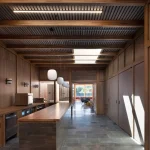
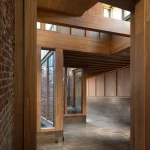
The Royal Institute of British Architects (RIBA) has announced the six shortlisted projects for the 2026 RIBA Stirling Prize, marking the 30th anniversary of the United Kingdom’s most prestigious architectural award. Selected from this year’s RIBA National Award winners, the shortlist represents projects ranging from housing and higher education to cultural infrastructure and major transport-led urban regeneration. The winner will be announced on 15 October 2026 at Old Billingsgate in London.
Chosen after extensive site visits by the Stirling Prize jury, the finalists were evaluated for design excellence, innovation, sustainability, functionality, and their contribution to the built environment. This year’s jury is chaired by RIBA President Chris Williamson and includes Stephanie Macdonald, Tracy Meller, Dr. Julie Godefroy, Will Gompertz, and Catherine Winfield.
The 2026 RIBA Stirling Prize Shortlist
A House at Fairmead, Essex
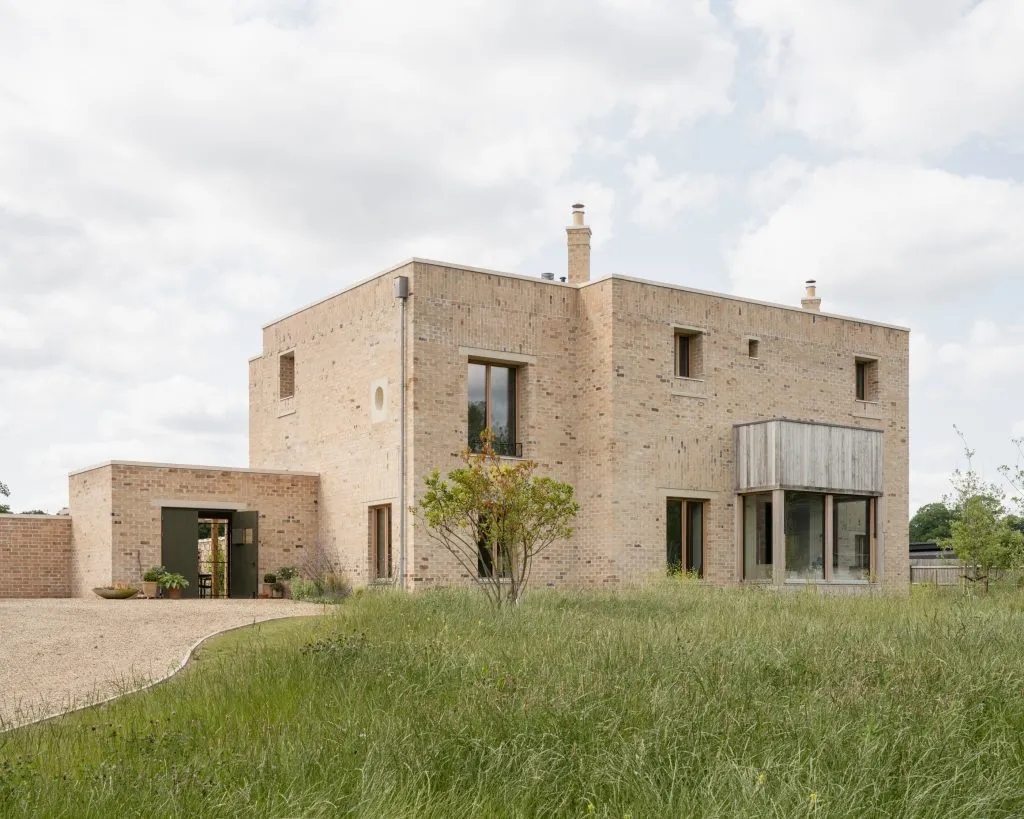
Architect: Sergison Bates Architects
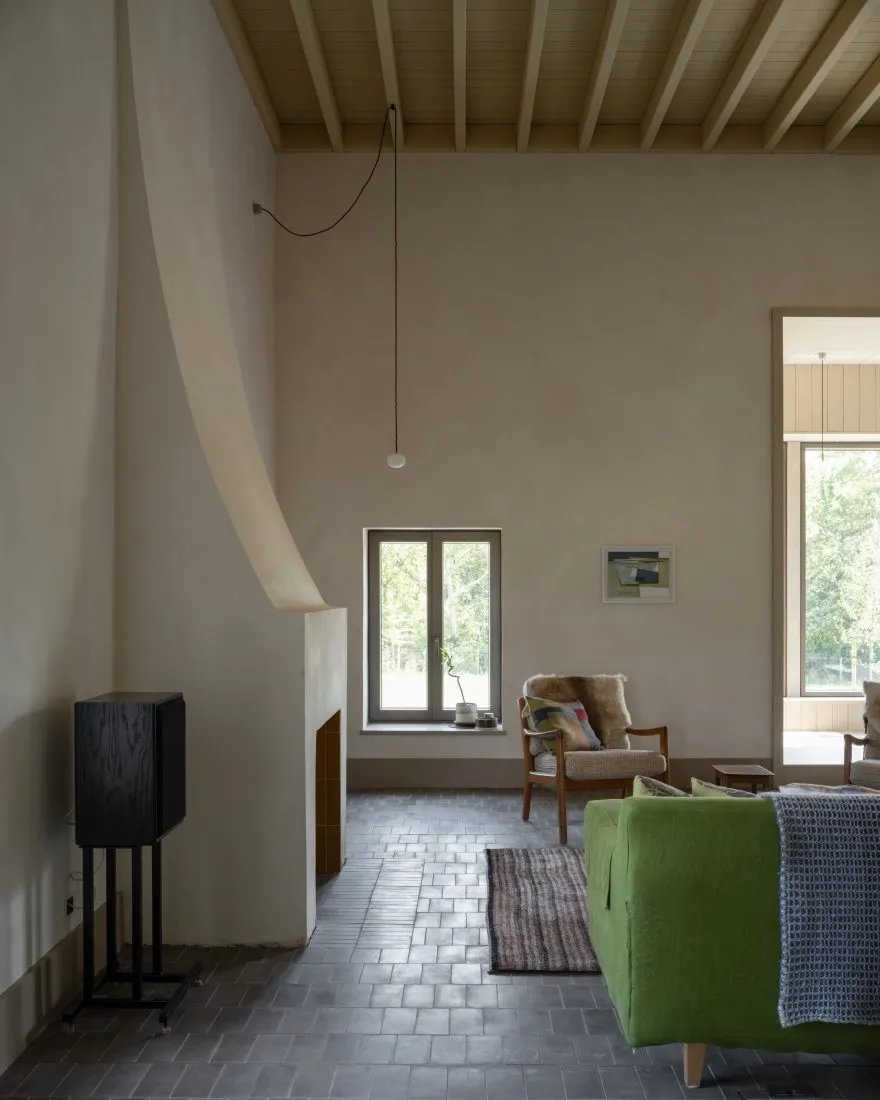
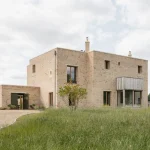
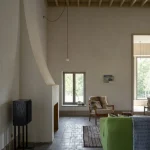
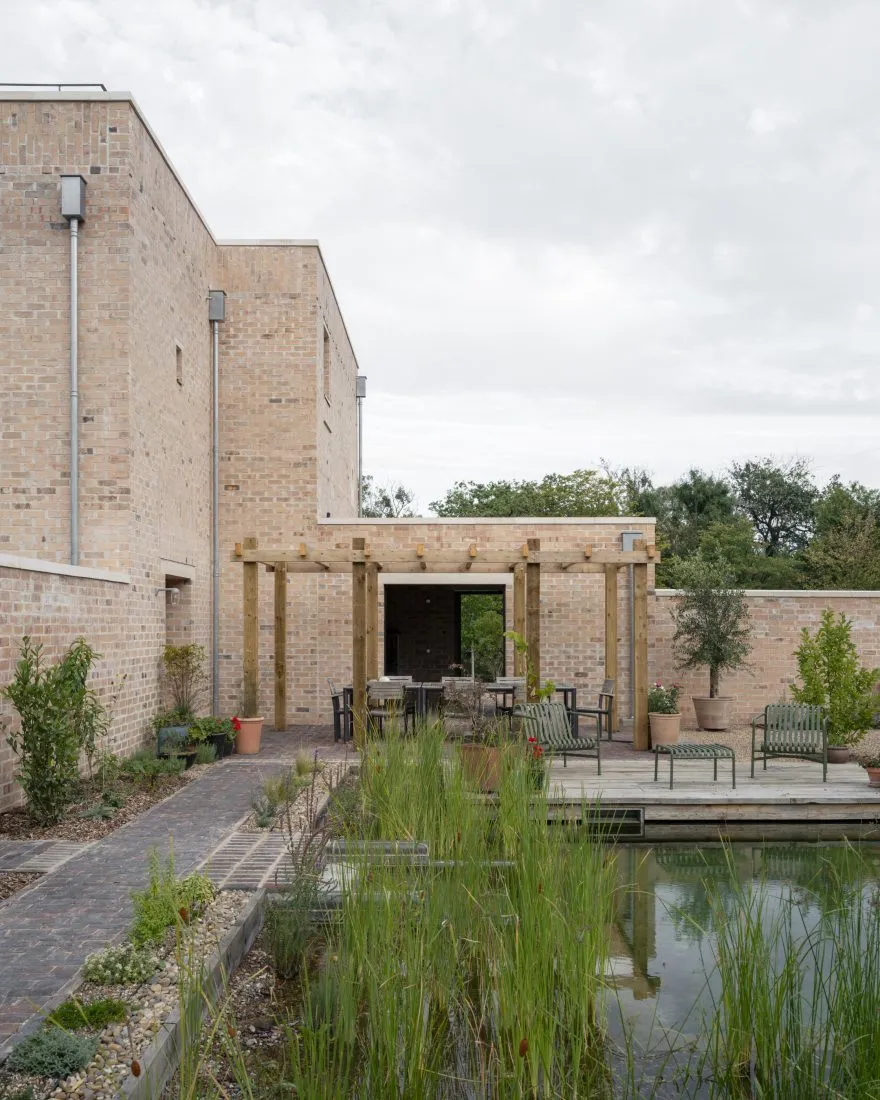
Set within the woodland landscape of Epping Forest, A House at Fairmead reinterprets the English country house through a restrained contemporary language. The home is embedded into the landscape, using robust brick masonry, generous double-height interiors, and precisely framed views to establish a quiet dialogue with the surrounding forest. The jury praised its architectural clarity and the thoughtful balance between permanence, craftsmanship, and domestic comfort.
BEAM, Hertfordshire
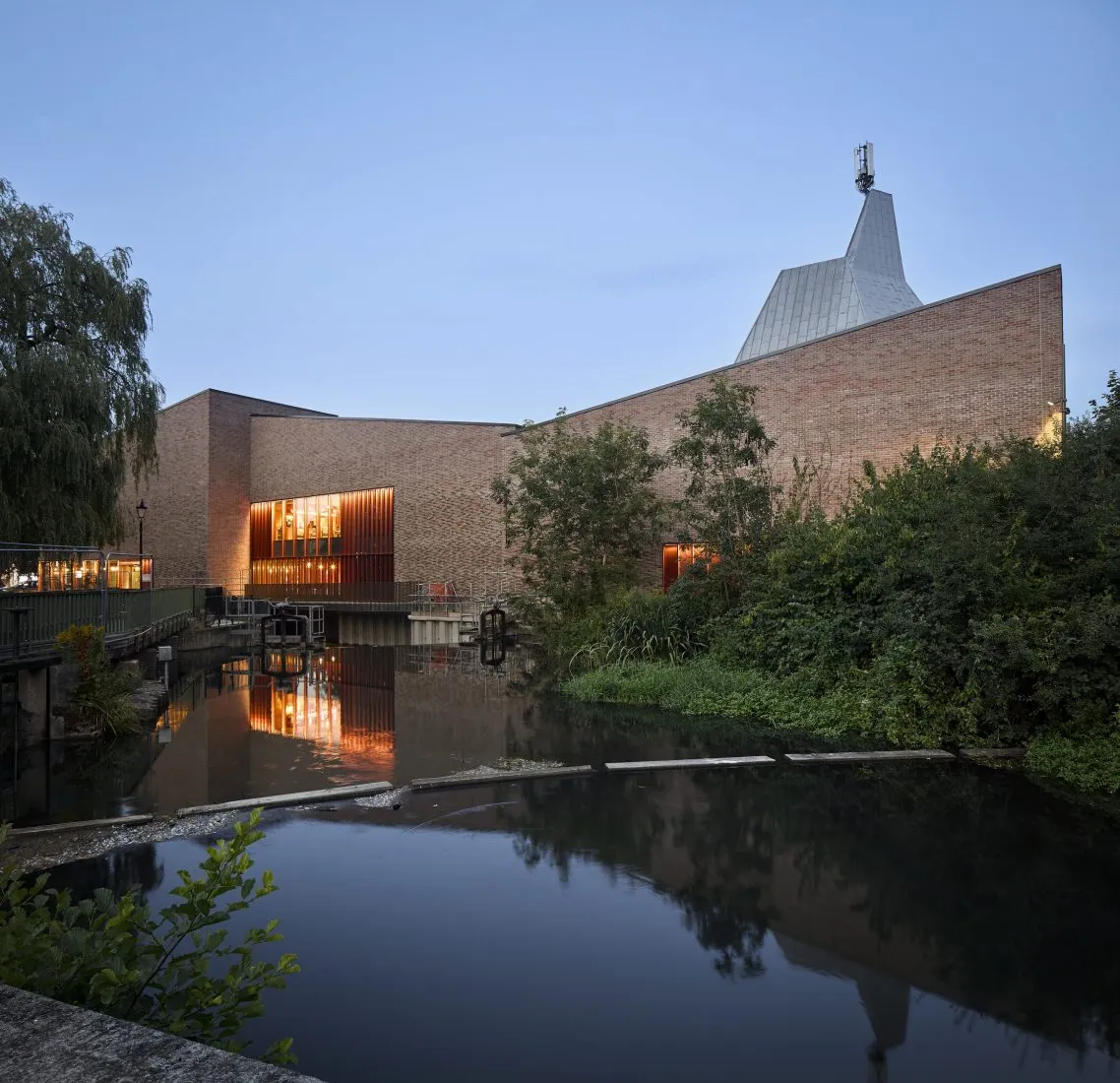
Architect: Bennetts Associates
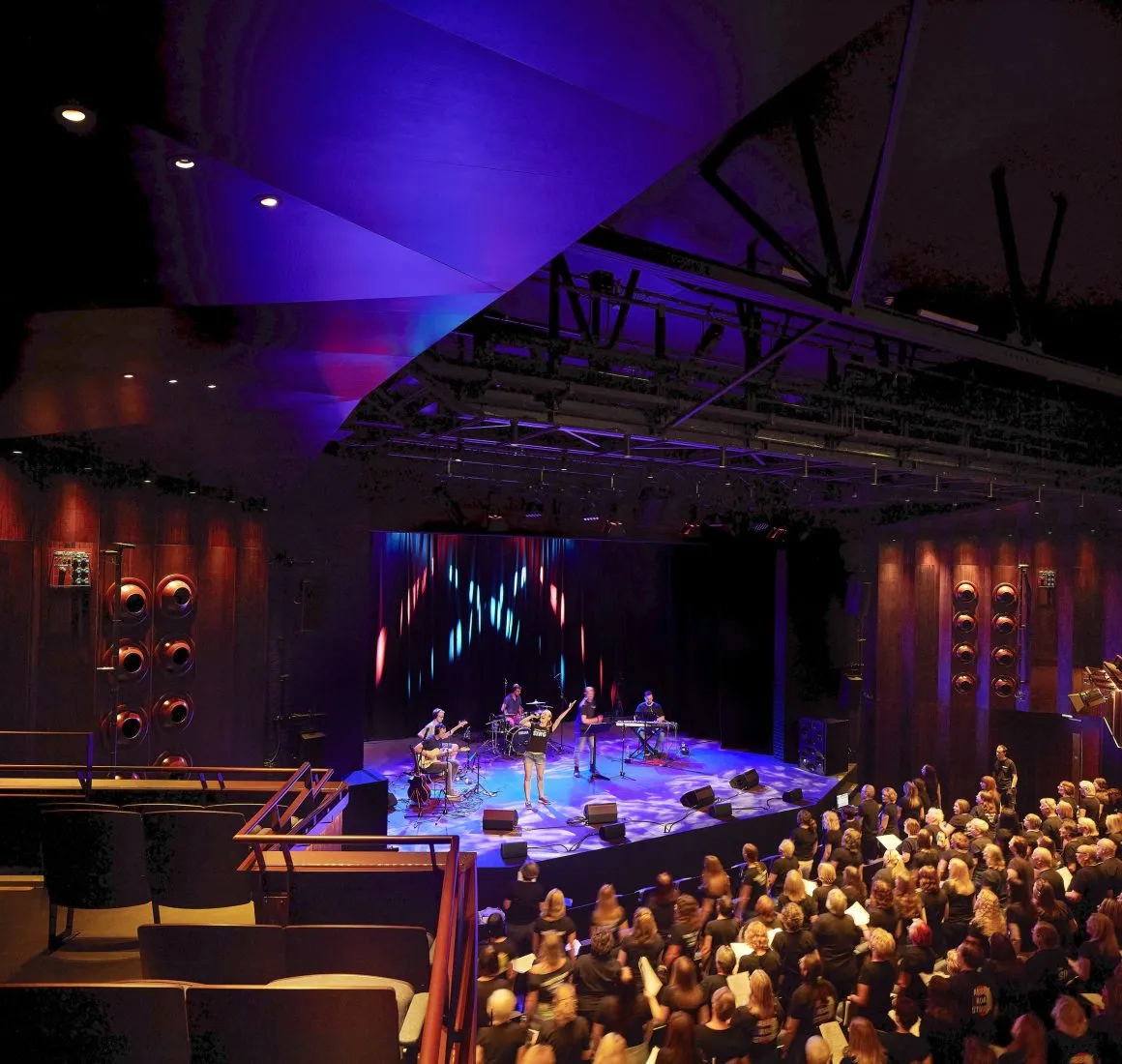
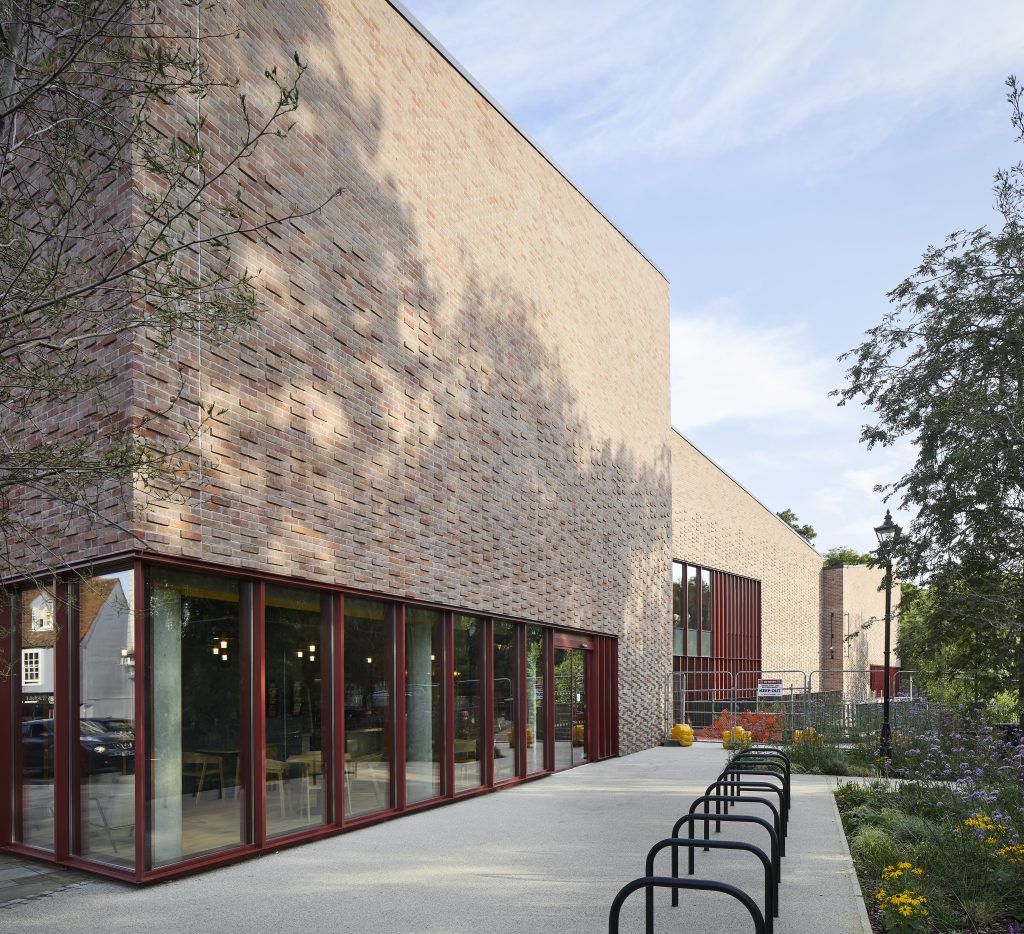
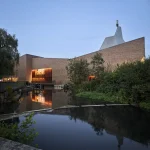
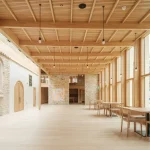
Located in Hertford town center, BEAM gives new life to a disused 1970s theater by transforming it into a flexible cultural venue. Instead of demolition, the project embraces adaptive reuse, retaining much of the existing structure while introducing contemporary performance spaces, creative studios, and community facilities. The revitalized building now functions throughout the day, reinforcing the role of cultural architecture in supporting civic life and local regeneration.
Lion Green Road, South London
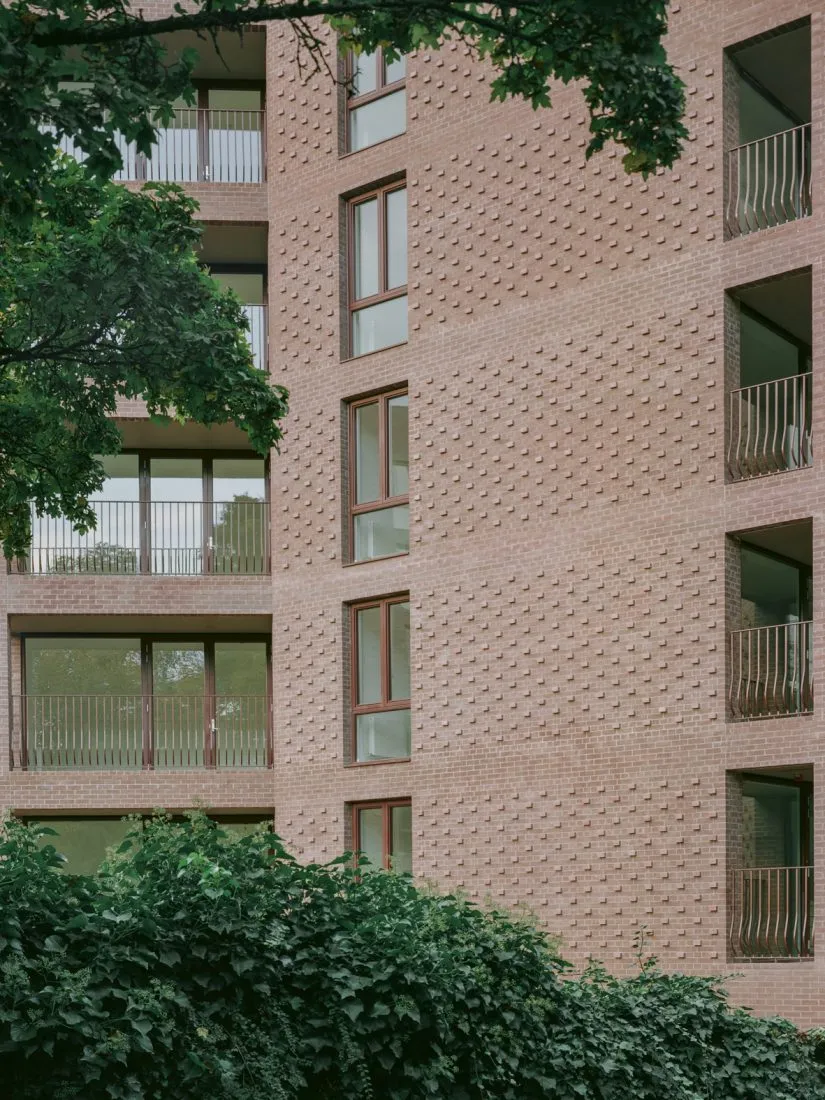
Architect: Mary Duggan Architects with RUFF Architects
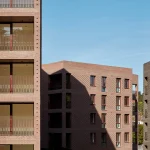
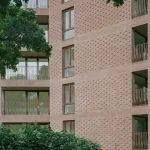
Built on a steep and constrained site in Croydon, Lion Green Road demonstrates how thoughtful housing design can respond to difficult urban conditions. The development provides family homes arranged around shared gardens and pedestrian routes, using carefully detailed brick architecture to create a strong sense of identity. Its sensitive handling of density, landscape, and community space positions the scheme as a model for contemporary urban housing.
Paddington Square, London
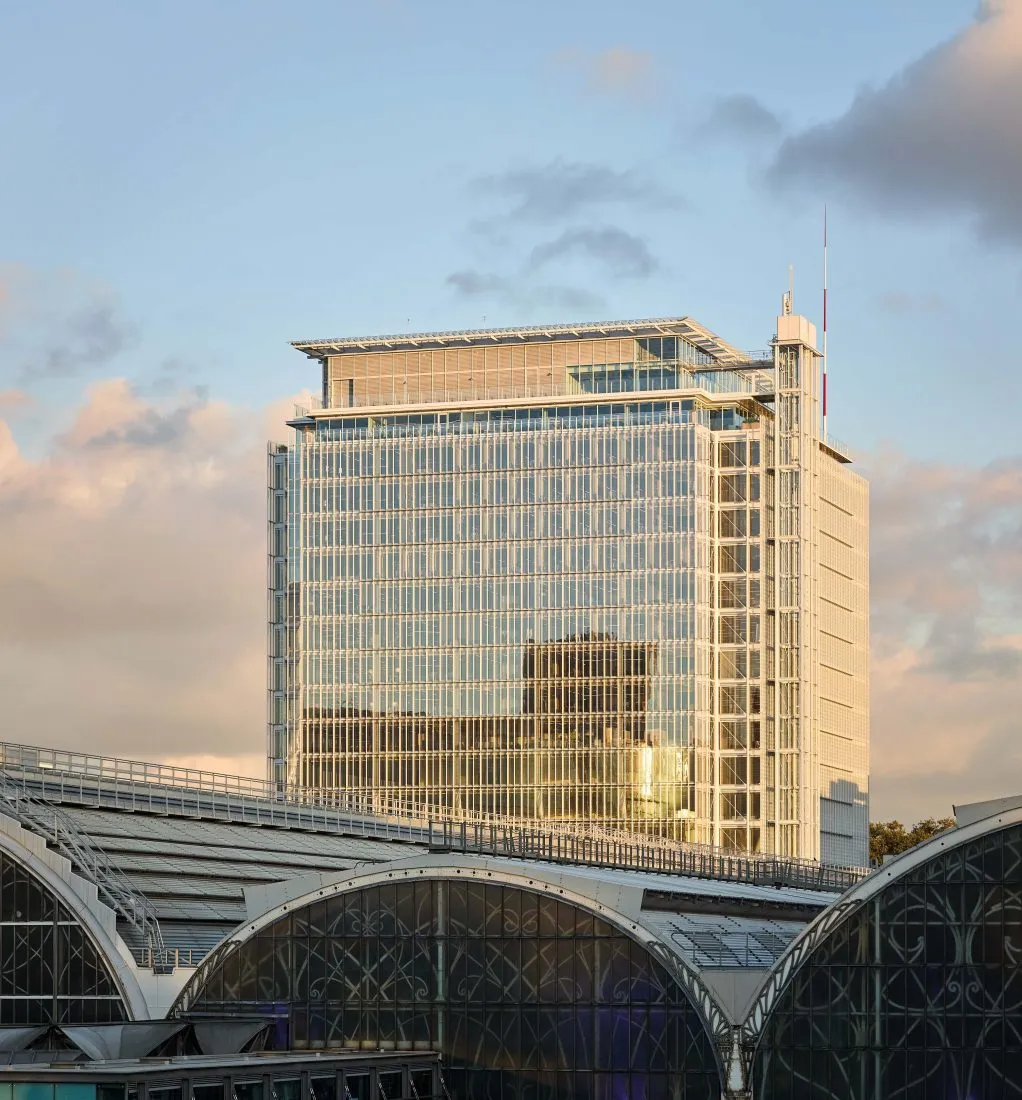
Architect: Renzo Piano Building Workshop with Adamson Associates
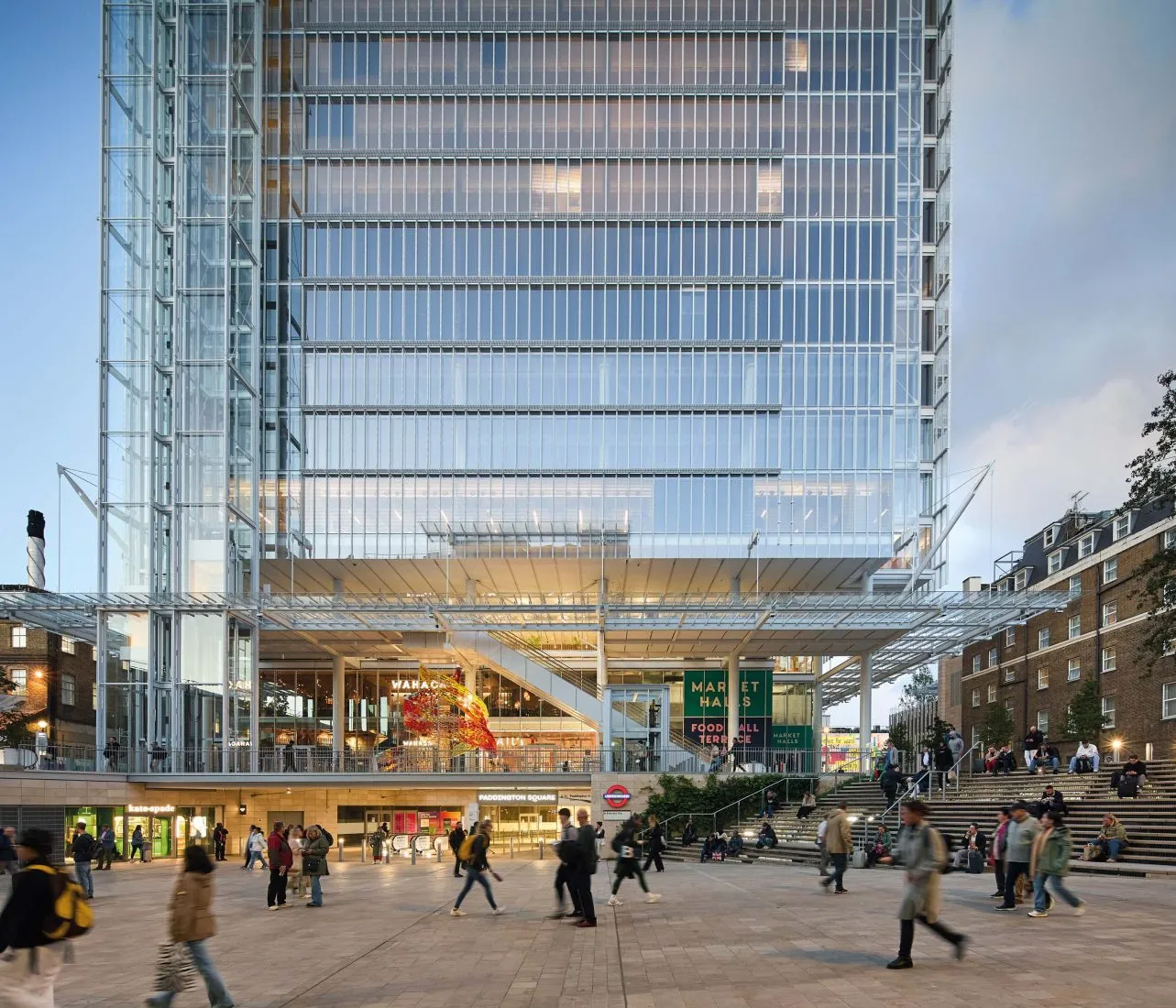
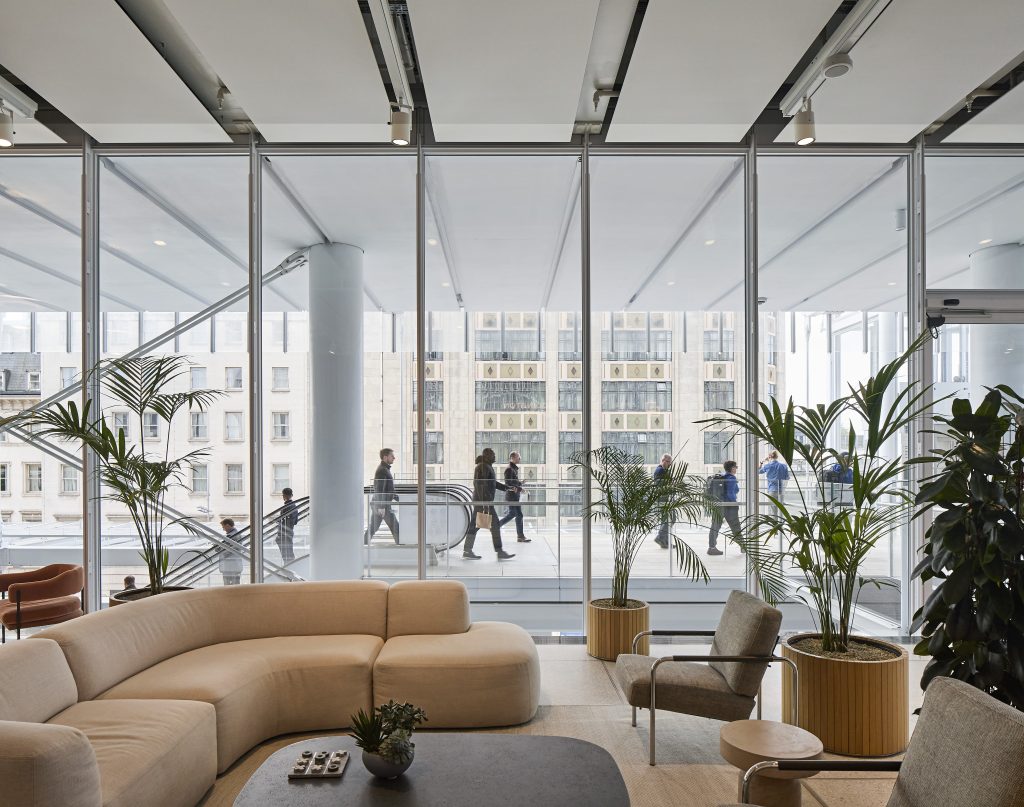
Adjacent to Paddington Station, Paddington Square reshapes one of London’s busiest transport gateways through a major mixed-use development. At its centre is a landmark office building with a distinctive glazed façade, complemented by new public squares, retail spaces, and improved pedestrian connections. The project stitches together previously fragmented urban spaces while strengthening links between the station, surrounding streets, and the wider city.
Pembroke, Mill Lane, Cambridge
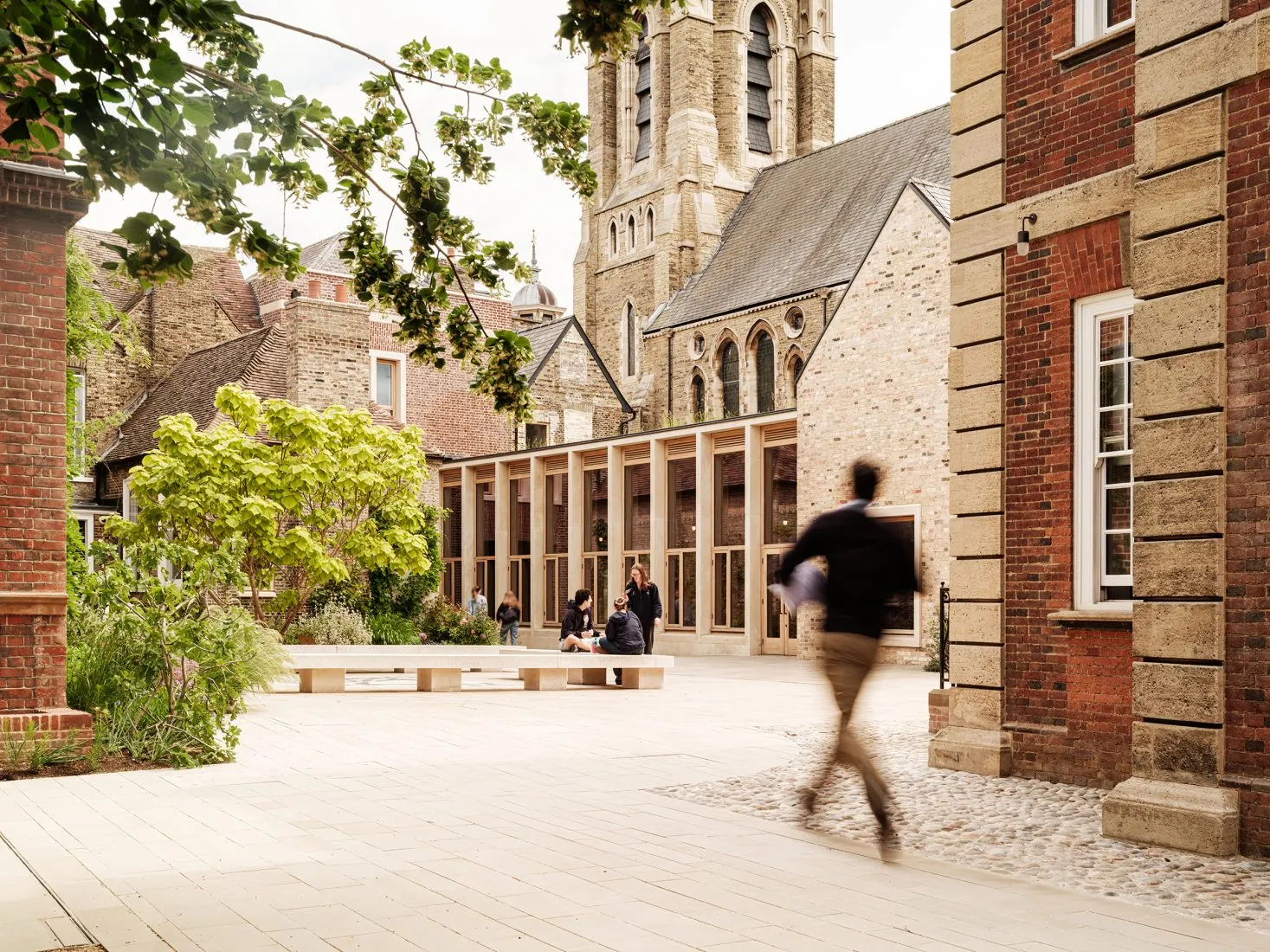
Architect: Haworth Tompkins
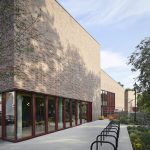
Occupying a sensitive historic site, Pembroke, Mill Lane expands Pembroke College with new student accommodation, teaching spaces, and landscaped courtyards. The scheme weaves contemporary buildings into Cambridge’s historic urban fabric, reconnecting previously enclosed areas through new pedestrian routes and open spaces while respecting the college’s architectural heritage.
River Wing, Clare College, Cambridge
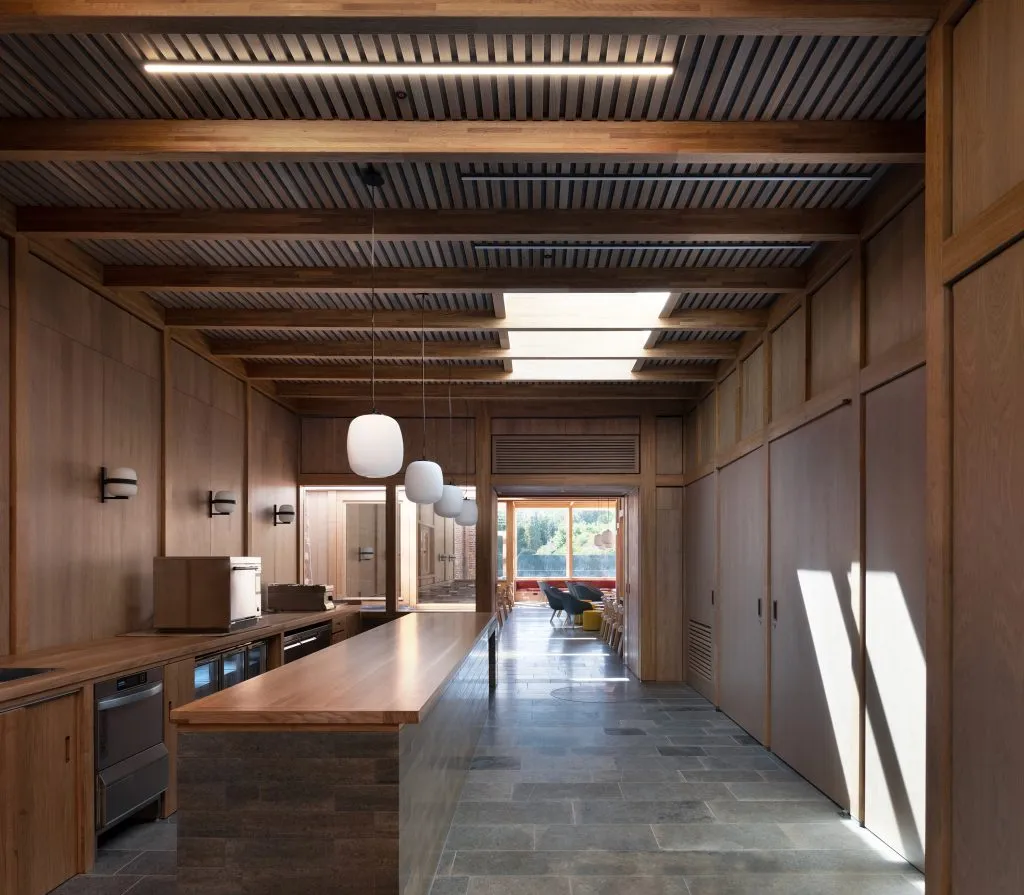
Architect: Witherford Watson Mann Architects
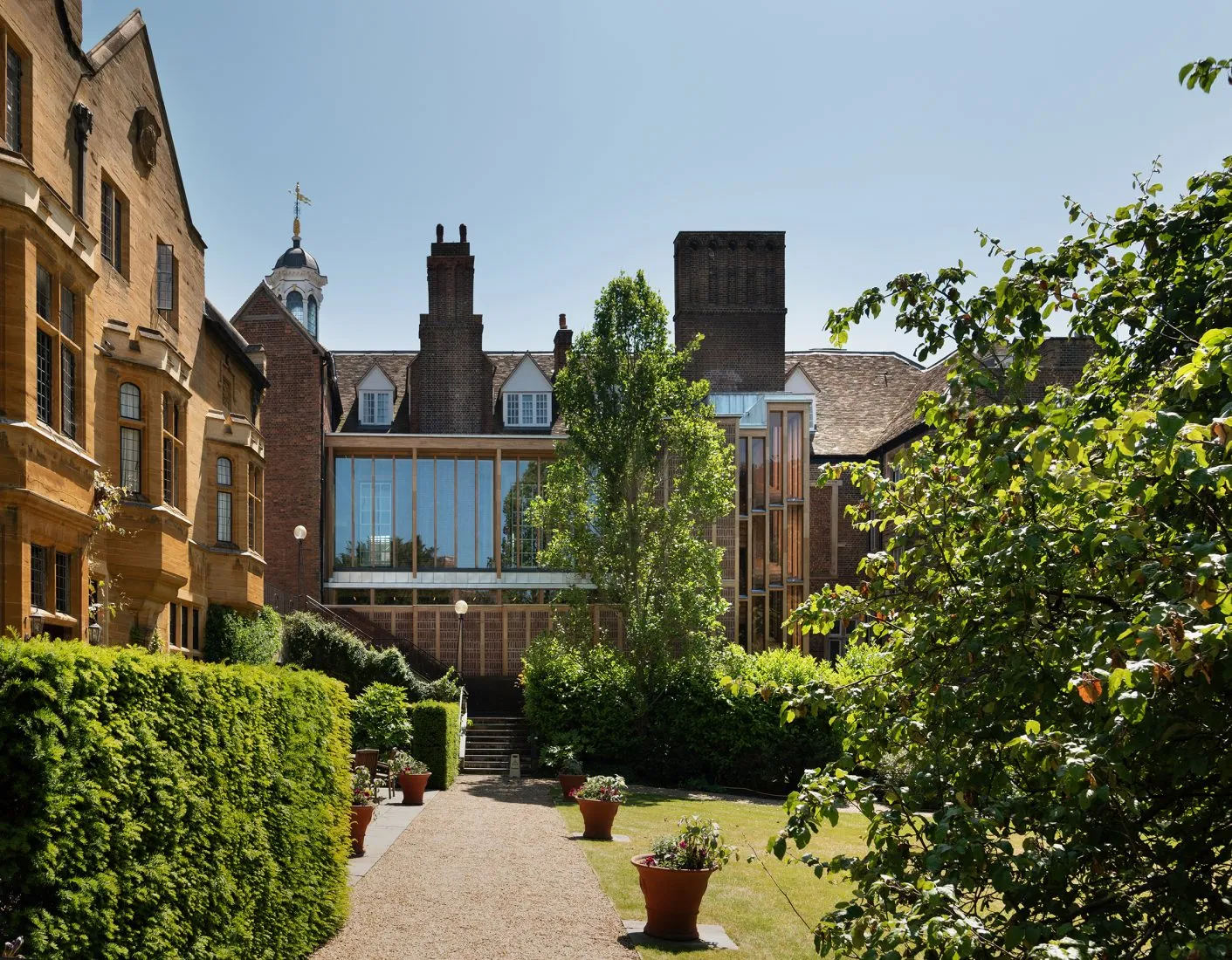
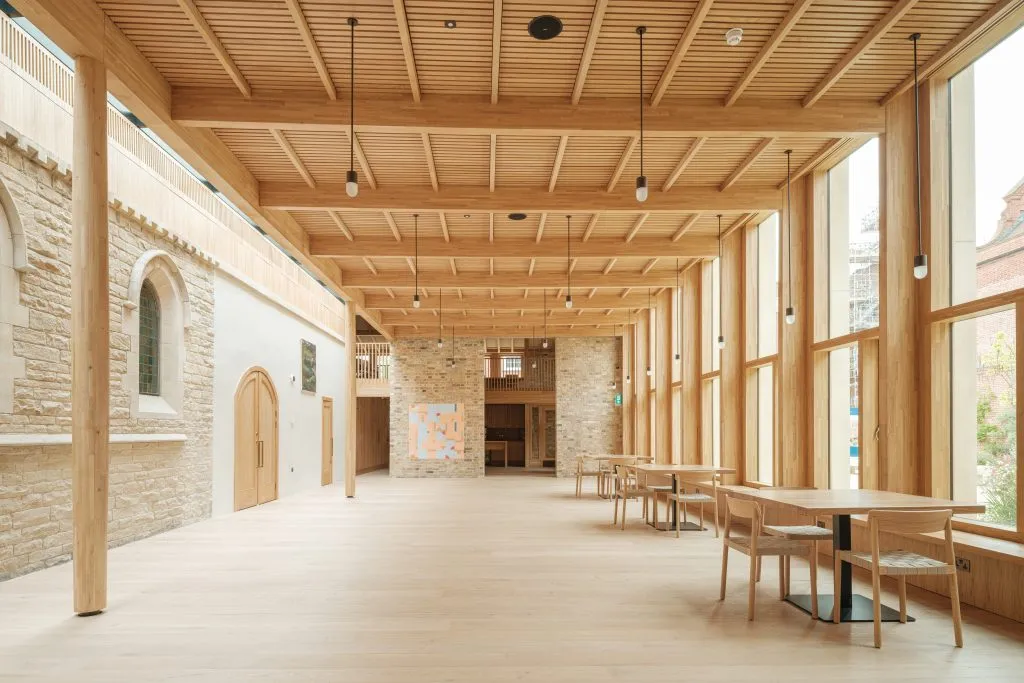
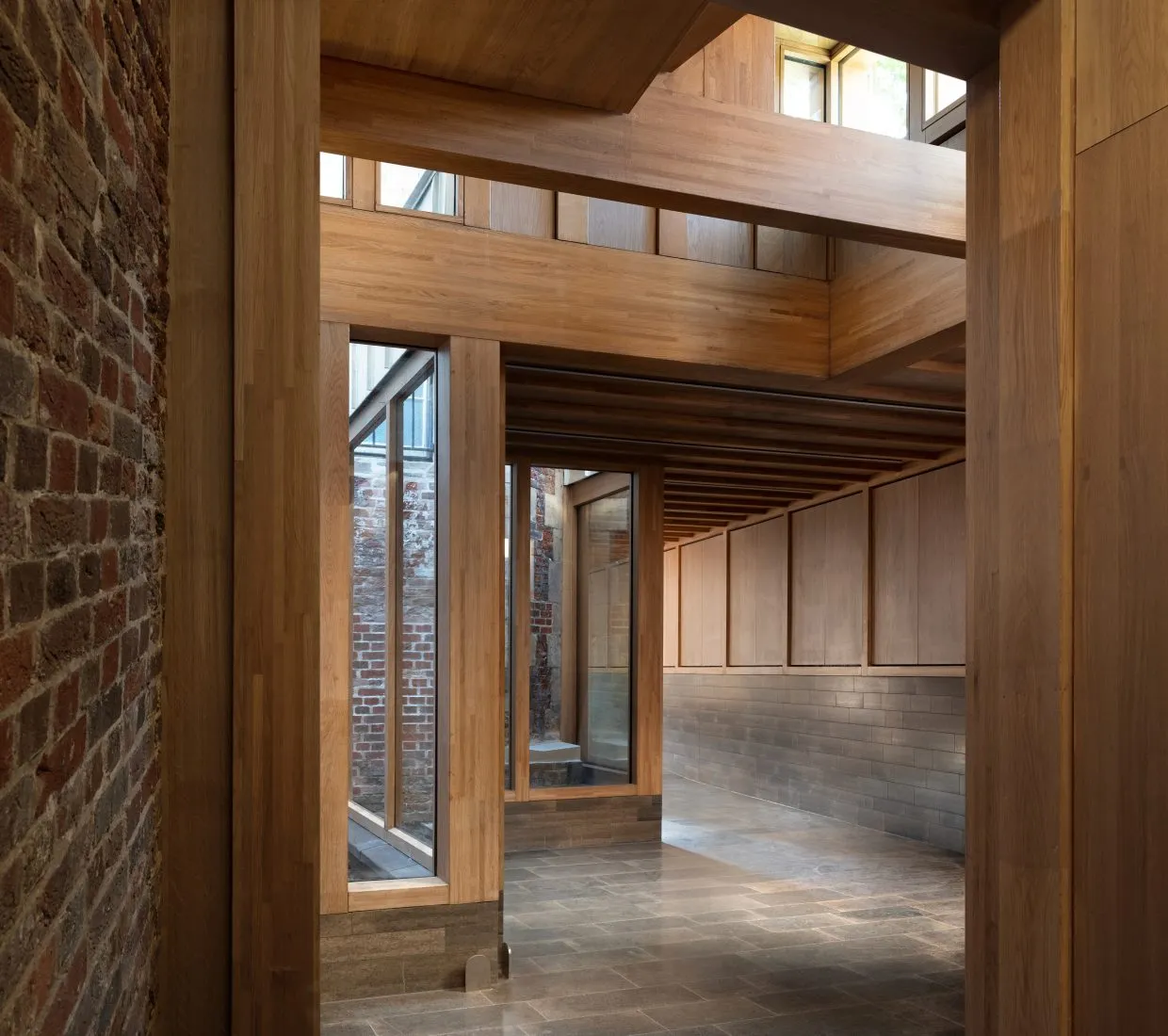
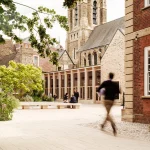
The River Wing at Clare College restores and adapts part of one of Cambridge’s oldest colleges to meet contemporary academic needs. Working within the constraints of a Grade I-listed setting, the architects introduced subtle interventions that improve accessibility, circulation, and student facilities while preserving the building’s historic character. The project exemplifies a measured approach to conservation, where new architectural elements quietly enhance rather than compete with the existing fabric.
The 2026 shortlist spans private housing, affordable residential development, higher education, cultural reuse, and large-scale commercial infrastructure. Together, the projects reflect growing architectural priorities around adaptive reuse, contextual design, urban regeneration, and the enhancement of public life.
Established in 1996 and named after architect James Stirling, the RIBA Stirling Prize is awarded annually to the building judged to have made the greatest contribution to the evolution of architecture in the UK. Following the announcement of this year’s shortlist, the six finalists will compete for the 2026 title before the winner is revealed on 15 October 2026, concluding the award’s milestone 30th anniversary edition.