


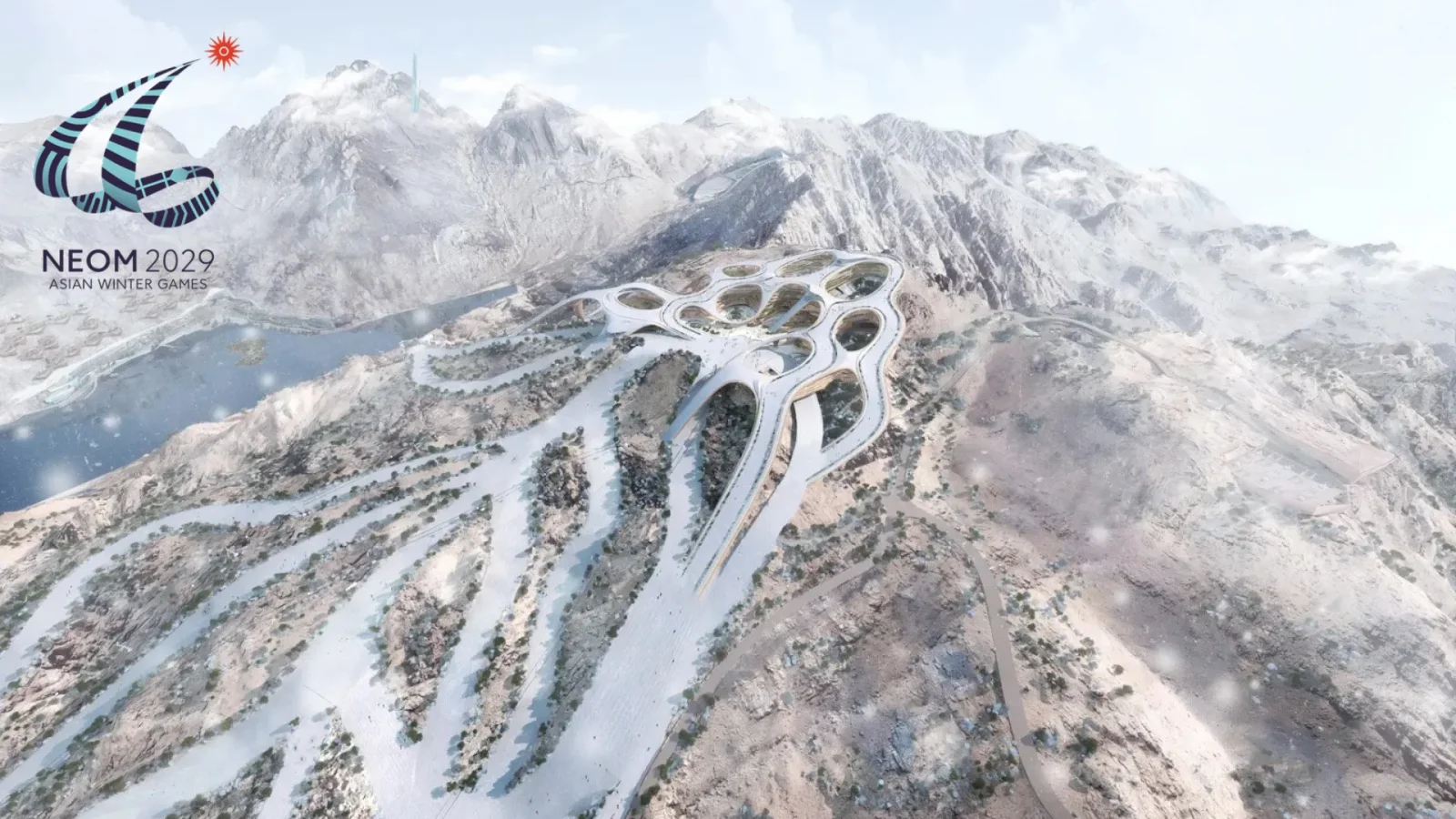
The future of the 2029 Asian Winter Games in Saudi Arabia’s Neom megacity has been thrown into doubt, with Olympic officials quietly exploring backup venues amid growing uncertainty over the feasibility of staging the event in the desert-based resort of Trojena.
Neom, a flagship development project backed by Crown Prince Mohammed bin Salman, had been awarded the Games in 2022, marking the first time the Asian Winter Games were scheduled in the Middle East. The decision was hailed as a symbolic milestone for the kingdom’s ambitious Vision 2030, designed to diversify the economy beyond oil. However, a mix of construction delays, climate challenges, and international scrutiny over the project’s environmental and political implications is now casting shadows on the plan.
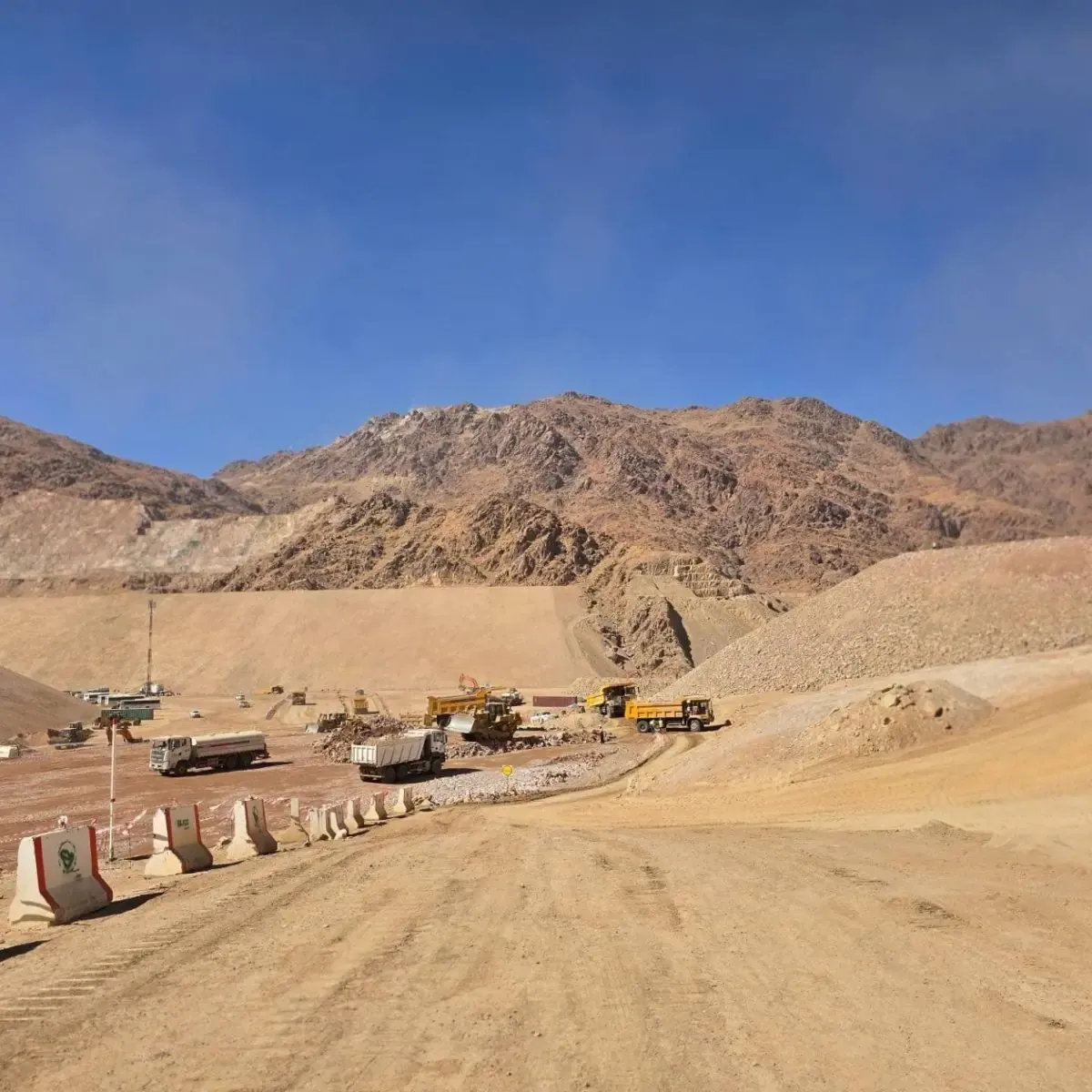
Growing Concerns About Trojena
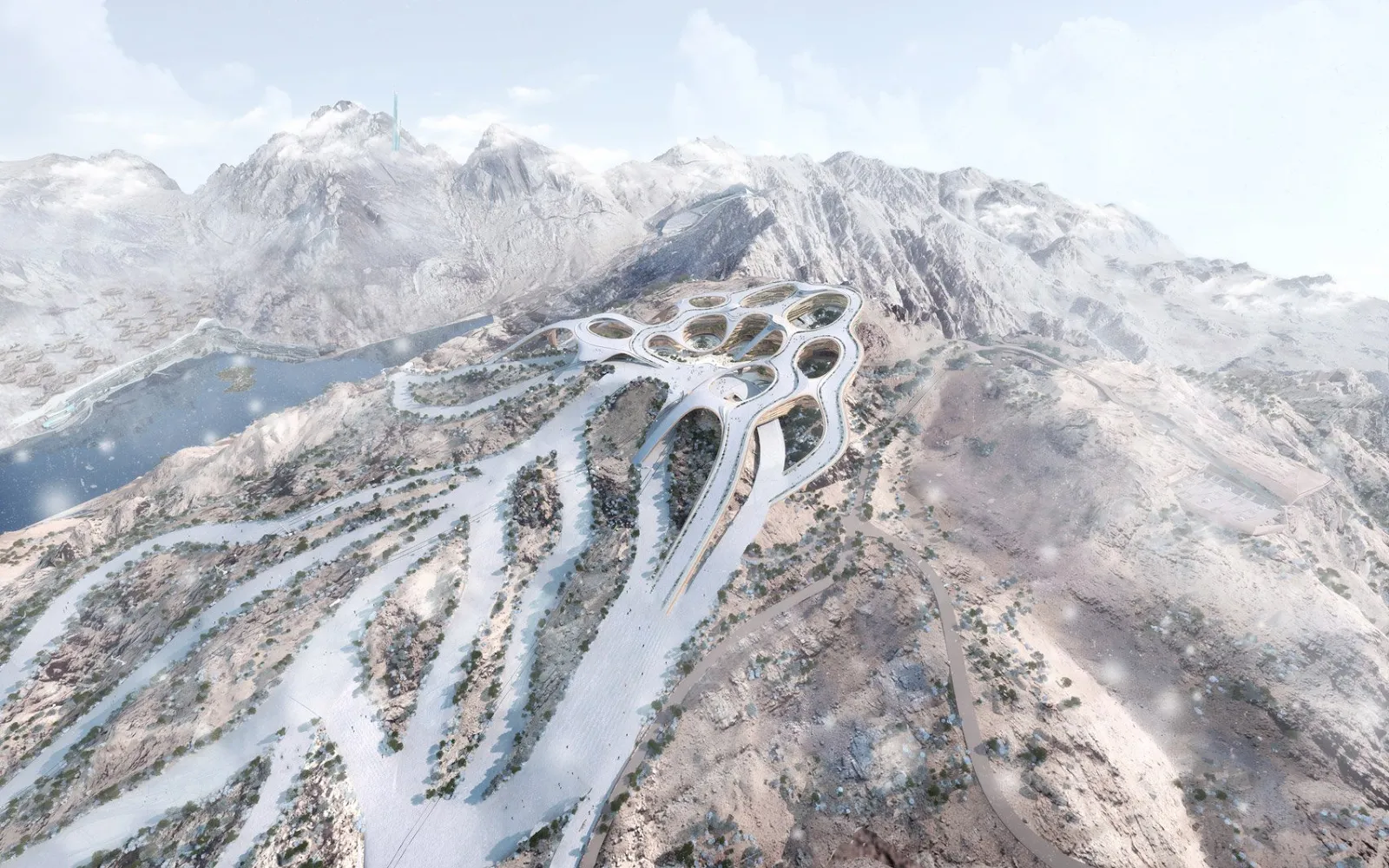
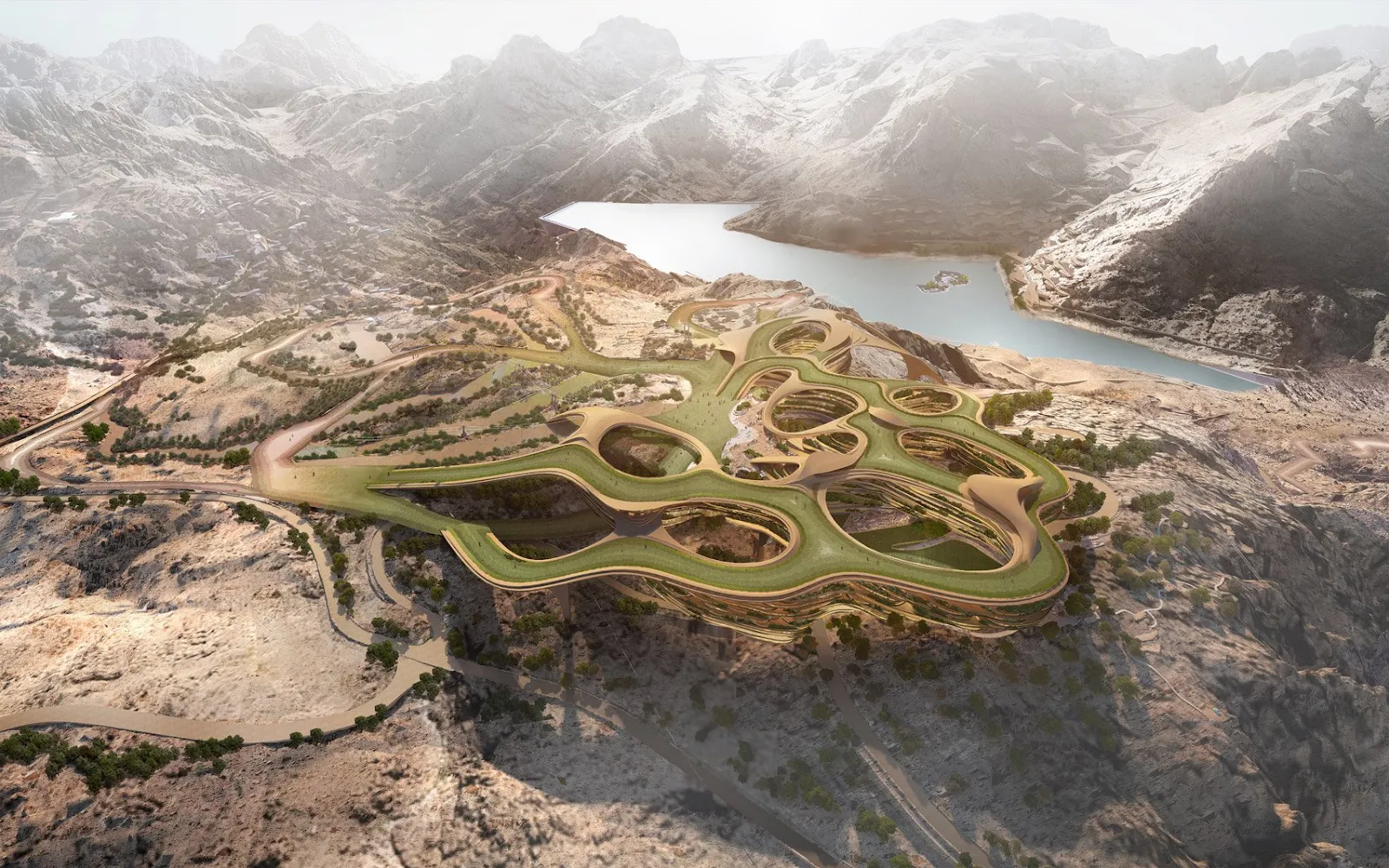
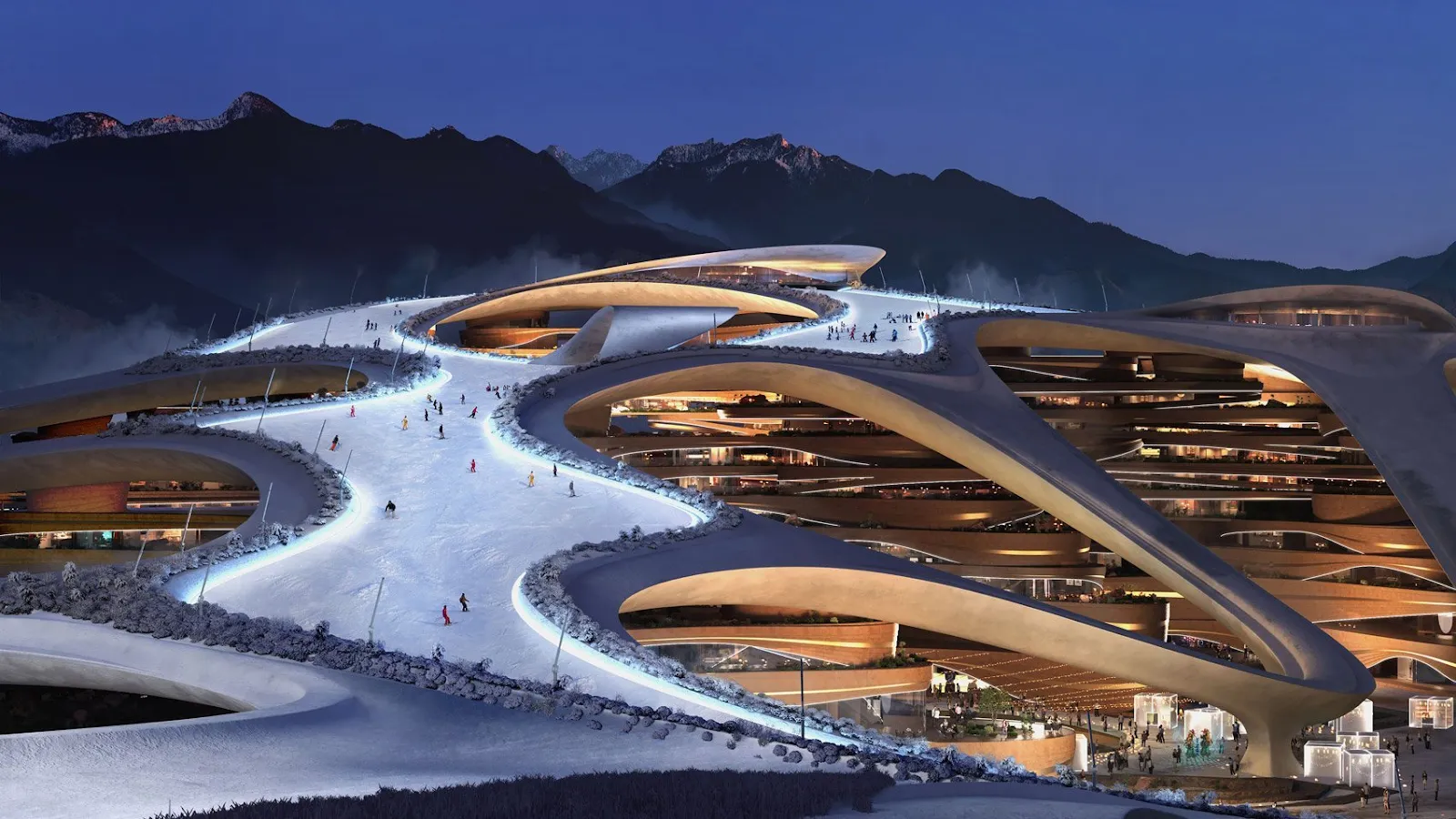
The designated venue, Trojena, is envisioned as a high-altitude ski resort nestled in the Tabuk region. Saudi officials promoted it as an “all-year-round winter sports destination,” complete with artificial snow slopes, luxury hotels, and high-tech transport systems. Yet reports suggest that much of the infrastructure remains incomplete, and experts warn that maintaining ski conditions in a desert climate poses significant logistical and ecological hurdles.
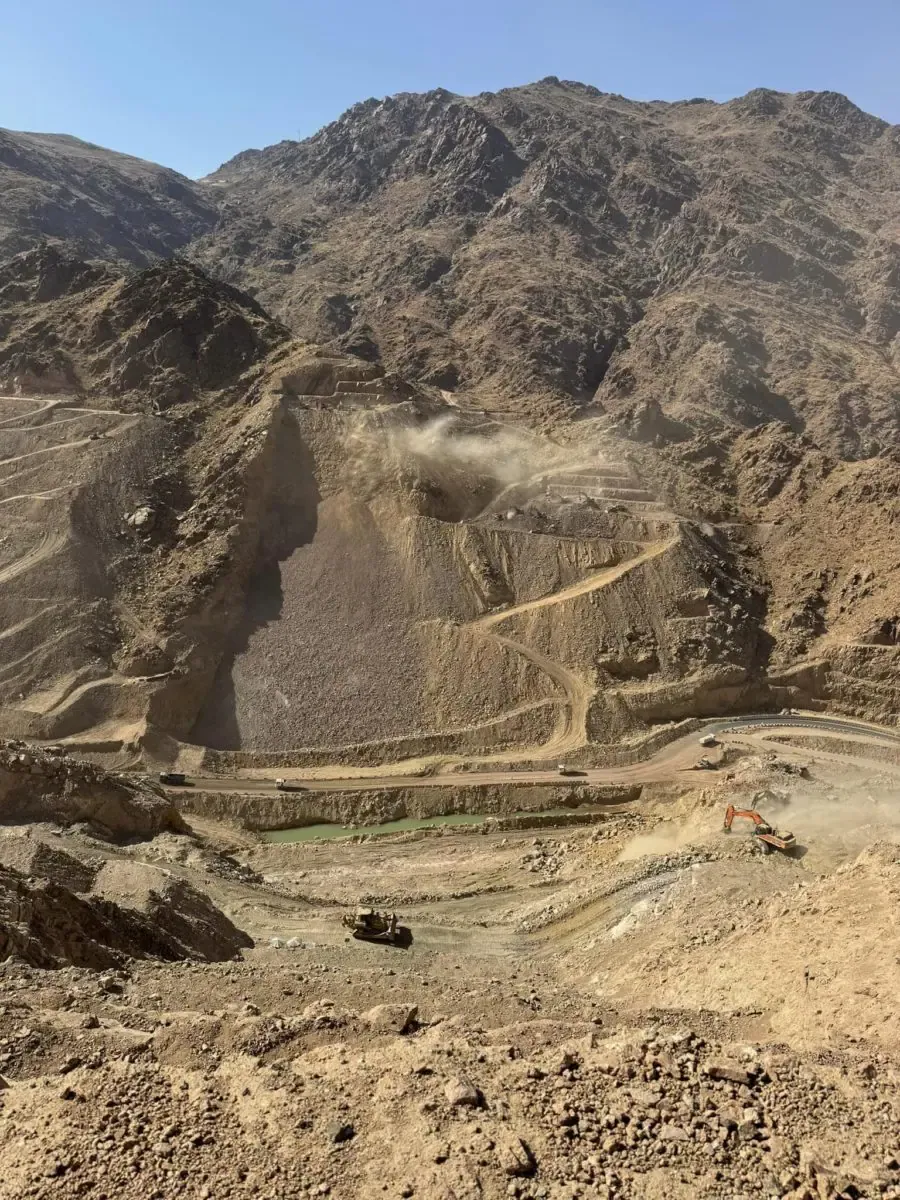
While Neom remains the official host city, Saudi officials have already drawn up contingency plans in case Trojena cannot be delivered on time. According to reports, the Saudi Olympic and Paralympic Committee has identified two fallback options outside of Neom.
One of the strongest candidates is South Korea’s Gangwon Province, home to the 2018 Winter Olympics. With world-class ski slopes, ice arenas, and proven infrastructure, Gangwon represents a ready-made alternative capable of hosting on short notice. Other possible options include Sapporo, Japan, which has previously hosted both the Asian Winter Games and Winter Olympics, and Almaty, Kazakhstan, which has campaigned vigorously in the past to stage major winter sports events.
Analysts note that a hybrid solution is also being quietly discussed, keeping some indoor events such as hockey and figure skating in Saudi Arabia while outsourcing snow-based sports to established resorts elsewhere in Asia.
The idea of staging the Asian Winter Games in a desert setting has drawn widespread debate. Some observers warn that moving the event away from Neom would damage Saudi Arabia’s reputation and weaken its efforts to present itself as a global sports hub. Others argue that if successful, hosting in Neom could set a new precedent for expanding winter sports into non-traditional regions.
The Stakes for Saudi Arabia
For Saudi Arabia, the Games are about more than sport. They are intended to showcase the country’s modernization drive and support its Vision 2030 agenda, which aims to diversify the economy and promote tourism. Any delay or relocation would raise questions about the feasibility of the Neom megaprojects and the kingdom’s ability to deliver on its ambitious promises.

Architectural and Environmental Spotlight
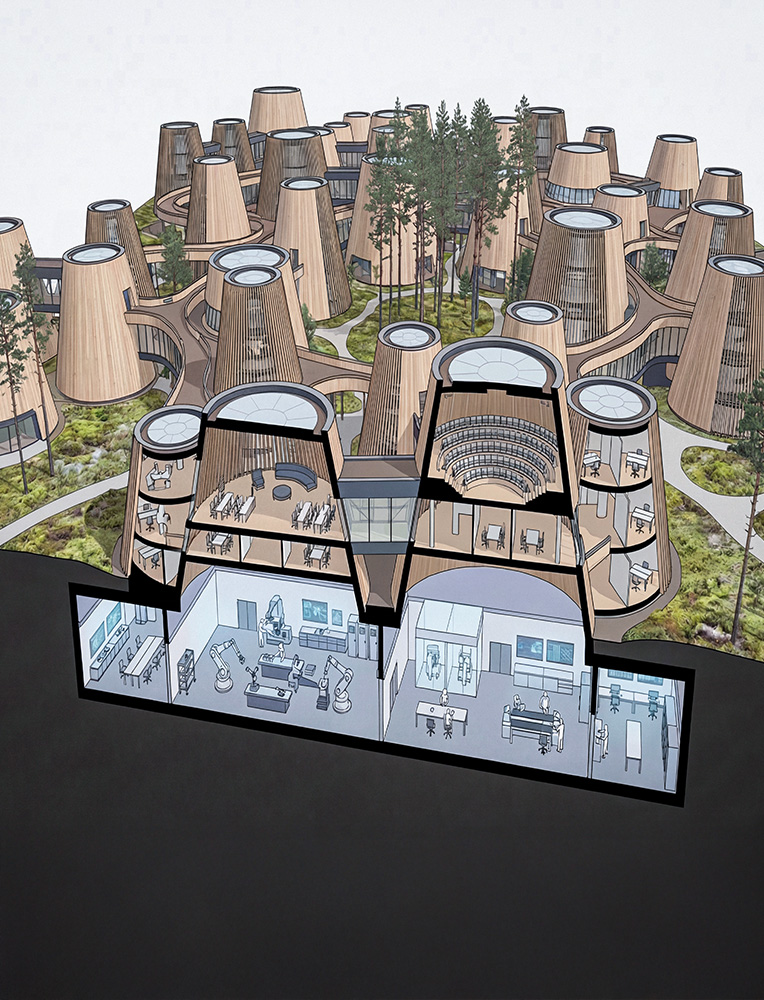
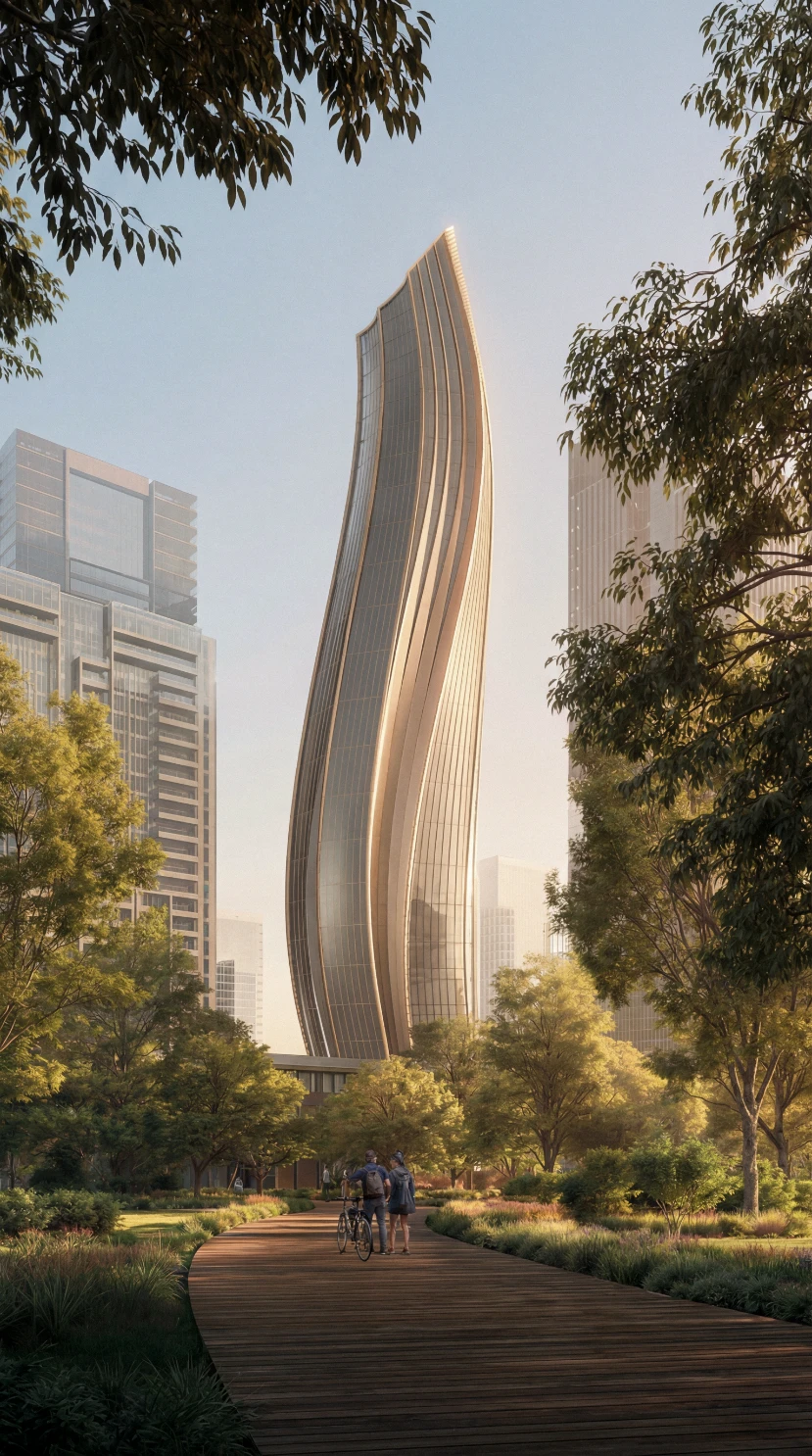
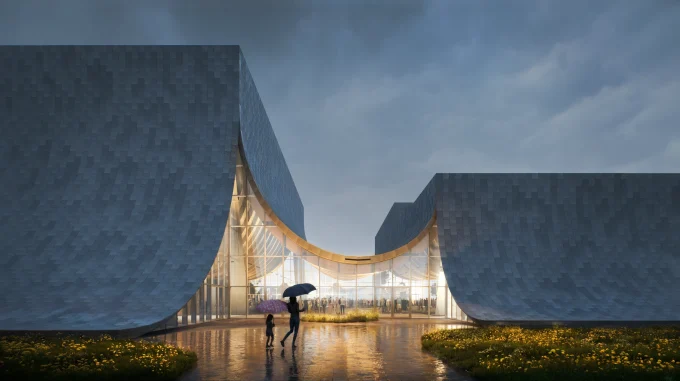
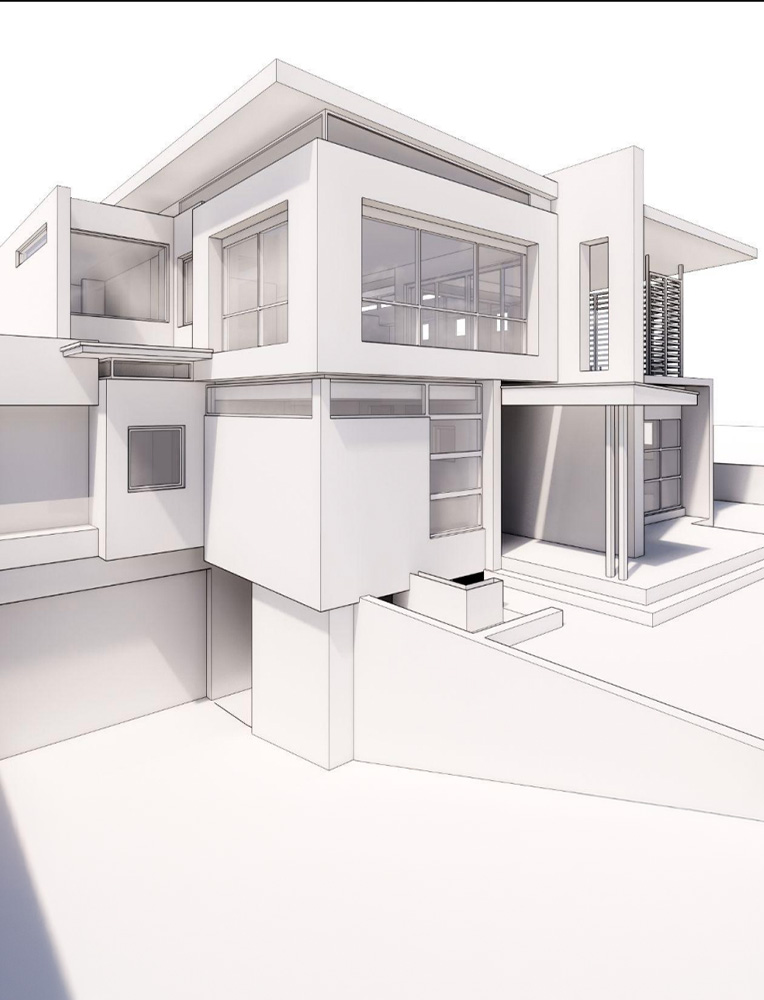
Architecturally, Trojena has been designed as a futuristic blend of mountainside resorts, mirrored skyscrapers, and engineered landscapes. Environmentalists, however, remain cautious, pointing out the energy costs of sustaining snow and the broader ecological impact of large-scale construction in an already fragile desert ecosystem.
The Asian Olympic Council is expected to clarify its stance in the coming months, balancing Saudi Arabia’s commitments with practical considerations about the Games’ success. For now, Neom remains the official host, but the quiet search for alternatives suggests that the dream of a desert winter spectacle could still shift elsewhere.
Explore Courses
.jpg "Ondrej Chybik - Rethinking Architecture")