

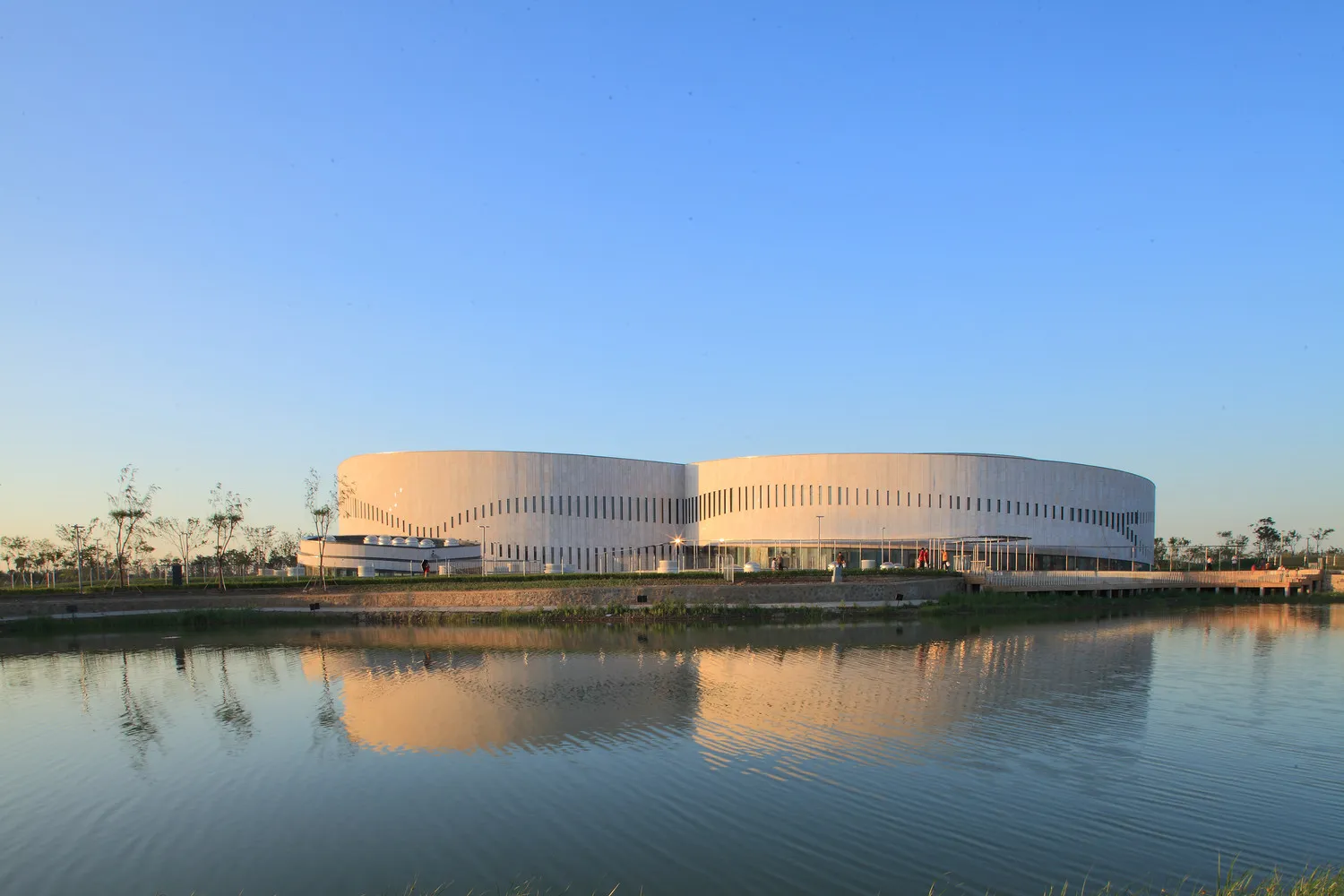
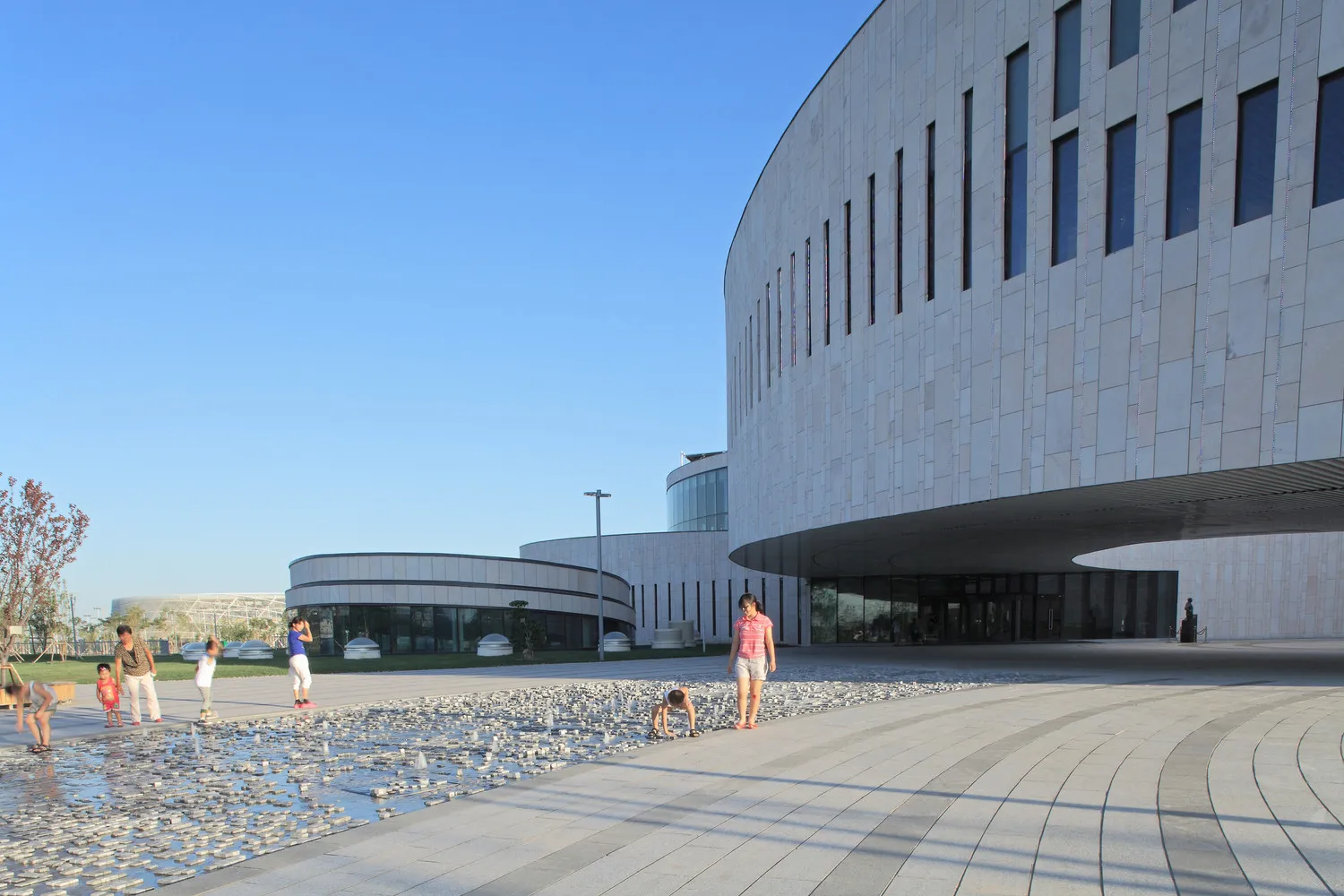
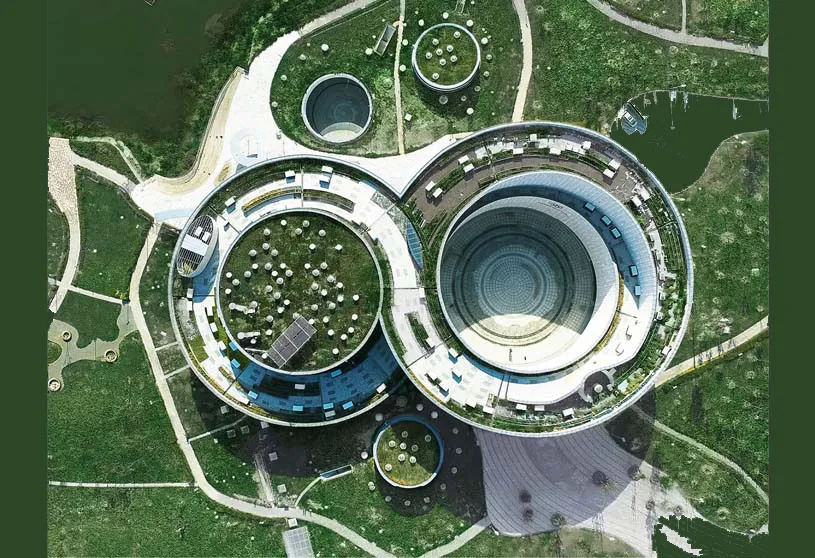
Designed by Holm Architecture Office (HAO) in partnership with Archiland Beijing, the Samaranch Memorial Museum stands out as a metaphorical portrayal transformed into a vibrant architectural structure. The museum was dedicated to honour the legacy of Juan Antonio Samaranch, the former President of the International Olympic Committee, who served from 1980 to 2001. With a showcase of a vast collection and fluid experiential spaces, this museum embodies the ambitious principles of the Olympic movement: unity, inclusivity, and legacy.
Honouring a Legacy
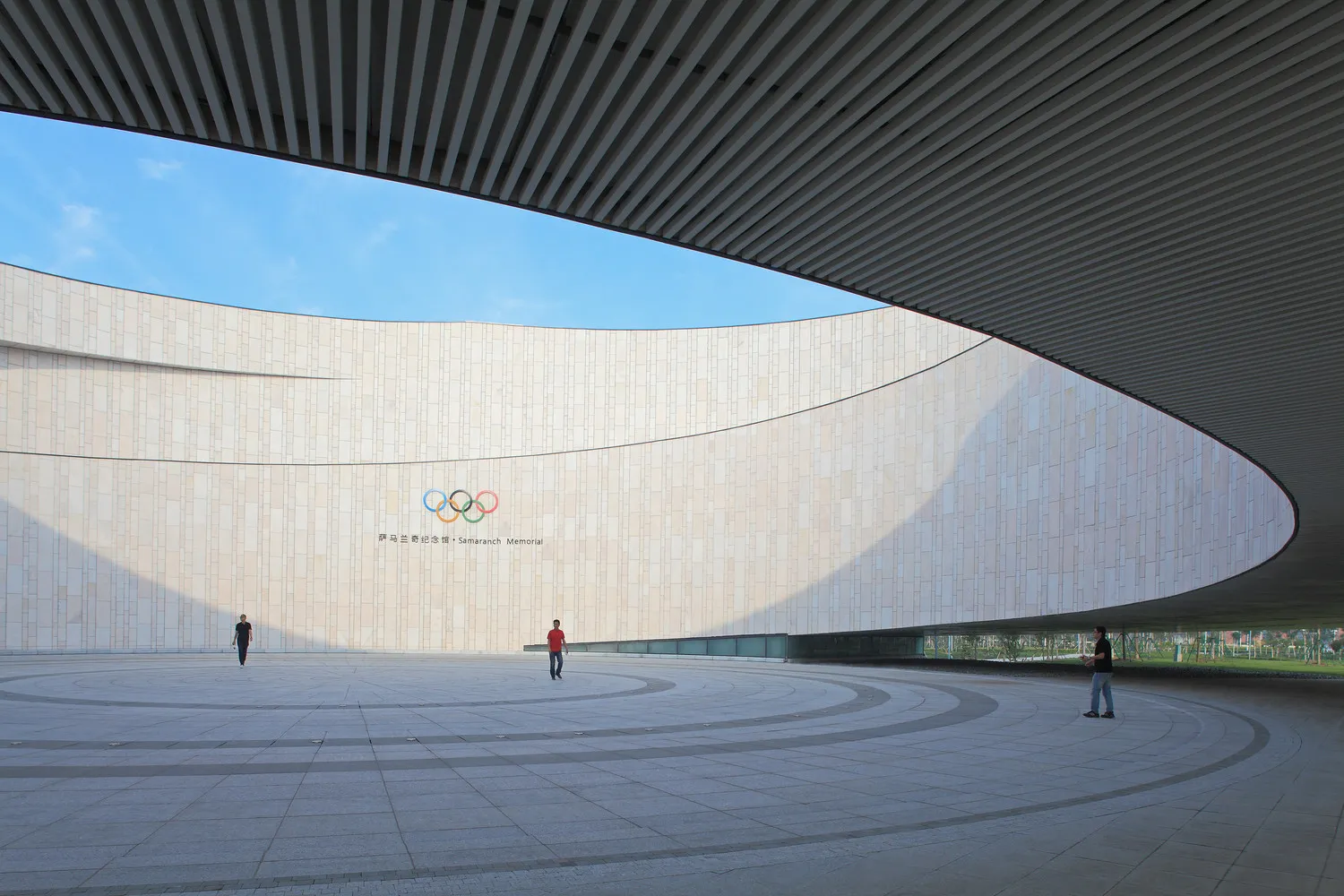
Winning the first prize in the competition, the designers started construction in 2012, building on the philosophy of sustainability for a living cultural hub that represents the pinnacles of the Olympics. Located within the Health Industrial Park in Tianjin, China, the design offers a striking narrative that directs visitors on an experiential journey through Samaranch’s life and heritage.
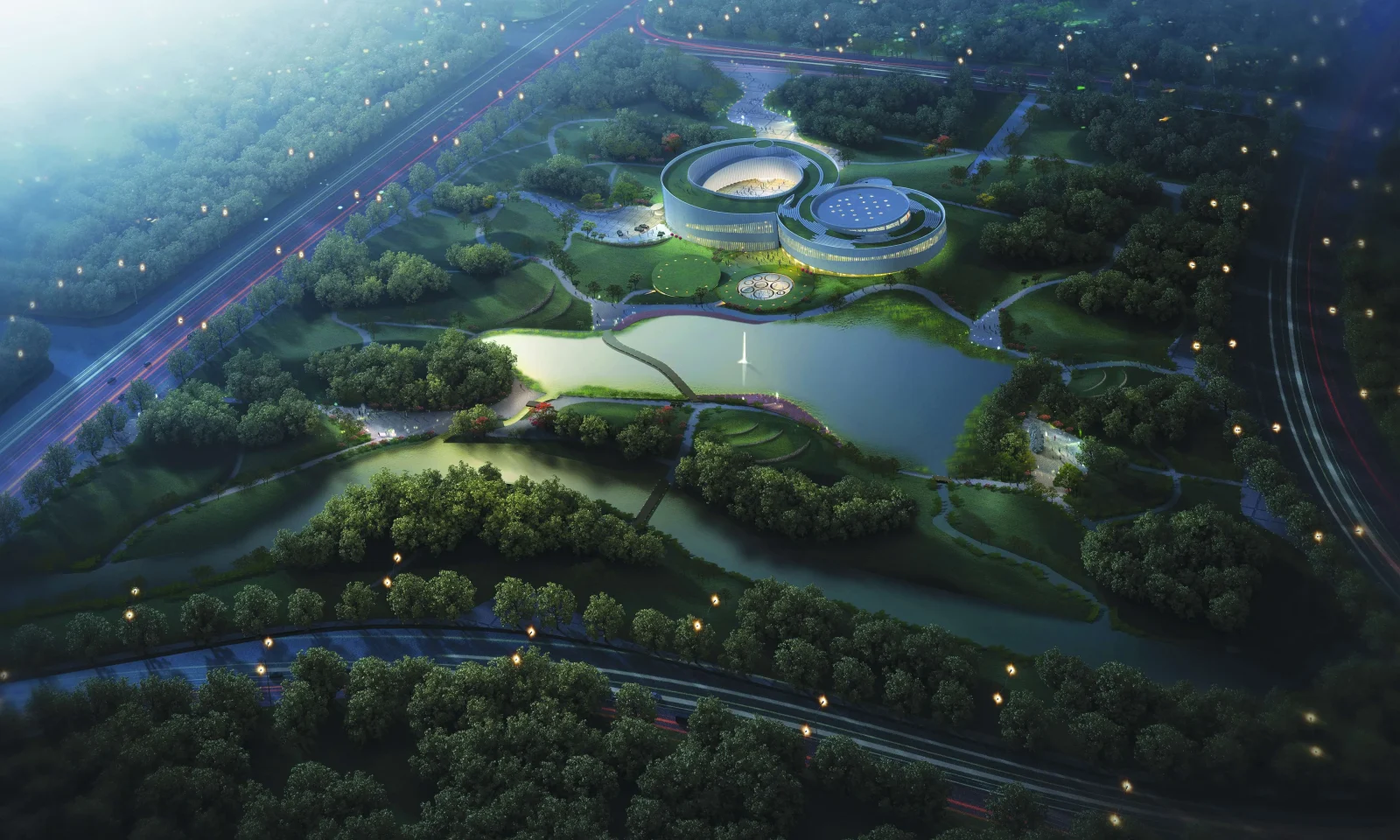
With two intersecting circular volumes above the ground and sunken courtyards, the spatial layout was created in a figure-eight form that reflects the 2008 Beijing Olympics, and the letter ‘S’ for Samaranch, an infinite symbol for the museum.
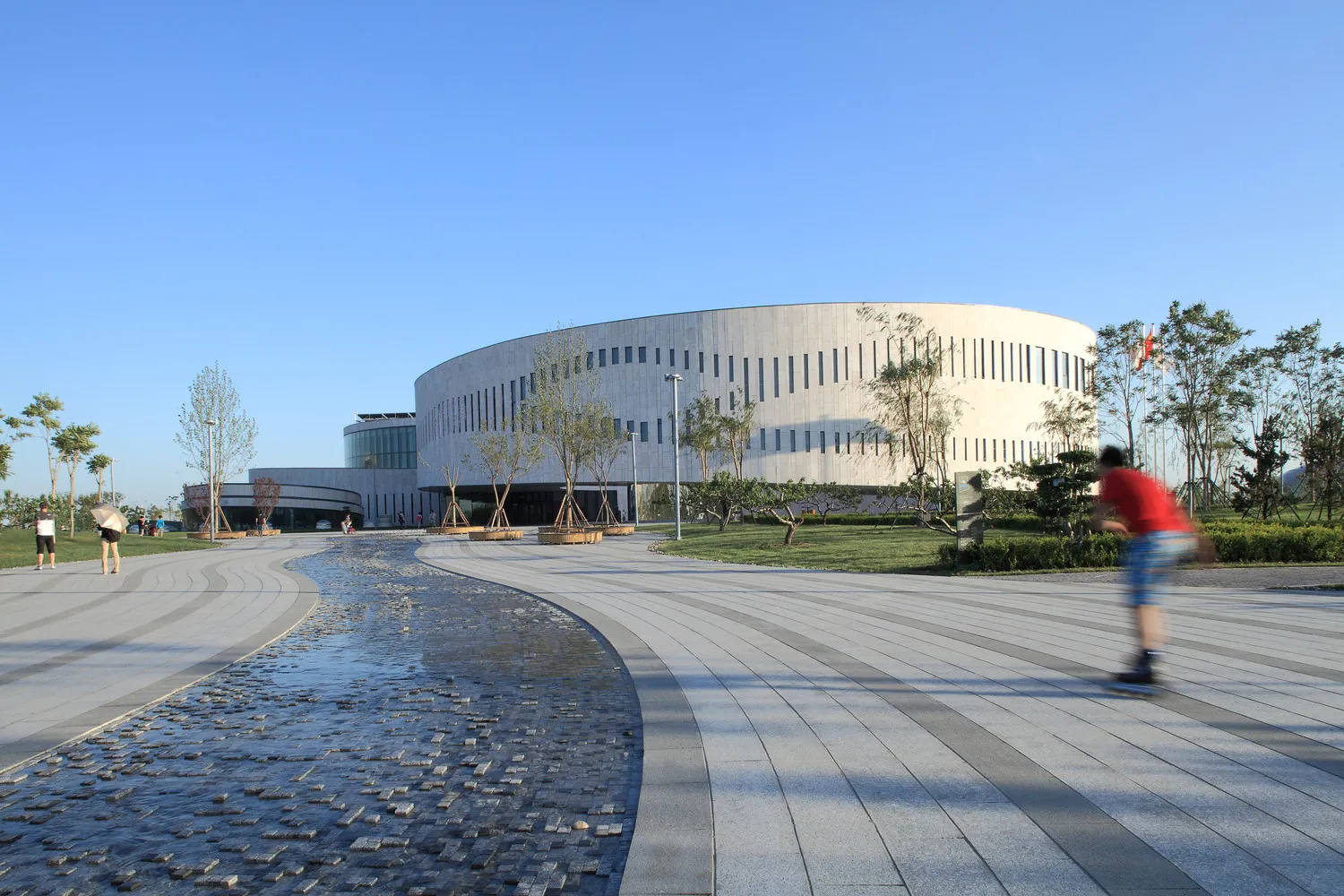
Design Concept Inspired by Olympic Ideals
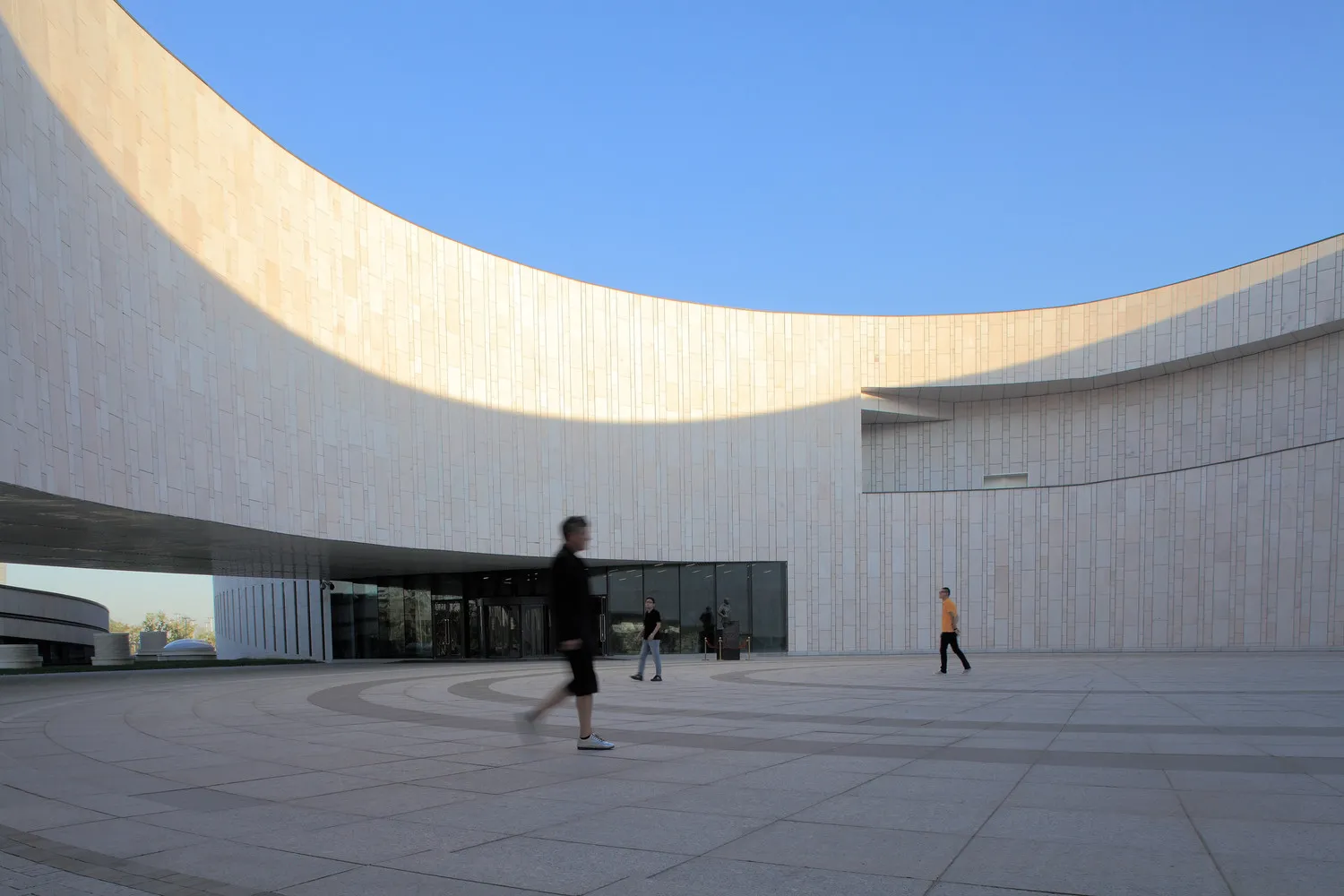
Inspired by the Olympic rings, the three circles in the form were thoughtfully transformed into sunken courtyards, creating engaging spaces for temporary exhibitions, administrative procedures, and research. This abstraction of forms is not only aesthetically pleasing but also grounded in function.
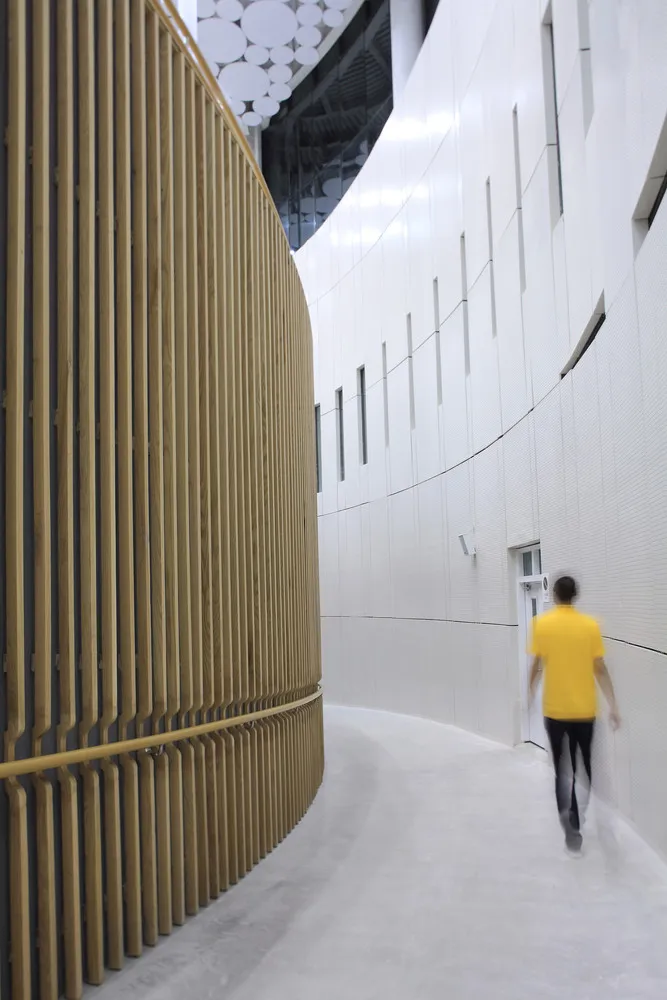
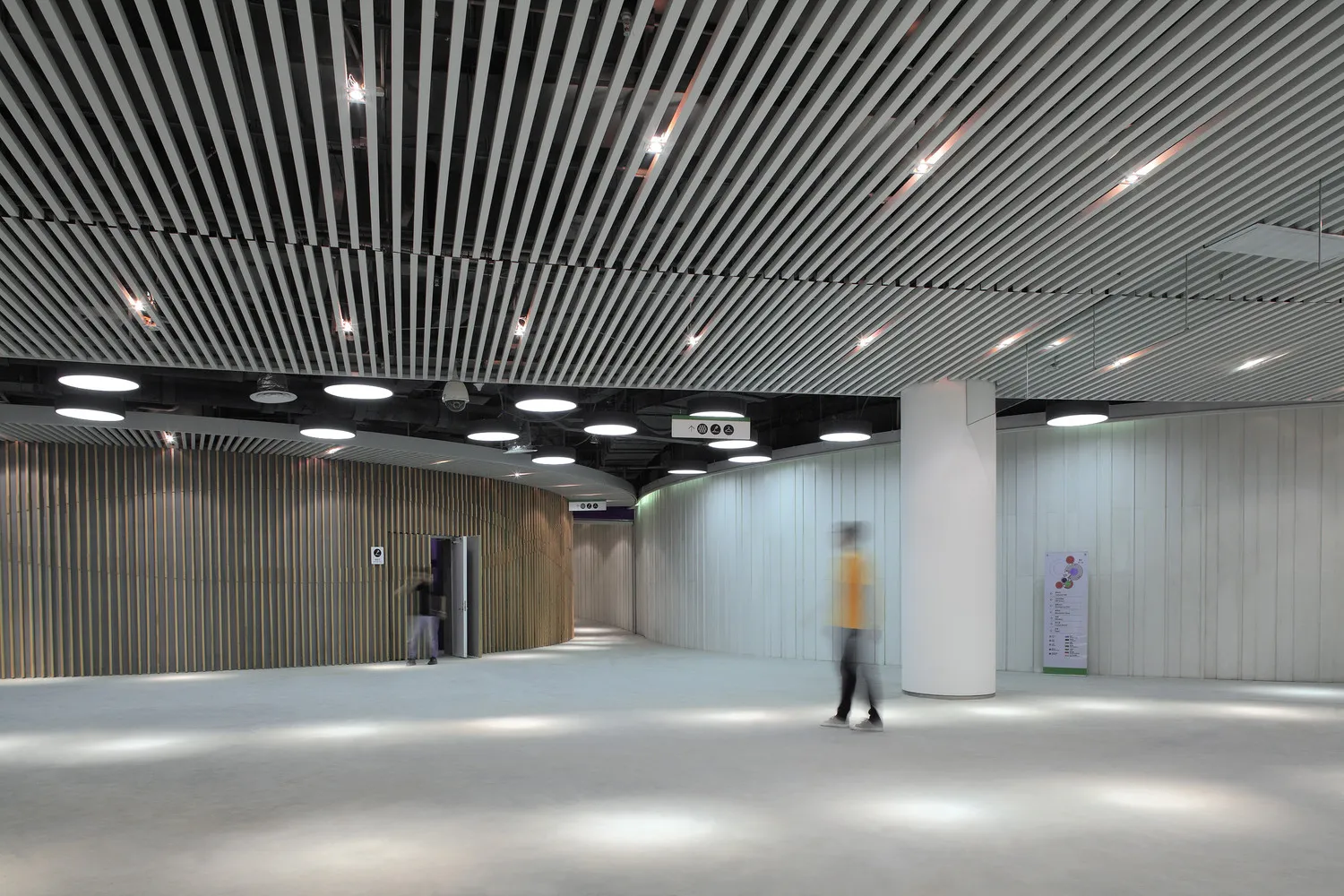
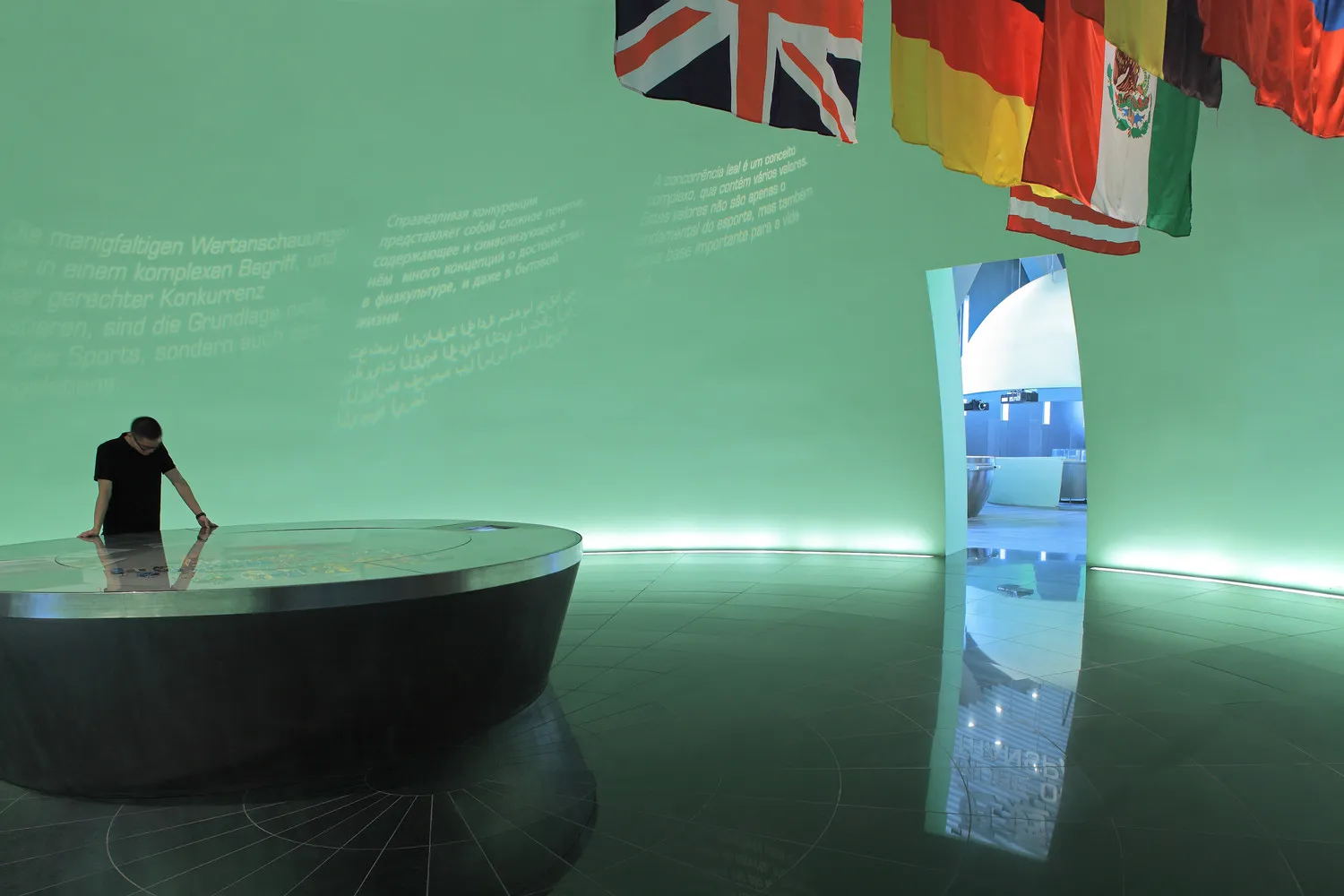
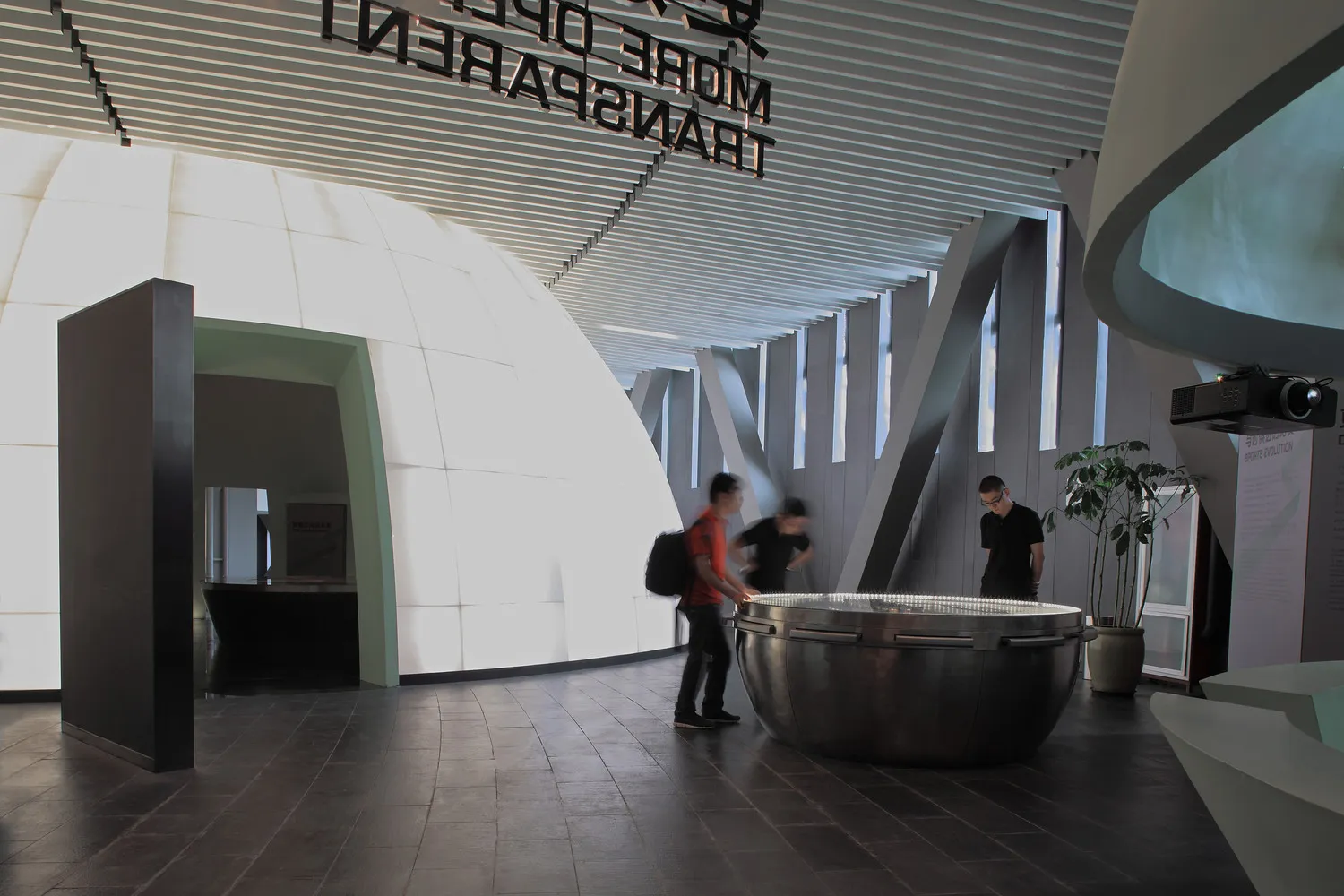
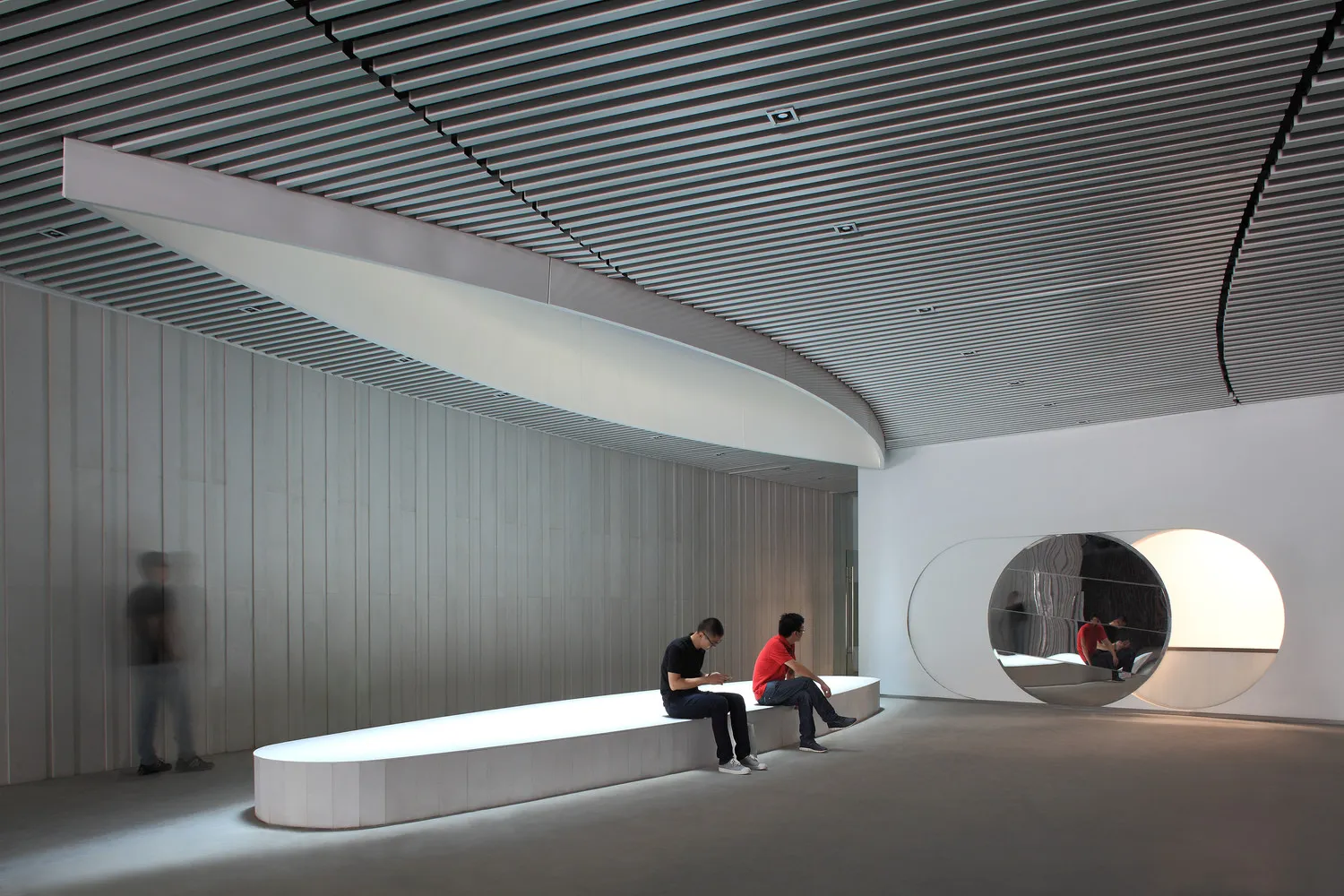
Entering through the inner ramp, it leads to curated galleries and cluster-free movement where every corner is designed deliberately, as evident from the rawness of the concrete floor to the curvilinear interior surfaces, balancing the dynamic form. Open atriums and natural light from proportionate slits create a sense of fluidity and continuity, offering an enriching spatial experience.
Curious how such symbolic forms take shape? Discover the design thinking behind them on PAACADEMY, where architecture meets innovation.
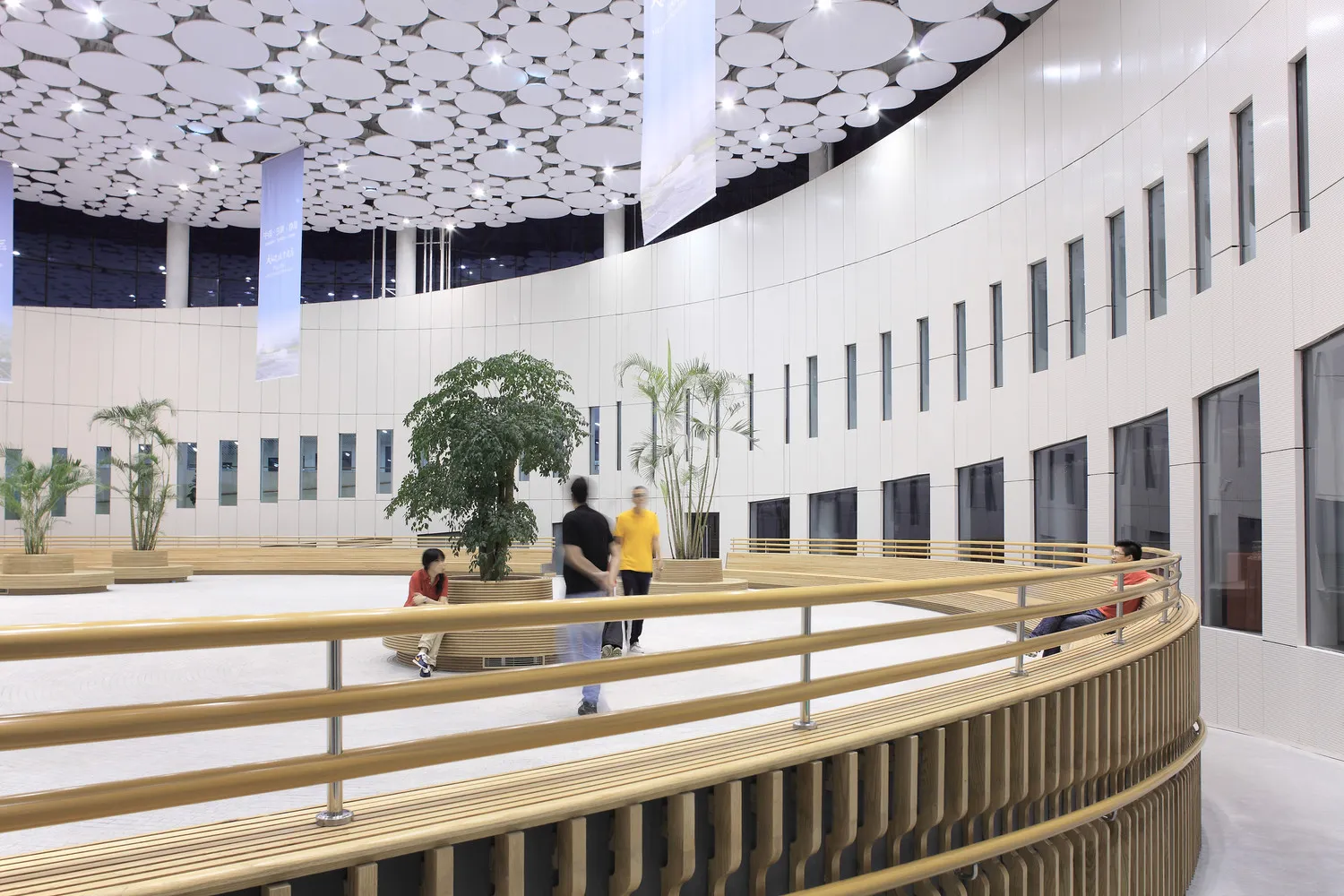
Contextual Integration with Nature
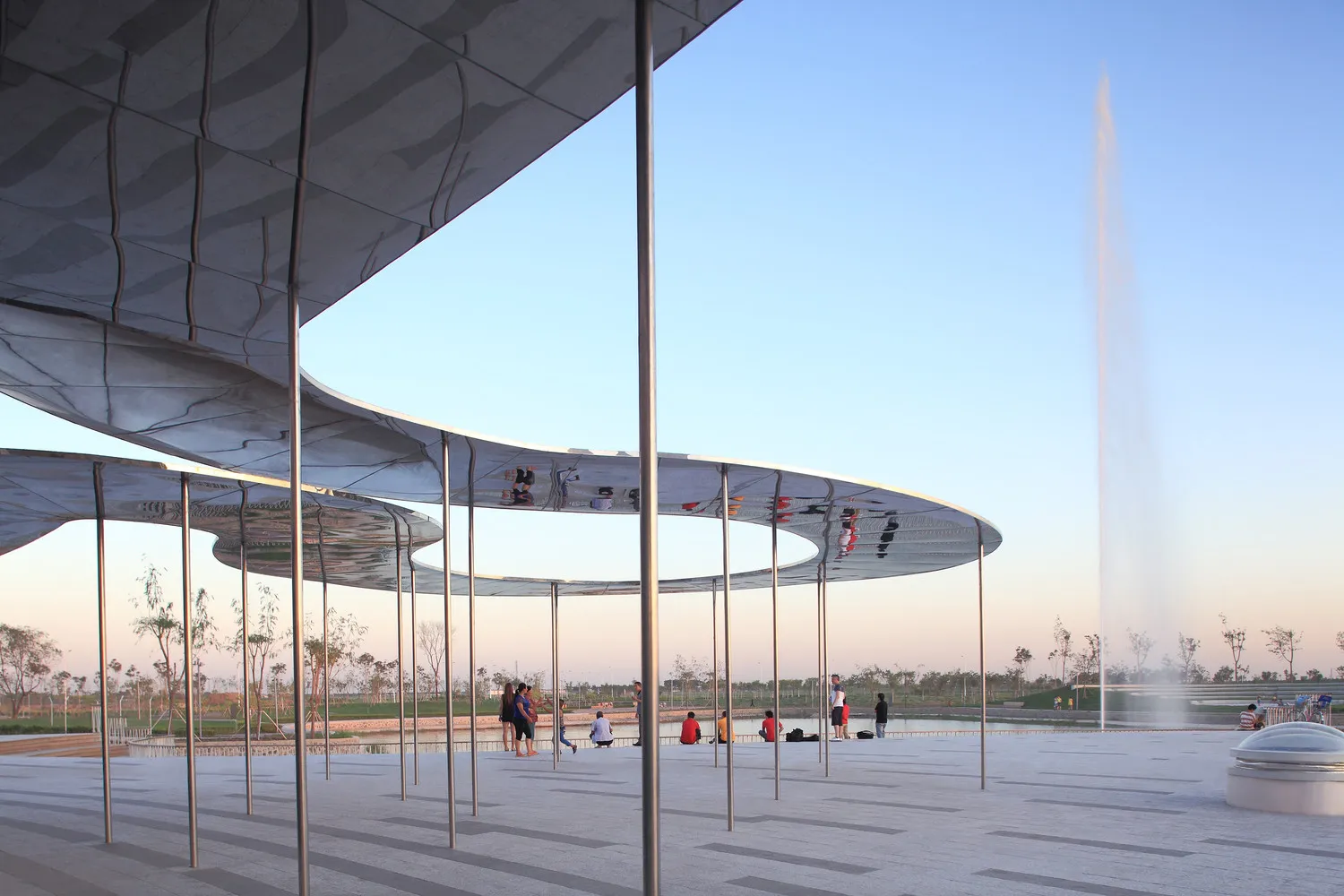
Envisioning the concept of cross-cultural connections, designers merged memorial spaces with the surrounding natural environment, thereby enhancing the Olympic ideals. The surroundings of the museum span an 80,000 square metre area of park featuring 204 circular landscape nodes designed by landscape architects Kragh & Berglund, and a 20,000 square metre area of built-up space, illustrating each nation in the International Olympic Committee. It offers a place to reflect and connect for both cultural and community engagement.
Sustainable by Design
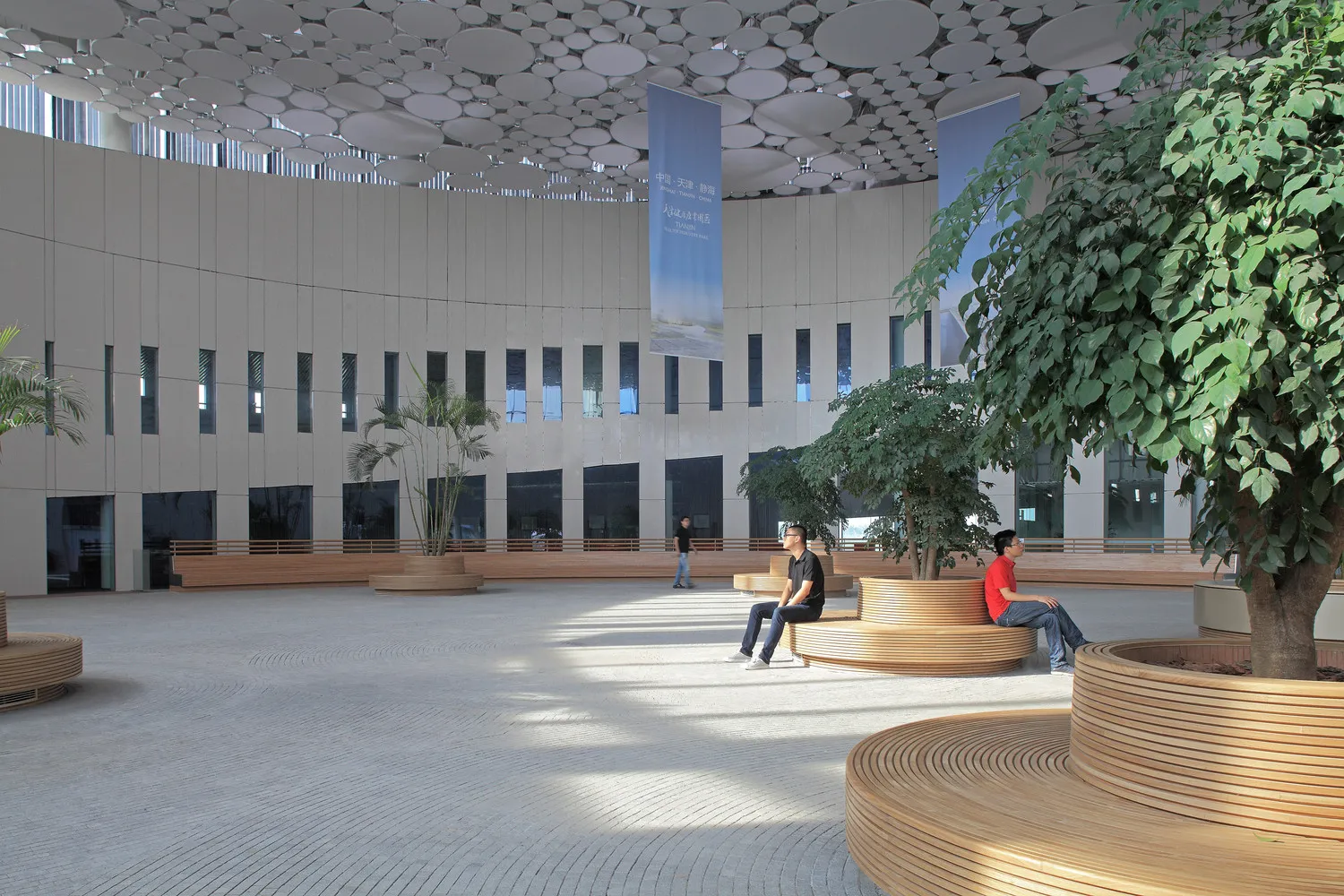
Samaranch Memorial Museum is regarded as a green building and a pioneer in sustainable design with its low-carbon design approach and integration of cutting-edge technologies to minimize the structure’s environmental footprint.
Employing Photovoltaic (PV) panels on the roof, a geothermal heating and cooling system reduces the building’s energy consumption and demand for climate control. The building facade cladded in Eco-stone and glazed, with waved windows, optimizes daylight and eases the use of artificial lighting. This thoughtful material selection and innovative technology contribute to an efficient and comfortable indoor environment.
A Cultural Hub for Dialogue and Engagement
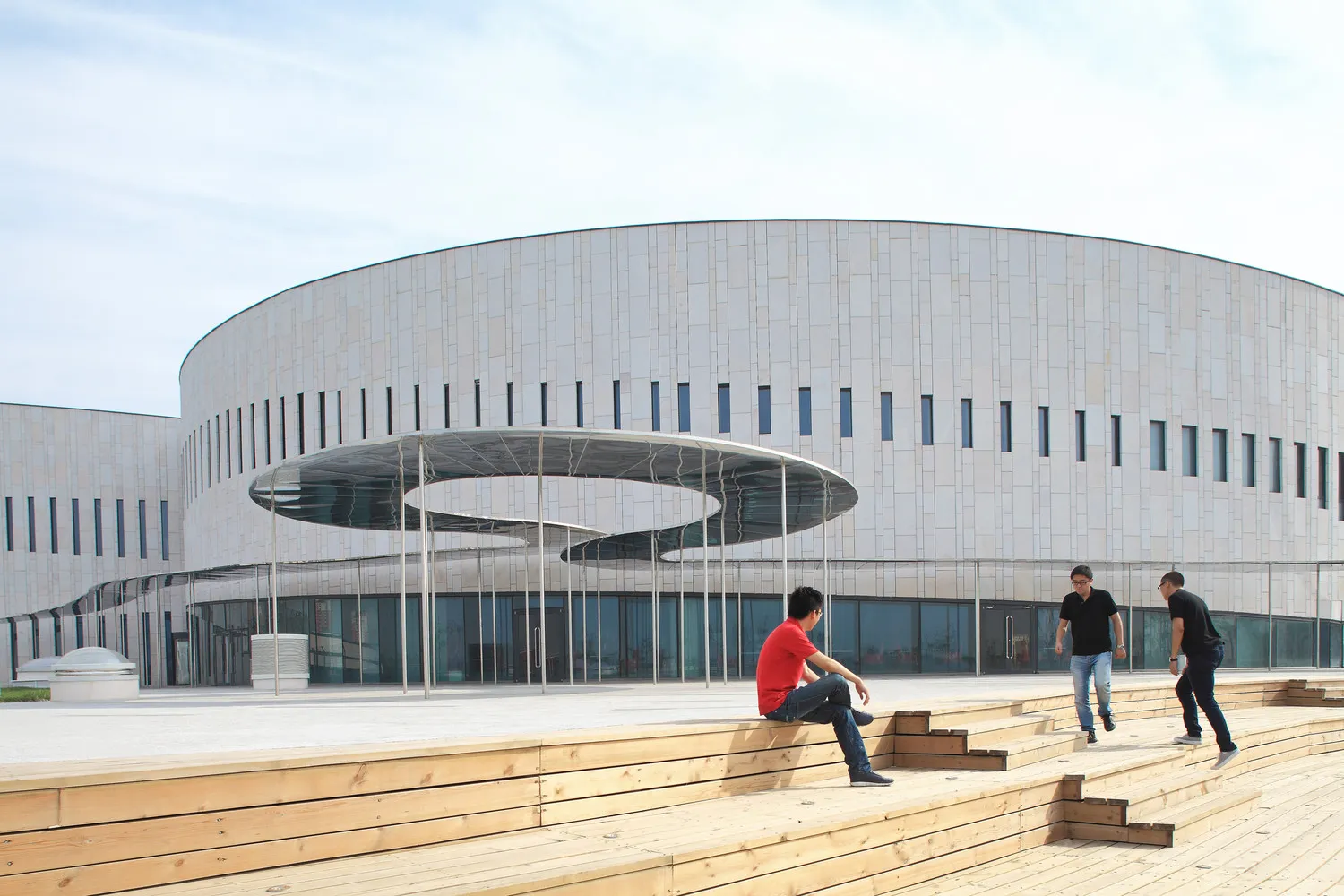
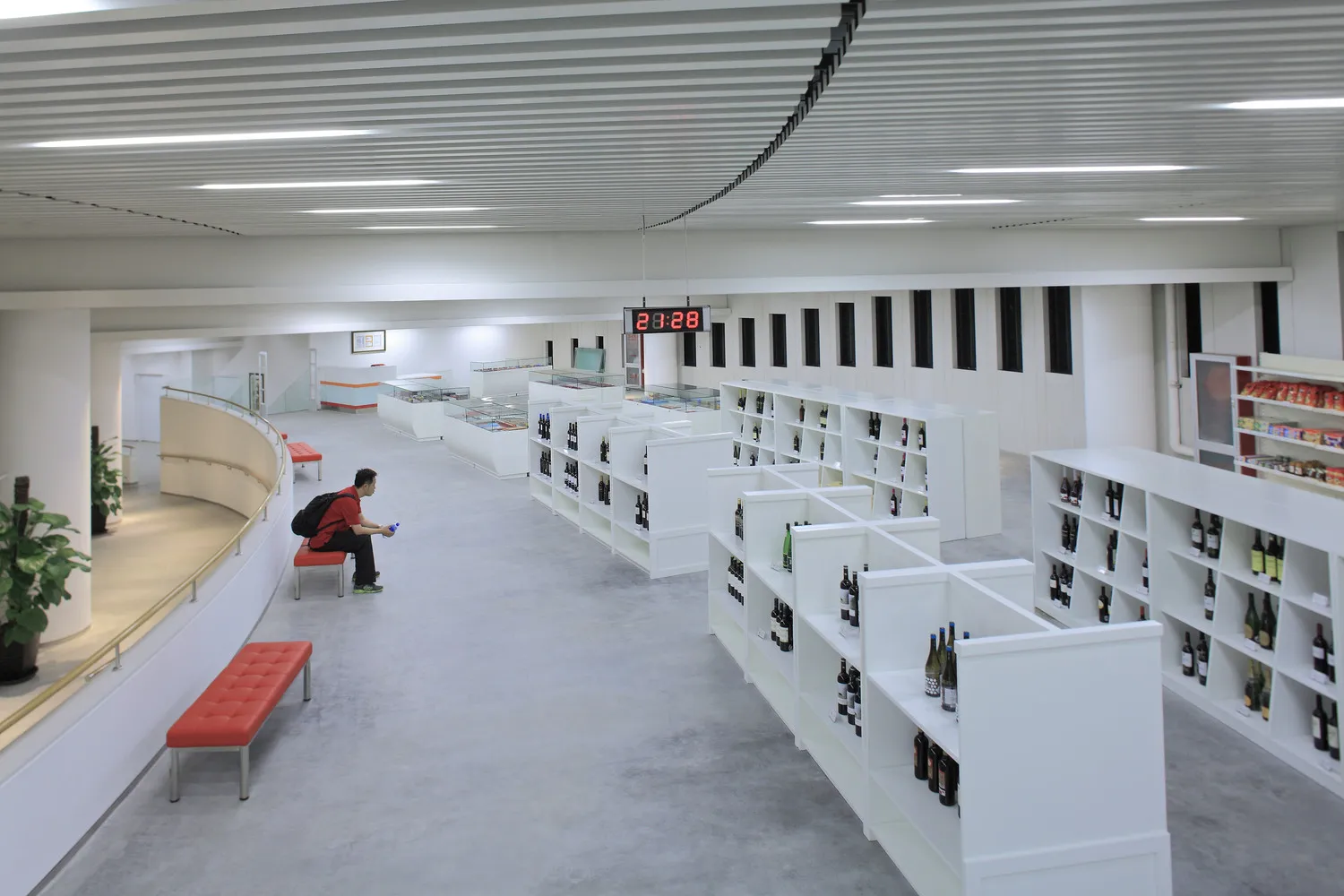
Spatially, the museum hosts 14 permanent exhibition zones and 16,000 artefacts from Samaranch’s personal and professional archive, interactive zones, including lecture halls, demonstration space, souvenir shop, and themed post office.
The Samaranch Memorial Museum stands as a vibrant cultural hub for Tianjin, hosting symposia, conferences, and exhibitions, constantly reviving the dialogue around the modern Olympic. It is an inspiring example of how history, symbolism, and commitment to sustainability can alter the architectural language of the form.
Samaranch Memorial Museum Project Details:
Architects: HAO (Holm Architecture Office), Archiland Beijing
Landscape: Kragh & Berglund;
Engineering: COWI Beijing
Completion: 2013
Building Area: 20,000 m²
Explore Courses
.jpg "Ondrej Chybik - Rethinking Architecture")