

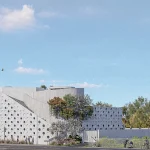
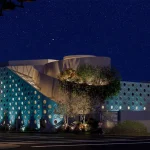



Architect Leonardo Rico Flórez has shown that thoughtful design can turn even a modest, budget-strained school into an active partner in learning. His recent Miami School project, developed through SABI, demonstrates how small architectural decisions can profoundly shape children’s daily experiences. The school’s innovative approach earned SABI and its principal architect the Innovator of the Year—Materials and Construction award, but the deeper significance lies in how the design redefines a school’s role as a place to teach and a space that quietly supports confidence, curiosity, and belonging.
The Research Foundation Behind Leonardo Rico Flórez’s Approach
The growing body of research on educational spaces makes it clear that architecture is no longer a neutral backdrop; it’s a key determinant of learning itself. A study by Perkins Eastman, commissioned by the AIA College of Fellows, found that modernized schools with better thermal comfort, air quality, acoustics, and lighting delivered significantly improved academic performance and well-being compared to outdated facilities.
Likewise, a European investigation involving 2,670 children across 155 classrooms in 12 countries demonstrated a strong positive correlation between improved daylighting parameters, such as window-to-floor area ratio and south-facing glazing, and students’ performance on attention and logic tests. These findings reflect a broader shift toward evidence-based design, where architectural decisions are informed by measurable impacts on human behavior and outcomes rather than aesthetics alone.

This method lies at the core of the practice of Leonardo Rico Florez, principal architect at the Studio of Architecture and Building Innovation (SABI) and author of the SABI Method. As co-founder and principal architect of SABI, Leonardo has led the firm’s transition from Colombia to the U.S. market, overseeing its research initiatives and the development of the SABI Method as the company’s core design methodology. This framework aligns architectural quality with both economic and social value.
He approaches everyday design choices like window placement, corridor proportions, and daylight distribution as formal gestures and calibrated interventions. Each project is assessed not only in terms of cost and return on investment but also in its ability to foster well-being, accessibility, and community value.
For investors and developers, this demonstrates how design decisions can generate both financial returns and measurable social outcomes.

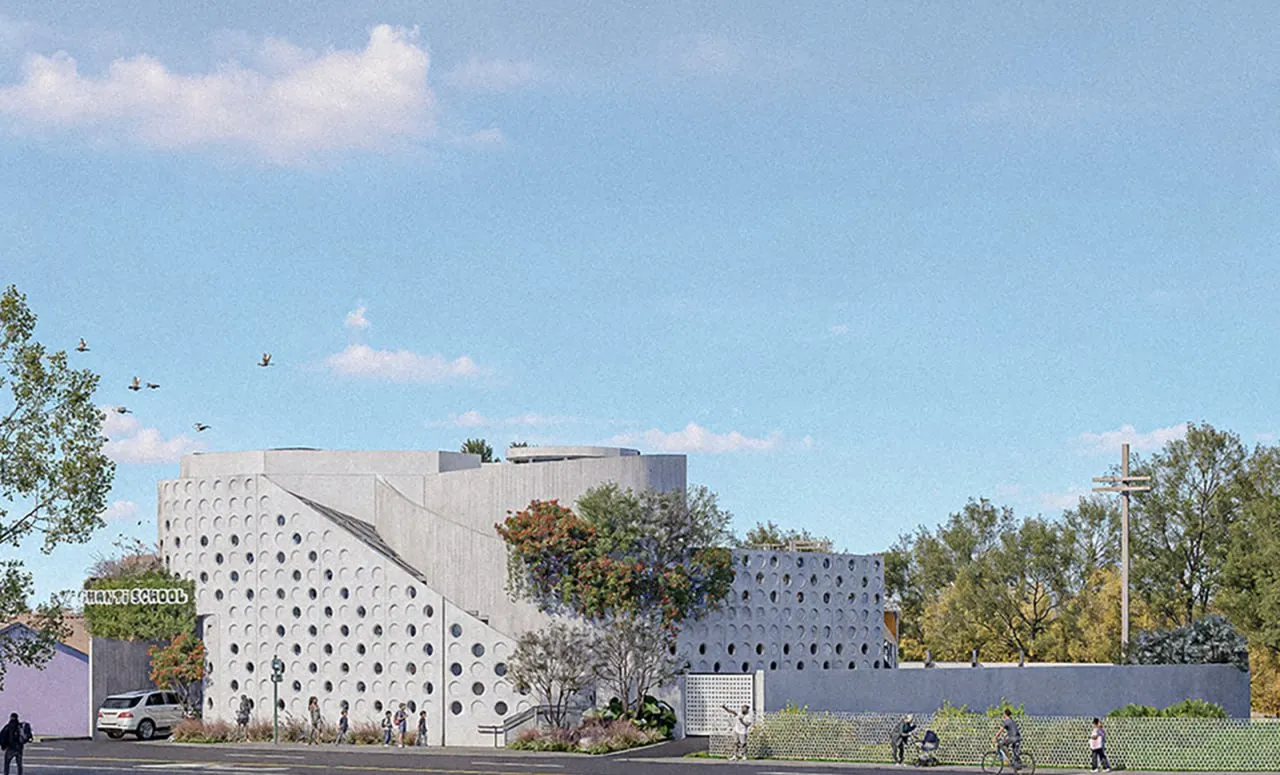
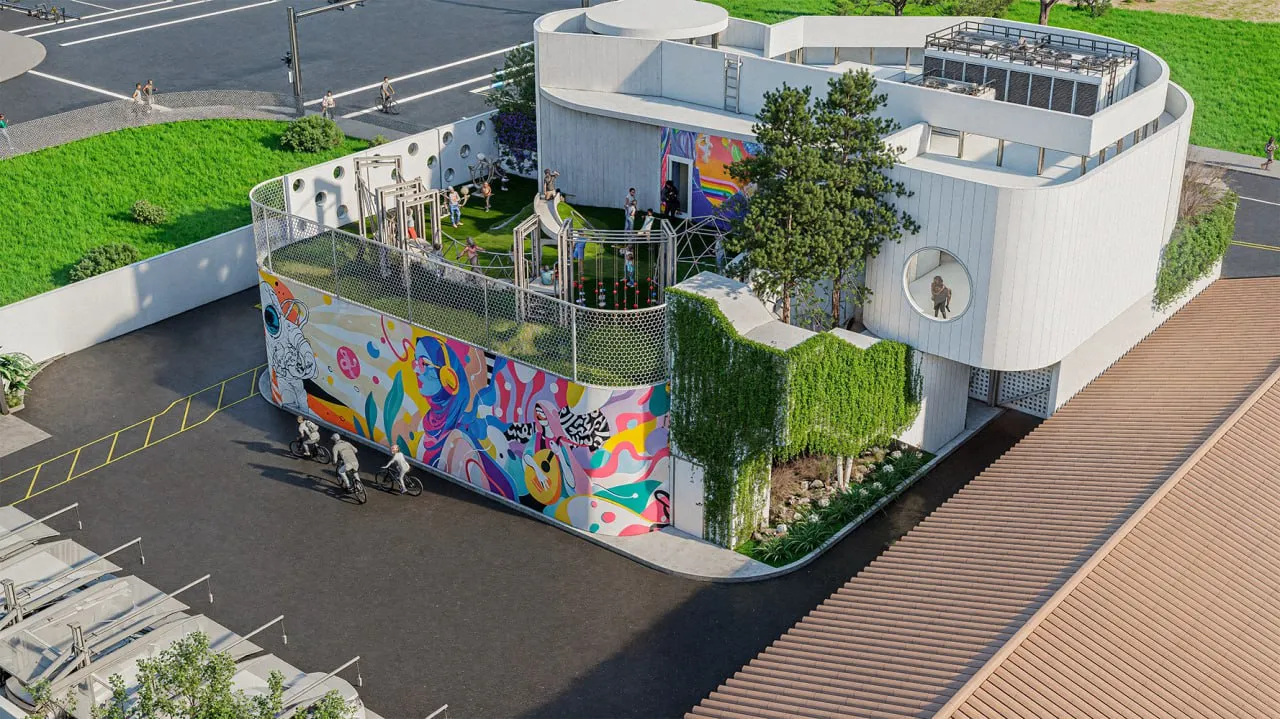
Designed for about 100 students, the Shanti school was developed as a prototype in Model City, one of the city’s most underserved neighborhoods. The strategy is clear: instead of concentrating resources in large, centralized facilities, the SABI Method proposes a network of smaller, community-focused schools where each child receives closer attention and the architecture itself supports dignity and inclusion.
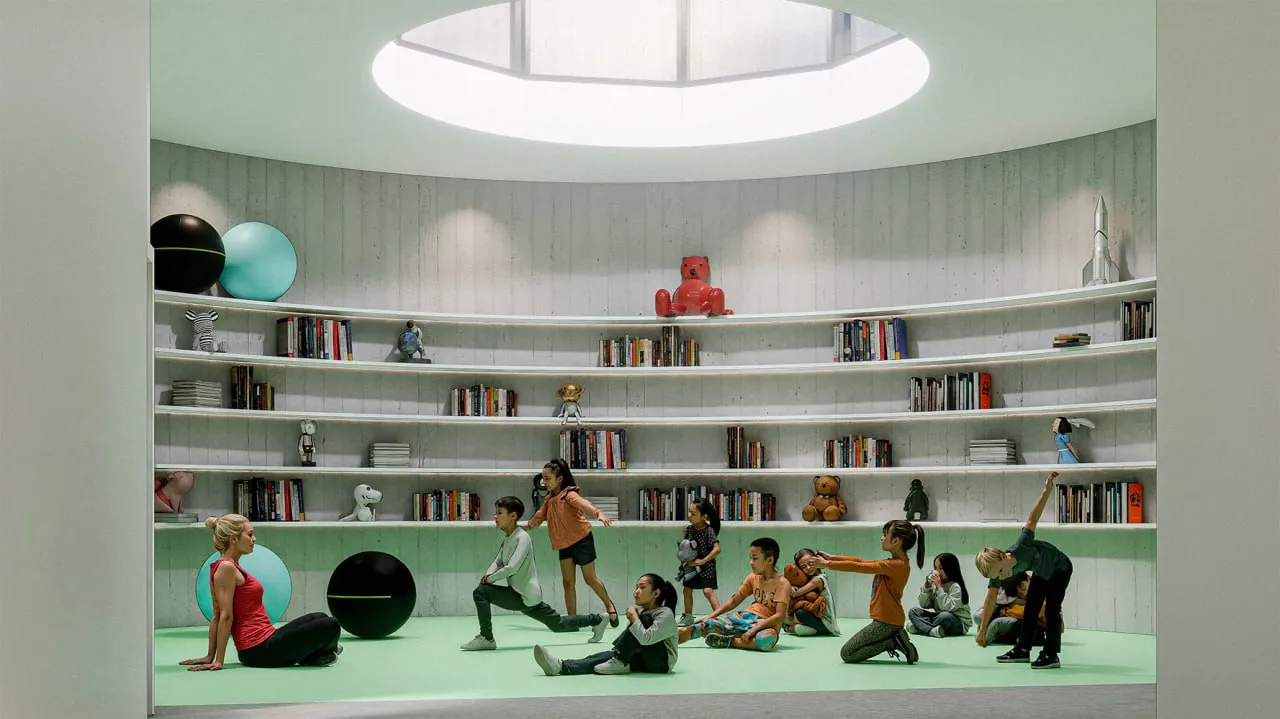
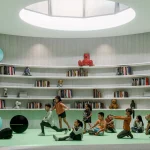
“One of the guiding principles we used was the concept of the ‘Third Teacher’ formulated in the Reggio Emilia educational approach,” Leonardo explains. Developed in Italy after World War II, Reggio sees the environment as a co-educator alongside teachers and parents and is widely adopted today in progressive schools worldwide. “That’s why we considered every spatial gesture not only for its functional efficiency but also for its pedagogical value,” he goes on. For educators and parents, this underscores how the built environment can actively shape children’s confidence and learning, not just accommodate it.
Key strategies that Leonardo Rico Florez decided to use
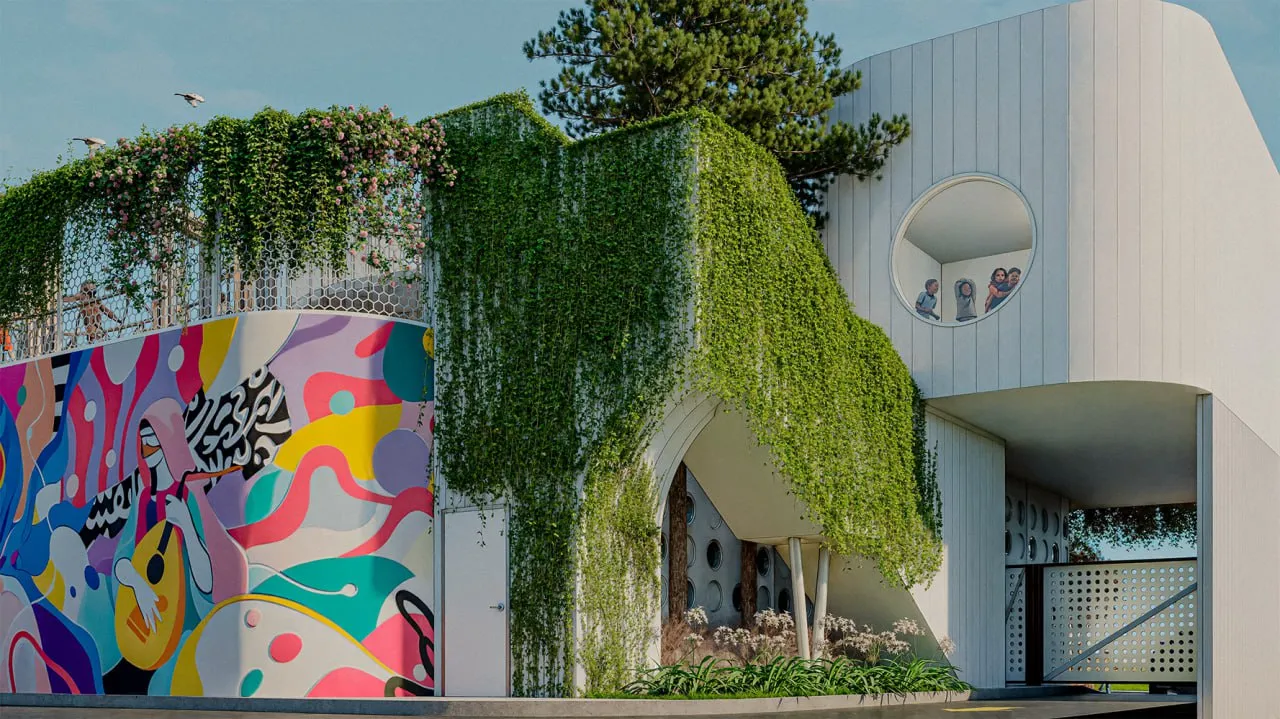
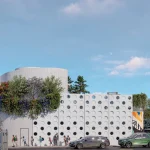
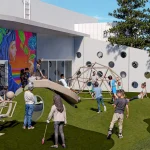
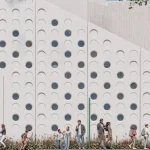
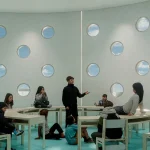
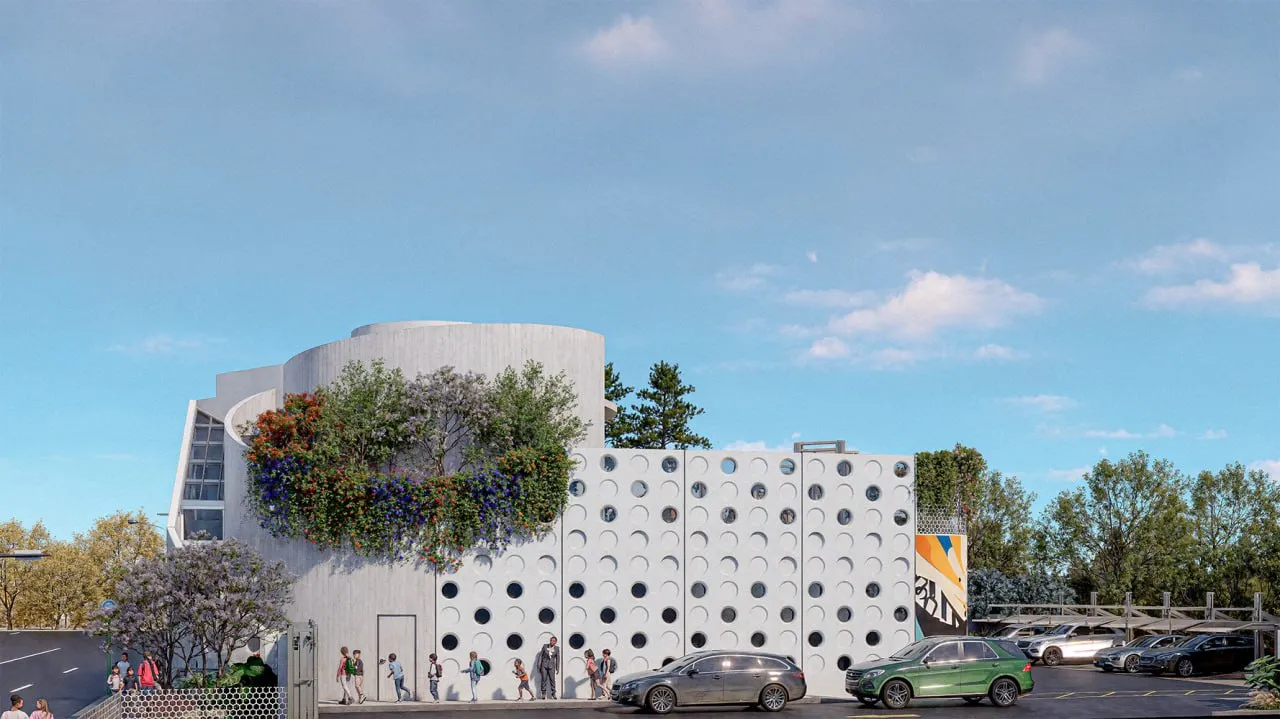
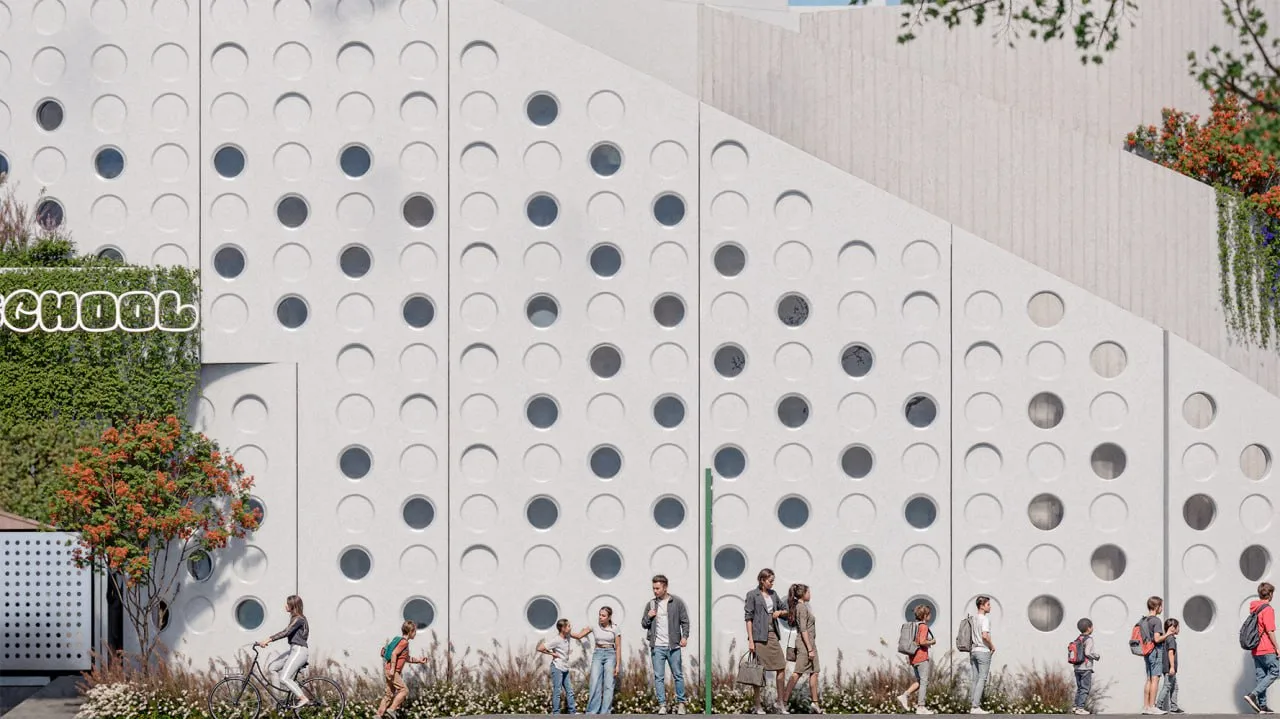
- Natural Light as a Learning Tool. Instead of a single large window, the design introduces multiple circular openings at different heights. This playful arrangement invites children to explore and engage, offering a joyful and unconventional way of bringing daylight into the learning space. Neuroscience research confirms that exposure to natural light helps regulate circadian rhythms, which in turn improves sleep patterns, attention spans, and general well-being in children.
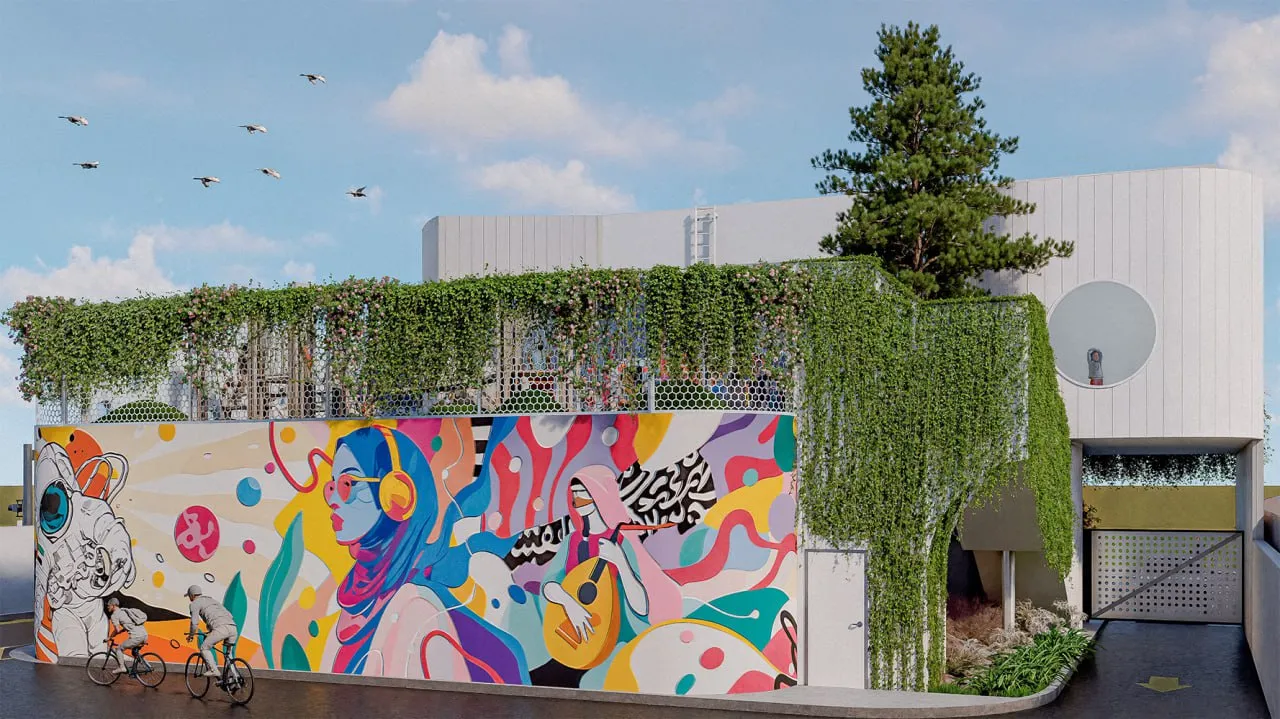
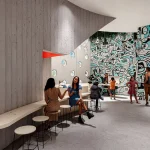
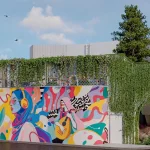
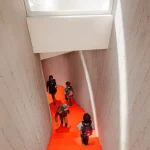
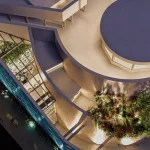
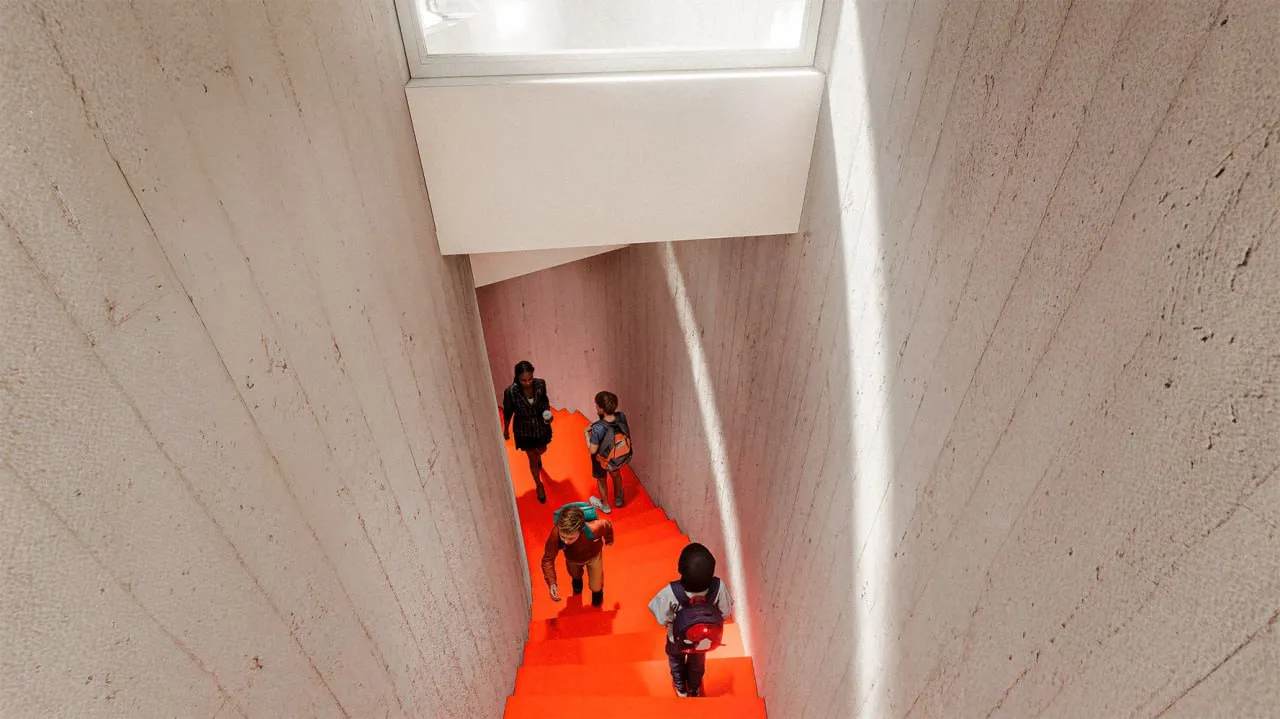
- Spatial Generosity Indoors and Out. Leonardo designed corridors, courtyards, and terraces not as leftover spaces but as extensions of learning. Indoors, wide passages and double heights invite movement, interaction, and a sense of dignity even on a modest budget. Outdoors, greenery and open air provide autonomy and well-being, reminding children that learning is not confined to four walls. Regardless of the small scale, the abundant nature and open space are as important as indoor classrooms. “Every public plaza, every courtyard, is more than space. It’s a tool for encounter, for dialogue, for belonging, and for learning,” the expert says. “Designing them well can change how people feel about their city.”
- Material Honesty and Coherence. Instead of costly finishes, the architect chose durable, locally sourced materials to create warmth, clarity, and a sense of permanence. “Dignity can be achieved through coherence and durability rather than decorative excess,” Rico Florez emphasizes. Psychologists note that tactile familiarity and visual coherence in materials contribute to students’ sense of stability and security.
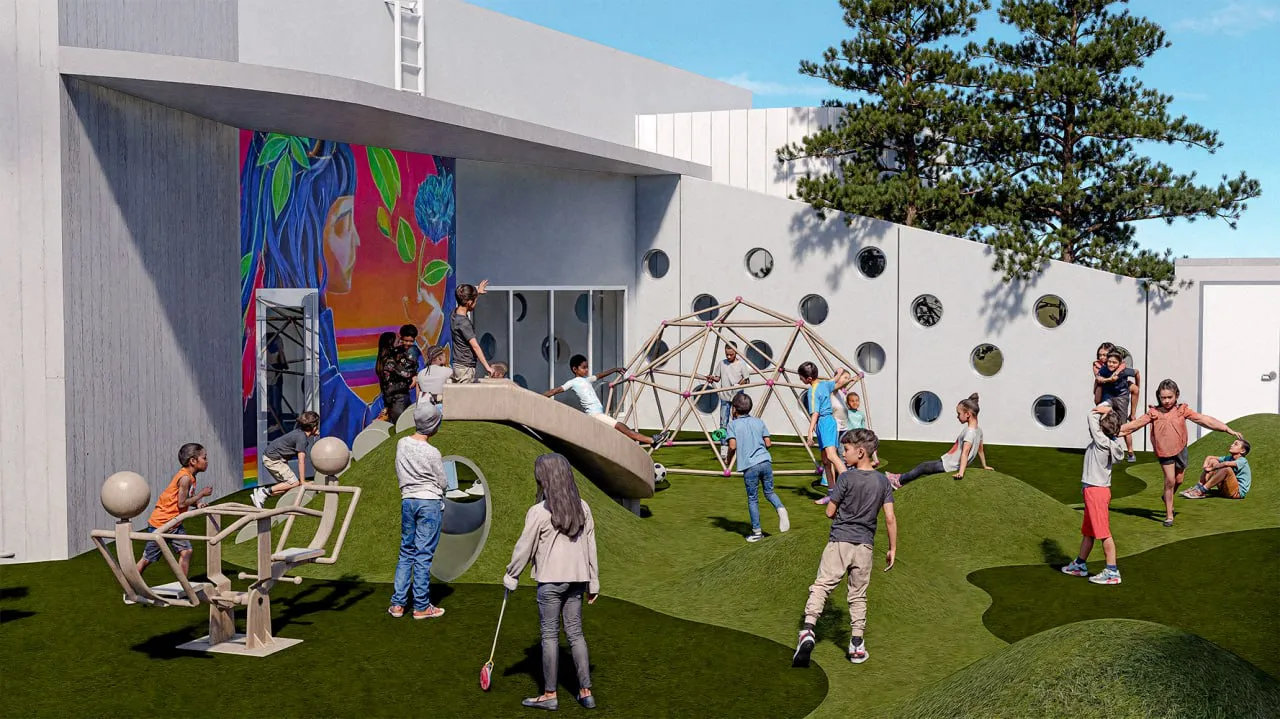
Altogether, these design strategies result in a school that makes children feel valued the moment they enter, showing how space itself can nurture learning and resilience. Architects can draw from this project the lesson that transitional and non-programmed areas need not be mere circulation; they can become active tools for pedagogy and social connection.
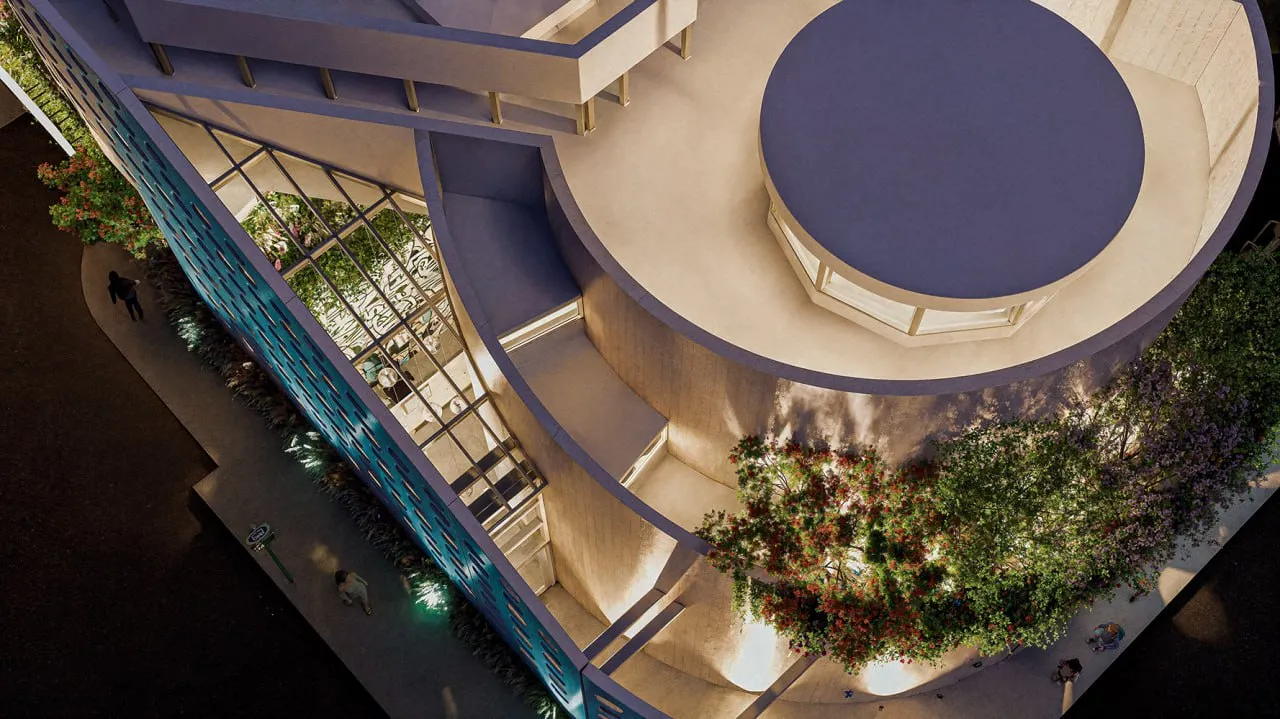
City authorities, meanwhile, are reminded that investment in schools goes beyond classrooms; it is also about creating civic spaces where communities experience dignity and belonging. And at the policy level, the choice of local and durable materials demonstrates how ecological responsibility can align naturally with social goals. According to Leonardo’s design, the Miami school will also integrate a solar panel system to supply its own electrical power requirements.
Miami School Redefines Architecture as an Act of Care
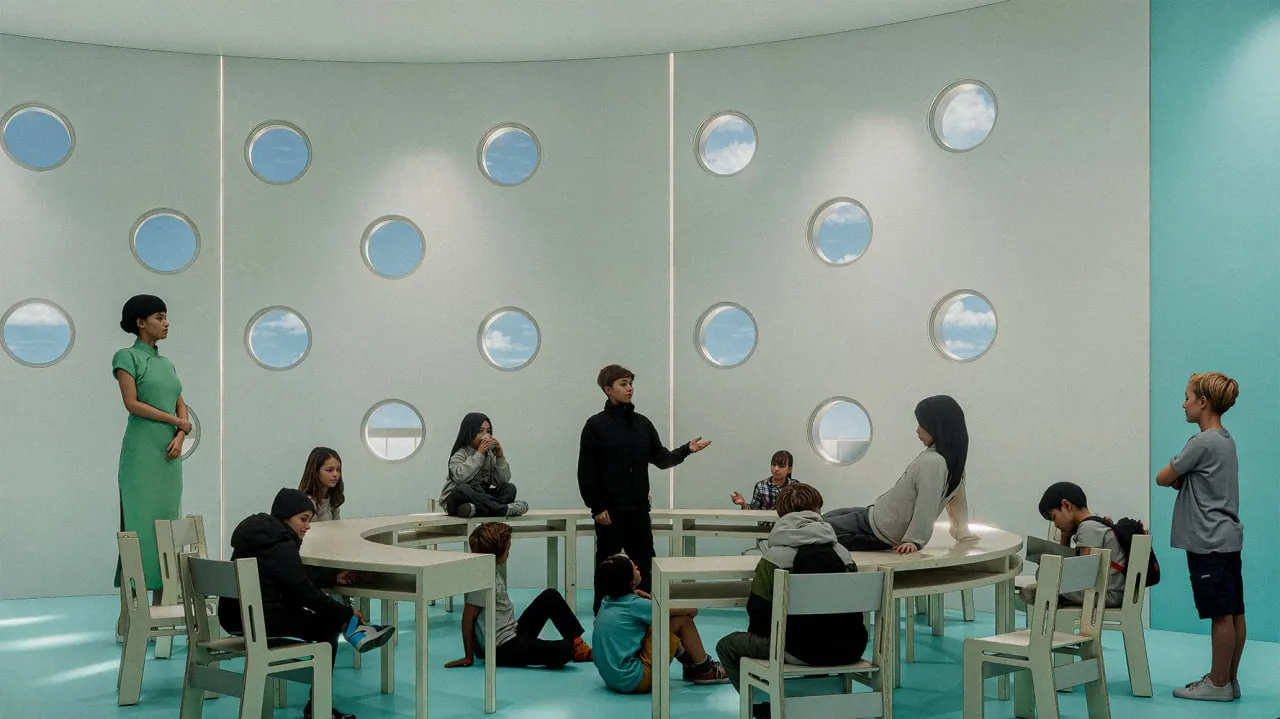
The Miami school’s innovative design earned SABI and its principal architect, Leonardo Rico Flórez, the Innovator of the Year – Materials and Construction award at the Cases & Faces Awards 2025, recognizing how architecture can advance both educational and social equity.
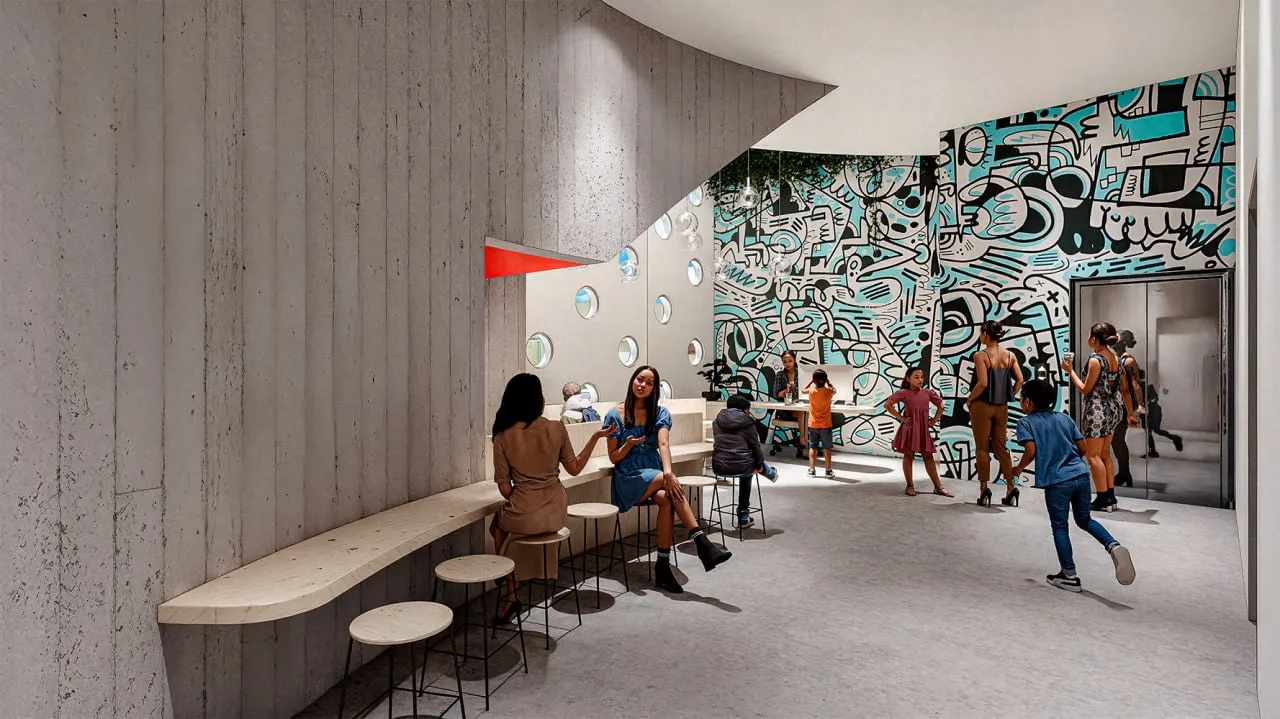
As Leonardo puts it, “To design is to make decisions that affect people’s daily lives. That’s why I see architecture less as a showcase of form and more as an act of care, a commitment to those who inhabit it.”
The insight from Leonardo Rico Florez’s work is not only that schools can be designed with dignity under budgetary pressure, but that architecture itself must evolve to meet the realities of the 21st century. Climate adaptation, widening inequality, and the need for inclusive public infrastructure demand environments that are more than functional; they must actively nurture resilience and belonging.
The Shanti school demonstrates what is possible when evidence, empathy, and precision guide design. Its significance lies in what it signals for the future: that architecture can be a form of social infrastructure, carrying as much weight in shaping communities as policy or pedagogy. For architects and decision-makers alike, the challenge ahead is to treat space not as a backdrop but as a resource, capable of teaching, protecting, and giving meaning in an unsettled world. For the wider public, it offers that when buildings care for us, they teach us to care for one another.