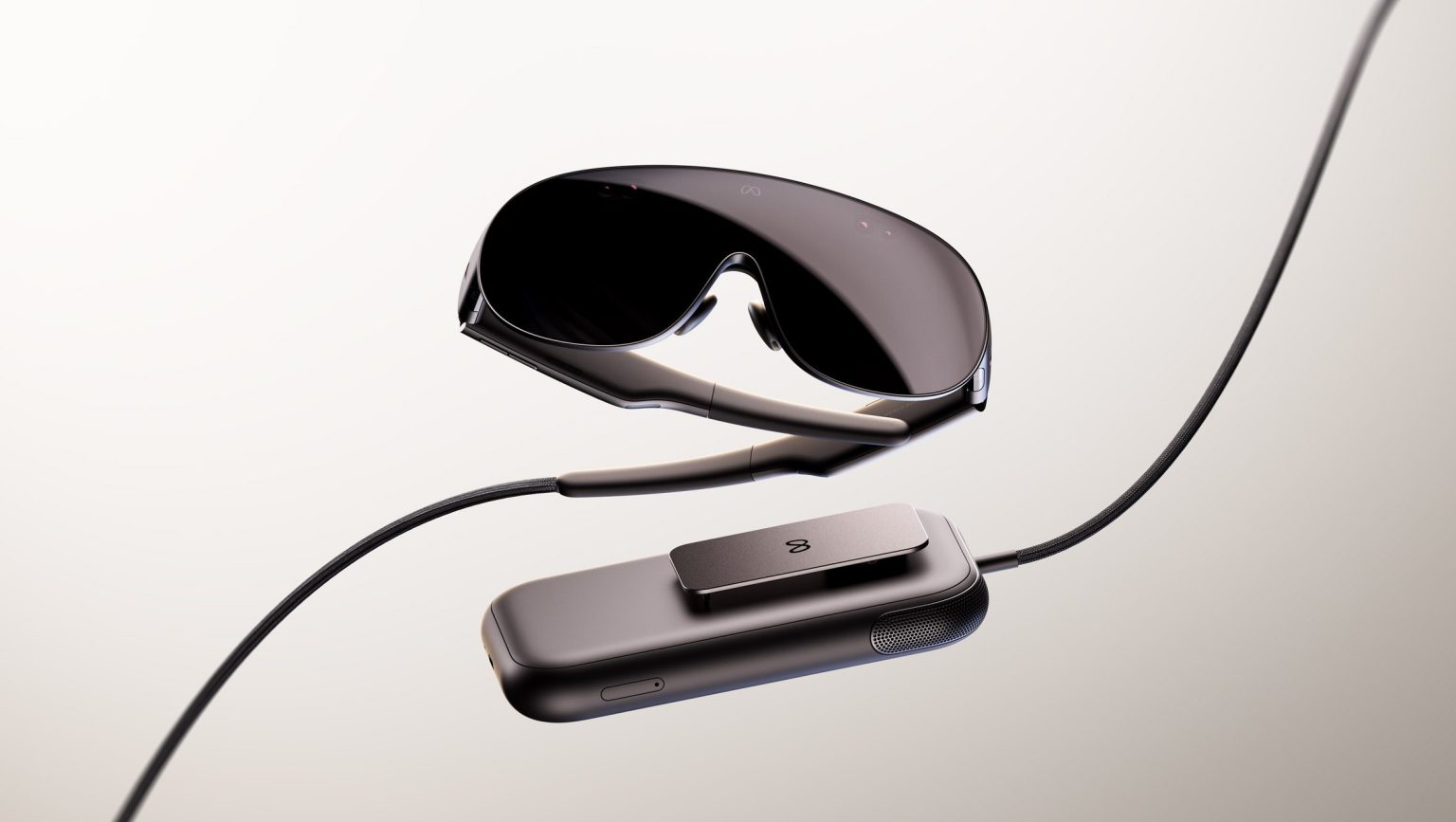

For more than a decade, Meta has tried to make virtual reality something people would actually want to wear for long periods. Headsets got better, lighter, and sharper, yet they still looked and felt like specialized equipment. At Connect 2026, the company took a different approach. Instead of another strapped-on headset, it introduced Meta VR Glasses: a pair of glasses that weigh roughly 100 grams, about the same as a deck of cards, and still deliver fully immersive experiences.
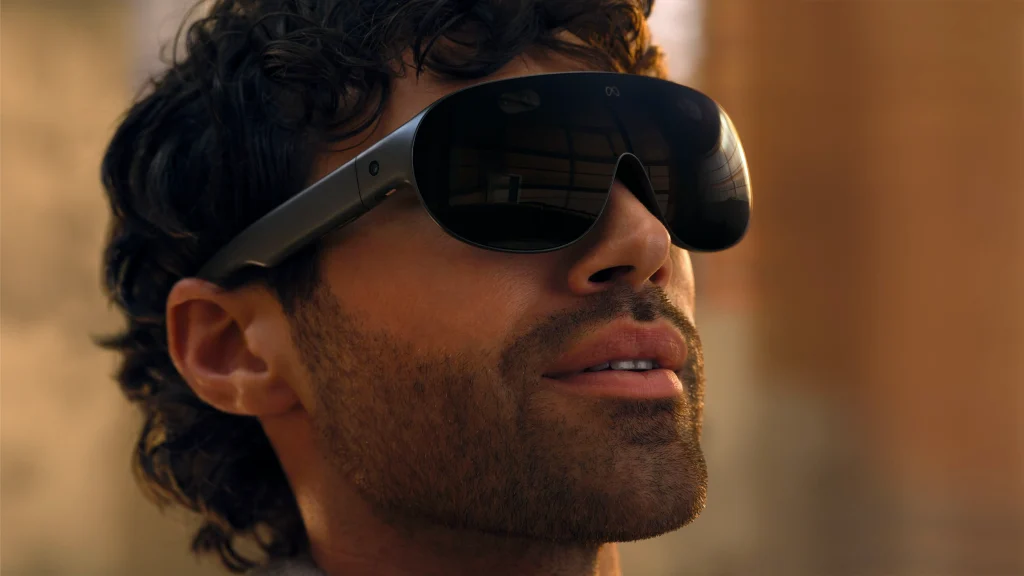
The glasses themselves contain the displays, lenses, cameras, and sensors inside a magnesium-alloy frame. The heavier components, processor, battery, and storage, live in a small puck that slips into a pocket and connects by a thin optical cable. The result is a device that sits on the ears like ordinary eyewear rather than clamping onto the head. Meta claims the glasses are five times lighter than the Quest 3.
What the hardware delivers
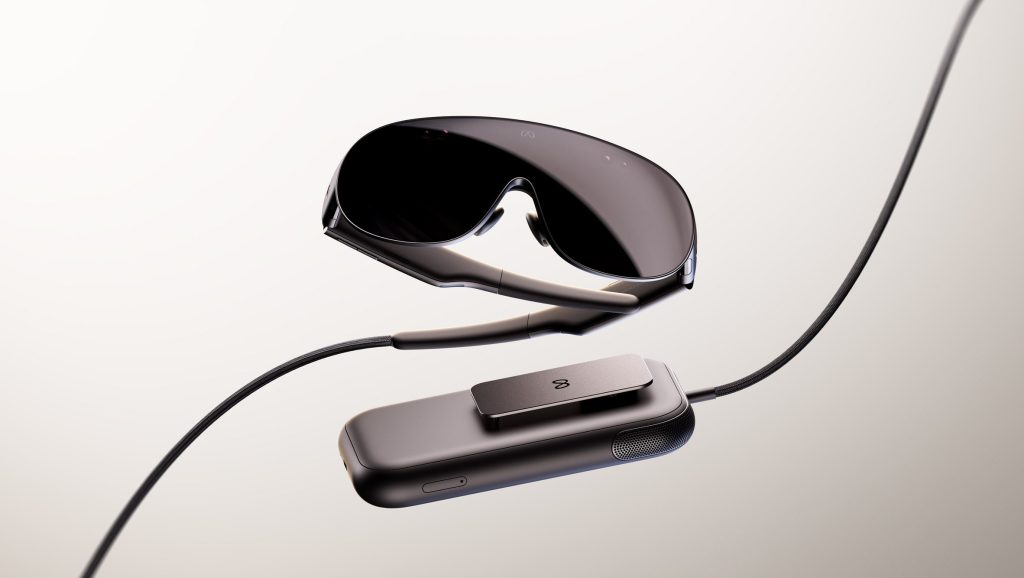
Inside the frames sit 5K micro-OLED “Infinite Display” panels offering 2412 by 2288 pixels per eye and up to 120 Hz refresh. Optical density reaches 37 pixels per degree, a figure that matters for reading text comfortably. Custom pancake lenses keep the package compact while preserving clarity. Dolby Vision and Dolby Atmos support are built in. The puck houses a Qualcomm Snapdragon Reality Elite chip, 12 GB of RAM and 128 GB of storage, and supplies up to three hours of continuous high-resolution playback with 45 W fast charging.
Control relies on eye tracking, hand gestures, and voice. Magnetic prescription inserts attach easily for users who need corrective lenses. The system can also turn any flat surface into a virtual keyboard and touchpad, and it connects to Mac or Windows computers as an external multi-screen workspace.
Cinema, sports and work
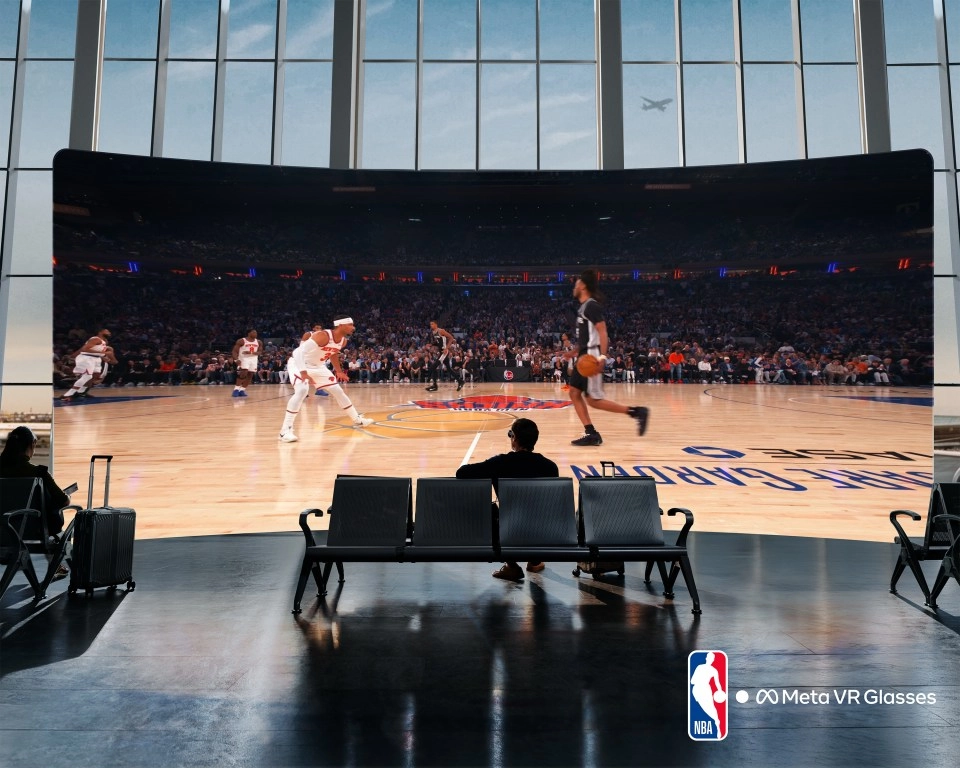
Meta positions the glasses as a personal cinema, a courtside seat, and a portable office. They are the first VR device to receive IMAX Enhanced certification, allowing select films to be viewed in IMAX’s expanded aspect ratio at home. Partnerships cover 3D and immersive content from services including Prime Video, Disney+, HBO Max, Peacock and others. On the sports side, agreements with ESPN, TNT Sports, MLB, UFC and more promise more than 100 immersive live events each year.
For productivity the glasses create private multi-screen environments without requiring additional monitors. For gaming they run the existing Meta Quest library and support cloud services such as Xbox Cloud Gaming. The same device that plays a movie in the evening can host a work session or a game the next morning.
Form factor as strategy
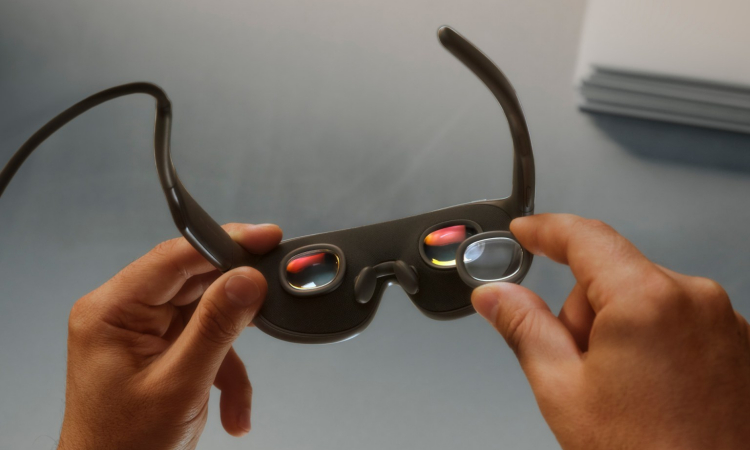
The decision to separate compute and battery into a pocketable puck is the key design move. By removing heat and weight from the face, Meta has produced something closer to ordinary glasses than any previous full-VR product. Awareness of the real environment remains possible; the glasses are not a sealed helmet. That balance between immersion and presence has been the missing piece for everyday use.
At $1,299 the device sits between the more affordable Quest headsets and premium mixed-reality systems such as Apple’s Vision Pro. It will go on sale in spring 2027. Meta is clearly betting that a comfortable form factor, combined with strong media partnerships and useful productivity features, can expand the audience beyond current VR enthusiasts.
Early impressions and open questions
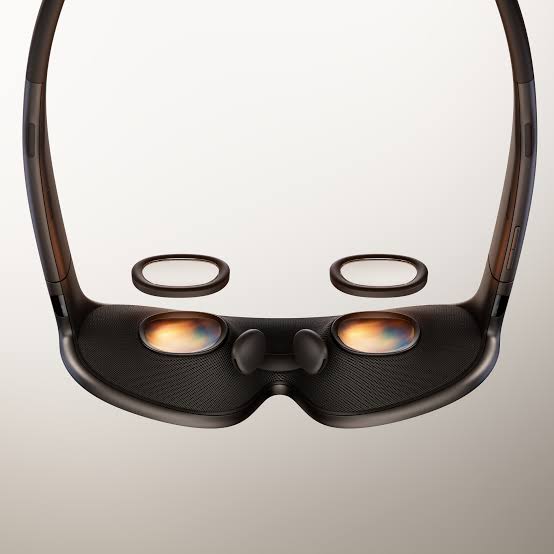
Hands-on reports from the announcement describe a noticeable reduction in bulk and a more natural wearing experience. Gesture and eye controls feel responsive after a short learning period. The tethered puck is a compromise; some users will find the cable unobtrusive, while others will prefer a fully wireless solution that does not yet exist at this performance level.
Battery life of three hours for high-resolution media is respectable for the class but still requires planning for longer sessions. Content availability, especially for IMAX-certified titles and immersive sports, will determine how often owners actually reach for the glasses. Software polish and the comfort of extended wear will matter as much as the specification sheet.
A step toward ordinary wearable
Meta VR Glasses do not claim to replace every headset or every pair of smart glasses. They attempt something more specific: to make full virtual reality light enough and socially acceptable enough that people might wear it for a movie, a match or an afternoon of work without feeling they have entered a different category of device. Whether that ambition succeeds will become clearer once the product reaches customers in 2027.
For now the company has shown a credible path from heavy headsets toward something that looks, at least from the outside, almost ordinary.