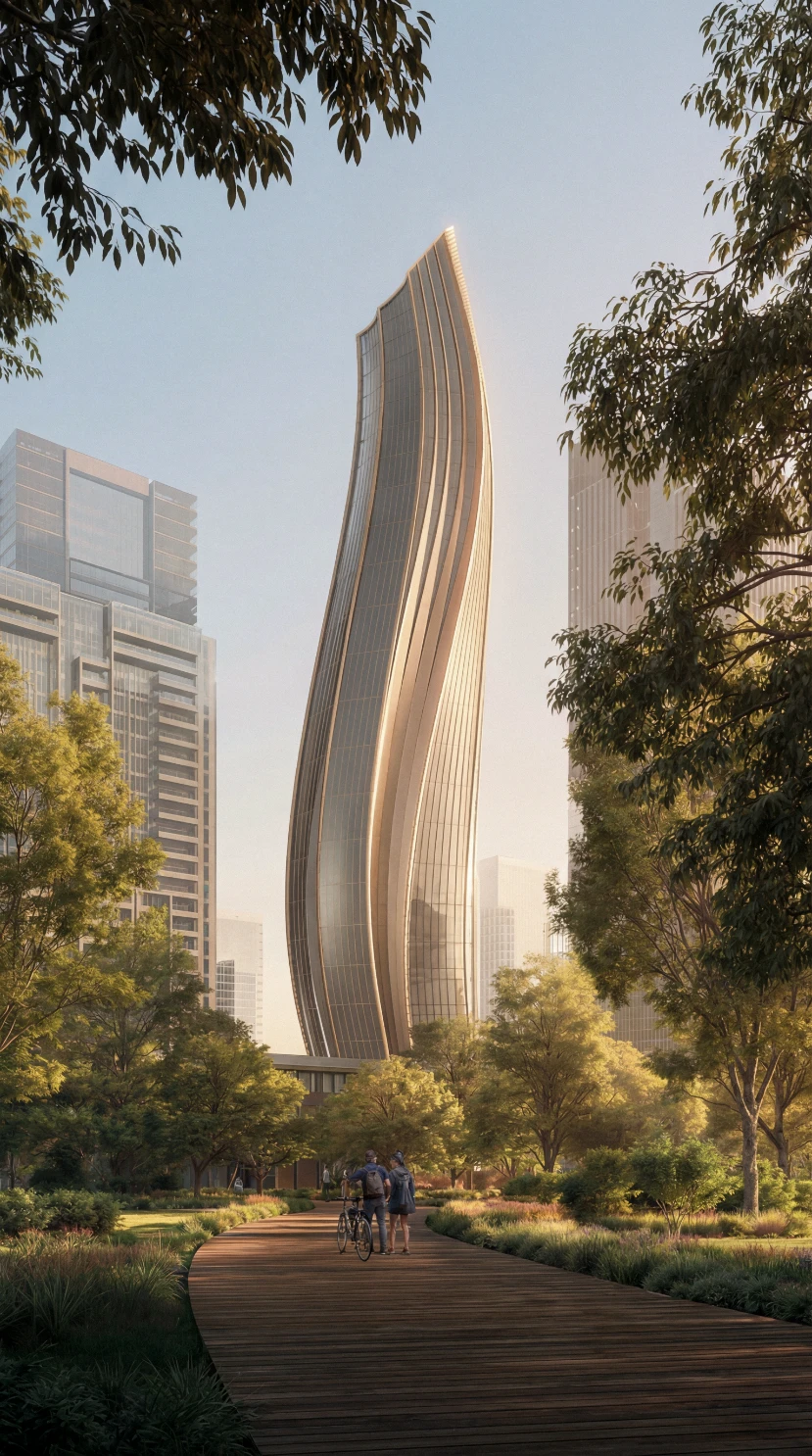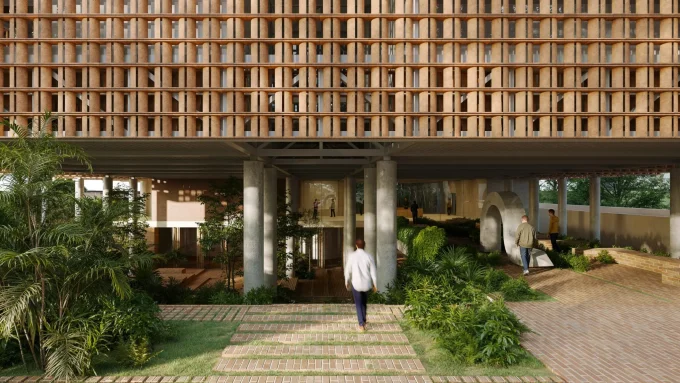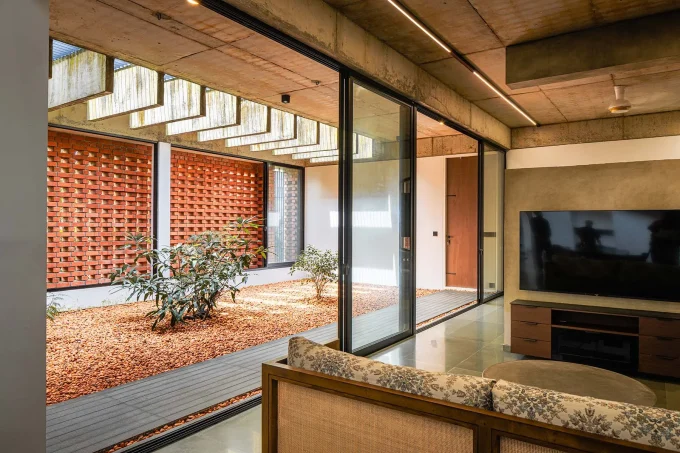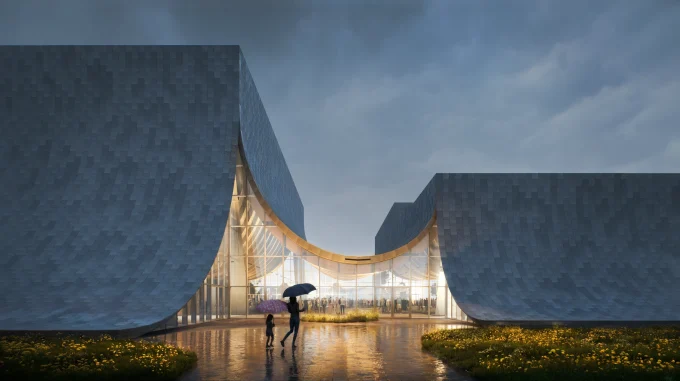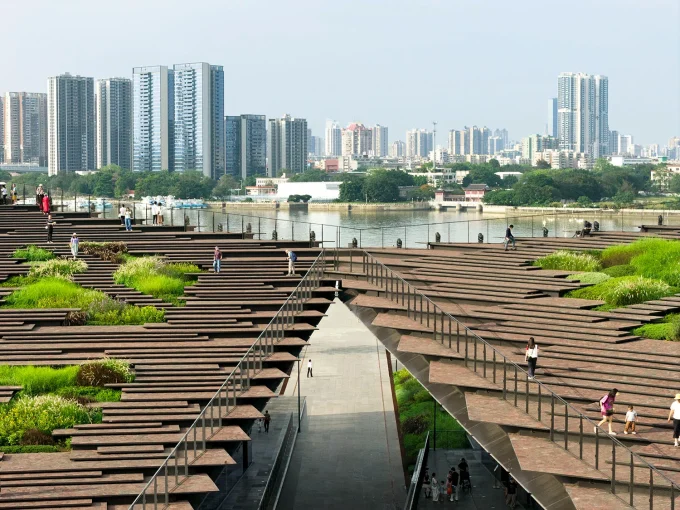



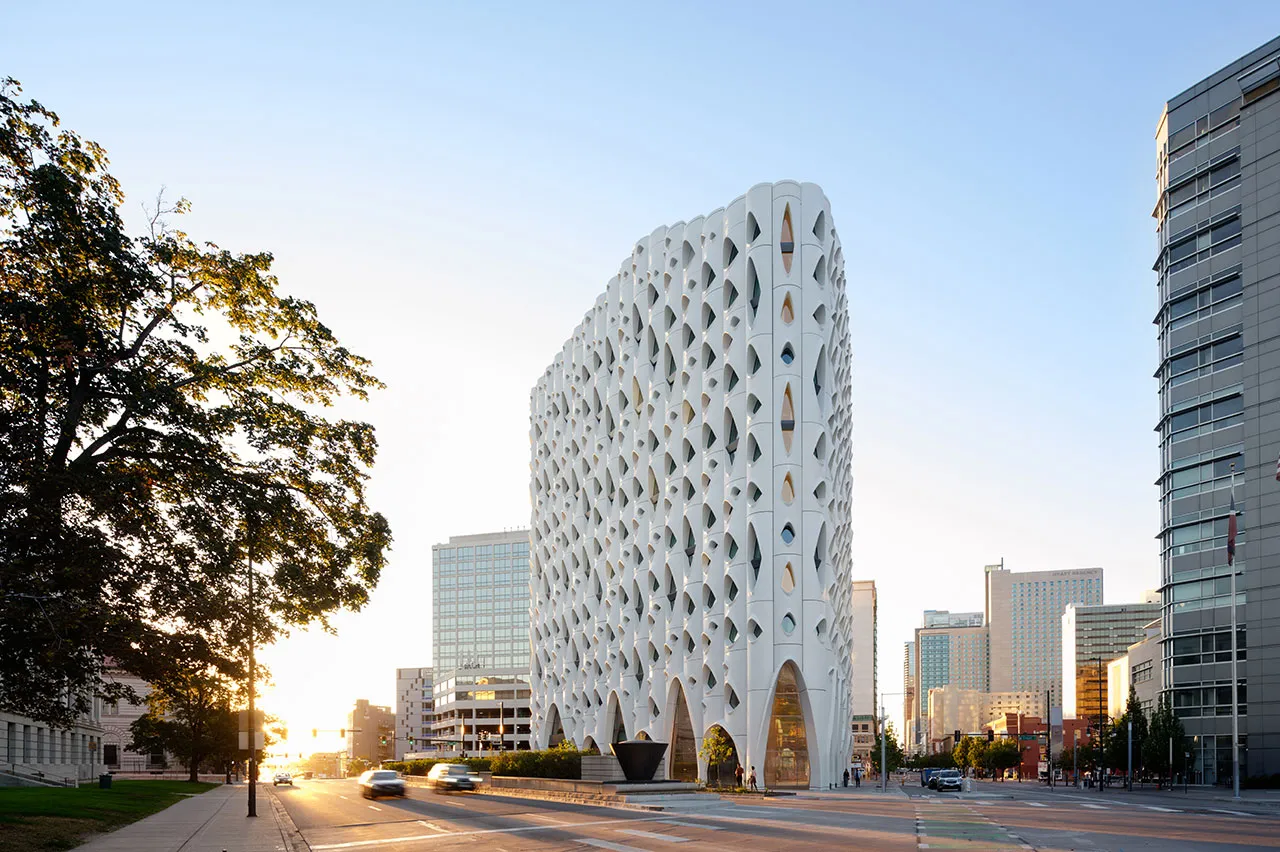
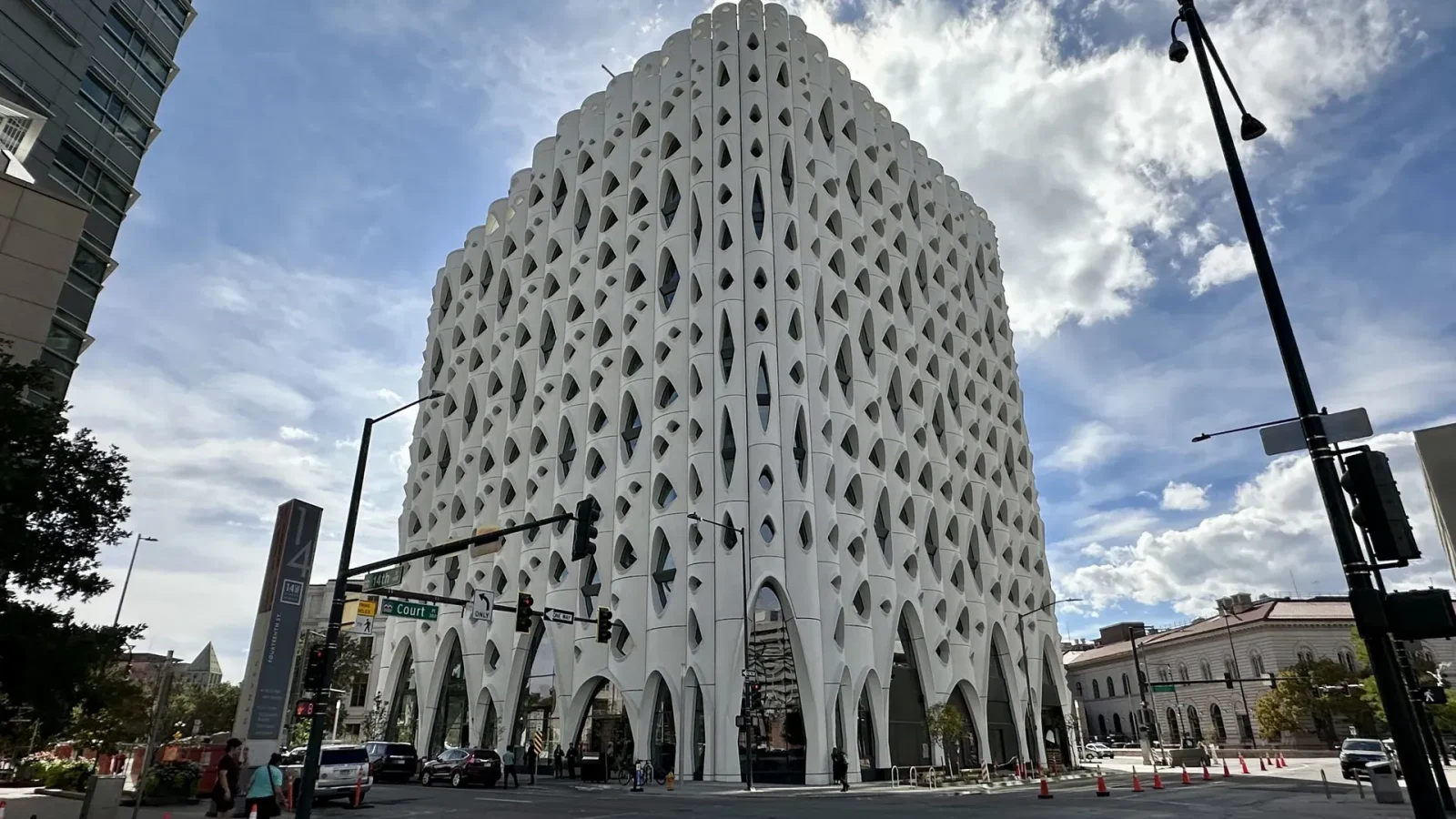
The Populus Hotel by Studio Gang has introduced a new identity to downtown Denver. It brings out a radical design based on local ecology. The hotel is unique in form and purpose, having cast concrete, and unique windows with no parking levels.
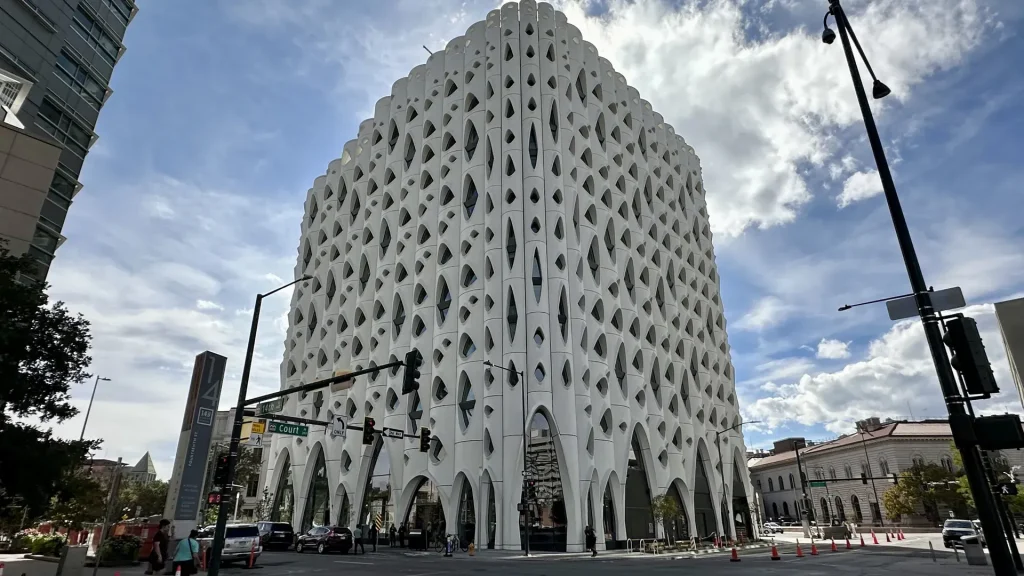
A Natural Form in an Urban Setting
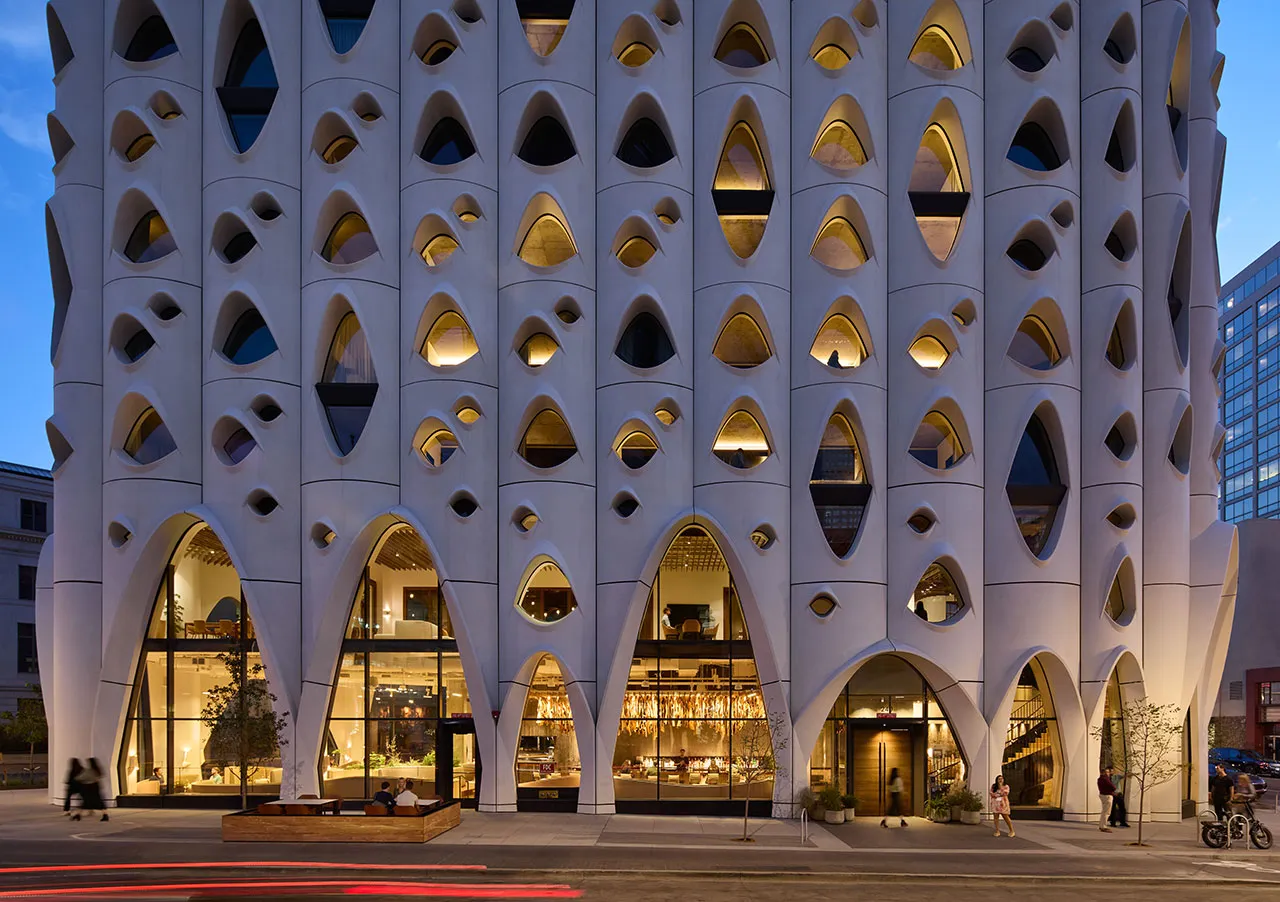
The hotel takes its name and form from Populus tremuloides, also known as the Aspen tree. These trees are common in Colorado and have eye-shaped marks on their bark. Studio Gang used this pattern to design the hotel’s unique windows.
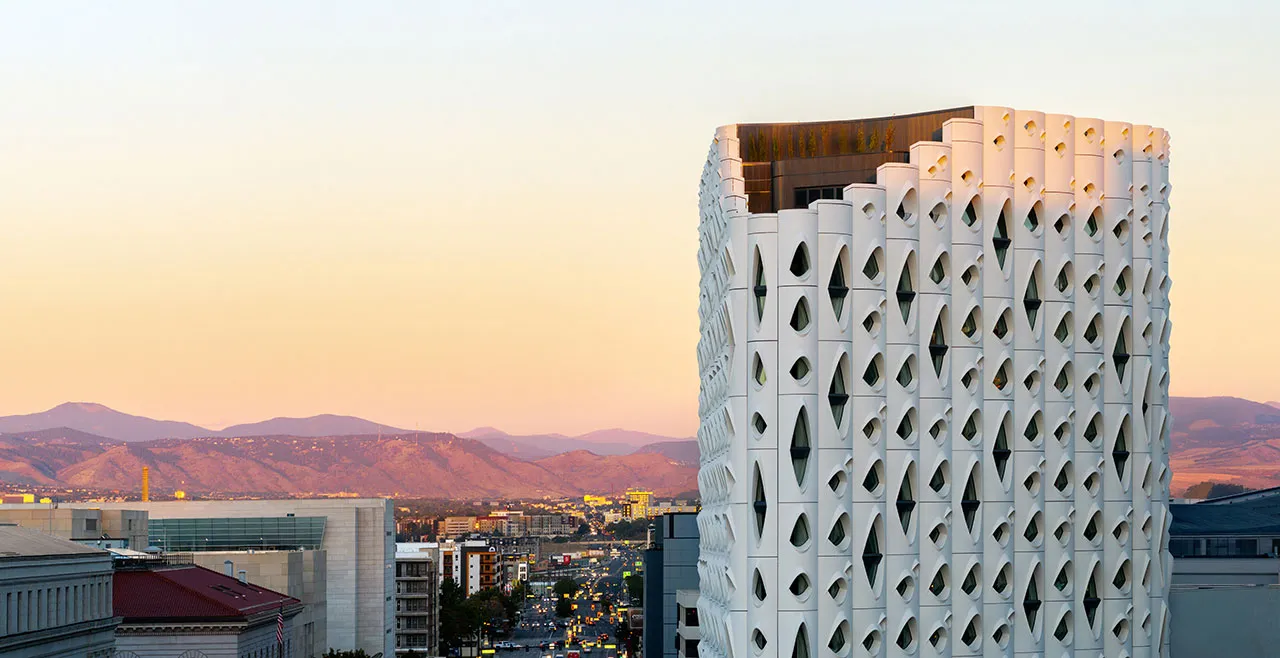
Each of the windows shows this natural shape, combining visual beauty and local meaning. Sculpted concrete panels structure the surface of the building, where the designers shaped them in vertical scallops. These features extend along the façade, bringing texture and rhythm. The acid-washing finish enhances the natural tone of the surface, which makes it fit right into the Denver light.
An Open and Welcoming Corner
The hotel stands at a major intersection in the city. This location connects the civic, arts, and business districts. It has no single “front”, each of its three sides is equally open to the neighborhood.
Large windows stretch along the base of the hotel. These frame the main entrances and allow people walking by to look inside. The hotel feels open and grounded, not distant or isolated as its lower level connects naturally with the street, inviting both visitors and locals to step into its premises.
Shaped for View and Comfort
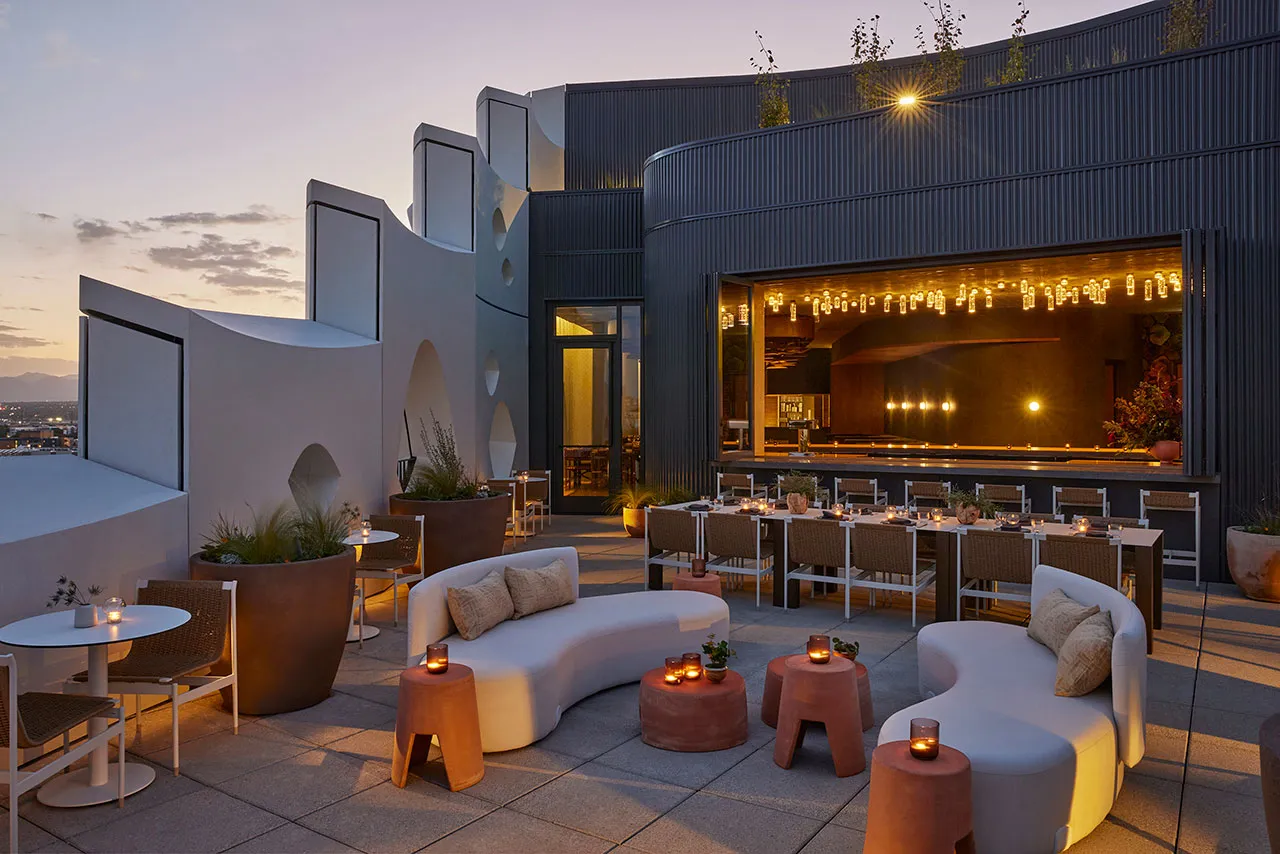
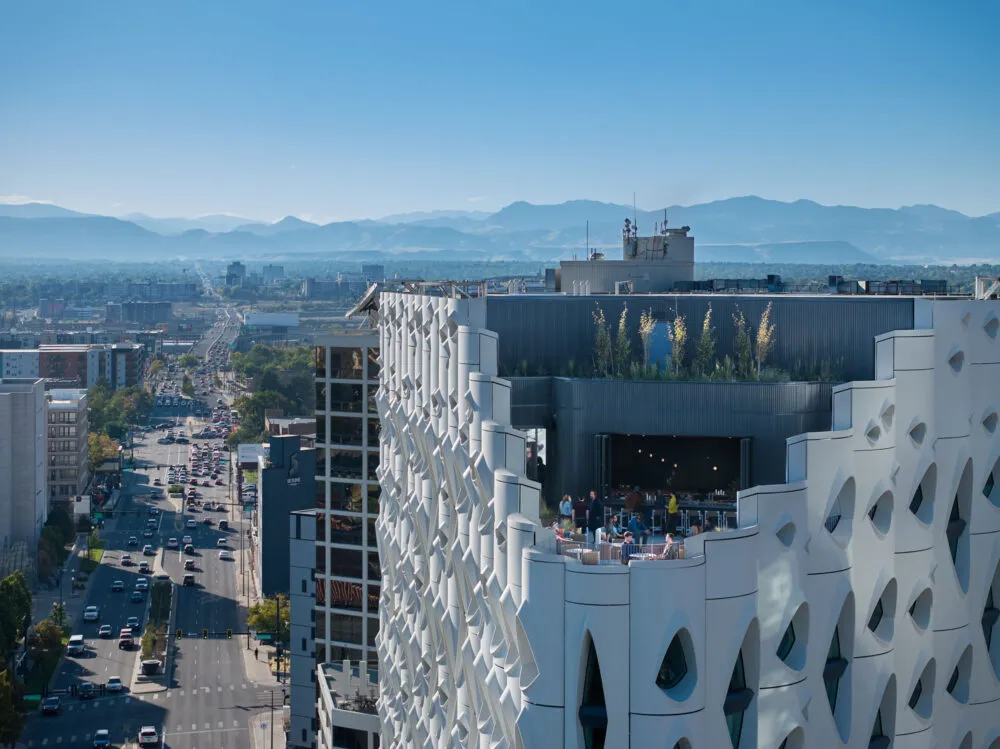
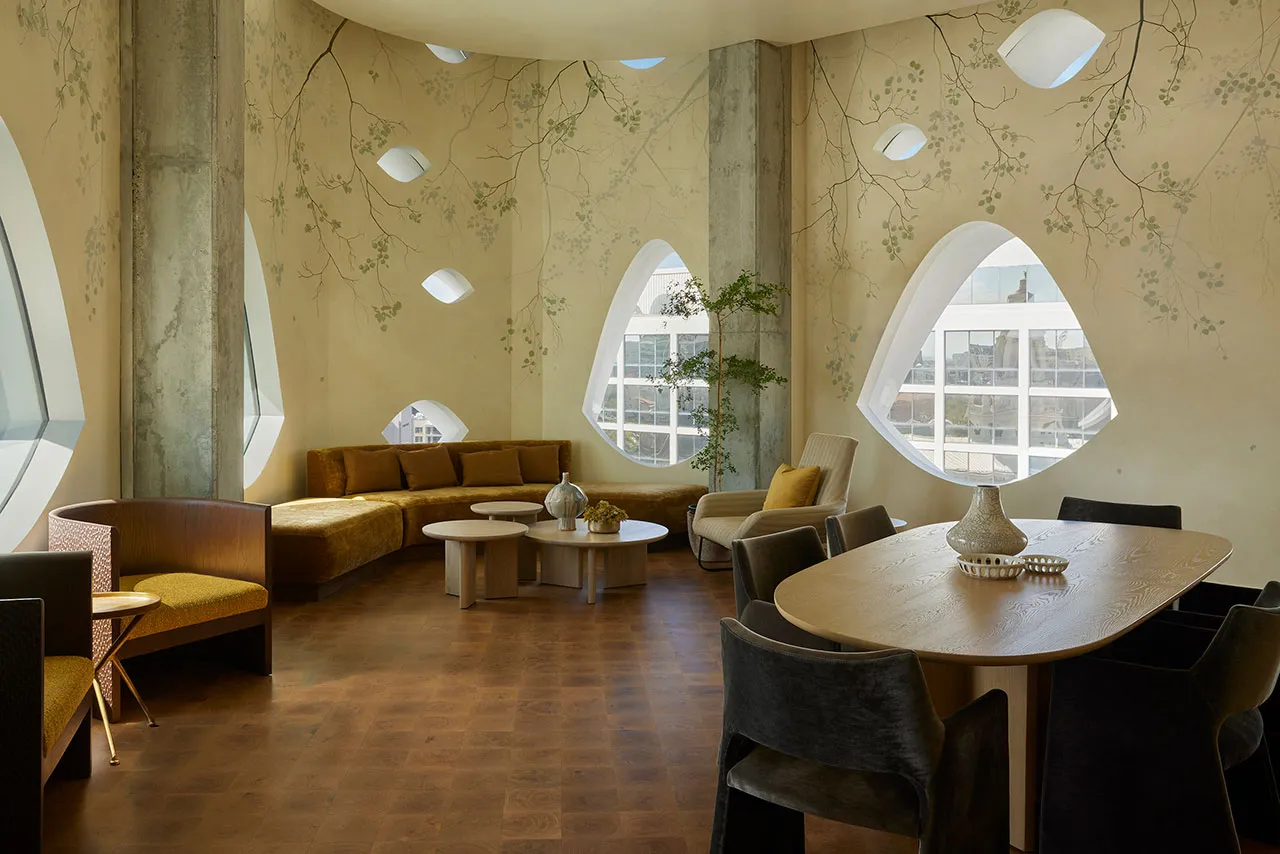
As you go higher, the window shapes change as the public spaces get wider openings, while guest rooms have smaller, more private ones. Some rooms include window seats where guests can sit and look outside. These views open toward Civic Center Park, the State Capitol, and the distant Rockies.
The ground floor includes a restaurant and a coffee bar. The design keeps these areas open to the public as anyone can walk in and enjoy the space. Just above, guests have access to a fitness center, a lounge, and event areas. At the top of the building is a rooftop restaurant and terrace. From here, visitors can enjoy sweeping views of downtown and beyond.
Sustainable in Every Sense
This building does not include parking, which is a rare choice, especially for a new hotel downtown. But it’s a clear step toward reducing car use and traffic as it encourages people to use greener ways to travel. The building’s concrete mix has fly ash, which reduces the need for cement and reduces carbon emissions. The architects have used bare concrete as a design element inside, ensuring no need for any extra finishes.
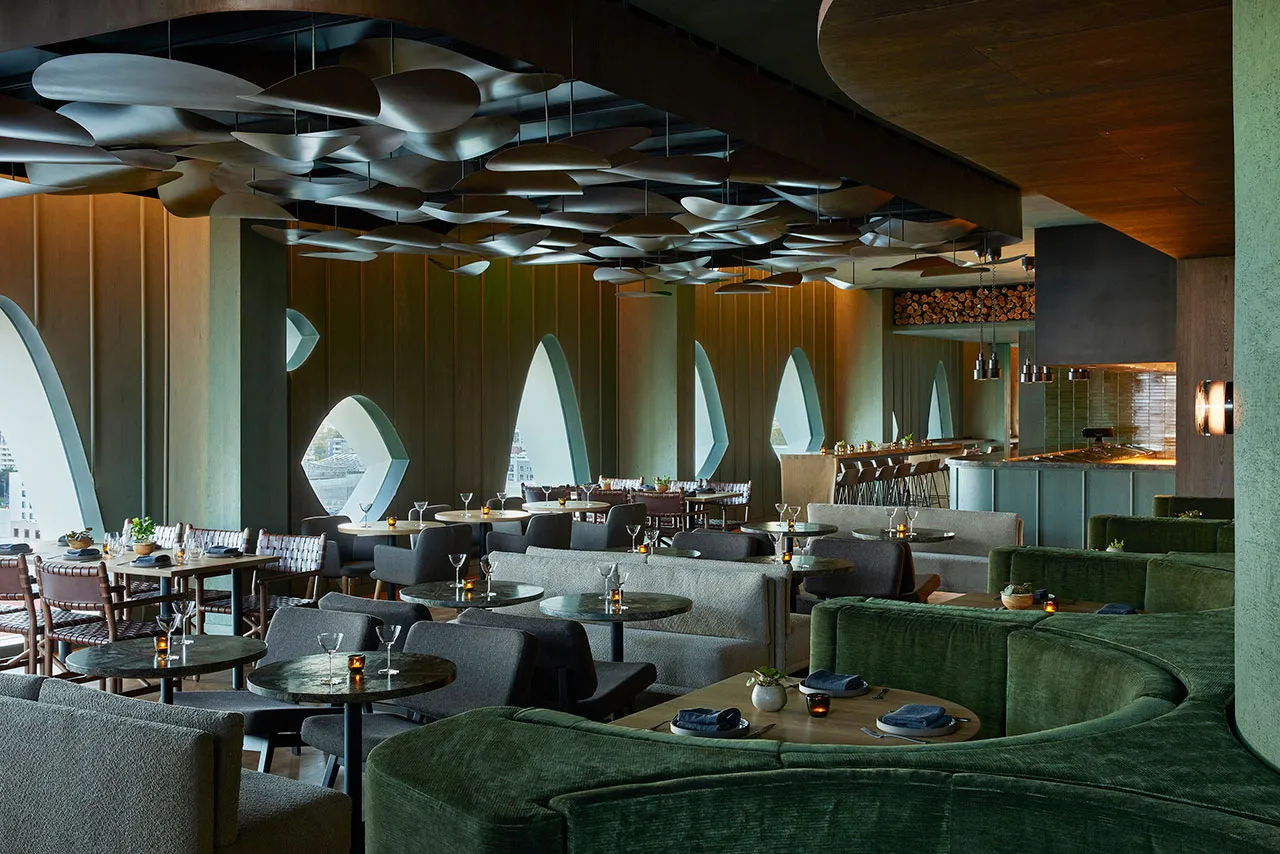
The team has carefully chosen finishes, as some ceilings even contain reclaimed wood. Desk surfaces and elevators include recycled leather, and the window design plays a role too, as their upper “lids” block direct sun, keeping rooms cooler. They also guide rainwater down and away from the walls.
The architects have defined Populus’ architectural clarity through its scalloped GFRC panels. The size and depth of the window apertures differ according to program requirements, and this increases daylight control and thermal energy as well. The architects built each element using specific architectural logic based on both the context and climate, making a true architectural marvel.
For architects and students who want to expand their knowledge of advanced building systems, parametric design, and sustainability, PAACADEMY provides a variety of in-depth courses. Explore the most recent courses and sign up to influence conscious architectural direction.
Populus Hotel Project Details
Location: Downtown Denver, Colorado
Architect: Studio Gang
Client: Urban Villages
Operator: Aparium Hotel Group
Total Area: 135,000 square feet
Stories / Rooms: 13 floors, 265 guest rooms
Completion Year: 2024
Sustainability Target: LEED Gold certification
Explore Courses
.jpg "Ondrej Chybik - Rethinking Architecture")