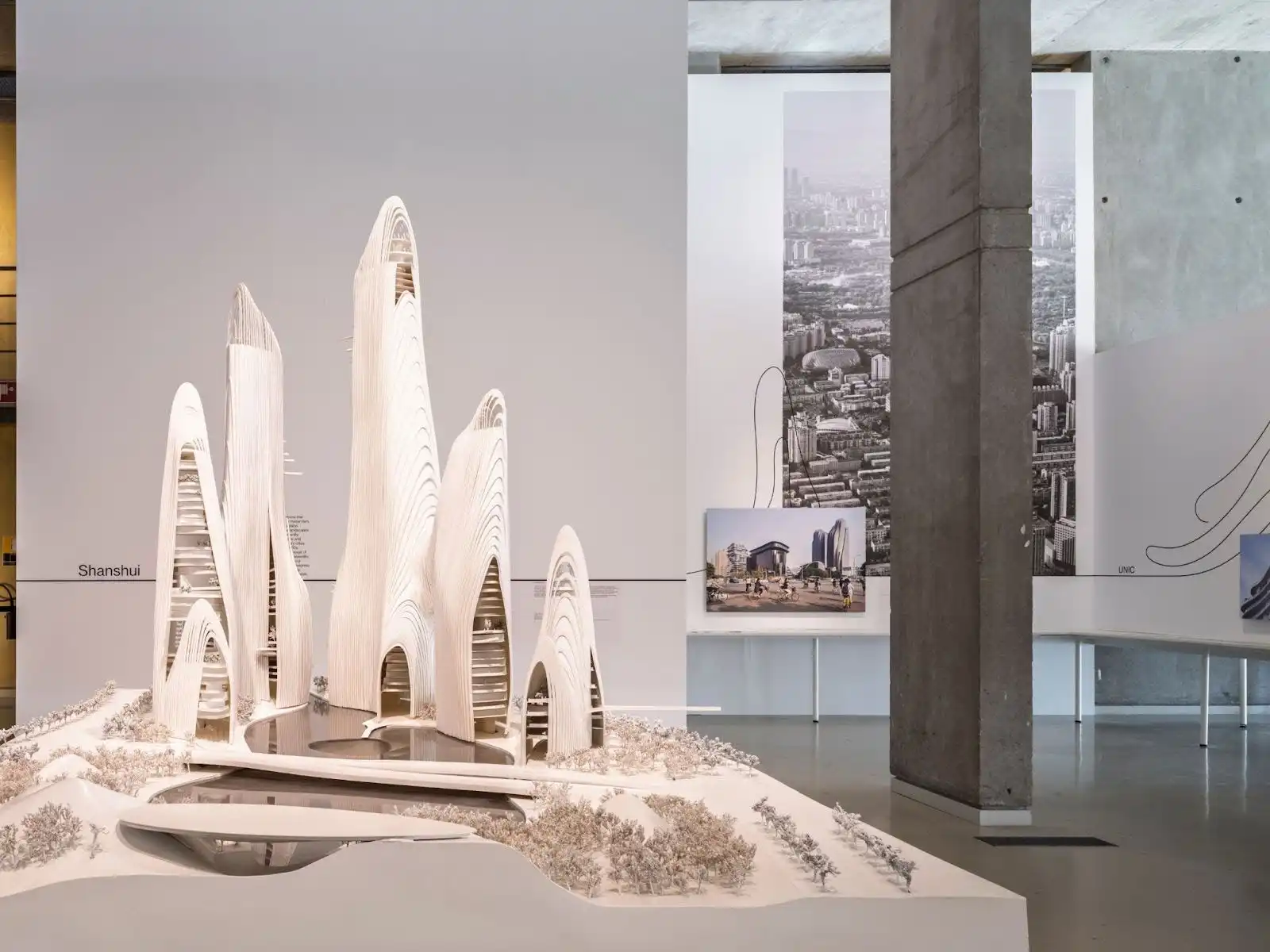

Many students dream about shaping the spaces where people live, work, and play. Even at the early stages, some look to a paper writer to organize research and gather sources for clear design projects. This drive to learn design methods leads them toward studying architecture right after high school. Seeing tall buildings and classic temples can spark curiosity. It’s exciting to think about leaving a mark on public spaces, so many wish to take on this field.
Young observers often feel drawn to the blend of art and technology in this subject. They see a direct way to combine sketches with math, and they find the challenge thrilling. Many enjoy the idea of creating bright, open areas that bring people together. This is why architecture grips students. Some feel that a single building can tell a story or add new life to a city block. For them, the goal is to shape both aesthetics and function while guiding future designs. These factors often draw fresh minds into this creative path.
Inspiration and Creativity
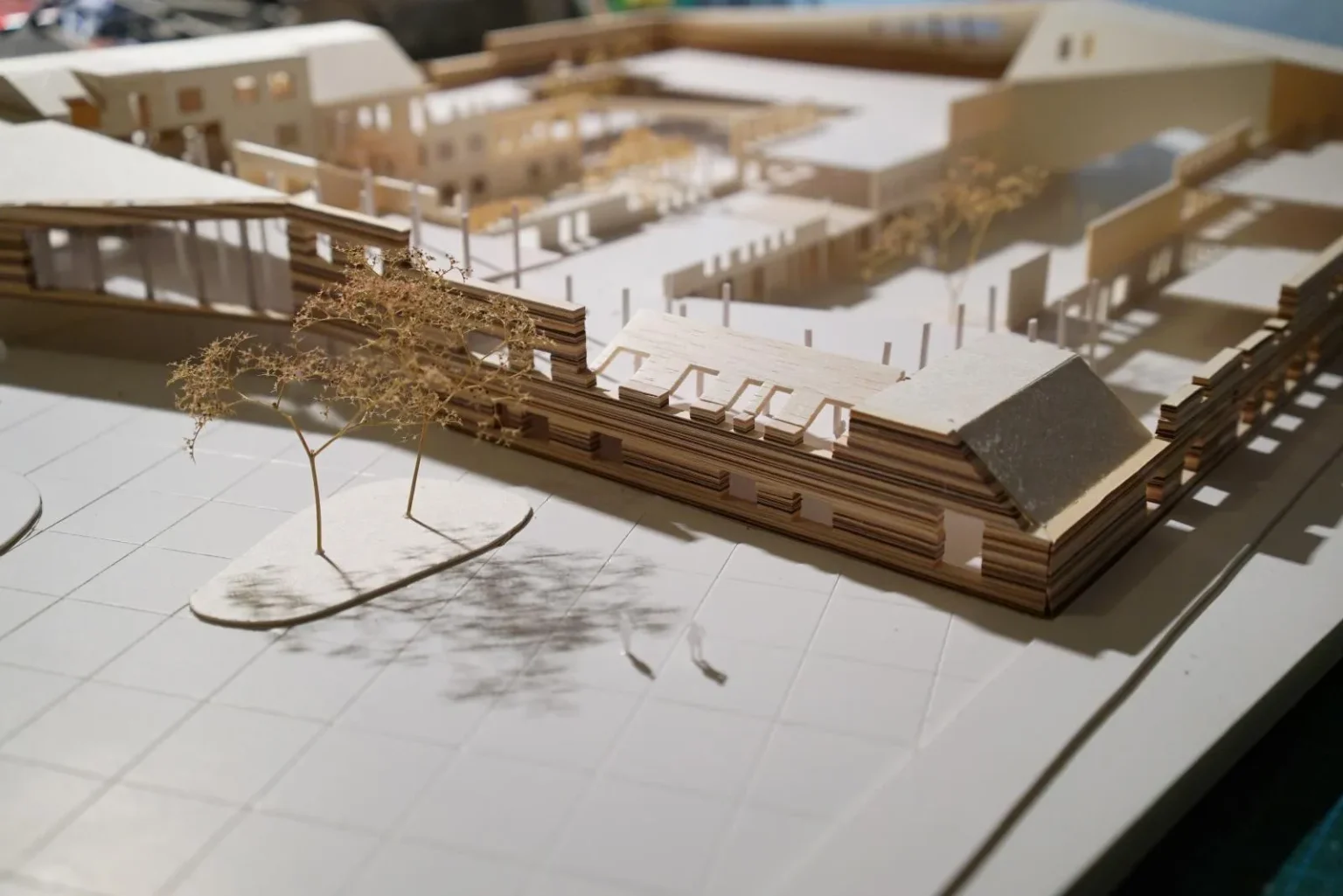
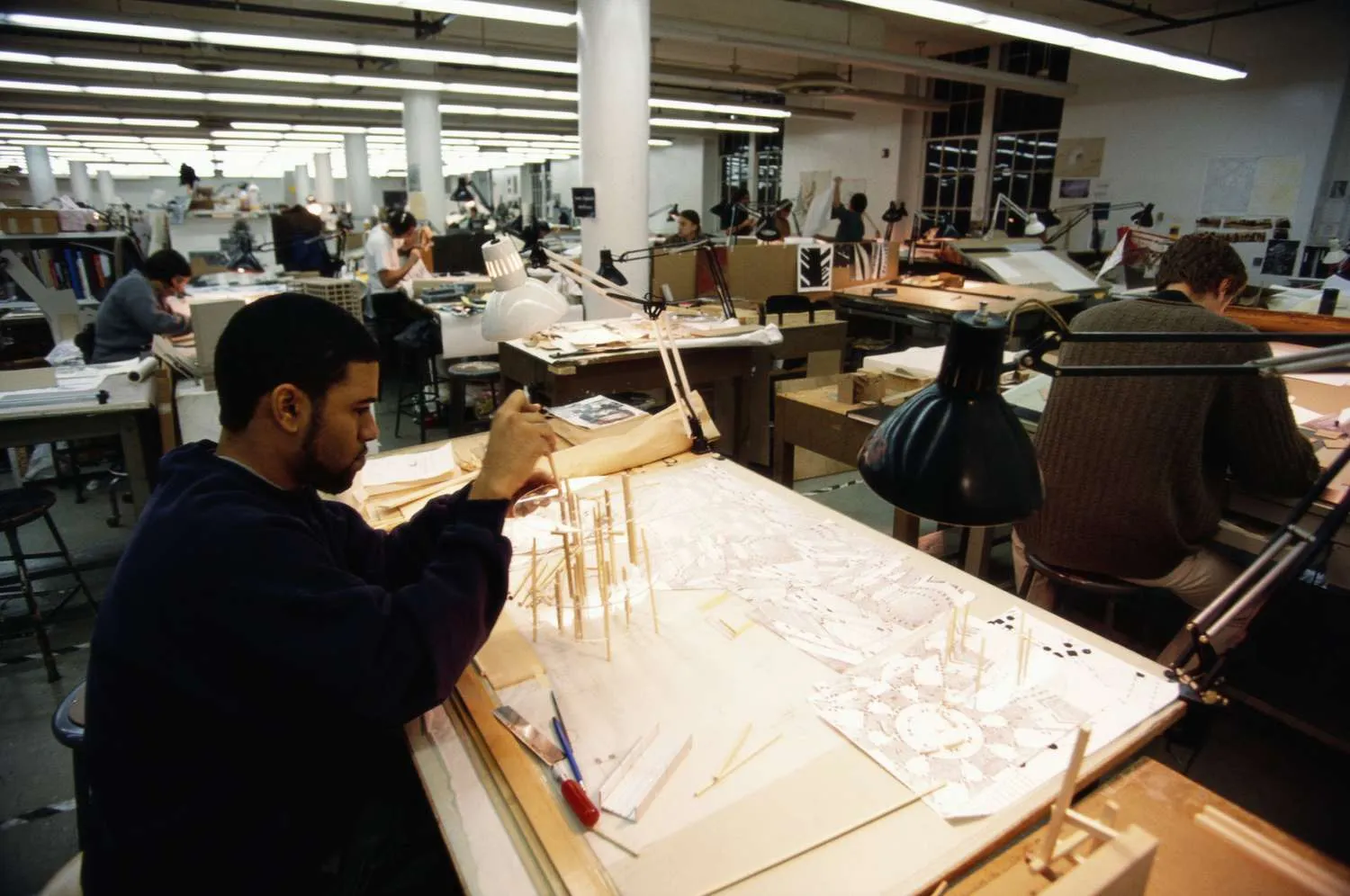
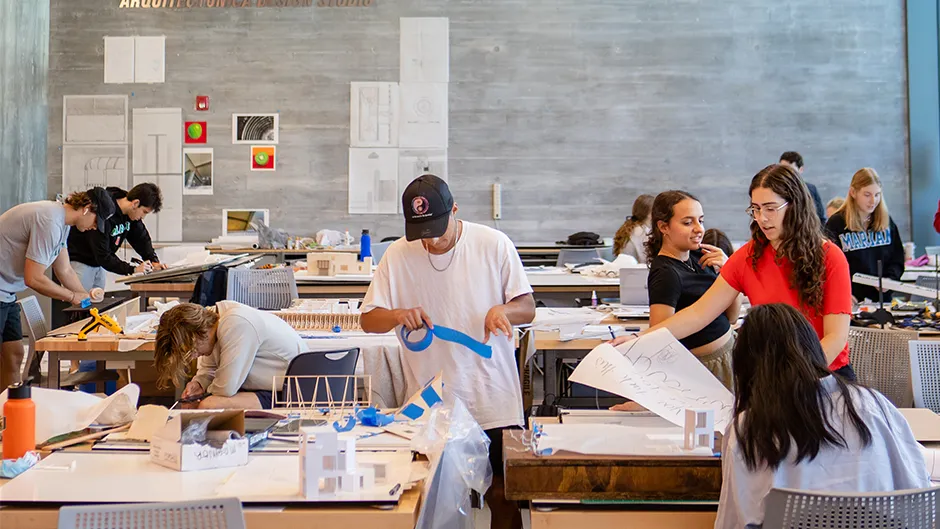
One big reason for starting a journey in design is pure inspiration. Artistic energy thrives in architecture studios, where curiosity blends with practical thinking. Aspiring learners can build models, draw floor plans, and reflect on color patterns. That process helps them figure out why architecture stands out among other fields that mix art and science. By sketching with pencils and using modern software, learners shape ideas that merge beauty and function.
At the same time, hands-on tasks keep them excited and focused. Some students gather real-life samples, like scraps of wood or metal, to test how shapes line up when building small prototypes. Each version reflects their evolving sense of style. It’s not just about memorizing facts; it’s about active trial-and-error. Many find that freedom refreshing. Being able to explore new shapes or test cutting angles drives them to work with passion. Friends often exchange tips and guide each other’s drafts, creating a social and supportive atmosphere. This spirit of invention draws students looking for a place to combine creativity with practicality.
The Human Element
Beyond the blueprints, there’s a strong focus on how people interact with buildings. Future designers study the flow of foot traffic and how sunlight enters spaces. They notice if hallways feel inviting or if stairs become hazards at rush hours. Through these details, architecture students see why architecture is important for society. Each design must fit both function and comfort.
This balance helps them grasp everyday concerns. They think about children playing in open areas, parents meeting on a front porch, or elders needing easy access. By focusing on human needs, each project gains a guiding purpose. In the classroom, teacher-led discussions highlight the lives of real people. Students learn to tweak their designs to fit unique lifestyles.
The human angle transforms dry technical data into caring design ideas. That spark can appear while drafting a plan for a coffee shop or a family home. Each project has a story, and it’s the architecture student who shapes that story with angles, walls, and materials. This empathetic approach encourages them to dig deeper into user needs.
Why Architecture Stands Out
Some wonder why architecture feels more exciting than other design fields. One reason is the clear impact on daily life. People often notice a new home or a well-designed public library and think about how it changes local routines. A single building can shift the identity of a block or give neighbors a fresh spot to gather.
There’s also a rich history behind each style, from classic arches to modern glass towers. That story sparks interest and reminds students that design is always changing. Many pursuits come and go, but buildings last for generations. As a result, an architecture student may see a chance to leave a visible legacy. A finished project might become an icon or a beloved community space. The scale of architecture is grand, touching entire neighborhoods.
Students also find value in the wide blend of skills they gain. They pick up geometry, public speaking, structural basics, and design sense. Each outing to a city block can reveal different building methods. This keeps the process lively and full of unscripted lessons.
How to Study Architecture
When asked how to study architecture in a simple way, teachers often begin with core elements. Students practice sketching, learn measurement basics, and explore building regulations. Drafting software also plays a big part now, so new learners might spend hours updating digital models. They can edit a design in real-time and experiment with shapes.
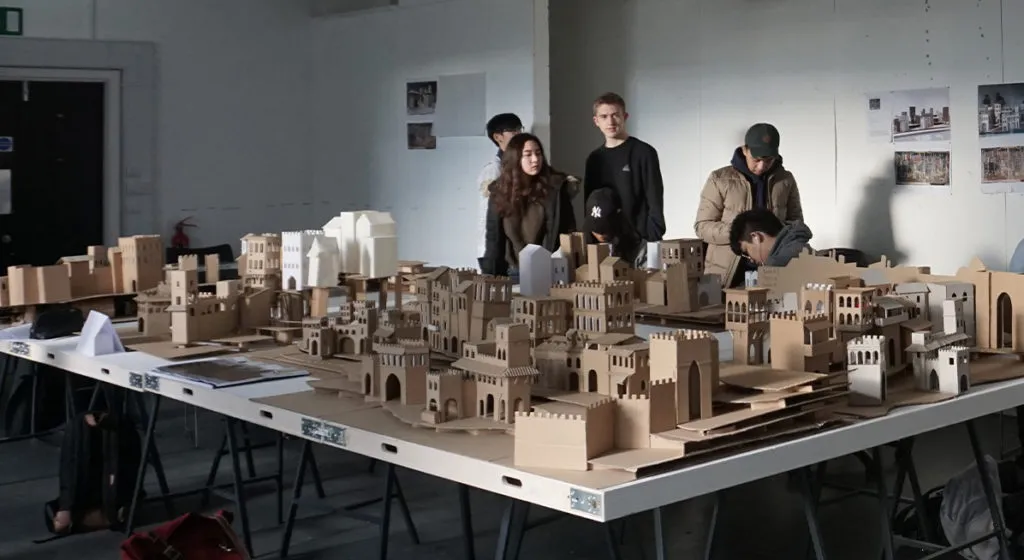
Group projects are common, giving classmates a taste of shared ideas. It’s helpful to partner with peers who excel in tasks like 3D modeling or who have a knack for interior detail. By sharing strengths, teams can tackle larger assignments that reflect real-world demands. This approach is good preparation for professional jobs, where multiple experts work together.
Another tip is to visit local sites. Observing how older buildings stand tall without modern tools is eye-opening. Exploring new structures with advanced green systems also shows how the field shifts to meet current needs. Students gather notes, photos, and sketches from these trips to spark further ideas. Each step blends theory and practice, giving them the mindset to embrace design challenges.
Real-World Applications
Taking insights from classrooms into real structures is a key part of studying architecture. Students often pair with local design firms or group up with community groups to fix small public spaces. These interactions reveal the details of budgets, city codes, and timeline limits. Seeing how rules shape each plan offers a reality check. It’s about more than having a cool design; it must meet safety requirements and budgets.
Many programs host design competitions, which offer a friendly space to show off ideas. A shared creative rush comes from meeting quick deadlines and working around strict rules. At the end, seeing a winning scheme or even a shortlisting can spark more ambition. The confidence gained from sharing ideas with experts fuels the desire to keep improving.
In many hands-on tasks, an architecture student learns to measure real sites, speak with potential clients, and present progress to mentors. These moments spark growth in communication and problem-solving. Over time, each practical experience builds a sense of professional readiness.
Challenges and Rewards
Architecture demands patience. Drafting floor plans may involve countless reworks. Technical hitches with design software or issues with structural calculations can surface late in production. That can be frustrating, especially during final reviews or exams. Still, these hard moments teach resilience.
Students might also face tight budgets and must decide which features to keep or remove. Balancing what clients want with cost limits is tricky. At times, the creative spark feels dim due to extreme deadlines. Yet solving real issues can give an even greater sense of joy than an easy pass. Each fix or budget win fosters skill growth. Friends often lend support during these late-night work sessions.
Realizing a final design, even if it’s only on paper, is satisfying. After so many edits, seeing a polished presentation or a completed model can feel like a triumph. Each success story energizes them to tackle the next big challenge. In this way, architecture blends daily stress with real pride in one’s craft.
Career Choices
Many wonder why architecture is important to a future career path. One reason is the range of options that an architecture graduate can explore. Besides traditional home or building design, some move into city planning or landscape design. Others focus on interior spaces, shaping how rooms flow.
Several find jobs in set design for movies or interactive exhibits for museums. Each spot calls on the same skills: creativity, problem-solving, and an eye for detail. With these traits, graduates can also try real estate development or building restoration. This means their daily tasks vary beyond desk work. They might inspect a building site one day and join client meetings the next.
The pay scale can grow with projects too. Those who help large firms build high-profile structures can find better earnings. Meanwhile, smaller roles may still give freedom to try fresh design ideas. With so many paths, it’s no wonder that students pick this field. They see a range of ways to use their talents.
Studying architecture blends art, science, and empathy. Many learners first get interested by watching major buildings rise or by sketching floor plans on scrap paper. In classrooms, they learn how to match design flair with precise math. They also refine their sense of what people truly need in a space, from cozy reading nooks to busy lobbies. These lessons show how to study architecture with an open mind.
Through every draft, model, and final critique, future designers learn why architecture remains vital. It’s a way to create spaces that are both useful and attractive. With practice, they see how small changes in layout or materials can solve common problems and bring delight to users. Each success leads them to keep refining their craft.
This path requires steady dedication. Late-night sketching, stiff deadlines, and repeated tweaks are part of the routine. Yet the payoff is big. An architecture student can see their ideas turn into structures that shape everyday life. That sense of lasting impact draws them to study, create, and share new ways of building.