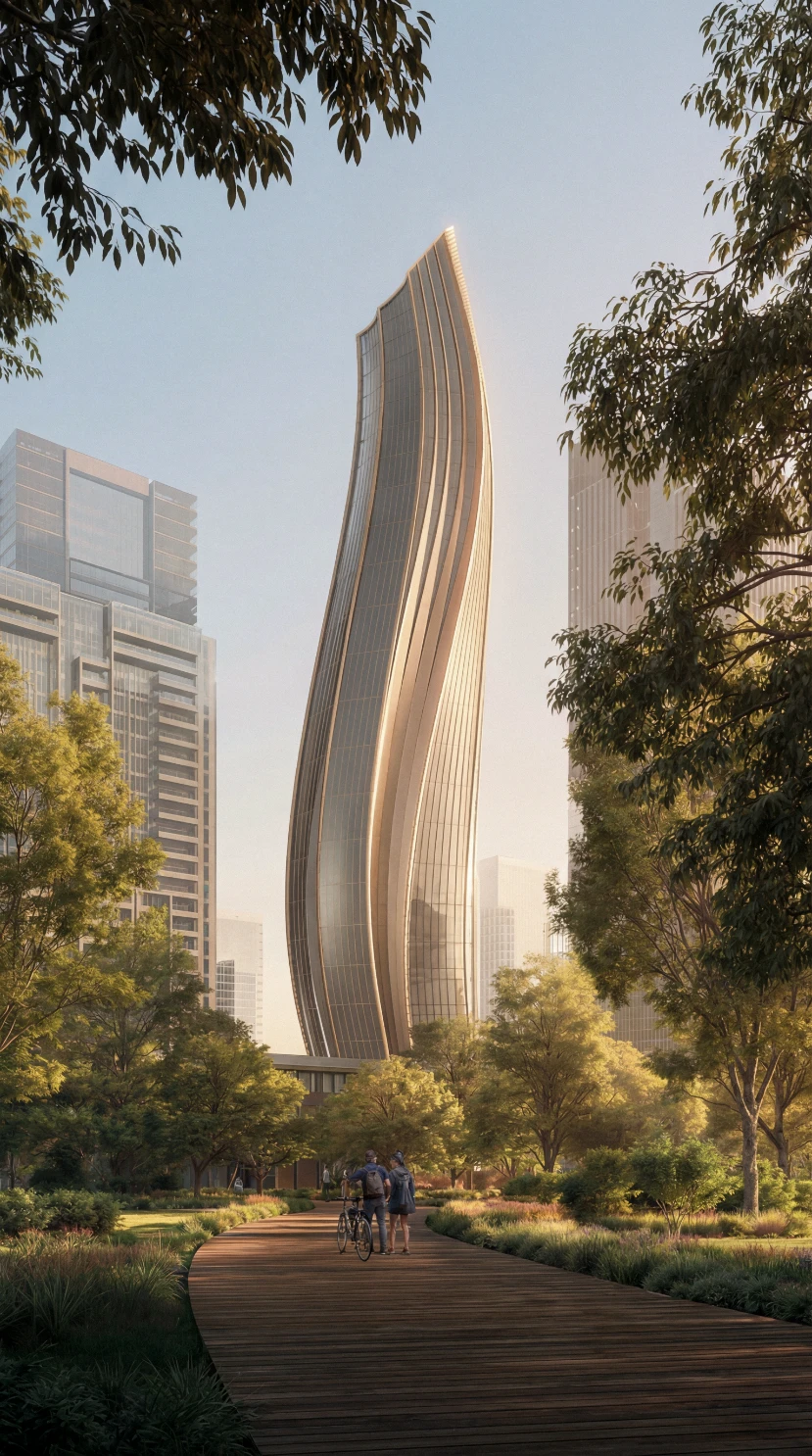



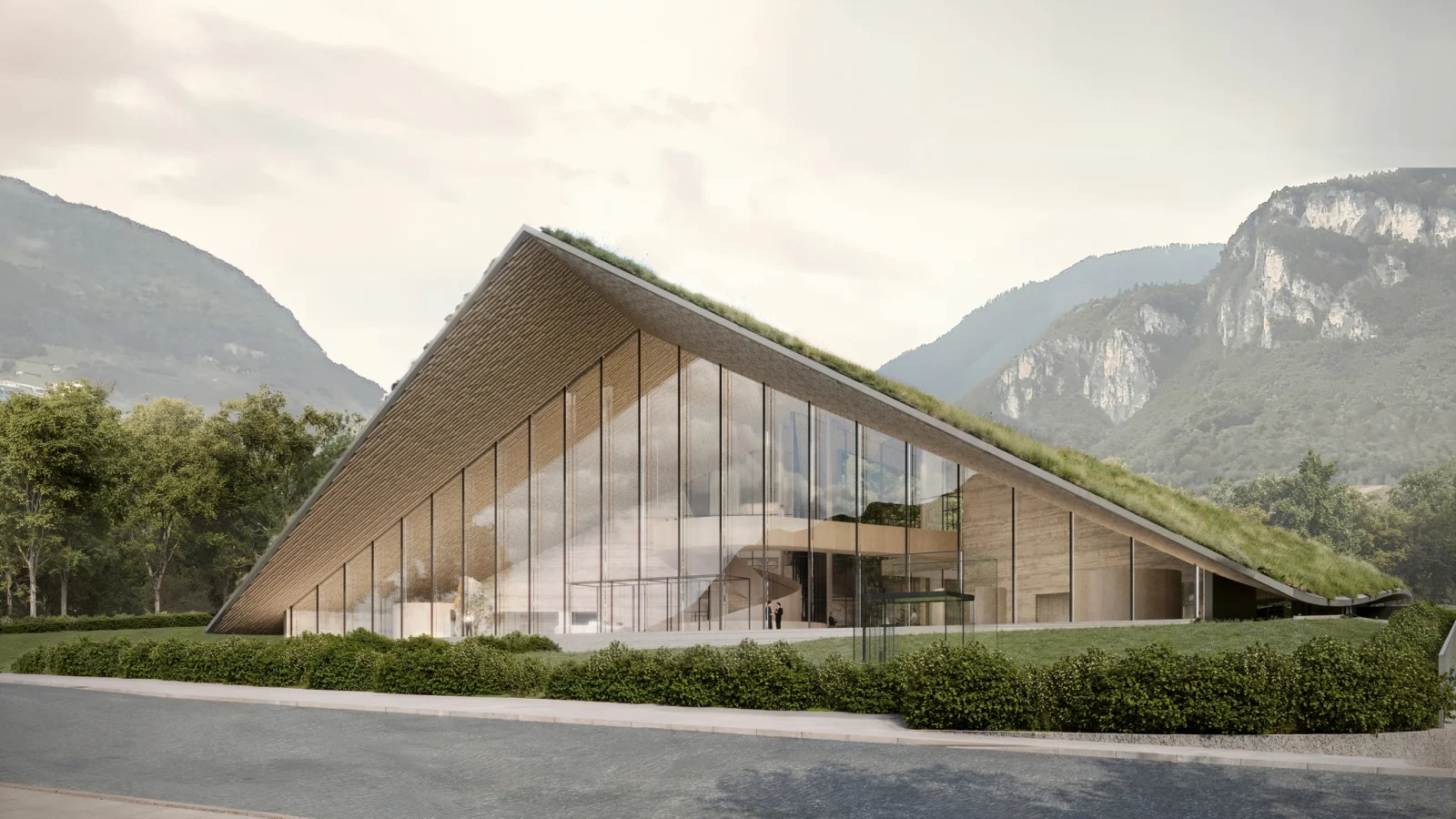
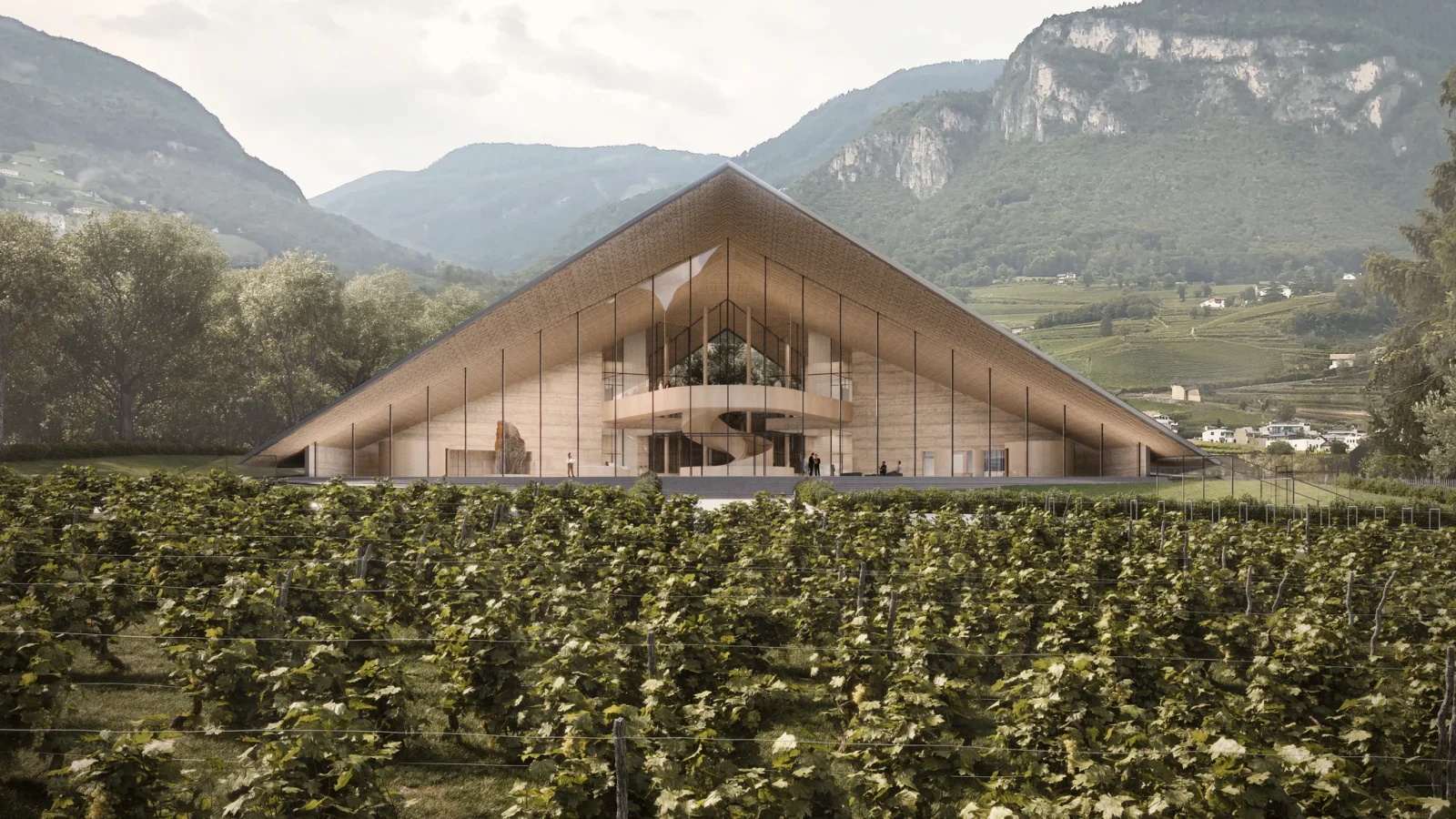
The Museum Depot by Peter Pichler Architecture in South Tyrol, Italy, is designed as a large-scale cultural infrastructure that consolidates preservation, research, and public engagement within a single architectural system. Designed as a response to the region’s fragmented storage of heritage assets, the project establishes a centralized facility capable of holding over one million objects, including artworks, archaeological finds, and audiovisual archives.
The project redefines the conventional notion of a museum storage building by transforming it into an accessible, integrated environment where conservation and exhibition coexist. By bringing together collections previously dispersed across multiple locations, the depot improves preservation standards while repositioning stored artifacts as active cultural resources.
Peter Pichler Architecture Brings New Approach to Cultural Preservation
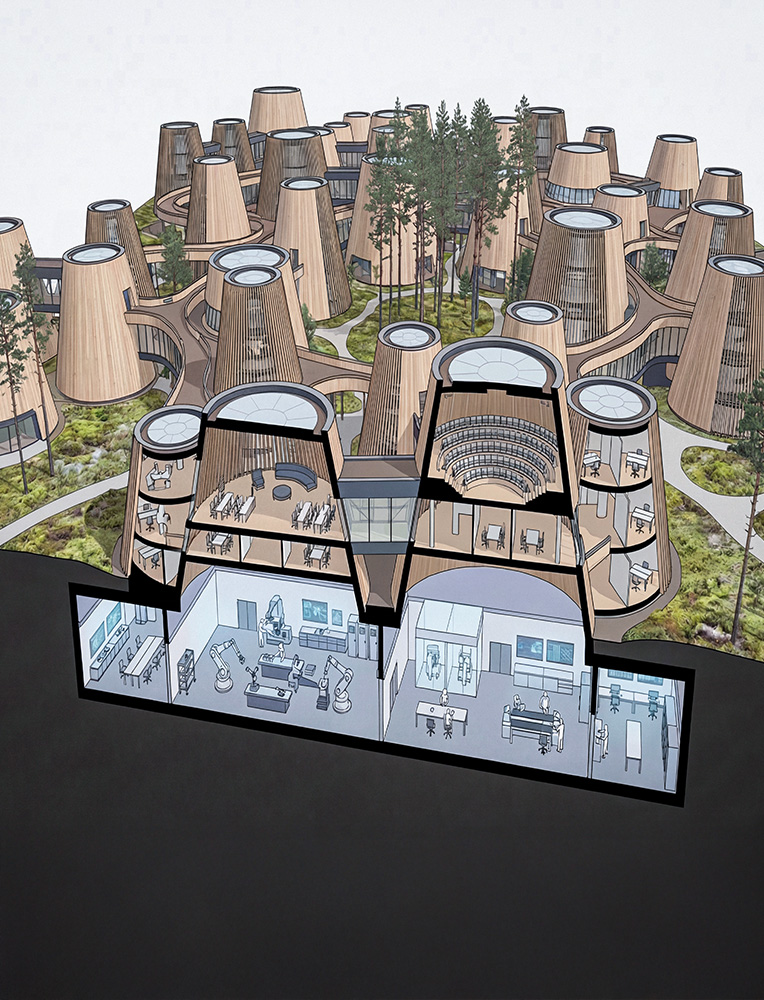
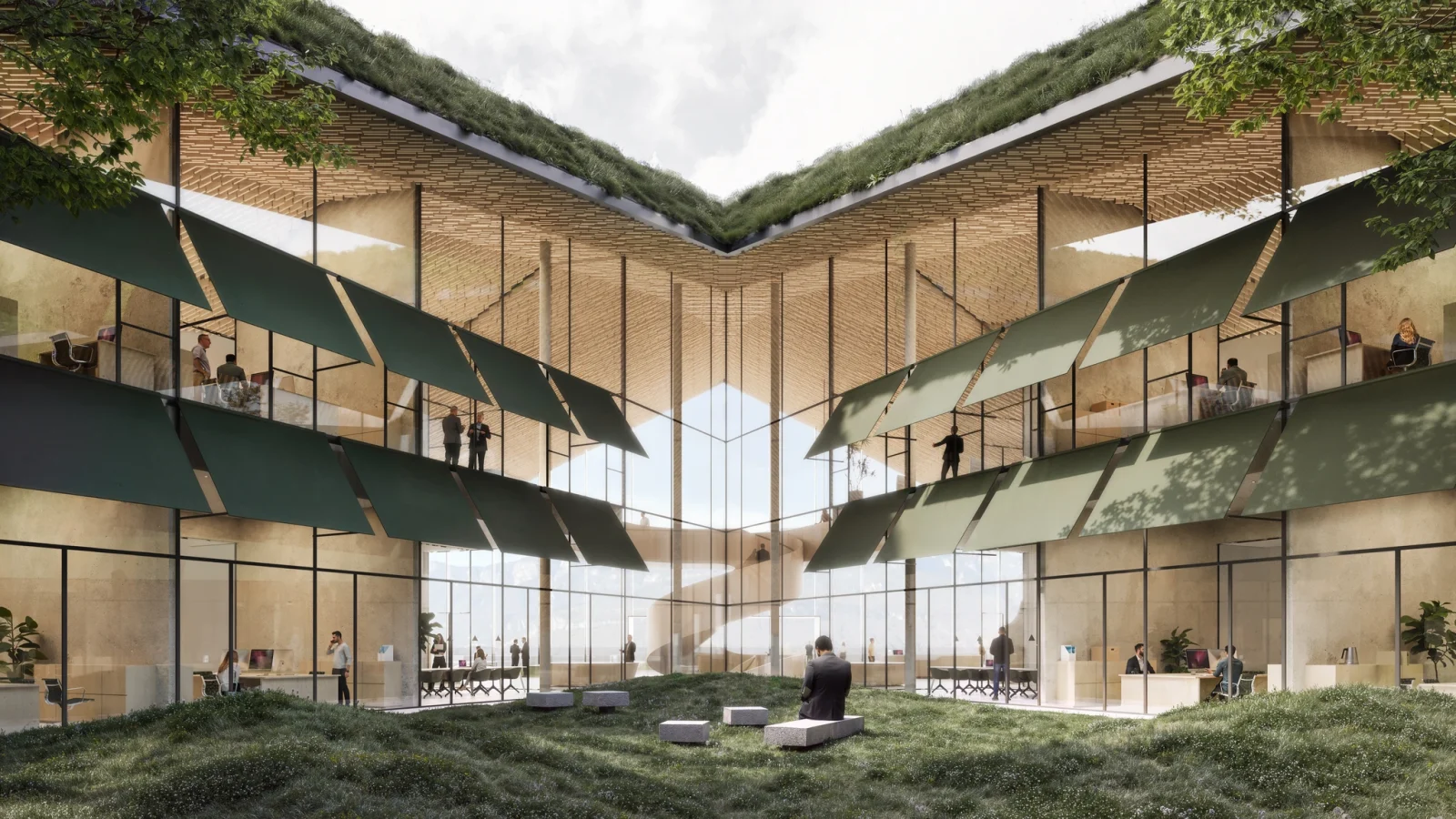
The architectural approach is grounded in programmatic integration. The building accommodates offices, laboratories, workshops, storage areas, and exhibition spaces within a unified framework that supports collaboration between institutions and disciplines. Circulation is treated as a key design driver, organizing workflows and connections. The layout is a central courtyard that introduces daylight into workspaces and creates a visual and physical anchor for the entire complex. Administrative and research areas are arranged around this courtyard, ensuring a balanced working environment with access to natural light and green space.
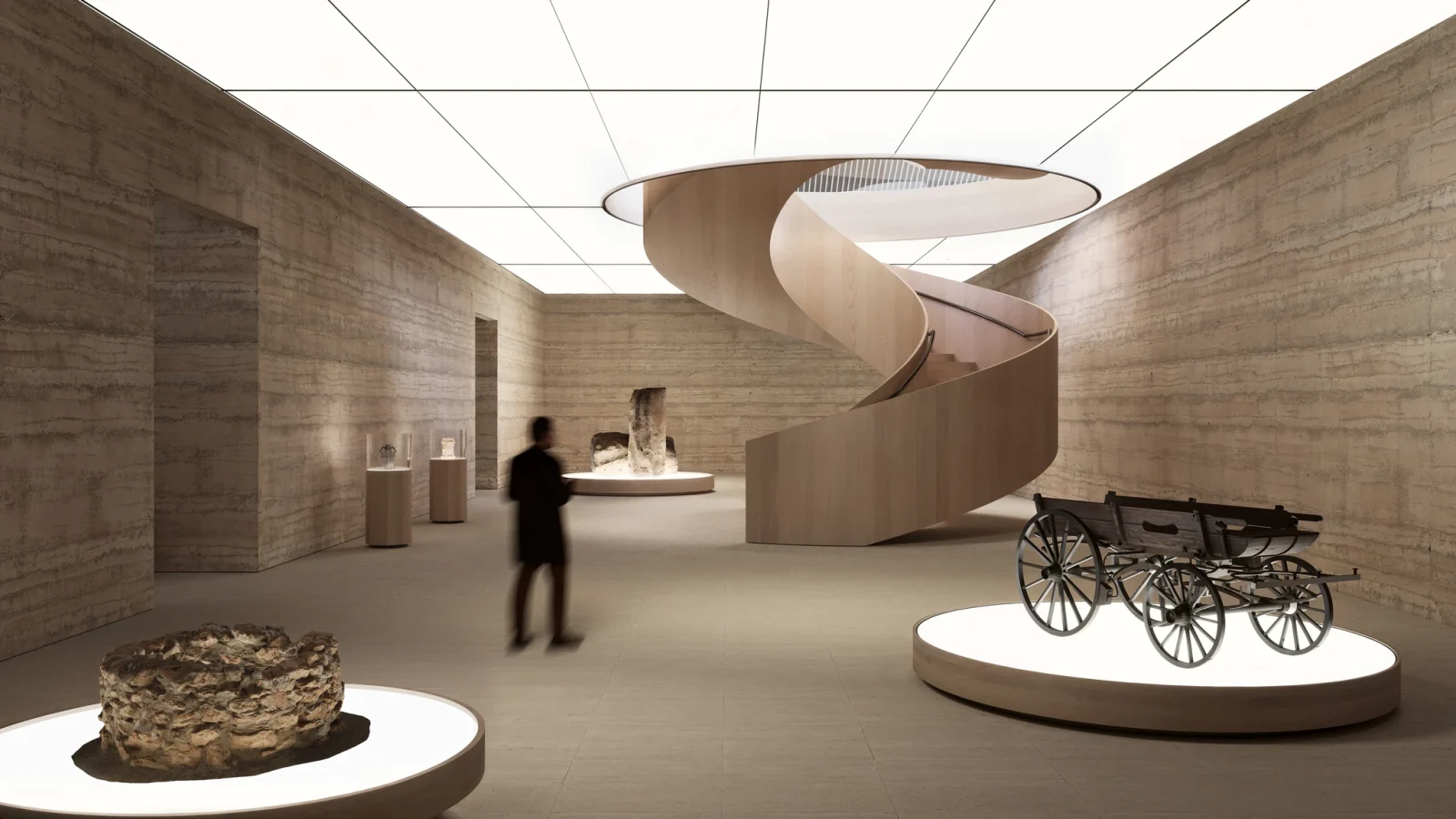
A critical museum-oriented decision is the placement of storage and exhibition areas underground. This strategy ensures stable temperature and humidity conditions, which are essential for the long-term conservation of sensitive artifacts. The vertical organization of the building, with public and operational functions distributed across levels, enables efficient movement between conservation, research, and display zones.
Architectural Identity of the Museum Depot
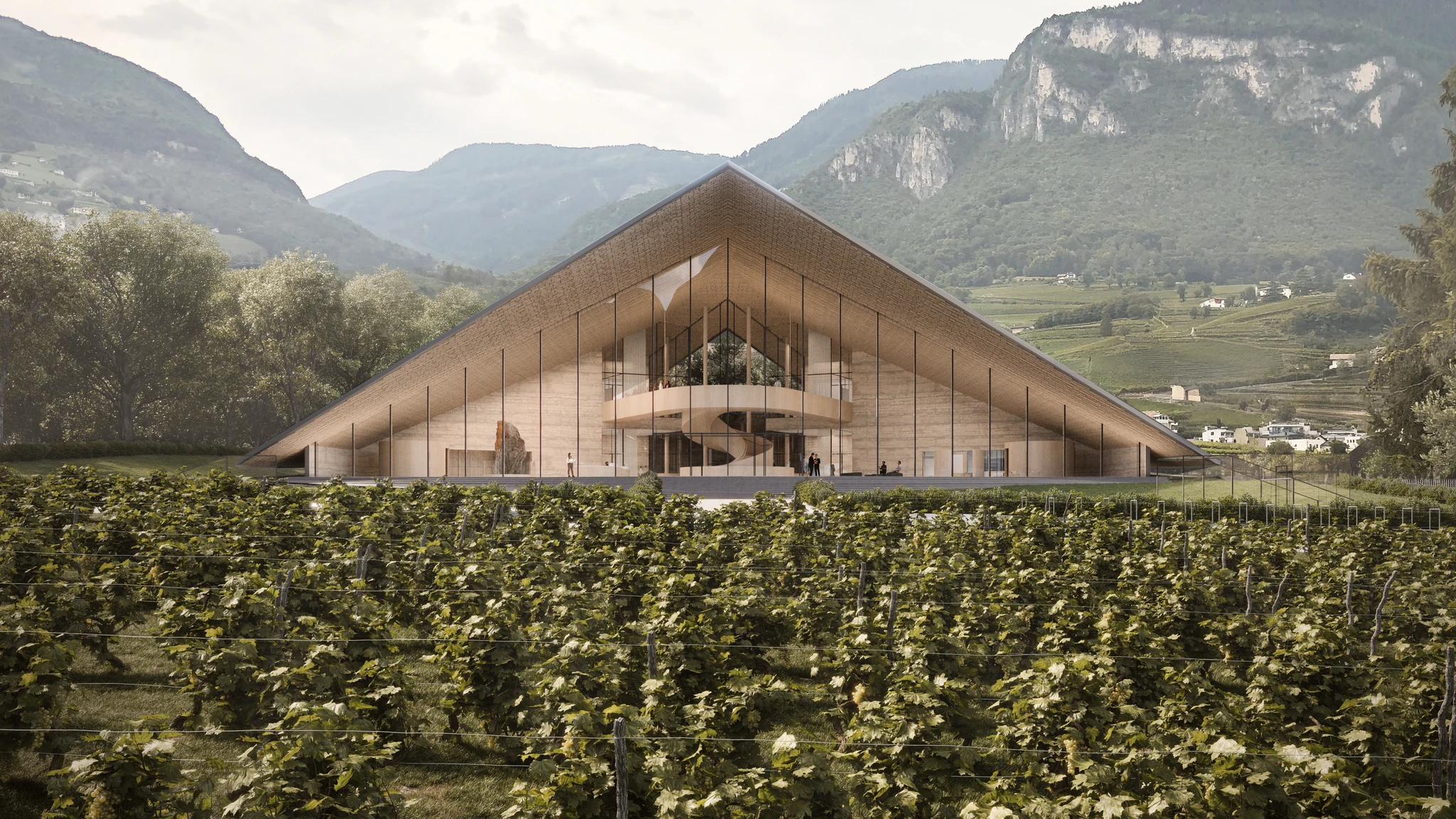
The formal expression of the Museum Depot draws directly from the vernacular architecture of South Tyrol’s alpine and valley landscapes. A raised, pitched roof defines the building’s profile, referencing local typologies while translating them into a contemporary institutional language.
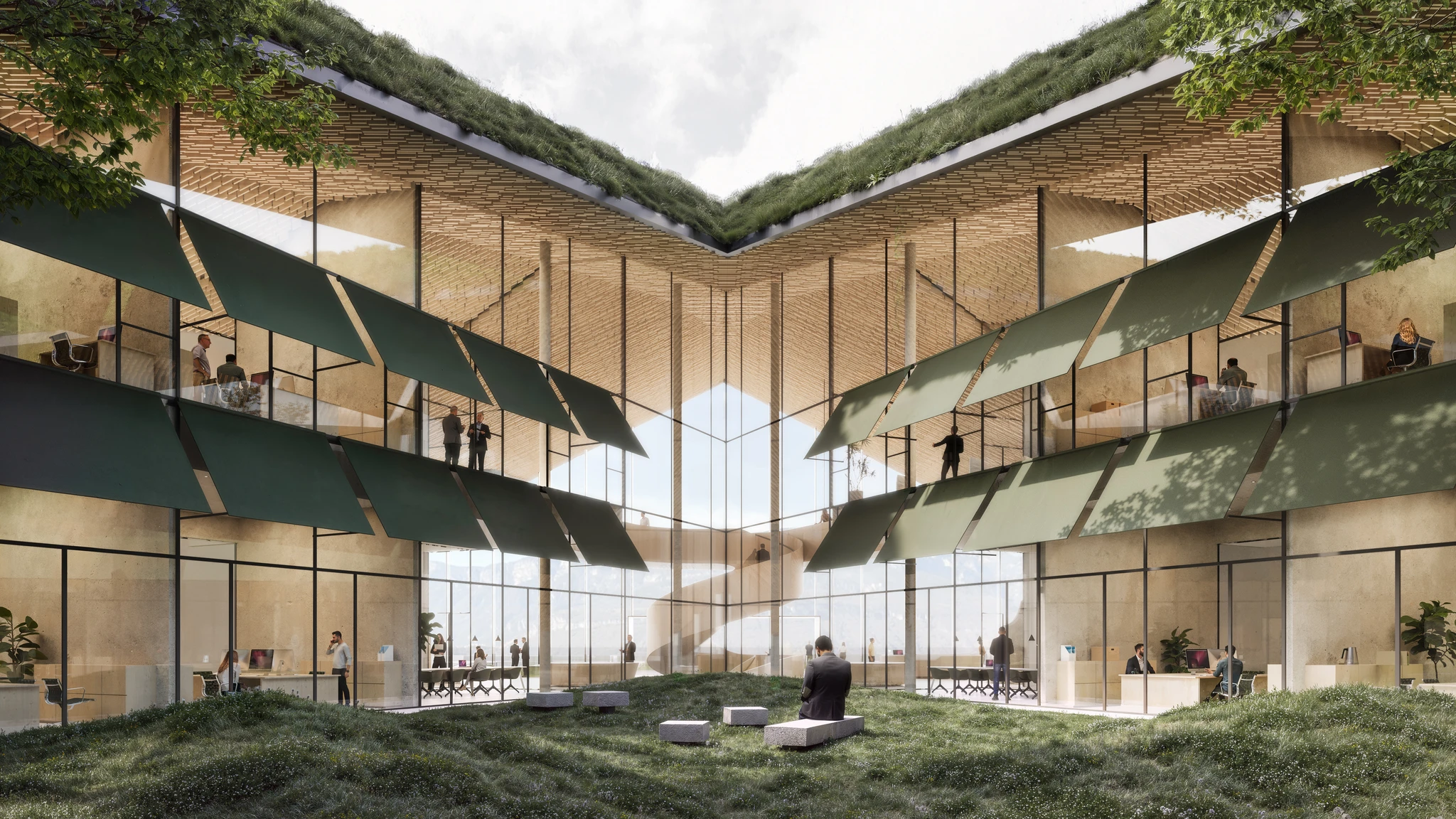
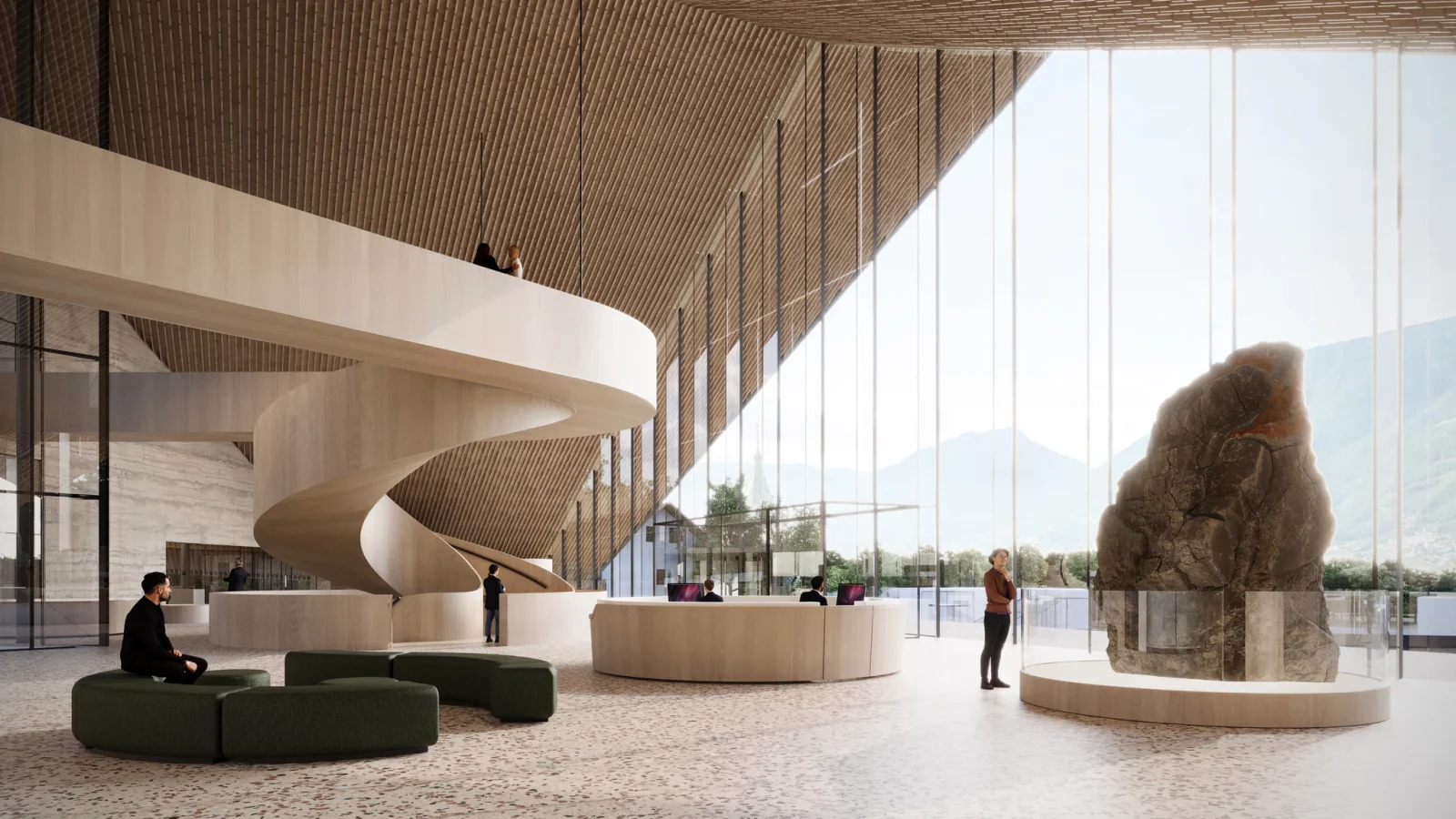
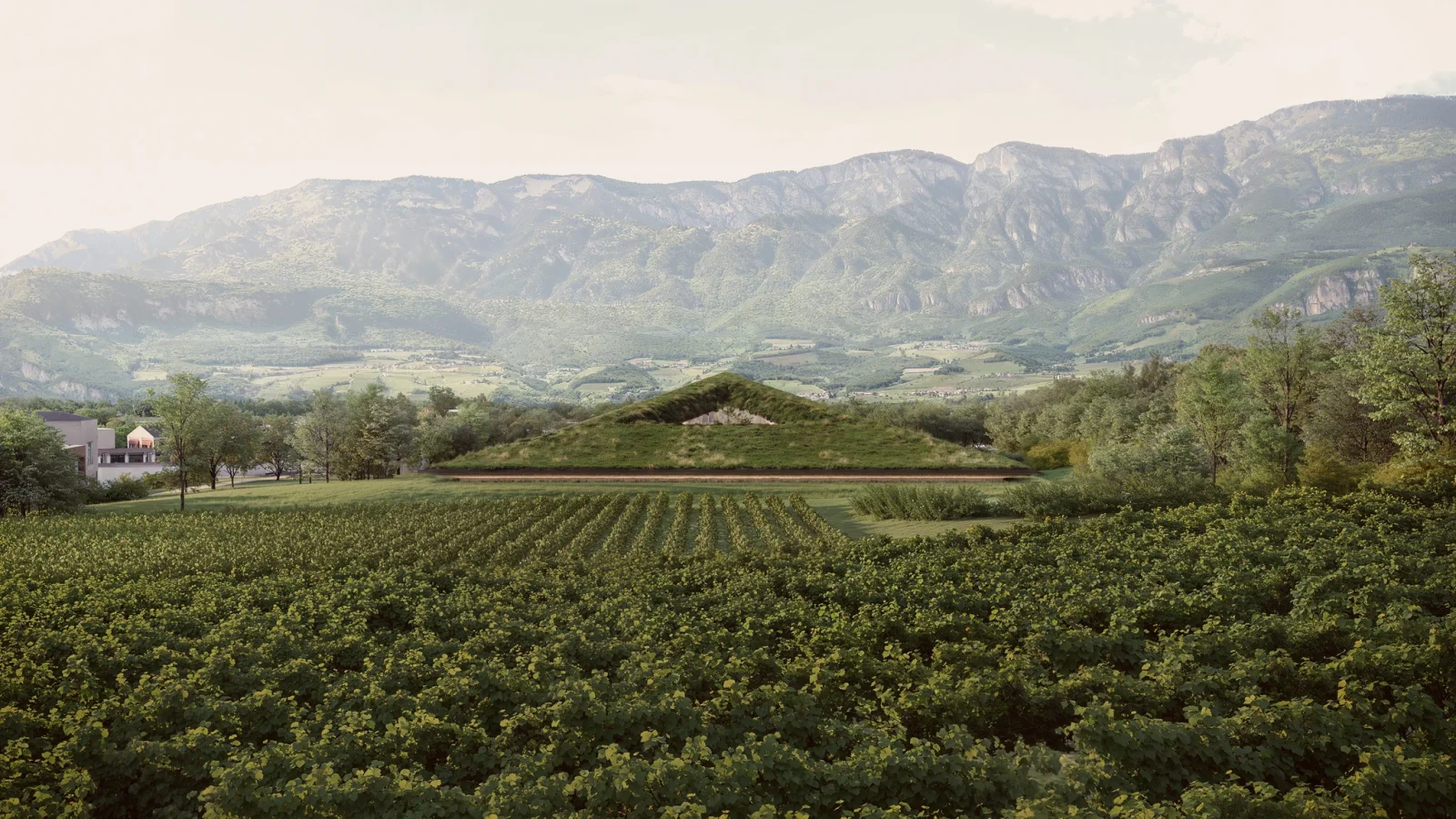
The structure is partially embedded into the ground, reducing its visual impact and allowing the building to integrate with the surrounding terrain. A green roof reinforces this approach by extending the landscape across the structure, establishing continuity between the built form and the environment. Timber, glass, and mineral-based finishes contribute to a durable and controlled interior environment while maintaining transparency and openness in public areas. The extensive use of glazing at the entrance and foyer creates a visual connection to the surrounding landscape and enhances daylight penetration.
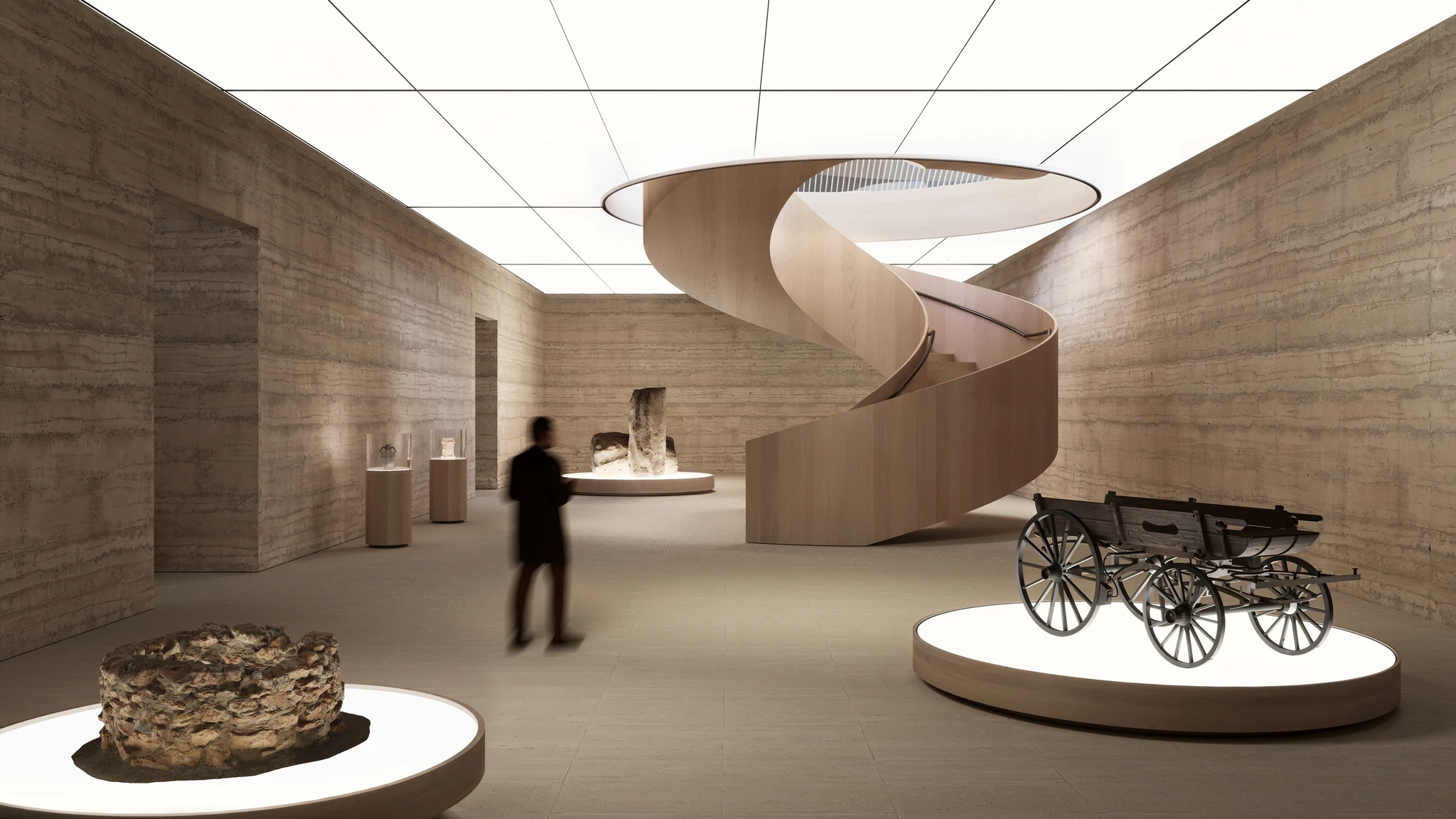
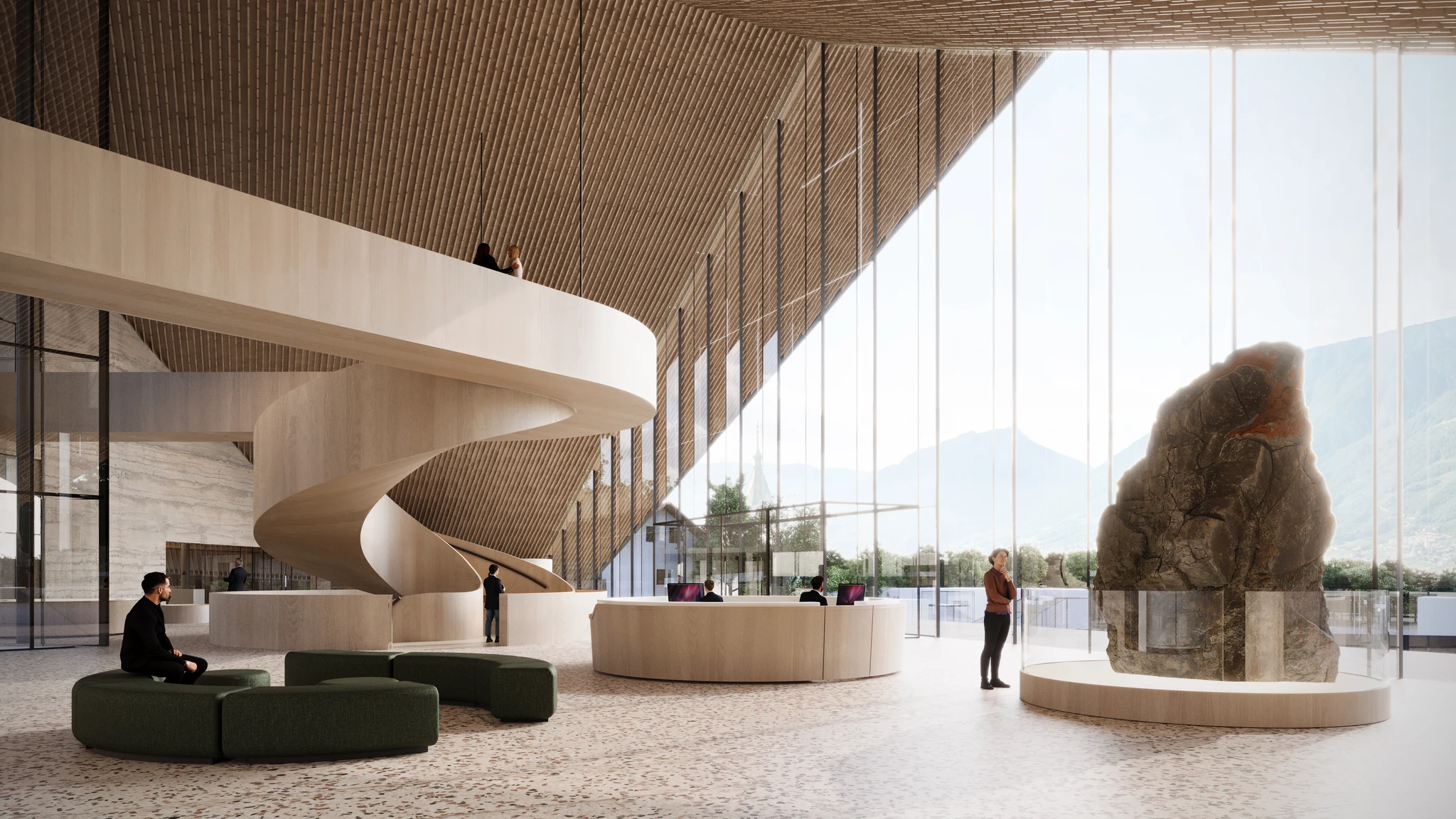
A sculptural spiral staircase in the main foyer serves as both a circulation element and a spatial landmark, linking underground exhibition areas to upper administrative levels. This feature reinforces the building’s role as a museum environment.
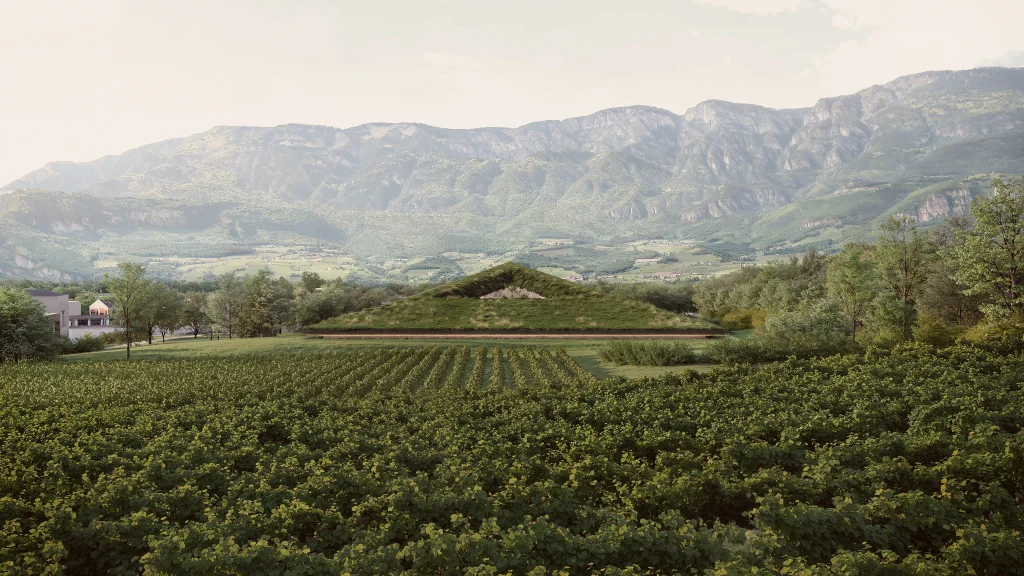
The Museum Depot represents a strategic cultural investment for South Tyrol. This involves consolidating collections into a single, established conservation standard and expanding public accessibility. It transforms storage into a visible and participatory component of the museum ecosystem. The integration of research, restoration, and exhibition functions positions the depot as an active cultural hub. It fosters interdisciplinary exchange and allows for the presentation of previously inaccessible collections within a curated framework.
Image credit: Peter Pichler Architecture
Explore Courses
.jpg%202.jpg "Building Performance with Forma & Opossum")
.jpg "Ondrej Chybik - Rethinking Architecture")