


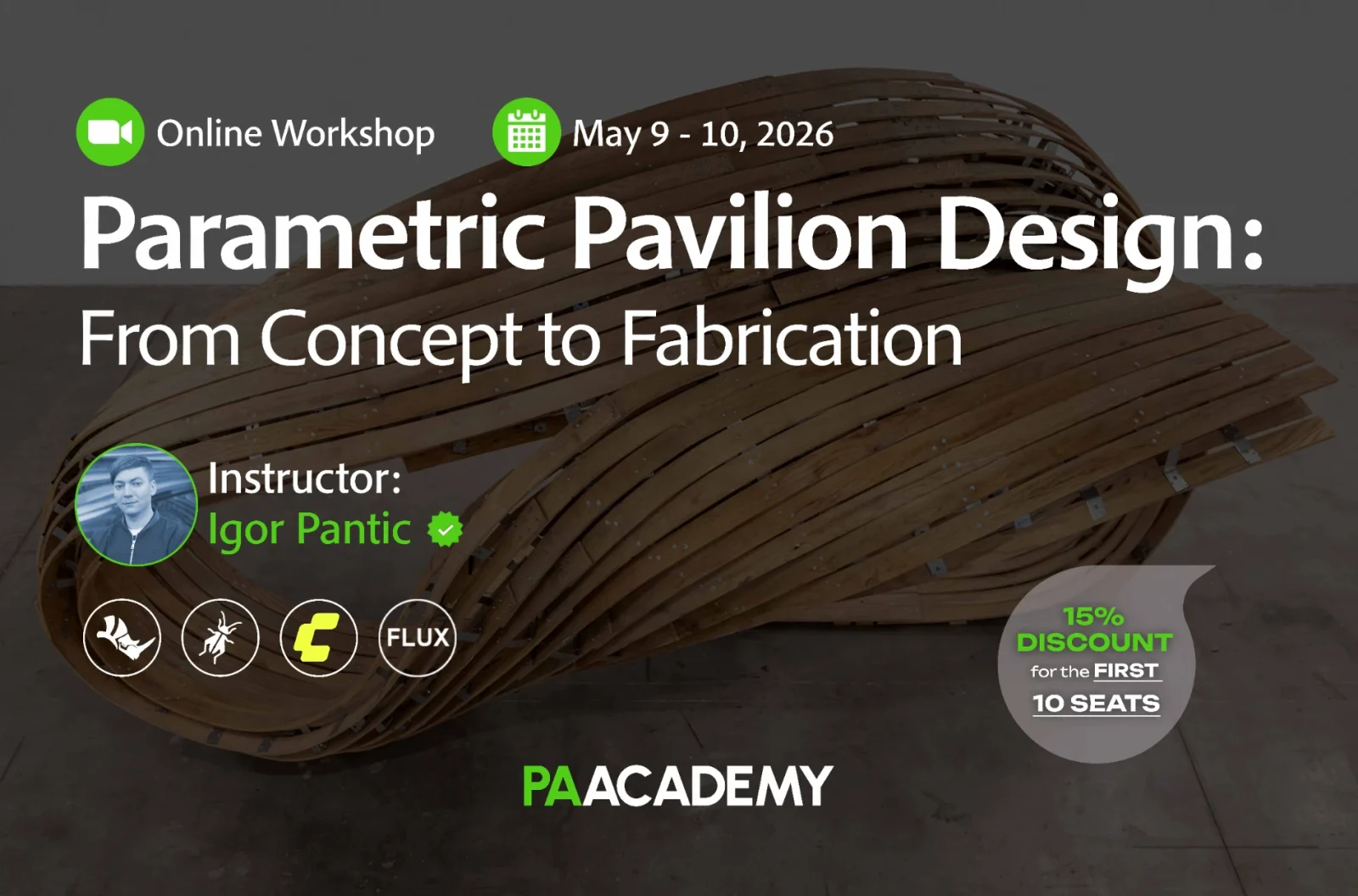
Topic: Parametric Pavilion Design: From Concept to Fabrication
Date: May 9 – 10, 2026
Time: 13:00 – 17:00 GMT
Format: Online on Zoom
Duration: 2 Sessions (8 Hours)
Registration Deadline: May 8th, 2026
Total Seats: 50 seats
Difficulty: Beginner – Intermediate
Language: English
Certificate: Yes
General Registration: 100 EUR
Join free: with Full Access membership
Fee for Digital Members: 85 EUR (15% discount available only for Digital Members)
Organized By: PAACADEMY
Tutor: Igor Pantic
Recordings: Recordings will be available for all participants afterward indefinitely.
Introduction to Parametric Pavilion Design: From Concept to Fabrication:
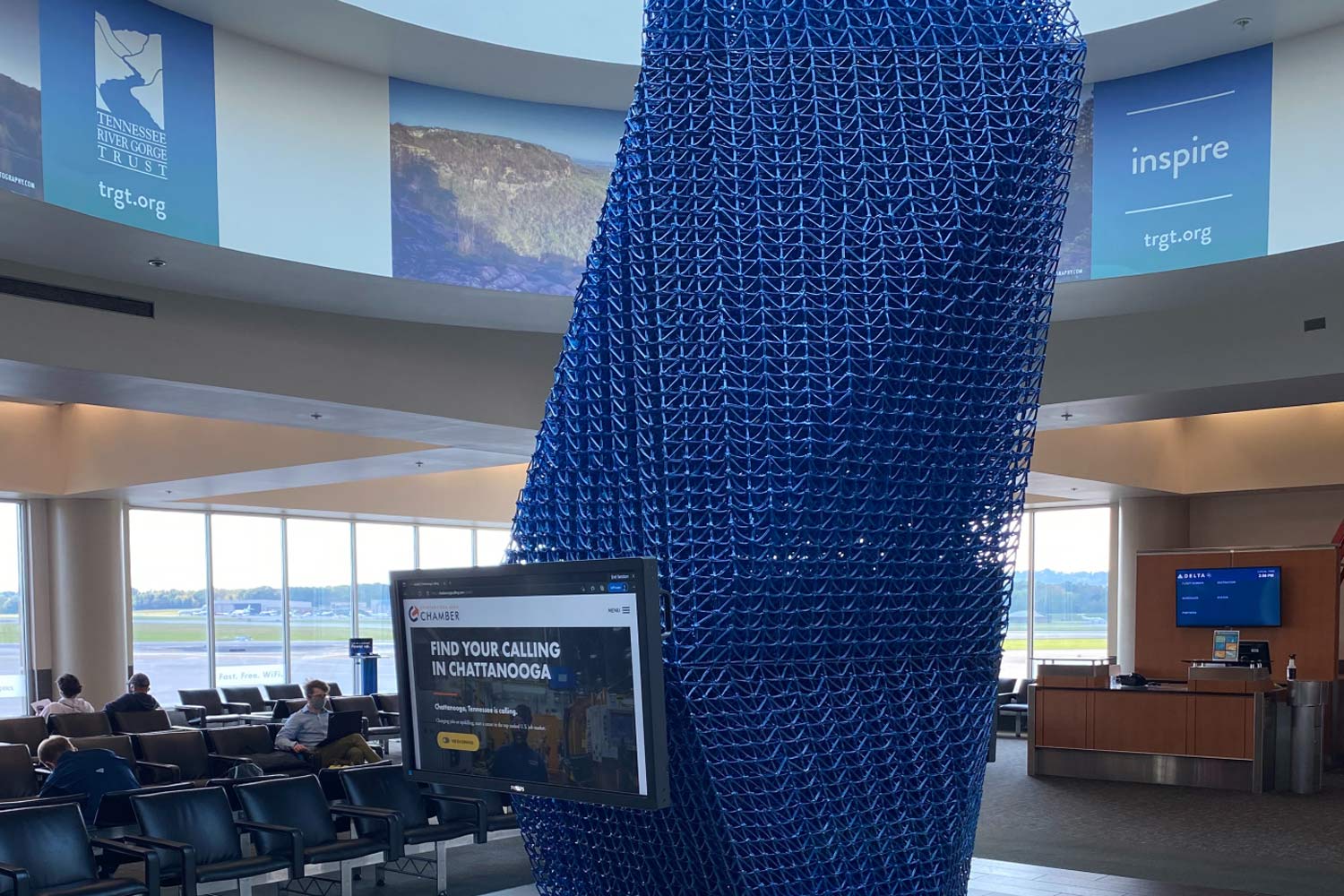
This workshop provides insight into practical design-to-fabrication workflows in Rhino and Grasshopper for the development of small-scale architectural structures. The course is grounded in a bottom-up design approach, in which design emerges from the material system, fabrication methods, and their inherent limitations, rather than treating fabrication as something to be addressed after the design is complete.
During the sessions, we will move from initial design concepts to fabrication-ready outputs and architectural visualisations. Rhino and Grasshopper will be used in parallel for 3D modelling, parametric and algorithmic design, and the preparation of geometry for fabrication and assembly.
The course will conclude with a session on AI-assisted rendering using ComfyUI (a free, open-source, node-based interface for generative AI) and Flux AI models.
Methodology:
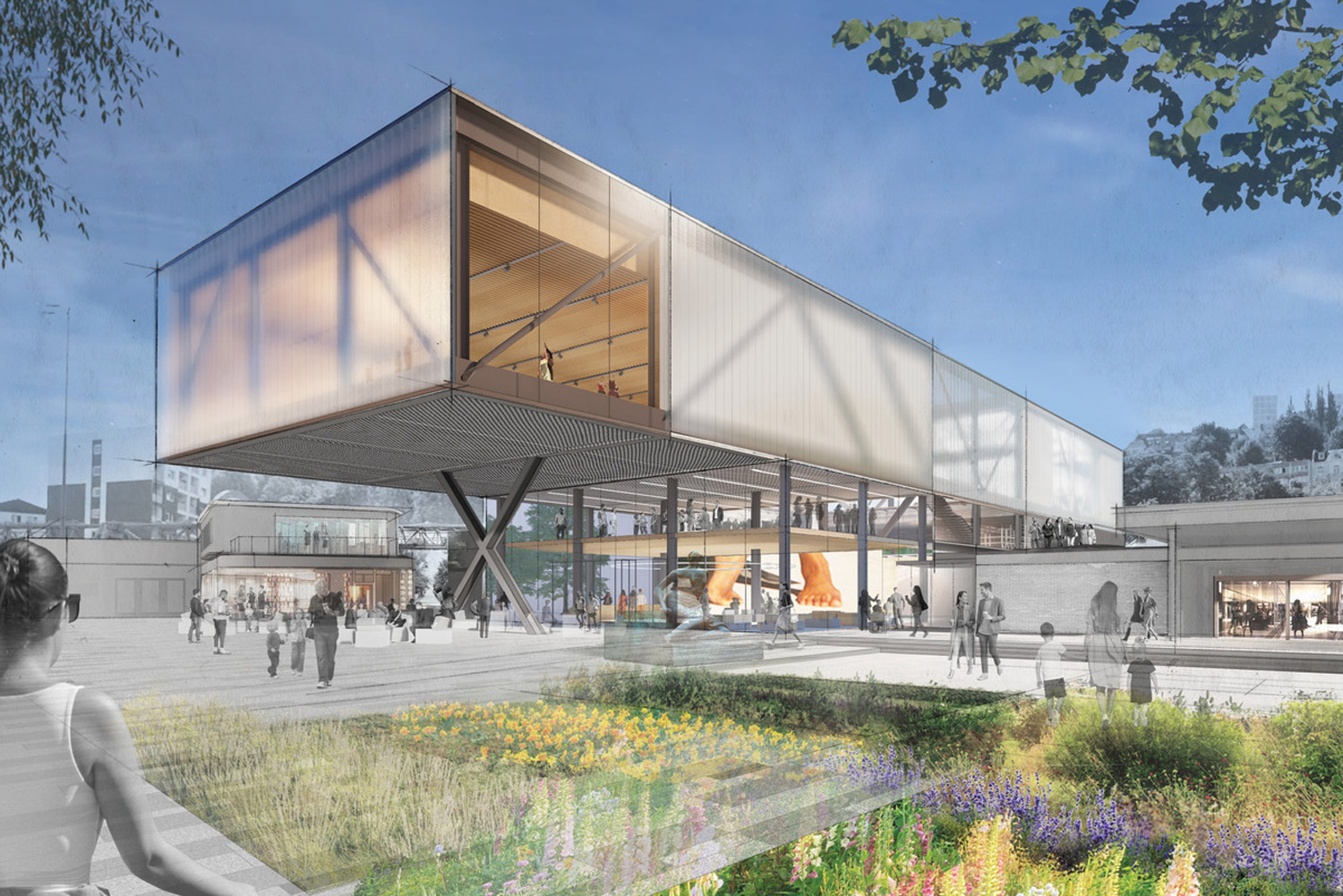
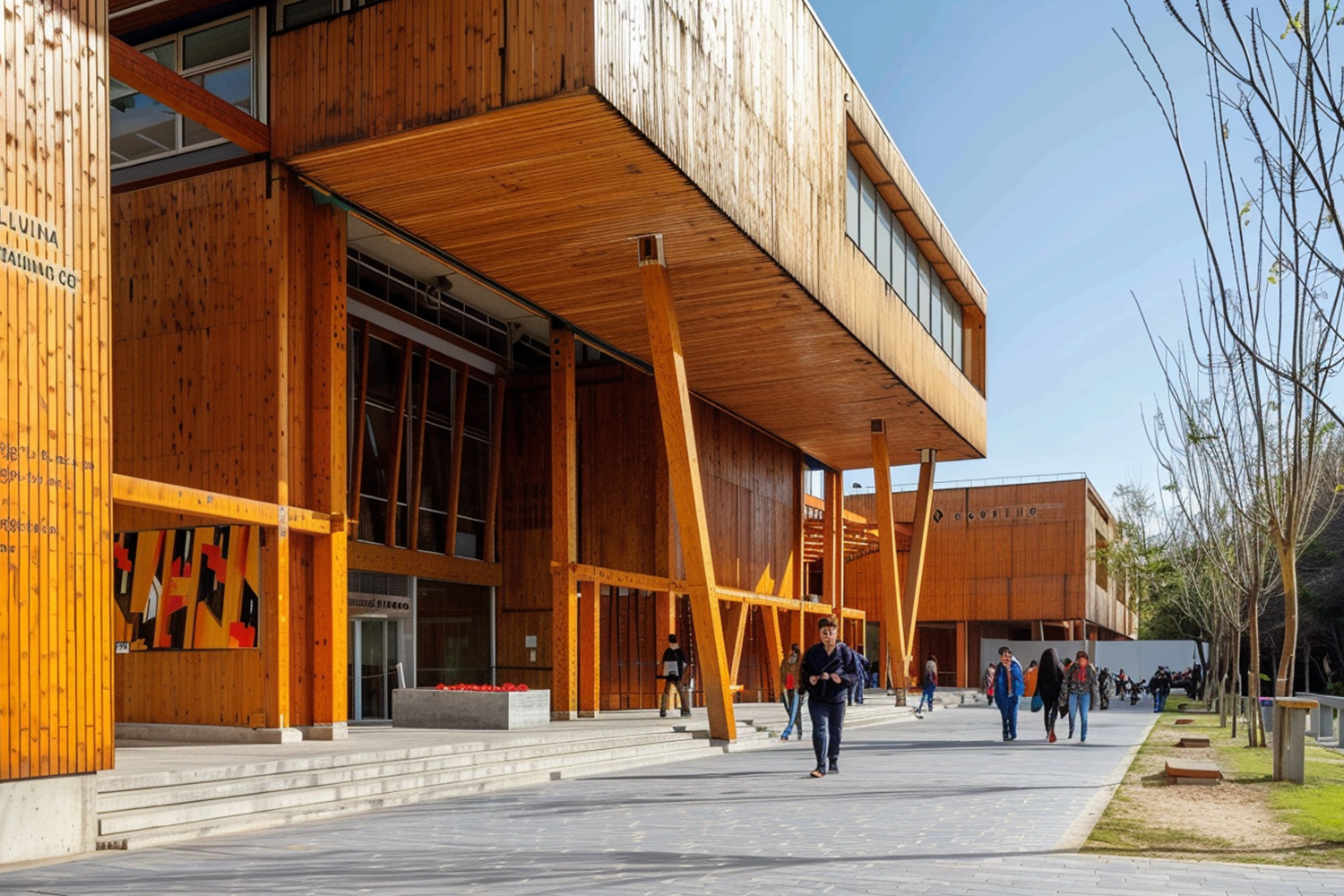
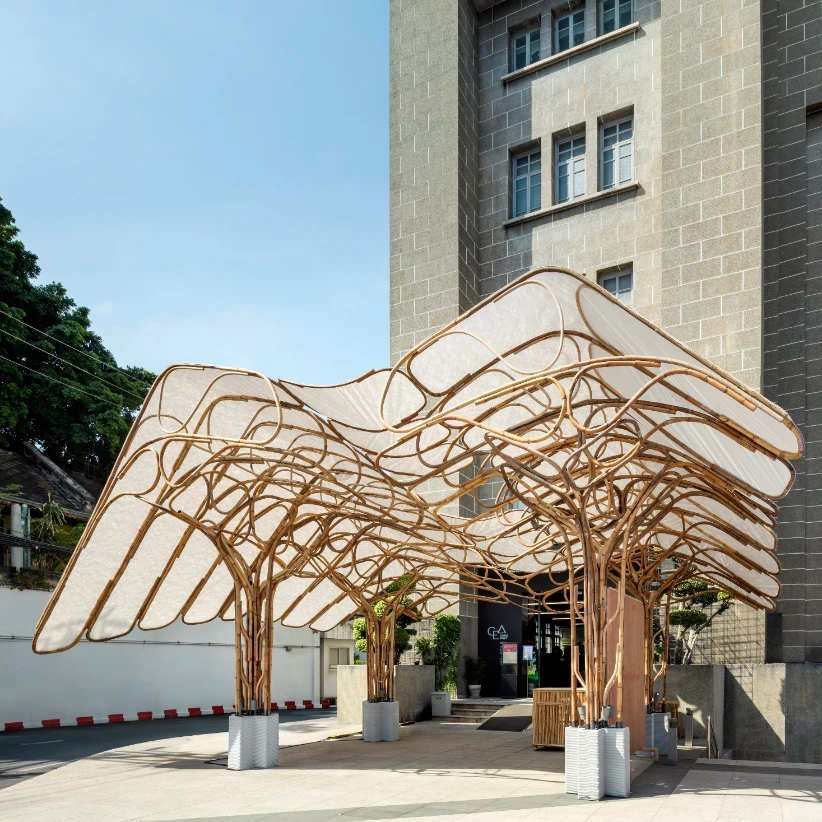
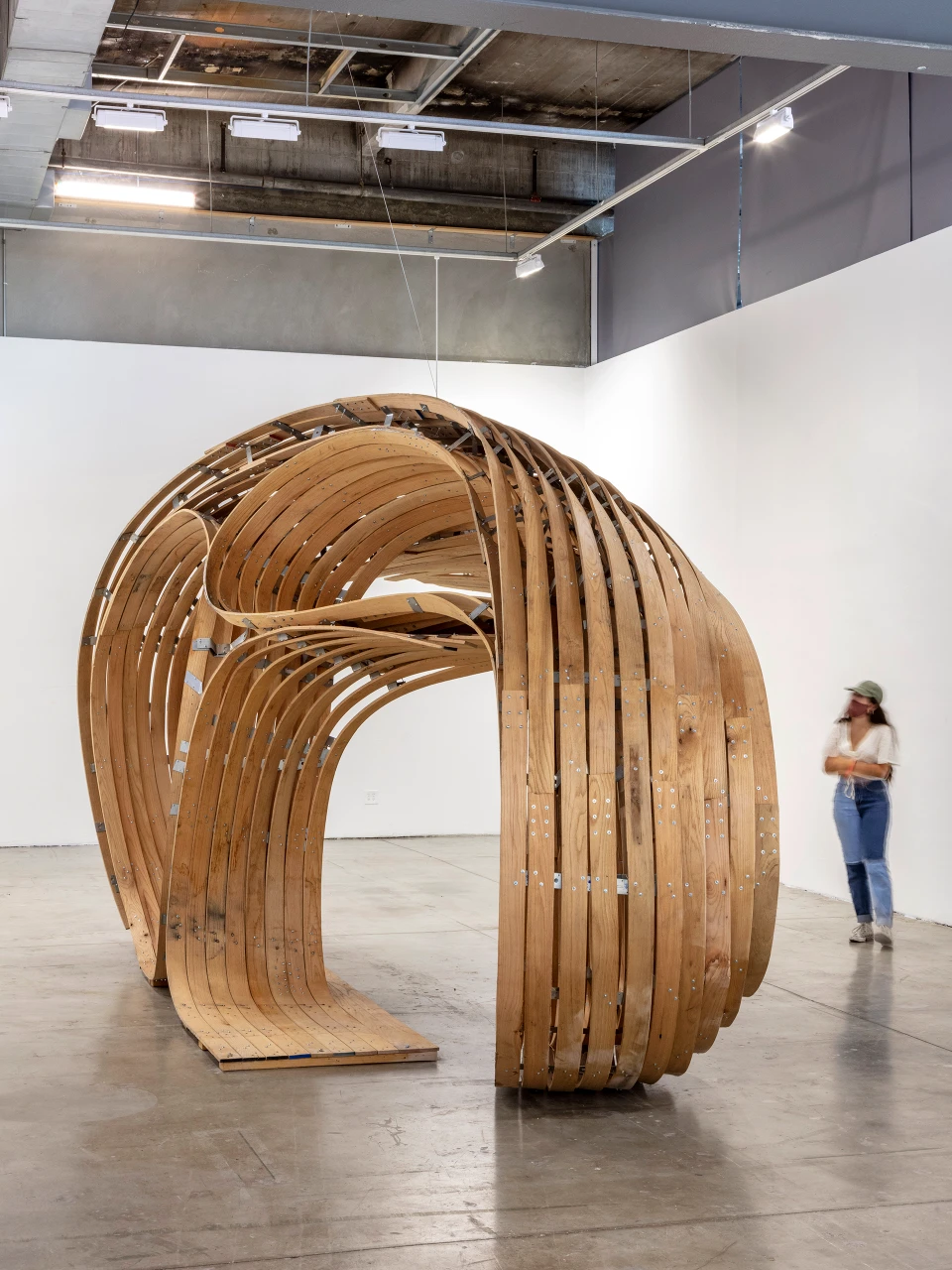
This workshop will be centred on pavilion-scale structures, as they offer enough complexity to address form, materiality, fabrication, and assembly within a manageable two-day format. Although the main examples are pavilions, the same methods can also be applied to canopies, installations, lightweight enclosures, and interior interventions.
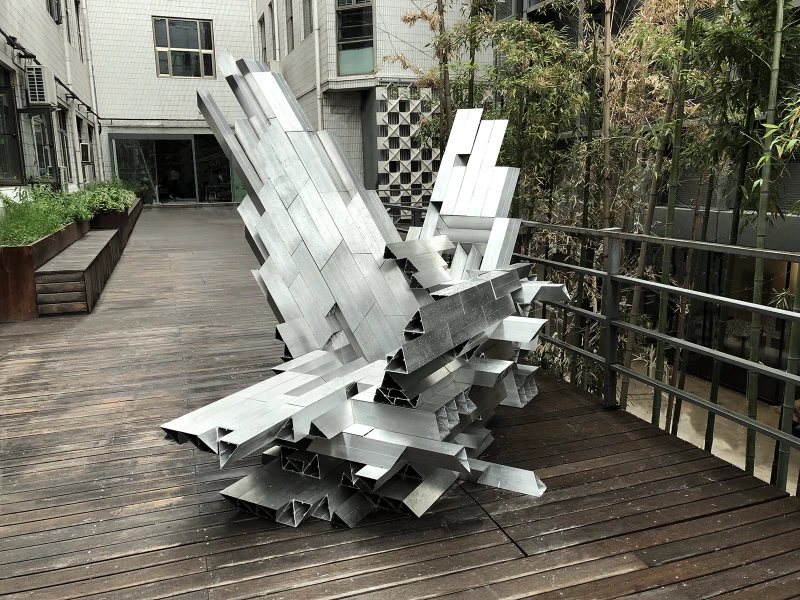
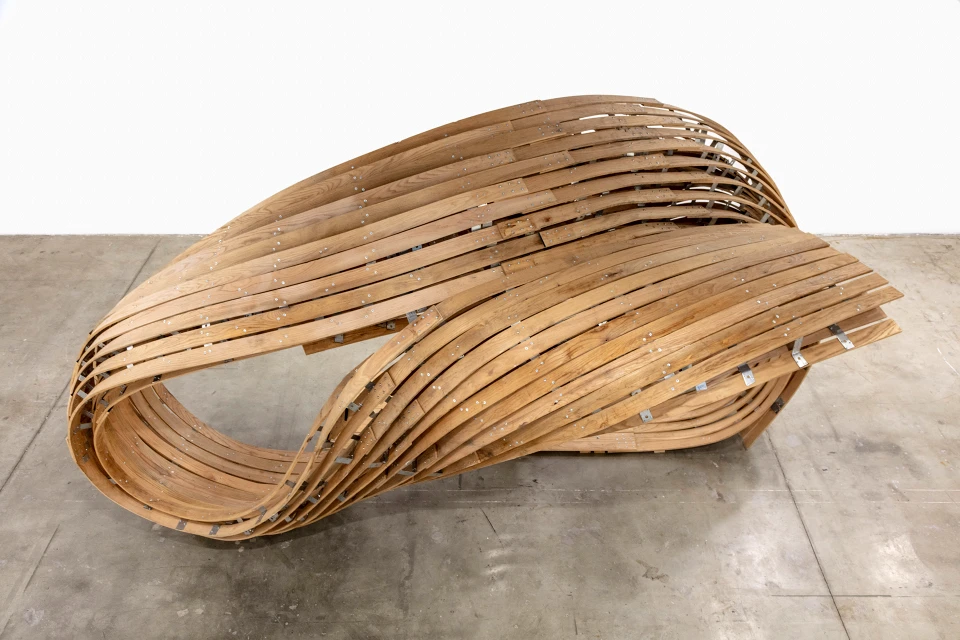
A series of studies will be used to demonstrate different approaches to developing a project through material systems and methods of making.
Rather than following one fixed design path, these examples will show how the process can shift in response to material behaviour, production constraints, assembly logic, and the type of system being developed.
This workshop will also address different ways of organising geometry, components, and part-to-whole relationships as the design evolves.
By the end of the workshop, each participant will develop an individual pavilion-scale proposal, taking it from an initial design concept to a complete, fabrication-aware design supported by rendered images.
The course will be taught as a step-by-step demonstration of a complete workflow. Participants will follow the development of a project from an initial design idea, through the definition of its overall geometry and design direction, to parametric control, technical refinement, and visual output.
Sessions will combine live demonstrations, structured walkthroughs, and individual project development. The material will be taught as one continuous process, moving from early design studies and geometric development to fabrication preparation and rendering.
Participants will first follow the demonstrated examples and workflows, then apply the methods introduced during the course to develop their own proposal.
Key Learning Topics:
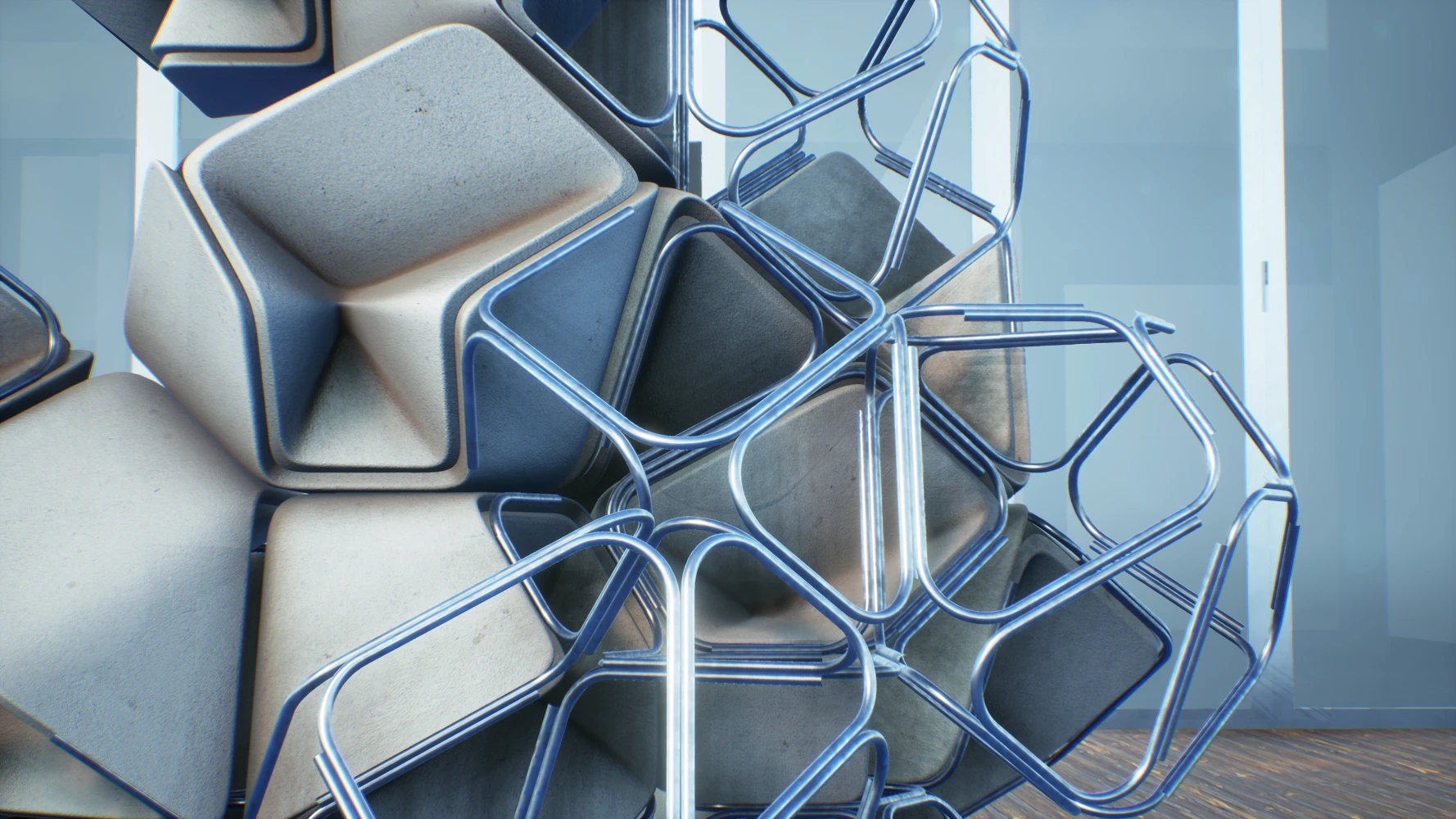
- Understand bottom-up design where form emerges from materials and fabrication constraints
- Develop small-scale structures using design-to-fabrication workflows in Rhino and Grasshopper
- Explore form generation and structural organisation through pavilion studies
- Use Rhino for 3D modelling and Grasshopper for parametric design
- Prepare geometry for fabrication and assembly
- Create rendered architectural images using ComfyUI and Flux AI models
Program:
Day 1:
- Introductory lecture on the workshop framework, bottom-up design approach, and overall workflow
- Pavilion-scale case studies demonstrating different design methods
- Walkthrough and demonstration of Rhino and Grasshopper workflows
- Discussion on how material systems and fabrication methods inform form and design direction
Day 2:
- Fabrication-oriented development of the demonstrated workflows
- Preparation of geometry for fabrication and assembly
- Discussion of part organisation, buildability, and assembly logic
- AI-assisted rendering using ComfyUI and Flux AI models
- Final visual output
Software:
- Rhino
- Grasshopper
- ComfyUI
- Flux
Workshop Notes:
- Software Installation is NOT a part of the workshop! Students must have all the software installed before starting the workshop.
- Basic familiarity with Rhino is recommended.
- Previous experience with Grasshopper is helpful, but not essential.
- ComfyUI installation guidance will be provided before the workshop.
- Instructions for downloading Flux models and placing them in the correct ComfyUI folders will also be provided in advance.
Instructor:
Igor Pantic

Igor Pantic is an architectural designer and educator based in London and Bangkok, and the founder of Studio Igor Pantic Ltd. He works at the intersection of computational design, digital fabrication, immersive MR/VR, and generative AI, exploring how these fields influence the design and perception of built and virtual environments. He specialises indigital and automation technologies, including robotic fabrication, advanced materials, and the application of Mixed Reality in architectural processes.
Igor was a Senior Lecturer in Architecture at The Bartlett School of Architecture, UCL, where he taught for nine years in the B-Pro Architectural Design (AD) programme and led research into Mixed Reality-assisted design and fabrication. He has lectured and taught internationally, including at the University of East London (March Unit 6), the AA Visiting School in Vienna (co-director), and in visiting academic positions at RMIT in Melbourne, INDA (Chulalongkorn University), and King Mongkut’s University of Technology Thonburi(KMUTT) in Bangkok, Thailand.
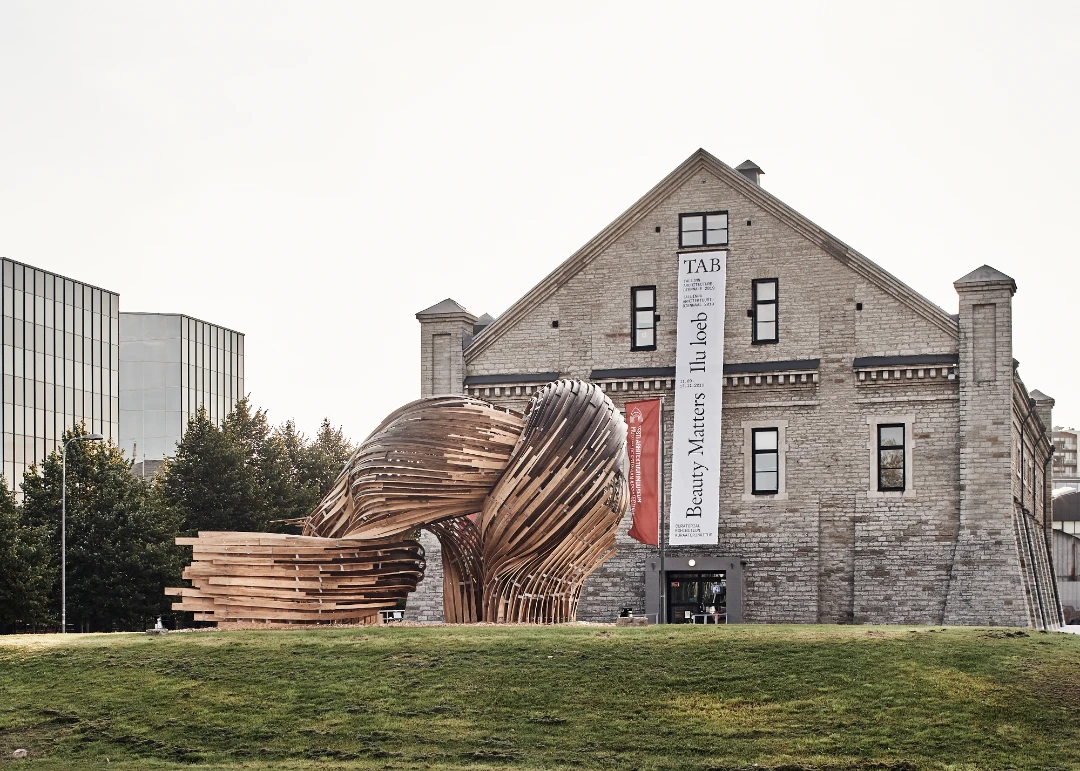
His notable projects include the award-winning Steampunk Pavilion for the 2019 Tallinn Architecture Biennale, which demonstrated the pioneering use of Mixed Reality in construction, and the Serbian Pavilion at the 2025 Venice Architecture Biennale. Before founding his studio in 2018, Igor spent seven years with Zaha Hadid Architects in London, contributing to numerous high-profile projects. He holds master’s degrees from the Architectural Association Design Research Lab (AADRL) in London and the Faculty of Architecture, University of Belgrade, Serbia.
Important Notes:
- The “Parametric Pavilion Design: From Concept to Fabrication” Studio workshop by PAACADEMY will start at 13:00 (GMT) on Saturday, May 9th, 2026.
- Total sessions: 2 Sessions (8 Hours).
- The teaching duration per session will be 8 hours.
- Students will have time for a break between teaching hours.
- The workshop will be recorded, and videos will be available for participants just a day after the class for an unlimited time.
- PAACADEMY will provide a certificate of attendance.
- The studio has limited seats. Tickets are non-transferable & non-refundable. Please read carefully before you register.
Topic: Parametric Pavilion Design: From Concept to Fabrication
Date: May 9 – 10, 2026
Time: 13:00 – 17:00 GMT
Format: Online on Zoom
Duration: 2 Sessions (8 Hours)
Registration Deadline: May 8th, 2026
Total Seats: 50 seats
Difficulty: Beginner – Intermediate
Language: English
Certificate: Yes
General Registration: 100 EUR
Join free: with Full Access membership
Fee for Digital Members: 85 EUR (15% discount available only for Digital Members)
Organized By: PAACADEMY
Tutor: Igor Pantic
Recordings: Recordings will be available for all participants afterward indefinitely.
Explore Courses
.jpg%202.jpg "Building Performance with Forma & Opossum")
.jpg "Ondrej Chybik - Rethinking Architecture")