


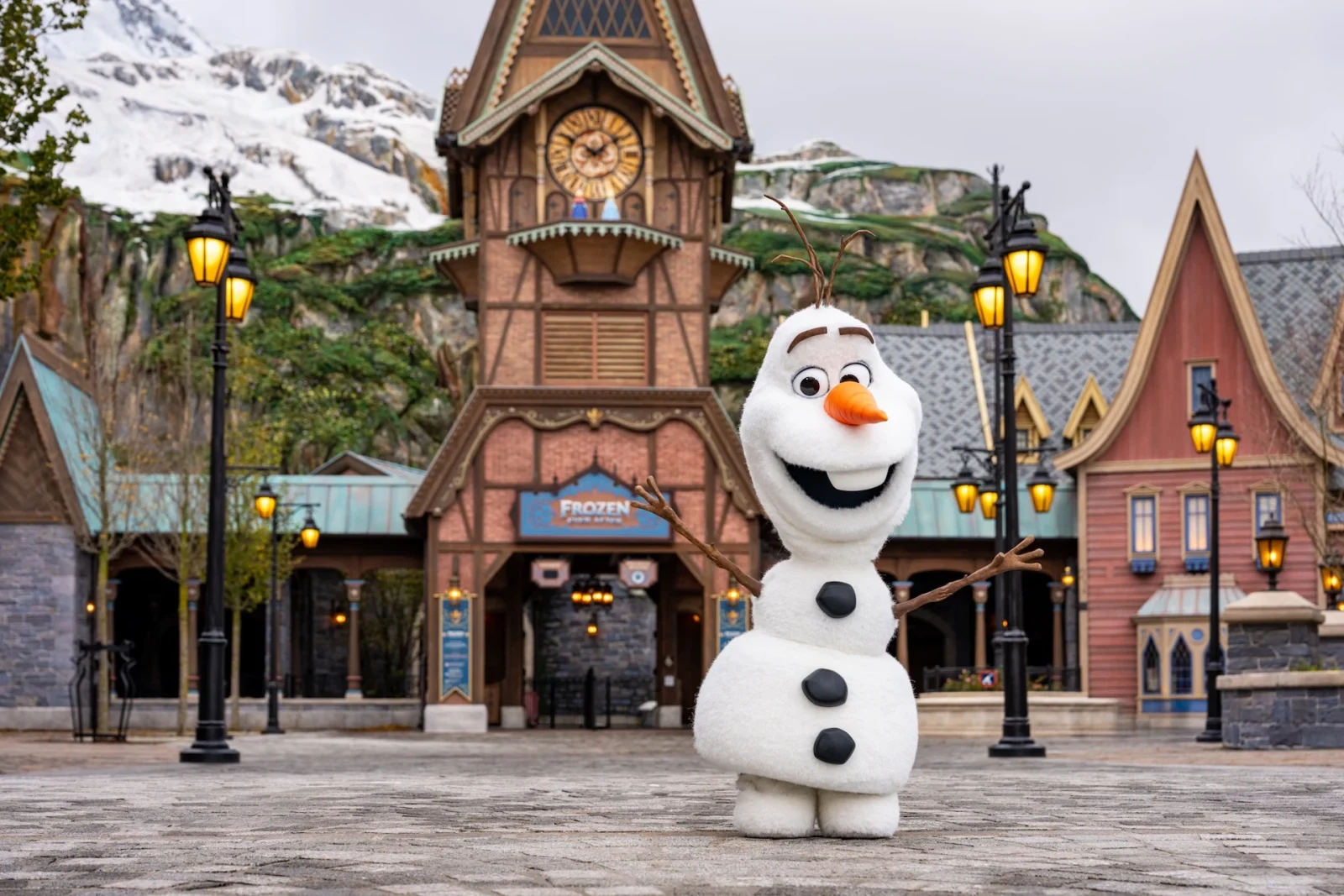
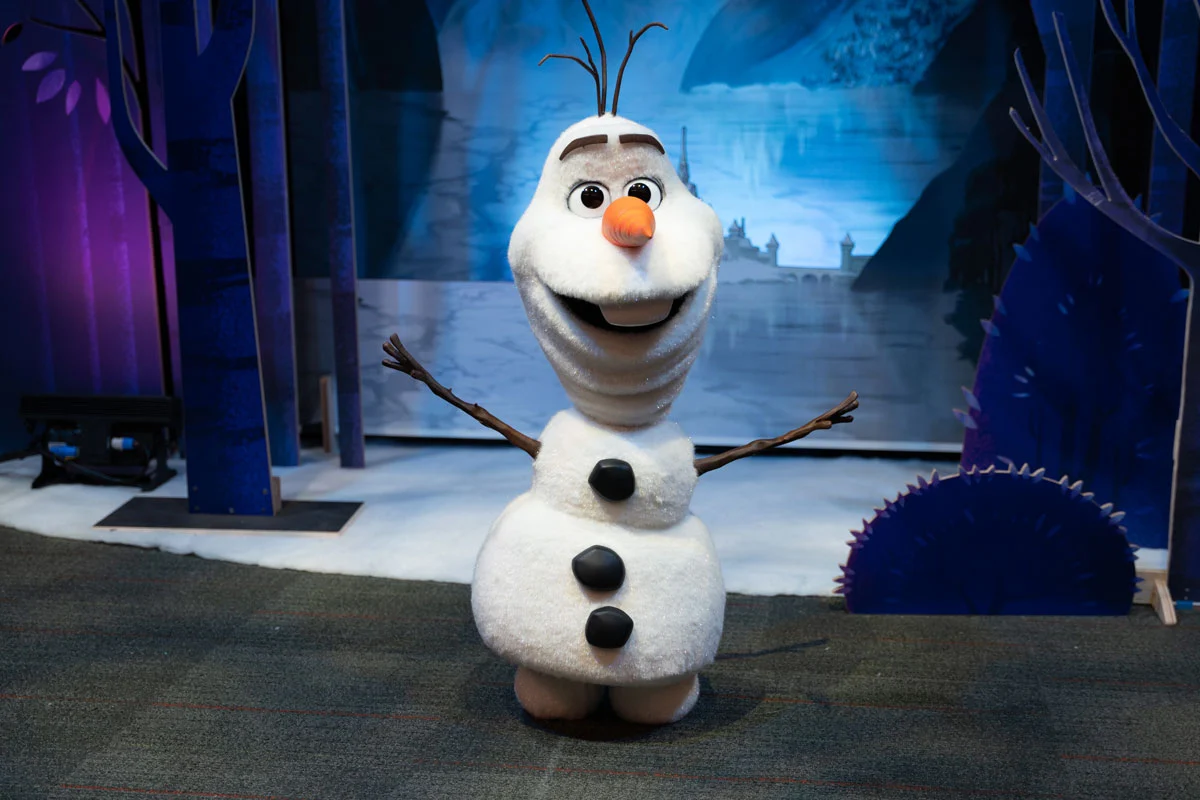
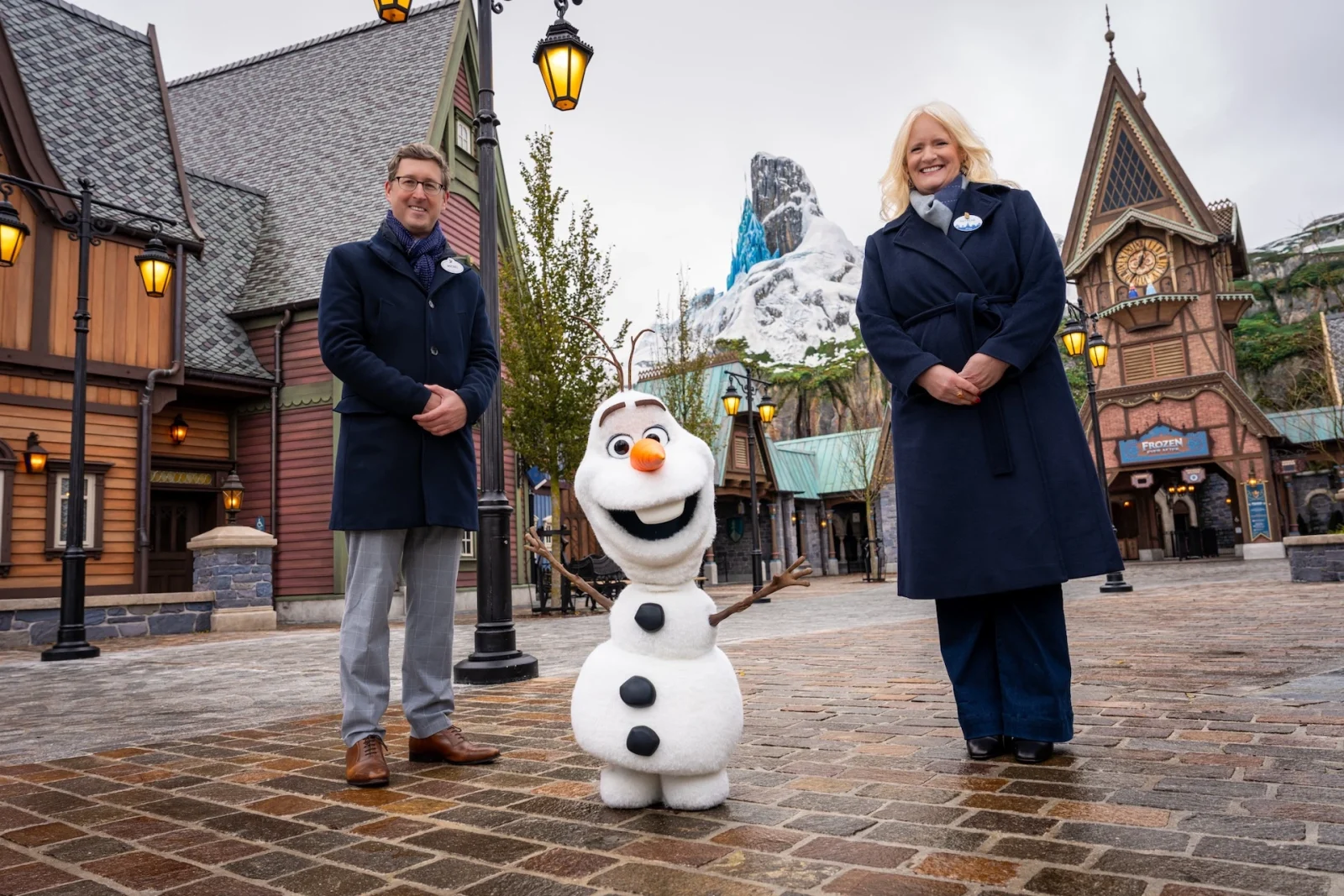
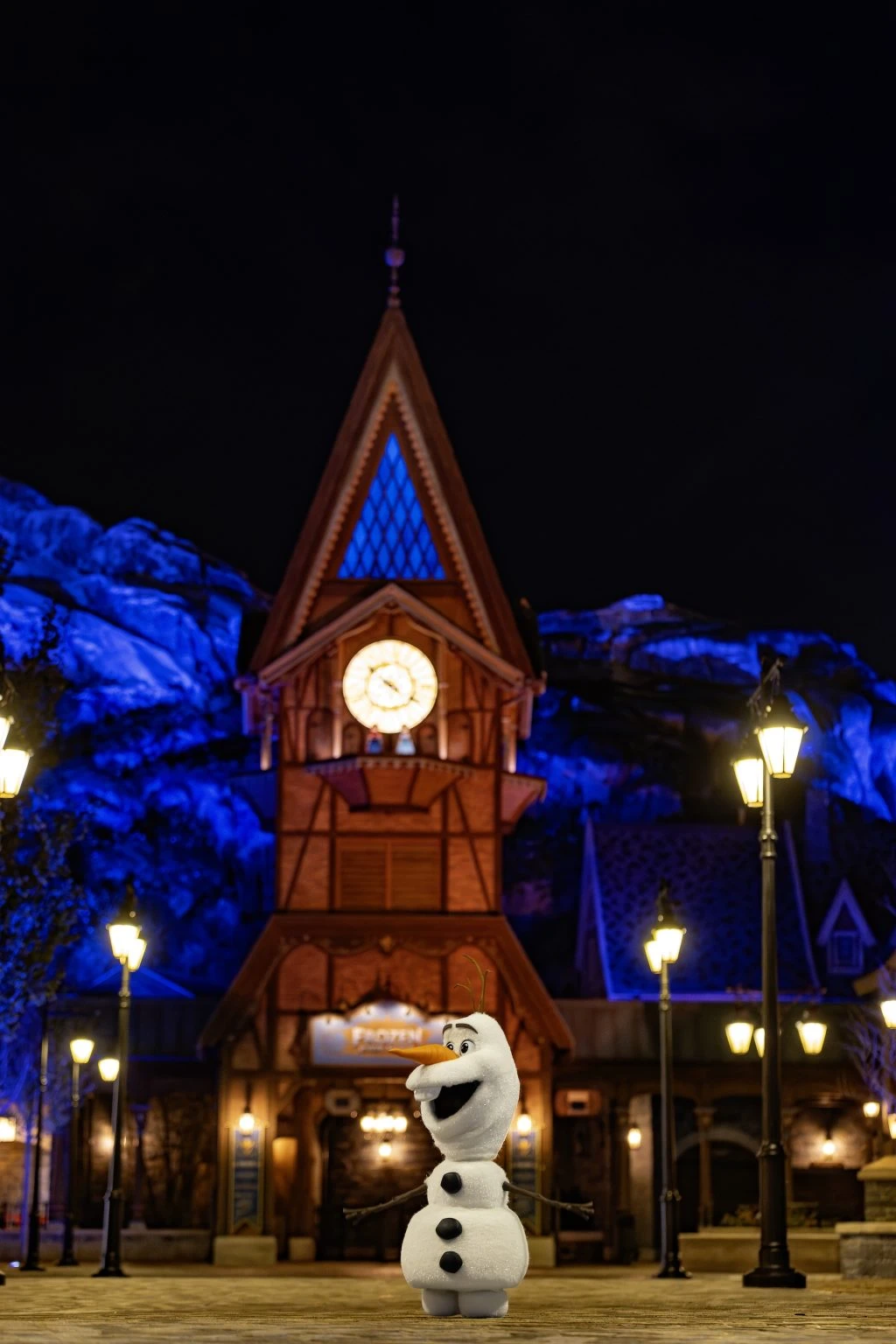
In a surprising crossover between entertainment and technology, Disney and NVIDIA have revealed a walking, talking Olaf robot, a free-roaming robotic version of the beloved Frozen character, at NVIDIA’s GTC 2026 conference. The demonstration signals a major shift in how characters could soon interact with guests inside Disney parks, integrating robotics, simulation, and storytelling in ways not seen before.
A Disney Character Steps Into the Real World
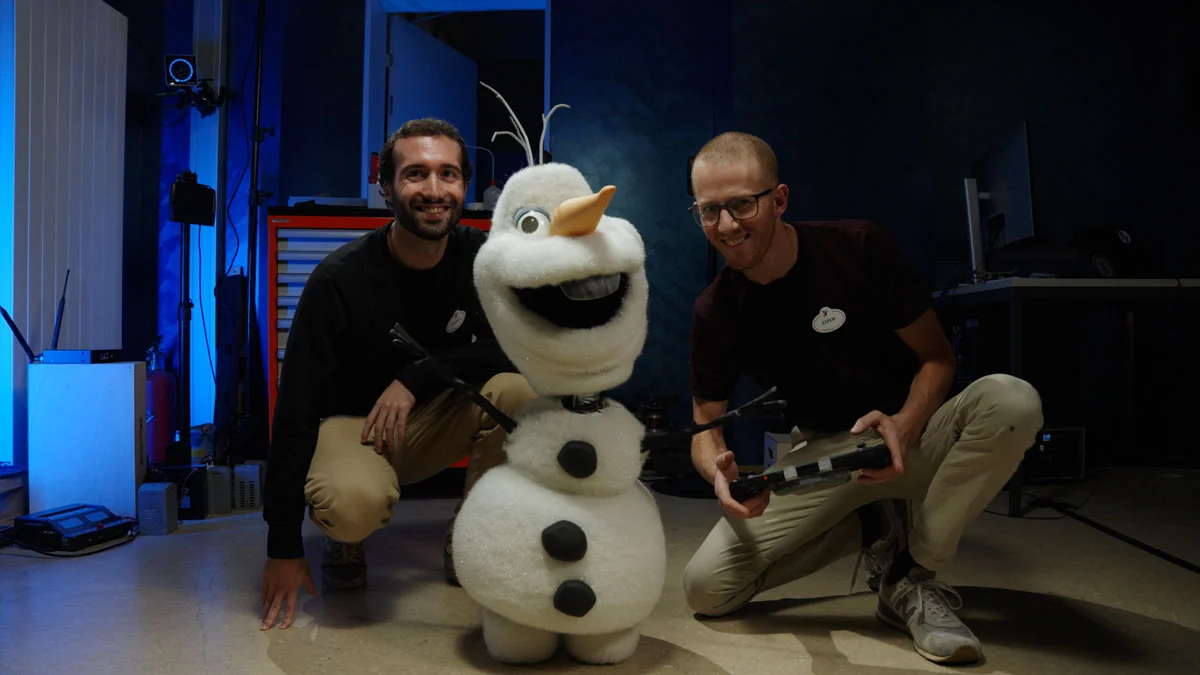
The Olaf robot was developed by the R&D team at Walt Disney Imagineering. It is created to move independently, express emotions, and interact with its surroundings as a physical character. This version of Olaf can walk freely, balance, and perform within live shows. It is prepared to debut at Disneyland Paris in the World of Frozen area, where it will appear in the “Celebration in Arendelle” show staged on a moving boat.
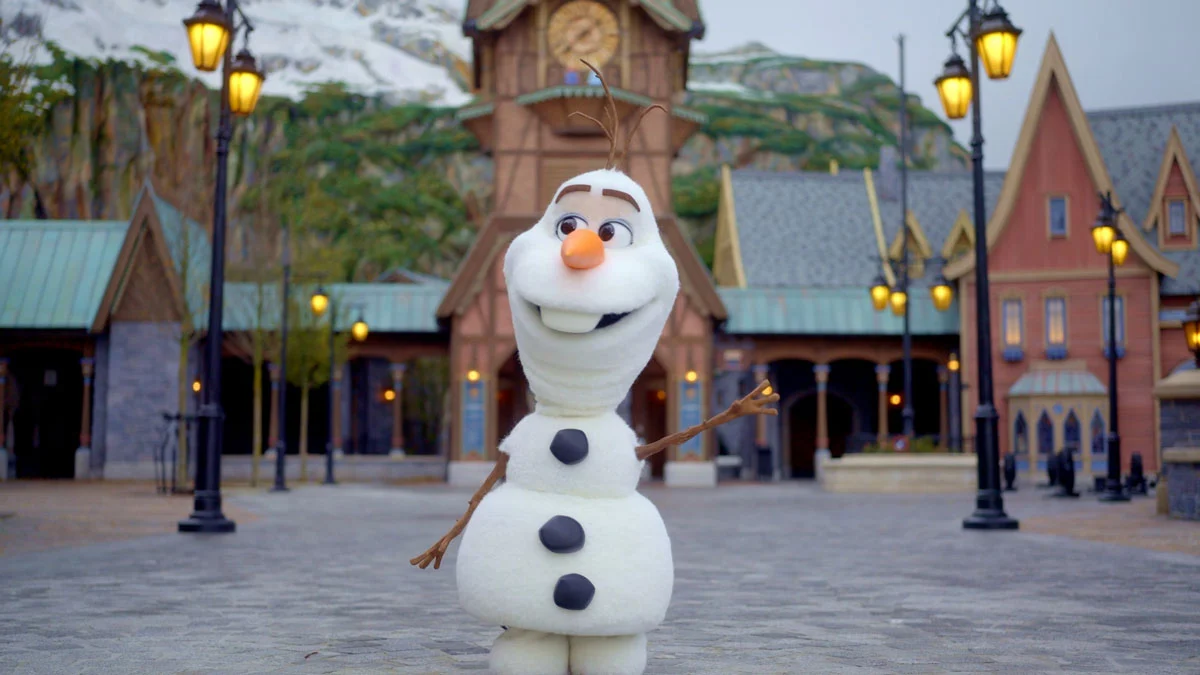
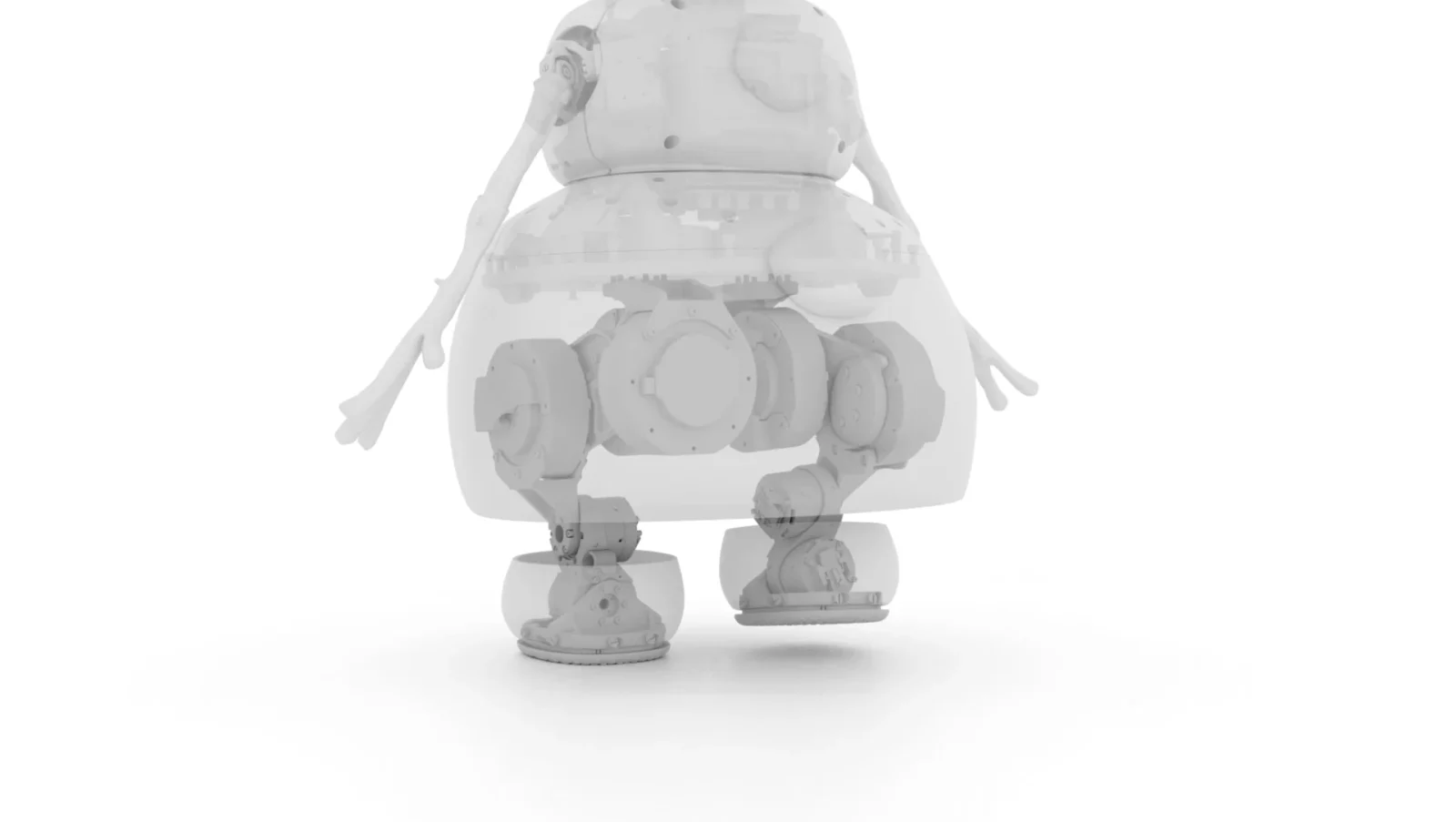
Engineers had to ensure the robot could maintain balance on unstable surfaces, something it learned through advanced simulation instead of trial and error in the real world.
The Technology Behind the Olaf Robot
This innovation is a collaboration between Disney, NVIDIA, and Google DeepMind. The team used deep reinforcement learning, a form of artificial intelligence where machines learn by running thousands of simulations and improving through feedback.
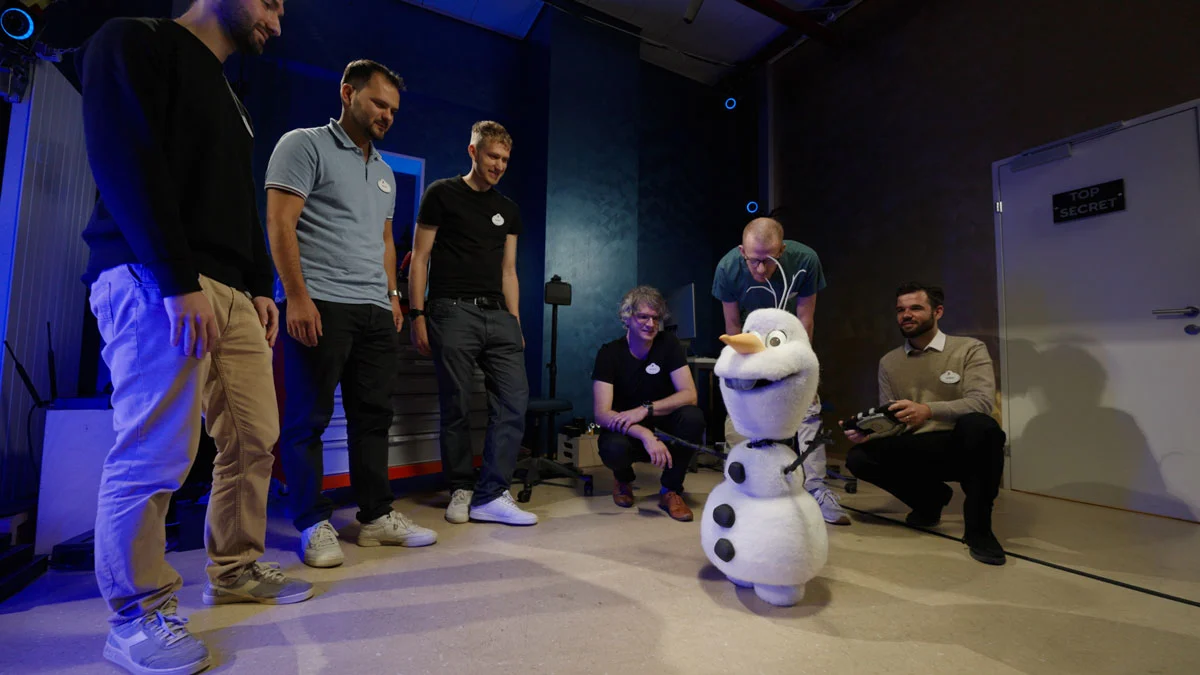
The training happens inside a system called Kamino, a GPU-accelerated physics simulator. The platform allows engineers to run thousands of parallel virtual environments, helping the robot learn to walk, balance, and react much faster than real-world testing would allow.
The best part is that Olaf learned complex behaviors like walking on uneven terrain or staying upright on a moving boat in just hours of simulated training tasks that would otherwise take months or years to perfect.
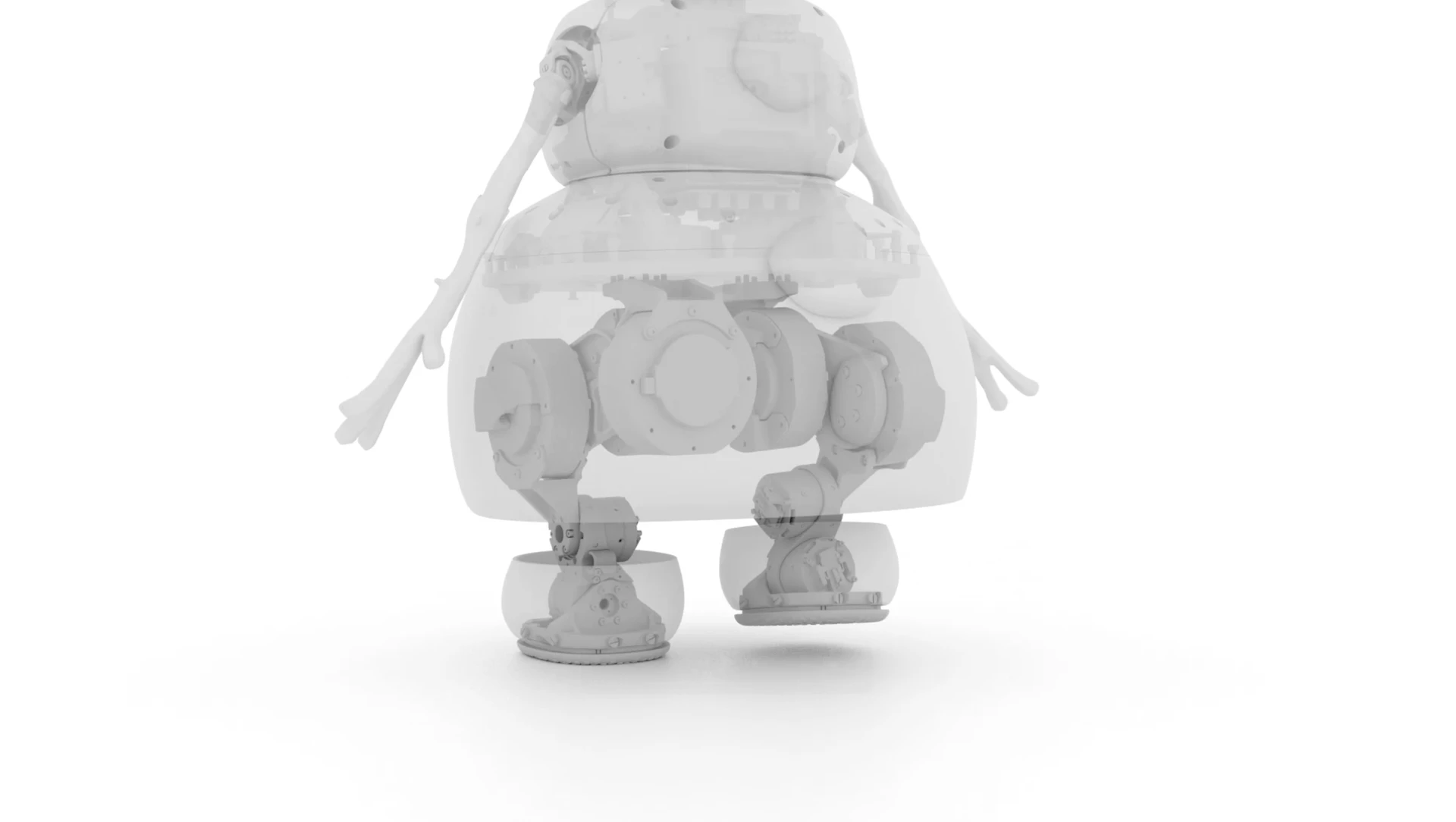
This approach reflects NVIDIA’s broader push into what it calls “physical AI,” where machines trained in digital environments can operate smoothly in the real world. Disney worked closely with original animators from Frozen to replicate Olaf’s signature movements, expressions, and charm.
The robot features:
- Fully articulated facial expressions, including eyes and mouth
- Movable arms and removable design elements, like the carrot nose,
- A body structure that mimics Olaf’s soft, snow-like appearance
Every movement is crafted to match how the character behaves on screen, making the experience feel less like robotics and more like meeting a living character.
Despite its advanced capabilities, the Olaf robot is not completely independent. It still relies on human operators for dialogue and certain actions, using pre-recorded voice lines and controlled movements to maintain performance quality. However, it can perform some behaviors on its own, such as blinking or maintaining balance which gives it a convincing sense of life even without full autonomy.
A Glimpse Into the Future of Disney Parks
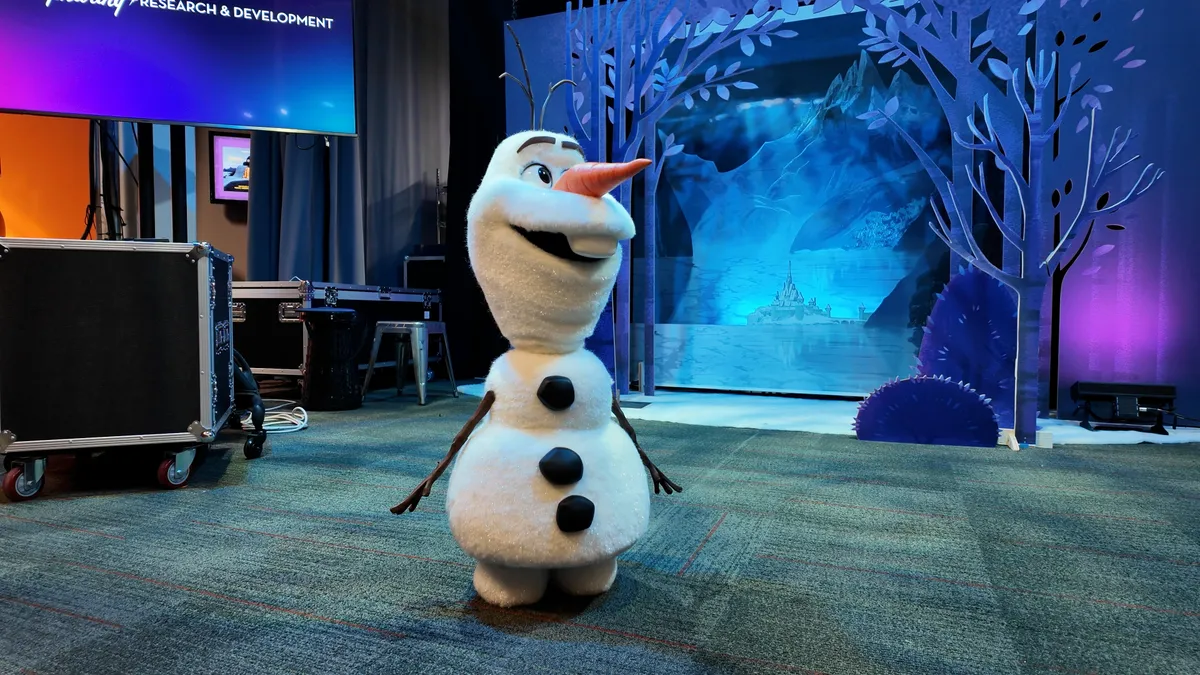
The Olaf robot represents the character’s innovation. It points to a future where Disney parks could be filled with free-roaming, interactive characters that move naturally through environments and engage guests in real time. According to Disney engineers, the speed of development has increased. What once took years can now be achieved in months using simulation-driven training.
The technology enables multiple robotic characters to interact seamlessly, deliver dynamic, story-driven performances, and create more immersive experiences for guests across Disney parks and cruise ships. This makes Olaf a theme park attraction and a working example of how AI-powered robotics could evolve in everyday life.
Image credit: Disney
Explore Courses
.jpg "Ondrej Chybik - Rethinking Architecture")