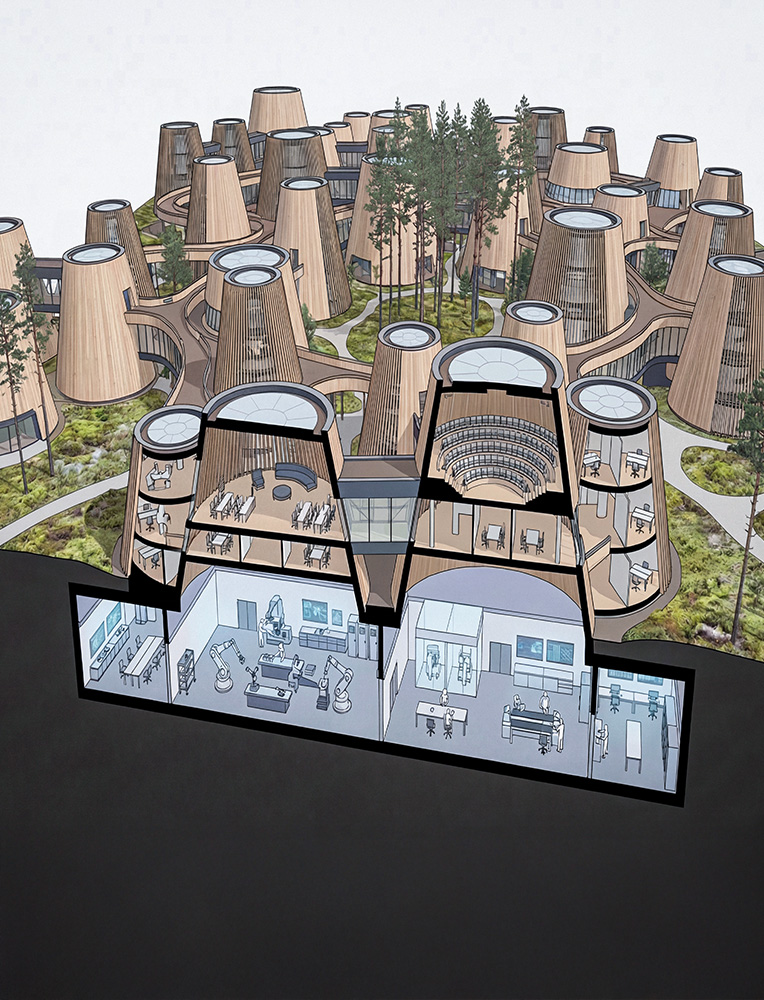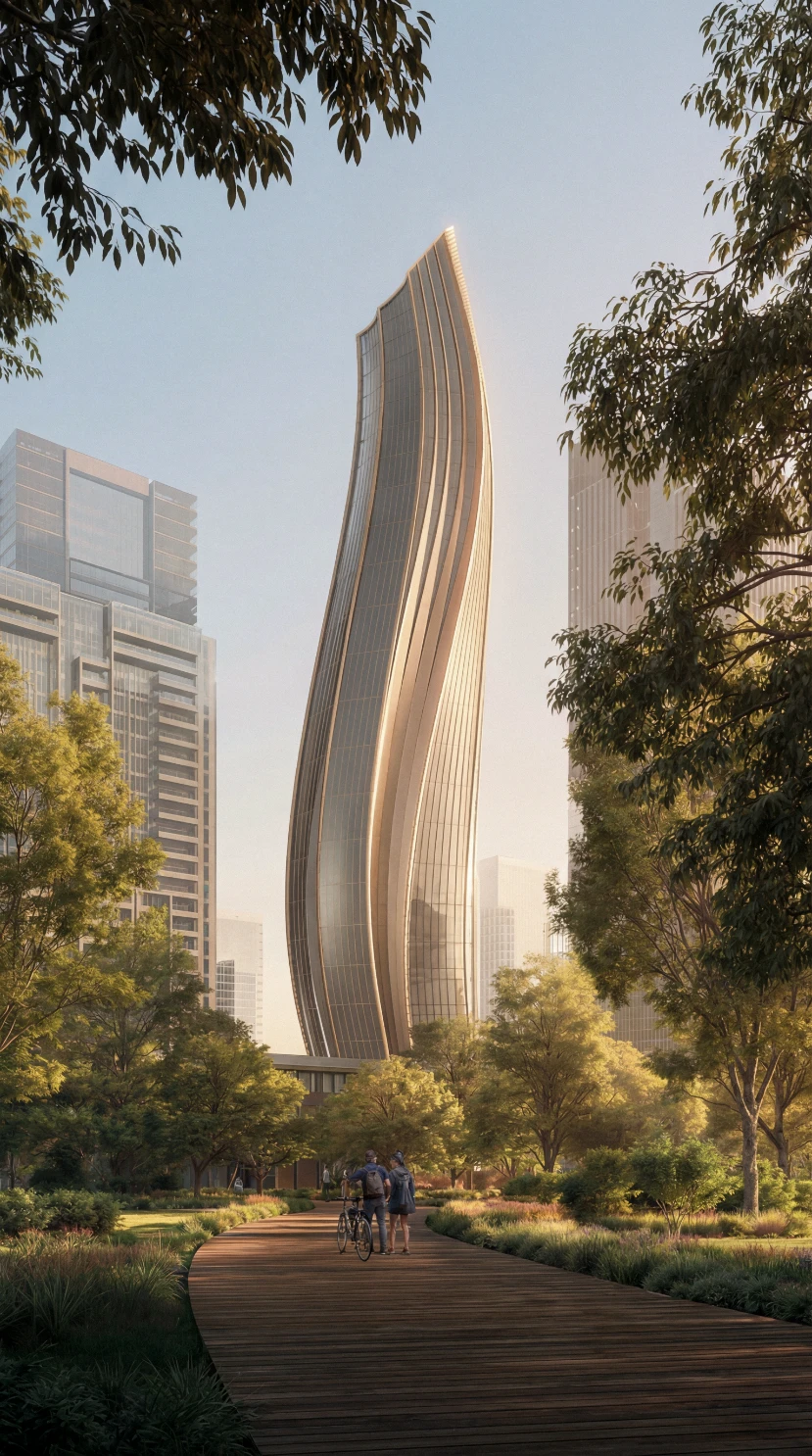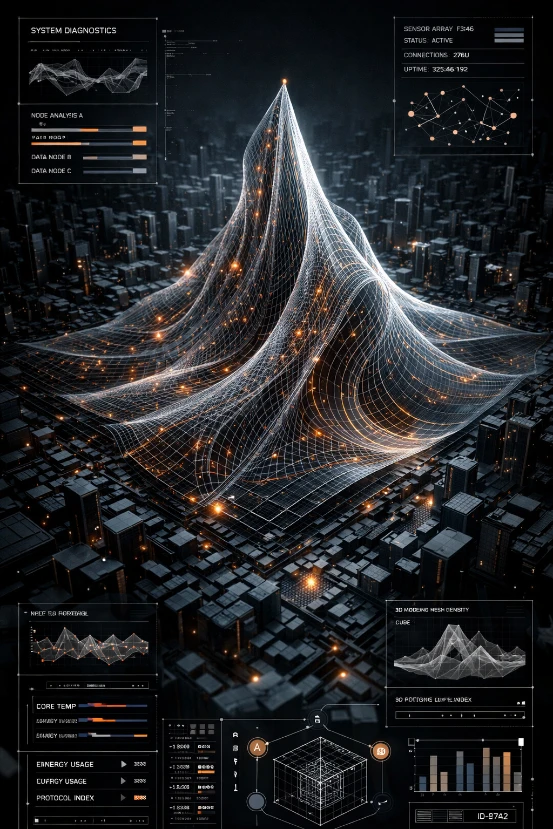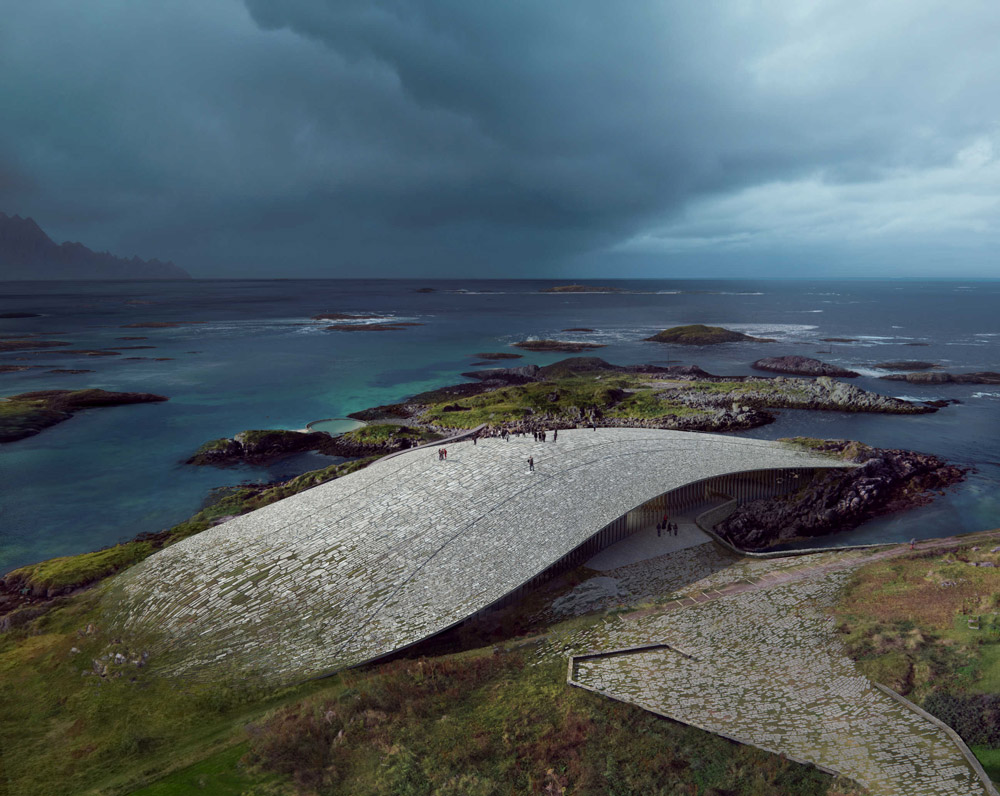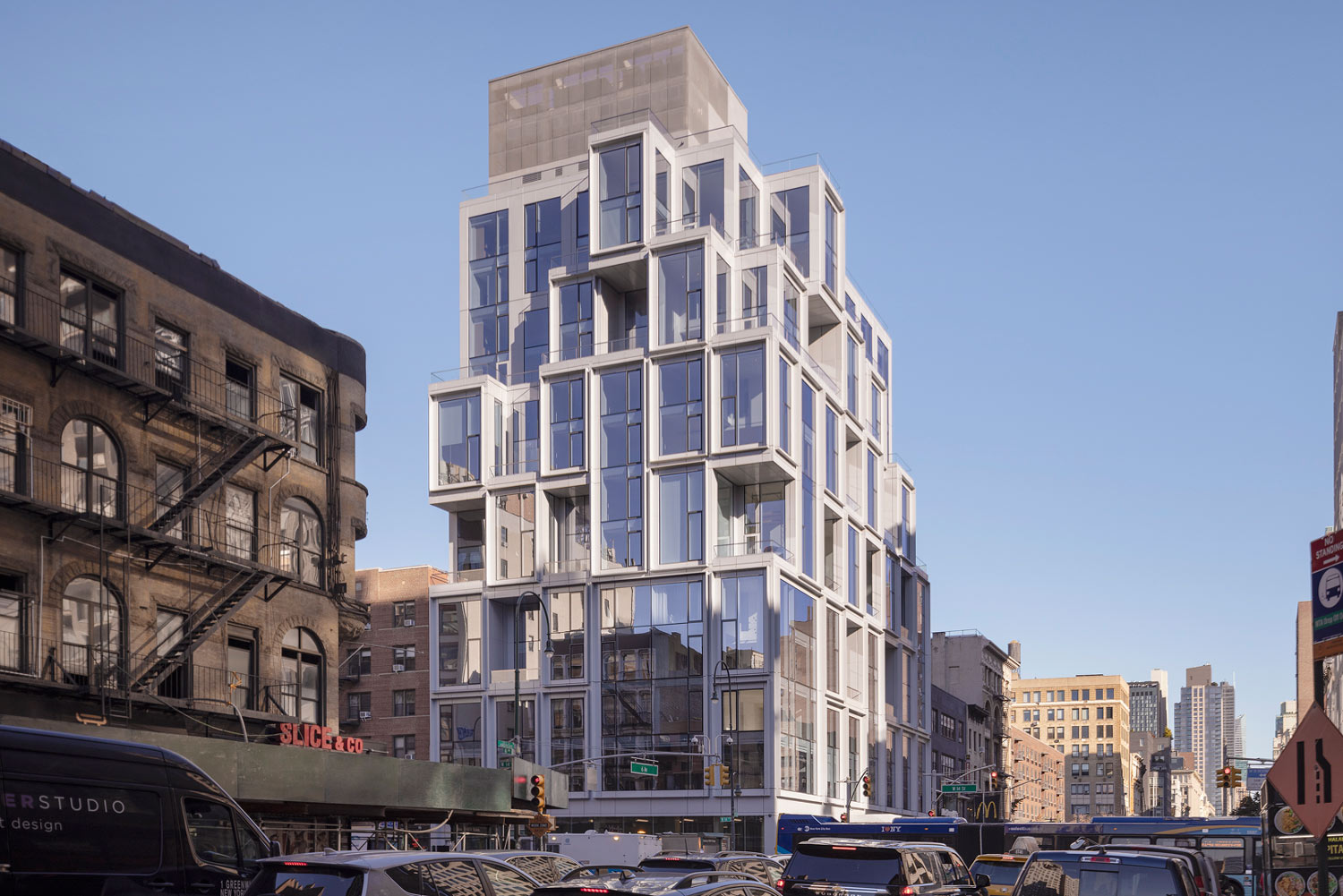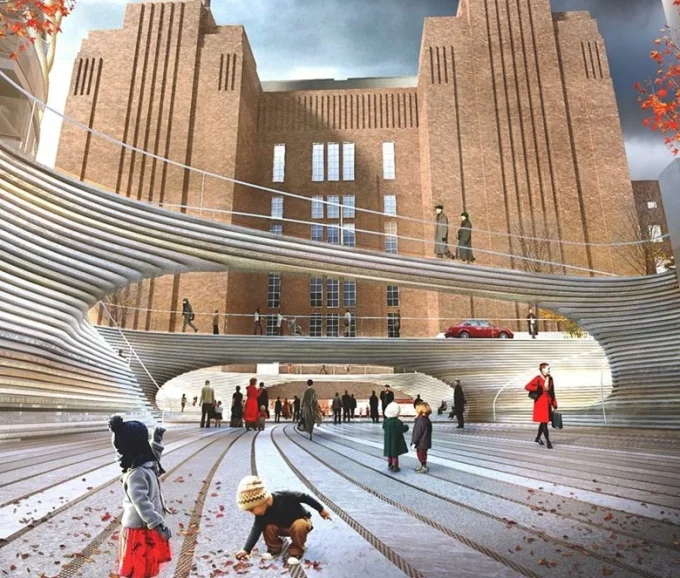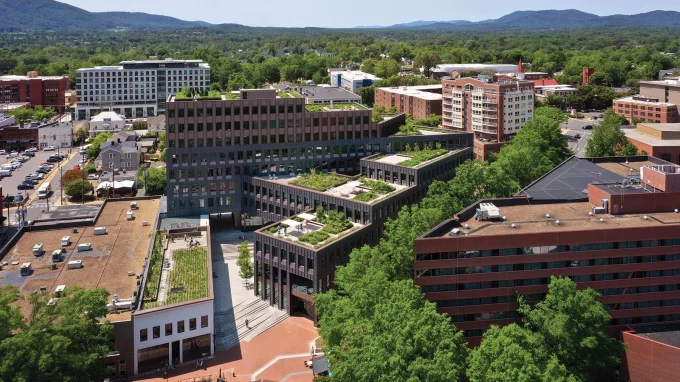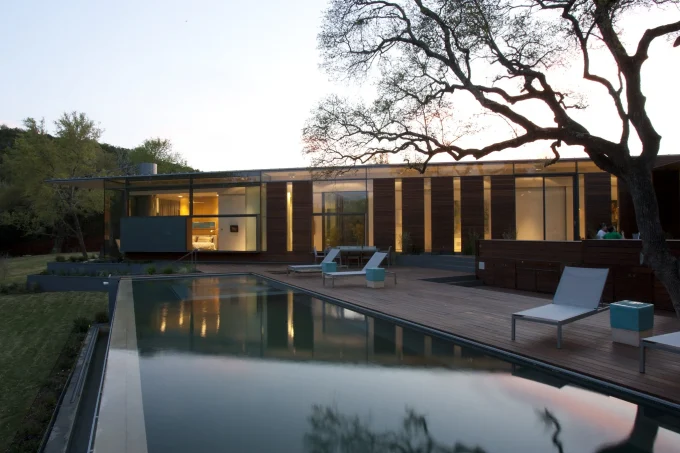



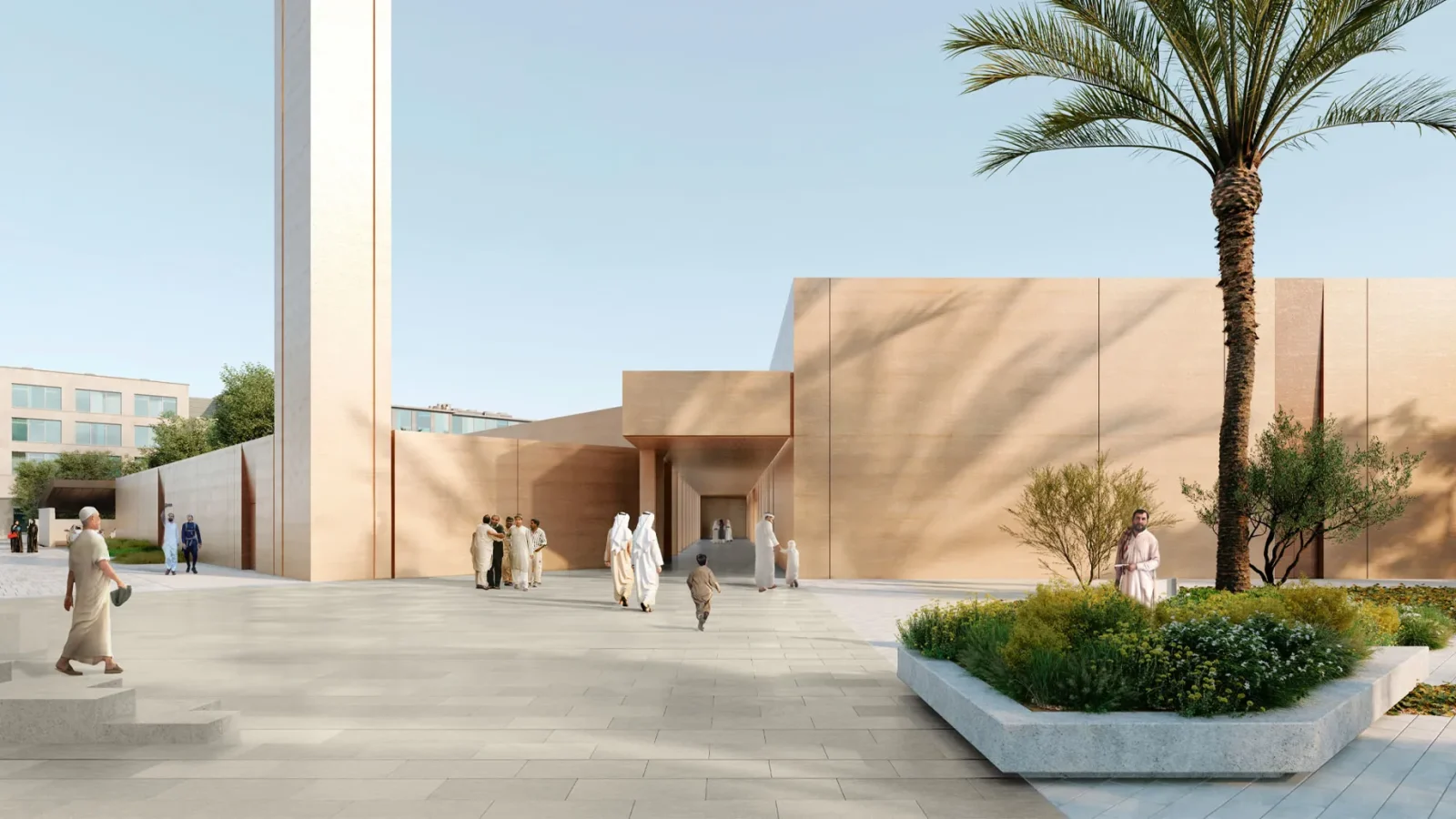
The rise of net-zero architecture marks a major shift in how buildings respond to environmental responsibility, energy performance, and long-term resilience. As the built environment remains one of the largest contributors to global carbon emissions, designers are rethinking how buildings consume, conserve, and generate energy.
A net-zero building is designed to produce as much energy as it uses over the course of a year, creating a more balanced and efficient relationship between architecture and nature. More than a technical goal, this approach is reshaping sustainable design by influencing planning, materials, systems, and the overall future of the built environment.
What Defines a Net-Zero Building
A net-zero building is designed to reduce its energy demand to the lowest possible level and then offset that demand through renewable energy generation. This usually involves a combination of passive design strategies, efficient systems, and clean energy technologies such as solar power.
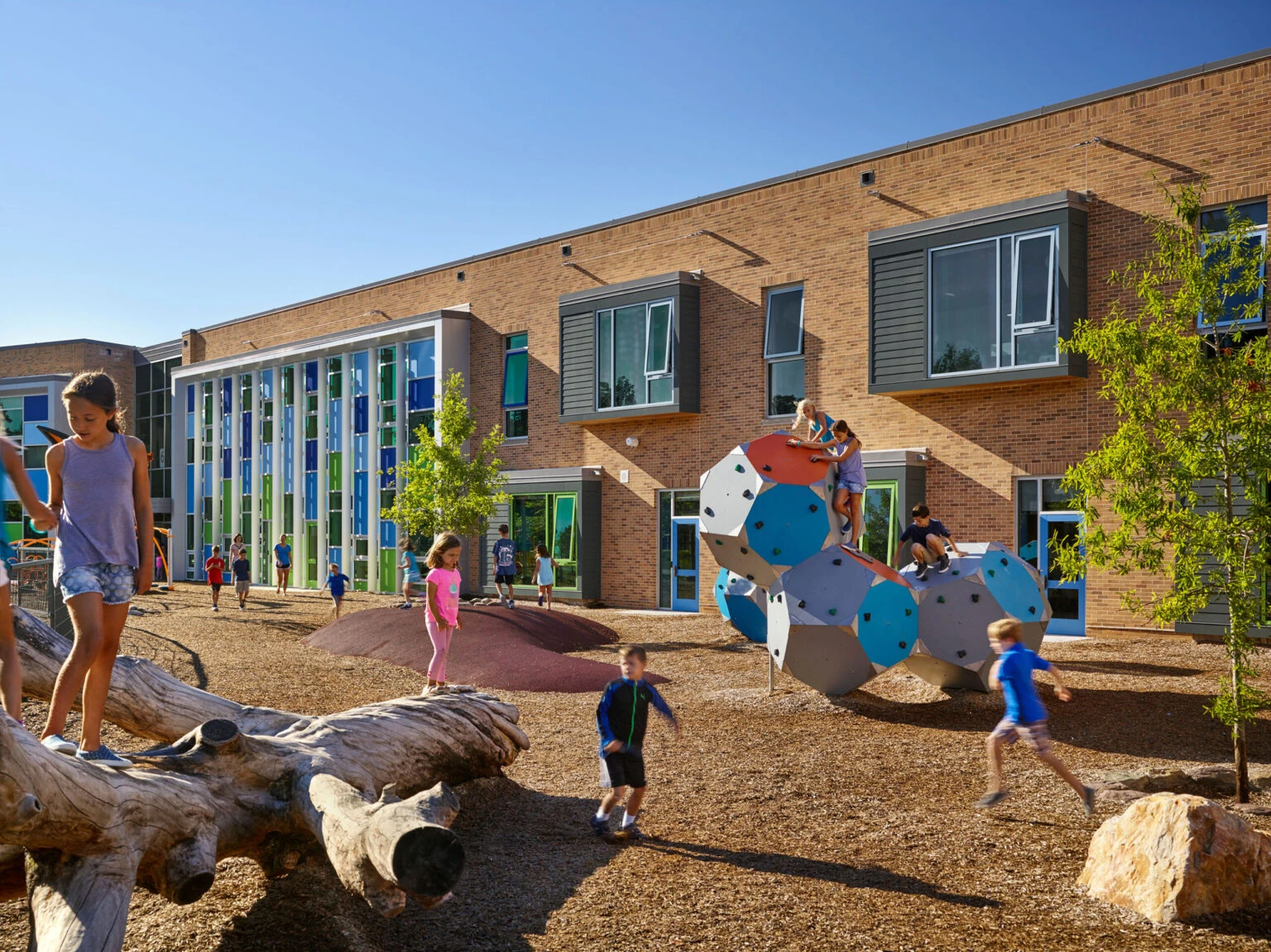
From the earliest design stages, architects carefully consider orientation, insulation, glazing, shading, ventilation, and thermal performance. This makes net-zero architecture not only energy-conscious but also deeply connected to site, context, and environmental conditions.
How Net-Zero Design Is Influencing Architecture
The growth of net-zero architecture is pushing architects to design with performance as a core principle rather than an afterthought. Buildings are no longer judged only by form or function but also by how efficiently they operate over time. This has led to more integrated design processes where sustainability, engineering, and aesthetics work together from the beginning.
As a result, architecture is becoming smarter, more responsive, and more intentional. High-performance façades, natural daylighting, passive cooling, and adaptive systems are increasingly shaping the visual and spatial language of contemporary buildings.
Why Net-Zero Buildings Matter for Sustainability
One of the major reasons net-zero buildings matter is their ability to reduce operational carbon emissions. Buildings use a lot of electricity and energy to heat, cool, and light, so making them more efficient has a direct effect on the environment. Net zero design helps lower dependence on fossil fuels while supporting broader climate goals and sustainable development targets.
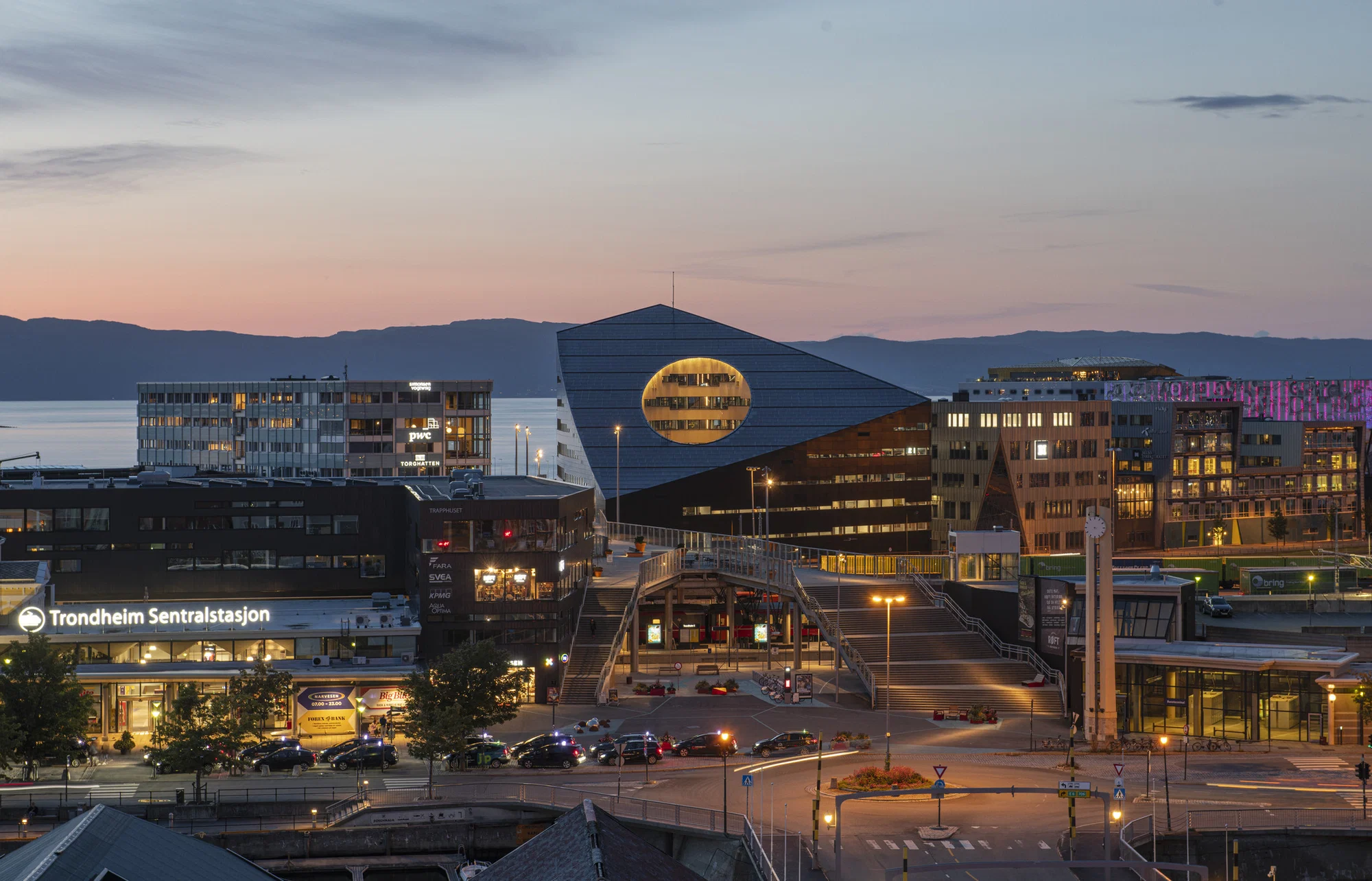
Beyond emissions, these buildings also improve indoor environmental quality and long-term affordability. Better insulation, cleaner air, stable temperatures, and lower utility costs create healthier and more efficient spaces.
The Future of Net-Zero in the Built Environment
As energy standards become stricter and climate concerns continue to influence policy and design, net-zero building design is becoming less of an option and more of a necessity. Governments, institutions, and developers are setting targets that prioritize low-energy and carbon-conscious construction. This is accelerating innovation across materials, technologies, and building systems.
In the years ahead, net zero principles are expected to shape everything from homes and offices to schools, public buildings, and urban districts. Their rise signals a broader transformation in architecture, where performance, sustainability, and design quality are no longer separate goals but part of the same future-focused vision.
Net-zero buildings represent a shift from energy-intensive construction toward smarter, cleaner, and more efficient environments that respond to climate and human needs. Through passive strategies, renewable systems, and integrated design thinking, they are changing how architects imagine the role of buildings in the modern world.
Explore Courses
.jpg "Ondrej Chybik - Rethinking Architecture")