

Spanning from April 19 to April 26, 2026, the Milan Design Week 2026 event transforms the city into a sprawling, multi-nodal laboratory where the commercial imperatives of the Salone del Mobile. The 2026 edition is led by President Maria Porro, who has championed a vision of a more connected, accessible, and inclusive fair that cements Milan’s role as the global capital of contemporary design and innovation.
A Matter of Salone
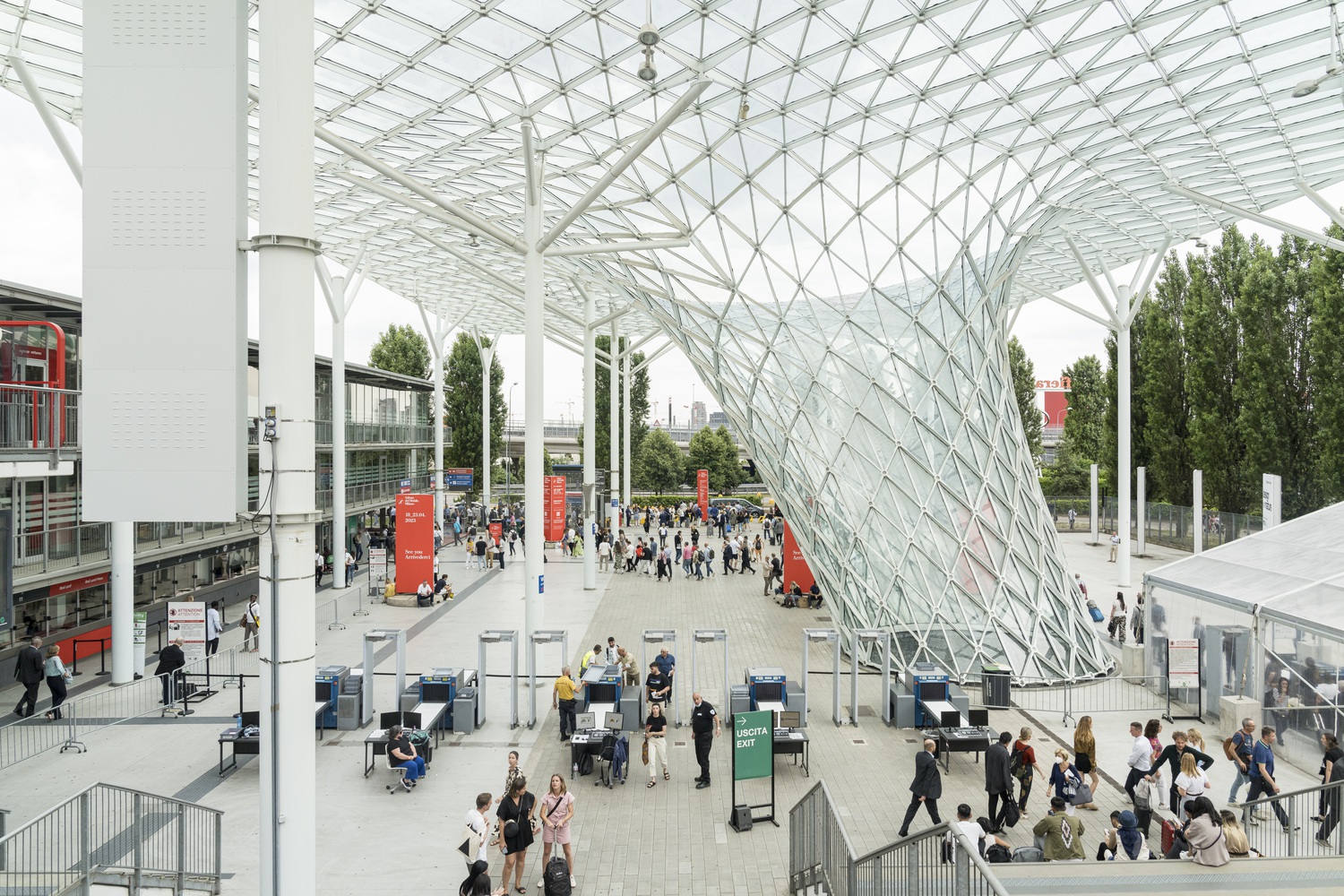
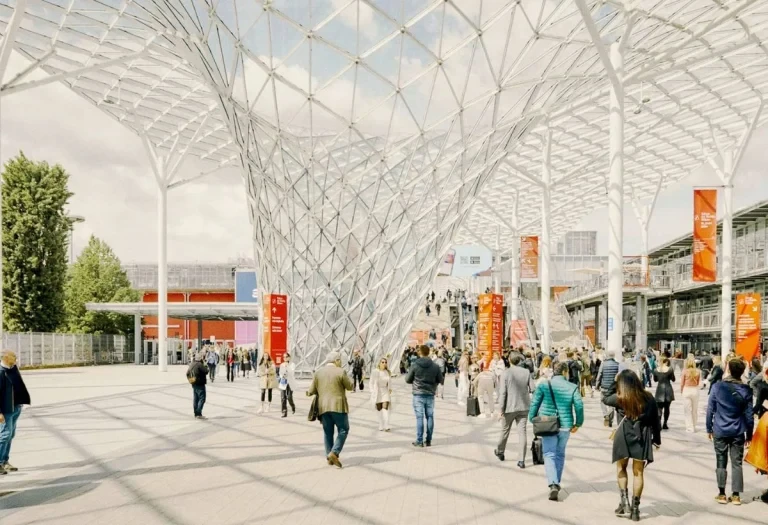
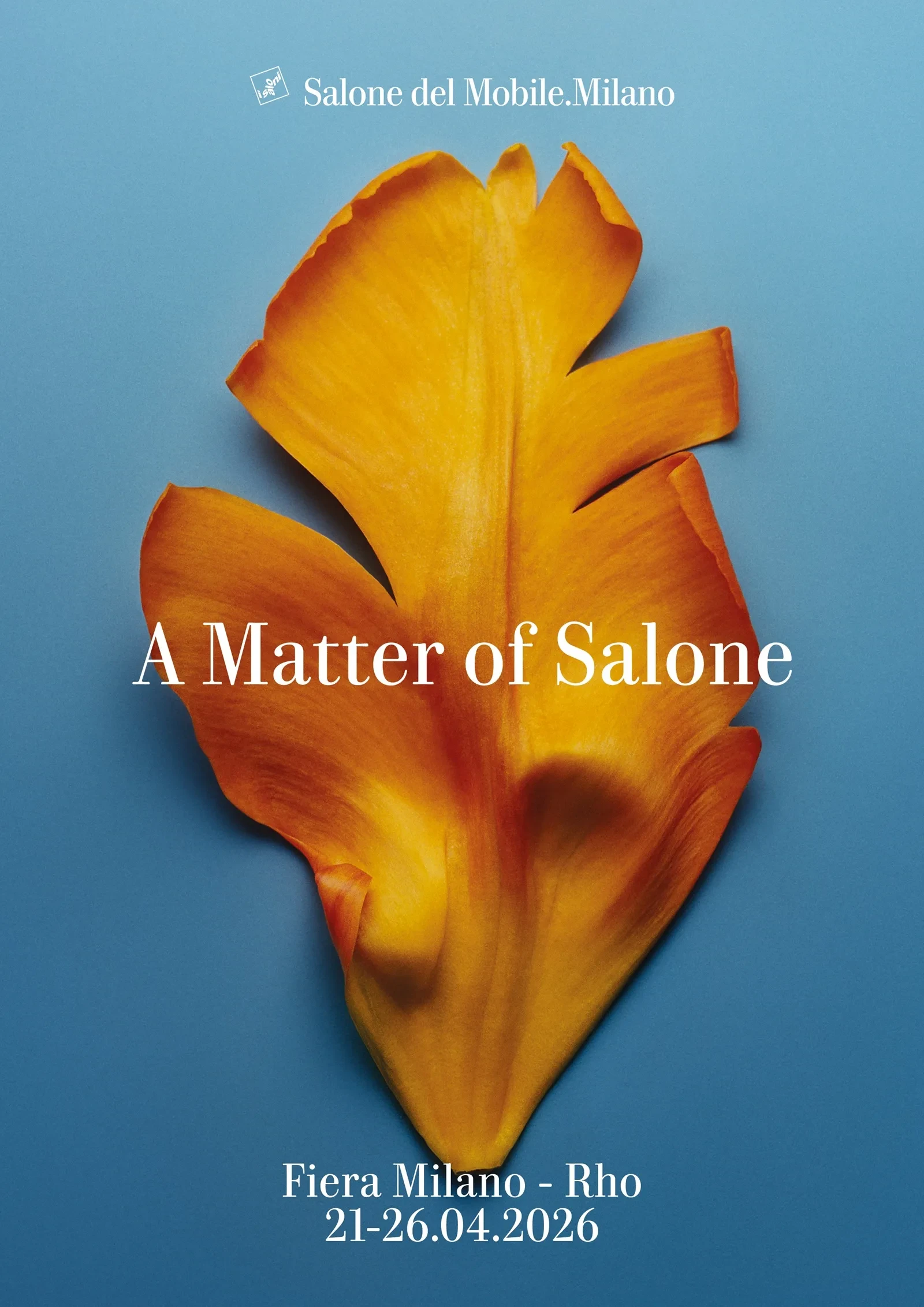
At Rho Fiera Milano, the 64th Salone anchors the week with the gravity of an institution that has outgrown its own category. The fair’s 169,000 square metres and 1,900 exhibitors from 32 countries have evolved beyond its origins as a trade show into a sophisticated cultural infrastructure. The strategic theme for 2026, A Matter of Salone, was conceived to return the industry’s focus to the primal essence of materials as the origin of every form and gesture.
Perhaps the most significant structural innovation at Rho Fiera in 2026 is the debut of Salone Raritas in Pavilion 9. Curated by Annalisa Rosso and with an exhibition design by the critically acclaimed studio Formafantasma, Salone Raritas is a dedicated platform for collectible design, limited editions, and high-end creative craftsmanship. The project is housed within an architectural lantern, a sober, museum-quality space that uses light and transparency to allow the objects to speak for themselves.
EuroCucina 2026 and the International Bathroom Exhibition
The 2026 edition of Milan Design Week marks the return of the biennials dedicated to two of the most critical rooms in the modern home: the kitchen and the bathroom. These sectors are currently undergoing a radical transformation driven by technological integration, the rise of the “social kitchen,” and an intensified focus on personal well-being.
EuroCucina and FTK: The Technological Soul of the Kitchen
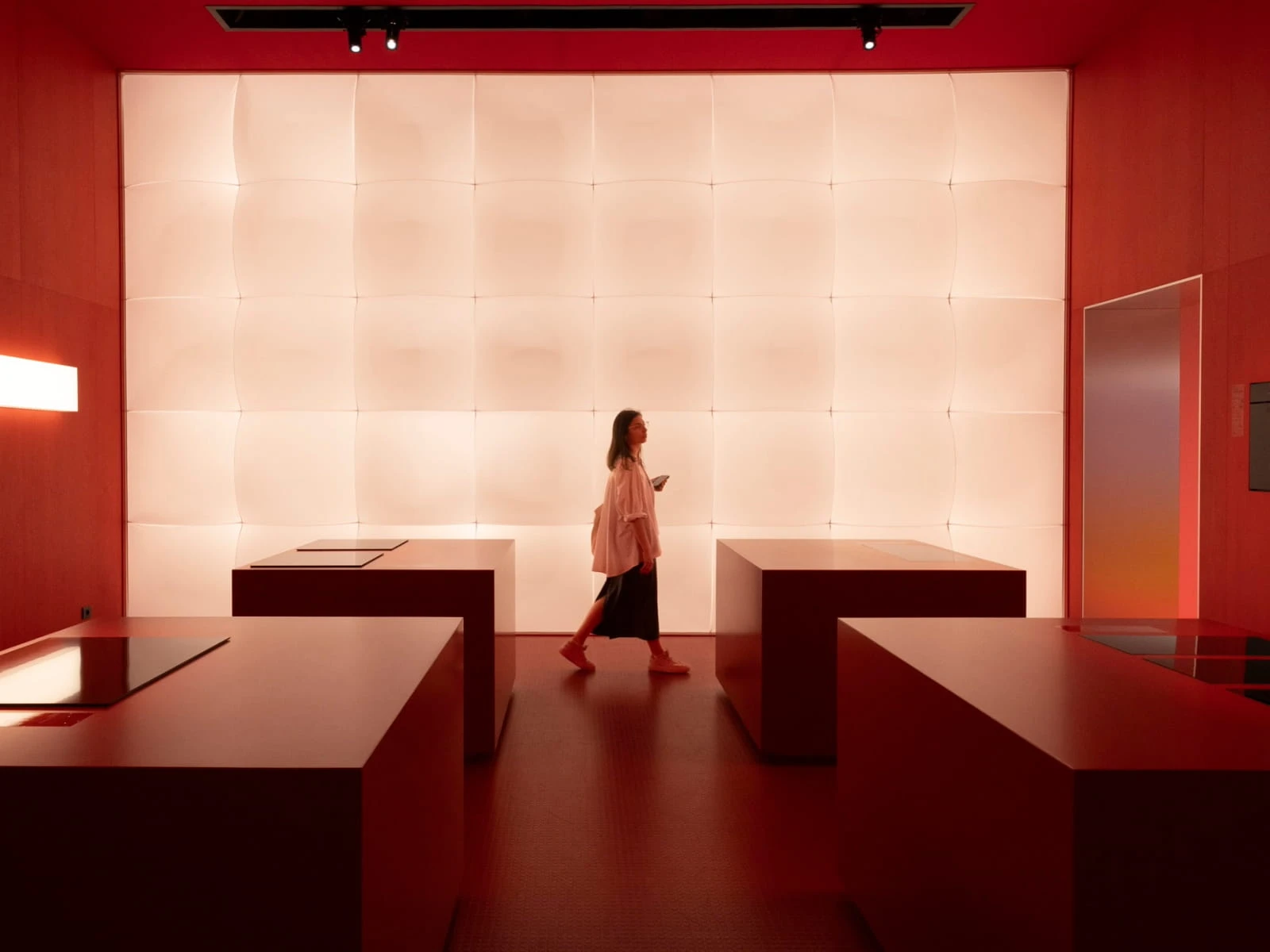
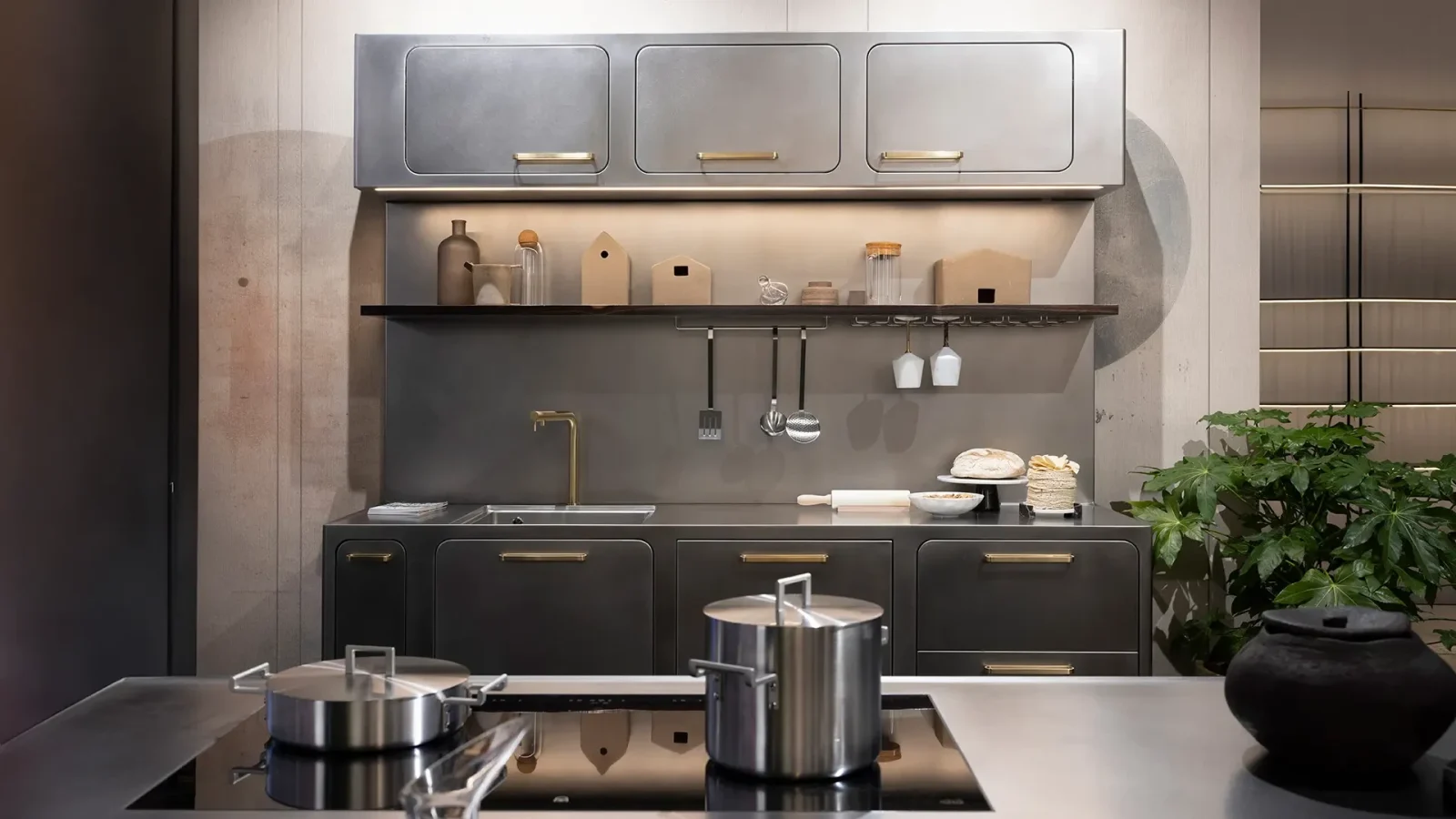
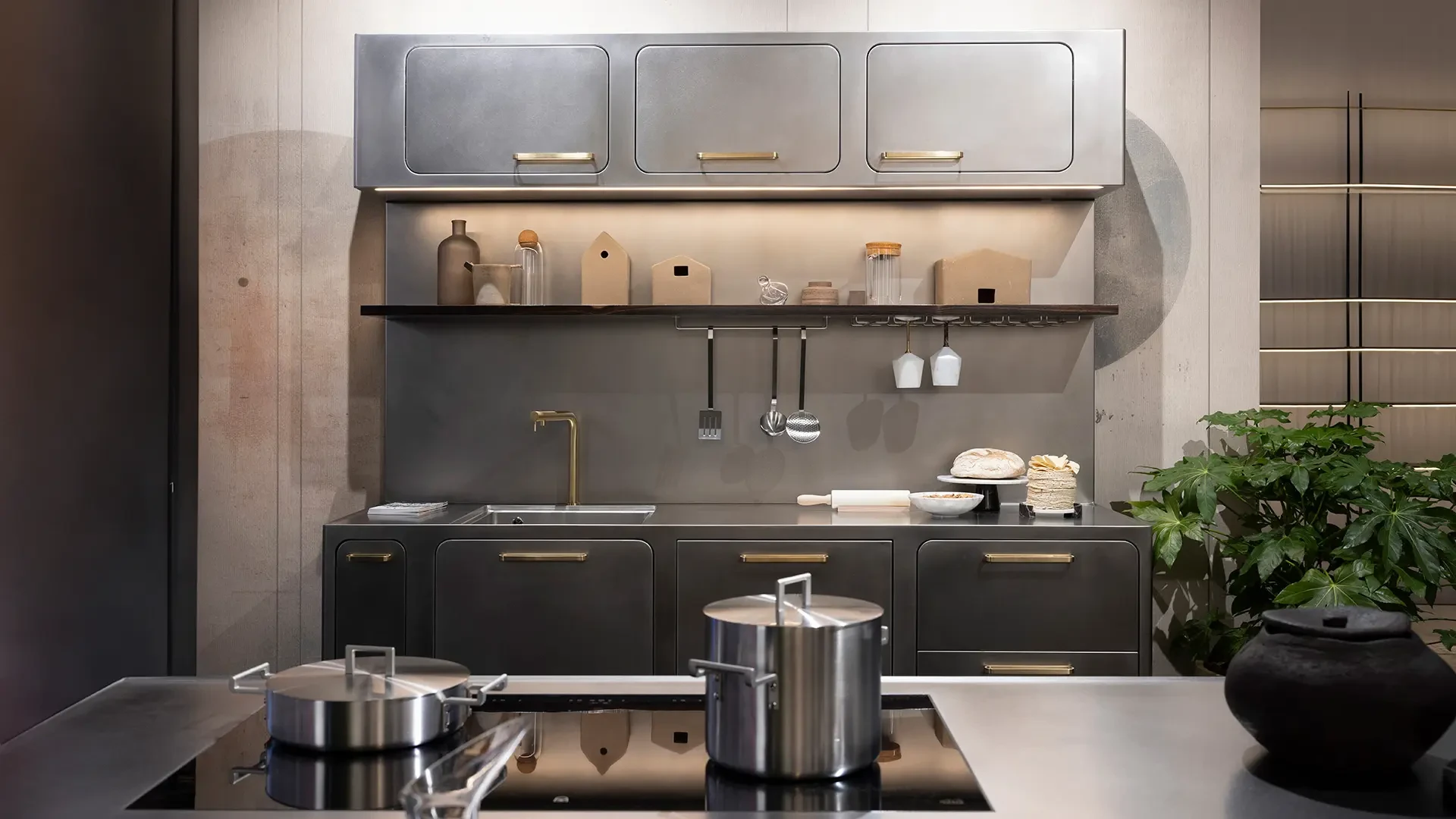
EuroCucina 2026, located in Pavilions 2 and 4, serves as the international benchmark for kitchen design, showcasing how matter and technology are being used to modernize traditional rituals. The trend for 2026 is toward hybridization, where the kitchen merges seamlessly into the living area. This is facilitated by invisible induction hobs, interactive surfaces, and integrated hoods that disappear when not in use.
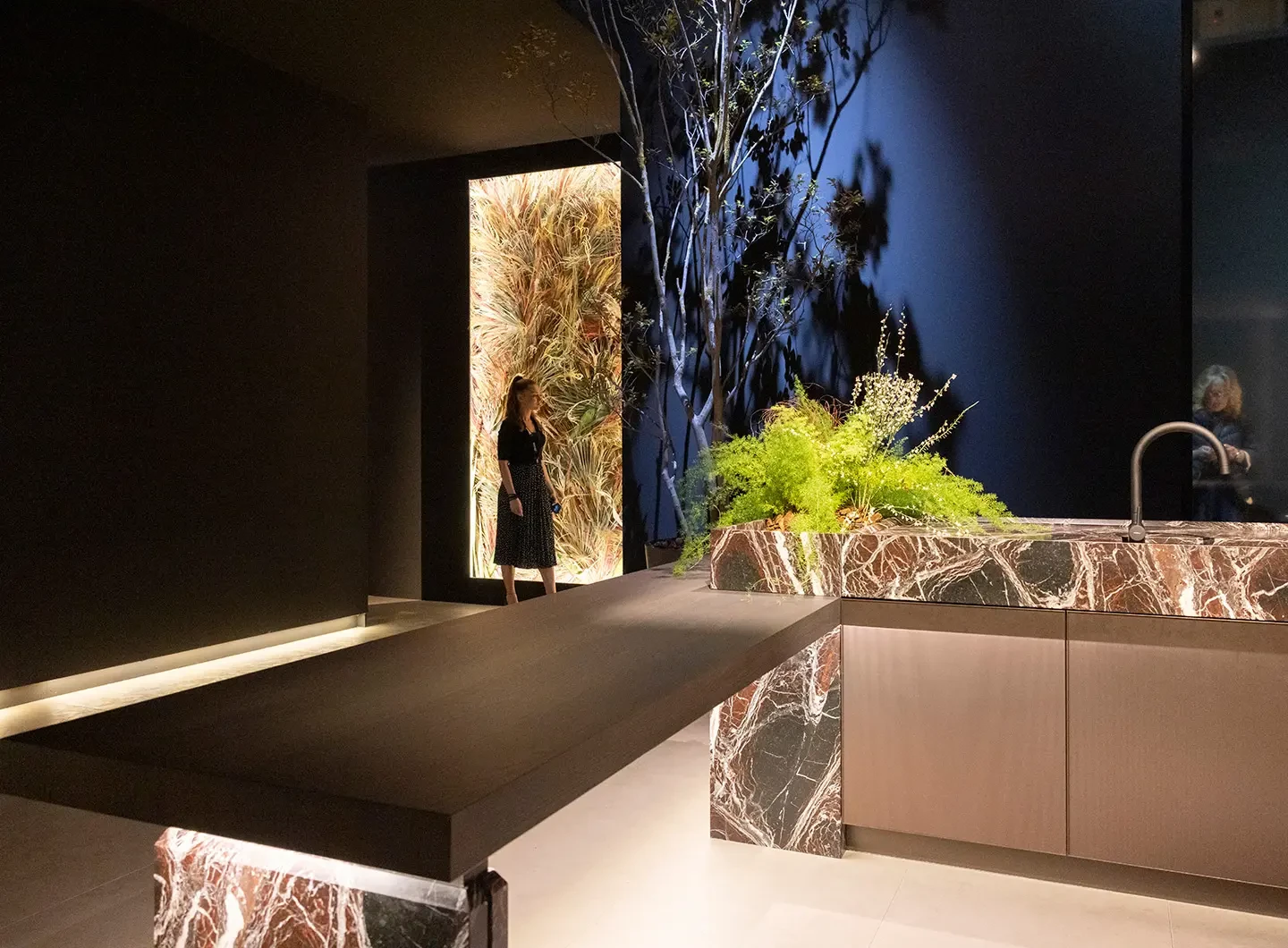
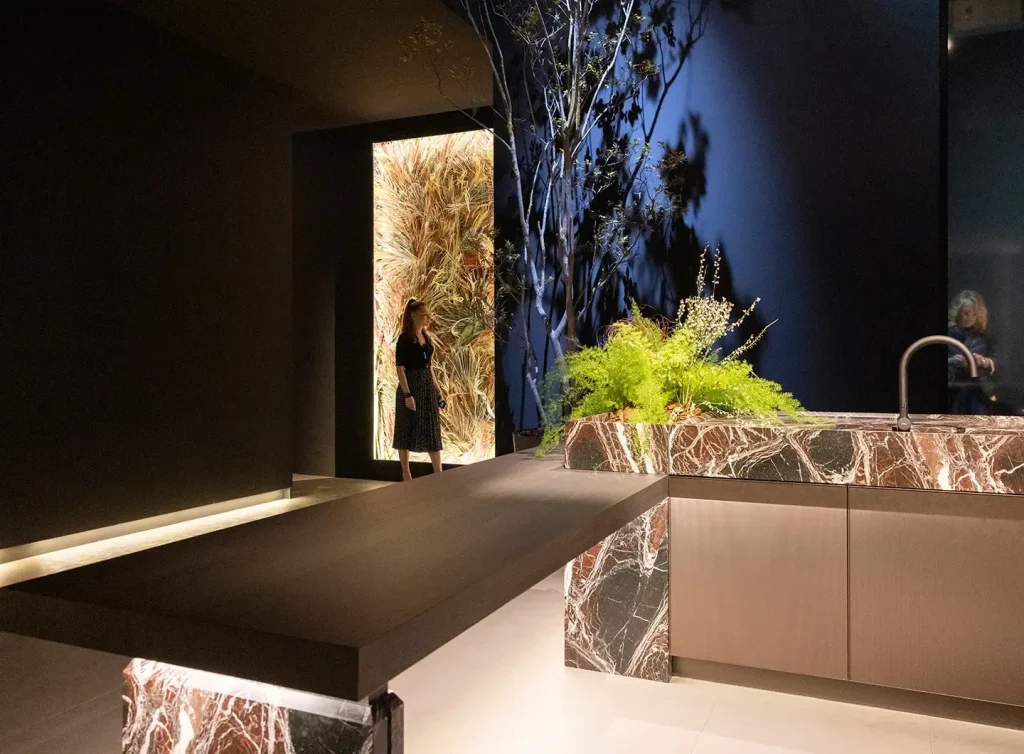
A significant aesthetic shift is the resurgence of natural marble and its high-performance variants. Brands are utilizing materials like Levanto Red Natural Stone, White Carrara Marble, and Fior di Pesco marble to create striking, scenographic islands that contrast with high-tech, minimalist appliances.
The collateral event FTK (Technology For the Kitchen) highlights the digital heart of the kitchen. In 2026, the focus has shifted toward predictive maintenance and AI integration, where devices talk to each other to optimize energy consumption and food preservation. Sensors like the Sommelier Sensor from Gaggenau use infrared technology to read a wine’s internal temperature, reflecting a level of precision that was previously reserved for professional environments.
The International Bathroom Exhibition
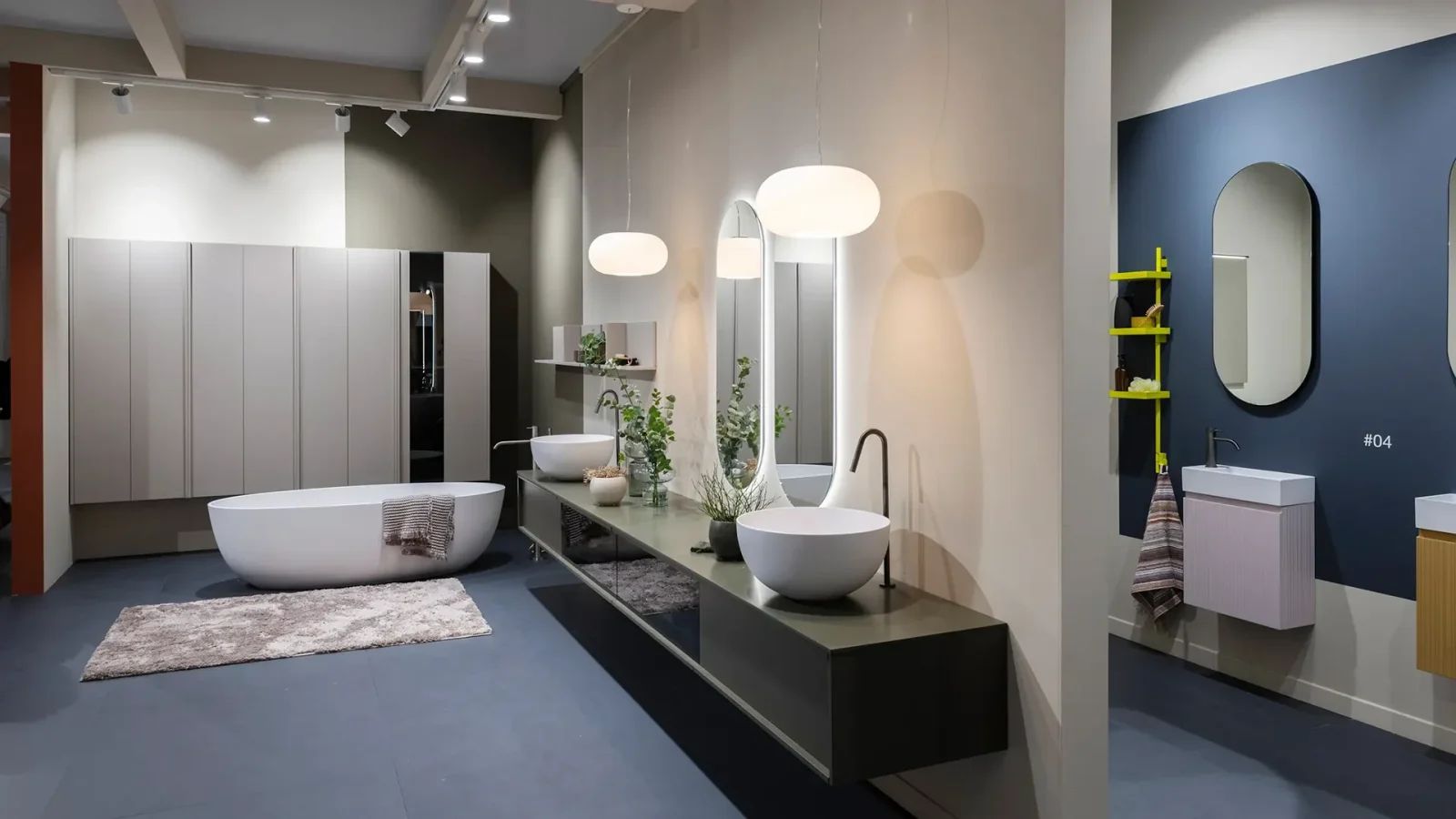
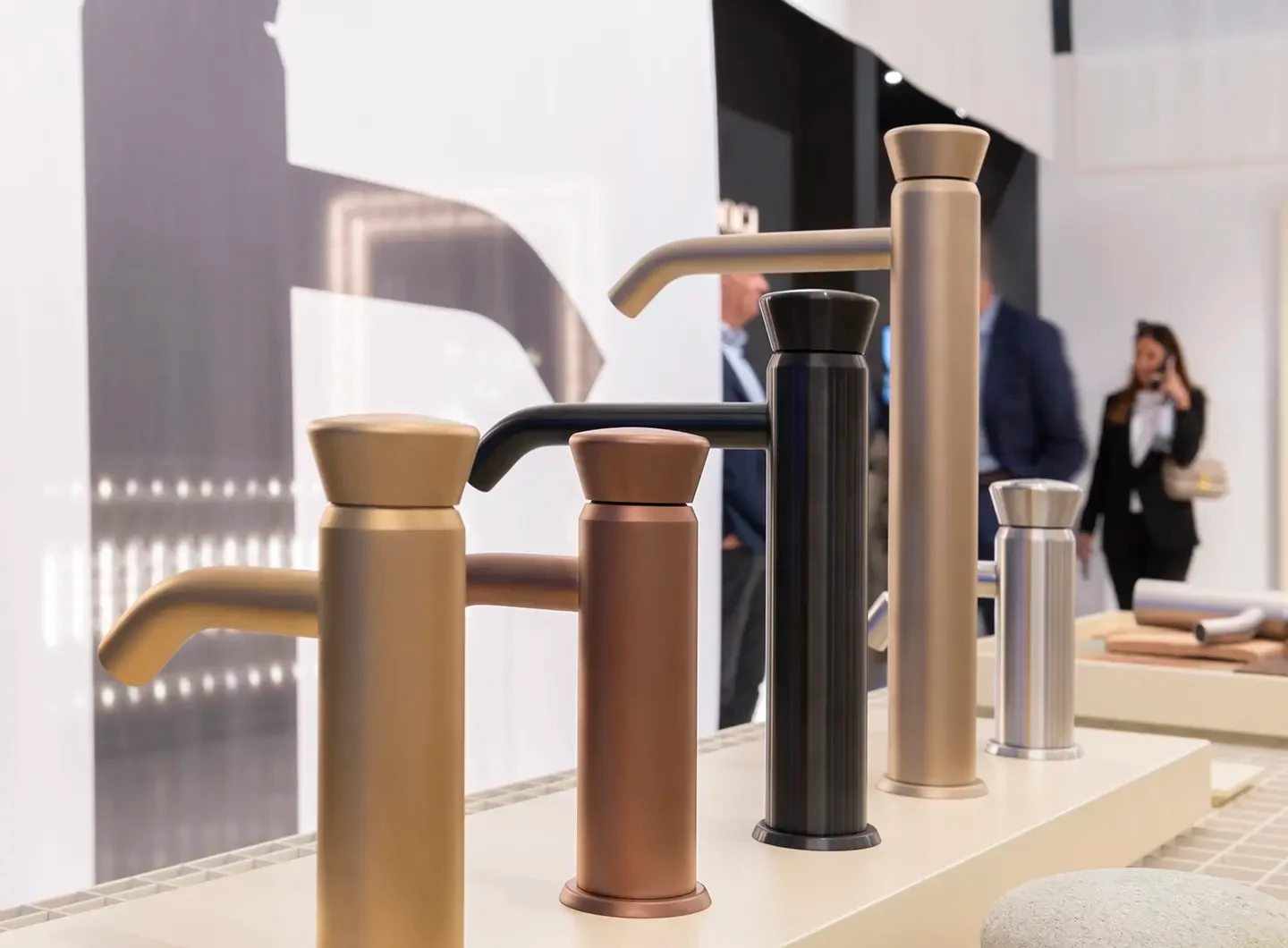
In Pavilions 6 through 10, the International Bathroom Exhibition reflects the sector’s evolution from a purely functional space to a sanctuary of wellness. The keyword for 2026 is longevity, emphasizing the need for materials and designs that can withstand the passage of time without losing their aesthetic or functional comfort.
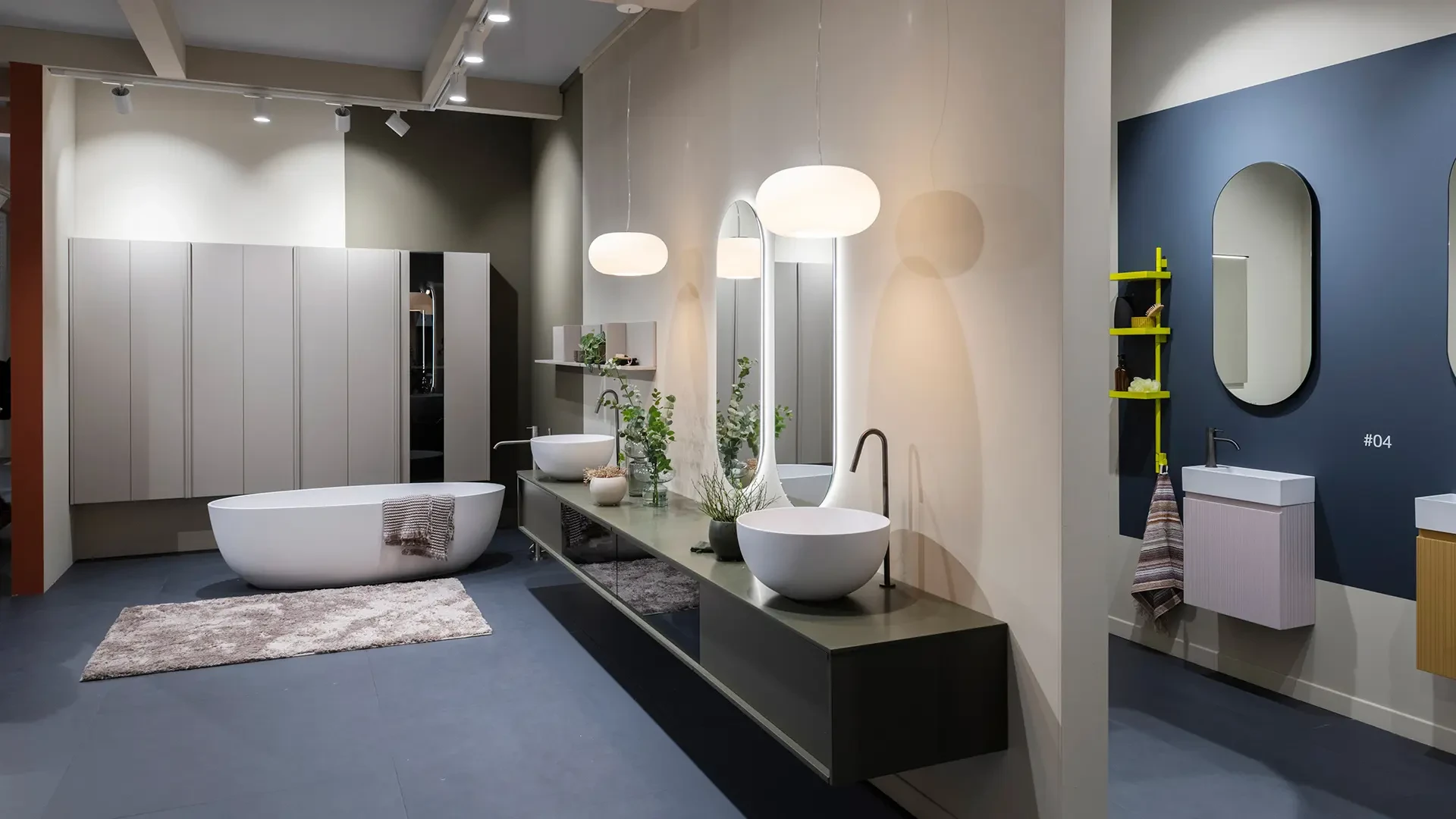
Solutions include flush-to-floor access, non-slip surfaces with textured, organic appearances, and lighting that is both functional and atmospheric, providing safety without the glare of traditional utility lights. This reflects a broader move toward inclusive luxury, where design details like ergonomic handles and redesigned heights ensure that the bathroom is usable for a global, aging population.
Brera Design District: Being a Project
The Brera district, consistently the busiest hub of Fuorisalone, operates under the 2026 theme “Be the Project”. This theme encourages visitors to shift their focus from the finished product to the creative process and the collective responsibility inherent in making. Brera features over 300 initiatives, including 217 permanent showrooms and hundreds of temporary exhibitors.
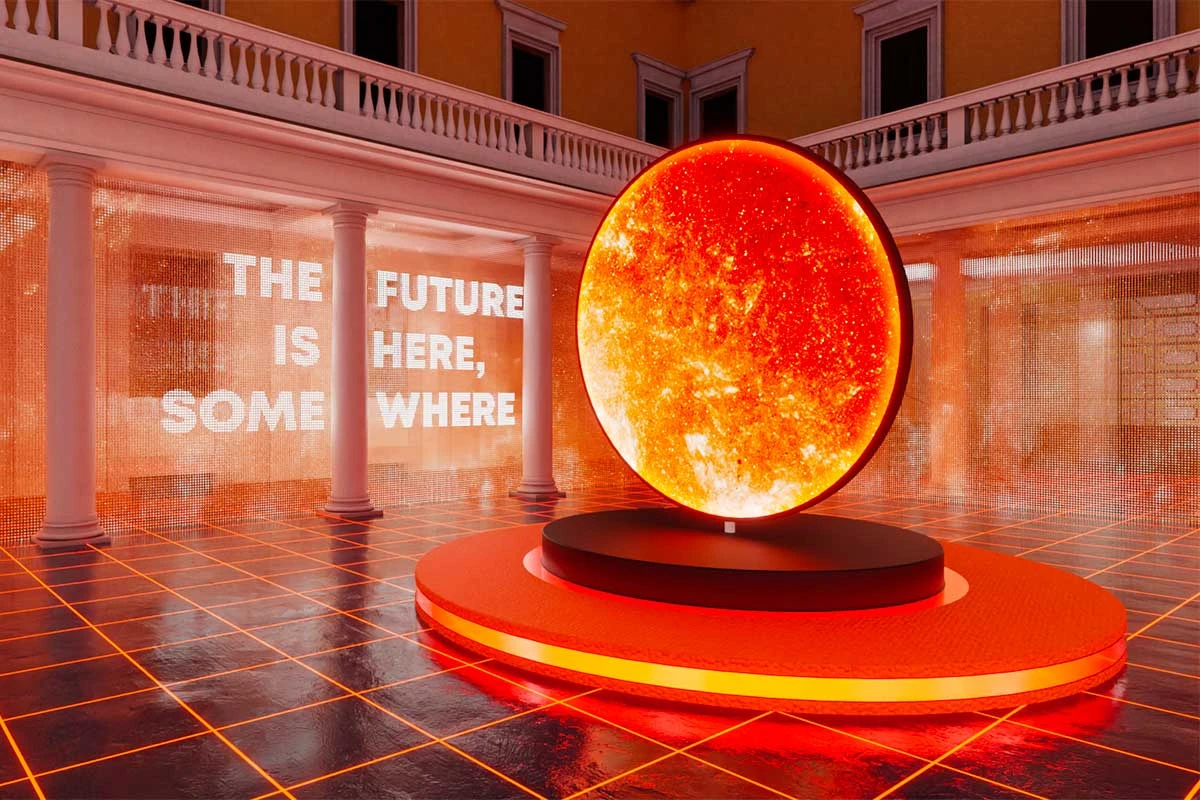
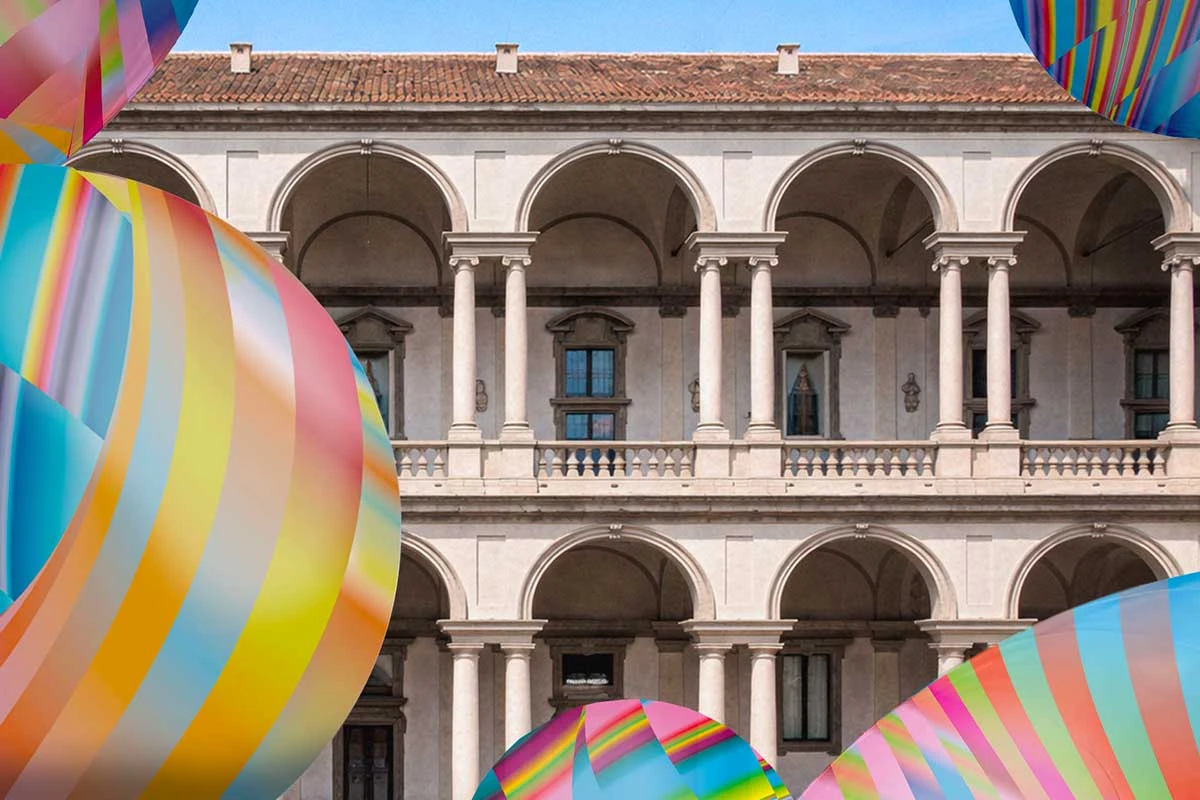
A major highlight in Brera is Serotonin, an installation by Sara Ricciardi for American Express, located at Palazzo Brera. The project uses inflatable, kinetic forms to explore the chemistry of happiness, translating scientific concepts into a hypnotic, tactile sensory experience that invites visitors to explore well-being through touch and movement.
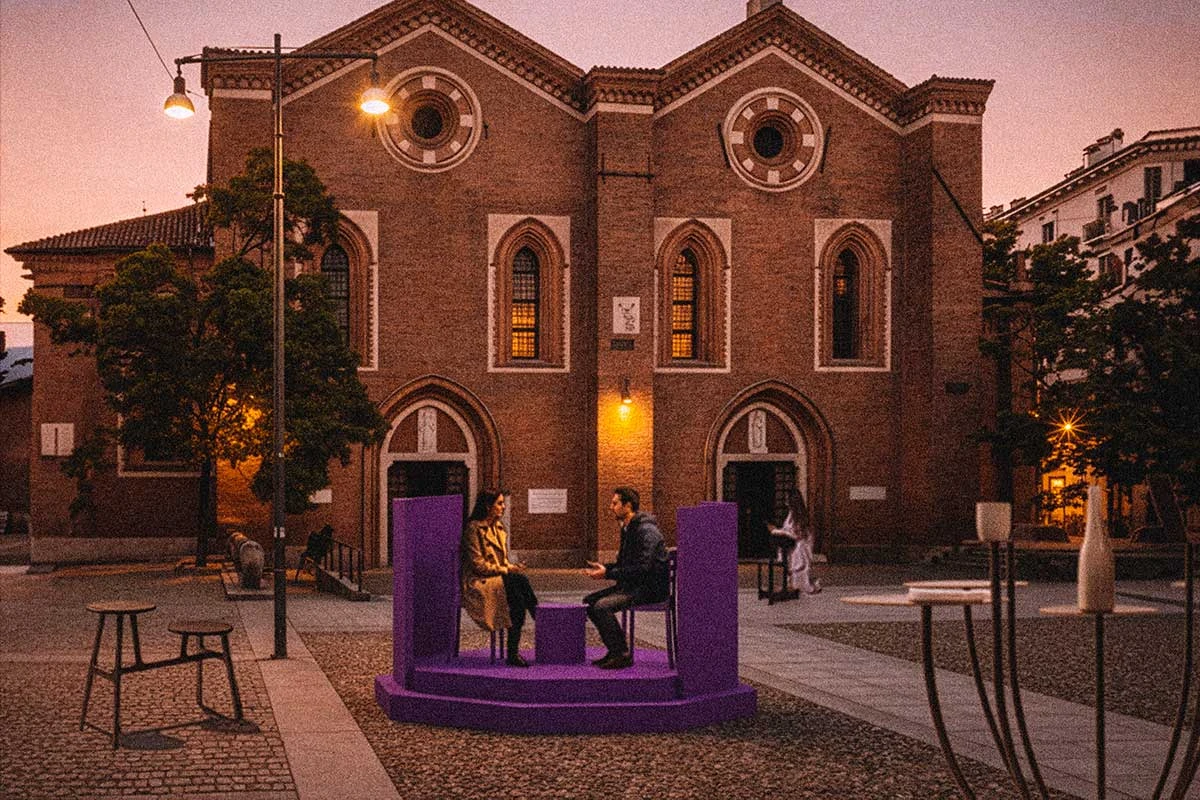
At the Orto Botanico di Brera, Annabel Karim Kassar presents The Garden of the Hesperides as part of the Interni MATERIAE exhibition. Inspired by Greek mythology, the installation features a blue wood-layered portico and drawings on plexiglass icons, all designed to be reusable and repositionable, highlighting a circular approach to temporary event architecture.
5VIE Design Week: QoT / Qualia of Things
The 5VIE district continues to specialize in the intersection of design, art, and craftsmanship under the 2026 theme “QoT: Qualia of Things.” The district seeks to move design from data-driven efficiency to a human-centric language of emotion and sensory resonance.
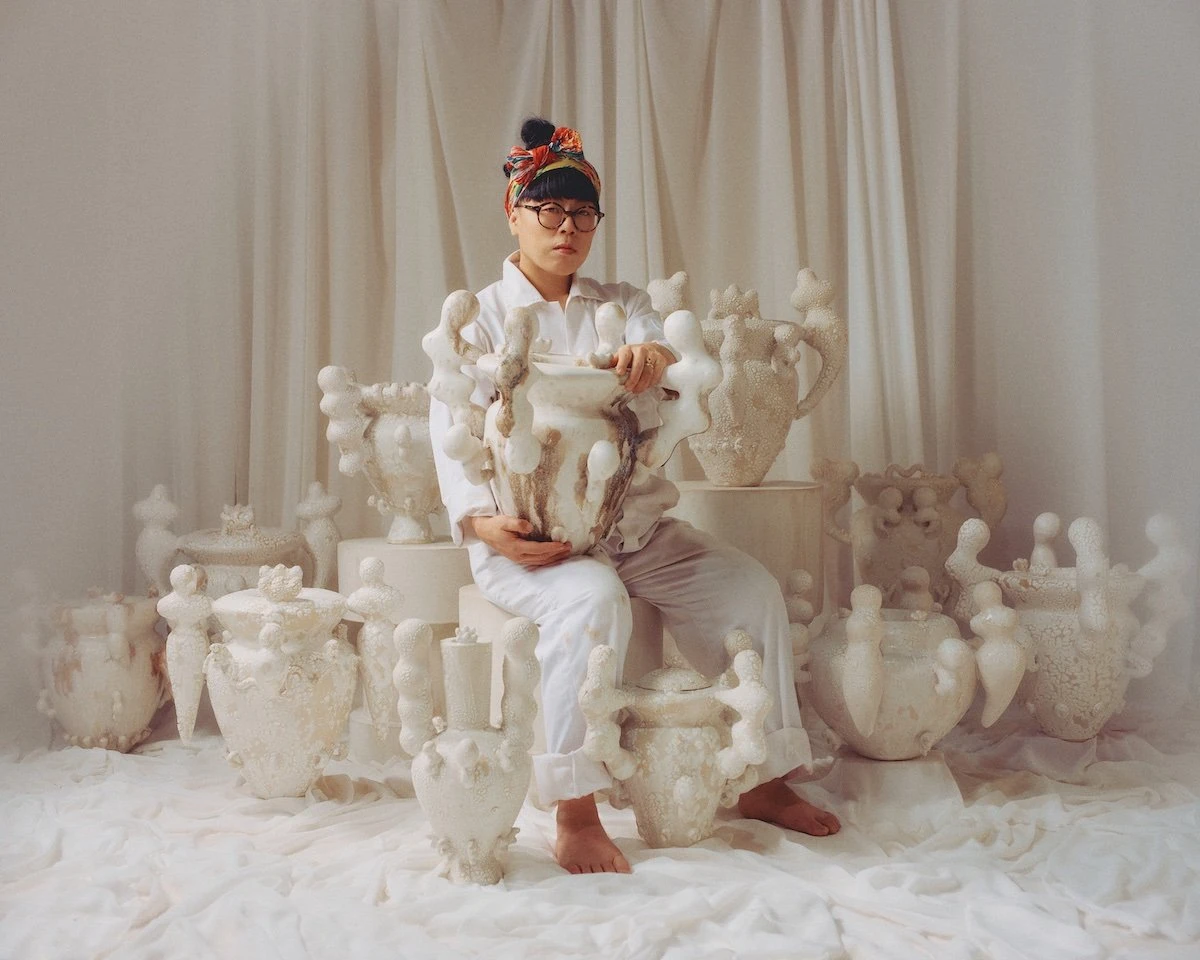
A key installation in 5VIE is La Boiserie by the Beirut- and Milan-based duo David/Nicolas. Located in their new Milan studio, the project reinterprets traditional wood paneling as a modular architectural system, revealing how boiserie can function as both storage and ornament through triangular and circular motifs. This project exemplifies the 5VIE spirit of uncovering the qualities of materials through deep research into historical vernaculars.
Porta Venezia and Città Studi: Design is Act
The Porta Venezia Design District (PVDD) has themed its 2026 offerings Design is Act, a concept inspired by philosopher Tomás Maldonado that views design as an ethical and political responsibility. The district has expanded its footprint to include the Città Studi Design Hub, connecting traditional design circuits with the scientific and architectural faculties of the Politecnico di Milano.
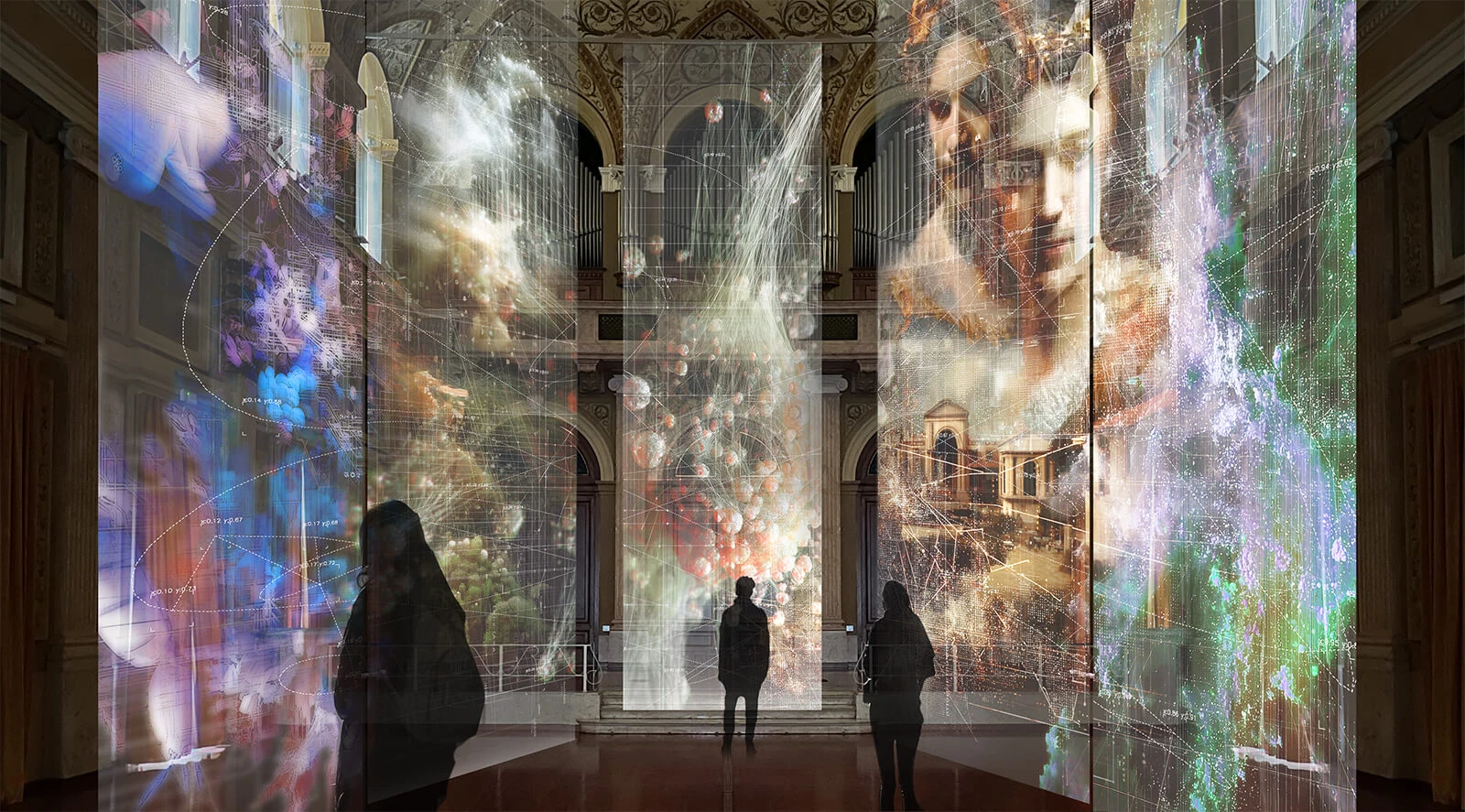
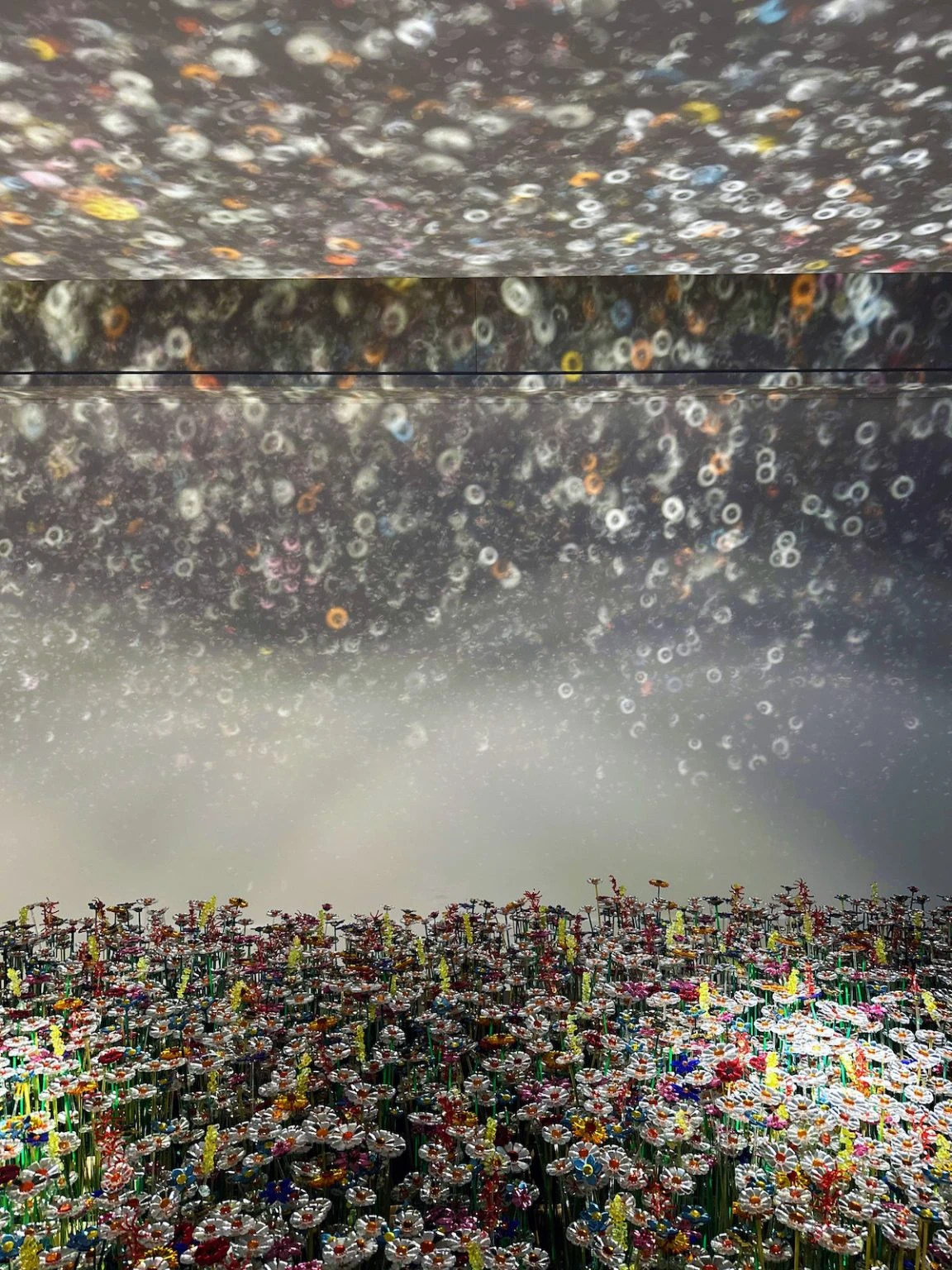
The standout event in this district is “6:AM Glassworks” at the Piscina Romano, a 1929 public swimming pool designed by Luigi Lorenzo Secchi. The installation, “Over and Over and Over and Over,” explores repetition as a creative engine through contemporary glass sculptures, including modules first developed for Bottega Veneta’s Summer 2026 runway show.
Metamorphosis in Motion by Lina Ghotmeh
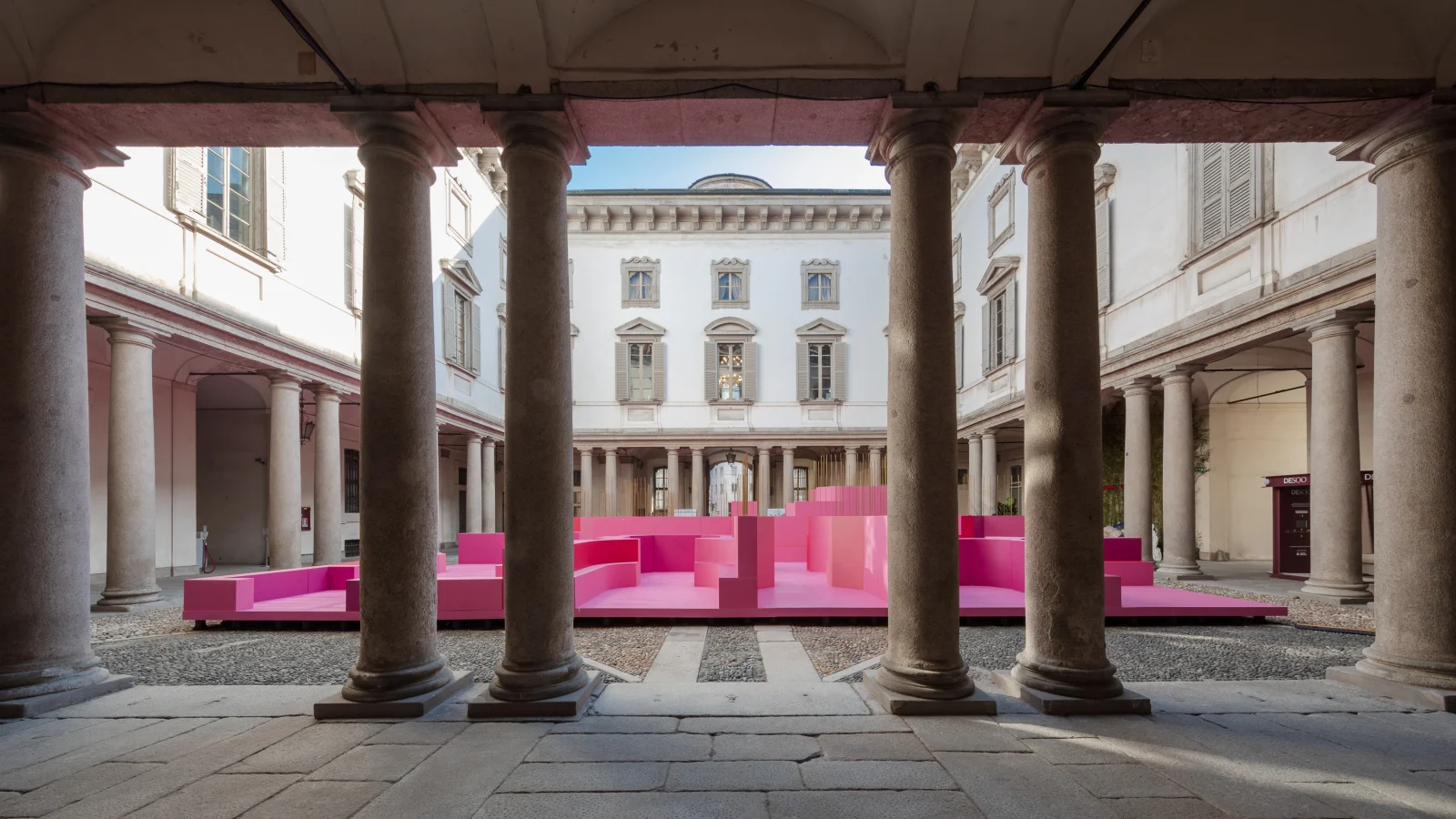
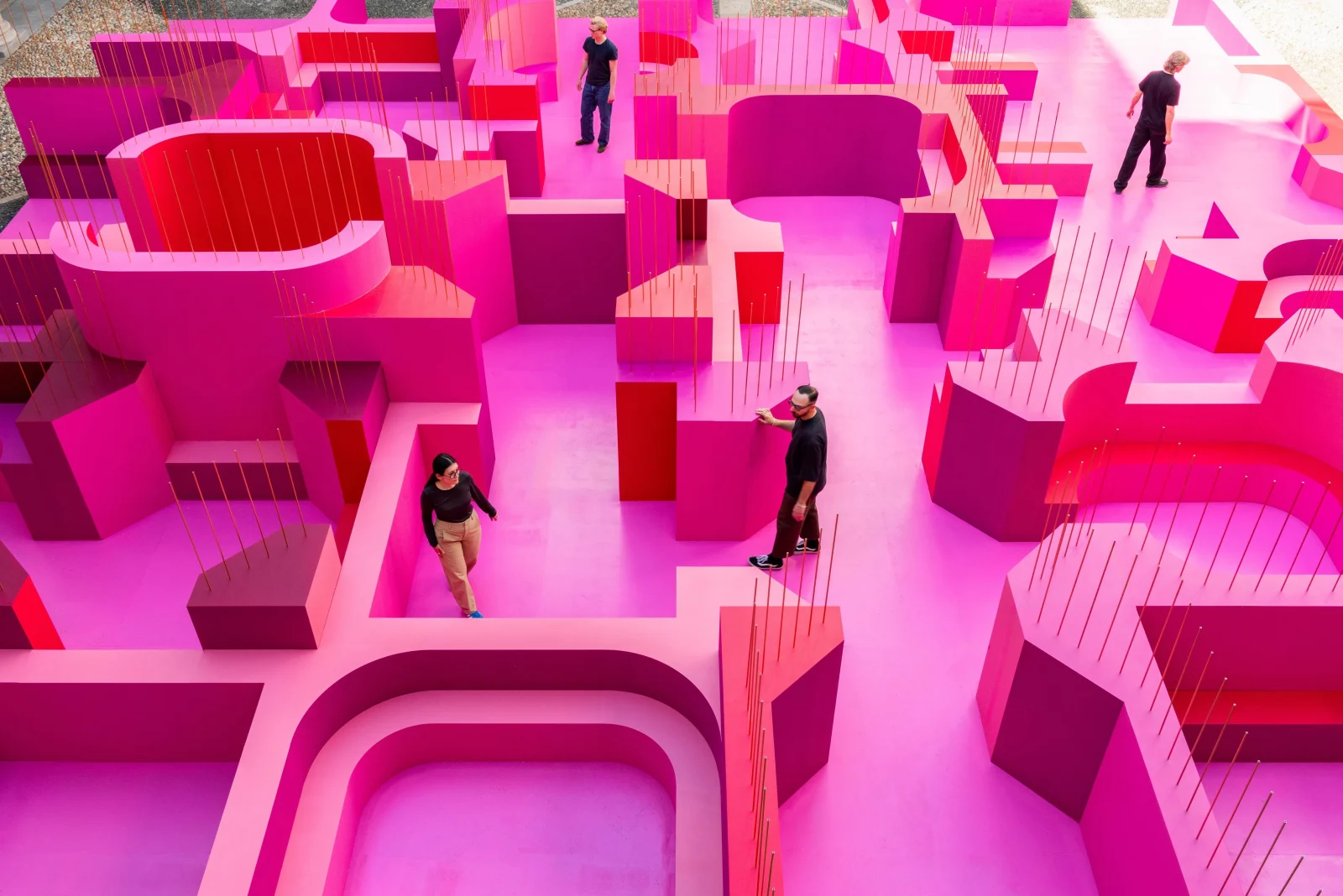
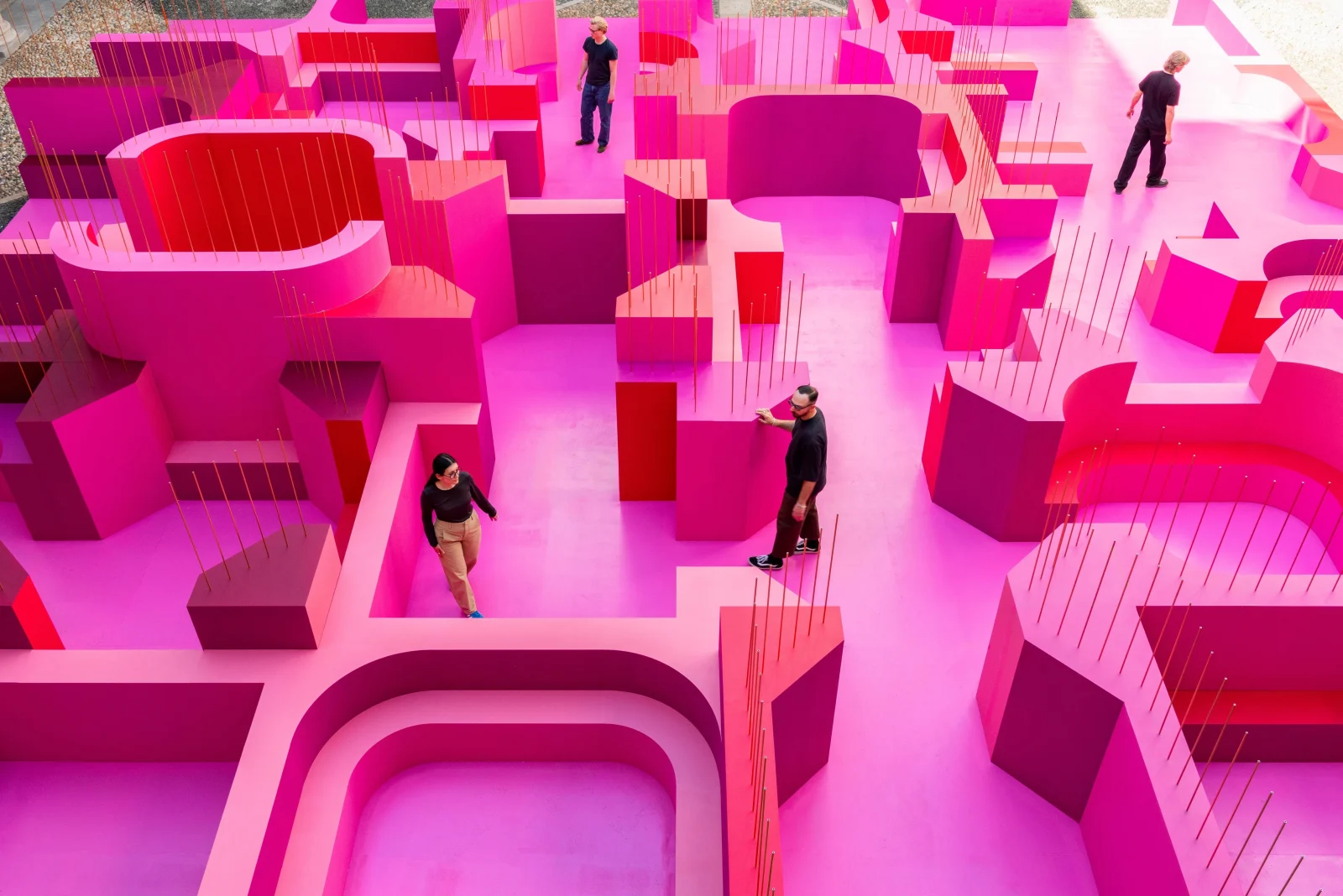
Architect Lina Ghotmeh’s installation at Palazzo Litta is a central attraction of the 2026 Fuorisalone. Conceived as a magenta labyrinth, the site-specific work occupies the palace’s historic courtyard, a space that traditionally served as a threshold between the city and the private lives of the aristocracy.
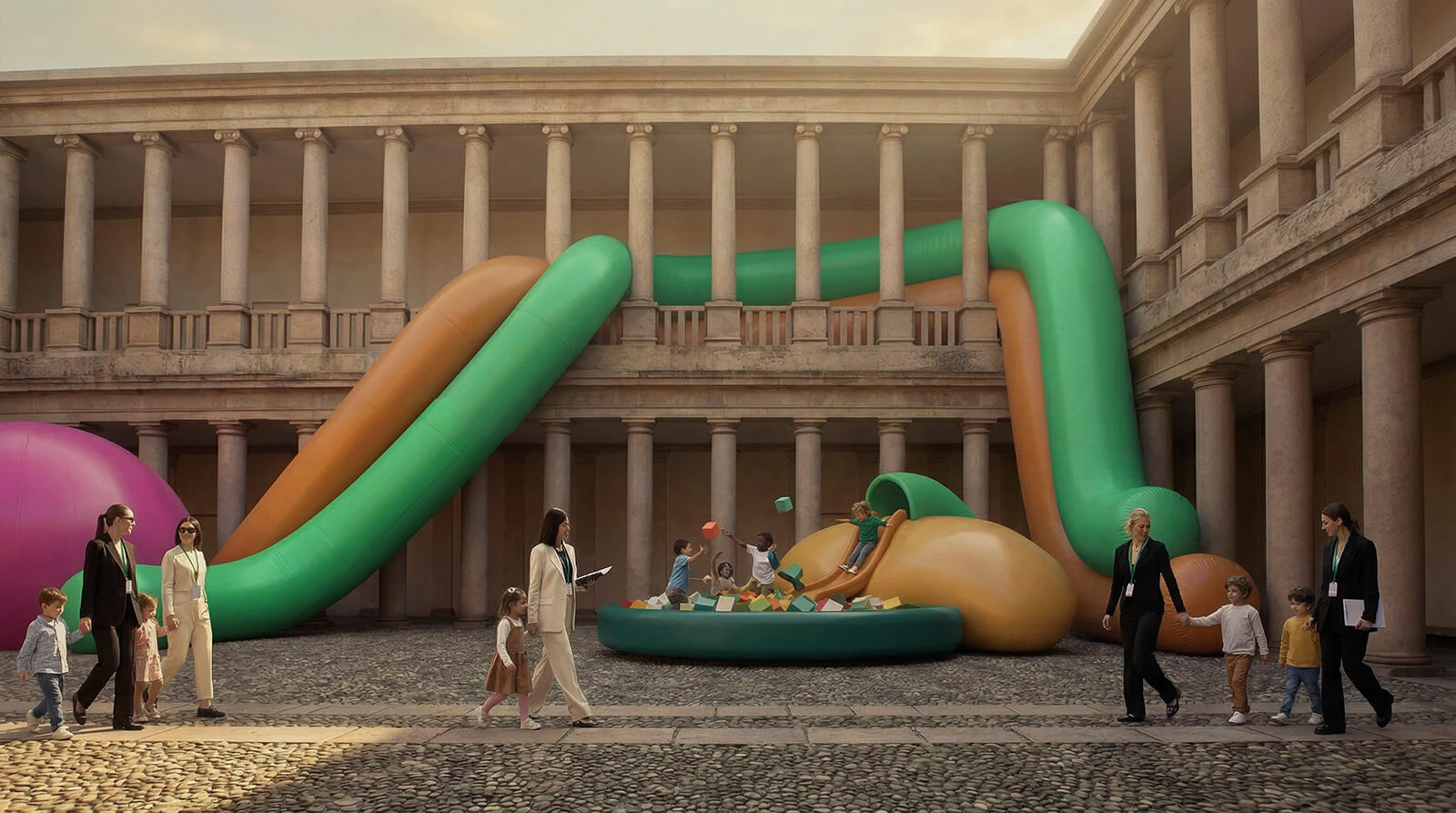
Ghotmeh uses curved geometric modules to choreograph the movement of visitors, framing their perception of the surrounding architecture and encouraging them to become active participants in the space. The project is a manifestation of her Archaeology of the Future philosophy, which treats memory and history as raw materials for modern design.
Moooi 25 Years: A Renaissance of the Real
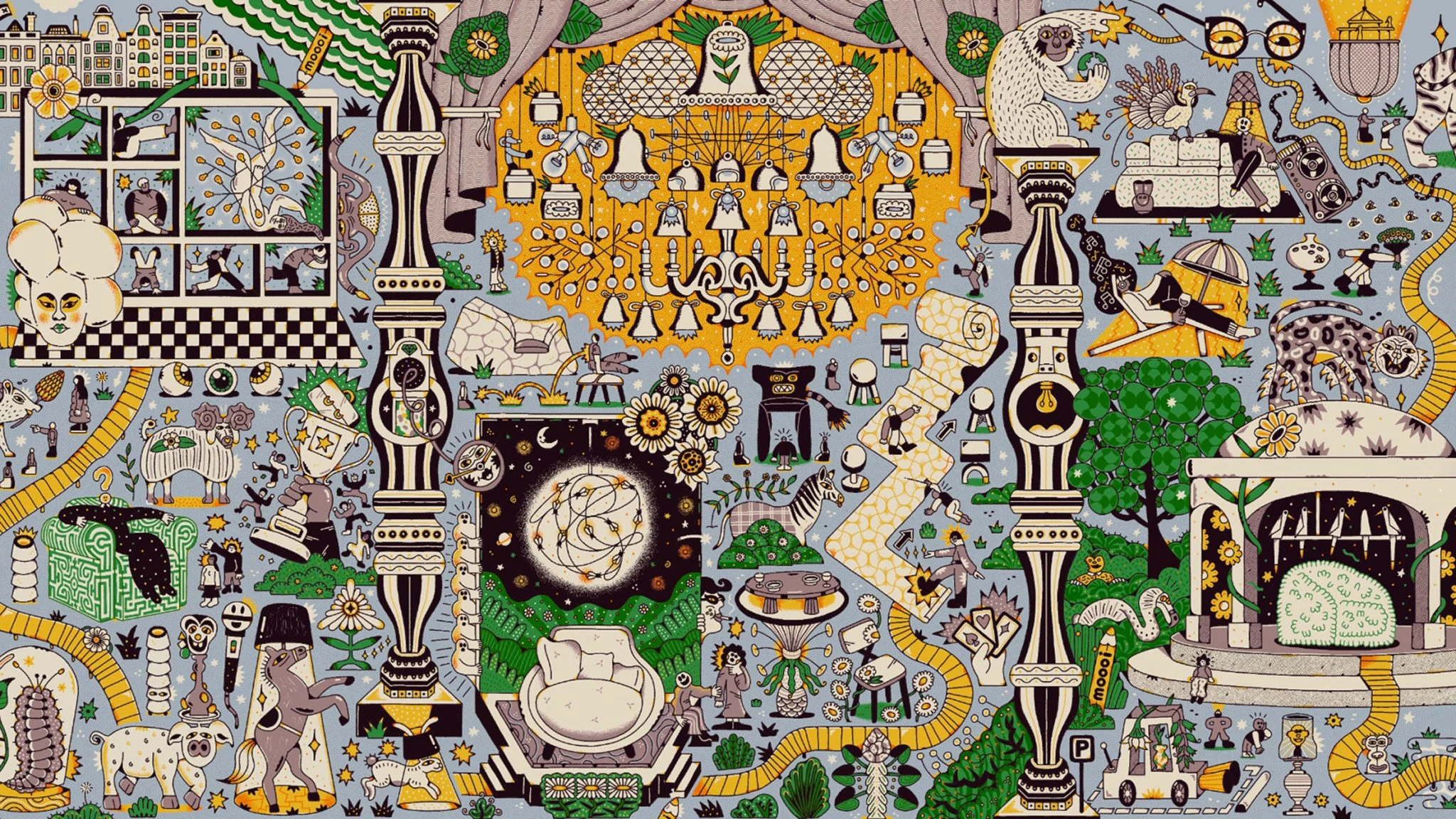
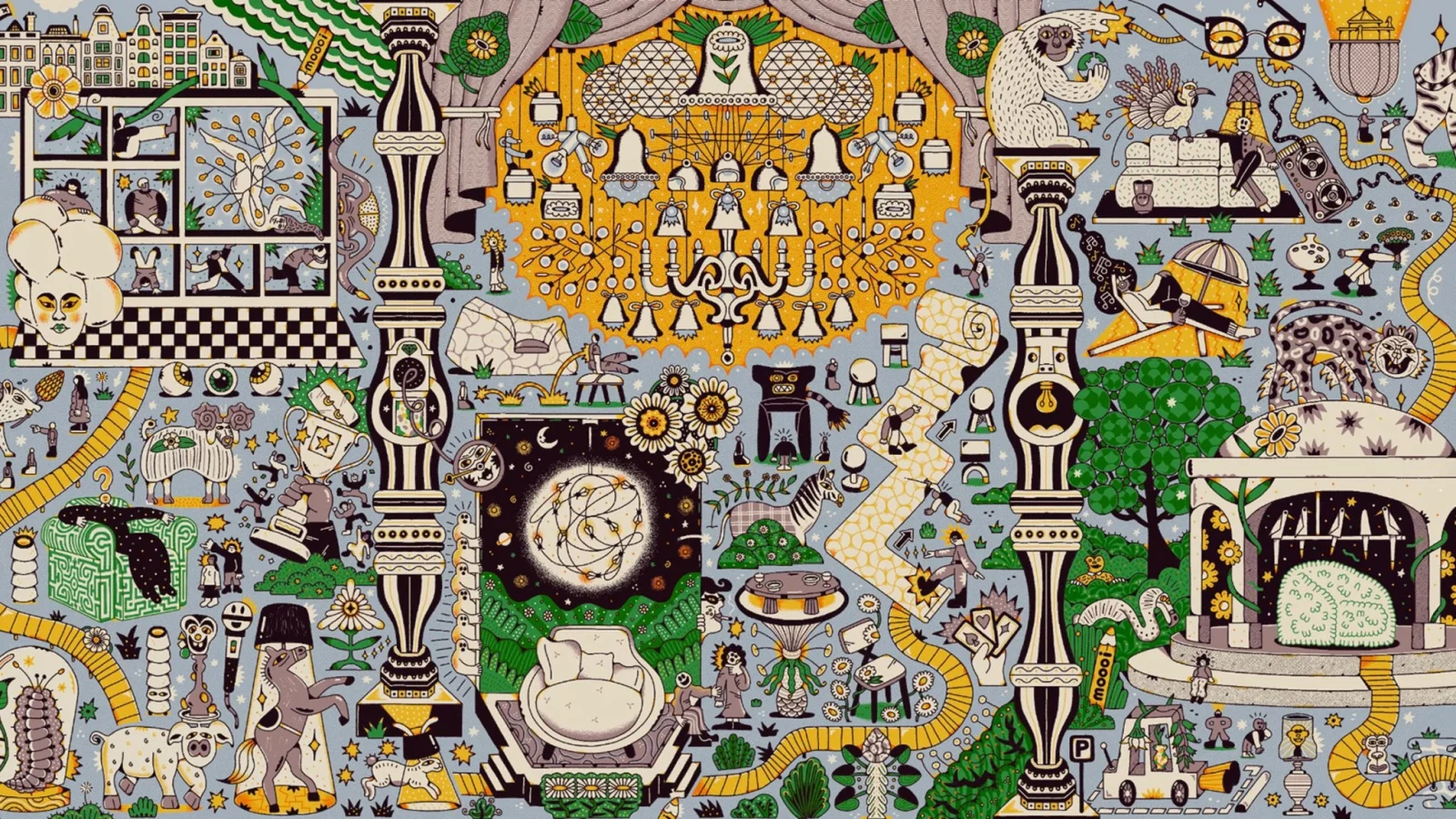
Marking a quarter-century of innovation, Moooi returns to Superstudio Più with a massive immersive installation curated by Marcel Wanders. Wrapped entirely in rough, reflective silver, the show reframes Moooi’s iconic product designs alongside new works. This Renaissance of the Real approach challenges the digital overload of the contemporary era by constructing a physical world that feels tactile and singular.
Dior’s Botanical Haute Couture
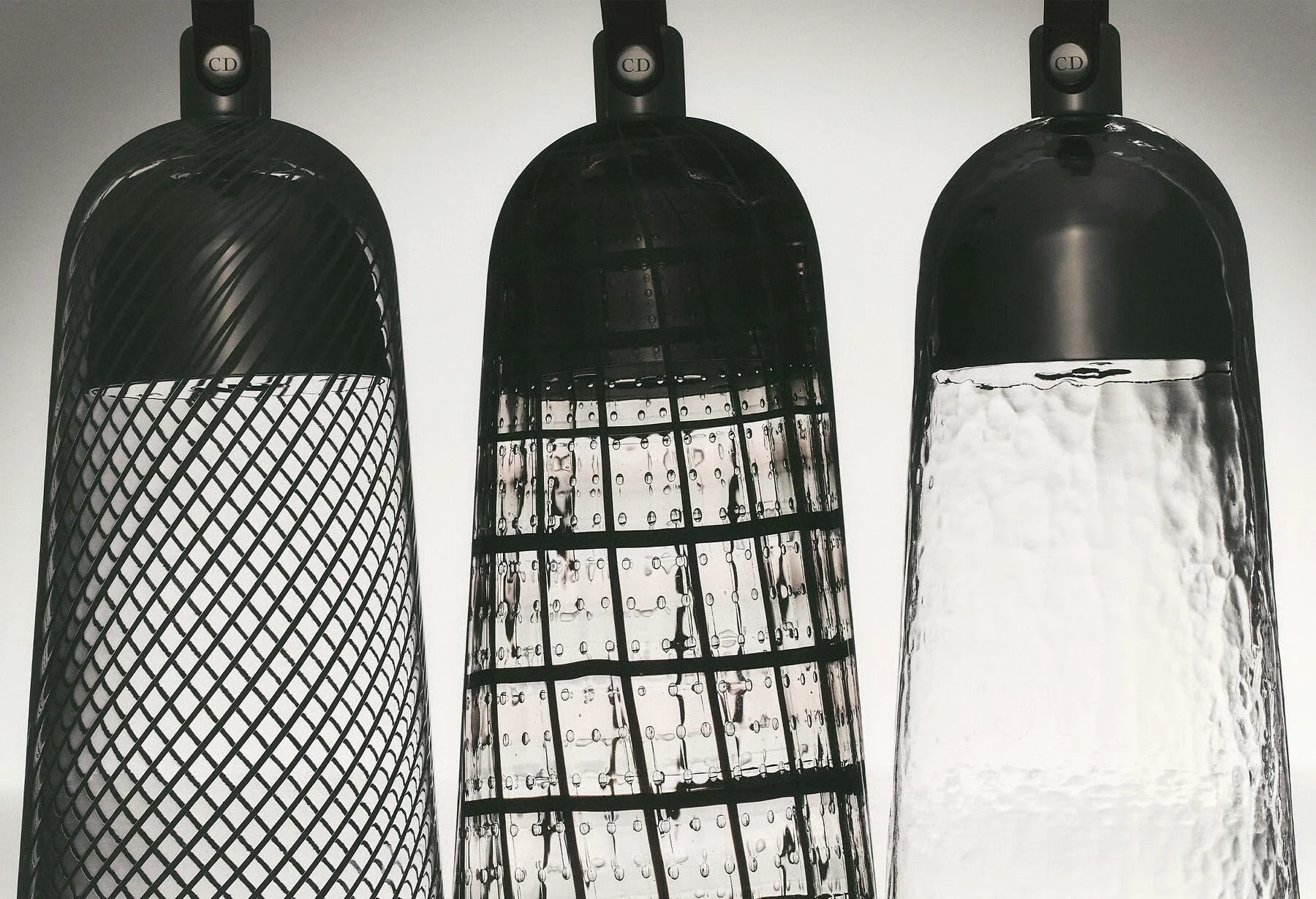
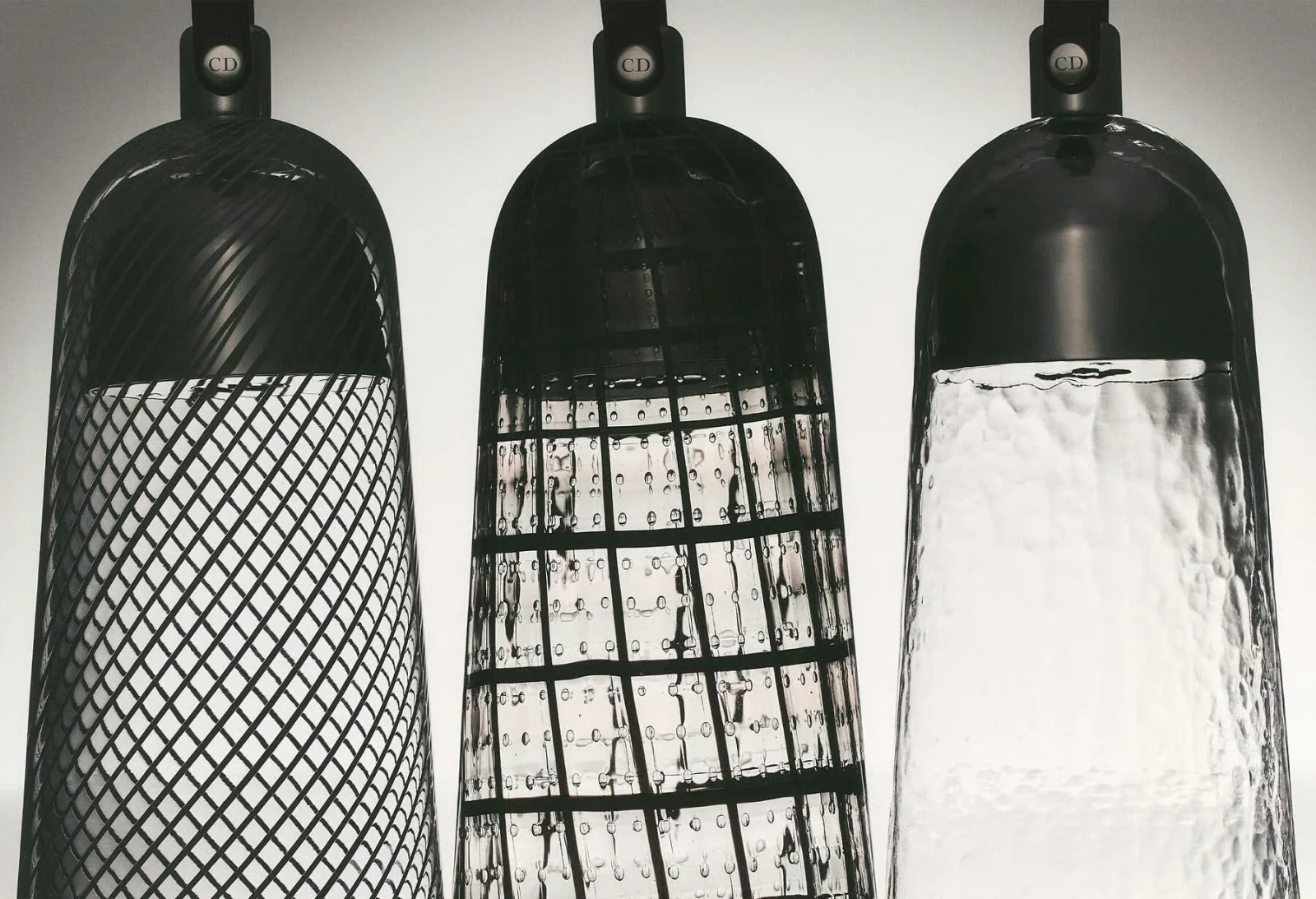
At Palazzo Landriani, Dior presents a collection of lamps created by French designer Noé Duchaufour-Lawrance. The table lamps, some portable and made of hand-blown Murano glass or Madame bamboo from Kyoto, are designed to evoke the silhouettes of haute couture. Set within a scene of woven bamboo, wheat, and flowers, the installation represents a sophisticated fusion of fashion’s material research and design’s functional requirements.
Jil Sander’s Reference Library
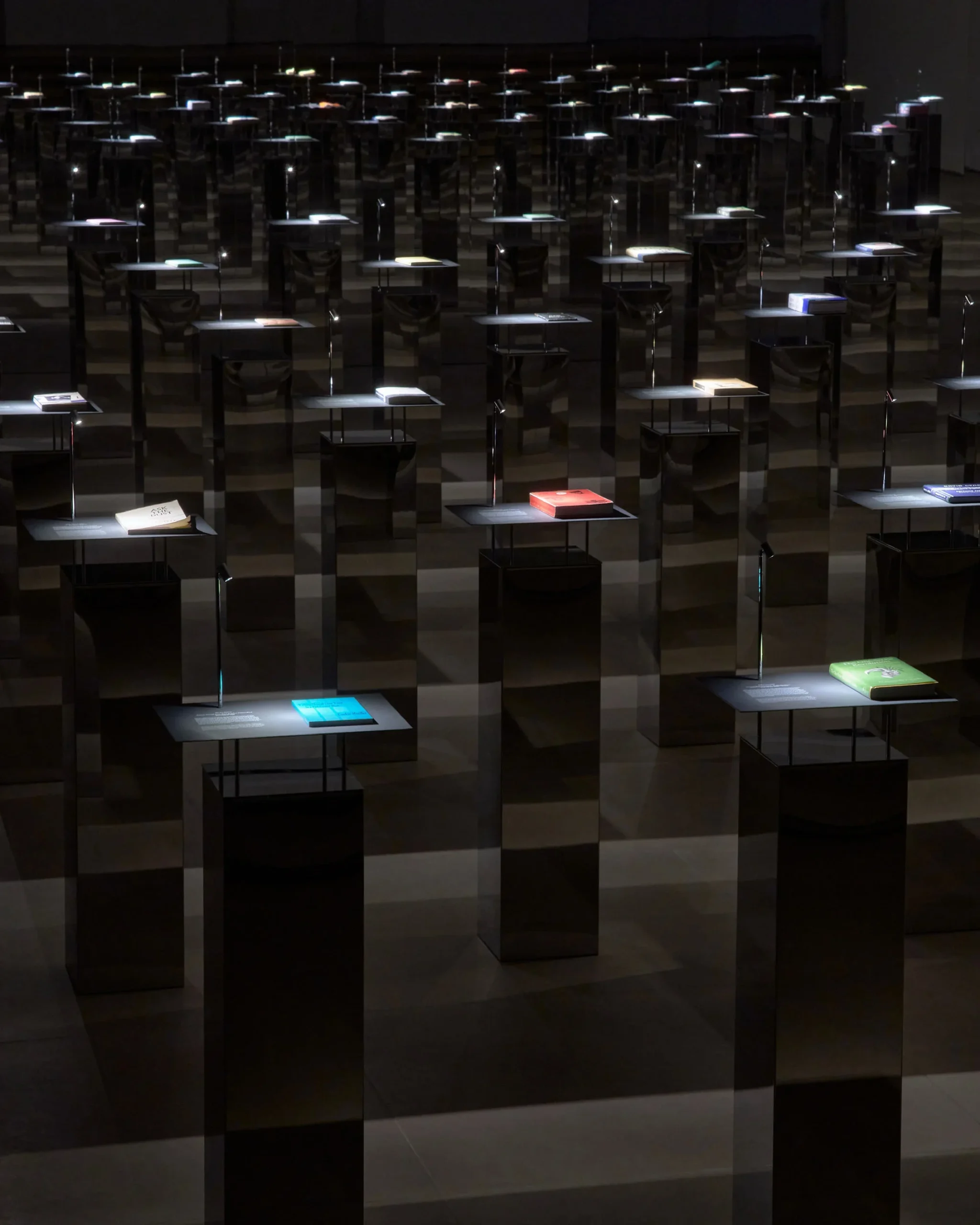
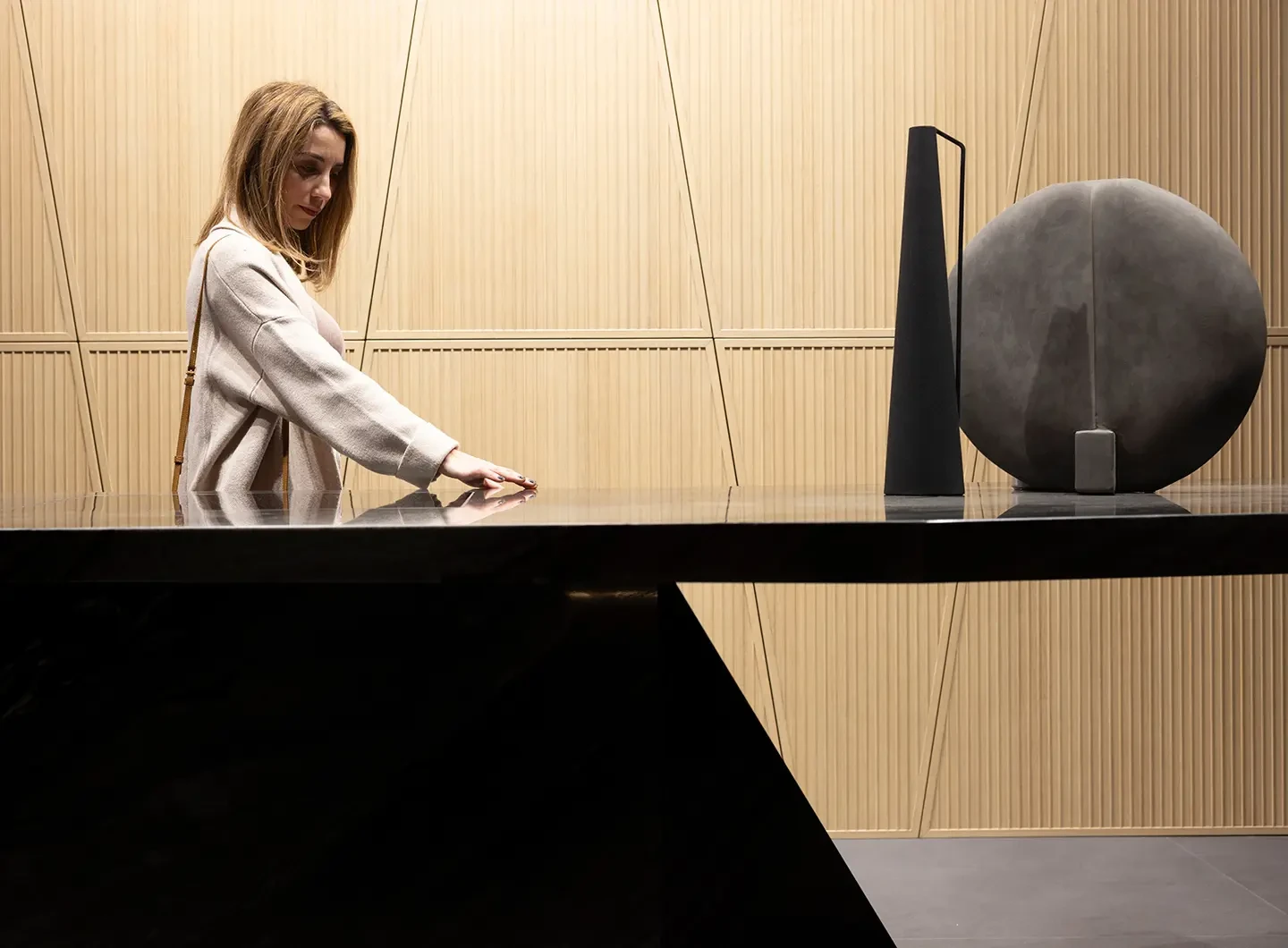
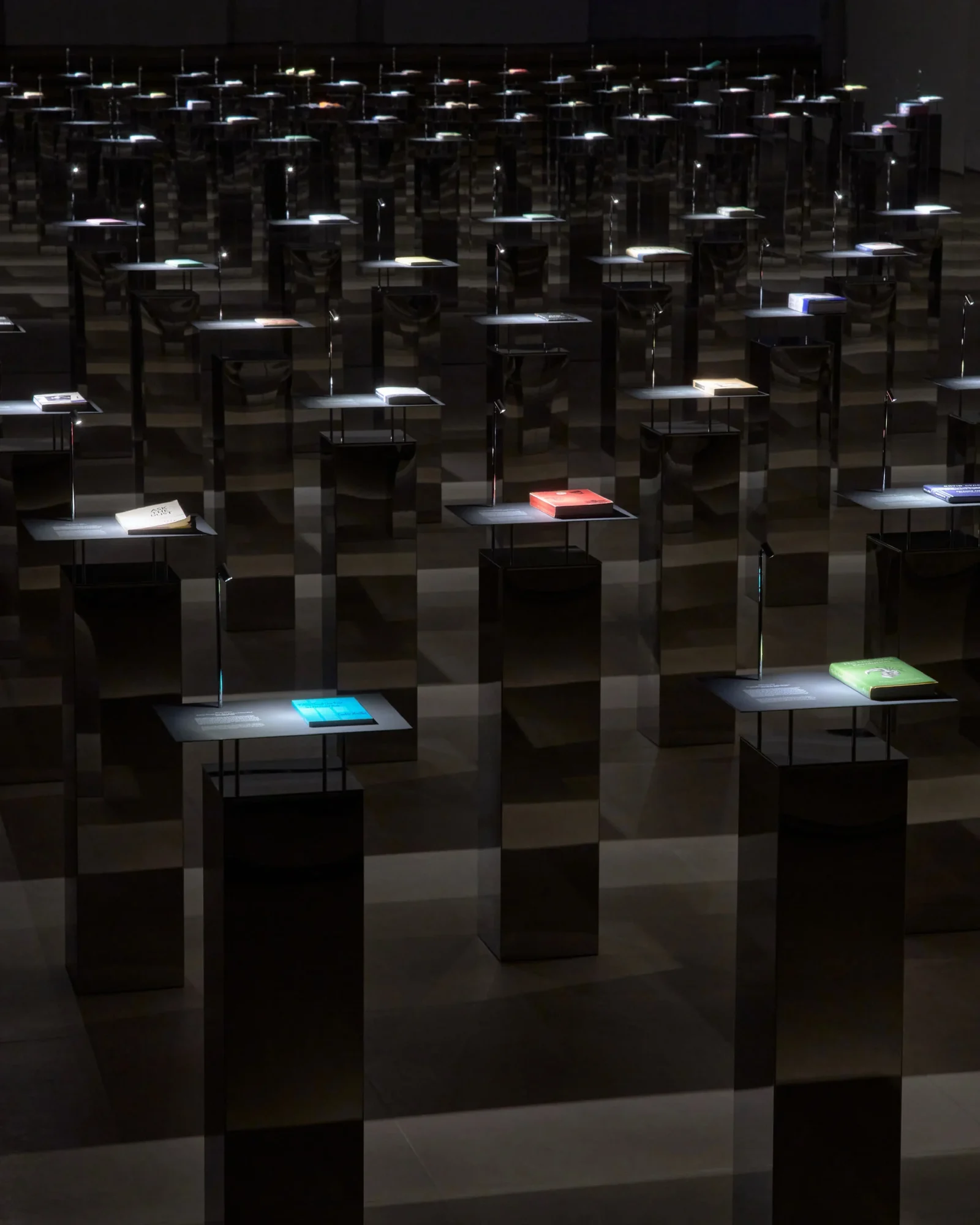
Continuing the trend for performative reading, Jil Sander’s creative director Simone Bellotti collaborated with Studioutte to create a mirrored, chrome-lined Reference Library at the brand’s headquarters. Visitors are handed white gloves and asked to interact with a selection of 60 books curated by figures like Sofia Coppola and Lykke Li. This installation is designed to slow everything down, transforming touch and focused attention into a central design experience.
Gucci Memoria and the Power of Scenography
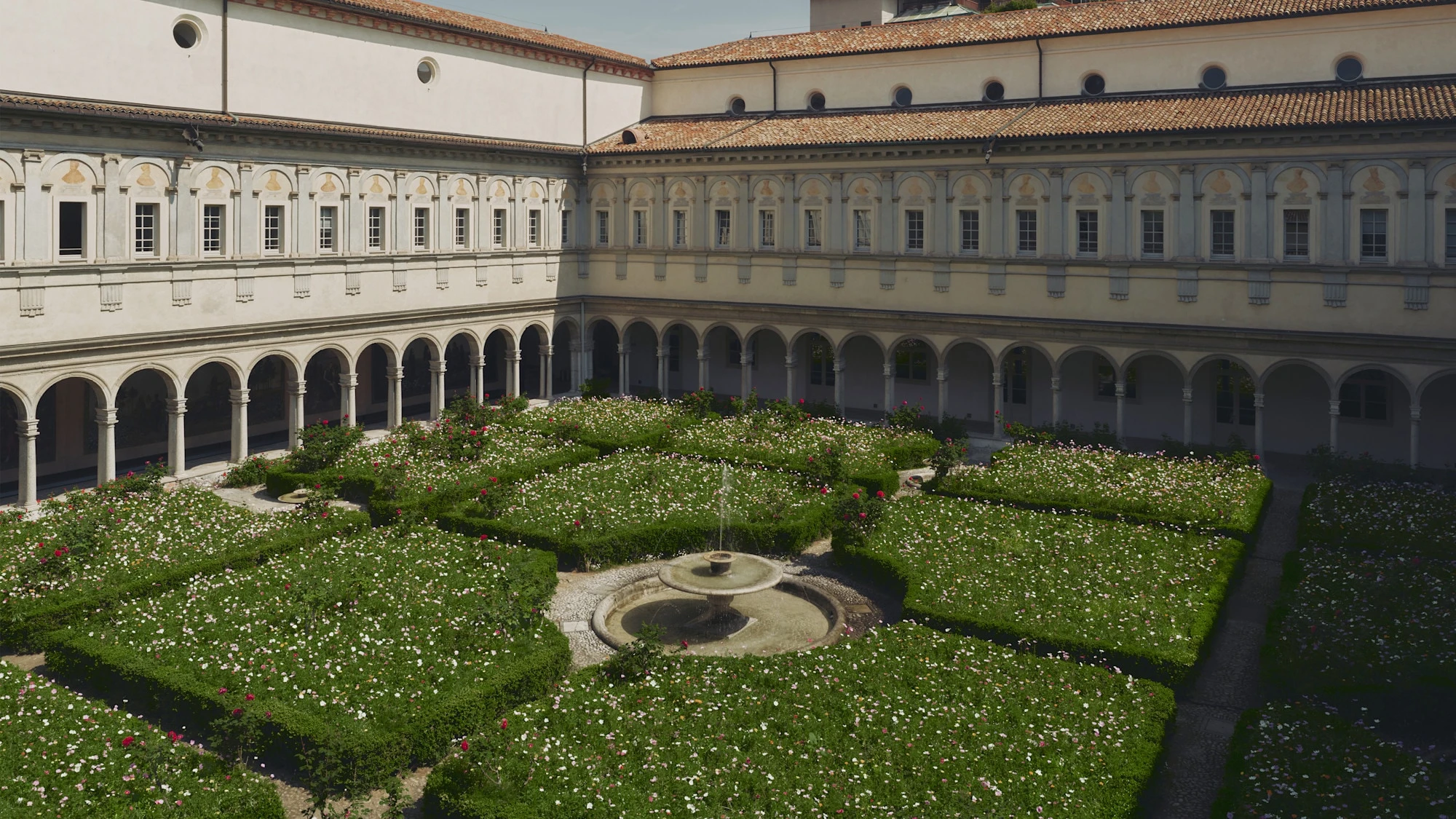
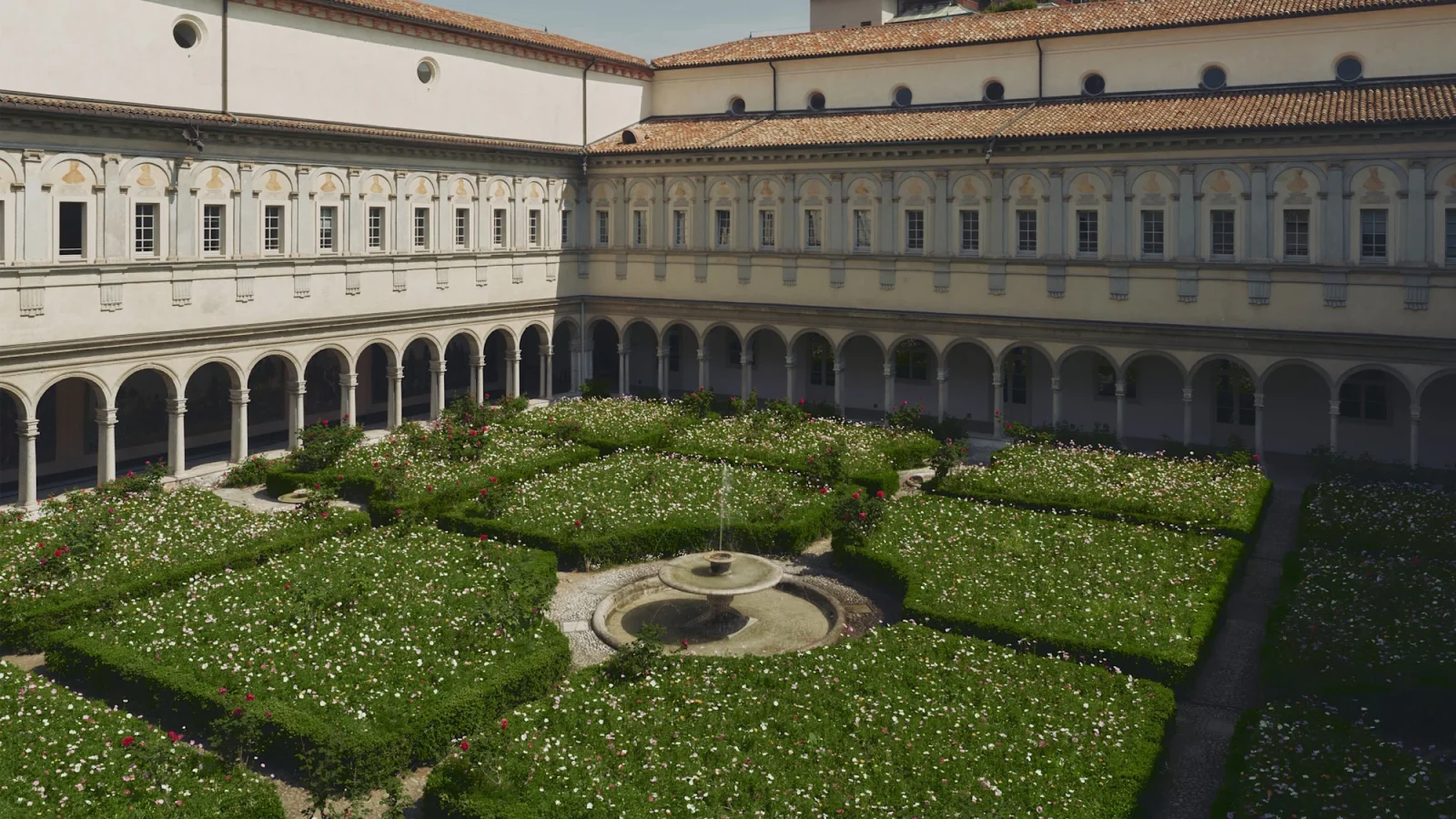
Gucci Memoria, located at the Cloisters of San Simpliciano, moves away from a traditional archive toward a fragmented sequence of rooms where past and present overlap. The installation features two monumental jacquard tapestries woven with motifs of house iconography and a botanical scenography inspired by the Flora pattern. The experience is cinematic and immersive, treating memory itself as a spatial medium.
Prada’s Intellectual Investigation
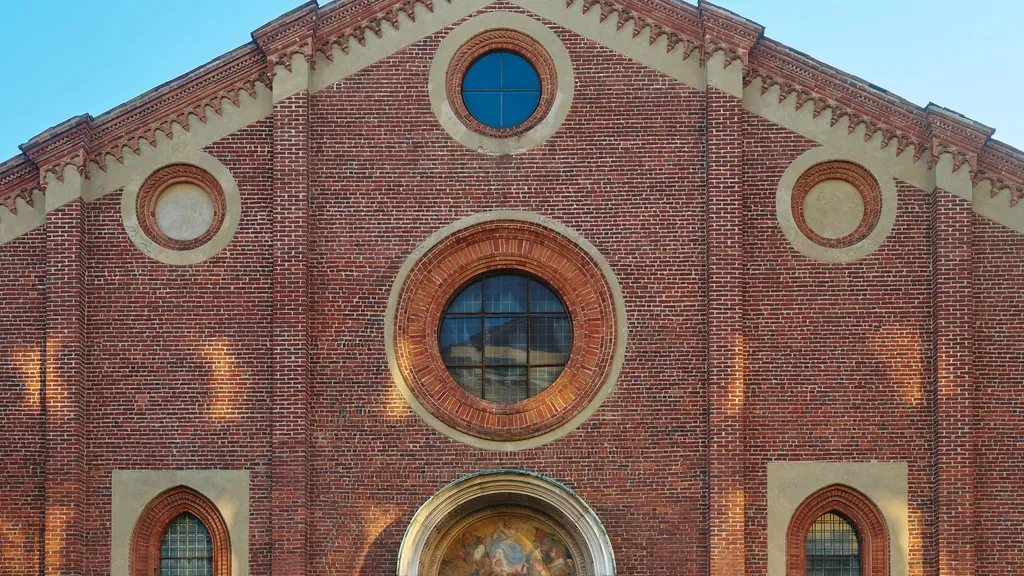
Prada’s contribution, “In Sight,” takes over the church of Santa Maria delle Grazie for a brief, three-day investigation into the production of images in contemporary culture. This project is intellectually driven, focusing on the role of visual data and AI in shaping our perception of reality, a stark contrast to the more material-focused installations found elsewhere in the city.
Marni x Cucchi: A Three-Month Dialogue
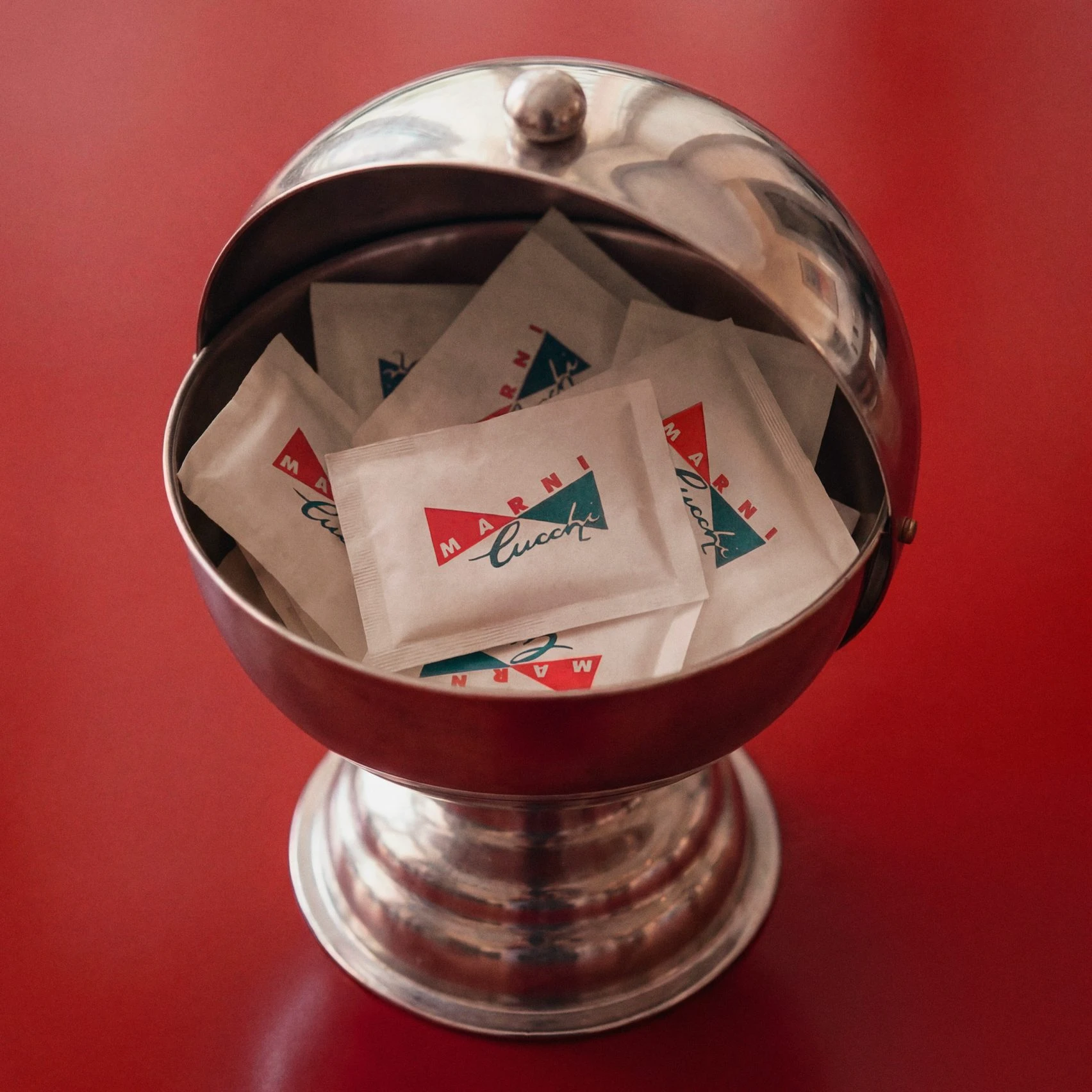
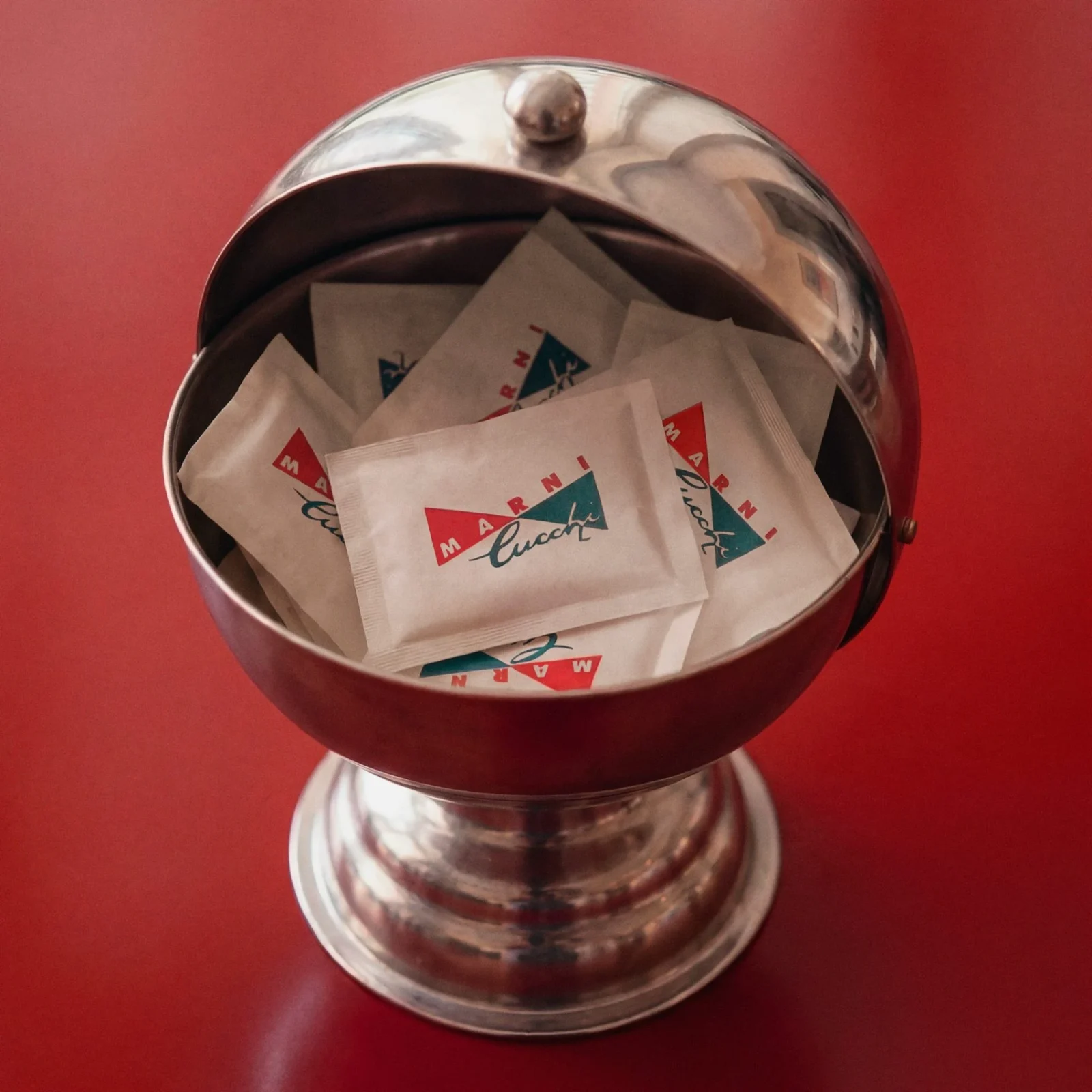
Fashion brand Marni has collaborated with the iconic 1930s Pasticceria Cucchi for a three-month takeover designed by RedDuo Studio. The project includes branded plates, milk jugs, and sugar sachets, turning a daily Milanese ritual into a multisensory experience that lasts long after Design Week concludes. This long-term engagement suggests a move toward design permanence, even within the context of a temporary festival.
Alcova: Rationalist Icons and Disused Hospitals
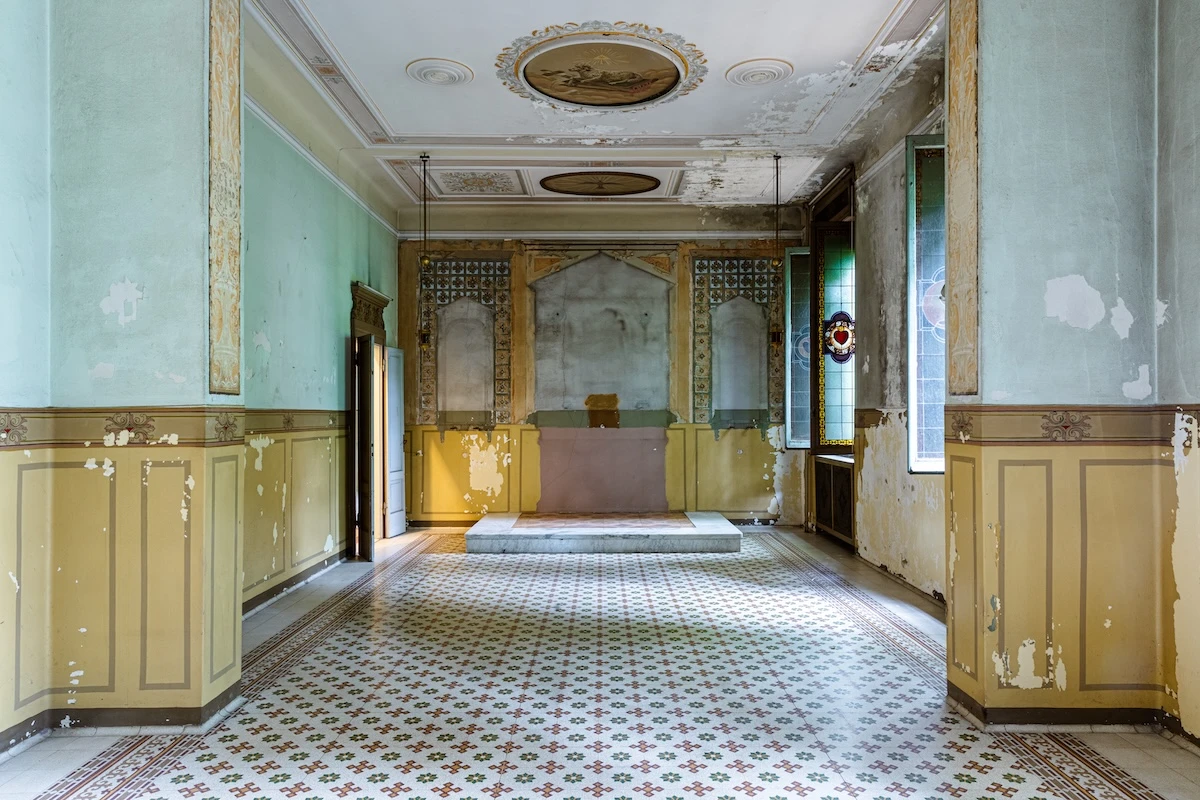
Alcova remains the anchor of the underground scene in 2026, expanding its reach into two distinct locations: a former military hospital in Baggio and Villa Pestarini, a rationalist gem designed by Franco Albini. Villa Pestarini, open to the public for the first time, offers a rare look at modernist architecture as a Gesamtkunstwerk, with Albini-designed furniture and fittings still intact.
Dropcity: Infrastructure as Design
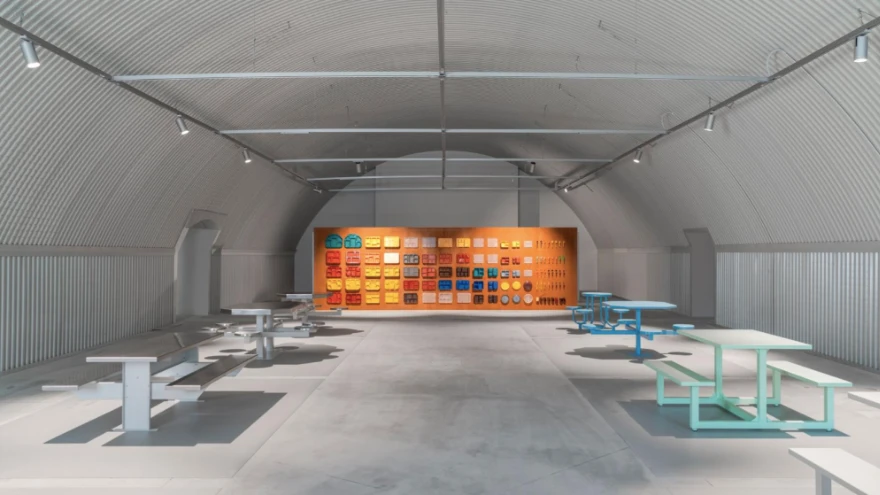
Beneath Milan’s Central Station, Dropcity reframes design through the lens of urban infrastructure. Its program in the tunnels foregrounds process over finished product, exposing prototypes and material systems. For 2026, highlights include lab-grown gemstones made from paint waste and holographic surfaces developed by students from London’s Central Saint Martins.
Convey: The Residential Feed
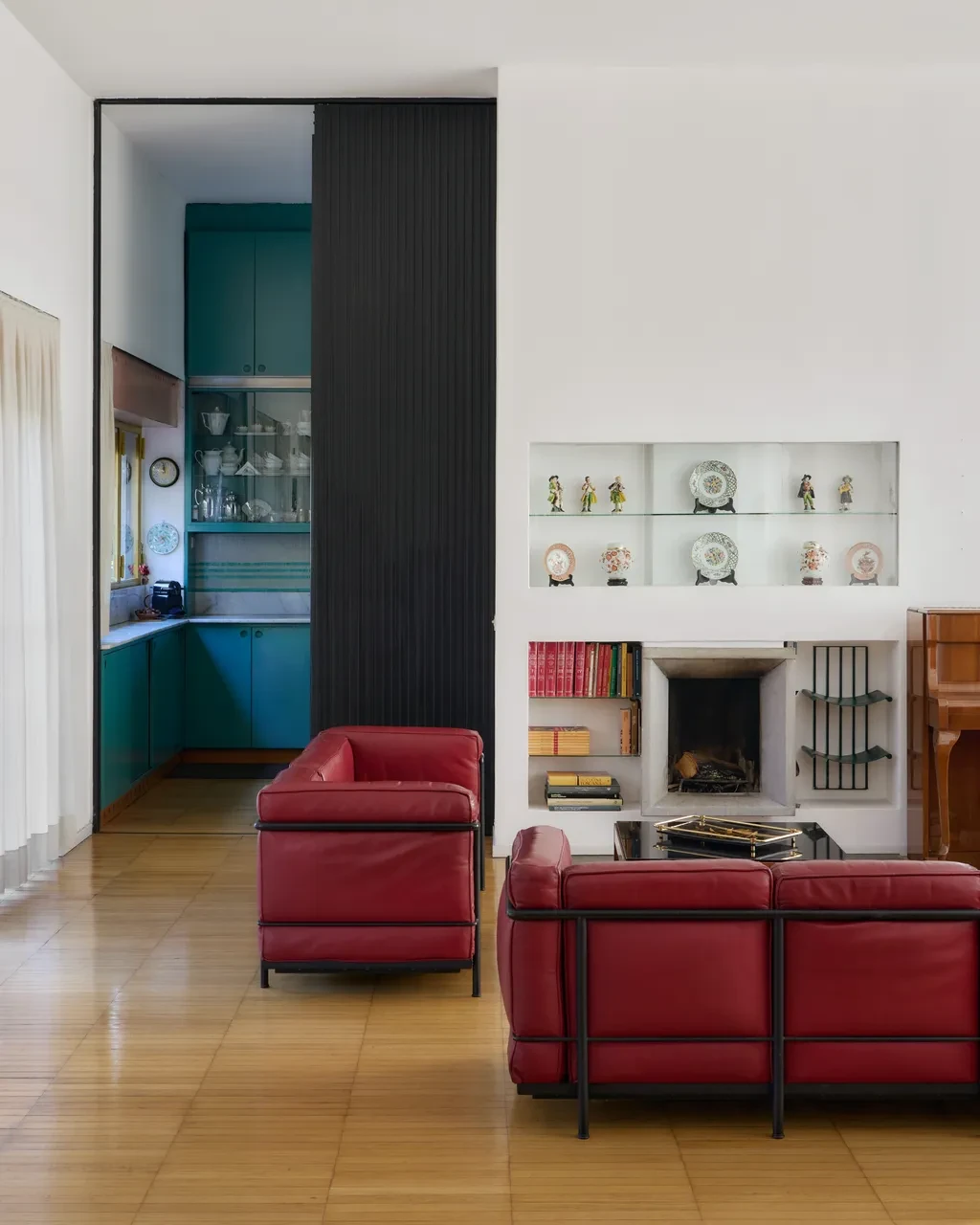
Convey, led by Riccardo Crenna and Simona Flacco of Simple Flair, has occupied a five-story modernist apartment building since 1958. The building hosts 20 emerging brands and international designers, with each room offering a distinct aesthetic that unfolds as visitors move through the structure. Moving through it feels like navigating a physical feed, reinforcing a collective, multi-author approach to design that mirrors the fragmented nature of contemporary digital culture.
Explore Courses
.jpg "Ondrej Chybik - Rethinking Architecture")